Author: Mei Ling Tan

  • Macy’s coming to China via Alibaba

    Macy’s coming to China via Alibaba

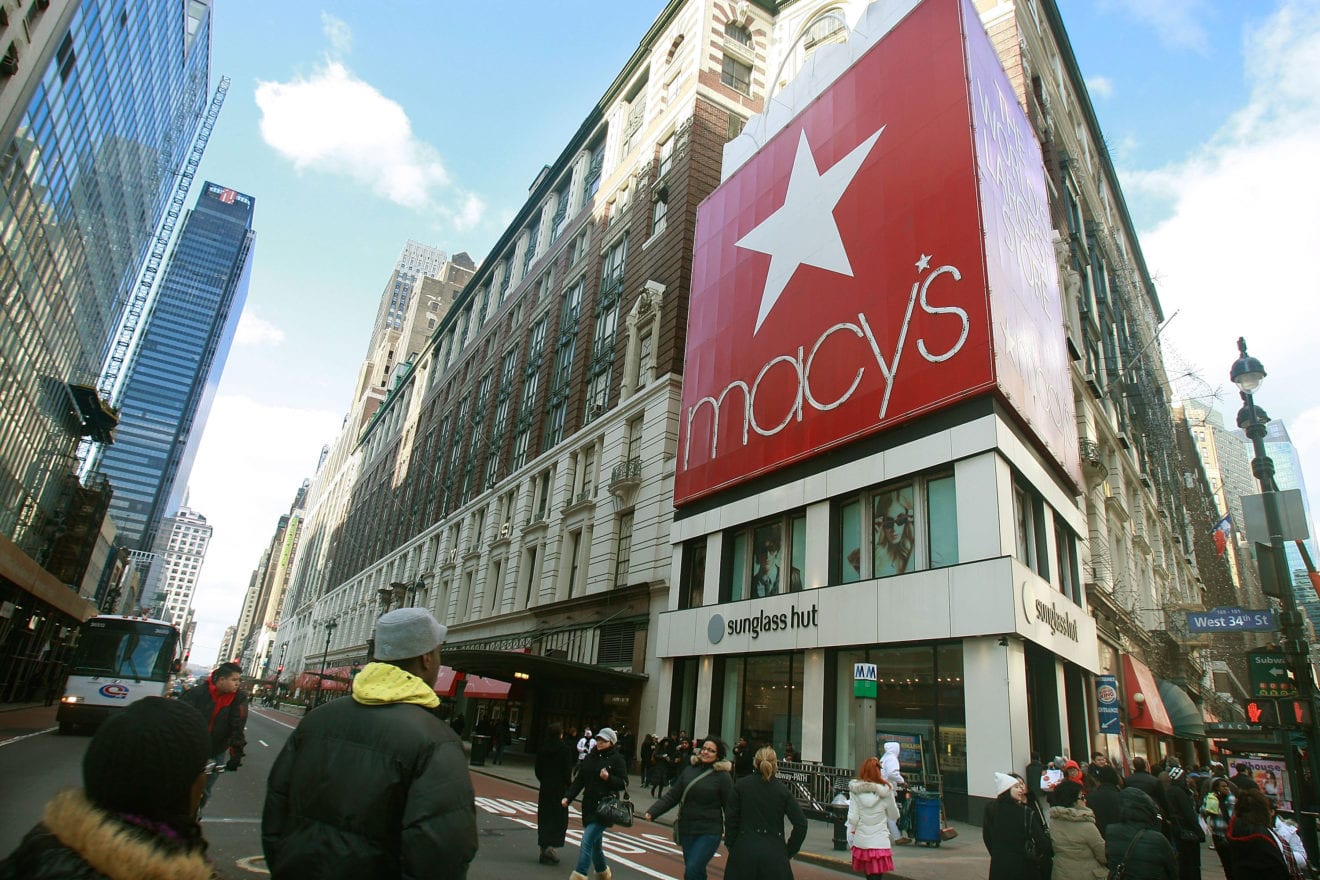
    One of America’s most iconic fashion retailers is coming to China.

    A new joint venture agreement between Macy’s Inc. and Hong Kong-based Fung Retailing Limited was signed on Tuesday in Hangzhou to form Macy’s China Limited.

    The new company will launch an exclusive online flagship store on Alibaba’s Tmall Global in late 2015., providing authentic, high-quality Macy’s merchandise to shoppers in China. It will be the first US department store to join Alibaba’s Tmall Global.

    Tmall Global, on the other hand, will be the first and only third-party e-commerce platform in China providing apparel, fashion accessories and home products directly from Macy’s to consumers across China.

    “Millions of Chinese tourists have come to know and love Macy’s when they travel to New York, San Francisco, Chicago and other American destinations,” said Terry J. Lundgren, chairman and chief executive officer of Macy’s Inc. “By making Macy’s accessible in China through Alibaba’s Tmall Global, we have an opportunity to deepen our relationship with international customers and to grow sales.”

    Fung Retailing’s chairman, Dr. Victor K. Fung, said that with its affiliates, including LF Logistics, the company will fully support the activities of the Macy’s-Fung Retailing joint venture.

  • M&G makes first retail acquisition in South Korea

    M&G makes first retail acquisition in South Korea

    M&G Real Estate has acquired three retail assets in South Korea at a combined value of US$230 million, representing an average yield of 6.5%. The acquisition was made on behalf of its core Asia real estate strategy, managed by Singapore-based Erle Spratt.

    Under the terms of the deal, M&G Real Estate has acquired two hypermarkets: the first in Daejeon, South Korea’s fifth largest city; the second in Jeju, the capital of the Jeju Province and the nation’s premier tourist destination. The third asset is an outlet mall in Incheon City, the country’s third largest city after Seoul and Busan. All three assets are highly sought after retail outlets in prime locations and are leased to South Korea’s largest retailer, Lotte Shopping.

    Hyesik Ryu, Managing Director, M&G Real Estate Korea, comments: “We were one of the first non-domestic institutional investors to invest in South Korea when we bought into the country’s commercial office sector in 2004. M&G Real Estate has developed a deep understanding of the market, enabling us to make this latest investment in the retail sector, which will strengthen the strategy’s long term income stream.”

    Erle Spratt adds: “We’re seeing strong capital flows, particularly from global pension funds and insurance companies in the UK and Europe. With responsibility for more than US$2 billion in assets, we are well positioned to pursue property investments across the region to further improve our risk adjusted returns and sustain the outperformance of our portfolio.”

    Stefan Cornelissen, M&G’s head of institutional business, Benelux, Nordics and Switzerland, says: “The Asia Pacific real estate market is now the second largest in the world and rivals the US and Europe in terms of its maturity, transparency and liquidity. European investors in search of diversification can now benefit from Asia’s strong economic growth and attractive long term returns without going higher up the risk curve.

    “We have recently had a significant commitment from Dutch investor, Blue Sky Group, which has invested on behalf of its recently launched Core Asia Pacific Fund. We expect further capital to follow from other UK and European investors. Asian real estate has come of age and is earning itself a strategic place in a diversified core real estate portfolio.”

  • HK retailers arrested for $1.68 million in unpaid wages

    HK retailers arrested for $1.68 million in unpaid wages

     The founders of Hong Kong retail chain DSC, Mr Hui Ming-shun and his wife Lin Wai-yin, have been arrested after the closure of all 14 of its stores on 3 August. They are said to owe approximately $1.68 million in unpaid wages to their staff.

    The couple were arrested on 10 August after they returned to Hong Kong from Macau. They had briefly fled there after the sudden closure of their company, a move which left almost 900 staff jobless. Police apprehended the pair on their return, arresting them from conspiracy to defraud. Approximately 350 employees have filed complaints with the Labour Department.

    In addition to its staff, DSC has also angered landlords and suppliers with the Consumer Council receiving more than 500 complaints. It is claimed that DSC owes more than $1.68 million in unpaid rent and undelivered goods.

    Before 3 August, suspicions were raised when DSC held a summer sale with discounts of up to 50%. Allegedly, the firm only accepted cash payments in-store during the week prior and still encouraged customers to place orders in the days leading up to the closure.

    The company informed its employees of the move by attaching printed notices to the front doors of each of its branches. Claiming the need to dismiss its staff because of financial difficulty, the notices told employees to seek assistance from the Labour Department.

    Tired of the delay, employees took this advice and marched in protest to the Central Government Offices on Tuesday demanding the expedited payment of their unpaid wages. The secretary for Labour and Welfare, Matthew Cheung Kin-chung, expressed his desire for DSC’s founder to declare himself insolvent before that could happen.

    “This morning we contacted the lawyer of Mr Hui to demand him to sign a declaration of insolvency and to determine as soon as possible the amount of money he owed to his employees,” Cheung said. “Once we receive Mr Hui’s declaration, the Labour Department will help the employees to apply for legal aid to petition to wind up the company.”

    In a statement to the Labour Department, Hui’s lawyer stated that his client would not be meeting his staff to discuss the outstanding wages.

    Employees have now asked the Labour Department to draw from the Protection of Wages on Insolvency Fund. This can be a maximum of $48,389 per person with the department first having to determine how much each worker is owed.

    Both founders of DSC remain in police custody. A Labour Tribunal has been planned for 21 August.

  • Gucci tangles with Hong Kong landlords

    Gucci tangles with Hong Kong landlords

    Retailers such as Burberry Group Plc, Kering SA and Chow Tai Fook Jewellery Group Ltd. are pushing landlords to lower rents on existing properties as luxury brands scale back on declining traffic.

    Commercial rents have dropped the most this year since 2009 amid plummeting sales.

    Hong Kong’s Russell Street in Causeway Bay used to boast the world’s highest retail rents, but it relinquished the top post to New York’s Fifth Avenue last year, Bloomberg News reported.

    TAG Heuer closed its Russell Street store last week, citing high rents and declining traffic.

    Kering, owner of the Gucci brand, has also warned that it may close some of its shops in Hong Kong if rents don’t come down.

    “Many landlords have not necessarily understood that the markets have changed,” Kering chief financial officer Jean-Marc Duplaix was quoted as saying.

    China’s economic slowdown and President Xi Jinping’s austerity and anti-corruption campaigns are among the reasons for the declining number of mainland shoppers in the city.

    Demand has also plunged because the weaker yen and euro have prompted Chinese tourists to favor Japan and France over the city, the news agency said, citing Helen Mak, senior director of research at Colliers International.

    “Unavoidably rents will trend down,” said Marcos Chan, head of research for Hong Kong, Macau and Taiwan at CBRE Group Inc. “We don’t see any reason why retail will quickly see a rebound any time soon.”

    Sales of jewelry, watches and other high-priced gifts fell 15.9 percent in the year ending June, according to data from the Hong Kong Retail Management Association.

    In a July research report, Jones Lange LaSalle Inc. said high-street rents will drop 15 percent to 20 percent this year, which is far worse than the 5 percent drop it predicted at the end of last year.

    Street-level landlords in Central on Hong Kong Island, and across the harbor in Kowloon neighborhoods that cater to mainland shoppers, are also feeling the pressure.

    Average rents fell 15 percent in Tsim Sha Tsui in the first half, Colliers said.


  • Alibaba spends $4.6-billion on Chinese electronics retailer Suning

    Alibaba spends $4.6-billion on Chinese electronics retailer Suning

    Alibaba Group Holding Ltd. will spend 28.3 billion yuan ($4.6-billion) for a stake in Suning Commerce Group Ltd. as China’s biggest e-commerce operator adds a network of electronics stores in its biggest deal ever.

    Alibaba will buy a 19.99 per cent stake in Suning, which in turn will spend as much as 14 billion yuan for shares in the e– commerce company, according to a Business Wire statement on Monday. The companies will partner in logistics and online sales to target deliveries as fast as two hours.

    Alibaba Chairman Jack Ma is beefing up his retail presence after a 24 per cent drop in the company’s market value this year, bolstering the appeal of e-commerce operations facing slowing growth in China. Adding Suning to a partnership with department store operator Intime Retail Group Co. helps Alibaba compete with JD.com Inc., which specializes in selling electronics and has surged in New York trading this year.

    “Suning has one of the largest physical networks for selling appliances and that would help Alibaba’s location-based services,” said John Choi, an analyst at Daiwa Securities Group Inc. in Hong Kong. “Alibaba is becoming much more involved in offline retail through investments.”

    Alibaba’s American depositary receipts gained about 1 per cent to $79.62 at 9:45 a.m. in New York on Monday. The stock has declined about 23 per cent this year.

    Suning has more than 1,600 outlets in about 290 cities in China selling appliances, books and baby products. Alibaba will become the second-largest investor in the Nanjing-based retailer, trailing only Chairman Zhang Jindong.

    Logistics Partnership

    Alibaba is paying 15.23 yuan a share for the stake, which is about 10 per cent more than Suning’s closing price on July 31, its last day of trading before being halted. Shares are up 53 per cent this year.

    “We’re going to be able to leverage on Suning’s physical infrastructure,” Alibaba Vice Chairman Joseph Tsai said during a conference call.

    The companies will link their customer databases so they can tailor services such as in-store mobile payments, Chief Executive Officer Daniel Zhang said.

    The acquisition is Alibaba’s biggest-ever, excluding a $7.1-billion share buyback in 2012 from Yahoo! Inc.

    Alibaba has quickened the pace of its deals this year as its share price plummets in New York trading. Since January, Alibaba has announced 22 deals at a total value of $9.1-billion, compared with 25 deals all of last year at a value of $5.9-billion.

    The Suning partnership will help Alibaba expand in an electronics and appliance retail market forecast to grow 23 per cent to 1.1 trillion yuan by 2018, according to researcher Euromonitor.

    Ground Teams

    Suning will partner with Alibaba’s Cainiao logistics affiliate, enabling the companies to cover almost all of the 2,800 counties and districts in China.

    “Retail e-commerce also needs the ground teams to serve its customers, especially for the electronics appliances,” said Ray Zhao, an analyst at Guotai Junan Securities Co. “It’s difficult for e-commerce players to acquire more good logistics land.”

    Suning’s No. 1 rival, Gome Electrical Appliances Holding Ltd., has taken a different direction in its strategy. Two weeks ago, the Beijing-based company signed a deal to buy a company owned by jailed founder Huang Guangyu for HK$11.3-billion ($1.5-billion). That would help it increase the number of outlets by 50 per cent to 1,714 in 436 cities, exceeding those owned by Suning.

    Alibaba is scheduled to report fiscal first-quarter earnings on Wednesday.

  • Singapore economy grows by 1.8% in Q2

    Singapore economy grows by 1.8% in Q2

    Singapore’s Ministry of Trade and Industry (MTI) announced on Tuesday that the Singapore economy grew by 1.8 per cent on a year-on-year basis in the second quarter, slower than the 2.8 per cent growth in the previous quarter.

    On a quarter-on-quarter seasonally-adjusted annualised basis, the economy contracted by 4.0 per cent, a reversal from the 4.1 per cent growth in the preceding quarter.

    The manufacturing sector contracted by 4.9 per cent year-on-year, extending the 2.4 per cent decline in the previous quarter. The sector was primarily weighed down by declines in the output of the biomedical manufacturing and transport engineering clusters.

    The construction sector expanded at a faster pace of 2.5 per cent year-on-year, supported by a pick-up in public sector construction works, compared to the 1.1 per cent in the previous quarter.

    The wholesale & retail trade sector grew by 5.0 per cent year-on-year, slightly slower than the 5.3 per cent expansion in the previous quarter. Growth was driven by both the wholesale trade and retail trade segments, with the latter being supported in turn by robust motor vehicle sales.

    The accommodation & food services sector contracted at a faster pace of 0.6 per cent year-on-year compared to the 0.1 per cent decline in the previous quarter. The slowdown in the sector was largely due to sluggish performance in the food & beverage segment.

    The finance & insurance sector posted growth of 7.1 per cent year-on-year, extending the 7.8 per cent growth in the previous quarter. Growth was largely underpinned by the fund management segment.

    The information & communications sector grew by 4.5 per cent year-on-year, moderating from the 4.9 per cent growth in the previous quarter. Growth was mainly driven by the IT & information services segment.

  • Mood darkens for trade in China

    Mood darkens for trade in China

    The business sentiment of Korean companies in China has worsened in the second quarter – particularly in the automotive and electronics sectors – mainly due to the slowdown in overall consumption in the Chinese market on the heels of a wobbling stock market.

    It was the second straight quarter that the business sentiment index remained below the 100 mark.

    According to a report by the Korea Institute for Industrial Economics and Trade (KIET) on Monday, the companies’ business survey index in the second quarter was 71, lower than 77 in the first quarter this year.

    The index reflects business sentiment, considering different business environments like quarterly profit performance, sales, costs and business regulations. As the index ranges from 0 up to 200, a number smaller than 100 means more survey participants expressed negative answers, while the index larger than 100 means more positive answers.

    The slump in business sentiment was the largest in automotive and electronic devices, two industries in which Chinese rivals are quickly catching up on Korean technologies and in which consumer demands change quickly.The survey was taken for a month from June 15, by the Korea Chamber of Commerce & Industry’s Beijing office and a Korean business association in China, on some 226 Korean companies operating in China. They were doing business in seven different sectors, ranging from electronics and automotive to chemical, textile and retail.

    Korean auto companies in China gave 45 points in the second quarter, a lot lower than the 94 points in the first quarter, during which the Chinese auto taste has quickly moved to favor sports utility vehicles (SUVs) that are more affordable than Korean autos.

    Korean electronics companies gave 54 points in the second quarter, also much more negative than the first quarter’s 88 points, after Samsung smartphones lost market share to Xiaomi and Huawei.

    Only Korean chemical and retail industries expressed positive assessments regarding their businesses in the second quarter, each giving 103 points and 100 points, respectively.

    Survey participants said the slowdown of demand in the Chinese domestic market was the main reason for their business hardships in the second quarter, followed by competition with Chinese rivals and elevated labor cost, which raised overall production costs.

    In the first quarter, a steep increase in labor costs was the main reason Korean companies found it hard to do business in China, reflecting the slowdown in the growth of the domestic economy.

    However, the Korea International Trade Association (KITA) rolled out a positive outlook on Monday that the Chinese economy will maintain its growth rate at the 7 percent range in the latter half of the year and Chinese investment is on its way to recovery thanks to state-led infrastructure building projects, which bring up both imports from other companies as well as local real estate transactions.

    The outlook said Korea’s export to China and local production of Korean companies will stay contracted until the third-quarter due to the unstable Chinese stock market and contracted consumption sentiment.

    The Chinese economy is forecast to rebound to last year’s level by the fourth quarter at the latest, the KITA outlook forecast, as the central government there is pushing policies to boost cash liquidity and the real estate market.

    “The sagging domestic economy made Chinese consumers lean towards frugal consumption, which helps local Chinese companies with advanced product quality gulping up market share against foreign products,” said Lee Bong-geol, a senior researcher at the Institute for International Trade at KITA

  • E-Land Group to open large shopping mall in China

    E-Land Group to open large shopping mall in China

    South Korean retail giant E-Land Group said Monday that it plans to open its first shopping mall in mainland China later this year in a joint venture as part of its strategy to tap deeper into the world’s biggest market.

    E-Land Group and Malaysia-based Parkson Group have agreed to establish a joint venture and open “Parkson-New Core Mall” in Shanghai in November.

    The South Korean company said it will be in charge of management of the joint venture, with a 51-percent share.

    Parkson Group is one of the largest department store operators in the Asian region, with 127 stores in China, Malaysia and Indonesia.

    It is the first time for the South Korean retailer to run a large multiplex shopping mall in China, while E-Land now operates around 7,300 apparel stores in the neighboring country.

    E-Land said the Parkson-New Core Mall will house its own fashion, houseware, shoes and accessory brands, as well as American and European luxury goods.

    “China’s retail industry has already reached a saturation point,” said an official from E-Land Group. “We will introduce a new type of retail store in the market.”

    Rival retailers including Lotte Group and Shinsegae have already entered the Chinese market but failed to produce outstanding results due to fierce competition.


  • Boracay Beach Resort deal secures Mövenpick Hotels & Resorts

    Boracay Beach Resort deal secures Mövenpick Hotels & Resorts

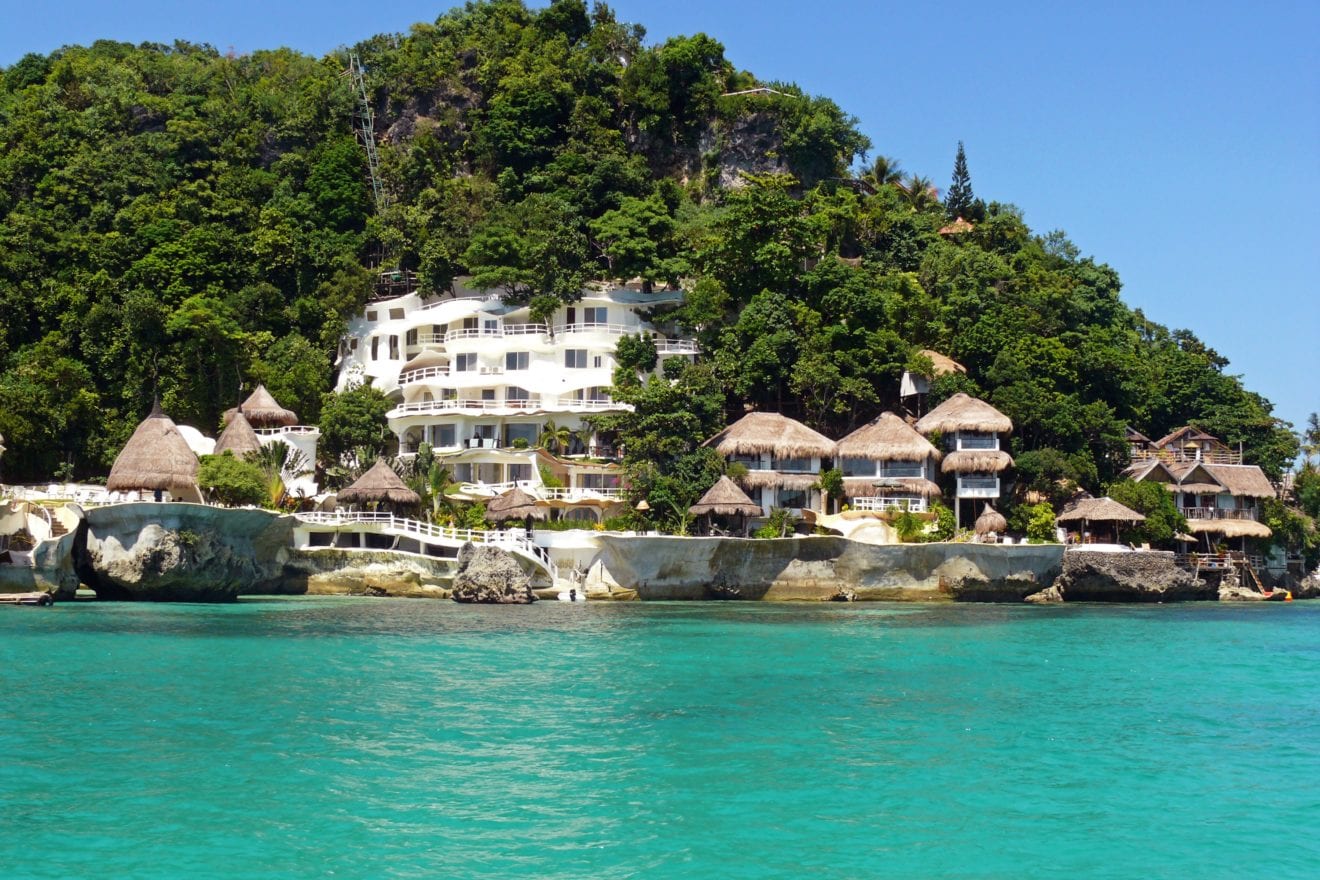
    Mövenpick Hotels & Resorts has secured its own piece of paradise in one of Asia’s most exclusive holiday destinations, having signed a deal to manage the Sol Marina Resort, which will soon be renamed Mövenpick Resort Boracay, in the Philippines.

    Located in the north west of the island on idyllic Punta Bunga Beach, famed for its white powdery sand and aquamarine waters and considered one of Asia’s luxury resort hotspots, the upscale 333-key property will start welcoming guests in December 2015.

    The property will not only shore up Mövenpick’s presence in the Philippines, where it already manages Mövenpick Hotel Mactan Island Cebu, but also bolster the hospitality firm’s portfolio of resort properties in top Asian locations. In Thailand the company operates two resorts in Phuket and one on Koh Samui, while construction is underway on properties in leisure destinations such as Pattaya, Thailand, Quy Nhon, Vietnam and Bali, Indonesia.

    “Signing a property in Boracay is a significant development for Mövenpick, as it cements our presence in one of Asia’s most established resort destinations,” explains Andreas Mattmüller, Chief Operating Officer, Mövenpick Hotels & Resorts, Middle East and Asia.

    “Punta Bunga Beach, with its crystal-clear waters and soft white sand, is unspoiled and truly idyllic, attracting discerning travellers from all over the world from both the upscale leisure and corporate meetings segments.”

    Mattmüller also notes how the Filipino culture marries well with Mövenpick’s ‘We make moments’ guest promise, which guides the hospitality firm’s service ethics world over.

    “The Filipinos have a friendly attitude towards life; in the Philippines you will always receive a warm welcome,” he adds.

    Mövenpick Resort Boracay will comprise a cluster of three buildings nestled around the lagoon pool with most of the resort’s rooms and suites boasting sea views. Designed to give guests the ultimate luxury experience, the Presidential Suite will be housed in a stand-alone villa, featuring two bedrooms and a private pool.

    Key resort features will include family rooms; a kids club for young children and a games area for teens; and several dining outlets including Italian, Japanese and Korean restaurants plus a lobby lounge, beach club and swim-up pool bar. Meetings and events facilities will span a ballroom that can accommodate up to 450 guests for a seated dinner, three multi-function rooms and a boardroom.

    The property’s owner, Ambassador Alfredo Yao, who is also the founder and owner of the Philippines’ largest beverage producer, Zest-O and a partner in AirAsia Zest, Philippines, says signing the management agreement with Mövenpick Hotels & Resorts marks the start of a “new exciting era” for the resort.

    “The rebranding of Sol Marina as Mövenpick Resort Boracay will mark a new beginning for our beautiful property, steered by the capable team at Mövenpick Hotels & Resorts, which has a formidable reputation as one of Asia’s top resort operators,” says Yao.

  • The Lanesborough Reopens After 18-Month Renovation

    The Lanesborough Reopens After 18-Month Renovation

    The Lanesborough, the latest masterpiece hotel of Oetker Collection, has opened its doors following an extensive 18-month renovation project by late interior designer Alberto Pinto. Located just moments from Knightsbridge, Buckingham Palace and Hyde Park, The Lanesborough is London’s finest residence and one of the city’s most iconic hotels. The new hotel emulates the style and impeccable service of its French sister Le Bristol while staying true to the hotel’s strong British roots.

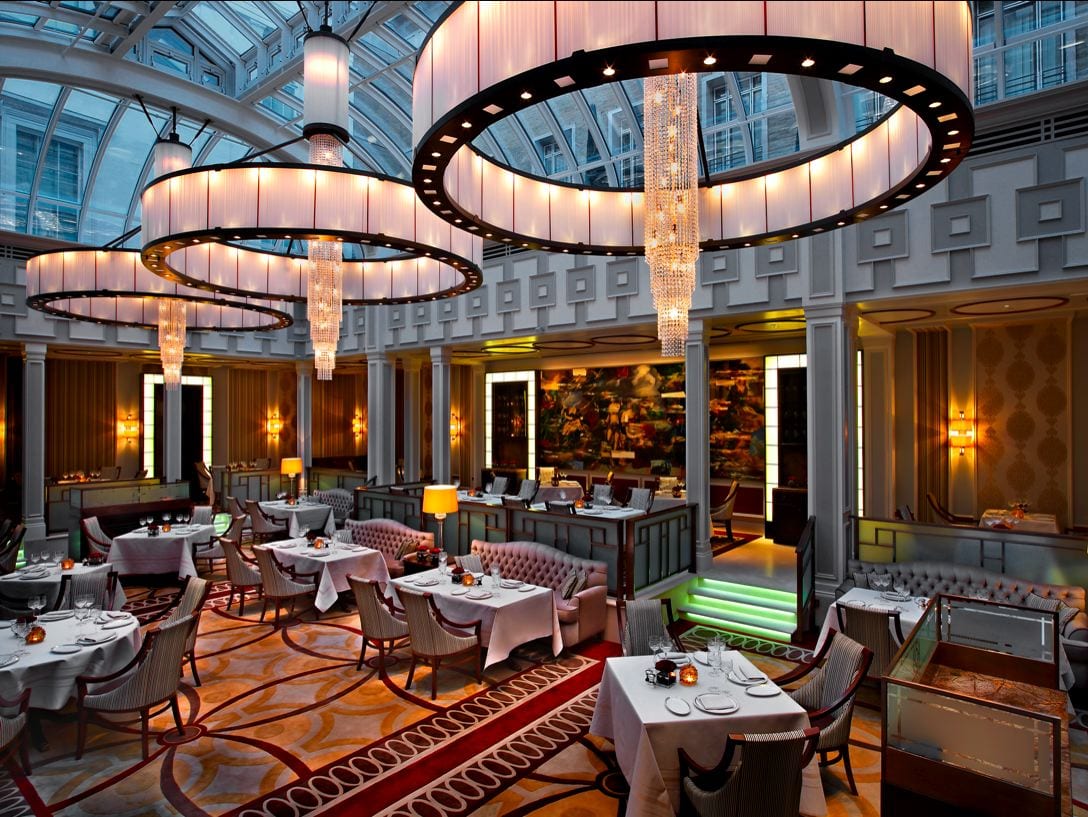
    Having closed its doors on 20th December 2013, the Grade II* listed building was taken back to its shell and has been totally transformed by Cabinet Alberto Pinto. The renovation honours the building’s architectural heritage as one of London’s most revered Regency landmarks. The hotel comprises 93 rooms and suites including The Royal Suite, which extends to seven bedrooms. Executive Chef Florian Favario oversees The Lanesborough’s new restaurant, Céleste, hailing a new culinary era for the hotel. Strengthening the relationship with Le Bristol, Favario is the former Head Chef of Le Bristol’s three-Michelin starred restaurant Epicure and the protégé of Chef Patron Eric Frechon who will oversee the menu. French inspired, the cuisine is modern and imaginative, using only the best of British ingredients. Daily afternoon tea is a traditionally British affair, with a Tea Sommelier on hand to guide guests through an extensive tea menu.

    To add to the extensive services offered to all guests, 23 private butlers are on call day and night to care for the individual needs of every guest, while a fleet of 14 luxury cars including a Rolls-Royce Phantom can chauffeur residents around London in impeccable style. Each one of The Lanesborough’s seven new private dining rooms possesses a character and atmosphere of its own – from the intimate feel of The Wine Cellar to the palatial setting of The Belgravia.

    With a sizable collection of Cuban and pre-Castro cigars as well as rare Cognacs dating back to 1770, The Garden Room is the ideal setting for a night of relaxed sophistication. With a celebrated walk-in humidor and knowledgeable team, this garden terrace is a favourite amongst cigar connoisseurs. For cocktails, The Library Bar offers a touch of grandeur in a warm and welcoming setting. A live pianist plays each night from 6-9pm creating an intimate, club-like atmosphere.

    A team of artisans using age-old techniques, often used in decorating Palaces, were entrusted to deliver a distinctive form of luxury, befitting for The Lanesborough. The craftsmen were all specialists in their fields and include embroiderers, crystal specialists, cabinetmakers, bronzers, lacquerers, gilders, mirror specialists, and makers of decorative trimmings. Over 300 people were involved in the day-to-day transformation of the hotel’s 93 rooms, allowing for exceptional time and care to be taken into each detail. Everything is handcrafted to perfection, with over 2,000 hours of stenciling in the public areas of the hotel as well as 5,500 original stencils showcased throughout guest rooms and within The Library Bar.

    Particular focus has been paid to the ceilings through restoring original detailing such as ceiling roses, coffering, cornicing and fresco painting. Award-winning British artisans in plaster produced a unique plasterwork design for each room upon Cabinet Alberto Pinto’s request and control. 2,100 books of 23 ¼ carat gold leaf were used to elaborately dress the ceilings of public areas and guest rooms, reimagining the Regency period and reflecting the heritage of the building. The majority of suppliers used for the renovation are British with over 95% made bespoke for The Lanesborough. Every trimming and finishing is made to measure, before going through specialist procedures to meet hotel safety standards.

    The Royal Suite has been reinstated as The Lanesborough’s largest suite, extending across 4,485 square feet, with seven bedrooms and bathrooms, two living rooms and a dining room exuding exquisite taste, impeccable British craftsmanship and attention to period detail. The Lanesborough Suite carries every hallmark of its distinguished designer, with four bedrooms and five bathrooms, two living rooms and a dining room as well as a kitchen and private entrance for the butler.

    Cabinet Alberto Pinto imagined guest rooms being grouped into five design schemes, reflecting the Regency period, with each group consisting of three rich jewel colour ways to create warmth, harmony and comfort. 14 different types of bed canopies hang within the rooms, with over 3 million hand stitches and bespoke tailoring using the highest quality fabrics. Each marble block for the new bathrooms was individually chosen and acute attention was given to ensure that each slab was perfectly book matched. World-renowned British perfumer Roja Dove has created bespoke fragrances and bathroom amenities for every guest room.

    The Lanesborough is recognised as a building of special architectural and historic interest with a Grade II* listed status.  ReardonSmith acted as Lead Design Consultant and Architect with responsibility for coordinating the renovation of the hotel in close collaboration with the interior designer, Cabinet Alberto Pinto.

  • Coca-Cola Amatil Indonesia and Quiksilver Continue to Preserve Bali’s Beach Ecosystems

    Coca-Cola Amatil Indonesia and Quiksilver Continue to Preserve Bali’s Beach Ecosystems

    As one of the most popular destinations in the world, Bali represents Indonesia on the global scene. To contribute in keeping Bali’s beaches clean and safe, Coca-Cola Amatil Indonesia and Quiksilver are holding Bali’s Big Eco Weekend 2015 from August 14-16, inviting local communities, the government, visitors and industry players of Bali to renew the commitment and take real action to tackle the waste problem in Bali.

    Bali’s Big Eco Weekend is an annual campaign of the regular Bali Beach Clean-Up, both initiated by Coca-Cola Amatil Indonesia (CCAI) and Quiksilver as continuous efforts to bring more attention to Bali’s environmental state and drive more support for the Bali government’s program in creating a ‘Clean and Green Bali’.

    “We’ve invested in the programs since 2007 and it has been a very good collaboration between Coca-Cola Amatil Indonesia, Quiksilver, the Bali government and local communities. While the regular beach cleaning has been contributing impact, through Bali’s Big Eco Weekend we are still calling for more support from everyone in Bali, including both the growing citizens and tourists,” says Kadir Gunduz, President Director of Coca-Cola Amatil Indonesia.

    “At Coca-Cola Amatil Indonesia, we believe that we have roles and responsibilities in helping to create a sustainable environment anywhere we operate. It’s about all of us making the right decisions and taking real actions. We are pleased with the strong support we are getting, especially today. We hope that the commitment will only grow stronger, so together we can continue to preserve our ecosystem,” Kadir adds.

    This year’s Bali’s Big Eco Weekend marks the 8th year of Coca-Cola Amatil Indonesia’s and Quiksilver’s commitment to keeping Bali’s beaches clean & safe. Started in 2007, Bali Beach Clean Up (BBCU) empowers the local communities in Bali by hiring 78 local workers and providing them with regular training in waste management and clean environment awareness. As front-liners, BBCU workers run daily clean-up in 5 iconic beaches in Bali (Jimbaran, Legian, Kuta, Seminyak, Kedonganan) and maximize the clean-up facilities which include 3 surf rakes, 3 garbage trucks, 4 beach tractors, and at least 150 new bins per year. The total amount of waste collected through the program has reached more than 29 million kilograms as of July 2015.

    “We are glad that the collaboration in keeping Bali clean and safe has been going well for 8 years. This cements Quiksilver’s passion and involvement in promoting eco conservation to ensure that Bali’s beautiful beaches and waterways will stay clean and safe for many years to come,” says Paul Hutson, General Manager of Quiksilver South Pacific. “We have Quiksilver’s global athletes joining the Bali’s Big Eco Weekend this year, and everyone is excited to celebrate Indonesia’s Independence Day long weekend on the beaches of Jimbaran, Legian and Uluwatu.”

    Joining the thousands of visitors in rolling up their sleeves and collecting waste on Jimbaran Beach and Padma Beach Legian are Dadang Rizki Ratman, Directorate General for Tourism Destination Development, Ministry of Tourism; Rijaluzzaman, Head of Centre of Development Monitoring on Eco-region of Bali and Nusa Tenggara; Ketut Wija, Deputy Economic & Development of Bali Province; and Quiksilver global athletes, including world champions Mark Richards (4X World Champion), Tom Carroll (2X World Champion), Jake Paterson, Matt Hoy, Kelia Moniz (2X Longboarding World Champion), and Torah Bright (Olympic Gold Medallist).

    Appreciating the attendance, Alison Watkins, Managing Director of Coca-Cola Amatil Group, says the special effort to participate in this iconic weekend supports both Bali’s and Coca-Cola Amatil Indonesia’s commitment to running business and growing together with communities in Bali.

    In 2010, Coca-Cola Amatil Indonesia and Quiksilver built the Kuta Beach Sea Turtles Conservation (KBSTC) in a commitment to support a safe environment. Since then, the number of eggs collected has significantly increased from 1,947 eggs in 6 years (2002-2008), to 122,230 eggs in the next 6 years (2009-2015). The Bali’s Big Eco Weekend crowd today participated in releasing approximately 1,000 baby sea turtles back to the sea.

    The turtle release wrapped up a day of various eco activities including ROXY Challenge Run-Sup-Yoga, meet and greet with the ROXY surf team, Coke Kicks, lifeguard race, fun sea turtle release, CSR exhibition, Kecak dance performance, and the renowned beach clean-up. On Sunday, visitors are welcome to join the surfing legends in WSL Quiksilver Uluwatu Surf Challenge 2015, also part of the Bali’s Big Eco Weekend, proudly co-sponsored by Coca-Cola Amatil Indonesia and Australian Embassy Jakarta.

    For more information about Bali’s Beach Clean Up program, download the latest Infographic at bbew.coca-colaamatil.co.id.
  • This German duo launched an eyewear brand in Indonesia

    This German duo launched an eyewear brand in Indonesia

    When German entrepreneur Marc Uthay set his eyes on Southeast Asia in 2013, he thought the e-commerce market was already pretty cramped. There was Rocket Internet’s everything store, Lazada – essentially an Amazon clone. Zalora, another Rocket-backed venture, specialised in fashion. On top of them, a range of local and foreign e-commerce start-ups offered everything from gadgets to shoes.

    But after some research, Uthay did find a promising niche: eyewear. He discovered that although millions of people in Southeast Asia need prescription glasses or contact lenses, the variety of brands and styles available was limited and the infrastructure to order online not well developed.

    The goal was to capture a chunk of the eyewear industry in Southeast Asia by selling online. Uthay got Christian Csermak on board to help kickstart the company in Southeast Asia. Csermak previously built a custom-made eyewear brand in Germany, called Mercy Would – with a concept similar to Warby Parker in the US.

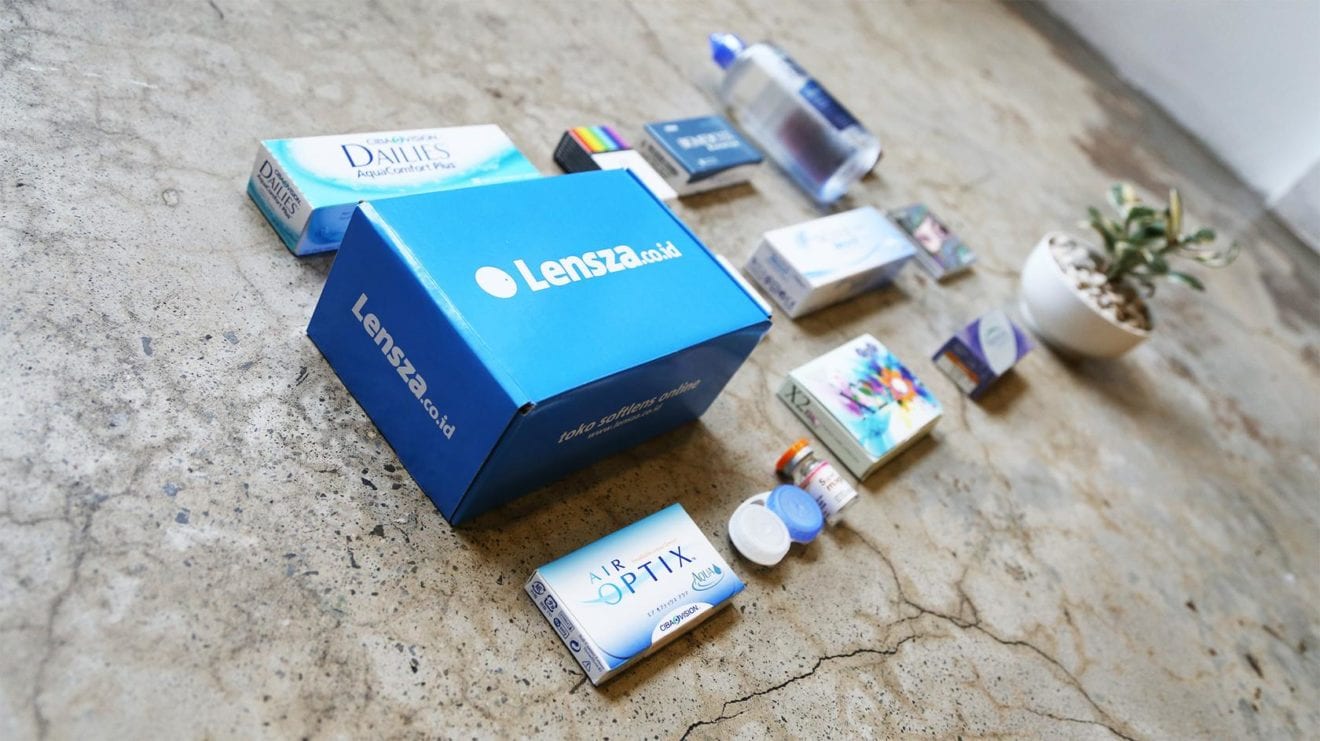
    Uthay’s and Csermak’s first milestone was to build Lensza, a one-stop shop for contact lenses and eye-care products. Lensza covers a broad range of lenses from different manufacturers, with an emphasis on coloured lenses, which are popular in Asia. They launched the site in early 2014. But the goal was never to build just an e-store.

    Once Lensza was up and running, Uthay and Csermak drew up a concept for a new, Warby Parker-like fashion eyewear brand for the Indonesian market. They named it Franc Nobel. The first collection of frames launched in June.

    Currently, Franc Nobel’s frames are imported, but Uthay plans to bring the entire production to Indonesia in the near future.One challenge, Uthay says, is that people like to try out glasses before they commit to buying a pair. The start-up is testing various methods to address this.

    Late last year, Uthay and Csermak raised a “low six-digit” round of seed funding from Crystal Horse Investments for their lens and eyewear ventures. For now, they are focusing on the Indonesian market. Expansion across the region could be tough, because similar concepts already exist in other markets.
    One direct competitor in Southeast Asia is Four Eyes, which started in the Philippines in 2013 and is also available in Singapore. Another is Specsdirect in Malaysia.

  • aCommerce recruits new CXOs for Indonesia operations

    aCommerce recruits new CXOs for Indonesia operations

    Norwegian international management executive Snorre Larstad​ will take the lead as aCommerce Indonesia CEO. Larstad previously worked as a chief strategy office for the Morris Group in China.

    Meanwhile, the company has also hired H​adi Kuncoro to lead its Indonesian operations for IT and supply chain management. This follows stints by Kuncoro in co-founding an Islamic fashion e-commerce company​ and a successful founding role at Rocket Internet’s Zalora Indonesia.

    Commenting on the leadership appointments, Paul Srivorakul, group CEO of aCommerce, said,“We’ve seen unparallelled growth in Indonesia and it is on track to become our most important strategic market.”

    Srivorakul added, “With Snorre’s experience scaling and managing huge and complex international retail businesses and Hadi’s success rate in building massive ecommerce operations in Indonesia we are confident that this pairing will streamline our incredible growth and gear us up for the next phase of our commercial development in Indonesia.”

    Indonesia recently became aCommerce’s biggest regional operation, with August seeing it reach a manpower count of 360 staff, surpassing the growth of its operations in Thailand and the Philippines. July 2015 also saw aCommerce Indonesia double its warehouse capacity to 9332 square metre. A new Pondok Ungu fulfilment center of more than 5232 square metres was added to supplement the current 4100 square-metre Halim facility.

    aCommerce Indonesia currently powers ecommerce for major brands and retailers such as Matahari Mall, HP and L’Oreal. According to official statements, the demand for aCommerce’s services in Indonesia exceeded forecasts due to the rapidity and growth of heady new entrants to the Indonesian e-commerce space and the growth in major clients signed.

    This internal round was targeted at funding the development of further competencies in marketing, technology platforms, expanding warehouse space and recruitment. The addition of Snorre and Kuncoro to the team brings significant knowledge capital to aCommerce as its scales up operations in Indonesia and the region.

    In a media release, Snorre stated: “This is an exciting time to be in the ecommerce industry in Indonesia. With ecommerce still accounting for much less than one per cent of retail in Indonesia, I will be continuing the work of positioning aCommerce as the key driver of ecommerce industry development across the archipelago.”

    Snorre succeeds previous CEO Hadi Wenas, who has taken up the role of CEO as M​atahariMall.com.​ Previous co-CEO Adrian Suherman has shifted to an executive role within the Lippo Group.

    Snorre speaks fluent Chinese and his twenty years in international management have predominantly taken place in Asia, with a career involving roles across the retail, manufacturing, supply chain, shipping, strategy and financial advisory sectors. Snorre had also previously worked for AT Kearney as a strategy consultant, advising CXOs on M&A, supply chain and growth strategies across multiple industries on a global scale.

    A member of i​dEA​ and deputy chief of the Indonesia L​ogistics Association, new COO​ Kuncoro previously served as the COO of First Logistics and as VP and operations director at Zalora Indonesia. Kuncoro brings deep domain experience in r​etail management, supply chain and domestic and cross-border logistics across consumer goods and retail industries.​

    Indonesia is slated to become the biggest ecommerce market in Southeast Asia, with a recent AT Kearney report estimating the market to grow to reach $30 billion in value over the next few years, up from the $1.3 billion in 2013.

    “In Indonesia, we envision that the industry is about to enter into a rapid growth phase. aCommerce will be at the forefront of providing the solutions for any obstacle in the growth path of the ecommerce industry,” said Snorre.

    According to aCommerce, the latest CXO recruitments are in preparation for a Series B round and further scaling of its operations in Indonesia and the region. Earlier this year, it raised a $5 million internal bridging round in preparation for a Series B round of funding.

  • Tony Roma’s Indonesia enters Surabaya

    Tony Roma’s Indonesia enters Surabaya

    Romacorp, US parent of Tony Roma’s, has opened its first restaurant in Surabaya, Indonesia.

    The restaurant opened on Kupang Indah St –  locally known as the “restaurant street” – a popular destination for locals and tourists in Indonesia’s second biggest city.

    With three Tony Roma’s Indonesia restaurants in Jakarta and one each in Tangerang and Bali,  Surabaya makes it six. The restaurants in Surabaya, Jakarta, and Tangerang are owned by Mas Millennium, and the restaurant in Bali is owned by PT WDI Indonesia.

    “Our franchise partner Mas Millennium has been working with us since 1991, operating Tony Roma’s restaurants in four Asian countries, and we’re excited to continue our relationship with them,” said John Brisco, president of international for Roma Systems.

    The 6458 sqft restaurant has seating for 212 including a semi-private and private dining room, a full-service bar, and a courtyard for outdoor dining underneath a glass ceiling.

    “We are very excited about the opening of our first Tony Roma’s restaurant in Surabaya. Second only to Jakarta in size and importance, and with a population of around 3 million residents, we are confident that this restaurant will perform well,” said Lucy Prananto, president & CEO of Mas Millennium.

    “With very few international restaurant chains in Surabaya, Tony Roma’s casual dining concept, offering great tasting, true American cuisine will be a hit among locals and foreign patrons.”

    Romacorp now has more than 150 restaurants in more than 30 countries and also operates the newTR Fire Grill concept, a chef-inspired American bistro in Orlando, Florida.

  • Indonesia retail sales surge in June

    Indonesia retail sales surge in June

    Indonesia’s retailers appear to be among Asia’s most pessimistic.

    One month ago after government data showed a 19.8 per cent rise in May retail sales, the 700 retailers polled to create the index said they expected sales growth would slow in June.

    This week, the government has released revised figures showing a 20.6 per cent increase in May – and a massive 22.9 per cent rise in June, only just behind April’s 23.1 per cent.

    In this month’s poll, they said they expected sales growth to slow in September as demand returned to normal after the Ramadan festivities.

    The Bank of Indonesia said June’s Indonesia retail sales  increase was largely attributable to greater demand for food, beverages and tobacco, in line with increased consumption during the Muslim fasting month of Ramadan.