Author: Mei Ling Tan

  • Playphone Game Store Expands into Asia With GASH Prepaid Game Cards at 114000 Retail Outlets

    Playphone Game Store Expands into Asia With GASH Prepaid Game Cards at 114000 Retail Outlets

    Playphone®, Inc., a global leader in mobile social gaming and recently acquired by premier game developer GungHo, announced today a partnership with Gamania Digital Entertainment Co., Ltd. (GASH), a leading Asian online game publisher based in New Taipei City, Taiwan. Playphone and GASH are partnering to offer Asian gamers a revolutionary new social gaming experience with the world’s most popular games, a unique set of advanced social features, and GASH prepaid game cards − the preferred local payment method for the region.

    Playphone develops and operates social game stores worldwide, offering mobile gamers a single engaging app to discover, download, play and share thousands of their favorite games with friends. Playphone Game Stores are deeply integrated with social features throughout the gaming experience, easily connecting gamers with friends to recommend games, challenge or invite to play, brag leaderboard ranks, and more. Playphone’s gaming platform, with games from over 3,000 global developers, is rapidly expanding distribution in emerging markets.

    GASH is the largest online game publisher and digital entertainment platform in Taiwan, and its prepaid card platform is the most widely used game payment system in the region. GASH prepaid cards facilitate mobile purchases of paid games or in-game items without the need of a credit card. Gamers purchase GASH prepaid game cards in varying denominations at over 114,000 retail outlets in Asia. The GASH digital entertainment platform supports over 10 million active users, and current GASH users can now use their prepaid GASH cards to purchase paid games and in-game items from the Playphone Game Store.

    “Our partnership with GASH perfectly aligns with Playphone’s vision of providing the best social gaming experience in Asia, where gamers are hesitant to input credit card information into their mobile apps,” said Ron Czerny, CEO and Founder of Playphone. “As a gaming leader in the region, GASH has provided an invaluable contribution to our efforts to tailor our gaming experience to local Asian gamers.”

    “We are very excited to partner with Playphone to offer GASH gamers a technically-advanced, personalized gaming experience,” said Simon Lu, Chief Operating Officer of GASH. “And our partnership is a huge win for game developers, who simply upload games to the Playphone Developer Portal for instant access to Asian distribution and the GASH payment solution.”

    Game developers add games to the Playphone Game Store simply by uploading their existing Android game file (APK) to Playphone’s Developer Portal (developer.playphone.com). Playphone’s technology automatically integrates the game into the Playphone platform, providing the game with instant access to Playphone’s global distribution channel, preferred local payment solutions including GASH prepaid game cards, and world-class social features.


  • Online Retailer MatahariMall Sets 20% Market Share Target

    Online Retailer MatahariMall Sets 20% Market Share Target

    Lippo Group’s new e-commerce unit MatahariMall is embarking on an ambitious expansion plan, aiming for a 20 percent market share of Indonesia’s web-based retail sector by 2020, its chairman said on Wednesday.

    MatahariMall.com chairman Emirsyah Satar said the potential of the e-retailer, which is slated for an official launching in September, is similar to Chinese e-commerce giant Alibaba’s in light of Indonesia’s huge untapped e-commerce market.

    Indonesia’s  e-commerce market is currently worth around $1.3 billion, constituting only 1 percent of the national retail market.

    “The e-commerce markets of other countries can reach between 5 and 8 percent of total retail sales, so we are confident the market volume can expand to between $20 billion and $30 billion by 2020,” Emirsyah said at the MatahariMall office in Jakarta.

    Unlike other online retailers, MatahariMall will offer the O2O, or Online to Offline, system that would allow customers to order products online and see the products first-hand at a nearby Matahari or Hypermart store, both of which are affiliated with the Jakarta Globe through Lippo Group.

    “We have a very solid footprint network in Indonesia and we have the experience in offline retailing through Matahari and Hypermart,” said the former president director of Garuda Indonesia.

    MatahariMall, Emirsyah added, is also partnering with various top brands in the lifestyle, fashion, automotive and electronics sector to enrich the array of products available to customers.

    “We believe MatahariMall.com will be the [region’s] best and biggest online retail store,” he added.

    Emirsyah is also urging the government to support the online retail industry through Internet infrastructure and regulations that support a growing local industry.

    MatahariMall has appointed Credit Suisse and Bank of America Merrill Lynch to lead its first round of financing for an amount expected to be between $200 and $250 million. This financing would make MatahariMall the most valuable e-commerce company in the country.

    The online retailer has also built a main warehouse of 10,000 square meters in Halim, East Jakarta, that can accommodate thousands of products.

    Lippo Group, one of Indonesia’s largest business conglomerates, has committed to invest $500 million for the next three years in its e-commerce arm.

  • SunGold campaign heats up in Thailand

    SunGold campaign heats up in Thailand

    Kiwifruit marketer Zespri has been rolling out the launch of its SunGold variety across a range of export markets this year, and Thailand has witnessed an energetic campaign.

    The introduction of the new variety has been supported by a robust programme of promotional activities to educate trade and consumers about SunGold’s attributes, and to drive demand.

    Zespri’s programme has included market roadshows, retail sampling activities and eye-catching point-of-sale materials, but one of its key importers Vachamon has gone the extra mile to drive the campaign.

    “What we could do to make Zespri’s marketing campaign more successful is involve ourselves in their activities,” the company’s managing director Wipavee Watcharakorn told Asiafruit. “For example, with the market roadshow, we joined in on the sampling activities. As well as the sampling company conducting tastings, we actively sold the fruit, particularly at markets where there were no existing fruit vendors.”

    Sampling activities have been conducted across numerous open-air markets around Bangkok. “These are retail markets that are close to office buildings where people go to buy lunch or other things. The markets sell a range of items such as clothes, ready-to-eat meals, gifts and so on,” Watcharakorn explained.

    For each market that was selected as a venue for the sampling activities, Vachamon targeted the owners of the existing fruit shops to demonstrate to them the value of promoting SunGold.

    “We tried to show them that SunGold has tremendous potential, and that with the right attention and effort to display and merchandise it, they could go beyond their usual sales volumes,” said Watcharakorn.

    “Usually with these fruit shops, the owner handles all the sales by him or herself and displays many products. They tend to give more importance and display space to the items that generate good sales and margins so we wanted to show them that SunGold can be the ‘hero’ product for them.”

    Watcharakorn said that after 40 days of conducting the roadshow, the uplift in wholesale demand has been remarkable during July.

    In addition to the roadshow activities, Vachamon has been supporting major retailers such as Big C, Tesco Lotus and The Mall Group with their SunGold promotions.

    “We participated and helped to ensure the retailers ordered enough fruit each week, whether they were conducting samplings or not. Sometimes retailers are very reluctant to order a lot of a new item as they want to avoid issues with shrinkage,” she said.

    “We talked to the retailers a lot and coordinated supplies with their sampling teams to ensure they had enough good-quality stock for each store to make the activities worthwhile. We made direct-to-store deliveries and followed up on the purchase orders later on.”

    Vachamon has also participated in a number of ‘below the line’ marketing events for SunGold, exhibiting at shows such as Health and Beauty and ThaiFex.

    Watcharakorn said Vachamon’s aim is to sell 120,000 trays of SunGold this season. “We are likely to hit this target, which is probably double the volume sold last year,” she concluded.

  • Aqua Fair Asia Sets the Future Trend for the Aquarium Industry in Guangzhou

    Aqua Fair Asia Sets the Future Trend for the Aquarium Industry in Guangzhou

    Boosted by recent innovations, the aquarium industry is experiencing a period of rapid development in China both for export and the domestic market, urging the need for a modern, reliable trade platform that listens to the professionals and understands the changing dynamics of our industry.

    Aqua Fair Asia (AFA), is created by industry professionals and held in Guangzhou, at the heart of the global aquarium industry. It meets these needs and brings the business to the next level. Designed to be not only an exhibition but a comprehensive business accelerator ecosystem, Aqua Fair Asia combines high level conferences, business talks, trade match-making, factory tours and educational programs.

    Aquarium industry leaders, including HAILEA, Minjiang Aquarium, BOYU, RESUN, SUNSUN, Chuangxing Electric, JEBO, Lenyo Aquatics, have expressed strong support. Many more will exhibit at AFA, after many years away from any exhibition in China. The president of the Guangdong Aquarium Industry Association, Yang Qinquan, recently declared: “The existing aquarium trade platforms were relying on old models that failed to modernize and do not fit our industry any more. Let us seize the opportunity of this modern trade event to revitalize the aquarium industry, promote better practices and develop a sustainable and healthy global aquarium industry.”

    Aqua Fair Asia makes business happen. Its modern approach to trade breathes new life into the aquarium industry and brings three key elements to the equation that professionals expect from a trade show: the right audience, forward-thinking content and high level of service. For overseas buyers, it’s the chance to discover the new face of the Chinese aquarium industry, better identify their future suppliers and develop their business with innovative and affordable solutions. Major buyers are encouraged to contact the organizer to learn about the programs (hosted buyers, factory tours, etc.)

    Jointly hosted by VNU Exhibitions Asia and the Guangdong Aquarium Industry Association, Aqua Fair Asia will take place on October 8-11, 2015 at Guangzhou Poly World Trade Center Expo (PTWC – Next to the Canton Fair Pazhou Complex). The show is expected to attract 300 exhibitors and over 12000 aquarium professional visitors from China and overseas.

  • BRI eyes syndicated loans as it opens Singapore branch

    BRI eyes syndicated loans as it opens Singapore branch

    State-owned Bank Rakyat Indonesia (BRI) will provide syndicated loans as part of a strategy to attract Indonesian companies following the opening of the lender’s branch office in Singapore.

    The lender will allocate at least US$100 million in the first year to Indonesian companies that are seeking offshore funding, an executive says.

    “We are aiming to lend at least $100 million of syndicated loans in the next 12 months. We already have some prospective loans in the pipeline, but the process will not be instant,” Azizatun Azhimah, general manager for BRI’s Singapore branch, said on the sidelines of the branch opening on Wednesday.

    Loans for any projects would be assessed based on their potential value, feasibility and compliance to the lender’s requirements, Azizatun said.

    BRI president director Asmawi Syam said the bank saw syndicated loans as a prospective type of lending to help boost its international business as well as finance infrastructure developments in Indonesia.

    “We can learn much about that type of loan in Singapore and collaborate with local and international banks here to grab opportunities.”

    According to Asmawi, demand for infrastructure financing will increase as more Singaporean investors get attracted to start investing in Indonesia’s infrastructure and other sectors following President Joko “Jokowi” Widodo’s visit to the city-state on Tuesday, saying that “the launch of BRI Singapore branch is well timed with the state visit”.

    “President Jokowi has invited Singaporean investors to help develop our infrastructure, so that BRI hopes to build a bridge between them and Singaporean and international banks as BRI is more experienced in financing infrastructure projects in Indonesia, such as power plants, seaports, airports and toll roads,” Asmawi said.

    President Jokowi met over 150 Singapore business leaders at a dialogue on Tuesday to discuss Indonesia’s economic priorities, foreign investments and partnerships in conjunction with his state visit to meet Singapore’s Prime Minister Lee Hsien Loong.

    Indonesia, Southeast Asia’s largest economy, needs to boost its infrastructure development and revitalize its manufacturing sector so as to achieve 7 percent economic growth by 2019.

    Asmawi said BRI was prepared to join the competition in the international banking business as it would ensure the competitiveness of the pricing offered by its services, adding that “our overall services will cover funding and lending facilities for corporate customers, including treasury, priority banking and trade finance”.

    “The Singapore market has big potential, so that we hope to break even in revenue in the second year, which is faster than the average overseas branches of banks,” Asmawi said while refusing to mention the revenue target.

    The new Rp 30 billion (US$2.2 million) Singapore offshore branch adds to BRI’s four existing overseas offices — BRI New York Agency, BRI Cayman Island Branch, BRI Hong Kong Representative Office and BRI Remittance Office.

    The Singapore branch will be able to provide wholesale banking services, such as trade finance and remittance as well as wholesale fund management.

    The branch, which is categorized as an “offshore branch” according to Monetary Authority of Singapore’s (MAS) regulation, has limited operation in wholesale or corporate banking services. Meanwhile, foreign banks under the “full branch” category in Singapore are allowed to operate wholesale and retail banking services as well.

    MAS granted the license to BRI in June after the bank applied in 2013 to be one of the players in Singapore’s foreign bank market in preparation for the ASEAN Economic Community’s (AEC) financial and banking integration in 2020, when certain grades of banks and financial companies will be allowed to operate freely across the region.

    On the sidelines of the launch, Coordinating Economic Minister Sofyan Djalil said the government applauded BRI’s move in entering Singapore’s banking market as the city-state was famous for being difficult to penetrate due to tight restrictions and requirements for foreign banks.

    “This action is positive because we are entering the AEC, so that our banks should prepare themselves to operate regionally. By being exposed more to the international market, BRI is expected to tap more resources to improve itself and its customers as well as to contribute to Indonesia’s economy.”


  • Zacks Rating on Guess?

    Zacks Rating on Guess?

    Guess?, Inc. is a hold, according to the latest average broker rating of 2.73. The number of analysts in this rating is 11. Zacks research analysts are highly optimistic on the shares and has given it a short term rating of 1, indicating that it is a Strong Buy.

    Guess?, Inc. stock has received a short term price target of $ 20.4 from 10 Analyst. The share price can be expected to fluctuate from the mean short term target, can be seen from the standard deviation reading of $2.8. The higher estimate of target price is $24 , while the lower price target estimate is $16

    Company has received recommendation from many analysts. In a research note released to the investors, Piper Jaffray maintains its rating on Guess?, Inc.. Investors must note that the brokerage house has a Neutral rating on the shares of the company. The Equity Firm raises its price target from $20 per share to $22 per share. The rating by the firm was issued on July 15, 2015.

    Guess Inc. has dropped 3.4% in the last five trading days, however, the shares have posted positive gains of 13.19% in the last 4 weeks. Guess Inc. is up 19.81% in the last 3-month period. Year-to-Date the stock performance stands at 6.26%.

    Guess?, Inc. witnessed a decline in the market cap on Wednesday as its shares dropped 0.68% or 0.15 points. After the session commenced at $21.98, the stock reached the higher end at $22.21 while it hit a low of $21.79. With the volume soaring to 989,900 shares, the last trade was called at $21.88. The company has a 52-week high of $26.829. The company has a market cap of $1,875 million and there are 85,693,000 shares in outstanding. The 52-week low of the share price is $16.61.

    Guess?, Inc. (GUESS?) designs, markets, distributes and licenses apparel and accessories for men, women and children. The Company operates in five: Europe, North American Retail, Asia, North American Wholesale and Licensing. Its products are sold through retail, wholesale, e-commerce and licensing distribution channels. The lines include full collections of clothing, including jeans, pants, skirts, dresses, shorts, blouses, shirts, jackets, knitwear and intimate apparel. It also grant licenses to manufactures and distributes a range of products, including eyewear, watches, handbags, footwear, kids and infants apparel, leather apparel, swimwear, fragrance, jewelry and other fashion accessories. In fiscal 2012, it, along with its distributors and licensees, opened 224 stores in all concepts combined outside of the United Sates and Canada, which consisted of 120 stores in Europe and the Middle East, 89 stores in Asia and 15 stores in the combined area of Central and South America.

  • Government thanks retail stores for maintaining prices of goods

    Government thanks retail stores for maintaining prices of goods

    The Thai government has expressed its gratitude toward store owners for keeping prices of every item at an affordable level until November this year.

    Deputy Spokesperson to the Prime Minister’s Office, Major General Sansern Keawkamnerd has revealed that the Ministry of Commerce has received cooperation from 205 retail stores across Thailand in not raising the prices of household goods and fresh food before November.

    Many food vendors have also been asked to sell at least one ready to eat meal at a maximum price of 25 baht until September this year.

    The Deputy Spokesperson said this is to help shoulder the cost of living for Thai people. He also added that stable fuel prices at present would continue to help keep commodity prices at a reasonable level.

  • Hong Kong retail sales fall for fourth month as tourism slows

    Hong Kong retail sales fall for fourth month as tourism slows

    Hong Kong retail sales fell for the fourth straight month in June as a drop in tourist arrivals continued to hit sales of big-ticket items such as jewellery and watches.

    Retail sale slipped 0.4 per cent from a year earlier in value terms to HK$37 billion ($4.8 billion) in June. That followed a revised 0.1 per cent decline in May, 2.1 per cent drop in April and 2.9 per cent slide in March. In volume terms, sales rose 4.4 per cent in June, against revised growth of 4.7 per cent in May.

    The city’s retailers have been hammered by slowing mainland tourist arrivals and high operating costs in rent and labour.

    “The near-term performance of retail sales is still subject to uncertainties, depending on inbound tourism growth and any spillover to consumption sentiment from the recent stock market volatility,” the government said in a statement.

    For the first six months, the value of retail sales fell 1.6 per cent from a year earlier, while volume was up 1.7 per cent.

    China’s slowing economy and volatile stock markets have hit retail spending and tourism.

    The Hong Kong Retail Management Association said the majority of its members forecast that the declining trend in retail sales will continue in the third quarter with no particularly favourable factors in sight.

    Visitor numbers to Hong Kong fell 2.9 per cent in June on the year, compared with year-earlier growth of 6.9 per cent, Hong Kong Tourism Board data showed. Mainland tourist numbers in June slid 1.8 per cent, against 7.8 per cent growth a year earlier.

    In June, sales of jewellery and watches fell 10.4 per cent by value, compared to a 14.9 per cent fall in May. Medicines and cosmetics declined 4.2 per cent, against 1.9 per cent fall in May.

    Last week, luxury retailer Emperor Watch warned of turning in a loss for the first half as foot traffic dropped due to a strong Hong Kong dollar and unfavourable tourism environment after protracted political unrest last year.

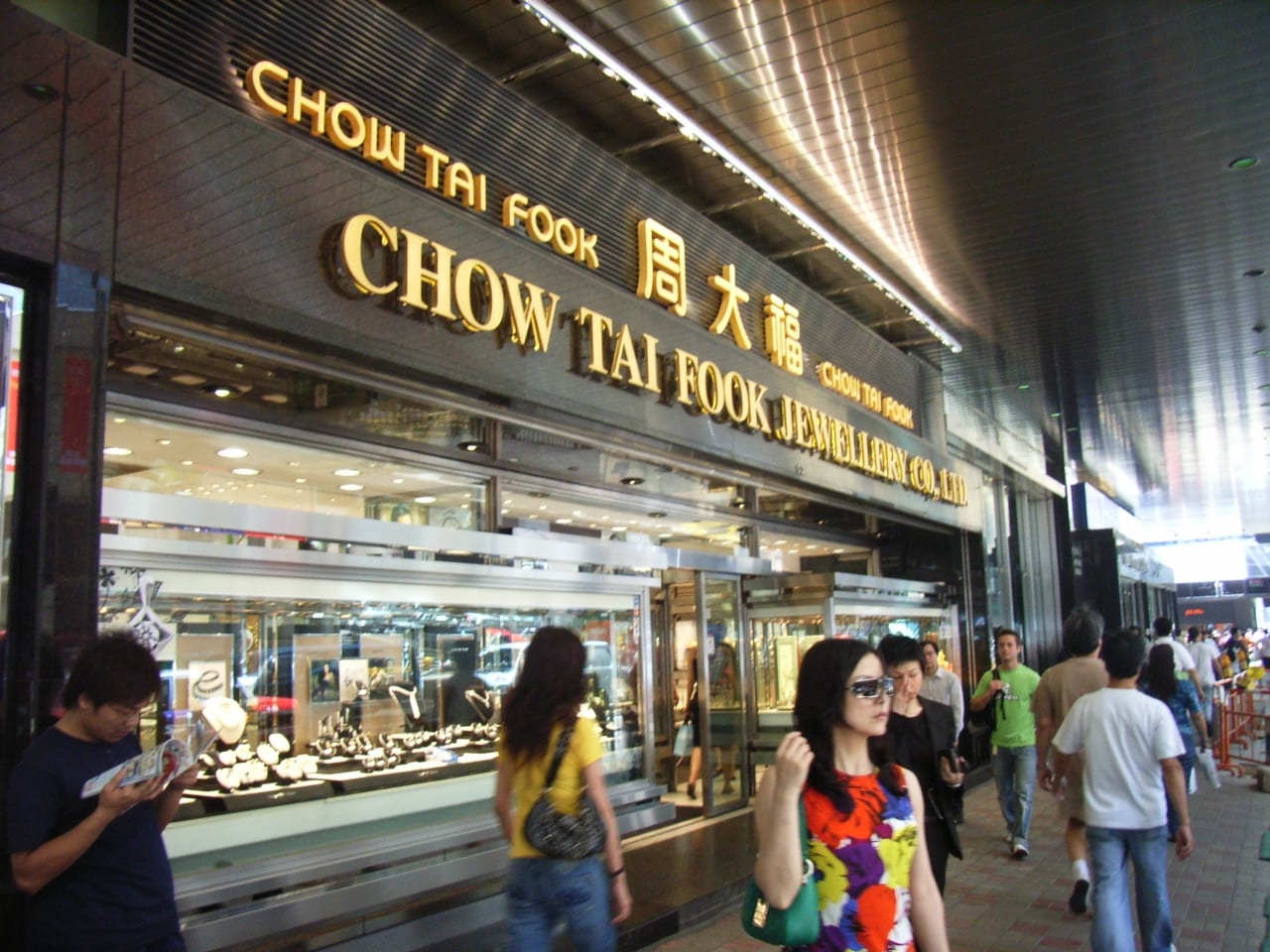
    The world’s biggest jewellery retailer Chow Tai Fook Jewellery saw its retail sales fall in the April-to-June quarter, while cosmetic chain Sa Sa saw a dip in its turnover for the quarter ended June. .

    Like rivals Burberry and Gucci’s parent Kering , the world’s No.1 luxury goods group LVMH said it was in talks with mall owners in Hong Kong to renegotiate prices amid falling sales.

  • Indonesia orders new Bali airport closure due to volcano

    Indonesia orders new Bali airport closure due to volcano

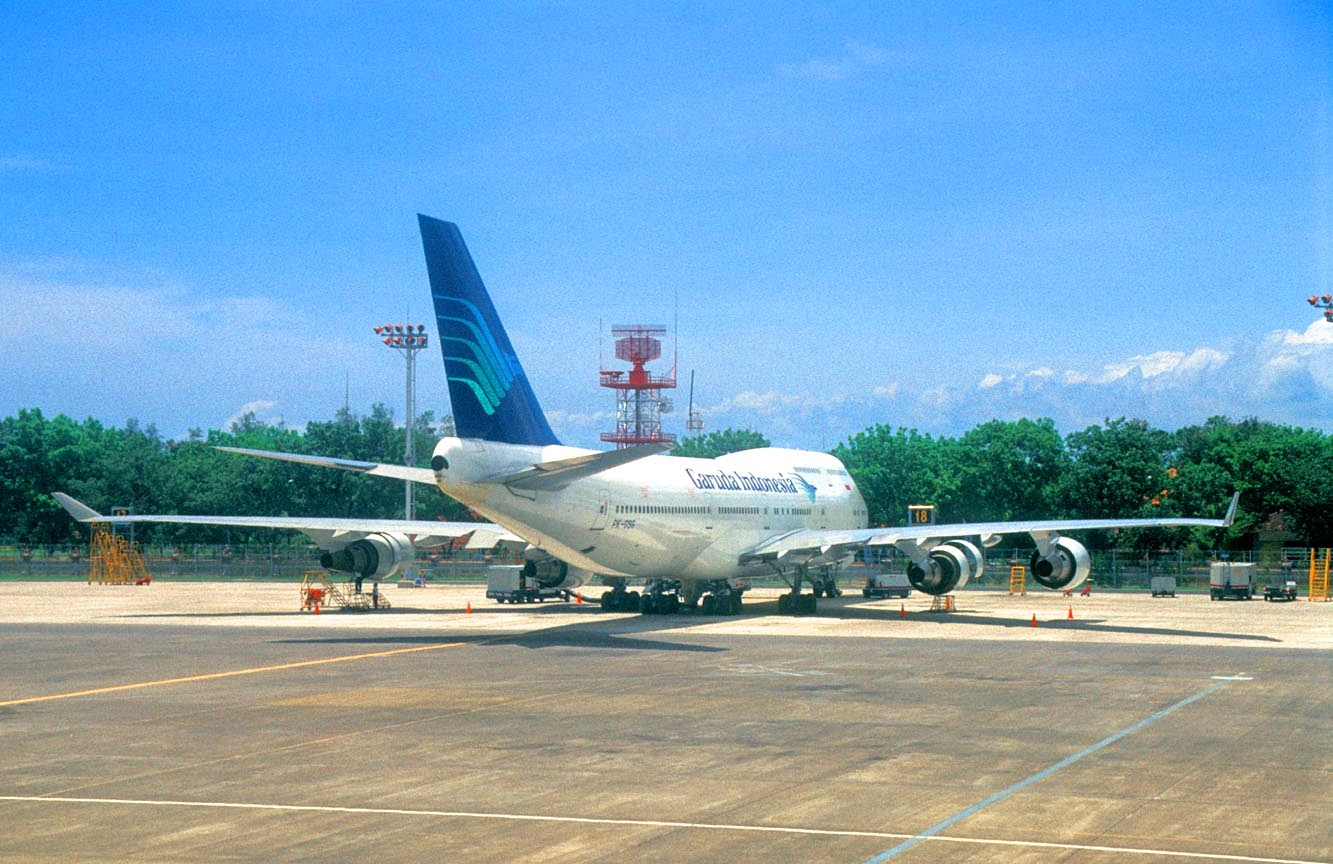
    Indonesian authorities ordered a fresh shutdown of the airport on the resort island of Bali today, sparking flight cancellations and travel misery for tourists during peak holiday season.

    Transport ministry spokesman J A Barata said Ngurah Rai airport would be closed for several hours from midday (0930 IST) due to ash drifting from Mount Raung, on Indonesia’s main Java island.

    Australian carriers Jetstar and Virgin Australia announced they were canceling flights in and out of Bali today, a popular holiday destination that attracts millions of tourists from around the world every year.

    The closure was the fourth shutdown of Bali airport in recent weeks due to the volcano, which has been spewing ash and lava high into the air since late June.

    The disruption has come during peak holiday season, leaving thousands of tourists stranded.

    The most serious period was between July 9 and 12, when two closures forced almost 900 flights to be canceled or delayed and created a backlog that took days to clear.

    Indonesian government vulcanologist Gede Suantika told AFP that the volcano was today shooting out ash clouds that were larger than those it had recently been emitting.

    “The volcano normally shoots out ash 700 to 800 metres but it’s around 1,000 metres today,” he said.

    Air traffic is regularly disrupted by volcanic eruptions in Indonesia, which sits on a belt of seismic activity running around the basin of the Pacific Ocean and is home to the highest number of active volcanoes in the world, around 130.

  • Bank Rakyat Indonesia launches country’s first floating bank

    Bank Rakyat Indonesia launches country’s first floating bank

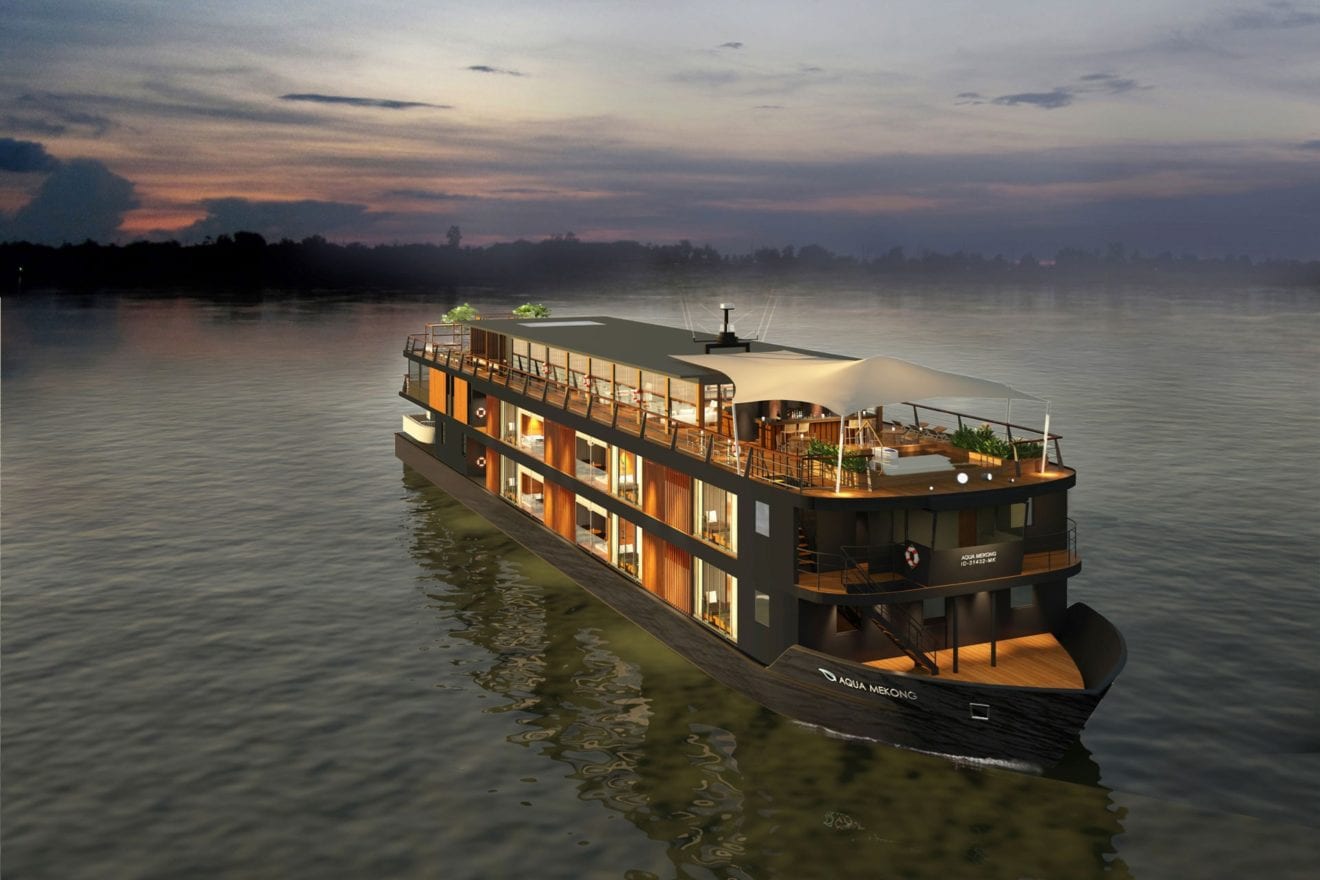
    Bank Rakyat Indonesia (BRI) has launched a floating bank to make banking accessible to people residing in remote islands or coastal areas.

    The bank which has been named Teras BRI Kapal will currently provide its services to the Thousand Islands regency off north Jakarta. Its services would cover six islands including Pramuka Island, Tidung Island, Kepala Island, Untung Jawa Island, Harapan Island and Panggang Island, reported the Jakarta Post.

    The banks plans to introduce additional boats eventually to further expand its services to other remote islands.

    BRI president director Asmawi Syam was quoted a saying: “We want to provide services for people in coastal areas who previously did not receive optimum banking services.”

    The boat that will comprise 11 staff members including crew, guards and four BRI officers, a teller, a customer service officer and two account officers will provide services including savings, loans and money transfers. It will operate from Monday to Friday.

    As per plans, the bank will launch a new floating boat branch every year and will invest $1.11m (£710,872, €1.02m) on each branch.

    It also plans to cover areas including Ternate in North Maluku, Bau-bau in Southeast Sulawesi and Tanjung Selor in North Kalimantan in the future.

  • Singapore-based DBS mulls expanding retail banking in India

    Singapore-based DBS mulls expanding retail banking in India

    Global turmoil may have forced many foreign banks to exit non-profit making India businesses but Singapore-headquartered DBS Bank has a different story to sell: retail banking.

    The lender is now planning to expand its retail footprints through remittance business between Singapore and India, and domestic secured and unsecured loans business.

    DBS is the only bank to have applied to RBI to convert its branches into a wholly-owned subsidiary.

    “The online remittance volumes from Singapore to India through our platform, DBS India Remit, have doubled over the past one year,” said Rahul Johri, managing director, head – consumer banking. “This not only generates fee income for DBS but also creates a platform to attract customers to other banking services of DBS.”

    “We are also planning to introduce personal loans, credit cards and multiple-currency foreign exchange cards in the next nine to 18 months,” he told ET.

    DBS India Remit, the online platform for inward foreign exchange remittances to India for DBS Singapore non-resident Indian clients, has brought down funds transfer time to just four hours for DBS India account holders. This service is now available in five metros.

    But it takes 48 hours to transfer funds in far-flung cities and towns in India. DBS will soon extend the service to smaller cities and towns as well.

    DBS now sees 60,000 transactions involving $150-160 million per month. The size and scale were half a year ago.

    “The service will become a differentiator for us to attract Singapore-based NRIs to bank with us as we grow our distribution reach,” Johri said. About 2.5 lakh NRIs bank with DBS in Singapore.

    DBS India offers home loans and loan against properties, launched last December. The lender expects to attain a book size of Rs 3,000 crore in the next three years from Rs 100 crore now. So far, it is selling such products primarily to affluent customers in five cities, including Pune, Mumbai, Delhi, Kolkata and Bengaluru.

    “As we garner more business and the processes become robust, we will enter new markets,” said Johri.

    “We would define a road map for branch expansion once we start operating under the subsidiary route subject to central bank approvals.”

    During 2014-15, the bank incurred a loss of Rs 275 crore as it wrote off loans in the construction and infrastructure sectors, which had gone bad. In the previous year, it had posted a profit of Rs 2 crore. Its overall loan book grew 4.55 per cent to Rs 15,845 crore. The bank did not grow its construction and infrastructure portfolio during the year.

    Asset quality improved due to write-offs and increased provisioning. Net non-performing asset ratio reduced to 4.15 per cent during the year, from 10.19 per cent in the previous year.

  • Rising wealth in Hong Kong, mainland China boosts Hang Seng Bank

    Rising wealth in Hong Kong, mainland China boosts Hang Seng Bank

    From its base in Hong Kong, Hang Seng tops Bloomberg Markets’ ranking of the world’s strongest banks for the second year in a row —by being everything HSBC isn’t. While the two share roots in Hong Kong, HSBC embarked on a global expansion to become Europe’s largest lender. It moved its headquarters to London in 1993 and set up shop in almost every major country.

    Now, HSBC is struggling to reduce costs. The 150-year-old bank, which bought its first stake in Hang Seng in 1965 and today owns 62 per cent, has announced about 87,000 job cuts since 2011. “The time of the global financial conglomerates is coming to an end,” says Ismael Pili, a Hong Kong–based analyst at Macquarie Group who rates Hang Seng underperform. “What you should really be doing is trying to be strong in your domestic market.” Gareth Hewett, an HSBC spokesman in Hong Kong, declined to comment.

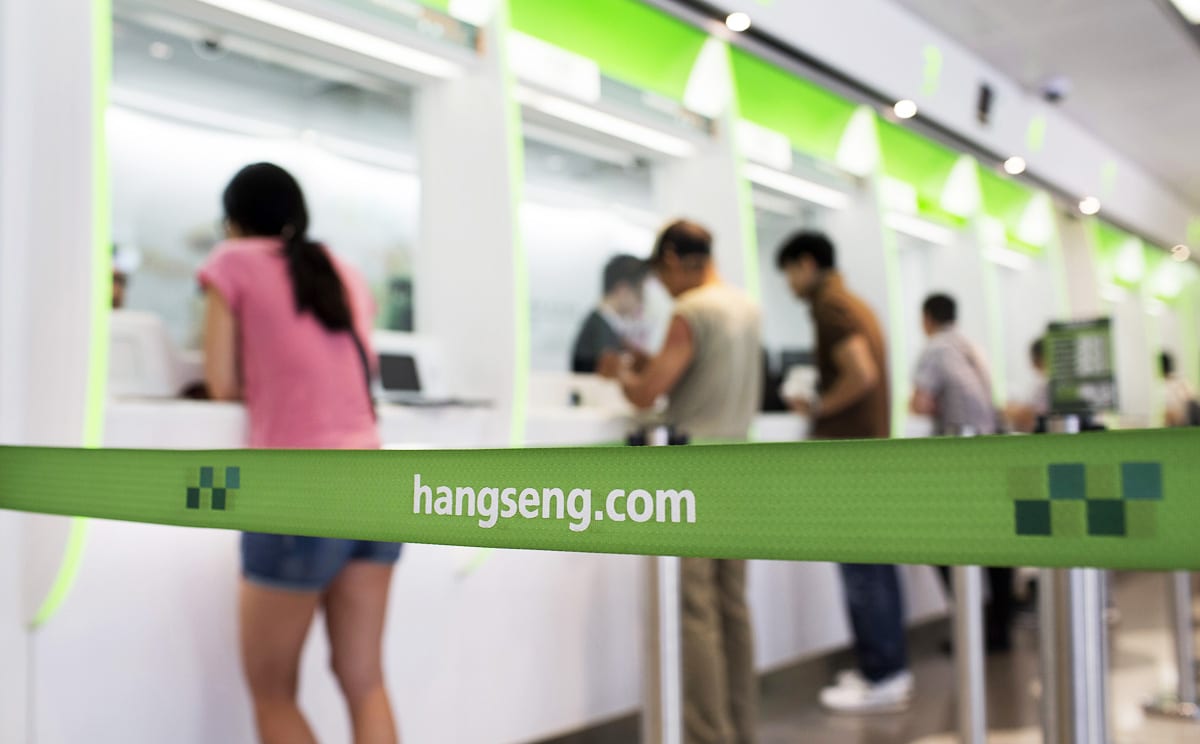
    Hang Seng is embracing that strategy, Bloomberg Markets magazine reports in its September issue. It has peppered Hong Kong’s subway stations and malls with its lime-green signage. More than half of residents 18 and older bank at its 240 outlets in Hong Kong. That presence makes Hang Seng Hong Kong’s No. 2 bank in terms of branches and provides a solid base of deposits from which to expand corporate lending and wealth management. CEO Rose Lee, 62, caters to her most-valued clients in the company’s 24th-floor dining room over a broth infused with five kinds of finely chopped snake meat. Hong Kongers swear the brew nourishes their blood.

    The invigorating powers of snake soup aside, Hang Sengis benefiting from rising wealth in Hong Kong and mainland China. It’s one of six Asian banks in Bloomberg’s top 20—five of them in the top 10. Japan’s Norinchukin Bank repeats in second place, after having tied for that spot a year ago.  Singapore’s Oversea-Chinese Banking is No. 3 in our fifth annual ranking of lenders whose assets total US$100 billion (RM381.37 billion) or more. Two other Singapore banks are ninth and 10th.

    Across Asia, the International Monetary Fund expects gross domestic product growth to average 5.6 per cent this year, triple the European Union’s 1.8 per cent. And Asia’s rich are getting richer. The 4.69 million individuals in the Asia-Pacific area with at least US$1 million in assets boosted their combined wealth11 per cent last year to a total of US$15.8 trillion, the fastest pace in the world, Royal Bank of Canada and Cap Gemini say. “Asian banks stand out because of the huge wealth creation in the region,” says Arthur Kwong, head of Asia-Pacific equities at BNP Paribas Investment Partners in Hong Kong. “A lot of the banks are well capitalised.”

    Asia’s strongest lenders, and their global counterparts, are improving the quality of their capital. Cooperative bank Norinchukin lost ¥1572 billion (RM17.54 billion) in the fiscal year that ended in March 2009 when it bet the cash of its members, mostly farmers and fishermen, on toxic US mortgage-backed securities. Today, CEO Yoshio Konois investing in high- grade bonds at home and abroad, including sovereign debt. “Our goal is to keep capital at a level that’s sufficiently above what is required globally,” says Shinichi Saitoh, a senior managing director at Norinchukin. The bank has a 17.6 per cent ratio of Tier 1 capital to risk-weighted assets for the ranking period, putting it fifth in the high-quality-capital category that includes equity and some subordinated debt.

    The Basel Committeeon Banking Supervision has been pushing all banks to improve capital standards. The latest measures, known as Basel III, more than triple the minimum amount of core capital lenders need to at least 7 per cent of their risk- weighted assets. National regulators can set stricter rules. Bloomberg’s ranking considers capital strength among its five ranking criteria. The others are nonperforming assets, loan-loss reserves, deposits, and efficiency. Bloomberg is displaying a bank’s assets in the chart for the first time this year.

    If Hang Seng has a weakness, it’s mainland China. Its Shanghai-based unit has about 50 outlets in major cities. The bank focuses largely on Hong Kong companies that want to do business on the mainland rather than on retail customers. Those companies are facing slowing growth: China’s GDP increased 7.4 per cent last year, down from an average of 9.8 per cent during the past four decades. Chinese banks’ bad loans surged in the first quarter by the most since at least 2004, with defaults spreading to state-owned giants. Because of China, Hang Seng more than doubled its provision for bad loans last year to HK$1.14 billion (RM560.61 million). Even so, it isn’t retreating from the world’s second-largest economy. “We won’t scale back our China business,” Lee said during an earnings press conference in February. “Instead, we will focus more on customers that are doing business in both China and Hong Kong.” She declined to comment for this story.

    Capital strength buoyed the top banks of Europe. No. 13 Swedbank suffered the biggest losses of any major lender in the Nordic countries in 2009. CEO Michael Wolf took the helm that March and raised a total of 27.5 billion kronor (RM12.20 billion) in two share sales to improve the bank’s capital ratio. Today, Swedbank is the ranking’s best capitalized, with a 22.4 per cent Tier 1 capital ratio.

    Europe tied Asia with six lenders in the top 20 — thanks primarily to Nordic banks. Sweden’s regulator has been raising capital requirements for the biggest banks since 2011. Swedbank and two other Swedish banks posted the highest capital ratios in our ranking. “Nordic banks are as safe as they could be,” says Wilhelm Heinrichs, a fund manager at Allianz Global Investors in Frankfurt.

    It wasn’t always that way. Annika Falkengren, chief executive of No. 12 SEB, is focusing on high-quality capital and cautious domestic lending after leading the bank through the financial crisis. When Falkengren, 53, became CEO in 2005, she says, she knew of potential risks in the Baltic states of Estonia, Latvia, and Lithuania from a credit-fueled housing boom. But she didn’t anticipate the shock that followed Lehman Brothers’ bankruptcy in 2008. To shore up the bank after losses in the Baltics, Falkengren raised 15.1 billion kronor in a 2009 share sale. She cut 1,500 jobs and reduced the bank’s reliance on short-term borrowing to improve its funding profile. Then she began building capital buffers and has continued to bolster equity to this day. “Ever since Lehman, I had a very strong focus on creating a rock-solid balance sheet,” Falkengren says.

    At the end of 2014, SEBhad a 19.5 per cent Tier 1 capital ratio, a low ratio of nonperforming assets to total assets, and a 15.3 per cent return on equity, profitability most major European banks can only dream of. HSBC and Deutsche Bank, Germany’s biggest bank by assets, are struggling to hit 10 per cent.

    Falkengren remains careful as she seeks to grow in the Nordic countries and Germany and slowly moves into the U.K. In corporate banking, SEB lends mainly to blue-chip clients such as Electrolux, Europe’s biggest home appliance maker, and others it knows well. For retail customers, it’s limiting the sum Swedes can take out in mortgage loans to five times their household’s gross annual income. “We’re trying to make sure our clients are not taking too much risk,” she says.

    Like Hang Seng and Norinchukin, Singapore’s strongest banks are targeting markets they know well. That’s helping them curb bad debts and build a strong capital base, says Jean-Charles Sambor, Asia-Pacific director at the Institute of International Finance. The Tier 1 capital ratio at Oversea-Chinese Banking and the other Singapore banks exceeded the Basel III guideline at the end of 2014.

    Oversea-Chinese Banking, Southeast Asia’s second-largest lender by market value, has ambitions beyond plain banking in Asia. It operates in 18 countries and territories from Malaysia to China and was among the first to reopen a branch in Myanmar this year after 49 years of military rule. “Our strategic direction is to become a leading, well-diversified Asian financial services group with a broad geographical footprint,” CEO Samuel N. Tsien says. He says the ability to get funding and revenue from both developed and emerging Asian markets helps stabilize the bank’s capital base when regional economies fluctuate.

    Canada, which dominated the 2012 ranking that considered banks’ 2011 fiscal years, has two entries in the top 20: Desjardins at No. 5 and Canadian Imperial Bank of Commerce at No. 18. CIBC is the only North American bank to appear in the ranking all five years.

    The US has three entries: newcomer Capital One Financial in McLean, Virginia, at No. 6; No. 14, Citigroup; and No. 15, Winston-Salem, North Carolina–based BB&T, the ninth-largest US commercial bank by assets. New York–based Citigroup, the world’s twelfth-largest bank in terms of assets in the ranking period, is the only large global lender among the 20 strongest. The biggest US banks by assets, led by JPMorgan Chase and Bank of America, didn’t make the list.

    Capital One—with its quirky ads that ask, “What’s in your wallet?”— gets its strength from US consumers and their prolific credit card spending and abundant auto loans. Richard Fairbank, the only CEO of a top US lender who’s still running the company he founded, has transformed the business. Starting with a credit card consulting firm in 1988, Fairbank has built one of the biggest US regional banks and consumer finance companies. His method: announcing acquisitions including Hibernia in 2005, North Fork Bancorp in 2006, and biggest US online lender ING Direct in 2011.

    Capital One’s consumer push helped it top the loan-loss- reserves-to-nonperforming-assets category. It’s benefiting from low credit card delinquencies as US banks’ quarterly write- offs on the cards slid to less than 3 per cent last year, the US Federal Reserve says. The bank’s consumer focus has also brought scrutiny. In 2012, the Consumer Financial Protection Bureau ordered Capital One to pay US$210 million to settle charges of deceptive marketing of such credit card products as identity theft monitoring. The bank didn’t admit or deny wrongdoing. The US Justice Department and others are investigating Capital One’s subprime-auto-financing business. Julie Rakes, a spokeswoman for Capital One, declined to comment.

    Another newcomer, National Commercial Bank, joins the top 20 at No. 4, the only Saudi Arabian lender ever to make the ranking. Controlled by the government, it’s the second-largest Middle Eastern bank, with assets of almost US$120 billion. Saudi oil wealth — a projected US$172 billion in export revenue this year — buoys the bank: About 8.4 per cent of its deposits, or 28 billion riyals (RM28.69 billion), come from the government.

    NCB has taken a conservative approach to investments. Its rising nonperforming loans, a significant portion made to the former owners, led the government to take over the bank in 1999. Since then, it’s pushed into Saudi Treasuries and expanded retail outlets. “The bank has maintained a very liquid balance sheet,” says Murad Ansari, director of equity research at EFG Hermes Holding in Riyadh, Saudi Arabia. “It uses its scale to its advantage, whether that’s in retail, where it can attract inexpensive deposits and do more lending, or in corporate, where it uses its large equity base to do bigger deals.” The bank could suffer from declining oil prices and slow loan growth amid an economic downturn, Ansari says.

    Even top banks in Asia face similar risks. Sluggish credit growth, rising competition, nonperforming loans, and the challenge of maintaining high-quality capital are potential problems, BNP’s Kwong says. Macquarie’s Pili attributes his underperform rating on Hang Seng to its declining interest margins and shrinking market share in non-consumer loans, among other things.

    For Rose Lee and Hang Seng, such issues might mean it’s time to reach out to clients over a few more bowls of strength- promoting snake soup.

  • Implications of China’s Stock Market Crash

    Using extreme measures, the Chinese regime eventually managed to stabilize the stock market crash that started in mid-June, during which both the Shanghai and Shenzhen stock market indices fell more than 30 percent in three weeks.

    While many retail investors have begun to show signs of relief, even expressing gratitude to the government for “saving” the stock market and their investments, the episode has a very different meaning to foreign governments and investors alike.

    Most importantly, it reveals that China’s stock market is still at a very premature stage, and the Chinese authorities’ inclination to exercise control is overwhelmingly strong. Many analysts and international media are beginning to cast doubts on the future direction of China’s economic and financial reforms.

    In recent years, China has made great efforts to liberalize its stock market. Reform measures have been implemented, such as the gradual introduction of Renminbi Qualified Foreign Institutional Investors (RQFII) to participate in the A share market, as well as the launch of the Shanghai-Hong Kong Stock Connect last November that allows investors in each market to trade shares on the other market.

    China has never shied away from its aspiration to transform Shanghai into a regional or even international financial center.

    However, the meltdown of the stock market and the regime’s drastic responses—which include banning any new IPOs, prohibiting major shareholders to dispose of their shares within a 6-month period, and allowing listed companies to suspend trading without any valid reasons—have undoubtedly damaged the confidence of international investors.

    Unlike the more mature stock markets, China’s stock market is dominated by retail investors who have little investment knowledge and experience.

    Increasing the participation of institutional investors, particularly from the West, will be an important step for the market’s further growth and development. The pace of such reforms will definitely be stalled in the aftermath of the stock market crash.

    Another of China’s important financial goals is the internationalization of the yuan. According to the International Monetary Fund (IMF), the opening of its capital account might help Beijing meet IMF’s criteria to join its Special Drawing Rights currency basket, which would greatly enhance the yuan’s popularity and status.

    Yet again, one possible consequence of the stock market turmoil is that China’s chance of success in this endeavor might be compromised.

    What lessons the Chinese authorities have learned and what direction they choose will be the focus of international attention.

  • Tmall global celebrates new partnership again

    Tmall global celebrates new partnership again

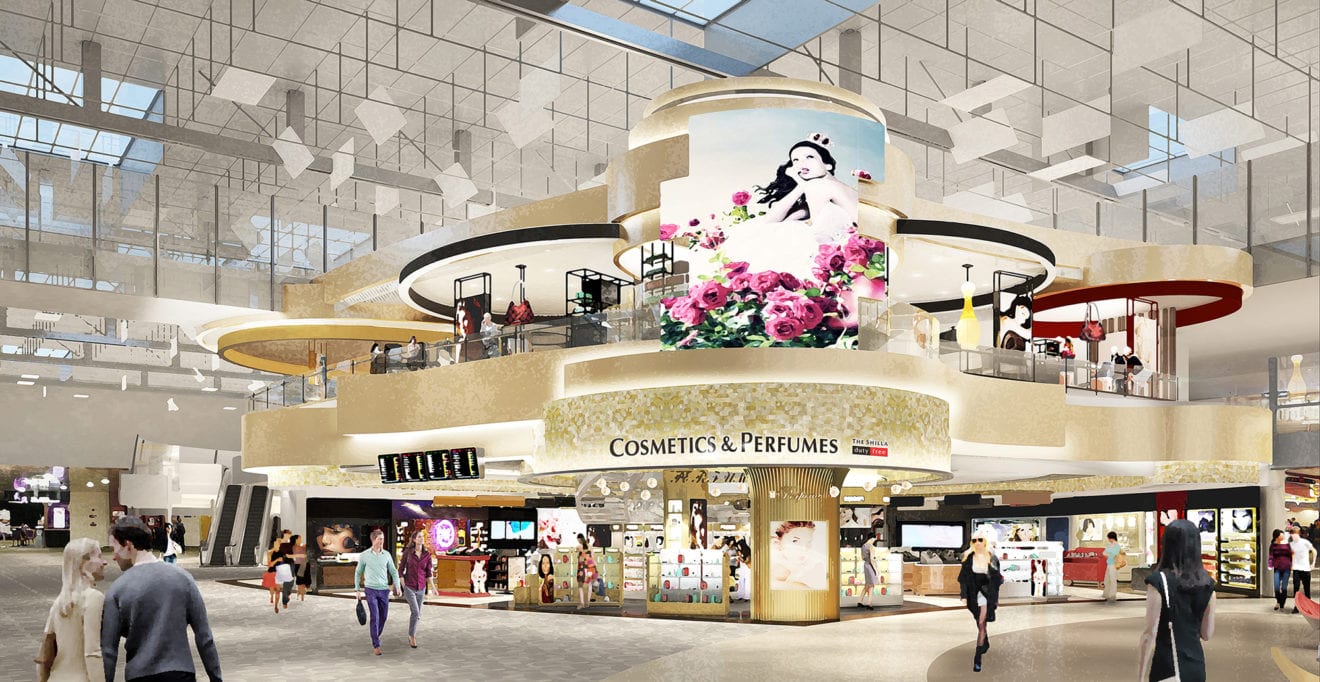
    Tmall Global, part of the Alibaba Group B2C Tmall.com business in China is celebrating its relatively new partnership with The Shilla Duty Free and The King Power International Group of Thailand.

    As reported last May, the trio are aiming to enhance the duty free shopping experience for Chinese travellers to these two countries with their newly-launched innovative ‘World Duty Free service’ which is described as the first of its kind in China created to offer consumers and travellers ‘a seamless solution for purchase and pickup of duty free goods’

    The partnership allows Chinese consumers to enjoy more savings and increased convenience by pre-purchasing products and discount vouchers on Tmall Global before they travel, and then collect their purchases or use their discount vouchers at the duty free stores in South Korea and Thailand through their Alipay receipt or barcode from their mobile phones.

    The ‘World Duty Free’ service also allows merchants to target specific consumer groups from China and thereby discover trends and demands of hundreds of millions of Chinese shoppers across Alibaba Group’s China retail marketplaces.

    Alvin Liu, general manager of Tmall Global said: “The World Duty Free service is an important strategic initiative of Alibaba Group’s globalization strategy. This project connects Tmall Global, Alipay and various major duty free retail groups from around the world to create an integrated e-commerce model offering a seamless cross-border shopping experience for Chinese travellers.

    “We want to make the duty free shopping experience as simple and easy as possible for our customers. The new service will save them time in exchanging foreign currency, queuing, product wrapping and tax refunds. In the future, Tmall Global aims to bring more duty free shops onboard to broaden coverage to other popular destinations around the world.”

    Tmall Global claims to be the first and only e-commerce platform in China to partner with a Korean duty-free store chain. To commemorate the launch of this new service, The Shilla Duty Free is offering a promotion of up to 50% off the price of selected items, while King Power is also offering a free RMB500 ($80) coupon for purchases above a certain level.

    Tmall Global now claims to be in discussion with dozens of duty-free companies in other countries to offer this service for Chinese travellers travelling to other destinations. Tmall Global also plans to work with other Alibaba Group businesses such as Alipay and Alitrip to provide an integrated and comprehensive travel and shopping experience to Chinese consumers.

    Around 5,400 overseas brands from 25 countries and regions have opened stores on Tmall Global, which is used by a growing number of brands from the U.S., Germany, Australia, South Korea, Japan, Taiwan and Hong Kong as a stepping-stone into China.

  • Samsung Galaxy Tab S2 to Hit Hong Kong Next Week

    Samsung Galaxy Tab S2 to Hit Hong Kong Next Week

    Last week, Samsung introduced its latest Galaxy Tab S tablets line up which is already up for pre-orders in some regions across the globe.

    If you’re based in Hong Kong waiting for the new tablet, you be glad to find out it will hit retail in the region next week.

    The Samsung Galaxy Tab S2 will be available in both WiFi and LTE configurations. The 9.7-inch WiFi variant is priced at HKD3,888 ($500), while the 8-inch model carries a slightly lower HKD3,088 ($400). The tablets will be available in both white and black color options, and will hit retail shelves in Hong Kong on August 4th. A gold color option for both tablets will also hit retail in mid-August.

    Users looking for LTE connectivity will have to shell out even more money as the 9.7-inch LTE Galaxy Tab S2 costs HKD4,888 ($630). On the other hand, the smaller 8-inch LTE model comes with a HKD4,088 ($527) price tag. Both LTE variants will hit retail in mid-August with the gold color option hitting retail sometime at the end of August.

    The tablets also comes with a number of goodies, including two-year free 100GB OneDrive storage, a coupon code from Expedia, free download of 1 book per month from Kindle and a little more.