Author: Mei Ling Tan

  • Lotte China loses a trillion

    Lotte China loses a trillion

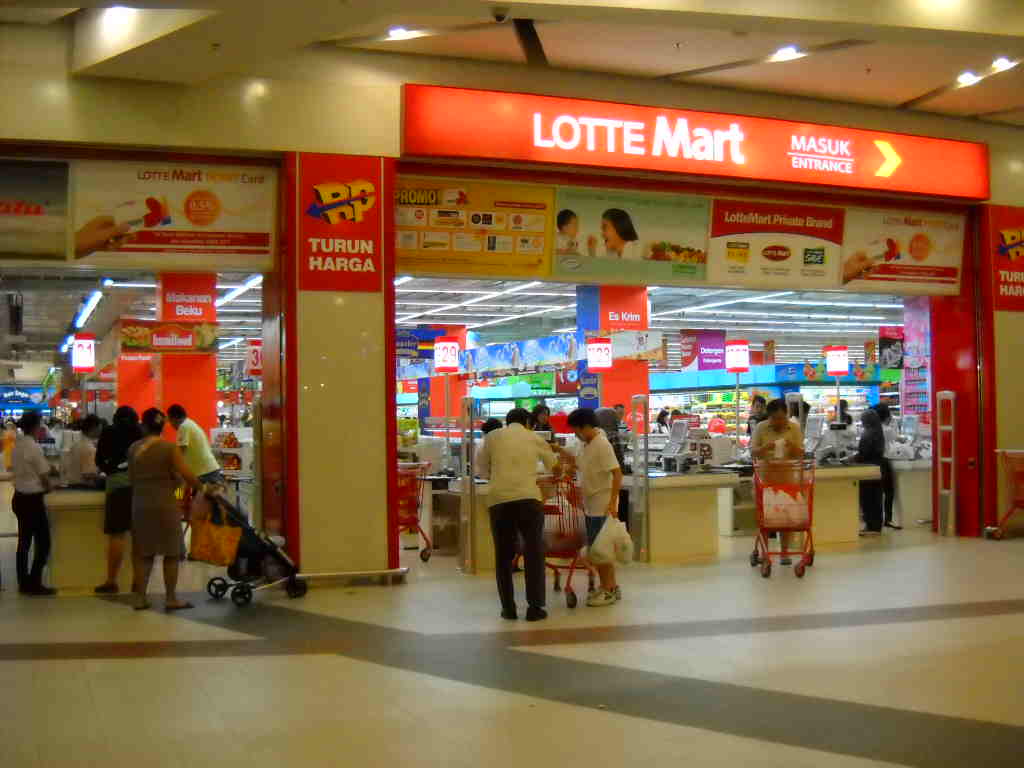
    Reports from Korea suggest Lotte Group has lost more than 1 trillion won (US$853 million) in China in just three years.

    Data assembled by CEO Score shows Lotte China made heavy losses between 2011 and 2014 as South Korea’s fifth largest company struggled to understand the Chinese consumer and build market share.

    Last month, Lotte said it would close four loss-making stores in its Mainland China network – all in in East China’s Shandong Province.

    Lotte is said to be losing market share in Mainland China unable to differentiate itself in the middle ground between local retail chains and the growing power of online retailers such as Alibaba and JD.com.

    CEO Score’s data shows the losses are growing, not narrowing. It started with 92.7 billion won in 2011, reached 250.8 billion won in 2012 and a massive 580.8 billion won in 2014.

    Lotte Mart has 120 stores in China, 116 in Korea, 39 in Indonesia and 10 in Vietnam.

    The company is family owned with the leadership locked in a bitter power struggle and two brothers compete to take control from their 93 year old father.

  • McDonald’s make Minions

    McDonald’s make Minions

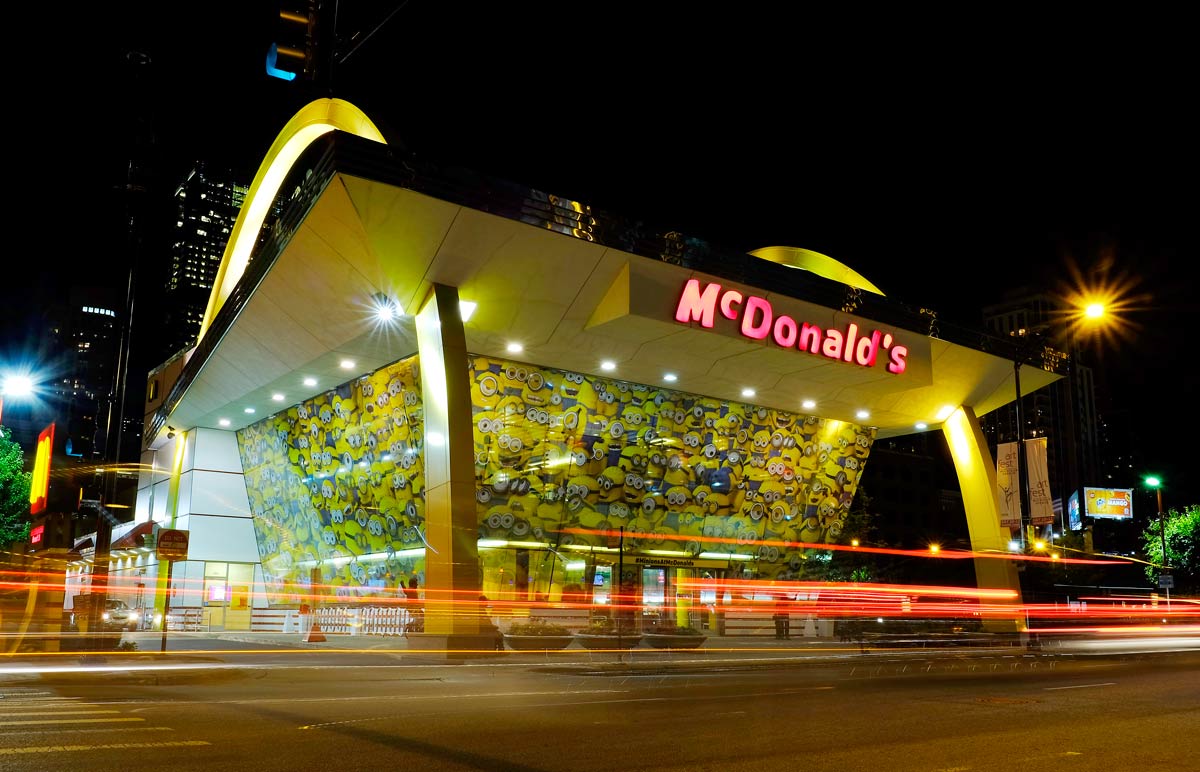
    Sales of products affiliated with animation characters – such as ‘Minions’ and the cast of Frozen – are soaring.

    According to McDonald’s, Happy Meals with Minion toys are in high demand in South Korea.

    The ‘Minion Happy Meal Special Set’, which consists of five Minion toys, one Happy Meal, and four coupons for Happy Meals were all sold out the minute they were released on July 23, with people queuing for hours before their 3pm release. With stock limited to 100 per store, the Minions disappeared fast.

    From July 24, McDonald’s started to sell Happy Meals including one Minion toy each.

    “It is hard for us to reveal how many Happy Meals are sold in a day, but ever since we gave out Minion toys, sales definitely went up.”

    McDonald’s said Minion-themed products such as the ‘Minion Shrimp Beef Burger’, ‘Minion Yellow Muffin’, ‘South Pole Lemonade’, ‘Ba-nana Shake’ and ‘Ba-nana McFlurry’ are also popular among customers.

    McDonald’s is planning the second release of the ‘Minion Happy Meal Special Set’ for August 9, at 3pm. The five Minion toys will be different from the previous event. The fast food chain is expecting another early sell-out.

    McDonald’s is not the only company using cute Minions in marketing.

    Sam Lip General Foods released four types of Minions bread in time for the movie’s release.

    Not to be outdone, Binggrae’s ‘Yomamte’ yogurt ice cream is affiliated with the beloved characters from Disney’s ‘Frozen’. According to Binggrae, sales of the product tripled compared to 2013.

    The places selling the ‘Frozen‘ Yomamte’s were shared on online communities, and consumers gave cute nicknames to the products. Named after the characters printed on the packages, Elsa, Anna and Olaf, the popsicles were named ‘El-mamte’, ‘An-mamte’ and ‘Ol-mamte’.

    Officials from Binggrae are looking into expanding their product line.

    “There were six different designs from ‘Frozen’ printed on the packages in the early stages of the renewal, but we are planning to expand the designs to 23 different types so that consumers can have a wider variety of choice.

  • Dairy Farm reports modest growth

    Dairy Farm reports modest growth

    Dairy Farm says it achieved “modest” like-for-like sales growth in most of its major markets in the first half of this year.

    However, underlying profit fell 14 per cent to US$193 million, largely due to margin pressures in the food businesses and a disappointing half for its Guardian health & beauty group in Malaysia.

    With the early completion of the acquisitions of the San Miu supermarket business in Macau and the Yonghui stake (20 per cent) in China, both in April, sales for the period rose 27 per cent to US$8 billion. But like for like sales rose a more modest three per cent to $6.5 billion, or by seven per cent on a constant exchange rate basis.

    Dairy Farm International says that despite solid sales growth, cost pressures and food price deflation on certain commodities combined to squeeze margins in the first six months for the group’s Food businesses.

    “In Hong Kong, there were higher rental and labour costs. In Singapore profits were significantly lower due to competitive pressures, higher rents and a weaker Singapore dollar. Sales were buoyant in Malaysia, but there was continued margin investment to attract customers,” said chairman Ben Keswick in his half yearly report.

    “There was good like for like sales growth in Indonesia, but profitability declined materially due to higher labour costs following a further increase in the minimum wage, a rise in shrinkage costs associated with greater fresh sales and more rigorous stock management, and store rationalisation.

    “In the Philippines, the upscale and community supermarkets enjoyed sales growth, but the hypermarkets struggled.”

    Dairy Farm’s convenience store businesses in Hong Kong and Macau performed satisfactorily. Sales in Singapore, however, were weaker due to a reduction in the number of stores and the impact of recently introduced regulations restricting late night sale of alcohol.

    The Health & Beauty division produced higher sales. Hong Kong and Macau performed well despite some impact from a decline in tourist arrivals. In mainland China, there was further growth in the store base and an improvement in results. In Malaysia, profitability was lower following the introduction of GST on 1st April. In Indonesia, the results were impacted by wage and rent increases, while sales growth remained good. In the Philippines progress was made on the integration of Rose Pharmacy.

    In Home Furnishings, the IKEA stores in both Hong Kong and Taiwan traded well, and the new IKEA store in Indonesia continues to perform in line with expectations.

    In the Restaurant division, Maxim’s maintained its consistent performance with increased sales and profits in Hong Kong and mainland China. The group is growing its presence in Mainland China and continuing to expand its Starbucks network in Vietnam.

    At the end of June, Dairy Farm operated over 6400 outlets across all formats, including the newly added San Miu and Yonghui stores, and employed in excess of 170,000 colleagues.

  • Hong Kong retail sales stable

    Hong Kong retail sales stable

    Hong Kong retail sales are not as depressing as many luxury retailers would have us believe.

    Figures for June released unusually late in the day on Friday show a year on year decrease of just 0.4 per cent, a figure low enough to adjust the first half year’s sales slippage to just 1.6 per cent – from the 2.3 per cent for the first four months.

    But take the effect of inflation out of the equation, and the territory’s retail sales increased by 4.4 per cent in June 2015. In volume terms, sales rose 4.7 per cent in the month, and for the first half of the calendar year are up by 4.7 per cent.

    Basically, it is the luxury sector – high end fashion, watches and jewellery – which is suffering the most. For most other retailers, there’s nowhere near the same level of decline.

    A Census and Statistics Department (C&SD) spokesman indicated that retail sales volume grew moderately further in June over a year earlier.

    “The fall in the sales of jewellery, watches and clocks, and valuable gifts narrowed, while retail outlets selling certain consumer durable goods registered visible growth in sales.”

    But the C&SD spokesman maintained a conservative outlook for the remainder of the year.

    “Looking ahead, the near-term performance of retail sales is still subject to uncertainties, depending on inbound tourism growth and any spillover to consumption sentiment from the recent stock market volatility.

    “Nevertheless, the stable job and income conditions should provide some support. The Government will monitor closely how these factors, as well as the various uncertainties in the external environment, would affect the retail business going forward,” he said.

    By broad retail category, and in descending order of value of sales, the value of sales of jewellery, watches and clocks, and valuable gifts decreased by 10.4 per cent in June 2015 compared with a year earlier.

    This was followed by sales of commodities in supermarkets (down 0.5 per cent), wearing apparel (down 3.8 per cent), commodities in department stores (down 3.3 per cent), medicines and cosmetics (down 4.2 per cent), footwear, allied products and other clothing accessories (down 8.4 per cent), furniture and fixtures (down 3.7 per cent), books, newspapers, stationery and gifts (down 9.5 per cent) and Chinese drugs and herbs (down 4.2 per cent).

    On the other hand, the value of sales of electrical goods and photographic equipment increased by 21.4 per cent in June 2015 compared with a year earlier. This was followed by sales of food, alcoholic drinks and tobacco (up 3.6 per cent) and optical shops (up 0.4 per cent).

    Based on the seasonally adjusted series, the value of total retail sales decreased by 4.4 per cent in the second quarter of 2015 compared with the preceding quarter, while the volume of total retail sales decreased by three per cent.

  • Disney, Uniqlo form global partnership

    Disney, Uniqlo form global partnership

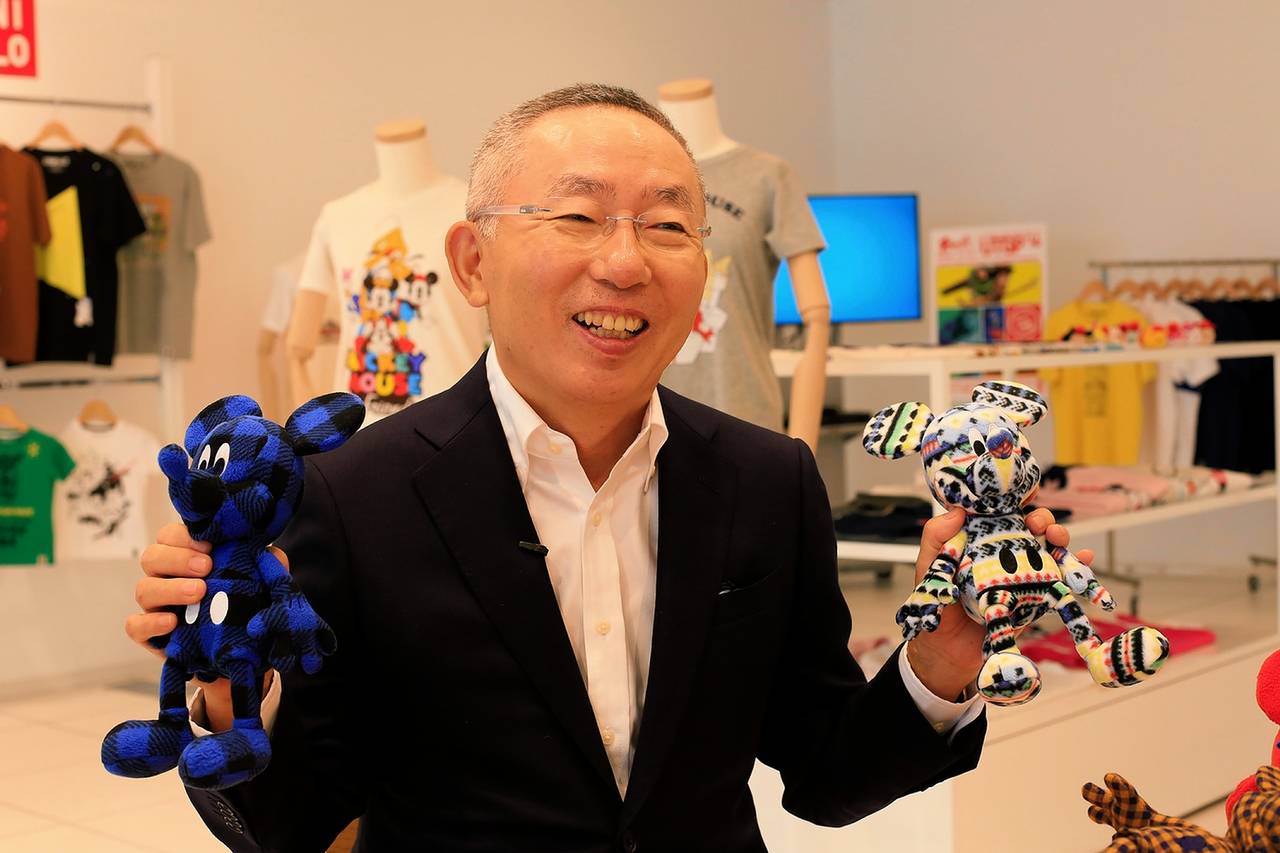
    Uniqlo has announced a global collaboration with Disney Consumer Products, dubbed Magic For All.

    The initiative will see characters from Disney’s brands, including Marvel action, Star Wars adventure and Pixar creativity to everyday Uniqlo LifeWear fashions and introduce “innovative new products, pop-up displays, and in-store and online customer experiences,” the Japanese apparel retailer said in a statement.

    “We want to help everyone’s dreams come true,” said Tadashi Yanai, chairman, president and CEO of Fast Retailing.

    “I look forward to bringing together LifeWear and the magic, excitement and adventure of Disney, Marvel, Star Wars and Pixar to deliver enjoyment to customers all around the world through our products, customer service and shopping experience.”

    Paul Candland, president of The Walt Disney Company Asia, said the entertainment giant prides itself on delivering magical experiences to fans of all ages, “whether it’s at the movies, retail, our theme parks or at home”.

    “Uniqlo shares our passion for storytelling and we look forward to expanding our global collaboration creating unique experiences for fans to immerse themselves in the Disney, Marvel, Star Wars and Pixar brands.”

    The Disney, Uniqlo relationship began in 2009, when the company launched its first collection of UTs (Uniqlo T-shirts) featuring iconic and treasured Disney characters, Mickey Mouse and Minnie Mouse. Through Magic For All, Uniqlo will extend its collaboration beyond the UT and sweat parka lines and introduce new LifeWear items beginning in fall 2015.

    Products will range from Ultra Light Down, fleece, and flannel shirts to umbrellas, plush toys, and other offerings featuring Mickey Mouse and Minnie Mouse and then expand to include popular characters from Star Wars, Pixar Animation Studios’ Toy Story, Marvel’s Avengers and Disney’s Frozen.

    Customers will be introduced to Magic For All at D23 Expo, The Ultimate Disney Fan Event, in Anaheim, California from August 14-16.


    A concept store featuring the full product range will open in Shanghai at the end of September. Currently under construction, it will occupy the fifth floor of the five story Uniqlo Shanghai Global Flagship, the brand’s largest worldwide.

    Global flagships and large-format stores around the world will also offer Disney, Marvel and Star Wars-themed products through newly created Magic For All sections.

    In spring 2016, Uniqlo will open its first store in the US southeast, at Disney Springs in Lake Buena Vista, Florida. This flagship will house the brand’s assortment of Magic For All offerings for men, women and children in a setting that captures the fantasy and magic of Disney.

    On July 13, Uniqlo announced “friendship in Disney-Pixar movies” as the theme for its annual UT (Uniqlo T-shirt) Grand Prix 2016 Design Contest. First launched in 2005, the contest attracts thousands of entries from around the world. The winning designs are included in the following year’s spring summer UT Collection, which is sold worldwide. An exclusive animated short was produced to support the 2016 competition.

  • MobiFone Vietnam moves into retail

    MobiFone Vietnam moves into retail

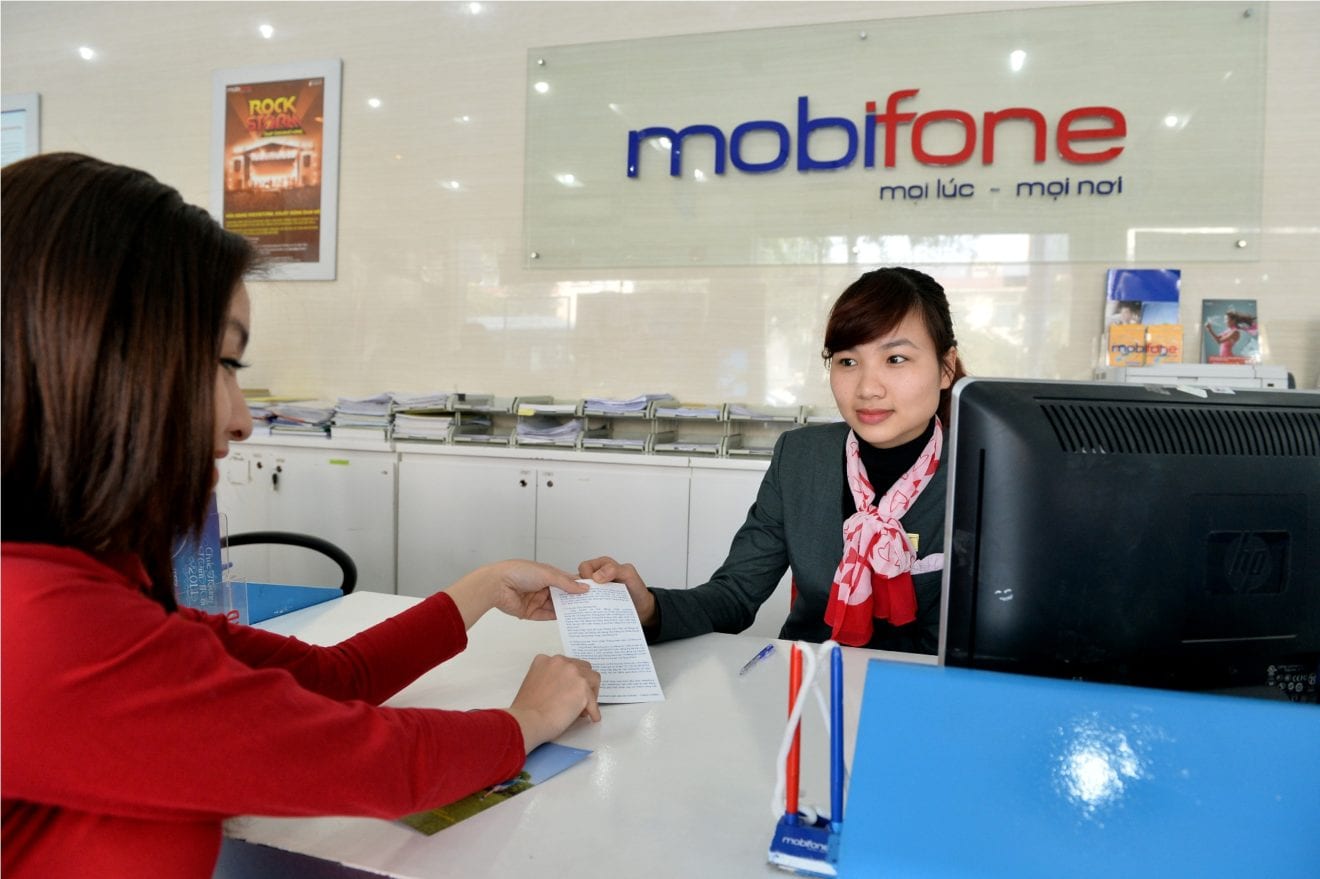
    Vietnam telco MobiFone says it will focus on expanding its retail presence in the coming year as it competes for market share.

    MobiFone Vietnam is one of three key mobile phone networks fiercely competing for a share of the nation’s burgeoning telecommunications business.

    In recent years rivals Viettel and VinaPhone have all stepped up their retail presence, but MobiFone has less profile at storefront level.

    Speaking at a shareholders meeting last week, MobiFone Vietnam general director Cao Duy Hai said the company will focus on its businesses in telecom, television, retail and multimedia in the 2015-20 period.

    He said the company planned “a large distribution channel” to increase MobiFone’s market share. Local commentators suggest this may include partnerships with mobile phone brands such as Samsung, Apple, Oppo and Huawei, all strong players in Vietnam.

    Viettel has stores in many cities and provinces throughout the country and VinaPhone has co-operated with Apple, among others, to distribute its products. But MobiFone tends to rely on trade through independent stores who can connect customers to any of the networks.

    MobiFone is 100 per cent Government owned and also has businesses in construction, minerals, broadcasting and multimedia.

  • SM Investments Corporation bags five awards from Alpha Southeast Asia magazine

    SM Investments Corporation bags five awards from Alpha Southeast Asia magazine

    SM Investments Corporation (SM) bagged five awards from Alpha Southeast Asia magazine based on a poll of investors.

    SM topped four categories under the 5th Annual Southeast Asia’s Institutional Investor Awards for Corporates. These are Most Organised Investor Relations for the fifth year in a row; Best Senior Management Investor Relations Support; Best Strategic Corporate Social Responsibility. SM was also named among the companies with the Most Consistent Dividend Policy.

    SM’s Executive Vice President and Chief Financial Officer Mr. Jose T. Sio was likewise named Best Chief Finance Officer (CFO) in the Philippines for the fourth time in a row. Mr. Sio is known for his financial prudence while strongly supporting the phenomenal growth of the SM group of companies.

    Mr. Sio is a certified public accountant with a master’s degree in Business Administration from New York University. He was a senior partner at Sycip Gorres Velayo & Co. prior to joining SM in November 1990.

    “We are grateful for this recognition by Alpha Southeast Asia which continues to inspire us to strive for excellence. We also thank our investors who continue to put their trust in the company,” SM EVP and CFO Jose T. Sio said.

    The awards presentation for the Philippine winners will be held on September 1, 2015 at the Makati Shangri-La.

    The poll is based on tallied votes among 520 investors and analysts across the region as well as the US and Europe. These included fund managers with investment interests in Southeast Asia, large institutional investors, insurance companies, pension funds, funds of hedge funds, private banks, equity and fixed income brokers as well as buy and sell-side analysts.

    Alpha Southeast Asia is a monthly magazine primarily written for institutional investors, asset and fund management companies in Hong Kong, Singapore, other parts of Asia, US, Europe and the Middle East. The magazine also has a strong following among the region’s largest local corporates.

  • Banks in Singapore staring to offer higher fixed deposit rates

    Banks in Singapore staring to offer higher fixed deposit rates

    The upcoming Singapore Savings Bonds and stricter rules on how much capital banks must hold may be driving lenders to offer enticing promotional rates for fixed deposits.

    A shortage of funds on deposit available to banks for lending might also have prompted them to step up the competition for cash.

    Putting $25,000 into a 12-month fixed deposit now yields 1.5 per cent at OCBC and 1.45 per cent at Maybank, up from around 0.25 per cent to 0.7 per cent a year.

    Ms Kum Soek Ching, head of South-east Asia research at Credit Suisse, noted that banks could be offering promotions to prepare for the sale of the Singapore Savings Bonds (SSB), which could attract investments that would normally go into a fixed deposit.

    The bonds offer investors with a longer horizon a higher yield than fixed deposit rates, she said.

    Singapore Savings Bonds will start being issued in October and have a term of up to 10 years. They offer yields linked to long-term Singapore Government Securities, which have been between 2 and 3 per cent over the past 10 years.

    SSBs will start being issued in October and have a term of up to 10 years.

    They offer yields linked to long-term Singapore Government Securities, which have been between 2 and 3 per cent over the past 10 years.

    Dr Chua Hak Bin, head of emerging Asia economics at Bank of America Merrill Lynch, noted that the sale of SSBs would “intensify competition for retail deposits and pressure rates higher”.

    He added that the Government intends to issue up to $4 billion of bonds this year, an amount roughly equal to the increase in retail deposits over a six-month period.

    But some analysts believe SSBs will likely only marginally impact bank deposits in the short term.

    Mr Kumar Rachapudi, senior rates strategist for Asia at ANZ Research, said the amount of SSBs to be issued this year is small compared to total bank deposits, which are about $550 billion.

    The total bank deposits would at most be reduced by the amount of SSBs issued – only up to $4 billion – he added.

    Furthermore, retail investors are allowed to buy only up to $100,000 worth of SSBs, he said, adding: “There is no such cap on deposits.”

    Increasing liquidity requirements may also pressure foreign banks into raising rates, analysts here noted.

    Foreign banks deemed systemically important – such as Citi, HSBC, Maybank and Standard Chartered – will have to hold more high quality assets, like deposits, from January next year, noted Mr Chan.

    Ms Kum added that foreign banks could feel the pressure of increased deposit competition more, as they have a much smaller base of low-cost Singdollar deposits.

    However, local banks enjoy this larger base because of their home town advantage.

    The reduced pace of retail deposits, in the light of slower economic growth and a rate hike in the United States, would put further pressure on short-term rates, Dr Chua said.

    Local and foreign banks The Straits Times spoke to said their promotions were part of regular efforts to keep fixed deposit interest rates competitive.

    They also said they expected the SSBs to complement, not compete, against fixed deposits.

    Mr Matthew Colebrok, head of retail banking and wealth management at HSBC Singapore, said fixed deposits offered investors flexibility on terms while not limiting deposit amounts.

    They complemented saving bonds, which are used to meet long-term needs, he added.

  • China Finance Online Announces New Office in Beijing

    China Finance Online Announces New Office in Beijing

    China Finance Online Co. Limited (“China Finance Online”, or the “Company”, “we”, “us” or “our”), a leading web-based financial services company that provides Chinese retail investors with online access to securities and commodities trading, wealth management products, investment advisory services, as well as financial database and analytics services to institutional customers, announced that the Company has moved into a new office in 17th floor of Fuzhuo Plaza A, No.28 Xuanwai Street, Xicheng District, Beijing 100052, P.R.China.

    The office move would result in a substantial reduction to the Company’s current office rental expenses. It is also part of the efforts on team integration in order to improve product offerings and user conversion for iTouGu, the Company’s one-stop mobile platform for retail investors in China.

    About China Finance Online

    China Finance Online Co. Limited is a leading web-based financial services company that provides Chinese retail investors with online access to securities and commodities trading services, wealth management products, securities investment advisory services. The Company’s two prominent flagship portal sites, www.jrj.com and www.stockstar.com, are ranked among the top financial websites in China. In addition to the web-based securities trading platform, the Company offers basic financial software, information services and securities investment advisory services to retail investors in China. Through its subsidiary, Shenzhen Genius Information Technology Co. Ltd., the Company provides financial database and analytics to institutional customers including domestic financial, research, academic and regulatory institutions. China Finance Online also provides brokerage services in Hong Kong.

  • Apple, Inc.’s Retail Push Into India Is Under Way

    Apple, Inc.’s Retail Push Into India Is Under Way

    Much of the attention surrounding Apple‘s iPhone is focused on the company’s two most important markets: the U.S. and China. And rightly so — Apple brings in the most revenue from its U.S. sales, while China is the company’s largest smartphone market.

    But mobile device makers are focusing their attention on India’s fast-growing mobile market as well. And if new information about Apple proves true, the iPhone maker is in the midst of establishing a bigger retail presence there as India moves toward becoming the second-largest smartphone market in the world.

    What Apple’s doing
    According to information from NDTV Gadgets, Apple has selected about 100 new reseller retail locations in India, with the goal of adding 500.

    The stores aren’t owned by Apple, but they will sell the company’s mobile devices — part of a larger Authorized Mobility Resellers (AMR) program Apple has set up in the country. So far, 12 cities have reportedly been selected for the AMR program, and individual resellers are still being selected based on their past Apple product sales numbers.

    Why expand further into India?
    It’s no secret that India is quickly becoming a major market for smartphone makers, and Apple is likely trying to position itself to benefit from the country’s trends.

    According to Strategy Analytics, India will become the second largest smartphone market in the world in the next two years. China will continue leading the way, while the U.S. will be pushed down to the No. 3 spot.

    Earlier this month, Strategy Analytics’ Linda Sui said that China’s smartphone growth is slowing a bit and India is “fast becoming the next major growth wave.” That growth is fueled by the country’s low smartphone penetration and a burgeoning middle class. According to research by McKinsey, India’s middle class will expand from about 50 million people right now to 583 million by 2025, which will encompass 41% of the population.

    Apple’s big hurdle
    With its new reseller locations, Apple will be poised to capitalize on India’s projected smartphone growth. But there’s one thing the company has to look out for: local vendors and low selling prices.

    Indian device makers, particularly Micromax, are producing smartphones with good specifications for much lower prices than Apple. The NDTV Gadgets article notes that Apple may allow the reseller stores to sell devices below the official retail prices. We’ll have to wait and see if Apple actually goes through with that, or how deep the discounts are.

    Just as it did in China, Apple will have to balance its premium brand persona with the fact that many smartphone users won’t be able to afford an iPhone for a while. The average selling price of an iPhone is $660, while Micromax sells phones ranging from $50 to $300. And other non-Indian device makers, like China-based Xiaomi, sell devices in the country for about $100.

    Moving forward
    Even if these 500 resellers pan out, it’ll likely take a while (think a few years, rather than months) for Apple to be a major smartphone player in India. Right now, the company has just 2% market share in the country.

    Apple is playing the long game in India, just as it has in China. The company faced some of the same hurdles in China that it will confront in India, yet China has become Apple’s most important smartphone market, and is quickly becoming one of its largest revenue markets as well. If things play out similarly in India, Apple’s small moves right now could pay off in big ways in a few years.

    The next billion-dollar Apple secret
    Apple forgot to show you something at its recent event, but a few Wall Street analysts and the Fool didn’t miss a beat: There’s a small company that’s powering Apple’s brand-new gadgets and the coming revolution in technology. And its stock price has nearly unlimited room to run for early-in-the-know investors!

  • Popular Vietnam restaurant ratings website Foody to launch in Indonesia

    Popular Vietnam restaurant ratings website Foody to launch in Indonesia

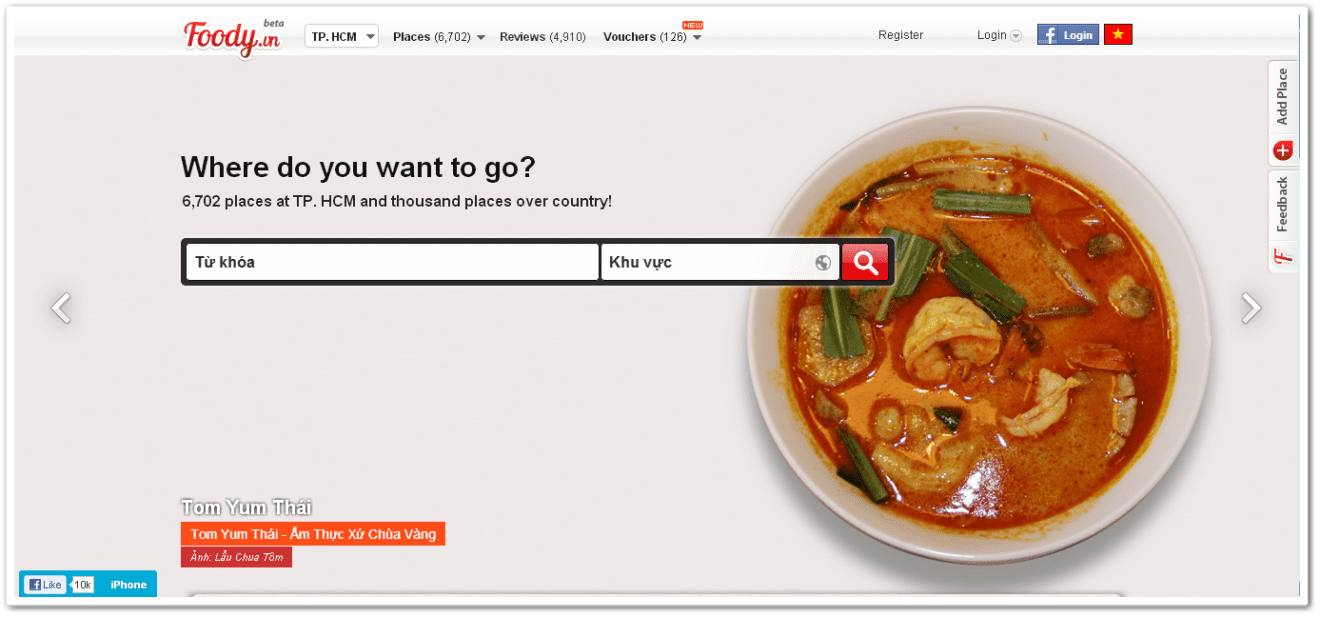
    Foody, a Vietnamese start-up providing online crowd-sourced reviews about local businesses, mostly restaurants and hotels, will launch its website in Indonesia on August 10, news website VnExpress reported Monday.

    Dang Hoang Minh, a co-founder, was quoted as saying that after Indonesia his company would expand to some other Southeast Asian countries, possibly Malaysia, Laos, and Cambodia.

    The expansion plan was announced not long after Foody received a fourth round of funding since it was founded in 2012.

    US’s Tiger Global Investment is the latest investor to pump money into the young company, whose website now boasts around eight million visits a month.

    Foody had earlier got funding from Japan’s CyberAgent Ventures and Pix Vine Capital and Garena of Singapore.

    But it has not disclosed any of the amounts.

  • British brands invading Philippines

    British brands invading Philippines

    Asif Ahmad, the UK ambassador to the Philippines, is one of the busiest diplomats in the country, as he leads, almost on a weekly basis, the opening of new outlets put up by dozens of British companies which are taking advantage of the rapidly growing consumer market and improved purchasing power of Filipinos.

    Ahmad, the 59-year-old diplomat who has been assigned in the Philippines since July 2013, says while several British companies have established their presence in the country for several decades now, more are expected to land in the Philippines soon.

    “We have done it in fashion.  We have done it in cars. We have done it in films and music.  The next story is eating and drinking,” says Ahmad, during the opening of the second outlet of Costa Coffee in the Philippines at Robinsons Place in Ermita, Manila.

    Costa Coffee, the leading coffee chain in the United Kingdom, is the latest British brand setting its sights on the Philippine market, which Ahmad says offers a lot of opportunities for foreign companies.

    The ambassador says the expansion of British firms in the country is a part of a deliberate effort of the London government to triple its exports to the world to 1 trillion pounds by 2020.

    Unilever, an Anglo-Dutch company, is one of the biggest distributors of consumer products in the Philippines while Royal Dutch Shell Plc. is one of the three largest petroleum players in the country.

    The last couple of years saw dozens of UK firms opening outlets or expanding their presence in the Philippines.  In November 2013, London opened its airspace to Philippine Airlines via Heathrow Airport, with the help of Ahmad.  This has triggered a faster movement of people, including investors and tourists, between the two countries.

    British financial giants HSBC, Standard & Chartered, Barclays and Pru Life UK have strong presence in the Philippines while UK companies that are expanding in the country include Pearson Plc., Ashmore Group, British American Tobacco, British Petroleum, ECR Minerals Plc., CRH Plc., Arup, Nectar Group Ltd., MacKay Green Energy Inc., Forum Energy, Pitkin Petroleum Plc., Eaton Corp. Plc. and Weir Engineering Services Ltd.

    Top British brands opening or adding outlets in the Philippines include Rolls Royce, Range Rover, Jaguar, Mini Cooper, Morgan Motors, Tesco, The Body Shop, Fitness First, Toni & Guy, Remington UK, Marks & Spencer, Debenhams, Lee Cooper, F&F, John Lewis, Burton, Reiss, Speedo, Hamleys, Burberry, Topshop, Topman, Dorothy Perkins, Mitre Sports, Berghaus, Kangaroos, Superdry, Warehouse, Clarks Shoes, Paul Smith, Mothercare, Hackett London, Lush, TM Lewin, River Island, Cath Kidston, Pepe Jeans London, Savile Row, Lyle & Scott,  Whyte & Mackay, Twinings, Diageo, Union Jack Tavern, Wolf & Fox, Chuck’s Grub, Waitrose and Yummy Organics.

    Ahmad says more brands will expand in the Philippines soon. “We have a strong presence of British brands that is gonna grow.  My government, the UK, has said that we must triple exports to 1 trillion [pounds]. My mission here is to grow three times more than before.  That is a very strong target to have,” he says.

    The UK is already the largest investor among European countries in the Philippines.  “The easy target that we have met is being the number one investor in the Philippines from the European Union. We have achieved that already,” he says.

    “In terms of trade, we have a long way to go.  If we added it both ways, it [bilateral trade] adds up to $2 billion.  We have to make it $6 billion,” says Ahmad.

    He says the UK embassy is working with the British Chamber of Commerce to help more companies navigate the Philippine market.  British investors are looking at infrastructure, public-private partnership projects, water, healthcare, education, information technology and defense sectors, he says.

    The British Chamber of Commerce is arranging more trade missions to bring more British brands in the Philippines this year to look at opportunities, given the country’s improving economy.

    “What we are seeing is that the government has more money.  The infrastructure projects are now speeding up, after a difficult start.  We are seeing people consuming more, spending money more, not just in houses and cars, but also in their lifestyle,” Ahmad says.

    Ahmad says Filipinos can afford to buy British brands.  “It [local market] has been ready for quite some time.  That’s why we have been very successful here.  If you go back, they [British companies] have been here for a long time and they are expanding still.  New ones are coming onboard.  What Costa Coffee does is something different.  It is in food and beverage segment, which has much more to offer,” he says.

    Costa Coffee opened its first outlet at Eastwood Citywalk 1 in Libis, Quezon City in June and plans to open three more branches this year at Tera Towers in Fort Bonifacio, E. Rodriguez Jr. Ave. in Quezon City and Robinsons Antipolo in Rizal.

    “We plan to open 70 Costa Coffee branches in the Philippines over the next five years,” says Costa Coffee Philippines general manager Corinne Milagan, who heads a new unit of Robinsons Retail Holdings Inc. to guide the expansion of the Costa brand in the country.

    Among those who attended the opening of the Costa Coffee branch at Robinsons Place Manila are Ahmad, Milagan, Robinsons Retail Holdings president and chief operating officer Robina Gokongwei-Pe, Costa Coffee International managing director Chris Rogers, Robinsons Land Corp. president and chief operating officer Frederick Go and Costa Coffee franchise manager for Southeast Asia and India Matt Kenley.

    RRHI formed a new company called Robinsons Gourmet Food and Beverage Inc. to operate the Costa Coffee chain in the country. Robinsons Gourmet teamed up with Whitbread Plc. of the United Kingdom to bring the British coffee brand to the Philippines.

    “The Philippines has fantastic opportunity for the Costa brand.  It brings something different to the market. A different coffee, a different environment and a great people.  And it brings a little taste of London to the Philippines,” says Rogers.

    “We have been looking forward to the next 20 to 30 years. The Philippines is an exciting place to be, because of the potential growth.  The economy is growing strongly. The consumer population is growing. There are good dynamics,” says Rogers, who joined Whitbread eight years ago.

    Rogers has been leading the international expansion of the Costa Coffee brand since July 2012.

    Robinsons Retail plans to open 70 Costa Coffee stores in the Philippines over the next five years, with an average cost of P10 million per outlet.

    Rogers says Costa Coffee has found its niche in the competitive coffee market.  “Our difference is our coffee.  We have the Mocha Italian blend.  We are very particular with the beans we choose–high-quality beans with a particular taste. The environment is also very different,” he says.

    Milagan says the Philippine coffee market is now prepared for a British brand.  She says coffee lovers, including British expatriates, were lining up hours prior to the opening of the Costa Coffee branch at Robinsons Place Manila on July 31.

    “The [coffee] market is not yet saturated. The Philippine market has matured in terms of  food and drinking preference. We are graduating now from instant coffee and we are now shifting to coffee made in a hand crafted way,” says Milagan.

    Milagan says “the Filipino taste has become discriminating, as they travel abroad.”

    Costa Coffee was founded by Italian immigrants Sergio and Bruno Costa in 1971 in Lambeth, London. The Costa brothers were known for creating their unique blend of coffee, a combination of Arabica and Robusta beans. They called it Mocha Italia, a blend that is a closely guarded secret to this day.

    The brand was acquired by Whitbread Plc. in 1995.  The UK firm continues to serve the original Mocha Italia recipe, which is slowly roasted in the Old Paradise Street Roastery in London.

    Milagan says Costa coffees are all handcrafted and espresso-based.

    Costa Coffee now has 3,000 stores in more than 30 countries. Costa employs Master Genarro Peliccia as the official coffee master who ensures that the taste remains consistent to the original blend.

    Gokongwei-Pe says Costa Coffee is the second British brand brought to the Philippines by Robinsons Retail, the first being the fashion brand Topshop.  She says her company will bring more foreign brands, depending on the performance of Costa Coffee.

    “We have to make sure this works first,” she says, adding that the outlook for the Costa brand in the Philippines is promising.

    “I believe in good luck.  I believe in good vibrations,” she says.
     

  • Warner Music Singapore to stop distributing CDs

    Warner Music Singapore to stop distributing CDs

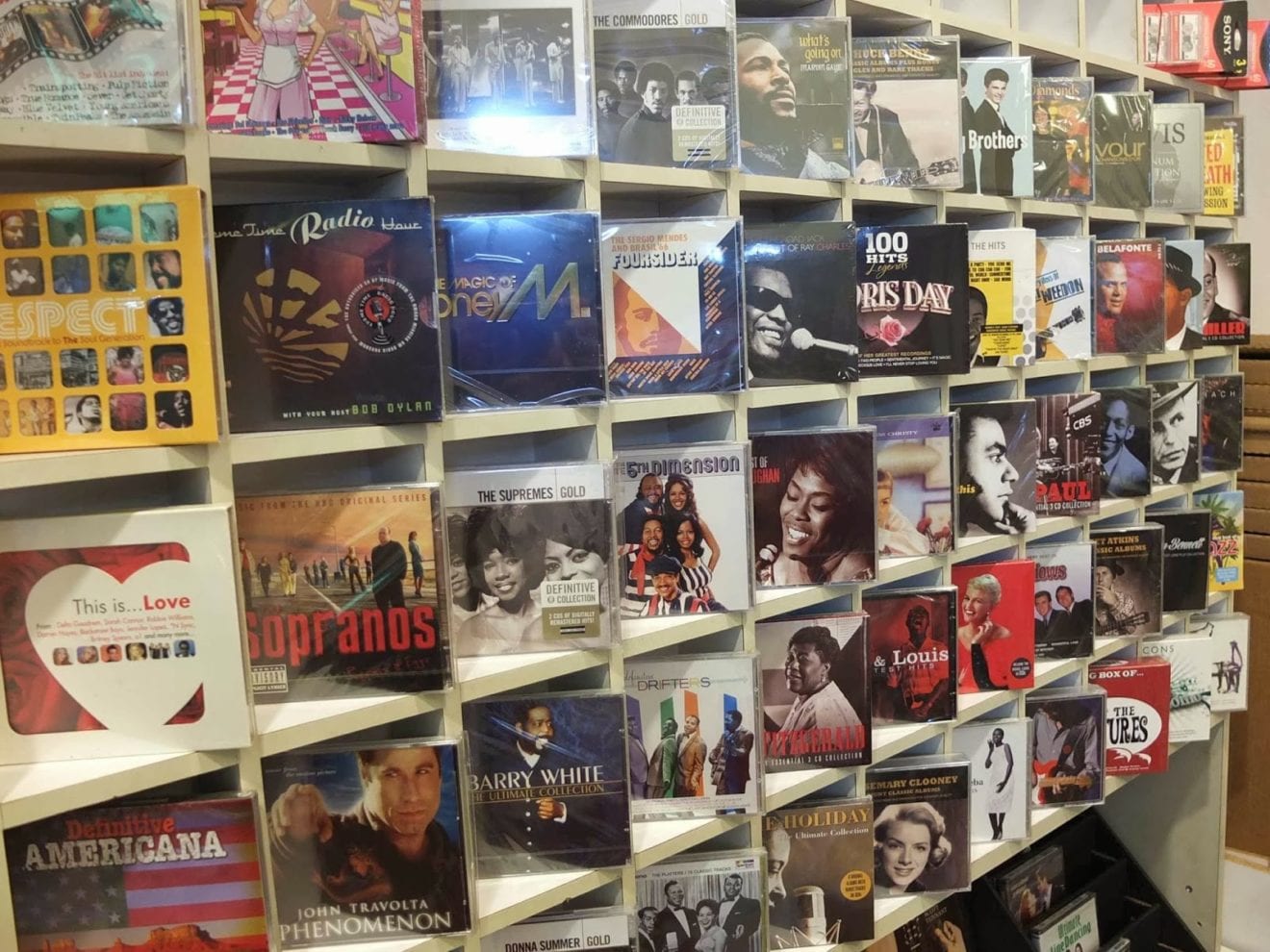
    The Singapore office of Warner Music – one of the major music labels along with Universal Music and Sony Music – is no longer bringing in CDs for sale and distribution here.

    This is what insiders in the local music industry – retailers and other labels – have heard.

    When contacted, Warner declined comment.

    In the last year, it released albums by Stevie Nicks, Ed Sheeran, Jolin Tsai and Singapore’s JJ Lin, according to its website. Other local musicians signed to it include Reuby and hip-hop duo SleeQ.

    While the other labels are still bringing in CDs, Life understands that Sony no longer handles the storage and distribution of these CDs to shops here. It has engaged another company for those functions.

    A veteran in the music industry, who declined to be named, said Warner’s decision was made in July. Retailers have also been informed of the move, and they say it is likely due to falling CD sales worldwide.

    A spokesman for HMV Singapore says it was notified of Warner’s move a couple of weeks ago, and of Sony’s move last year.

    Said the spokesman: “We will need to make slight changes by importing the CDs in the case of Warner.

    “For Sony, we can still get them locally supplied by MM2 (the company engaged by Sony). But some titles may be late, or on a rare occasion, not released.”

    Mr Ho Chan Sian, 60, owner of Memphis Music, a CD shop in Coleman Street, learnt about Warner’s move two weeks ago.

    He says: “It will be more inconvenient for us because we will not be able to draw stocks from Warner like before. We will have to turn to wholesalers to get CDs of artistes under the Warner label.”

    Consumers in the United States, the world’s largest music market, bought 257 million albums last year, a drop of 11 per cent from 2013.

    At Universal, sales of physical CDs in Singapore for the first half of this year have fallen 8 to 9 per cent, compared to the first half of last year.

    Says Ms Kim Lim, the head of marketing and sales for Malaysia and Singapore at Universal Music: “The market has evolved from physical sales towards digital distribution.

    “Digital is more affordable and easier to access. The consumer can also get it more quickly, instead of having to wait for CD stock to be ready in stores.

    “There are also very few stores nowadays as retail store rents are increasing year by year.”

    Says Mr Ngiam Kwang Hwa, 55, managing director of record label and concert organiser Rock Records: “I can totally understand Warner’s position. To bring in a CD, you have to pay for freight, GST, the warehouse to store the CDs, as well as distribution cost. If the sales volume is not high enough, it actually doesn’t make financial sense to do so.”

    Both Universal and Rock still bring in CDs for distribution.

    Ms Lim says: “We still believe some albums – that have nice packaging, exclusive content and limited edition packaging – are collectible items.”

    But Mr Ngiam expresses concern that Warner’s move is the beginning of an unhealthy outlook for the industry.

    He says: “My worry is that another one of the big labels will also stop bringing in CDs. Then the distribution system might change, and we might be forced to react.”

    When contacted, music fans were not surprised by Warner’s move.

    Public servant Tan Wei Ye, 28, has not bought a CD in more than 10 years: “Nowadays, I buy my music mainly from iTunes. I also use Spotify, Soundcloud and Bandcamp, and listen to music on YouTube sometimes.

    “You can just buy the individual songs you want, instead of having to commit to the full 10 or 12 songs on a physical CD. It doesn’t make sense to go to the physical CD shop anymore.”

  • Faux Chanel confiscated  in Jakarta

    Faux Chanel confiscated in Jakarta

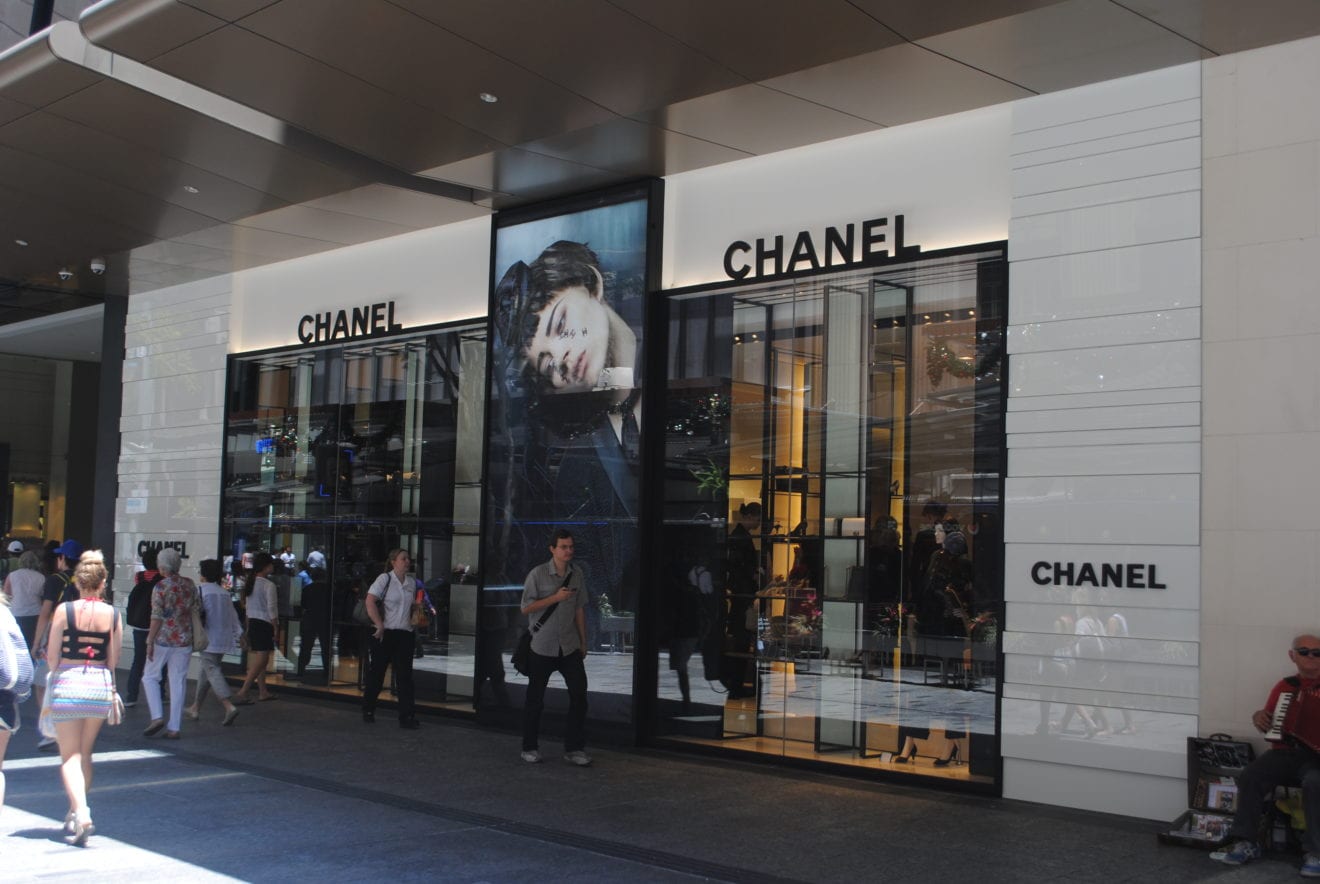
    The National Police have seized hundreds of counterfeit Chanel products from 13 stores in Mangga Dua and Senen, Jakarta.

    The head of the National Police’s special economic crimes division, Sr. Comr. Helmy Santika, said his team carried out a raid on Wednesday after receiving reports from the public in May about the sale of purses, bags, shoes and clothes fraudulently branded as Chanel.

    “The Chanel brand is registered at the directorate of intellectual property at the Human Rights and Law Ministry and is also protected under the 2001 law on brands,” Helmy said, as quoted by kompas.com on Friday.

    Of the 13 stores, 10 were located at ITC Mangga Dua in North Jakarta and the remaining three at Senen wholesale market in Central Jakarta.

    Helmy added that the confiscated items would become case evidence.

    After Wednesday’s raid, the police summoned the stores’ owners and attendants as witnesses in the hope of identifying suspects further up the supply chain.

  • Bottega Veneta May Close Hong Kong Stores

    Bottega Veneta May Close Hong Kong Stores

    Retail rents in Hong Kong have long been among the most expensive in the world, but for years the high operating costs have been worthwhile. Luxury brands could capture not only the highly sophisticated local shoppers, but also mainland Chinese and other foreign tourists. That was, until recently.

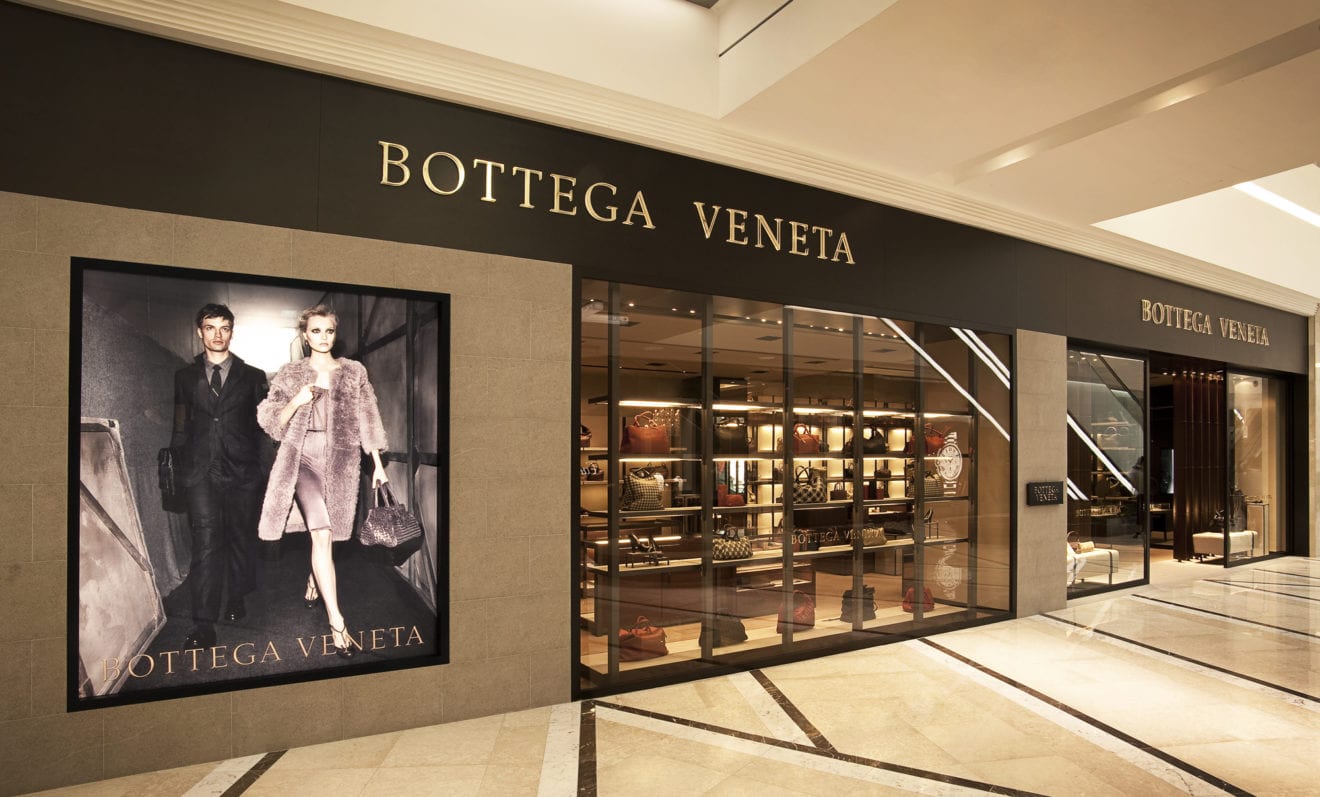
    Sales have slowed markedly for luxury brands in Hong Kong over the last two years. As a result, Kering—the parent company of Gucci, Bottega Veneta, and Yves Saint Laurent—is considering closing some stores.

    Political and economic changes in mainland China, acerbated by the umbrella movement of mass civil disobedience in Hong Kong, have had a negative impact on Hong Kong’s economy. After China’s new leader Xi Jinping launched a crackdown on extravagant spending and corruption in 2013, mainlanders have been spending less.

    Kering confirmed that it has started negotiating rents with landlords in Hong Kong.

    According to Kering’s first half results for 2015, “the downward trend in Asia-Pacific” (excluding Japan) was entirely due to the ongoing decline in consumer spending in Hong Kong and Macau.” Sales in mainland China were up year on year, and South Korea and Australia reported solid sales performances in line with the rise in tourist numbers, the report stated.

    The company confirmed that it has started negotiating rents with landlords in Hong Kong, and also Macau, mainland China, and other international locations.

    “We are very lucid about the situation in Hong Kong where we didn’t see any improvement during Q2 2015. Depending on the outcome of the discussions with the landlords and the business situation, we may consider closing stores in Hong Kong in the mid-term,” a Kering spokesperson said in a statement.

    The company has 58 retail locations in Greater China (mainland China, Hong Kong, Macau, and Taiwan).

    Kering’s revenue in Japan increased 7.4 percent during first-half 2015, driven by increased tourism from mainland China and local clientele.

    The Asia-Pacific region (excluding Japan), again accounted for more than 90 percent of Bottega Veneta’s business in emerging markets. “Sales in this region dropped 4.3 percent year on year, weighed down by a lacklustre luxury goods market in Greater China during the period, despite the very positive trends seen in South Korea, Taiwan, and Australia, where purchases by Chinese tourists increased significantly,” according to Kering’s first half report.

    Other luxury brands are also feeling the pinch in Hong Kong. Burberry has said it is attempting to negotiate rents with landlords in Hong Kong because the U.K.-based company’s sales there have dropped to a two-year low, according to Bloomberg.

    “Asia Pacific experienced a low single-digit percentage comparable decline, impacted by the continued challenging environment in Hong Kong, which decelerated further to a double-digit percentage decline in comparable sales. Mainland China comparable sales grew by a low single-digit percentage and Japan saw exceptional growth, albeit off a small base,” according to Burberry’s first quarter trading update.

    Faith Hope-Consolo, chairman of The Retail Group at Douglas Elliman real estate, said Hong Kong’s market is inundated with luxury brand stores with labels such as Gucci, Prada, Louis Vuitton, and Burberry owned by the likes of The Kering Group, Richemont and LVMH.

    She said, “There has been an introduction of more affordable lines to each brand to address and absorb the consumer choices and support a market whose tourist numbers fluctuate with an ever-changing economy.”