Author: Mei Ling Tan

  • Apple to open (mini) India stores

    Apple to open (mini) India stores

    Apple is about to open its first retail stores in India.

    But unlike in other international markets, the Apple India stores will be a joint venture with local electronics chain, Croma. And they’ll be considerably smaller than elsewhere.

    India has strict laws regulating single brand foreign retailing, which would require Apple to source a percentage of its products’ components within India.

    Media sources in India say the new stores – the first of which will open around the time of next month’s Diwali Festival – will feature the same signature wooden tables and counters of full scale Apple stores elsewhere in the world and staff will be trained in the US.

    Croma, a subsidiary of Infiniti Retail, in turn owned by industrial giant Tata, will open six stores in an initial trial, all in greater Mumbai.

    Infiniti Retail CEO Avijit Mitra said in a statement: “We are proud to partner [with] Apple to launch the Apple Store in India and extremely bullish about it.

    “These stores will be modelled on the global design and will offer the best experience to consumers, showcasing the entire range of Apple products,” he said.

    The first stores will comprise a mere 46 sqm, a fraction of the size of the tech giant’s global flagships, in reality resembling little more than a concession. But it marks a significant strategic step from Apple’s previous india strategy of selling through authorised resellers or mobile phone networks.

    Apple’s iPhone 6s model goes on sale in India this week, with the 16GB version priced at 62,000 rupees, about US$960).

  • Released Loan Loss Reserves Fuels HSBC Profits

    Released Loan Loss Reserves Fuels HSBC Profits

    Asia-focused British lender HSBC beat analyst forecast, more than doubling profits in the first half after a significant reduction in credit loss provisions.

    HSBC posted $8.4 billion of profit after tax, according to its first-half interim report, a 170% increase compared to $3.1 billion in the same period last year.

    The expected release of credit loss provisions drove profits higher with revenues down around 4 percent to $25.6 billion and adjusted operating expenses rising by 3 percent.

    These are good results that reflect the return of growth in our main markets and marked progress in the execution of our strategy, said HSBC group chief executive Noel Quinn highlighting four main pillars of the bank’s plans: focusing on strengths, digitizing at scale, energizing for growth, and transitioning to net zero.

    The mix of HSBC’s results by region is also noteworthy as it registered profits across Asia, Middle East and North Africa, North America, Latin America and even Europe – HSBC UK Bank plc posted profit before tax of over $2.1 billion in the period – which has reported consecutive halves of pre-tax losses.

    We were profitable in every region in the first half of the year, supported by the release of expected credit loss provisions.

    HSBC also paid an interim dividend of $0.07 per ordinary share in the first half, noting that the bank is moving towards its planned target.

    The Group maintains a strong capital position and is well placed to fund growth and step up capital returns,» the bank said.

    Reflecting the current improved economic outlook and operating environment in many of our markets, we now expect to move to within our target dividend payout ratio range of 40% to 55% of reported earnings per ordinary share in 2021.

  • Tesco Malaysia partners with HappyFresh

    Tesco Malaysia partners with HappyFresh

    Tesco Malaysia has partnered with online grocery platform HappyFresh to expand its capacity and capability to fulfill online orders.

    Shoppers are offered more than 12,000 products, including the grocery group’s private labels, while fresh produce is selected by HappyFresh’s concierge shoppers in Tesco Malaysia hypermarkets.

    All products sold via HappyFresh are offered at the same price as the products in store, including discounted items. Shoppers will receive their delivery within one hour after placing their order, or during a one-hour time slot they specify.

    Tesco Malaysia tapped into online shopping about three years ago with its home-delivery services, discovering a gap in the market where time-pressed online shoppers want to receive their goods at a specified time.

    Following a six-month trial with HappyFresh and five Tesco hypermarkets, fulfilling orders from 2500 HappyFresh users, the retailer is rolling out the service in Klang Valley.

    “Most consumers today do not have the time to drive out to a store and buy their groceries weekly,” says Tesco Malaysia CEO Paul Ritchie. “The internet lets them do all of that with a click of a button.

    “By expanding our multi-channel reach through HappyFresh, we continue to serve our customers’ online and on-demand shopping experience by making it even more seamless.”

  • Lululemon and employer branding

    Lululemon and employer branding

    Lululemon Athletica Inc. is beefing up benefits to attract and retain workers, offering full-time employees from three to six months of paid parental leave. The gender-neutral benefit awards three months of paid leave to full-time workers who have been at the yogawear company for two years. Employees with five or more years at the firm qualify for six paid months off. At Lululemon, workers are considered full-time if they work 24 hours a week.

    “When you think about an investment, there’s also all of those areas where it’s really hard to quantify because of the contribution and the return,” said Susan Gelinas, senior vice president for people and culture at Vancouver-based Lululemon. “We just see this as something that’s right to do for our people.”

    In the U.S., without any federal requirement for paid parental leave, it’s up to individual companies to offer a benefit, and about 35 percent do, according to a survey from the Society for Human Resource Management. Still, 84 percent of workers in the U.S. don’t have access to paid family leave, according to data from the Bureau of Labor Statistics.

    The majority of Lululemon’s full-time staffers in the U.S. have been with the company for two or more years, while one-fifth have worked there five or more years. As of January 2018, about 60 percent of Lululemon’s 13,400 workers were based in the U.S. The company declined to say how much the new policy would cost.

    Employees working in Canada already receive some paid parental leave, a portion of which comes from the government’s unemployment insurance program. That compensation is partial, and Lululemon’s offer there is a “paid top-up,” Gelinas said in an interview.

  • Major smartphone chipmaker says new Huawei OS could impact its sales

    Major smartphone chipmaker says new Huawei OS could impact its sales

    The company that manufacturers many of the chips used in smartphones, Taiwan Semiconductor Manufacturing Company (TSMC) is going to be impacted in the short term by the ban that prevents Huawei from sourcing parts and software in the U.S. The company previously had stated that Huawei’s placement on the Commerce Department’s Entity List would not affect it; the company has already announced that it would continue to manufacture chips for Huawei and its HiSilicon unit.

    It appears that TSMC has reevaluated the situation. TSMC Chairman Mark Liu, speaking to reporters today, said that sales of Huawei phones will slow down as consumers decide whether they can live with the phone manufacturer’s Android replacement. As a result, Huawei might need fewer chips to be assembled, which would affect TSMC’s revenue in the short term.

    “It certainly will have some impact in the short term. When there’s no Android system in a smartphone, many people might have doubts on whether the market will accept it.”-Mark Liu, chairman, TSMC

    Liu did add that demand for both 5G smartphones and newer handsets coming to market in the second half of this year will help TSMC stay on track for 2019. The executive says that his company’s outlook remains unchanged for the calendar year. Back in January, Liu said that TSMC’s 2019 revenue would grow 1% to 3% over last year’s figure of $1.03 trillion NT ($32.8 billion USD). Last year, the firm earned net profits of $351.13 billion NT ($11.4 billion USD).

    While Huawei’s in-house HiSilicon unit designs the chips used in Huawei’s high-end phones, the company has lost the support of U.K. chip designer ARM Holdings. This is a big blow to the company as it will need to search for an alternative architecture for its SoCs. Meanwhile, Huawei says that it has stockpiled a year’s worth of chip parts and components.

  • Angel Chen x HM collaboration reflects East-meet-West street style

    Angel Chen x HM collaboration reflects East-meet-West street style

    &M has released its first collaboration with Chinese designer Angel Chen.

    The new Angel Chen x HM collection is inspired by the theme of “Kung Fu” and portrays an East-meets-West street style with a combination of vivid colors and embroidery. It sports a chic navy blue bomber jacket with dragon embroideries featuring a calligraphic “Kung Fu” design on the cuffs, while the women’s collection portrays the artist’s signature red hue with an oversized jacket and mini skirt combo that fuses both contemporary street style and Asian traditional elements.

    The Angel Chen x H&M collaboration collection will be available in selected H&M stores globally as well as its online store hm.com from September 26.

  • Luk Fook sales drop 10 per cent in latest quarter

    Luk Fook sales drop 10 per cent in latest quarter

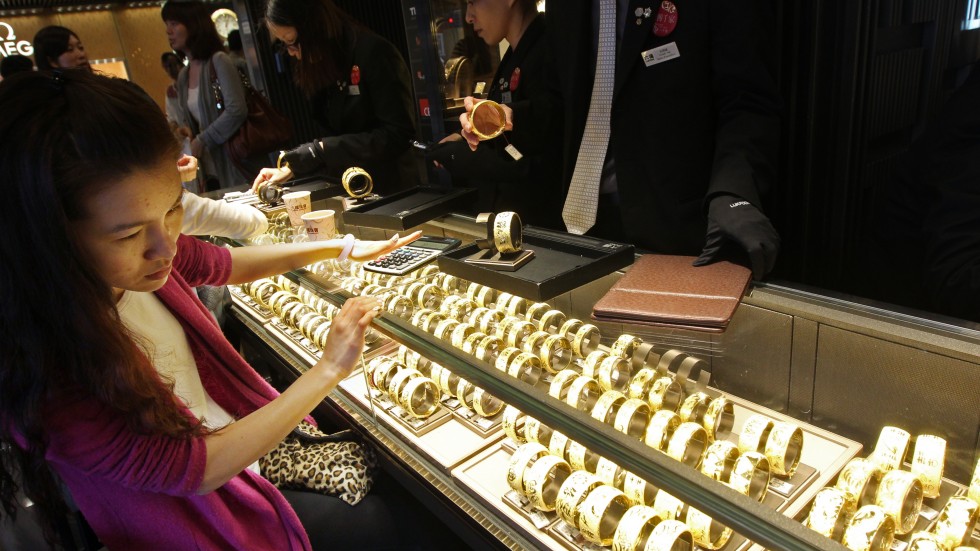
    Luk Fook sales in the third quarter fell 10 per cent on a same-store basis. “Recent market sentiment has been adversely impacted by the US-China trade war, the depreciation of Renminbi, and downward pressure in the stock and property markets,” said chairman Wai Sheung Wong ina  stock exchange filing. Luk Fook says same-store sales of gold products fell by 9 per cent and of gem-set jewellery by 8 per cent.

    The company’s disappointing figures come in the same week as rival jeweller Chow Tai Fook reported an 11 per cent decline in sales across Mainland China, Hong Kong and Macau.

    Wong said the Renminbi’s depreciation led to higher tendency for customers to purchase lower-value items, resulting in a double-digit drop in the average selling price of gem-set jewellery products.

    Same-store Luk Fook sales in Mainland China fell by 14 per cent, with gold products down 16 per cent and gem-set jewellery down 5 per cent.

    As at December 31 the company operated 221 of its own Lukfook stores, including 150 on the mainland, 49 in Hong Kong, 11 in Macau and 11 overseas. It supplied 1573 licensed shops on the mainland, one in Cambodia and one in the Philippines, making a total of 1796 worldwide.

  • Nokia Philippines launches new concept stores

    Nokia Philippines launches new concept stores

    Nokia Philippines has launched a new concept store in Iloilo City.

    HMD Global, the home of the smartphone brand, says the move aims to further boost Filipinos’ awareness of Nokia’s return to the local market.

    At SM Iloilo’s Cyberzone area, the new outlet adds to the 14 Nokia stores and kiosks in SM malls across the nation.

    “We are dedicated to making Nokia phones more accessible to the market,” says HMD Global Philippines country manager Shannon Mead.

    While last year marked Nokia’s comeback in the Philippine market, HMD Global teamed up earlier with e-commerce firms Argomall and Lazada Philippines. And last week, HMD Global secured $100 million in new investment to boost Nokia’s brand reach and portfolio.

  • Kerry Logistics among awardees named by Bloomberg Businessweek

    Kerry Logistics among awardees named by Bloomberg Businessweek

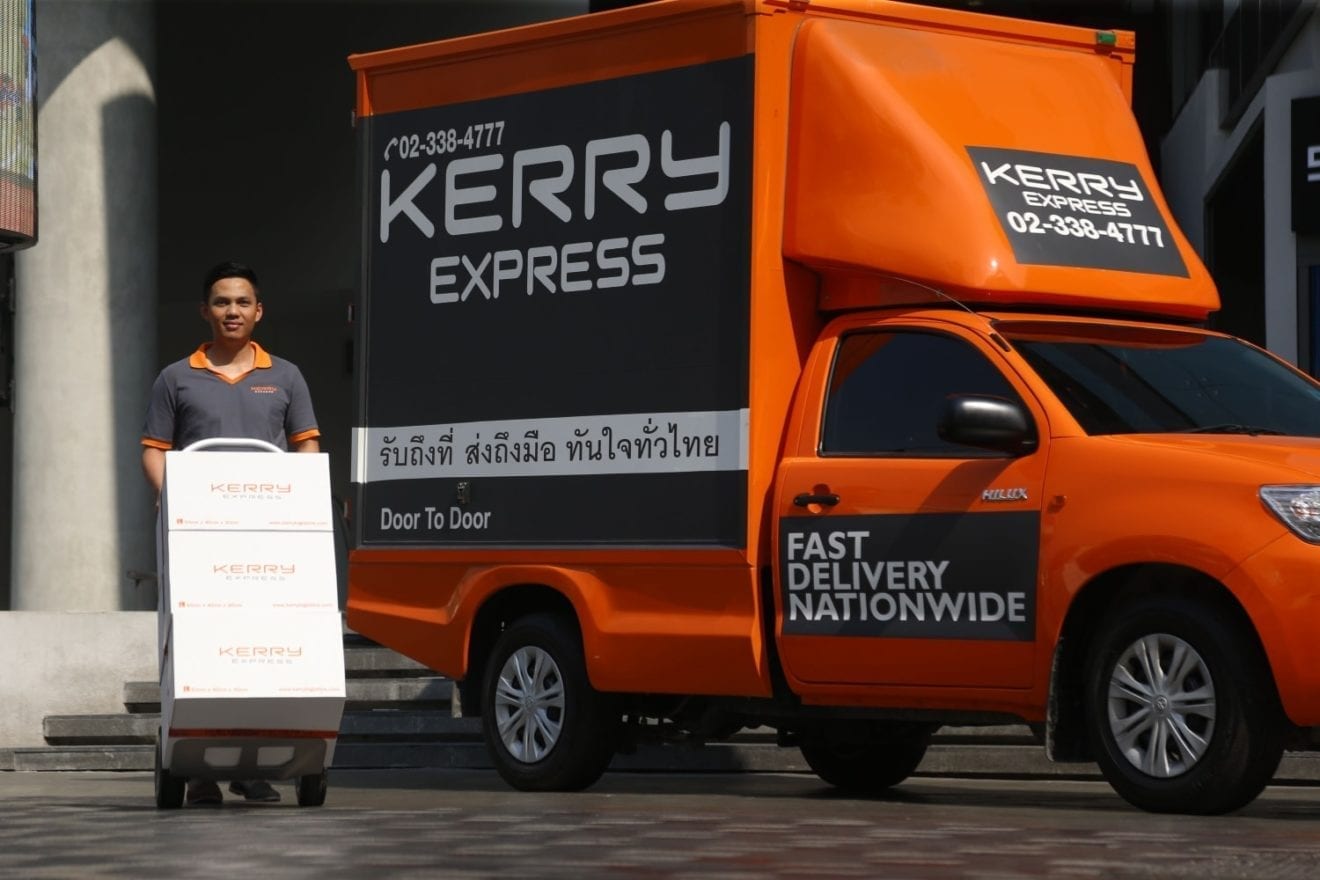
    Kerry Logistics Network Limited was for the fourth year in a row among the awardees named as the Listed Enterprises of the Year 2019 (the ‘Award’) presented by Bloomberg Businessweek/Chinese Edition, which recognised its excellent performance and contribution to Hong Kong’s economy.

    William Ma, Group Managing Director of Kerry Logistics, said: “We are grateful to the organiser for once again including us among the cream of the crop in the Hong Kong business world. As a Hong Kong-listed company, we always do our best to abide by the highest standards of corporate governance, as well as to contribute to the prosperity of the city in which we are rooted.

    “This encouragement and recognition will continue empowering us to maintain a socially responsible and sustainable business operation, and pursue innovation and development that is beneficial to all our stakeholders.”

    Organised annually by Bloomberg Businessweek/Chinese Edition, part of the internationally renowned brand of business journalism, the Award is the only event applying Bloomberg Terminal data to analyse listed enterprises in Hong Kong.

    Awardees are judged by a panel made up of senior government officials, professionals and academics according to business/financial performance, corporate governance, investor relationship, development strategy, corporate social responsibility, sustainability, innovation and risk management.

    With an expanding global network and a diverse range of businesses, Kerry Logistics has continued its efforts in strengthening its service capabilities, extending its network coverage and building its business scale in order to give itself a competitive advantage in adapting to the changing global logistics landscape.

  • Uber Wants to be a Technology Company in Indonesia

    Uber Wants to be a Technology Company in Indonesia

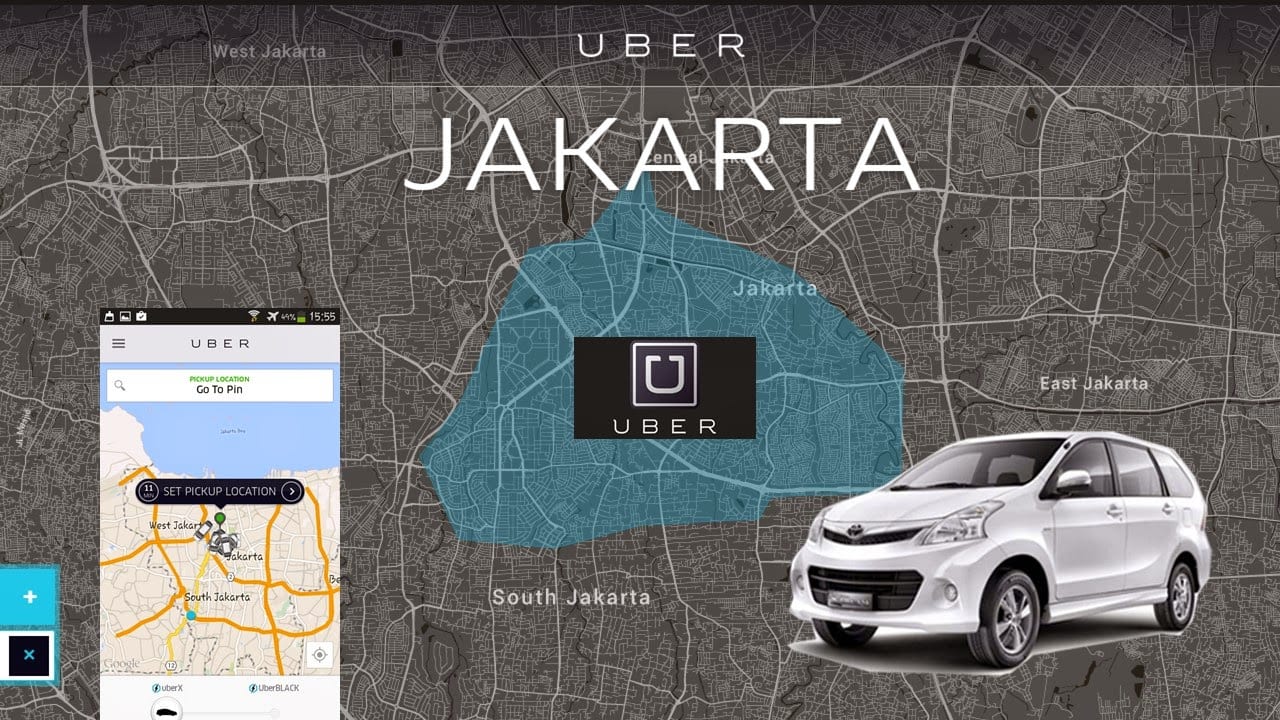
    Uber Technologies Inc. said Tuesday it is working to establish itself as a technology company in Indonesia, to avoid legal hurdles after police launched an investigation into the company’s operations last month.

    The move will also help underscore what Uber says is its role as a provider of smartphone applications, amid claims from traditional taxi firms that its business practices in the country are illegal.

    “We definitely want to be here long term,” Alan Jiang, head of Uber’s operations in Indonesia, said at a news conference. “In order to do that, we are currently in the process to set up a foreign investment company here and we would like to work closely with the government.”

    Uber introduced its popular ride-hailing application to the local market last August, opening a representative office in Jakarta to supervise its business in three markets: Jakarta, Bali and Bandung. Traditional taxi firms, however, have called the startup’s business practices illegal, saying it doesn’t have a taxi license or use meters. Their complaints led Jakarta police to detain five Uber drivers for questioning last month; they were released the same day without being charged although authorities said they could be called as witnesses as the investigation into Uber progresses.

    Although Uber is still operating in Indonesia, the arrests forced the company to rethink how to avoid potential legal hurdles, which could affect its business in the future. Indonesia, the fourth most populous nation in the world with a fast-growing middle class, is one of the company’s key growth markets, it has said.

    Uber won’t, however, be applying for a taxi license, as some of its competitors have demanded, Mr. Jiang said. Instead, it will seek a license to formally establish itself as an e-commerce company.

    “Uber is only a smartphone application,” Mr. Jiang said. “We don’t need a transportation license as all we make is a smartphone app that connects riders to drivers.”

    The San Francisco-based company, which operates in more than 300 cities around the world, has faced regulatory hurdles in many parts of the world. The problems have been especially acute in Europe. Courts in Spain, Germany, Italy and the Netherlands have banned a low-cost Uber service that uses nonprofessional riders. France prohibits companies such as Uber from showing the location of available cars other than traditional cabs on smartphone apps.

    In Asia, the company has faced regulatory hurdles in Thailand, Singapore and Vietnam. An Indian court last month left in place a ban on the service in Delhi, where Uber has been banned since December, when a woman alleged that a driver booked through the firm’s app raped her. The driver is on trial and denies wrongdoing.

    By establishing itself as a company in Indonesia, Uber would be allowed to gather revenue from inside the country, something which a representative office can’t do. Normally, Uber collects a 20% service fee on every fare paid by a passenger, and the rest goes to the driver. At the moment, Uber doesn’t collect fees from the two services it operates in Indonesia, UberBlack and UberX.

    Mr. Jiang declined to specify how much Uber has invested in Indonesia.

  • Google’s litigator cringes in court after witness reveals secret data about its deal with Apple

    Google’s litigator cringes in court after witness reveals secret data about its deal with Apple

    We’ve mentioned more than a few times that the U.S. v. Google antitrust trial has revealed interesting information about Google’s search revenue sharing with Apple and other firms. While there had always been talk of such deals, testimony elicited during the trial drew out more specific details. For example, University of Chicago professor Kevin Murphy was on the witness stand today, and information he said under oath brought out a reaction from Google’s main litigator, John Schmidtlein.

    On the stand, Murphy revealed that Google pays Apple 36% of its revenue from search advertising via the Safari browser. That this data had never been made public before was obvious from Schmidtlein’s reaction when the figure was said in the courtroom. The attorney “visibly” cringed when the percentage was mentioned by the witness.

    Understandably, Google would want to keep that figure secret, not necessarily to prevent the public from knowing this percentage, but to keep it away from other manufacturers like Samsung that might want to renegotiate their own deal with Google if they ever found out how much Apple was receiving. And Google knew this as last week it submitted a filing with the court saying that revealing more information about its deal with Apple “would unreasonably undermine Google’s competitive standing in relation to both competitors and other counterparties.”

    Apple and Google have had a revenue-sharing agreement that predates the iPhone and goes back to 2002. The agreement is considered to be the most important of Google’s deals with hardware manufacturers since it also calls for Google to be the default search engine on the iPhone. However, these deals are being used by the Justice Department as evidence to prove that Google is making these payments to prevent other search engines from becoming the default option on tech devices. And that could be considered anti-competitive.

    If the DOJ does win its case and proves that Google is being anti-competitive in search, it could demand that the company be broken apart into different business units.

  • Thailand forced to cancel 1800-MHz auction

    Thailand forced to cancel 1800-MHz auction

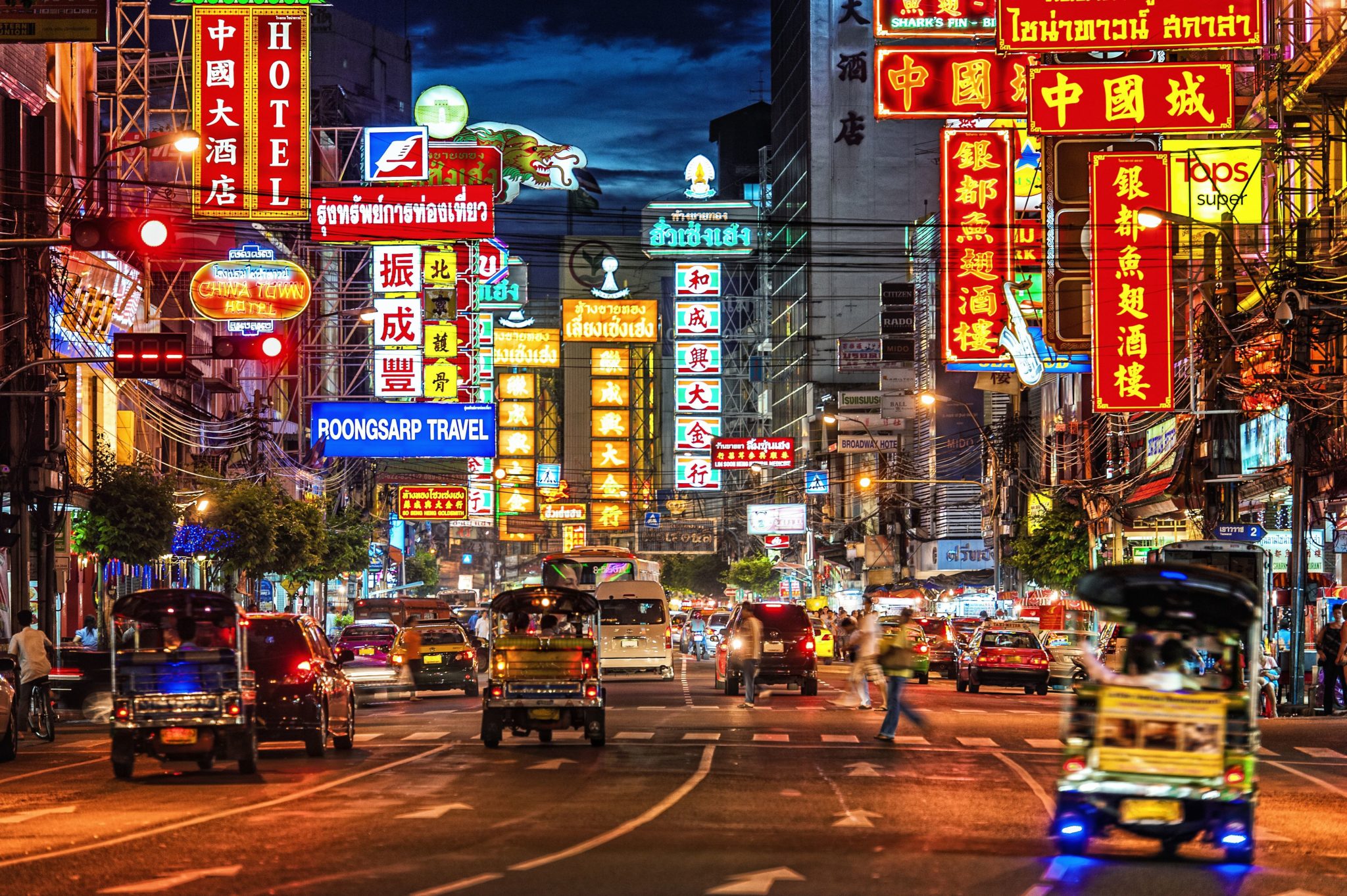
    Thai regulator NBTC has been forced to cancel a planned 1800-MHz spectrum auction after none of the market’s three operators registered to participate.

    Although True Move, Dtac and AIS all picked up the auction documents, none had filed them by the Saturday deadline.

    True Move had already expressed plans to sit out of the auction, but Dtac and AIS only revealed their intentions on Friday.

    In a statement, AIS said the company “considered the auction terms are not appropriate nor in the best interest of the company at this stage.”

    Operators have complained about the high reserve prices – NBTC had set a reserve of 37.45 billion baht ($1.15 billion) per 1800-MHz license.

    The decision by all three operators to sit out of the auction has led to suspicions of collusion, and the NBTC had been planning to ask the government to revoke the remedy measures designed to mitigate the impact of Dtac’s imminent concession expiry in response.

    But the regulator now plans to reschedule the auction before the concession expires to allow Dtac to prevent having its 2G network cut off.

    The regulator is expected to reduce the high reserve price to make the auction a more attractive prospect.

  • Standard Chartered Faces More Hin Leong Headwinds

    Standard Chartered Faces More Hin Leong Headwinds

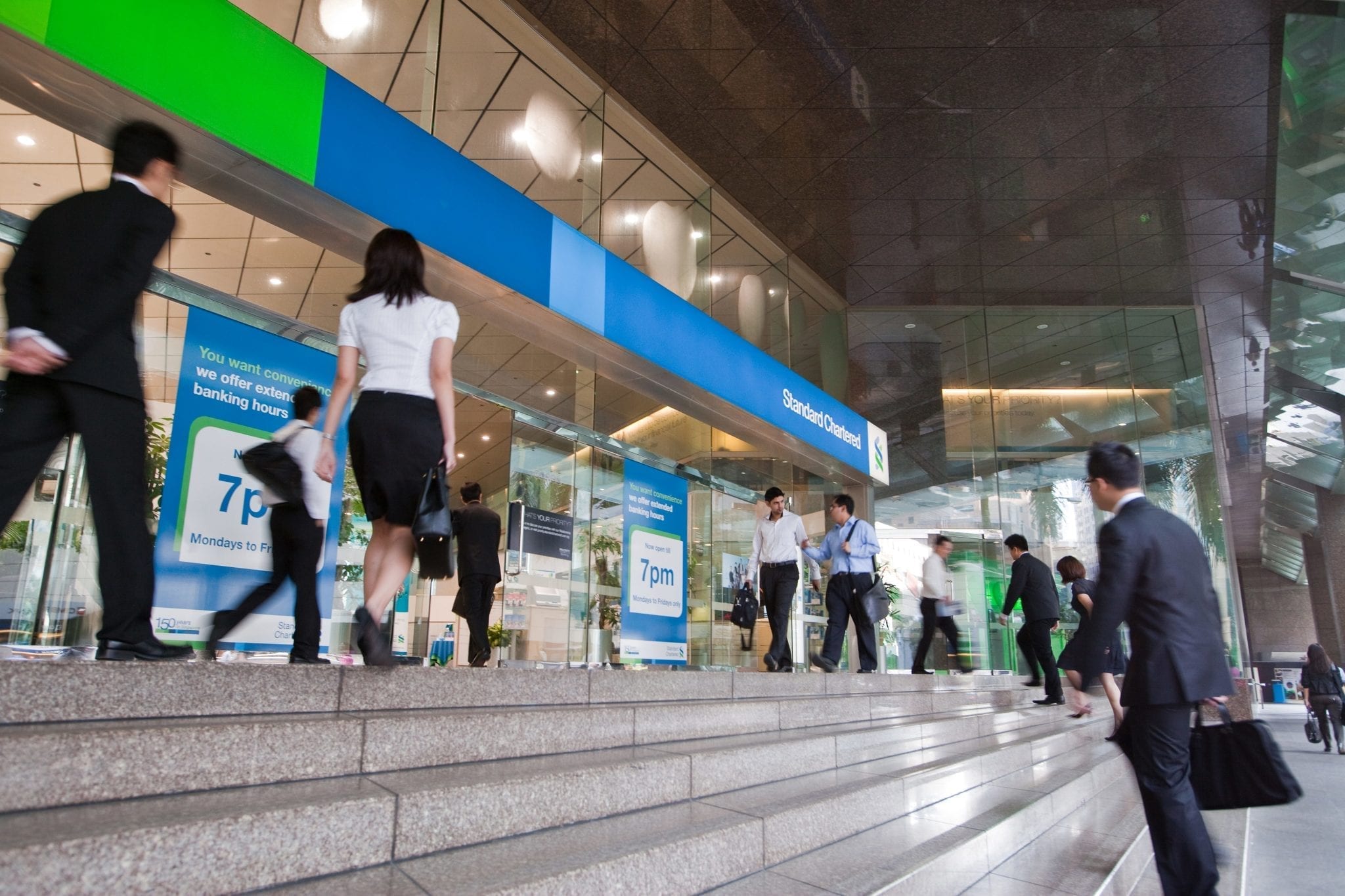
    Energy trader Winson Oil Trading is seeking damages from Standard Chartered for failed payments over a diesel cargo sold to Hin Leong Trading.

    The Hin Leong debacle continues to unravel with Winson Oil filing the latest case to seek damages, interest and costs – at least $30.4 million – from Standard Chartered, according to court documents.

    Documents show that Winson Oil sold a cargo of ultra-low sulfur diesel to Hing Leong and had received a letter of credit (LC) from Standard Chartered in early April. Upon presenting the LC through Credit Agricole Corporate and Investment Bank, Standard Chartered failed to complete the payment.

    23 banks were reportedly affected by financial distress at Hin Leong, whose founder reportedly admitted that the Singapore oil trader failed did not disclose losses totaling $800 million. OCBC is amongst the affected lenders who also faced charges from Winson Oil which demanded payment for the sale of fuel financed by the bank.

    Hin Leong is currently under Singapore’s judicial management to restructure billions of dollars in debt.

  • Thailand Boosts Bangkok Minimum Wage to $12 Daily, Enhancing Economic Opportunities for Workers

    Thailand Boosts Bangkok Minimum Wage to $12 Daily, Enhancing Economic Opportunities for Workers

    The recent announcement by the National Wage Committee heralds a significant shift for workers in Thailand’s hospitality and entertainment sectors, as reported by Bangkok Post. About 700,000 employees are set to benefit from an impending 7.5% increase in the minimum wage—an enhancement that will bring the daily wage from THB372 to THB400 in Bangkok and the surrounding provinces.

    New Wage Structure Expands Nationwide

    Currently, the THB400 rate is restricted to tourist-heavy areas like Phuket, Chon Buri, Rayong, Chachoengsao, and the island of Koh Samui. After a three-hour debate, the wage augmentation garnered a two-thirds majority support among committee members, as affirmed by Boonsong Thapchaiyut, both the committee chairman and permanent secretary of the Ministry of Labour.

    “This wage increase is focused initially on the tourism and service sectors, where we believe employers will feel less financial strain,” Boonsong stated, clarifying that the THB400 daily wage will apply to hotels rated two stars and above, as well as any establishments with over 50 rooms or a restaurant.

    Support for Businesses Amid Changes

    To ease any potential financial burden on businesses—especially amid these changes—the Ministry of Labor has collaborated with six commercial banks to provide THB30 billion in soft loans. Additionally, discussions about further relief measures are underway.

    Analysts at Finansia Syrus Securities, as reported by Kaohoon International, expect that the minimum wage adjustment will have a minimal impact on Thailand’s retail industry, particularly in Bangkok. This is largely because the capital’s wage figures only account for around one-third of the overall sales in the sector. Most major retail businesses in the city are already exceeding the current minimum wage levels.

    As this wage increase takes effect, one can only wonder: will ice cream cones start costing a fortune as prices rise to cover the new wages?

    Questions & Answers

    What is the new minimum wage for Bangkok and surrounding provinces?
    The minimum wage will increase from THB372 to THB400.

    How many workers are expected to benefit from this wage increase?
    Approximately 700,000 workers nationwide will benefit.

    What sectors will the new wage apply to?
    The THB400 daily wage will apply to the tourism and entertainment sectors, including hotels rated two stars and above, and establishments with over 50 rooms or a restaurant.

  • Malaysia Airlines offers up to 30% savings in mid-year marvels sale

    Malaysia Airlines offers up to 30% savings in mid-year marvels sale

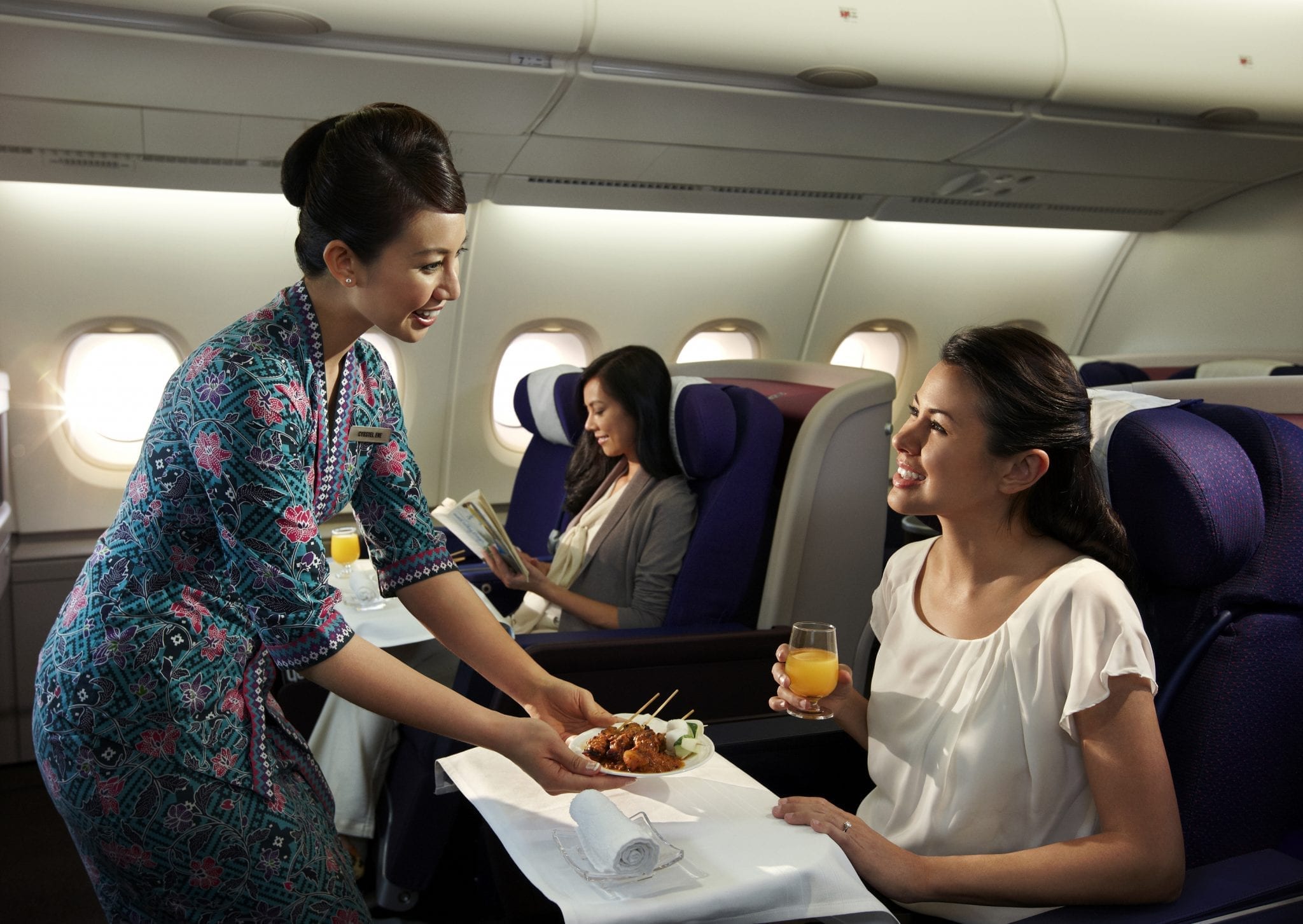
    Malaysia Airlines (MAS) is offering customers up to 30% savings on both international and domestic routes starting from Tuesday until May 15, 2017 under its “Mid-Year Marvels” promotion.

    The national carrier said on Monday  the offers were up for grabs on all Malaysia Airlines’ distribution channels for travel from May 19 to Oct 31, 2017 on business and economy class on all international destinations.

    MAS said all-inclusive return fares on economy class from KL International Airport starts from RM 1,469 to Sydney, from RM 1,379 to Narita and from RM 1,079 to Beijing.

    The airline is also offering all-in, one-way promotions from RM99 to all domestic destinations, during selected periods throughout the year.

    The economy class fares come with no hidden charges or credit card fees for online ticket purchases and includes a generous baggage allowance of 30kg and complimentary meals.

    MAS added the Mid-Year promotion includes business class fares, starting from RM999 to Denpasar, from RM2,799 to Xiamen and from RM11,399 to London. As for domestic routes, such as Kota Kinabalu and Labuan, the fares are from RM 839 and RM1, 455 respectively. The promotion on business class to domestic destinations is valid for travel from May 11 to July 31, 2017.

    Its chief commercial officer, Arved Nikolaus von zur Muehlen said the fantastic deals start from as low as RM 99 all-in, one way on all its domestic routes.

    He said customers could also choose a business class trip to Denpasar, Bali from only RM999 all-in, return.