Author: Mei Ling Tan

  • agnès b. brings art to Hong Kong

    agnès b. brings art to Hong Kong

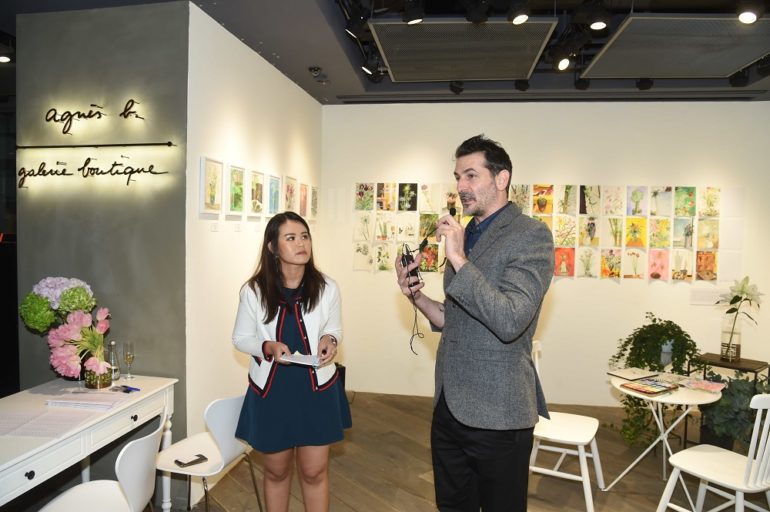
    agnès b. Galerie Boutique has always brought beautiful and artistic works to Hong Kong. In January, agnès b. Galerie Boutique was pleased to welcome renowned, published Belgian cartoonist turned artist, François Olislaeger, who has participated in exhibitions at the Contemporary Art biennal in Le Havre in France, at the Cité de l’Architecture and at the Gaité Lyrique.

    In Hong Kong for the first time, François exhibits his Une Fleur Par Jour (A flower a day) project inspired by his obsession with heavenly flowers.

    In 2016, François Olislaeger turned himself into a florist crafting an incredible herbarium of Cacti, Bougainvillea, Lysis, Daisies and Tulips with the utmost care and attention to detail. It is here that he honed in on his craft using gentle, pastel watercolours to depict “simply” feeling the power of flowers and paint.

    Through each flower’s lifecycle François focused on the emerging blossoms, changes of colour palettes, the variation of gestures and movement from each unique bloom, he then reinterpreted it through soft watercolours onto canvases with a sense of artistic freedom and playfulness.

    François Olislaeger’s flowers don’t have the precision of botanic boards – it is not his vocation. They don’t have the radicalness of those of Ellsworth Kelly yet. The creativity is somewhere else, in the context, in the setting, some details more or less noticeable – a colour, an incongruous presence, and petals hanging. François Olislaeger’s flowers are innocent. For the moment, they talk mainly about love – of art, of life, of a father for his young daughter Lila – and about the transformation of a very talented cartoonist becoming a painter.

    agnès b. Galerie Boutique is showcasing more than 80 pieces of François’s collection in this exhibition, some of the artworks were previously exhibited in agnès b. Galerie du jour in Paris, however for the majority of his collection – this is their first showcase and the exhibition is now open to public until 30 June 2019.

    agnès b. Galerie boutique was delighted to welcome François Olislaeger to the vernissage of his exhibition at the agnès b. Galerie Boutique on the night of 31 January 2019.

    Media and KOL friends were treated to a personal recollection of what inspired him to create his artwork as well as witness François live paint the Lily and two other artworks exclusively for the Hong Kong exhibition. agnes b. Galerie Boutique also designed 7 styles of temporary tattoo stickers that guests were about to take home a memory of his art.

  • DHL to build electric vans in Japan

    DHL to build electric vans in Japan

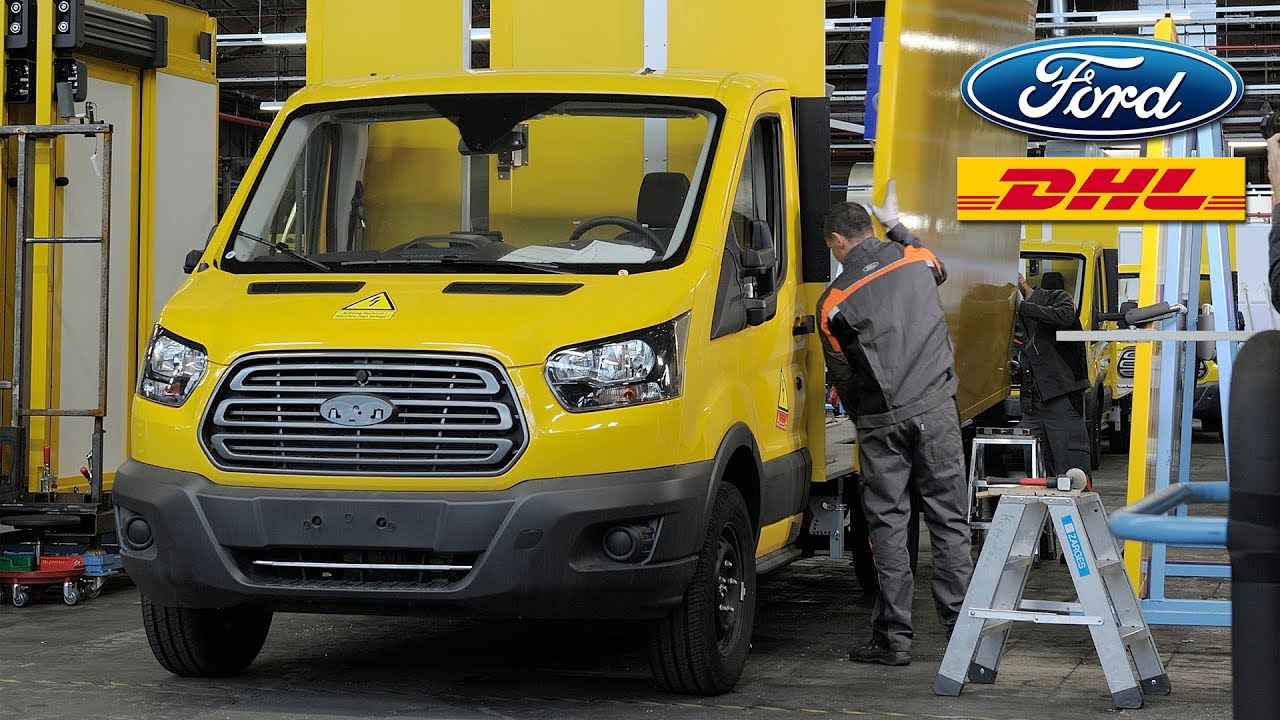
    Deutsche Post/ DHL’s EV building outlet StreetScooter is to sign a contract with Yamato, a major Japanese logistics company worth around 32 million euros. The two companies will develop a small electric van together and will bring the first 500 units into the greater Tokyo area by autumn.

    Progressed negotiations that have now been concluded. StreetScooter is responsible for the production of the electric van while Yamato will be responsible for the refrigerated transport box. However, the truck bed will be waist high so that workers can load and unload cargo without having to enter the refrigerator-freezer compartment. 100 charge points are planned as well, as is further expansion.

    So the 500 vehicles are by no means the end of the story. The cooperation could be further expanded in the future as Yamato plans to aggressively convert its fleet of around 40,000 vehicles to electric drives. According to the Japanese business paper, Yamato would be the first large logistics company in Japan to rely on electric drives on a large scale.

  • Thai retail giant to invest $1.1 bln for expansion in Vietnam

    Thai retail giant to invest $1.1 bln for expansion in Vietnam

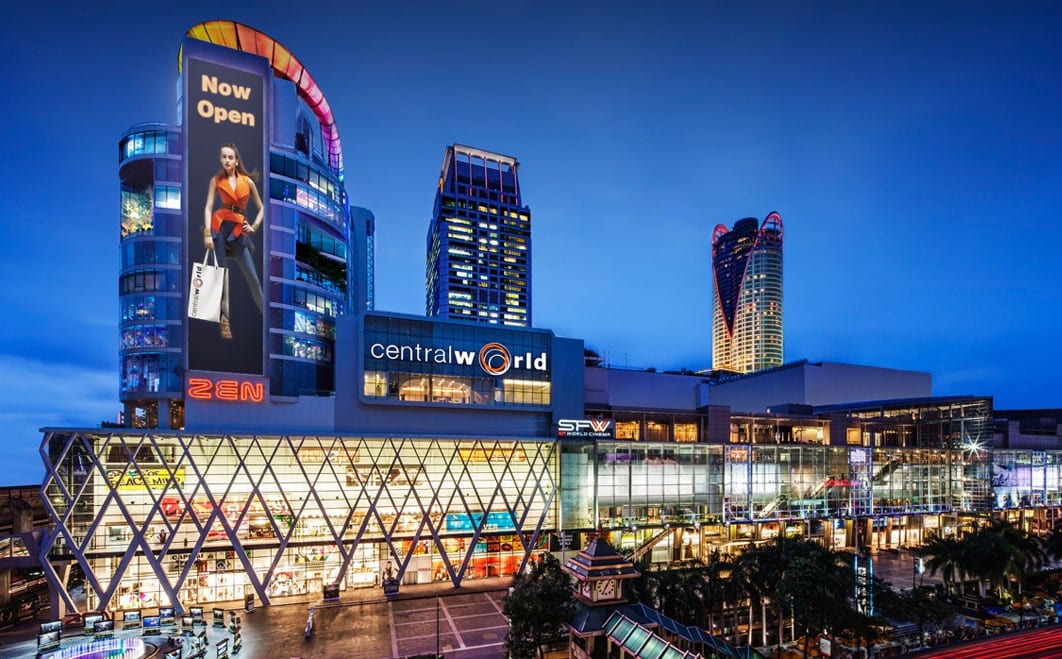
    Thailand’s Central Retail Corporation plans to invest $1.1 billion in Vietnam in the next five years to expand its stores network.

    It said Vietnam’s wholesale and retail sector grew 7 percent year-on-year in the last quarter of 2020, and growth is likely to be strong this year, making it one of the most attractive markets in the world.

    Philippe Broianigo, CEO of Central Retail Vietnam, said the five-year plan would focus on multi-sector and multi-platform development.

    The company opened four shopping centers last year in central and southern Vietnam, and renamed five Big C supermarkets as “GO!”.

    It plans to invest $211 million for expansion this year, opening stores in the northern provinces of Thai Nguyen, Thai Binh and Lao Cai and the southern provinces of Ba Ria-Vung Tau and Tay Ninh.

    Over nine years in Vietnam, foods have proven to be a key product for Central Retail, contributing 70 percent of its revenues.

    With 37 shopping centers and 230 stores in 37 cities and provinces, it serves an average of 175,000 customers a day.

  • Indonesia to Improve Sanitary Facilities in Major Tourist Sites

    Indonesia to Improve Sanitary Facilities in Major Tourist Sites

    In a bid to meet the target of 20,000 tourist arrival in 2016,  Public Works and Public Housing Ministry announced that it will build sanitation facilities in 10 major tourism destinations in Indonesia.

    It also said that the construction would involve municipal tap water company PDAM to provide clean water, while the sanitary facilities would be provided by the Ministry.

    Public Works and Public Housing Minister Basuki Hadimuljono said that the construction of those sanitary facilities is important to increase of tourists visiting Indonesia. He also said that the projects would begin this year.

    Basuki added that budget allocated for the projects is not too bit and ensured that the procurements would be done by the government.

    One of the major tourist destinations that still lack sanitary facilities and clean water is Labuan Bajo in East Nusa Tenggara province.

    “Sanitary facilities must be in good condition so tourists would be happy to come and visit,” Basuki said in Jakarta on Saturday (23/1).

    Furthermore, Public Works and Public Housing Ministry said that it would also help improving access to those tourist destinations.

    According to Director of Bina Marga (Highway) of the Public Works and Public Housing Ministry Hediyanto, the Directorate would build strategic roads to those tourist destinations.

    According to Hediyanto, the Ministry is now focusing on road infrastructures in several tourist destinations like Raja Ampat and Tanjung Lesung.

    “The government has allocated Rp4 trillion to build roads,” he added.

  • Kia pins hopes on overhauled K9

    Kia pins hopes on overhauled K9

    Kia Motors on Tuesday started to receive preorders for the overhauled version of its K9 large-size sedan, a model which is expected to play a decisive role as the company seeks to change its image and diversify its brand.

    The automaker sees the success of the K9 as representative of the entire K series. If the K9 sells well, the company will be free to shift its resources from revitalizing the struggling K lineup to introducing an electric car lineup, a segment which the automaker has not yet had the chance to fully enter.

    “Kia Motors needs to build up its brand since it is still more known for its recreational vehicle lineup,” said Kwon Hyug-ho, executive vice president at the auto company at a media event for the K9 on Tuesday.

    “After successfully launching the overhauled K9, Kia Motors may make a separate brand for the electric vehicle lineup. The K series survives only when the K9 survives,” he added.

    Kia Motors, the second-largest carmaker in Korea by sales figures, is not particularly well known for its eco-friendly vehicles, while its affiliate Hyundai Motor has been arduously developing a range of emission-free vehicles including the hydrogen-fueled Nexo.

    Kia Motors has only one fully electric car model under its roof, the Soul, and a couple more models with hybrid engines such as the Niro SUV and the K5 and K7 sedans.

    “The premium E emblem at Kia Motors is currently exclusive to the Stinger,” Kwon said. “We may incorporate the future electric car range under the E brand,” he added.

    Kia Motors is known to have considered launching the Stinger as an independent premium brand last year just like Hyundai Motor did with Genesis. Concluding that the global market still lacks understanding of the Kia brand, the automaker resorted to launching it topped with the distinctive E emblem.

    The new K9 is the first fully overhauled version since it was introduced to the Korean market in 2012.

    Standing at the top of the auto company’s K series – the name of its sedan lineup – the latest K9 came with a range of new design elements and top-notch safety technology.

    Changes in the front and rear lamp design stand out among the upgrades, with dual LED lights featured within the lamps. Kia Motors calls the new design “Duplex lamps.”

    The new K9 also came with a revamped grille design that offers a more energetic and dynamic ambience, according to the carmaker.

    In terms of safety features, Kia Motors officials said the new K9 is equipped with some of the most cutting-edge technology.

    One notable new feature in the K9 is the windows, which automatically close when the car goes through a tunnel. The K9 is the first vehicle produced by Hyundai Motor Group to include the feature.

    The technology has been designed to operate on Korean roads and is linked with domestic map data. It is also equipped with other functions such as lane following assist, blind-spot view monitor and rear cross-traffic collision-avoidance assistance systems.

    The automaker plans to sell some 20,000 units of the K9 per year in Korea, rivaling not only domestic models such as the Genesis G80 and EQ900 and SsangYong Motor’s Chairman, but also imported cars such as the Mercedes-Benz’s E-Class.

    Kia Motors plans to sell 6,000 units overseas this year, though the exact timeline for exports has not been determined.

    The price for the lowest trim equipped with a 3.8-liter petrol engine starts at 54.9 million won ($51,600). There are two other engine options: the 3.3-liter turbo petrol and 5.0-liter petrol.

  • Subsea cable leaves Telstra customers with Apple download delays

    Subsea cable leaves Telstra customers with Apple download delays

    Customers on the Telstra network have complained about substantial delays in downloading Apple services for most of the week, with Telstra now acknowledging a subsea cable issue and claiming that it is working on resolving it.

    The issue, flagged on broadband enthusiast website Whirlpool and on Twitter, has seen Telstra customers attempting to download or update their operating systems or apps across the iTunes Store and the App Store, as well as use streaming services Apple Music and Apple Radio, experience severe delays.

     This has been the case across mobile, cable, ADSL, and business fibre connections, with app updates taking dozens of minutes rather than seconds, music streaming “impossible”, and updates to its newly launched OS X El Capitan taking more than a day.

    “I’m on 100Mbit cable and I’m lucky if I’m getting 20KB/sec from Apple,” complained Whirlpool user sebastiankong.

    “I couldn’t even purchase an app. My ADSL 2 plus is getting speeds of 1Mbps for a week compared to 14Mbps,” added worldcitizen.

    Circumventing the Telstra network with a VPN has been the only way that customers have been able to avoid the issue.

    “Same here too (in Brisbane), both with my home 100mb cable connection and over 4G across the city during the day,” said BurndtJam.

    “Downloads crawl and Apple Music streaming is impossible. Once I start running traffic through a VPN, there’s no issue. Whatever Telstra is doing with Apple traffic is very broken.”

    Telstra acknowledged the problem on Twitter, telling numerous customers who complained over the social network variations of: “There is an issue with the speeds to Apple servers that we are working to resolve. Apologise for the inconvenience.”

    Telstra has since identified a subsea cable as the cause of the issue.

    “We are experiencing issues with an undersea cable connecting Australia with Singapore. As a result, some customers are experiencing slow service when using mobile devices to download or update apps or stream music from some providers,” a Telstra spokesperson told ZDNet in a statement.

    “We are working to resolve this issue as quickly as possible, including utilising alternative paths while repairs are undertaken. We apologise for any inconvenience caused and as soon as we have an update on the current situation we will let our customers know.”

    Telstra upgraded its subsea cable connectivity to 100Gbps in January this year in order to cope with the increasing demand for high-definition video services.

    “The move to 100G is much more than just raw capacity. Alongside enhanced efficiency, 100G can help customers reduce operational expenditure and simplify network maintenance thanks to the service’s ability to consolidate bandwidths. It is also flexible enough to meet the requirements of most cable companies by offering landing station and point of presence options, too,” Telstra Global Enterprises and Services chief operating officer Darrin Webb said at the time.

    Telstra’s 100G wavelength service is available across its Telstra Endeavour, Australia-Japan cable, Asia-America Gateway, Reach North Asia Lop, and UNITY cable systems.

  • Demand for data to power telco revenues over next 5 years

    Demand for data to power telco revenues over next 5 years

    IDC estimated that worldwide spending on telecommunications services and pay TV services rose 1.4% year over year (in constant dollar terms) to reach $1.66 trillion in 2017. This will accelerate to 1.6% in 2018, bringing worldwide spending to $1,689 billion.

    The market is forecast to continue its positive growth until the end of the five-year forecast period (2018-2022), growing at a compound annual growth rate (CAGR) of 1.1%.

    This stable positive trend will entirely be a consequence of increasing demand for data services.

    “The global telecoms market will maintain steady growth of 2% over the forecast period of 2018-2022. Communications service providers are in transition, facing a flat voice market, but steady growth in fixed and mobile data services,” IDC group vice president for worldwide telecommunications research Courtney Munroe said.

    “Fixed data services will grow by 4% due to strong demand for broadband, Ethernet, and high-speed fiber connectivity. While mobile voice revenues are declining, this sector will be sustained by strong growth in data and other services.”

    While the Americas will maintain dominant share during the forecast period, Asia-Pacific will see its share increase from 32% to 34%.

    “The Asia-Pacific market is growing faster than other regions due to the thirst for data services – spending on fixed data services is set to grow by 6% over the forecast period, which is significantly higher than other regions and this, coupled with mobile data growth, is driving the overall market growth,” said Eric Owen, group vice president, EMEA telecommunications & networking at IDC.

    The single-digit growth rates clearly show that the worldwide market for telecoms services has matured. This situation requires changes on the supply side.

    Denise Lund, IDC’s research director of mobile enterprise research, believes that “growth in telecom revenues requires innovative strategies and tactics and a steadfast approach to the market. Establishing and growing a base of connections has never been more challenging, yet it is critical to communications service providers that want to claim a stake in the future revenue growth opportunities.”

  • DFS Group Whiskey Festival at Hong Kong airport

    DFS Group Whiskey Festival at Hong Kong airport

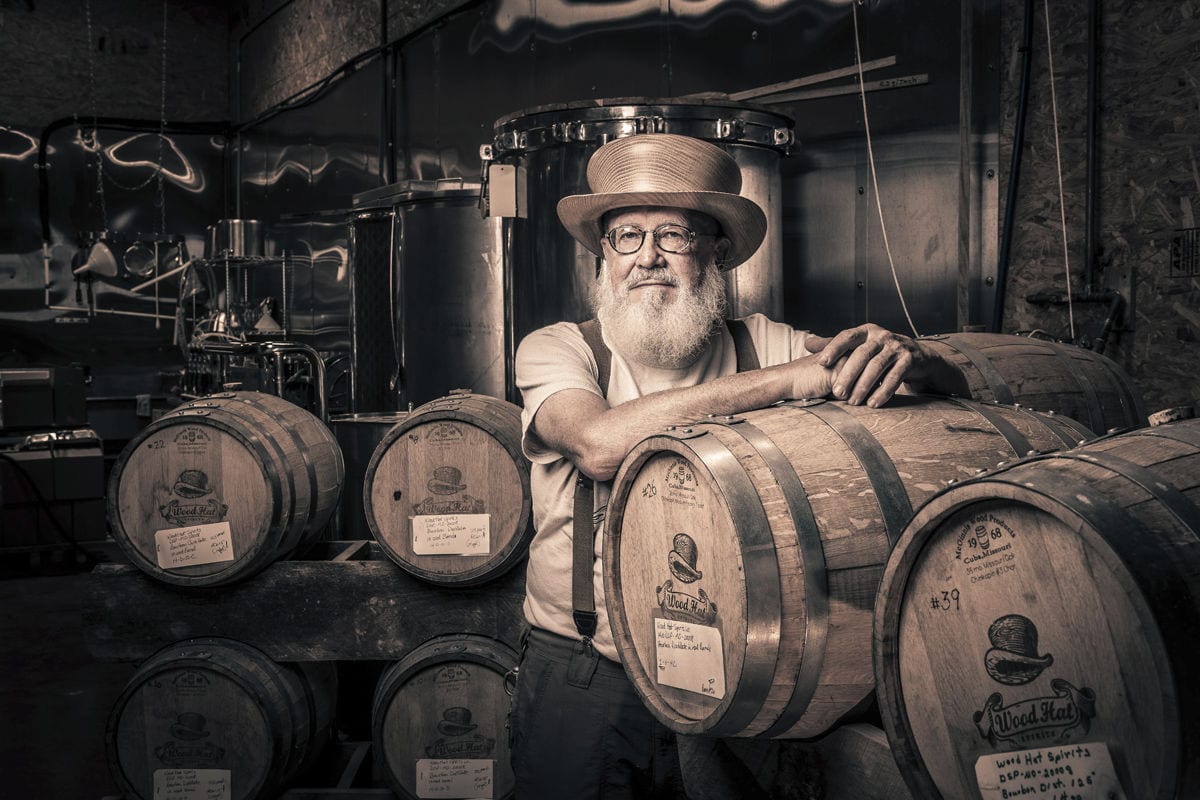
    More than 100 whiskies are available for sampling in-store, including Suntory Chita Single Grain; Johnnie Walker Blender’s Batch 2: Bourbon Cask & Rye Finish; Royal Salute Polo Collection 2017; Bowmore’s new travel retail exclusive age statement range of 10 Year Old, 15 Year Old and 18 Year Old expressions; and Woodford Reserve Personal Selection.

    “As interest in whiskey continues to grow, we’re thrilled to provide travellers with a chance to celebrate all things whiskey with the launch of our first-ever global Whiskey Festival,” said Brooke Supernaw, DFS Group’s senior vice president, wines, spirits, tobacco, food and gifts.

    “From collectors to those trying whiskey for the first time, the Whiskey Festival is designed for discovery, offering a way to explore this multifaceted spirit.”

    The DFS Whiskey Festival is taking place in the during the DFS, Hong Kong International Airport from the 1st to 30th of June.

    Earlier this year DFS Group hosted its sixth Masters of Wines and Spirits event, which saw more than 60 rare Cognacs, wines and whiskies from over 50 houses showcased at a gala event in Singapore.

  • Mainlanders drive Sa Sa sales to $2.1b

    Mainlanders drive Sa Sa sales to $2.1b

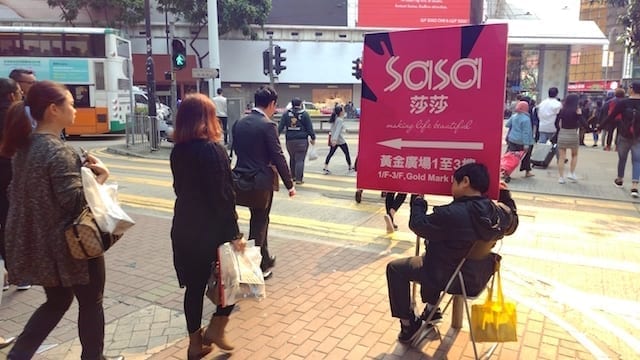
    Sa Sa International Holdings (0178), the cosmetics and skincare retailer, said yesterday retail and wholesale turnover for the first quarter ended June 30 increased by 24.8 percent over the same period the year to HK$2.11 billion.

    The retail and wholesale turnover in Hong Kong and Macau markets increased by 27.7 percent to HK$1.8 billion, while same-store sales increased by 25.3 percent.

    This was mainly driven by a 27.5 percent increase in the number of transactions from mainland tourists, which also led to a 14.5 percent growth in the volume of transactions.

    The average sales per transaction of local consumers and mainland tourists increased by 8.1 percent and 7 percent respectively, Sa Sa reported.

    Hong Kong’s retailers have forecast their turnover in the second half to grow by 10 percent year on year, JLL found in a recent survey.

    About 83 percent of the international and local retailers are planning to open new shops in the city over the next 12 months, a significant jump from 62 percent as recorded a year ago. JLL surveyed 40 retailers and retail landlords in June and found that more than 90 percent of the respondents stated their retail sales in the first half of 2018 fared better than those in the previous year.

    Retailers from almost all sectors are seeing strong and sustained growth in their sales which will lead to them investing more into the market, while the luxury sector is currently the biggest winner, led predominantly by the mainland tourists, said James Assersohn, director of Asia Pacific Retail at JLL.

    “However, we also see locals increase spending which provides a deeper and more sustainable growth trajectory for retail businesses here,” James added.

    Meanwhile, it is worth noting that changing consumption patterns and shopper profiles fueled by millennials and generation Z have also led to greater demand for mass and mid-market brands, serving as a significant boost to local spending, said the survey. It is expected that the rents of high street shops and prime shopping centers to grow in the range of 0 to 5 percent for the full year, said Terence Chan, Head of Retail at JLL in Hong Kong.

    For the local industrial and commercial property market, property agency Midland IC&I (0459) forecast 10,000 transactions will be recorded in 2018, rising by 8 to 10 percent year-on-year, which will set a new record high.

    The turnover for the year is expected to decline 0 to 5 percent mainly due to uncertainties including the trade war between China and the United States and fluctuations the local stock market.

    Midland IC&I forecasts that industrial and commercial properties will record a turnover of HK$130 billion and HK$160 billion respectively for the second half and the full year.

  • Singapore’s Putien to open in Taiwan

    Singapore’s Putien to open in Taiwan

    Singaporean restaurant chain Putien is to enter Taiwan by the end of this year.

    The expansion – in partnership with Taiwanese restaurant group Wowprime – follows Putien’s forays into Shanghai last June and Hong Kong last year.

    Putien has been serving traditional Fujian meals in Singapore for 15 years.

    Wowprime, a listed Taiwanese restaurateur, has already opened an Italian-influenced vegetarian restaurant at Raffles City in Singapore in partnership with Putien, called Sufood. Putien will be Wowprime’s first Chinese restaurant concept to launch in Taiwan – until now the company has been best known for running steakhouses and Japanese restaurants.

    Both companies say the Taiwanese menu will closely follow Putien’s successful Singapore concept and the restaurant will be pitched to the middle market.

    The two companies plan a chain of about 20 restaurants, opening them at a rate of about three annually.

    At home, Putien has 10 restaurants trading already with an 11th scheduled to open at Causeway Point later this year and a second Sufood at Wheelock Place.

  • Global giants crave for pieces in Vietnam e-commerce market

    Global giants crave for pieces in Vietnam e-commerce market

    Foreign investors have been pouring billions of dollars into the e-commerce market, seeking to change shopping habits in Vietnam and eventually profit from a likely online boom.

    Since the pandemic began, Tran Thi Linh in Hanoi has picked up a new habit of lying on her couch for hours to browse through e-commerce apps, looking for promotions.

    “With social distancing, I became reluctant to leave the house, and I realize it is more convenient to shop for certain items online,” the 47-year-old housewife said.

    With the apps she no longer has to carry heavy bags of detergents and rice from the supermarket to her apartment, while the coffee her husband drinks is cheaper online.

    “I read reviews and watch videos to make shopping decisions. I still go to the supermarket but less often.”

    Linh is among many Vietnamese that have become more familiar with e-commerce platforms and saw their shopping habits changed during the pandemic, a goal that that Vietnamese and foreign companies have spent billions of dollars to achieve as they seek to claim a bigger share in a booming industry.

    Vietnam’s digital economy is forecast to grow by 29 percent annually from 2020 to $52 billion by 2025, according to a study by Google, Temasek Holdings and Bain & Co.

    But data from Euromonitor International estimates e-commerce accounted for only 3 percent of the nation’s retail market last year, the smallest amount in Southeast Asia.

    This is why major global companies have been making moves to secure a place in the market. From 2016 to the first half of 2020, investors poured $1.9 billion into Vietnam’s online sector, the study by Google, Temasek and Bain showed.

    The latest deals include a $400 investment by an Alibaba Group-led consortium into a unit of conglomerate Masan Group, which is set to team with Lazada as part of the deal to win Vietnam’s e-commerce market.

    Equity firm Warburg Pincus in January poured more than $100 million into M-Service JSC, a Vietnamese startup that operates the MoMo payment app.

    Domestic platform Tiki had earlier raised $192.5 million from Japan’s Sumitomo Corp and China’s JD.com.

    “Vietnam is at the beginning of becoming a digitalized society with a young population that loves technology,” Bloomberg cited Ralf Matthaes, managing director of Ho Chi Minh City-based Infocus Mekong Research, as saying.

    “So all these companies are tripping over themselves to offer these services.”

    But changing Vietnamese people’s shopping habit while dominating the market in the process is easier said than done.

    Linh, the Hanoi housewife, said that until now she only pays for online orders by cash, because she does not know how to link her shopping account with her debit card.

    “Another reason is that I can refuse to accept orders if they do not meet the quality I expect. There are many online shopping frauds and I want to be careful.”

    Cash remains the most popular payment method in Vietnam with around 80 percent of the population preferring it in daily transactions, according to the Ministry of Industry and Trade.

    “Cashless payment remains unpopular in Vietnam because people prefer to see and touch products before paying for them,” said Le Xuan Vu, board member of Military Bank, adding that if local banks can guarantee to compensate customers for fraud and fake products, they will trust cashless payment and use them more regularly.

    Dominating the market remains a challenging task for e-commerce firms with so many players seeking a piece of the pie. Among four major platforms, Shopee, Tiki, Lazada and Sendo, none has been able to secure a paramount position to become the go-to marketplace for every need.

    Electronic companies like Mobile World, FPT and CellphoneS have also established their own platforms so not to be left behind in the race.

    “I have apps of Tiki, Shopee and Lazada and use them all. I don’t feel the need to commit to only one platform,” said Nguyen Duc Anh, who works for an advertising agency in Hanoi.

    Duc Anh often compares prices and reviews of a product on all three platforms to make the decision. Usually the platform with the highest number of purchases and offers the best price and delivery time wins.

    “For now I’m having the best of several worlds.”

    This is why e-commerce companies are trying different strategies to make its platform the best and the only.

    Almost every month Shopee offers a period of major discount with a variety of items priced as low as VND1,000 (4.3 U.S. cents).

    Tiki has been working to remove counterfeit products and increase the number of items eligible for a two-hour delivery. It also offers up-to-30-day return policy for certain electronics products to gain customers’ trust.

    In the new partnership with Lazada, Masan seeks to blend offline and online shopping into one experience by making its 2,200 VinMart+ outlets the pickup points for purchases on the platform.

    But while platforms race to win more customers, people like Linh are still reluctant to abandon the traditional shopping method.

    The other day she used online platforms to check prices of an air purifier but ended up driving her motorbike to an electronics store to make the purchase even though it was priced slightly higher there.

    “I still need to touch it. I want to see it with my own eyes.”
  • DHL supply chain sharpens growth focus on Singapore, Malaysia and the Philippines

    DHL supply chain sharpens growth focus on Singapore, Malaysia and the Philippines

    DHL Supply Chain, the global market leader for contract logistics solutions, has named Jerome Gillet as CEO of the new Singapore cluster which includes Singapore, Malaysia , and the Philippines . In this role, Jerome will continue to report to Terry Ryan, CEO, DHL Supply Chain Asia Pacific, while remaining as a member of the regional board.

    The appointment will bring synergy for the three markets and drive new growth for the region. The DHL Supply Chain businesses locally continue to be led by the respective country heads – Jason Goh, managing director, DHL Supply Chain Singapore; Mike Davies, managing director, DHL Supply Chain Malaysia; and Suzie Mitchell, managing director, DHL Supply Chain Philippines — who now report to Jerome.

    “We see tremendous opportunity in Singapore, Malaysia and the Philippines to grow our business with even more focus on greater service quality in the markets. Jerome has repeatedly demonstrated his commitment to customer needs, and, in a changing economic climate, he is well placed to help customers deliver greater value from their supply chains,” said Terry Ryan , CEO, DHL Supply Chain Asia Pacific. “An innovator and strategic leader, Jerome is well suited to lead the next stage of growth transformation in our Singapore cluster. With his track record of delivering accelerated growth and building strong customer relationships, I am confident he will drive this new cluster in achieving high and sustainable growth.”

    “I am looking forward to accelerating growth in the newly formed cluster with a strong focus on Quality, Innovation and Customer centricity,” said Jerome Gillet , CEO, Singapore cluster, DHL Supply Chain.

    Jerome’s career in logistics spans over 20 years (the last 17 years in Asia Pacific ) and includes roles in general management, operations and business development. His last appointment as chief customer officer (CCO) of DHL Supply Chain Asia Pacific saw him turn Asia Pacific into the fastest-growing region worldwide within DHL Supply Chain. The tremendous growth was driven by his business development efforts in key sectors such as consumer & retail, technology and life sciences. Prior to his role as the CCO, Jerome was the vice president of consumer sector for Asia Pacific , and increased annual new business gains by over 200 percent between 2008 and 2014.

  • Star Cloud Services Brings First Digital Receipt Solution to Singapore Retailers

    Star Cloud Services Brings First Digital Receipt Solution to Singapore Retailers

    Star Cloud Services, a subsidiary of leading receipt printer manufacturer Star Micronics, announced it has expanded support to retailers in Singapore.

    Built to bring IoT solutions to retailers, Star Cloud Services helps them better engage with, activate and retain shoppers by turning receipt printers into cloud-connected devices and offers a suite of free services to get the most out of shopper data available from receipts.

    Star Cloud Services powers all retailers with AllReceipts™, a fast, free, and secure digital receipt solution making it easy to offer customers digital receipts without sharing an email address or taking a picture of the physical copy.

    “We are really excited to expand our support to Singapore,” said David Salisbury, VP of Sales and Marketing at Star Cloud Services. “Small brick and mortar retailers have found themselves not only competing with the big box stores, but with the drastic growth of ecommerce. With so many people in Singapore reliant on their smartphones, digital receipts just make sense.”

    The opportunity for digital transaction data, especially in Singapore, is growing rapidly. According to the “Consumer Barometer,” a study done by Google, Asia leads the world with smartphone usage and engagement. Singapore currently holds the highest smartphone penetration at 85 percent, according to the same study. More people in Singapore have smartphones than computers, with an astonishing 60 percent of those surveyed saying they use their phones compared to their other digital devices.  

  • Christopher Bailey to depart Burberry after 17 amazing years

    Christopher Bailey to depart Burberry after 17 amazing years

    Christopher Bailey is to depart from Burberry after 17 years as its creative head. In a statement issued overnight, Burberry said Bailey, 46, will remain in his dual roles of president and chief creative officer until March 31, when he will also resign from the board.

    He will design the Spring/Summer 2018 collection and exit the business in December after a period of transition.

    “Burberry has undergone an incredible transformation since 2001 and Christopher has been instrumental to the company’s success in that period,” said Burberry CEO Marco Gobbetti.

    Bailey described his tenure at the UK-headquartered luxury fashion brand as “the great privilege of my working life”.

    “I am excited to pursue new creative projects but remain fully committed to the future success of this magnificent brand and to ensuring a smooth transition.”

    Replacement tipped

    Some analysts are already picking Bailey’s replacement: Phoebe Philo, who worked with Gobbetti at Celine, has been identified as a frontrunner.

    “For now, Philo remains in her role at Celine” But LVMH is interviewing designers to replace Philo and rebuild Celine’s design team in preparation for her eventual departure. The conglomerate vehemently denied that Philo’s departure was “imminent” without denying that interviews for her replacement were taking place.”

    “Phoebe used to work with Marco Gobbetti and they know each other well,” Mario Ortelli, head of the luxury goods sector at Sanford C Bernstein. “She is a big name, and in terms of brand elevation she can be one of the possible candidates for the role. In our view Phoebe Philo could move across to Burberry and recreate the powerful CEO-creative director combination Gobbetti and Philo experienced at Celine.”

    Thomas Chauvet, head of luxury goods equity research with Citigroup, concurred in a note issued after the Bailey announcement.

    “Early feedback from investors suggests that the successful partnership she previously had with Mr Gobbetti makes her a suitable potential candidate.”

    Pascal Martin, partner with OC&C Strategy Consultants in Hong Kong, said 17 years at the helm of a luxury brand’s design team is a long tenure – longer than most design directors in global luxury houses, with the exception of very rare cases like Chanel’s Lagerfeld.

    “In his time, Bailey had completely revived the brand and had the genius to re-invent the trench, Burberry’s iconic product, and make it trendy and aspirational. He has also led Burberry’s charge into the digital world, ahead of the entire luxury sector, making the brand “cool” to the millennials generation when other luxury brands were still very hesitant and protective.”

    Rivals catching up

    But Martin said Burberry’s designs and stores have lost a bit of their innovativeness lately, while many luxury brands have caught-up with Burberry on the digital front.

    “Looking ahead, creating new excitement around the brand – through product design and store design – is going to be one of the major challenges for the new design director.”

    Charlotte Pearce, a retail analyst with GlobalData, said since Bailey became creative director in 2004, he has contributed to total revenue growth of £2 billion and has helped to regenerate the brand, turning it back into the aspirational, iconic label that it once was.

    “With just over a year until Bailey leaves, there is plenty of time for Marco Gobbetti, who took over as CEO in July, to find the right candidate to fill Bailey’s shoes. It is crucial that Burberry finds someone with respect for the brand’s British heritage but is able to further evolve the label creatively and bring it into a new era,” said Pearce.

    Gobbetti said Burberry has “a clear vision for the next chapter” to accelerate the growth and success of the brand.

    “I am excited about the opportunity ahead for our teams, our partners and our shareholders.”

  • New Zealand-based property group buys Entrada Shopping Centre

    New Zealand-based property group buys Entrada Shopping Centre

    New Zealand-based Cook Property Group has bought the Entrada Shopping Centre in the heart of Parramatta for $41.32 million, reflecting a yield of 5.7 per cent.

    The the 5,570sqm Coles-anchored centre, which was developed by Dyldam Developments in 2011, is located in a high profile corner position – and supported by a number of specialty retailers, medical centre and child care provider.

    The centre, which also includes 196 car parks, is underpinned by a 20-year lease to Coles and total weighted average lease expiry of 10 years.

    CBRE Retail Investments’ Justin Dowers, Nick Willis, Mark Wizel and Peter Vines negotiated the sale of the centre on behalf of Centennial Property Group.

    “The sale of Entrada Shopping Centre further highlights that the market is pricing strata retail investments at a similar level to freehold investments,” said Dowers.

    “This is related to the lack of freehold centres offered for sale, but also an increased level of confidence in how these centres perform and the acceptance of this retail platform from the customers.”

    Dowers said strata retail centres are generally developed in highly built up areas where major supermarkets have found it difficult to get a presence in.

    “The benefit for owners of these assets is that they generally provide consistent rental growth underwritten by population growth, and the competition risks are much less when compared to outer growth areas of major capital cities,” he said.

    Willis said the property’s position in Greater Western Sydney’s growth corridor underpinned strong buyer interest in the asset.

    “We received a lot of interest from interstate and international investors given their desire to obtain retail holdings in Sydney – and more specifically the western growth corridor, noting the forecasted population growth in this region,” Willis said.

    Ben Cook of Cook Property Group said the Entrada Shopping Centre is a good strategic fit for his Sydney portfolio.

    “The anchor tenant, Coles, is enjoying exceptional turnover growth as a result of the centre’s prime location,” Cook said. “The barrier to entry for a competing development is significant, Parramatta’s growth story is compelling and the income generated from the asset is mostly non-discretionary.”

    “This fits with my investment model of acquiring defensive assets in core Sydney locations, with excellent growth prospects,” he added.

    Willis said major growth precincts in Sydney’s west such as Parramatta and Westmead were benefitting from significant investment that was helping underpin demand for retail amenity.

    “Investors see this as an opportunity to gain exposure in Australia’s most exciting future cities,” Willis said.

    “With over $10 billion worth of development occurring including the Light Rail, Parramatta Stadium, Parramatta Square and the Westmead Hospital, coupled an estimated 30,000 new dwellings in the region, the future income potential of Western Sydney will continue to underpin investor confidence.”