Author: Mei Ling Tan

  • Coty’s results beyond expectations

    Coty’s results beyond expectations

    Beauty products maker Coty Inc (COTY.N) posted better-than-expected quarterly results, selling more of a range of luxury perfumes which include Burberry and Gucci brands.

    Once a pure-play fragrance maker, Coty has diversified by acquiring a slew of established brands and adding hair appliances and Younique makeup to its portfolio of products to attract younger customers.

    Powered by strong growth in designer brands including Chloe and Tiffany & Co, sales in its luxury beauty segment climbed 19 percent to $752.5 million in the third quarter ended March 31.

    Shares in the company rose 6.3 percent to $16.90 in response to the results.

    Chief Executive Officer Camillo Pane said that prior to the relaunch of a series of its products in January this year, sales of its CoverGirl makeup and skincare faced double-digit declines. Wednesday’s results showed a low single-digit percentage fall.

    “The overall Clairol business is not showing big signs of improvement,” said Pane, as it faces a stagnant beauty market in the U.S. and competition from L’Oreal (OREP.PA) and ELF Cosmetics.

    Pane said he expects modest organic net revenue growth in the second half of 2018.

    Net loss attributable to Coty Inc narrowed to $77 million or 10 cents per share, from a loss of $164.2 million or 22 cents per share, a year earlier.

    Coty reported a drop of about 73 percent in restructuring costs in the quarter.

    Excluding certain items, the company earned 13 cents per share, beating analysts’ average estimate by 1 cent.

    Sales rose 9.4 percent to $2.22 billion, beating analysts’ estimate of $2.17 billion.

  • Marine tourism sector expected to contribute US$4 billion

    Marine tourism sector expected to contribute US$4 billion

    The marine tourism sector is expected to contribute US$4 billion in 2019, or a four-fold increase from the present contribution, according to Tourism Minister Arief Yahya.

    “We hope that the foreign exchange earnings from marine tourism will increase in 2019 from $1 billion this time,” Yahya remarked, during the signing ceremony of cooperation between the Ministry of Maritime Affairs and Fisheries and the Ministry of Tourism in the field of marine tourism here, on Tuesday.

    The minister admitted that the contribution of marine tourism to the foreign exchange at present was still lower than that of the tourism sector as a whole.

    He said that the marine tourism currently contributes to only about 10 percent of the overall foreign exchange of national tourism that reaches $10 billion per year. Thus, the contribution of marine tourism is only about $1 billion.

    The minister compared this to Malaysia, where marine tourism contributes to about 40 per cent of the total foreign tourists.

    Malaysia itself is expected to rake in tourism foreign exchange of about $25 billion per year.

    Yahya argued that the factors that lead to minimal contribution of marine tourism in Indonesia, among others, were regulatory factors, human resources, and the approach on being more concerned about security than services.

  • Hanwha gets smart about solar cell production

    Hanwha gets smart about solar cell production

    Hanwha Group has been striving to make the solar business its future growth engine since it first entered the industry in 2010, and that hard work is starting to pay off. Hanwha Q Cells, the group’s solar cell producer, is now one of the largest manufacturers in the industry, but competition is getting much tougher. Even some of the more established companies in Europe and the United States are struggling due to fast-growing Chinese manufacturers, according to Hanwha. As a result, the United States imposed tariffs on solar cell and module imports earlier this year.

    In a bid to tackle fierce competition and fortify its leadership, the group invested in making its new solar cell plant smarter using wearable gadgets, big data and robots.

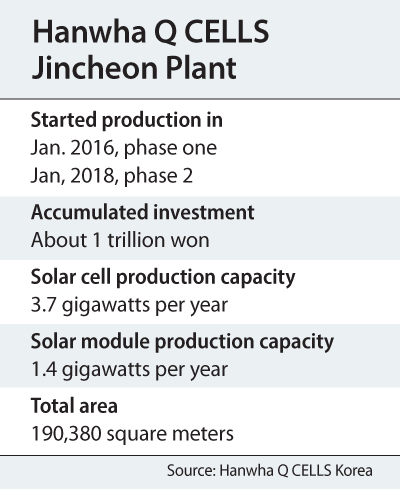
    The Jincheon 2 plant, which started mass production of solar cells and modules in January, is an addition to the original complex built in 2016. With the first and second plant combined, the Jincheon facility is the largest single solar cell production site in the world, according to Hanwha, with 3.7 gigawatt production capacity.

    When we visited the solar cell production line on the third and fourth floor of the newly-built plant on Tuesday, some workers were moving busily from machine to machine wearing what looked like a smart watch.

    “It looks like a smart watch because we took the hardware from electronics companies like Samsung,” a spokesperson from Hanwha said. “But we applied our own software so that workers receive alarms when there are problems with the machines.”

    According to the solar cell maker, the watch does not provide a detailed cause or explanation of the problems, but it makes workers respond immediately to issues by alarming them with notices categorized into four stages – S, A, B and C – depending on the severity and complexity of the problem.

    The system means that just 40 workers are required to manage 220 machines lined-up horizontally in five production lines in the 330-meter-long (1082 feet) solar cell production room, according to Hanwha.

    Another unusual scene inside the plant was a huge stack of 200 solar cells moving around over workers’ heads.

    “We call it a cassette,” said Yang Byung-ki, a manager of cell production at Hanwha Q Cells Korea, the company in charge of cell production in Korea. “This automated overhead logistics system delivers solar cells quickly and safely to the next destination.”

    The automated delivery system moves cells through the 10 stages of production.


  • Espoir enhances customer experience by new concept store “MAKE-UP MARKET”

    Espoir enhances customer experience by new concept store “MAKE-UP MARKET”

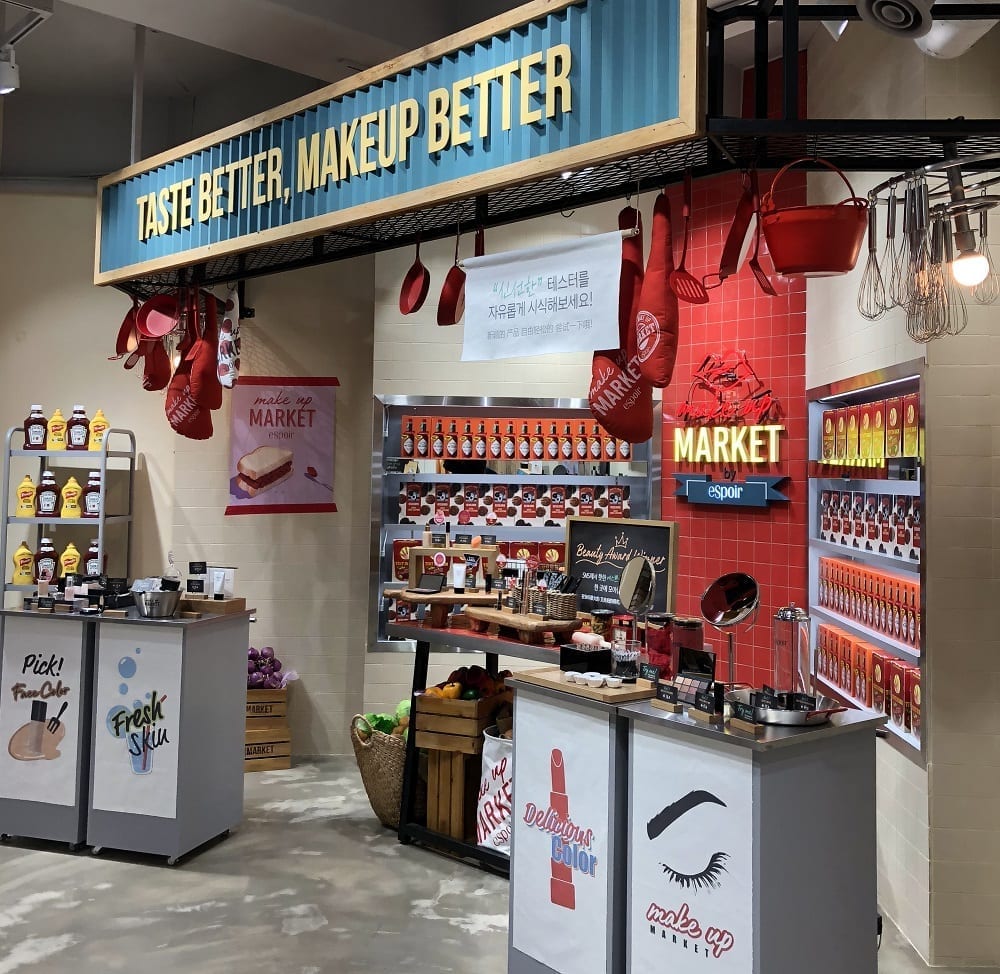
    Espoir opened new concept store with the theme ‘Market’ in order to provide a new brand experience in Shinsa-dong, Seoul.

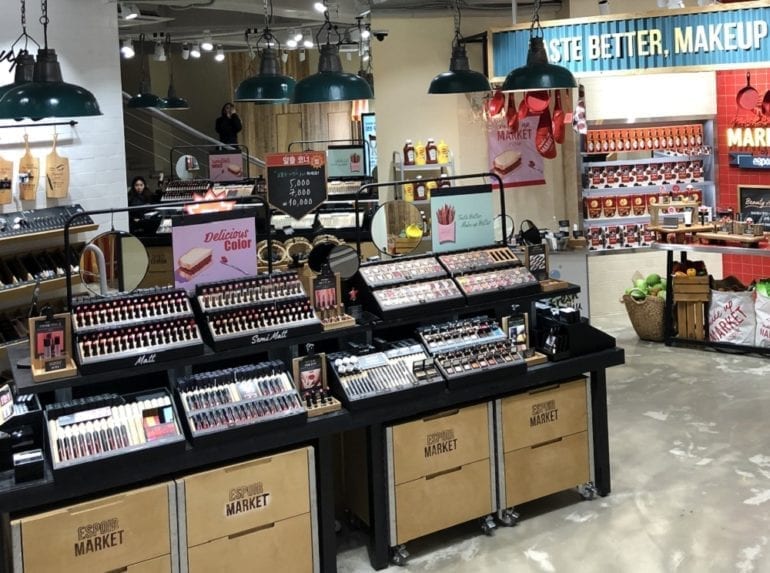
    Inspired by the European market, the ‘MAKE-UP MARKET’ of Espoir brings a feeling of a colorful  interior to the actual food market.

    The make-up market store is the first self-picking concept store.

    Espoir has introduced a self-picking process that allows customers to test and buy their own products through a space configuration that considers the customer’s movement.

    Additionally, they provide free stamps, ribbons, etc. in the self-packing zone so that customers can freely wrap their own products when they have finished all their purchases.

    There is a tasting zone in the market  so that anyone who visits the store can test the best-selling products of Espoir. There is also a flea market zone on the first floor and the basement floor for best-selling items at special price.

    In this concept store, pre-sales promotions that were only offered online will be carried out in the off-line store alone so that customers can experience new more quickly than anyone else.

    There are also a variety of exclusive set items available only in ‘MAKE-UP MARKET’ store.  Customers will receive a ‘slim fit air puff’ or a special market sticker on a first-come, first-served basis for customers purchasing from a concept store during February 2018.

    “We hope that customers will be able to experience various aspects of our products through the new concept store of ‘MAKE-UP MARKET’ following the concept store of Hongdae ‘MAKE-UP PUB concept store’, and we will prepare a various event that will provide fun and new products for customers in the future,” company said.

  • Real Madrid Partners with Alibaba Group to Launch its Official Online Store on Tmall Global in China

    Real Madrid Partners with Alibaba Group to Launch its Official Online Store on Tmall Global in China

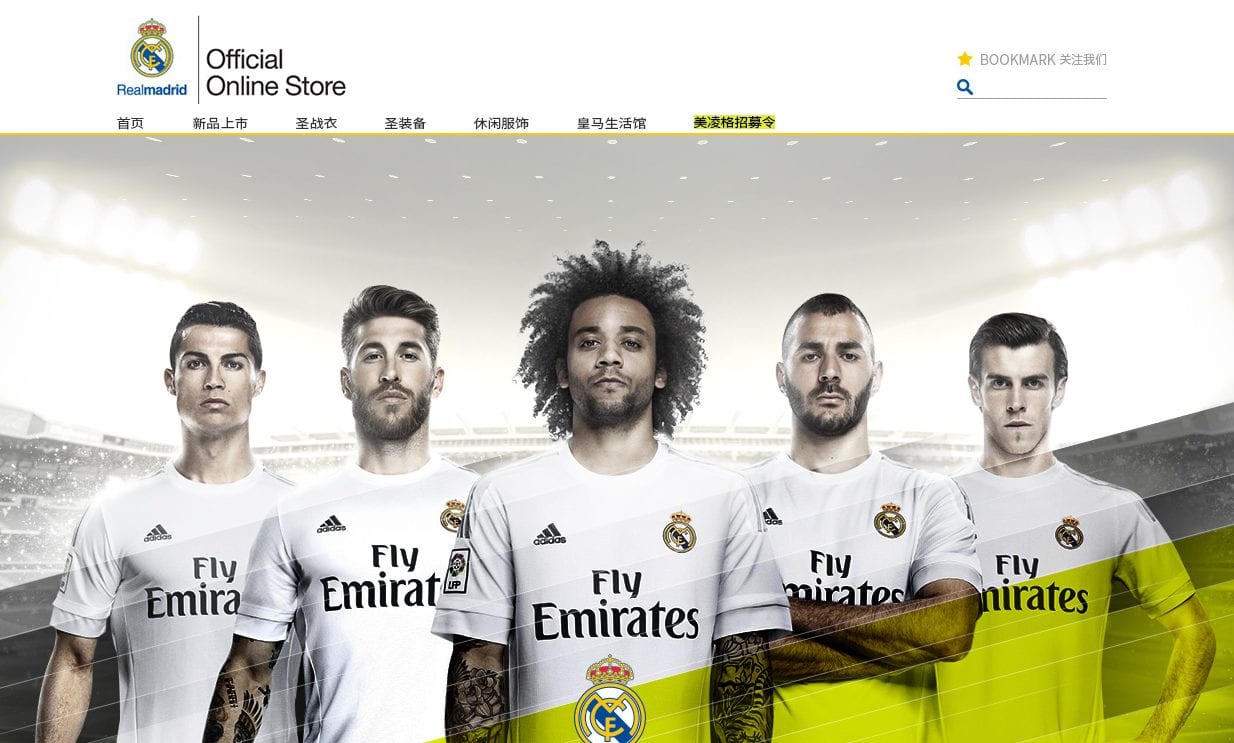
    Real Madrid, the world’s leading sports club and Tmall Global, an overseas platform and an extension of Alibaba Group’s B2C Tmall.com business in China, jointly announced today the launch of the official online Real Madrid store (https://realmadrid.tmall.hk) for consumers in China. This strategic partnership will allow consumers in China to enjoy a selection of the sports club merchandise including official player jerseys, club apparel for men, women, and children, and club memorabilia.

    The Real Madrid online store is another example of Alibaba Group’s strategy to bring premium foreign brands and products directly to Chinese consumers. Fans of Real Madrid can now directly purchase their favourite and genuine Real Madrid merchandise on the club’s Tmall Global online store.

    The partnership launch ceremony held in Guangzhou today was attended by Jeff Zhang, President of Alibaba Group’s China retail marketplaces, Florentino Perez, President of Real Madrid, and the team’s first string players. Widely known as the most valuable sports club in the world, Real Madrid will work together with Tmall Global to develop their business within China targeted at Chinese consumers.

    Jeff Zhang said: “As one of the world’s most recognizable and popular football brands, Real Madrid is the second football club that has reached a strategic cooperation with Tmall Global, closely following our collaboration with FC Bayern Munich in May this year. Real Madrid and Tmall Global will work together to promote the exciting world of international sport to the Chinese market. As part of our Tmall Global strategy, Alibaba is committed to bringing new cultural experiences and brands on to our China retail marketplaces and we will continue to work with European brands and municipalities to bring the world to Chinese consumers.”

    Florentino Perez said: “Today, we continue to reach out to this incredible country. Today we start a partnership that will strengthen our ties. The best club in the world, Real Madrid, is establishing a strategic alliance with Alibaba’s Tmall Global platform. Initiating this new path is an honour for us, and without a doubt, teams us up with the global player and absolute leader in global ecommerce. This strategic alliance allows us to launch the official Real Madrid store in China for more than 600 million consumers online.”

    The official Real Madrid store on Tmall Global offers a unique player fitting room interactive function so fans can choose outfits and products from their favourite players. In addition, the sports club also has a broad range of lifestyle merchandise from mouse pad and lunch box packs to embrace a complete lifestyle selection for fans to choose from. In the future, Tmall Global and Real Madrid will have special edition or exclusive products targeted for Chinese consumers.

    Real Madrid is the first club in the world to have opened offices in China, headquartered in the Beijing capital. With millions of Real Madrid fans in China, the club aims to reach new fans through Alibaba Group’s China retail platforms.

    About Tmall Global

    Launched in February 2014, Tmall Global (www.tmall.hk) is an overseas platform and an extension of Alibaba Group’s B2C Tmall business, which enables overseas merchants to enter China’s online retail market. By joining Tmall Global, merchants can conduct business from overseas without the need for physical operations within mainland China. International brands on Tmall Global benefit from the exposure to the hundreds of millions of visitors on Taobao Marketplace and Tmall.com. Through Tmall Global, Chinese consumers have access to a variety of branded products sourced and fulfilled from outside mainland China.

  • Nike sued over copycat sports bra design

    Nike sued over copycat sports bra design

    A Florida-based entrepreneur is suing Nike for allegedly copying her design patents pertaining to a sports bra with pockets.

    SherryWear LLC claimed in a lawsuit filed this week that Nike copied its pocket bra design after its founder, Sherry Goff, submitted the SherryWear pocket bra design to Nike via an online submission. The design at the time had some issued and pending patents.

    According to the suit filed in a Massachusetts court on Monday, Nike rejected Goff’s design in March 2017. Just a few months later, Nike filed a U.S. patent application for a “Bra With Storage Pockets.” Goff submitted the SherryWear pocket bra design to Nike again after that and was rejected again.

    SherryWear specifically takes issue with Nike’s Swoosh Pocket Bra and the Swoosh on the Run bras, both of which feature pockets.

    “Nike has never had authority to use, offer, sell or import any product or assembly covered by the Pocket Bra Patents or actively induce others to do so,” the suit claims. “By continuing to engage in commercial activities described in this complaint, Nike is knowingly, deliberately and intentionally infringing the Pocket Bra Patents.”

    Retail News has reached out to Nike for a comment. In a statement to Retail News, a spokesperson for SherryWear’s law firm, Caldwell IP Law, said it is “confident in the effectiveness of the patent system and its ability to empower small businesses, such as SherryWear.”

    Nike may be on the defensive this time, but the Swoosh has historically taken a harsh legal stance when it comes to protecting itself against potential copycats. Nike, in 2021, filed a trademark infringement and dilution complaint against MSCHF, the company that released its controversial Satan Shoes with Lil Nas X, and settled the lawsuit shortly after. Last year, Nike resolved its trademark infringement battle with footwear designer John Geiger after claiming he created sneakers that were similar to Nike’s Air Force 1 shoes.

  • MyIX to finalise deal with Netflix next month

    MyIX to finalise deal with Netflix next month

    The Malaysia Internet Exchange (MyIX) will finalise its deal with America’s popular online entertainment company, Netflix, to provide its video and movie content in Malaysia by end-August, says chairman Chiew Kok Hin.

    The non-profit MyIX is the first neutral Internet Exchange where local Internet Service Providers (ISPs) and content providers connect to exchange Internet traffic.

    He said with the deal entered into with the entertainment company, neighbouring countries such as Indonesia could also obtain the content from Malaysia at a nominal fee, hence paving the way for the country to become a content hub in future.

    “We hope with the sealed deal, we can attract other international players to come to Malaysia in the future as we are working to position the country as a regional Internet exchange gateway,” he said.

    Netflix is a popular online American entertainment company that provides a range of videos and movies and is also the world’s ninth-largest Internet company by revenue (US$8.83bil).

    Chiew added that with the country being positioned as an Internet exchange gateway, it would attract South-East Asian countries such as Indonesia, Thailand, Vietnam and Cambodia to make Malaysia their content hub.

    “It will bring the content nearer to us, and neighbouring countries will not only save cost but also improve on content quality,” he said.

    Since MyIX’s inception in 2006, it has closed deals with various parties including Alibaba and Yahoo.

    Chiew also said the cost to bring the content had dropped over the years, allowing telecommunication companies (telcos) to reduce their pricing and offer more data and bandwith to their clients.

    “With this in effect (cost reduction), the pricing set by telcos is being monitored by the Malaysian Communications and Multimedia Commission to ensure it is fairly set,” he said.

    As for the Internet speed in the country, Chiew, who is also AIMS Data Centre Sdn Bhd chief executive officer, said overall, the speed offered to Malaysian Internet users was satisfactory.

    However, there still remained certain areas in the country that did not have receive good Internet coverage.

    “Telcos have taken steps to widen their connectivity but it is acknowledged that there are still obstacles in providing fast Internet speed nationwide,” he said.

    The 3rd Generation Partnership Project (3GPP) early this year mentioned at an international conference that the accelerated 5 Generation (5G) schedule, which would enable 3GPP-based large-scale trials and deployments as early as 2019, would be commercialised worldwide by 2020.

  • Citilink Adds Another A320 to its’ Fleet

    Citilink Adds Another A320 to its’ Fleet

    Indonesia’s flag carrier’s low cost subsidiary, Citilink Indonesia, has acquired a new aircraft that will alow it to operate extra services during the upcoming Eid holiday period.

    The Airbus A320 aircraft, which arrived from Hamburg, Germany on Thursday, is the 35th new aircraft acquired by the airline, said the Executive Director for Citilink Indonesia, Albert Burhan, through a press conference in Jakarta.

    “The addition of the new aircraft is reflective of the company’s growth in the first quarter (Q1) of 2015, which would also support Citilink’s ambition to expand its’ reach and stake in the domestic aviation industry,” said Burhan.

    “The arrival of this aircraft will also enable is to operate more services in light of the upcoming Ramadhan peak season,” said Burhan, before adding that Citilink plans to add up to 16 more flights per day between June 1 to June 15, 2015.

    It is known that extra services will be added to Citilink’s existing services between Jakarta’s Soekarno-Hatta Airport and Jogjakarta, Solo, Malang, Batam, Bali, and Medan’s Kuala Namu airport.

    Burhan explained in the press conference that Citilink needs to have at least 50 aircraft in order to get a bigger chunk of the domestic, low-cost aviation market. Citilink’s fleet, he continued, will grow to around 40 units by the end if the year, which will allow it to meet its’ target of delivering services to 11,2 million passengers annually – up from 7,6 million in 2014.

  • Globe launches Future Makers 2019 accelerator

    Globe launches Future Makers 2019 accelerator

    The Philippines’ Globe Telecom has launched the latest round of its accelerator program for startups working to tackle some of the market’s most challenging social problems.

    The Globe Future Makers 2019 program will be open to all Philippine-based individuals, groups, or organizations with solutions that use technology to achieve wide-scale positive impact.

    The technology can include devices, platforms, hardware, or software. The solution developed must be a functional product or service that has been working for at least two years, and be able to address one or more of the United Nations’ Sustainable Development Goals.

    Successful applicants will receive technology support from Globe Telecom as well as access to mentorship, collaboration and related support from industry partners.

    The Globe Future Makers program was first introduced in 2017 with the goal of helping encourage businesses to use technology for social good. This year’s event is being jointly implemented by Philippines’ based crowdfunding website and community for social projects The Spark Project.

    “Globe Future Makers offers a unique opportunity for our small enterprises using digital technology to scale up and test if their businesses are replicable in global markets. We encourage social innovators and startups to participate in GFM 2019.”

  • Korean retailer launches do-not-disturb shopping service

    Korean retailer launches do-not-disturb shopping service

    Lotte Department Store, one of South Korea’s country’s major department-store chain operators, will introduce a do-not-disturb shopping service it dubs ‘shop-alone’.

    Aimed at customers who do not wish to be approached by sales clerks and other employees – a bugbear of many consumers used to shopping in many Asian countries – has been inspired by the Covid-19 crisis and social-distancing practices.

    Customers will be able to shop alone without any offer of assistance from staff if they carry a ‘shop-alone’ sticker or bag ring available near stores’ information desks or escalators.

    The do-not-disturb shopping service is the brainchild of new, young staff born after the 1980s, and will be tested at Lotte Department Store’s flagship Young Plaza, and the company’s Jamsil branch starting today.

    For VIP customers, a personal-shopping consultant will be available for reservations, made via Lotte Department Store’s smartphone app, after they choose an item of interest.

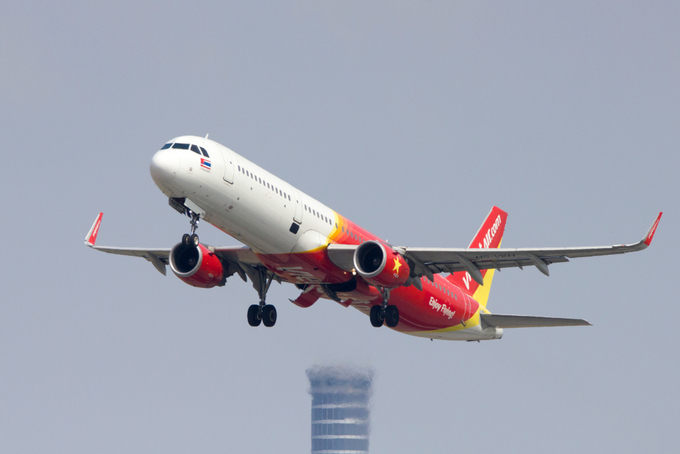
  • Vietjet eyes 15 pct stake sale

    Vietjet eyes 15 pct stake sale

    Budget carrier Vietjet Air plans to sell a 15 percent stake in a private placement.

    It plans to sell 81 million shares at the average price of at least the last 10 sessions on the stock market but has not disclosed the timing or buyer’s identity.

    As of Tuesday, the average figure was VND115,700 ($5.02), putting the value of the deal at over VND9.3 trillion ($403 million). There will be a lock-up period of one to three years when the shares cannot be sold.

    Vietjet also plans to issue $300 million worth of international bonds on the Singapore Exchange this year.

    So far this year it has raised a total of VND2 trillion via bonds.

    In the first quarter it reported a post-tax profit of VND123 billion against a loss of VND989 billion in the same period last year.

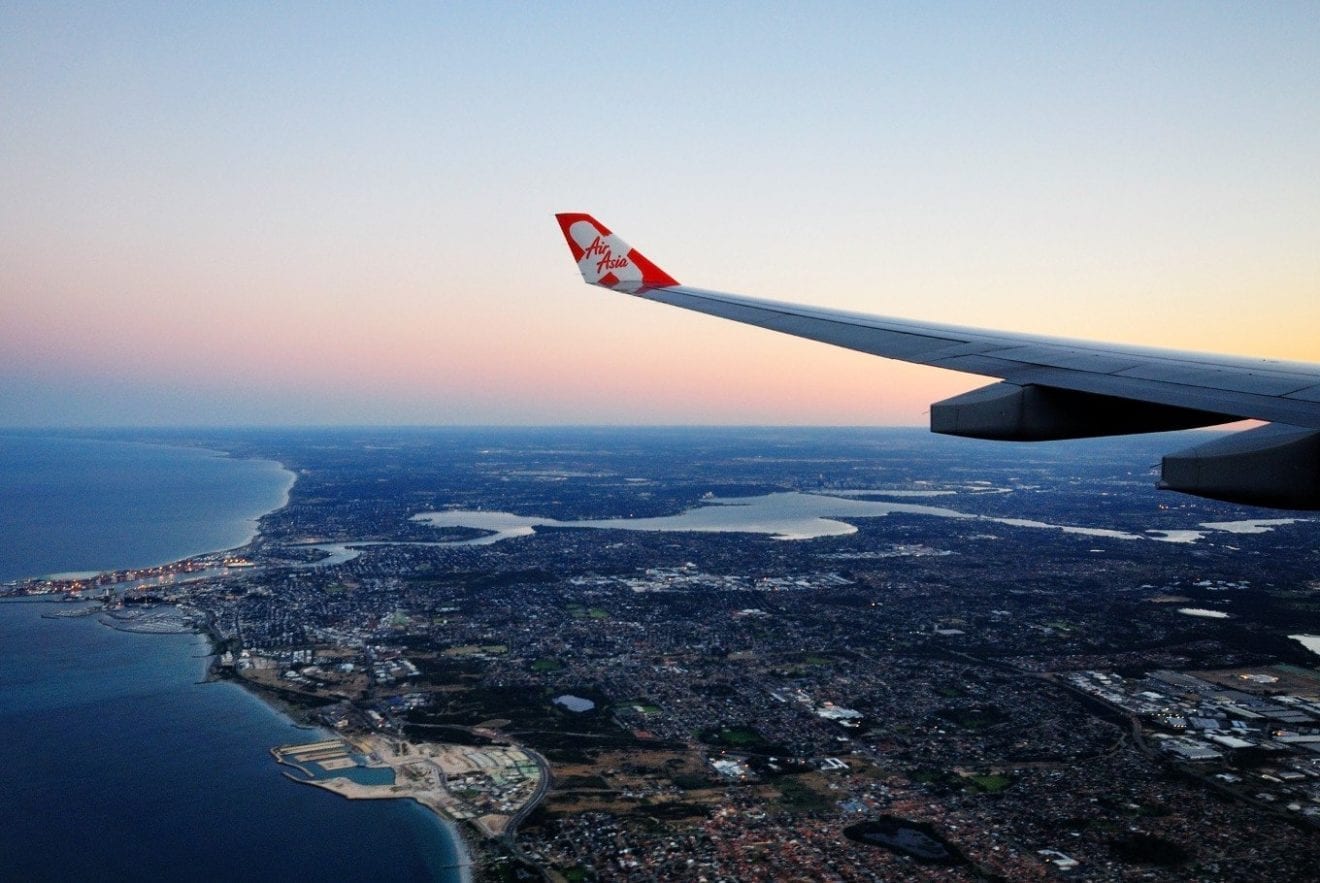
  • AirAsia X to end Mauritius flights in late 1Q17

    AirAsia X to end Mauritius flights in late 1Q17

    AirAsia X (D7, Kuala Lumpur Int’l) has announced its withdrawal from the African market with effect from March 25 of this year.

    Arik De, Chief Head of Commercial for AirAsia (AK, Kuala Lumpur Int’l), told Panapress in a statement that the decision to end flights to Mauritius was based on the need to deploy capacity to its strongest markets.

    “The suspension of the Mauritius route is a part of the company’s big plan in network restructuring aimed at improving operational efficiencies in term of aircraft utilizations,” it said. “It is also to accelerate capacity growth in AirAsia X key markets of Australia, China, Taiwan, Japan and Korea.”

    AirAsia X began flights to the Indian Ocean island in October last year using A330-300 equipment. Insofar as competition to Kuala Lumpur Int’l is concerned, it came up against Air Mauritius (MK, Mauritius).

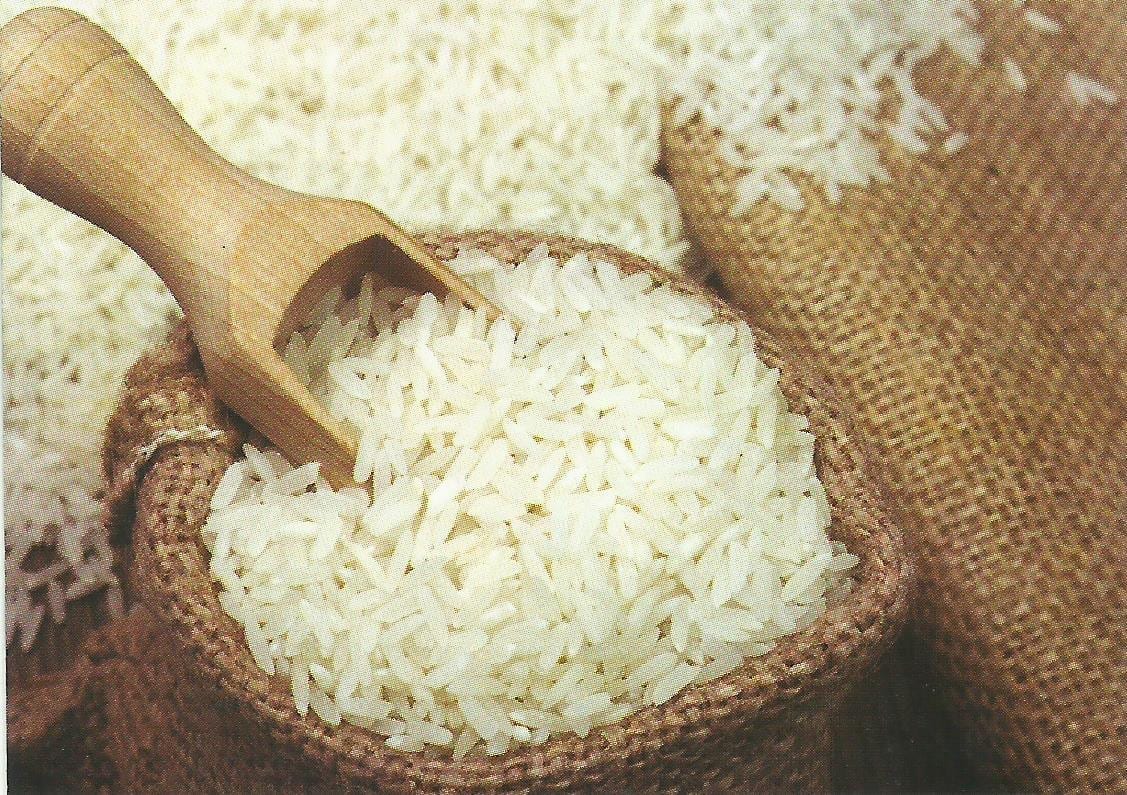
  • Rice exports surge to new record

    Rice exports surge to new record

    According to the Ministry of Agriculture and Rural Development, Vietnam set a new record in rice export revenue in the first nine months of 2023 thanks to price increases.

    The ministry has reported that the country earned US$3.66 billion from exporting rice in the period, up 40.4% year-on-year.

    The result was attributed to the increasing price of Vietnamese export rice, and the decreasing rice supplies in many markets during the reviewed period, it said.

    Vietnam’s average price of exported rice in the first three quarters reached $553 per tonne, a 14% increase over the same period in the previous year.

    The Philippines was the largest buyer of Vietnamese rice products in the first eight months, accounting for 40.3% of the total rice export. China and Indonesia ranked second and third, accounting for 13.5% and 12.4%, respectively.

    According to Vice General Director of the Export-Import Department under the Ministry of Industry and Trade Tran Thanh Hai, the price of exported rice is expected to remain high until the end of this year due to the continued demand for rice imports in major consuming markets such as the Philippines, China, Indonesia, Malaysia, and Africa. This is coupled with the limited supply of rice from leading rice exporters like India and Pakistan.

    President of the Vietnam Food Association (VFA) Nguyen Ngoc Nam stressed that there is ample room for rice exports to grow, especially as the Philippines needs to import an additional 1.1 million tonnes, while Indonesia plans to buy 2.3 million tonnes by the end of the year.

    China’s demand for rice imports is also forecast to increase in the remaining months of the year, Nam said.

    Rice exporters are advised to have appropriate strategies to ensure the ability to meet exports.

  • Bali`s economy grew by 6.24 percent in 2016

    Bali`s economy grew by 6.24 percent in 2016

    Balis economy registered a growth of 6.24 percent in 2016, a 0.20 percent increase as compared to 6.04 percent recorded in the previous year.

    The increase was sustained by a high growth of nine percent registered in the health services and social activities sector.

    “This was followed by an 8.91 percent growth in the education sector as well as a rise of 6.04 percent in the information and communication sector,” Head of the Bali Bureau for Statistics Adi Nugroho stated in Denpasar, Bali, on Monday.

    He further noted that each of the three sectors contributed significantly to the islands economic growth.

    Meanwhile, the highest expenditure came from household expenses, recorded at 48.30 percent in 2016, indicating a 6.69 percent increase as compared to the previous year.

    Balis economy, calculated on the basis of the gross domestic product (GDP), had reached Rp195.38 trillion in 2016 based on the constant price of Rp137.19 trillion and regional GDP recorded at Rp46.52 million.

    Nugroho added that looking at the islands GDP economic structure based on the work fields, it is dominated by three main activities comprising food and beverage provision, at 22.82 percent; agriculture, forestry, and fishery, at 14.74 percent; and transportation and storage, at 9.48 percent.

    The bureaus head stated that Balis economic growth in the fourth quarter of 2016 was noted at 5.47 percent as compared to the same period in 2015 (year-on-year).

    Growth was recorded in almost all sectors except for electricity and gas provision, which experienced a decrease of 1.63 percent.

    The highest growth came from the information and communication sector, at 9.15 percent; followed by finance services, at 9.08 percent; and insurance services, at 8.92 percent.

    Balis economic structure in the fourth quarter of 2016 was still dominated by three sectors comprising accommodation and food services, with 22.52 percent; agriculture, forestry, and fishery, with 15.07 percent; and transportation and storage, with 9.25 percent.

    Compared to the same period in 2015, all three sectors indicated an increase of between three and six percent.

    The main growth contributors were agriculture, forestry, and fishery, with 2.92 percent, and construction, with 1.69 percent, Nugroho noted.

  • Feasibility report ready for Vietnam’s $58 billion high-speed railroad

    Feasibility report ready for Vietnam’s $58 billion high-speed railroad

    Vietnam’s north-south high-speed railway is expected to cost $58 billion, according to a feasibility report released at a meeting Tuesday.

    The 1,545-kilometer route from Hanoi to Ho Chi Minh City will have double standard-gauge tracks of 1.435-m width and 23 stations, according to a consultancy consortium comprising Vietnamese firms TEDI, TRICC and TEDIS.

    It will adopt the distributed traction technology used by Japanese high-speed trains.

    Sixty percent of the tracks will be on viaducts, 10 percent underground and 30 percent on the surface, completely protected by fencing and without a single crossing.

    Two sections – from Hanoi to the central city of Vinh and from the central city of Nha Trang to HCMC – will be built first in 2020-2030 at a cost of $24 billion, and commercial operations are likely to begin in 2032.

    All sections are expected to be completed and operational by 2040-2045. Transport time from Hanoi to HCMC will be eight hours, while the current train takes 24 hours.

    The speed of the trains on the route would determine the attractiveness of the project, the report said, explaining that if it runs at 200 kilometers an hour, it would only account for 2.7 percent of the transportation share on the Hanoi – Nha Trang section.

    But if it increases to 350 kilometers, the share could reach 14 percent and the railroad could compete with airlines, it said.

    The proposal is for trains to run at 160-200 km speed after the first section is complete, and 350 km when the entire project is finished.

    At the meeting, Deputy Minister of Transport Nguyen Ngoc Dong said this feasibility report would be considered by authorities before being scrutinized by a European consultancy.

    “The transport ministry will invite bids to select that consultancy.”

    Efficiency unclear

    Experts at the meeting said the consultants need to make the projects’ financials clear.

    It should be divided into smaller sections to improve efficiency instead of the three large sections proposed now, Dr Nguyen Ngoc Long, deputy chairman of the Vietnam Bridge and Road Association, said.

    “Whatever option is selected, the infrastructure must allow a speed of 350 kilometers an hour.”

    Vu Hoai Nam, head of the urban railway faculty at the National University of Civil Engineering, said the feasibility report does not have a risk analysis.

    “If there is no detailed analysis of the ability to recover the investment, clearance and exchange rate fluctuations, the risk will be high.”

    The railroad would impact the passenger shares of airlines, putting pressure on the economy, and that should be taken into account, he added.

    Revived

    The north-south high-speed railroad was recently revived after being rejected by the National Assembly in 2010 due to its $56-billion price tag, which was half of Vietnam’s GDP then.

    If approved by the government now, it will be submitted to the house again next year.

    Experts said it might be more favorably viewed by the NA as well as the public due to Vietnam’s better financial position and greater demand for advanced infrastructure.

    The existing 3,000-kilometer railroad network has not received any major investment since it was built 140 years ago, and does not have the capacity for high speeds.

    Investment in railways currently accounts for only one percent of the transportation sector’s total budget.

    The NA approved a plan earlier this month to upgrade it at a cost of $300 million.