Author: Mei Ling Tan

  • AirAsia and Tinder match to hook fans up with Kpop concert

    AirAsia and Tinder match to hook fans up with Kpop concert

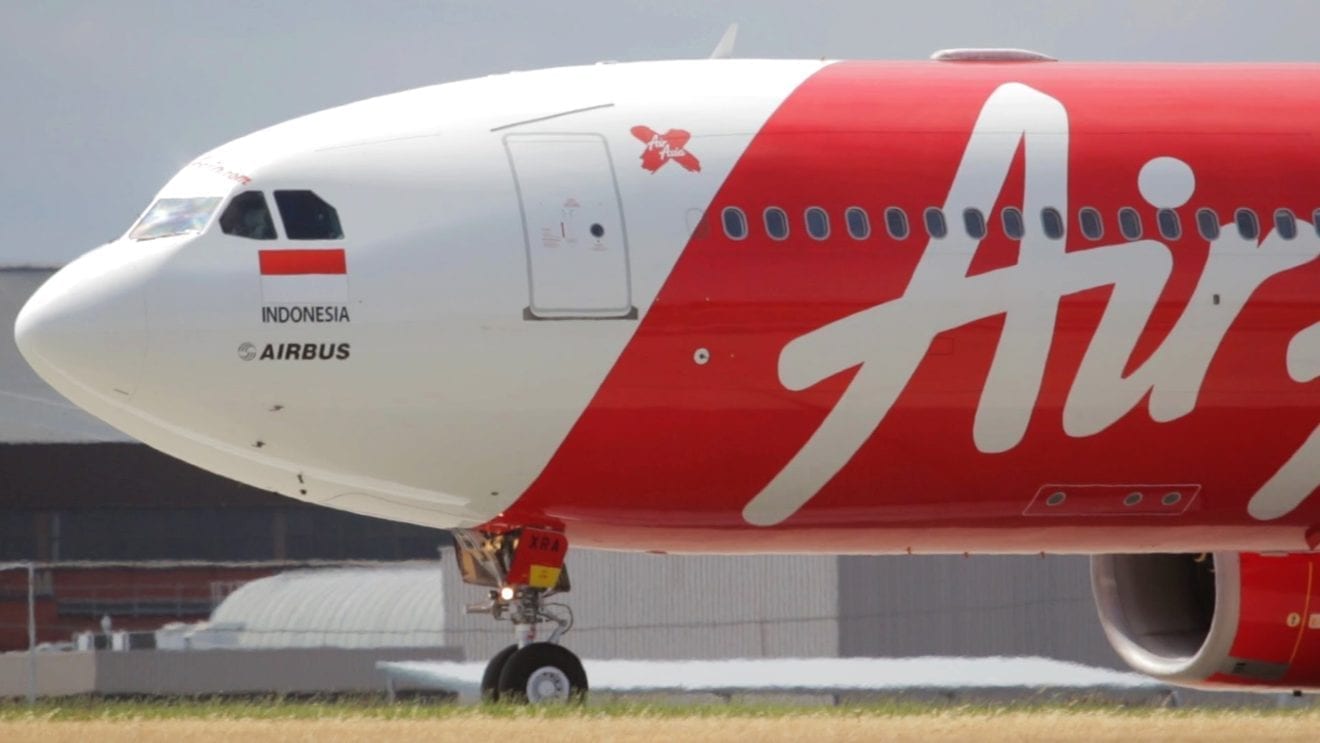
    AirAsia’s inflight magazine travel360.com has matched with social app Tinder to hook fans of Korean pop up to witness South Korean singer Seungri’s first solo concert on 5 August.

    The ticket giveaway contest for “SEUNGRI 2018 1st SOLO TOUR in SEOUL x BC CARD” will run on travel360.com’s Facebook page. It is open to fans in Malaysia, Thailand, Indonesia and Vietnam until 18 July and a winner from each country will be selected. The contest will also run in South Korea on Tinder until 20 July.

    Besides managing Seungri’s concert sponsorship, advertising, secret party and other activities, Tinder also plans to offer various brand experience to users and aims to raise brand awareness in the social app market in South Korea through various cultural events. Seungri is part of South Korean boy band Big Bang.

    “We are thrilled to partner with Tinder to offer an opportunity of a lifetime to fans in Malaysia, Thailand, Indonesia, and Vietnam to witness Seungri’s first solo concert. We are confident that Tinder and travel360.com are a great match and we look forward to more exciting collaborations in the near future,” AirAsia head of commercial, Spencer Lee, said.

    “Tinder runs the event with Korean star Seungri who has a powerful influence in Asean to take a step closer to users in the region. Tinder will maximise synergy through the partnership with AirAsia, a leading travel, social and lifestyle company,” country manager of Tinder Korea, Lyla Seo, said.

    In April this year, the airline also partnered with Tinder for its “Meet Malaysia” to encourage New Zealanders to visit the country. The campaign rolled out on digital, radio, social media and out-of-home platforms.

  • Popular Vietnamese eCommerce site Lingo.vn closed down

    Popular Vietnamese eCommerce site Lingo.vn closed down

    Vietnamese eCommerce site Lingo.vn closed suddenly yesterday, without a word of goodbye to its legion of Vietnamese fans.

    The closing of Lingo.vn was clearly a sudden decision, especially as it had been running a promotion on its Facebook page, which was supposed to last until today, (August 3).

    According to an inside source, the company will permanently close the brand and site, and axe 160 of its 190 staff, leaving just 30 to work on another eCommerce site called Topmot.vn.

    The B2C site Lingo.vn was established in August 2011 by VMG Media  after the Japanese company NTT Docomo invested in the company. In 2014, Lingo.vn was separated into Lingo eCommerce, and received funds from Yellow Star Investment, with the expectation it would become the largest eCommerce website in Vietnam.


    However, after two years of trying, it seemed Lingo.vn could not achieve commercial viability.

    The exit of Lingo.vn illustrates the cut-throat nature of Vietnam’s eCommerce market. Last year saw the withdrawals of big names such as Deca.vn, mum and kids Beyeu.vn, with the same reason of “not enough investment”. Other sites were sold to foreign corporations: Lazada was sold to Alibaba, Zalora to Thailand’s Central Group, Foodpanda.vn was acquired by local rival Vietnammm.

    lingo

    From another perspective, it seems the investors of Lingo.vn were wise to stop pouring more and more money and resources into a failing business model.

    Meanwhile, Central Group and Lotte Mart have announced they will ramp up their eCommerce projects in Vietnam, hopefully overcoming the barriers that have trapped smaller players.

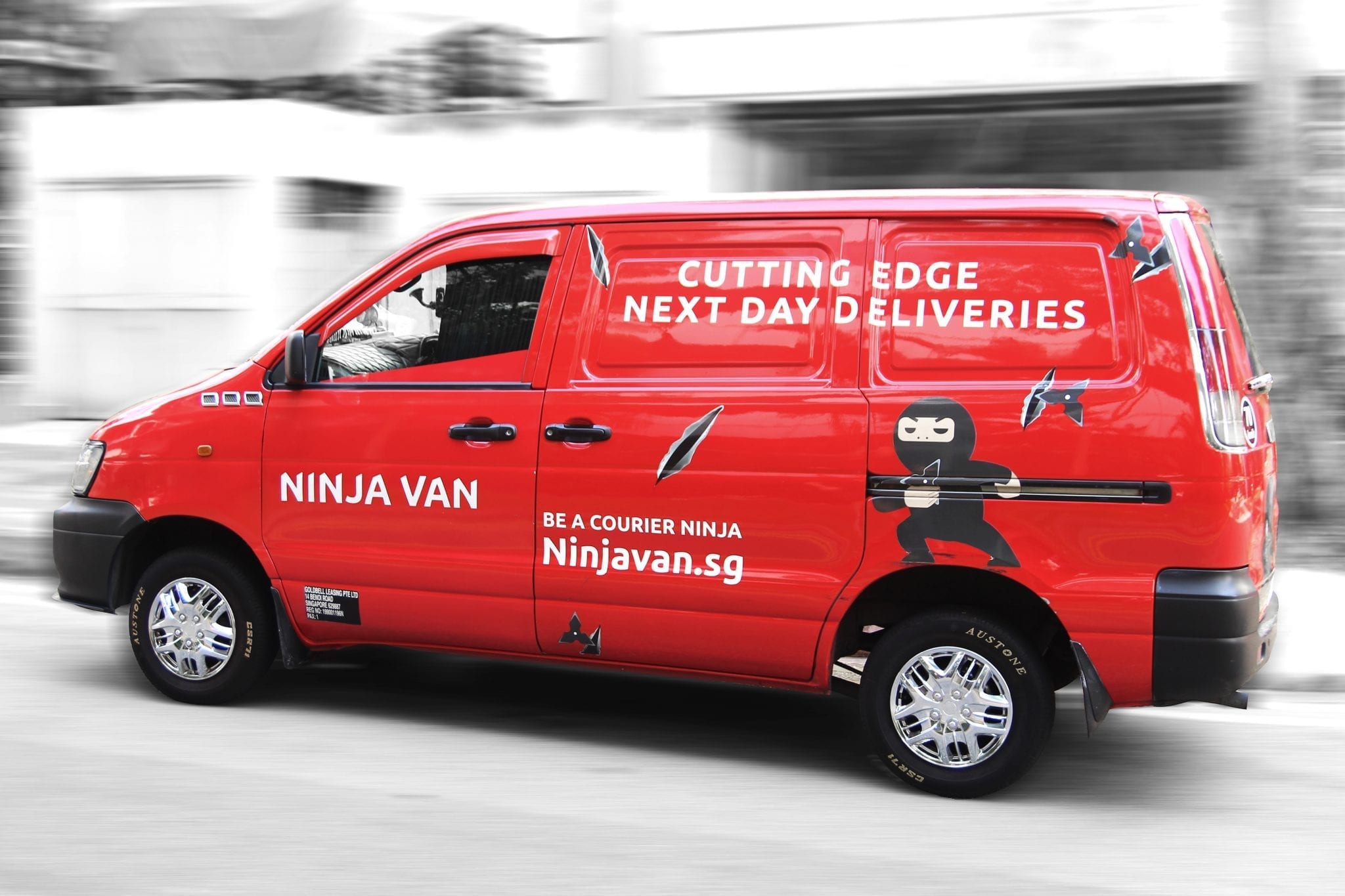
  • Ninja Van expands network in Vietnam

    Ninja Van expands network in Vietnam

    Ninja Van has introduced PUDO (Pick-up Drop-off) franchising into Vietnam, providing local small-cap entrepreneurs a profitable opportunity.

    Ninja Van’s Agency Sales Network, the official name for Ninja Van Retail’s revolutionary PUDO business, is now expanding, with over 200 agents entering the network.

    To keep up with the changing pace of the e-commerce market, Ninja Van Vietnam, a fast-growing and leading e-logistics company in the market, is steadily becoming a favorite courier brand. Thanks to its well-built ecosystem, Ninja Van’s agency sales network with PUDO points is expanding its presence across the country, promoting quick and precise delivery to end-users and boosting the revenue of business partners.

    The company has been offering new businesses its agency sales network – PUDO point franchising – to reduce risks in the logistics market. Ninja Van’s agency sales network is an initiative to assist inexperienced partners in launching their first firm, maximizing their profits in the e-logistics market with minimum investment. With more than 200 PUDO points deployed by agents since 2020, the network has grown faster than expected thanks to its appealing policy and high return on investment rate.

    Partners with a small amount of capital for a new business can open a well-prepared branded agent for as little as VND25 million.

    Ninja Van Retail’s team will take all the responsibility for store renovation and support partners from all provinces despite geographical barriers to innovate logistics improvements.Ninja Van Retail provides new partners with important assistance in deploying their first business in e-logistics with standardized operation, relevant to PUDO management and profitable services. One of the most significant features of Ninja Van’s agency sales network is that the PUDO partners will be one of the important links in Ninja Van Retail’s complex technical network and excellent customer services nationwide.

    The team will provide operation training to agency sales network partners, and the PUDO agent will be looked after by Ninja Van’s personnel directly to ensure quality services across the network are synchronized. On the other hand, the team assists PUDO agents in evaluating operation quality on a quarterly basis in order to maximize business effectiveness. Ninja Van’s agency retail network promotes manual threading, reducing agent labor while providing a stable income for partners.

    The investment in Ninja Van franchising is refundable. Ninja Retail’s partners can decrease their financial risk because the franchiser will not impose fines or business pressure on its agents.

    Compared to the previous period in 2021, the scale of e-commerce in Vietnam has increased by 53 percent despite Covid-19, and nearly 60 percent of Vietnamese consumers continue to shop online since social distancing.

    According to VECOM, e-commerce business in Vietnam might be worth $52 billion in 2025. The results confirm the potential of e-commerce in the near future, and PUDO points are expected to be its spine to continue the momentum by 2025.

    One can become a Ninja Van Retail partner by registering here. The joining fee is refundable. Ninja Van Retail will reward agents for expanding with more profitable costs and discounts; agents who refer others will receive VND5 million in cash and a 5 percent commission on income in two months.

  • Supply Chain Resilience in an Era of Change and Uncertainty

    Supply Chain Resilience in an Era of Change and Uncertainty

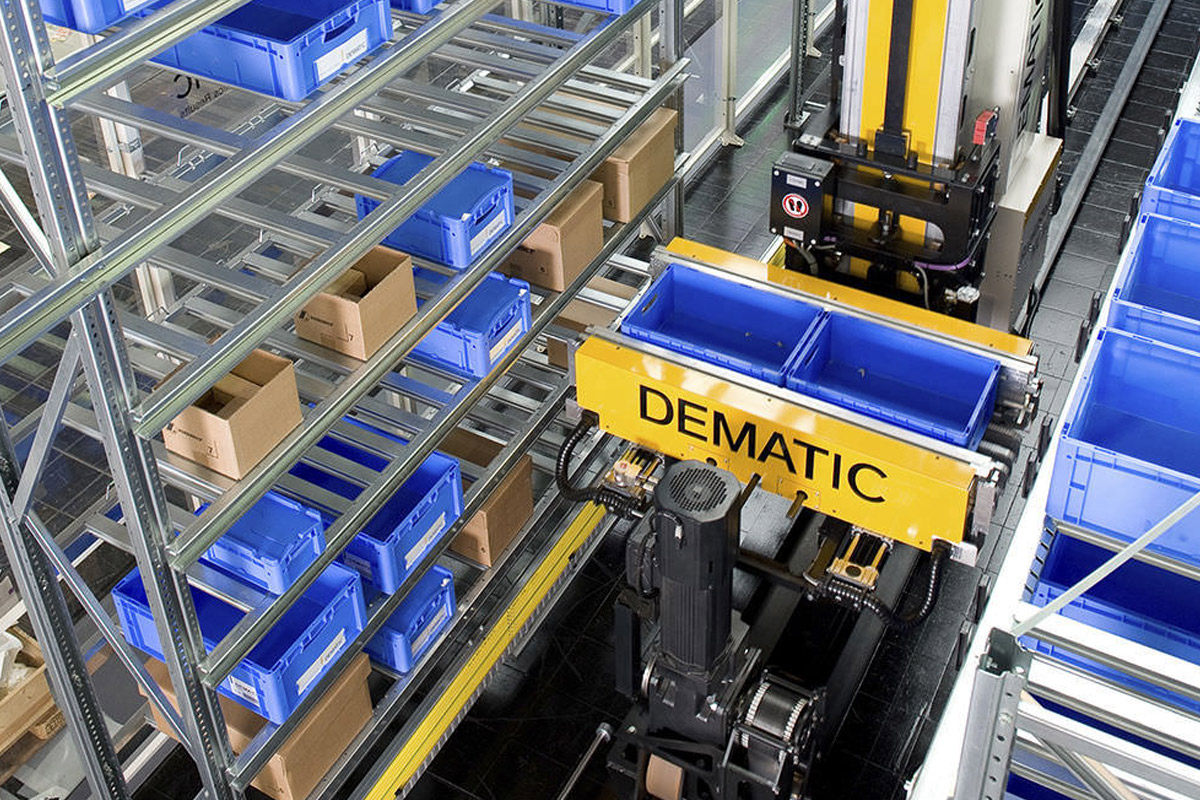
    Automation solutions provider Dematic has been running a series of Virtual Showcases all around the world. From 20th August till 10th September, Dematic will bring the series to Asia, with four online sessions focusing on grocery, food & beverage, e-commerce, and industry & spare parts in Asia.

    The theme of the Virtual Showcase Series is Supply Chain Resilience in an Era of Change and Uncertainty.  Supply chain resilience and agility are being elevated to the top of the agenda in these increasingly uncertain times where rapid change is the norm rather than the exception. Companies across Asia are recognizing that optimized supply chains deliver companies the edge in terms of superior customer service levels, reduced costs, increased margins and profitability, and are critical for business continuity  ̶  especially in times of crisis.

    The Dematic Virtual Showcase is the digital way to keep track of the key challenges and opportunities facing supply chains and see how leading companies are implementing innovative automation to capitalise on these in an increasingly hyper-competitive world.

    To find out more and to register your place, visit: https://www.dematic.com/en-au/news-and-events/events/virtualshowcase/.


  • Jollibee Becomes Brunei’s No.1 Fastfood Chain

    Jollibee Becomes Brunei’s No.1 Fastfood Chain

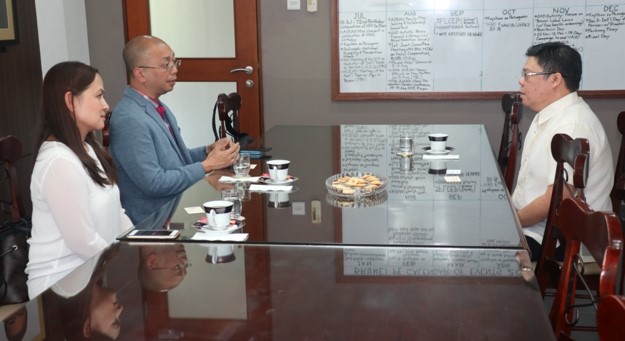
    Chargé d’ Affaires, a.i Pete Raymond V. Delfin of the Philippine Embassy in Brunei Darussalam met with Jollibee Foods Corporation Assistant Vice President Rodel F. Alcantara, and Jollibee Country Head Christina R. Ward at the Embassy on 10 August 2018.

    Mr. Alcantara and Ms. Ward paid a courtesy call on Chargé d’ Affaires Delfin to share information on the recent activities being undertaken by Jollibee Brunei.

    The two executives discussed the positive business experiences of Jollibee in the country, having become the no. 1 fastfood chain in Brunei. Mr. Alcantara also said Jollibee’s operation in Brunei is currently the strongest among its international operations.

    Chargé d’ Affaires, a.i. Pete Raymond V. Delfin, during his meeting with Jollibee Foods Corporation Assistant Vice President and Market Head Rodel F. Alcantara, and Jollibee County Head Christina R. Ward at the Philippine Embassy in Brunei Darussalam on 10 August 2018.

    Mr. Alcantara delivered an invitation for Embassy officials to grace the opening of the 17th Jollibee store in Brunei in October 2018.

  • Vietnam gold bar price increases despite global dip

    Vietnam gold bar price increases despite global dip

    Vietnam gold bar price rose 0.59% to VND85 million (US$3,421.22) per tael Monday morning while global rates inched down.

    Gold ring price held firm at VND83 million per tael. A tael equals 37.5 grams or 1.2 ounces.

    Globally, gold prices eased on Monday, weighed down by a firmer U.S. dollar, while investors looked out for fresh clues on Federal Reserve interest rate cuts.Spot gold fell 0.2% to $2,651.99 per ounce after rising 1% in the previous session. U.S. gold futures lost 0.3% to $2,669.20.

    “The continued momentum of the U.S. currency on reigned-in rate cutting expectations has created an obstacle for the gold price,” said Tim Waterer, chief market analyst at KCM Trade.

    Data on Friday showed unchanged U.S. producer prices last month.

    The zero-yielding bullion is preferred in a low-interest rate environment as well as amid periods of economic and geopolitical turmoil.

  • Grab, Vinasun to negotiate $1.8 million compensation dispute

    Grab, Vinasun to negotiate $1.8 million compensation dispute

    Top taxi firm Vinasun and ride hailing firm Grab have told the court that they’ll negotiate a compensation dispute. The People’s Court of Ho Chi Minh City on Friday approved the litigants’ wish to ‘sit together,’ and temporarily suspended the trial. The suspension of trial is for no longer than a month, and the reopening date will be announced later, the court said.

    “The lawsuit has dragged on for over a year, but the claimant was not able to prove the damage, as well as the causal relationship with Grab’s influence. The defendant is also very worn out wasting time defending a wrong it did not commit,” said Luu Tien Dung, Grab’s lawyer.

    “This is one of the reasons why both sides have decided to negotiate,” he added.

    Vinasun filed the suit against Grab in June last year, accusing the Malaysia-based firm of abusing the Ministry of Transport’s pilot scheme and committing violations.

    It said Grab’s illegal activities were responsible for nearly VND42 billion (nearly $1.8 million) of the VND76 billion ($3.25 million) in losses that it suffered in 2016 and the first half of 2017.

    The trial began last February, but was adjourned a month later to allow for more evidence to be gathered. Grab protested the valuation of Vinasun’s losses.

    Last October, prosecutors asked the court to accept Vinasun’s petition for compensation of nearly VND42 billion (nearly $1.8 million) in one payment, dismissing Grab’s claim that it was a tech firm and not a taxi company.

    Grab responded by sending a letter to Prime Minister Nguyen Xuan Phuc, saying that identifying Grab as a taxi firm would be “a step backwards from Industry 4.0.”

    Under the latest draft of a decree prepared by the Transport Ministry, transport firms offering services with under 9-seater cars should be registered as taxi firms before they can apply ride-hailing technologies.

    This means that Grab and other ride-hailing firms would have to register their services again as taxi businesses and comply with corresponding legal responsibilities regarding their operating licenses, drivers’ profiles and tax duties.

  • Nokia Unveils Autonomous Networks Fabric: A Game-Changer in AI-Driven Automation for Retail Innovation

    Nokia Unveils Autonomous Networks Fabric: A Game-Changer in AI-Driven Automation for Retail Innovation

    Nokia has unveiled its Autonomous Networks Fabric, a groundbreaking suite of artificial intelligence (AI) models specifically designed for the telecommunications industry. This innovation aims to streamline network automation while empowering operators to effortlessly introduce new services.

    The Fabric of Unified Intelligence

    The Autonomous Network Fabric acts as a cohesive intelligence layer, seamlessly integrating observability, analytics, security, and automation across all network domains. This enables networks to function as a single, adaptive entity, irrespective of the vendor, architecture, or deployment model involved.

    Breaking Free from Legacy Systems

    In recent years, telecom operators have been aspiring to transition to fully autonomous networks. Yet, the burden of outdated systems, siloed processes, and scattered data has been a significant hurdle. Nokia’s Autonomous Network Fabric changes the game by offering an integrated suite featuring cohesive data management, comprehensive observability, and interpretable AI.

    Pioneering Automation

    This revolutionary fabric allows for large-scale automation that minimizes complexity. It facilitates reliability improvements and operational cost savings by enabling operators to swiftly test new concepts and incorporate those that yield effective results. What does it mean for customers? Imagine an orchestra where every instrument plays in perfect harmony, and you’re just getting started!

    What Customers Can Expect

    With the Autonomous Network Fabric, clients will enjoy:

    • Unified Data Management: All pertinent network data is systematically collected, curated, and transformed into actionable insights through a data-mesh architecture. Operators have the flexibility to design and create new data products rapidly within a low-code/no-code framework, empowering them to harness AI and machine learning for cutting-edge data assets.
    • 360-Degree Observability: The framework facilitates comprehensive use and distribution of data and AI throughout the organization, ensuring quality and consistency in automation by monitoring the entire chain of data custody.
    • Explainable AI: Telco-trained large language models (LLMs) provide clarity on data interpretation, issue analysis, and rationale behind automated actions through a rich knowledge engine.

    Strategic Partnership with Google Cloud

    The Autonomous Network Fabric will be launched as a software-as-a-service (SaaS) solution on Google Cloud, seamlessly integrating with on-premises setups using Google Distributed Cloud and hybrid cloud environments. It will harness Google Cloud’s generative AI capabilities to offer intelligent workflows for network operations. This includes real-time monitoring, anomaly detection, and effortless resolution of performance issues.

    “As networks become increasingly complex and vulnerable, the demand for fully autonomous systems is on the rise. Good AI is built on quality data, and Nokia’s Autonomous Network Fabric serves as a robust foundation. Our collaboration with Google Cloud merges our extensive network expertise with AI-optimized processes to propel customer success,” remarked Kal De, SVP Product and Engineering, Cloud and Network Services at Nokia.

    By facilitating telecom companies to deploy Nokia’s 5G core network on Google’s cloud infrastructure, the partnership aims to establish an innovative ecosystem where developers can swiftly implement and scale network automation.

    “This marks another pivotal moment in our collaboration with Nokia, focused on enhancing network reliability and proactively addressing issues, turning data into valuable insights for consistent and high-performance networks,” said Muninder Singh Sambi, Vice President and General Manager, Networking and Security at Google Cloud.

    Questions & Answers

    What is Nokia’s Autonomous Networks Fabric?
    Nokia’s Autonomous Networks Fabric is a suite of AI models and integrated security designed to streamline network automation in the telecommunications sector, helping operators roll out services more efficiently.

    How does this solution help telecom operators?
    It allows operators to overcome barriers posed by legacy systems, offering unified data management and comprehensive observability to enhance network reliability and reduce operational costs.

    What role does Google Cloud play in this initiative?
    Google Cloud supports the deployment of the Autonomous Network Fabric, leveraging its AI tools to enable intelligent workflows and facilitate rapid scaling of network automation.

  • Revox Reimagines Tomorrow: The Triumphant Return of the Swiss Audio Legend

    Revox Reimagines Tomorrow: The Triumphant Return of the Swiss Audio Legend

    With roots firmly planted in high-quality audio engineering, Revox is shaking off a subdued past to reclaim its prominence on the global stage. Based in Dietikon, the Swiss brand is transforming its rich legacy into a vibrant future, aiming for a bold resurgence in the audio world.

    Much like Patek Philippe represents excellence in timepieces, Revox stands as a bastion of quality in audio. Founded in 1948 near Zurich by the visionary Willi Studer (1906–1996), the names Revox and Studer quickly ascended to international renown, with Revox known for its iconic tape recorders and Studer becoming the industry benchmark for professional recording studios worldwide.

    Harmony in Design

    Revox has long been a favored choice among music-savvy interior designers and custom installation experts, with its devices gracing high-end venues like The Chedi in Andermatt. Yet, in recent decades, the brand seemed to fade into the background, leaving many aficionados longing for its revival.

    A Symphony of Sound

    Enter Beat Frischknecht, the current owner of Revox, who is orchestrating a comeback like none other. On a balmy summer evening, he welcomed guests to the opening of the new Revox World location. The expansive atrium buzzed with energy as the reels of a legendary tape machine whirred to life, filling the 600-square-meter space with the captivating sound that defined a generation.

    History Comes Alive

    Among more than 400 exhibits, visitors can find a Studer mixing console that served in Switzerland’s own federal parliament, courtesy of passionate collector Walti Stutz, who has lovingly restored it to its former glory. This blending of nostalgia with modernity is exactly what Frischknecht hopes to achieve with Revox.

    Charting a New Course

    Just a stone’s throw away, Revox is unveiling its future. Proudly presenting his vision, Frischknecht shared, “With the opening of our center, we’re demonstrating what Revox stands for: Swiss quality, technical innovation, and a passion for music.” This commitment to reinvention is part of a unique strategy to engage a younger demographic.

    From Shareholder to Visionary

    Frischknecht’s journey to ownership was anything but ordinary. Initially a real estate entrepreneur, he became captivated by Revox 25 years ago when the brand sought investors. “The quality and design fascinated me,” he recalled. Now, he holds 99.9 percent of the company, confidently declaring himself “an owner, investor, and a fan of Revox.”

    Innovative Product Lines

    The brand is now embarking on a transformative journey, structuring itself around three primary product categories: multiroom systems, compact streaming speakers, and a groundbreaking return of analog tape recorders. For the tech-savvy crowd, the Studiomaster A200—a portable speaker with Bluetooth capabilities and app control—has been introduced. And for the nostalgic at heart, the revamped B77 MK III promises a fresh experience for traditional tape enthusiasts, integrating seamlessly with modern systems.

    The Sound of Analog

    With an eye on filling the shelves with quality music, Revox has acquired Vienna’s Horch House, a master tape specialist, and begun collaborations with labels like Ear Music and Warner to produce new master tapes from original recordings. Already offering around 130 tapes—classics and contemporary music alike—Revox is set to expand its selections monthly. “Even young people want to own something again. A tape provides the ultimate-quality experience,” Frischknecht noted, highlighting the allure of analog in a digital age.

    Back on Track

    Frischknecht is optimistic and driven, declaring, “Back to the top—that’s our mantra.” With a robust development focus and a commitment to premium quality, Revox is ready to reignite its legacy. Production has been rooted in Villingen, Germany, since the 1960s, yet the essence of the brand thrives in Switzerland—a blend of Swiss ingenuity and German engineering poised to restore Revox to its rightful place on the world stage.

    Questions & Answers

    What types of products is Revox focusing on for its future?
    Revox is promoting three main product categories: multiroom systems, compact speakers aimed at streaming users, and a revival of analog tape recorders.

    What notable partnership has Revox recently entered into?
    Revox has acquired the Vienna-based master tape specialist Horch House and teamed up with music labels like Ear Music and Warner to create new master tapes derived from original studio recordings.

    How is Revox appealing to younger audiences?
    The brand has launched products like the Studiomaster A200, a portable speaker designed for modern convenience with Bluetooth and app control features, aiming to attract a younger customer base.

  • UBS Faces Major Darknet Data Breach Exposing Personal Details of 130,000 Employees

    UBS Faces Major Darknet Data Breach Exposing Personal Details of 130,000 Employees

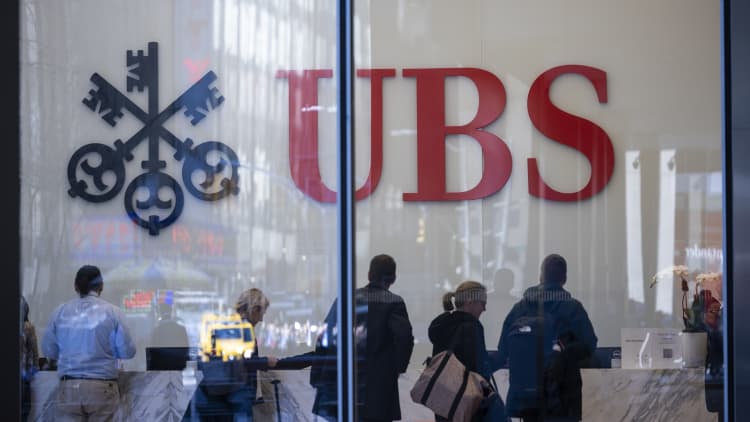
    A significant cybersecurity breach has rattled UBS, as sensitive data concerning 130,000 of its employees has surfaced on the darknet following a hacker attack on its procurement service provider. But UBS isn’t the only one feeling the heat from this incident.

    Chain IQ: The Breach Exposed

    The breach traces back to Chain IQ, a procurement service provider and former UBS spinoff, which has also served other prominent clients such as Pictet, Manor, and Implenia. The troubling news was first reported by the Swiss daily Le Temps, shedding light on a severe data theft that occurred in June.

    Among the leaked information are names, email addresses, landline numbers, and, in some instances, mobile numbers—one of which belongs to UBS CEO Sergio Ermotti. Other details include job levels, languages spoken, and office locations within the bank.

    Service Provider in the Spotlight

    Chain IQ, headquartered in Baar with additional offices in Geneva and Zurich, has established itself firmly in the procurement sector, delivering services that cover human resources, IT systems, waste management, and more.

    The Victorious Hacker’s List

    The data leak is not just a concern for UBS. Chain IQ’s client list is also up for grabs on the darknet; a troubling revelation. The firm has previously engaged with over 400 partners, and now exposed are the details of contracts, service types, and the internal contacts for each partner. Noteworthy clients include Pictet, insurance giants like Swiss Life and Axa, and global entities such as FedEx and IBM.

    UBS’s relationship with Chain IQ includes support in managing supply chain due diligence and company credit card administration. The leaked dataset spans 137,192 rows, each representing an employee.

    Darknet Deals and Criminal Risks

    Concerns escalate as reports confirm that the leaked file has been sold multiple times on the darknet. Such information poses a risk of being exploited for criminal activities, including identity theft and fraud.

    In response, Chain IQ is treating this situation with the utmost seriousness. The company has activated its security protocols, assembled a dedicated team of internal and external experts, and contacted the Zug cantonal police. They also aim for transparency, having informed all stakeholders promptly.

    A UBS spokesperson confirmed their awareness of the cyberattack on Chain IQ, assuring that they are monitoring the developments closely.

    Pictet’s Invoice Data Under Scrutiny

    In an additional twist, the leaked data allegedly includes information from Pictet, detailing “tens of thousands of invoices.” While the invoices themselves are not part of the leak, the records describe various expenditures by companies and employees, including groceries, dining, travel, and security services.

    A representative from Pictet stated that the compromised data does not include sensitive employee information or customer data, but mostly concerns invoice details from select suppliers. Precautionary measures are being implemented to mitigate further risks.

    As the world turns more digital, will we see a rise in such cyber capers, or can the industry step up its defenses to combat these digital bandits?

    Questions & Answers

    What type of data was leaked in the UBS incident? The data includes names, email addresses, phone numbers, and job-related details for 130,000 UBS employees.

    Which companies are involved in the breach? Chain IQ, former UBS spinoff, is the main service provider affected, alongside other clients like Pictet and Manor.

    What actions are being taken in response to the breach? Chain IQ has activated security protocols, mobilized a dedicated response team, and contacted law enforcement while keeping stakeholders informed.

  • ABN Amro Faces Significant Penalties for Controversial Bonus Payments

    ABN Amro Faces Significant Penalties for Controversial Bonus Payments

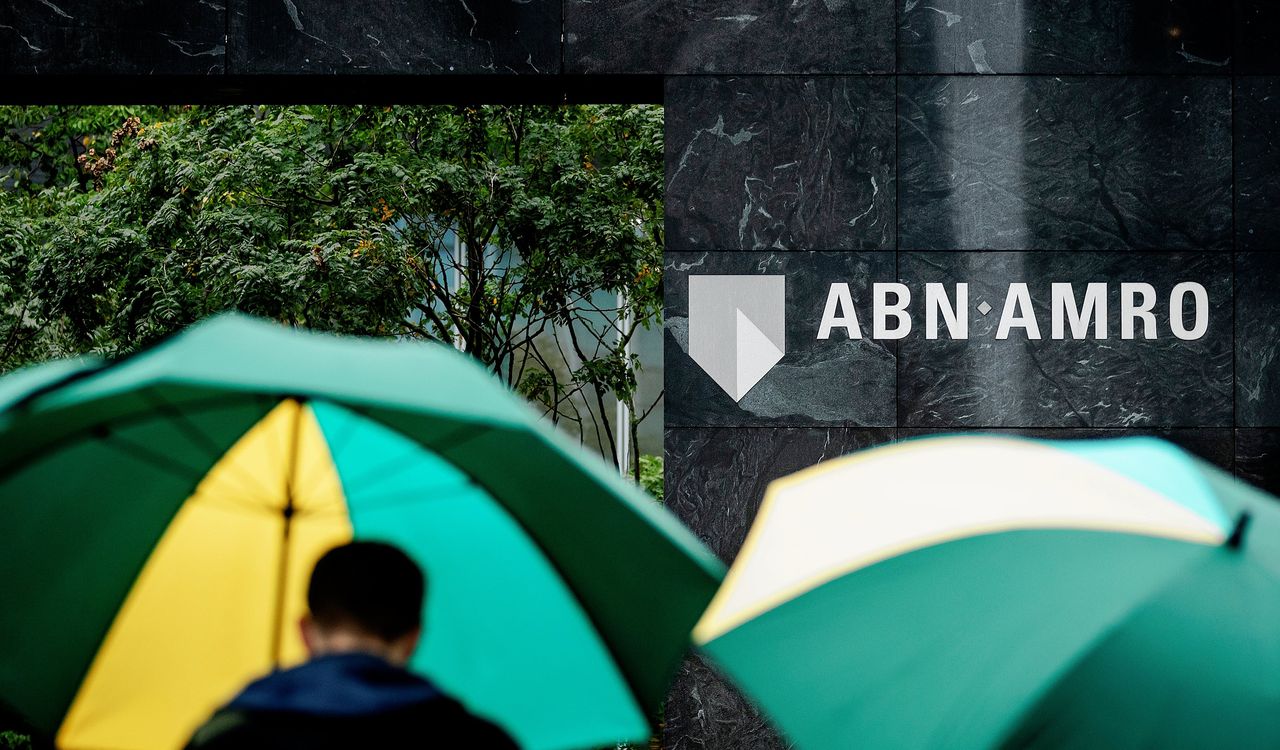
    The Dutch central bank has handed down a hefty €15 million fine to ABN Amro for awarding bonuses to senior executives, a practice strictly forbidden for state-owned banks since 2012. This punitive action stems from the bank’s decision to defy explicit warnings from regulators, much to their chagrin.

    Regulatory Backlash

    De Nederlandsche Bank (DNB) described this incident as a “serious violation.” The rationale behind the ban on bonuses for state-owned banks is clear: it aims to safeguard taxpayer money and ensure that government support does not enrich top executives. Although the law forbade bonuses for board members since 2012, its reach extended to certain senior managers, categorized as the “second tier,” in 2015.

    Between 2016 and 2024, ABN Amro managed to pay €1.5 million in bonuses to seven of these second-tier managers, along with awarding one executive two raises that notably exceeded established pay norms—all of which were prohibited. The fine, fixed in accordance with current regulatory guidelines, is seen as “appropriate and justified” given the size of the institution.

    A Warning Ignored

    The supervisory authority has long had its eyes on ABN Amro, having previously flagged the illegal bonus policy. After temporarily halting the practice, the bank bizarrely decided to reinstate it and even issue new bonuses, which directly contradicted instructions from the DNB. This blatant disregard for regulations has earned the bank a higher degree of culpability in the eyes of its overseers.

    “A professional market participant and licensed bank such as ABN Amro is expected to be aware of and comply with the applicable laws and regulations,” the DNB emphasized.

    Acceptance and Reflection

    In the aftermath, ABN Amro accepted the fine, claiming it had “interpreted and applied the legislation in good faith,” while conceding that this interpretation was flawed. The bank was nationalized during the 2008 financial crisis when it teetered on the edge of collapse, leading to a government bailout. Although the Dutch government has been gradually reducing its ownership stake since 2015, it still retains a 30 percent share in the bank.

    ABN Amro might now wish it had kept its bonuses under wraps because, as they say, money can’t buy you compliance!

    Questions & Answers

    What was the reason behind the fine imposed on ABN Amro?
    The Dutch central bank fined ABN Amro €15 million for awarding bonuses to senior executives, which is prohibited for state-owned banks to prevent taxpayer funds from enriching top executives.

    How long had ABN Amro been violating the bonus ban?
    The bank paid bonuses between 2016 and 2024, even after receiving warnings from regulators.

    What was ABN Amro’s response to the fine?
    ABN Amro accepted the fine and admitted that its interpretation of the legislation was incorrect, despite claiming it was applied in good faith.

  • WinMart Debuts Exciting Russia Corner Shopping Experience in Hanoi

    WinMart Debuts Exciting Russia Corner Shopping Experience in Hanoi

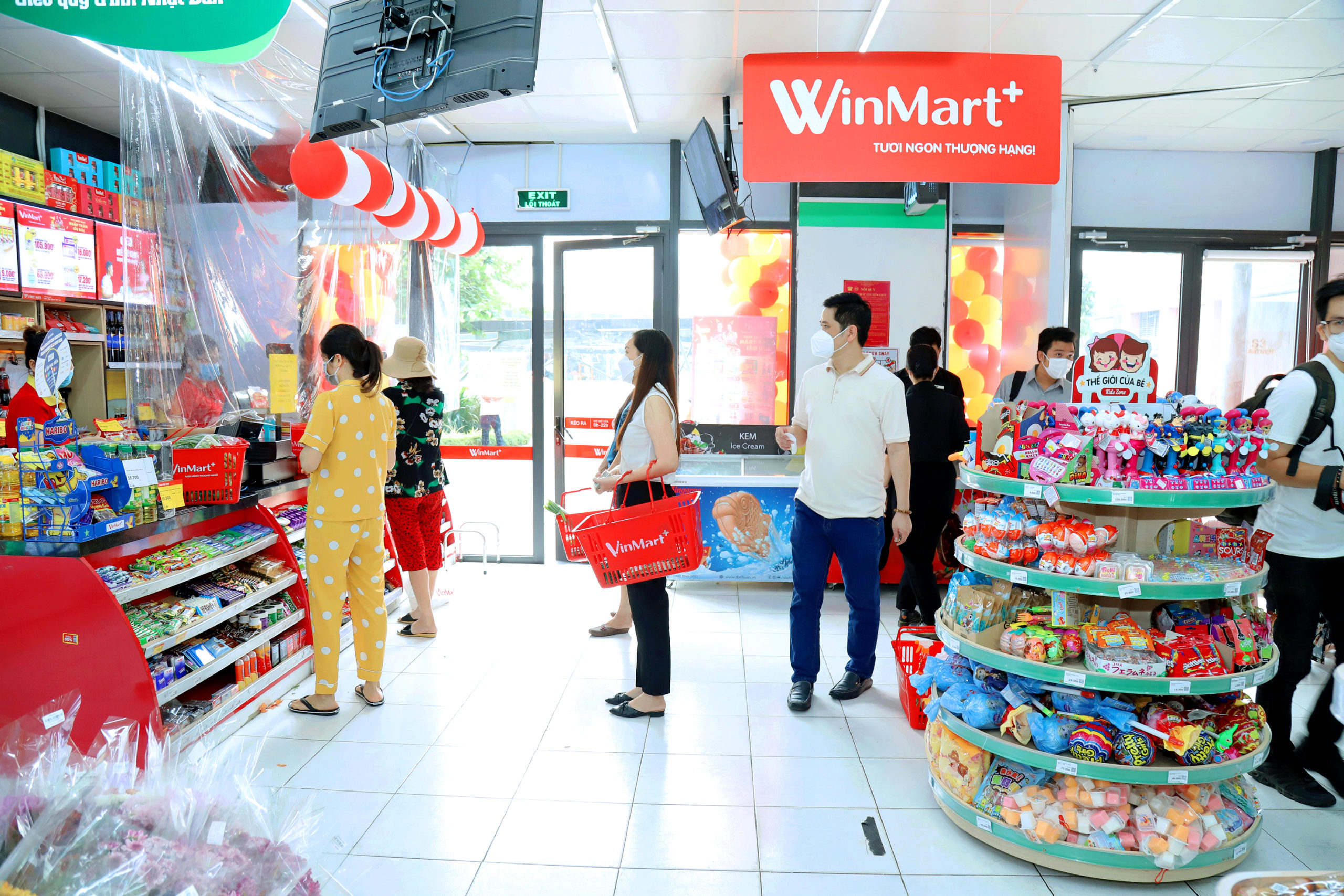
    On June 12, in a vibrant celebration coinciding with Russia Day, WinCommerce unveiled its latest venture—Russia Corner—at the WinMart Royal City in Hanoi. This dynamic space is the brainchild of WinCommerce, the operators behind the WinMart and WinMart+ retail chains, in collaboration with Magnit Group and an array of distributors.

    Discover the Soul of Russia

    Russia Corner introduces an impressive array of over 170 stock-keeping units (SKUs) sourced from more than 30 distinguished Russian manufacturers. Themed “Soul of Russia,” this unique setup invites shoppers to explore an eclectic mix of traditional delicacies, including smoked sausages, black bread, and exquisite Russian chocolates. Each product has been officially imported and meticulously selected, all available at enticing promotional prices.

    A Taste of Russian Culture

    The charm of this corner extends beyond mere shopping; it offers customers an immersive experience into Russian culture, featuring iconic items like blini pancakes, samovar tea, and authentic vodka. This initiative not only fulfills shopping desires but also ignites curiosity about Russian traditions, enabling Vietnamese consumers to experience a slice of Russia right in their city.

    Enhancing the Shopping Experience

    A representative from WinCommerce highlighted that Russia Corner is integral to WinMart’s broader strategy of developing experiential shopping models. Each product is a testament to strong cultural identity, reinforcing WinCommerce’s commitment to creating varied and immersive retail environments for its customers.

    Cultural Engagement and Expansion

    The launch attracted a significant crowd of local shoppers and included notable guests from the Russian Embassy in Vietnam, Russia’s Ministry of Agriculture, the Russian Trade Agency, and key retail partners. WinMart is eyeing further expansion, with plans to enhance cultural activities and interactive experiences related to Russian heritage across major supermarkets nationwide.

    In line with its long-term vision, WinCommerce aims to elevate the shopping experience, nurture emotional connections, and integrate global cultures with Vietnamese consumers. From June 12 to 20, visitors to Russia Corner can indulge in tastings of iconic Russian products, partake in mini-games, and receive delightful themed gifts. Who knew shopping could be such an adventure?

    Questions & Answers

    What products does Russia Corner feature?
    A diverse selection of over 170 SKUs, including smoked sausages, black bread, and Russian chocolates, all showcasing the cultural depth of Russia.

    How long is the promotional event at Russia Corner?
    The festivities run from June 12 to 20, offering visitors a chance to sample products and engage in themed activities.

    What is WinMart’s larger goal with this initiative?
    WinMart aims to enhance the shopping experience by fostering emotional connections and bringing global cultures closer to Vietnamese consumers.

  • Malaysia to Trim Fuel Subsidies as Prices Remain Southeast Asia’s Most Affordable

    Malaysia to Trim Fuel Subsidies as Prices Remain Southeast Asia’s Most Affordable

    Malaysia is taking a significant step toward fuel subsidy rationalization, with the government aiming to optimize resources for the benefit of lower-income groups. Prime Minister Anwar Ibrahim affirmed this decision on Monday, clarifying that it is designed to protect the majority of Malaysians while targeting affluent individuals and foreigners who account for a striking 40% of total subsidy usage.

    Subsidy Cuts Target Affluent Consumers

    With current fuel prices at an astonishingly low 2.05 ringgit (approximately 50 US cents) per liter for RON95 gasoline, Malaysia boasts some of the most affordable fuel in Southeast Asia—thanks to longstanding government support. However, concerns are bubbling up as the public fears that upcoming subsidy cuts, potentially coming as early as July, could ignite inflation, particularly in a nation where the number of vehicles rivals its population.

    Tax Expansion and Economic Pressure

    This fuel subsidy shift coincides with the government’s plan to widen the Sales and Service Tax (SST) starting July 1, which is expected to strain household budgets further. A new 5% to 10% sales tax will apply to non-essential items like king crab and luxury racing bikes, although essential goods will remain tax-exempt. The SST’s expansion into more sectors, from rentals to private healthcare, has raised alarms among retailers, who are already grappling with rising operating costs.

    Stan Singh, a council member of the Malaysia Retail Chain Association, expressed the challenge faced by businesses: “We can no longer absorb these increasing costs. Eventually, consumers will feel the pinch.” Coupled with a rising minimum wage and new contract-related charges, the pressure to pass costs onto consumers seems inevitable.

    Inflation Forecast and Economic Indicators

    While the economic landscape appears rocky, economists suggest that the broader scope of the SST might not heavily impact average consumers. Analysts from CGS International Research predict a temporary price increase, with inflation expected to rise to 2.2% year-on-year in July before peaking at about 2.4% in September. Despite these projections, the research firm has maintained its full-year Consumer Price Index (CPI) forecast at 2%, attributing stability to subdued global commodity prices, especially oil and palm oil.

    Over time, blanket fuel subsidies have aided Malaysians in managing the cost of living. Still, they have also resulted in overconsumption and smuggling, often favoring wealthier groups. Dr. Mohamad Idham Md Razak, a coordinator at Universiti Teknologi Mara’s Malaysian Academy of SME and Entrepreneurship Development, advocates for this targeted subsidy approach. He believes it improves fiscal efficiency and ensures that those most affected by rising prices receive the necessary support, confusing the issue of cross-border arbitrage.

    In a nutshell, it’s a bold move as Malaysia navigates the fine line between supporting its citizens and managing fiscal responsibility. Let’s just hope the country’s wallet doesn’t feel too light along the way!

    Questions & Answers

    What is the main goal of the fuel subsidy rationalization in Malaysia? The primary goal is to ensure that government resources are targeted toward benefiting lower-income groups while reducing the burden of subsidies on the nation’s budget.

    When are the upcoming subsidy cuts expected to take effect? The cuts may come as early as July, coinciding with the expansion of the Sales and Service Tax (SST).

    How will the expanded SST impact consumers? While the SST aims to generate additional revenue, it may lead to price increases for non-essential items, though essential goods will remain tax-exempt, helping to mitigate the impact on average consumers.

  • Malaysia Rockets Up 11 Spots in Global Economic Competitiveness Rankings!

    Malaysia Rockets Up 11 Spots in Global Economic Competitiveness Rankings!

    Malaysia has made impressive strides in the realm of global economic competitiveness, climbing 11 spots to secure the 23rd position in the 2025 World Competitiveness Ranking—the country’s highest ranking since 2020. According to the Ministry of Investment, Trade, and Industry, this upward trajectory signals Malaysia’s ambition to rank among the world’s top 12 economies by 2033, as reported by the state-owned media, Bernama.

    Factors Driving Competitive Gains

    The ministry attributes this remarkable ascent to three key factors: robust economic performance, enhanced government efficiency, and improved business effectiveness. Malaysia now proudly holds the fourth position globally for economic performance, a notable jump from eighth place last year. Both government and business efficiency have also shown impressive gains, each climbing eight positions in the rankings.

    International Trade Taking Flight

    A standout highlight of this year’s report is the dramatic leap of 11 places in the international trade sub-factor, landing Malaysia in sixth place. This rise is fueled by substantial growth in exports of goods and services, a diversification of trade markets, and increased tourism revenues—elements that have collectively strengthened Malaysia’s trade surplus.

    Looking Ahead with Optimism

    The ministry remains optimistic about the future, believing that with strong governance and continued collaboration between federal and state governments, alongside close partnerships within the private sector, Malaysia is well on its way to achieving its competitive aspirations by 2033. The World Competitiveness Ranking, an annual report conducted by the Institute for Management Development in Switzerland, evaluates nations based on their ability to cultivate business-friendly environments that foster long-term prosperity.

    As Malaysia climbs the competitive ladder, it may soon be up against some surprising rivals in the world of global trade.

    Questions & Answers

    What is Malaysia’s current position in the World Competitiveness Ranking?
    Malaysia is ranked 23rd in the 2025 World Competitiveness Ranking, marking its highest position since 2020.

    Which factors contributed to Malaysia’s rise in the rankings?
    Key factors include economic performance, government efficiency, and business efficiency, with significant improvements noted across these areas.

    What is Malaysia’s goal for the future in terms of global competitiveness?
    Malaysia aims to be among the world’s top 12 most competitive economies by 2033, bolstered by strong governance and public-private partnerships.

  • Dollar Surges Against Dong: What This Means for Retail and Consumers

    Dollar Surges Against Dong: What This Means for Retail and Consumers

    The U.S. dollar has taken a notable leap against the Vietnamese dong, maintaining its stability against major currencies as of Thursday morning.

    A Steady Climb for the Dollar

    At Vietcombank, the greenback was sold at VND26,276, reflecting a 0.13% increase. Meanwhile, the State Bank of Vietnam raised its reference rate by 0.12%, bringing it to VND25,025. In the informal market, the dollar climbed even higher, hitting VND26,410—a 0.34% rise.

    Internationally, the dollar has held its ground amid cautious sentiments arising from Federal Reserve Chair Jerome Powell’s recent remarks on inflation. Investors are also keeping a watchful eye on escalating geopolitical tensions in the Middle East, adding to the market’s precariousness, as reported by Reuters.

    The Euro and Yen’s Response

    As for the euro, it traded at $1.14805, indicating a 0.6% drop this week—the largest decline since early May. The Japanese yen made a slight recovery, sitting at 144.86 per dollar, while the Swiss franc was valued at 0.81895 per dollar.

    Amid all this, the dollar index, gauging the currency against a basket of six others, stood at 98.957. This positions it for a 0.8% weekly gain, marking the most robust performance since late February. In the world of currency exchange, it seems the greenback is strutting its stuff like a confident runway model.

    Questions & Answers

    Why did the U.S. dollar rise against the Vietnamese dong?

    The dollar’s increase against the dong can be attributed to the State Bank of Vietnam raising its reference rate, combined with overall strong performance in the global market.

    What does the rise in the dollar index signify?

    A rising dollar index indicates that the U.S. dollar is performing well against a range of other currencies, suggesting increased investor confidence in the dollar.

    What factors are influencing the currency market currently?

    Investor sentiments are influenced by Federal Reserve commentary on inflation, along with ongoing geopolitical tensions in the Middle East, creating a cautious global financial atmosphere.