Author: Mei Ling Tan

  • Philippines Aims for 69.4 TWh in Clean Power Generation by 2035: A Greener Future Awaits!

    Philippines Aims for 69.4 TWh in Clean Power Generation by 2035: A Greener Future Awaits!

    The Philippines is gearing up for a renewable energy revolution, driven by the power of geothermal and hydropower. By 2035, the nation’s renewable energy generation is projected to soar to an impressive 69.4 terawatt-hours, boasting a robust compound annual growth rate of 13.1% from 2024 through 2035.

    Rising Demand and Strategic Responses

    A recent report from GlobalData titled “Philippines Power Market Outlook to 2035, Update 2025 – Market Trends, Regulations, and Competitive Landscape” reveals that the country is witnessing a steady increase in electricity demand, fueled by economic expansion and the enhancement of digital infrastructure. “In response to this escalating need, the nation is executing a range of strategies, which include the development of infrastructure, diversification of energy sources, and the enactment of policy reforms,” notes Attaurrahman Ojindaram Saibasan, senior power analyst at GlobalData.

    Aiming for Renewables

    The Philippines has set ambitious targets, aiming for 35% of its energy to originate from renewable sources by 2030, and escalating that figure to 50% by 2040. However, fossil fuels aren’t going anywhere just yet, as thermal power is expected to retain a significant 62.7% share of the energy mix by 2035, while renewable sources will contribute 33%, and large hydro along with pumped storage will add another 4.3%.

    Investing in the Future

    In an impressive future-forward move, the Philippines is eyeing a 75% increase in geothermal capacity and a remarkable 160% growth in hydropower capacity. Wind power is also on the rise, with plans to expand to 2.3 gigawatts (GW), alongside a modest rise in biomass power by 0.3 GW, all by 2040. Investments are expected to flow abundantly into the energy sector, with Manila poised to secure $26.2 billion from 2025 to 2030. Solar energy alone is projected to account for 38.8% of this investment, followed by onshore wind at 19.4% and offshore wind at 17%.

    As the Philippines strides confidently into a greener future, one has to wonder: will solar panels soon outshine the sun itself?

    Questions & Answers

    What is the projected renewable energy generation for the Philippines by 2035? The renewable energy generation in the Philippines is expected to reach 69.4 terawatt-hours by 2035.

    What percentage of energy does the Philippines aim to generate from renewable sources by 2040? The country aims to achieve 50% of its energy generation from renewable sources by 2040.

    What is the expected investment in the energy sector from 2025 to 2030? Manila is expected to secure $26.2 billion in energy investments during that period.


  • Gold Prices Hold Steady as Global Rates Dip – What It Means for Retail Investors

    Gold Prices Hold Steady as Global Rates Dip – What It Means for Retail Investors

    Vietnamese gold prices remained stable on Wednesday afternoon, even as global bullion rates slipped slightly. In the heart of Ho Chi Minh City, the price of gold bars offered by the Saigon Jewelry Company was consistent at VND119.6 million (approximately US$4,583.78) per tael, while gold rings were priced at VND116.2 million. For context, a tael equals about 37.5 grams, or 1.2 ounces.

    Since January, gold bar prices have surged by an impressive 42%.

    On the international scene, gold prices dipped slightly amid volatile trading as investors exercised caution ahead of the U.S. Federal Reserve’s upcoming policy decision. An ongoing military conflict between Iran and Israel also loomed large over market sentiment.

    As for the numbers, spot gold fell by 0.2%, landing at $3,381.10 an ounce, while U.S. gold futures also lost 0.2%, settling at $3,399.30.

    As tensions escalated, both Iran and Israel exchanged missile strikes on Wednesday, extending their conflict into a sixth day, despite U.S. President Donald Trump’s call for Iran’s unconditional surrender, which is about as popular as asking someone to leave the party early.

    In the U.S., retail sales figures released on Tuesday showed a steeper drop than anticipated for May, primarily due to reduced vehicle purchases as consumers rushed to beat anticipated tariff hikes.

    Meanwhile, the consensus expectation is that the U.S. central bank will leave interest rates unchanged following its policy meeting later today.

    Goldman Sachs remains bullish, predicting that strong central bank buying and increasing ETF holdings from prospective Fed cuts could push gold prices to $3,700 an ounce by the end of 2025, with a possible rise to $4,000 by mid-2026.

    Questions & Answers

    What are the current gold prices in Vietnam?
    The current prices are VND119.6 million for gold bars and VND116.2 million for gold rings, with one tael equaling approximately 37.5 grams.

    What is influencing the global gold market right now?
    Global gold prices are being influenced by investor caution ahead of the U.S. Federal Reserve’s policy announcement and ongoing conflicts, particularly between Iran and Israel.

    What does Goldman Sachs predict for gold prices in the near future?
    Goldman Sachs forecasts that gold could rise to $3,700 an ounce by the end of 2025 and potentially reach $4,000 by mid-2026, fueled by strong central bank demand and ETF investments.

  • Walmart Exits Japan, Amplifies E-commerce In Other Asian Markets: A Strategic Pivot

    Walmart Exits Japan, Amplifies E-commerce In Other Asian Markets: A Strategic Pivot

    In a notable shift within the Asian retail landscape, Walmart is making headlines by announcing the closure of its stores in Japan, yet continues to navigate the maze of international markets by expanding its e-commerce services in other regions. The retail giant, known for its expansive reach, has acknowledged that the Japanese market presents unique challenges that have led to this strategic retreat.

    Walmart’s Departure from Japan: A Strategic Move

    Walmart’s decision to close its Japanese stores underscores the fierce competition and distinctive consumer preferences characteristic of the market. The retail behemoth failed to gain the foothold it expected, despite its innovative attempts to adapt. The company will fully shutter its 85 locations by the end of the year, a transition that underscores its need to recalibrate priorities.

    Yet, don’t count Walmart out just yet. While it pulls back from the Land of the Rising Sun, it is ramping up its investments in markets like India and China, where e-commerce is booming. By enhancing its digital capabilities and refining its supply chain, Walmart hopes to capture the growing consumer base flocking online.

    Boosting E-Commerce: A Focus on Digital Growth

    Across Asia, Walmart is ramping up its efforts in e-commerce, which is no small feat given the rapid digital transformation taking place. The company is heavily investing in technology, aiming to streamline its operations and improve the shopping experience for customers. With interactive websites and user-friendly apps, they are poised to draw in more shoppers seeking convenience and efficiency.

    As part of this digital push, Walmart is also eyeing partnerships with local delivery services to facilitate faster shipping, bringing a fresh twist to the traditional retail model. This shift not only showcases Walmart’s adaptability but also reflects the ever-evolving demands of today’s consumers.

    With its sights set on revitalizing its international strategy, Walmart’s actions present an intriguing chapter in the retail narrative, raising the question: Is agility the new competitive advantage in retail?

    As we watch how these dynamics unfold, one thing is for certain—there’s never a dull moment in retail.

    Questions & Answers

    Why is Walmart closing its stores in Japan?
    Walmart is closing its Japanese locations due to challenges in gaining significant market share and adapting to unique consumer preferences.

    How is Walmart expanding its operations in Asia?
    Walmart is focusing on boosting its e-commerce presence, particularly in markets like India and China, investing in technology and local delivery partnerships.

    What does this mean for the future of retail in Asia?
    Walmart’s shift highlights the importance of adaptability and digital transformation, signaling a trend where agility may become a key competitive advantage.

  • Puma and Adyen Showcase the Speed and Flexibility of Unified Commerce

    Puma and Adyen Showcase the Speed and Flexibility of Unified Commerce

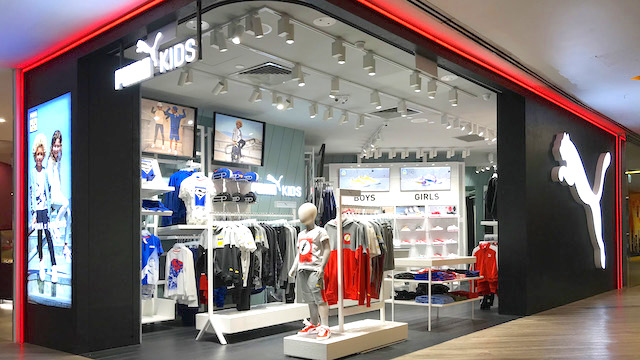
    Retail’s Big Show APAC (NRF 2025 APAC), world’s leading sports brand Puma and global financial technology platform Adyen shared how their strategic partnership is transforming retail operations and customer experiences across Asia Pacific and beyond.

    From flagship stores to high-pressure, high-volume environments like Formula 1 events, Puma is leveraging Adyen’s unified commerce platform to deliver fast, frictionless, and flexible customer experiences—online, offline, and everywhere in between.

    Since 2020, Puma has partnered with Adyen to consolidate its previously fragmented payment systems. Before that, multiple providers across different markets led to issues with fraud, reconciliation delays, and inconsistent customer experiences. By migrating to Adyen’s single platform, Puma has streamlined backend operations, improved reporting accuracy, and accelerated store and event rollouts in Singapore, Hong Kong, Malaysia, Australia and New Zealand, the UK, and other European markets.

    This partnership underscores a growing trend among global retailers to consolidate fragmented payment systems into unified platforms—streamlining operations and enhancing the customer journey across every channel.

    Key Highlights:

    • From Fragmented to Unified: Before 2020, Puma operated with a mix of payment providers across different markets, resulting in operational inefficiencies and inconsistent customer experiences as a multinational business when scaling. Adyen’s unified platform now powers both online and in-store payments in a single ecosystem.
    • Accelerated Rollouts: In Australia, Puma deployed Adyen’s POS terminals across 26 stores in under a month—fully remotely, effectively eliminating the cost of in-person deployment in a vast geographic market. Singapore and other markets have since adopted the same agile deployment model.
    • Omnichannel Innovation: Puma is enhancing its omnichannel model to drive conversion rates and ensure seamless transactions, preventing missed sales opportunities by helping customers complete purchases in the moment. Customers can buy online and return in-store, or purchase in-store and receive goods from other store locations or warehouses—eliminating friction and keeping the buying process convenient.
    • Customer-Led Payment Strategy: Puma adapts to local consumer preferences, whether that’s credit cards, e-wallets, or Buy Now, Pay Later (BNPL), Puma can quickly activate local payment methods via Adyen’s platform—meeting regional preferences without technical complexity.
    • F1-Ready Payments: At high-volume events like Formula 1, Puma leverages Adyen’s mobile and scalable solution to process thousands of transactions efficiently—supporting seamless customer journeys in high-pressure environments. This enables high-speed setups and smooth customer flows during major global events.

    “With Adyen, Puma is not only simplifying operations but also enhancing customer experiences on a global scale,” said Ben Wong, General Manager, Southeast Asia & Hong Kong at Adyen. “Retail today is about agility, speed, and personalization. From F1 events to everyday store operations, our partnership with Puma is a clear example of how unified commerce can empower retailers to operate smarter, move faster, and adapt to rapidly changing market conditions. Whether it’s enabling remote rollouts, supporting local payment preferences, or handling massive event transactions, we’re proud to help Puma deliver a seamless experience that puts the customer first.”

  • Farfetch Expands Into Korean Market Through Alliance With E-commerce Giant Coupang

    Farfetch Expands Into Korean Market Through Alliance With E-commerce Giant Coupang

    The premier luxury e-commerce platform, Farfetch, is set to broaden its business operations into the Korean market. This move is made possible through an alliance with Coupang, which is Korea’s principal e-commerce company.

    Facilitating International Fulfilment

    As part of the collaboration, Coupang will be managing all overseas fulfilment for Farfetch. On the domestic front, RLux, a high-end shopping application owned and operated by Coupang, will provide free delivery service for all items purchased within Korea.

    Enhancing Customer Convenience

    In a move aimed at improving customer convenience, Farfetch will integrate all customs duties and additional fees into the product prices. This means that customers will see the total cost upfront, making it easier for them to make informed buying decisions.

    Stephen Eggleston, Farfetch’s Chief Commercial Officer (CCO), expressed his enthusiasm for the expansion. He highlighted this as a special chance for brands in partnership with Farfetch to reach out to Korean luxury customers directly.

    Rescue from Financial Uncertainty

    In 2023, Farfetch found itself on the brink of bankruptcy. This financial calamity was averted when the company was acquired by Coupang.

    Diverse Brand Portfolio

    Now, Farfetch boasts a diverse portfolio of 1400 brands, boutiques and department stores. The company caters to customers in no less than 190 countries around the globe.

    Questions & Answers

    What new markets is Farfetch expanding into?
    Farfetch is broadening its business operations into the Korean market.

    Who will manage Farfetch’s overseas fulfilment in Korea?
    Coupang, Korea’s principal e-commerce company, will handle all overseas fulfilment for Farfetch.

    What measures is Farfetch taking to improve customer convenience in Korea?
    To enhance customer convenience in Korea, Farfetch will include all customs duties and additional fees in the product prices.

  • 300,000 Seniors in Singapore to Benefit from Nearly US$1,000 Health Support Initiative

    300,000 Seniors in Singapore to Benefit from Nearly US$1,000 Health Support Initiative

    Around 300,000 seniors from Singapore’s “Pioneer Generation” will soon receive government top-ups ranging from SGD 300 to SGD 1,200 (approximately US$234 to US$937) this July, in recognition of their significant contributions during the nation’s early years.

    Generous Increase in Health Support

    This year’s top-up amounts surpass last year’s figures of SGD 250 to SGD 900, as reported by the Ministry of Finance in a statement Monday. The total commitment for this initiative exceeds SGD 160 million, reflecting the government’s dedication to supporting its older citizens.

    These financial top-ups are designed to cover various medical expenses, including premiums for insurance plans, eldercare programs, as well as hospitalization costs and day surgeries. Notably, this financial boost is in addition to the annual vouchers provided to Singaporeans aged 65 and older.

    Supporting Seniors at Every Stage

    To qualify for the top-ups, seniors must be at least 76 years old, with the oldest citizens, aged 91 and above, receiving the highest amount of SGD 1,200. The Pioneer Generation Package, introduced in 2014, serves as a heartfelt tribute to the contributions of these individuals during the country’s formative years.

    The benefits don’t stop there; those aged 91 and above will continue to have their MediShield Life premiums fully covered, while younger pioneers can expect around two-thirds of their premiums to be taken care of.

    In a nation where every dollar counts, the initiative exemplifies how Singapore values its past while investing in the health and well-being of its elders. After all, nothing says “thank you” quite like a little extra cash for your hospital visits!

    Questions & Answers

    Who is eligible for these health support top-ups?
    Eligible seniors for the top-ups are those aged 76 and above, with those 91 years and older receiving the highest benefits.

    How much total funding is allocated for this initiative?
    The total funding for the top-ups is over SGD 160 million, reflecting the government’s commitment to its senior population.

    What does the top-up cover?
    The financial top-up aids in covering insurance premiums, eldercare programs, and various medical expenses, ensuring that seniors maintain access to essential health services.

  • Bega Cheese Eyes Acquisition Of Fonterra Oceania: A Potential Boost For Australia’s Dairy Industry

    Bega Cheese Eyes Acquisition Of Fonterra Oceania: A Potential Boost For Australia’s Dairy Industry

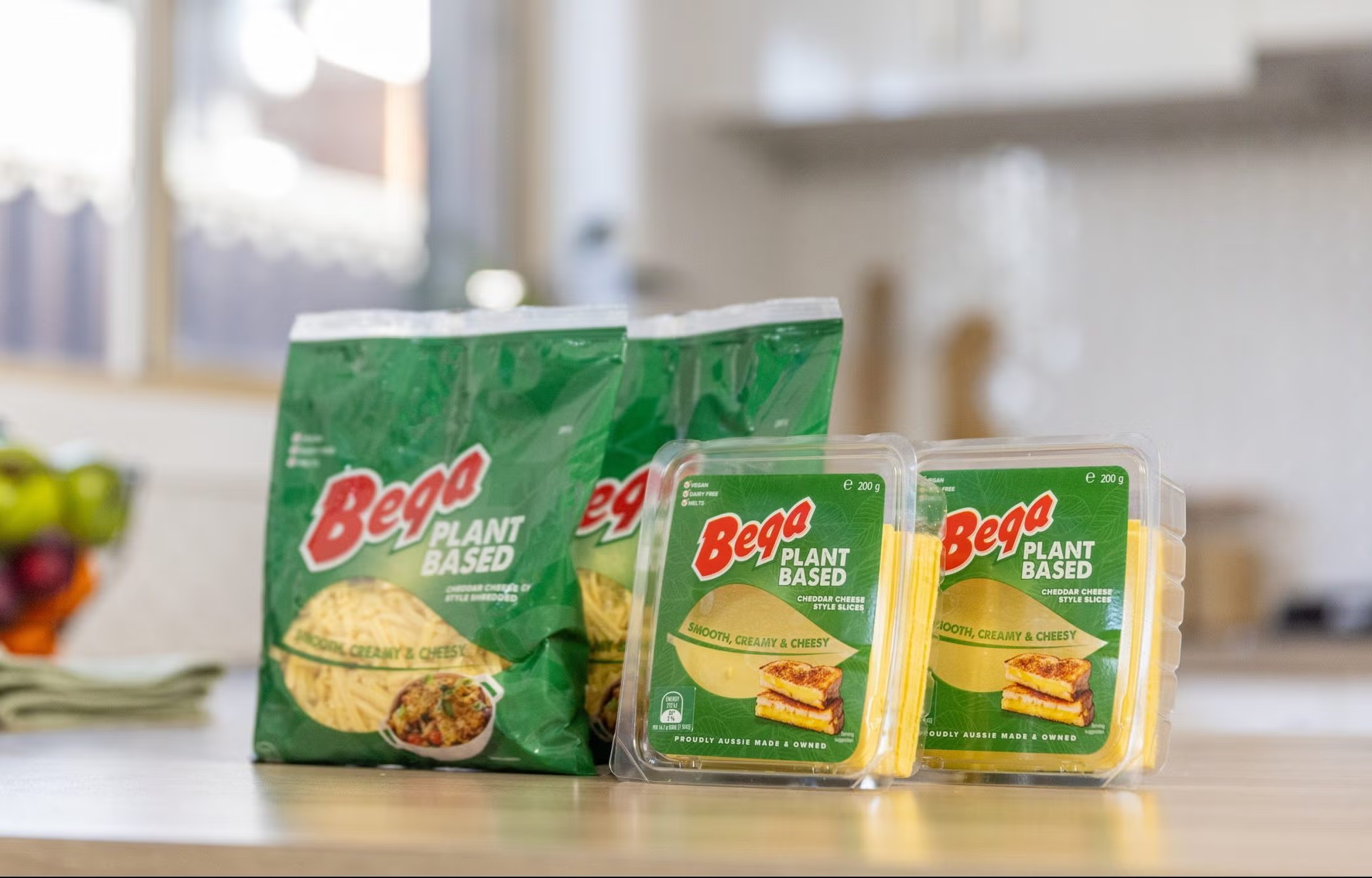
    Bega Cheese, an Australian dairy company, has indicated its intention to file an application with the Australia Competition and Consumer Commission (ACCC) seeking authorisation for its planned acquisition of Fonterra Oceania.

    Enhancing Outcomes through Acquisition

    Bega Cheese believes that the prospective acquisition would greatly improve the company’s performance and efficiency, and it would also have substantial benefits for the broader dairy industry. The company argues that combining its resources with those of Fonterra Oceania would result in improved efficiencies and outcomes for Australian dairy farmers, customers, and consumers.

    Bega Cheese is of the view that it is the most suitable acquirer of Fonterra’s Oceania businesses and is keenly interested in pursuing this opportunity. The company is hopeful of engaging in productive discussions with Fonterra Group on the sale of its Oceania businesses.

    Domestic Acquisition not Subject to Foreign Review

    As Bega Cheese is an Australian business, it expects that the potential acquisition will not require the approval of the Foreign Investment Review Board (FIRB).

    Fonterra’s Divestiture Strategy

    In November, Fonterra revealed its plans to divest by pursuing a trade sale and an initial public offering of its global consumer business, as well as its integrated businesses Fonterra Oceania and Fonterra Sri Lanka. The company believes that this divestment will allow it to concentrate its resources on the ingredients and foodservice businesses, thereby maximising value.

    Fonterra’s consumer business includes the operations and marketing of a variety of brands, such as Mainland, Anchor, Kapiti, and Anlene.

    Questions & Answers

    Why is Bega Cheese planning to acquire Fonterra Oceania?
    Bega Cheese believes that the acquisition of Fonterra Oceania would greatly improve its own business efficiencies and performance.

    Who needs to approve the acquisition?
    The Australia Competition and Consumer Commission (ACCC) needs to approve the acquisition.

    What is Fonterra’s rationale behind its divestiture strategy?
    Fonterra believes that by divesting, it will be able to concentrate its resources on the ingredients and foodservice businesses, thereby maximising value.

  • Arkadia Beverages Unveils Expanded Premium Syrup Collection: New Flavours, Recipes, And Bottle Size Introduced

    Arkadia Beverages Unveils Expanded Premium Syrup Collection: New Flavours, Recipes, And Bottle Size Introduced

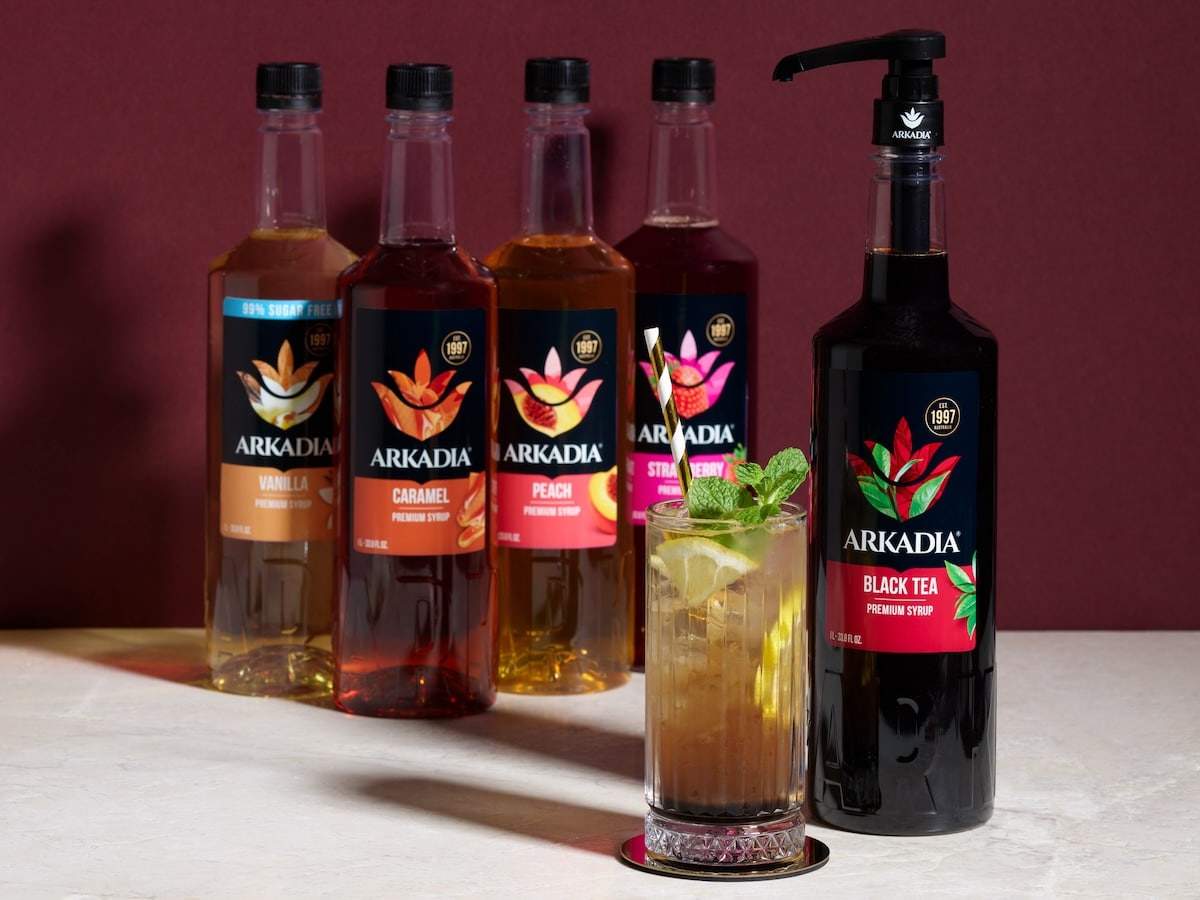
    Arkadia Beverages has breathed new life into its premium syrup collection. The company has not only updated the branding design, but also expanded the collection with a new 1L bottle size, additional flavours, and complementary drink options.

    With a selection of over 26 flavours, such as lychee, peach, and coconut, Arkadia has introduced its new fruit syrups, the Arakadia Syrups. The brand has transitioned from a 750ml bottle size to a more generous 1L size, all sporting creative new label designs.

    In addition to these updates, Arkadia Beverages has also launched new recipes for its Arkadia Lychee Syrup. These include inventive concoctions like Kayla Reid’s Butter, Corn & Rye, boasting a rich and spiced rye taste with hints of butterscotch, and Francesco Emmulo’s Petal & Pearl, which offers a delicate floral undertone.

    Ramona Culda, the Chief Brand Officer of Arkadia Beverages, highlighted that their transition from the 750ml to the 1L bottle was motivated by feedback from businesses, both local and international. She emphasized that this move would enhance value, efficiency, and consistency across the entire hospitality industry.

    Questions & Answers

    Why has Arkadia Beverages decided to change its bottle size?
    The decision to change from a 750ml to a 1L bottle size was driven by feedback from local and global businesses. They believed it would deliver greater value, efficiency, and consistency for the hospitality industry.

    What new recipes has Arkadia Beverages launched?
    Arkadia Beverages has launched new recipes for its Arkadia Lychee Syrup, including Kayla Reid’s Butter, Corn & Rye and Francesco Emmulo’s Petal & Pearl.

    What are the new flavours introduced in the Arakadia Syrups line?
    The new Arakadia Syrups line introduces flavours such as lychee, peach, and coconut.

  • BSNL Set to Expand with 100,000 New 4G Towers, Paving the Way for Upcoming 5G Rollout!

    BSNL Set to Expand with 100,000 New 4G Towers, Paving the Way for Upcoming 5G Rollout!

    Bharat Sanchar Nigam Limited (BSNL) is gearing up to bolster its network with plans to deploy an additional 100,000 4G towers across India. This initiative follows the successful installation of nearly 100,000 towers, marking a significant step in their ongoing infrastructure expansion.

    Government Approval on the Horizon

    Union Minister of State for Communications, Chandra Sekhar Pemmasani, expressed optimism about the upcoming proposal: “After successfully installing 100,000 towers with optimal 4G equipment, we will approach the Cabinet and Prime Minister Narendra Modi to approve another 100,000 towers.” He also highlighted the plan to enhance BSNL’s cash flow, which would facilitate the installation of more 4G and 5G equipment and enable the monetization of BSNL’s assets.

    Strategic Partnerships for Growth

    BSNL’s ambitious journey took a significant turn in May 2023, when it awarded a major contract to a consortium led by Tata Consultancy Services (TCS). This partnership also includes Tejas Networks, the Center for Development of Telematics (C-DOT), and ITI Ltd., covering the supply of 4G equipment for the new 100,000 towers, along with necessary network components and a 10-year maintenance contract.

    Pemmasani acknowledged initial equipment challenges but noted substantial improvements: “There were some problems with the equipment in the beginning. But now, it’s functioning well. We expect it to operate near perfection by the end of July or August next year.” He also emphasized the technological lead enjoyed by global telecom firms like Nokia and Ericsson, whose legacy spans decades, compared to India’s homegrown solutions that are still in their infancy.

    Stiff Competition and Future Plans

    BSNL currently faces tough competition; with its limited 4G infrastructure, retaining customers has been a challenge. Pemmasani pointed out, “One major limitation is that we currently have only 100,000 4G towers. In comparison, Reliance Jio and Airtel each have more than 500,000 towers.” However, he is confident that as the 4G rollout progresses, customer retention will improve significantly.

    Looking ahead, BSNL plans to launch its 5G network by June 2025. Telecom Minister Jyotiraditya Scindia confirmed that the transition to 5G will only occur once the 4G network stabilizes and meets quality standards: “Once the 100,000 towers are up and the network is stabilized, and once we see that the QoS is up to the mark, then we can start switching.”

    Homegrown Technology Takes the Lead

    In a bold move, the Indian government has ruled out foreign involvement in BSNL’s 5G deployment, insisting on the use of domestically developed technology. BSNL aims to roll out 5G standalone services using the 900 MHz and 3.3 GHz spectrum bands, starting with an initial target of 100,000 subscribers. The company is also set to introduce 5G fixed wireless access (FWA) services, ensuring cutting-edge connectivity for urban users.

    In a nod to its readiness, BSNL has successfully tested its indigenous 5G technology in New Delhi, across locations like Nehru Place, Chanakyapuri, and Minto Road, signaling that they’re primed to push forward once their 4G foundation is firmly in place. Who knew the race for digital dominance could feel so thrilling?

    Questions & Answers

    What is BSNL’s plan for expanding its 4G network?
    BSNL intends to deploy an additional 100,000 4G towers across India, building on its existing infrastructure to enhance customer retention and prepare for 5G.

    When does BSNL expect to launch its 5G network?
    BSNL aims to launch its 5G services around June 2025, contingent on stabilizing its 4G network.

    What is unique about BSNL’s approach to 5G technology?
    BSNL will rely solely on domestically developed technology for its 5G deployment, ensuring that all equipment and services are homegrown.

  • Hong Kong Real Estate Sees Record-breaking Sales Amid Developer’s Financial Struggles

    Hong Kong Real Estate Sees Record-breaking Sales Amid Developer’s Financial Struggles

    All 138 units in the Wong Chuk Hang neighborhood were sold within just seven hours of their launch on Saturday morning, raising a staggering HK$1.53 billion (US$196 million), as reported by property agents in the South China Morning Post.

    Record-Setting Prices and Swift Sales

    The new apartments, which feature two to four bedrooms, were priced between HK$8.5 million and HK$37.2 million each. This pricing resulted in an average cost of approximately HK$21,000 per square foot (US$28,800 per square meter)—a remarkable record low for new homes in the area, according to Bloomberg. This price point was about 4.5% less than that of CK Asset Holdings’ Blue Coast project, which ignited a buying spree in the same locale last year.

    In a splendid turn of events, Deep Water Pavilia was developed by New World, the flagship real estate company of the billionaire Cheng family and one of Hong Kong’s “big four” developers, alongside Empire Group Holdings, CSI Properties, Lai Sun Development, and MTR Corporation.

    Investor Interest and Market Dynamics

    Louis Chan Wing-kit, the CEO of Centaline Property Agency, noted that the project has attracted both end-users and investors alike, thanks to its competitive pricing and prime location directly above a mass transit railway station. The allure was further cemented by the fact that around 40% of buyers were investors seeking rental income, a reflection of current market trends, as reported by Sammy Po Siu-ming, CEO of Midland Realty’s residential division for Hong Kong and Macau.

    The robust sales are a welcome financial boost for New World, which has been facing rising financial pressures. Just weeks prior, in late May, the developer announced it would defer US$77.2 million in coupon payments on four perpetual bonds due that month. New World became the second Hong Kong property firm to take such a step in recent years, highlighting the ongoing struggles within the city’s property market plagued by price declines, sluggish sales, and high-interest rates.

    New World faces significant challenges, holding one of the highest debt ratios among its competitors. The company is under increasing pressure to manage its HK$87.5 billion in borrowings, especially after pledging around 40 properties—including its flagship commercial complex at Victoria Dockside—as collateral.

    Navigating Succession and New Horizons

    Amidst these financial challenges, the Cheng family—Hong Kong’s third-richest clan with an estimated fortune of US$19.5 billion according to Forbes—finds itself navigating complex succession issues. The group underwent two CEO changes last year following a record HK$19.7 billion loss for the fiscal year ending June 2024, with Adrien Cheng, once seen as the heir apparent, stepping down. His successor lasted only two months, leaving many eyebrows raised about the family’s leadership stability.

    With these developments unfolding, it seems that the property’s rapid turnover is not just a fleeting trend, but perhaps the beginning of a new era in the Hong Kong real estate landscape.

    Questions & Answers

    What types of apartments were sold in Wong Chuk Hang?
    The sold apartments ranged from two to four bedrooms.

    How much money did New World raise from the sales?
    New World raised a total of HK$1.53 billion (US$196 million) from the sale of the 138 units.

    What financial challenges is New World facing?
    New World is dealing with high debts, including HK$87.5 billion in borrowings, and has deferred coupon payments on bonds amid a struggling property market.

  • Tiktok Poised To Revolutionize Japanese Market With Integrated E-commerce Feature

    Tiktok Poised To Revolutionize Japanese Market With Integrated E-commerce Feature

    TikTok, the globally popular social media platform, is poised to debut its integrated e-commerce feature, TikTok Shop, in Japan. This is a significant move into a market where live commerce is relatively unexplored but ripe with potential. The initiative is aimed at capitalizing on the platform’s high levels of user engagement to facilitate direct purchases within the application.

    A recent update to TikTok’s privacy policy in Japan that included references to “shopping features” has stirred conjectures that the official launch might occur this month.

    TikTok Shop offers an in-app shopping experience where users can purchase items during live streams or via short videos. It comes with built-in payment and checkout features, thus eliminating the need for customers to be redirected to external websites. TikTok benefits monetarily from this feature by earning referral fees from sellers who participate.

    ByteDance, TikTok’s parent company based in China, has successfully implemented this feature across the United States and Southeast Asia.

    In preparation for the rollout, companies are gearing up to offer support. AnyMind Group, for instance, is planning to offer data analytics tools and launch training programs for live-commerce streamers through its production unit, Grove. Shodai Fujita, Country Director for Japan at AnyMind, said, “We want to create stars and take the No 1 position in Japan.”

    Simultaneously, Hakuhodo, a Japanese advertising titan, is collaborating with a group subsidiary to provide comprehensive services for TikTok Shop sellers, including planning, operations, and performance analysis. Septeni Holdings, part of the Dentsu Group, is also readying to assist brands making their debut on the platform.

    “The fusion of social media and e-commerce will become a new experience for customers,” Fujita added, indicating the groundbreaking potential of this venture.

    Questions & Answers

    What is TikTok’s new initiative in Japan?
    TikTok is planning to launch its integrated e-commerce feature, TikTok Shop, in Japan. This feature will facilitate direct in-app purchases during live streams or through short videos.

    What is the advantage of TikTok Shop for users?
    TikTok Shop offers a seamless shopping experience for users, eliminating the need to be redirected to external websites for purchases. It provides integrated payment and checkout features for a smoother transaction process.

    Who will be supporting the launch of TikTok Shop in Japan?
    Several companies, including AnyMind Group, Hakuhodo, and Septeni Holdings, part of the Dentsu Group, are preparing to support the launch by providing data analytics tools, training programs, and a range of services for TikTok Shop sellers.

  • EU Boosts Imports of Vietnamese Fruits and Nuts, Opening New Doors for Tropical Delights

    EU Boosts Imports of Vietnamese Fruits and Nuts, Opening New Doors for Tropical Delights

    Vietnam is making waves in the European Union, with its fruit and vegetable exports booming in recent months. Leading the charge is the mango, which has become a standout success, raking in $27.6 million—an impressive 54% increase. Not far behind is pistachio, which surged to $17 million, reflecting a staggering 90% rise in demand. Pineapples have soared by a jaw-dropping 200% to reach $11 million, while coconut exports climbed by 41% to $10 million.

    The Netherlands Takes the Lead

    The Netherlands emerged as the largest E.U. importer, snapping up nearly $37 million worth of Vietnamese produce, accounting for 28% of the total exports to the bloc. Other countries are also joining the feast: Poland’s imports doubled compared to last year, and Spain enjoyed an impressive 83% increase, while Germany and France reported solid growth as well. Overall, Vietnamese fruit and vegetable exports soared by one third, totaling $132 million.

    A Sweet Spot for Vietnamese Produce

    According to Dang Phuc Nguyen, general secretary of the Vietnam Fruit and Vegetable Association, the increasing popularity of Vietnamese fruits and vegetables in the E.U. can be attributed to the revitalization of consumer demand as the region recovers from the pandemic. Furthermore, a decline in local fruit production in certain E.U. states due to unfavorable weather has created a greater reliance on imports. The advantages of the Vietnam-EU Free Trade Agreement, which has reduced or eliminated tariffs on many fruits, have given Vietnam a crucial competitive edge over countries without similar trade agreements.

    Going Green: A Golden Opportunity

    In 2022, Vietnam’s agricultural exports to the E.U. reached a staggering $4.21 billion, driven primarily by fruits that saw double-digit growth amid strong demand. The Vietnam Sanitary and Phytosanitary Notification Authority highlights a growing trend favoring organic and certified products in E.U. markets, presenting substantial opportunities for Vietnamese farmers. Tropical fruits such as dragon fruit, mangoes, lychees, and longans thrive in Vietnam’s climate—products that simply can’t be produced domestically in the E.U.

    Meeting Stringent Standards

    However, the E.U. has high bars for quality and safety, requiring compliance with strict sanitary and phytosanitary regulations on food safety and pesticide residues. Bui Xuan Hoang Henry, general director of the Hoan Vu Inspection Center, pointed out that cooperation between exporters, testing units, and farmers is crucial for maintaining high-quality agricultural products. “Quality control is a priority this season, allowing our fruits to increasingly align with the rigorous standards of the E.U. market,” he noted. And with that, it looks like Vietnamese produce is ready to take a bite out of the competition!

    Questions & Answers

    What fruit is leading Vietnam’s exports to the E.U.?
    Mango tops the list, with exports valued at $27.6 million, an increase of 54%.

    Which country in the E.U. is the largest importer of Vietnamese produce?
    The Netherlands stands out as the leading importer, purchasing nearly $37 million worth of goods.

    How has Vietnam adapted to meet E.U. quality standards?
    Through close collaboration among exporters, testing units, and farmers, Vietnam ensures that agricultural products meet stringent quality and safety standards required by the E.U.

  • Superstitions in Online Casino New Zealand: Do Rituals and Lucky Charms Actually Work?

    Superstitions in Online Casino New Zealand: Do Rituals and Lucky Charms Actually Work?

    Superstitions are closely related to gambling. Players around the world use a variety of talismans and rituals. In this way, they believe that they influence the outcome of the game. When choosing an online casino New Zealand, players also rely on luck. For example, they toss coins or use talismans that help in making decisions. However, there is no scientific evidence that such rituals work.

    Common Gambling Superstitions in New Zealand

    New Zealand gamblers rely on a variety of rituals and good luck charms to increase their chances of winning. These beliefs do not affect the actual results. However, they help maintain the gambling tradition and add interest. Here are some of the rituals that gamblers use:

    • Lucky charms. The four-leaf clover is considered a symbol of good luck. Lucky coins or tokens are also used. Wearing red clothing is believed to attract good luck and is a traditional symbol of prosperity and luck in
    • Pre-bet rituals. Some people cross their fingers, knock on wood, or talk to the slot machine. Everyone has their own rituals that help attract good luck.
    • Superstitions about numbers. For example, many bet on the number 7, as it attracts good luck. Superstitious gamblers also avoid the number 13, as it brings bad luck.

    When playing an online casino New Zealand, it is important to understand that all games are controlled by random number generators. This is why the results of the gameplay are completely random.

    The Psychology behind Gambling Rituals

    Gambling rituals and superstitions are directly related to the online casino New Zealand gaming process. They give a sense of self-confidence and also instill a sense of control. Players believe that they can influence the outcome with the help of rituals. Research shows that people tend to overestimate their ability to control random events.

    Gambling triggers the release of dopamine in the brain, creating a pleasant feeling. Rituals and superstitions enhance this effect and the anticipation of a potential win, making the gaming process more exciting.

    Gambler’s fallacy makes people believe that past results affect current ones. People naturally look for patterns even in random sequences. This reinforces the belief that rituals can influence results.

    Gambling traditions vary depending on the culture. Shared beliefs and rituals create a certain sense of camaraderie and solidarity in the gambling community.

    Do Rituals and Charms Actually Influence the Odds?

    Many players use talismans to increase their chances of winning. However, such methods do not change the actual odds of casino games. Results in an online casino New Zealand are determined using random number generators. No external factors can affect the outcome of the game process.

    Research shows that more than 66% of the adult population believes that superstitions can affect the outcome. However, there is no proven effect, and all such results should be perceived as a kind of placebo in gambling.

    To summarize, relying on rituals and superstitions in gambling makes no sense. They do not affect the mathematical probability of a particular outcome. All casino results are random. Any rituals are aimed exclusively at the emotional state of the player and their perception.

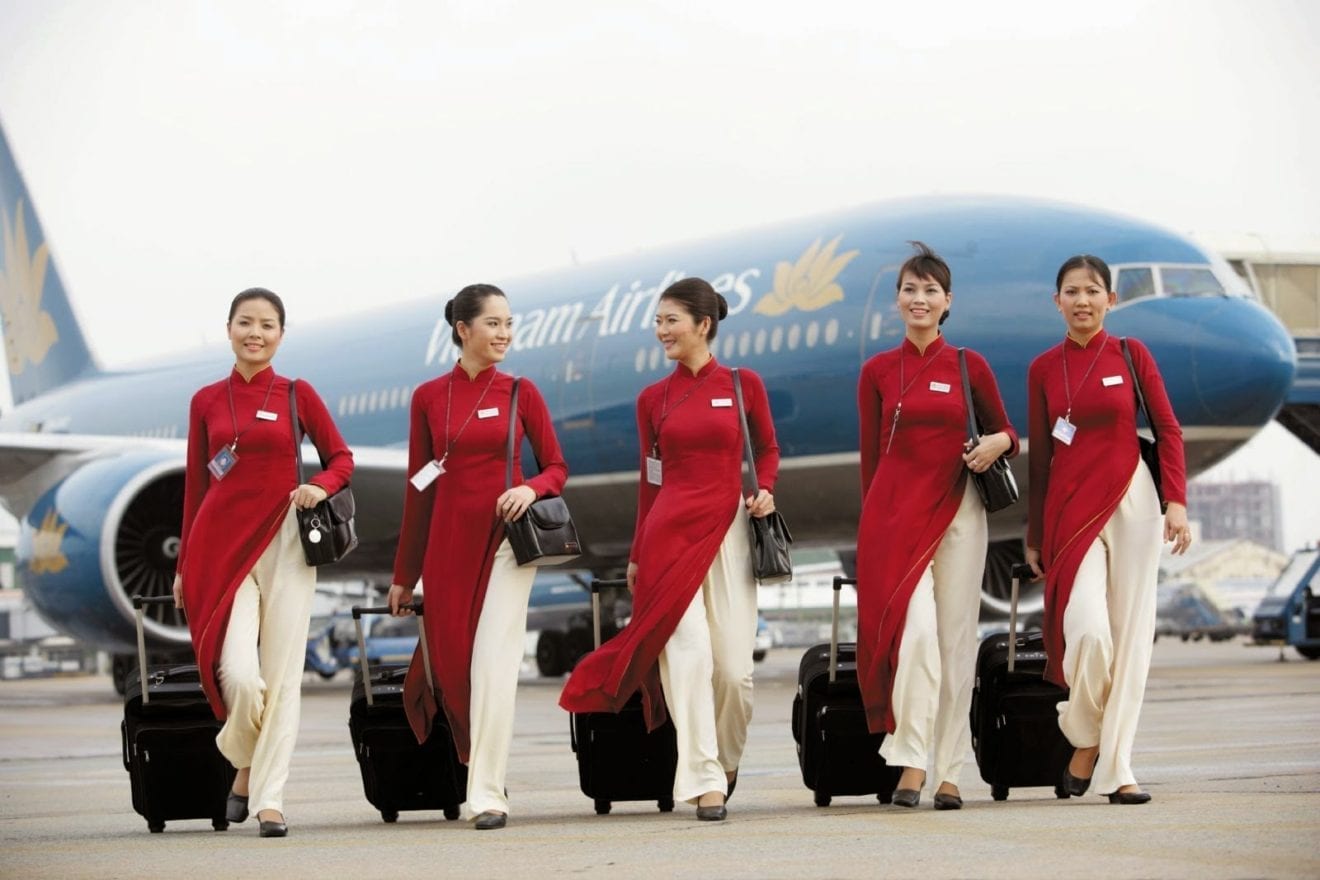
  • Vietnam Airlines Launches $69M Catering and Maintenance Initiatives at New Airport, Elevating Service Standards

    Vietnam Airlines Launches $69M Catering and Maintenance Initiatives at New Airport, Elevating Service Standards

    Vietnam Airlines has officially commenced work on two significant projects at the rapidly developing Long Thanh International Airport, which is poised to become a major aviation hub in Vietnam. With a combined investment of VND 1.8 trillion (approximately USD 69 million), these initiatives focus on enhancing in-flight catering and aircraft maintenance services.

    Investment in Catering and Maintenance

    The projects will be spearheaded by the airline’s subsidiaries: Vietnam Airlines Caterers and Vietnam Airlines Engineering Company. The catering facility is designed to initially produce 20,000 meals daily, with the ambition to increase that capacity to 40,000. Such a massive food operation could make meal prep at 30,000 feet feel a little less like airplane food—an exciting prospect for hungry travelers!

    On the maintenance front, work is underway on a state-of-the-art facility covering over 45,000 square meters, with a budget of VND 1.1 trillion. This facility will service two wide-body and two narrow-body aircraft simultaneously, boasting a minimum annual maintenance capacity of 250,000 man-hours. It aims to conduct between 120 to 150 maintenance sessions each year, ensuring that the fleet remains in peak condition.

    Additionally, Vietnam Airport Ground Services Company has initiated its own project, focusing on maintaining airport ground equipment, further streamlining operations at Long Thanh.

    A Landmark Development

    Spanning an impressive 5,000 hectares in Dong Nai Province, Long Thanh International Airport boasts an estimated total cost of VND 336.6 trillion. The airport’s first phase is scheduled for completion in 2026 and includes crucial infrastructures such as a runway, a passenger terminal, and supporting facilities designed to accommodate up to 25 million passengers annually. With these developments, Long Thanh aims to elevate Vietnam’s status in the global aviation landscape.

    As construction progresses, the combination of extensive facilities and quality services signals a bright future for air travel in Vietnam. Who knows—maybe your next meal on a flight will be prepared just a stone’s throw away from the runway!

    Questions & Answers

    What is the total investment for the Vietnam Airlines projects at Long Thanh International Airport?
    The projects are estimated to cost VND 1.8 trillion (approximately USD 69 million).

    What capacity will the catering facility have?
    Initially, the facility is set to produce 20,000 meals per day, with potential scalability to 40,000 meals.

    When is the first phase of Long Thanh International Airport expected to be completed?
    The first phase is scheduled for completion in 2026, with a capacity to handle 25 million passengers each year.

  • Dollar Slips Slightly Against Dong: What This Means for Retail and Consumers

    Dollar Slips Slightly Against Dong: What This Means for Retail and Consumers

    The U.S. dollar experienced a slight dip against the Vietnamese dong while it edged higher against other major currencies on Tuesday morning.

    Dollar Movement in Vietnam

    At Vietcombank, the greenback was sold down by 0.008%, costing VND26,240. Meanwhile, the State Bank of Vietnam raised its reference rate by 0.02%, setting it at VND24,998. Conversely, in the black market, the dollar gained 0.11%, reaching VND26,320.

    Global Insights

    Globally, the dollar showed signs of firmness as it gained ground against a basket of currencies, holding steady at 98.15. The day’s fluctuations were further spiced up by movements in the Japanese yen, which bobbed between gains and losses. The Bank of Japan, keeping interest rates unchanged at 0.5% after a two-day monetary policy meeting, hinted at a reduced pace for its balance sheet drawdown next year. As a result, the yen fluctuated, standing at 144.70 per dollar, all eyes now set on the upcoming comments from BOJ Governor Kazuo Ueda’s post-meeting press conference.

    In European currency updates, the euro remained virtually unchanged at $1.1561, while the British pound was valued at $1.3574— a mixed bag for international traders on this Tuesday morning.

    And just like that, currency markets remain as unpredictable as ever—one moment you’re up, and the next you’re back on the rollercoaster.

    Questions & Answers

    What was the exchange rate of the U.S. dollar against the Vietnamese dong at Vietcombank?
    The dollar was sold at VND26,240, a decrease of 0.008%.

    What decision did the Bank of Japan make regarding interest rates?
    The Bank of Japan maintained short-term interest rates at 0.5% and announced plans to reduce its bond purchases for fiscal 2026.

    How did the euro and sterling perform against the U.S. dollar on Tuesday?
    The euro was stable at $1.1561, while the pound was last valued at $1.3574.