Author: Mei Ling Tan

  • Australia And Eu Resume Free Trade Talks: Farming, Food Labeling, And Intellectual Property Rights In Focus

    Australia And Eu Resume Free Trade Talks: Farming, Food Labeling, And Intellectual Property Rights In Focus

    Trade Minister Don Farrell has announced that Australia and the European Union (EU) are set to resume negotiations for a free trade agreement immediately. This comes two years after Australia withdrew from discussions due to an unsatisfactory market access proposal for its beef, sheep, dairy, and sugar sectors.

    Changing Global Trade Landscape

    The global market has reshaped in unexpected ways due to the unanticipated tariff hikes imposed by the United States under President Donald Trump. As a result, the prospects for fruitful negotiations between Australia and the EU, specifically centered on enhancing access for select agricultural products and reducing bureaucratic hurdles, have considerably improved.

    One of Australia’s prime objectives is to amplify its beef and lamb exports to Europe. However, this is a task easier said than done, considering the significant political sway held by European farmers. An offer made by the EU in 2023 accounted for a scant 0.3% of its agricultural imports and was inferior to what it proposed to other trade partners.

    Contentious Discussion Points

    Another significant obstacle has been the EU’s insistence that Australia relinquish naming rights for hundreds of food and beverage products. The EU is pushing for Australia to adopt its system of controlling the names of region-specific food and spirits specialties, which, if agreed upon, could adversely affect Australian consumers, dairies, and boutique spirit manufacturers.

    The EU is advocating for Australia to implement its “geographical indications” model to safeguard the names of European goods. This includes a list of 170 food names and 236 spirit names that the EU wishes Australia to concede.

    The EU’s proposition is that only Greek feta should be allowed for sale in Australia; currently, Australian, Greek, Danish, and Bulgarian feta are sold nationally. It also seeks to reserve the names prosecco and parmesan exclusively for European manufacturers.

    Australia’s approach to food labeling is primarily driven by consumer protection laws and there is minimal history of fraud. By contrast, Europe initially introduced this system for wines due to rampant fraud, before extending it to food products.

    Intellectual Property Challenges

    Issues arise with the specific food and spirits names that the EU wishes to reserve for its producers. Australia contends that these are common names for the food items and it should not lose access to them. The country’s trade agreements allow for an objection process in situations where intellectual property rights limit what other producers can do. However, the government has thus far failed to offer a resolution process or feedback for those affected by the EU’s naming demands, hindering due process of law.

    Questions & Answers

    What impact could the EU’s naming demands have on Australian producers and consumers?

    It could negatively affect Australian dairies and boutique spirit manufacturers, as well as consumers who are accustomed to products with certain names.

    Why is Australia resisting the EU’s naming demands?

    Australia argues that these are common names for food items and that they should not lose access to them. The country also maintains that its approach to food labeling, driven by consumer protection laws, is adequate.

    What concessions could Australia potentially make to reach an agreement?

    Australia could follow the precedent set by Canada by accepting feta as a geographical indication while allowing existing Australian producers to continue producing and selling feta. Similar safeguards could be sought for other products.

  • Lawson Sets Ambitious Growth Plans for China and Southeast Asia Expansion

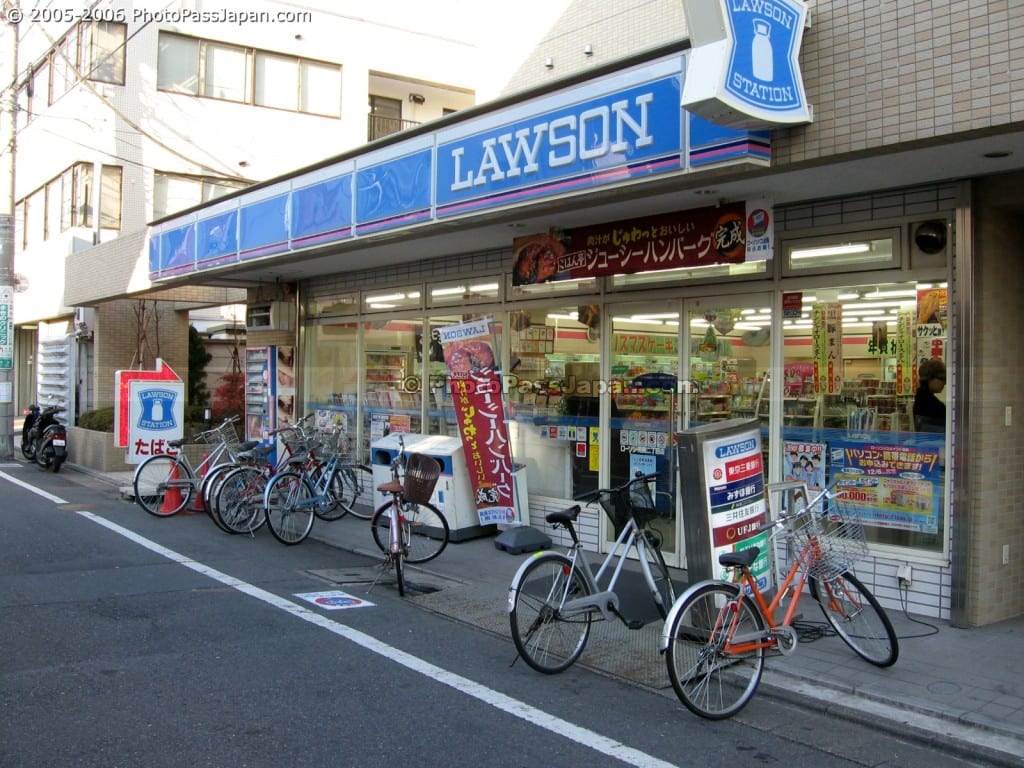
    Lawson Sets Ambitious Growth Plans for China and Southeast Asia Expansion

    Lawson, the prominent Japanese convenience store chain, is gearing up for an ambitious expansion, unveiling plans to launch over 5,000 new stores across China in the next six years. This initiative marks an impressive 80% growth as Lawson intensifies its efforts to extend its footprint beyond Japan and into the broader Asian market.

    As Lawson celebrates its 50th anniversary this Saturday, it has set an ambitious goal of increasing its Chinese store count to 12,000 by the fiscal year ending February 2031. This expansion is critical for achieving its previously reported target of doubling its total overseas store count to around 14,000 shops over the next six years—an endeavor that aims to bring its international presence nearly in line with that of its home market.

    With each new store opening, Lawson isn’t just selling snacks and drinks; it’s crafting a shared experience, one that aims to blend convenience with community.

    Questions & Answers

    What does Lawson’s expansion plan entail?
    Lawson plans to open over 5,000 new outlets in China over the next six years, aiming for a total of 12,000 stores.

    Why is this expansion significant for Lawson?
    This growth will help Lawson double its overseas store count to approximately 14,000, aligning its international presence with its home market in Japan.

    What milestone is Lawson celebrating this week?
    Lawson is marking its 50th anniversary this Saturday, coinciding with its ambitious growth strategy.

  • Experiential Commerce: Retail’s Evolving Frontier In Asia

    Experiential Commerce: Retail’s Evolving Frontier In Asia

    In a dynamic retail landscape where consumer preferences can shift at a moment’s notice, companies are continually seeking innovative ways to engage their audience. The latest trend captivating the market is the rise of experiential commerce, a blend of physical experiences and digital interaction. This exciting approach not only enriches the shopping experience but also strengthens the bond between brands and consumers.

    Experiential Commerce: A Game Changer for Retail

    As digital shopping habits become more ingrained, retailers realize that the tactile experience of in-store shopping remains irreplaceable. Experiential commerce merges these two worlds, embracing interactive elements that draw customers into a memorable journey. Think carefully curated in-store events, exclusive pop-up shops, or immersive brand experiences—each designed to intrigue and connect with shoppers on a deeper level.

    Taking a page from tech giants, retailers are utilizing augmented reality to elevate engagement. Imagine walking into a store and using an app to visualize how a piece of furniture might look in your home or exploring a virtual fitting room that allows you to try on clothes from the comfort of your smartphone. These technologies invite customers to engage with products in ways that were previously unimaginable, making the shopping experience not just about buying but also about discovery and entertainment.

    Localisation is Key

    In Asia, companies are tailoring their strategies to reflect regional cultures and preferences. Localisation is not just about language; it’s about understanding the subtleties of consumer behavior. For example, in countries where social media influencers hold sway, brands are harnessing these figures to add authenticity to their campaigns, creating relatable experiences that resonate with local audiences.

    Collaboration with local artisans and influencers helps retailers foster a sense of community, blending traditional practices with modern marketing methods. By doing so, they not only promote local talent but also craft unique narratives that appeal to the geographically and culturally diverse Asian market.

    An Ever-Changing Landscape

    As brands adapt to these trends, consumer expectations only continue to rise. The challenge lies not just in keeping up, but in anticipating what’s next. The inclusion of gamification in shopping, for instance, is rapidly taking off. Imagine a shopping experience where you can earn points, unlock rewards, or even enter contests—all while browsing products. This adds a layer of excitement and engagement that transforms the mundane act of shopping into something truly thrilling.

    Retailers are also exploring sustainability, a growing concern among consumers. Integrating eco-friendly practices within these experiential frameworks not only enhances brand reputation but also attracts a conscientious customer base eager to support businesses aligned with their values.

    Looking Forward

    As the retail landscape continues to evolve, the integration of experience, technology, and locality will play crucial roles in shaping the future. Retailers willing to embrace these trends will not only enhance customer loyalty but also redefine the very essence of shopping in Asia.

    In this spirited journey of retail innovation, one thing is clear: the line between shopping and entertainment is blurring, inviting consumers into a world that is as engaging as it is fulfilling. After all, who said shopping couldn’t be fun?

    Questions & Answers

    What is experiential commerce?
    Experiential commerce is a retail approach that combines physical experiences with digital interaction to create engaging shopping journeys for consumers.

    How are Asian retailers adapting to market trends?
    Asian retailers are focusing on localization, understanding cultural preferences, and collaborating with local influencers to create relatable experiences that resonate with consumers.

    What role will sustainability play in the future of retail?
    Sustainability will become increasingly important as consumers prioritize eco-friendly practices, compelling retailers to integrate these values into their experiential offerings.

  • Esteé Lauder’s Visionary Leader Leonard A. Lauder Dies At 92: A Legacy Of Transformation And Philanthropy

    Esteé Lauder’s Visionary Leader Leonard A. Lauder Dies At 92: A Legacy Of Transformation And Philanthropy

    The former chairman of Esteé Lauder, Leonard A Lauder, has sadly passed away at the age of 92.

    Loss of a Visionary

    Lauder’s death leaves a significant void in the company and the wider industry. His son, Gary M Lauder, who is also a member of the Esteé Lauder board of directors, expressed his sorrow at the loss. He emphasized the immeasurable impact of Lauder’s life, the significant contributions he made to the company, and the values of integrity, curiosity, and philanthropy that he instilled in the Esteé Lauder family. His presence will be sorely missed.

    A Tenacious Leader

    Lauder, the elder son of Esteé and Joseph H Lauder, joined the family business more than six decades ago. Armed with vision and tenacity, he played an instrumental role in the company’s transformation. Under his leadership, Esteé Lauder evolved from a single brand in the U.S. market to a global cosmetics giant boasting multiple illustrious brands.

    Before his tenure as chairman, Lauder held several leadership positions within the company, including serving as the president and CEO of Esteé Lauder from 1972 to 1999.

    Brand Expansion and Acquisitions

    Lauder was also instrumental in initiating the launch of various brands such as Aramis, Clinique, and Lab Series. His strategic vision extended to the company’s acquisition strategy, leading to the inclusion of prestigious brands like Aveda, Bobbi Brown, Jo Malone London, La Mer, and Mac under the Esteé Lauder umbrella.

    Stephane de La Faverie, current president and CEO of Esteé Lauder, recognized Lauder as an industry icon and pioneer who inspired employees and garnered respect worldwide for his visionary leadership.

    Philanthropy and Beyond

    Beyond his business ventures, Lauder dedicated his efforts to various fields, including medical research, particularly in the areas of cancer and Alzheimer’s, public education, art, foreign policy, and philanthropy. His varied contributions earned him several prestigious awards and accolades.

    Questions & Answers

    What role did Leonard A Lauder play in Esteé Lauder’s growth?
    Leonard A Lauder was instrumental in transforming Esteé Lauder from a single-brand company into a multi-brand cosmetics powerhouse with a global presence.

    What were some of the brands that Leonard A Lauder introduced?
    He initiated the launch of several brands, including Aramis, Clinique, and Lab Series, and contributed to the company’s acquisition of Aveda, Bobbi Brown, Jo Malone London, La Mer, and Mac.

    What contributions did Leonard A Lauder make outside of his business ventures?
    Lauder was heavily involved in various philanthropic activities, including cancer and Alzheimer’s research, public education, art, foreign policy, and philanthropy, earning him several prestigious awards.

  • Starlink Wins Regulatory Green Light to Launch Satellite Internet Services Across India!

    Starlink Wins Regulatory Green Light to Launch Satellite Internet Services Across India!

    Elon Musk’s Starlink Inc. has received the green light from India’s telecom ministry, paving the way for the launch of its satellite internet services within the country. This much-anticipated approval marks a significant milestone for the U.S.-based company as it seeks to tap into India’s expansive internet user base of over 900 million—a crucial market following its exclusion from China.

    A New Era for Internet Access in India

    Starlink’s entry is set to transform the Indian internet landscape, which has largely relied on conventional cell towers and fiber-optic cables. By introducing satellite technology, the company aims to bridge the connectivity gap, particularly in underserved areas. Imagine connecting to the internet from the comfort of your backyard rather than needing a thick bundle of wires!

    Expanding Horizons Beyond the Skies

    But Musk isn’t stopping with internet services. He is also ramping up Tesla’s ambitions in India’s automotive market by shipping vehicles, hiring local talent, and establishing showrooms across the nation. It seems that Musk is launching everything but the kitchen sink in his quest for innovation in India.

    Building on Global Success

    Since the launch of its first satellites in 2019, Starlink has rapidly amassed around 5 million customers across more than 100 countries, outpacing its competitors. However, to start operations in India, the company must secure spectrum licenses to conduct trial services, expected to last between three to six months. The approval process for trial spectrum is anticipated to take about two to three weeks, so stay tuned!

    Strategic Partnerships for a Robust Rollout

    In a strategic move, Starlink has forged partnerships with India’s top telecom players, signing agreements in March with Reliance Jio Infocomm Ltd. and Bharti Airtel Ltd. These alliances will help bolster its rollout efforts in the expansive Indian market. India’s Telecom Minister, Jyotiraditya Scindia, has emphasized the crucial role satellite internet will play in enhancing connectivity in remote areas and during disaster recovery scenarios, underscoring a pivotal shift in the way India accesses the internet.

    Questions & Answers

    What is the significance of Starlink entering India?
    Starlink’s entry provides innovative internet access to over 900 million users, transforming connectivity especially in underserved regions.

    How does Starlink’s technology differ from traditional internet?
    Unlike conventional services relying on cell towers and cables, Starlink uses satellite technology, which allows it to reach remote areas more effectively.

    What is the timeline for Starlink to begin operations in India?
    After securing the necessary spectrum licenses, Starlink anticipates conducting trial services for three to six months, with approval for trial spectrum expected within two to three weeks.

  • U Mobile Teams Up with OCK to Launch Exciting 5G IBC Partnership!

    U Mobile Teams Up with OCK to Launch Exciting 5G IBC Partnership!

    U Mobile has announced an exciting partnership with OCK Telco Infra Sdn Bhd, a fully owned subsidiary of OCK Group Berhad, designed to accelerate its nationwide 5G rollout. With a newly inked memorandum of understanding (MoU), OCK is set to become one of U Mobile’s preferred infrastructure partners for 5G in-building coverage (IBC), perfectly aligning with U Mobile’s mission to provide high-performance connectivity in indoor and high-traffic environments.

    Empowering Connectivity

    “U Mobile is thrilled to welcome OCK as a key player in our 5G deployment journey,” stated Woon Ooi Yuen, Chief Technology Officer of U Mobile. “This collaboration enhances our capacity to deliver reliable, ultra-fast connectivity, particularly in indoor and densely populated areas. OCK will be instrumental in helping us achieve our ambitious goal of 80% CoPA by July 2026.”

    Tailored Solutions for the Future

    The agreement paves the way for both companies to create site-specific IBC solutions that prioritize ultra-fast speeds, low latency, and a seamless user experience. Together, they will also delve into next-generation technologies such as artificial intelligence (AI), the Internet of Things (IoT), and smart city solutions. Who knows? Maybe one day, your fridge will remind you to buy milk as you stroll through the mall!

    A Vision for Digital Transformation

    Datuk Wira Sam Ooi Chin Khoon, Group Managing Director of OCK, expressed enthusiasm about the partnership, saying, “We are truly honored to collaborate with U Mobile on this strategic endeavor, underscoring our commitment to supporting Malaysia’s digital transformation. By combining our unique strengths, we aim to drive the deployment of 5G infrastructure, unlocking new industries, empowering local businesses, and improving community livelihoods across the nation.”

    The MoU signing ceremony took place at U Mobile’s corporate headquarters, with Woon Ooi Yuen and Datuk David Low Hock Keong, Group CEO of OCK, officiating the event in the presence of Wong Heang Tuck, CEO of U Mobile, and Datuk Wira Sam Ooi Chin Khoon.

    Questions & Answers

    What is the focus of the partnership between U Mobile and OCK Telco Infra?
    The partnership aims to enhance U Mobile’s 5G in-building coverage, ensuring reliable connectivity in indoor and high-traffic environments.

    What technologies will be explored under this collaboration?
    The companies will investigate next-generation technologies, including artificial intelligence (AI), Internet of Things (IoT), and smart city systems.

    When is U Mobile aiming to achieve its 80% CoPA goal?
    U Mobile has set a target of reaching its 80% CoPA by July 2026 as part of its strategic expansion of 5G services.

  • Hecho En Mexico Debuts Ready-to-heat Packs At Coles Supermarkets Nationwide

    Hecho En Mexico Debuts Ready-to-heat Packs At Coles Supermarkets Nationwide

    The Melbourne-based Mexican fast-food chain, Hecho En Mexico, has made moves to broaden its horizons into the retail market by introducing two of its most popular dishes in ready-to-heat packs.

    The launch, resulting from a collaboration with cooked-protein provider Country Cooked, includes two of the chain’s fan favorites: Hecho En Mexico Chicken Fajitas and Hecho En Mexico Pulled Pork Tacos. The chicken fajitas consist of a 12-hour marinated chicken fajita mix, while the pulled pork tacos feature seasoned Mexican pulled pork.

    The convenient packs are inclusive of six flour tortillas and tomatillo salsa. Customers need only add shredded cheese and lime to have a well-rounded meal ready in under 20 minutes.

    Since making its first appearance in Fitzroy, Melbourne back in 2013, Hecho En Mexico has experienced rapid growth, resulting in the opening of over 20 restaurants across Australia.

    Loui Marcocci, the co-founder of Country Cooked, expressed his optimism about this new venture. According to him, this partnership illustrates the increasing opportunities for fast-service restaurants to venture into the retail sector.

    Marcocci highlighted that Hecho En Mexico had already been utilizing Country Cooked’s products in its restaurants. He expressed how this move is mutually beneficial, extending the brand’s reach to retail consumers and offering fans of the restaurant the convenience of purchasing their favorite dishes at their local Coles supermarket.

    The new Hecho En Mexico range is currently accessible at Coles supermarkets nationwide.

    Questions & Answers

    What is Hecho En Mexico’s new venture?
    Hecho En Mexico, in collaboration with Country Cooked, is launching two of its popular dishes in ready-to-heat packs for retail.

    What dishes are included in the ready-to-heat range?
    The range includes the Hecho En Mexico Chicken Fajitas, a 12-hour marinated chicken fajita mix, and Hecho En Mexico Pulled Pork Tacos, made with seasoned Mexican pulled pork.

    Where are the ready-to-heat packs available for purchase?
    The ready-to-heat packs are available at Coles supermarkets nationwide.

  • Uniqlo Unveils Plan For Flagship Store In Shanghai: An Eco-friendly Fusion Of Innovation And Elegance

    Uniqlo Unveils Plan For Flagship Store In Shanghai: An Eco-friendly Fusion Of Innovation And Elegance

    In an exciting turn of events, Japanese clothing giant Uniqlo has unveiled plans for a brand-new store opening in the bustling heart of Shanghai, slated for early 2024. The store, strategically located in the iconic Jing’an district, aims to cater to the tastes of both local and international shoppers, promising a fresh blend of fashion innovation and classic elegance.

    Expanding Horizons

    Uniqlo’s parent company, Fast Retailing, is setting its sights on expanding its footprint in Asia’s dynamic retail landscape. The opening in Shanghai reflects the brand’s commitment to tapping into the vibrant lifestyle of one of China’s largest metropolises. This move comes on the heels of a surge in demand from consumers seeking quality, on-trend apparel that resonates with their daily lives.

    Additionally, the Shanghai store will showcase Uniqlo’s newest technology in retail design, featuring interactive displays and sustainable materials that align with modern consumer expectations. This new flagship store is not only about selling clothes; it’s about creating an immersive shopping experience.

    Eco-Friendly Endeavors

    With sustainability becoming a core value for consumers, Uniqlo is taking substantial steps towards eco-friendliness. The Shanghai site is set to incorporate energy-efficient systems and environmentally conscious practices. From recycled packaging to sustainable sourcing of materials, the brand is echoing its commitment to reducing its environmental impact while delivering stylish and functional apparel.

    Emphasizing local culture and community engagement, Uniqlo is also on the lookout for collaborations with local artists and designers to feature unique collections that resonate with the spirit of Shanghai. Shoppers can expect a delightful fusion of global trends infused with local flair, providing an ever-refreshing experience.

    A Fashionable Future

    As Uniqlo continues to innovate, the upcoming Shanghai store represents not just a new location, but a booming future for retail in the region. With a playful approach to fashion and a commitment to sustainability, Uniqlo aims to enchant both long-time customers and new visitors alike. Who knows, maybe this will be the place where consumers not only find their next outfit but also their fashion muse.

    Questions & Answers

    What will the new Uniqlo store in Shanghai feature?
    The new Shanghai store will showcase innovative retail design, interactive displays, and sustainable materials aimed at enhancing the shopping experience.

    When is the grand opening of the Shanghai store?
    The much-anticipated store is set to open its doors in early 2024, drawing both locals and tourists alike.

    How is Uniqlo addressing sustainability?
    Uniqlo is committing to eco-friendly practices, such as energy-efficient systems, recycled packaging, and sustainable sourcing methods to minimize its environmental impact.

  • China Mobile Teams Up with Asiacell to Accelerate B2B Growth in Iraq’s Market

    China Mobile Teams Up with Asiacell to Accelerate B2B Growth in Iraq’s Market

    China Mobile International Limited (CMI) and Asiacell have joined forces by signing a memorandum of understanding (MoU) aimed at revolutionizing telecommunications and digital solutions in Iraq. This strategic partnership zeroes in on bolstering business-to-business (B2B) growth and enterprise services, playing a pivotal role in the nation’s digital transformation journey.

    Shaping International Connectivity

    The collaboration promises to enhance international connectivity while harnessing CMI’s technological prowess across diverse industries. By tapping into compelling use cases, both companies plan to deliver reliable, scalable, and innovative solutions tailored to meet the unique needs of Iraqi businesses, enhancing their growth and operational efficiency.

    Voices of Leadership

    Alex Lee, Managing Director of China Mobile International Middle East, expressed enthusiasm about the partnership, stating, “CMI is excited to work with Asiacell to unlock new opportunities in Iraq. Our shared vision for building a digitally connected world and leveraging advanced technologies aligns perfectly with the growth potential of this market. This partnership is a testament to our dedication to enhancing connectivity, driving digital transformation, and empowering businesses to navigate the digital world.”

    Echoing this sentiment, Amer Sunna, CEO and Managing Director of Asiacell, noted, “This partnership marks a significant milestone in Iraq’s digital transformation journey. We are thrilled to partner with CMI. This collaboration underscores our commitment to delivering world-class telecommunications and technology solutions that meet the evolving needs of businesses in the region.”

    Empowering the Future

    By coming together, CMI and Asiacell reaffirm their resolve to propel digital transformation forward. With their combined expertise in enterprise services, international connectivity, and advanced technologies, the duo is set to equip Iraqi businesses with robust tools and infrastructure necessary for thriving in an increasingly interconnected environment, thus nurturing innovation and fostering sustainable growth across vital sectors. One could say they’re planting seeds for the digital future of Iraq!

    Questions & Answers

    What is the main focus of the partnership between CMI and Asiacell?
    The primary focus is on promoting business-to-business (B2B) growth and enhancing enterprise services to facilitate Iraq’s digital transformation.

    What expertise will CMI bring to this partnership?
    CMI will contribute its expertise in technology applications across various industries, providing innovative and scalable solutions backed by real-world use cases.

    How does this collaboration benefit Iraqi businesses?
    It equips businesses with the necessary tools and infrastructure needed to succeed in a connected world, promoting innovation and sustainable growth across key industries.

  • Singapore’s Private Home Sales Dive 53% in May, with Just 312 Units Sold!

    Singapore’s Private Home Sales Dive 53% in May, with Just 312 Units Sold!

    In a striking turn of events, Singapore’s real estate market experienced a significant dip in new home sales in May 2025, hitting its lowest point in five months. The PropNex report reveals that only 312 new private homes were sold, excluding executive condominiums, a staggering 53% decline compared to April’s 663 units. While the year-on-year comparison shows a more optimistic picture with sales up 40% from May 2024, the current slump highlights a worrying trend.

    A Drought of New Projects

    This decline comes as no surprise, with May marking the first month in 2025 devoid of new project launches. Analysts noted that fresh projects typically stimulate monthly transactions, and a subdued launch activity in June suggests that developers’ sales may continue to lag. In fact, only 20 new units were made available in May, all from the previously launched project The Myst. This number is notably low, matching the weakest monthly launch figures since 2009, alongside December 2024’s 20 units.

    Market Dynamics: The Rest of Central Region Shines

    May’s sales data tells a nuanced story, especially in the Rest of Central Region (RCR), where 191 units changed hands—down 65% from April’s surge of 551 units, thanks largely to the launches of One Marina Gardens and Bloomsbury Residences. Impressively, the RCR made up about 61% of total transactions for the month, with One Marina Gardens leading the charge, selling 62 units at a median price of $2,975 per square foot. The Hill @ One-North also performed well, indicating that collaborations with neighboring projects, like Bloomsbury Residences, can create buzz and drive sales.

    A Slow but Steady Performance in the Outside Central Region

    Meanwhile, the Outside Central Region (OCR) saw a modest uptick with 106 new units sold, compared to 95 in April. Although this marked one of the slowest sales months in the OCR this year, it followed a strong uptake from earlier projects like Parktown Residence and ELTA. Hillock Green was the standout project, moving 17 units at a median price of $2,285 psf, while the majority of units at the six projects in the Lentor Hills estate were already sold.

    Core Central Region: A Tale of Two Markets

    Sales in the Core Central Region (CCR) remained uninspiring, with only 15 new units transacted. Watten House led this sub-market with four units sold at a median price of $3,255 psf. Interestingly, three units sold for over $15 million each, including a lavish 4,489-sq ft unit at 21 Anderson that fetched an astounding $24 million, a telling sign of Singapore’s high-end market’s resilience amidst the overall slowdown.

    Executive Condominiums Take a Hit

    The executive condominium segment faced challenges as well, with only 24 new units sold in May, down by 75% from April. Yet, hope springs eternal with the anticipation of the upcoming launch of 600-unit Otto Place EC in July 2025, fueled by a mere 38 unsold new ECs remaining on the market.

    As the market navigates this interesting phase, one wonders if the lack of fresh launches might unlock more innovative strategies from developers to reinvigorate sales. Who knows, perhaps a surprise project announcement could shake up the market in an unexpected twist!

    Questions & Answers

    What were the total new private home sales in May 2025?
    Only 312 new private homes were sold in May 2025, marking a sharp drop from the 663 units sold in April.

    Which area led the new home sales in May?
    The Rest of Central Region (RCR) led the sales, with 191 units transacted, accounting for about 61% of all transactions.

    How did the executive condominium segment perform?
    The EC segment saw a significant decline, with only 24 new units sold in May, down 75% from the previous month.

  • Singapore and Airbus Team Up to Revolutionize Hybrid Satellite-Terrestrial Network Technology

    Singapore and Airbus Team Up to Revolutionize Hybrid Satellite-Terrestrial Network Technology

    Singapore is making exciting strides in communications by embarking on a groundbreaking initiative to develop hybrid satellite-terrestrial networks. This ambitious project aims to ensure uninterrupted connectivity across land, sea, and air. The Infocomm Media Development Authority (IMDA) and the Office for Space Technology and Industry (OSTIn) have joined forces with Airbus through a recent memorandum of understanding (MoU) to spearhead the evolution of non-terrestrial network (NTN) technologies.

    Connecting Satellites and 5G

    This partnership underscores Singapore’s strategic intent to seamlessly integrate satellite communication into its 5G and future 6G infrastructure. IMDA and OSTIn aim to collaborate with Airbus to create a national innovation consortium that will include leading research institutions and industry players. It’s a collective effort to turn the Lion City into a hub for cutting-edge communications technology.

    Expanding Connectivity Horizons

    Non-terrestrial networks, which are pivotal to the 3GPP standards for 5G and 6G, utilize non-terrestrial assets such as low-Earth orbit (LEO) satellites, geostationary satellites, and high-altitude platforms, like drones and balloons. By leveraging these advanced technologies, Singapore plans to extend its network coverage beyond the traditional terrestrial limits, ensuring resilient, wide-area connectivity even in the most remote locations.

    Vision for the Future

    Ong Chen Hui, Assistant Chief Executive of IMDA’s BizTech Group, highlighted the vital role that satellite communications play within the digital connectivity landscape. She remarked, “By partnering with Airbus and OSTIn, we aim to propel the advancement of NTN technologies and foster deeper research collaborations within Singapore’s innovation ecosystem.”

    A notable aspect of this initiative is Airbus’s commitment, bringing its global technical expertise into play. This marks its first 5G/NTN collaboration outside of Europe, paving the way for a new chapter in connectivity.

    Anand Stanley, President of Airbus Asia Pacific, expressed enthusiasm about the project, stating, “Singapore is an ideal environment to explore cutting-edge connectivity solutions that will define the future of resilient, wide-area communications. This MoU lays the foundation for Airbus to work closely with IMDA, OSTIn, and other partners in developing a robust 5G/NTN ecosystem that supports both industry growth and national innovation goals.”

    As Singapore charts its course toward a hyper-connected future, who knew that the skies could become such an integral part of the conversation?

    Questions & Answers

    What is Singapore’s goal with the new hybrid satellite-terrestrial networks?
    Singapore aims to deliver uninterrupted connectivity across land, sea, and air as part of its digital infrastructure.

    Who are the key players involved in this initiative?
    The key players include the Infocomm Media Development Authority (IMDA), Office for Space Technology and Industry (OSTIn), and Airbus.

    What are some technologies that non-terrestrial networks utilize?
    NTNs leverage non-terrestrial assets such as low-Earth orbit satellites, geostationary satellites, drones, and balloons to expand network coverage.

  • Bata’s First Indian Ceo, Sandeep Kataria, Steps Down; Panos Mytaros Steps Up As Global Successor

    Bata’s First Indian Ceo, Sandeep Kataria, Steps Down; Panos Mytaros Steps Up As Global Successor

    Sandeep Kataria, the Chief Executive Officer of Bata, has announced that he will be resigning from his role in September to seek fresh prospects. The departure will coincide with the appointment of Panos Mytaros as the corporation’s new Global CEO.

    Transition of Leadership

    Kataria, who started his tenure with the Switzerland-based footwear company in 2020, was the first Indian to spearhead the brand, which has been in business for 130 years. During his time with Bata, Kataria played a crucial role in modernizing its global operations. His tenure witnessed a significant transformation of the brand, including a revamped identity, streamlined operations, and a shift towards digital and design-led innovation.

    In a highly competitive and digital-dominated retail landscape, Kataria was credited for enhancing Bata’s market positioning across Asia, Africa, and Europe. The company expressed deep appreciation for his contributions, emphasizing his tireless dedication to the people and his passion for the Bata brand.

    Looking back at his time with the company, Kataria portrayed Bata as “a community, a legacy, and a force for good,” expressing that leading the team was one of the most significant privileges of his life. It is expected that Kataria will remain with the company for several months to facilitate a smooth leadership transition.

    Appointment of New Global CEO

    The new Global CEO, Panos Mytaros, is an industry veteran with over 30 years of experience in the footwear and leather industry. Prior to his appointment at Bata, he held the position of CEO at the Danish shoe company, Ecco.

    Graham Allan, the chairman of Bata, praised Mytaros for his deep industry knowledge and passion for footwear craftsmanship. “His track record in brand building and developing compelling footwear collections, as well as in leading complex international organizations, made him the ideal candidate to guide Bata through our next phase of growth,” Allan added.

    About Bata

    Bata, established in 1894 in the present-day Czech Republic, continues to be a family-owned business. The company sells approximately 150 million pairs of shoes annually under roughly 20 brands, including Bata, North Star, and Power.

    In India, Bata operates over 1960 stores, selling roughly 50 million pairs annually. This makes it the country’s leading footwear company in terms of both revenue and volume.

    Questions & Answers

    Who is replacing Sandeep Kataria as the CEO of Bata?
    Panos Mytaros, previously the CEO of the Danish shoe company Ecco, will replace Sandeep Kataria as the CEO of Bata.

    What significant changes did Sandeep Kataria bring about in Bata during his tenure?
    During his tenure, Kataria led a significant transformation of the brand, including a revamped identity, streamlined operations, and a shift towards digital and design-led innovation. He also helped enhance Bata’s market positioning across Asia, Africa, and Europe.

    What is Bata’s standing in the Indian market?
    With more than 1960 stores and approximately 50 million pairs of shoes sold annually, Bata is the largest footwear company in India by both revenue and volume.

  • Aesop Expands In Bangkok: New Boutique Marries Australian Design With Traditional Thai Architecture

    Aesop Expands In Bangkok: New Boutique Marries Australian Design With Traditional Thai Architecture

    Aesop, the well-known Australian cosmetics brand, has recently expanded its presence in Bangkok by opening its fourth boutique at Central Chidlom.

    Inspiration & Design

    This new boutique boasts a unique design, unlike any other. Aesop’s own in-house design team, based in Melbourne, has taken inspiration from the traditional Thai architecture. The design is marked by curved silhouettes, distinctively characteristic of Thailand’s traditional rooftops.

    The boutique’s interior features an aesthetic infused with bamboo, underscoring the brand’s commitment to local materials and sustainable practices. This design choice is a nod to the enamelled tiles seen on traditional Thai rooftops, which are often supported by wooden frames and trusses.

    Store Features

    Prominent in the store is a standalone terraced display table and several shelving units, all of which are enveloped by bamboo. This common interior material is frequently used across Thailand, reflecting the brand’s integration of local traditions into its store design.

    Product Range

    The most recent addition to Aesop’s portfolio of boutiques will carry the brand’s comprehensive range of products. These include their complete line of skincare, haircare, and body care products, each promising the high-quality experience that Aesop is renowned for.

    Questions & Answers

    What inspired the design of the new Aesop boutique in Bangkok?

    The design of the new boutique was inspired by traditional Thai architecture, particularly the curved silhouettes of the country’s traditional rooftops.

    What materials were used in the construction of the new Aesop boutique?

    The boutique prominently features bamboo in its construction, a common material used throughout Thai architecture and interior design.

    What products will the new Aesop boutique carry?

    The boutique will carry Aesop’s full range of skincare, haircare, and body care products.

  • Beenleigh Distillery Targets Rtd Market With Citrus-inspired ‘hard Orange Crush’ Launch

    Beenleigh Distillery Targets Rtd Market With Citrus-inspired ‘hard Orange Crush’ Launch

    Beenleigh Distillery has recently expanded its ready-to-drink (RTD) selection by launching Hard Orange Crush, a citrus-inspired beverage.

    Product Characteristics

    Hard Orange Crush, the newest offering from Beenleigh Distillery, is a refreshing blend that includes real orange juice. It is packaged in 375ml cans, which are sold in packs of four. The beverage boasts a delicate citrus and sherbet aroma with a slightly tart finish. The alcohol content is pegged at 4.5%.

    Following the Success of Pineapple Crush

    This move comes after Beenleigh Distillery’s successful introduction of Pineapple Crush. According to the company, this product was one of their most successful RTD launches in the last financial year, securing a spot amongst the top three based on sales data from certain retail groups.

    Will Sullivan, the brand manager at Beenleigh Distillery, commented on the new product launch, saying, “Orange is a beloved soft drink flavor in Australia, but it is seldom used in RTDs. We had great success with Pineapple, and we’re confident Hard Orange Crush will follow suit.”

    Strategic Expansion

    The launch of Hard Orange Crush is part of Beenleigh Distillery’s larger strategy to tap into the market for soft drink-inspired alcoholic beverages. The distillery aims to broaden its presence in the expanding ready-to-drink sector.

    Sullivan added, “We view this as a deliberate step towards an area that has been neglected for too long. With Hard Orange Crush, we’re introducing a unique product and aiming to fortify our position in the market.”

    Questions & Answers

    What inspired Beenleigh Distillery to create Hard Orange Crush?
    Beenleigh was influenced by the popularity of orange as a soft drink flavor in Australia and the success of their previous product, Pineapple Crush.

    How is Hard Orange Crush packaged and sold?
    The product comes in 375ml cans and is sold in packs of four.

    How does the launch of Hard Orange Crush fit into Beenleigh Distillery’s broader strategy?
    The introduction of Hard Orange Crush is part of Beenleigh Distillery’s plan to expand its presence in the growing ready-to-drink sector by creating soft drink-inspired alcoholic beverages.

  • Tata Communications Boosts Asia’s Connectivity with Launch of TGN-IA2 Subsea Cable

    Tata Communications Boosts Asia’s Connectivity with Launch of TGN-IA2 Subsea Cable

    Tata Communications has taken a giant leap in enhancing its global network with the successful integration of the TGN-IA2 submarine cable system, marking a significant boost in capacity and performance along crucial Intra-Asia routes.

    Bridging Asia with Enhanced Connectivity

    On Tuesday, Tata Communications unveiled the TGN-IA2 subsea cable system, promising to elevate connectivity for businesses across Asia. This new cable creates vital links between Singapore, Hong Kong, and Japan, complementing the existing TGN-IA system with increased interconnections to other global regions.

    A Robust Addition to Subsea Infrastructure

    Constructed by the Asia Direct Cable (ADC) consortium, TGN-IA2 enriches Tata Communications’ subsea portfolio by offering high-capacity, low-latency connectivity. This integration is poised to benefit sectors like finance, e-commerce, and logistics that rely on instantaneous and secure data transfers between Asia and international markets.

    Agility at Its Core

    Importantly, Tata Communications retains full ownership and control over TGN-IA2’s capacity upgrades, which distinguishes it from many consortium-built cable systems. This autonomy ensures that businesses, hyperscalers, and service providers can enjoy agile, scalable services tailored to meet the surging demand for digital infrastructure in Asia and beyond.

    Future-Proofing Connectivity

    Genius Wong, Executive Vice President and Chief Technology Officer at Tata Communications, expressed enthusiasm about this enhancement: “This latest improvement will further solidify Tata Communications’ status as a global leader in smart, secure, and scalable connectivity, along with cross-border innovation.”

    Building Resilience and Efficiency

    The new system bolsters network resilience by adding vital redundancy to Tata Communications’ existing subsea infrastructure. With TGN-IA2 in place, latency for data-hungry applications such as high-definition streaming, real-time collaboration, and inter-data center connectivity is expected to decrease significantly.

    Harnessing Hyper-Connectivity for the Future

    TGN-IA2 serves as an essential complement to the original TGN-IA cable, linking Asia to major global hubs, including the U.S., EMEA, and India. It’s also crafted to support forward-thinking applications like AI workloads, enabling cloud providers, multinational corporations, and digital businesses to efficiently scale in an increasingly hyper-connected world.

    Wong concluded, “Whether you’re a cloud provider entering Asia, a multinational corporation searching for low-latency links across continents, or a digital business looking to expand globally, TGN-IA2 lays the groundwork for your future.”

    And let’s be honest—who knew that the future of connectivity could be swimming beneath the sea?

    Questions & Answers

    What are the main benefits of the TGN-IA2 cable system?
    The TGN-IA2 submarine cable system enhances high-capacity, low-latency connectivity, crucial for sectors like finance and e-commerce, ensuring secure, real-time data transfer between Asia and the rest of the world.

    How does TGN-IA2 differentiate itself from other cable systems?
    Tata Communications retains full ownership and control over TGN-IA2, allowing for flexible capacity upgrades and agile services that cater to the growing needs of businesses and service providers.

    In which areas will TGN-IA2 have the most impact?
    The TGN-IA2 system is expected to have a significant impact on data-intensive applications such as high-definition streaming, real-time collaboration, and inter-data center connectivity, enhancing overall network resilience.