Author: Mei Ling Tan

  • Philippine Government Unveils Exciting New Strategy to Boost Connectivity Across the Nation

    Philippine Government Unveils Exciting New Strategy to Boost Connectivity Across the Nation

    The Philippine government is shifting gears in its pursuit of comprehensive nationwide internet access, unveiling a strategic budget reallocation of PHP 6.5 billion (USD 115 million). This plan will bolster both the expansion of free WiFi sites and the distribution of complimentary SIM cards, bringing digital connectivity closer to those in need.

    Transforming the Free Public Internet Access Program

    In a move designed to reduce costs while enhancing internet services in public schools and remote communities, the Department of Information and Communications Technology (DICT) is revamping its Free Public Internet Access Program (FPIAP). Information Undersecretary Paul Mercado explained that the agency can effectively manage 50,000 free WiFi sites with just PHP 3.5 billion, allowing more of the budget to focus on connectivity in underserved areas.

    A Partnership with Starlink

    To expedite the rollout, the DICT is setting its sights on a long-term agreement with satellite provider Starlink to deliver internet services to 30,000 locations, with an expected annual cost of PHP 1.5 billion. To streamline funding, the agency is also pursuing multi-year contractual authority from the Department of Budget and Management (DBM).

    Boosting Connectivity

    An added PHP 2 billion (USD 35 million) will ensure connectivity in the remaining regions served by other providers. Mercado emphasized that this budget restructuring is critical to sustaining the FPIAP without needing ongoing requests for higher annual funding from the DBM.

    Empowering Communities with SIM Cards

    In tandem, the DICT is earmarking PHP 3 billion (USD 53 million) for its Bayanihan SIM initiative, which will distribute one million SIM cards to teachers and students in underserved communities. With a generous 25 GB of monthly data per beneficiary, the project will run until 2028, making internet access more reachable than ever.

    Setting Standards for Telecommunications

    Mercado highlighted an important aspect of the program: it aims to urge telecommunications companies to establish cellular towers in key locations. Providers who fall short will find themselves excluded from future SIM-related opportunities. Furthermore, telecom firms must adhere to minimum service standards or risk penalties, creating a competitive environment that benefits the end users.

    Expanding Internet Access

    As of now, the FPIAP has successfully provided internet connectivity to 18,849 sites across 9,769 locations, positively impacting over 11.2 million Filipinos. The administration is determined to expand this initiative to 50,000 sites by 2028, in alignment with the Philippine Development Plan’s goal of elevating internet penetration to 60%.

    Future Budgets and Funding Sources

    Looking ahead, the DICT’s FPIAP budget aims to reach PHP 7.5 billion (USD 132 million) by 2025, a significant increase from just PHP 2.5 billion (USD 44 million) in previous years. This program will largely be sustained by spectrum user fees paid by telecommunications companies, averaging PHP 5 billion (USD 88 million) annually. The DICT is diligently exploring cost-effective measures to ensure the program’s sustainability amidst fluctuating resources.

    Support from Telecommunications Operators

    The Philippine Chamber of Telecommunication Operators (PCTO) has expressed robust support for the DICT’s recalibration efforts. PCTO Vice President Roy Ibay remarked that the Private Sector Advisory Council (PSAC), directly reporting to President Marcos, has long championed this initiative.

    Crafting Future Connections

    PSAC is also advocating for a public-private partnership to build new cell towers, aiming to connect an estimated 25 million Filipinos across 7,063 geographically isolated and disadvantaged barangays. Who needs a magic wand when you have strategic collaborations?

    Questions & Answers

    What is the goal of the Philippine government’s budget reallocation?
    The goal is to enhance nationwide internet access by funding the expansion of free WiFi sites and distributing free SIM cards across underserved areas.

    How many free WiFi sites does the DICT aim to establish by 2028?
    The DICT aims to expand its internet connectivity platforms to 50,000 sites by 2028, significantly increasing internet penetration in the Philippines.

    What role do telecommunications companies play in this initiative?
    Telecommunications companies are required to meet certain service standards and expand their infrastructure, ensuring that underserved areas receive adequate connectivity as part of the initiative.

  • Global Paper Packaging Market Set to Reach $527.1 Billion by 2030: What’s Driving This Growth?

    Global Paper Packaging Market Set to Reach $527.1 Billion by 2030: What’s Driving This Growth?

    Asia Pacific is the fastest-growing region.

    The global paper packaging market is set to soar from $416.1 billion in 2025 to a staggering $527.1 billion by 2030, boasting a compound annual growth rate (CAGR) of 4.8%. A new report from The Research Insights reveals that this remarkable growth is fueled by a surge in consumer demand for sustainable alternatives and increasingly stringent regulations targeting plastic use.

    The Rise of Eco-Friendly Packaging

    As consumers become more environmentally conscious, they’re embracing minimalist and eco-friendly packaging solutions. Flashy designs and excessive materials are falling by the wayside in favor of simpler, recyclable options that reflect both brand transparency and a commitment to environmental stewardship.

    A Shift in Materials

    The report also notes a growing preference for mono-material packaging, particularly paper and paperboard, which can be effortlessly recycled using standard systems. This stands in stark contrast to mixed-material packaging that often includes plastics or foils, making recycling a far more complicated affair. This shift represents not just a trend but a pivotal movement in public consciousness surrounding waste reduction and the vitality of a circular economy.

    Dominance of Corrugated Boxes

    Unsurprisingly, corrugated boxes continue to dominate the market, given their durability, lightweight nature, and recyclability. They have become the go-to packaging choice for the booming e-commerce and electronics sectors. Adding flair to form, innovations such as water-resistant coatings and digital printing are giving these boxes an edge, enhancing their appeal and functionality.

    Asia Pacific Leads the Way

    The Asia Pacific region is taking the lead in this growth surge, propelled by urbanization and increasing consumption patterns in nations like China, India, and various Southeast Asian countries. With a vibrant and evolving market, the possibilities seem endless—imagine a world where every package not only protects its contents but also plays a part in saving our planet!

    Questions & Answers

    What is driving the growth of the paper packaging market? Consumer demand for sustainable alternatives and stricter regulations on plastic usage are the primary forces behind this growth.

    Which type of packaging is gaining popularity among consumers? There is a notable preference for minimalist, eco-friendly mono-material packaging like paper and paperboard, which can be easily recycled.

    Why are corrugated boxes the top choice for packaging? Corrugated boxes are favored for their durability, lightweight properties, and recyclability, making them ideal for e-commerce and electronics sectors.

  • Bamboo Airways Chairman Steps Down: What’s Next for the Airline’s Future?

    Bamboo Airways Chairman Steps Down: What’s Next for the Airline’s Future?

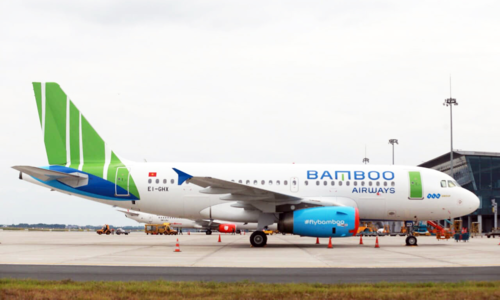
    Bamboo Airways is set for a leadership transition as chairman Phan Dinh Tue has submitted his resignation, pending shareholder approval at an extraordinary general meeting scheduled for July 5.

    New Leadership on the Horizon

    The airline announced that a new director will be elected to succeed Tue, who has been at the helm since February 2024 after joining the company as a director in June 2023. The board currently consists of five directors, including Tue.

    With an extensive background in finance and banking spanning four decades, Tue previously served as a deputy general director at Sacombank starting in 2012. During his tenure at Bamboo Airways, he played a critical role in the airline’s restructuring efforts, shaping its business model, fleet structure, and financial strategies to ensure viability in a competitive market.

    This year, Bamboo Airways has reported promising results, particularly on significant routes and popular tourist destinations. The airline achieved a remarkable flight load factor of 90% in June, showcasing its recovery and operational efficiency. Its fleet, which includes Airbus A320 and A321 aircraft, has recently expanded with the addition of a leased Boeing 737-900E.

    With changes on the board, the question now is how Bamboo Airways will navigate the skies of Asian aviation—and whether the new leadership will continue to steer the airline toward success. After all, in the ever-evolving airline industry, change is the only constant, and sometimes that change can fly by faster than a jet engine!

    Questions & Answers

    Why did Phan Dinh Tue resign?
    Phan Dinh Tue has resigned as chairman of Bamboo Airways, with the resignation awaiting approval from shareholders at a meeting on July 5.

    What role did Tue play in the airline’s development?
    Tue was instrumental in spearheading the airline’s restructuring, contributing to its business model and financial capabilities.

    How has Bamboo Airways performed this year?
    Bamboo Airways has reported a successful operational performance, particularly with a flight load factor of 90% in June, indicating strong demand for its services.

  • Switch 2 Debuts as Nintendo Takes Strong Stance Against Scalpers to Protect Fans

    Switch 2 Debuts as Nintendo Takes Strong Stance Against Scalpers to Protect Fans

    The long-awaited Switch 2 made its debut on Thursday, capturing the attention of gamers and tech enthusiasts alike. Unable to keep up with the surge in demand, Nintendo has devised clever strategies to ensure that only genuine players can snag this coveted console.

    In the weeks leading up to the launch, Nintendo, alongside retailers throughout Japan, implemented measures to fend off scalpers who typically flood the market, snatching up units only to resell them at inflated prices. By securing a fair distribution, they’re ensuring the joy of gaming remains in the hands of true fans rather than opportunistic resellers.

    With this proactive approach, Nintendo aims not just to protect its customers, but also to maintain the excitement surrounding the Switch 2. It’s a bold move in an era where gaming gear has become the new gold standard for scalping. Who would have thought gaming consoles could be treated like rare collectibles?

    As the Switch 2 makes its way into the hands of avid players, the anticipation is palpable. Will this innovative gaming system meet the hype? Only time will tell, but one thing is certain: the battle against unscrupulous resellers has sparked a new level of excitement in the gaming community.

    Questions & Answers

    What measures did Nintendo take to prevent scalping?
    Nintendo implemented strategies alongside retail partners in Japan to ensure that only genuine gamers could purchase the Switch 2, aiming to curb scalping practices.

    Is the Switch 2 expected to be in high demand?
    Yes, demand is extremely high, and given the limited supply, it is likely that the Switch 2 will be sought after for quite some time.

    How has the gaming community reacted to the launch?
    The excitement is palpable, with many gamers eager to experience the new features of the Switch 2 while expressing appreciation for Nintendo’s efforts to limit scalper activity.

  • Factors to Consider When Choosing a Forex Cashback Affiliate Site

    Factors to Consider When Choosing a Forex Cashback Affiliate Site

    Forex cashback/rebate affiliate sites offer an opportunity for affiliates to earn recurring income by referring clients to the sites. But with dozens of platforms available, how do you pick the right one? This is because getting it right from the start is crucial, as it will ultimately determine your long-term success.

    FxCash is a leading Forex cashback affiliate site with a highly rewarding Forex trading affiliate program that most industry observers believe is among the best in Forex affiliate marketing. This is because FxCash has excelled in several areas, making it stand out.

    This article discusses some of these areas to help you know what to look at when choosing a Forex cashback affiliate site to work with.

    Reputation and Trust

    The credibility of a platform is a major factor that one has to take into consideration. To gauge whether a platform is reputable and trustworthy, look for independent user reviews in online trading forums, transparency on the platform’s background, and how long the company has been operational.

    Putting these into consideration will help you gauge how reliable a platform is.

    Broker Variety and Partnerships 

    A good platform will partner with a wide range of regulated and well-known Forex brokers. The more the brokers supported you, the more your earning potential as an affiliate. On broker variety, look for:

    • updated broker list with commission rates;
    • availability of tier-1 licensed brokers;
    • flexibility to work with different trading styles.

    FxCash works with a wide range of brokers, giving you more options to promote.

    Transparent Payout Structure 

    When choosing a Forex affiliate program, it’s important to work with a platform that’s transparent about how everything works. Look for one that clearly explains how commissions are split and how much goes to you as an affiliate and to the trader.

    Consistency and clarity are key when it comes to building long-term trust and income.

    User Interface and Trade Tracking 

    Opt for a platform that is user-friendly and with an easy-to-use dashboard where you can:

    • monitor your real-time commission earnings;
    • see the history of your transactions;
    • track sign-ups using your affiliate link.

    FxCash gives you access to real-time statistics and tracking tools to know how your campaigns are performing.

    Customer Support 

    Consider a platform with reliable customer support. Responsive customer support comes in handy to sort out issues satisfactorily whenever they arise. On the reliability of customer support, here’s what to look out for availability of several communication channels (live chat, email, or phone), being multilingual, and providing 24/7 availability.

    Reliable customer support can make a big difference in your experience, especially when dealing with payment issues, tracking referrals, or navigating the platform.

    Conclusion 

    Choosing the right Forex cashback affiliate site is more than just choosing one with the highest payout. You have to consider the platform’s reliability, broker variety, transparency, and customer support to gauge whether they will be the best fit for you. This is because getting the right affiliate site will make a huge difference in your income and long-term success.


  • Asics Boosts Indian Manufacturing Amid Regulatory Changes, Plans For Brand-owned Stores

    Asics Boosts Indian Manufacturing Amid Regulatory Changes, Plans For Brand-owned Stores

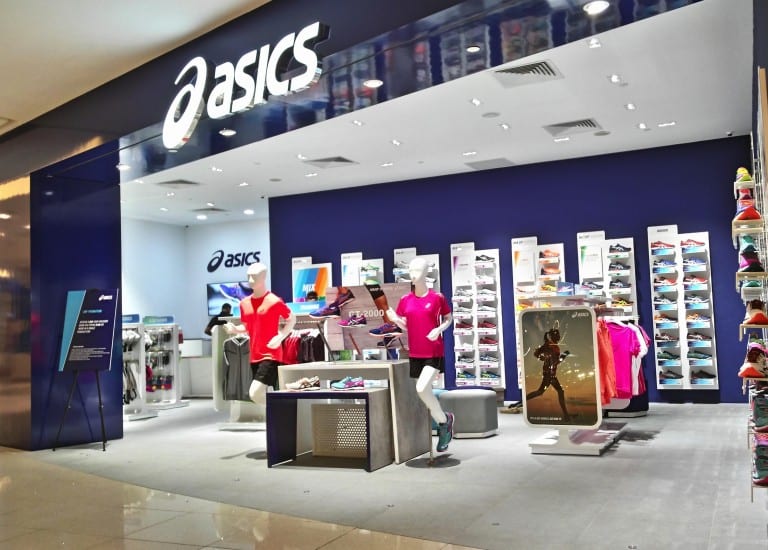
    Asics, the Japanese sportswear giant, has announced plans to increase its manufacturing operations in India from 30% to 40% over the coming years. This move is aimed at maintaining a stable supply chain, following changes in the country’s regulations that have led to a halt in footwear imports.

    The Indian government has recently introduced a set of standards for different footwear types. These regulations demand that both local and international manufacturers secure quality certifications. In response to these rules, Asics has paused its footwear imports, citing the impracticality of importing without the required government certification.

    Local Production Strategy

    In order to navigate this challenging situation, Asics is working towards enhancing its local production capabilities. “We are strategically developing local production capabilities,” stated Rajat Khurana, Managing Director of Asics India.

    During the 2024-25 fiscal year, Asics achieved 30% local production. This achievement meets the government’s required threshold, which permits foreign brands to run their own single-brand stores in India.

    Expansion Plans

    With approximately 125 stores currently being operated via franchise partners, Asics is now planning to open its first brand-owned store within the year. The company is actively exploring potential locations in and around major cities such as Delhi and Mumbai, with plans to establish a few more outlets in the years to come.

    In addition to directly owned stores, Asics also intends to open three new franchise stores every month until the end of the year. The brand, which competes with internationally recognized names such as Nike, Adidas, and Skechers USA in the Indian market, is set to capitalize on the country’s growing fitness culture.

    Financial Outlook

    Asics is optimistic about its financial prospects in India, predicting a revenue growth of between 35% and 37% for the fiscal year 2024-25. This projection follows a 26% increase in revenue during the previous fiscal year, which saw its earnings rise to 4.28 billion rupees (US$49.7 million).

    The company, which is particularly known for its running shoes, is benefitting from the rising interest in fitness, tennis, and pickleball among India’s affluent urban dwellers. The local market for sporting goods and apparel is anticipated to double by 2030, reaching US$58 billion, up from the 2023 levels, as per a 2024 report by Deloitte.

    Questions & Answers

    What is the reason behind Asics’ decision to increase manufacturing in India?
    Asics is boosting its manufacturing in India in response to new regulations that have halted footwear imports.

    What are Asics’ expansion plans in India?
    Asics plans to open its first brand-owned store in India this year and aims to establish more in the coming years. The company is also looking to open three new franchise stores every month until the end of the year.

    What is Asics’ projected revenue growth in India for 2024-25?
    Asics is expecting to see a revenue growth of between 35% and 37% in India for the fiscal year 2024-25.

  • Authentic Brands Group Unveils New APAC Headquarters in Vibrant Shanghai

    Authentic Brands Group Unveils New APAC Headquarters in Vibrant Shanghai

    Authentic Brands Group has made a major move in its global expansion strategy by opening its Asia-Pacific (APAC) headquarters in the vibrant city of Shanghai. This new development, covering nearly 2,000 square meters, is not just an office—it’s a hub of creativity and innovation.

    Bringing Brands to Life

    The Shanghai office boasts five immersive showrooms, a stylish Style Studio, an executive lounge, and specialized spaces designed for the diverse teams focusing on brand management, business development, PR, marketing, and entertainment. This environment is set to inspire collaboration and take Authentic’s regional initiatives to new heights.

    Top brass from the company, including CEO Jamie Salter and President Matt Maddox, were present for the launch, alongside APAC President Wesley Chu, EVP Josh Perlman, and global brand partner David Beckham. Their attendance highlights the importance of this new hub in cementing Authentic’s presence in the Asian market.

    A Global Vision, Local Focus

    The Shanghai office is strategically positioned to function as a regional center for brand management, licensing, and marketing throughout Greater China and the broader APAC region. This bold move follows the establishment of Authentic’s EMEA headquarters set to open in 2024, emphasizing the company’s commitment to localizing operations in critical markets.

    Founded in 2010, Authentic Brands Group has swiftly risen to prominence. The company manages a portfolio of over 50 lifestyle, sports, and entertainment brands, generating approximately USD 32 billion in annual global retail sales. Its impressive lineup features global superstars like David Beckham, Shaquille O’Neal, and a diverse array of brands including Reebok, Aéropostale, Quiksilver, Barneys New York, and Sports Illustrated.

    As they celebrate this milestone, one can only wonder what other surprises Authentic has in store for the bustling APAC market.

    Questions & Answers

    **What is the size of the new Shanghai office?**
    The Shanghai office spans nearly 2,000 square meters.

    Who were some key figures present at the office launch?
    Notable attendees included CEO Jamie Salter, President Matt Maddox, APAC President Wesley Chu, EVP Josh Perlman, and brand partner David Beckham.

    What does Authentic Brands Group aim to achieve with this new headquarters?
    The headquarters will serve as a regional hub, enhancing brand management, licensing, and business development in Greater China and the wider APAC region.

  • India Enhances Guidelines for Unclaimed and Inoperative Deposit Accounts: What You Need to Know

    India Enhances Guidelines for Unclaimed and Inoperative Deposit Accounts: What You Need to Know

    Retail News is proud to highlight the latest innovations and trends shaping the retail landscape in Asia.

    The Rise of Omni-Channel Retailing in Asia

    In an increasingly competitive market, retailers across Asia are embracing the omni-channel approach, providing seamless shopping experiences that blend online and offline interactions. This transformation isn’t just about having a website; it’s about creating a cohesive brand experience that resonates with customers no matter where they choose to engage.

    Leading the charge, prominent brands are leveraging technology to redefine customer service, enhance convenience, and foster loyalty. From integrating artificial intelligence in inventory management to harnessing data analytics for personalized marketing, the deployment of tech is proving vital. It’s as if retailers are saying, “Why settle for one experience when you can have them all?”

    Consumer Behavior is Changing

    Trends reveal that today’s consumers crave instant gratification, further accelerating the shift toward swift delivery options. Nearly 80% of shoppers in Asia now expect same-day delivery, prompting retailers to rethink their logistics and supply chains. Fast is no longer just a luxury; it’s an expectation. Retailers that can meet these demands are not just surviving; they’re thriving, with some even turning logistics into their unique selling proposition.

    Moreover, the influence of social media cannot be ignored. Platforms like Instagram and TikTok are morphing into shopping destinations, allowing retailers to foster community and drive sales simultaneously. After all, who says you can’t scroll and shop at the same time?

    Sustainability as a Driving Force

    As consumers become more environmentally conscious, sustainability emerges as a key consideration in retail strategies. Brands are now actively working to reduce their carbon footprints and implement eco-friendly practices. Whether it’s through sustainable sourcing or innovative recycling programs, the push for green retailing is stronger than ever. This shift speaks volumes about consumer expectations: It’s no longer just what you sell, but how you sell it that matters.

    Innovation shines bright as companies experiment with various initiatives, from biodegradable packaging to circular economy models. It’s a thrilling time when retailers not only satisfy shopping cravings but also contribute to a healthier planet—talk about a win-win!

    Challenges Ahead

    Nonetheless, challenges loom on the horizon. Retailers must navigate economic uncertainties and supply chain disruptions, not to mention rising competition. Preparing for the unexpected is more crucial than ever, as agility and adaptability define the winners in this dynamic market landscape.

    Companies are investing in robust digital infrastructures to ensure they can pivot quickly—a savvy move in an ever-evolving environment. Surprises are around every corner, and those who dare to be one step ahead will be the ones leading the way.

    It’s a wild world out there in the retail sector, but with innovation, sustainability, and a touch of agility, the future looks promising!

    Questions & Answers

    What is omni-channel retailing?
    Omni-channel retailing is a strategy that integrates multiple shopping methods—online, mobile, and physical stores—into a seamless customer experience.

    How important is speed in delivery for today’s consumers?
    Speed has become essential, with nearly 80% of consumers in Asia expecting same-day delivery as standard.

    What role does sustainability play in modern retail?
    Sustainability is increasingly vital, as consumers prefer brands that demonstrate eco-friendly practices and a commitment to reducing their environmental impact.

  • Chinese Consumers Embrace Cautious Spending Amid Slowing Economic Growth Trends

    Chinese Consumers Embrace Cautious Spending Amid Slowing Economic Growth Trends

    China’s consumer market is shifting gears as it embarks on a journey defined by slower, single-digit growth and a more cautious spending landscape, according to the latest insights from McKinsey & Company. This transformative phase comes after a comprehensive survey encompassing over 17,000 consumers, revealing that while sentiment is mixed, shoppers are adapting to a more stable—albeit restrained—economic atmosphere. Gone are the days dominated by optimism; spending is now increasingly dictated by income and assets.

    Steady Growth Amid Challenges

    With China’s GDP projected to grow around 5% in 2024 and early 2025, annual consumption is expected to reach 2.3% in 2025, mirroring the 2.4% increase from 2024. The urbanization trend is supporting structural growth, evidenced by an increase in the urbanization rate from 65.2% in 2022 to 67% in 2024.

    Confidence in Limbo

    Despite a semblance of stabilization in consumer confidence, the outlook varies widely across demographics. More than one-third of respondents indicated feelings of “job anxiety,” with almost half of urban residents considering the job market “challenging,” according to the People’s Bank of China (PBOC). While overall confidence appears to be stabilizing, rural areas have seen a surge, buoyed by faster income growth and government revitalization strategies. In 2024, rural incomes surged by 6.6%, compared to a 4.5% increase in urban regions.

    Generational Divide

    Conversely, affluent elderly urban dwellers experienced a staggering 20% drop in confidence, largely due to asset depreciation. Low-income millennials in Tier 1 and Tier 2 cities remain the most pessimistic, grappling with job insecurity and rising expenses. Interestingly, Tier 3 consumers and urban Gen Z still exhibit a sense of optimism, even amid the specter of high youth unemployment.

    Shifting Priorities

    The latest consumer behavior trends indicate a shift from a confidence-driven outlook to one that emphasizes concrete financial factors. Many shoppers are prioritizing personal fulfillment and maintaining their quality of life, even if it means tapping into savings. Affluent urban consumers expect to ramp up daily spending by 2.6% this year, channeling their resources toward home upgrades, automobiles, and enriching experiences. Spending is becoming increasingly intentional, with consumers on the hunt for value and emotional returns rather than mindless aspirational purchases.

    Adapting to Evolving Demands

    Companies must recalibrate their strategies to cater to this pragmatic, value-driven demand. Although challenges loom large, the market still brims with potential for brands that can align themselves with the evolving priorities of consumers—a quest that is as critical as it is rewarding.

    Questions & Answers

    How is consumer spending in China changing?
    Consumer spending is shifting from being driven by optimism to being more influenced by individual income and asset stability, with consumers focusing on intentional spending.

    What demographic factors are influencing consumer confidence?
    While overall confidence is stabilizing, rural consumers are more optimistic due to income growth and government support, contrasting with elderly urban residents facing declining asset values.

    What should companies do to remain competitive in this market?
    Brands need to adjust their strategies to meet the pragmatic and value-driven demand of consumers, focusing on emotional returns and practical purchases over mere aspirational spending.

  • Chow Tai Fook Overcomes Sales Slump With Increased Operating Profit: Unveils Expansion Plans

    Chow Tai Fook Overcomes Sales Slump With Increased Operating Profit: Unveils Expansion Plans

    Despite subdued consumer sentiment impacting its sales in the last fiscal year, Chow Tai Fook witnessed an increase in its operating profit.

    The company’s revenues for the fiscal year, ending on March 31, saw a significant decrease of 17.5 per cent, amounting to HK$89.6 billion (US$11.4 billion). The reasons behind this slump were attributed to wider macroeconomic factors and high gold prices, both of which contributed to dampening consumer sentiment.

    However, the company’s operating profit demonstrated resilience amidst these challenges, marking a 9.8 per cent increase and reaching HK$14.7 billion. This rise in profit can be attributed to a well-curated product mix, increased gold prices, and effective cost management strategies. Consequently, the operating profit margin also saw an enhancement of 400 basis points, rising to 16.4 per cent.

    Nevertheless, the profit assigned to shareholders witnessed a drop by 9 per cent, amounting to HK$5.9 billion. This was due to the fact that the growth in operating profit was overshadowed by the losses incurred through the revaluation of gold loan contracts.

    The company also highlighted that its same-store sales performance in Mainland China demonstrated a progressive improvement on a quarterly basis. Concurrently, the performance of stores in Hong Kong and Macau showed signs of stabilization towards the end of the fiscal year.

    Throughout the year, Chow Tai Fook made notable advances in its brand transformation strategy. The company launched five new stores featuring a premium format in Mainland China and Hong Kong. These were designed to augment brand desirability and enhance store productivity.

    In the upcoming fiscal year, the company is set to continue its strategic expansion by unveiling its new-format stores in Singapore and Canada. Additionally, it also plans to penetrate high-growth markets in Southeast Asia and prime locations.

    Questions & Answers

    What was Chow Tai Fook’s revenue for the year ended March 31?
    The revenue for Chow Tai Fook for the year ended March 31 was HK$89.6 billion (US$11.4 billion).

    What factors contributed to the increase in Chow Tai Fook’s operating profit?
    The rise in Chow Tai Fook’s operating profit can be attributed to an improved product mix, higher gold prices, and effective cost management measures.

    What are Chow Tai Fook’s expansion plans for the upcoming fiscal year?
    Chow Tai Fook’s expansion plans for the upcoming fiscal year include launching new-format stores in Singapore and Canada. It also plans to infiltrate high-growth markets in Southeast Asia and other prime locations.

  • ASIC Revokes License of Financial Services Group Australia: What It Means for Retail Investors

    ASIC Revokes License of Financial Services Group Australia: What It Means for Retail Investors

    The Australian Securities and Investments Commission (ASIC) has made a significant move by canceling the license of Financial Services Group Australia Pty Ltd (FSGA), raising eyebrows across the financial sector. In a bold statement on its website, the regulator also announced the permanent ban of FSGA’s responsible manager, Graham Holmes, from any role in the financial services industry.

    Serious Allegations Against FSGA

    ASIC alleges that FSGA fell short in its duty to ensure that its representatives provided financial product advice suited to the needs of their clients. Failings in this area have led the commission to question FSGA’s commitment to acting in the best interests of its clientele. Additionally, the firm allegedly lacked adequate financial and human resources to deliver the services as mandated by its license.

    Failure to Comply

    FSGA has reportedly failed to submit crucial financial statements and auditor’s reports on time, neglected to lodge necessary breach reports with ASIC, and did not meet a key condition of its license concerning its total asset-liability ratio for the financial years 2022 and 2023. These serious oversights illustrate a troubling pattern of non-compliance.

    Holmes’ Troubling Tenure

    Holmes, who served as FSGA’s responsible manager, is accused of taking on the role “on paper” only, while still collecting RM fees without fulfilling his responsibilities. ASIC concluded that Holmes is unfit to participate in any financial services business, marking a severe blow to his professional reputation.

    In an industry where trust is the currency of success, these findings leave many wondering about the integrity of financial advising. As they say, when it rains, it pours — and in this case, it’s a torrential downpour for both FSGA and its former manager.

    Questions & Answers

    What led to ASIC’s decision to cancel FSGA’s license?
    ASIC concluded that FSGA failed to meet its regulatory obligations, including ensuring that financial advice was suitable for clients.

    What does the ban on Graham Holmes entail?
    Graham Holmes is permanently banned from providing any financial services and from holding any position that may influence a financial services business.

    How significant is this action for the financial services industry in Australia?
    This action underscores the stringent oversight by ASIC and serves as a warning to other firms about the importance of compliance and ethical standards in financial advising.

  • Retail Revolution: How Giants Adapt To Consumer Trends, Tech Innovations, And Sustainability

    Retail Revolution: How Giants Adapt To Consumer Trends, Tech Innovations, And Sustainability

    Retail News has gathered all the latest buzz from the retail sector, and it’s alive with exciting developments. Here’s what’s making waves.

    Retail Giants Adapt to Evolving Consumer Trends

    In a rapidly changing market, retail giants are not just keeping up; they’re reinventing the shopping experience. Companies are increasingly tapping into technology to enhance customer engagement. With the rise of augmented reality (AR) and artificial intelligence (AI), retailers like Zara and H&M are using these innovative tools not only to attract tech-savvy consumers but also to streamline inventory management and optimize pricing strategies.

    Armed with insights from data analytics, these brands are customizing their offerings, ensuring that shoppers not only find what they need but also discover new favorites tailored to their tastes. And as consumers embrace sustainability, retailers are shifting their focus toward more eco-friendly practices, including sourcing materials responsibly and reducing waste throughout their supply chains.

    The Rise of Omnichannel Shopping

    Omnichannel retailing has emerged as a game-changer, blurring the lines between physical and digital shopping experiences. Shoppers today expect seamless transitions from online browsing to in-store purchasing. Retailers are meeting this demand by integrating their platforms, making it easier for customers to pick up online orders in store or return items purchased online with ease.

    A recent survey revealed that over 75% of consumers prefer shopping with retailers that offer this flexibility. This shift is not just a trend; it’s a transformation that is likely to shape the future of retail. As retailers refine their omnichannel strategies, they are learning to ensure that personalized experiences await consumers at every turn – whether they’re shopping on their phones or strolling through a brick-and-mortar store.

    Sustainable Practices Become Central

    Meanwhile, sustainability is no longer an afterthought but a central tenet of retail philosophy. Brands across Asia are increasingly prioritizing green initiatives to appeal to a socially conscious consumer base. Uniqlo, for instance, is investing in recycling programs and responsible sourcing, while Adidas is stepping up its use of recycled materials in product lines.

    Not only does this commitment help the environment, but it also strikes a chord with consumers who are more likely to support brands that echo their values. As the adage goes, “You are what you wear,” and more shoppers are keen to wear their hearts on their sleeves—literally.

    And in an unexpected twist, it seems that socially responsible shopping might even trend faster than the next TikTok dance fad.

    Challenges on the Horizon

    Despite the positive developments, retailers are not without challenges. Inflationary pressures and supply chain disruptions are forcing companies to rethink their pricing strategies and inventory practices. With costs rising, many brands are walking a tightrope between delivering value and maintaining profitability.

    As tricky as it sounds, the ability to adapt to these challenges and communicate transparently with consumers will be crucial for brands looking to remain competitive.

    As the retail landscape continues to evolve at a dizzying pace, businesses must not only stay informed but also engage with their customers in innovative ways. After all, who doesn’t love a good bargain or a fun shopping experience?

    Questions & Answers

    What are the key technologies influencing retail today?
    Brands are leveraging augmented reality and artificial intelligence to elevate customer engagement and efficiency while providing personalized experiences.

    How important is sustainability in retail?
    Sustainability is becoming a core element of retail strategy, as consumers increasingly gravitate toward brands that prioritize eco-friendly practices.

    What challenges are retailers currently facing?
    Inflation and supply chain issues remain significant hurdles for retailers, necessitating a thoughtful approach to pricing and inventory management.

  • Cafe De Coral Profits Plummet Amid Economic Fragility; Embraces Strategic Adaptations For Resilience

    Cafe De Coral Profits Plummet Amid Economic Fragility; Embraces Strategic Adaptations For Resilience

    Cafe de Coral, a prominent foodservice operator, has disclosed a slump in earnings, attributing the setback to a frail economy and lukewarm consumer sentiment. The fiscal report for the year ending March 31 revealed a 1.4% slide in revenue, resulting in HK$8.568 billion (US$1 billion). Concurrently, the profit attributable faced a steep 29.6% fall, amounting to HK$232.7 million.

    Challenging Industry Landscape

    The management acknowledged a severe downturn in the restaurant sector both in Hong Kong and Mainland China. The slump was aggravated by heightened economic fragility and a tepid consumer sentiment. Additional factors contributing to the downturn included the outbound spending habits of Hong Kong’s residents and stiff price competition in Mainland China’s marketplace.

    In Hong Kong, the revenue loss was marked at 1.4% with casual dining and quick service restaurants experiencing a decline of 6.4% and 0.3% respectively. Revenue from Mainland China recorded a 1.3% decrease.

    Strategic Adaptation

    Sunny Lo, the Chairman of Cafe de Coral, contended that the uncertainty over the course of the previous year was indicative of a long-term transformation in global markets. As per him, this transformation was triggered by geopolitical forces adapting to a new dynamic.

    Lo stated, “Our management team has accepted and embraced the current economic challenges and is adapting the business to thrive in the new environment.” He further emphasized the company’s commitment to the future by refining its restaurant portfolio, hiring new talent, and integrating innovative technological solutions to transform the business operations.

    Cafe de Coral currently oversees a network of over 500 stores spanning Hong Kong, Macau, and nine principal cities in Mainland China.

    Questions & Answers

    What is the main reason for Cafe de Coral’s decreased profits and sales in the last fiscal year?
    The primary reasons for the decrease in profit and sales were attributed to a weak economy and lukewarm consumer sentiment, particularly in Hong Kong and Mainland China.

    How did the downturn affect different restaurant types?
    The downturn affected casual dining and quick service restaurants differently. Casual dining saw a decrease of 6.4%, while quick service restaurants experienced a smaller decrease of 0.3%.

    What steps is Cafe de Coral taking to adapt to the current economic challenges?
    The company is adapting by refining its restaurant portfolio, recruiting fresh talent, and incorporating new technology into its operations.

  • Hexnode Unveils Major Upgrade To Automate Module, Enhancing Endpoint Management And Patch Deployment

    Hexnode Unveils Major Upgrade To Automate Module, Enhancing Endpoint Management And Patch Deployment

    Hexnode, the award-winning Unified Endpoint Management (UEM) solution by Mitsogo Inc., has announced a major upgrade to Hexnode Automate, its built-in automation module. This significant update expands Hexnode’s Endpoint Management capabilities, introducing more powerful and customizable automation capabilities that enable IT teams to create tailored workflows for managing everyday device tasks across their entire fleet. 

    Automate helps reduce repetitive work by simplifying the planning, triggering, and monitoring of routine actions from a centralized, user-friendly interface. The module also supports scheduled patch deployments, helping IT teams ensure timely updates across their device fleet while retaining control with manual patching options when necessary. 

    “Much of what we’ve developed in Automate is a direct reflection of the needs voiced by our customers, particularly IT seeking control over time-based actions and compliance-oriented workflows,” said Sahad M, Chief Technology Officer at Hexnode. “Our goal is to help teams offload the routine, so they can focus on what truly drives value.”  

    Optimizing Patch Management with Hexnode Automate 

    Keeping devices secure and updated is a continuous responsibility for IT teams, particularly when managing a large, diverse fleet. Relying solely on manual patching can be resource-intensive and may lead to delays or missed updates, increasing the risk of vulnerabilities and compliance gaps. 

    Hexnode Automate offers a more streamlined approach by letting IT schedule and deploy updates in alignment with their operational needs.     

    Key Patch Management Features in Hexnode Automate: 

    • Flexible Deployment Options 

    Hexnode Automate offers both manual and automatic patch rollouts. IT teams can schedule updates during designated maintenance windows, ensuring timely updates that preserves system integrity while easing day-to-day workload.  

    • Granular Targeting
      Admins can target patch deployments based on specific attributes like device type, user role, network, or compliance status, or based on the patch criticality, ensuring updates reach only the intended endpoints. 
    • Centralized Patch Visibility and Reporting 

    Monitor patch status through a unified dashboard showing missing updates, reboot requirements, and vulnerability insights. Generate detailed reports and receive failure alerts when scheduled patch actions don’t go as planned. 

    • Failsafe Deployment Options 

    Organizations can choose between forced, deferred, or manual patch rollouts, without missing critical updates. In the event of unexpected issues, rollback support enables swift reversion to a stable state, minimizing potential disruptions. 

    Enhancing Workflow Efficiency with Hexnode Automate 

    As organizations scale, IT often find themselves bogged down by repetitive tasks like running compliance checks, pushing updates, or rebooting unresponsive devices. While essential, these routine tasks can become time-consuming and limit the bandwidth for more strategic work. 

    Hexnode’s Automate simplifies this by allowing IT admins to schedule and execute routine tasks across platforms, ensuring devices remain compliant, secure, and optimized, without constant manual oversight. 

    • Rule-Based Triggers: Automate triggers actions based on predefined conditions tied to a device’s compliance status, such as its location, password settings etc. 
    • Preset Workflow Triggers: Create predefined workflows for common scenarios such as offboarding or lost devices. These workflows can be pushed on demand, ensuring a swift, standardized response.      

    With the introduction of Automate, Hexnode brings powerful task automation to all major platforms, including Windows, Android, Linux, ChromeOS, iOS, iPadOS, macOS, and tvOS. This cross-platform automation capability enables IT teams to streamline device management at scale – automating routine actions, reducing response times, and ensuring devices stay compliant and secure. 

  • Sygnum Appoints Former UBS Executive as New Chairwoman of the Board

    Sygnum Appoints Former UBS Executive as New Chairwoman of the Board

    In a strategic move poised to enhance its leadership, Sygnum has welcomed two notable figures to its board: Pia Tischhauser, a former Senior Partner at Boston Consulting Group and Supervisory Board member at Swiss Re, and Vinod Kumar, the former CEO of Vodafone Business and current Vice-Chairman of private equity firm Everstone. Their arrival promises to inject a wealth of experience in navigating highly regulated industries and tech-driven markets.

    Luka Müller Steps Down as President

    The Zurich-based crypto bank officially announced Gabriela Maria Payer as the new Chairwoman of the Board, marking a new chapter for the company. Payer, who had been serving as the acting Chair since September 2024 due to co-founder Luka Müller stepping down for health reasons, brings her established expertise as a founding board member and former senior positions at UBS. Presently, she also serves on the boards of Helvetia Group and Sphaira Innovation.

    Prominent Finance Figures Join Advisory Council

    The board expansion coincides with the establishment of an expanded Advisory Council featuring notable figures such as investor David Sacks and former Swiss National Bank Vice President Philipp Hildebrand, adding to Sygnum’s prestigious network.

    Celebrating Unicorn Status

    2024 has been a landmark year for Sygnum, with annual trades skyrocketing over 1000%, its loan book nearly tripling, and total assets soaring to $4.5 billion. Earlier this year, the bank raised a whopping $58 million in a growth round, celebrating its achievement of Unicorn status—a nod to its soaring valuation and ambition.

    Expanding B2B Partnerships

    Sygnum’s client base is growing, supported by over 20 B2B partnerships, including alliances with Postfinance, Zuger and Luzerner Kantonalbanks, and Bordier & Cie. With operations spread across Switzerland, Singapore, Abu Dhabi, Luxembourg, and Liechtenstein, the board’s expansion aligns with Sygnum’s aspirations to rise as a global frontrunner in regulated digital asset banking. Who knew that crypto banking could be this dynamic!

    Questions & Answers

    What positions did Pia Tischhauser and Vinod Kumar previously hold? They both held significant roles in their respective fields, with Tischhauser as a Senior Partner at BCG and Kumar as CEO of Vodafone Business.

    Why did Luka Müller step down from his position? Luka Müller stepped down due to health reasons, paving the way for Gabriela Maria Payer to take charge as Chairwoman.

    What milestone did Sygnum achieve earlier this year? Sygnum achieved Unicorn status after successfully raising $58 million in a growth round, reflecting its rapid growth and market potential.