Author: Mei Ling Tan

  • Suntory Elevates Craft Gin Roku at Innovative Concept Shop in Tokyo

    Suntory Elevates Craft Gin Roku at Innovative Concept Shop in Tokyo

    Tokyo is the latest stage for Suntory Holdings, as the renowned beverage maker unveils a concept shop dedicated to its handcrafted gin, Roku. This innovative move aims not only to promote the exquisite flavors of Japanese craft gin but also to reflect Suntory’s commitment to enhancing its spirits production capabilities.

    Roku, which burst onto the scene in 2017, has quickly gained a global following. Available in around 60 countries, a remarkable 90% of its sales are generated from international markets. This speaks volumes about the growing appreciation for craft spirits worldwide, especially those with a distinctly Japanese twist.

    As Suntory ramps up its investment in production capacity, it’s clear that the company is not just mixing drinks; it’s crafting a culture around them. Whether you’re an aficionado of fine spirits or just starting on your tasting journey, the world of Roku is one you won’t want to miss.

    Given the brand’s burgeoning appeal, it’s intriguing to ponder — can gin really become the new sake? In the land of the rising sun, traditions are always at play, but there’s room for something new to shine.

    Questions & Answers

    What is the purpose of Suntory’s concept shop?
    The concept shop aims to boost awareness of its Japanese craft gin, Roku, while showcasing Suntory’s commitment to enhancing its spirits production capacity.

    When was Roku launched and how widely is it sold?
    Roku was launched in 2017 and is currently sold in approximately 60 countries, with around 90% of its sales coming from markets outside Japan.

    Is there a growing trend towards craft spirits in Japan?
    Absolutely! The global fascination with craft spirits, especially those that carry a unique cultural identity like Roku, indicates a thriving trend in the market.
  • Taipei Fubon Commercial Bank Poised to Thrive Amid Market Volatility with Strong Financial Resilience

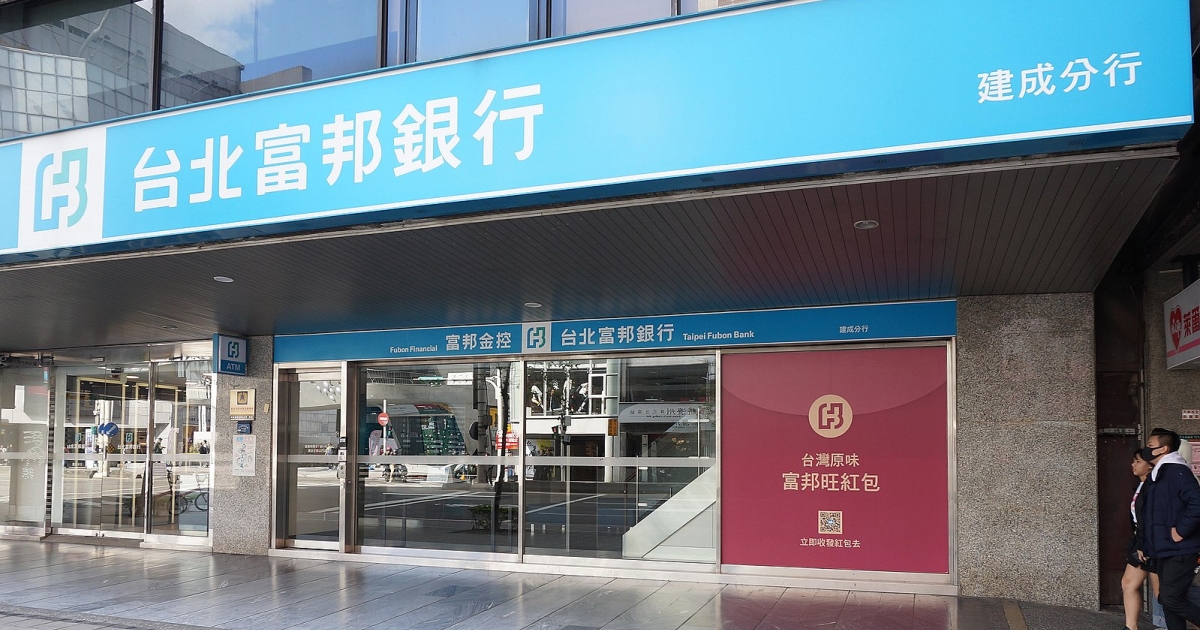
    Taipei Fubon Commercial Bank Poised to Thrive Amid Market Volatility with Strong Financial Resilience

    The landscape of corporate lending at Taipei Fubon Commercial Bank (TFCB) is set for a period of modest turbulence, but the institution is firmly grounded in its financial foundation. According to Moody’s Ratings, the bank is projected to maintain solid solvency and robust liquidity through 2026, navigated by the stormy waters of global trade tensions and their potential impact on Taiwan’s economy. As the new Taiwanese dollar strengthens, TFCB is well-positioned to weather these challenges.

    Steady Outlook Amid Challenges

    As of March 31, 2025, TFCB’s problem loan ratio stood at a commendable 0.42%. Moody’s anticipates a “very mild increase” in this ratio over the next year and a half. Meanwhile, caution is warranted for corporate lending, particularly among borrowers heavily reliant on revenue streams from the United States, which may see a moderate dip in asset quality.

    Residential Lending Remains Stable

    On a brighter note, the bank’s residential mortgage and property-related lending—accounting for nearly half of its gross loans—shows promising stability, with low levels of non-performing loans. While growth in this sector is expected to be modest, sitting in the low single digits, this largely stems from credit control measures recently instituted by the government in 2024.

    Profitability Projections

    Looking ahead, TFCB’s profitability is predicted to see a modest rise, thanks to steady flows from non-interest income streams, particularly from wealth management and credit card fees. This positive trend underscores the bank’s ability to diversify and strengthen its earnings base.

    Strong Funding and Liquidity

    Moody’s also highlights that TFCB’s funding and liquidity continue to be significant credit strengths. The bank’s funding structure remains robust, with customer liabilities representing 88% of its total liabilities. Furthermore, its liquid banking assets make up approximately 29.5% of tangible banking assets as of March 31, 2025. This financial cushion, coupled with the government’s readiness to bolster the banking system, provides a reassuring backdrop for TFCB as it grapples with the changing economic landscape.

    So, while clouds may gather, it seems that TFCB is more than ready to dance in the rain!

    Questions & Answers

    What are the predictions for TFCB’s problem loan ratio?
    The problem loan ratio is expected to see a very mild increase over the next 12 to 18 months, remaining stable at 0.42% as of March 31, 2025.

    How stable is TFCB’s residential mortgage lending?
    The asset quality of TFCB’s residential mortgage and property-related lending remains stable, with low non-performing loan formation; growth is expected to be in the low single digits due to government credit control measures.

    What are the main sources of income driving profitability?
    Profitability is predicted to improve modestly, bolstered by steady growth in non-interest income from wealth management and credit card-related fees.

  • Surprising Leader: Southeast Asia’s Smallest Nation Outshines 500 Major Companies in Revenue Rankings!

    Surprising Leader: Southeast Asia’s Smallest Nation Outshines 500 Major Companies in Revenue Rankings!

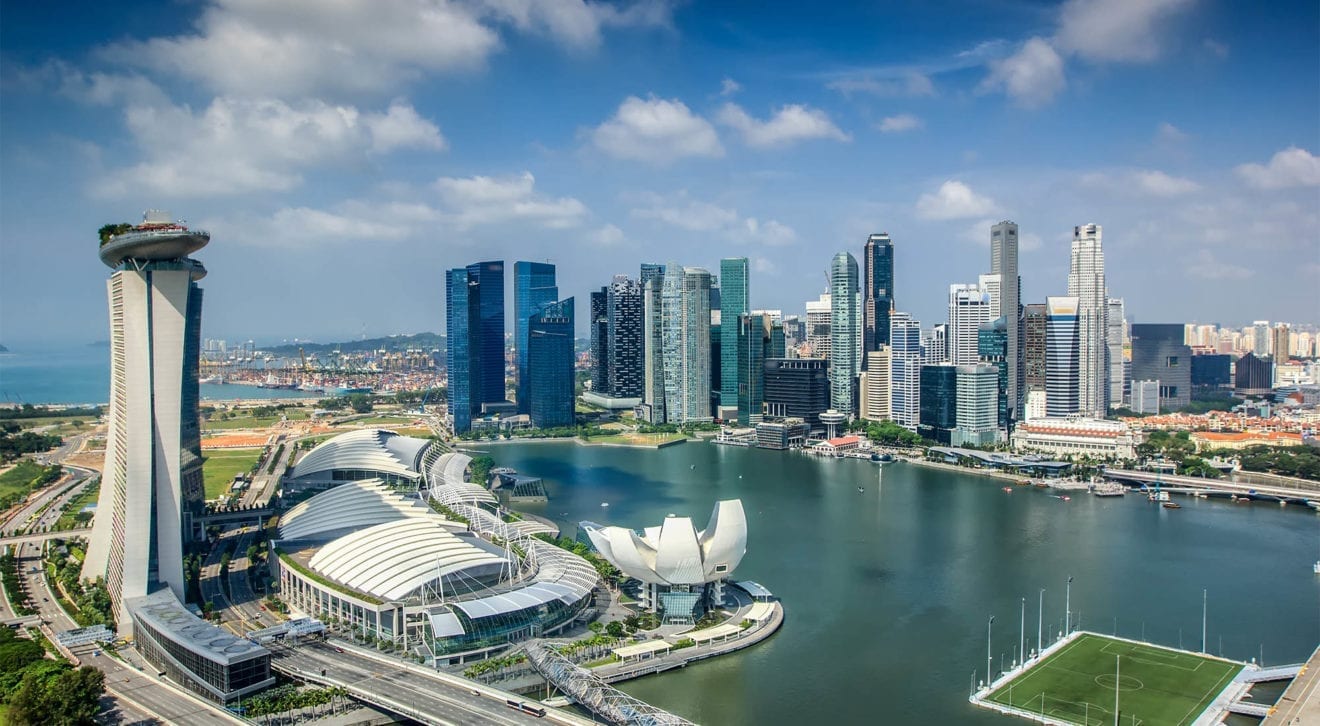
    While the city-state claimed the fourth spot in the rankings, Singapore’s 81 companies amassed an impressive US$637 billion in revenue last year, according to a recent report by a prominent U.S. business magazine. This staggering sum represents a third of the total revenue of $1.8 trillion collected by all firms listed and is nearly double that of Thailand, which came in second with revenues of $352 billion.

    Leading the Charge

    At the helm of this economic powerhouse is Trafigura Group, Southeast Asia’s largest company, specializing in commodities such as oil, gas, metals, and minerals. For the second consecutive year, Trafigura secured the top position with a remarkable revenue of $243.2 billion, nearly quadrupling the revenue of Singapore’s second-largest firm, agribusiness giant Wilmar.

    Profitable Banks Shine

    Despite not holding the highest revenue figures, three major Singaporean banks—DBS, OCBC, and UOB—emerged as the most profitable firms in the region, as reported by Singapore Business Review. It’s a fascinating twist that highlights profitability can sometimes outshine sheer revenue.

    An Evolving Landscape

    The Southeast Asia 500, now in its second year following its launch in 2024, spotlights a diverse array of businesses from Cambodia, Indonesia, Malaysia, the Philippines, Singapore, Thailand, and Vietnam. The total revenue generated by this year’s top 500 firms saw a modest increase of 1.7%, trailing the more robust 4.1% GDP growth witnessed across the economies represented in the ranking.

    Clay Chandler, Executive Editor for Asia at Fortune, noted the magazine’s increasing interest in the region. He explained that Southeast Asia is becoming a pivotal engine for global growth. “The region has become a crucial manufacturing and export hub, which is drawing significant capital flows,” he stated, adding that Trump-era tariffs have reshaped global trade dynamics and spurred a pivot towards Southeast Asia.

    Singapore’s strategic positioning as a regional hub enhances its appeal for businesses looking to expand into neighboring markets like Malaysia and Indonesia. Amidst this dynamic backdrop, it’s clear that the Lion City continues to roar as a key player in the Asian economy.

    Questions & Answers

    Which company topped the revenue rankings in Singapore?
    Trafigura Group led the charge, generating an impressive $243.2 billion in revenue.

    How do Singapore’s banks compare in terms of profitability?
    Despite not having the highest revenue, DBS, OCBC, and UOB were noted as the most profitable companies in the region.

    What is the significance of the Southeast Asia 500 ranking?
    This ranking highlights the growing importance of Southeast Asia as a critical manufacturing and export hub and showcases a mix of various types of businesses from across the region.

  • Baloise Welcomes Dynamic New Executive from NPB Neue Privat Bank to Strengthen Leadership Team

    Baloise Welcomes Dynamic New Executive from NPB Neue Privat Bank to Strengthen Leadership Team

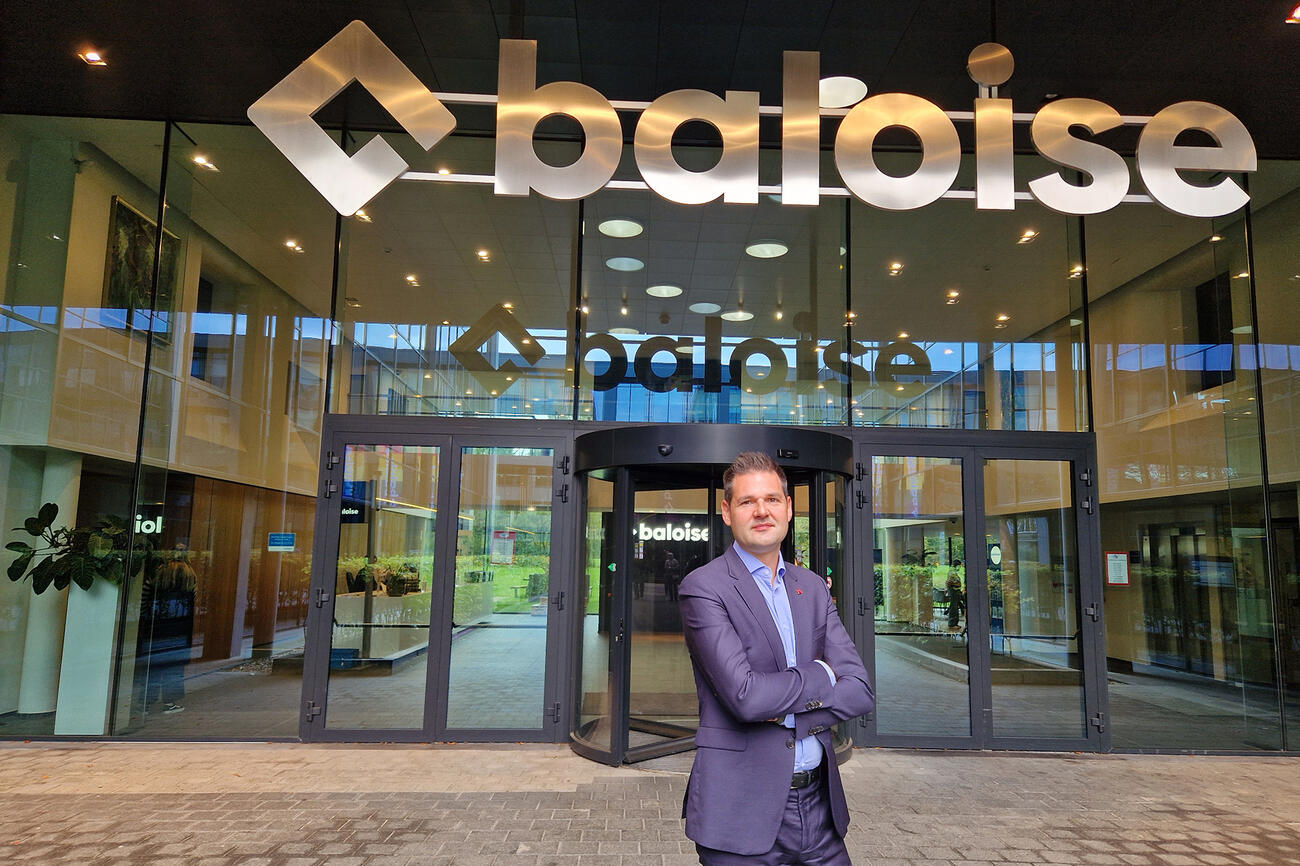
    Baloise Bank has welcomed a new addition to its executive board with the appointment of Joël Renggli, who took on his role in May following a brief tenure at NPB Neue Privat Bank. This vibrant shift hints at how major banks continue to adapt in today’s dynamic financial landscape.

    As a multi-asset trader, Renggli will navigate the complex waters of capital markets by executing transactions in equities, bonds, funds, options (EUREX), and foreign exchange. His responsibilities also encompass co-managing the bank’s liquidity and strategizing on money market operations, including the meticulous handling of FX reserves and REPO transactions. It’s a crucial role that demonstrates Baloise’s commitment to maintaining a robust and agile financial position.

    From NPB and UBS to Baloise

    Renggli’s impressive journey in the banking sector brought him from NPB, where he served as a junior relationship manager for ultra-high-net-worth individuals, focusing on international clients primarily from the Middle East. His extensive previous experience at UBS spanned nearly seven years, where he began his career as an intern in 2017 and climbed through various roles within the bank’s external asset management division.

    With a career trajectory that showcases adaptability and expertise, Renggli’s transition to Baloise is not just a shift in position but a sign of the evolving demands in the banking industry. Will he bring a fresh approach that disrupts the norm? Only time will tell!

    Questions & Answers

    Who is Joël Renggli? Renggli is the newly appointed multi-asset trader and executive board member at Baloise Bank, having previously worked at NPB Neue Privat Bank and UBS.

    What are Renggli’s responsibilities at Baloise Bank? He is responsible for executing capital market transactions, co-managing the bank’s liquidity, and handling money market operations, including FX reserves and REPO transactions.

    What prior experience does Renggli have in the banking sector? Before joining Baloise, Renggli worked at NPB Neue Privat Bank and spent nearly seven years at UBS, where he held multiple roles in the external asset management division.

  • UBS Teams Up with British Fintech: A New Era of Investment Innovation Begins

    UBS Teams Up with British Fintech: A New Era of Investment Innovation Begins

    British fintech firm Icon Solutions, a pioneer in payment systems, has recently attracted attention from UBS, which has joined a funding round that also includes existing investors Citi and NatWest. This significant investment, announced in a press release on Thursday, underscores Icon’s commitment to enhancing payment capabilities for banks around the globe.

    Driving Innovative Payment Solutions

    Pieter Brouwer, Head of Group Operations and Technology Office (GOTO) at UBS, highlighted the importance of this partnership, stating, “Icon is an important partner of UBS and plays a key role in modernizing payment platforms through innovative infrastructure solutions. This investment strengthens our partnership with Icon and underscores our commitment to providing our clients with faster and future-ready payment solutions.”

    By collaborating with Icon, UBS and other banks seek to fuel innovation in instant payments and streamline advanced transaction processing, enhancing overall performance in this fast-evolving sector.

    Empowering Banks through Technology

    Tom Kelleher, co-founder and CEO of Icon Solutions, expressed enthusiasm about the funding, stating, “This funding round further validates our core belief that banks should be empowered to transform their payments operations themselves.”

    The Icon Payments Framework (IPF), a development platform increasingly embraced by major financial institutions, is central to this vision. The IPF equips banks with the necessary technology and processes to independently upgrade their payment infrastructures, allowing for accelerated development, testing, and deployment while ensuring that banks maintain control over timelines and costs.

    Founded in 2009, Icon Solutions is headquartered in London and has a representative office in New York, hinting at a global ambition to revolutionize payment systems. Icon is on a mission so significant that it could make even your morning coffee payments feel cutting-edge!

    Questions & Answers

    What is Icon Solutions known for?
    Icon Solutions specializes in payment systems and focuses on developing innovative infrastructure solutions for banks worldwide.

    How does the partnership with UBS benefit Icon Solutions?
    The partnership with UBS enhances Icon’s capabilities in refining payment solutions and accelerates the development of their Icon Payments Framework (IPF) to better serve their banking clients.

    When was Icon Solutions founded?
    Icon Solutions was founded in 2009 and is based in London, with a representative office in New York.

  • HCMC Unveils Exciting Plans for $7B International Financial Hub: What You Need to Know!

    HCMC Unveils Exciting Plans for $7B International Financial Hub: What You Need to Know!

    Ho Chi Minh City is taking ambitious strides toward establishing an international financial hub, with an investment of VND172 trillion (approximately US$7 billion) fueling the project in District 1 and the Thu Thiem Urban Area. This significant undertaker promises to transform the landscape of financial services in Vietnam.

    Spanning 783 Hectares Across the Saigon River

    The proposed hub will cover a sprawling 783 hectares, elegantly positioned across areas interconnected by the Saigon River. The initial phase, which will span nine hectares in Thu Thiem, is set to house the headquarters for various regulatory and supervisory authorities, paving the way for a structured financial ecosystem.

    The city’s detailed proposal is currently under governmental review, with the first phase slated for development within the next two to three years. This segment will cost VND16 trillion, where VND2 trillion will be funded by the government and the remainder sourced from private investors.

    Attracting Top Talent with Training Initiatives

    Beyond the essential infrastructure and regulatory frameworks, Ho Chi Minh City is honing its strategy to attract the brightest minds to the hub. To bolster human resources, five training programs are earmarked for launch in 2025. Additionally, officials have embarked on missions to study successful financial center models in the U.K., Hong Kong, mainland China, and Kazakhstan, ensuring that the new hub will be competitive on a global scale.

    Notably, the government’s vision extends beyond Ho Chi Minh City, contemplating a similar financial hub initiative in Da Nang. The HCMC hub is expected to offer a diverse array of products and services, from banking and capital markets to asset and fund management.

    Innovative Financial Mechanisms on the Horizon

    As innovation takes center stage, the city plans to implement experimental mechanisms, or “sandboxes,” aimed at fostering fintech, innovation, and specialized trading platforms, alongside derivative markets. The government aspires for the Ho Chi Minh City sector of the hub to become operational by 2025, with a comprehensive completion targeted within five years.

    With a goal this grand, it’s safe to say Ho Chi Minh City is gearing up to play a pivotal role in the financial landscape of Asia. Imagine a bustling financial quarter reminiscent of the world’s best financial districts—exciting times are ahead!

    Questions & Answers

    What is the primary investment for the financial hub in HCMC?
    The planned international financial hub will require an investment of VND172 trillion (around US$7 billion).

    When is the first phase of the hub expected to be completed?
    The first phase is anticipated to be constructed within two to three years, aiming for a start in 2025.

    What initiatives will be implemented to develop human resources for the hub?
    Five training programs are set to launch in 2025, alongside efforts to study global financial center models to attract top talent.

  • Citi Vietnam Earns Prestigious FinanceAsia Best Corporate Bank 2025 Award!

    Citi Vietnam Earns Prestigious FinanceAsia Best Corporate Bank 2025 Award!

    Citi Vietnam has just snagged a triple crown at the FinanceAsia Awards 2025, earning accolades for being the Best Corporate Bank for Large Corporates & MNCs, the Best Commercial Bank for SMEs, and the Best Sustainable Bank. These prestigious recognitions were revealed on June 17 in Hong Kong, shining a spotlight on the bank’s remarkable performance in the region.

    A New Era of Corporate Finance

    In 2024, Citi’s Corporate Banking team orchestrated a significant financing package amounting to $521.5 million for PV Power’s Nhon Trach 3 and 4 LNG power projects. This landmark transaction stands as the largest corporate financing for a state-owned enterprise in Vietnam, all achieved without the backing of a Ministry of Finance guarantee. Better yet, it features the longest tenor and the most cost-effective terms, innovatively structured through a hybrid approach.

    Empowering Mid-Sized Enterprises

    Citi’s Commercial Bank has been instrumental in supporting mid-sized firms, exemplified by its role in facilitating essential working capital and social finance for an Indian coffee processing company. This initiative allows the company to source beans directly from farmers, enhancing community engagement and support.

    Likewise, Citi has designed a green trade finance facility for a leading manufacturer in the recycled wastepaper sector, reinforcing the company’s dedication to sustainable practices.

    Global Reach, Local Expertise

    Highlighted by Pham Huu Hai, Citi Vietnam’s Corporate Banking Head and Hanoi Branch Director, the bank’s robust presence in 94 markets and service to clients across over 180 countries sets it apart in the competitive banking landscape. “No other bank matches our global reach,” he affirms.

    He adds, “Our extensive local knowledge, paired with our global product platform and structuring expertise, empowers us to assist international clients investing in Vietnam, while also providing innovative solutions for Vietnamese clients seeking access to global capital markets. We are grateful for FinanceAsia’s acknowledgment of our team’s hard work.”

    In a world where challenges are evolving, Citi Vietnam seems to have found a winning formula. Who knows, maybe they’ll take their talents to the coffee cup next!

    Questions & Answers

    What awards did Citi Vietnam receive at the FinanceAsia Awards 2025?
    Citi Vietnam was named the Best Corporate Bank for Large Corporates & MNCs, Best Commercial Bank for SMEs, and Best Sustainable Bank.

    What notable financing deal did Citi arrange in 2024?
    Citi facilitated a $521.5 million financing package for PV Power’s Nhon Trach 3 and 4 LNG power projects, marking a significant achievement for state-owned enterprises in Vietnam.

    How does Citi Vietnam support local businesses?
    Citi provides tailored financial solutions to mid-sized firms, including working capital for an Indian coffee processing company and a green trade finance facility for a recycled wastepaper manufacturer.

  • Asia’s Retail Revolution: The Rise And Impact Of Pop-up Stores

    Asia’s Retail Revolution: The Rise And Impact Of Pop-up Stores

    The retail landscape in Asia is experiencing a significant transformation as businesses increasingly turn to innovative strategies to engage consumers. Amid this shift, a recent report highlights the rising trend of pop-up stores, which are capturing the imagination of shoppers and brands alike.

    The Allure of Pop-Up Stores

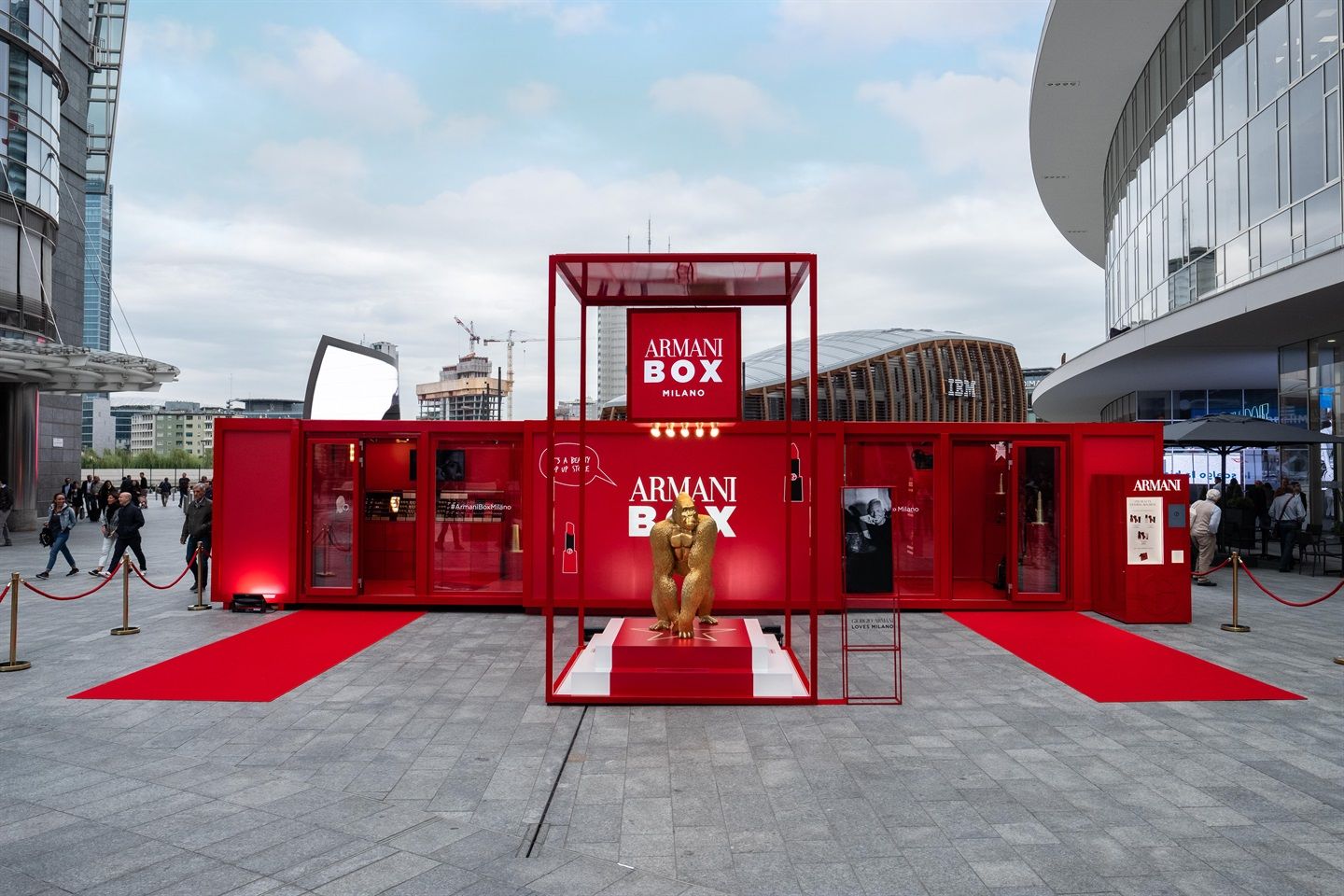
    Pop-up stores are sprouting across major cities, offering brands a unique opportunity to create immersive experiences that transcend traditional retail boundaries. These temporary setups not only drive foot traffic but also foster a sense of urgency among consumers. Whether it’s a themed cafe or a limited-time fashion boutique, pop-ups are designed to enchant and entice, encouraging shoppers to take action before it’s too late.

    Recently, leading fashion retailers have embraced this trend, recognizing the value of direct consumer engagement and the ability to test new markets with minimal risk. For instance, a well-known Japanese streetwear brand launched a pop-up in Tokyo’s bustling Shibuya district and reported a significant increase in brand awareness and sales.

    The Digital Shift

    In today’s digital age, pop-ups have evolved beyond mere physical spaces. Many are harnessing social media to create buzz even before opening their doors. Engaging visuals, teasers, and interactive campaigns drive anticipation and attract a dedicated following. Brands that integrate seamless online and offline experiences find themselves ahead of the competition, attracting a tech-savvy consumer base eager for unique encounters.

    And let’s not forget the unexpected perks—creating a FOMO effect among potential customers often means they’ll happily share their experience online, further amplifying the store’s reach.

    The Importance of Experience

    Today’s shoppers crave experiences just as much as they do products. Pop-up stores allow brands to tell their story through engaging encounters, turning a mundane shopping trip into something memorable. Customers leave not just with a purchase but with a narrative that binds them to the brand—a critical factor in fostering loyalty in an oversaturated market.

    With the emergence of experiential retail, brands can showcase their values and connect emotionally with consumers. Whether it’s through interactive installations or exclusive merchandise, the experience is king.

    As businesses pivot to adapt to changing consumer demands, the allure of pop-up spaces is likely to ignite even more interest in 2024. Retailers who blend creativity with strategy will undoubtedly set themselves apart in this fast-paced environment.

    So, what’s the next twist in this evolving tale of retail innovation?

    Questions & Answers

    What’s driving the rise of pop-up stores in Asia?
    The increasing consumer desire for unique and memorable shopping experiences, paired with brands’ need to engage directly, are key drivers behind the pop-up trend.

    How can online marketing enhance pop-up store success?
    Leveraging social media to generate buzz and excitement before opening can create anticipation, attracting customers both online and in-store.

    Why are experiences important in retail today?
    Experiences foster emotional connections between consumers and brands, encouraging loyalty and enhancing consumer engagement in an oversaturated market.

  • JD Logistics Unveils Groundbreaking Express Delivery Service In Saudi Arabia: A Leap In Global Expansion Strategy

    JD Logistics Unveils Groundbreaking Express Delivery Service In Saudi Arabia: A Leap In Global Expansion Strategy

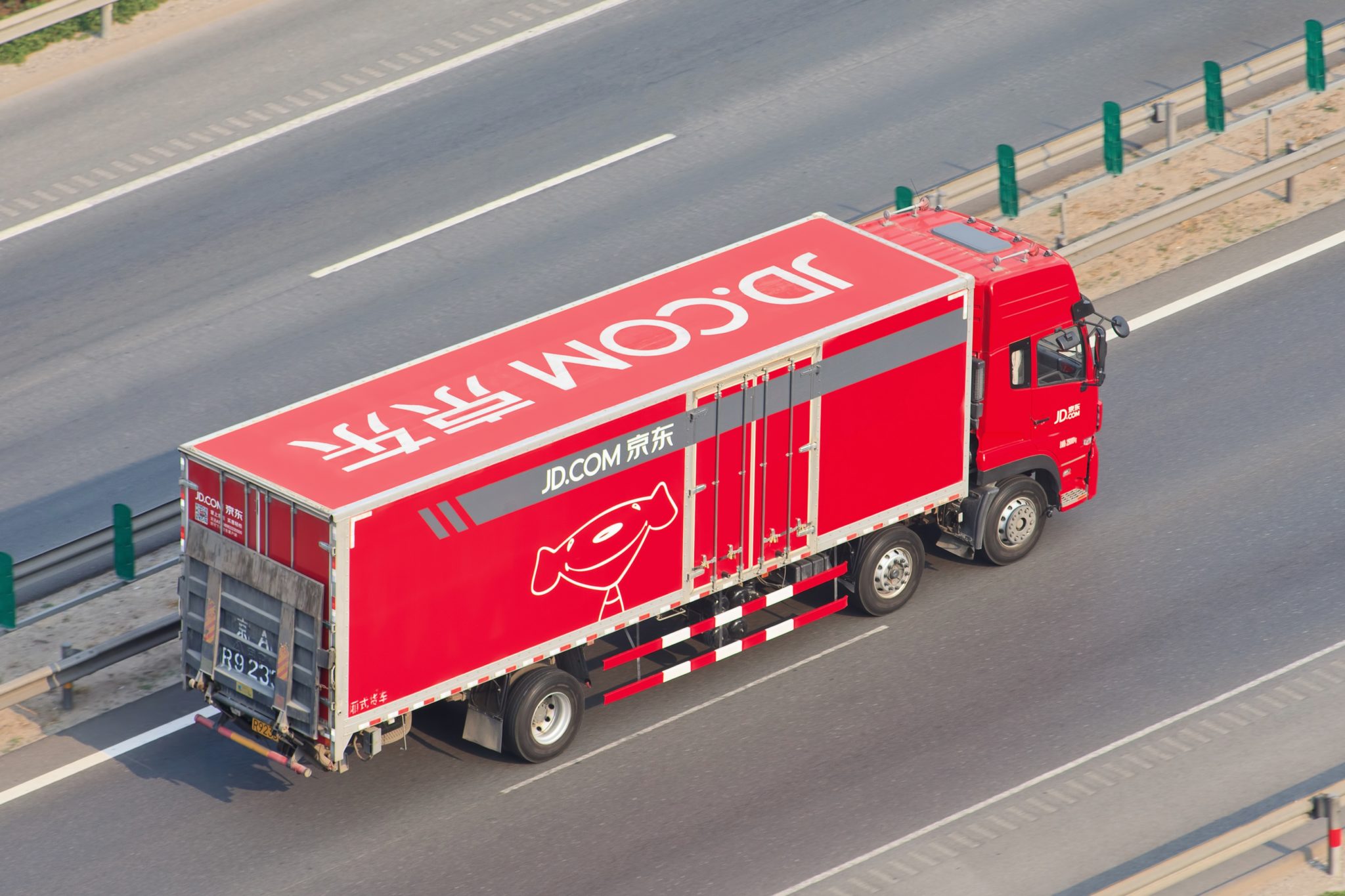
    JD Logistics, the logistics subsidiary of Chinese e-commerce behemoth JD.com, recently unveiled its consumer-centric express delivery service, JoyExpress, in Saudi Arabia – the first of its kind outside of China.

    JD Logistics’ Market Expansion

    JD Logistics is widely reputed for its self-built warehousing and delivery infrastructure in China, where it manages over 3,600 warehouses. The introduction of JoyExpress takes this efficient, self-operated model to international frontiers, promising speedy delivery services within the same day in Saudi Arabia.

    The move signifies a pioneering stride in JD.com’s revitalized global expansion strategy, as disclosed by the company’s founder and chairman, Richard Liu. The growth opportunities in domestic markets are increasingly elusive for e-commerce giants due to deflationary pressures amplified by stagnating consumer confidence, a drawn-out property crisis, and wage growth concerns in China.

    In a recent discussion in Beijing, Liu underscored the significance of international markets for JD.com’s future growth. He also hinted at a likely hastening of the company’s overseas ventures in the imminent future.

    Strengthening the European Footprint and Beyond

    “We’ve been operational in Europe for three years, and we’ve essentially established our logistics infrastructure there. Nevertheless, it’s inadequate,” Liu said. Over the last half-decade, which Liu refers to as “lost years,” JD.com has broadened its competitive scope to include companies like Chinese food delivery titan Meituan, across diverse sectors from food delivery to travel booking.

    Earlier this year, JD.com launched JD Takeaway, a direct rival to Meituan. In addition, Meituan has also broadened its footprint in Saudi Arabia in recent years.

    Summing up the company’s performance over the last five years, Liu expressed regret over the lack of innovation at JD.com, referring to this period as one of decline for the company.

    Cryptocurrency Ambitions

    Liu also disclosed JD.com’s intentions to procure stablecoin licenses in countries with major currencies. The objective of this venture is to streamline foreign exchange transactions between international corporations, thereby lessening the cost of cross-border payments by up to 90% and boosting efficiency to within 10 seconds.

    In 2021, the Hong Kong Monetary Authority (HKMA) disclosed that Jingdong Coinlink Technology Hong Kong, a fully-owned subsidiary of JD Technology, had joined its stablecoin issuer sandbox. The sandbox initiative is an HKMA framework that communicates regulatory expectations to institutions keen on issuing stablecoins in Hong Kong.

    Questions & Answers

    What is the significance of JD Logistics launching JoyExpress in Saudi Arabia?
    Launching JoyExpress in Saudi Arabia marks JD Logistics’ first consumer-focused express delivery service outside of China, indicating a significant step in its global expansion strategy.

    What are JD.com’s future plans concerning global expansion?
    According to the company’s founder, Richard Liu, JD.com plans to accelerate its overseas ventures, with emphasis on strengthening its footprint in Europe and exploring new sectors, such as food delivery and travel booking.

    What are JD.com’s intentions regarding stablecoin licenses?
    JD.com plans to acquire stablecoin licenses in countries with major currencies. The initiative aims to streamline foreign exchange transactions between international corporations, reducing the cost of cross-border payments by up to 90% and boosting efficiency to within 10 seconds.

  • Whittaker’s Unveils New Peanut & Caramel Brittle Chocolate: A Sustainable Delight Now Available In Australia

    Whittaker’s Unveils New Peanut & Caramel Brittle Chocolate: A Sustainable Delight Now Available In Australia

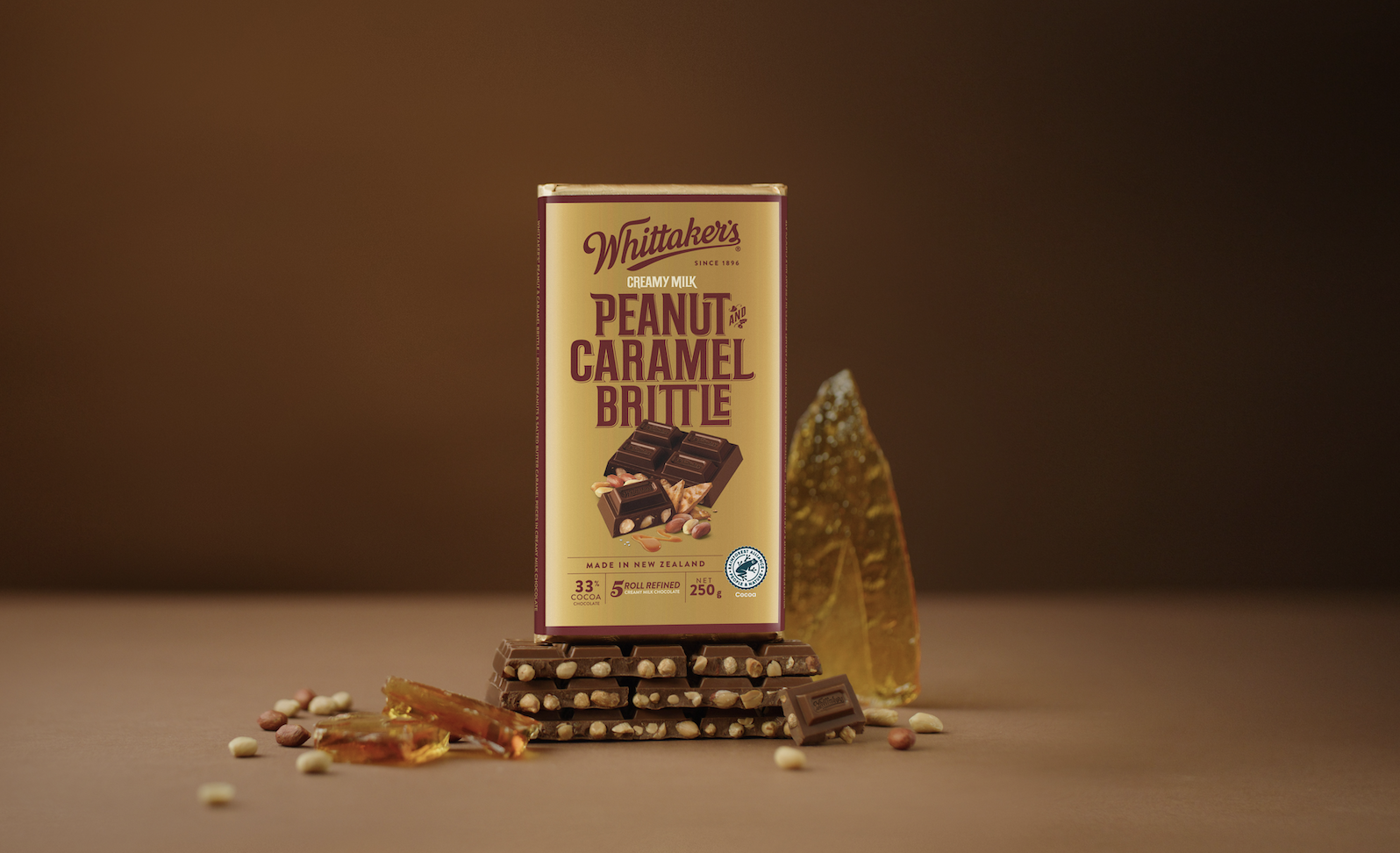
    Whittaker’s, the famed chocolatier, has introduced a new chocolate block called Peanut & Caramel Brittle. This delicious new concoction is produced exclusively in the company’s solitary factory situated in Porirua, New Zealand.

    A Delicious Symphony of Flavours and Textures

    Weighing in at 250g, the Peanut & Caramel Brittle chocolate block offers a unique blend of smooth milk chocolate, freshly roasted peanuts, and creamy salted caramel brittle. This combination results in an irresistible blend of various textures and flavours that is sure to delight any chocolate enthusiast.

    A Conscientious Approach to Chocolate Making

    Each Peanut & Caramel Brittle block is entirely free from palm oil. Additionally, the cocoa utilized in its creation is 100% certified by the Rainforest Alliance. This ensures that each mouthful not only delights your taste buds, but also supports sustainable cocoa farming practices.

    Holly Whittaker, the co-Chief Operating Officer at Whittaker’s, shared insights about the new product. She explained that the peanut-centric flavour was specifically developed to provide a balanced blend of sweet, salty, and crunchy elements.

    “We are eagerly anticipating the response from chocolate lovers. We believe this is something unique and we can’t wait to hear their feedback,” she stated.

    Availability

    The Peanut & Caramel Brittle is now available for purchase in Australia. You can find it at your local Coles and Woolworths stores, priced at $8 per block.

    Questions & Answers

    What is the main flavour in Whittaker’s new chocolate block?
    The main flavour in Whittaker’s new chocolate block is Peanut & Caramel Brittle.

    Is the Peanut & Caramel Brittle chocolate block free from palm oil?
    Yes, the Peanut & Caramel Brittle chocolate block is completely free from palm oil.

    Where can the new Whittaker’s chocolate block be purchased in Australia?
    The new Whittaker’s chocolate block can be bought at Coles and Woolworths stores across Australia.

  • Penang Takes Bold Stand Against Counterfeit Balik Pulau Durians to Safeguard Authenticity

    Penang Takes Bold Stand Against Counterfeit Balik Pulau Durians to Safeguard Authenticity

    Fahmi Zainol, chairman of Penang’s Agrotechnology, Food Security, and Cooperative Development Committee, announced on Tuesday that a collaborative operation is underway, involving the police, the Agriculture Department, and the Federal Agricultural Marketing Authority, as reported by the national news agency Bernama.

    Cracking Down on Durian Deceit

    “We’ve pinpointed two or three hotspots where trucks are bringing in durians from Thailand but selling them off as local produce,” Fahmi said, emphasizing that authorities are now gearing up for the perfect moment to initiate raids. This crackdown is a direct response to public complaints and ongoing inspections. As part of their enforcement measures, agencies have ramped up efforts by setting up roadblocks aimed at intercepting non-compliant agricultural products—especially durians.

    Fahmi made it clear that while durians from other regions aren’t outright banned, they mustn’t be misrepresented as Balik Pulau’s prized variety. To protect the unique identity of its durians, Penang launched the “Track and Trace” system at the beginning of June. This innovative program labels each durian with a QR code that links it back to its farm of origin, according to Bloomberg.

    “This way, consumers can trace every durian from farm to table,” Fahmi explained, with a hint of pride in his voice. So far, 60 farmers have joined the system, while 20 larger producers have already signed up, as reported earlier this month by The Star.

    Balik Pulau, well-known for its mouthwatering durians, is also a favored tourist destination in Penang, a major hub for durian production. The Balik Pulau variety ranks among the most sought-after in Malaysia, alongside other local favorites like Musang King, Red Prawn, and Black Thorn.

    With the recent onset of durian season coinciding with Malaysia’s school holidays, local media reported a surge in tourist arrivals in Penang. Hotels are nearly at full capacity, and busy traffic is evident, especially around popular durian-selling spots.

    Beyond domestic consumption, Malaysia is making its mark in international markets by exporting durians to places like China, boasting projections that outbound shipments could reach 1.8 billion ringgit (US$425 million) by 2030. Last year alone, Penang exported an impressive 67,203 kilograms of durians, which is enough to make any durian lover’s head spin.

    Questions & Answers

    What steps is Penang taking to ensure durian authenticity?
    Penang has implemented a “Track and Trace” system tagged with QR codes that allows consumers to trace each durian back to its farm, thereby safeguarding authenticity.

    Why is there a crackdown on durian sales?
    Authorities aim to crack down on fraudulent sales where Thai durians are misrepresented as local Balik Pulau varieties, responding to public complaints and ongoing inspections.

    How do durians contribute to Penang’s tourism?
    With the durian season aligning with school holidays, tourist arrivals have surged, leading to nearly full hotels and bustling traffic around durian hotspots, solidifying the fruit’s role in the local economy.

  • Bank Tabungan Negara’s Capital Soars, Yet Asset Risk Persists: What It Means for Retail Investors

    Bank Tabungan Negara’s Capital Soars, Yet Asset Risk Persists: What It Means for Retail Investors

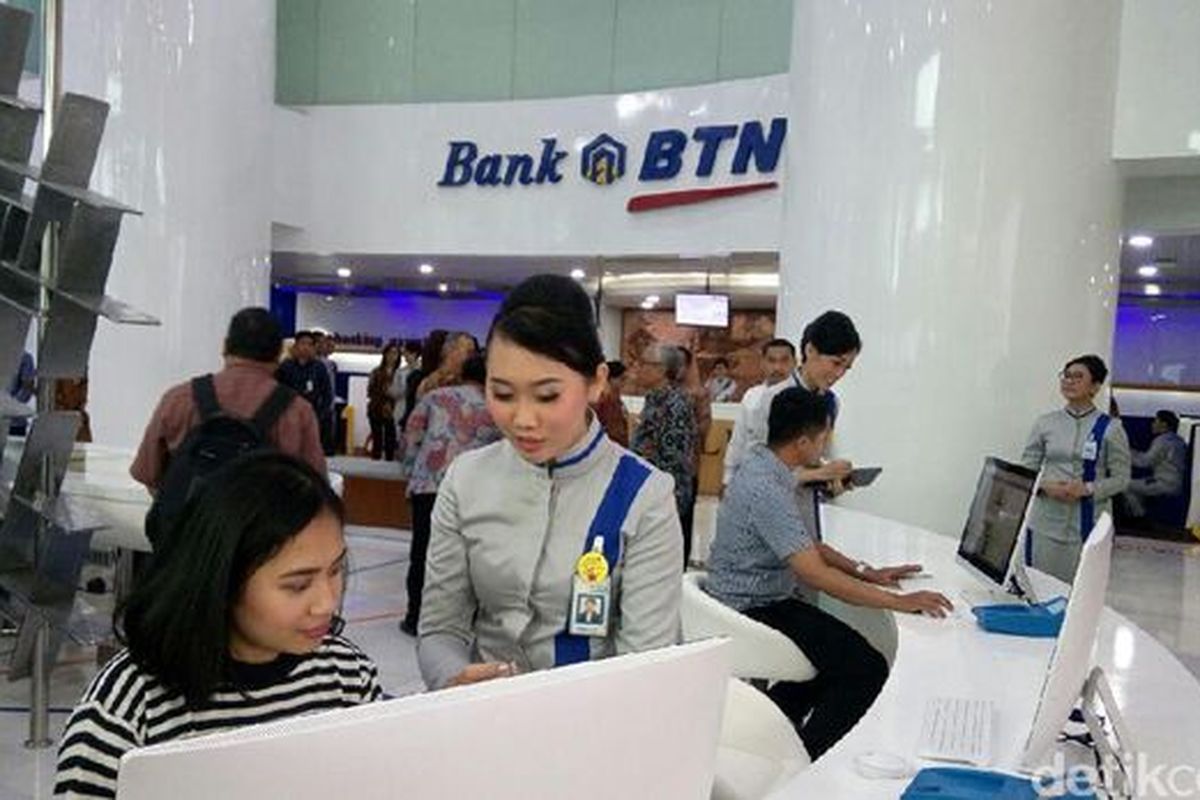
    Profitability at Bank Tabungan Negara (BTN) is projected to dip to between 0.55% and 0.65% by 2025, largely due to increased credit costs even as net interest margin (NIM) shows signs of improvement. The Indonesia-based bank, while boasting a strong capital ratio of 15.3%, faces potential solvency risks that may not be immediately apparent in its financial figures, according to Moody’s Ratings.

    Sustained Asset Risks Despite Clean-Up Efforts

    Moody’s highlighted that BTN’s reported leverage at 6.6% might give an inflated sense of the bank’s financial stability. The ongoing burden of nonperforming loans (NPLs) still looms large, despite the bank’s significant strides in rectifying its historical loan issues via substantial NPL sales and write-offs. “We expect BTN’s asset risk to remain high,” Moody’s remarked, noting that 16% of BTN’s gross loans are still tied up in restructured loans due to significant mortgage exposure with longer tenors.

    Provisioning Challenges Reveal Underlying Stress

    The ratings agency pointed out that BTN holds a minimal level of provisioning compared to its heightened asset risks. This is evident in its substantial portfolio of restructured loans and accrued interest. “Although the bank’s risk-weight density was low at 43%, this figure isn’t entirely indicative of the bank’s reality,” Moody’s stated, emphasizing that restructured loans receive risk-weighting according to their collectability classification dictated by the central bank, regardless of their restructuring history. Hence, BTN’s reported earnings and capital do not entirely reflect the pressures on its financial profile.

    Government Support as a Silver Lining

    On a brighter note, BTN is expected to receive a generous cushion of support from the Indonesian government in challenging times. This backing is crucial as the bank navigates its financial landscape, especially under the cloud of projected declining profitability.

    As BTN explores its capability to lower funding costs through ongoing digital initiatives aimed at boosting access to low-cost deposits, its profitability journey will depend heavily on these strategic endeavors and new government support schemes to enhance lending yields.

    Questions & Answers

    What is the anticipated profitability range for BTN by 2025?
    BTN’s profitability is expected to decline to between 0.55% and 0.65% due to rising credit costs.

    What challenges does BTN face regarding its loan portfolio?
    The bank is grappling with a high level of restructured loans, which constitute around 16% of its gross loans, amidst ongoing asset risk.

    How does government support influence BTN’s outlook?
    BTN is projected to benefit from substantial government support during critical periods, which could help mitigate financial strains and bolster its lending capabilities.

  • Tiktok Influencers Arrested: 800,000 Counterfeit Products Sold In Massive Scheme

    Tiktok Influencers Arrested: 800,000 Counterfeit Products Sold In Massive Scheme

    Le Van Hai, the creator behind a popular TikTok channel boasting 2.6 million followers, has been arrested for a staggering scheme involving the sale of 800,000 counterfeit food and cosmetics products. Alongside his accomplice, Tran Dai Phuc, the duo was apprehended on Monday in the northern province of Ninh Binh.

    The dynamic pair was promoting a range of cosmetic and food items on their TikTok channel, dubbed Hai Sen Family, for the past two years. Among their offerings was Hai Be Syrup, touted as a remedy for stimulating children’s appetites. However, their operation took a nosedive when authorities raided their company and discovered hundreds of products lacking the necessary licenses.

    Upon examination, the contents of the syrup raised eyebrows; tests revealed that the actual concentrations of calcium and vitamins A and C were less than 70% of what the labels advertised. In total, Hai and Phuc managed to distribute a shocking 800,000 products online since last year, including 100,000 boxes of the infamous syrup. The TikTok account has now been suspended, and an ongoing police investigation seeks to unearth the full extent of the operation.

    This incident serves as a vivid reminder that while the social media platform can inspire creativity, it can also provide a stage for deception—who knew the road to digital fame could be paved with imitation goods?

    Questions & Answers

    What charges are Le Van Hai and Tran Dai Phuc facing?
    They are facing charges related to selling counterfeit food and cosmetics products without proper licenses.

    How many products did they sell before their arrest?
    The duo sold over 800,000 products online, which included 100,000 boxes of their Hai Be Syrup.

    What has happened to their TikTok account?
    Their TikTok account has been locked as part of the ongoing police investigation into their activities.

  • Asia’s Retail Giant Lotte Shopping Unveils Tech-driven, Eco-friendly Strategy To Transform Customer Experience

    Asia’s Retail Giant Lotte Shopping Unveils Tech-driven, Eco-friendly Strategy To Transform Customer Experience

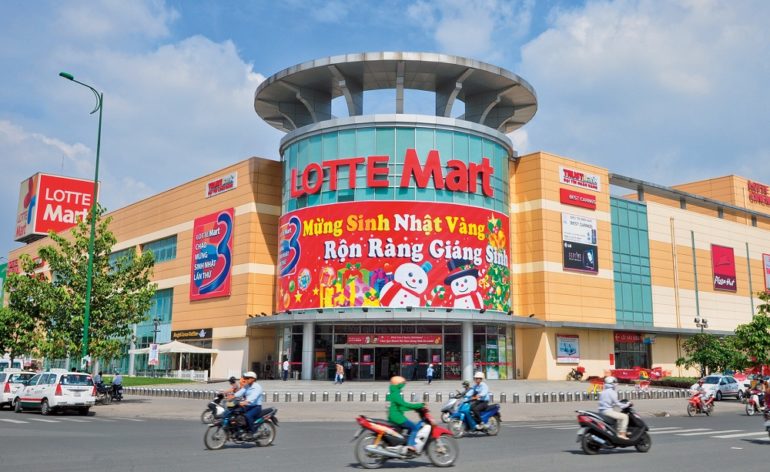
    With the fervor of the holiday shopping season fast approaching, retailers across Asia are gearing up for a bustling fourth quarter. Among them, Lotte Shopping, South Korea’s retail giant, is strategizing ways to capture consumer attention and boost sales. In a recent announcement, the company revealed its ambitious action plan to reinvent the customer experience across its stores.

    Innovation Takes Center Stage

    Lotte’s plan emphasizes deploying cutting-edge technology to enhance the shopping experience. From virtual reality interfaces to smart carts equipped with personalized recommendations, the company aims to merge the convenience of e-commerce with the tactile pleasure of brick-and-mortar shopping. Kim Yong-won, the Chief Executive Officer, expressed excitement about these innovations, hinting that technology could seamlessly blend shopping and entertainment.

    Focus on Sustainability

    Amid rising consumer interest in sustainable practices, Lotte Shopping also seeks to strengthen its commitment to eco-friendly operations. Initiatives include reducing plastic usage and increasing the availability of sustainable products. By aligning their strategy with environmental consciousness, Lotte hopes to resonate with a younger, eco-aware demographic eager for more responsible consumption choices.

    Enhancing Customer Loyalty

    As competition intensifies, retaining existing customers becomes vital. Lotte Shopping is ramping up its loyalty programs, offering exciting rewards and personalized experiences that encourage shoppers to return. The company plans to leverage data analytics to better understand customer preferences, ensuring that promotions and products are tailored to meet their unique desires.

    A sprinkle of ingenuity in retail is always welcome, and Lotte’s strategy shines like a beacon of creativity in a sea of sameness!

    Questions & Answers

    What is the main focus of Lotte Shopping’s new strategy?
    Lotte Shopping’s primary focus is to enhance the customer experience using innovative technology, sustainability initiatives, and improved loyalty programs.

    How will Lotte incorporate technology into its stores?
    The company plans to introduce virtual reality interfaces and smart carts that offer personalized shopping suggestions, thereby blending entertainment with convenience.

    Why is sustainability important to Lotte?
    Sustainability is crucial for Lotte as it aims to engage environmentally conscious consumers and adapt to the growing demand for responsible retail practices.

  • Hong Kong’s Beloved Ancient Moon Restaurant Closes Amid Shifting Consumer Trends And Family Priorities

    Hong Kong’s Beloved Ancient Moon Restaurant Closes Amid Shifting Consumer Trends And Family Priorities

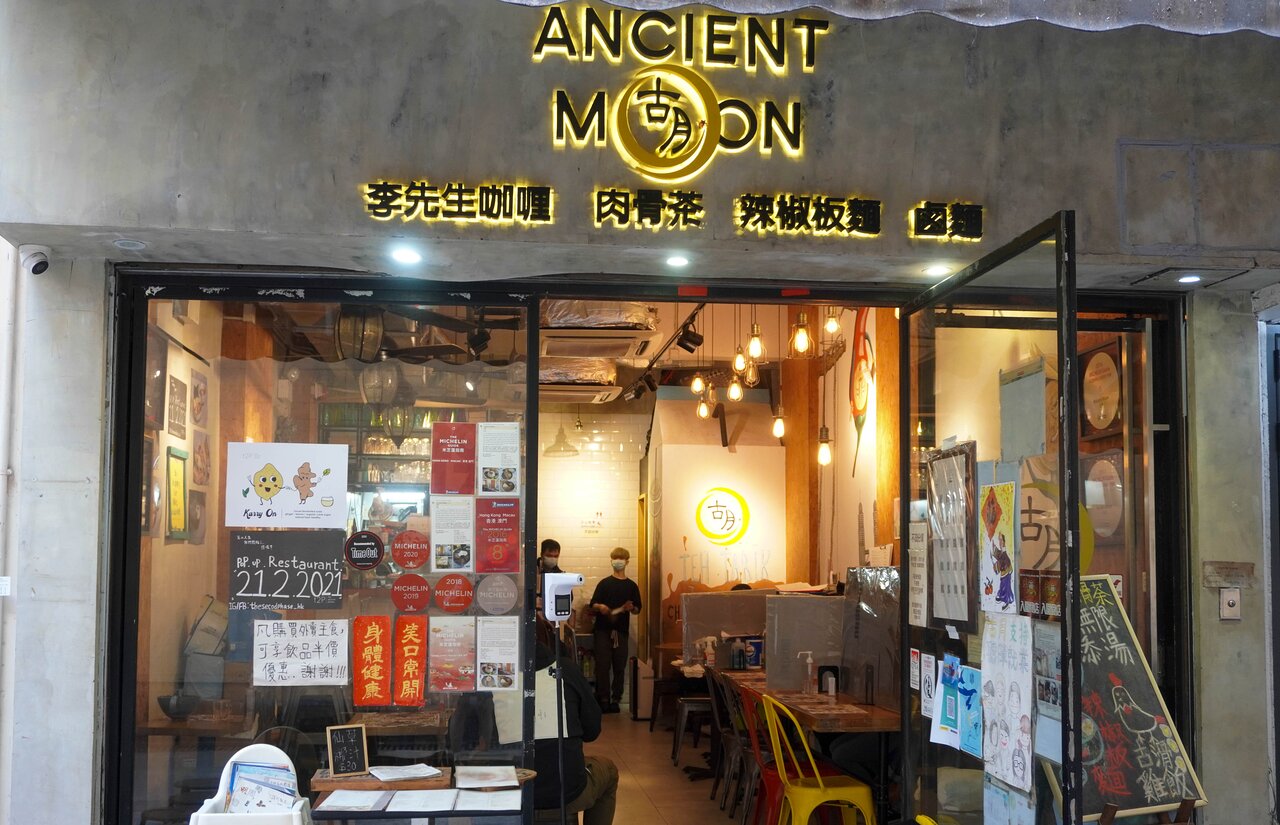
    “We have tried to adapt but our ability and resources are limited,” the owners shared in a heartfelt Instagram post that captures both their frustration and resilience. After dedicating 11 years to cultivating their space, they are shutting the doors to Ancient Moon, a beloved restaurant in Hong Kong, as they prioritize spending more time with family amidst challenging external conditions. However, there’s a silver lining: their other establishment, “The Second Phase,” will continue to serve the community.

    Recognition Amidst Adversity

    Known for its culinary prowess, Ancient Moon was recently honored with a Bib Gourmand designation in the 2024 Michelin Guide for Hong Kong and Macau. This accolade celebrates eateries providing “high-quality food for only HKD400 (US$50) or less,” making it a standout choice for those seeking a delicious meal without breaking the bank.

    However, Ancient Moon’s closure is part of a broader trend affecting many small businesses throughout Hong Kong’s restaurant scene. Shifting consumer habits have put significant pressure on local eateries, as noted by the South China Morning Post. The statistics are telling: Hong Kong’s retail sales dipped for the 14th month in a row as of April, sliding 2.3% year-on-year to HKD28.9 billion. The situation has deteriorated further, with retail sales down 5.6% in the first four months of 2025.

    Consumer Trends Shift

    This downturn is partially attributed to locals choosing to shop in Shenzhen for more affordable options or indulging in travel, spurred by the Hong Kong dollar’s strength against currencies like the yen. Additionally, the recent influx of tourists seems to favor cultural experiences rather than shelling out for upscale dining and luxury shopping.

    The woes don’t stop at Ancient Moon. King Parrot Group, a popular restaurant operator, recently closed nine of its eateries, reportedly owing staff more than HKD1 million. This decision follows years of scaling back operations, marking a tough chapter for the once-thriving enterprise known for over 20 restaurant brands at its pinnacle. According to Nerine Yip Lau-ching, general secretary of the Hotels, Food and Beverage Employees Association, employees were informed of the closures and paid their outstanding wages immediately.

    In a similar vein, Los Angeles-based sandwich chain Eggslut exited Hong Kong’s scene less than two years after its debut. The high cost of commercial rents has exacerbated the trend. Notable victims include Transformers: The Ark Restaurant, a hamburger and pizza venue that previously paid up to HKD1 million monthly in rent in Causeway Bay, one of the world’s most expensive retail hotspots, before shuttering last year.

    With these developments, one can’t help but wonder: could the charm of local eateries bounce back amidst adversity? Only time will tell, but the culinary landscape continues to evolve.

    Questions & Answers

    What were the primary reasons for Ancient Moon’s closure?
    The owners cited challenging external conditions and a desire to spend more time with their families.

    What recognition did Ancient Moon receive before its closure?
    The restaurant earned a Bib Gourmand designation in the 2024 Michelin Guide for Hong Kong and Macau.

    How are consumer trends impacting the restaurant industry in Hong Kong?
    Many locals are opting to shop in Shenzhen or travel overseas for better value, significantly affecting local restaurants, while tourists are leaning toward cultural experiences rather than luxury dining.