Author: Mei Ling Tan

  • Vietnam Unveils Ambitious Plan to Raise Alcohol Tax to 90% by 2031: A Bold Move Against Excessive Drinking

    Vietnam Unveils Ambitious Plan to Raise Alcohol Tax to 90% by 2031: A Bold Move Against Excessive Drinking

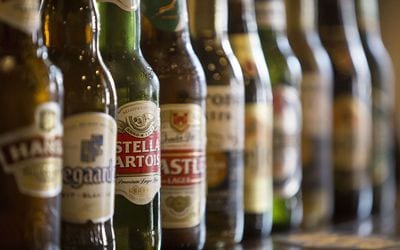
    Vietnam’s National Assembly made headlines by greenlighting a significant increase in the special consumption tax on alcoholic beverages, lifting it from 65% to a staggering 90% by the year 2031. This bold initiative, revealed on Saturday, is part of a strategy to reduce alcohol consumption, however, it casts a shadow over an industry already facing considerable hurdles.

    Tax Increment Journey

    The new legislation outlines a gradual escalation of tax rates on beer and spirits, which will hit 70% by 2027—delayed from initial plans—and reach the ultimate rate of 90% in 2031. Currently, Vietnam maintains a 65% tax on alcoholic beverages. An earlier proposal even contemplated taxes soaring to 100%, indicating the government’s firm stance on the matter.

    The finance ministry has articulated that the primary goal of these increased taxes is to mitigate alcohol consumption. Vietnam stands as the second-largest beer market in Southeast Asia, according to a 2024 KPMG report.

    Brewing Challenges Ahead

    Notably, the local beer industry, dominated by giants like Dutch brewer Heineken, Denmark’s Carlsberg, and domestic players such as Sabeco and Habeco, has already been grappling with tribulations since the introduction of strict drink-driving regulations in 2019, which instituted a zero-alcohol limit for drivers. As a result, the head of the Beer and Alcoholic Beverage Association has reported a steady decline in industry revenues over the past three years, emphasizing the sector’s precarious state.

    In a simultaneous move on Saturday, lawmakers also enacted an 8% levy on sugary drinks containing more than 5g of sugar per 100ml, set to launch in 2027 and increase to 10% in 2028, expanding the government’s fiscal reach into other dietary concerns as well.

    With all these changes, one can only wonder: will the rising taxes put a cork in beer consumption, or will the Vietnamese spirit of resilience remain uncorked?

    Questions & Answers

    What is the new tax rate on alcoholic beverages in Vietnam?
    The special consumption tax on alcoholic drinks is set to rise from 65% to 90% by 2031.

    When will the tax rate on beer and strong liquors reach 70%?
    The tax rate will increase to 70% by 2027.

    What new levy was also approved alongside the alcohol tax?
    An 8% tax on sugary drinks exceeding 5g of sugar per 100ml was approved, to take effect in 2027, with a rise to 10% in 2028.
  • Vietnam Airlines Set to Launch Inaugural Direct Route to Italy Next Month!

    Vietnam Airlines Set to Launch Inaugural Direct Route to Italy Next Month!

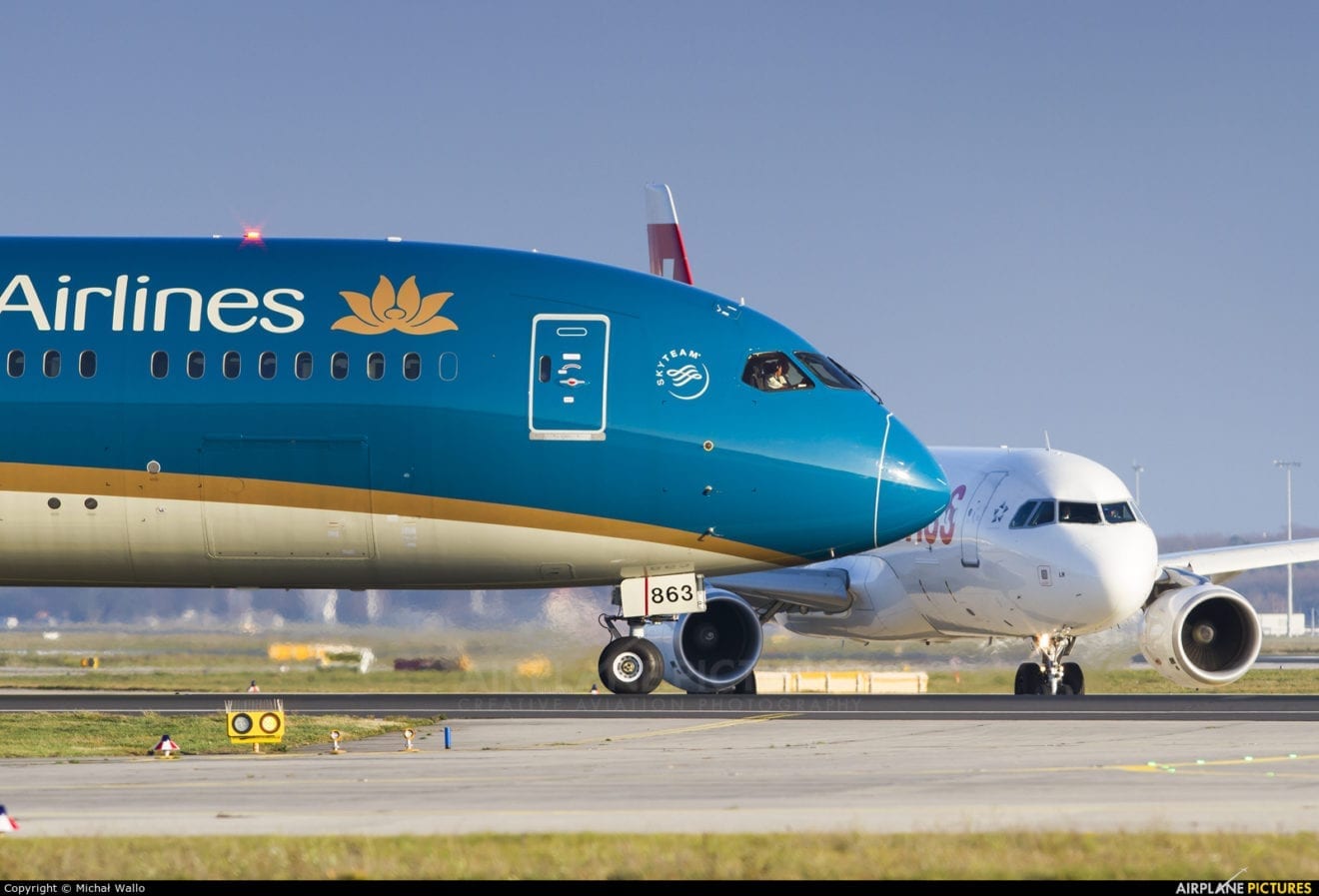
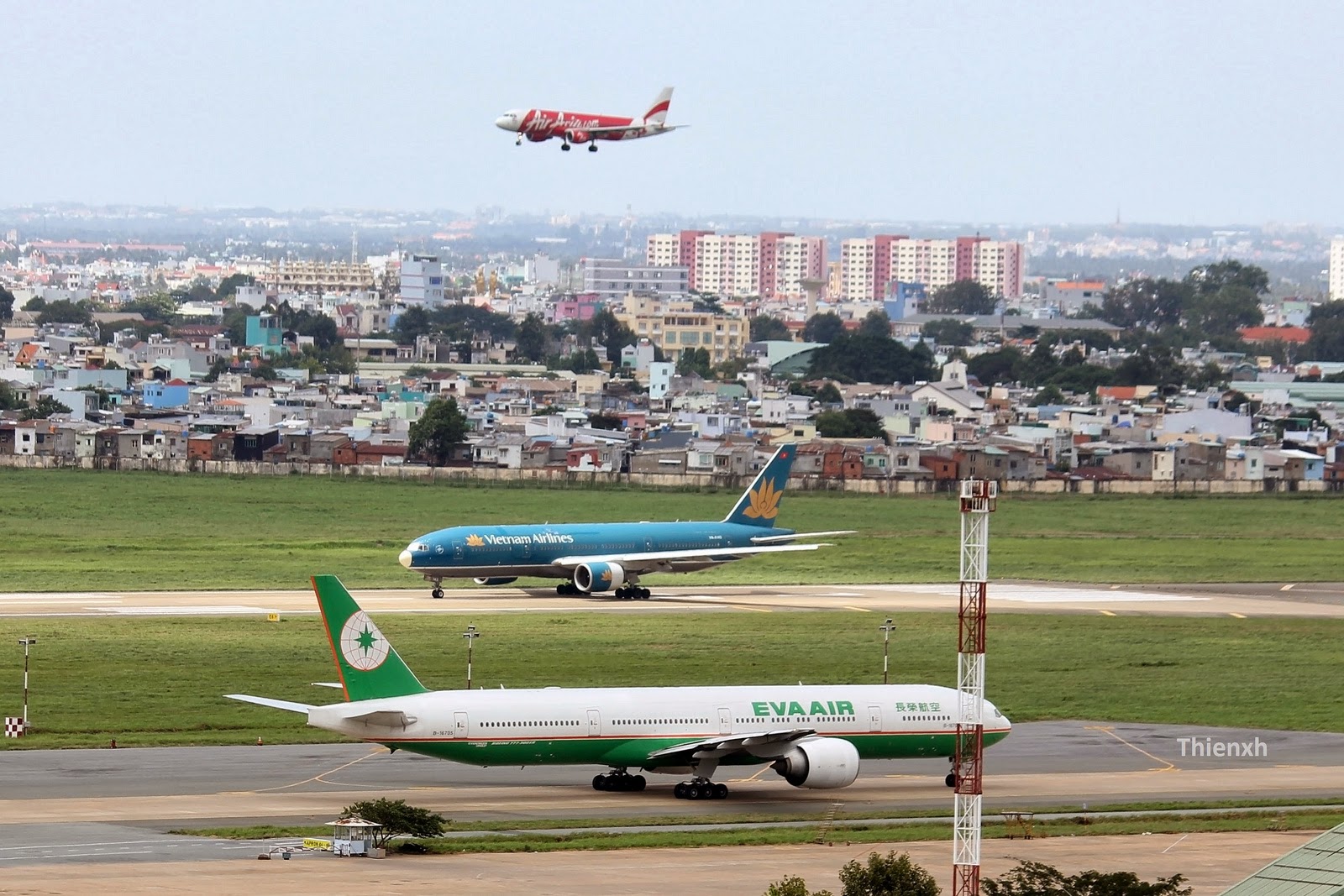
    Vietnam Airlines is set to make waves in the skies with the launch of its inaugural direct flight between Hanoi and Milan, Italy, on July 1. This move is a crucial step in expanding the airline’s European network and marks a historic first for a Vietnamese carrier, which has previously required passengers to transit through Germany or France for Italian destinations.

    New Route to Milan

    The airline will kick off this service with three weekly flights, utilizing its state-of-the-art Boeing 787 aircraft. A spokesperson for Vietnam Airlines revealed that plans are already in motion for a future direct service from Ho Chi Minh City to Milan post-2025, further enhancing connectivity between Vietnam and Italy.

    Why Milan?

    Milan, the bustling metropolis in northern Italy, is renowned as the country’s fashion capital and boasts a rich tapestry of historic architecture. It attracts millions of tourists, particularly from June to August, making it an appealing destination for both leisure and business travel. The allure of Italy is strong for Vietnamese travelers, with the country ranking among the top 10 fastest-growing sources of visitors to Vietnam. In 2024 alone, arrivals from Italy surged by a remarkable 155%, according to the Vietnam National Administration of Tourism.

    A Boost for Tourism

    The launch of this direct route is anticipated to significantly boost tourism flows between the two nations. In a promising development, discussions are underway for a visa waiver targeted at tour groups from Vietnam, which could further facilitate travel.

    Vietnam Airlines currently operates an expansive network with 106 routes, including 36 international destinations, supported by its diverse fleet of Boeing 787s and Airbus aircraft. The airline has ambitious plans for this year, aiming to launch or revive 15 international services.

    Curiously, with Milan’s fashion weeks turning heads globally, will we soon see a Vietnamese flair added to the runway?

    Questions & Answers

    What is the significance of the new flight from Hanoi to Milan?
    This direct flight is a historic first for Vietnam Airlines, enhancing travel options between Vietnam and Italy and positioning the airline as a key player in European travel.

    How many flights per week will Vietnam Airlines operate to Milan?
    Initially, Vietnam Airlines will operate three flights per week between Hanoi and Milan.

    What are the future plans for Vietnam Airlines regarding Italy?
    Vietnam Airlines intends to launch a direct service to Milan from Ho Chi Minh City after 2025, further expanding its European routes.

  • SMBC Malaysia Welcomes Former StanChart Banker as New Head of Corporate Banking

    SMBC Malaysia Welcomes Former StanChart Banker as New Head of Corporate Banking

    The shopping landscape in Asia is evolving rapidly, with significant trends shaping the future of retail. As consumer preferences shift and technology advances, retailers must adapt to stay relevant and competitive.

    Adapting to Changing Consumer Behavior

    The pandemic has forever altered how consumers interact with brands. Research shows that shoppers are gravitating towards sustainability, experience-driven purchasing, and personalized shopping experiences. Retailers in Asia are taking note, adapting their strategies to align with these embodied values. From eco-friendly packaging to tailored marketing communications, companies are increasingly aware that understanding consumer behavior can dictate their long-term success.

    The Rise of E-Commerce and Omnichannel Strategies

    As e-commerce boom continues to skyrocket, brands are harnessing the power of omnichannel retailing. This approach integrates both online and offline shopping experiences, allowing consumers to browse, buy, and engage however they please. Retailers are investing in mobile apps, social commerce, and seamless checkout experiences to cater to the tech-savvy shopper. As the adage goes, today’s consumer isn’t just online; they are everywhere!

    Innovations in Customer Experience

    In the age of experience economy, providing a memorable shopping experience has become paramount. Retailers are reimagining their spaces, incorporating experiential elements, and even leveraging augmented reality. Imagine walking into a store where you can “try on” clothes virtually or explore product features using your smartphone. Thrilling and engaging experiences blur the lines between retail and entertainment, capturing the attention of discerning customers.

    Local Brands Take Center Stage

    Surprisingly, local brands are experiencing a renaissance, often resonating more with consumers than international counterparts. This shift is fueled by increased nationalism and a desire to support homegrown businesses. Retailers who embrace their cultural heritage are connecting deeply with shoppers and often find themselves at the forefront of innovation. So, who knew that patriotism could be a winning strategy in the retail sector?

    Building Partnerships for Future Growth

    In this competitive landscape, collaboration is the name of the game. Retailers are exploring partnerships that can enhance their offerings, whether through integrating tech solutions, teaming up with local artisans, or sharing marketing resources. These alliances not only foster innovation but also position brands to engage with wider audiences.

    As Asia’s retail terrain transforms, the ability to pivot and innovate will define leading brands. The future promises exciting possibilities—buckle up, because it’s going to be a thrilling ride!

    Questions & Answers

    What trends are shaping the retail landscape in Asia?
    The trends include a focus on sustainability, personalization, experience-driven purchasing, and the rise of e-commerce.

    How are retailers in Asia adapting to changing consumer behaviors?
    By incorporating eco-friendly practices, enhancing customer experiences, and leveraging technology for omnichannel strategies.

    Why are local brands gaining popularity in the market?
    Local brands resonate more with consumers due to increased nationalism and the desire to support homegrown businesses.

  • India’s Pharma Sector Under the Spotlight: Ongoing Quality Concerns Prompt Industry Reassessment

    India’s Pharma Sector Under the Spotlight: Ongoing Quality Concerns Prompt Industry Reassessment

    In the fast-evolving retail landscape of Asia, innovative marketing strategies are becoming key to success for brands eager to engage customers. As companies navigate the bustling market, the need for a strong advertising presence is paramount. Businesses now have access to diverse avenues to connect with eager consumers, from traditional print to dynamic digital efforts.

    Advertising Campaign Opportunities

    With an array of advertising solutions available, brands can tailor campaigns that echo their unique voice. Collaborating with a dedicated team can bridge the gap between print and digital formats, crafting messages that resonate across all platforms. The perfect campaign not only elevates brand visibility but also forges meaningful connections with targeted audiences.

    Real-Life and Digital Events

    Events have become an essential strategy for brands aiming to establish direct engagement with customers. Whether it’s a physical gathering or a vibrant digital event, our team excels at organizing platforms that foster networking and collaboration. Envision thought leaders and industry pioneers sharing insights that spark innovation—such opportunities can lead to fruitful partnerships down the line.

    Awards Program Recognition

    In the competitive world of retail, recognition can be a game-changer. Our annual awards programs celebrate the remarkable achievements of companies daring to push boundaries. Participating in these awards not only highlights your success but also positions your brand as a leader in the industry. Who wouldn’t want a shiny trophy on their shelf?

    As the retail scene continues to evolve, one thing remains clear: partnerships are the way forward. Let us help you take your business to new heights through innovative marketing strategies and engaging events!

    Questions & Answers

    What types of advertising campaigns can businesses create?
    Businesses can develop a variety of advertising campaigns by combining print and digital strategies to effectively reach their audience.

    How can events benefit brands?
    Events provide brands with a platform for direct engagement with customers, and they create opportunities for networking and collaboration with industry leaders.

    What is the significance of awards programs for retailers?
    Awards programs recognize exceptional achievements and enhance a brand’s reputation within the competitive retail landscape.

  • Tealive Debuts in FMCG with Exciting New 3-in-1 Sachet Range!

    Tealive Debuts in FMCG with Exciting New 3-in-1 Sachet Range!

    As the retail landscape continues to evolve, companies are finding innovative ways to engage with consumers in a digital-first world. Asia stands at the forefront of this transformation, where brick-and-mortar stores and digital platforms increasingly collide. The spotlight is now on how businesses can craft strategies that resonate with a tech-savvy audience while staying grounded in traditional retail practices.

    Innovative Advertising Solutions

    The modern marketplace demands creativity and adaptability. Whether through eye-catching campaigns in print or dynamic digital advertisements, there are myriad opportunities for brands to connect with their target audience. Retailers that harness the power of strategic advertising can not only amplify their visibility but also fortify their brand identity.

    Dynamic Event Opportunities

    In an age where authentic engagement is key, hosting live or digital events can provide a stellar platform for brands to interact with customers. These gatherings can spotlight thought leaders, industry pioneers, and potential partners, making them invaluable networking opportunities. Moreover, retailers can elevate their corporate profiles through awards programs that recognize excellence and innovation. After all, who doesn’t love a good pat on the back?

    Building Meaningful Partnerships

    In the cut-throat world of retail, collaboration is essential for success. Partnering with industry experts and influencers can enhance visibility and trust within the marketplace. Letting seasoned professionals help shape your offerings can prove transformative, ensuring your business thrives in the competitive retail ecosystem.

    As we navigate these trends, one thing’s for sure: the fusion of creativity and commerce is here to stay! Who knew retail could be so thrilling?

    Questions & Answers

    What are some effective ways to advertise in the digital age?
    Effective advertising in the digital age involves combining attention-grabbing visuals with engaging content across social media and online platforms, alongside traditional print campaigns.

    How can events enhance a brand’s presence?
    Events create personal connections, foster networking, and allow brands to showcase their products or services directly to customers, effectively boosting brand loyalty.

    Why is partnership essential in today’s retail landscape?
    Partnerships can bring valuable expertise and resources, help enhance credibility, and provide new avenues for reaching customers, which is crucial for navigating a competitive market.

  • Pop Mart launches jewellery concept store

    Pop Mart launches jewellery concept store

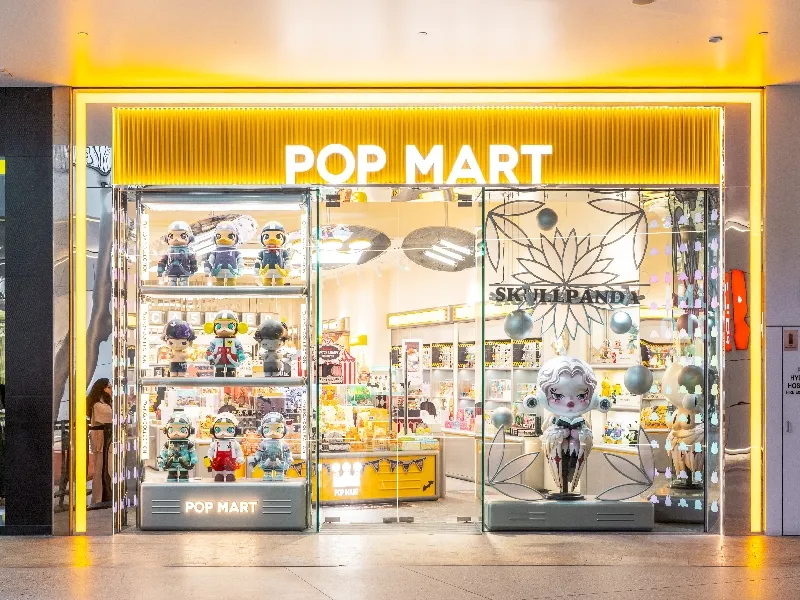
    Pop Mart, the renowned creator of the globally popular “blind box” toys featuring the unique and charming Labubu character, unveiled its debut jewellery store in Shanghai last Friday.

    The new concept store, known as Popop, offers a variety of accessories embellished with Pop Mart’s most popular characters, which include Labubu, Molly, and Skullpanda.

    Despite the ongoing property downturn and sluggish economic growth, Chinese consumer expenditure has remained somewhat muted. However, the demand for Pop Mart’s delightful yet economical toys continues to thrive both domestically and internationally, which has contributed to an over 200% rise in its share value so far this year.

    Zhang Zhanming, a 34-year-old investor who owns Pop Mart shares valued at 100 million yuan (US$13.92 million), made the journey from his home in Chongqing, a city in southwestern China, to witness the store’s launch. He wanted to evaluate the new storefront and consider whether to expand his investment in the company.

    Zhang expressed his belief that Pop Mart’s pricing strategy and target audience are a perfect match. He also expressed confidence in Pop Mart’s potential to evolve into China’s counterpart of Disney. He also predicted that the company, currently valued at US$45.65 billion, could potentially double its market capitalization.

    Pop Mart’s characters, along with a selection of Disney characters and others from the realms of anime, comics, and popular video games, are seen as exemplifying “emotional consumption”. This concept involves young consumers purchasing affordable luxury items that bring happiness into their lives.

    Fang Ke, a 35-year-old woman who will be celebrating her birthday this month, decided to indulge herself by purchasing a 699 yuan Labubu bracelet at the launch. She has been a long-time fan of Pop Mart, citing its visually appealing, brightly coloured products that also deliver a visual impact, a sentiment echoed by her daughter.

    At Popop, pricing begins at around 350 yuan for charms or a simple silver ring. Prices can climb up to 2699 yuan for necklaces decorated with metallic representations of the characters, with the majority of items priced under 1000 yuan.

    In a typical Pop Mart store, the famous “blind box” toys generally retail for a starting price of 69 yuan. However, consumers have demonstrated a willingness to spend more on limited-edition items.

    Earlier in the week, a human-sized Labubu figurine sold for a record-breaking 1.08 million yuan at a Beijing auction house, signifying the toy’s transition from a fad to a collector’s item.

    Questions & Answers

    What is the name of Pop Mart’s new jewellery store?
    The jewellery store is named Popop.

    Who is Zhang Zhanming?
    Zhang Zhanming is an investor who owns Pop Mart shares valued at 100 million yuan.

    What is the concept of “emotional consumption”?
    Emotional consumption refers to the trend of young consumers purchasing affordable luxury items that bring happiness into their lives, such as Pop Mart’s toys and accessories.

  • Bank of Ningbo Boosts Profitability with Strong Regional Presence and Strategic Growth Initiatives

    Bank of Ningbo Boosts Profitability with Strong Regional Presence and Strategic Growth Initiatives

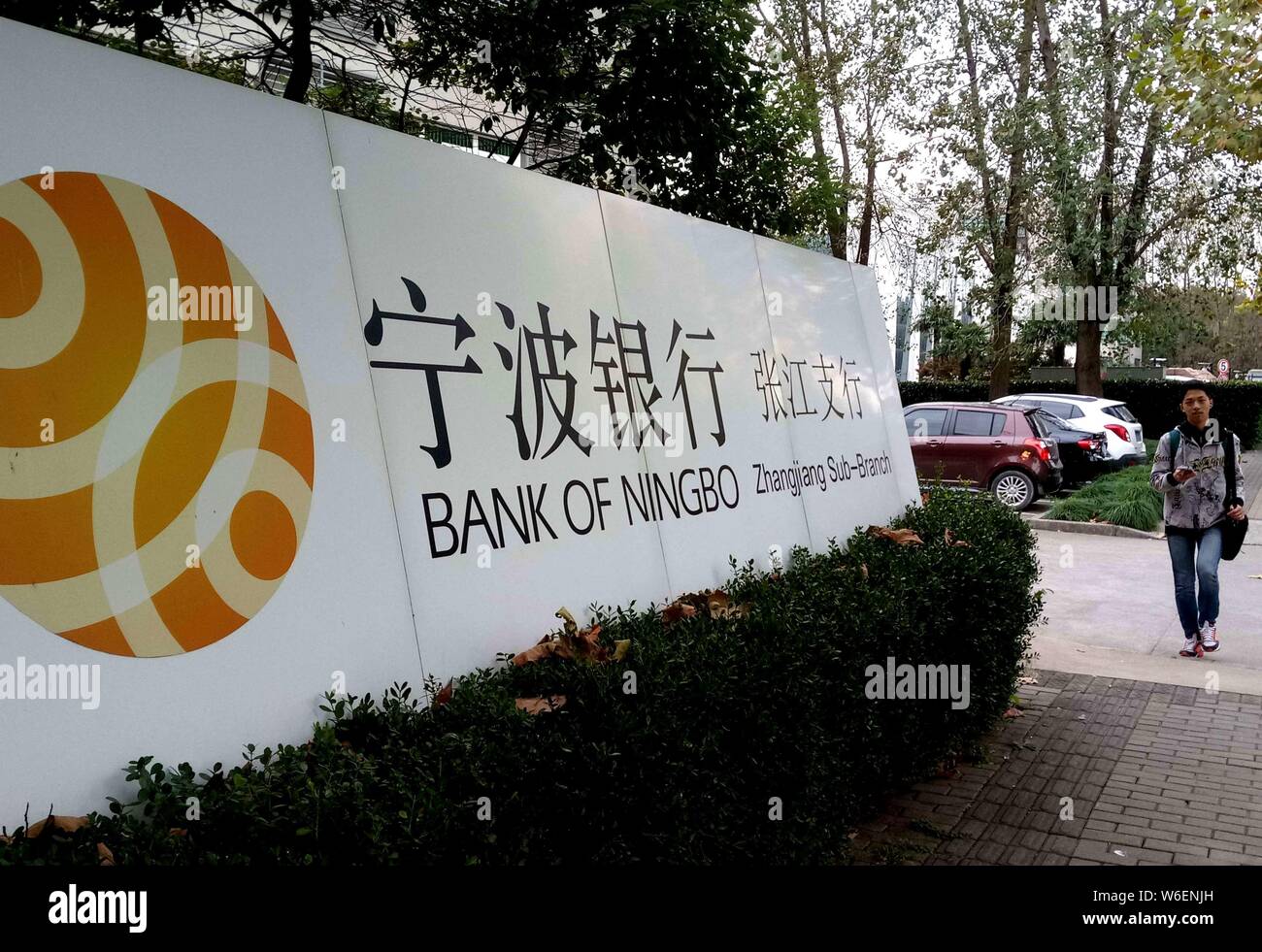
    Bank of Ningbo is poised to maintain its robust market position, bolstered by its established foothold in China’s affluent regions and solid funding stability, according to a recent report by S&P Global Ratings. While the bank’s strengths shine through its geographic focus and moderate capital adequacy, the rapid expansion of its assets serves as a notable counterbalance to these advantages.

    “The bank has consistently outperformed domestic peers in customer retention and profitability, even amidst economic downturns in its operating regions,” the ratings agency affirmed in a press release. This resilience can largely be attributed to Bank of Ningbo’s deep integration into the local ecosystem, enhanced by agile services that benefit from an early embrace of digital technologies.

    One of the bank’s standout features is its emphasis on cross-border settlements and foreign exchange management, which appeals to its primary clientele: private small to medium-sized enterprises engaged in international ventures. Since being recognized as a domestic systemically important bank (D-SIB) in China in 2021, Bank of Ningbo has enjoyed enhanced customer loyalty and reduced funding costs.

    “We anticipate low credit losses and a high non-performing asset (NPA) coverage ratio for Bank of Ningbo over the next two years. The bank’s credit cost averaged 1.13% over the past five years, outperforming the sector average of 1.27%,” S&P noted.

    As of the end of 2024, Bank of Ningbo commands a 0.58% market share nationwide, with impressive figures of 11.46% in Ningbo City and 3.99% across Zhejiang province. These strengths, coupled with an above-average net interest margin (NIM), position the bank favorably for continued profitability. “The bank’s return on average assets stood at 1.02% and NIM at 2.05% between 2020 and 2024, compared to the sector averages of 0.73% and 1.86%,” S&P elaborated.

    In summary, with its unique local insight and smart digital solutions, Bank of Ningbo isn’t just surviving; it’s thriving in the fast-paced world of banking.

    Questions & Answers

    What factors contribute to Bank of Ningbo’s strong market position?
    The bank’s solid presence in high-income regions, coupled with adequate funding and liquidity, allows it to maintain a competitive edge.

    How has the bank’s digital transformation impacted its operations?
    Early adoption of digital systems has enabled the bank to offer agile services, deepening its integration within the local ecosystem and enhancing customer satisfaction.

    What is the bank’s current market share in China?
    As of the end of 2024, Bank of Ningbo holds a 0.58% market share nationwide, with an impressive 11.46% in Ningbo City and 3.99% in Zhejiang province.

  • Gold Reaches Three-Week Peak, Signaling a Potential Market Turnaround

    Gold Reaches Three-Week Peak, Signaling a Potential Market Turnaround

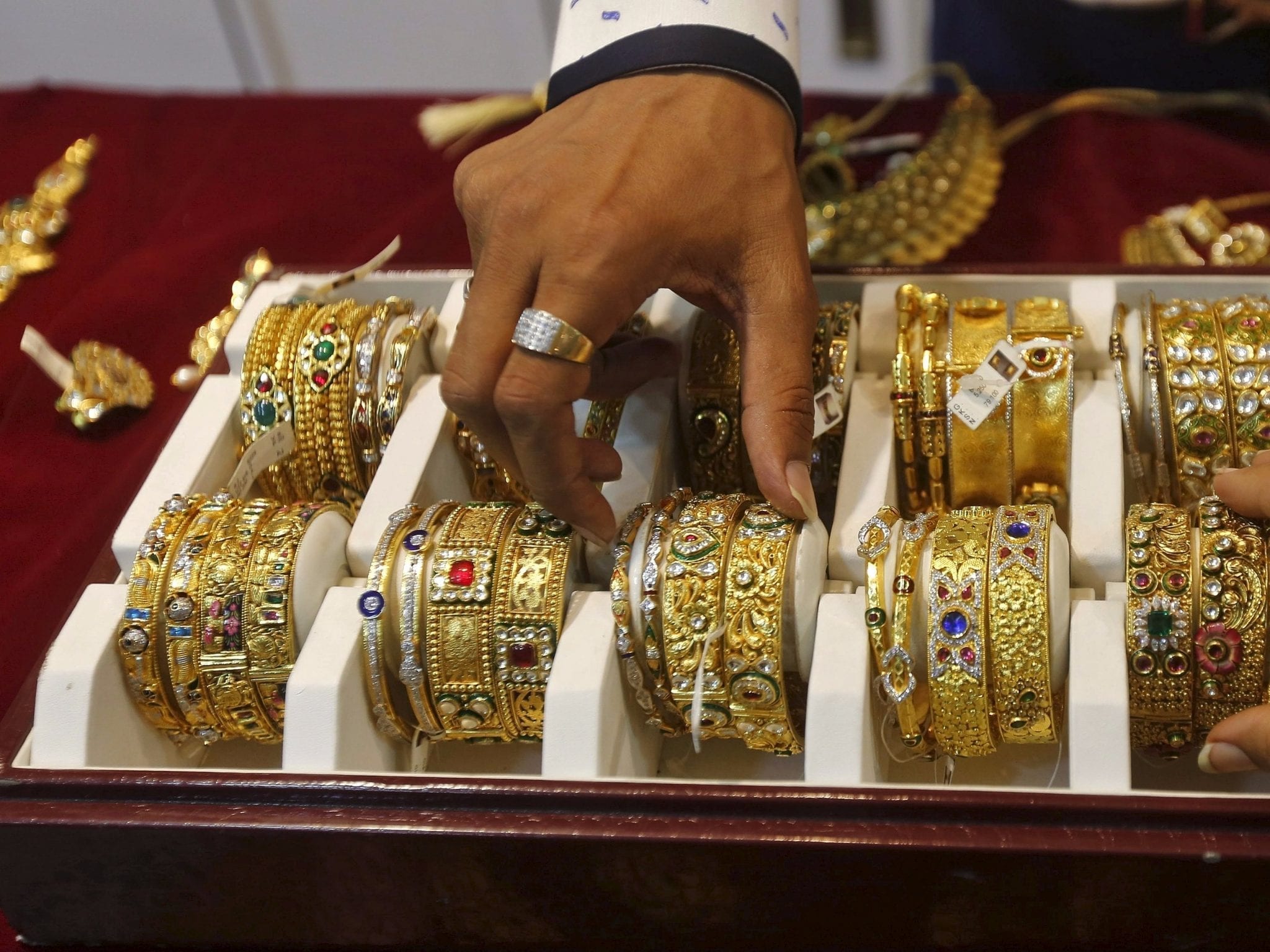
    Gold prices in Vietnam are experiencing a noticeable rebound, reaching their highest levels since April 24 on Saturday. This uptick reflects a lively market fueled by recent global events.

    Rising Prices in Vietnam

    The Saigon Jewelry Company reported a 0.25% increase in gold bars, now priced at VND 120.33 million (around US$4,614.76) per tael. Meanwhile, gold rings saw a slightly higher rise of 0.52%, reaching VND 116.8 million per tael. Since the start of the year, gold has surged by an impressive 43%.

    Global Influences

    On the international stage, gold prices soared on Friday as investors flocked to safe-haven assets in light of Israeli airstrikes on Iran, which rekindled fears of a broader Middle Eastern conflict, according to Reuters. Spot gold climbed 1.3% to $3,428.10 an ounce, drawing tantalizingly close to its record high of $3,500.05 from April. For the week, gold prices surged nearly 4%.

    The geopolitical uncertainty is palpable. “Israel knocking out Iranian targets is causing a little bit of geopolitical scare in the market,” noted Daniel Pavilonis, senior market strategist at RJO Futures. “Prices will stay elevated in anticipation of what is to come, the retaliation by Iran.”

    As the markets react to these developments, major financial institutions are optimistic about gold’s trajectory. Goldman Sachs has issued a bold prediction, stating that robust central bank buying could push gold prices up to $3,700 per ounce by the end of 2025 and even reach $4,000 by mid-2026. Bank of America also sees a potential path for gold to climb to $4,000 in the coming year, making it an exciting time for gold enthusiasts.

    Who knew that a geopolitical skirmish could send gold prices dancing like a pop star?

    Questions & Answers

    What factors are contributing to the rise in gold prices in Vietnam?
    The rise in gold prices is largely influenced by global events, including heightened geopolitical tensions following Israeli airstrikes on Iran, leading investors to seek safe-haven assets.

    How much has gold price risen in Vietnam since the beginning of the year?
    Gold prices in Vietnam have surged by an impressive 43% since the start of the year, reflecting a broader trend across global markets.

    What predictions do financial analysts have for gold prices in the next few years?
    Goldman Sachs forecasts that prices could reach $3,700 per ounce by the end of 2025 and $4,000 by mid-2026, while Bank of America believes prices could also rally to $4,000 within the next 12 months.

  • Vietnam’s Textile Industry Set to Innovate with First-Ever Steam-Generating Heat Pump Pilot Project

    Vietnam’s Textile Industry Set to Innovate with First-Ever Steam-Generating Heat Pump Pilot Project

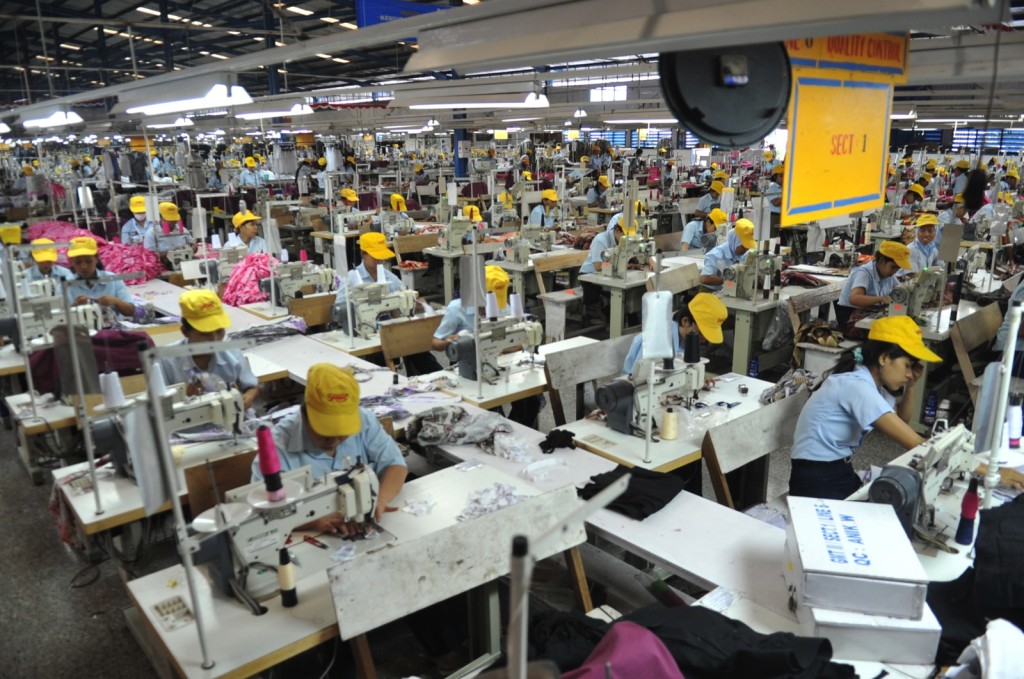
    H&M Group is amongst the partners in the project. Vietnam’s textile and apparel industry is set to take a significant leap towards sustainability with the introduction of electric thermal technology later this year. The first steam-generating heat pump will be installed at a garment factory near Hanoi, marking a transformative moment in the sector.

    This ambitious initiative brings together the expertise of the Apparel Impact Institute (Aii), WWF, H&M Group, and Bangjie, a notable textile manufacturer whose Hung Yen facility is a key supplier for the Swedish fashion powerhouse. This pilot project is the first electrification effort within Vietnam’s textile industry, which plays a crucial role in the national economy but also contributes significantly to its carbon emissions. The electric heat pump will replace traditional coal-fired boilers, meeting the facility’s full steam and heat requirements while providing a cleaner, more efficient solution.

    This project aligns seamlessly with H&M Group’s commitment to reducing supply chain emissions by 56% by 2030, showcasing their drive towards a more sustainable future. Given that thermal energy accounts for more than half of the energy demand in textile manufacturing, the need for innovative solutions is pressing. Processes like dyeing, washing, bleaching, and drying all rely on steam and hot water, making the shift to electric systems even more vital.

    The new heat pump system will not only harness waste heat from factory operations for dyeing, drying, and setting but also enhance indoor working conditions by improving air cooling. This multifaceted approach underscores a commitment to both productivity and employee well-being.

    This initiative is part of Aii’s Low Carbon Thermal Energy Roadmap, which targets early-stage electrification pilots to drive costs down and foster broader adoption within the industry. It’s a promising step towards a more sustainable textile sector in Vietnam.

    And who knows—this shift to electrification might just spark a fashion revolution, where eco-friendliness becomes the new chic!

    Questions & Answers

    What is the significance of the electric heat pump project in Vietnam?
    The project represents Vietnam’s first major step towards electrifying the textile industry, replacing coal-fired boilers with cleaner, more efficient electric systems.

    Which organizations are involved in this initiative?
    The collaboration includes the Apparel Impact Institute (Aii), WWF, H&M Group, and Bangjie, the textile manufacturer behind the pilot project.

    What are the expected benefits of the new system besides reducing emissions?
    Beyond cutting emissions, the new system will improve operational efficiency, enhance indoor working conditions, and significantly reduce reliance on thermal energy sourced from coal.

  • Construction of $52 million solar power plant starts in central Vietnam

    Construction of $52 million solar power plant starts in central Vietnam

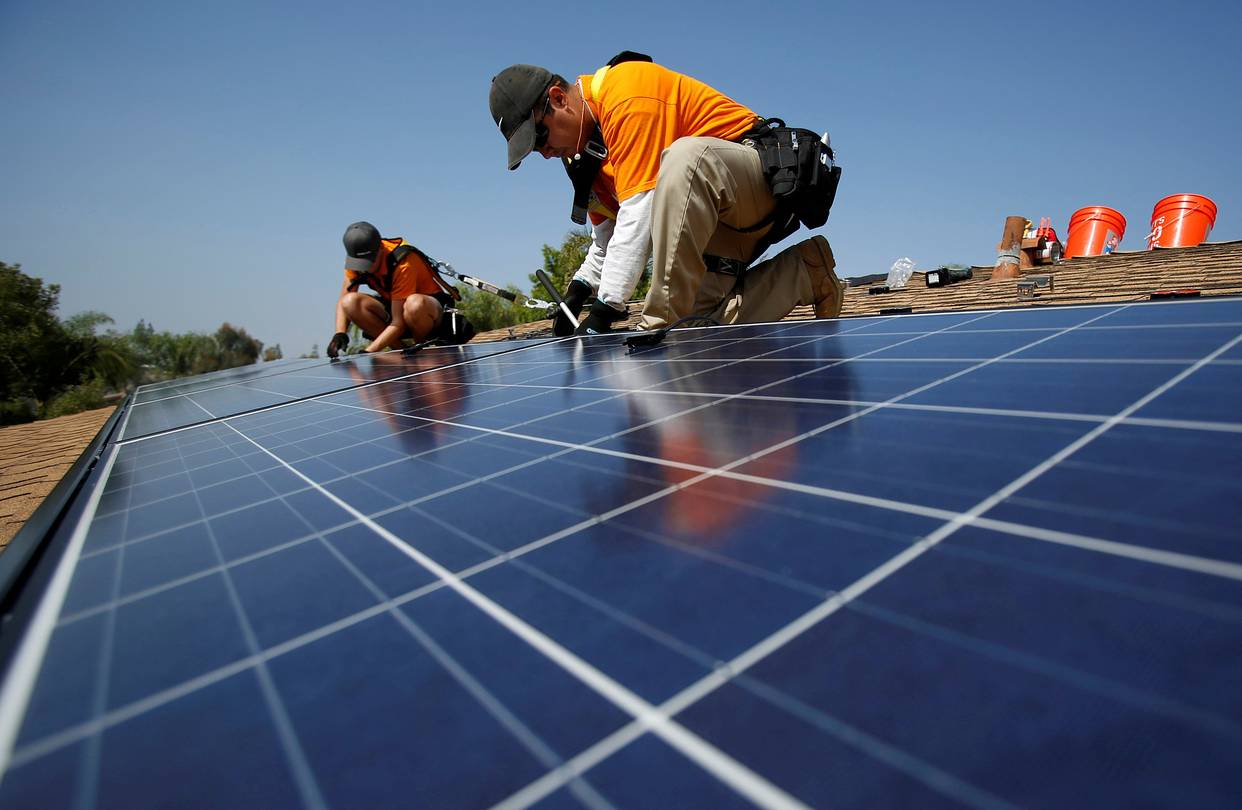
    Work has begun on a $52 million solar power plant in the south central province of Ninh Thuan.

    Project representatives said that of the total investment of VND1.2 trillion ($52.2 million), VND900 billion ($39.1 million) will go towards equipment costs; and the rest for land clearance and construction.

    “The Phuoc Huu solar plant project will supply clean energy to the national electricity system and cater to power demand in the whole country in general and Ninh Thuan Province in particular,” said a representative of Nha Trang Bay Investment and Construction JSC, the project investor.

    In the first year of operation, the power plant is expected to generate about 104.1 million kWh.

    “The construction of Phuoc Huu solar power plant aligns with directions from the government, the Ministry of Industry and Trade and the Vietnam Electricity’s orientation to develop clean energy,” the representative said.

    Vietnam currently relies largely on hydropower and thermal power plants for its electricity demands, but these projects have drawn frequent domestic and international criticism for their social and environmental impacts.

    Solar power currently accounts for just 0.01 percent of the country’s total power output, but the government plans to increase the ratio to 3.3 percent by 2030 and 20 percent by 2050.

    Vietnam aims to produce 10.7 percent of its electricity from renewable energy sources by 2030, mainly through solar and wind power projects.

  • Dollar Dips Slightly Against Dong: Key Trends to Watch in Currency Exchange

    Dollar Dips Slightly Against Dong: Key Trends to Watch in Currency Exchange

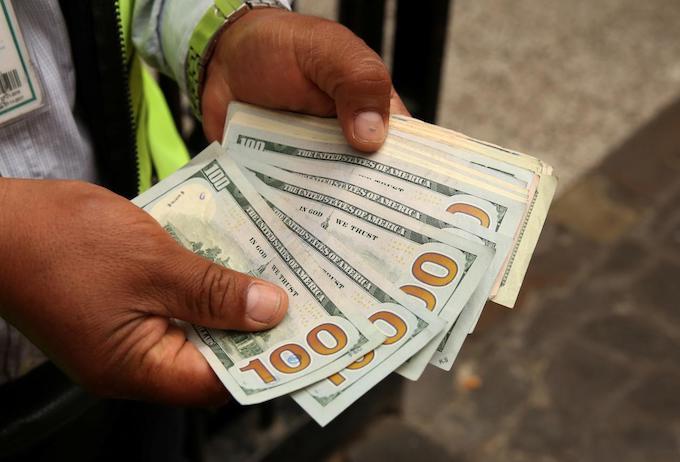
    The U.S. dollar took a dip against the Vietnamese dong on the black market Saturday morning, rounding out a week of financial fluctuations. The greenback slid 0.34% to VND26,290 at unofficial exchange points, signifying a notable shift as currency dynamics remain in flux.

    Meanwhile, Vietcombank maintained its rate at VND26,223, while the State Bank of Vietnam’s reference rate held steady at VND24,975, suggesting a calm amidst the stormy seas of international currency markets.

    Globally, the dollar experienced a surprising uptick against major currencies like the euro and yen on Friday. Investors rushed to secure safe-haven assets in response to escalating geopolitical tensions in the Middle East following an Israeli attack on Iran, according to Reuters. In the afternoon trading session, the dollar notched a 0.3% gain to reach 143.88 against the Japanese yen and edged up 0.1% to 0.8110 against the Swiss franc. Despite this bounce, the dollar remains set for a weekly decline against both the yen and franc, and is down nearly 1% versus the yen—a trajectory that could mark its most significant weekly drop since mid-May.

    “Historically, geopolitical events trigger knee-jerk reactions in the markets,” noted Jack Janasiewicz, portfolio manager at Natixis Investment Managers in Boston, emphasizing the importance of looking past temporary turbulence.

    As we navigate these treacherous financial waters, the question remains: how will currencies dance in the face of shifting global dynamics?

    Questions & Answers

    What happened to the U.S. dollar against the Vietnamese dong?

    The U.S. dollar dropped 0.34% to VND26,290 on the black market.

    How did the U.S. dollar perform globally?
    On Friday, the dollar rose against major currencies like the euro and yen amidst geopolitical tensions in the Middle East.

    What are the implications of these fluctuations?
    While the dollar gained temporarily, it is still on track for a weekly loss against the yen and franc, raising concerns about ongoing market stability.

  • Vietnamese Airlines Avoid Israeli and Iranian Airspace, Ensuring Safe Skies for Travelers

    Vietnamese Airlines Avoid Israeli and Iranian Airspace, Ensuring Safe Skies for Travelers

    National flag carrier Vietnam Airlines has taken decisive action to ensure the safety of its passengers and crew amidst escalating tensions between Israel and Iran. The airline has adjusted its routes to avoid potential conflict zones, a move that reflects the growing impact of these geopolitical strife on the global aviation landscape.

    Safe Skies for Travelers

    Currently, Vietnam Airlines continues to operate its flights to Europe without interruption, a reassurance shared by a representative in a statement to the Vietnam News Agency on Friday. Other Vietnamese airlines, including Vietjet Air, Bamboo Airways, and Vietravel Airlines, have also chosen to steer clear of Israeli and Iranian airspace, underscoring a collective commitment to passenger safety.

    The ripples of political tensions have not gone unnoticed in the aviation sector, as recent Israeli airstrikes on Iranian targets have prompted numerous flight cancellations and diversions worldwide. Flight tracking service Flightradar24 highlighted a significant re-routing trend among airlines seeking to sidestep the airspace over Israel, Iran, Iraq, and Jordan, demonstrating how rapid shifts in global events can lead to immediate logistical challenges for carriers.

    In a decisive move, Iraqi state media announced the closure of its airspace and halted all airport operations early on June 13. The eastern region of Iraq, which borders Iran, is a critical aviation corridor connecting Europe, the Gulf, and Asia—making the closure particularly impactful. Within hours, Jordan also locked down its airspace as tensions escalated in the region.

    Navigating these tumultuous skies is no easy task, but the quick responses from airlines illustrate an adaptive industry keen on keeping travelers safe. It’s a reminder that sometimes, the clouds of uncertainty can only be tackled with swift and careful planning.

    Questions & Answers

    What measures has Vietnam Airlines taken in response to regional tensions?
    Vietnam Airlines has rerouted its flights to avoid conflict zones, ensuring the safety of passengers and crew members.

    Are other Vietnamese airlines affected by these issues?
    Yes, Vietjet Air, Bamboo Airways, and Vietravel Airlines have also opted not to operate flights through Israeli or Iranian airspace.

    What recent events led to these changes in air travel?
    The changes followed Israeli airstrikes on targets in Iran, which triggered widespread flight cancellations and diversions as airlines sought to protect their passengers.

  • Gold Market Set for Exciting Competition as Bullion Monopoly Comes to an End!

    Gold Market Set for Exciting Competition as Bullion Monopoly Comes to an End!

    Dao Xuan Tuan, the director of the Foreign Exchange Management Department at the State Bank of Vietnam, has announced exciting developments in the nation’s gold bullion landscape. In a recent statement to the Lao Dong (Labour) daily, Tuan revealed that the central bank is finalizing a draft government decree aimed at gradually liberalizing the gold bullion market while maintaining rigorous regulatory oversight.

    Opening the Gates to Competition

    One of the most significant proposals in the draft is the plan to permit eligible banks and enterprises to import raw gold and produce bullion, a privilege that has historically belonged to a single entity. This shift not only breaks the monopoly but is poised to inject vitality into the market. Tuan explained that licenses will be issued to credit institutions and enterprises that fulfill specific conditions, enabling them to import raw gold for both bullion production and jewelry-making.

    Material import quotas will be granted based on macroeconomic conditions, monetary policy, and market fluctuations, aiming to strike a balance between liberalization and regulatory control. Tuan emphasized that this new approach will enforce strict oversight while dismantling existing monopolistic structures.

    Accountability and Transparency in Production

    According to the proposed regulations, licensed bullion producers must publicly disclose quality standards and maintain detailed transaction logs that interface with regulatory authorities. Tuan firmly asserted that producers will be held accountable if the quality of their products fails to meet the proclaimed standards, underscoring the emphasis on transparency in bullion transactions, which will be subject to audits at any time.

    This initiative to introduce multiple bullion brands is expected to foster competition, reduce price discrepancies among brands, and ultimately benefit consumers, much like a thrilling game show where everyone walks away with a prize!

    Enhancing the Jewelry Sector

    Turning to the thriving jewelry sector, Tuan highlighted that over 6,000 enterprises are active in this field, most of which are small and struggle to secure import licenses due to financial constraints. The draft decree intends to address this by permitting only credit institutions and bullion producers authorized to produce gold bullion to import raw gold. They can then pass on raw materials to domestic jewelry manufacturers, promising to increase the availability of raw gold while keeping import activities under tight supervision.

    Licensed importers will also need to implement transparent internal processes, meticulously maintain transaction records, and ensure their information systems are connected with relevant authorities, fortifying inspection and monitoring protocols.

    The revised decree is expected to herald a new era for Vietnam’s gold market, paving the way for a more competitive and transparent marketplace that is in sync with evolving market conditions and legal frameworks.

    Questions & Answers

    What is the main goal of the proposed government decree?
    The decree aims to gradually liberalize the gold bullion market in Vietnam while ensuring thorough regulatory oversight.

    Who will be allowed to import raw gold under the new regulations?
    Eligible banks and enterprises that meet specific conditions will be granted licenses to import raw gold for bullion production or jewelry-making.

    How will the proposed changes impact the jewelry sector?
    The new regulations aim to increase the supply of raw gold and provide greater opportunities for small-scale jewelry manufacturers while ensuring that import activities remain controlled and transparent.

  • Vietnam’s E-Commerce Revolution: Platforms Embrace Immersive Experiences Over Discounts for Engaging Shopping Journeys

    Vietnam’s E-Commerce Revolution: Platforms Embrace Immersive Experiences Over Discounts for Engaging Shopping Journeys

    Double-day events—dates like 6/6, 9/9, and 11/11—have historically served as prime opportunities for online retailers, marked by aggressive promotions and a flurry of sales. However, growing indications of diminishing returns, especially among Gen Z, are nudging platforms to rethink their marketing strategies.

    According to TikTok’s What’s Next 2023 report, a remarkable 72% of Gen Z users trust product recommendations from content creators more than traditional ads. In a striking revelation, 83% confessed to making purchases after enjoying a livestream. These figures underscore a notable shift towards authentic, personalized content over conventional sales pitches.

    Younger consumers are now leaning towards emotional connections, real-life narratives, and product discovery through relatable influencers and entertaining content.

    Transforming Transactions into Engagement

    In response to these emerging trends, many e-commerce platforms are reimagining their strategies. Livestreams, once primarily seen as direct sales mechanisms, are evolving to emphasize storytelling, interactivity, and community connection.

    Take Lazada’s recent 6.6 campaign, for instance. It featured an innovative livestream series titled Kinh LazTo, inspired by the traditional Vietnamese bingo-style game, lo to. Running from June 3 to 6, the show artfully entwined modern e-commerce with cultural flair, creating a vibrant atmosphere that invited viewer participation while seamlessly promoting featured products.

    Rather than merely showcasing discounts, hosts cleverly introduced sale items through interactive gameplay, allowing viewers to add them to their carts in real time. The experience resembled a live festival, complete with a digital bingo machine, dazzling visual effects, and lively commentary. Viewers didn’t just watch; they engaged, responding enthusiastically to each draw and forming connections with the products on display.

    A Shifting Competitive Landscape

    In an ever-crowded e-commerce environment, the old trick of discounting loses its charm and differentiation. As consumer expectations continue to shift, brands are venturing into new territories that place a premium on emotional resonance, entertainment, and engagement.

    Initiatives like Lazada’s bingo-inspired livestream illustrate how platforms are inventively enhancing customer experience while ensuring sales performance. While discounts still play a role in the equation, there’s a growing focus on long-term engagement strategies that aim to foster loyalty and distinguish brands in today’s competitive digital marketplace.

    As we navigate this transformed retail world, one can’t help but wonder: Could the next shopping trend be an old-school carnival game come to life in a virtual format?

    Questions & Answers

    What is the main takeaway from the TikTok report regarding Gen Z?
    The report reveals that a significant 72% of Gen Z users prefer product recommendations from content creators over traditional advertisements, indicating a shift towards authentic marketing approaches.

    How did Lazada integrate cultural elements into its 6.6 campaign?
    Lazada’s campaign incorporated the traditional game of lo to, blending it with modern sales tactics to create a lively and engaging livestream event that resonated with viewers culturally and emotionally.

    What does the shift in e-commerce strategy suggest about future trends?
    The growing emphasis on interactive and emotionally resonant content suggests that future trends in e-commerce will prioritize community-driven experiences and personalized marketing over mere discounting strategies.

  • Coffee Exports Surge to All-Time High, Driven by Growing Demand from EU and US Markets

    Coffee Exports Surge to All-Time High, Driven by Growing Demand from EU and US Markets

    Vietnam’s coffee scene is brewing up some interesting developments! Although there was a slight dip in volume, with a 0.6% year-on-year decrease, the value of exports leapt by an impressive 62.3%. This surge was largely driven by a significant rise in average prices, which soared by 63.2% to reach $5,709 per ton, according to the latest customs data.

    Steaming Exports in May

    In May alone, Vietnamese coffee exports reached nearly 149,000 tons valued at $860 million. This marks a robust increase of 60.5% in volume and nearly 2.2 times more in value compared to the same month last year.

    Interestingly, the European Union continues to be the primary consumer of Vietnamese coffee, importing over 367,000 tons worth approximately $2 billion. This reflects a 10.2% rise in volume and a staggering 81.9% increase in value. Meanwhile, shipments to the United States also demonstrated impressive growth, climbing 6.3% in volume to 54,310 tons and skyrocketing 72.4% in value to $299 million.

    Emerging markets are also getting a taste of this coffee boom, with shipments to Algeria doubling and exports to Mexico and South Africa soaring by 39 and 17 times, respectively. Who knew coffee could create such a buzz?

    Challenges on the Horizon

    Despite these encouraging numbers, Vietnam’s coffee exports are not without hurdles. Global uncertainties and a downward trend in prices loom as potential challenges ahead. Analysts caution that coffee prices are likely to drop due to increased supply from major producers. By June 11, Robusta futures in London closed at $4,409 per ton, reflecting a 15.6% decline from the previous month, while Arabica on the New York exchange saw an 8.4% drop.

    Domestically, coffee prices in the Central Highlands have dipped to their lowest levels since November, now hovering around VND112,000 (approximately US$4.3) per kilogram—a 12% decrease. The price drop coincides with the new harvest seasons in Brazil and Indonesia, with Brazil’s coffee production anticipated to rise by 0.5% to 65 million bags for the 2025-26 harvest. Simultaneously, Vietnam’s output is projected to increase by 6.9% to 31 million bags, as per the U.S. Department of Agriculture.

    However, there’s a silver lining: the Import-Export Department under Vietnam’s Ministry of Industry and Trade remains optimistic about the coffee export outlook, estimating total annual exports could hit $7 billion—a significant leap from $5.4 billion in 2024.

    Questions & Answers

    What drove the recent spike in the value of Vietnamese coffee exports?
    The sharp increase in average prices, which rose by 63.2% to $5,709 per ton, contributed significantly to the surge in export value, despite a slight drop in volume.

    Which markets are leading in Vietnamese coffee imports?
    The European Union remains the largest market, with imports exceeding 367,000 tons, while there’s also notable growth in the U.S. and emerging markets like Algeria, Mexico, and South Africa.

    What are the potential risks facing Vietnam’s coffee exports?
    Key challenges include global price declines due to increased supply from major producers and uncertainties in global policies affecting market dynamics.