Author: Mei Ling Tan

  • Gold Prices Surge to Two-Week High: What This Means for Retail Investors

    Gold Prices Surge to Two-Week High: What This Means for Retail Investors

    Gold jewelry shines brightly in a Hanoi shop as Vietnam’s gold market experiences a notable surge this Thursday morning. Prices have climbed to their highest levels in over two weeks, driven by rising global rates.

    Gold Prices Rebound

    The Saigon Jewelry Company reported a 0.76% increase in the price of gold bars, now valued at VND119.7 million (approximately US$4,598.99) per tael, where a tael is equivalent to 37.5 grams (1.2 ounces). Similarly, gold rings saw a boost of 0.87%, reaching VND115.8 million per tael.

    Global Trends Impact Local Market

    On a global scale, gold prices saw a boost as geopolitical tensions in the Middle East added pressure and a weakening dollar rendered the precious metal more appealing to international buyers. Spot gold jumped 0.7% to reach $3,375.06 per ounce, while U.S. gold futures enjoyed a 1.5% increase to $3,395.

    The U.S. dollar index, recently falling to a near two-month low, has created conditions conducive to gold investment. “The weakness in the dollar index serves as a strong catalyst,” noted Kelvin Wong, a senior market analyst at OANDA in Asia Pacific. He highlighted that the bullish breakout of the $3,346 resistance level has triggered technical buying among investors.

    While gold’s allure often shines brightest in uncertain times, it appears that the market remains a vibrant space for both seasoned investors and curious newcomers alike.

    Questions & Answers

    What caused the rise in gold prices in Vietnam?
    The rise in gold prices is attributed to increased global prices due to geopolitical tensions in the Middle East and a weakening dollar.

    How did gold perform in the international market?
    Globally, spot gold increased by 0.7% to $3,375.06 per ounce, with U.S. gold futures rising 1.5% to $3,395.

    What is the significance of the U.S. dollar’s performance?
    The U.S. dollar index’s decline makes gold more attractive to international buyers, boosting demand and values in the market.

  • Dollar Surges Against Dong Amid Global Market Softening: What Retailers Need to Know

    Dollar Surges Against Dong Amid Global Market Softening: What Retailers Need to Know

    The U.S. dollar is enjoying a modest rise against the Vietnamese dong, but it’s singing a different tune when faced with major global currencies. This development marked Thursday morning as Vietcombank nudged its rate up by 0.04%, setting the dollar at VND26,210. Meanwhile, the State Bank of Vietnam adjusted its reference rate to VND24,990, a slight increase of 0.03%. Interestingly, in the black market, the greenback surged by 0.21%.

    Globally, however, the dollar was experiencing a slip, with reports from Reuters indicating that President Donald Trump might be leaning towards a more conciliatory approach in tariff discussions. Coupled with mounting hopes for cuts from the Federal Reserve, this resulted in the dollar shrinking in strength. Specifically, it fell 0.43% against the Japanese yen and 0.34% against the Swiss franc, trading at 143.98 and 0.81725, respectively.

    As for the broader picture, the dollar hit its lowest level against a basket of currencies since April 22, dropping to 98.327. On the other hand, the euro is basking in recent victories, having surged against a swath of currencies in its last session. Carol Kong, a currency strategist at Commonwealth Bank of Australia, noted that “expectations of fewer European Central Bank rate cuts have lent some support to the euro,” highlighting a shift in market sentiment that seems to favor the single currency.

    In these fluctuating currency tides, it’s clear that the dollar’s journey is anything but predictable—might we see it dancing back into favor soon, or is the decline here to stay?

    Questions & Answers

    What impact does the rise of the dollar against the dong have on the Vietnamese economy?
    The dollar’s rise can lead to increased costs for imports, potentially affecting inflation and consumer spending in Vietnam.

    What does the dollar’s drop against major currencies indicate about the U.S. economy?
    The dollar’s decline suggests increasing market confidence in foreign currencies, likely fueled by expectations of policy changes from the U.S. government and Federal Reserve.

    How do currency fluctuations affect consumers directly?
    Currency fluctuations can influence the prices consumers pay for imported goods and services, ultimately impacting their purchasing power.

  • Vietnam Poised to Boost Market Access for U.S. Exports, Reveals Economic Minister

    Vietnam Poised to Boost Market Access for U.S. Exports, Reveals Economic Minister

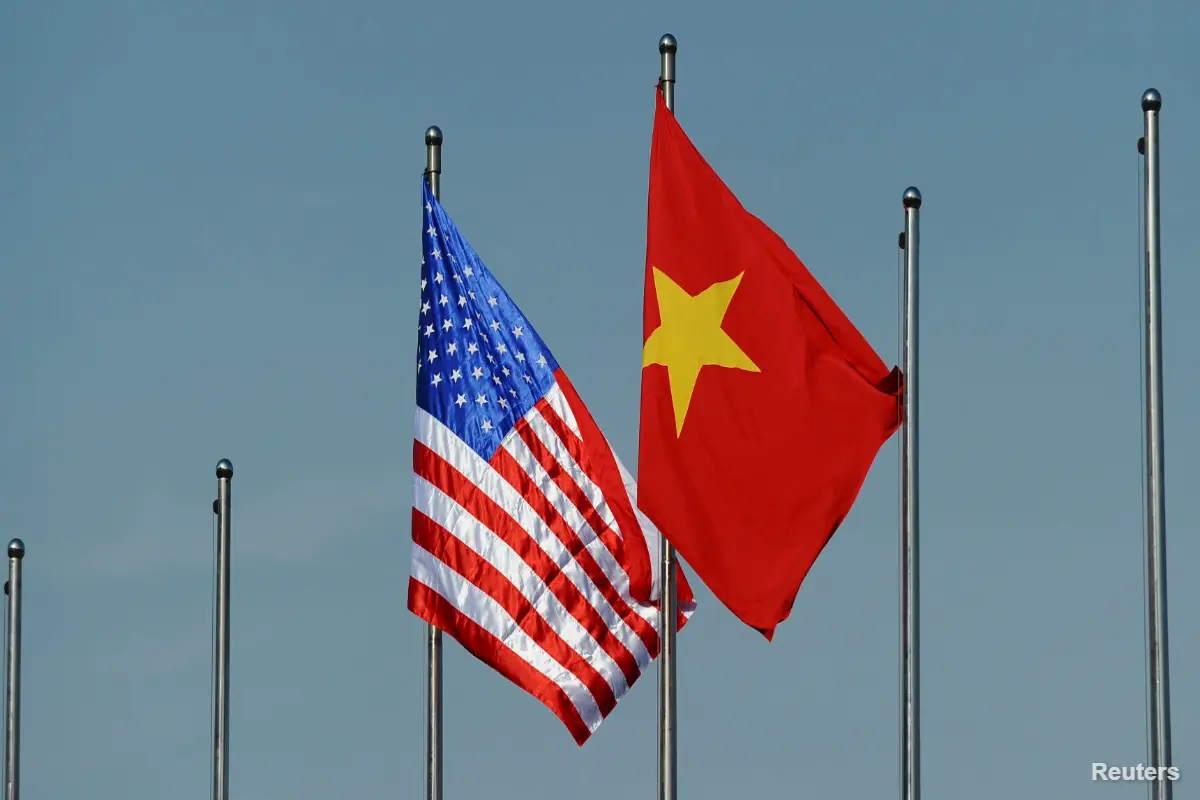
    During a pivotal meeting with Senator Roger Marshall in Washington D.C. on Wednesday, Vietnam’s Minister of Industry and Trade reaffirmed the nation’s commitment to strengthening its Comprehensive Strategic Partnership with the United States. This bold step aims to bolster economic and trade cooperation, benefiting both countries’ citizens and businesses.

    Negotiating New Trade Horizons

    At the heart of the discussions was the ongoing Reciprocal Trade Agreement talks between the two nations. The minister emphasized Vietnam’s steadfast commitment to pursuing these negotiations based on mutual respect for sovereignty and political systems, as well as a balance of interests, all in line with international commitments and the developmental statuses of both nations.

    He expressed confidence that Senator Marshall would leverage his influential standing within the Republican Party, along with his deep knowledge in trade, agriculture, and innovation, to champion Vietnam’s interests throughout the negotiation process. The minister also called on Marshall to foster cooperation between Vietnam and Kansas, particularly in sectors where the state excels, such as agriculture, aerospace, and biotechnology.

    Building Stronger Partnerships

    Senator Marshall responded positively, noting Vietnam’s proactive stance and integrity in the negotiations. He pledged to discuss the matter with the President and relevant Cabinet members, anticipating fruitful results from both parties. He also commended the minister’s visit, recognizing it as a doorway to enhanced collaboration across various fields.

    Later that same day, the Vietnamese minister engaged with leaders from Nike and Walmart, both of which have made significant investments and maintained substantial operations within Vietnam. During his discussion with Nike executives, he commended the company’s long-term commitment to the country, where nearly half of Nike’s global footwear is produced, generating over 450,000 jobs for locals. Addressing potential concerns regarding the impact of current tariff policies, he proposed strategic initiatives to support Nike’s continued success in Vietnam, emphasizing that the company is viewed not just as an investor but as a vital strategic partner in Vietnam’s sustainable development and international integration.

    Boosting Walmart’s Commitment

    In his talks with Walmart, the world’s largest retail corporation, the minister recognized the company’s role in promoting Vietnamese goods worldwide. He encouraged Walmart to amplify its procurement of high-value, environmentally friendly products and even consider creating a strategic sourcing hub in Vietnam. Furthermore, he highlighted the importance of strengthening supplier capacity by sharing technical standards and offering training initiatives.

    Addressing the challenges Walmart has encountered in Vietnam, the minister assured that the Ministry of Industry and Trade, along with the Ministry of Finance and other relevant agencies, would work together to enhance policies for better transparency and alignment with global practices.

    As negotiations for the Reciprocal Trade Agreement reach a crucial stage, the minister called on Nike and Walmart to actively champion the process and foster a fair, balanced, and sustainable agreement between the U.S. and Vietnam. He reiterated that Vietnam not only wishes for these companies to flourish in its market but also sees them as key allies in creating a green, transparent, and sustainable supply chain, enhancing economic ties between the two nations.

    Earlier, on June 10, the minister had a productive meeting with ExxonMobil executives regarding ongoing collaborations in energy projects in Vietnam, highlighting the significance of ExxonMobil’s commitment to providing reliable energy while minimizing greenhouse gas emissions, thus aligning with Vietnam’s carbon neutrality goals. The ExxonMobil representatives expressed strong confidence in Vietnam’s economic growth prospects, a testament to their commitment to developing multiple projects in the region.

    Questions & Answers

    What key message did the Vietnamese minister convey to Senator Marshall?
    The minister emphasized Vietnam’s determination to enhance its partnership with the U.S. and focus on economic and trade cooperation for mutual benefits.

    How does Vietnam view its relationship with Nike and Walmart?
    Vietnam sees both companies as strategic partners, essential for sustainable development rather than just as investors.

    What specific areas did Vietnam hope to collaborate on with Kansas state?
    The minister called for cooperation particularly in agriculture, aerospace, and biotechnology, where Kansas has significant strengths.


  • Travelex appoints new Australia and New Zealand Retail Director

    Travelex appoints new Australia and New Zealand Retail Director

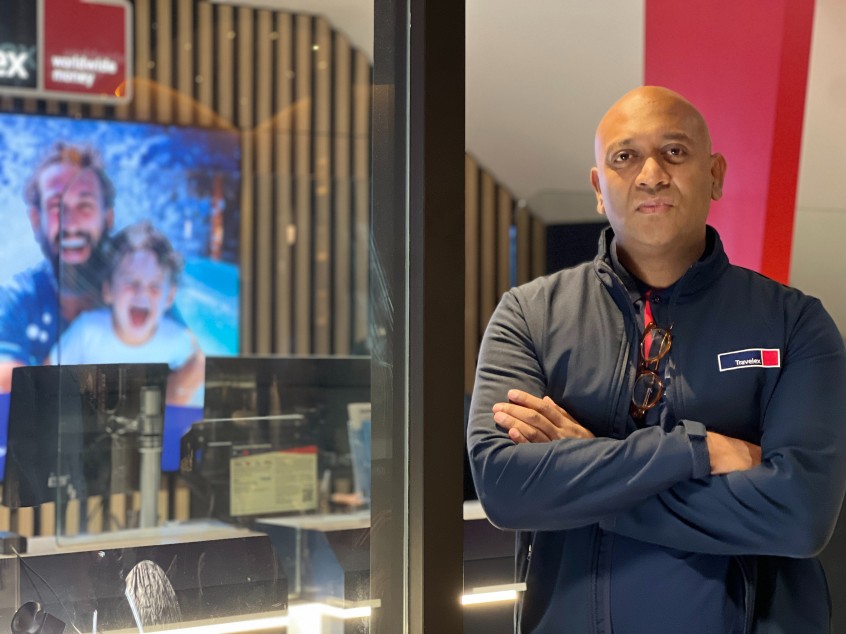
    Leading foreign exchange brand Travelex has appointed Asokan Sathurayar as Retail Director in Australia and New Zealand (ANZ) to accelerate the company’s next stage of regional retail growth.
    Sathurayar joins Travelex with over two decades of experience in senior retail leadership roles across ANZ, including 15 years at Luxottica, where he played a key role with renowned brands such as Sunglass Hut and Oakley. Most recently, he led high-performing teams and drove transformational change as Head of Retail at Dusk Australasia.
    As Retail Director, Sathurayar’s focus is on delivering retail excellence, driving regional business growth and enhancing team performance. His remit will include overseeing Travelex’s regional portfolio of foreign currency services, including both cash and pre-paid travel money solutions, as well as the network of more than 125 stores and 70 ATMs located across key travel and retail hubs.
    Sathurayar will also be driving the evolution of Travelex’s omnichannel delivery and distribution network, which includes home delivery, click and collect and retail distribution partnerships.
    Asokan brings deep retail expertise to Travelex, at a time when our customer expectations are rapidly evolving across both physical and digital channels. His appointment reflects our commitment to offering our customers a seamless, convenient omnichannel experience driven by operational agility” said Simon Jackson, Chief Customer Officer at Travelex.
    “With an increasing number of travellers planning ahead to acquire travel money, Asokan is well placed to drive growth of our physical, online and partner distribution channels across the region,” added Jackson.
    Travelex recently relaunched a new store in Chadstone Shopping Centre, Australia’s largest shopping destination, which attracts more than 400,000 visitors each year, as well as recently renewing its partnership with Australia Post, Australia’s largest retail network, providing travel money services to customers across 3,200 Australian post offices.
  • PostFinance Welcomes New CFO with Impressive History from Major Banking Institutions

    PostFinance Welcomes New CFO with Impressive History from Major Banking Institutions

    Postfinance has made a significant stride in its leadership by appointing Claudio Gaugler as the new Chief Financial Officer, effective at the start of September. Gaugler is stepping into the role previously held by Kurt Fuchs, who concluded his 13-year tenure at the end of February 2025.

    Described as a seasoned financial expert with a wealth of leadership experience in the banking sector, Gaugler brings a robust profile to the table. Until his arrival, Marc Bonfils will continue to act as interim head of Finance, ensuring a seamless transition before returning to his position as Head of Treasury.

    Significant Experience with Top Banking Institutions

    At just 40 years old, Gaugler arrives with more than 15 years of international experience in finance. He studied Business Administration and Banking and Finance at the esteemed University of St. Gallen. Since 2010, he has held strategic positions and senior roles in corporate development at Credit Suisse and UBS, enhancing his reputation within the industry.

    Most recently, Gaugler served as the CFO of Credit Suisse Asset Management, where he played a pivotal role in overseeing the financial integration with UBS following the latter’s acquisition.

    Fuchs’s departure, announced in June 2024, was a decision driven by his desire for a fresh leadership team to take the reins under the guidance of new CEO Beat Röthlisberger. With Gaugler’s appointment, Postfinance appears poised for a dynamic new chapter, ready to embrace fresh challenges and opportunities in the financial landscape.

    As the saying goes, “new blood brings new ideas,” and Postfinance seems excited for the creative infusion Gaugler promises.

    Questions & Answers

    What is Claudio Gaugler’s professional background? Gaugler has over 15 years of experience in the financial sector, having held significant positions at Credit Suisse and UBS, and recently served as CFO of Credit Suisse Asset Management.

    When did Kurt Fuchs announce his departure? Fuchs announced his retirement in June 2024 after a 13-year tenure, expressing a desire for a new leadership team to emerge.

    What is Marc Bonfils’s role during the transition? Bonfils is currently serving as the interim head of Finance, ensuring a smooth transition before resuming his role as Head of Treasury.

  • Hanoi Retailers Brace for Impact as Owners Close Shops Amid Fears of New Tax and Anti-Counterfeit Measures

    Hanoi Retailers Brace for Impact as Owners Close Shops Amid Fears of New Tax and Anti-Counterfeit Measures

    Retailers in Hanoi are facing a troubling trend as countless shops close their doors amid a surge in e-commerce, increased taxes, and a rigorous crackdown on counterfeit goods. The booming online marketplace has outpaced traditional retail, leading many store owners to rethink their business strategies and pivot away from brick-and-mortar operations.

    The Changing Landscape of Retail in Hanoi

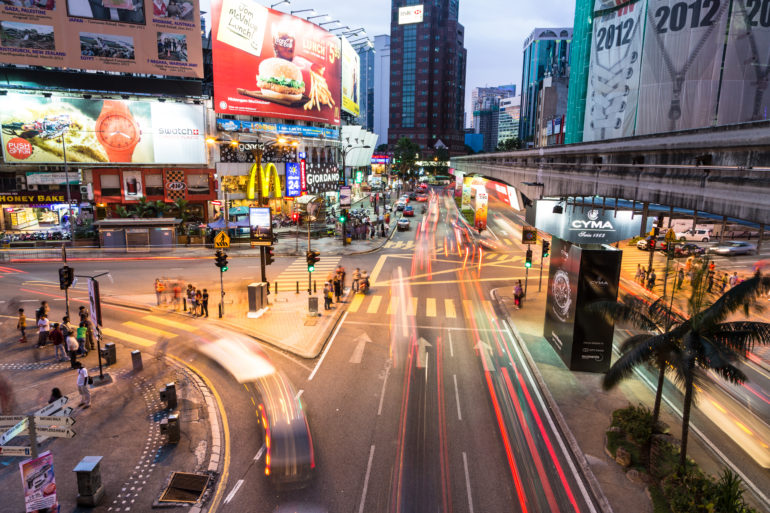
    Chua Boc Street, a once bustling hub for fashion lovers, has become eerily quiet over recent months. Once lined with vibrant shops and throngs of customers, it now showcases “For Rent” signs reminiscent of the social distancing days during the pandemic. With rental prices topping VND1 million (about US$38) per square meter, many retailers are finding it hard to cope with the changing economic environment.

    The shuttering of storefronts extends to Pham Ngoc Thach Street and Nguyen Trai Street, where multiple vendors have resorted to eye-catching discount sales, likely their last cry for continued operations. Hang Bong Street—popular among tourists—is also seeing significant closures as stores slash prices to liquidate inventory, offering bargains as low as VND50,000.

    Not all hope is lost for some retailers, though. A growing number are choosing to maintain a virtual presence; opening their physical locations just enough to manage e-commerce deliveries, only to quickly lock up again. “We are still selling, but mostly online,” shared a vendor from Dao Duy Anh Street, where closures are rampant.

    Economic Pressures and Regulatory Changes

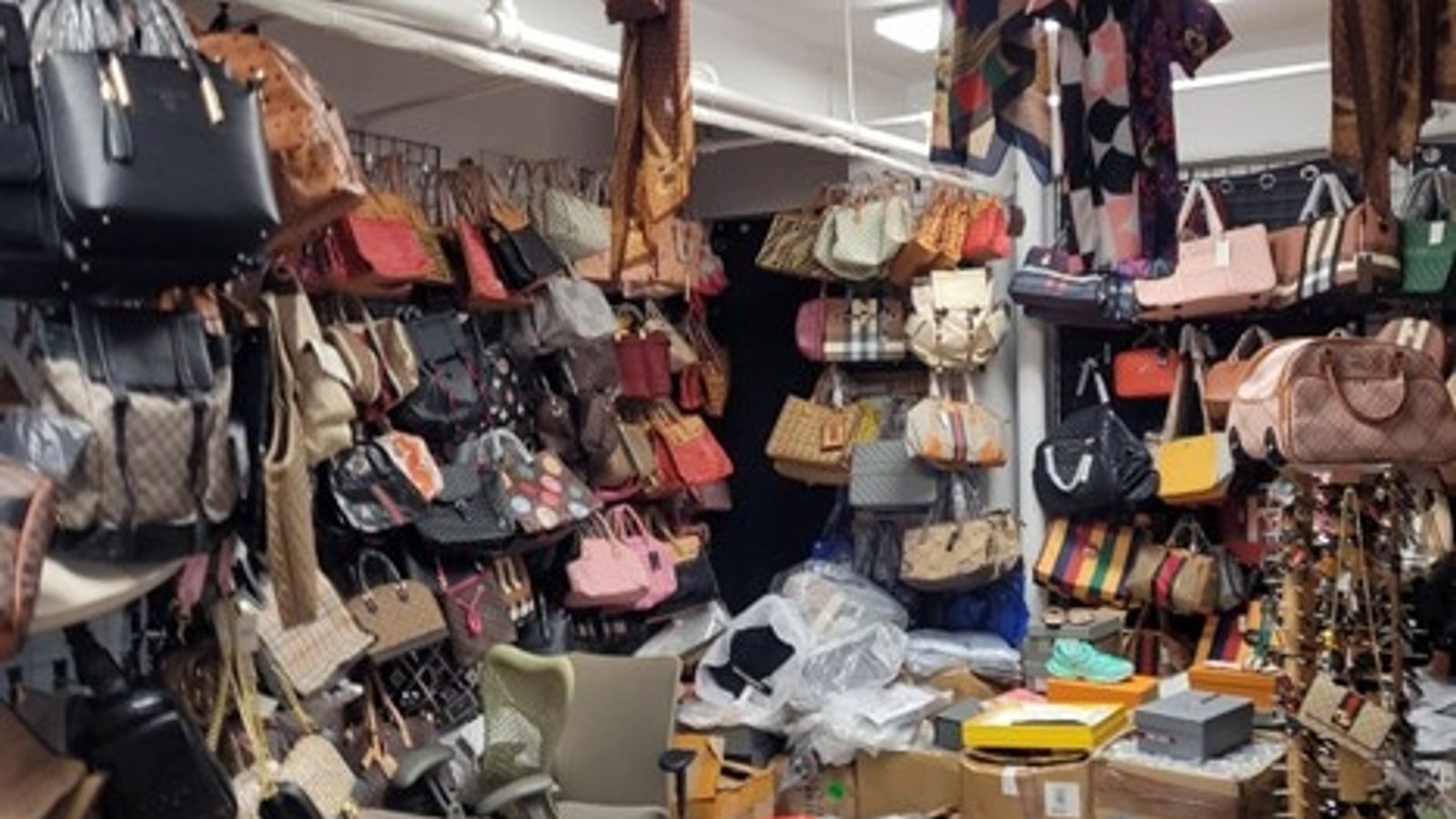
    Market authorities’ intensified scrutiny over product origins to combat counterfeit goods has made trading increasingly challenging. More troubling is the recent tax policy that requires sellers with revenues exceeding VND1 billion to pay a variable percentage instead of a fixed fee. The fear of rising operational costs has driven many to consider shutting down entirely.

    “I closed my shop last week due to the stricter tax laws and concerns over product authenticity,” lamented a distressed retailer.

    While some shops have closed, others have resorted to the less traditional approach of operating in stealth, selling their wares online but keeping their physical appearances under wraps—an ingenious yet risky adaptation to an ever-evolving marketplace.

    As Hanoi’s retail landscape transforms, it seems that adaptability is not just important; it’s essential for survival.

    Questions & Answers

    What is driving the closures of retail stores in Hanoi?
    The closures are predominantly due to the explosive growth of e-commerce, higher taxes, and a government crackdown on counterfeit goods, leading many retailers to rethink their business models.

    How are some retailers adapting to the changing market?
    Many retailers are shifting their operations online, reducing their physical store hours, and handling customer interactions primarily through e-commerce platforms.

    What tax changes are impacting Hanoi’s retailers?
    A new tax policy requires sellers with revenues of VND1 billion or above to pay a percentage based on their income, rather than a flat rate—prompting fears of increased costs and potential shutdowns.

  • India’s Life Insurers Showcase Solid Growth in May Amidst Declining Policy Volumes

    India’s Life Insurers Showcase Solid Growth in May Amidst Declining Policy Volumes

    India’s life insurance industry is experiencing quite the twist, as it reported a year-on-year premium growth of 12.7% in May, bringing the total premiums to a substantial Rs30,463.2 crore. This surge is a welcome improvement from April’s 8.4% growth, although it falls below the impressive 15.1% growth seen in May 2024, largely influenced by the revised surrender value regulations introduced in October 2024.

    Policy Sales Take a Dip

    However, in an unexpected turn of events, the number of life insurance policies sold plummeted by 10.4% during the month. The segment of individual non-single policies suffered a particularly steep decline of 10.5%, totaling at 16.7 lakh. While these figures may sound ominous, private insurers managed to thrive in the individual non-single premiums category. In contrast, the Life Insurance Corporation of India (LIC) faced a 7.8% decrease in this sector. Evidently, private players are enjoying a sweet spot, propelled by a growing preference for higher-value policies.

    Annual Premium Equivalent Sees Impressive Growth

    Amidst this backdrop, the Annual Premium Equivalent (APE) showcased a remarkable uptick of 14.4% in May, compared to a 12.0% rise in May 2024. Over the period from May 2023 to May 2025, the industry’s APE has grown at a steady 13.2% compound annual growth rate (CAGR), with private insurers outpacing LIC at 13.8% versus LIC’s 12.4%. On the other hand, the growth of Unit Linked Insurance Plans (ULIPs) remains subdued, primarily due to market volatility, while group business has become the standout performer this May.

    A Bright Future Ahead

    Looking ahead, industry analysts predict that insurers will intensify their focus on agency channels, especially as banks increasingly prioritize deposit mobilization. Upcoming regulatory changes, such as the proposed Insurance Amendment Act and the Bima Trinity initiatives, are seen as catalysts for market expansion. CareEdge Ratings optimistically forecasts the industry could achieve an annual growth rate of 10% to 12% over the next three to five years, buoyed by innovations in product offerings and enhanced distribution strategies. And who knows? With such promising growth, life insurers might soon find themselves in a healthy competition for policyholder affection!

    Questions & Answers

    What was the growth percentage of life insurance premiums in May? The life insurance industry experienced a growth of 12.7% in May, reaching a total of Rs30,463.2 crore.

    How did private insurers perform compared to LIC? Private insurers saw growth in individual non-single premiums, while LIC recorded a 7.8% decline in this segment.

    What future growth is projected for the life insurance industry? CareEdge Ratings projects a yearly growth rate of 10% to 12% for the industry over the next three to five years, largely driven by private sector expansion and product innovation.

  • Schneider Electric Expands Home Electrical Portfolio to Meet Homeowners’ Aspirations for Smarter Living

    Schneider Electric Expands Home Electrical Portfolio to Meet Homeowners’ Aspirations for Smarter Living

    Schneider Electric, the global leader in digital transformation of energy management and automation, has reaffirmed its commitment to the home electricals market with a wide range of innovative new products to communicate the differentiated value proposition to homeowners, retailers, electricians, home builders, architects and more.

    With a sharp focus on innovation, localization, and category leadership, the company has identified homes as an important growth engine for its overall business. India’s residential market is projected to grow at a CAGR of over 10%[1], driven by rising incomes and greater demand for smarter living. Schneider Electric is leveraging this growth by expanding its consumer-focused portfolio and enhancing brand visibility, positioning itself to lead the smart home revolution in India.

    The company has unveiled its new integrated marketing campaign “Bring Home the Smart.” to communicate with the homeowners. The high-octane marketing campaign forges a deeper emotional connection with homeowners and other key stakeholders like retailers, builders, architects, and electricians. Rooted in the cultural shift where homes have become sanctuaries of peace, convenience, and care, the campaign redefines smart living as a source of ease, intelligence, and reliability. The campaign, thus, moves beyond the functional messaging to highlight Schneider Electric’s global strengths in technology and innovation to create meaningful offers for the Indian market.

    Schneider Electric’s direct engagement strategy is built on three core pillars: strengthening channel partnerships, launching differentiated products, and investing in consumer awareness and brand-building. At the heart of this strategy is a new campaign that highlights the company’s innovative home automation range. Key offerings include the Miluz Zeta switches with an industry-first Air Quality Indicator (AQI)—a unique feature that monitors indoor air quality in real time; Miluz Zeta motion-sensing LED foot lamps, designed to enhance safety and convenience throughout the home, lighting the way to safer nights where every step is guided; and the Wiser Smart Home Automation solution, which seamlessly adapts to diverse lifestyles. Wiser offers advanced features such as GPS-enabled appliance control and an energy management system, enabling smarter, more efficient living. These innovations exemplify Schneider Electric’s commitment to blending intuitive technology with everyday usability and elegant design.

    Ms. Sumati Sahgal, Vice President – Home & Distribution, Schneider Electric India, added: “This is a defining moment in our journey to build stronger brand affinity with Indian consumers. Our switches and home automation range are thoughtfully designed to meet the evolving needs of today’s households—where design, convenience, safety, and sustainability go hand in hand. With ‘Bring Home the Smart’ campaign we aim to make smart living more accessible, intuitive, and delightful for every Indian home.”

    Mr. Rajat Abbi, Vice President – Marketing, Greater India, Schneider Electric, said “With our new ‘Bring Home the Smart Campaign’, we’re redefining smart living by shifting the narrative from complexity to intuitive comfort — where intelligent technology seamlessly integrates into everyday life, empowering consumers to focus on what truly matters. Through this integrated marketing campaign, our aim is to creatively communicate the differentiated value proposition of our innovative offers to our customers.”

  • Hanoi Authorities Seize Over 4 Tons of Smuggled Red Dates in Major Bust

    Hanoi Authorities Seize Over 4 Tons of Smuggled Red Dates in Major Bust

    Inspectors from the city’s Market Management Department recently made a significant discovery in Ha Dong District when they uncovered smuggled red dates at a facility owned by Bui Thi Thuy. Valued at VND69 million (approximately US$2,650), these jujubes are set to be destroyed, and Thuy will face a hefty fine of VND50 million.

    Health Risks in Sweet Treats

    Red dates, cherished across Asia for their sweetness and nutritional benefits, are believed to promote liver function, enhance calmness, and improve sleep quality. However, the authorities are sounding the alarm about the dangers of unregulated red dates. Without strict oversight on raw materials, chemical residues, and pesticide levels, these fruits can pose serious health risks, including food poisoning and potential long-term damage to the liver, kidneys, and digestive system.

    The popularity of Xinjiang red dates surged on major e-commerce platforms in Vietnam, raking in an impressive US$322 million in sales last year, according to Metric. Additionally, Vietnam imports red dates from South Korea, which are sold at prices ranging from VND80,000 to VND200,000 per kilogram.

    A Glimpse into Market Regulations

    The Ministry of Industry and Trade has revealed that most red dates available in the market today lack clear origins and are not brought in through official channels. Only a select few businesses are authorized to distribute legitimate imports from South Korea and China, and they are mandated to include auxiliary labels with crucial details such as production location, importer information, expiration dates, and usage guidelines.

    Since early May, Hanoi market management officials have been proactive, conducting raids that have netted numerous counterfeit, substandard, and undocumented goods worth hundreds of millions of dong. In an effort to ensure consumer safety, officials continue to keep a vigilant eye on the red date trade.

    Isn’t it ironic that a fruit associated with health and tranquility is now causing such a stir in the market?

    Questions & Answers

    What prompted the inspection by the Market Management Department?
    The inspection was part of ongoing efforts to regulate and monitor the trade of red dates, which have seen a spike in popularity but also in unregulated sales.

    What are the potential health risks associated with unregulated red dates?
    Without proper oversight, unregulated red dates can lead to food poisoning and serious health issues affecting the liver, kidneys, and digestive system.

    Why are most red dates on the market considered problematic?
    The majority of red dates lack clear origins, are not imported through official channels, and don’t meet safety regulations, putting consumers at risk.

  • Dollar Slips as Vietnamese Dong Gains Strength in Currency Markets

    Dollar Slips as Vietnamese Dong Gains Strength in Currency Markets

    The U.S. dollar exhibited a slight decline against the Vietnamese dong on Wednesday morning, while maintaining its stability against other major currencies. In a move that reflects shifting dynamics, Vietcombank reported selling the greenback at VND26,200, marking a 0.07% decrease from the previous day. Meanwhile, on the black market, the dollar dipped 0.04% to VND26,370.

    In a strategic adjustment, the State Bank of Vietnam has lowered its reference rate by a marginal 0.01%, setting it at VND24,982. As eyes turn globally, the dollar and China’s yuan held steady while U.S. and Chinese teams wrapped up trade negotiations in London. These talks hinted at a possible thaw in the long-standing trade tensions between the two economic powerhouses, although specifics remained elusive, as reported by Reuters.

    The agreement among officials focused on a framework conceived from a trade truce brokered last month in Geneva, aiming to address China’s restrictions on the export of rare earth minerals and magnets while easing some of the recently imposed U.S. restrictions.

    In the wake of these talks, the dollar strengthened a bit, nudging the euro down by 0.07% to $1.141 and stabilizing at 144.91 yen. The British pound also saw a slight decline, trading at $1.3483. On the other hand, China’s onshore yuan remained steady at 7.1873 per dollar, with the offshore unit mirroring that stability at 7.1875.

    An index that measures the dollar’s performance against six other currencies edged up by 0.1%, standing at 99.132. This year, however, has been rife with volatility, fueled by investor jitters surrounding Trump’s erratic policies. Despite a rebound in U.S. stocks, there is a noticeable erosion of investor confidence, with the dollar down over 8% from the start of the year.

    And who knew that economic talks between two nations could stir such a rollercoaster of currencies?

    Questions & Answers

    What was the exchange rate of the U.S. dollar against the Vietnamese dong today?
    The dollar was sold at VND26,200 by Vietcombank, down 0.07% from Tuesday.

    What did the State Bank of Vietnam do regarding reference rates?
    The State Bank of Vietnam lowered its reference rate by 0.01% to VND24,982.

    How did global trade talks affect the dollar?
    The dollar showed slight strengthening following positive signals from U.S. and China trade talks, although it remains down over 8% for the year.

  • Jetstar Asia to Close, Impacting 500 Jobs in the Singapore Airline Industry

    Jetstar Asia to Close, Impacting 500 Jobs in the Singapore Airline Industry

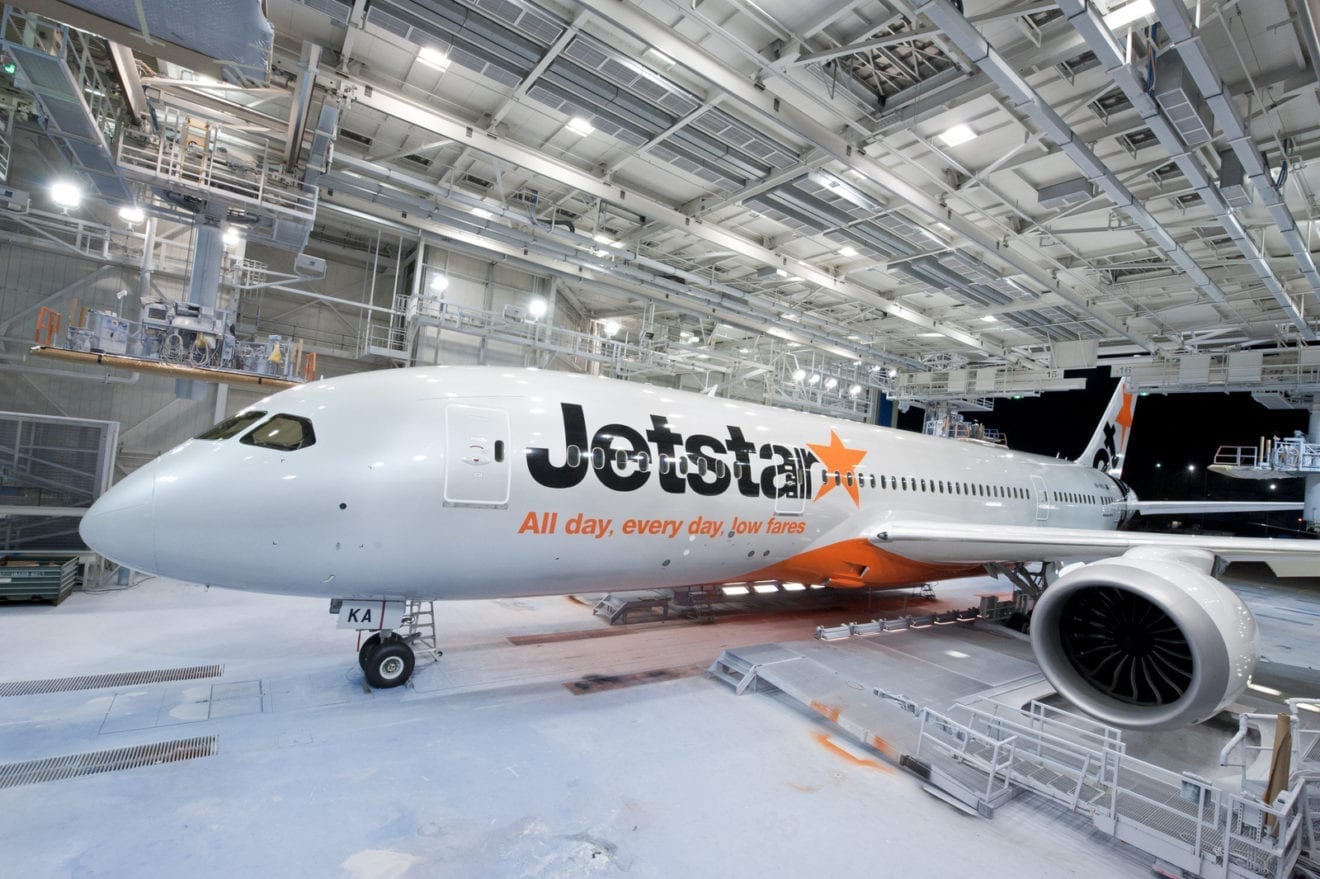
    Australian airline Qantas has made the difficult decision to close its budget carrier, Jetstar Asia, effective July 31. This move comes in response to escalating operational costs, increased fees at Singapore’s Changi Airport, and fierce competition across the region.

    Operational Costs Taking Their Toll

    Jetstar Group Chief Executive Officer Stephanie Tully highlighted the widespread impact of rising costs on the airline’s operational framework. The recent hike in airport fees at Changi, implemented on April 1 as part of a S$3 billion (US$2.3 billion) upgrade, played a significant role in this challenging situation. “The airport fees are a part of that. That has had an impact on the business,” she stated, referencing comments made to Bloomberg.

    As Qantas Group Chief Executive Vanessa Hudson expressed, this is a heavy moment for the Jetstar Asia team. “We are incredibly proud of them. This is a very tough day for them. Despite their best efforts, we have seen some costs for Jetstar Asia’s suppliers rise by up to 200%, which has materially changed its cost base.”

    Staff Impact and Passenger Reassurance

    The closure will inevitably affect around 500 staff members, who will be offered redundancy benefits and assistance in finding new employment, as reported by AFP. Meanwhile, passengers whose flights have been canceled will be entitled to refunds, ensuring they are compensated as the airline winds down operations.

    Prior to the announcement, Jetstar Asia was projected to incur an underlying loss of A$35 million (US$23 million) this financial year, with Qantas owning 49% of the airline. The cancellation of operations means that the fleet of 13 A320 aircraft will soon be redeployed to Australia and New Zealand, creating over 100 local jobs.

    In a strategic move, Qantas noted that shutting down Jetstar Asia could generate up to A$500 million to bolster the group’s fleet renewal program. The decision was made in conjunction with Westbrook Investments, which holds a 51% stake in the regional carrier.

    While the closure is certainly a somber development, it raises some intriguing questions about the future of air travel in a region that continues to evolve rapidly.

    Questions & Answers

    Why is Qantas closing Jetstar Asia?
    Qantas is shutting down Jetstar Asia due to rising operational costs, increased airport fees at Changi Airport, and intense regional competition making it financially unviable to continue.

    What happens to the staff of Jetstar Asia?
    Approximately 500 employees will receive redundancy benefits and support in finding new jobs as the airline winds down its operations.

    How will affected passengers be compensated?
    Passengers whose flights are canceled will be offered refunds, ensuring they are financially protected during this transition.

  • Gold Prices Climb as Global Market Rates Surge: What This Means for Investors

    Gold Prices Climb as Global Market Rates Surge: What This Means for Investors

    Gold jewelry displayed in a bustling shop in Ho Chi Minh City reflects vibrant market activity as Vietnam experiences a rise in gold prices.

    On Wednesday morning, the cost of gold surged slightly, driven by an uptick in global bullion rates. The Saigon Jewelry Company reported a 0.25% increase in the price of its gold bars, now standing at VND118.8 million (approximately US$4,564.84) per tael. Similarly, the price for gold rings ticked up by 0.44%, reaching VND114.5 million per tael—a tael equals 37.5 grams, or around 1.2 ounces.

    The global gold market echoed this trend as prices climbed amid mounting uncertainty surrounding the finalization of a U.S.-China trade agreement. Investors, driven by a sense of caution, are turning to gold as a secure investment, especially with pivotal U.S. inflation data on the horizon. Spot gold experienced a modest rise of 0.2%, hitting $3,328.89 an ounce, while U.S. gold futures also gained 0.2%, climbing to $3,349.80.

    Amid recent talks, U.S. and Chinese officials announced a draft framework aimed at revitalizing their trade truce and addressing China’s export limits on rare earth minerals and magnets. U.S. Commerce Secretary Howard Lutnick shared this update following two days of intense negotiations in London. However, uncertainty still looms. As City Index senior analyst Matt Simpson pointed out, though a framework has been established, the final go-ahead from leaders Trump or Xi remains pending, keeping investors on edge. This sense of trepidation is fueling gold’s rise as everyone anticipates the forthcoming inflation data.

    Gold may be shining a bit brighter today, but will it outshine market volatility tomorrow?

    Questions & Answers

    What recent developments have influenced gold prices in Vietnam?
    Gold prices in Vietnam increased as global bullion rates rose amidst uncertainty regarding a U.S.-China trade agreement.

    How have global gold prices behaved recently?
    Spot gold saw a 0.2% rise, reaching $3,328.89 an ounce, while U.S. gold futures climbed to $3,349.80.

    What factors are contributing to current market uncertainty?
    The pending approval of a trade framework by leaders Trump and Xi creates an atmosphere of uncertainty, compelling investors to seek safety in gold as they await crucial inflation data.

  • Indian leggings brand Go Colors has international debut in Dubai

    Indian leggings brand Go Colors has international debut in Dubai

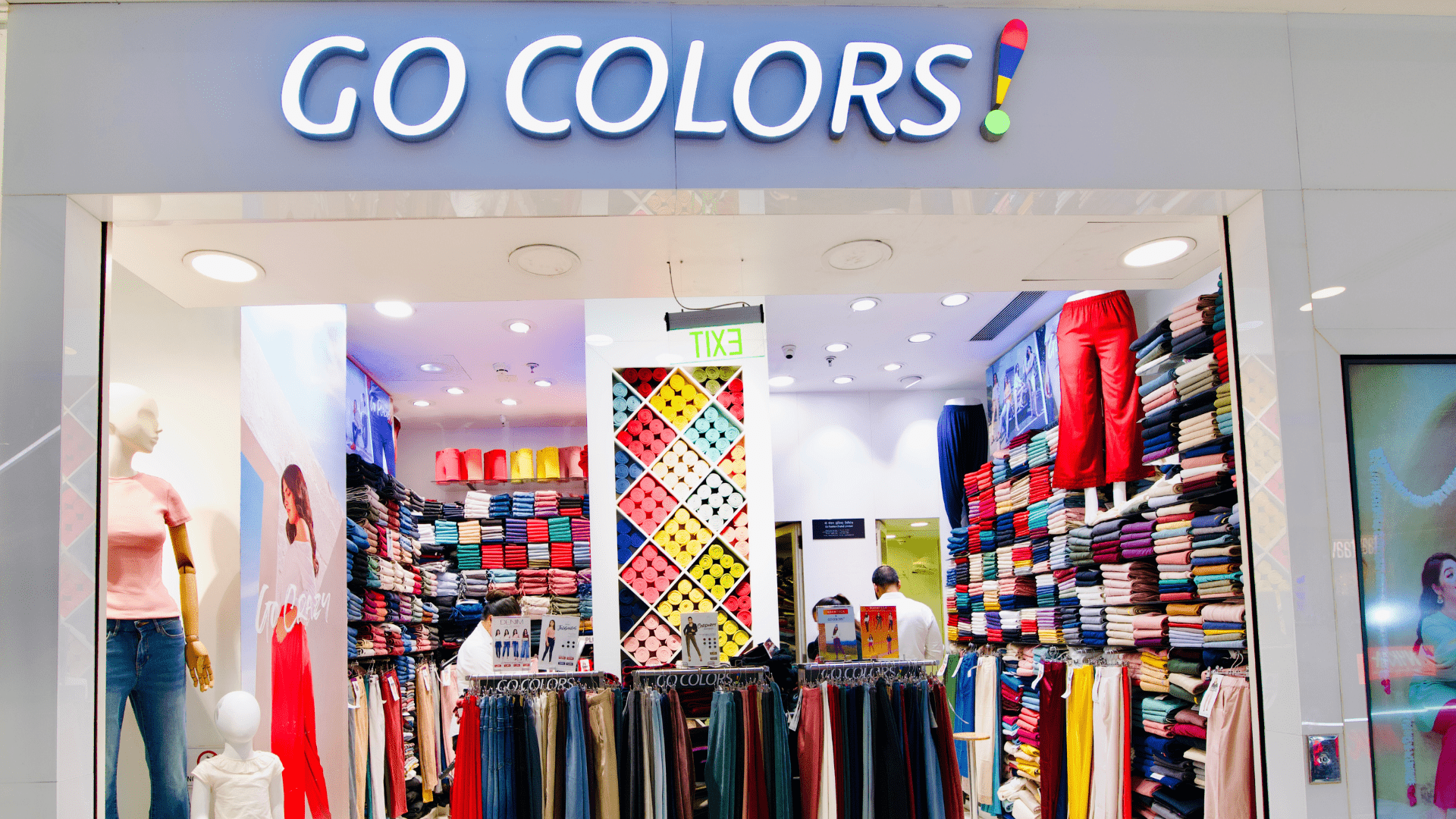
    Go Colors, a leading Indian retailer specializing in women’s pants and leggings, is set to launch its first overseas store in Dubai’s Silicon Central Mall.

    Partnership with Apparel Group

    Go Fashion India, the parent company of Go Colors, is collaborating with the UAE-based retail giant, Apparel Group, to bring its extensive collection of leggings, jeans, pants, joggers, and other women’s basic clothing items to the international market. The collaboration marks the brand’s first expansion outside of India.

    Gautam Saraogi, CEO of Go Fashion, expressed his excitement over the expansion, acknowledging the significant role of Apparel Group in this endeavor. “Collaborating with Apparel Group, with their extensive retail experience and strong presence in the region, makes them the ideal partner for this exciting milestone,” Saraogi stated.

    Store Design and Features

    The store’s design will incorporate vibrant, attention-grabbing displays with clear product categorization, which will enable customers to effortlessly navigate through seasonal collections, casual apparel, and accessories.

    Moreover, the store will leverage technology to enhance the shopping experience. Customers will have the ability to scan QR codes for easy access to product details and promotions, thereby bridging the gap between physical and digital retail experiences.

    Onwards and Upwards for Go Colors

    Back home in India, Go Colors boasts a robust network of over 750 exclusive brand outlets. This extensive presence not only testifies to the brand’s popularity but also lays a strong foundation for its international expansion.

    Questions & Answers

    What is Go Colors?
    Go Colors is a leading Indian retail brand specializing in women’s pants and leggings. It is owned by the parent company, Go Fashion India.

    Where is Go Colors opening its first international store?
    Go Colors is opening its first international store in Dubai’s Silicon Central Mall.

    Who is Go Colors partnering with for its international expansion?
    Go Colors has partnered with the UAE-based retail conglomerate, Apparel Group, for its international expansion.

  • Korean shoppers buy more eco-produce, but prices remain a hurdle

    Korean shoppers buy more eco-produce, but prices remain a hurdle

    Increasingly, consumers in South Korea are choosing eco-friendly agricultural products, but a key obstacle to wider adoption remains: high prices. This was revealed in a recent government survey.

    The Ministry of Agriculture, Food and Rural Affairs disclosed that 76.8% of the participants in the survey reported having bought eco-friendly produce at least once over the previous year. This marks a slight growth, 0.6 percentage points, compared to 2024.

    The main reasons consumers gave for choosing eco-friendly produce were perceived safety (39.5%) and family health (31.1%). Environmental protection also influenced their decision (13.6%). Taste and quality were not as important, with only 4.8% and 3.1% naming these factors, respectively.

    Yet, the higher cost of such products remains a significant deterrent. Of those who did not buy eco-friendly products, 65.1% stated that the higher prices, in comparison to conventional alternatives, dissuaded them.

    The most commonly bought items were strawberries, tomatoes, mushrooms, and leafy vegetables. Most consumers (68.1%) made these purchases at large supermarket chains. However, online purchasing has been steadily increasing, particularly through early morning delivery services, making up over 35% of transactions in 2025.

    Even with the increased interest from consumers, the market experienced a drop in overall sales. In 2024, the number of online and offline retailers selling eco-friendly products increased to 6,099, yet total revenue decreased by 158.3 billion won to 2.04 trillion won. Certified organic product sales also fell by 81.3 billion won to 904.5 billion won. The majority of retailers blamed the decline on dampened consumer sentiment due to continuing economic uncertainty.

    As a countermeasure, the ministry plans to introduce initiatives such as production subsidies and promotional discounts to lower the cost of eco-friendly foods. “We are dedicated to reducing the price obstacle through consumer incentives and production support to expand the eco-friendly food market,” says Kim Jung-wook, Director of Agri-Food Innovation Policy at the ministry.

    Questions & Answers

    What are the primary reasons South Korean consumers choose eco-friendly produce?
    The main reasons are perceived safety and family health.

    Why do some consumers avoid buying eco-friendly products?
    High prices compared to conventional alternatives are the main deterrent.

    What steps is the Ministry of Agriculture, Food and Rural Affairs taking to support the eco-friendly food market?
    They are planning to introduce initiatives such as production subsidies and promotional discounts to make eco-friendly foods more affordable.

  • One-Third of Asian Companies Set Their Sights on Expanding Trade with South Asia

    One-Third of Asian Companies Set Their Sights on Expanding Trade with South Asia

    According to a comprehensive 2025 survey conducted by HSBC, over a third of Asian companies are shifting their trade focus towards South Asia and Europe, while more than a quarter are scaling back their dealings with North America. The poll, encompassing over 2,750 international firms across seven Asian markets, reveals a striking trend: around 83% of respondents have begun reevaluating their long-term business strategies in light of recent changes in trade policies.

    This seismic shift in approach is fueled by a pervasive sense of uncertainty, with 81% of businesses expressing increased caution regarding expansion and investments. Amid these challenges, many Asian firms are bracing for an average revenue decline of 18% due to persistent supply chain delays. Aditya Gahlaut, the region head of Global Trade Solutions, Asia at HSBC, notes, “In the face of trade uncertainty, numerous companies are hitting the pause button on capital expenditure to better assess the evolving landscape.” His insights hint that while capital expenditures may take time to devise, one constant remains: “Wherever trade flows, investment follows.”

    Breaking down the numbers, 38% of Asian firms are eager to boost trade with South Asia, while 36% are targeting increased business with Europe. Interestingly, North America presents a mixed bag; although 28% intend to decrease trade with the region, a separate 23% still pursue greater engagement. The survey further indicates that over the next two years, more than half of Asian firms (52%) are considering or actively moving production to, or increasing production in, China. Following closely behind, 39% are eyeing South Asia, with Europe at 35%, the US at 29%, and the Middle East at 28%.

    However, rising costs are casting a shadow over this new trade landscape, with 51% of firms expressing concerns linked to tariffs and other trade-related expenses. A significant number (34%) have already adjusted prices to offset these increased costs, and another 51% plan to follow suit. In a world of shifting trade dynamics, it seems companies are not only navigating the currents but also learning to ride the waves.

    Questions & Answers

    What percentage of Asian companies are planning to increase trade with South Asia? 38% of Asian firms are looking to enhance their trade relations with South Asia.

    How many firms expressed concern about rising costs? Over 51% of Asian companies are worried about increased costs due to tariffs and trade-related factors.

    What trend is observed regarding North American trade? While 28% of firms plan to reduce trade with North America, 23% remain optimistic and seek to expand their business in the region.