Author: Mei Ling Tan

  • Dollar Weakens Against Vietnamese Dong Amidst Market Fluctuations

    Dollar Weakens Against Vietnamese Dong Amidst Market Fluctuations

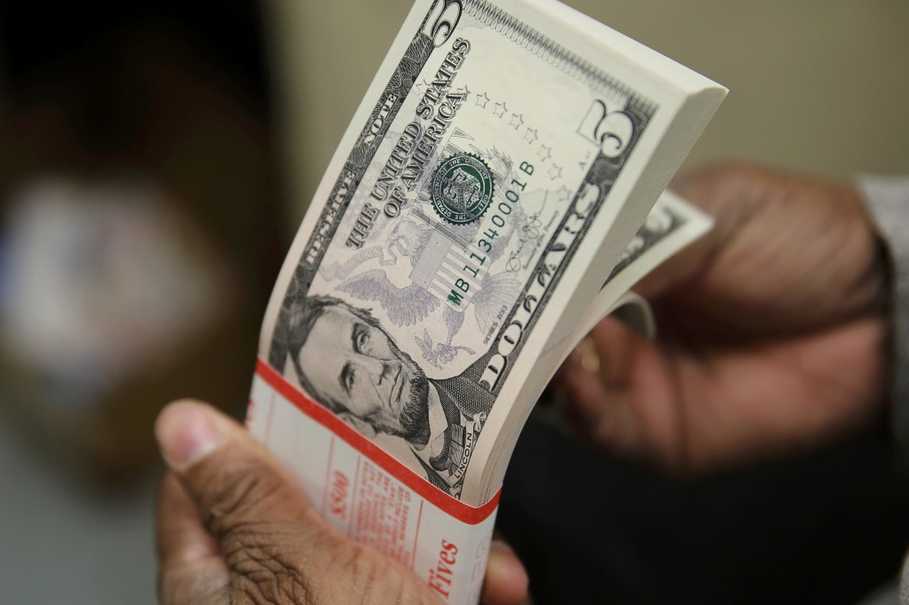
    The U.S. dollar dipped slightly against the Vietnamese dong this Friday morning, positioning itself for a potentially challenging weekly performance against major currencies.

    At Vietcombank, the dollar was priced at VND26,241, marking a modest decline of 0.01% from Thursday. In informal trading, the greenback slipped 0.08% to around VND26,305.

    In a strategic move, the State Bank of Vietnam lowered its reference rate by 0.01% to VND24,992.

    Globally, the dollar was on track for a weekly decline, weighed down by signs of economic fragility in the U.S. and stalled trade negotiations with its partners, including a deadline that looms ever closer, as reported by Reuters.

    Overnight, currencies experienced some volatility, initially spiking against the dollar amid optimism from a lengthy phone conversation between Trump and Chinese leader Xi Jinping, although many then retraced some of their gains.

    The euro received a boost from the European Central Bank’s hawkish hints, following a widely anticipated rate cut that propelled it to a 1.5-month high of $1.1495 on Thursday. It was last seen trading at $1.1449, a rise of 0.05%.

    In early Asian trading on Friday, most currency pairs held steady, with the British pound inching up just 0.1% to $1.3583, after reaching a peak not seen in over three years. It was poised for a 0.9% gain this week. The Japanese yen, on the other hand, dipped slightly by 0.1% to 143.74 per dollar.

    Against a basket of currencies, the dollar remained relatively unchanged at 98.72, having recently hit a six-week low on Thursday, and was headed for a weekly loss of 0.7%. It’s a rough week in a game where the dollars often met with unexpected twists!

    Questions & Answers

    What was the current exchange rate of the U.S. dollar against the Vietnamese dong?
    The U.S. dollar was selling for VND26,241 at Vietcombank, a slight decrease of 0.01% from the previous day.

    What factors contributed to the dollar’s decrease?
    The dollar’s decline is attributed to signs of economic fragility in the U.S. and stalled trade negotiations with its partners, adding to global uncertainties.

    What impact did the European Central Bank’s statements have on the euro?
    The ECB’s hawkish rhetoric following a rate cut lifted the euro to a 1.5-month high, reflecting growing confidence in the currency amidst a struggling dollar.

  • Private Banks Surge as Client Assets Shatter Milestone Barrier

    Private Banks Surge as Client Assets Shatter Milestone Barrier

    Last year proved to be a remarkable period for Swiss private banks, as they reveled in impressive results bolstered by favorable financial markets and substantial net new money inflows. This surge in assets under management (AuM) occurred amid a backdrop of shrinking institutions.

    Double-Digit Gains Across the Board

    A recent study by consultancy PwC reveals that in 2024, all segments of Swiss and Liechtenstein private banks enjoyed double-digit growth in their assets under management. PwC’s analysis covered 74 banks, categorizing them into small (AuM 50 billion francs).

    Market Optimism Fuels Growth

    So what fueled this growth? It was a combination of robust markets and an uptick in investor confidence, particularly in the United States. All banks reaped the benefits of favorable market shifts, with several even hitting record highs in client assets. This wave of market confidence also spurred strong net new money inflows.

    Large Private Banks Struggle to Keep Up

    In a notable twist, while large private banks collectively surpassed the 3 trillion francs mark with a total of 3,025 billion francs, their contribution to overall net new money growth was relatively tepid at just 2.2 percent. In contrast, their smaller and mid-sized counterparts showcased impressive inflow rates of 4.5 percent and 4.9 percent, respectively.

    PwC attributes the standout performance of specific banks to their consistent strategic execution, successful client transitions from major competitors, sharp business positioning, and targeted geographical strategies. However, PwC cautions that early market turbulence in 2025 may cloud these promising figures.

    Net New Money Inflows Projected to Slow

    Looking ahead, while private banks are likely to continue attracting net new money, PwC anticipates a moderation in inflow rates due to intensifying competition. 2024 marked a pivotal moment as interest income, which surged in 2023 due to rising interest rates, began to decline by March 2024, putting pressure on margins.

    The traditionally strong revenue driver for private banks—fee- and commission-based income (Net Fee and Commission Income, NFCI)—has returned to the forefront. NFCI margins on assets held steady, and overall NFCI saw an increase of 7-9 percent across all peer groups, helping to compensate for lower interest income.

    Small Banks Feel Interest Rate Pinch

    An average look over three years reveals that client deposits constituted about 16 percent of AuM at small banks, 11 percent at mid-sized banks, and 10 percent at large ones. This dependency on interest income is underscored by loan exposure, with loans typically representing 8 percent of volumes at small and mid-sized banks and 5 percent at large institutions.

    Facing Margin Pressures

    Since 2022, NFCI margins have flattened, reflecting heightened price sensitivity among clients and fierce competition. The industry also faces structural challenges: increased IT expenditures, shifting client expectations, ongoing digitalization, and new regulatory demands are putting traditional business models to the test and driving up operational costs.

    Embracing Consolidation

    The landscape of wealth management banks has shrunk dramatically, dropping from over 150 to fewer than 90 in recent years, with expectations that it may soon dip below 60. Yet, this consolidation isn’t all doom and gloom. PwC suggests that “fewer but stronger banks will shape the market,” as those that remain are proving their adaptability in this ever-evolving environment.

    Questions & Answers

    Which sectors of Swiss private banks saw the most growth in assets last year? All customer segments, including small, mid-sized, and large banks, recorded double-digit growth in assets under management.

    What was a key factor driving net new money inflows in 2024? Investor optimism, particularly in the U.S., alongside positive market developments, greatly contributed to net new money inflows.

    What challenges do private banks face heading into 2025? Intensifying competition and declining interest margins pose significant challenges, with higher operational costs further complicating traditional business models.

  • What Retailers Can Learn From Product Failures Across Industries

    What Retailers Can Learn From Product Failures Across Industries

    New products and bold ideas often come with risks that retailers don’t fully anticipate. A single product failure can quickly spiral into customer backlash and lasting brand damage.

    What happens when something goes wrong after a sale is made? How do companies respond when trust begins to slip? Other industries have faced public fallout from flawed products and poor crisis handling. Retailers rarely look beyond their own space for cautionary tales and useful strategies.

    These outside failures hold important lessons for those selling everyday consumer goods. Innovation is exciting, but it also demands careful planning and long-term thinking. This article will explore what retail can learn from product failures across industries.

    Understanding the True Cost of Broken Consumer Trust

    Product failures impact more than financials and create deep damage to loyalty. When a customer feels misled, the brand’s reputation starts to erode quickly. The health and wellness industry, including supplements and pharmaceuticals, has faced major consumer backlash recently.

    For example, Reuters notes that in 2024, Kobayashi Pharmaceutical in Japan faced a major crisis. Their dietary supplement “Beni-Koji” was linked to five deaths. Moreover, over one hundred people were also hospitalized due to the product.

    The supplement was found to be contaminated with a toxic substance called Puberulic acid. This case shows how one product failure can ruin consumer trust. Fast and transparent action is crucial when such safety issues emerge.

    This shows how contaminated or unsafe products can cause serious harm and lead to costly recalls or legal action. Retailers need to screen their suppliers carefully and test products for safety before they reach consumers. Ignoring product safety concerns can destroy years of consumer confidence. Brands that value customer trust must think beyond the transaction or point of sale.

    Crisis Response Must Be Fast But Thoughtful

    A delayed response can make a small product issue grow into something much worse. When problems arise, customers expect clear answers and quick solutions from the brands they trust. Brands that hesitate risk losing credibility and can appear dishonest in the public’s eyes.

    In March 2024, health.com stated that Trader Joe’s recalled over 61,000 pounds of soup dumplings nationwide. Customers reported discovering hard plastic pieces inside their Steamed Chicken Soup Dumplings. These dumplings were produced by CJ Foods Manufacturing Beaumont Corporation in CA.

    Investigators found that the plastic likely came from a permanent marker used during production. The USDA labeled this event a Class I recall, indicating serious injury potential. This classification means the contamination posed a significant health risk to consumers.

    Retailers must prepare for such crises before they unfold in real time. Drafting possible statements and planning internal responses can save many precious hours later. Crisis communication should highlight accountability and offer a clear path forward for resolution.

    Why Consumer Trust Depends on Post-Sale Awareness

    Product care should not stop after the item leaves the store. The best brands think beyond the sale and continue building relationships after purchase. Post-sale follow-up shows customers the brand is invested in long-term safety. While post-sale awareness is important in all sectors, it is especially critical in medical devices.

    For example, some hip and knee implants were recalled years after surgery due to unexpected wear or metal poisoning. Cardiac devices like pacemakers have also faced safety issues requiring urgent updates. Among these medical devices, transvaginal mesh has become a prominent example due to its widespread use and severe side effects.

    According to TorHoerman Law, transvaginal mesh devices were sold without adequate long-term safety research or oversight. Many women suffered chronic pain and internal organ damage. The failure was physical and deeply emotional for countless individuals.

    These injuries led to large-scale legal battles, exposing how weak post-sale systems can fail patients. The transvaginal mesh lawsuit alleges that information regarding potential risks was not shared transparently. Negligence by manufacturers prevented patients and healthcare providers from fully understanding the risks involved.

    Retailers and manufacturers must track customer issues long after purchase. Product care is an ongoing responsibility, not a final transaction. Trust thrives when brands remain available, alert, and proactive well beyond checkout.

    Learning From the Industries That Lost Public Confidence

    Certain industries have lost public trust due to secrecy and false marketing claims. Tobacco, pharmaceuticals, and fast fashion offer examples of what not to do. These sectors withheld information that later exposed major harm to consumers.

    For instance, The Guardian reports that in 2024, the fast fashion brand Shein faced criticism in Asia. The company faced criticism after discovering two cases of child labor in its supply chain. Shein identified these incidents through audits of third-party manufacturers located in China. In response, Shein suspended orders from the involved suppliers for thirty days.

    This pause allowed suppliers time to address the serious labor issues found. The company terminated contracts with all underage employees discovered during the investigation. It also ensured payment of any outstanding wages owed to those workers. Shein arranged medical checkups for the affected children to support their recovery. The company facilitated the return of children to their parents or legal guardians.

    This incident underscores how quickly public confidence can erode when brands fail to address critical issues transparently. Retailers worldwide must learn from such cases and prioritize openness to maintain trust in today’s conscious market.

    Prevention Is Cheaper Than Damage Control

    Preventing product failures is more cost-effective than dealing with their consequences. Investing in quality assurance and testing can identify potential issues before products reach consumers.

    For instance, Just Food highlights that in 2023, Reckitt’s Mead Johnson Nutrition recalled baby formula powder in the U.S. due to contamination risks. While no illnesses were reported, the recall highlighted the importance of stringent quality control measures. Implementing preventive measures can reduce the likelihood of product failures.

    Regular audits and inspections can help maintain product quality in these cases. Training employees on quality standards ensures consistent adherence to protocols. Retailers can protect their brand and customer trust by prioritizing prevention. Learning from past incidents can guide retailers in strengthening their preventive strategies.

    FAQs

    How does a recall impact a company’s reputation?

    Product recalls often result in direct financial losses from legal fees and operational disruptions. Indirectly, they hurt brand trust and reduce future sales. Swift, transparent recall management helps minimize long-term costs, maintain customer loyalty, and protect a company’s reputation from lasting damage.

    How do competitors respond to crises in the retail sector?

    Competitors may capitalize on a brand’s crisis by highlighting their own reliability. They might offer alternative products or launch marketing campaigns focusing on consumer safety. A competitor’s quick and appropriate response can influence public perception and drive customer shifts.

    What role do customer service teams play in post-sale awareness?

    Customer service teams are the frontline for handling post-sale concerns and feedback. Their responsiveness and empathy significantly affect customer satisfaction and long-term loyalty. Well-trained teams can transform negative experiences into trust-building moments, helping reinforce the brand’s reputation and deepen consumer relationships.


    Protecting consumer trust goes beyond the transaction and must remain a top priority. Across industries, cases involving unsafe supplements, contaminated food, or faulty medical devices highlight this. Unethical labor practices have also shown how deeply trust can be damaged. Proactive safety protocols and fast, transparent communication during crises are essential.


    Staying engaged with customers even after the sale helps reinforce long-term loyalty. Ignoring these responsibilities often results in serious financial losses and lasting reputation damage. Retailers need to build a culture grounded in accountability and care. True brand loyalty comes from integrity, vigilance, and consistent follow-through at every level.

  • Grab Set to Roll Out Exciting New Taxi Service, GrabCab, in Singapore Next Month

    Grab Set to Roll Out Exciting New Taxi Service, GrabCab, in Singapore Next Month

    GrabCab, a new player in Singapore’s taxi market, is gearing up to launch next month, becoming the sixth taxi operator in the bustling city-state with an initial fleet of 40 electric hybrid vehicles. The move comes from Grab’s subsidiary, GrabRentals, which is poised to challenge existing operators with a focus on sustainability.

    Driving Into a Green Future

    According to reports from The Straits Times, GrabCab’s debut will feature the eco-friendly Toyota Prius, with plans to roll out additional hybrid models, including the Hyundai Kona, starting in August. The company is on a mission to transition to a fully electric fleet within the year, aligning with a growing trend towards greener transportation solutions.

    GrabCab is setting its sights high: it aims to meet the minimum fleet requirement of 800 taxis needed to obtain a street-hail operator license before reaching its third anniversary. Victor Sim, director of GrabRentals, shared exciting news, stating that, as of June 4, the company has received between 700 to 800 registration applications from potential drivers eager to join the GrabCab team. From this pool, around 400 to 500 qualified applicants have been selected for the inaugural fleet.

    Competitive Rates with a Tech Twist

    When it comes to financials, rental rates for GrabCab vehicles can soar up to SGD117 (US$91) per day. However, the first 100 drivers who come aboard will enjoy a slightly reduced rate of SGD112 per day—a welcome incentive. To put that into perspective, other operators like ComfortDelGro offer their Toyota Prius rentals at approximately SGD110 per day, while Prime Taxi sets their rate at SGD109.80.

    Sim has assured that GrabCab’s passenger fare structure will be on par with competitors, and the integration of the taxi meter with the Grab platform allows drivers to conveniently switch between ride-hail and street-hail jobs by simply scanning a QR code via the Grab driver app.

    GrabCab’s edge? Sim highlighted the company’s cutting-edge technology and robust partnerships in the industry, including collaborations with charging point operators and fuel stations. These alliances promise discounts of up to 25% at select charging and fuel providers, making it financially appealing alongside its eco-friendly aspirations.

    While GrabCab is racing onto the scene, one can’t help but think: How many electric cars can a fleet hold before they start competing with online car rentals for the grand title of Asia’s ultimate ride-sharing service?

    Questions & Answers

    What vehicles will GrabCab initially use?
    GrabCab will start with the electric hybrid Toyota Prius and plans to add more hybrid options like the Hyundai Kona later this summer.

    How many applicants have shown interest in becoming GrabCab drivers?
    As of June 4, GrabCab received approximately 700 to 800 applications, with around 400 to 500 chosen for initial onboarding.

    What is the rental rate for GrabCab vehicles compared to other operators?
    Refunding to the competition, GrabCab’s rates can reach SGD117 daily, while ComfortDelGro and Prime Taxi offer similar vehicles at around SGD110 and SGD109.80, respectively.

  • Vietnam and U.S. Conclude Dynamic Second Round of Ministerial Trade Talks

    Vietnam and U.S. Conclude Dynamic Second Round of Ministerial Trade Talks

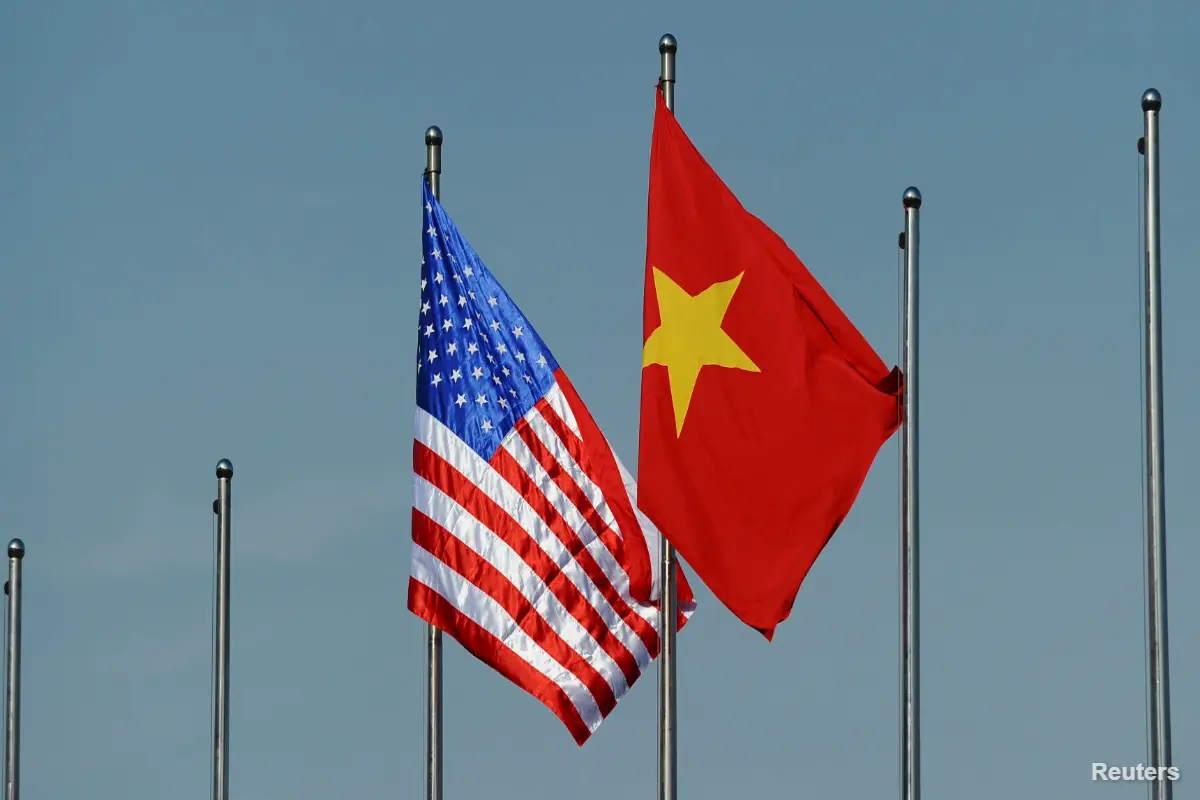
    Vietnam and the U.S. have wrapped up their second ministerial-level meeting focused on a reciprocal trade agreement, which took place on June 4 in the enchanting city of Paris. This pivotal discussion featured Vietnamese Minister of Industry and Trade Nguyen Hong Dien and U.S. Trade Representative Jamieson Greer, who led their negotiation teams with a shared purpose: to elevate trade relations between the two nations.

    As the talks unfolded, Minister Dien presented Vietnam’s formal responses to additional proposals from the U.S., emphasizing the nation’s commitment to reaching a consensus beneficial to both parties. He expressed a strong determination to navigate the complexities of the agreement while looking out for Vietnamese interests.

    Greer reciprocated with gratitude for Vietnam’s willingness to engage in constructive dialogue and address U.S. concerns. Highlighting the strategic partnership between the two nations, he stressed the urgency of finalizing reciprocal taxation policies, which are crucial at this juncture. Greer acknowledged Vietnam’s key issues and offered potential solutions to the trickier aspects of the negotiations.

    In a spirited commitment to expedite the process, both ministers agreed to ramp up discussions before the third technical round slated for mid-June. They also directed their technical teams to enhance virtual coordination, aiming to resolve outstanding differences and foster further advancements in the negotiations.

    Ultimately, both sides reaffirmed their dedication to close collaboration and the possibility of additional high-level meetings in pursuit of a mutually advantageous outcome. As the cups of café au lait cooled, the atmosphere buzzed with optimism for the future of U.S.-Vietnam trade relations—could this be the start of a beautiful friendship?

    Questions & Answers

    What was the main focus of the recent Vietnam-U.S. meeting?
    The meeting concentrated on advancing a reciprocal trade agreement, specifically discussing previous proposals and ensuring both nations’ interests were addressed.

    Why is the issue of reciprocal taxation policies considered critical?
    Reciprocal taxation policies are seen as vital for facilitating smoother trade operations and enhancing economic relations between Vietnam and the U.S., especially as both nations navigate more complex trade dynamics.

    When is the next round of negotiations scheduled?
    The third technical round of talks is scheduled for mid-June, with both sides eager to make significant progress ahead of that meeting.

  • Vendors in Hanoi and HCMC Close Shops as Authorities Crack Down on Counterfeit Goods

    Vendors in Hanoi and HCMC Close Shops as Authorities Crack Down on Counterfeit Goods

    In response to a heightened crackdown on counterfeit goods, a wave of shop closures has swept through bustling markets in Ho Chi Minh City (HCMC) and Hanoi. Authorities have intensified their efforts to eliminate counterfeit products, particularly among fashion accessories, watches, and pharmaceuticals.

    Stalls Go Silent in Ho Chi Minh City

    This week, popular shopping destinations in HCMC, including Saigon Square in District 1, An Dong Plaza in District 5, and the Pharmaceutical and Medical Equipment Trading Center in District 10, saw numerous stalls shuttered. Many shop owners lingered in the marketplaces, anxiously surveying the situation without opening their stores, fearful of a confrontation with inspectors.

    A handful of vendors that chose to keep their doors open found themselves facing a significant drop in customer traffic. “The number of visitors has plunged, and most of them only looked and did not buy,” lamented Hang, a vendor, highlighting the palpable unease that has gripped both customers and sellers alike.

    Hanoi’s Vinh Phat Market Feels the Pinch

    In Hanoi, the once-vibrant Vinh Phat Market, a hub for clothing and fabric, echoed with an unusual stillness this week. Many shops were closed, some even obscured their contact information to evade inquiries, reflecting the pervasive apprehension following several enforcement actions conducted at the end of May.

    Inspections in HCMC unearthed thousands of items flaunting esteemed luxury brand names such as Rolex, Chanel, and Gucci, all lacking the necessary documentation to verify their authenticity. Surprisingly, these counterfeit items were often priced considerably lower than legitimate products, which can be tempting but comes with serious risks.

    Small Vendors Face Big Pressures

    Management at Ben Thanh Market in HCMC voiced concerns about effectively controlling counterfeit goods without addressing the root issue of cross-border smuggling. Similarly, other market operators noted that while the crackdown aims to protect consumers and uphold laws, it places undue pressure on small vendors who may lack the legal knowledge or documentation needed to comply with regulations.

    Vendors at many major markets lamented that meeting these stringent requirements is next to impossible due to limited resources, forcing them to keep prices low to attract buyers. This predicament often results in the sale of non-genuine products, creating a challenging environment for both sellers and consumers.

    In the midst of these closures and cautious shopping behavior, one can’t help but ponder: what’s next for the vendors who have bravely navigated this storm, and will the real deals face the consequences of their counterfeit counterparts?

    Questions & Answers

    Why are stalls closing in HCMC and Hanoi?
    Vendors are closing their stalls due to increasing raids by authorities focused on rooting out counterfeit products, which has instilled fear of potential crackdowns.

    What has been the impact on sales in markets like Saigon Square?
    Sales have plummeted, with vendors reporting that while customers are still visiting, many are merely browsing without making purchases.

    How are small vendors managing under these pressures?
    Many small vendors struggle to meet legal requirements for authenticity due to limited resources, often resulting in the sale of counterfeit goods to keep their prices competitive.

  • Ho Shung-pun family of Hong Kong lists $44M building after selling Peak luxury homes.

    Ho Shung-pun family of Hong Kong lists $44M building after selling Peak luxury homes.

    The vacant building nestled in the bustling Mong Kok district has recently hit the market, boasting a remarkable five floors and a total gross floor area of approximately 13,000 square feet (1,207 square meters). The news broke last Wednesday, as the South China Morning Post reported, with Colliers appointed as the sole agent in charge of this intriguing listing.

    Originally acquired in 1971 for HK$420,000 by Kowloon Investment, a venerable property investment and management firm celebrating its 70th anniversary, this sale has piqued the interest of many in the real estate sector. The listing has emerged in the wake of a significant financial maneuver by the Ho family, which saw Kowloon Investment’s director selling seven luxury homes on the Peak, raising about HK$3 billion to settle private loans.

    These luxury transactions tell a compelling story. Notable sales this year include three houses on Plantation Road, which fetched an impressive HK$1.1 billion in July, another set of three units on the same road that sold for HK$828 million in October, and a lavish townhouse on Peak Road that went for HK$1.05 billion in November. Some of these residential gems went for as little as half their previous market price, according to Bloomberg.

    The trend isn’t just unique to the Ho family; a number of entrepreneurs and celebrities in Hong Kong are cashing in on luxury properties at eye-catching prices. Actor Chow Yun Fat, for example, made headlines late last year by slashing the price of his Peak mansion by HK$25 million, bringing it down to HK$195 million. This prime piece of real estate, affectionately dubbed “Sunshine Garden,” was initially acquired for HK$128 million.

    Meanwhile, in the vibrant Tsim Sha Tsui shopping district, a property formerly owned by the late Stanley Ho, known as the “King of Gambling,” has also come into the spotlight. Marked at HK$88 million, this property is indicative of shifting dynamics in one of Hong Kong’s most coveted areas.

    “There are few opportunities to acquire such a prime development site in the heart of Tsim Sha Tsui,” remarked Reeves Yan, head of capital markets at CBRE Hong Kong, the exclusive agent managing this sale. On another note, Gale Well Group CEO Jacinto Tong recently parted with his penthouse for HK$138 million. He and his sister are also preparing to list assets valued at around HK$2.2 billion in 2025, which includes luxury residences, office buildings, and retail spaces.

    In a rapidly changing market, the tale of luxury real estate sales unfolds, leaving many to wonder where the next surprising twist might emerge.

    Questions & Answers

    What is significant about the Mong Kok building’s sale?
    The Mong Kok building’s sale is noteworthy due to its prime location and the significant history behind its original purchase price.

    How are luxury property prices trending in Hong Kong?
    Luxury property prices in Hong Kong are experiencing a downward trend, with sellers, including celebrities and entrepreneurs, listing homes at distressed prices.

    What does the current market indicate for future sales?
    The current market suggests a continued shift, with luxurious properties being sold at much lower prices, potentially attracting renewed interest from buyers.

  • Red Bull Heir in Thailand Shifts $1.1B Stake to Trust Firm, Signaling Major Financial Move

    Red Bull Heir in Thailand Shifts $1.1B Stake to Trust Firm, Signaling Major Financial Move

    Chalerm Yoovidhya, the heir to the Red Bull energy drink empire, has made a significant financial maneuver, transferring his 2% stake in the company—valued at approximately $1.1 billion—to a trust firm based in Geneva. This strategic move, documented in an Austrian regulatory filing, took place on May 20. However, the filing did not elaborate on the motives behind the transfer, the individual who will ultimately control the stake, or where the investment might lead in the future.

    In a statement, a representative for Red Bull remarked, “Fiduciary solutions such as this are common in order to ensure long-term continuity in large, successful companies.” Fides Trustees, the trust firm involved, specializes in assisting affluent families and individuals worldwide in adjusting their personal financial structures amid evolving circumstances.

    At 74, Chalerm received his stake nearly four decades ago when his late father, Chaleo Yoovidhya, collaborated with Austrian entrepreneur Dietrich Mateschitz to introduce the Red Bull brand to global markets. Chaleo’s journey started in poverty in northern Thailand, where he juggled various jobs before founding TC Pharmaceutical Industries in 1962. It was here that he developed the energy tonic Krating Daeng, which translates to “red bull” in Thai, according to the Wall Street Journal.

    The drink caught the attention of Mateschitz in 1982, leading to a partnership that transformed it into a worldwide sensation. The duo each invested $500,000, securing a 49% stake in the venture, while Chalerm retained the remaining 2%. Today, the Yoovidhya family still commands a 49% stake in Red Bull, which is currently valued at an impressive $27.9 billion based on the company’s market performance and industry comparisons. Last July, Forbes named them Thailand’s wealthiest family, boasting a staggering net worth of $36 billion.

    Red Bull may just give you wings, but Chalerm Yoovidhya seems to have secured a wealth of possibilities for the future!

    Questions & Answers

    What prompted Chalerm Yoovidhya to transfer his stake in Red Bull?
    While the exact reason remains undisclosed, such fiduciary arrangements are common to ensure long-term business continuity.

    How long has Chalerm held his stake in Red Bull?
    Chalerm received his 2% stake nearly four decades ago, when his father partnered with Dietrich Mateschitz to create the brand.

    What is the current valuation of the Red Bull company?
    Red Bull’s estimated worth stands at approximately $27.9 billion, with the Yoovidhya family owning a 49% stake in the brand.

  • Cathay United Bank’s HCMC Branch Champions Sustainability with Insightful ESG Seminar

    Cathay United Bank’s HCMC Branch Champions Sustainability with Insightful ESG Seminar

    Celebrating 20 years of operations in Vietnam, the Ho Chi Minh City branch of Cathay United Bank (CUBHCM) hosted a dynamic ESG seminar titled “ESG: Challenges and Practices for Sustainable Development.” This event reflected the bank’s enduring commitment to innovation and sustainability. In a world where ESG considerations are reshaping business strategies, the seminar provided a crucial platform for industry leaders to delve into emerging trends, regulatory updates, and actionable insights for ESG implementation.

    As a subsidiary of Cathay Financial Holdings, a prominent Asian financial institution, CUB has consistently pushed the boundaries of traditional banking. Notably, in 2015, it became the first Taiwanese bank to adopt the Equator Principles, pledging to uphold internationally recognized environmental and social risk management standards. This pioneering stance has established CUB as a reliable partner for businesses venturing into the realm of sustainability.

    Michael Wen, Executive Vice President of Cathay United Bank, stressed the bank’s pivotal role in guiding clients through the complex ESG landscape. “Vietnam’s rapid economic growth presents both opportunities and sustainability challenges,” he remarked. “Collaboration among businesses, financial institutions, and policymakers is essential for driving meaningful, long-term change.”

    During the seminar, Nguyen Hoang Nam, ESG Leader at PwC Vietnam, highlighted the limited ESG awareness among local businesses, noting that nearly 39% of Vietnamese SMEs have never even heard of the concept. “Over 60% are unaware of the relevant regulations,” Nam explained, adding that financial constraints, vague legal frameworks, and limited capacity are significant barriers to progress.

    He advised businesses to invest in internal ESG education, develop robust data reporting systems, partner with green finance institutions, and engage with industry associations to implement best practices.

    Practical models and best practices

    Despite the hurdles, Vietnam is witnessing a notable surge in ESG implementation. The government has rolled out the Green Growth Strategy for 2021–2030, marking a national commitment to sustainable economic development. The forum also spotlighted enterprises excelling in ESG adoption, including IDICO Industrial Park, Schneider Electric, Ares International Certification, Dan-D Foods, and Micro Electricity.

    IDICO Industrial Park has embraced rooftop solar systems and wastewater reuse in its factories while investing in social housing to attract skilled labor. Schneider Electric is pushing toward net-zero emissions by 2050, focusing on innovations in clean electricity and grid decarbonization to shrink its carbon footprint.

    Partnering for sustainability

    By 2024, Cathay United Bank has garnered nearly 90 prestigious awards for excellence in asset management, digital innovation, and ESG practices, solidifying its reputation as a forward-thinking financial institution. Recently, it ranked in the top 20% of the Financial Supervisory Commission’s sustainable finance ratings.

    In alignment with its vision of Vietnam as a “second home,” CUB has vigorously supported ESG initiatives nationwide. The bank partnered with the Asian Development Bank to finance Vietnam’s largest onshore wind project in Ninh Thuan Province, boasting a total investment of US$107 million.

    Additionally, CUBHCM has unveiled a green CAPEX loan program aimed at funding environmentally friendly development projects. Notably, the first-phase factories financed through this initiative were the first in Northern Vietnam to achieve the LEED international green building certification.

    Lu Wei Chieh, General Manager of CUBHCM, emphasized that the seminar tackled real ESG challenges and provided actionable solutions. “Whether discussing energy transitions, strategic planning, or firsthand business experiences, the message was clear: collaboration is key to long-term change.” This seminar marked the first event in CUBHCM’s 20th-anniversary series, underscoring the bank’s commitment to connecting people, ideas, and solutions for a brighter future. Embracing the theme “Better Together,” CUB highlights that ESG is a collective journey, demanding spirited partnership from businesses, financiers, and communities to foster sustainable progress.

    Questions & Answers

    What are some challenges facing ESG implementation in Vietnam?
    Many local businesses lack awareness of ESG principles and relevant regulations, with significant barriers including financial constraints and vague legal frameworks.

    How is CUB supporting sustainability efforts in Vietnam?
    Cathay United Bank is actively promoting ESG practices and partnering with organizations like the Asian Development Bank to finance large renewable projects, as well as launching green loan programs to support eco-friendly investments.

    What was the main takeaway from the ESG seminar?
    The seminar highlighted the importance of collaboration among businesses, financial institutions, and policymakers to navigate the ESG landscape effectively and drive long-term change in Vietnam’s sustainability journey.

  • PostFinance Unveils Restructuring Plans, Leading to Job Cuts Ahead

    PostFinance Unveils Restructuring Plans, Leading to Job Cuts Ahead

    PostFinance has announced plans to implement job cuts by the end of November 2025, unveiling a consultation procedure aimed at increasing operational efficiency amidst ongoing restructuring efforts.

    Job Cuts Affecting Administrative Roles

    The Swiss financial services provider revealed on Thursday that it intends to eliminate 141 positions, primarily impacting administrative staff in Bern. Furthermore, up to 73 adjustments to contracts are anticipated. This reduction represents about 3.6 percent of its total workforce, which numbers approximately 3,900 employees as of the end of 2024.

    Consultation Process Underway

    In light of the restructuring, PostFinance is initiating a consultation process, allowing affected employees to propose measures to minimize, limit, or prevent layoffs altogether. A final decision from the management board is anticipated in July, leaving a glimmer of hope for those facing uncertainty.

    Aiming for Strategic Growth

    The job cuts stem from changes within PostFinance’s organizational framework, aligning with its Strategy 2025–2028. The goal is to foster moderate growth, enhance market positioning, and improve overall performance. This strategy includes generating additional revenue streams, augmenting non-interest income, and boosting sales. The restructuring aims to optimize resources and foster synergies in crucial areas.

    CEO Beat Röthlisberger acknowledged the distress this announcement may cause, stating, “We are aware that this announcement will be burdensome for many of our employees and may cause uncertainty and concern. We will support them closely during this period.”

    Positive News from the Federal Office of Communications

    On a brighter note, the Federal Office of Communications (BAKOM) reported in its annual review that Swiss Post has exceeded the statutory minimum levels for basic service provision. Impressively, over 90 percent of the population can access cash payment services within a 20-minute journey by foot or public transport.

    Additionally, PostFinance enjoyed good customer ratings; private clients scored the company at 81 out of 100, matching last year’s results, while business clients reported slightly increased satisfaction with a score of 77.

    Questions & Answers

    What is the reason behind PostFinance’s job cuts? The job cuts are part of a restructuring strategy aimed at increasing efficiency and adapting to changes within the organizational model.

    How many jobs will be affected? A total of 141 jobs are set to be eliminated, mainly within administrative roles in Bern, alongside potential adjustments to 73 contracts.

    What did recent reports say about customer satisfaction? According to the Federal Office of Communications, private customers rated PostFinance at 81 out of 100, while business customers scored it 77, indicating stable satisfaction levels.

  • Bank Syz Welcomes Vontobel’s Former Chief Economist in Strategic Move for Economic Insight

    Bank Syz Welcomes Vontobel’s Former Chief Economist in Strategic Move for Economic Insight

    Bank Syz is making waves in the private banking sector with strategic talent acquisitions that promise to bolster its investment leadership team. The family-owned institution recently announced three key appointments, each sourced from prestigious firms like Vontobel and UBS, reflecting a commitment to enhancing expertise in portfolio management, macroeconomic research, and client advisory services.

    Reto Cueni Takes the Helm as Chief Economist

    In a significant move, Reto Cueni has been named Chief Economist at Bank Syz. With an impressive tenure of over a decade at Vontobel, where he spent the last five years in the Chief Economist role, Cueni is well-equipped to steer the bank’s economic insights. His leadership at Vontobel encompassed macroeconomic and monetary policy research, where he routinely advised the executive board and portfolio managers. Cueni’s strengths span economic modeling, policy analysis, and crafting both short- and long-term market forecasts, making him a remarkable addition to the Bank Syz family.

    New Leadership in Advisory Services

    Bank Syz has also welcomed Gianluca Oderda as the new Head of Discretionary Portfolio Management. Bringing over 20 years of expertise in multi-asset portfolio construction and alternative investments, Oderda has held impactful roles at renowned institutions such as Credit Suisse and UBS. His extensive background promises to bolster the bank’s investment strategies significantly.

    Grégory Diche Shines as Head of Advisory

    Another notable addition is Grégory Diche, who steps in as the Head of Advisory. Formerly the Head of Investment Advisory for the Geneva region at UBS, Diche brings more than two decades of experience and deep knowledge in structured products and client relationships within Swiss private banking.

    Nicolas Syz, Head of Wealth Management, expressed his enthusiasm about these appointments: “By attracting top-tier talent, we can further enhance our capabilities and increase the value we deliver to clients across market cycles. We remain focused on expansion and on setting new standards as a pioneering leader in wealth management.” With such daring ambitions, one can’t help but wonder if Bank Syz is preparing for a corporate game of high-stakes chess—where every move counts!

    Questions & Answers

    Who is the new Chief Economist at Bank Syz?
    Reto Cueni has taken on the role of Chief Economist, bringing over a decade of experience from Vontobel.

    What expertise does Gianluca Oderda bring to his new position?
    As the Head of Discretionary Portfolio Management, Oderda is equipped with over 20 years of experience in multi-asset portfolio construction and alternative investments.

    What does Nicolas Syz aim for with these new appointments?
    Syz emphasizes enhancing the bank’s capabilities and value delivery to clients, aiming for expansion and innovation in wealth management.

  • ECB Rate Decision: Key Insights and Implications Captivating Financial Markets Today

    ECB Rate Decision: Key Insights and Implications Captivating Financial Markets Today

    Anticipation is palpable as analysts and economists unite in their predictions for the European Central Bank’s (ECB) upcoming rate decision on Thursday, with a key interest rate cut looming on the horizon. Yet, the conversation branches out when discussing what lies beyond this pivotal moment.

    Inflation Figures Create the Case for a Rate Cut

    Recent inflation data from the eurozone has fueled further arguments in favor of a rate reduction. A preliminary estimate from Eurostat revealed that the inflation rate fell to 1.9 percent year-on-year in May, down from 2.2 percent in April. This marks the lowest inflation rate since September 2024 and nudges it below the ECB’s target of 2 percent, creating a sigh of relief among policymakers.

    Much to everyone’s surprise, the decline was sharper than predicted, with economists anticipating a rate of 2.0 percent. “The ECB will likely be pleased that inflation is now just below its 2 percent target,” remarked Commerzbank Chief Economist Jörg Kramer. While core inflation—excluding energy, food, and tobacco—remains higher at 2.3 percent, expectations are for it to wane in the coming months.

    Future Declines on the Horizon

    An appreciating euro, coupled with a projected influx of goods from China due to ongoing trade tensions with the U.S., is expected to apply downward pressure on European prices. “Thus, the ECB will probably not stop with Thursday’s rate cut. We anticipate another move post-summer break,” Commerzbank added.

    Thomas Gitzel, an economist at VP Bank, echoed this sentiment, stating, “The ECB has the green light for a rate cut next week.” However, the prospect of further cuts remains a question mark. Should the deposit rate dip below the 2 percent threshold (currently at 2.25 percent), it could result in a negative real interest rate—potentially heightening inflation risks in the future.

    A Temporary Pause or the End of the Cutting Cycle?

    According to Tomasz Wieladek, Chief European Economist at T. Rowe Price, a pause is likely in July following this week’s cut. Reaching the so-called “neutral interest rate” of 2 percent, however, does not signal the conclusion of the rate-cutting cycle. “The ECB might hold rates steady in July to monitor the economic impact of U.S. tariffs on Europe and the broader global economy,” he noted, anticipating further unfavorable surprises ahead.

    Wieladek also signaled caution regarding rates below 1 percent, suggesting rates could drop to 1.25 percent later this year, but only if the global economy appears to be edging toward recession.

    Bank of America’s Expectations

    In line with this sentiment, Bank of America predicts a 25 basis point cut this week, maintaining that the ECB’s forward guidance will remain largely unchanged. This forecast aligns with sluggish short-term growth prospects and a consistent undershooting of the inflation target. “Forecast uncertainty is high, especially regarding the implementation of the German fiscal package,” they cautioned.

    Data-Driven Decisions in the Spotlight

    As the meeting approaches, all eyes will be on ECB President Christine Lagarde, who is expected to address three key aspects: inflation, the swirling uncertainty, and a commitment to data-driven decision-making. Rather than making any precise commitments, she will likely emphasize the need for flexibility, keeping the door open for cuts below the 2 percent threshold.

    Whether the rates will dance further downward or find a moment of stillness remains to be seen, but one thing is for sure: the world will be watching closely, perhaps with popcorn in hand.

    Questions & Answers

    What is the expected outcome of the ECB’s upcoming rate decision? Analysts predict a key interest rate cut as inflation figures have dipped below the ECB’s target.

    How might the economic landscape affect future rate decisions? The ECB is likely to remain flexible and data-dependent, assessing impacts from U.S. tariffs and trade policies before making further cuts.

    What are the implications of a negative real interest rate? A drop below 2 percent could result in a negative real interest rate, raising concerns regarding potential inflation risks going forward.

  • Vietnam’s Gold Market Remains Resilient Amid Ongoing Economic Shifts

    Vietnam’s Gold Market Remains Resilient Amid Ongoing Economic Shifts

    Gold jewelry sparkles in Ho Chi Minh City, where the allure of gold remains steadfast even as prices hold steady. On Thursday morning, the gold market saw a slight uptick, influenced by stabilizing global rates.

    Marginal Gains in Local Gold Prices

    The Saigon Jewelry Company reported a 0.43% increase in gold bar prices, bringing them to VND117.7 million (approximately US$4,509.06) per tael. Meanwhile, gold rings rose by 0.35%, now priced at VND114 million per tael. It’s an impressive year for gold, with prices climbing by 39.8% thus far.

    Global Market Trends and Investor Sentiment

    Globally, gold prices remained stable on Thursday as investors mulled over disappointing U.S. economic data and an ongoing climate of uncertainty in both political and economic arenas. Many eyes are also on the upcoming U.S. payroll figures for potential market guidance.

    Spot gold maintained its position at $3,372.91 an ounce, while U.S. gold futures slipped by 0.1%, landing at $3,396.60. According to Matt Simpson, a senior analyst at City Index, “Like most markets at present, gold finds itself in a holding pattern, subject to the unpredictability of trade headlines. It shows support while remaining cautious about breaking above this week’s highs.”

    Simpson adds that volatility remains muted as investors await statements from FOMC members and Friday’s Non-Farm Payroll (NFP) report, which could potentially pressure gold if the jobs data reflects robust growth. The precious metal, often seen as a safe haven in unstable times, tends to flourish when interest rates are low.

    Questions & Answers

    What was the increase in gold prices on Thursday?
    The Saigon Jewelry Company gold bar rose by 0.43% and is now priced at VND117.7 million per tael, while gold rings increased by 0.35%, reaching VND114 million per tael.

    How much have gold prices increased this year?
    Gold prices have surged by 39.8% so far in 2023.

    What factors are influencing global gold prices?
    Global prices are being influenced by weaker-than-expected U.S. economic data and persistent global uncertainties, with investors awaiting upcoming U.S. payroll data for more direction.

  • UBS Dominates Digitalization Rankings, Securing Top Spot Once More

    UBS Dominates Digitalization Rankings, Securing Top Spot Once More

    A recent study has delved into the digital transformation of Swiss retail banks, shedding light on their efforts to enhance digital services. For yet another year, Switzerland’s last major bank, UBS, has maintained its position at the top of the digitalization rankings.

    Groundbreaking Insights from the IFZ Study

    Digital enhancements have long been a cornerstone in the customer service strategies of Swiss banks. The Institute of Financial Services Zug (IFZ), in partnership with Swisscom’s think tank e.foresight, has meticulously assessed 47 banks based on 138 criteria to gauge their digital maturity. The findings produced both unweighted and weighted rankings, giving greater weight to specific key factors.

    Since the annual evaluations kicked off in 2020, UBS has almost consistently held the crown, having narrowly been surpassed by Migros Bank in 2023 but bouncing back to reclaim second place in this year’s rankings.

    Visual representation of the digital retail bank rankings in Switzerland (left: unweighted; right: weighted; chart: IFZ)

    Who Leads the Digital Charge?

    When it comes to evaluating features in e-banking, mobile banking, and websites, Migros Bank still takes the lead over UBS, according to the latest study. Trailing behind are VZ Depotbank and PostFinance, holding high ranks of third and fourth place respectively. PostFinance, in particular, has made impressive strides compared to last year. Interestingly, Credit Suisse, which was ranked fourth in 2024, did not appear in this year’s analysis, while BCV managed to preserve its fifth-place standing.

    Expanding Digital Horizons

    Among the 47 banks under scrutiny, 35 had been part of the previous assessment. On average, these banks are now delivering 9.38 percent more functionalities than before. An encouraging statistic from the study reveals that 28 of the 35 banks analyzed have made improvements over the past year.

    The drive towards innovation reflects a significant emphasis on technology, particularly the effective deployment of artificial intelligence (AI). Strikingly, leading banks in digitalization, including Acrevis, VermögensZentrum, Migros Bank, and UBS, have collectively introduced more than 10 new functions each, demonstrating a robust commitment to investment in digital capabilities.

    Indeed, the array of digital features has expanded notably. Instant payments, AI capabilities, multibanking options, customizable interfaces, and digital saving rules are becoming more commonplace. However, features like voicebots in mobile banking, fractional share trading, and social trading remain elusive treasures within the industry.

    Room for Improvement

    Despite the advancements, the study authors point out that significant disparities persist between different banks in terms of digital feature coverage and overall digital maturity. This is evident in the unweighted scoring, where banks scored between a high of 114.5 and a low of just 9.5 points out of a maximum of 139. Alarmingly, 33 of the 47 banks scored less than half of UBS’s impressive tally.

    As Swiss banks continue to navigate the digital landscape, one thing is clear: the race for the best digital platform is heating up, and the competition is anything but boring!

    Questions & Answers

    Which bank topped the digitalization rankings this year?
    UBS regained its top position in the digitalization rankings for Swiss retail banks.

    What were the criteria used to evaluate the banks?
    The banks were assessed on 138 criteria, covering various aspects of digital maturity including functionalities in e-banking and mobile banking.

    Did all banks show improvement in their digital offerings?
    Yes, 28 out of the 35 banks that were part of the previous study reported improvements in their digital functionalities over the past year.

  • Luxury Market Growth Anticipated to Taper Off in 2025 Amid Economic Shifts

    Luxury Market Growth Anticipated to Taper Off in 2025 Amid Economic Shifts

    The luxury goods sector, a dazzling stalwart of economic growth that typically thrives at about 7% annually, is bracing for a slowdown in 2025, according to insights from Morgan Stanley. This promising world of high-end fashion and lavish accessories is finding itself tangled in a web of challenges—rising macroeconomic pressures, constrained pricing power, and plummeting demand from vital markets threaten its golden sheen.

    Challenges from Major Markets

    After a spectacular sales jump of over 80% between 2019 and 2024—boosted by COVID-era savings, U.S. stimulus, and an influx of new consumers—the luxury market is now facing a more uncertain horizon. Key consumer markets such as China, the U.S., and Europe, which cumulatively represent a staggering 75% of the industry’s spending, are showing signs of weakening demand.

    The Post-Pandemic Reality Check

    The industry is grappling with the normalization of growth post-pandemic, compounded by U.S. tariffs, soaring interest rates in Western nations, and widespread expectations of a slower global economy. “We are in a very different environment today,” asserts Edouard Aubin, Morgan Stanley’s Head of European Luxury Brands Research. “Luxury pricing power has eroded following steep price increases after the pandemic, and Chinese demand is likely to remain stagnant at best this year.”

    Shifting Consumer Sentiment

    The once-vibrant spending habits of Chinese consumers, who are typically the biggest patrons of luxury goods, have significantly dialed back. A recent Morgan Stanley AlphaWise survey of over 2,000 Chinese shoppers conducted in April reveals that 60% plan to cut back on spending in the coming six months due to job instability and income worries stemming from new U.S. tariffs.

    Fading Hopes for Recovery

    The outlook for U.S. consumers stepping in to fill the gap appears dim, with hopes for a 2025 rebound rapidly diminishing after a brief surge in April fueled by seasonal buying and pent-up demand. While some companies managed to evade tariff repercussions by shipping their products early, Morgan Stanley warns that the looming risk of recession and declining consumer confidence is a far greater threat to the sector.

    In the short term, demand is projected to remain lackluster, with a flicker of hope that recovery might materialize if U.S. markets continue their climb or if stability returns to China’s beleaguered real estate sector. As the luxury industry faces these turbulent waters, it’s a reminder that even the glitziest of markets must sometimes contend with unpredictable tides.

    Questions & Answers

    What is Morgan Stanley predicting for the luxury goods industry in 2025? They forecast a slowdown in growth, citing rising macroeconomic pressures and weakened demand from key markets.

    Which markets are contributing to the decline in luxury spending? Major consumer markets such as China, the U.S., and Europe are experiencing softer demand, collectively responsible for 75% of the industry’s spending.

    What factors are affecting consumer behavior, especially in China? According to a survey, 60% of Chinese consumers plan to reduce spending due to concerns about job stability and income levels influenced by new U.S. tariffs.