Author: Mei Ling Tan

  • Feeling Out of Place: My Experience Wearing a $230 Replica Rolex to a Wedding

    Feeling Out of Place: My Experience Wearing a $230 Replica Rolex to a Wedding

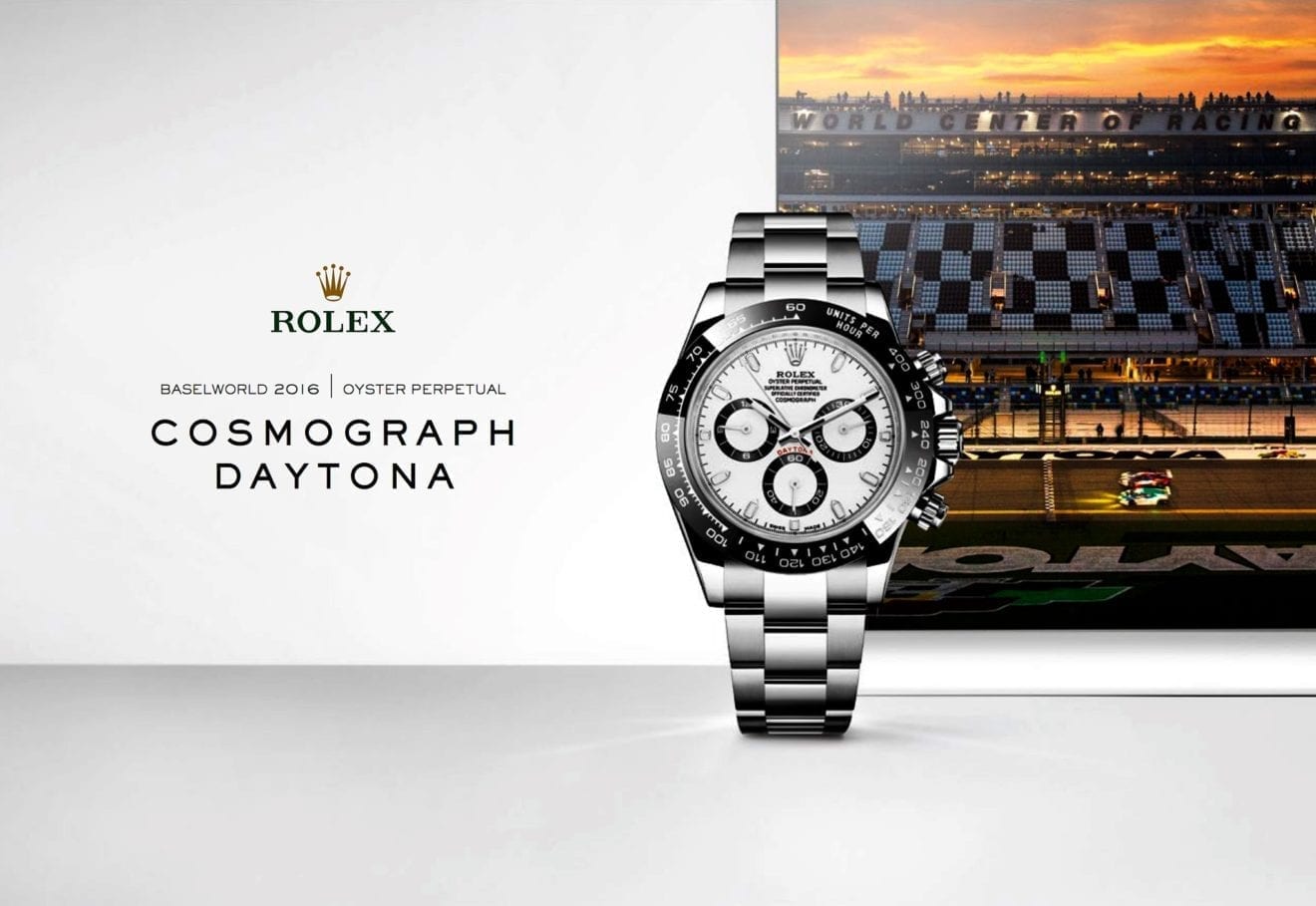
    A few years ago, I made the mistake of purchasing a fake Rolex for VND6 million (US$230) online, which led to a rather embarrassing predicament.

    The seller touted it as a first-rate “authentic” replica, claiming it looked so convincing that no one would suspect it wasn’t the real deal. Back then, I was young and impressionable, and I thought wearing a flashy watch would elevate my status and boost my confidence. In reality, I simply liked the design, but the thought of splurging on a genuine model was daunting. It was a paradox—trying to save money while blowing VND6 million on a counterfeit—but my impulsive side prevailed.

    The true test of my purchase came during a wedding where I was accompanying my girlfriend. In a moment of casual conversation, an older gentleman asked for the time. I glanced at my wrist only to discover that the watch hands had fallen off. Mortified, I had to produce my phone to check the time instead. It was a cringeworthy moment—I wished I could vanish right there.

    The lesson was clear: the fake watch did nothing to enhance my image or self-assurance. My attempt to project sophistication was as phony as the watch itself.

    Many people find themselves in this dilemma, desiring luxury without the budget to back it up. They turn to knockoff watches, handbags, shoes, and sunglasses—often influenced by what they see others doing or lured by how good these replicas appear for the price. However, once a fake is recognized, the embarrassment can be crushing.

    Today, I’ve learned my lesson. If I’m in the market for a watch but can’t splurge on something lavish, I opt for a lesser-known, authentic brand. People’s choices often reflect their realities. Wearing something that doesn’t align with one’s circumstances tends to be noticeable, sometimes without uttering a single word.

    Questions & Answers

    What led the author to buy the fake Rolex?
    The author, wanting to enhance his social status and confidence, was drawn to the flashy design of the fake Rolex, despite not being able to afford the real thing.

    What happened at the wedding?
    During a wedding, when asked for the time, the author discovered the watch hands had fallen off, forcing him to check his phone instead, which caused him great embarrassment.

    What is the author’s current perspective on buying watches?
    Now, the author prefers to buy authentic timepieces from lesser-known brands rather than opting for fakes, recognizing that authenticity aligns better with one’s circumstances.


  • US Implements Anti-Dumping Duties Targeting Vietnamese Shrimp Exporters Amid Trade Tensions

    US Implements Anti-Dumping Duties Targeting Vietnamese Shrimp Exporters Amid Trade Tensions

    In a recent decision that has sent ripples through the seafood industry, the U.S. Department of Commerce (DOC) released its 19th administrative review of frozen warmwater shrimp imports from Vietnam. This review, covering shipments between February 1, 2023, and January 31, 2024, has raised eyebrows among exporters, revealing surprising outcomes that are reshaping trade dynamics.

    Unexpected Outcomes for Vietnamese Shrimp Exporters

    The Vietnam Association of Seafood Exporters and Producers (VASEP) announced that the DOC found Thong Thuan Co.—including its Cam Ranh branch—has not sold shrimp below fair value, resulting in a commendable zero dumping margin for the company. However, the situation turned grim for STAPIMEX, which was slapped with a staggering preliminary dumping rate of 35.29%. This hefty rate was also assigned to 22 other companies with separate rate status that were not selected as mandatory respondents, diverging from the customary practice of using a weighted average of the mandatory respondents’ rates.

    VASEP and the affected companies expressed astonishment and concern over the unexpectedly high preliminary rate. “In the 19 years that Vietnam has participated in the administrative reviews of the anti-dumping case, no company has ever been subjected to a double-digit preliminary duty,” the association stated in frustration. This sentiment is compounded by memories of the 12th review, when a preliminary rate of 25.76% assigned to FIMEX was later revised to a mere 4.58% due to calculation errors.

    The possibility of miscalculations looms large as VASEP and the affected enterprises call for a review of the current findings. Confident in its meticulous accounting records, STAPIMEX plans to submit supplementary evidence in a bid to sway the outcome. Both VASEP and the company remain optimistic that the final ruling, expected in December 2025, will accurately reflect the true state of Vietnamese shrimp exports, reaffirming their position against any claims of dumping.

    Though these preliminary results are not final, they have already cast a shadow over U.S. importers, disrupted trade plans, and shaken the confidence of Vietnamese shrimp farmers. This unsettling development emerges amidst the U.S. administration’s broader strategy of imposing high reciprocal tariff policies on Vietnam and other nations, presenting yet another hurdle for the industry.

    VASEP has urged the DOC to meticulously review and reconsider its preliminary calculations, highlighting the necessity for fairness, consistency with previous reviews, and protection of Vietnamese seafood exporters’ interests to ensure stable trade relations between the two countries.

    Vietnam ranks as the fourth-largest supplier of frozen shrimp to the U.S., trailing only India, Ecuador, and Indonesia, with an impressive $691 million in export value last year. As the shrimp saga unfolds, one can only wonder what other surprises lie ahead for this vibrant industry.

    Questions & Answers

    What was the DOC’s preliminary finding regarding Thong Thuan Co.? The DOC determined that Thong Thuan Co. did not sell shrimp below fair value, resulting in a zero dumping margin for the company.

    Why are VASEP and companies concerned about the high dumping rate assigned to STAPIMEX? The 35.29% preliminary dumping rate is unprecedented; VASEP noted that no company has ever faced a double-digit rate in the 19 years of reviews, raising concerns about potential miscalculations.

    What impact could these preliminary findings have on the shrimp industry? The preliminary findings have already unsettled U.S. importers, disrupted trade plans, and shaken the confidence of Vietnamese shrimp farmers, complicating an already challenging trade environment.

  • Hanoi Authorities Seize Thousands of Counterfeit Marshall Speakers and Smartwatches in Facebook Scam Bust

    Hanoi Authorities Seize Thousands of Counterfeit Marshall Speakers and Smartwatches in Facebook Scam Bust

    The streets of Hanoi have witnessed a significant crackdown on counterfeit products as local authorities recently dismantled a network that expertly peddled fake goods via Facebook. Among the impressive haul are 25,500 fraudulent items, including well-known products such as counterfeit Marshall speakers, smartwatches, and vacuum cleaners, all of which have led to a staggering seizure valued at around VND22 billion (approximately US$844,000).

    Operating under the leadership of 30-year-old Le Huu Minh, the group ingeniously set up a social media presence to promote their goods, mostly highlighting audio equipment falsely attributed to the renowned U.K. brand Marshall. Their marketing tactics included elaborate fake promotional campaigns celebrating the fictitious “10 years of establishment” of the Marshall brand, with eye-catching discounts reaching a jaw-dropping 70% on speakers, headphones, and amplifiers.

    To further deceive unsuspecting customers, the group launched a counterfeit website, marshall-store.com, designed to mirror the official Marshall site closely. Once the orders were placed, buyers received their goods through various delivery services, a strategy that morphologically shifted as the sellers often changed logistics companies to evade authorities.

    The prices of these knock-off items were irresistibly low, generally under VND1 million (around $38), making them an enticing option compared to their authentic counterparts. In addition to the impressive volume of fake technology, the police discovered a treasure trove of fashion products and accessories lacking valid proof of authenticity, inclusion in the grand sweep of the counterfeit operation.

    As this crackdown brings to light the extent of brand infringement, it also leaves us to wonder: just how savvy can counterfeiters get? Will online shoppers become more vigilant in their purchasing behaviors? And could this be the beginning of a larger wave of actions against online fraud in the retail sector?

    Questions & Answers

    What prompted the police raid on this counterfeit operation?
    The police acted on reports of a network selling counterfeit products on Facebook, leading to the discovery of a massive inventory of fake goods in Hanoi.

    Who was leading the counterfeiting group?
    The group was led by 30-year-old Le Huu Minh, who is currently under investigation alongside four other members.

    What types of products were seized during the operation?
    The police confiscated a wide array of items, including 12,200 smartwatches, 6,000 fake Marshall earbuds, 1,700 Marshall Emberton speakers, and 2,550 Fujisu vacuum cleaners, among other counterfeit fashion products.

  • Dollar Strengthens Against Dong in Black Market Surge

    Dollar Strengthens Against Dong in Black Market Surge

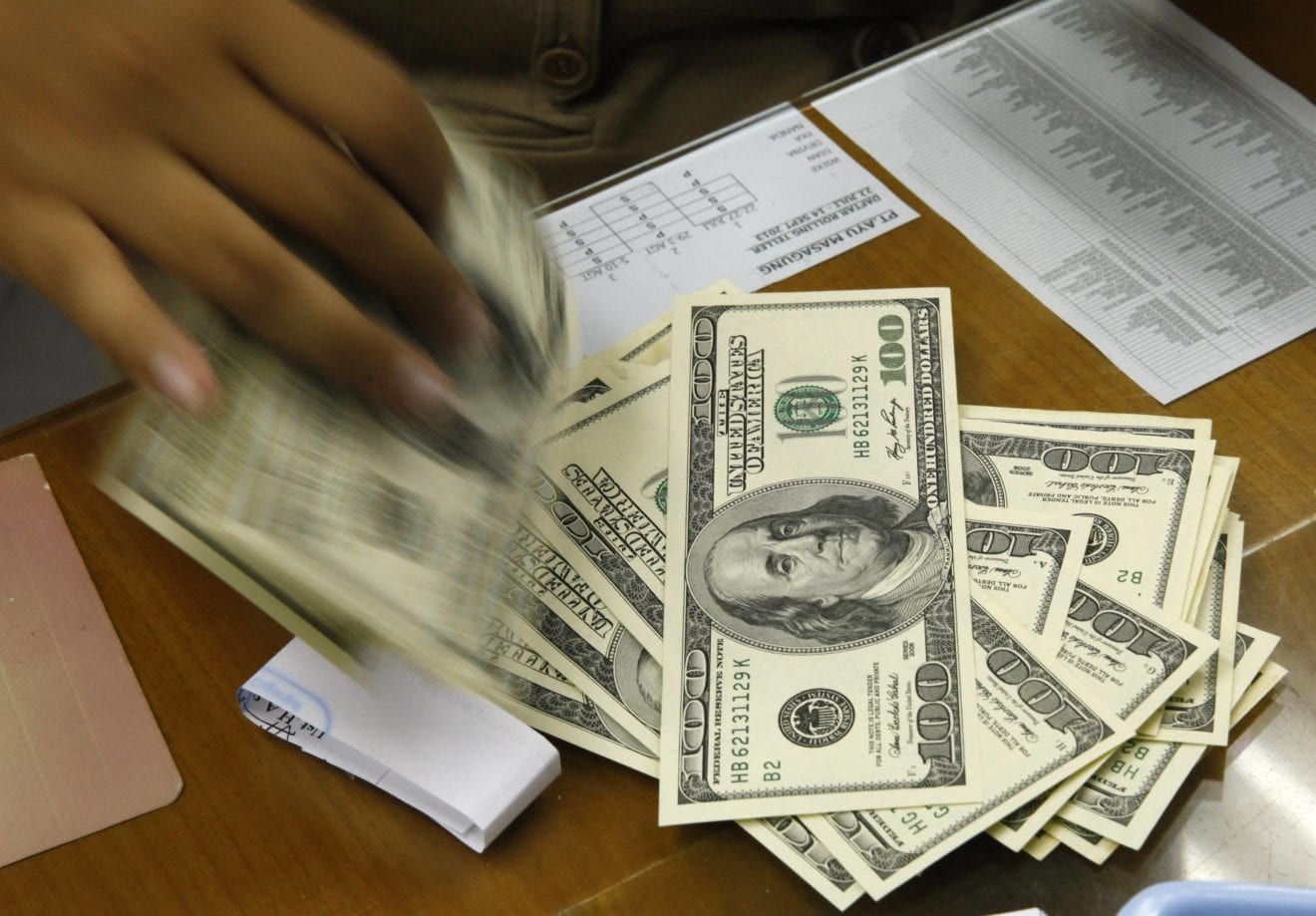
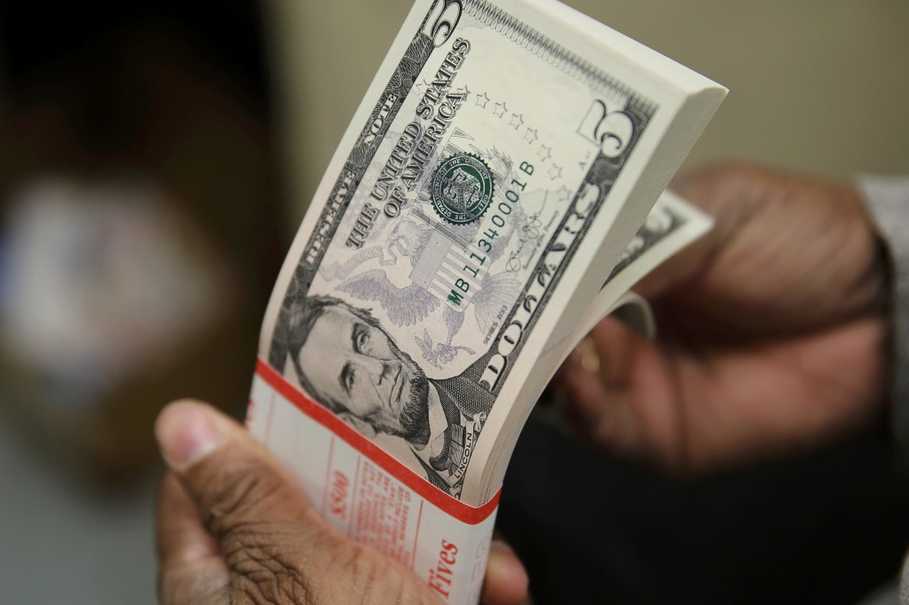
    The U.S. dollar rose against the Vietnamese dong on the black market on Monday morning.

    On unofficial exchange platforms, the dollar was selling for VND26,380, marking a slight 0.2% increase since the weekend. Meanwhile, Vietcombank set its rate at VND26,220, while the State Bank of Vietnam maintained a reference rate of VND24,992.

    Globally, the dollar remained stable against major currencies as Monday unfolded, blending enthusiasm from a strong U.S. employment report with a cautious atmosphere ahead of crucial U.S.-China trade talks in London later in the day, according to Reuters.

    The dollar index, which measures the currency’s performance against six others, stood firm at 99.169. In early trading in Asia, the yield on 10-year Treasury notes remained unchanged following a significant rise of over 10 basis points on Friday.

    Against the yen, the dollar dipped by 0.3% to 144.39, slightly offsetting its 0.9% gain from Friday. The euro, however, climbed 0.2% to reach $1.1422.

    Watchful eyes will be on the impending inflation report from the U.S. for May, crucial for investors and Federal Reserve policymakers, as they seek to assess the economic toll of trade-restrictive policies.

    “May will be the first month reflecting the impact of Trump’s 10% universal tariff on imports outside of the USMCA,” analysts at ANZ Bank noted. “The Fed will likely await several months of inflation data to fully gauge the tariff’s effects, particularly its durability.”

    Questions & Answers

    What was the dollar’s rate against the Vietnamese dong on the black market?
    The dollar reached a rate of VND26,380, reflecting a 0.2% gain compared to the weekend.

    How did the dollar perform against other international currencies?
    Globally, the dollar held steady amidst mixed sentiments, with a slight dip against the yen but a rise against the euro.

    Why is the upcoming inflation report significant?
    This report is anticipated to shed light on the economic impact of recently instated trade tariffs, which could influence Federal Reserve policy decisions moving forward.

  • Circle Co-Founder Jeremy Allaire Joins Billionaire Ranks Following Impressive Crypto Firm Stock Debut

    Circle Co-Founder Jeremy Allaire Joins Billionaire Ranks Following Impressive Crypto Firm Stock Debut

    Jeremy Allaire, the co-founder of cryptocurrency powerhouse Circle Internet Group Inc., experienced a remarkable surge in wealth on Thursday, surpassing the $1.7 billion mark as the company’s stock soared nearly threefold on its first trading day.

    Circle’s Spectacular IPO Debut

    The stablecoin issuer strategically priced its shares at $31 each during an expanded initial public offering (IPO), successfully raising close to $1.1 billion. In a thrilling market debut, the shares skyrocketed by 168%, closing at $83.23 in New York trading, despite facing several volatility halts, as reported by Bloomberg.

    Allaire, 54, who sold approximately 1.6 million shares during the IPO, still retains about 18 million shares, along with additional options and restricted stock units. With a rich history of steering technology firms, Allaire co-founded Circle in 2013 and currently serves as its CEO.

    His entrepreneurial journey began in 1995 when he co-founded Allaire Corp. with his brother, a company focused on internet-centered technology. Allaire Corp. went public in 1999 and was later acquired by Macromedia Inc. for a staggering $360 million just two years later. In 2004, he launched Brightcove, a video platform, where he remained CEO until 2013.

    Based in New York, Circle issues USDC, an asset-backed stablecoin that had a market circulation of approximately $61 billion as of May 29, according to its website. These stablecoins are digital tokens pegged to the value of a currency and underpinned by reserves.

    Circle competes primarily with Tether, which currently boasts a circulation of nearly $154 billion. Meanwhile, the financial landscape is also seeing new players like World Liberty Financial, owned by Donald Trump, which recently rolled out its own stablecoin, USD1, with a circulation exceeding $2 billion.

    It’s a fascinating time in the cryptocurrency world—who knew that launching a financial product could lead to such dramatic wealth changes faster than you can say “blockchain”?

    Questions & Answers

    What was the opening price of Circle’s stock during its IPO?
    Circle’s shares opened at $31 each during their initial public offering.

    How much funding did Circle raise through its IPO?
    The company raised approximately $1.1 billion through its expanded IPO.

    Who is Circle’s primary competitor in the stablecoin market?
    Tether is Circle’s main competitor, with a current circulation nearing $154 billion.

  • Dollar Dips Against Dong in Vibrant Black Market Trading

    Dollar Dips Against Dong in Vibrant Black Market Trading

    The U.S. dollar saw a slight decline against the Vietnamese dong in the black market as trading began on Saturday morning. Unofficial exchange points reported the greenback selling for 26,325 VND, marking a 0.02% drop. Meanwhile, major player Vietcombank maintained its rate at 26,220 VND, while the State Bank of Vietnam’s reference rate held steady at 24,992 VND.

    Beyond Vietnam’s shores, the dollar performed quite differently on the global stage. On Friday, it experienced a notable uptick against major currencies, buoyed by encouraging U.S. jobs data from May. This news, while highlighting a slowdown from the previous month, indicated that the Federal Reserve may be in no hurry to cut interest rates. As reported by Reuters, the dollar surged 0.95% against the Japanese yen, reaching 144.87, and climbed 0.26% to 0.822 against the Swiss franc. This trend means that the dollar is on track for a second consecutive weekly gain against these safe-haven currencies, though it still lags behind, down approximately 8% year-to-date against the yen and nearly 9% against the franc.

    In a world where currency rates seem to dance with the latest economic news, it’s almost as if the dollar has a flair for drama!

    Questions & Answers

    What is the current exchange rate of the U.S. dollar against the Vietnamese dong?
    The U.S. dollar is currently being traded at approximately 26,325 VND in the black market.

    How did the dollar perform globally recently?
    Recently, the dollar rose against major currencies based on stronger-than-expected U.S. jobs data, indicating the Federal Reserve might hold off on interest rate cuts.

    What is the trend for the dollar against the yen and franc?
    The dollar is experiencing a second consecutive weekly gain against both the Japanese yen and Swiss franc, although it remains down year-to-date against both currencies.

  • H&M Founding Persson Family Increases Stake, Sparking Privatization Rumors

    H&M Founding Persson Family Increases Stake, Sparking Privatization Rumors

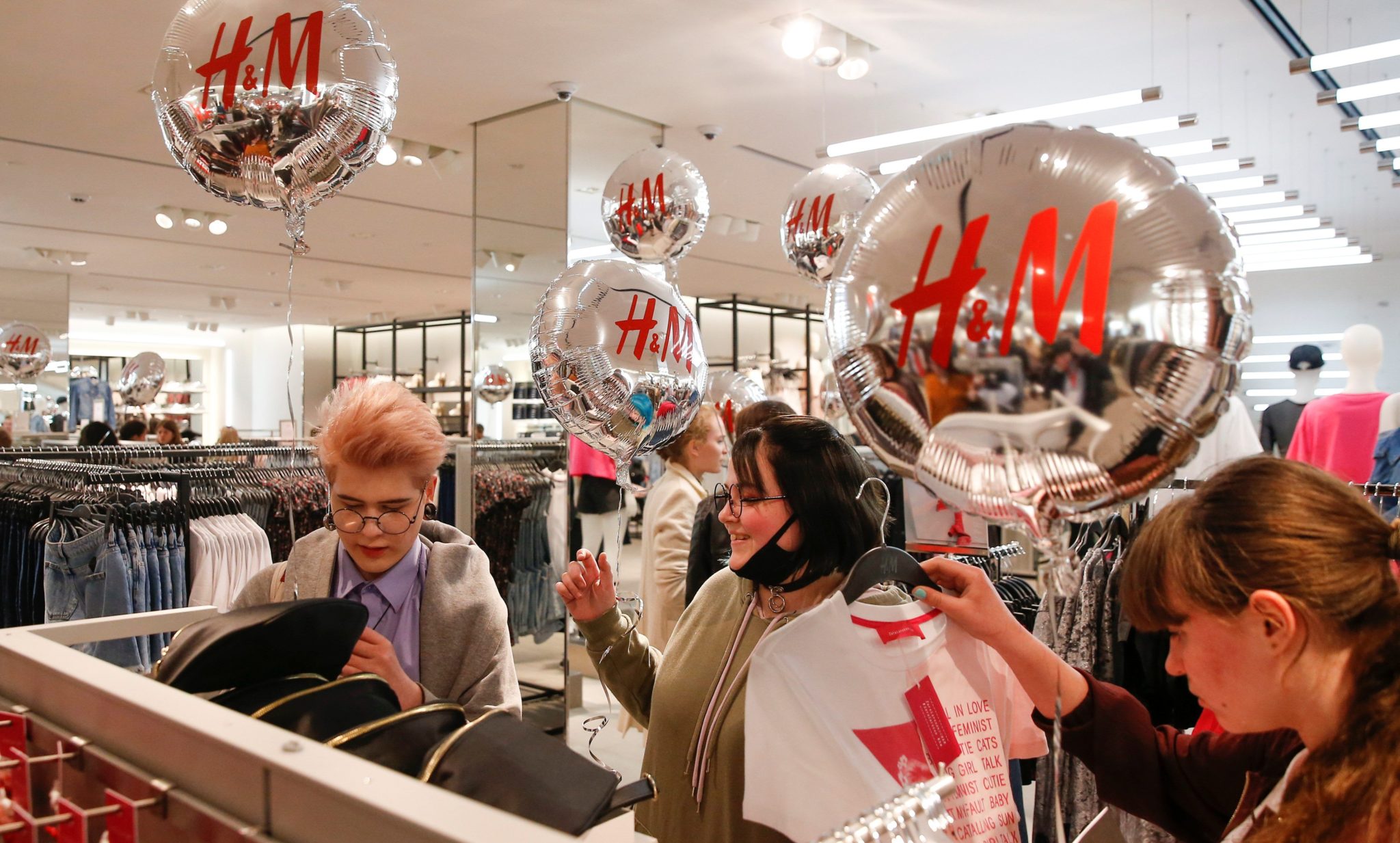
    The Persson family, one of Sweden’s wealthiest clans, has made quite the splash in the fashion world. Since 2016, they’ve poured over US$6.6 billion into H&M, claiming nearly two-thirds ownership of the brand. This move has sparked lively speculation about a possible return to private ownership, even though the family asserts otherwise, as reported by Bloomberg.

    Increasing their stake through Ramsbury Invest, the Perssons have offered minimal insight into their intentions, merely stating their unwavering belief in H&M.

    Despite their denials about taking H&M private, their steady accumulation of shares is raising eyebrows among minority shareholders. “This is something we’ve been discussing for years, and few would doubt that this is the direction things are headed,” remarked Sverre Linton, chief legal officer and spokesperson for the Swedish Shareholders’ Association.

    Linton urged the family to clarify their intentions and consider halting their share acquisitions if they truly aren’t planning a switch to private ownership.

    Thanks to reinvested dividends, the Perssons have inflated their H&M stake from 35.5% to nearly 64% over the past nine years. When considering extended family holdings, the Perssons command about 70% of the capital and roughly 85% of the voting rights, according to H&M’s own website.

    In an interview with Bloomberg last year, H&M Chairman Karl-Johan Persson, the founder’s grandson, brushed aside rumors of privatization, asserting, “There are no plans. We just buy because we believe in the company.”

    However, competition is heating up, with H&M wrestling against heavyweights like Zara and the rapid-fire fashion disruptor Shein. Last year, this iconic Swedish brand, nearly 80 years in the making, dropped its margin targets for 2024 as higher discounting, increased costs, and stiff competition eroded their operating profits, as Reuters reported.

    Analysts, such as Niklas Ekman at DNB Carnegie, speculate that the family’s ongoing share purchases might signify intentions that extend beyond mere confidence. In a recent note to clients, he indicated a buyout could materialize within two years if the family’s current pace continues, with the potential for a delisting after reaching 90% ownership.

    Ekman mused that a transition to private ownership would likely stem from “emotional rather than financial motives,” given the family’s existing dominance and historical penchant for prioritizing their vision over that of minority shareholders.

    At the heart of this drive is Stefan Persson, 77, who transformed H&M into a global fast-fashion behemoth during his 16-year CEO stint and subsequent two decades as chairman. He remains heavily engaged in the brand’s future. With a fortune of $18.6 billion, largely in H&M stock, he stands as Sweden’s wealthiest individual, according to the Bloomberg Billionaires Index.

    As H&M’s shares have plummeted by about 60% since peaking a decade ago, the company now holds a valuation of around US$23 billion, a stark contrast to its former glory.

    Questions & Answers

    What is the Persson family’s current stake in H&M?
    The Persson family’s stake has risen from 35.5% to almost 64% over the past nine years, giving them control of around 70% of the capital.

    Why are minority shareholders concerned?
    Their concerns stem from the family’s ongoing share purchases, which some believe could indicate intentions to take H&M private, despite family denials.

    How has H&M been performing recently?
    H&M has struggled against fierce competition and has dropped its margin targets for 2024 due to increased costs, higher discounting, and declining operating profits.

  • Gold Prices Climb as Global Markets Experience a Surge

    Gold Prices Climb as Global Markets Experience a Surge

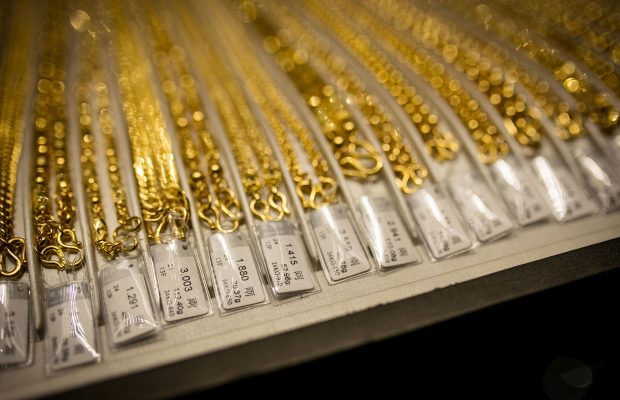
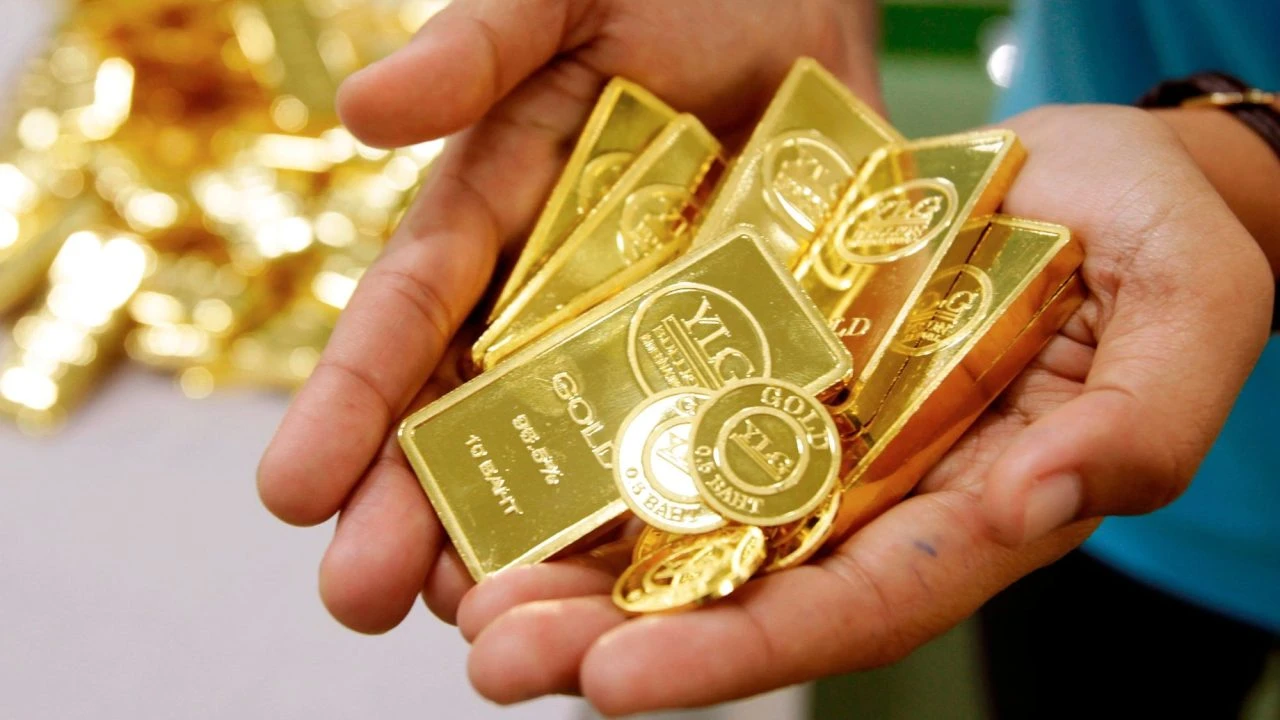
    Gold prices in Vietnam experienced a modest uptick on Friday morning, buoyed by a positive trend in global bullion markets. The Saigon Jewelry Company reported a 0.25% increase in gold bar prices, bringing them to VND 118 million (approximately US$4,526.46) per tael. Meanwhile, gold ring prices rose by 0.26%, reaching VND 114.3 million per tael. For those not in the know, a tael is equivalent to 37.5 grams or 1.2 ounces.

    As we look beyond Vietnam’s borders, global gold prices rose on the same day and were poised for a weekly gain. Investors were reacting to a slew of underwhelming economic data from the U.S., which overshadowed initial optimism stemming from a recent call between U.S. President Donald Trump and his Chinese counterpart, Xi Jinping. All eyes are now on the upcoming U.S. payroll data, as reported by Reuters.

    Spot gold saw an increase of 0.5%, landing at $3,368.49 an ounce, and has enjoyed a 2.5% gain for the week. Similarly, U.S. gold futures also picked up 0.5%, reaching $3,391.40. Tim Waterer, chief market analyst at KCM Trade, noted that the initial enthusiasm for risk-taking triggered by the Trump-Xi call has begun to wane, allowing gold to edge higher. He pointed out that the excitement over Trump’s remarks masked recent weak U.S. economic indicators.

    In fact, the number of Americans filing new applications for unemployment benefits has surged to a seven-month high. Waterer hinted that the forthcoming Non-Farm Payroll (NFP) report could serve as a game-changer, especially if the data significantly deviates from expectations.

    Federal Reserve policymakers have communicated that inflation remains a bigger worry than a cooling labor market, suggesting that adjustments to monetary policy may be on hold for some time. Historically, gold is regarded as a safe-haven asset, thriving amidst economic uncertainty and low-interest-rate climates—a fact that has undoubtedly punctuated its recent upward trend.

    As the gold market continues to shimmer, it seems like investors are tuning in to the allure of safe havens. After all, you never know when you might want to turn a little anxiety into a thriving fortune!

    Questions & Answers

    What caused the rise in gold prices?
    The increase in gold prices was primarily driven by a surge in global bullion rates, as soft U.S. economic data overshadowed initial optimism stemming from a significant diplomatic call between the U.S. and China.

    How are gold prices in Vietnam comparing to global trends?
    Gold prices in Vietnam are mirroring the positive momentum seen internationally, with local gold bar and ring prices rising in tandem with their global counterparts.

    Why is gold considered a safe-haven asset?
    Gold is often viewed as a safe-haven asset due to its historical stability during times of economic uncertainty and its tendency to perform well in low-interest-rate environments.

  • Vietnam Celebrates Impressive $4.7B Trade Surplus in Just Five Months

    Vietnam Celebrates Impressive $4.7B Trade Surplus in Just Five Months

    The vibrant tapestry of Vietnam’s economy continues to weave success as new trade data emerges, revealing a noteworthy trade surplus of US$4.67 billion for the first five months of 2025. According to the Department of Customs under the Ministry of Finance, the country’s total foreign trade surged to an impressive US$355.79 billion—a remarkable 15.7% increase compared to the same period last year.

    Dynamic Export Growth and Import Trends

    In those five months, Vietnam’s export earnings climbed by 14%, while imports saw a steeper rise at 17.5%. The month of May alone contributed significantly to this upward trend, with trade revenue soaring to US$39.6 billion—an increase of 5.7% from April and 17% year-on-year.

    As we dive deeper into the numbers, the export value reached US$180.23 billion from January to May, reflecting a robust 14% increase year-on-year. Breaking it down, domestic businesses accounted for US$49.62 billion, marking a 12.5% rise, while foreign-invested firms contributed a substantial US$130.61 billion—including crude oil—with a growth rate of 14.5%. A noteworthy feat is that 25 commodities each surpassed the US$1 billion export mark, collectively making up 90% of total shipments. Among these, seven commodities even soared past the US$5 billion threshold, showcasing a hefty 67.3% of the total exports.

    On the import side, Vietnam’s spending reached US$175.56 billion over the same period, marking a significant 17.5% year-on-year increase. Domestic sectors imported goods valued at US$62.04 billion (up 12.9%), while the foreign-invested sector ramped up its purchases to US$113.52 billion (up 20.2%). Notably, 29 items crossed the US$1 billion mark in import value, constituting 86.9% of total imports, with four of these exceeding US$5 billion, capturing 51.6% of the overall import share.

    Key Trading Partners and Market Dynamics

    The statistics tell a compelling story about Vietnam’s trade relationships. The United States firmly held its position as Vietnam’s largest export market, with turnover hitting US$57.2 billion during the quarter. Conversely, China remained Vietnam’s primary supplier of goods, with imports valued at US$69.4 billion.

    In a positive twist, Vietnam experienced a staggering trade surplus of US$49.9 billion with the U.S., which is up 28.5% year-on-year. Surpluses were also recorded with the EU (US$16.3 billion, up 16%) and Japan (US$0.9 billion, an astonishing increase of 74.8%).

    As the economic landscape continues to shift, one has to wonder: could Vietnam soon be the next Asian lion in the making?

    Questions & Answers

    What was Vietnam’s trade surplus for the first five months of 2025?
    Vietnam posted an impressive trade surplus of US$4.67 billion during this period.

    How much did Vietnam’s total foreign trade increase compared to last year?
    The total foreign trade surged to US$355.79 billion, reflecting a remarkable 15.7% year-on-year rise.

    Which countries were Vietnam’s key trading partners during this period?
    The United States was Vietnam’s largest export market, while China continued to be the biggest supplier of goods.

  • Gold Prices Fall: Exploring the Factors Behind the Decline

    Gold Prices Fall: Exploring the Factors Behind the Decline

    Vietnam’s gold market saw a dip on Saturday morning, reflecting a global trend sparked by the latest U.S. jobs data which revealed stronger-than-anticipated economic growth. This information rippled through financial markets, causing gold prices to plunge.

    Declining Prices in Vietnam

    At Saigon Jewelry Company, the price of gold decreased by 0.68%, settling at VND117.2 million (approximately US$4,498.35) per tael. Meanwhile, gold rings saw a decline of 0.70%, priced at VND113.6 million per tael. To put it in perspective, one tael weighs 37.5 grams or 1.2 ounces. Despite this recent downturn, gold has impressively increased by 39% this year.

    Global Trends Impact Local Prices

    The worldwide gold market experienced a more than 1% fall on Friday, a direct reaction to a stronger-than-expected U.S. jobs report. This report dampens the expectation for immediate interest rate cuts by the Federal Reserve. Nevertheless, silver shone brightly, soaring to its highest level since 2012, according to Reuters. Spot gold prices slid by 1.1%, now at $3,316.13 an ounce, but interestingly, showed a slight weekly increase of 0.8%.

    Gold is often viewed as a safeguard against inflation and geopolitical uncertainty. However, rising interest rates diminish the allure of bullion, especially since it does not provide any interest income.

    A report from the U.S. Labor Department revealed that non-farm payrolls increased by 139,000 in May, slightly outpacing economists’ expectations, which forecasted a rise of 130,000. The unemployment rate remained stable at 4.2%. According to Marex analyst Edward Meir, this data lost its bullishness for gold as it indicates that the Federal Reserve may hold firm on interest rates for the time being. Yet, Meir noted, “These are very difficult negotiations and they’re not going to be solved just on the phone. If the tariff headlines become negative, that’s bullish for gold.”

    What a wild ride the financial markets are on—who knew that jobs could have such an effect on precious metals!

    Questions & Answers

    What caused the decline in gold prices in Vietnam?
    The decline is attributed to a stronger-than-expected U.S. jobs report, which reduced expectations for immediate interest rate cuts by the Federal Reserve.

    How much has gold increased this year despite the recent drop?
    Gold prices have impressively risen by 39% so far this year.

    What might impact gold prices moving forward?
    Ongoing negotiations regarding tariffs and any negative headlines could potentially boost gold prices, as elevated uncertainty tends to draw investors towards safe-haven assets.

  • May CPI Rises 0.16% as Housing and Utility Costs Surge

    May CPI Rises 0.16% as Housing and Utility Costs Surge

    Vietnam’s consumer price index (CPI) experienced a modest bump of 0.16% in May compared to the previous month, largely fueled by rising costs in rental housing, home maintenance materials, electricity, and dining out. This increase marks an ongoing trend in the Asian nation’s economic landscape, as the National Statistics Office, under the Ministry of Finance, reported that for the first five months of 2025, the CPI escalated by 3.21% year-on-year. During this same period, core inflation surged by 3.1%.

    Food and Housing Drive Inflation

    Food and catering services recorded a notable year-on-year increase of 3.83%, with pork prices soaring by 13.53%, attributing this spike to strict supply constraints paired with high demand during the holidays. Housing and utilities contributed significantly to the inflation narrative, climbing 5.43% and pushing the CPI up by a hefty 1.02 percentage points. Notably, rental costs ascended by 6.84%, while electricity expenses rose by 4.93%, and home maintenance materials saw a 2.71% uptick.

    As the cost of living rises, healthcare services and pharmaceuticals experienced a significant spike of 14.07%. This increase was primarily fueled by a recent pricing circular from the Ministry of Health. Household equipment and appliances were not spared from this upward trend either, facing a price increase of 1.58%.

    In a twist of fortune, transportation costs fell by 3.97%. Fuel prices took a dive of 13.39%, providing a much-needed reprieve for consumers. Additionally, postal and telecommunications services saw a modest decline, decreasing by 0.49%, mainly owing to the lower prices of older-generation mobile phones.

    Gold Prices Reflect Global Trends

    Gold prices mirrored global market movements, with domestic prices soaring by 10.47% month-on-month in May and a staggering 45.95% year-on-year. Over the five-month span, domestic gold prices surged by 35.37%. Meanwhile, the US dollar index trended downward, decreasing by 0.82% globally as market speculation suggested a possible interest rate cut by the US Federal Reserve. However, the demand for import-export payments in Vietnam caused the dollar index to rise by 0.68% month-on-month, showcasing a 2.69% year-on-year increase.

    The National Statistics Office also noted that core inflation in May saw a month-on-month growth of 0.33%, while year-on-year figures climbed to 3.33%. As the economy adjusts, consumers are left watching the prices, mentally preparing for their next shopping excursion where prices are anything but mundane.

    Questions & Answers

    What contributed to the recent rise in Vietnam’s CPI?
    The CPI rose mainly due to increased costs in rental housing, home maintenance materials, electricity, and dining out.

    How does core inflation compare from year-on-year in May?
    Core inflation climbed by 3.33% year-on-year in May, marking a steady rise alongside the overall CPI.

    What trends were observed in commodity prices over the first five months?
    Transportation costs decreased by 3.97% due to lower fuel prices, while food prices, particularly pork, saw significant increases driven by demand and supply issues.

  • Big Corporations Set Sights on HCMC’s Ambitious Metro Line Projects

    Big Corporations Set Sights on HCMC’s Ambitious Metro Line Projects

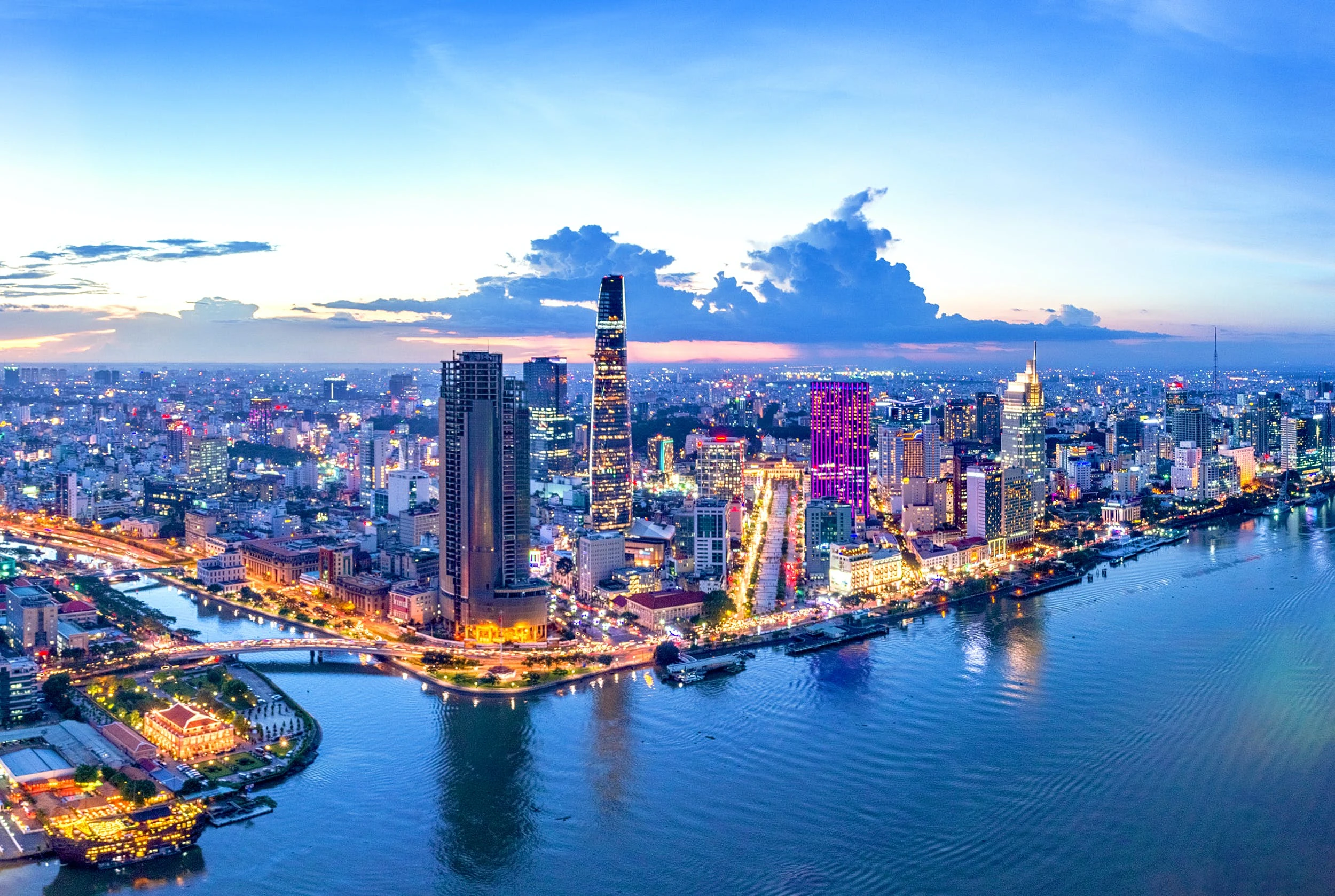
    The Dai Dung Corporation, Construction Corporation No. 1 Joint Stock Company (CC1), and Hoa Phat Group have joined forces to form a partnership known as DCH, seeking the approval of the HCM City People’s Committee to participate in local urban railway projects as the general contractor for engineering, procurement, and construction (EPC).

    Three Railway Lines on the Horizon

    DCH aims to invest in three significant railway lines: Metro Line No. 2 (Ben Thanh – Tham Luong), the Thu Thiem – Long Thanh railway line, and the Binh Duong New City – Suoi Tien line. This ambitious initiative is poised to transform the landscape of urban transportation in Ho Chi Minh City.

    Vingroup’s Bold Proposal

    In a parallel move, Vingroup has set the stage for innovation by proposing a metro line that would connect the city center to Can Gio island district. This ambitious project, estimated at VND102.37 trillion (around US$4.09 billion), boasts a staggering 48.5 km route designed for speeds reaching 250 km/h—twice the speed of current undertakings—and aims for completion in just two years!

    Fast-Tracking Urban Railways

    The city’s Department of Construction reports that Vingroup’s investment model is a public-private partnership (PPP). After gaining municipal approval, the company is hastening the completion of investment documentation and conducting a pre-feasibility study. If everything aligns perfectly, construction could kick off in early 2026, making way for the first urban railway line fully funded by a private entity by 2028.

    More Players Enter the Game

    Chairman of the municipal People’s Committee, Nguyen Van Duoc, has disclosed that besides Vingroup, Gamuda Group and Vietjet are also eager to jump into the urban rail market, with plans for additional routes connecting the city center to the airport and other key locations.

    Metro Ambitions for the Future

    According to HCM City’s master plan for the period of 2021–2030, with eyes set on 2050, the metropolis is looking to develop 12 metro lines stretching over 600 km, linking Tan Son Nhat airport to urban areas and neighboring provinces. By 2035, the goal is to have seven lines operational, covering approximately 355 km with an estimated investment of US$40.2 billion.

    Private Interest on the Rise

    Prof. Dr. Vo Xuan Vinh, Director of the Institute of Business Research at the University of Economics Ho Chi Minh City, notes that following the issuance of Resolution 68 by the Politburo, private enterprises are becoming increasingly engaged in large-scale projects, ready to embrace the associated risks. This shift promises to revolutionize the pace of urban railway development in both HCM City and Hanoi, traditionally reliant on official development assistance (ODA).

    New Mechanisms for Investment

    Dr. Nguyen Quoc Hien, deputy head of the HCMC Management Authority for Urban Railways, emphasized the importance of developing specific legal frameworks to facilitate private investment in urban rail projects. He observed that successful PPP projects in places like Hong Kong, China, and South Korea often follow investment forms like Build-Transfer-Operate (BTO), Build-Transfer-Lease (BTL), or Build-Lease-Transfer (BLT). The absence of these models in existing resolutions suggests a need for innovative thinking in legal frameworks if we want to see a rapid transformation in the urban rail sector in Vietnam.

    Questions & Answers

    What is the purpose of the partnership between Dai Dung Corporation and others?
    The partnership aims to work on urban railway projects in Ho Chi Minh City as the EPC general contractor.

    What is Vingroup’s proposed metro line’s key feature?
    Vingroup’s proposed line will connect the city center to Can Gio island with a remarkable speed of 250 km/h, expected to be completed in two years.

    How many metro lines does HCM City plan to build by 2030?
    The city plans to establish 12 metro lines, covering over 600 km, with seven lines targeted for completion by 2035.

  • Durian Lovers Unite: Penang Hotels Entice Tourists with All-You-Can-Eat Offers!

    Durian Lovers Unite: Penang Hotels Entice Tourists with All-You-Can-Eat Offers!

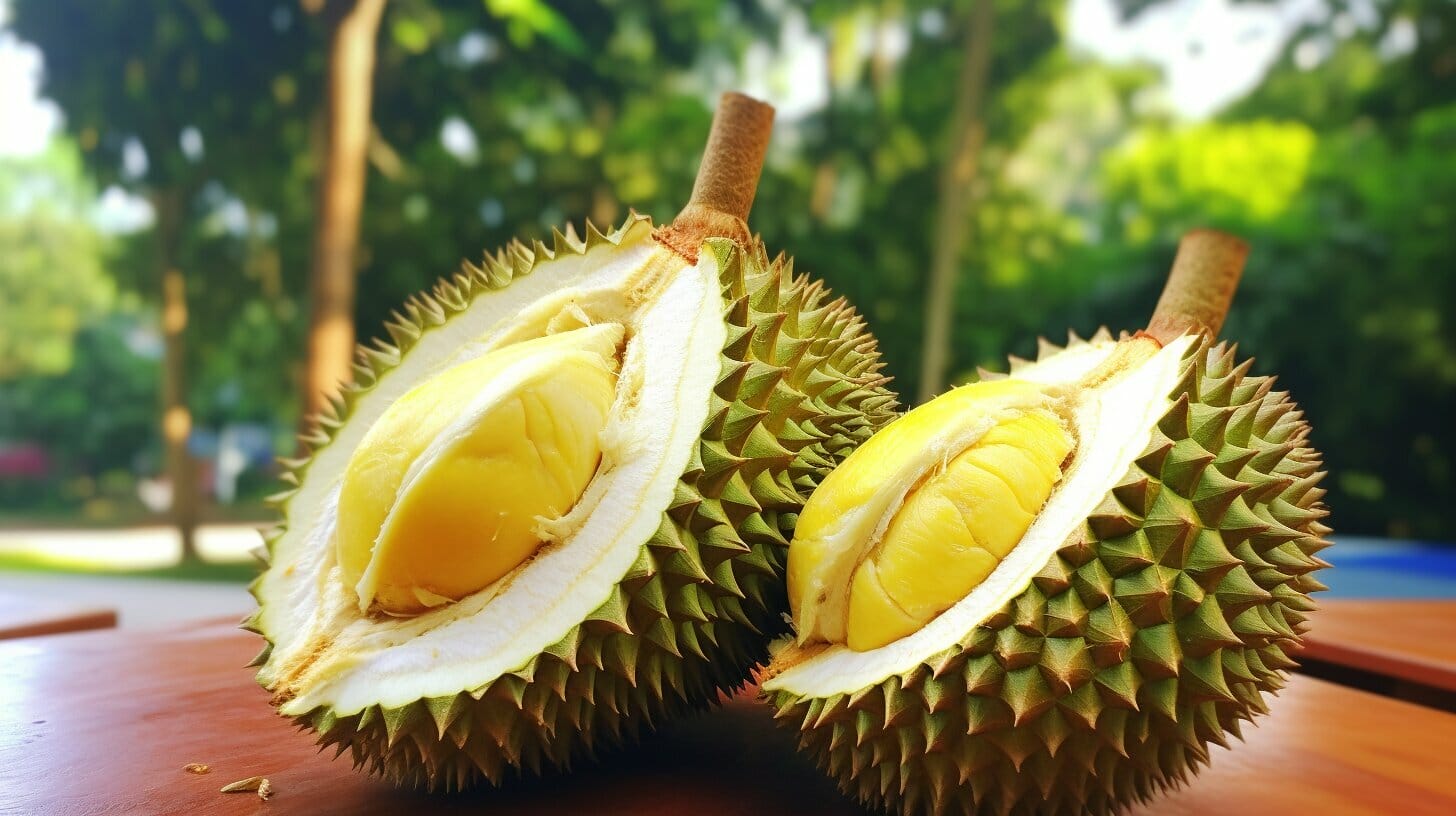
    Hotels across Malaysia’s Penang Island experienced exceptional occupancy rates over the recent long weekend, with at least 85% filled, and some establishments reaching full capacity. Travelers flocked to the island lured by enticing tour packages that paired accommodations with unlimited durian feasts—an indulgent combination that has captured the hearts of food enthusiasts.

    Tony Goh, chairman of the Malaysian Association of Hotels’ Penang chapter, remarked on the vibrant hotel scene, stating, “The hotels were bustling and performed strongly during the long weekend. Beachfront and town-area hotels were nearly at full capacity.” This year’s durian harvest season, which coincided with school holidays, has spurred hotels to craft unique tourism experiences around the beloved “king of fruits.”

    “Penang is renowned for its orchards, yielding durians that are distinctive to our region,” Goh explained. He highlighted the popularity of local varieties, especially the celebrated Musang King and Black Thorn, each offering a unique flavor profile that excites die-hard durian aficionados. “For durian enthusiasts, these are intricate tastes to savor and explore,” he added, underscoring the culinary adventure awaiting visitors.

    Wong Hon Wai, chairman of Penang’s tourism committee, also emphasized durian’s undeniable allure, confirming that its reputation as a crowd-puller is well-deserved. Remarkably, this surge in tourism has translated into significant increases in ridership on the Penang Hill funicular train, with a striking 38% uptick noted between May 30 and June 2. “The ridership reached 33,521 over the past four days, compared to about 4,000 on typical non-peak days,” Wong pointed out.

    Beyond its culinary appeal, durian contributes significantly to Malaysia’s economy, serving as one of the country’s top fruit exports. In the previous year, exports to China reached a whopping US$212 million, following the establishment of a special protocol for durian imports. This year, Malaysia aims to escalate its durian exports to China by over 20%, all while ensuring the authenticity and revered brand of the Musang King variety remain intact.

    As the durian craze intensifies, one wonders—could this beloved fruit be the ticket to revitalizing Malaysia’s tourism industry?

    Questions & Answers

    What has driven the high hotel occupancy rates in Penang?
    This spike is largely attributed to innovative tour packages that pair hotel stays with limitless durian feasts, satisfying the cravings of many durian lovers.

    How did durian-related tourism impact local attractions?
    The influx of visitors led to a significant increase in ridership of the Penang Hill funicular train, with a remarkable 38% jump in attendance during the recent long weekend.

    What are Malaysia’s goals for durian exports?
    Malaysia is targeting a more than 20% increase in durian exports to China this year, focusing on maintaining the authenticity and brand strength of its premium Musang King variety.

  • Elon Musk Loses Nearly $34 Billion in One Day, Marking a Major Wealth Decline

    Elon Musk Loses Nearly $34 Billion in One Day, Marking a Major Wealth Decline

    Billionaire Elon Musk experienced a staggering loss of $33.9 billion in net worth on Thursday, making headlines as one of his most significant one-day drops. This sharp decline comes amidst a very public spat with U.S. President Donald Trump, underscoring the intertwined nature of high-stakes business and politics.

    Record-Breaking Decline

    This incident marks the second-largest single-day drop recorded on the Bloomberg Billionaires Index, which tracks the wealth of the world’s 500 richest individuals. Only Musk’s own dramatic $50 billion plunge in November 2021 surpasses this recent loss. The clash began when Musk criticized Trump’s signature initiative, known as the “Big, Beautiful Bill.” Tensions escalated further when Trump suggested scrapping government contracts linked to Musk’s enterprises, which could jeopardize Tesla’s and SpaceX’s revenues.

    Going toe-to-toe with Trump isn’t just a headline grabber; it could spell trouble for Musk as he navigates various regulatory waters. Notably, Tesla’s ambitious plans to launch self-driving vehicles that operate without steering wheels or pedals hinge on the approval of the U.S. Department of Transportation, the body that oversees vehicle safety standards. Compounding the situation, the Department is also investigating Tesla’s “Full-Self Driving” software following a fatal incident.

    Market Reaction

    As tensions escalated, the markets reacted swiftly. Traders dumped Tesla stocks in heavy trading driven by fears of the broader implications for Musk’s business interests. By the end of the day, Tesla shares took a drop of 14%, erasing a staggering $150 billion from its market capitalization.

    Despite this setback, Musk still retains his title as the world’s wealthiest person, with an impressive estimated net worth of $334.5 billion. It’s worth noting that Musk had previously faced a $50 billion loss in 2021, triggered by a Twitter poll in which he asked followers if he should sell 10% of his Tesla shares, leading to a 16% dip in stock value.

    To sum up, Musk’s wealth may fluctuate like the stock market, but it seems he has mastered the art of making headlines.

    Questions & Answers

    What prompted Elon Musk’s recent financial drop?
    Musk’s loss was triggered by his public feud with President Trump, which included criticism of Trump’s initiatives and concerns over potential government contract cancellations related to Musk’s companies.

    How significant is this loss compared to Musk’s past financial fluctuations?
    This loss of $33.9 billion is the second largest reported drop in the Bloomberg Billionaires Index, only outranked by Musk’s own $50 billion dip in November 2021.

    Is Elon Musk still the richest person in the world after this decline?
    Yes, despite the substantial drop in his net worth, Musk remains the wealthiest individual globally, with an estimated net worth of $334.5 billion.

  • UBS Faces Harsh Realities in Challenging Financial Landscape

    UBS Faces Harsh Realities in Challenging Financial Landscape

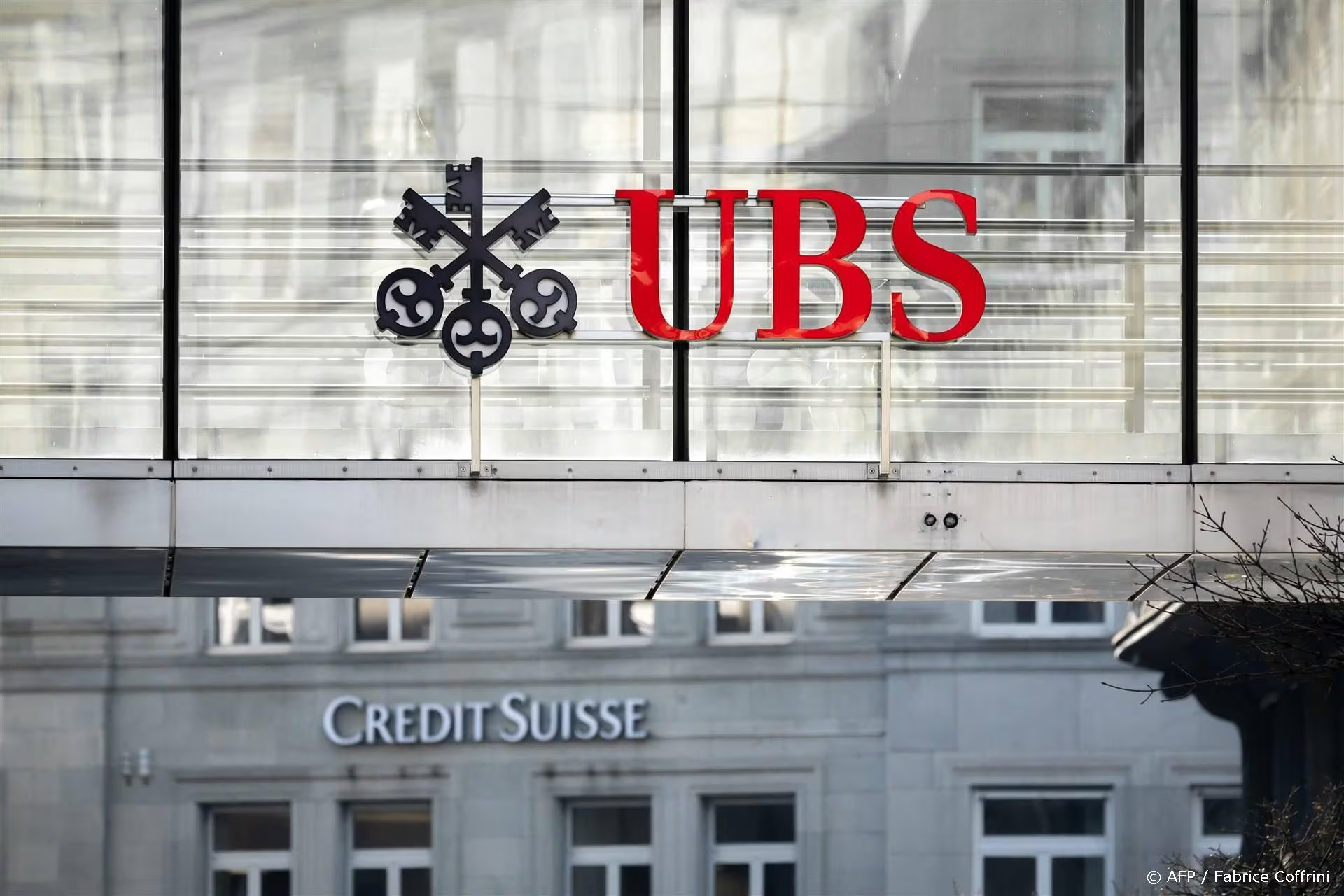
    Today marks a pivotal moment for UBS as the Swiss Federal Council is set to unveil its stance on capital requirements for systemically important banks. For UBS, the outlook is likely grim, but this narrative is far from over.

    Capital Requirements: A Much-Needed Clarification

    The spotlight today is on Finance Minister Karin Keller-Sutter, who is anticipated to clarify how much capital Switzerland’s major banks will need to hold. The proposed regulation primarily targets UBS, which has transformed into the nation’s largest bank after integrating Credit Suisse. With total assets amounting to 1.7 trillion francs, UBS’s balance sheet now towers over Switzerland’s annual GDP, representing a significant risk in times of crisis.

    UBS Group CEO Sergio Ermotti has been vocal about the importance of the bank’s business model over its sheer size. The lingering question, however, is whether this message has struck a chord in Bern, and doubts linger.

    What’s on the Horizon?

    Most analysts predict that the Federal Council will recommend tougher capital requirements for UBS. The expectation is that the bank will need to bolster its foreign subsidiaries with 100 percent capital, up from the current 60 percent. This move aligns with suggestions from the Swiss Financial Market Supervisory Authority (Finma) and the Swiss National Bank (SNB).

    Reports hinting that Finance Minister Keller-Sutter might appease lobbying efforts from UBS’s top brass are being dismissed as mere speculation, grounded in information available prior to the bank stability report presented back on April 10, 2024.

    Implications for UBS

    The prospect of stricter regulations presents a sobering outlook for UBS’s leadership, who have invested significant effort over the past year and a half to avert such a scenario. Heightened capital requirements hinder the bank’s ambition to rival U.S. banking titans on a global scale. UBS believes the stricter rules could inflate its Common Equity Tier 1 (CET1) ratio, a key indicator of capital health, to between 17 and 19 percent. For context, American banks like Morgan Stanley trail with a CET1 ratio of 13.5 percent.

    These proposed changes are not likely to sit well with UBS’s shareholders, as they could exert downward pressure on the bank’s stock. A crucial factor will be the timeline provided for UBS to boost its capital ratio; periods shorter than ten years are generally viewed unfavorably by financial analysts. Moreover, these higher requirements could jeopardize future share buyback initiatives, with UBS previously aiming to surpass a $5.6 billion buyback volume by 2026. Yet, bank officials have asserted that such programs would only proceed if the CET1 ratio remains at 14 percent and significant changes to capital requirements do not arise immediately.

    UBS’s Potential Moves

    Media speculations suggest that UBS may consider relocating its headquarters should it be compelled to hold more capital. Nonetheless, UBS Executive Board member Markus Ronner dismissed these rumors as baseless during a recent appearance on Swiss TV’s Arena program. Yet, it’s conceivable that higher capital regulations could render UBS a tempting acquisition target, especially if its stock price declines significantly.

    Another potential strategy could see UBS adopt the so-called Holcim principle, perhaps spinning off riskier operations and relocating them abroad. One plausible path might involve separating its investment banking division and migrating it to London, a concept recalling the pre-2008 discussions around the Glass-Steagall Act that once mandated such divisions in the U.S.

    The Road Ahead

    The Federal Council’s proposals will transition into a consultation phase, with a final proposal expected by year’s end. Subsequently, it will be in the hands of the National Council and the Council of States. Gauging the sentiment in Parliament remains challenging at this stage, and a public referendum could also be on the table. As it stands, clarity on this matter remains elusive and will likely take considerable time to emerge.

    Questions & Answers

    What is the expected change in UBS’s capital requirements?
    The Federal Council is likely to require UBS to back its foreign subsidiaries with 100 percent capital, up from the current 60 percent.

    How might the capital requirements impact UBS’s ambitions?
    Stricter regulations could hinder UBS’s competitiveness against U.S. banks and may pressure its stock, impacting potential share buyback programs.

    Is relocation a serious consideration for UBS?
    While there are speculations about relocating its headquarters, UBS has dismissed such plans, highlighting that no concrete decisions have been made.