Author: Mei Ling Tan

  • Former UBS Banker Takes the Helm of New Zurich Branch at Multi Family Office

    Former UBS Banker Takes the Helm of New Zurich Branch at Multi Family Office

    Novum Capital Partners has ventured into Zurich, marking a significant expansion of its independent multi-family office framework in Switzerland’s leading wealth management center.

    The Geneva-based wealth manager, recently crowned “Best Wealth Manager in Switzerland” by Euromoney, aims to connect more closely with the German-speaking regions of Switzerland and engage with its vibrant community of entrepreneurial families. The new Zurich office officially opened its doors in early June and will initially be staffed by three dedicated professionals, including Sebastian Jeck, a former UBS banker who will spearhead the local operations as a Partner and member of the Executive Committee.

    Strategic Response

    Founded in 2018 by Gabriele Gallotti, a former J.P. Morgan private banker, Novum Capital Partners has witnessed impressive growth, currently managing over 5 billion Swiss francs in assets. What sets Novum apart is its commitment to providing unbiased advice; the firm avoids retrocessions, never sells proprietary products, and embraces a stringent one-to-one client service model. Clients are charged only a management fee, a refreshing departure from traditional practices.

    Sebastian Jeck with Founder Gabriele Gallotti. (Image: Courtesy)

    “We offer personalized advisory services with bespoke solutions that extend far beyond conventional products,” Jeck explained. “Our clients enjoy unique access to institutional co-investments and benefit from our global expertise in tax structuring, succession planning, and alternative investments.” Notably, Novum is one of the few Swiss multi-family offices with a Finma license for local operations, complemented by an independently managed, U.S. SEC-registered entity, Envisage GmbH, which targets American clients—enhancing both compliance and global outreach.

    Focus on Organic Growth

    When asked about the potential for acquisitions to boost the firm’s growth in Zurich, Jeck maintained a thoughtful perspective. “Our primary focus is on organic growth. We believe in expanding with quality—surrounding ourselves with advisors who align with our values. An acquisition would be contemplated only if it culturally and qualitatively suits us. Many firms operate under a different model, which simply doesn’t fit our vision.” Jeck’s confidence in Zurich and the broader German-speaking Swiss market is palpable. “We see vast potential here. Numerous entrepreneurial families crave a genuine alternative to the traditional banking model. With our specialized approach, we’re perfectly positioned to offer sustainable solutions for multi-generational wealth preservation.” The firm’s ambition is clear: to redefine the wealth management landscape in Switzerland and beyond, proving that financial security can be a delightful adventure.

    Questions & Answers

    What is Novum Capital Partners?
    Novum Capital Partners is a Geneva-based wealth management firm specializing in independent multi-family office services, recently expanding to Zurich.

    Who will lead the new Zurich office?
    Sebastian Jeck, a former UBS banker and Partner at Novum, will lead the Zurich office as part of its strategic expansion into the German-speaking regions of Switzerland.

    What is Novum’s approach to client service?
    Novum Capital Partners prides itself on offering unbiased, personalized advice through a one-to-one service model, ensuring clients enjoy exclusive access to investment opportunities without the conflicts often seen in traditional banking.


  • JD Super Boosts Meat Imports with Dynamic New Global Partnerships

    JD Super Boosts Meat Imports with Dynamic New Global Partnerships

    Bringing Premier International Meat Brands to Chinese Consumers

    JD Super, the supermarket arm of JD.com, is stepping up its game by forming strategic alliances with Argentina’s Beef Promotion Institute (IPCVA) and the influential frozen meat importer, Linking Fresh. This initiative aims to broaden the supply of high-quality imported meat throughout China.

    The partnership with IPCVA will enhance the distribution of Argentine grass-fed beef on JD’s platform, capitalizing on its expansive logistics network and a loyal customer base of over 600 million.

    In addition, JD Super’s collaboration with Linking Fresh, which boasts ties to over 300 global meat suppliers and annual imports surpassing RMB15 billion, will usher in a selection of notable international brands, including Brazil’s BRF and Marfrig, Australia’s Kilcoy, Argentina’s Arre Beef, and Chile’s Agrosuper.

    To raise awareness and stimulate sales, JD Super and Linking Fresh will launch vibrant marketing campaigns, featuring special events like “Argentine Beef Week.” After all, who could resist a week dedicated to delectable beef?

    Questions & Answers

    What is JD Super’s recent initiative focused on?
    JD Super’s initiative is aimed at expanding the supply of high-quality imported meat into China through partnerships with the Argentine Beef Promotion Institute and Linking Fresh.

    What international brands will be introduced to the Chinese market?
    The partnership will bring prominent brands such as BRF and Marfrig from Brazil, Kilcoy from Australia, Arre Beef from Argentina, and Agrosuper from Chile.

    How does JD Super plan to promote these products?
    JD Super will employ targeted marketing campaigns, including themed events like “Argentine Beef Week,” to enhance consumer awareness and drive sales.

  • Dickson Concepts sees profit slide amid lower sales and higher costs

    Dickson Concepts sees profit slide amid lower sales and higher costs

    Dickson Concepts, a luxury retail company listed in Hong Kong, reported a significant decrease in annual profit for the year ending in March. The luxury goods retailer, operating across Hong Kong, Mainland China, and Taiwan, experienced a 43.5% drop in annual profit, which amounted to US$25.4 million (HK$198 million). This was accompanied by a 19.9% decline in revenue, which stood at $246.2 million.

    Reason for Decrease in Profits

    Dickson Concepts attributes this decrease in profitability to a combination of reduced sales turnover in Hong Kong and continued low consumer spending in Taiwan. The company, in its statement, indicated that the rapidly evolving retail landscape and changing consumer spending habits make it difficult for the group to revert to its historic growth rate in terms of sales and profitability.

    Profit and Revenue Figures

    Dickson Concepts’ gross profit fell by 11.7% year on year, amounting to $124.2 million. The operating profit also experienced a significant decrease, dropping by 36.4% to $34.4 million. Hong Kong, which accounts for 63% of the group’s total sales and is its largest market, saw a 29% slump in turnover. Meanwhile, Taiwan’s sales decreased by a slight 0.4%, a sharp contrast to the 10.5% increase experienced the previous year.

    Positive Growth in China

    In contrast to the overall decrease in profitability, the company’s retail and e-commerce businesses in China saw a 9.2% increase in sales in local currency. This growth was driven by Dickson’s strategy to consolidate its wholesale network while simultaneously expanding its retail operations.

    Segment-wise Contribution

    In terms of product categories, watches and jewellery remained the largest contributors to sales, accounting for 49.9% of total sales. This was followed by fashion and accessories at 26.1%, and cosmetics and beauty products, which contributed 18%.

    Future Plans

    Going forward, Dickson Concepts plans to continue its conservative approach in managing its retail network and investment portfolio. The company is committed to maintaining a rigorous cost control across all levels of operation. It also remains dedicated to maintaining its presence in key markets, with five stores in Hong Kong, 32 in China, and 26 in Taiwan.

    Questions & Answers

    What factors contributed to the decrease in Dickson Concepts’ annual profit?
    The decrease in annual profit was due to reduced sales turnover in Hong Kong and continued low consumer spending in Taiwan.

    What strategy led to the increase in sales in Dickson Concepts’ retail and e-commerce businesses in China?
    The growth in China was driven by the company’s strategy to consolidate its wholesale network while expanding its retail operations.

    What measures is Dickson Concepts taking to manage its future operations?
    Dickson Concepts plans to remain conservative in managing its retail network and investment portfolio, and will maintain rigorous cost control at all operational levels.

  • Cartier tells customers some data stolen in cyberattack

    Cartier tells customers some data stolen in cyberattack

    Cartier, the luxury jewellery brand owned by Richemont, recently experienced a cyber attack that led to the theft of some customer data. This information was relayed to clients through an email.

    Cyber Attack on Cartier

    This incident is the latest in a string of cyber attacks on companies, with several retailers, including Marks & Spencer and Victoria’s Secret, reporting similar occurrences. Cartier, known for its watches, necklaces, and bracelets, which have been sported by celebrities like Taylor Swift, Angelina Jolie, and Michelle Obama, stated that an unauthorized party had gained temporary access to their system.

    The compromised data included limited client information, such as names, email addresses, and countries. Cartier reassured customers that more sensitive data, including passwords, credit card details, or other banking information, were not accessed during the breach. The company has since resolved the issue.

    Enhanced Security Measures

    In response to the attack, Cartier has taken measures to strengthen the protection of its systems and data. The company has informed the relevant authorities about the breach and is also collaborating with leading external cybersecurity experts to prevent future incidents.

    Julius Cerniauskas, CEO of web intelligence firm Oxylabs, highlighted that no brand is immune to cybercrime. According to him, cyber criminals are becoming increasingly opportunistic and sophisticated, targeting brands that hold valuable customer data.

    Other Retailers Affected

    Victoria’s Secret, a U.S. lingerie company, also recently reported a security incident related to its information technology systems. This forced the company to temporarily shut down its website for a few days. Victoria’s Secret claimed that the breach did not significantly impact its financial results for the first quarter but warned that its second quarter could be affected by the additional expenses incurred following the incident.

    Last month, British retailer Marks & Spencer revealed that a highly sophisticated and targeted cyber attack in April would cost the company about 300 million pounds (US$405 million) in lost profits.

    Fashion brand The North Face also reported a small-scale attack in April. The hackers used a method known as “credential stuffing,” in which they try usernames and passwords stolen from other data breaches, hoping that customers have reused the credentials across multiple accounts.

    Last month, Harrods, a London department store, reported attempts to infiltrate its systems, following similar incidents at Marks & Spencer and the Co-op Group.

    Questions & Answers

    What type of data was stolen in the cyber attack on Cartier?
    Names, email addresses, and countries of some customers were stolen in the cyber attack on Cartier.

    What measures has Cartier taken in response to the cyber attack?
    Cartier has enhanced the protection of its systems and data, informed the relevant authorities about the breach, and is working with leading external cybersecurity experts.

    Have other retailers been targeted by cyber attacks recently?
    Yes, Victoria’s Secret, Marks & Spencer, The North Face, and Harrods have all reported cyber attacks recently.

  • American man in Bali faces death penalty over drugs

    American man in Bali faces death penalty over drugs

    An American citizen, alongside two individuals from Kazakhstan, are potentially facing the death penalty on accusations of drug-related offenses in the popular Indonesian vacation destination of Bali, according to local authorities. The announcement was made on Thursday, underscoring the severity of Indonesia’s narcotics laws, which are among the harshest globally.

    Although Indonesia is known for its stringent penalties for drug-related crimes, including previously executing foreign nationals, the country has maintained a moratorium on capital punishment since 2017.

    American National Arrested

    William Wallace Molyneaux, an American national, was apprehended on May 23, suspected of possession of seven packages containing a total of 99 amphetamine pills, as informed by Bali’s narcotics agency to media representatives in Denpasar, the provincial capital. Molyneaux is facing several charges, including drug distribution, a crime punishable by death.

    Two men from Kazakhstan were also detained in April, purportedly in possession of approximately 49 grams of crystal methamphetamine. The allegations suggest they planned to deliver the drugs as part of a deal. They were charged with drug trafficking, a crime carrying the death penalty as the harshest possible punishment.

    Neither the American nor the Kazakh embassies in Jakarta responded immediately to requests for comments.

    Increasing Drug Cases in Bali

    The narcotics agency shed light on the discovery of 15 drug cases in Bali between April and May, leading to 21 arrests, five of which involved foreign nationals.

    Other significant cases included an Australian man arrested with nearly 200 grams of hashish and 92 grams of THC in Denpasar, and an Indian man apprehended at Bali’s international airport with 488 grams of marijuana in his possession. Both individuals could face lengthy prison sentences.

    This news follows the commencement of the trial of three British nationals on Tuesday. All three are accused of drug smuggling or involvement in a drug deal, potentially leaving them facing the death penalty as well.

    The Indonesian administration under President Prabowo Subianto has recently initiated efforts to repatriate several high-profile prisoners, all convicted for drug offenses, to their home countries. As per the reports from Indonesia’s Ministry of Immigration and Corrections, over 90 foreign nationals are currently on death row in the country, with all cases being drug-related.

    Questions & Answers

    What are the consequences of drug-related offenses in Indonesia?
    Indonesia has some of the world’s most stringent narcotics laws. The country imposes severe penalties for drug-related crimes, including death by execution.

    Who are the foreign nationals currently facing drug-related charges in Indonesia?
    William Wallace Molyneaux, an American national, and two men from Kazakhstan are facing charges related to drug possession and distribution. Three British nationals are also on trial for alleged involvement in drug smuggling or deals.

    How many foreign nationals are on death row in Indonesia for drug-related crimes?
    According to the Ministry of Immigration and Corrections, over 90 foreigners are on death row in Indonesia, all on drug charges.

  • Huda Beauty Secures Independence, Parting Ways with TSG Partners for Future Growth

    Huda Beauty Secures Independence, Parting Ways with TSG Partners for Future Growth

    Huda Beauty Takes Back Control in a Bold Move

    In a significant development, Huda Kattan, the founder and Co-CEO of Huda Beauty, has bought back the equity held by TSG Consumer Partners. This strategic move marks the end of an eight-year partnership that commenced in 2017, when TSG acquired a minority stake in the beauty brand.

    With this buyback, Huda Beauty is now entirely founder-owned, making it a standout in the beauty industry where few major brands are wholly controlled by their creators. This independence signifies a exciting new chapter for Huda Beauty, emphasizing its commitment to product innovation, authenticity, and deeper engagement with a global audience.

    In line with its founding principle that “Beauty is Self-Made,” Huda Beauty is set to forge ahead, pushing the boundaries in the beauty landscape.

    Questions & Answers

    What prompted Huda Kattan to buy back the equity from TSG Consumers Partners?
    The desire for full control over Huda Beauty’s direction and operations was likely a key motivator for Kattan, allowing her to emphasize innovation and engagement directly.

    What does this buyback signify for Huda Beauty?
    This move signals a new era of independence, where Huda Beauty can fully embody its founding ethos and focus on deepening its global reach.

    How does Huda Beauty differentiate itself in the crowded beauty market?
    The brand’s commitment to being entirely founder-owned allows it to maintain authenticity and innovate in ways that truly reflect Huda’s vision and values. Talk about a glow-up!

  • Gold Prices Steady Amidst Soaring Global Interest Rates

    Gold Prices Steady Amidst Soaring Global Interest Rates

    Vietnam’s gold market showcased resilience on Wednesday morning, with gold bar prices firming up even as global bullion rates experienced an uptick.

    Steady Prices in Vietnam Amid Global Trends

    The Saigon Jewelry Company set its gold bar price at VND 117.2 million (approximately US$4,496.46) per tael, while gold rings were priced at VND 113.5 million per tael. A tael is equivalent to 37.5 grams or about 1.2 ounces—enough to dazzle anyone in the jewelry store!

    Meanwhile, the international scene saw gold prices ascend, driven by a wave of uncertainty surrounding U.S.-China trade relations and broader global economic fears, as reported by Reuters. The price of spot gold climbed 0.3% to reach $3,361.03 an ounce, with U.S. gold futures mirroring this trend, rising 0.2% to $3,384.20.

    Kelvin Wong, a senior market analyst for Asia Pacific at OANDA, noted, “We potentially see dip-buyers coming back into the picture… things remain uncertain, especially concerning the trade relationship between China and the U.S., and even between the EU and the U.S. as well.” Amid these turbulent waters, gold continues to shine as a preferred safe-haven asset.

    The outlook became even murkier when the Organisation for Economic Cooperation and Development (OECD) issued a stark warning earlier this week about an impending sharper economic slowdown, which could be exacerbated by the Trump administration’s trade policies negatively impacting the U.S. economy.

    Wong added, “The OECD report will certainly enhance safe-haven demand from a medium-term perspective.”

    As gold maintains its allure amid uncertainty, could it be the shining light investors need during these rocky economic times?

    Questions & Answers

    What was the price of gold bars in Vietnam on Wednesday?
    The Saigon Jewelry Company priced gold bars at VND 117.2 million (US$4,496.46) per tael.

    How did global gold prices perform on the same day?
    Spot gold increased by 0.3% to $3,361.03 an ounce, while U.S. gold futures rose 0.2% to $3,384.20.

    What economic factors are influencing the gold market?
    Uncertainty in U.S.-China trade relations and warnings from the OECD regarding an economic slowdown are pushing safe-haven demand for gold higher.

  • Over a third of APAC Consumers Use AI to Shop, with adoption across generational groups, Adyen’s Research shows

    Over a third of APAC Consumers Use AI to Shop, with adoption across generational groups, Adyen’s Research shows

    Adyen, the global financial technology platform of choice for leading businesses, today published its 2025 Annual Retail Report which highlights a rising momentum in AI adoption across APAC’s retail landscape. 

    A poll of 41,000 consumers across 28 markets including Singapore, Australia, Hong Kong, India, Japan, and Malaysia reveals that over a third (38%) of APAC consumers now use AI to help them get their shopping done. This is a 39% surge from 2024, with more than one in ten APAC consumers (11%) having used AI for shopping for the first time over the past 12 months.

    The experience for APAC consumers has been positive. 63% say that AI inspires their purchase decisions from outfits to meals, faster than anyone else can. AI also serves as a search tool, with 62% of APAC consumers wanting to find unique brands and shopping experiences using AI, a development that highlights the chance for brands to combine partnerships and cross-selling to drive customer sales. 59% of APAC consumers are now open to making purchases using AI in the future.

    AI Adoption Prevalent Across Generations 

    Generations across APAC are increasingly exploring shopping with AI. It is most popular among Generation Z (ages 16 to 27), especially in places like Malaysia and Hong Kong, where 74% and 64% of Gen Z shoppers use AI, respectively. Older generations are also catching on; in Singapore, Generation X (44 to 59 years) and Millennials (28 to 43 years) recorded the biggest increases1 in their use of AI in shopping over the past 12 months, at 45% and 28% respectively. 30% of those aged 60 and over say they currently use AI to support them in making purchases. 

    “The introduction of AI in shopping has created new shopper journeys that are more exciting than ever. From it, we see an emergence of new consumer behaviors — one characterized by personalization and convenience,” said Warren Hayashi, President, Asia Pacific, Adyen. “For retailers, embracing AI isn’t just about staying current; it’s about meeting evolving consumer expectations and staying competitive in a fast-changing retail landscape.”

    Retailers Look to AI for Growth

    When asked how they plan to boost revenues in 2025, many APAC retailers pointed to AI and emerging technologies as key strategies. More than a third (34%) said they would invest in AI to support business activities across areas like sales and marketing, product innovation, and security and fraud prevention. 

    “Retailers generate vast amounts of payments data through their daily operations, presenting a substantial untapped opportunity,” said Hayashi. “Where AI comes into play is to drive conversions at scale. Building on this potential, we recently launched an AI-powered payment optimization solution called Adyen Uplift. By training AI on all of the transactions Adyen processes, we help retailers identify genuine shoppers at scale, and fly them through checkout securely and with minimal friction.” 

    Enabling Safer Payments Amid the AI boom 

    While AI sparks excitement, 26% of APAC consumers now feel more worried about the possibility of fraud and scams. One in five don’t enable their devices to remember their payment details in anticipation of fraud. 

    “Besides optimizing revenue, AI could aid in the fraud-fighting efforts of retailers,” said Hayashi. “By training AI on the thousands of transaction data retailers process each day, it can spot anomalies, identify patterns, and predict fraud attempts – ultimately ensuring consumer trust and protecting retailers’ hard-earned revenue.”

    Currently, 40% of retailers in APAC use AI to help prevent fraudulent transactions in their stores.

    Beyond AI, Unified Commerce Offering Still Key 

    While investment in new technologies is welcome, less than half (46%) of APAC retailers currently enable customers to shop easily across online and offline channels. Understanding the importance of an omnichannel strategy, a further 19% of business leaders plan to enable this over the next 12 months. 

    Having an online presence creates new channels for brands to connect with customers. In today’s digital world, 46% of APAC consumers expect to be able to easily shop with a business across multiple touch points including social media, apps, and the online store, with the rise of social commerce seeing more than 36% of APAC consumers using social media to shop.

    Despite this, APAC shoppers still have a strong preference for physical stores. 42% of shoppers like both equally, while the remaining shoppers choose brick-and-mortar (35%) over online platforms (22%). Consumers still prefer to see and feel the product (48%) and try on items (41%) before purchasing, and appreciate the immediacy of having their items on hand upon purchase (35%).

  • Passenger Ejected from Bangkok Taxi Over $6 Flat Fare Dispute: What Happened Next?

    Passenger Ejected from Bangkok Taxi Over $6 Flat Fare Dispute: What Happened Next?

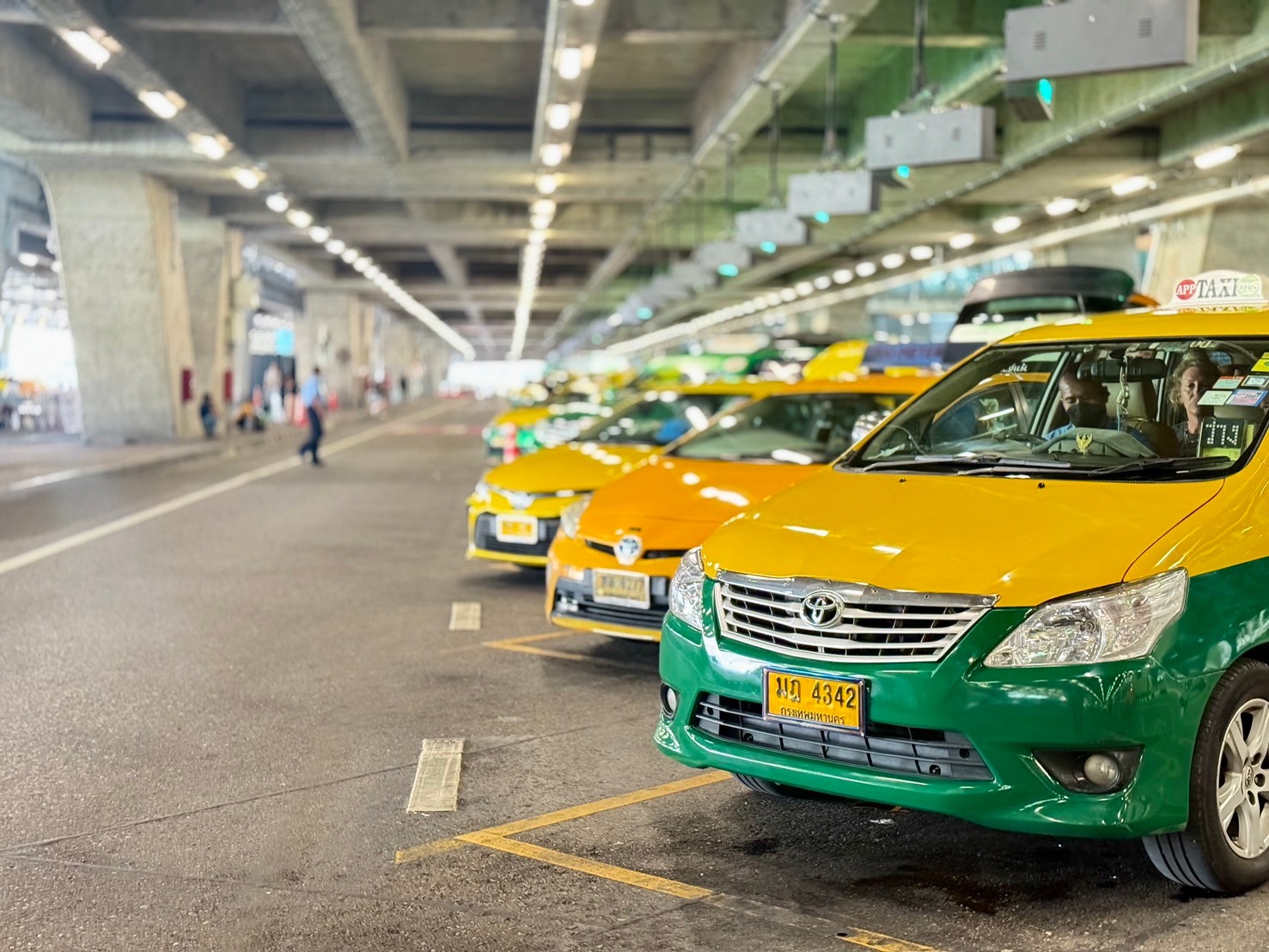
    In the bustling streets of Bangkok, a typical taxi ride turned into a drama that has now gone viral. A passenger found himself on the wrong side of a fare dispute when a taxi driver demanded a flat rate of BHT200 (approximately US$6.08), bypassing the meter altogether. This unusual encounter escalated quickly, prompting the passenger to call the police after he was unceremoniously kicked out of the vehicle.

    Posting the shocking incident on TikTok under the username @auppatam1 on May 29, the passenger recounted how the ride began with the meter running, but things took a turn when he refused to pay the inflated flat fare. When he asked to see the driver’s license or public transport ID, the driver denied having any such documentation, revealing instead that the vehicle’s registration had expired. The situation intensified as the passenger took a picture of the taxi’s license plate for evidence, which sparked an aggressive response from the driver. Ultimately, feeling unsafe, the passenger reached out to the police for assistance.

    The video quickly garnered attention and criticism on social media, with many users expressing their frustration over the lack of enforcement against fare violations. This incident has only amplified the concerns of locals and visitors alike, further solidifying a growing trend of avoidance when it comes to hailing taxis in Bangkok, a city where navigating transport can sometimes feel more taxing than the fares themselves.

    This saga raises questions about ride-hailing norms in the city and whether authorities will take action. After all, it’s hard to ignore that one bad ride can leave a lasting impression, much like a rogue tourist in a crowded market!

    Questions & Answers

    What triggered the police involvement in this taxi dispute?
    The passenger called the police after the driver demanded a flat fare instead of using the meter and forcibly removed him from the taxi.

    How did the situation escalate after the passenger exited the taxi?
    After photographing the taxi’s license plate, the passenger faced aggressive behavior from the driver, prompting him to seek police intervention.

    What has been the public reaction to this incident?
    The video of the dispute has sparked widespread criticism on social media, as many users expressed frustration over frequent fare issues, which deter them from using taxis in Bangkok.

  • Shein Invests $15 Million in 2025 to Enhance Product Safety and Compliance Standards

    Shein Invests $15 Million in 2025 to Enhance Product Safety and Compliance Standards

    Global online fashion giant Shein is stepping up its commitment to product safety with a substantial $15 million investment slated for 2025. The objective? A robust enhancement of safety and compliance protocols across its expansive platform.

    Ambitious Testing Plans

    In an exciting move, Shein has set its sights on conducting a staggering 2.5 million product tests this year—a notable 25% increase from 2024. This ambitious target underscores the retailer’s dedication to ensuring that every item meets rigorous safety standards.

    Partnerships for Excellence

    The company is significantly expanding collaborations with a roster of 15 globally recognized testing agencies, such as SGS, Intertek, and Bureau Veritas. This partnership is pivotal in aligning with stringent global safety regulations, including the U.S. Consumer Product Safety Act (CPSA) and the EU General Product Safety Regulation (GPSR).

    Commitment to Compliance

    Shein is holding all vendors accountable, including third-party sellers, by enforcing adherence to strict safety laws and internal benchmarks, like their Restricted Substances List (RSL). The retailer has also broadened its approved materials library, allowing only tested fabrics, trims, and accessories to be used.

    New Standards for Children’s Clothing

    Starting April 2025, Shein will implement new regulations ensuring that all fabrics used in children’s clothing under its brands pass comprehensive chemical and flammability testing. The same compliance measures will apply to trims and accessories, attesting to Shein’s strong commitment to child safety.

    Increased Scrutiny Ahead

    From May 2025, the retail giant will bolster documentation checks for high-risk products, which include electronics, toys, cosmetics, and personal protective equipment (PPE). Relevant certifications, such as RoHS and FCC, will be mandatory for these items.

    Zero Tolerance for Non-Compliance

    Since launching its marketplace, Shein has proactively removed over 540 sellers who failed to comply with safety standards. Vendors will now face performance evaluations based on compliance testing outcomes and customer feedback, with poor performance risks including listing bans or termination. Additionally, Shein has pledged to report any high-risk non-compliant products to the relevant authorities when necessary.

    As Shein reinforces its safety standards, one can’t help but wonder: what’ll they think of next? Perhaps a new line of clothes that also doubles as protective gear!

    Questions & Answers

    What is the key focus of Shein’s investment in 2025? The $15 million investment is aimed at bolstering product safety and compliance measures throughout its platform.

    How many product tests does Shein plan to conduct this year? Shein aims to conduct 2.5 million product tests in 2025, reflecting a 25% increase from 2024.

    What will the new standards require for children’s clothing by April 2025? All fabrics for children’s clothing must pass chemical and flammability testing, along with similar compliance requirements for trims and accessories.

  • Australians Set to Splash $10.5 Billion in Year-End Sales Excitement!

    Australians Set to Splash $10.5 Billion in Year-End Sales Excitement!

    Australians are gearing up for a spending spree during this year’s mid-year and end-of-financial-year (EOFY) sales, with projected expenditures hitting a remarkable $10.5 billion. This represents a robust increase of $400 million, or 3.9%, compared to 2024, as reported by the Australian Retailers Association (ARA) and Roy Morgan.

    Shopping Frenzy Begins

    The annual sales event has kicked off, enticing shoppers with significant discounts across a variety of categories, including clothing, shoes, homewares, furniture, and electronics. ARA Chief Industry Affairs Officer Fleur Brown noted that consumers are particularly eager to save on major purchases and essential winter items, with many searching for work-related gadgets like laptops and phones to take advantage of tax deductions.

    Top Spending Categories Revealed

    Clothing, footwear, and accessories dominate the shopping landscape, accounting for 34% of all purchases, followed by household appliances at 19% and electronics at 12%. The ARA emphasizes that this year’s sales are particularly vital for retailers striving to recover from a dip in consumer spending.

    Shifting Shopping Habits

    This year, a notable shift is occurring as more shoppers opt for brick-and-mortar stores. Only 44% of consumers plan to shop online, a significant plunge of 11 percentage points from the previous year, suggesting that shoppers prefer the tactile experience of in-store deals.

    Increased Participation and Spending

    Approximately 6.1 million Australians (26%) are expected to join in the shopping festivities. Among those, 37% intend to spend more than last year, while 42% plan to maintain their spending levels, and 21% will cut back. The average shopper is anticipated to spend $1,714—up by $76 from 2024.

    Young Consumers Lead the Charge

    Young Australians under the age of 35 are emerging as the most enthusiastic spenders, with an average outlay of $2,065, contributing a whopping $4.3 billion to overall sales. This demographic also boasts the largest number of participants, with an estimated 2.1 million expected to shop.

    Men Outspending Women

    When it comes to spending, men are forecasted to lead the charge, averaging $2,044 compared to $1,430 for women. This translates into a total of $5.8 billion spent by men and $4.7 billion by women. Interestingly, a growing number of consumers are planning to splurge, with 36% aiming to spend between $1,000 and $4,999—up 15% from last year. Additionally, 11% are eyeing expenditures of $5,000 and above, marking a 5% increase, while 22% plan to spend between $500 and $999 (up 1%). Meanwhile, only 31% of shoppers intend to spend less than $500, reflecting a dramatic 21% drop from the previous year.

    Questions & Answers

    What is the total projected spending for EOFY sales this year?
    The total spending is expected to reach $10.5 billion, a 3.9% increase from last year.

    How many Australians are participating in the sales?
    Approximately 6.1 million Australians, or 26% of the population, are expected to shop during the sales.

    Which demographic is spending the most?
    Young Australians under 35 are the biggest spenders, with an average expenditure of $2,065.

  • AirAsia Launches New Fifth Freedom Route: Inaugural Hong Kong–Okinawa Flight Takes Off

    AirAsia Launches New Fifth Freedom Route: Inaugural Hong Kong–Okinawa Flight Takes Off

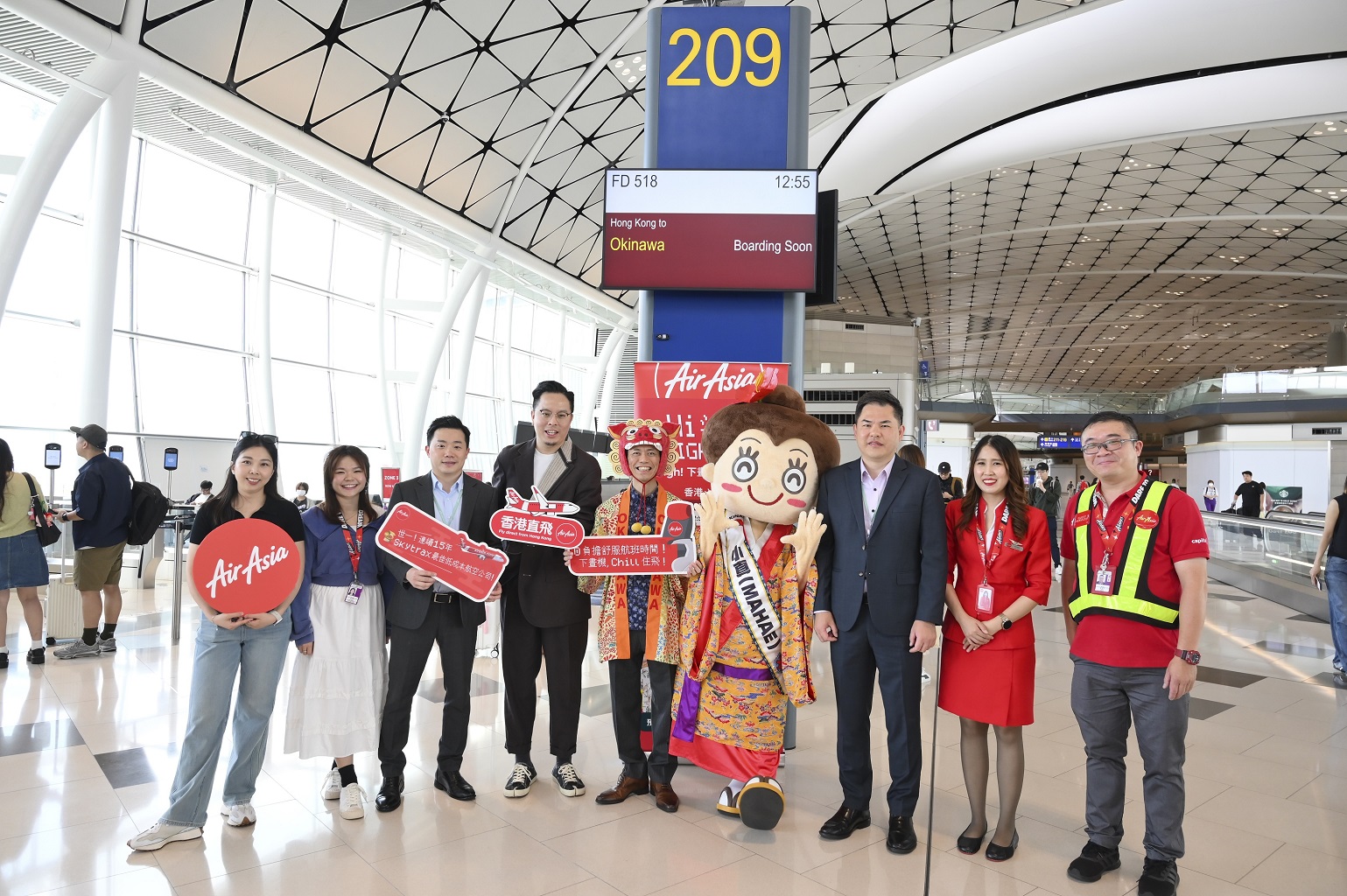
    AirAsia is proud to announce the launch of its latest Fifth Freedom route, connecting Bangkok (Don Mueang) – Hong Kong – Okinawa, Japan, with the inaugural flight departing today. This marks the airline’s first route to Japan connecting Hong Kong.

    To commemorate the inaugural service, AirAsia, in collaboration with the Okinawa Prefectural Government and Hong Kong International Airport, hosted a special celebration at the boarding gate. Mr. Ricky Chong, Assistant General Manager of Network Development at Hong Kong International Airport, and  Mr. Yasutoshi Nohara, Director of the Okinawa Prefectural Government Hong Kong Representative Office were joined by the special guest, Okinawa’s mascot “Mahae-chan,” along with Terence So, Marketing Head of AirAsia Hong Kong and Macao to distribute commemorative gifts to passengers on the first flight, adding to the excitement of the journey. Additionally, passengers were welcomed by the Okinawa Convention and Visitors Bureau in Okinawa. The route has received a strong market response from both Thailand and Hong Kong, with a pleasing passenger load factor of 90%.

    Mr. Santisuk Klongchaiya, Chief Executive Officer of Thai AirAsia, stated Fifth Freedom routes represent a strategic opportunity to expand our customer base by tapping into new, high-potential markets. “Hong Kong is a key hub with great potential for connecting passengers to places like Okinawa, a beloved Japanese destination. The journey from Hong Kong to Okinawa takes approximately two and a half hours, making it an ideal option for a short, comfortable trip. Whether it’s a weekend escape or a beachside retreat, Okinawa is a year-round destination.”

    AirAsia currently operates direct flights from Hong Kong/Macao to destinations including Kuala Lumpur, Kota Kinabalu (Sabah), Bangkok (Don Mueang), Manila, Jakarta, Bali and Okinawa.

  • Thailand quadruples fine for not wearing helmets

    Thailand quadruples fine for not wearing helmets

    As part of a nationwide initiative to enhance road safety, Thailand has recently increased the penalty for riding motorcycles without helmets to 2,000 baht (US$60). This four-fold increase from the previous fine of 500 baht takes effect from June 1st. The move is part of a broader strategy to enforce law compliance and reduce fatalities, particularly in high-traffic areas, accident-prone zones, and locations in close proximity to schools.

    Increased Fines for Non-Compliance

    The Royal Thai Police (RTP) is spearheading this road safety campaign. Pol Lt Gen Nithithorn Chintakanon, who serves as the Commander of the Traffic Police Bureau as well as the Head of the RTP’s Traffic Police Image Enhancement Taskforce, has warned motorcycle riders and passengers about the severe consequences of non-compliance. If both the rider and passenger are discovered without helmets, the fine could potentially be doubled.

    Nithithorn emphasized the mandatory nature of wearing helmets under the Land Traffic Act. The stipulation applies to both riders and passengers alike, with the aim of significantly reducing the risk of injury during accidents.

    Road Safety in a Nation of Motorcycles

    Thailand, a nation with 21.6 million registered motorcycles, faces a considerable challenge in ensuring road safety. With a population that exceeded 71.6 million as of May 2025, ensuring compliance with traffic safety regulations, including the use of helmets, is critical in protecting the lives of the country’s millions of motorcyclists.

    Questions & Answers

    What is the new fine for riding motorcycles without helmets in Thailand?
    The new fine for riding motorcycles without helmets in Thailand is 2,000 baht (US$60).

    What could lead to a doubling of the fine?
    If both the rider and passenger are found riding without helmets, the fine could be doubled.

    Why is the policy of mandatory helmet wearing enforced?
    The policy of mandatory helmet wearing is enforced to reduce the risk of injury to both riders and passengers, thereby improving overall road safety.

  • Man arrested for making and selling 200,000 counterfeit Nike, Adidas, and Uniqlo socks

    Man arrested for making and selling 200,000 counterfeit Nike, Adidas, and Uniqlo socks

    In a recent case of intellectual property rights violation, a man in Hanoi was found guilty of manufacturing and selling 200,000 fake Nike, Adidas, and Uniqlo socks. The counterfeit items were being retailed at wholesale prices between VND4,500–5,000 (US$0.18–0.20) per pair.

    Investigation and Prosecution

    The Economic Police Department in Hanoi reported the prosecution of Nguyen Van Thien, 51, for the aforementioned offense. The investigation divulged that Thien had initiated a sock manufacturing and trade business in Quoc Oai District in 2015. He initially supplied socks to various companies under his own brand named “Thien Duong”.

    In 2018, Thien observed the surging demand for socks adorned with popular brand logos such as Nike, Adidas, and Uniqlo. Consequently, he started producing counterfeit versions of these highly sought-after socks.

    Fraudulent Business Operations

    Thien arranged for the procurement of knitting machines, instructing the suppliers to pre-install the logos of Nike, Adidas, and Uniqlo into the machine software. He also sourced labels and tags from unregulated producers and hired four workers to operate the machines and manage the packaging process.

    A raid conducted on January 4 unveiled a large stock of counterfeit socks. The authorities confiscated 3,450 pairs of socks with the Adidas logo, 14,400 pairs with the Nike logo, and 2,100 pairs bearing the Uniqlo brand. They also found 1,500 loose socks branded with Nike logo. The authorities seized over 10 machines, 200 heat-molding frames, and nearly 70 kg of labels in total.

    Extent of the Counterfeit Operations

    The investigators discovered that Thien had been producing and distributing counterfeit socks since 2022. He is estimated to have sold around 200,000 counterfeit socks with a total market value of more than VND240 million (US$9,400).

    These fake socks were primarily sold at a profit margin of about 25% via various e-commerce platforms, social media, and suburban markets.

    Questions & Answers

    What was Nguyen Van Thien charged with?
    Nguyen Van Thien was prosecuted for violating intellectual property rights by manufacturing and selling counterfeit Nike, Adidas, and Uniqlo socks.

    How did Thien manage to manufacture the counterfeit socks?
    Thien procured knitting machines and instructed the suppliers to pre-install the logos of Nike, Adidas, and Uniqlo into the machine software. He also procured labels and tags from unregulated vendors and hired workers to manage the production process.

    Where and how were the counterfeit socks sold?
    The counterfeit socks were predominantly sold in bulk through e-commerce platforms, social media, and suburban markets, allowing for a 25% profit margin.

  • Bangkok named world’s best city for working remotely

    Bangkok named world’s best city for working remotely

    Bangkok, the capital city of Thailand, has been recognized as the best location globally for remote work. This ranking comes from a recent study conducted by QR Code Generator, an organization specializing in QR technology solutions. The study assessed various cities worldwide using criteria including internet speed, access to remote work visas, and overall cost of living. Each city was rated on a scale of 0 to 100.

    Bangkok led the pack with a score of 69.98. The city was lauded for its high-speed mobile internet, affordable living costs, and rich cultural offerings.

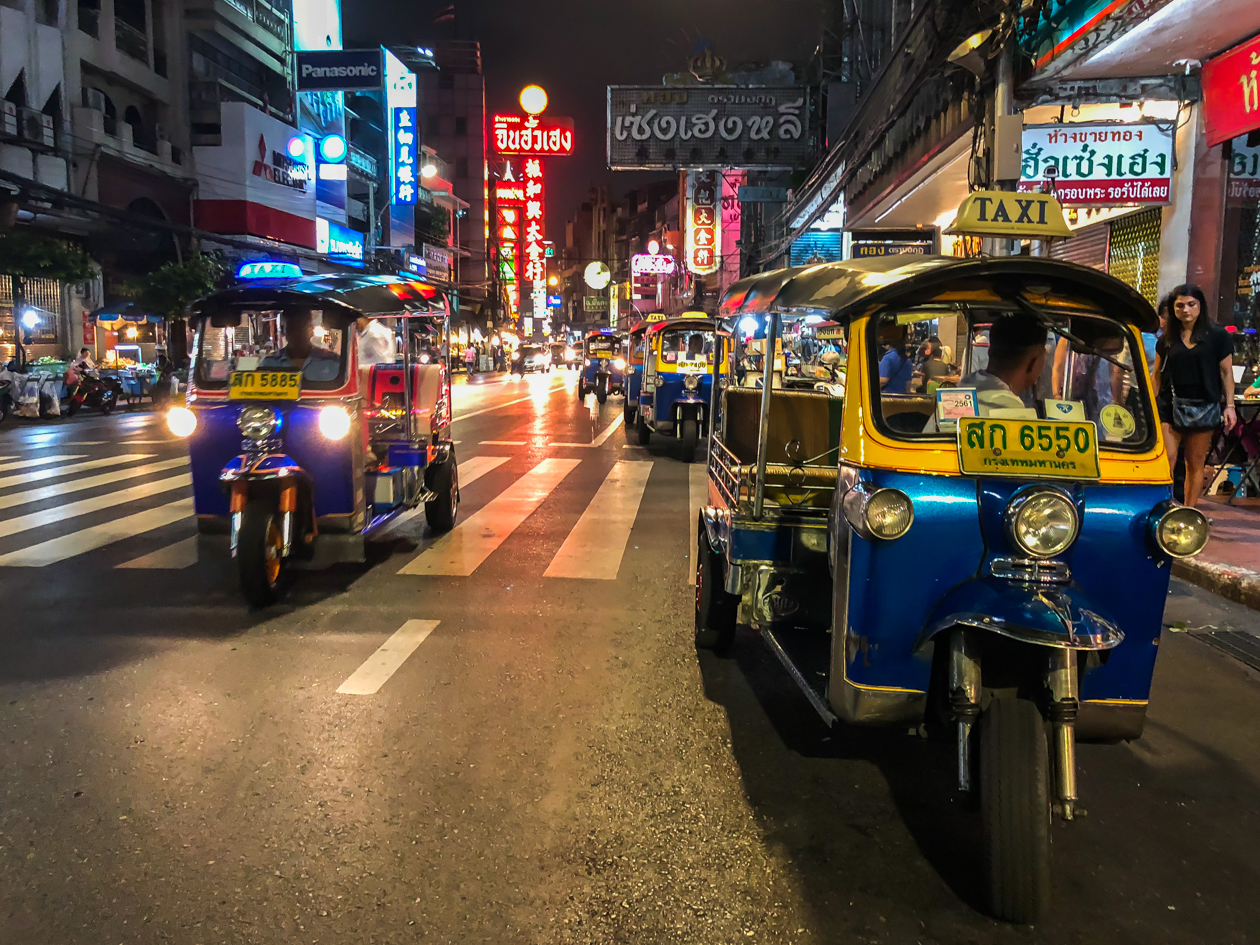
    The city’s unique blend of modern and traditional attractions, coupled with its lively street life, makes it an attractive destination for digital nomads. Not to mention, the city’s delicious food and beautiful temples add to its allure.

    Coming in second place was Bucharest, Romania, with a score of 65.62. Bucharest was praised for its easy access to remote work visas, abundant green spaces perfect for outdoor activities, and a rich arts and architecture scene.

    Rio de Janeiro, Brazil, earned the third spot with a score of 62.35. The city’s strong local purchasing power played a significant role in its high ranking.

    Buenos Aires, Argentina, secured the fourth position, being recognized as one of the most affordable cities globally when it comes to groceries and dining.

    Rounding out the top five was Beijing, China, which was appreciated for its high-speed broadband and mobile networks, ensuring reliable global connectivity for remote workers.

    Reacting to these rankings, a spokesperson from the Thai government, Sasikarn Watthanachan, shared that a new Destination Thailand Visa has been introduced. This visa aims to attract foreign nationals who wish to combine travel with remote work or participate in cultural and medical activities.

    In addition, the spokesperson highlighted that the Thai government is also making efforts to boost tourism by extending its visa-free scheme to 93 countries and territories, allowing stays of up to 60 days.

    Questions & Answers

    What criteria were used to rank the cities in the study?
    The criteria included internet speed, access to remote work visas, and overall cost of living.

    Which city topped the rankings?
    Bangkok, Thailand, topped the rankings.

    What measures is the Thai government taking to attract remote workers?
    The Thai government has introduced a new Destination Thailand Visa to attract foreigners looking to combine travel with remote work. They are also expanding a visa-free scheme to 93 countries and territories, allowing stays of up to 60 days.