Author: Mei Ling Tan

  • Myanmar’s MySQUAR raises $2.6m in London listing

    Myanmar’s MySQUAR raises $2.6m in London listing

    MySQUAR, Myanmar’s only social media platform in the local language, has raised $2.6 million, at a valuation of $27.8 million, through an initial public offering on London’s Aim.

    MySQUAR was looking to raise $2.5 million, via a London listing, at a valuation of $25 million. The report had quoted Shashi Fernando, Chief Executive Officer at Yonder and Beyond, the Australia listed global technology accelerator, that has 3 per cent equity holdings in MySQUAR,

    AIM is the London Stock Exchange’s international market for smaller growing companies. A wide range of businesses including early stage, venture capital backed as well as more established companies join AIM seeking access to growth capital.

    MySQUAR said it would use the funds to expand its product line, moving into news, information, financial and payment services in the future to augment its social networking and gaming products

    In August last year, MySQUAR had unveiled its free mobile messaging app – MyChat – built solely for Myanmar.

    The successful listing comes off the back of MySQUAR’s significant growth within the Myanmar telecoms market. Its MyChat app was recently ranked fifth in Google Play’s top free applications store, with over 680,000 accounts on the instant messaging app. By the end of the year, the company expects the figure to have treble to 1.5 million users.

    “What we are seeing in Myanmar is a social revolution and it is gaining traction quickly,” said Eric Schaer, chief executive of MySQUAR. “A SIM card was hundreds of dollars three years ago and now is just US$1.50, making it easily attainable for the population. Although little over 30 per cent of Myanmar’s 60 million population has a handset, the penetration rate is expected to hit 100 per cent in the next five years. We are in a fantastic position to capitalise on this growth and the market has confirmed our position,” he added in a statement.

    Post the listing, Yonder & Beyond’s 3% is worth $845,000, which represents a value up-lift of 24% in four months. “MySQUAR is one of the most exciting companies within our portfolio and this listing provides us with a significant return on our investment,” said Shashi Fernando, chief executive of Yonder and Beyond, in a statement. “It continues to grow at a rapid rate. Through its listing on AIM, they are allowing investors to access the Myanmar market, as well as enabling MySQUAR access to growth capital,” he added.

    MySQUAR intends to expand its product line and Schaer said he was confident that the company would break-even in 2018. The firm intends to move into news, information, financial and payment services in the future to augment its social networking and gaming products.

    By 2019, MySQUAR expects to capture and keep 30 per cent of Myanmar’s connected population continuing its rapid growth trajectory.

    Last year, techinasia, had an interesting post, where MySQAR’s erstwhile Canadian founder claimed she was ousted in a ‘hostile takeover’ of the social media platform. The report further quoted a blogpost titled, ‘When investors turn into bullies’, where Rita Nguyen, founder and former CEO of MySQUAR, had said that her co-founder Nguyen Quynh Anh, and she were “locked out” of the company. Another report, in local media, had said that Rita Nguyen, who had been named one of Forbes’ Asia Power Businesswomen, had taken down this blog post, on June 17, a week after she had uploaded the same.

    Earlier this year, Myanmar granted mobile licenses to Telenor and Ooredoo after these two companies were selected last year following a bidding process, becoming the first foreign mobile phone companies to operate in the country. Their rollout of services has seen Myanmar’s low mobile phone penetration rise rapidly over the last few months.

  • SingPost flourishes on eCommerce focus

    SingPost flourishes on eCommerce focus

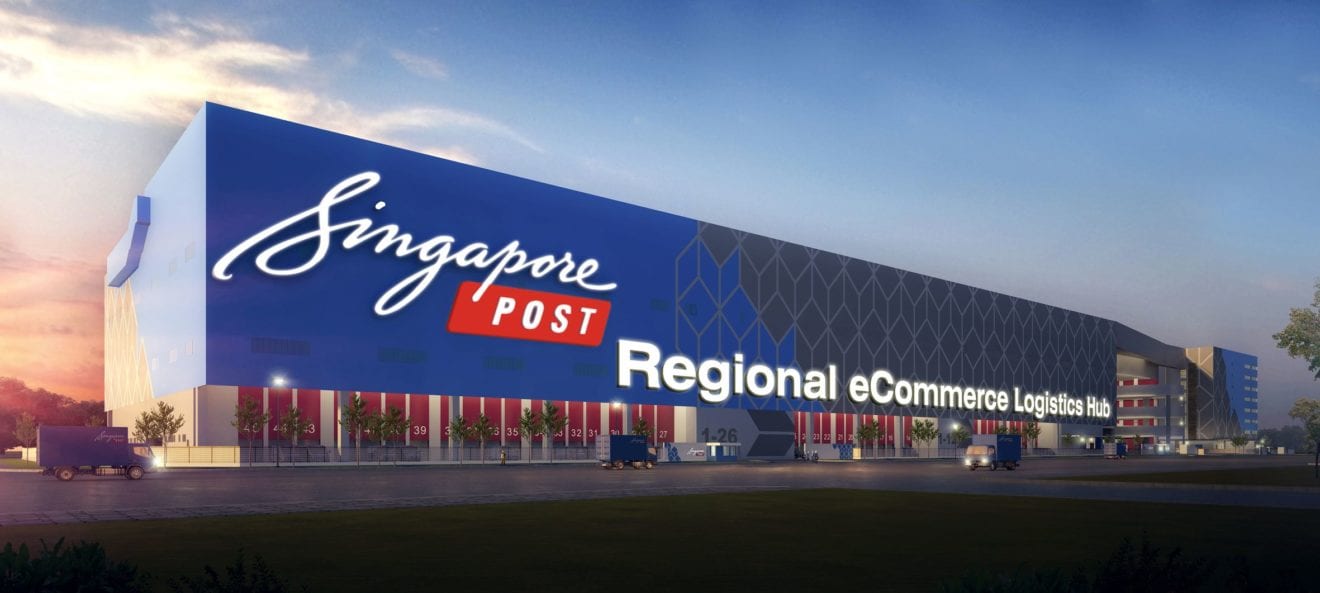
    A firm focus on serving the booming eCommerce market has helped Singapore’s national postal service achieve a record first quarter profit.

    SingPost on Wednesday says in made S$46.6 million net profit in the first three months as its eCommerce strategy paid dividends. Its performance comes in an era when postal services internationally are struggling to break even and remain relevant as traditional mail volumes fall.

    Like every other mail service provider, traditional mail volumes declined in the quarter – by 1.6 per cent – but a modest increase in postal charges offset declining traditional postage income. However revenue from logistics, which includes SingPost’s eCommerce logistics business, soared 43.6 per cent to S$140.1 million – $15 million more than postage revenue.

    The company also achieved a one-off gain from divestments.

  • Garuda Indonesia partners with China’s CFM International over the airline’s 737 MAX Fleet

    Garuda Indonesia partners with China’s CFM International over the airline’s 737 MAX Fleet

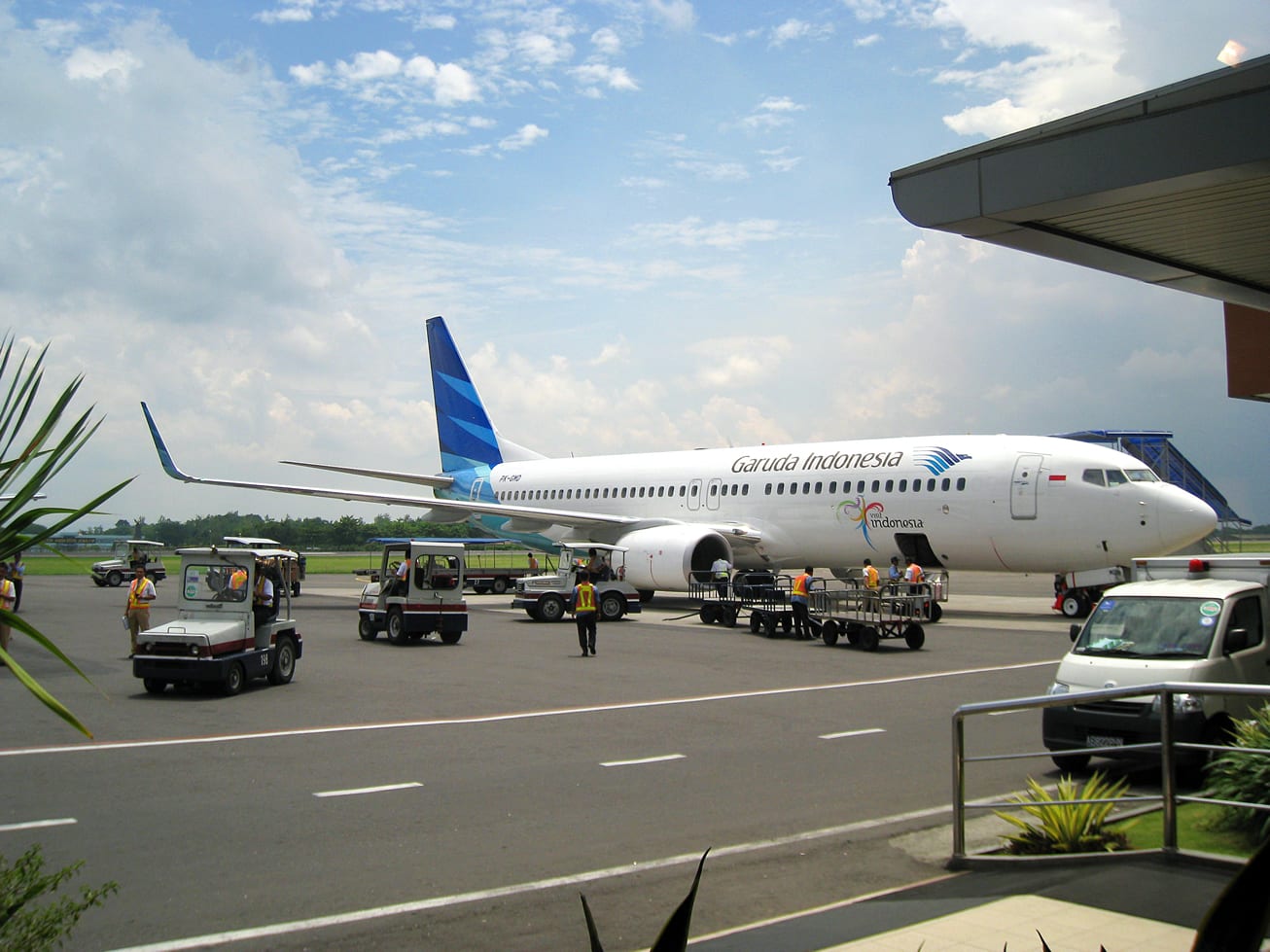
    State-run flag-carrier PT Garuda Indonesia Tbk (GIAA) and China’s CFM International have announced the expansion of their long-term partnership, under which, CFM will provide support for the airline’s future fleet revitalization program.

    Under the arrangement, Garuda is committed to purchase 50 Boeing 737 MAX 8 aircraft, which will be powered by CFM LEAP-1B engines.

    “The Next-Generation 737 with CFM56-7B engines is the backbone of our current fleet and this order for the 737 MAX shows our continued commitment to providing our passengers with the most modern, fuel efficient aircraft/engine combination available today,” said Arif Wibowo, President Director and Chief Executive Officer of Garuda Indonesia.

    Garuda Indonesia is a long-time CFM customer and began operating the CFM56-3-powered Boeing 737-300 in the late 1990s. Today, the airline’s fleet includes approximately 80 CFM-powered 737 aircraft in service or on order.

    “We are pleased that Garuda Indonesia has continued to place its trust in CFM,” said Max York, Regional General Manager of Sales for CFM International.

    The LEAP engine is to be the most advanced, reliable, fuel-efficient powerplant for the new generation of single-aisle aircraft.

    Garuda said the lower weight and higher durability these components provide will result in a 15 percent improvement in fuel efficiency, with an equivalent reduction in CO2 emissions; a 50 per cent margin to new emissions regulations; a dramatically lower noise signature; CFM’s industry-leading reliability and low overall operating costs.

    Garuda announced in October 2014 the airline’s intent to purchase 50 737 MAX 8 aircraft. The agreement is part of the airliner’s revitalization program in order to provide its passengers with the best possible experience with the youngest fleet in the sky and to support the airline’s future plan to further expand its network globally.

    The airliner currently operates more than 90 Boeing airplanes, including Next-Generation versions of the 737, 777-300ERs and 747-400s.

  • Indonesia’s Bank Mandiri partners ASCO, Tunas for multifinance biz JV

    Indonesia’s Bank Mandiri partners ASCO, Tunas for multifinance biz JV

    PT Bank Mandiri Tbk (BMRI), the largest bank by assets in Indonesia, is planning to tap the growing automotive credit market through a joint venture (JV) with a multifinance firm PT Mandiri Utama Finance (MUF).

    The bank plans to collaborate with automotive distribution company ASCO Automotive and Tunas Group for establishing the JV company. In the new JV, Bank Mandiri will hold 51 per cent, while US ASCO will hold 37 per cent stake and Tunas Group 12 per cent.

    MUF expects the new JV firm to begin operations in September.

    MUF was established in January 2015 as a leasing sub unit of Bank Mandiri, which has 10 subsidiaries, including Syariah lender PT Bank Syariah Mandiri (BSM), securities firm PT Mandiri Sekuritas and life insurer firm PT AXA Mandiri Financial Services.

    Hery Gunadi, Consumer Banking Director for the bank told that Bank Mandiri intends to capture market share of 30 per cent by 2018. Currently, the bank has around 10 per cent market share in the multi finance sector.

    MUF plans to open between five and eight branches (Jakarta, Bandung and Surabaya) in the second half of this year.

    Meanwhile, Mandiri Tunas Finance will provide financing for car, heavy equipment and motorcycles, while Mandiri Utama Finance will focus on new and used car and motorcycle financing, said Gunadi.

    President Director and CEO Group of Bank Mandiri, Budi Gunadi Sadikin added that the potential market for automotive credit could reach Rp200 trillion ($14.93 billion) this year with estimated car sales around 1 million units and motorcycle 8 million units.

    “There are a lot of multifinance firms that are encountering funding difficulties. This creates opportunities for us to enter (the financing) business. At present, income contribution from multifinance business, on average grows, by around 31 per cent per annum; and it is the third largest income contribution from subsidiaries after AXA Mandiri and Bank Syariah Mandiri,” he said.

    ASCO Automotive and Tunas Group are among largest automotive distributors in the country. ASCO Automotive, previously called Adira Mobil, was jointly established by former CEO of PT Astra International Tbk (ASII) Teddy P Rahmat and former CEO of financing firm PT Adira Finance TbkStanley Setia Atmadja in 1989.

    Tunas Group was established by businessman Anton Setiawan in early 1970s. In 1980, he establishedPT Tunas Ridean Tbk (TURI) as holding company of Tunas Group and listed the firm in 1995. In 2009, Bank Mandiri acquired 51 per cent shares of PT Tunas Financindo Sarana, a subsidiary of Tunas Group and later changed the company’s name to PT Mandiri Tunas Finance (MTF).

  • Indonesia’s Telkomsel collaborates with Trikomsel for handset bundling deals

    Indonesia’s Telkomsel collaborates with Trikomsel for handset bundling deals

    The largest mobile operator in Indonesia, PT Telekomunikasi Selular (Telkomsel), unit of state-run telecom operator PT Telkom Indonesia Tbk (TLKM), has joined hands with gadget store operator PT Trikomsel Oke Tbk (TRIO) to launch a device bundling program to drive the growth in smartphone users, the company said in a statement.

    The device bundling program includes, Lenovo Vibe X2, Xiaomi Redmi 2 and Xiaomi Mi 4i with cash back and data package promotion. In addition. Telkomsel also launched device bundling program for BlackBerry Classic, Samsung Galaxy S6 edge and LG G4 to attract high value customers.

    Since December 2014, Telkomsel has successfully rolled-out 4G LTE services to support the data services in Jakarta, Bali, Bandung, Surabaya and Medan using the 900Mhz spectrum. The operators are in the midst of rearranging their 1800Mhz spectrum and expected to be completed by the end of the year.

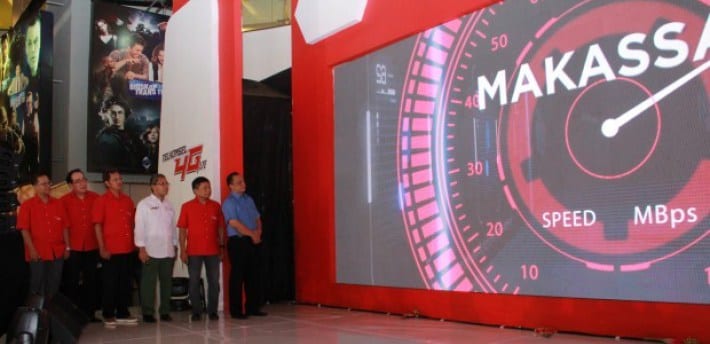
    To signify the completion of spectrum rearrangement in areas outside Java, Telkomsel launched 4G LTE services using 1800Mhz spectrum in Makassar and Lombok in July 2015. To date, the operator has more than 1,000 4G LTE BTS serving the seven key cities.

    In the first half of 2015, Telkom as a group has spent Rp11.9 trillion ($888.06 million) in capital expenditure (capex), of which Rp5.8 trillion was for Telkomsel and the remaining Rp6.1 trillion was for Telkom and other subsidiaries.

    Telkom’s capex was mainly utilised for deploying access and backbone infrastructure to support the broadband services, while Telkomsel’s capex was mainly utilized for radio access network. Other subsidiaries’ capex was utilised for towera, property, data center, and project international cable systems.

    In first half of the year, Telkomsel reported that net profit rose 14.7 per cent from previous year (Rp8.81 trillion to Rp10.11 trillion). While the company revenues rose 13 per cent from Rp31.33 trillion to Rp35.40 trillion in first semester of 2015.

    Revenue from prepaid customers accounted for 84.9 per cent with Rp30.04 trillion of Telkomsel’s total revenue mainly driven by prepaid subscriber base, high increase in data usage and data revenue as well as continued growth in voice and SMS revenues.

    Postpaid revenue increased by 13.5 per cent to Rp2.78 trillion mainly driven by the increase in the postpaid customer base which grew by 16.6 per cent to 3 million subscribers. Revenue from postpaid customers contributed 7.9 per cent to the total revenue.

    Telkomsel continued aggressive network deployment with 11,495 new BTS installed in an effort to maintain leading network supply to strengthen mobile broadband experience. Around 90 per cent of new BTSs were 3G/4G BTS.

  • Blue Bird to use Honda Mobilio taxis

    Blue Bird to use Honda Mobilio taxis

    Taxi operator Blue Bird Group will add the Honda Mobilio multi-purpose vehicle to its fleet in September.

    Blue Bird public relations manager Teguh Wijayanto said the new taxis would charge the regular fare. “The fare will be the same as the regular taxis,” said Teguh as quoted by kompas.com, adding that the Honda Mobilio taxis would be part of its regular fleet, not for its Silver Bird executive service.

    Blue Bird did not reveal the number of Mobilios to be used as taxis as it was still testing the cars.

    Currently, Blue Bird uses five-seater sedans as taxis. The seven-seater Mobilio will be able to carry up to six passengers.

  • CapitaLand China malls post solid growth

    CapitaLand China malls post solid growth

    CapitaLand is making the most of China’s retail sales growth, its mall portfolio posting growth of 6.1 per cent in net property income.

    In results released this morning, CapitaLand Retail China Trust Management Limited (CRCTML), the manager of CapitaLand Retail China Trust (CRCT), announced distributable income of S$45.1 million for the first half of this year, an increase of 10.3 per cent over the S$40.9 million for the same period last year – a percentage rate coincidentally matching China’s 2015 retail sales growth.

    CRCT owns 10 quality shopping malls six Chinese cities: CapitaMall Xizhimen, CapitaMall Wangjing, CapitaMall Grand Canyon, CapitaMall Shuangjing and CapitaMall Anzhen in Beijing; CapitaMall Qibao in Shanghai; CapitaMall Erqi in Zhengzhou, Henan Province; CapitaMall Saihan in Huhhot, Inner Mongolia; CapitaMall Wuhu in Wuhu, Anhui Province; and CapitaMall Minzhongleyuan in Wuhan, Hubei Province. As at 30 June 2015, the total asset size of CRCT is approximately S$2.5 billion.

    Tony Tan, CRCTML CEO, said the portfolio of malls ended the period 95 per cent leased and achieved 6.1 per cent growth in net property income. Rental reversions of 4.6 per cent (excluding CapitaMall Minzhongleyuan, which reopened in May last year after refurbishment).

    “Tenants’ sales at our multi-tenanted malls increased 17.8 per cent year on year, while shopper traffic grew two per cent.

    “As part of our proactive mall management strategy to keep abreast of the latest retail trends, we continue to upgrade and refresh the tenant mix at our malls. CapitaMall Xizhimen enriched its F&B offerings on Level 1 with a popular restaurant Bellagio.

    “CapitaMall Wangjing signed popular international brands including Tommy Hilfiger and New Balance, while key tenant Le-Wellness Gym reopened after renovations with improved facilities and an enhanced image that strengthened CapitaMall Wangjing’s position as a one-stop family and lifestyle mall in the affluent Wangjing District.

    “CapitaMall Grand Canyon continued to enhance its fashion and beauty offerings by bringing in well-known brands such as British fast-fashion retailer New Look; and Korean cosmetic and skincare brands Etude House and Innisfree.

    “At CapitaMall Qibao, we reconfigured the space formerly occupied by a gym tenant on Level 3 and brought in Rucker Park to maximise the outdoor space for popular sporting activities such as street soccer, basketball and badminton.

    “At CapitaMall Saihan, we strengthened the sports brand offerings with Nike, New Balance and Fila, which helped to diversify the mall’s overall fashion offerings. We will continue to optimise the retail mix in our malls and increase their appeal to shoppers to further enhance unitholder value, while continuing to be on the lookout for suitable acquisition opportunities to drive our next phase of growth.”

    Victor Liew, CRCTML chairman, said in the first half of 2015, China’s economy surpassed expectations and expanded seven per cent year on year, while the country’s retail sales grew 10.4 per cent year on year to RMB14.2 trillion.

    “Notably, consumption accounted for a record 60 per cent of China’s Gross Domestic Product in the first half of the year. As the Chinese government has identified domestic consumption as a key driver of economic growth, this should augur well for our malls.”

    All the CRCT malls in the portfolio are positioned as one-stop family-oriented shopping, dining and entertainment destinations for sizeable population catchment areas. A significant portion of the properties’ tenancies consists of major international and domestic retailers such as Beijing Hualian Group and Carrefour under master leases or long-term leases. Anchor tenants are complemented by popular specialty brands such as KFC, Paris Baguette, Pizza Hut, Sephora, Uniqlo, Vero Moda, Watsons and Zara.

  • Dairy Farm Indonesia reviews struggling Starmart

    Dairy Farm Indonesia reviews struggling Starmart

    Dairy Farm Indonesia is reviewing the future of its Starmart convenience store chain after closing nearly a third of its stores in the latest half year.

    The chain has been hit hard by the Indonesian government’s moves to limit the sale of alcohol, banning liquor sales in c-stores in April.

    Since then, Hong Kong headquartered Dairy Farm Indonesia subsidiary PT Hero Supermarket group has closed 39 stores leaving just 95.

    “A detailed strategic review of this business is currently being undertaken,” the company said in its earnings statement released Tuesday.

    The company said the closures would improve the profitability of the banner, but its prospects do not appear bright.

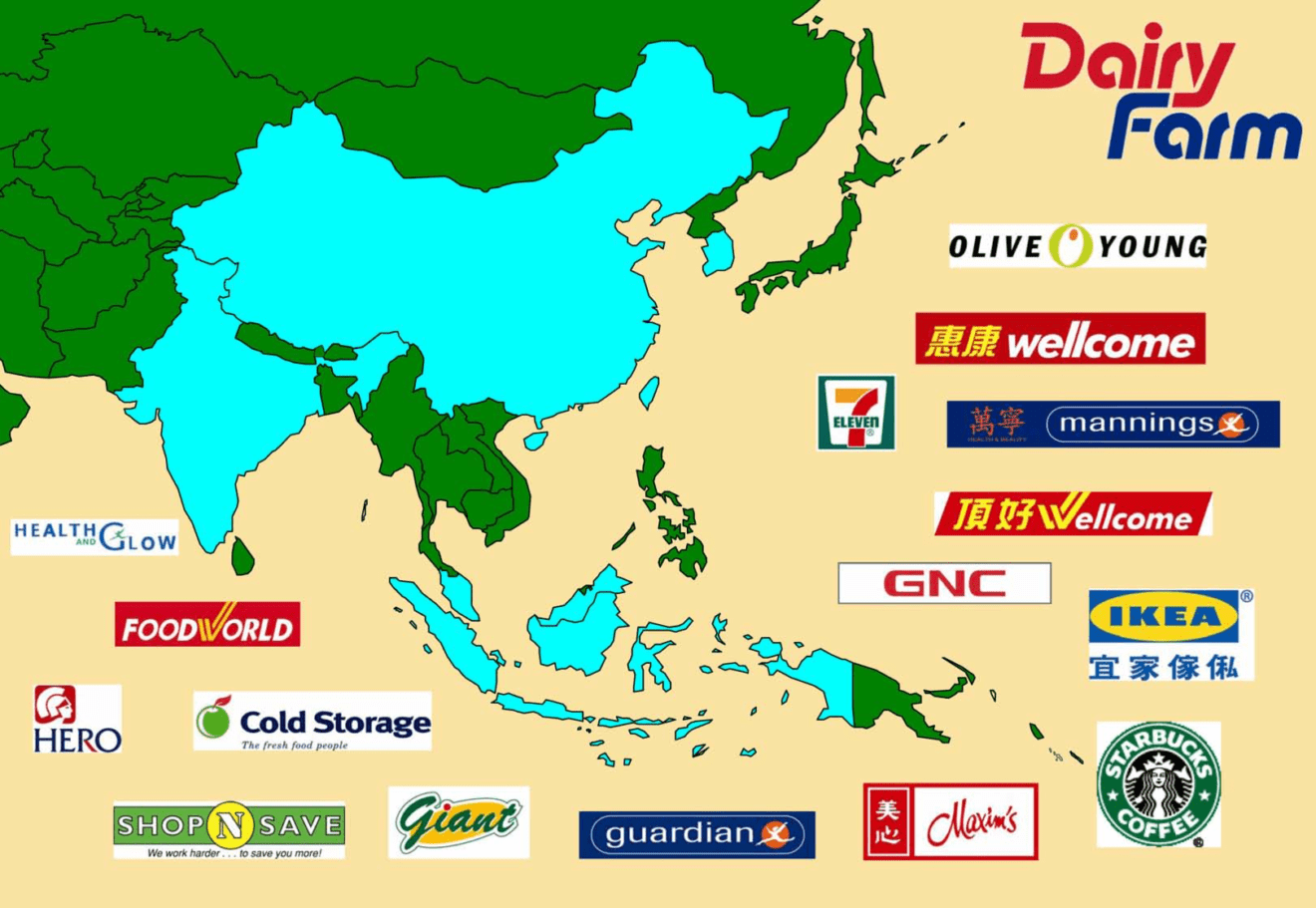
    PT Hero operates 641 stores in all, including 53 Giant Ekstra hypermarkets, 155 Hero Supermarkets and Giant Ekspres stores, 337 Guardian health and beauty stores and one Ikea.

    Overall, the group experienced a 15 per cent increase in revenue in the first half year, with gross profit up nine per cent, but it still posted a net loss of Rp 32 billion (HK$18.4 million).

    Food and health & beauty sales, showed strong like for like growth in the half year, despite a soft trading environment, and Ikea showed “very promising” early trading figures, the company said.

    “Despite the sales momentum, profitability was negatively impacted by outpacing costs resulting from minimum wage increases, stocktake improvements and store rationalisations. Strong actions on energy saving and productivity are being taken to mitigate the impact of increasing costs. In Food, investment in price has led to a reduction in the gross profit margin.”Besides the Starmart closures, PT Hero shuttered another 24 stores across its brands.

    Stephane Deutsch, president director, said in food, the company was concentrating on increasing fresh produce sales.

    “This has helped to increase like for like sales, especially in Giant where progress is being made on growing its market share. Action is also being taken to improve the efficiency of the supply chain.”

    The hypermarket operation, Giant Ekstra, and the supermarket operation, Giant Ekspres, are both taking steps to improve the customer shopping experience in selected stores prior to rolling out the initiative more broadly across the country, he said.

    “The upscale format, Hero Supermarket, is continuing to enhance its offer across the fresh, imported and exclusive ranges to provide a more distinctive choice for customers.”

    In Health and Beauty, Guardian’s store expansion program is “progressing well” alongside the introduction of refreshed branding and increasing private label development, leading to further improvements in like for like sales.

    “The strategic partnership with the local pharmacy operator Apotik Melawai, which combines their local pharmacy strengths with the broader health and beauty offering of Guardian, is showing encouraging results.”

  • Japan retail sales growth slows

    Japan retail sales growth slows

    Japan retail sales grew 0.9 per cent in June – ahead of expectations but much slower than May’s three per cent.

    Analysts had been tipping a rise of just 0.5 per cent after the relatively strong May growth.

    Government data showed rising fuel prices could have unduly affected the figures in the first half of the year – fuel accounts for about eight per cent of total retail sales, and fuel prices have risen by about six per cent since January.

    Capital Economics, in a research note, warned not to pay too much attention to retail sales data as a measure of consumer sentiment.

    “We would instead pay more attention to core household spending, due on Friday. This measure of consumer expenditure has done a good job lately in explaining moves in the Cabinet Office’s synthetic consumption expenditure, the monthly equivalent of private consumption as measured in the national accounts.”

    A Reuters survey of economists projects a 1.7 per cent growth in household spending year on year in June – far lower than the 4.8 per cent of May.

    Nevertheless, May’s retail spending increase marks the third month in a row of growth after mixed results for a year.

    In March, retail sales fell nine per cent, although that was largely due to an irregular March 2014 when consumers brought forward spending prior to a sales tax increase on April 1.

  • Big differences in Asian travel spending

    Big differences in Asian travel spending

    Koreans travel abroad most frequently, Chinese spent the most money and Japanese visit the most faraway places most often.

    Those are findings from a study by Visa card, 2015 Survey on Travel Plans, in which 13,603 people from 25 different countries shared information about their travels.

    According to the results, Koreans traveled an average of five times during the past two years, ranking the highest in travel frequency – well above the global average of three times.

    Around 90 percent of the Korean respondents answered they had travelled abroad within the past two years. But as travellers, Koreans seem to be of frugal mind when it comes to expenses. They spent an average of $1808, which was way below the global average ($2281). They also have a tendency to set a budget and stick to it. Korean travelers paid 46 per cent of their expenses before departure, and 75 per cent of the payments were made by credit card.

    On the other hand, the average travel expense for Chinese travelers was $4780 – more than double the global average. Unlike Koreans, Chinese people had a tendency to decide what they wanted to do on the trip first and then calculate the expenses.

    While 36 per cent of Korean travelers and 34 per cent of Chinese travellers visited Japan, 36 per cent of Japanese travellers visited the US, showing their preference for long distance travel. The average time taken to get to the destination was longer for Japanese travelers (nine hours), compared to eight hours for Chinese travellers and six hours for Korean travellers.

    The average travelling expense for Japanese was $3165, which was less than the average of Chinese.

    In terms of accommodation, 41 per cent of Korean travellers and 62 per cent of Chinese preferred hotels with more than four stars, while 49 per cent of Japanese preferred one to three star hotels.

    The portion of Koreans who preferred package tours (47 per cent) was similar to the portion of those who liked to travel freely (52 per cent). However, more than half of the Chinese (65 per cent) and Japanese (77 per cent) preferred tour packages.

    Ian Jamieson, head of Visa Korea, said it was impressive that Korean travellers prepare well and frequently go on trips and the purchasing power of Chinese travellers was also interesting.

  • UK retailers to launch online d-store in China

    UK retailers to launch online d-store in China

    A group of former executives of high profile British retail brands are planning to launch a department store online in China, via JD.com.

    The creators of the virtual department store to be called The Jack Russell Emporium are ex Marks & Spencer, Burberry and Jonathan Saunders. The new store will go live in September.

    It will stock goods from brands such as Hackett, Reiss and Jigsaw, targeting the rising ranks of China’s middle class who aren’t yet quite cashed up enough to splurge on Louis Vuitton.

    “That emerging market has disposable income for the first time; they are cultured and may have travelled to the UK once or twice so they don’t want domestic product, but they cannot afford luxury brands like Burberry and Louis Vuitton,” co-founder Jamie Powell, told Drapers.

    The Jack Russell Emporium will launch with 10 brands initially and expand to 25 by Christmas, before adding a further 75 brands next year.

  • 7‑Eleven, Inc. to enter Vietnam with Seven System Vietnam Co. Ltd. franchise agreement

    7‑Eleven, Inc. to enter Vietnam with Seven System Vietnam Co. Ltd. franchise agreement

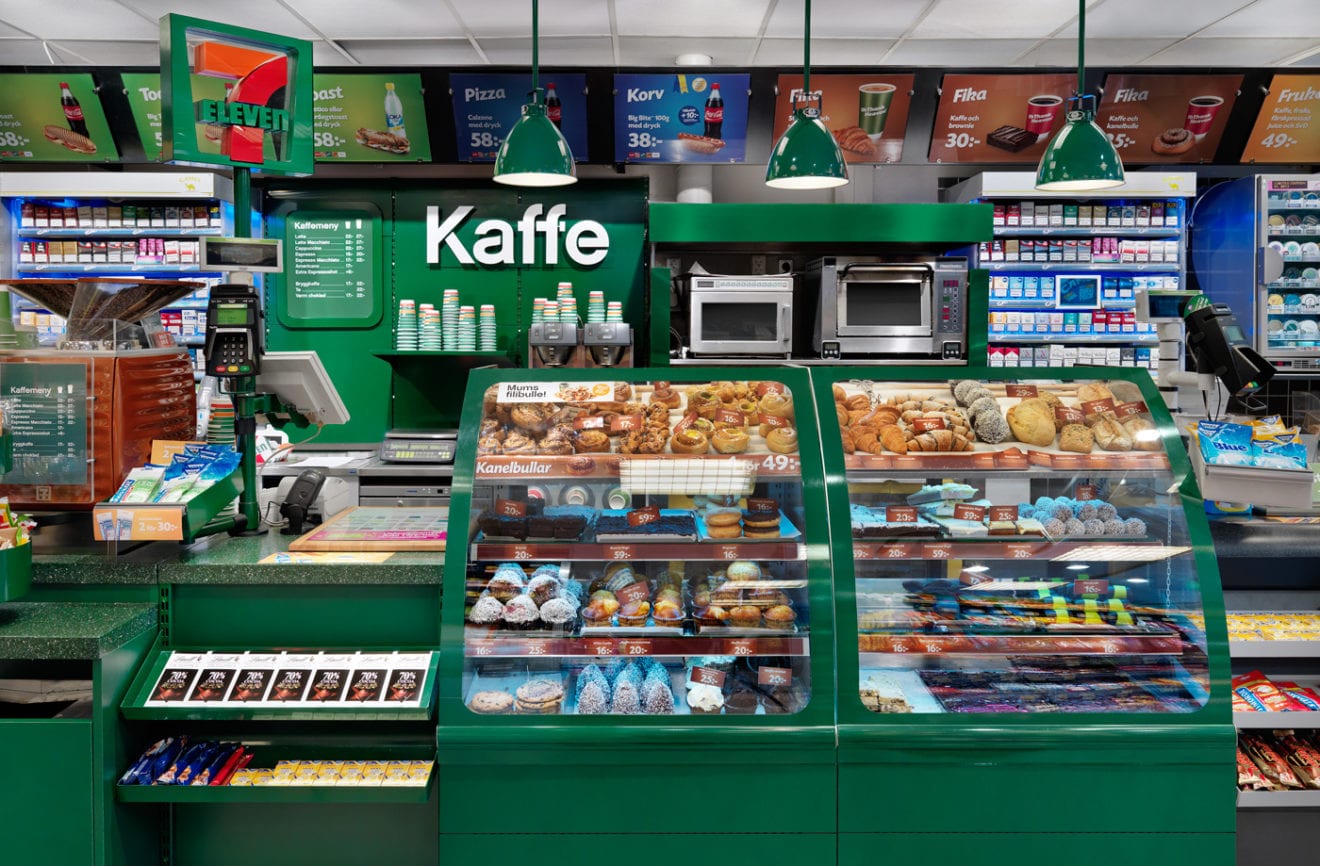
    7‑Eleven, Inc., the world’s largest convenience retailer with 56,400 stores worldwide, has signed a master franchise agreement with Seven System Vietnam Co. Ltd. to develop and operate 7‑Eleven® stores in Vietnam. The expansion marks the company’s first stake in the Pacific Rim since 7‑Eleven entered Indonesia in 2009.

    7‑Eleven’s entry into the country aims to enhance the convenience-shopping experience for Vietnamese customers and contribute to modernizing small retailers in the world’s 13th most populous country.

    The new master franchisee plans to construct 7‑Eleven stores, convert existing locations to the 7‑Eleven brand supported by enhanced infrastructure, and eventually franchise operations to local businesspeople.

    Internationally popular products like Slurpee® frozen carbonated beverages and Big Gulp®soft drinks, as well as immediately consumable fresh foods, with recipes developed for regional tastes, will be part of the convenience offerings.

    7‑Eleven and its parent company, Seven-Eleven Japan, will provide start-up support for its newest master franchisee by assisting Seven System Vietnam in implementing 7‑Eleven’s successful strategies of market concentration, team merchandising and item-by-item management.

    Vietnam will be the 18th country or region where 7‑Eleven stores operate. In addition to the United States, other countries include Canada, Mexico, Japan, Thailand, South Korea, Taiwan, China (including Hong Kong), The Philippines, Australia, Singapore, Malaysia, Indonesia, Norway, Sweden, Denmark and the United Arab Emirates, where its first 7‑Eleven store will open early this autumn.

  • Kering expects Hong Kong rent relief

    Kering expects Hong Kong rent relief

    Luxury international retail group Kering says it expects to be paying less rent in Hong Kong by the end of the year.

    Kering is the owner of a raft of luxury fashion brands, including Yves Saint Laurent, Bottega Veneta and Gucci, the latter of which comprises a third of its turnover.

    Kering says its global sales rose 22 per cent in the second quarter of this year, aided by a weakened euro and growing numbers of Asian shoppers in Europe. Sales reached €2.86 billion (US$3.18 billion). Excluding the impact of exchange rates, real organic growth was 7.7 per cent.

    CFO Jean-Marc Duplaix said a significant fall in sales in Hong Kong has given the company leverage in renegotiating rental terms with its landlords in the territory.

    He told an analysts’ call to discuss second half year sales that he “expects to pay less rent” by the end of the year.

    Duplaix described the retail climate in Mainland China and Hong Kong as “difficult” but said despite weakened sales it has no plans to close any of its 70 company owned stores there.

    The reality for Kering is that Chinese are still buying its luxury goods – they’re just shopping elsewhere instead of making short retail therapy sojourns to Hong Kong. The number of Chinese visitors to European stores rose nearly 30 per cent year on year and by a similar ratio in Japan.

    “All luxury brands, including Gucci, have benefited from the shift of Chinese tourists to Japan and Europe,” said Duplaix in the conference call.

    For the first six months of the current financial year, Kering’s profit fell 13 per cent to €489 million.

  • Asics restructures global operations

    Asics restructures global operations

    Japanese sports brand Asics has announced an organisational restructure and the appointment of experienced international executives to accelerate business growth.

    Under what it calls ‘The Center of Excellence Initiative’ Asics is strengthening its global business, which includes the Onitsuka Tiger brand and retail network, through the appointment of “top talent to lead and manage its global categories from the most influential regional markets by category”.

    From September 16, a new Global Lifestyle Division will be established to lead global marketing for Lifestyle brands such as Onitsuka Tiger and Asics Tiger. Europe will be designated as the Center of Excellence for this category with the offices based in Amsterdam. This division will be headed by the newly appointed senior GM, Torsten Widarzik, who moves from his current position as CEO of German fashion label Campus. Widarzik was previously Levis Strauss Germany/Switzerland GM and business and brand director with Nike Sportswear at Nike CEMEA, where he built the sportswear business across Central and Eastern Europe.

    Asics says strengthening its footwear and apparel business is also a key part of the business growth strategy following the appointment of Asics as Gold Partner in Japan for Tokyo 2020 Olympic and Paralympic Games.

    “To further accelerate growth, the design functions will be added to the Global Footwear Product Marketing Division.

    “The seamless integration of the product design, development and manufacturing functions will boost the development of competitive products.The reformed Global Footwear Product Marketing Division will continue to be led by Gerard Klein, senior GM, who returned to Asics in August 2014 after seven years at Converse where he was in charge of the go-to-market strategy and merchandising in the EMEA market.”

    Earlier this year, Asics also strengthened its Global Brand Marketing Division by appointing a new leader, Paul Miles, senior GM, who joined Asics in May 2015 from Nissan Motor, where he was VP of marketing and communications. Miles previously worked for Fast Retailing in France and Japan, where he was responsible for the market launch and expansion of the Uniqlo brand.

    “The restructuring of our global operations and the appointment of top talent as our new leaders shows our commitment to accelerate growth as a global sporting goods company,” said Motoi Oyama, CEO of Asics Corporation.

    “I am confident that the Center of Excellence initiative will enhance organisation’s capacity and effectiveness, and lead us into the next stage of growth.”

  • How to open a restaurant in China

    How to open a restaurant in China

    Many expats in China at one point or another have dreamed about opening up their own restaurant, café, or other sort of food and beverage operation.

    The largest food market in the world, China offers many exciting opportunities for foodies and savvy business people alike, but foreigners can be daunted by the often bureaucratic process of establishing a business in China. In this article, we provide a step-by-step guide to the process involved.

    Step 1: Finding the Right Location

    The first step of business is to find the location for the food and beverage operation. This can be particularly tricky, as the investor must lease the restaurant premises before starting the registration process for the food and beverage business. In order to avoid renting out a location that will be denied business registration, investors should take extra precautions to find a business location that can pass inspections. It is often possible to ask for consultations from the Environmental Protection Bureau, Hygiene Bureau, local department of the Ministry of Commerce and the Administration of Industry and Commerce (AIC) to verify certain requirements, like whether the location will be able to obtain a license for the disposal of waste water.

    It is often safer to find a location that is currently in use as a food and beverage operation. This will require the investor to pay a transfer fee to the current lessee. The fee will vary by location, but it is usually at least RMB 100,000. If investors instead choose a space that was not previously used as a food and beverage operation, they will need to remodel it to make sure it passes inspections. This option can be more risky, and costly too – redecoration companies tend to charge a service fee of around RMB 10,000 per sq. meter, on top of the costs of materials. Even if the investor acquires the necessary permits and certifications, if residents in the area find the food and beverage operation to be disruptive in the community, the business license can be revoked.

    Step 2: Licensing and Registration of the Food Business
    Company Name Registration

    Before applying for any licenses and permits, it is necessary to apply to register the business name at the local AIC. The AIC will issue a “Notice of Company Name Reservation” after they double check to make sure that the company name has not previously been used anywhere else in the province.

    Health and Food Hygiene Licenses

    After obtaining a company business license, investors then face the task of health and food safety inspections for their food and beverage operations. For businesses involved in the food and beverage industry in China, there are three main types of food and beverage licenses, and some businesses may require more than one license depending on the scope of their food and beverage business operation:

    • A Catering License (餐饮服务许可证)is required for catering service providers, both individuals and organizations, that are involved in the provision of group meals (food stalls and providers of semi-finished food products are not required to carry this license). If an entity provides catering services in different locations, it must apply for a license for each location
    • A Food Production License (食品生产许可证) is required in order to ensure that businesses comply with standards pertaining to manufacturing capabilities and environmental regulations. All staff involved in food service must undergo training approved by the China Food and Drug Administration (CFDA), and there should be a health management system in place in order to ensure the health and hygiene of personnel. The state-level General Administration of Quality Supervision, Inspection and Quarantine (AQSIQ) is responsible for the nationwide administration of the food production license.
    • A Food Distribution License (食品流通许可证)is required for businesses engaging in the sale of food items and is administrated by the AIC. Any entity, both individuals and organizations, that is involved in food distribution (including retail and the wholesale distribution of pre-packaged food and bulk food) is required to acquire a Food Distribution license. However, sometimes when an entity holding a food production license sells food products on the premises of production, it can get around the requirement to hold a food distribution license.
    Alcohol Permit Registration

    For food and beverage operations that will be serving alcohol, an alcohol permit is required. The permit will be issued after the business license, tax registration permit, and food licenses are acquired, but the intent to sell alcohol should be clearly stated within the application for the health and food hygiene license.

    Environmental Protections Approval

    Before any catering service can began operation, it must get approval from the local Environmental Protection Bureau. This will include an evaluation of the indoor and outdoor surroundings of the site in order to ensure that the location complies with standards listed in the Directory for the Management and Classification for Construction Items and Environmental Influence.

    Step 3: Establishing the WFOE or JV Entity

    The steps for establishing the business entity will ultimately depend on how the food business is being registered. In China, foreigners are not allowed to be the sole owners of the restaurant or food business, but they are able to open it as a limited-liability Wholly Foreign Owned Enterprise (WFOE) or through a Joint Venture (JV) with a Chinese citizen as a business partner. In addition, some foreign investors may choose to choose to let the Chinese partner(s) open the business to simplify the registration process, but investors should be aware that this will not allow them to have any legal rights.

    The business project will be approved by the Ministry of Commerce, which will issue an approval letter  and an approval certificate that can be taken to the AIC to register the company business license.

    Risks and Challenges

    Investors should also brace themselves to be ready to battle China’s often volatile real estate market in order to develop their business operation. While most restaurants in global cities like New York City and London operate on at least 10 year leases, leases for food and beverage operations in China are often five-year leases, some even just three years.

    In addition, restaurant owners in top tier cities like Shanghai pay a much larger percentage of their profits on business leasing than they would in other parts of the world. In a survey on restaurant leasing fees conducted by SmartShanghai, it was found that paying 15 per cent of restaurant earnings on rent is the norm, with most restaurant owners paying between 10 per cent and 20 per cent on leasing.

    In contrast, restaurant owners in some of the world’s most expensive cities, like New York City, pay around 10 per cent of their profits in rent. High rental costs can often be reasons why food and beverage businesses go out of business, especially in the beginning, when changes to business strategy sometimes have to be made.

    In addition, after signing the lease investors should be ready to spend at least two to three months in order to acquire all the required licenses and permits to open the food and beverage business. It is sometimes possible to negotiate with the landlord to have a rent-free period of one to two months after signing the lease, which will be helpful in case the investor encounters delays in obtaining all the appropriate licenses necessary to start operation.