Author: Mei Ling Tan

  • Identifying Asia’s regional bank champions

    Identifying Asia’s regional bank champions

    Bank of China is seen as the strongest challenger for Asian leadership

    A swelling population, exponential economic growth and broad financial development are transforming Asia ex-Japan into a global finance hub.

    It is the opportunity to service retail and wealthy clients in Asia that has fired banks’ ambitions to extend their regional networks and boost their distribution power.

    But the odds are stacked against them. They have nowhere near the scale of the international players Citi, HSBC and Standard Chartered. This trio has resources, customer networks and relationships acquired from a century of operations in Asia.

    Asian banks, on the other hand, face constraints in their ability to expand cross-border, including fierce domestic competition and national protectionism.

    Nevertheless, they have become increasingly vocal about their regional ambitions, centred around expanding their wealth management businesses.

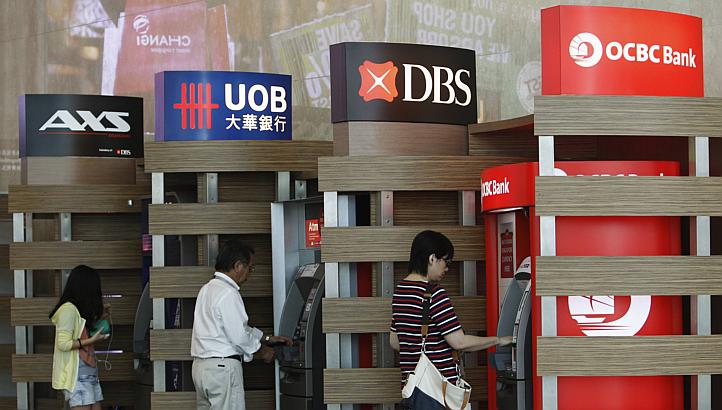
    Our leading contenders come from China, Malaysia and Singapore. Hong Kong banks appear content to focus on Greater China, where they will seek to be facilitators of trade flows rather than competitors in regional distribution.

    “From a geographical standpoint, the footprint of the Singaporean banks is wider,” said Michael Wu, senior equity analyst at Morningstar. “They might be in a better position to access Asia.”

    Bank of China is seen as the strongest challenger for Asian leadership. It has the balance sheet and is willing to suffer in the short term to expand, notes CLSA.

    BOC has a network of 11,514 offices, although 10,693 are onshore. Overseas, it has 628 offices in Hong Kong, Macau, Taiwan and in 37 other countries.

    It was first to offer private banking onshore in 2007 and now manages Rmb720 billion ($116 billion) for 74,000 private banking customers, with more than 7,000 wealth management centres and 34 private banking hubs. It has private banking operations in Singapore and Hong Kong and has ambitions to grow in Asia, including Australia, where it opened a branch in 2010.

    Singapore’s largest lender, DBS, has 280 branches across 15 markets in Asia. But Singapore and Hong Kong remain its major markets, despite its attempts for regional leadership. As CLSA points out, its operations in the growth markets of China, India and Indonesia have remained sub-scale.

    DBS is building wealth management/private banking operations. Its private banking business was bolstered by its $220 billion acquisition of Société Générale’s private banking business in Asia last October, boosting its AUM 22% to S$133 billion ($97.4 billion) as of December 2014. DBS’s total wealth management AUM stood at S$141 billion and its private bank AUM at S$95 billion.

    Maybank was a late-comer to private banking, but has been building a solid Asean network. Its regional operation only started 18 months ago, with Singapore as its hub. But it has been hiring aggressively and expanding its proposition, including launching a discretionary portfolio management service.

    Steven Seow, Asia head of wealth management at Mercer, pointed out that Maybank has succeeded in converting long-time Asian corporate banking entrepreneurs to its wealth management business. In terms of private banking assets, Maybank has S$6 billion in overall AUM, having added S$2 billion in new assets over the past year.

    Historically OCBC has focused on Southeast Asia. It has a strong position in Singapore and is one of the largest foreign banks in Malaysia, providing conventional and Islamic finance. Last year it acquired Wing Hang Bank in Hong Kong for $5 billion.

    That increased OCBC’s branches in Greater China from 25 to 120 and deepened its operations in the Pearl River Delta, although it paid a high premium given Wing Hang’s operations in Hong Kong and China were marginal.

    In private banking and wealth management, OCBC’s 2009 acquisition of ING Private Banking (renamed Bank of Singapore) for $1.46 billion has given it the scale to compete with DBS and global banks. The acquisition trebled its private banking AUM to $23 billion.

    As of March this year that AUM had since doubled to $51 billion. It enjoyed 15% year-on-year growth in wealth management income in 2014.

    Among Singaporean banks, UOB’s focus is on Southeast Asia, with universal banking operations in Malaysia, Thailand and Indonesia. But outside of Singapore its strength in Malaysia – it has the largest foreign bank network in the country with 45 branches – is not replicated in Thailand and Indonesia.

    Without the help of an international acquisition, UOB has invested in building its wealth management and private banking capabilities out of Singapore.

    It saw the combined AUM of wealth management and private banking grow 67% to S$80 billion in the four years to 2014, during which time the profit contribution of wealth management doubled to 47%.

    But while it has plans to offer private banking outside of Singapore, its current proposition is acknowledged as behind city-state peers DBS and OCBC.

    The full article appears in the July 2015 edition of AsianInvestor magazine
  • Walmart to boost its e-commerce investment in China

    Walmart to boost its e-commerce investment in China

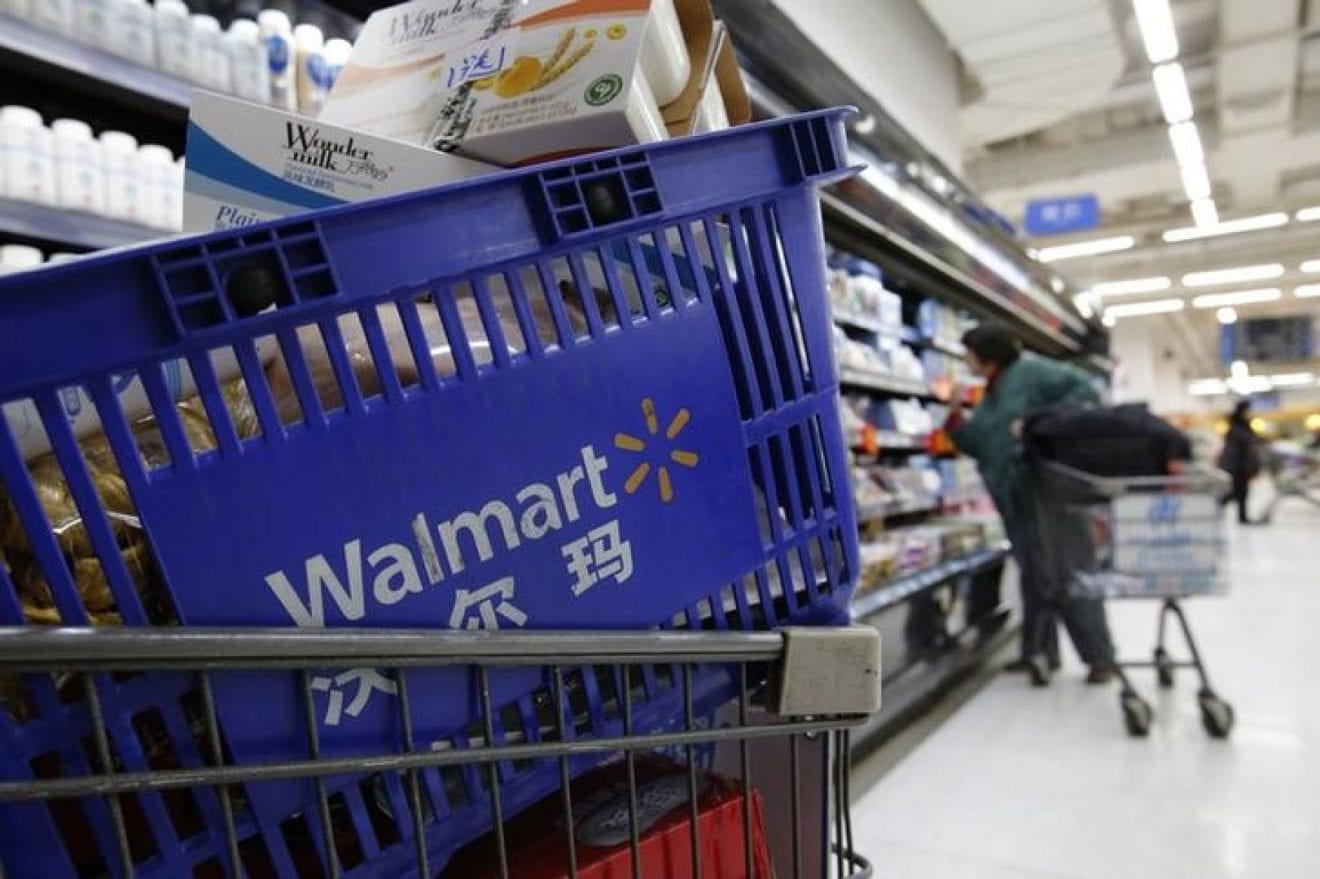
    China’s e-commerce market hasn’t been easy for Walmart to crack, but the U.S. shopping giant isn’t giving up. The company is investing even more in its e-commerce operations there, by taking full control of a Chinese online retailer.
    On Thursday, Walmart bought up the remaining shares of Yihaodian, after previously owning 51 percent in the Chinese company. Financial details were not announced, but the move will accelerate Walmart’s online expansion in China, the U.S. retail giant said.

    Walmart’s move was made possible by the Chinese government’s recent decision to open the e-commerce market to more foreign investment. Last month, a Chinese regulator removed restrictions that barred foreign investors from taking a 100 percent stake in any e-commerce operation in the country. Before that, foreign investors such as Walmart had to enter into joint ventures with local Chinese players.

    Although Walmart’s move could help the U.S. company tap the vast Chinese market, gaining ground against the existing competition will be tough. Other U.S. e-commerce players such as Amazon.com and eBay have all struggled to compete with Alibaba Group, the country’s leading online retailer.

    In China, Alibaba’s Tmall.com site has a 60 percent market share, according to Beijing-based research firm Analysys International. Amazon and Walmart’s Yihaodian site, however, each have about a 1 percent share.

    In spite of Alibaba’s dominance, Walmart’s Yihaodian site has been making gradual progress. It now has 100 million registered users, up from only 4 million back in 2010. Walmart’s goal is to now integrate their physical stores with Yihaodian’s mobile and online services for a better shopping experience.

  • After Toshiba scandal, foreign investors want tougher Japan governance steps

    After Toshiba scandal, foreign investors want tougher Japan governance steps

    Japan needs bolder measures such as harsher criminal sanctions for fraud and whistleblower protections to improve corporate transparency and prevent a repeat of the accounting scandal seen at Toshiba Corp, foreign investors and governance experts said.

    Toshiba’s chief executive Hisao Tanaka and a string of other senior officials resigned on Tuesday after an independent inquiry found he had been aware the company had inflated its profits by $1.2 billion over several years.

    The scandal is a major setback for the government of Prime Minister Shinzo Abe, who has made improving corporate governance a central theme in his bid to reinvigorate Japan’s economy and entice more foreign capital.

    “This is a negative headline in what’s been 18 months of positive momentum in Japan,” said Singapore-based David Smith, head of corporate governance at Aberdeen Asset Management, which owns Japan stocks. An Aberdeen affiliate had a very small equity holding in Toshiba as of end-May, Reuters data shows.

    “This is a black mark for corporate Japan in the face of positive news and strong markets. The government may want to act tough,” said Smith, who helps manage about $115 billion in Asia.

    Japan’s listed companies have long-had tense relations with their foreign shareholders, who have frequently blamed long-term insiders’ dominance of corporate boards for low returns and weak oversight.

    In response to this criticism, the Abe government last month introduced new rules requiring listed company boards to appoint at least two outside independent directors, but investors said this did not go far enough – Toshiba already had four independent directors as part of its 16-person board.

    “The Toshiba scandal further underlines the need for board training as well as a robust whistleblower protection system,” said Seth Fischer, chief investment officer at Hong Kong-based hedge fund Oasis Management and a corporate governance activist who successfully pushed for reforms at Nintendo Co Ltd.

    “Whistleblowers are ultimately performing a service to the company, its executives and the company’s overall mission – which is integrity of financial statements. They need to be rewarded as such,” he said.

    This week’s revelations come four years after a similar scandal in which camera-maker Olympus Corp concealed nearly $1.7 billion in losses from shareholders.

    Both scandals also raise questions about the quality of Japan company audits, which rate poorly compared with developed market peers, according to data compiled by Hong Kong-based GMT Research.

    “One of the problems is that audit fees are very low in Japan. It’s nonsense that auditors, on these fees, are doing any proper work,” said Robert Medd, a partner at GMT.

  • Yokohama at new Indonesia auto show

    Yokohama at new Indonesia auto show

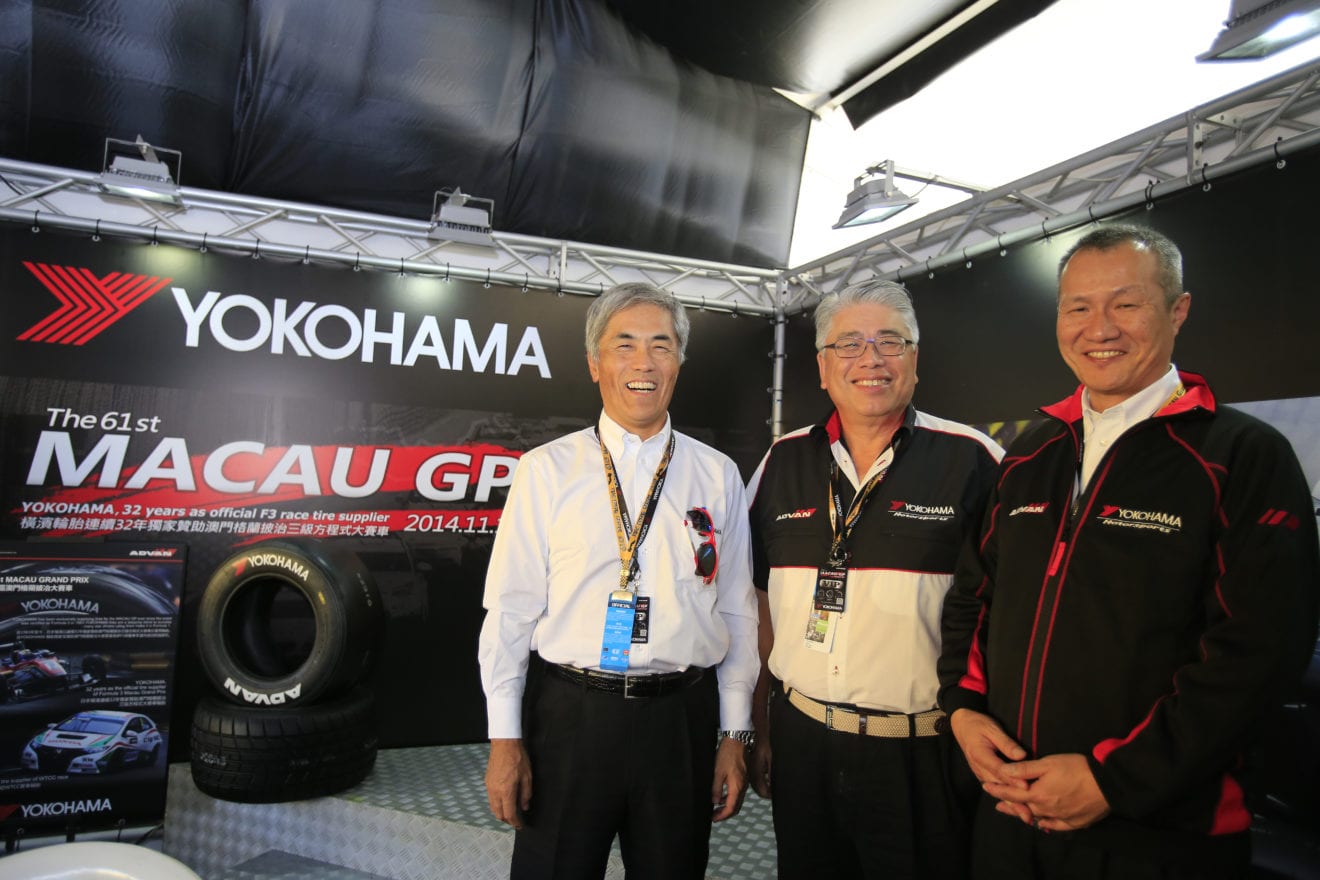
    Yokohama Rubber Co. Ltd. is gearing up to participate in the new Gaikindo Indonesia International Auto Show 2015.

    The event is scheduled for Aug. 20‒30 in South Tangerang, in Indonesia’s BSD City. Yokohama said it will be represented at the show by its Indonesian sales agent, PT Yhi Indonesia, which twice previously represented the tire maker at the separate Indonesia International Motor Show. Gaikindo is the Association of Indonesia Automotive Industries, and this is its first auto show, according to Yokohama.

    In keeping with the theme of “Delivering the Future,” Yokohama said its booth will feature displays that “appeal to the high driving and environmental performance” provided by its tires’ latest technologies.xa

    Considering the huge demand for eco cars and SUVs in Indonesia, the tire maker said it will display its fuel-efficient BluEarth tires suitable for use with eco cars and the company’s Geolandar line of SUV tires, as well as its flagship Advan brand.

    In addition, the booth will include a panel of Chelsea FC soccer players promoting the tire maker’s partnership, announced earlier this month, with England’s Premier League football club.

  • Bali prime residential prices up 15% last year

    Bali prime residential prices up 15% last year

    Prime residential prices on Bali surged 15 per cent last year, the most among comparable destinations tracked by broker Knight Frank LLP. The cost of villas on the Spanish island of Ibiza climbed 5 per cent and those in Italy’s autonomous region of Sardinia fell 8 per cent, the report said.

    Bali’s gains are set to continue as Indonesia’s government this week begins to discuss revising rules to allow foreigners to directly own luxury apartments in the archipelago, with hopes of implementing changes within two to three months.

    Mr Nathan Ryan, owner of property brokerage Bali Realty, expects interest from China and Singapore once the revisions are made.

    “Asian buyers are no doubt a sleeping giant for Indonesia,” Mr Ryan said from Kerobokan, an area north of Kuta known for its surf and nightlife. “These buyers have plenty of money, but they are turned away by the leasehold property options, as they would prefer to be able to buy freehold.”

    Currently, foreigners can get around the ban against owning real estate in Indonesia by using local citizens as proxies or by structuring the purchase as a long-term lease.

    The government will coordinate with the immigration and tax offices to draft the revisions, Coordinating Minister for Economic Affairs Sofyan Djalil said last Thursday

    Under the proposed amendments, foreigners will be allowed to buy only luxury apartments and not landed property.

    Property prices in Jakarta rose 11 per cent in March from a year earlier, Knight Frank data shows. That is the biggest gain in Asia after Bengaluru in India, where real estate costs climbed 13.6 per cent.

    “If you look at how close Jakarta is to Singapore and given that a lot of Singaporeans also work in Indonesia, there will be interest from Singaporeans,” said Ms Christine Li, director of research for Singapore at Cushman & Wakefield.

  • Lotte to open Bangkok duty free store

    Lotte to open Bangkok duty free store

    South Korean conglomerate Lotte is to open a “major downtown duty free store” in Bangkok. Lotte has confirmed the new store will open in early 2016. The location has not yet been revealed.

    Retail News broke news of the plan last week, reporting the store would be a joint venture between Lotte Group and Lotte Holdings of Japan, with the Korean partner holding 80 per cent.

    “The opening in the Thai capital is part of an ambitious international strategy designed to bolster Lotte’s strong sector leadership in South Korea, the world’s biggest duty free market,”

    Lotte, the world’s third largest duty free retailer, is involved in a strident expansion program which has seen it open in Japan’s Kansai International Airport, at Guam, Singapore and Indonesia in recent years. It is targeting the fast growing legions of newly cashed up Asian consumers travelling regionally and spending increasing amounts on duty free goods at airports, and downtown department stores.

    Lotte is also planning to open its first downtown duty free store in Japan – located in the upmarket Ginza shopping district.

  • Grana Singapore pop up opens

    Grana Singapore pop up opens

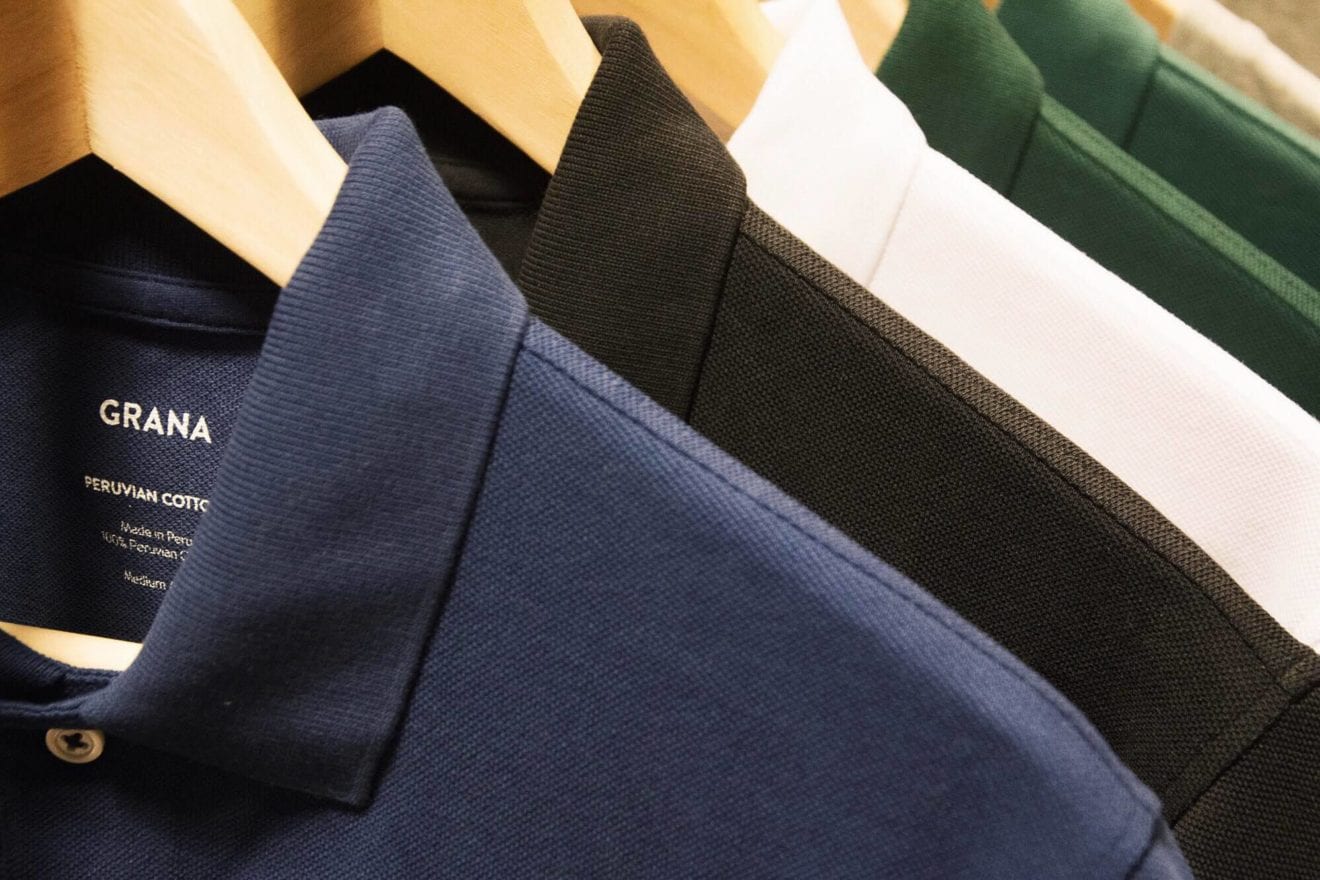
    Fast-growing Hong Kong-based online fashion business Grana has opened a pop up store in Singapore.

    The Grana Singapore pop up is its second – and this one is located in the heart of the city’s retail zone, on Orchard Rd.

    Grana is the creation of Australian Luke Grana, who was inspired by the high quality of t-shirts he came across during a trip to Peru. The site was developed with a unique business model in mind – in Grana’s own words “high-quality fashion at disruptive prices”.

    Last week, Grana announced it had received US$1.5 million in fresh funding led by Golden Gate Ventures which would be invested in expanding the business and running more short term pop up stores in Asian markets to boost brand awareness.

    The Singapore Grana pop up is located on Level 1 of Orchard Central, and will trade until August 5 from 11am – 10pm daily.

    Grana’s business model is a little different to more high profile brand fashion chains.

    “We deal directly with fabric mills instead of going through distributors or agents. Also, by operating online, we don’t have to pay rent,” says founder Luke Grana.

    “So when fashion retailers put in mark-ups along the way, our pricing is really simple: each of our shirts cost US$6, we retail that for US$12; jeans are US$20, we sell that for US$40. It’s a really honest and transparent pricing model and I think that’s what our, Generation Y customers prefer.”

    Grana plans to triple its range of styles, expand its online marketing into more countries and open more pop-up stores, which have proven hugely successful in building brand awareness in Hong Kong.

    This year, Grana is expanding into China, Europe, Japan, South Korea and Dubai. It will also expand its range into new apparel categories: Mongolian cashmere sweaters, Irish linen shirts, French poplin shirts and US twill chinos.

  • 7-Eleven Smart Convenience Store

    7-Eleven Smart Convenience Store

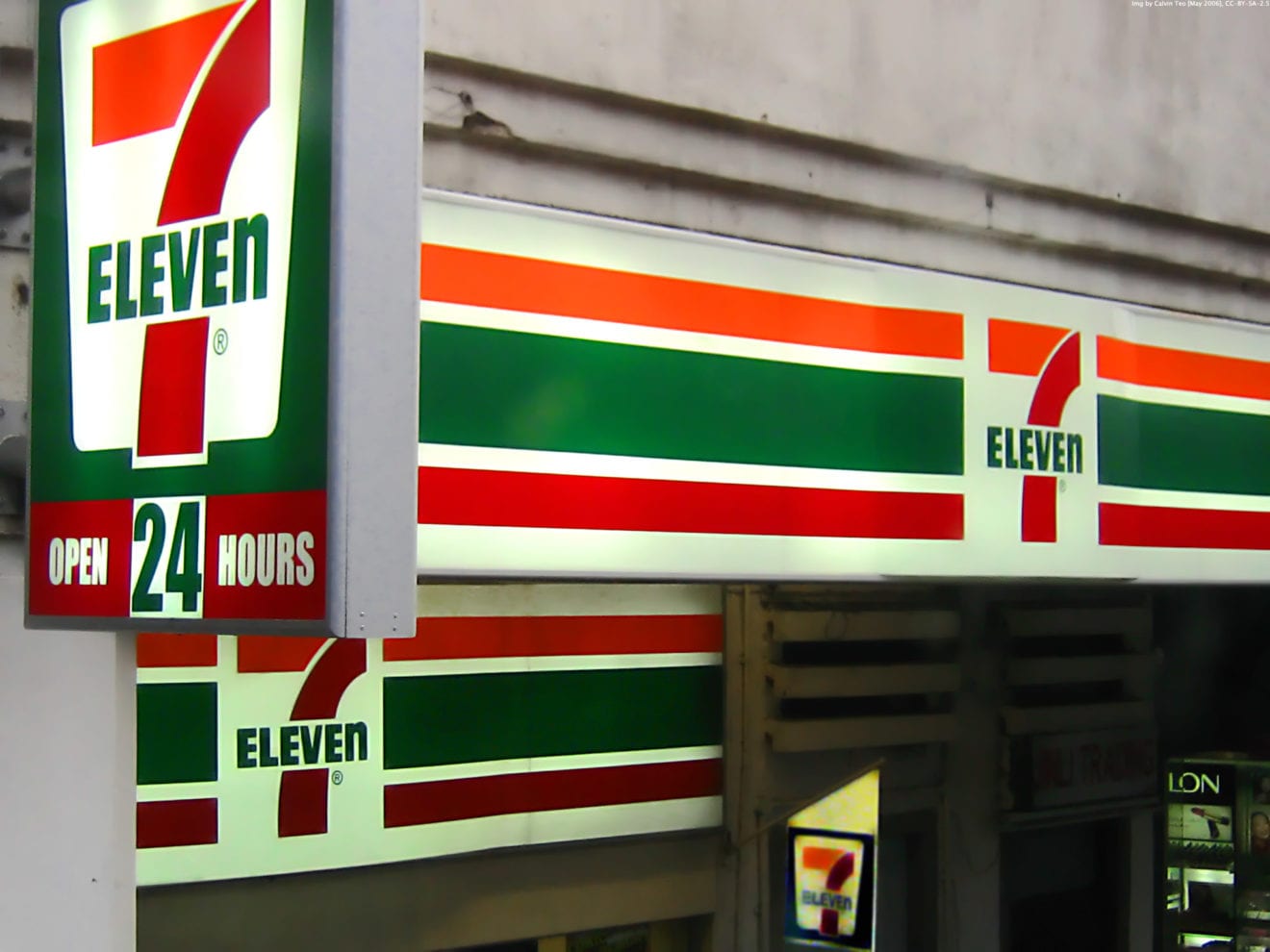
    Customers of a 7-Eleven convenience store in South Korea can literally go dancing in the aisles…

    The new 7-Eleven Smart Convenience Store allows customers to enjoy virtual reality based on IT technologies. On the second floor of its Chinese Embassy store in Seoul’s Myeongdong, 7-Eleven placed six smart tables where customers can enjoy web surfing, gaming and watching Youtube videos in partnership with SK Telecom.

    Among the six tables, one features virtual reality technology. If a customer pushes a button saying “Together with Hyeri” (a member of K-pop girl group Girl’s Day), he or she will appear on a wide screen in the floor standing together with Hyeri, a spokesmodel for 7-Eleven.

    Customers can dance with Hyeri, and even take photos with the idol star. The photos will be forwarded directly to the customer’s smartphone.

  • Thai retailers cut growth forecast

    Thai retailers cut growth forecast

    Thai retailers have cut their growth forecast for 2015 by nearly half, citing economic conditions and the drought.

    Last year’s Thailand’s retail growth was 6.3 per cent despite widespread protests, a military coup and curfews. But this year, with the nation running more normally at business level, the Thai Retailers Association is now expecting a growth rate of just 3.2 per cent.

    TRA president Jariya Chirathivat says the drought, growing household debt and slow government investment in infrastructure ‘mega projects’ is subduing consumer confidence and retail spending.

    In the first half of 2015, Thailand’s GDP rose by three per cent… but retail sales grew by a lacklustre 2.8 per cent, despite inbound tourism numbers beginning to grow again after 2014’s disruptions. Foreign tourist arrivals rose 27.4 per cent in the first six months of this year.

    By category, supermarket sales rose a strong 8.5 per cent – faster than hypermarkets and convenience stores which grew by 1.5 per cent and 2.8 per cent. Specialty store sales rose 2.7 per cent.

    Observes Jariya: “In my opinion, the retail business in the second half will not be bright, as many economic measures such as infrastructure investment may not achieve what the government

  • Tmall.com launches massive grocery campaign

    Tmall.com launches massive grocery campaign

    Tmall.com has launched a RMB 1 billion (US$161 million) online grocery promotional campaign targeted at Beijing users.

    The Alibaba eCommerce subsidiary has teamed up with Cainiao, the logistics affiliate of Alibaba Group, to offer same-day delivery services to Beijing city residents.

    Online grocery shopping is a rapidly growing eCommerce segment and a strategic area of interest for Alibaba Group. The convenience of online grocery shopping has already drawn in millions of users. According to Kantar Worldpanel, China’s FMCG (fast moving consumer goods) eCommerce penetration rate was 36 per cent in 2014, while McKinsey says 40 percent of Chinese consumers have bought food online.

    Tmall Supermarket will run its promotion three times a day, allowing Beijing-based Internet users a chance to win ‘red packets’ that subsidise their grocery purchases. The promotion will end on July 31.

    Beijing residents who order from Tmall’s supermarket before 11 am will be eligible for same-day delivery service. In the future, Tmall Supermarket and Cainiao plan to roll-out same-day delivery services to Shanghai and other Chinese cities.

    Jeff Zhang, president of Alibaba Group’s China Retail Marketplaces, said Tmall Supermarket will draw on Alibaba Group’s complete eCommerce ecosystem – including Alibaba’s advantage in logistics, strength in online payments, big data and cloud computing, to bring consumers the most convenient and secure online shopping experience for quality products.

    Tmall Supermarket was established in 2012 and provides a one-stop shopping solution for Chinese users looking to purchase authentic food products, cosmetics, beverages, snacks and imported items. In the past year, Tmall Supermarket’s Beijing area GMV soared more than 700 per cent with 90 per cent of consumers shopping on their mobile phones.

  • Indonesia tariff ‘own goal’

    Indonesia tariff ‘own goal’

    Indonesia’s hapless government has embarked on a sudden tariff program experts agree will damage its economy and fuel inflation.

    Having just a month ago reduced taxes on luxury goods to encourage its people to spend more at home and less in overseas destinations like Singapore, now the government has slapped a range of tariffs on some 1000 popular goods categories, including cars, condoms, candy, alcohol, coffee and carpets.

    It says the move will stimulate local manufacturing by making imported goods less expensive.

    But economists – basing their comments on a long history of economic governance by Asian countries – agree the move will simply reduce spending and fuel inflation. It’s an economic own goal punishing its citizens and effectively subsidising inefficient, poor quality local producers.

    “Imposing this is out of alignment with the economic integration agenda and a step backward from the global trend of most economies forging free trade agreements towards lower tariffs, if not zero,” said Victor Tay, COO of the Singapore Business Federation.

    “Indonesia has the largest population in Asean and is also a net importer of many products.”

    Tay said imposing such barriers may protect local industry in the short term, but in the longer term might lead to local manufacturers being unable to improve their competitiveness against other regional suppliers.

    “This will not serve the greater business community well, especially if other countries start erecting their own barriers on a reciprocal basis,” he said.

    Indonesian university economist A. Prasetyantoko, concurred: “Higher import taxes would reduce the supply of goods and increase domestic prices, which would in turn further weaken buying power, then economic growth.”

    The new tariffs include:

    • 20 per cent on imported tea and coffee, raised from five per cent.
    • 30 per cent on meat, up from five per cent.
    • 50 per cent on cars, up from between 10 per cent and 40 per cent.
    • 15-20 per cent on confectionery, up from 10 per cent.
    • 150 per cent on imported liquor, previously 125,000 rupiah ($9.30) per litre.

    As one commentator in Singapore observed, the new tariffs are likely to make some Indonesians shift to having a coffee at a local coffee shop instead of at Starbucks.

    Justifying the increases, Heru Pambudi, customs and excise tax director-general, said: “Domestic industry is being overwhelmed by the flows of imported goods. We need to curb these flows so domestic products would not be outnumbered.”

  • Gome in $11.3bn bid for Artway

    Gome in $11.3bn bid for Artway

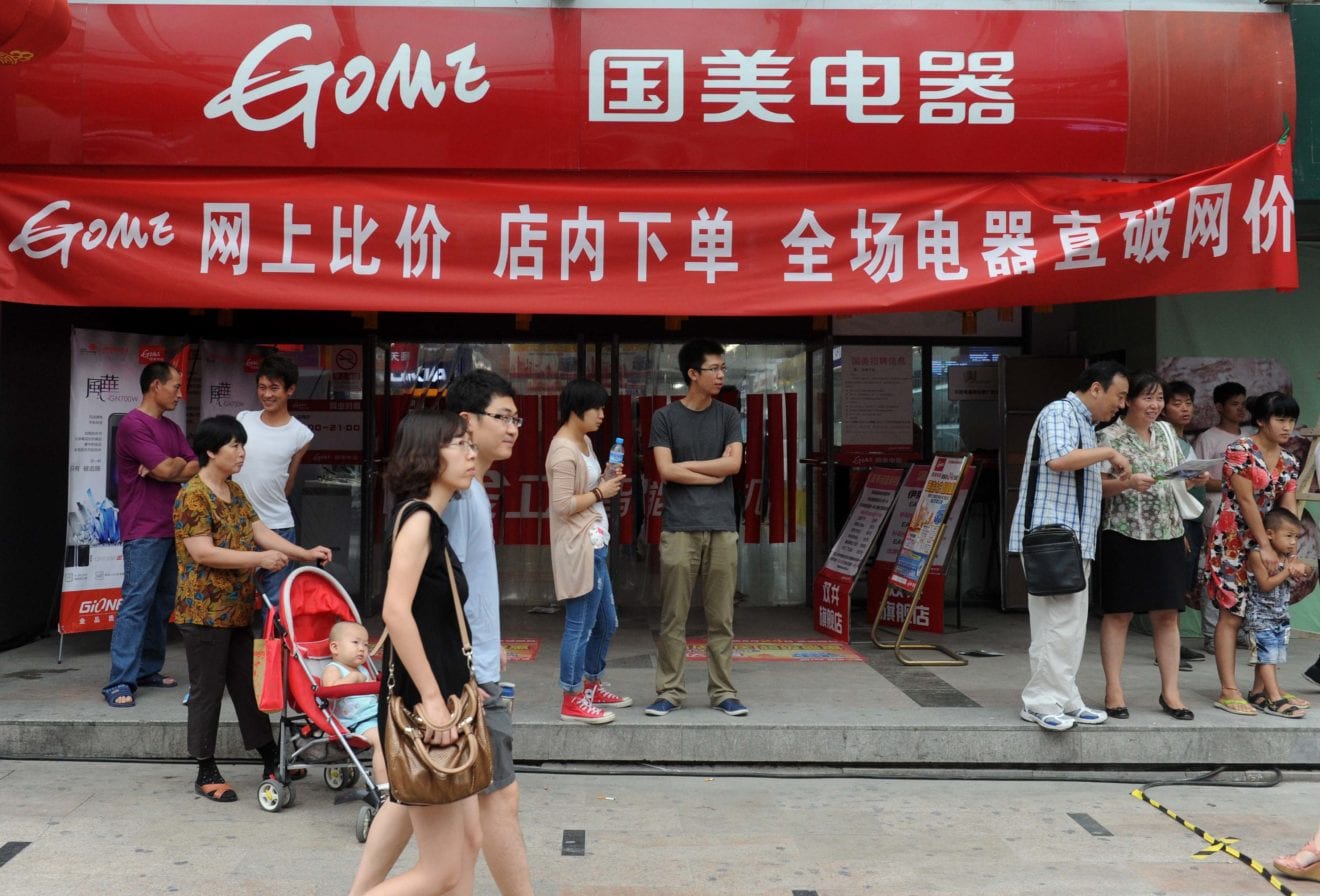
    Gome Electrical Appliances, the Hong Kong-listed Chinese electrical appliances retailer – is planning to spend $11.268 billion acquiring rival Artway Development.

    Buying Artway, wholly-owned by Gome’s controlling shareholder, will allow Gome to expand its presence from 269 cities to 436 cities across Mainland China.

    More importantly, it will significantly boost Gome’s distribution and supply chain operations and bolster its buying power with suppliers.

    Wang Junzhou, Gome’s CEO, said the acquisition will further strengthen Gome’s total retail value chain and fuel its expansion in second and third-tier markets, and eCommerce development in particular.

    In a statement, Gome said its leadership in the electrical appliances and consumer electronic products retail market in the PRC will be strengthened further upon the acquisition,” Gome said in a statement.

    “With the injection of quality retail stores and creation of synergies in supply chain, Gome will take advantage of the growth potential offered by both the online and offline platforms to bring forth a better total retail experience to consumers.”

    Gome says it expects the acquisition to reap synergies from the integration and sharing of resources in retail sales operations, procurement, logistics, after-sales services, warehousing, information technology infrastructure and human resources.

    “Other benefits include facilitating a more flexible fulfilment management, as well as cost savings in warehousing and distribution.”

    Gome says Artway’s stores are largely located in fast-growing second and third-tier cities, which are highly complementary to the group’s existing retail store network.

    “Concurrently, the empowerment of the retail store network will accelerate the Group’s eCommerce development, promoting full integration online and offline.”

    Artway has 578 stores in 181 Chinese cities. Most are located in Central and Western China, Bohai Bay and the Beijing-Tianjin-Hebei region forming part of China’s Economic Zones with significant governmental support. The latter includes the Silk Road Economic Belt, Greater Northeast Economic Area, Yangtze River Economic Belt and Beibu Gulf Economic Zone.

    The merger of the logistics networks will give the company full nationwide reach, a significant boost to its eCommerce potential.

    “The acquisition will enable Gome to upgrade its existing logistics network which covers 21 regional and 407 city distribution centers, by bringing together the listed and non-listed logistics arms. With the support of its 1714 retail stores, the group is poised to successfully complete its national logistics coverage deployment, forming a multi-dimensional logistics network with regional and city warehousing as well as national last-mile distribution coverage spanning more than 600 cities, 2500 counties and 45,000 towns that can enjoy localised distribution and installation,” Gome said.

  • Reliance in 1000-store telco deal

    Reliance in 1000-store telco deal

    India’s Reliance Industries is to build a network of 1000 stores, the consumer face of a new 4G mobile phone network.

    The new mobile phone network will be launched in December with 1000 stores branded ‘Jio Centers’. The network itself will be called Jio.

    The store network will sell Jio-branded mobile phones and be backed up by 500,000 licenced connectivity outlets and one million recharge outlets. These customer contact points will be operational by December, when the network – undergoing beta testing from next month – will boast 80 per cent coverage of India.

    The stores will also sell Samsung, Apple, Huawei and Xiaomi phones for connection to its network.

    “Reliance Digital would be a catalyst by making available entry level to ultra premium 4G LTE smartphones… in driving the device ecosystem in India for Jio,” the company said in a statement.

    Reliance Industries operates in a number of sectors, although its base is in energy and retailing. It is headed by Mukesh Ambani, India’s richest individual.

  • Louis Vuitton wins Singapore copycat case

    Louis Vuitton wins Singapore copycat case

    Luxury brand Louis Vuitton has successfully sued a Singapore retailer for selling imitations of its goods.

    The High Court in Singapore ordered Cuffz, a retailer located in Raffles City shopping centre, to pay Louis Vuitton $35,000 in statutory damages for selling wallets which, in the court’s view, “imitated” the French brand’s own products.

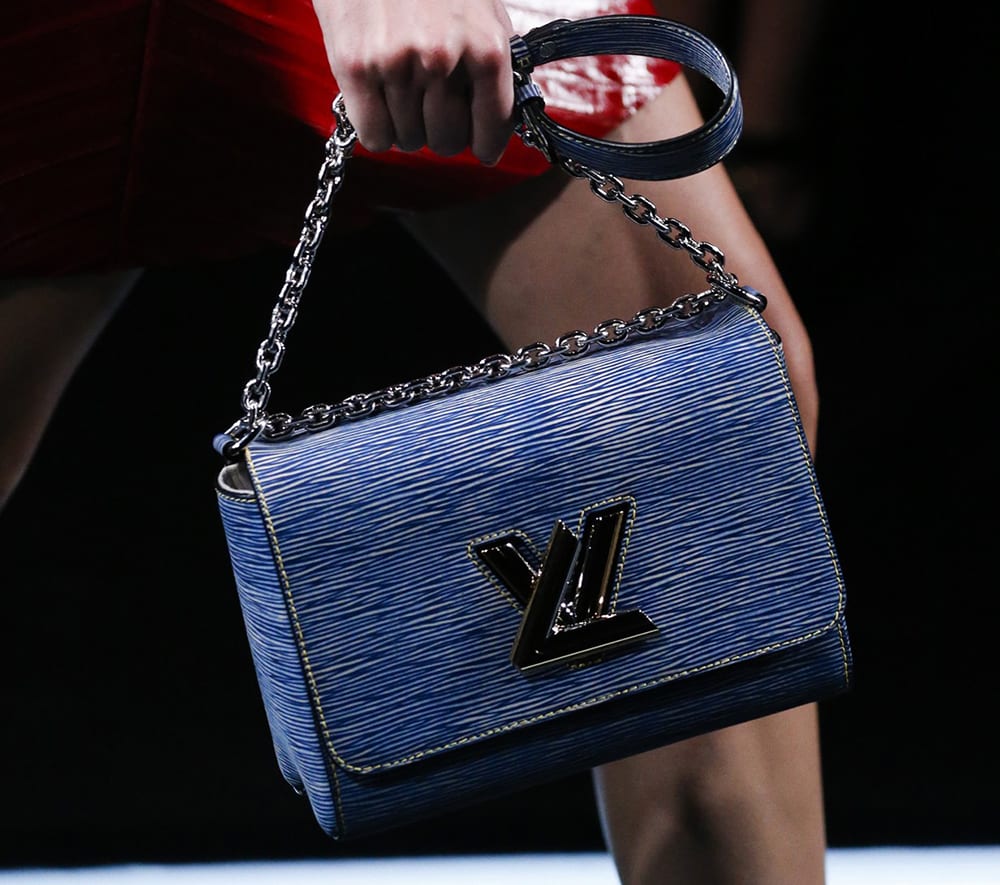
    The wallets bore the ‘Epi Mark’, Louis Vuitton’s trademark interweaving ridges and valley in a recognisable two-tone effect, according to court documents.

    Assistant court registrar Edwin San issued a strongly worded written decision  observing Cuffz “demonstrated a contumelious disregard” for Louis Vuitton’s intellectual property rights and was a business which “flagrantly dealt in counterfeit goods”.

    The store closed in May last year soon after a police raid led to the seizure of allegedly infringing goods centreplace in this case.

    While the victory marks a clear win for Louis Vuitton, with the court’s decision leaving little room for misinterpretation, similar such cases in the past have been less clear cut.

    In Hong Kong, six years ago, LV withdrew criminal charges against high profile watch retailer City Chain for trademark infringement, alleging it used the LV flower design in a range of watches. Judges concluded that while the flower patterns were similar to Louis Vuitton’s, they were not identical.

    Louis Vuitton had sought $100,000 in damages – but the case was never about money. It was about Louis Vuitton sending a message to retailers that it was prepared to actively protect its trademarks and intellectual property.

  • Honda Click 125i scooter imported into India for R&D purpose

    Honda Click 125i scooter imported into India for R&D purpose

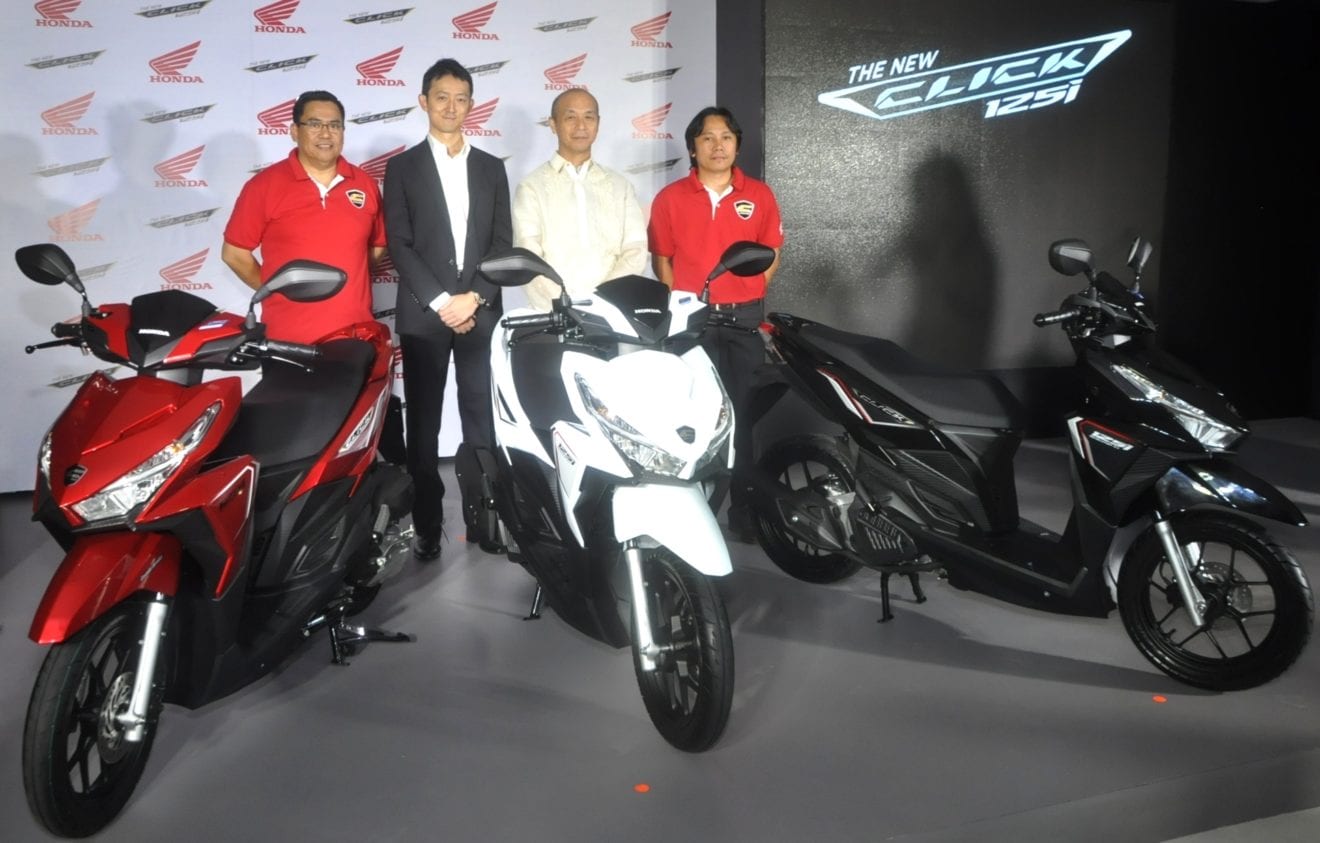
    Seeing the growing two-wheeler market, two-wheeler manufacturers are launching their new products to increase market shares. Last month, Honda’s Activa range of scooters has put the Japanese manufacturer at number one position in scooter sales. It seems that Honda wants to further enhance its sales in the scooter segment. The company has just imported the Click 125i scooter into India for research and development purposes and might even think about launching it in the future.

    Honda Click 125i scooter imported into India for R&D purpose
    Dubbed as the ‘future of scooters’, the Click 125i is a sleek and sharp looking scooter that was mainly developed for countries like Thailand and Indonesia. The Click 125i is powered by 125cc PGM-FI built-in Liquid cooled engine that gives 11.4 PS of maximum power and 11.16 Nm torque.

    It also has ‘The Idling Stop System’ (ISS) technology that helps the company to achieve high fuel efficiency. This system removes wasteful fuel consumption by automatically switching the engine off after 3 seconds in traffic lights and other short stops; and when you have to move all you have to do is just twist the throttle. The Click 125i is claimed to return an excellent fuel efficiency of 64.3 km/liter that is the highest number in 125cc segment scooter.

    To further provide the benefit of Honda Smart Technology, the Click 125i is also equipped with is Combi-Brake System (CBS) which balances braking at rear wheels and front wheel evenly. Though the scooter has been imported for R&D purpose, the possibility of Honda launching Click125i in India cannot be ignored.