Author: Mei Ling Tan

  • Indonesians pressure the country’s largest telco to lower data costs

    Indonesians pressure the country’s largest telco to lower data costs

    Indonesians are pissed off about Telkomsel’s data package pricing policy. While they’re considered expensive for Jakartans, Telkomsel – Indonesia’s state-owned and largest mobile carrier – charges up to twice as much for the same amount of data if you happen to live in a bad “zone.”

    To protest this, activist Djali Gafur started a petition called “Internet for the people“. It has already accumulated over 10,000 signatures.

    Telkomsel divides the archipelago into 12 districts. Jakarta, as well as most parts of Java and the surrounding islands are in Zone 1, and tariffs actually go up as the areas get more remote. West Papua’s Raja Ampat district, for example, is in Zone 12.

    “We in Zone 12 don’t have a choice,” says Gafur in the petition on Change.org. It’s true because Telkomsel is often the sole carrier in remote areas. The others don’t even bother because the infrastructure costs outweigh the opportunities.

    Gafur demands that people in his area get access to the internet for an equal price, so that they too can participate in things like education, tourism, government, and creative industries online. “If [the connection] is a little slow, that doesn’t even matter so much,” he adds.

    Indonesia’s ICT Minister Rudiantara has since responded to the petition, and met with Telkomsel’s president director to discuss the matter, according to local media.

    Rudiantara said that the government is looking into subsidizing Telkomsel in areas where it is the only operator on the ground, supported by the Universal Service Obligation (USO) fund.

    The USO in its current form has been in place since 2005. Mobile phone carriers operating in Indonesia have to contribute 1.25 percent of their gross revenue into a shared pool, which non-profit government agencyBP3TI deploys toward connectivity programs in remote areas.

    Apparently, BP3TI is not quick enough to keep up with the demand for affordable mobile internet connectivity in the remote parts of Indonesia.

    Indonesia currently has no regulation on data tariffs, but according to Rudiantara, discussions on this will take place in 2016. In order to allocate funds from the USO to support Telkomsel in said remote zones, USO’s structure has to be changed. That will take time. For now, it’s up to Telkomsel to respond to the increasing frustration from people in zone 12.

  • Changi continues with new T4 leasing process

    Changi continues with new T4 leasing process

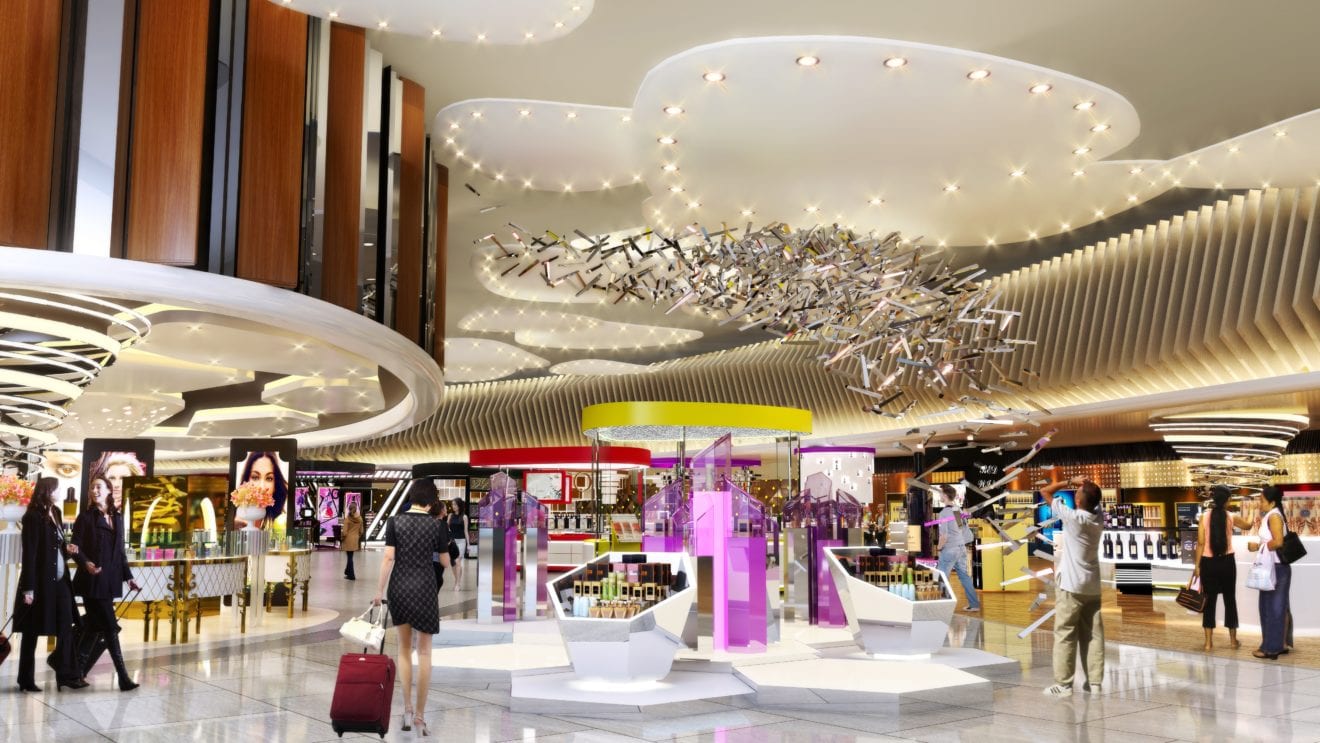
    The Changi Airport Group (CAG) has received its first expressions of interest from ‘established travel retail companies as well as popular international and local brands’ interested in concessions at its new 195,000sq m Terminal 4, which is due to open in 2017.

    As reported, the S$985m ($741m) terminal with a planned annual 16m passenger capacity will comprise 17,000sq m of retail and F&B space for more than 80 outlets, with expectations that the overall quality standards will be at least comparable to those offered in Changi’s other terminals.

    Interestingly, airport management added: “In another Changi first, passengers will have a unique walk-through experience shopping for Liquor & Tobacco and Cosmetics & Perfumes. There will also be a cluster of double-volume retail shop fronts, as well as innovative design concepts for a differentiated shopping experience.

    Meanwhile, Changi reports ‘good progress’ with its T4 project development and construction works, which started last year. The terminal building is now reported to be more than 70% complete, with the main superstructure now recognisably visible. The actual completion of the superstructure is now expected before the end of this year.

    This will then trigger the next phase, which will include the installation and testing of key airport systems such as kiosks for check-in and bag-drop, plus the baggage handling system, as well as the preparation of Terminal 4’s commercial spaces.

    It has also been confirmed that five more airlines – AirAsia Berhad, Indonesia AirAsia, Thai AirAsia, Korean Air and Vietnam Airlines – will all operate at T4, joining with Cathay Pacific.

    CAG said: “In total, these six airlines currently operate almost 800 flights every week at Changi Airport and collectively accounted for close to 7m passenger movements in 2014. With T4’s breakthrough terminal design and innovative concepts, passengers of these airlines can expect enhanced travel experiences at T4.”

    Airport management adds that it expects a few other airlines will also operate at T4 when it opens and it is forecasting between 8m and 10 m passenger movements in the initial period of operations.

    Changi Airport Group (CAG) Executive Vice President Commercial, Lim Peck Hoon underlined the high expectations that the airport’s commercial team has for its new retail and F&B offerings at T4.

    She said: “We want to inspire our partners to dream big with us, to think up show-stopping store designs and innovative retailing concepts to delight and surprise our passengers and airport visitors and create an airport shopping and dining experience like no other.”

  • China’s Multi-Level Marketing ban: a workaround?

    China’s Multi-Level Marketing ban: a workaround?

    Multi-Level Marketing (MLM), a type of Direct Selling System, is a marketing strategy where the company’s sales force is highly dependent on the salesmen they have hired in different tiers of selling.

    This is a marketing strategy in which the sales force is compensated not only for sales they generate, but also for the sales of the other salespeople that they recruit. This recruited sales force is referred to as the participant’s “down-line”, and can provide multiple levels of compensation.

    This type of organisational structure can be quite enticing as it has the opportunity to build up a big networking distribution without investing a considerable and consistent amount of money.

    The main features followed by Multi-Level Marketing organisations are:

    • Organisers, or operators, who take in new members calculate and pay salaries to a member on a different level according to the number of new members they have introduced either directly or indirectly, as well as the sales performance of the member.
    • Organisers request new members to hand in a sum of money as a precondition to joining.
    • The organisers, or the operators, encourage members to invite more people join, forming a multi-level relationship.
    • The salaries of members at a certain level are based on the sales of members at a lower level.

    The main factors that needed to be taken into account before setting up any networking and marketing plan for an enterprise are the size of the market, high quality products to sell and efficient internal training. The base concept of these activities is that the salesman’s gain is in proportion to the quantity and quality of the products that he, or she, is able to sell to potential clients.

    However, with the MLM Pyramidal Structure, the highest position always gets a percentage of the sales from those who are in the bottom positions. Some companies that wish to set up this type of structure want to incorporate a five or more level system.

    From our experience, a large number of foreign companies have expressed interest in entering into the Chinese market through this Multi-Level Marketing structure. However, they are going to be disappointed. In 2005, Chinese Government enacted a law called “Regulation of Direct Sales and Regulation on Prohibition of Chuanxiao” (where Chuanxiao stands for MLM). With this regulation China makes clear that while Direct Sales is permitted in the mainland, Multi-Level Marketing is not.

    Even if allowed, Direct Sales must follow several rules. The company is required to: have a business license, can only pay out one level of commission, the sellers have to follow an advanced training course offered by the company and by the end of the course they have to get a license and the direct sellers must wear a badge to prove their status.

    In addition, the personal seller’s commission it set at 30 per cent of the sales, including bonuses, commission, and other benefits. Because of the multi-level payment structure, the organisers and the members at top level obtain interest illegally and, according to the Chinese Government, disturb normal economic order, and affect social stability.

    On the contrary, in Taiwan and Hong Kong MLM is legal. It is common to see salesmen from these regions selling in the mainland using Taiwanese or Hong Kong addresses and banks to become sales reps in these jurisdictions while at all times living and working in China. The legality of this is questionable.

    Even after the application of “Regulation of Direct Sales and Regulation on Prohibition of Chuanxiao”, many companies are still operating under the MLM structure and this does not seem to be changing. Nu Skin Enterprise, for example, was under investigation for its illegal pyramid scheme. They were accused of relying more on signing up new salespeople than actually selling products to customers. Nonetheless they still play an important role in China’s marketplace.

    They are not the only company who is following this sales model, other such enterprises all act within the Chinese market with MLM structures.

  • Osim mulls ‘challenging’ quarter

    Osim mulls ‘challenging’ quarter

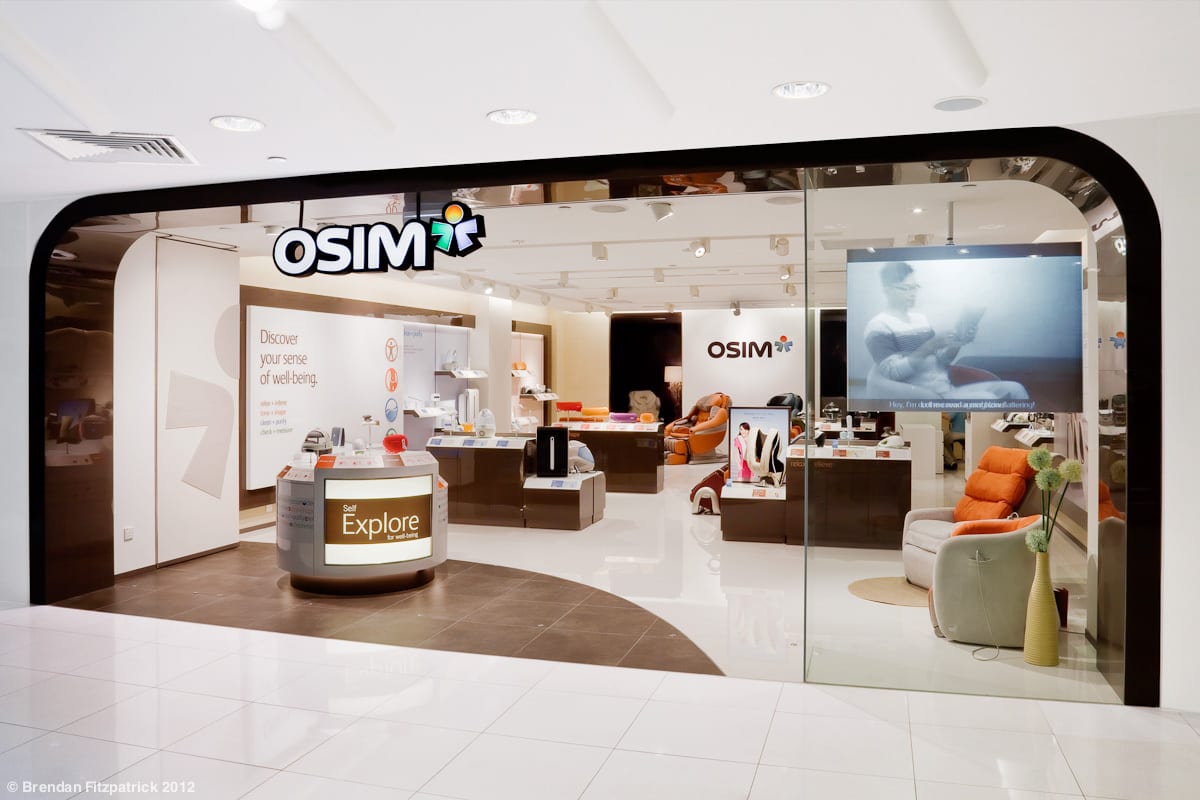
    Singapore based lifestyle products retailer Osim says trade across all its core markets were soft in the last three months.

    “This has been another challenging quarter,” the company said, declaring sales of SG$159 million and a profit of $29 million.

    “Despite these challenges, our dominant brand has enabled us to maintain a stable gross margin and cash generative business. We are continuing to invest for growth supported by a strong balance sheet.”

    Osim has 560 retail stores in 23 countries, with China maintaining its place as its largest market, where it has 251 stores in 45 cities.

    New products including uMagic, uInfinity Luxe, uDiva, uHip, uSqueez Air, uTrek and uShape Music helped sustain Osim’s dominant position in the category.

    “Our GNC outlets are doing well. We have a total of 220 GNC/RichLife outlets in ONI Global

    and we are growing our sales through new product launches,” the company said.

    Osim also operates 47 TWG Tea outlets, having opened four new ones in the quarter and with plans to open a further 11 in the second half of the year.

    “We remain optimistic on the prospects for the remainder of the year following launch of uMagic in key markets and upcoming planned product launches,” the company said in its stock exchange filing.

  • Daphne shutters stores as sales slide

    Daphne shutters stores as sales slide

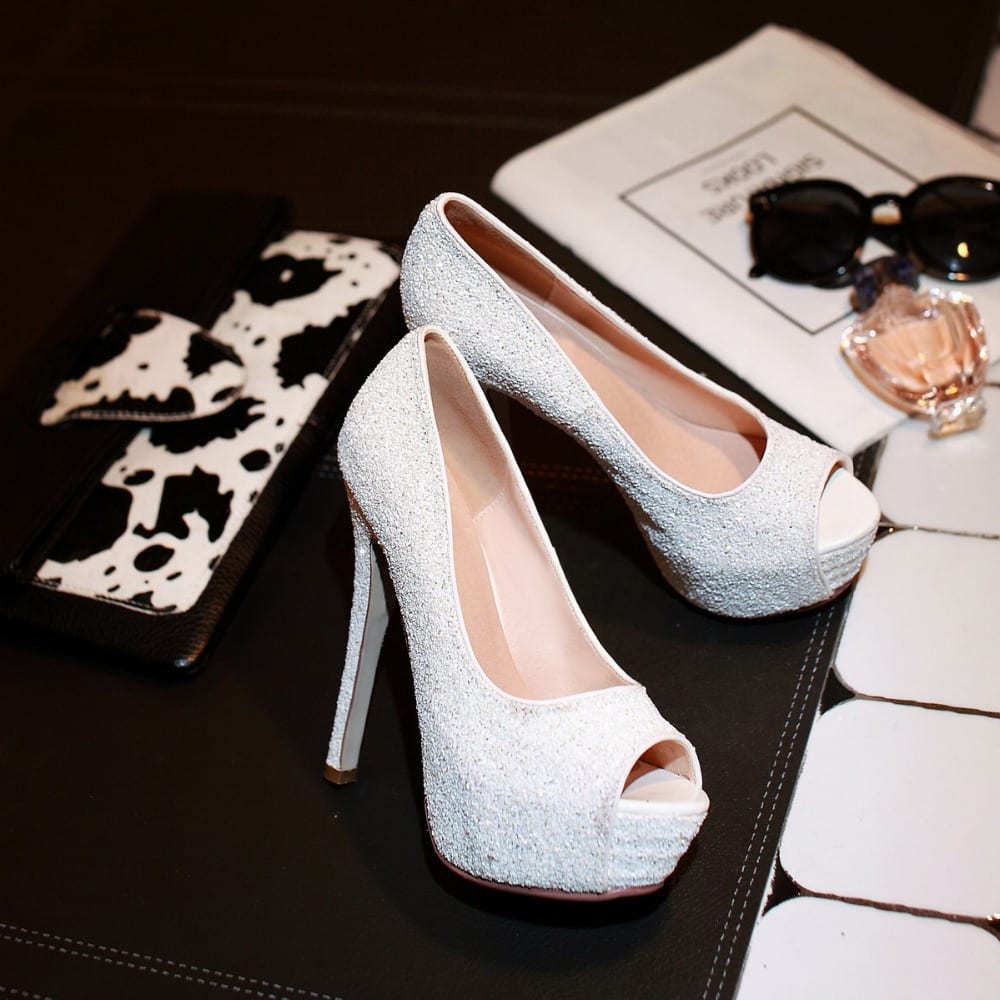
    Hong Kong-listed shoe retailer Daphne International Holdings has issued a profit warning as it shutters nearly 200 stores.

    Daphne operates the Daphne and Shoebox retail brands in Mainland China.

    The company has reported the year on year, same store sales fell 16.9 per cent in the first half of 2015, and by 17.7 per cent in the second quarter.

    In the first six months of the year, Daphne closed 181 stores – 117 directly-managed and 64 franchised stores, the majority in the second quarter. But it still has 6221 points of sale.

    “During the first half of the year, the consumer sentiment remained soft, yet the erratic weather with delayed spring and summer seasons further dampened the appetite for shopping. This led to intensified competition in the mass market segment for ladies’ shoes as some aggressive peers offered deep discounts much earlier,” the company said in its quarterly sales filing.

    “However, the group upheld its discounting policy until the adverse effect of the weather subsided.”

    Turnover of the Core Brands business recorded a decline of low-teens percentage year-on-year for the first half of the year, as a result of a negative same store sales growth performance and net store closures.

    “In an attempt of further market segmentation, the group refined Daphne product range into seven product series in this spring/summer season to broaden its appeal to customers and to increase its differentiation from the competitors.”

    Daphne International also added one of the top young actresses in Mainland China, Cecilia Lau, to its group of spokespersons (including the popular Korean actress, Jun Ji-Hyun, and pop singer and actor, Nicholas Tse) to endorse one of its core product lines – Cosmopolitan.

    “By increasing the association of the product lines with the spokespersons, it helped build a strong brand image, and improved the marketing efforts,” the company said.

    Gross profit margin expanded due to the improved sales mix during the first half of the year, however, the decrease in sales exerted significant pressure on operating margin and the inventory management.

    Shareholders were warned not to expect good news when the financial statements for the first half are released.

    “For the six months ended 30 June 2015, the group is expected to have a significant decline in profit. The decline in profit was mainly attributable to a decline in same-store sales, decreased sales and negative operating leverage which resulted from the high fixed-cost structure of the group’s retail operation.”

    The group will now focus on boosting sales, inventory management, expense control and accelerating its eCommerce growth and will step up its promotional activities for the remainder of the summer season.

    Daphne is also working on an expansion plan for its eCommerce business and will allocate more resources to fuel its growth and O2O initiatives, which will include deepening its collaboration with various eCommerce platforms.

    “While the performance for the first half is below expectations, the group endeavours to improve its performance for the second half of the year,” it said.

  • Hamleys Singapore opens its doors

    Hamleys Singapore opens its doors

    The world’s oldest toy store is now open in Singapore.

    Hamleys is now trading in Plaza Singapura on the city state’s prime shopping strip Orchard Rd.

    Occupying 12,000 sqft across two floors of Plaza Singapura, the Hamleys store boasts prominent street frontage along Orchard Rd.

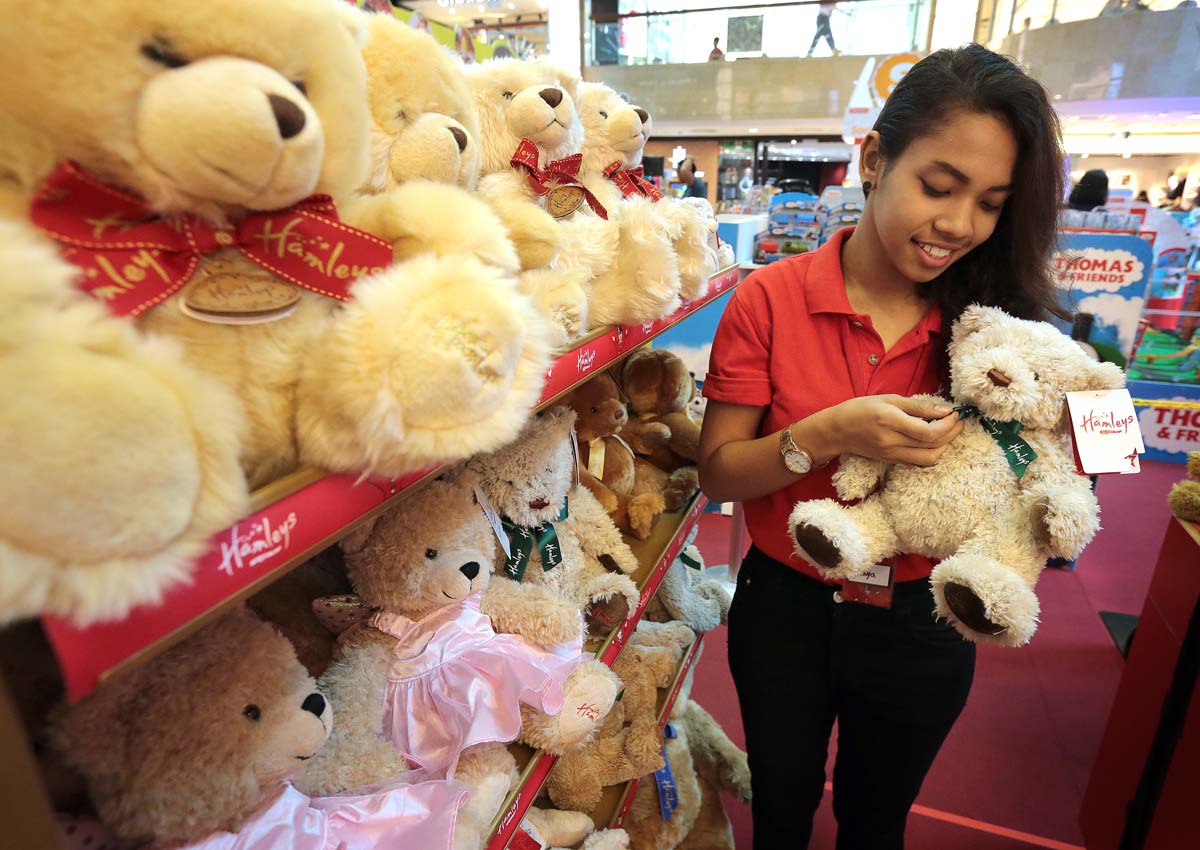
    Dubbed ‘The Finest Toy Shop in the World’ the new store promises an exciting in-store concept where playing is encouraged. Shoppers will find themselves immersed in a magical toy wonderland stocked with more than 10,000 toys, ranging from the traditional to the high-tech, as well as games and puzzles, arts and crafts, magic props, the Luvley Boutique – where girls will find an exciting selection of hair and nail products – and the iconic Hamleys Teddy Bear.

    Hamleys’ unique approach focuses on ‘bringing toys to life’ for children and families by actively encouraging children to play with the toys in store or by engaging with expert toy demonstrators. Understanding that memories underpin the essence of the Hamleys brand, the toy store will arrange for shoppers to meet the Hamleys Bear and popular characters such as  Barbie, Peppa Pig and the Teenage Mutant Ninja Turtles on special occasions.

    Ong Kee Leng, GM of Plaza Singapura, said that when introducing new-to-market brands, the centre looks for those with an established international track record.

    “The addition of Hamleys to Plaza Singapura will further enhance our position as a one-stop destination mall for families and friends, centrally located on Orchard Rd. We are confident that children will build lasting memories of unbridled joy and unforgettable fun times while adults will relive wonderful childhood years at Hamleys.”Plaza Singapura, also known as PS, is one of the oldest and largest malls on Orchard Rd. Established in 1974, it was the first to pioneer the all-in-one shopping concept, introduce anchor tenants and multi-storey parking.  The nine-storey mall which was recently revamped features over 300 stores and a 170m frontage along Orchard Rd.

  • Fred Perry Newest Bangkok flagship

    Fred Perry Newest Bangkok flagship

    BuckleyGrayYeoman has designed a new store concept for Fred Perry in Asia.

    The new Bangkok flagship is one of the star tenants of the newly opened EmQuartier shopping centre developed by The Mall Group.

    The store is the second BuckleyGrayYeoman designed in the Far East and the practice’s latest fitout in its tenure as Fred Perry’s Worldwide Retail Design Consultant.

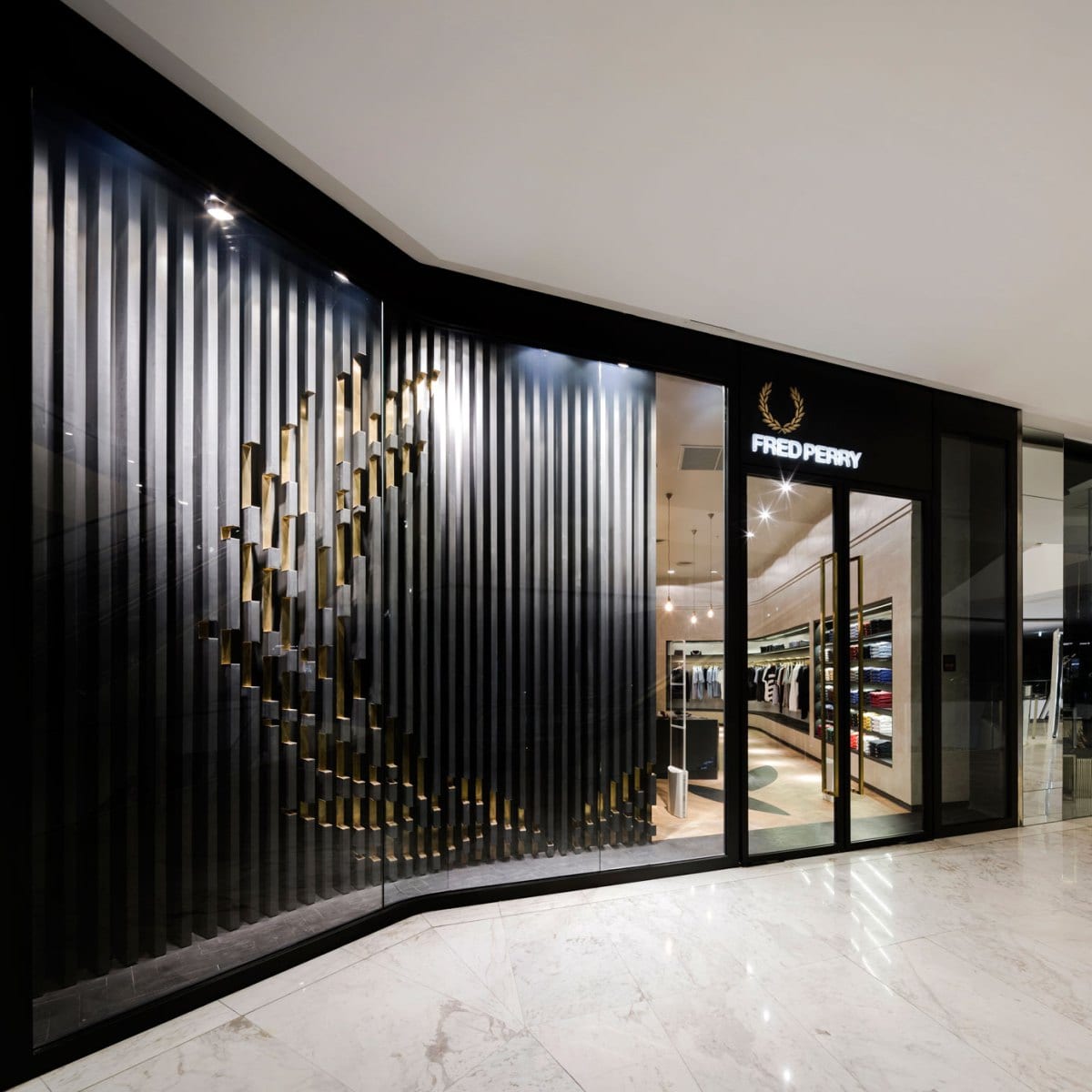
    The Fred Perry Bangkok store in EmQuartier represents “a subtle development of the Fred Perry design language” developed by the architectural practice, which has resulted in “a contemporary and elegant boutique, designed to fit in with the selection of international luxury brands selected by the mall,” according to Paul White, director in charge of the project.

    “EmQuartier is an exciting new development for Bangkok that brings together a truly stellar collection of international retail brands. To match the tone of the development, we have successfully modified our core design strategy, creating a smart interior that aligns with the ethos of EmQuartier while retaining the definitive Fred Perry DNA,” said White.

    The store presents an open plan layout and sophisticated materials palette featuring concrete, black steel, timber and polished brass which contrasts with the wooden parquet flooring. A supersized signature Fred Perry laurel wreath logo has been drawn into the plan, influencing the shape and position of the seating and custom-made cabinets. In addition, BuckleyGrayYeoman  created a sense of luxury in the shopfront by using a striking ribbed black steel and brass strip wreath on a series of large scale artworks incorporating the Fred Perry laurel logo.

    Formed in 1997, BuckleyGrayYeoman is based in Shoreditch, London. Its past projects include Fashion Street in Shoreditch and 25 Soho Square in central London.

    BuckleyGrayYeoman has completed stores for Fred Perry in Cardiff, Westfield Stratford in London and now Munich.

  • Electronic City invests online

    Electronic City invests online

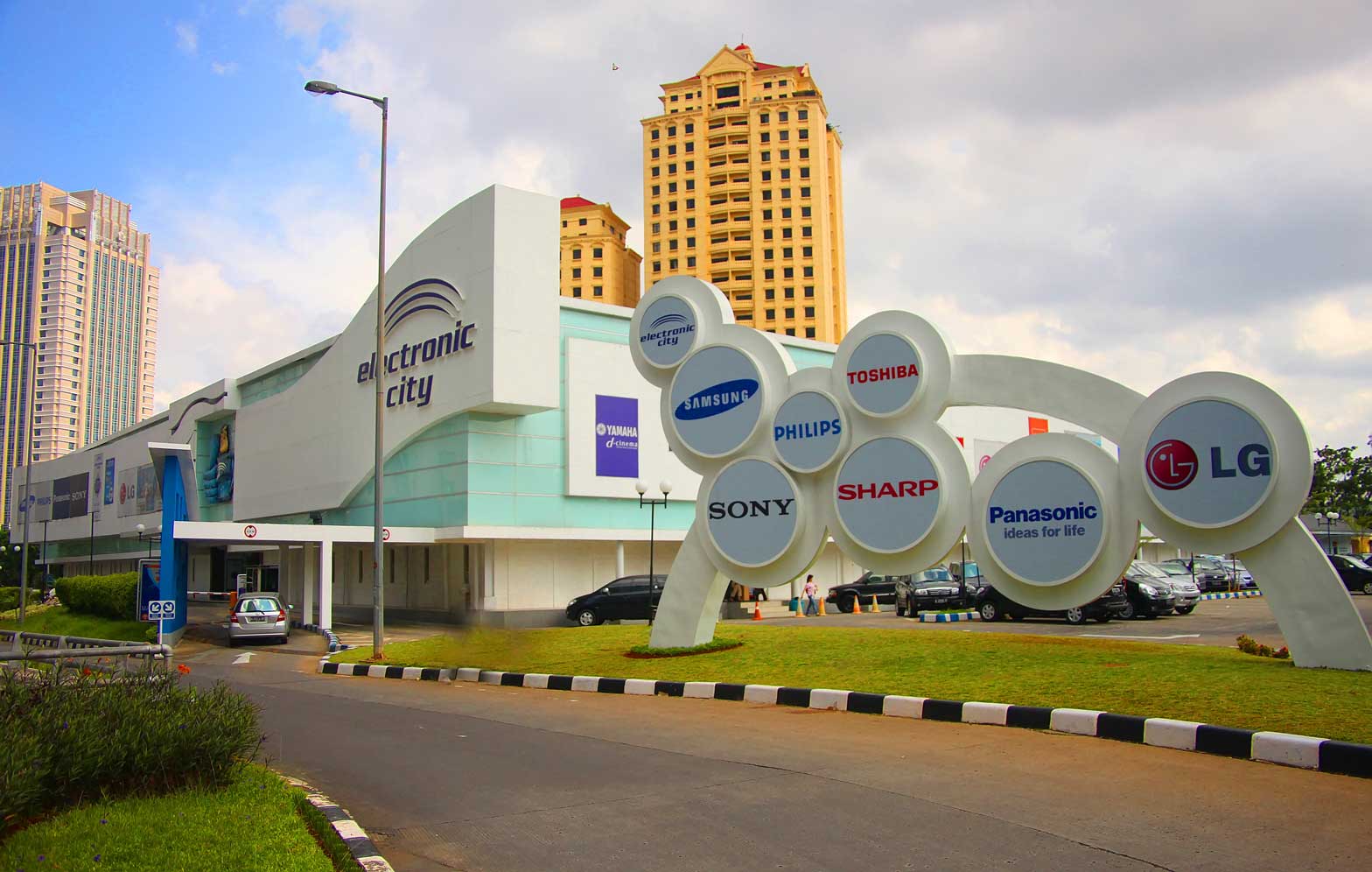
    Indonesian appliance retailer PT Electronic City is to invest US$15 million on strengthening its online shopping site and to develop its back end IT infrastructure.

    It will also open another seven stores this financial year and renovate some of its existing outlets.

    Electronic City has 70 stores across Indonesia, operating in 22 cities in 15 provinces.

    The 14 year old company, which listed two years ago, has reported a stunning 600 per cent year on year increase in sales through its eCommerce site during the month-long Ramadan fasting season.

    The overall business is budgeting for 10 per cent revenue growth this year, its stores selling IT and office equipment, mobile devices, home appliances and audiovisual equipment. It holds a share of about 41 per cent of the Indonesian appliances market.

  • Walmart China takes full control of online JV

    Walmart China takes full control of online JV

    Walmart China has taken full ownership of its Chinese eCommerce joint venture Yihaodian.com, buying out the 49 per cent stake held by local owners.

    In addition to seeking a higher profile in eCommerce, Walmart said it plans to create a “seamless experience” for customers across online, mobile and stores.

    Three years ago Walmart China took control of Yihaodian by bumping up its stake to 51 per cent. While the company pales in size compared to local eCommerce rivals Alibaba and JD.com, the world’s biggest retailer has been building up its online business in the wake of mediocre sales in the US, in a direct challenge to online competitor, Amazon.

    The investment will help Walmart target China’s fast-growing online market at a time when largely bricks and mortar retailers are feeling the pinch of competition from online rivals and a slowing of the world’s second-largest economy.

    Wal-Mart’s Asia head, Scott Price, said earlier this year that online retail was important to help tap China’s younger generations and that the firm would increasingly look to weave together its online and offline presence in the market.

    Walmart, France’s Carrefour and Britain’s Tesco have all seen sales or sales growth slip over the past five years in China, losing market share to local rivals.

    Yihaodian will be headed by Wang Lu, president and CEO of Walmart Global eCommerce in Asia.

    Walmart’s move also comes after China said last month it will allow full foreign ownership of some eCommerce businesses, with the goal of encouraging foreign investment and the development and competitiveness of the sector.

    “Yihaodian has excelled as one of China’s top eCommerce businesses. We’re excited about the team at Yihaodian and their strong local e-commerce experience,” said Neil Ashe, president and CEO of Walmart Global eCommerce.

    “This local experience, combined with Walmart’s global sourcing and our strong local retail presence and supply chain will allow us to deliver low prices on the products customers need in new and exciting ways,” he said.

    “Our investment in Yihaodian is part of our long-term commitment to grow in China and we look forward to continuing to play a positive role in the development of the eCommerce industry,” said Ashe.

    Walmart China acquired the remaining shares from Ping An of China, a financial services group, and the co-founders, former Chairman Gang Yu and former CEO Junling Liu.

  • Alibaba.com reduces cross-border risk

    Alibaba.com reduces cross-border risk

    Alibaba.com has expanded a free service that offers refunds to disgruntled buyers who use the international wholesale trading platform to purchase goods from overseas suppliers.

    Under the B2B website’s upgraded Trade Assurance program, buyers who make purchases from participating Alibaba.com suppliers will be entitled to full refunds of their deposits, or if applicable the total value of their orders, if suppliers ship products late or if product quality does not meet contract specifications.

    Launched in May, the program initially included only Chinese suppliers with reliable track records of trading on Alibaba.com who volunteered to participate. Within a month, coverage will be expanded to all suppliers who volunteer and are qualified to participate regardless of home country. About 50,000 suppliers have joined the program, according to Alibaba.com, a subsidiary of Hangzhou, China-based Alibaba Group.

    Trade Assurance protects buyers by holding deposits or payments in escrow until they are satisfied that suppliers have lived up to the terms of their sales contracts. The program is designed to reduce risk and foster greater trust and trade among Alibaba.com buyers and suppliers, most of whom conduct business over the Internet and never meet in person. Alibaba.com sells no products itself; the company runs an online marketplace that hosts virtual stores of manufacturers, distributors and other sellers, the majority of them based in China.

    “By providing maximum trade protection, Alibaba.com aims to make cross-border trading easier, therefore empowering small-and medium-sized businesses to engage in global trading,” said Alibaba Group senior VP Wu Min Zhi.

    “By lessening concerns and building trust in international trade, we are committed to introducing more trade opportunities to Alibaba.com members,” Wu said in a statement.

    “As a result, small businesses will not miss out the benefits of international trading due to trust concerns over product quality or payment security.”

    Trade Assurance protection is available to all of Alibaba.com’s millions of global buyers, provided the supplier they want to do business with is approved for the program. To vet suppliers, Alibaba.com uses data analytics to assess past performance and trading histories over six-month periods. The program currently only covers payments made by telegraphic transfer (T/T), but other payment methods will be covered in the future, Alibaba.com said.

    To help make it easier for small businesses to identify reliable trading partners, Alibaba.com encourages suppliers who qualify for the Trade Assurance program to display a Trade Assurance icon on their Alibaba.com virtual storefronts. To further improve transparency, storefronts also display the total number of transactions and total value of deals the supplier has completed over the previous 12 months. In addition, Alibaba.com will show how often and how quickly qualified suppliers respond to customers.

    Meanwhile, Alibaba.com says its “e-Credit Line” service – which provides trade financing to small businesses using Alibaba.com – is now expanded into Australia.

    Through a partnership between Alibaba.com and Australian finance company AUSvance, Australia-based small businesses can apply for loans and lines of credit in under five minutes through a streamlined process and obtain a line of credit from AU$5000 to AU$300,000 to pay suppliers for purchases on Alibaba.com.

    A decision based on an automated credit scoring model will be made within 60 seconds, and full approval can be granted within 24 hours after verification of documentation from the applicants, according to Alibaba.com. The interest rate is as low as 1.15 per cent per month for Alibaba.com customers.

  • Mitsubishi Shifts Focus to Smaller, Emerging Economies

    Mitsubishi Shifts Focus to Smaller, Emerging Economies

    With its decision to end auto production in the U.S., where Detroit’s Big Three and global giants dominate, Mitsubishi Motors Corp. has become the latest second-tier car maker to shift its focus away from crowded, mature markets to smaller emerging economies where there is less competition and more chance to grow.

    Japan’s sixth-biggest car maker—which produces about 1.1 million cars a year—said last week that it is ending production at its only U.S. plant, in Normal, Ill. At the same time, Mitsubishi Motors is ramping up its operations in Southeast Asia, building a plant in Indonesia and starting production this year at a factory in the Philippines that the company acquired from Ford Motor Co.
    Other small auto makers have taken a similar approach, including Suzuki Motor Corp., which largely withdrew from the U.S. market in 2012 to concentrate on places such as India, where it is the market leader, and Daihatsu Motor Co., which abandoned the U.S. two decades ago to focus on markets such as Indonesia.

    “We have a long history in Thailand, Indonesia and the Philippines, a larger market share compared to other regions, and a strong brand image, which are very big advantages,” Mitsubishi Motors Chief Executive Osamu Masuko said in an interview earlier this year.

    The expanding population and growth potential in the region are also attractive, he said. In addition to fast-growing markets such as Indonesia, he cited future prospects in countries such as Myanmar, Cambodia and Laos, which until now have barely featured in auto makers’ global strategies.

    Mitsubishi Motors will continue selling cars in the U.S. by importing vehicles from Thailand and Japan, a move analysts say will likely boost profitability because a weakening yen is letting Japanese auto makers make vehicles more cheaply at home than in the U.S.

    The U.S. factory, however, last year produced fewer than one-third of the 222,000 vehicles it made at its peak in 2000, because of slow sales in the U.S. as well as dwindling exports to Russia. Mitsubishi Motors said Monday that it would work with the United Auto Workers union, which represents employees at the Illinois plant, to try to find a buyer.

    “The reality is that the scale of the [U.S.] plant is very small compared with manufacturing plants of other companies,” Mitsubishi Motors’ president and chief operating officer, Tetsuro Aikawa, said during a news conference Monday. “It was becoming clear that the plant didn’t have an economic rationale.”

    Mitsubishi Motors’ shift highlights the economic realities for smaller car makers, some of which are choosing to concentrate their limited financial resources on emerging markets to tap demand for new cars. That focus lets the car makers design and build models better suited to consumers in their selected markets. Mitsubishi, for example, is developing a new compact multipurpose vehicle for Indonesia, where such cars, with high capacity and low operating costs, are popular.

    Emerging markets also tend to have fewer competitors than mature ones. Although Japanese car makers, led by Toyota Motor Corp., have been operating in Southeast Asia for decades and dominate the market, U.S. and German auto makers have struggled. In Indonesia, Japanese auto makers together hold about 90% of the market share. This year, General Motors Co. shut its assembly plant in Indonesia. It is now shifting strategy to team with a Chinese joint-venture partner, SAIC Motor Corp., to manufacture and sell low-cost minivans in Southeast Asia’s most populous nation.

    In recent years, Mitsubishi Motors has been increasingly oriented toward Southeast Asia, which now accounts for roughly 20% of the auto maker’s annual global sales. Thailand, where Mitsubishi has three factories, has become an export hub for the company.

    Shares in Mitsubishi Motors rose 5.5% on Monday, as analysts said the company could reap savings by ending U.S. production. Mitsubishi currently manufactures the Outlander Sport at the U.S. plant, but it plans to shift output of that model to a plant in Japan.

    Masataka Kunugimoto, an analyst at Nomura Securities, estimates that costs to make the Outlander Sport in Japan would likely be at least ¥200,000 ($1,615) lower per vehicle than in the U.S., because of a weaker yen.

    Some analysts say that if the yen strengthens, Mitsubishi Motors might pull out of the U.S. altogether.

    “If current foreign-exchange levels continue, it can continue exporting” from Japan to the U.S., said Koji Endo, an automotive analyst at Advanced Research Japan. “But in the case that the yen strengthens again in the future, there’s a possibility that it won’t be able to export.”

  • Hong Kong + Indonesian Fashion Meet at “Batik Crossover”

    Hong Kong + Indonesian Fashion Meet at “Batik Crossover”

    “In Style – Hong Kong”, a large-scale promotion organised by the Hong Kong Trade Development Council (HKTDC), is coming to Jakarta 14-20 September 2015. The promotion will showcase a range of Hong Kong lifestyle products as well as business services to Indonesian entrepreneurs and consumers.

    The innovative “Batik Crossover” display is a highlight of the week-long “In Style – Hong Kong” promotion, which also includes a product expo for trade buyers at the Jakarta Convention Center 17-19 September 2015, a citywide retail and gourmet promotion at venues across Jakarta for consumers and a symposium with various business networking activities as well as a high-level Gala Dinner for Indonesian businesses.

    Symbol of Collaboration

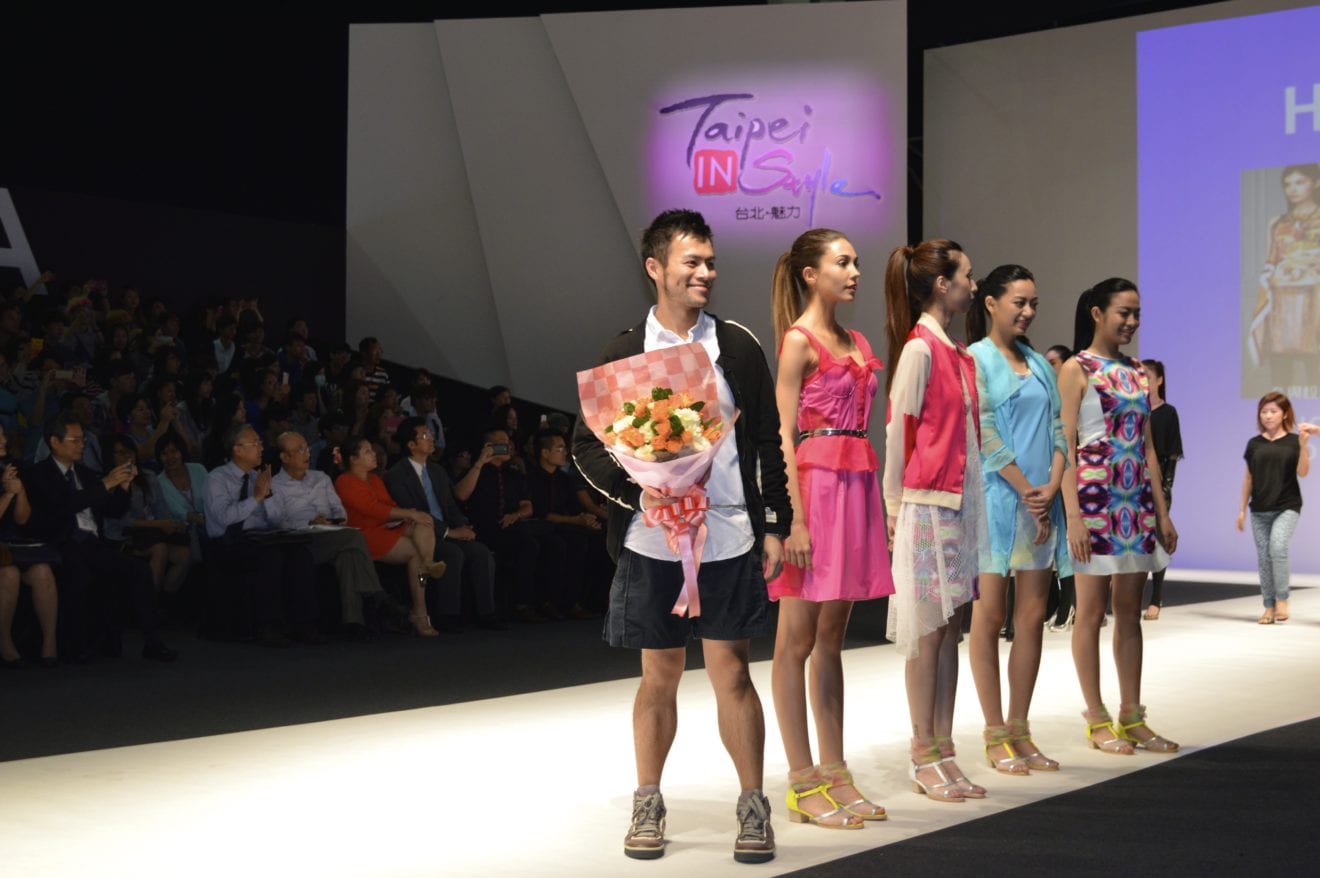
    Six collections by renowned Hong Kong designers will feature in “Batik Crossover”, with works created from the traditional Indonesian fabric. The designs by Lulu Cheung, Walter Kong with Jessica Lau, Walter Ma, Aries Sin, Harrison Wong and Cecilia Yau will be unveiled at the Fashion Hong Kong catwalk show during the Gala Dinner (by-invitation only) on 17 September, before going on public display at Grand Indonesia Shopping Town.

    “‘Batik Crossover’ is about combining a fine Indonesian craft with Hong Kong fashion design talent, symbolising the ‘In Style – Hong Kong’ theme of style, creativity, and collaboration between Indonesia and Hong Kong. We believe this initiative would be inspirational to Indonesian consumers,” said HKTDC Director of Product Promotion, Stephen Liang.

    Lulu Cheung – Indonesian Roots

    Bandung-born Hong Kong fashion designer Lulu Cheung’s love of batik dates back to her early childhood, when she wore casual clothing made from the material. Today, the renowned designer’s bond with the fabric is being rekindled through her “Batik Crossover” collection.

    “This is my first try at batik design. I will mix Hong Kong and Indonesian fashion cultures to create a contemporary look. I hope I can also give the cloth a new, impactful look,” said Ms Cheung, who, at the age of five, moved to Hong Kong with her family. “I’ve long been fascinated with batik, even keeping two batik moulds for many years as art pieces.

    “Batik is one of the core elements of Indonesian art and culture. The printing and colour represent part of the country’s culture and contemporary arts trends. In the past, the most natural dyes and colours and the most original methods were used to make the patterns. My mum told us batik colours would never fade.”

    Ms Cheung designs a wide range of womenswear, from casual to formal wear, Her clients include Hong Kong models such as as Kathy Chow, Eunice Chan, Vanessa Yeung and Janet Ma. Since her first runway show at Hong Kong Fashion Week in 1989, she extended her catwalk rounds internationally and has received multiple awards, including the International Fashion Editors’ Best Hong Kong Collection Award at Hong Kong Fashion Week in 1996, and the Certificate of Merit for Excellence in Fashion Design at Hong Kong Fashion Week in 1992 and 1994. Ms Cheung was named one of the Ten Outstanding Designers at the Hong Kong Art & Design Festival in 2006.

    Walter Kong and Jessica Lau – Fairy-tale Fantasy

    “Batik is something new to us. The fabric has a strong cultural element, but we’d like to integrate different cultures into our collection as well. The fabric is quite light, colourful and energetic. Because of its colour, it actually is quite feminine,” said Jessica Lau.

    “Our batik pieces will be based on our latest collection inspired by the Nutcracker. They are surreal, colourful and comfortable and flatter the female body. Our target customers are career women,” Walter Kong added.

    Mr Kong and Ms Lau design contemporary east-west fusion womenswear that can be easily mixed and matched for various occasions. They have dressed Hong Kong actresses including Aimee Chan and Grace Chan, both former “Miss Hong Kong” winners. Mr Kong was the 2007 Overall Winner of the HKTDC-organised Young Designers’ Contest. Ms Lau, a Central Saint Martins College of Art and Design graduate, was named “Best Emerging Fashion Designer 2009” in London by Artstalker creative group.

    Walter Ma – Attention to Detail

    Veteran designer Walter Ma will use batik in his evening gown designs. “The material is very comfortable, but it needs adapting to be used in evening gowns, so my collection will feature batik detail rather than being made totally with batik. The design concept is mainly beading and embroidery,” said Mr Ma.

    Mr Ma designs a wide range of fashion, including womenswear and menswear. He was honoured with the Merit Award at the Design Gallery show staged at the Hong Kong Fashion Week for Fall/Winter 1996. In 1997, he was awarded the “Energetic and Creativity Award” of Porsche Design and the “Artist of the Year Awards 1997 – Fashion Designer”. His clientele has featured internationally acclaimed Hong Kong actors and actresses, including Maggie Cheung, Andy Lau and Aaron Kwok.

    Aries Sin – Futuristic & Fun

    Aries Sin aims to give batik a modern twist. “I’m still learning about batik. There’s lots of potential in using this fabric in different ways. I have picked one that has a picture on it. I think it will match my collection,” said Ms Sin.

    “I will try to make it more international. I will use a contemporary way to present the material, and use the fabric in a more futuristic way, so maybe you can see something fun in the collection. And it’s going to be unisex.”

    Ms Sin’s unisex pieces have been worn by renowned Hong Kong singers including Miriam Yeung, Denise Ho and Andy Hui. In 2013, she was named by Perspective magazine as one of “40 under 40” design talents, and won the bronze award at the “Design for Asia Awards 2013” organised by the Hong Kong Design Centre.

    Harrison Wong – Casual Charm

    Harrison Wong is getting creative with the traditional material. “The batik technique of wax-resistant dyeing gives the cloth a beautiful pattern and colour, and it feels good, too. I will turn this traditional fabric with traditional pattern, into a contemporary street fashion look for men, which is a challenge. I guess the design will be interesting,” said Mr Wong.

    The menswear specialist was Overall Winner at the Hong Kong Young Designers’ Contest and captured a Special Award at the Asian Fashion Grand Prix Contest (organised by Association of Total Fashion in Japan) in 1996. With a Master’s degree with distinction from the London College of Fashion, Mr Wong has designed women’s and men’s seasonal collections for international runways in New York, Milan, Shanghai, Taipei, Sydney and Hong Kong.

    Cecilia Yau – Creative Classic

    Cecilia Yau’s inspiration came from her childhood journeys. “The theme for my collection will be ‘A Midsummer Night’s Dream’, inspired by my Southeast Asian travels as a child when, during the hot evenings, I would imagine myself being part of Shakespeare’s play, ‘A Midsummer Night’s Dream’,” said Ms Yau, a young yet experienced and well-known award-winning designer specialising in bridal wear and haute couture.

    “The batik I am going to use features deep blue, purple and golden yellow colours, with the latter resembling moonlight. Batik is versatile and I will use it in an unconventional way. My design will feature 3D cutting, representing a romantic and elegant rendition of the Shakespearean classic.”

    Graduating with a degree with distinction from ESMOD International in Paris, Ms Yau was Overall Winner of the Hong Kong Young Fashion Designers’ Contest and winner of the Hong Kong Fashions Association Creative Award in 1999. The Hong Kong Communication Art Centre recognised her as one of The Ten Outstanding Designers in 2008, and the Outstanding Greater China Designs Winner in 2013 and 2014. She was named among the “Ten Outstanding Young Persons” in 2013. Ms Yau has participated in various large-scale fashion shows including the Fukuoka Asia Fashion Festival, the Shanghai Fashion Festival and New York Fashion Week. Her celebrity clients include former Miss Hong Kong Michelle Reis, Hong Kong singer Linda Wong, and Chinese mainland actresses Huang Yi and Irene Wang.

    In addition to “Batik Crossover”, Mr Kong and Ms Lau, as well as Ms Sin and Mr Wong will also be exhibitors at the “In Style – Hong Kong” Expo (17-19 September).

  • Caffe Bene Opens 4th Indonesian Branch in Aeon Mall in Tangerang

    Caffe Bene Opens 4th Indonesian Branch in Aeon Mall in Tangerang

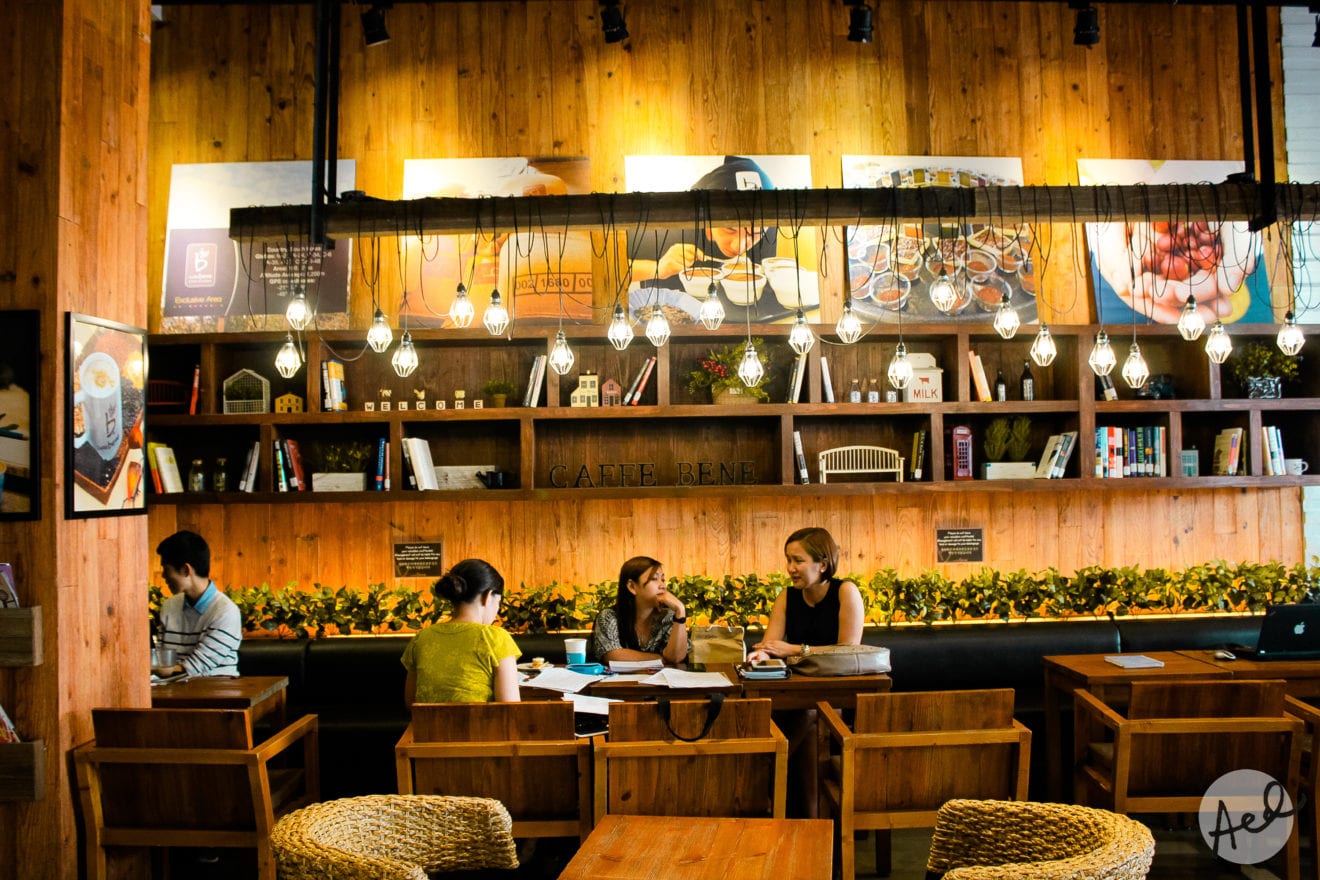
    Caffe Bene, a South Korean coffee franchise, is accelerating its marketing in Southeast Asia. The company has opened its fourth branch in the Aeon Mall in Tangerang City, the company said on July 15. The city is near Jakarta, the capital of Indonesia, the country that produces the largest amount of coffee in Asia.

    Caffe Bene’s Aeon Mall café is on the first floor of the Aeon Mall shopping center, a new fixture of Tangerang City. The café has 108 seats in the area of 280 m2, 52 seats of which are in the outdoor terrace in front of the entrance of the shopping mall.

    Tangerang City is a “new city,” which attracts many local people on the weekend. The city is also a middle class residential area. The Indonesia Convention Exhibition (ICE) is nearby as well, giving the area a lot of floating population. The ICE hosts various fair events as well as the performances of overseas musicians, including Korean pop stars like Big Bang.  The city also has commercial areas around the Swiss German University and Prasetiya Mulya Business School, which may bring steady profits throughout the year.

    In addition, Caffe Bene has a new menu, having studied local customers while enhancing its competence attributed to “South Korean café culture.” The company released “K-Coffee,” which is a reinterpreted version of South Korean sweet coffee. The company also provides “frappenos” made of ground ice, as well as hot beverages.

    Moreover, considering the local food culture where people have meals and deserts at once, Caffe Bene has developed an affordable meal menu that includes pasta and pizza at around 6000 to 7000 won. The company has also developed new foods made with kimchi, which are adjusted for the local taste.

    Caffe Bene has now entered 11 overseas markets across North America, Asia, and the Middle East. The company has 40 shops in the United States, and recently opened a 7th shop in Malaysia, and 8th and 9th shops in Mongolia, developing its brand in Southeast and Central Asia.

    An official of Caffe Bene said that the company’s marketing strategy is localization, while emphasizing its own competence and South Korean café culture.  The Aeon Mall branch of Caffe Bene will brand itself as a South Korean style café providing a menu tailored for the local taste, the official said. The company will also provide events and additional services to attract customers.

  • GrabBike is officially launching in Bangkok

    GrabBike is officially launching in Bangkok

    GrabBike – a part of GrabTaxi – is an on-demand service for motorcycle taxis. GrabBike is officially launching in Bangkok on August 5th, which makes Thailand the third country on GrabBike’s expansion across Southeast Asia, after Vietnam and Indonesia. However the company itself, GrabTaxi, is no stranger to Thailand. Its regular taxi-hailing service has been around since October 2013.

    In Indonesia, GrabBike competes with a similar local service called Go-Jek., but as far as I know, GrabBike will be the first to offer app-based motorcycle hailing in Thailand. (Please correct me if I’m wrong.)

    GrabBike-Bangkok-launch

    Thailand vs. Indonesia

    There’s one key difference in the “motorcycle-taxi market” in Thailand vs. Indonesia:

    Most moto-taxis in Thailand are registered with the government, wear a yellow vest and have an ID card. I wonder if GrabBike will work in some form of partnership with them, and whether they got full government approval?

    In Indonesia, the legal status of services like GrabBike and Go-Jek is still debated. Motorcycle taxis have so far not been regulated in any way. And Go-Jek and GrabBike drivers are even getting bullied by motorcycle taxi drivers who prefer the old ways.

    We’ll report more on how the service is received in the “Big Mango” after the launch.


  • The Hotelier Awards China Returns

    The Hotelier Awards China Returns

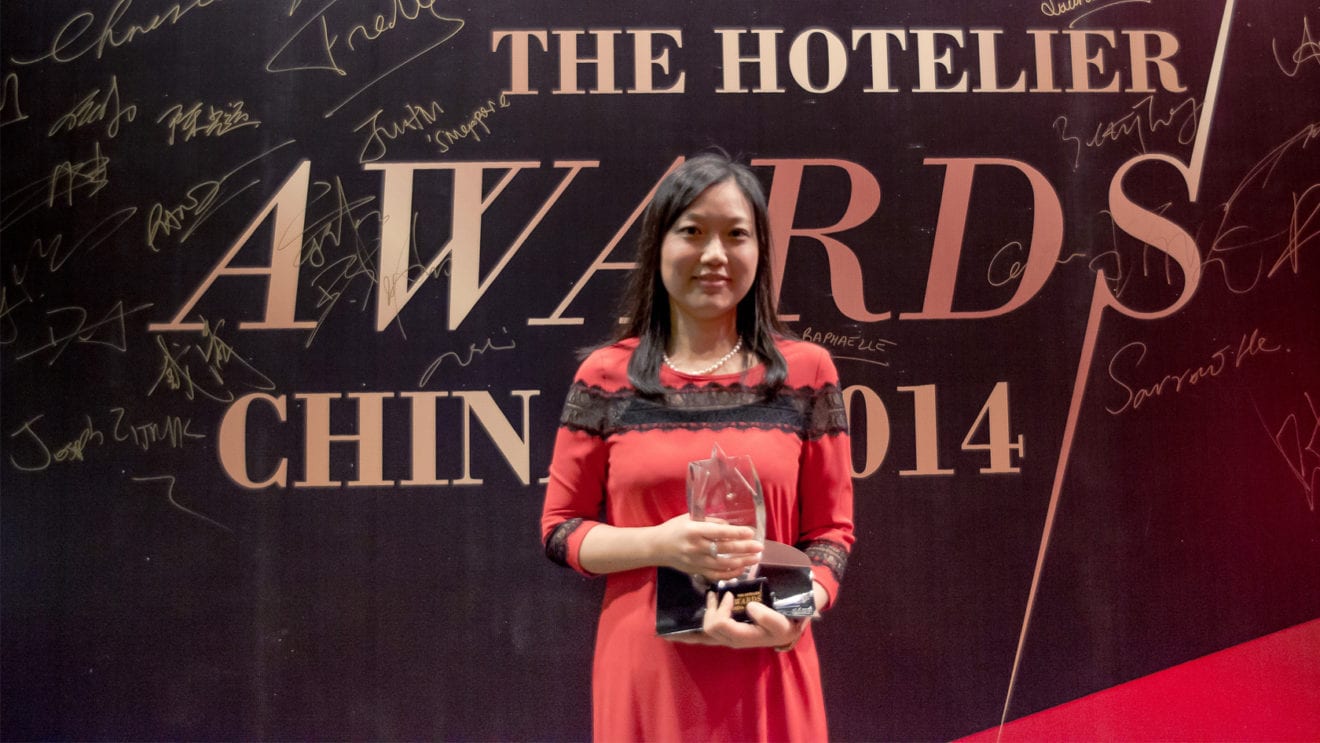
    The Hotelier Awards China 2015 is now accepting applications from hotels across mainland China, Hong Kong and Macau to celebrate their finest employees. The Awards, that took place for the first time in 2014 with over 300 applications from some 100 properties and 44 brands, are going from strength-to-strength with double the amount of applications expected in 2015.

    The Awards are unique in the fact that they are independently run, judged by an esteemed panel of global players from the industry and celebrate the individuals that make the booming Chinese hotel industry tick rather than just the hotel properties. It is an opportunity to celebrate the outstanding achievements of individuals who are the best in their field and often fly under the radar and may shy away from the limelight.

    Award categories cover the entire industry from Chef, Sales and Hotel Manager of the Year to IT, CSR and Spa Manager of the year. This year’s awards will see 19 separate categories in total with three categories added including Corporate Hotelier of the Year, Owner Representative of the Year and Engineering Hotelier of the Year.

    “The Hotelier Awards China is a celebration of brilliance – the pinnacle of appreciation of the people bringing life to a hotel,” says Stephane DeMontgros, Co-Founder of The Hotelier Awards China. “A hotel’s brilliance is not just attributed to a luxury interior; peel back the lavish fixtures and fittings and a group of people stand before you. It is these individuals who breathe life into a hotel.”

    “We launched the awards as China is experiencing explosive growth in the hospitality industry and this is set to continue unabated in the next few years. With the wide variety of luxury and boutique hotels, among some of the world’s finest, the Awards offer a fantastic opportunity to give something back to the people who are really making the industry boom.”

    Hotels nominate their finest staff and the nominations are then put to the global judging panel of five experts from the travel and hospitality industry. This year’s panel includes Yona He from Forbes Travel Guide, Alison Gilmore who heads the International Luxury Travel Market (ILTM) worldwide portfolio, the CEO and Board member of Edipresse Media Asia – Zita Ong, Sacha Stocklin from the hospitality college Les Roches Jinjiang, Shanghai, and Jingsheng Xu – the General Secretary of National Hotel Association, China.

    A shortlist of six candidates in each category will then be created by the end of September followed by phone interviews with all shortlisted nominees to help support the judges’ final decisions ahead of the big announcement in December. The final awards are announced among the glitz and the glamor of The Hotelier Awards China 2015 black tie dinner on December 10 with more than 300 of the Top Hoteliers from across the region in attendance.

    2014 winners include Brian Tan from Fairmont Yangcheng Lake as Hotel Manager of the Year, Apple Wang from The Portman Ritz-Carlton, Shanghai as Concierge of the Year, Ada leng Chio de la Cruz from Mandarin Oriental, Macau as Marketing & Communications Hotelier of the Year and Bahram Sepahi from Four Seasons Guangzhou as General Manager of the year.

    “I am honored to be given this award,” says Ada leng Chio de la Cruz from Mandarin Oriental, Macau. “It is great recognition to the past decade of commitment to my job… The process that I have gone through in the Hotelier Awards China application has made me even more proud as it is a very fair and detailed judgement from top professionals and influencers in tourism and hospitality industry.”

    “Receiving the title of ‘The General Manager of 2014’ at The Hotelier Awards China was a distinct honor. I feel tremendous pride to be given such an award and recognition,” says Bahram Sepahi from Four Seasons Guangzhou. “I would advise all hoteliers to be involved and consider their application… I believe it is truly the right thing to do and I encourage everyone to participate in The Hotelier Awards China program.”

    The application procedure is now open until August 21 2015 for all hotels across Mainland China, Hong Kong and Macau through www.hotelierawards.com/awards-2015/applications/.