Author: Mei Ling Tan

  • Optical 88 reports strong Hong Kong sales

    Optical 88 reports strong Hong Kong sales

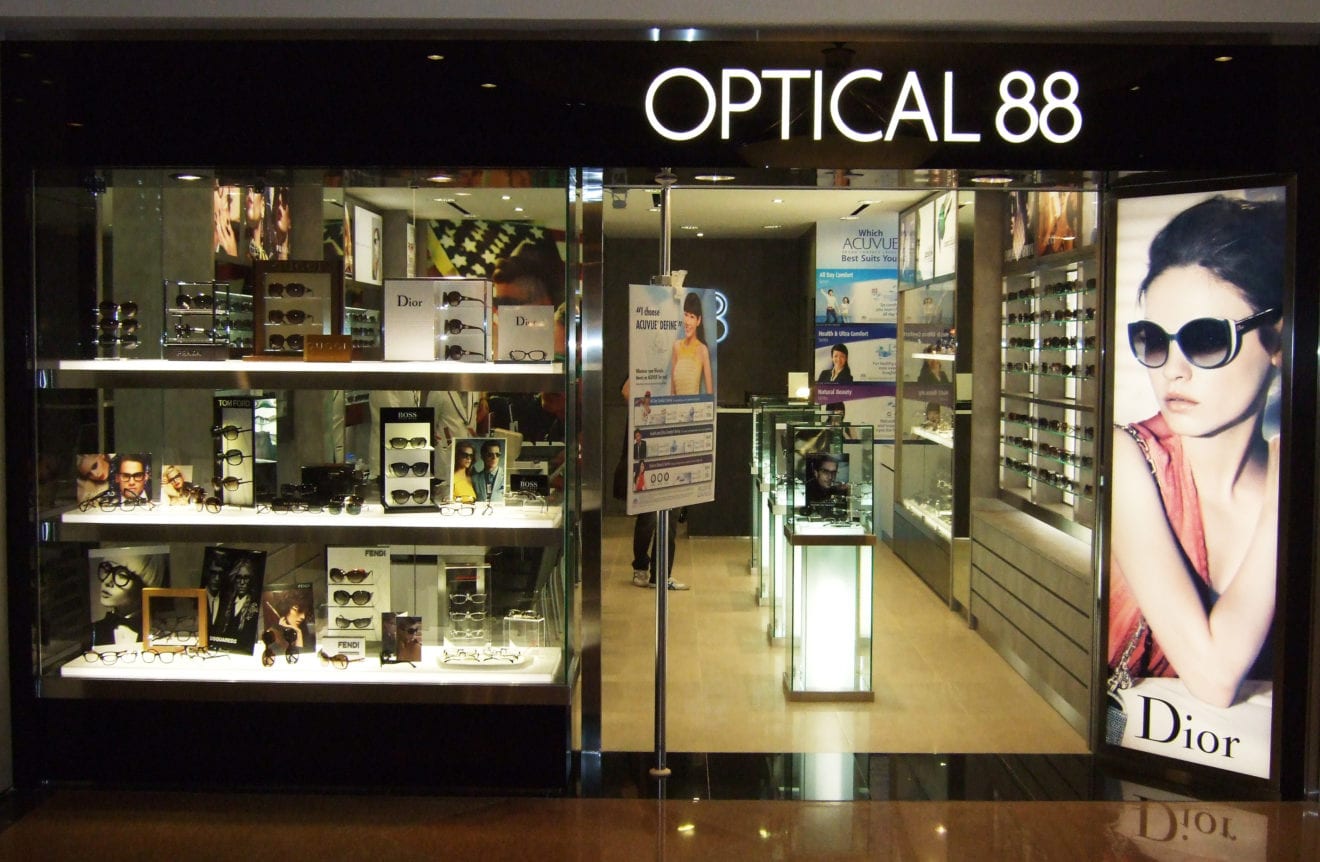
    Eyewear chain Optical 88 is narrowing its Mainland China losses as its sales improve.

    A subsidiary of Hong Kong-listed Stelux Holdings, Optical 88 has 227 stores in Hong Kong, Macau, Mainland China, Singapore, Malaysia and Thailand.

    Group sales rose just one per cent in the year to March 31, and its store network shrank by seven.

    Trading was mixed across the markets, with China and Malaysia standouts.

    China sales rose 4.7 per cent and the loss narrowed by 10 per cent to HK$27.5 million.

    “In line with our Greater China strategy, resources have been strengthened to accelerate shop opening in Southern and Southwestern China as we have relocated out from expensive cities, like Shanghai,” parent Stelux said in a stock exchange filing.

    “In addition, as we increasingly cater for the ageing demography and children, sales in progressive and functional lenses have improved whilst myopia control lenses have also been introduced.”

    In its home market of Hong Kong and Macau, the soft economy in Macau together with the accelerated slowdown in Hong Kong in the second half after a strong first six months, saw sales rise 3.9 per cent for the full year to $835.6 million.

    Profit rose 19.5 per cent to HK$95.4 million and gross margin improved to 64.2 per cent.

    “Though less affected by the decline in Mainland tourist spending, a cautious approach has nonetheless been adopted to review our store portfolio in key tourist locations.”

    Optical 88 recorded a loss for its Southeast Asian stores, but there were mixed results by market.

    Overall, Optical 88 lost $6.7 million in the three markets but on an exchange neutral basis, the loss was reduced to $1.4 million. Operating costs declined 2.2 per cent, with shop rentals falling 3.8 per cent.

    “In the second half of the year, a Hong Kong team was parachuted in to strengthen operational management and to improve operational efficiencies in all three regions. Initiatives were introduced to increase store productivity, improve gross margin and tighten procurement control. We will continue to see progressive improvements as a result of the above measures in the next year,” Stelux said.

    Singapore stores reported improved sales per shop as the brand focused on strengthening its customer base. Malaysian reported earnings of around $1.8 million, but excluding an

    exchange loss the profit would equate to $4.8 million.

    “In the medium term, we will be opening new stores to increase market coverage and to grow business scale.”

    The profit from Thai stores fell from $13.8 million to $8.6 million.

    “Given the poor economy and the unstable political situation, a cautious approach will be adopted towards shop leasing,” said Stalex.

    Optical 88’s total profit for the year rose 12.8 per cent to HK$61.2 million due to Hong Kong and Mainland China operations.
  • Fashion chain Reiss seeks equity investor

    Fashion chain Reiss seeks equity investor

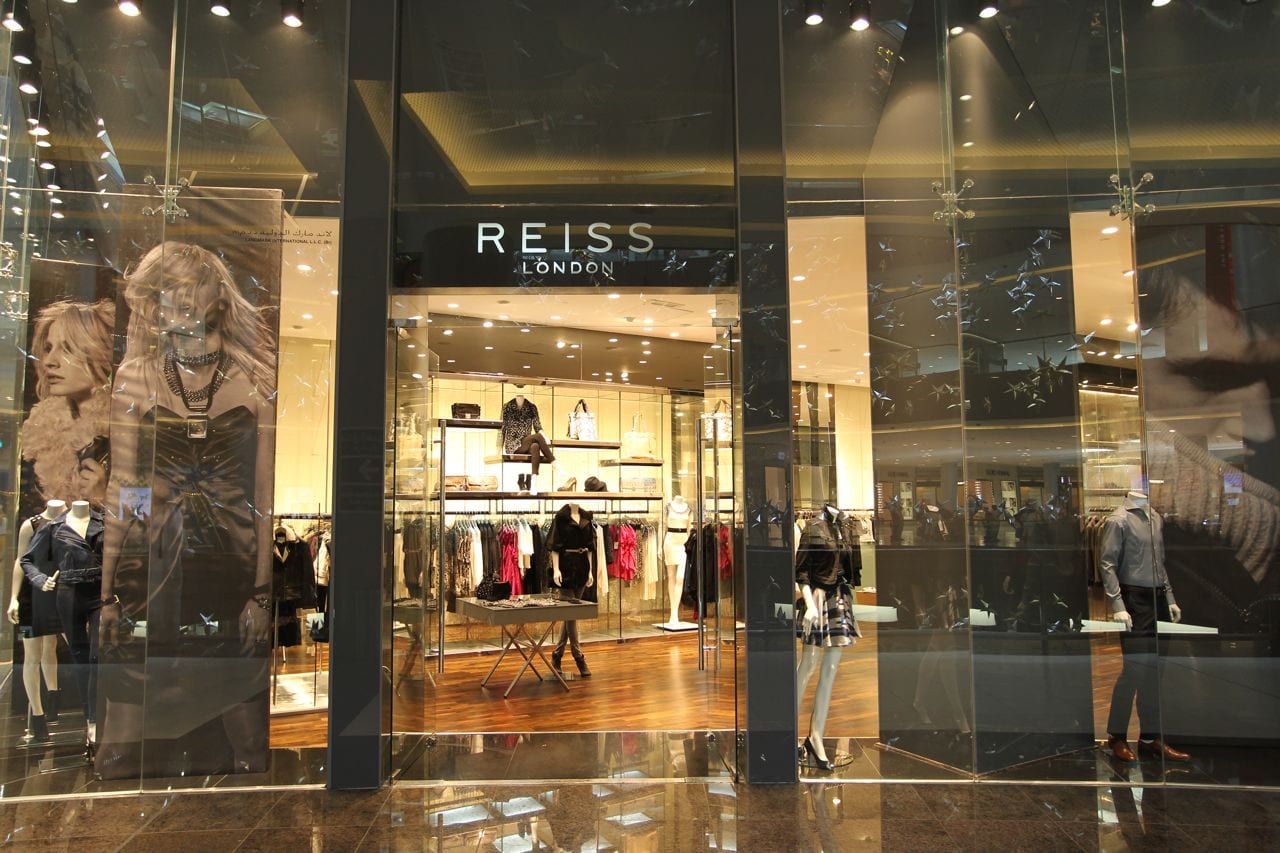
    The founder of the high street fashion chain Reiss is exploring a move to bring the first outside investors into the business he founded more than four decades ago.

    Sky News has learnt that David Reiss has appointed Morgan Stanley, the Wall Street investment bank, to conduct a review of options which is likely to lead to the sale of a minority stake in the company.

    The process, which is at an early stage, is unlikely to lead to a deal until the end of this year or early 2016, according to insiders.

    However, the news that Mr Reiss is to consider the sale of part of his company will alert prospective bidders interested in owning a stake in such a prominent high street name.

    Reiss has exploited its popularity with celebrity customers for many years, seeing a surge in sales after one of its dresses was worn by the Duchess of Cambridge before her marriage to Prince William in 2011.

    Other well-known names to declare their enthusiasm for Reiss’s products include the models Kelly Brook and David Gandy.

    People close to the company said on Thursday that a deal could value Reiss at as much as £325m although a precise valuation is unlikely to emerge until a formal process is underway.

    That figure would be a lofty valuation for a business which made £9m in pre-tax profit in 2013, although profits are said to have doubled last year and are expected to exceed £25m this year, an insider said.

    Mr Reiss is likely to seek an investor which can help to facilitate its continued international growth.

    The company, whose direct competitors include the likes of Ted Baker and French Connection, trades from approximately 130 stores, 80 of which are in the UK.

    Founded in 1971, Reiss has 20 outlets in the US and several in countries such as Hong Kong and Russia.

    It recently opened a flagship shop in Toronto, Canada and also has 20 franchise stores in the Middle East.

    Reiss, whose revenues are divided broadly equally between menswear and womenswear, sells clothes at higher prices than mid-market retailers but cheaper than many designer fashion labels.

    The chain’s founder, who rarely gives interviews, has expressed scepticism about the prospects of rivals who have sold controlling stakes, and people close to his company say that he intends to retain a majority interest in the business.

    A stock market listing is also unlikely to be considered, the sources added.

    “Owner-drivers have a vision but when you hand the reins down to other people, that drive and vision goes to other people. You have to have someone at the top who has energy, drive and spirit to make things happen,” Mr Reiss told The Telegraph in 2006.

    Reiss is chaired by Alan Jacobs, a corporate financier who has orchestrated the sale of a string of well-known retailers.

  • Indonesia eyes return to OPEC as oil crisis looms

    Indonesia eyes return to OPEC as oil crisis looms

    Indonesia is seeking to rejoin OPEC to get access to cheaper oil supplies as demand soars and domestic production falls, but critics say the move is an unwelcome distraction from efforts to overhaul the country’s troubled energy sector.

    Resource-rich Indonesia, Southeast Asia’s largest economy, was part of the Organization of the Petroleum Exporting Countries (OPEC) for almost 50 years until suspending its membership in 2009 after becoming a net oil importer.

    The switch to becoming an importer came as domestic demand soared and output dropped due to a lack of investment from foreign companies, put off by complex regulations, corruption and growing economic nationalism.

    With oil imports surging as the economy booms and the energy sector still in urgent need of reform, the government is looking for cheaper supplies and has taken the unusual step for an oil importer of requesting to rejoin the 12-member exporting cartel.

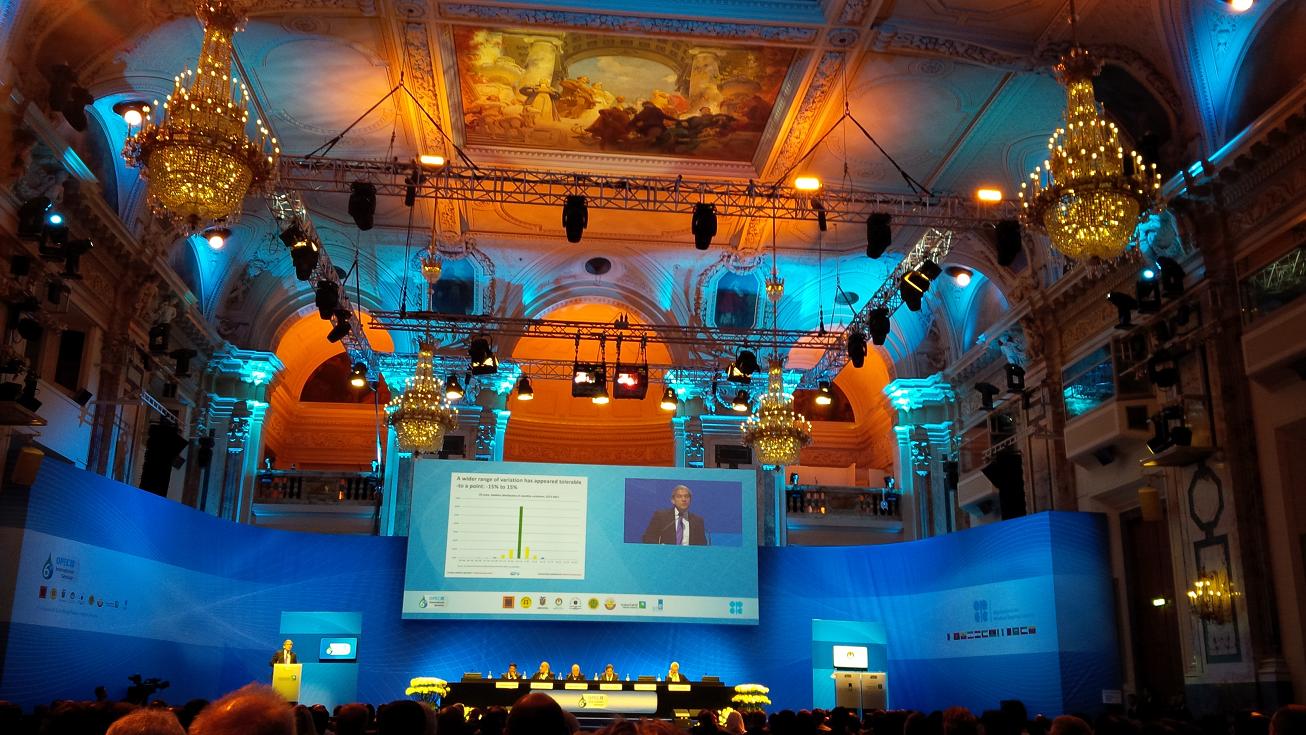
    “It is only natural that we should build relations with exporters,” Energy Minister Sudirman Said said before heading to an OPEC meeting at the organisation’s headquarters in Vienna last month, where he was seeking to have the suspension lifted.

    After the meeting, the energy ministry said that some OPEC members had backed Indonesia rejoining.

    OPEC has refused to comment but analysts said the group, which has members from the Middle East, Latin America and Africa, is likely to welcome an applicant from Asia.

    “We understand the application is viewed favourably because Indonesia would again provide OPEC with a member nation in Asia and thus broaden the geopolitical base of the group,” Ann-Louise Hittle, vice president of Macro Oils research at Wood Mackenzie, told AFP.

    The OPEC statute states that “any country with a substantial net export of crude petroleum” can become a full member. But it also says associate membership is possible for countries who do no qualify as full members, the course Indonesia is likely to pursue, analysts believe.

    Observers also say Ecuador has set a precedent for Indonesia, by suspending its membership in 1992 and rejoining in 2007.

    But some observers questioned the wisdom of the move, suggesting that trying to rejoin OPEC and source cheaper supplies from outside Indonesia could slow the momentum of the government’s attempts to reform the corruption-tainted, domestic oil and gas sector.

    When reform-minded President Joko Widodo took power last year, he set up a team to look at overhauling the sector, which critics have said is plagued by a shadowy “oil mafia” who skim off huge, illicit profits.

    Some progress has been made. In May, state-owned energy company Pertamina said it would disband its oil-trading arm Petral, which supplies one third of the country’s daily oil needs but has been dogged for years by concerns about a lack of transparency.

    But the reform team, which undertook a six-month assignment to assess the sector, made other recommendations, such as shifting to a newer type of cleaner burning, more efficient petrol, and there are fears such efforts could be stymied by the new focus on OPEC.

    “What is the use of Indonesia approaching OPEC, even if only as an observer?” wrote Faisal Basri, the former head of the government’s reform team, on his blog, and added the country appeared to be “just giving up”.

    Reform is seen as urgent. During its heyday in the 1990s Indonesia produced close to 1.6 million barrels of oil per day, which easily covered demand and left plenty more for export.

    But by last year, Indonesia was importing 689,000 barrels a day to cover its domestic needs, the bulk of which was for transport, Benjamin Tang, a senior analyst for Wood Mackenzie’s Asia Pacific Refining research service, told AFP.

    Some have called for Indonesia to wean itself off oil to help ease the looming supply crisis — but there seems little chance of that, with many new cars and motorbikes hitting the roads every day as the middle class rapidly expands.

    To make matters worse, decades of generous government subsidies have made Indonesians used to cheap fuel.

    The payouts were slashed almost entirely this year, as low global oil prices naturally helped to keep pump prices down, but there are already suspicions the government is quietly reintroducing small subsidies as oil prices creep back up.

    While some fear the move towards OPEC could hamper reforms, others believe it simply makes no sense for a net oil importer.

    “If you want to join a car club,” said Komaidi Notonegoro, head of energy research group ReforMiner Institute, “You have to have a car.”

  • Puregold moves into remittances

    Puregold moves into remittances

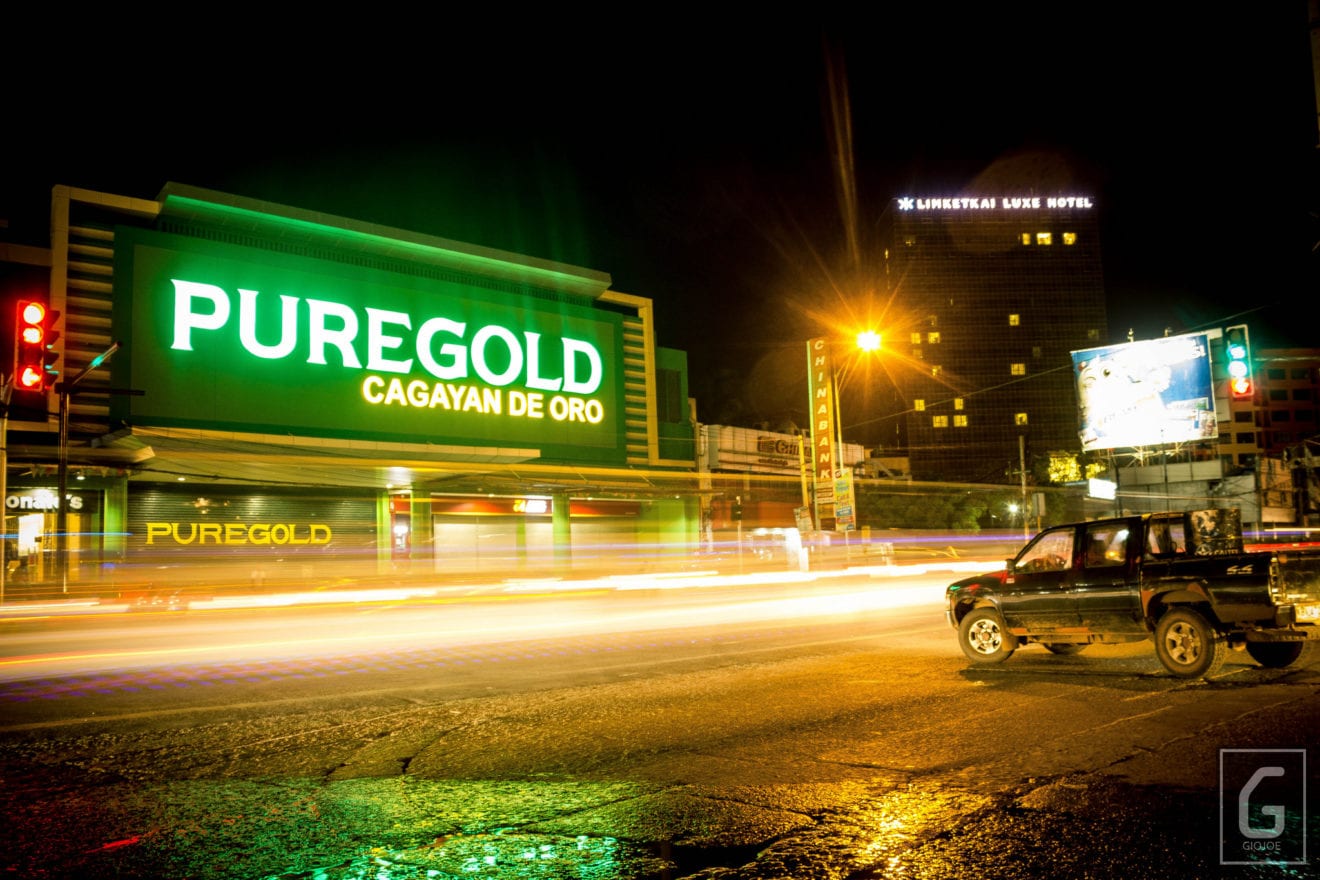
    Philippines grocery retailer Puregold Price Club says it is expanding into the remittances business.

    The company says the move will increase foot traffic and sales in its 239 stores across the nation.

    The remittance business allows local Filipinos to collect funds transferred from overseas foreign workers. Manpower is the Philippines’ single largest source of export income.

    Puregold president Vincent Co unveiled the initiative at a press conference, revealing the remittance business will be branded PurePadala.

    Co said Puregold’s remittance solution will be unique, allowing those sending cash to stipulate where it is spent.

    “Most of the time, around 25 to 30 per cent of the money sent by Filipinos abroad is spent irresponsibly. The money that is supposed to go to essentials is sometimes spent on vices,” Co said.

    “This innovation will allow senders to automatically choose where to allocate the funds such as for groceries, utilities or education. For example, the money will have to be spent in Puregold if it is allocated for groceries, instead of getting it as cash.”

    Senders of cash will also be able to stipulate it is not spent on alcohol or tobacco products.

    Co said Puregold will partner with 57 remittance partners across 27 countries for the new venture, which formally launches on July 12.

    Transaction fees will be waived for the first three months and after that will be lower than the standard rate of 10 pesos.

  • Indonesia retail sales continue to soar

    Indonesia retail sales continue to soar

    Indonesia retail sales soared 19.8 per cent May on May, according to bank of Indonesia data.

    While that is slower than the revised rate of 23.1 per cent in April (the bank had earlier estimated 22.4 per cent), it remains a figure developed economies can but dream about.

    Sales rose a healthy 19.7 per cent in March.

    The figure is based on data collected from 650 retailers in 10 major cities who are also quizzed on sentiment in the months ahead.

    Despite the healthy rates of April and May retailers expressed sales growth will slow in June and soften further in August after the end of the Ramadan fasting month, largely over July.

    They also expect inclement weather to disrupt distribution of stock during the next six months.

    But consider this: Last month, the retailers surveyed said they expected sales growth to slow in May, weakened by the vehicle fuel, spare parts and accessories categories. They said they expect inflationary pressure in July to soften due to retail discount programs linked to Ramadan.

  • Superdry China launch confirmed

    Superdry China launch confirmed

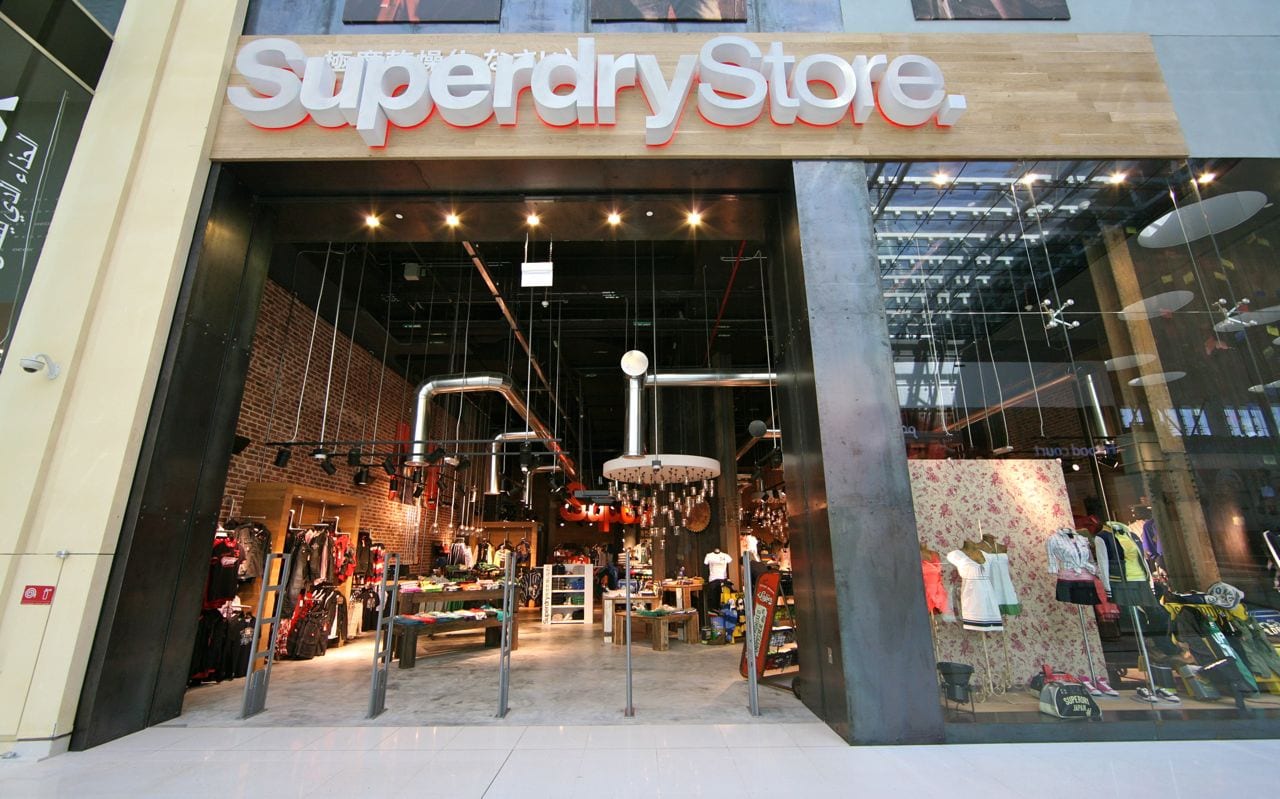
    SuperGroup, the parent of the hip casual fashion brand Superdry, has confirmed plans to enter China, as reported by Inside Retail Asia earlier this week.

    The Superdry China foray will be a 50:50 joint venture with local company Trendy International Group. SuperGroup will invest up to £18 million to kickstart the new market, but says it expects the JV to be self-funding within two years of launch.

    The group promises a “measured” roll-out program in China with Trendy managing the day-to-day business operations. SuperGroup will provide strategic brand support, design services and marketing.

    SuperGroup CEO Euan Sutherland said of the move: “The joint venture in China with Trendy International Group, together with an extensive pipeline of new stores in our targeted European markets and continued momentum in eCommerce, provides confidence of continued long-term growth.”

    The company announced a two per cent increase in net profit to £63.2 million in the year to April 25 April on revenue up 12.9 per cent to £486.6 million. Its retail revenue rose 17 per cent with same store sales growing 4.8 per cent.

  • Shangpin Home Collection to be listed in China

    Shangpin Home Collection to be listed in China

    The parent of Chinese furniture retailer Shangpin Home Collection has announced plans for an IPO to raise 2.5 billion yuan (US$402 million).

    Guangzhou Shangpin Home Collection Co Ltd will list on the Growth Enterprise Market of Shenzhen Stock Exchange, China’s version of the US Nasdaq exchange.

    Shangpin Home Collection operates 969 stores, 901 of them franchised, the balance self-run.

    The company makes customised furniture which it sells through Shangpin Home Collection stores and online, where it ranks 42nd in China’s top 500 internet retailers.

    The company was founded in 2004. It says it plans to use the funds to upgrade it manufacturing systems, online services and fulfilment centres.

    Last year, Shangpin Home Collection boosted profit by 63 per cent, the vast majority of that growth reportedly coming from its eCommerce business on its own site Homekoo.com and on Tmall and JD.com.

    Physical stores, however, currently still account for the majority of sales.

  • Orchard Rd rents slide gains momentum

    Orchard Rd rents slide gains momentum

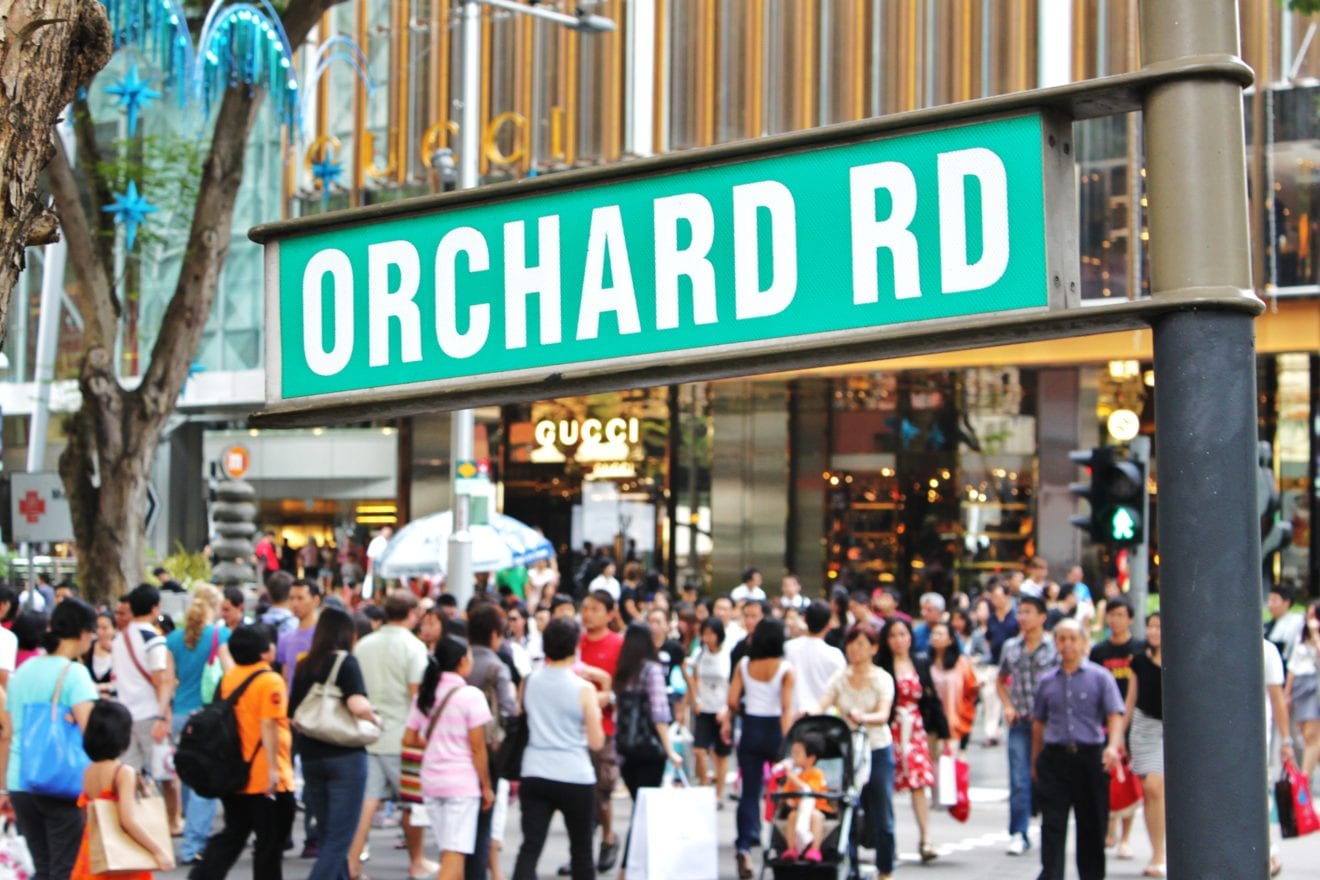
    Retail rents on Singapore’s prime retalstrip, Orchard Rd, slipped by 1.6 per cent in the latest quarter.

    But worse is yet to come according to Colliers International in its quarterly review of Singapore retail rents, tipping a full year decline as high as five per cent.

    The average monthly gross rent for Orchard Rd retail space fell to S$35.25 per sq ft in Q2 2015 from S$35.83 per sq ft in the previous quarter. That 1.6 per cent drop follows a 0.9 per cent fall in the first quarter, showing the decline is already gaining momentum.

    Colliers says Orchard Rd rents are being dragged down by tougher competition from suburban malls which are drawing locals away from the heart of the city.

    And an apparent oversupply of space on the fringe of Orchard Rd is unlikely to be helping either.

    Complicating the picture is spirited competition for domestic and visitor spending.

    In contrast, prime rents in the city state’s regional centres were steady at S$33.94 per sq ft.

    “The retail property sector has continued to experience attrition, with reports on closure of shops and certain malls in Orchard Rd suffering from poor shopper traffic and pedestrian footfalls,” Colliers’ deputy MD Calvin Yeo said.

    “However, given the demand for more retail variety by an increasingly more affluent consumer base, new-to-market F&B and retail operators continue to set up shops in Singapore. This has helped to shore up occupancy rates of retail malls and cushion rental falls.”

    Colliers says while a five per cent decline in Orchard Rd rents is likely this year, rents in regional centres could grow by up to one per cent, based on current trends.

  • Hangzhou Joy City marks No 8 for HK developer

    Hangzhou Joy City marks No 8 for HK developer

    Hong Kong’s Joy City Property will open an eighth Joy City mixed use development in Hangzhou.

    The company says the urban complex and commercial property project will become a lifestyle hot spot for the Hangzhou residents.

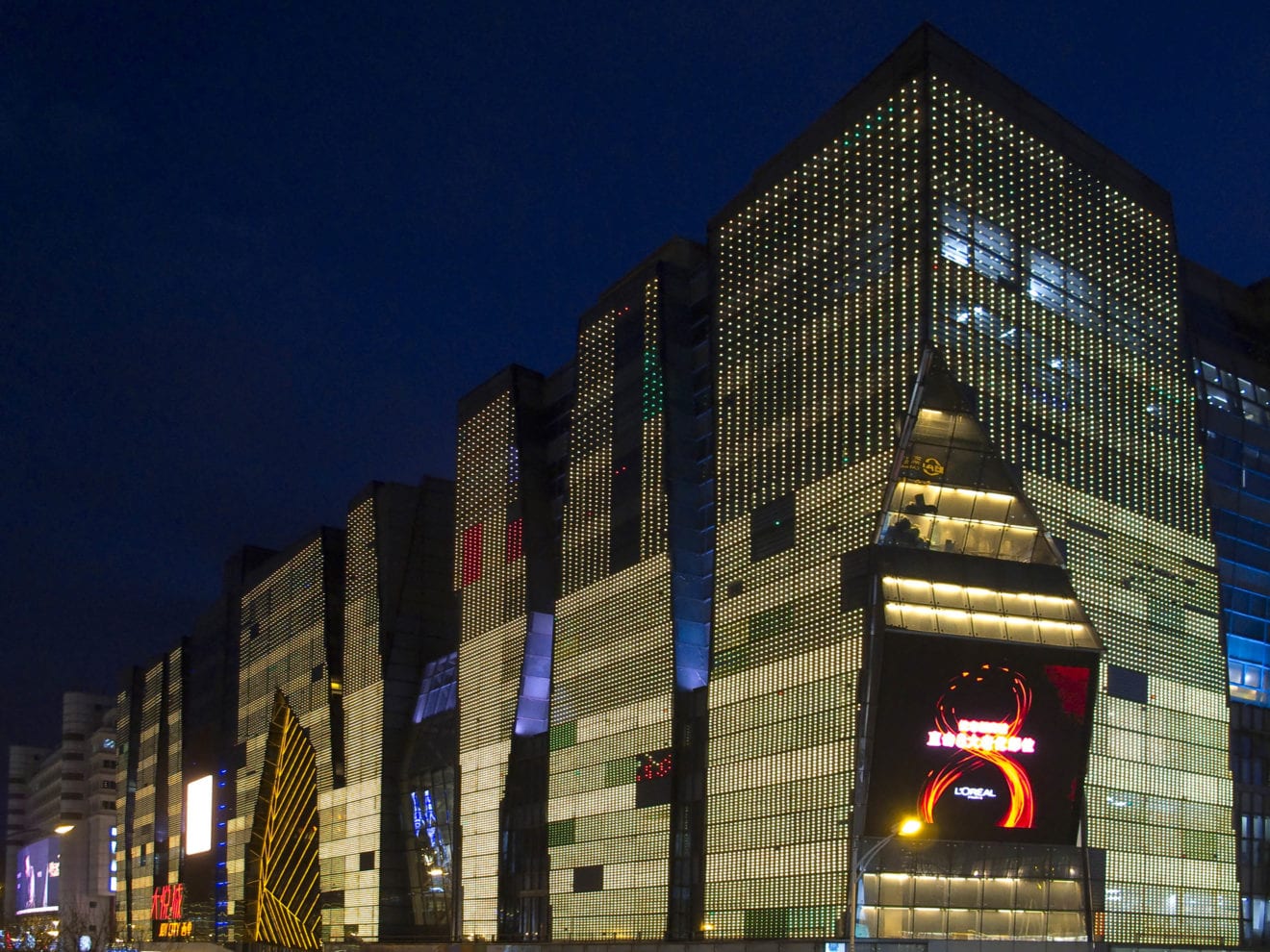
    Alas it has not released any images of the planned development (the image above is of an exciting Joy City project).

    Brands which have already proven successful in other Joy Cities will have an option to open in the new Hangzhou project.

    Hangzhou Joy City will replicate the Joy City brand’s unique architectural style, featuring sky walkways and an open atrium to project a “youthful, fashionable, trendy and quality” image of the brand. It will target the city’s middle-class customers aged between 18 and 35.

    The project will also adopt characteristics peculiar to Hangzhou’s culture while positioning itself as a mecca for the local trendy shoppers, introducing new brands into Hangzhou, the Yangtze River Delta and even Mainland China.

    Hangzhou Joy City comprises an urban complex and commercial properties with a combined gross floor area of 500,000 sqm. At the southern side of the project, a port will be built at the bank of the Grand Canal, which links Beijing with Hangzhou and is a UNESCO World Heritage Site. Consumers will be able to start a boat trip at the port to reach Wulinmen port and Xixi National Wetland Park directly, allowing them to enjoy shopping at Hangzhou Joy City and a boat tour of the park.

    In addition, Hangzhou Joy City will be the first Joy City to launch an outdoor commercial district where all types of shops will be opened for business round the clock.

    Representatives of retailers I.T., Zara, Uniqlo, China Film, Waipojia and Starbucks attended the inauguration ceremony for Hangzhou Joy City.

    Zhou Zheng, VP of COFCO and chairman of Joy City Property said Hangzhou has always been strategically important to Joy City.

    “We hope that Hangzhou Joy City will not only become the lifestyle destination of the city but will also drive consumption and improve the shopping experience in the Hangzhou Bay area. Hangzhou Joy City aspires to be a dazzling pearl in the southern Yangtze River Delta and will work with Shanghai Joy City to reshape the commercial real estate sector in the region.”

  • New mall planned for Sukhumvit 101

    New mall planned for Sukhumvit 101

    Thai property developer Magnolia Quality Development Corporation has unveiled a stunning, futuristic mixed use development plan for Sukhumvit 101.

    Whizdom 101 is a massive 30 billion baht US$883 million project which when complete will comprise 340,000 sqm of space: a 20,000 sqm retail shopping centre, 30,000 sqm of office space, 10,000 sqm for a sports and wellness facilities. The balance of the space will house 1800 residential units in three high rise towers.

    The first tower – Whizdom Connect Sukhumvit – will house 600 apartments, 60 per cent of which have already been reserved since they were placed on the market a fortnight ago. Construction is scheduled to commence from october this year and be completed mid-2018.

    Suttha Ruengchaipaiboon, an executive vice president of Magnolia, said the company is targeting younger people from Thailand, China and Asean. A roadshow promoting the project will visit Hong Kong, Malaysia, Singapore and Indonesia during the second half of this year.

    Magnolia is a partner in the massive IconSiam mixed use project in partnership with Siam Piwat, under construction on the banks of the Chao Praya River.

  • Garuda cancels all flights to Denpasar due to volcanic ash

    Garuda cancels all flights to Denpasar due to volcanic ash

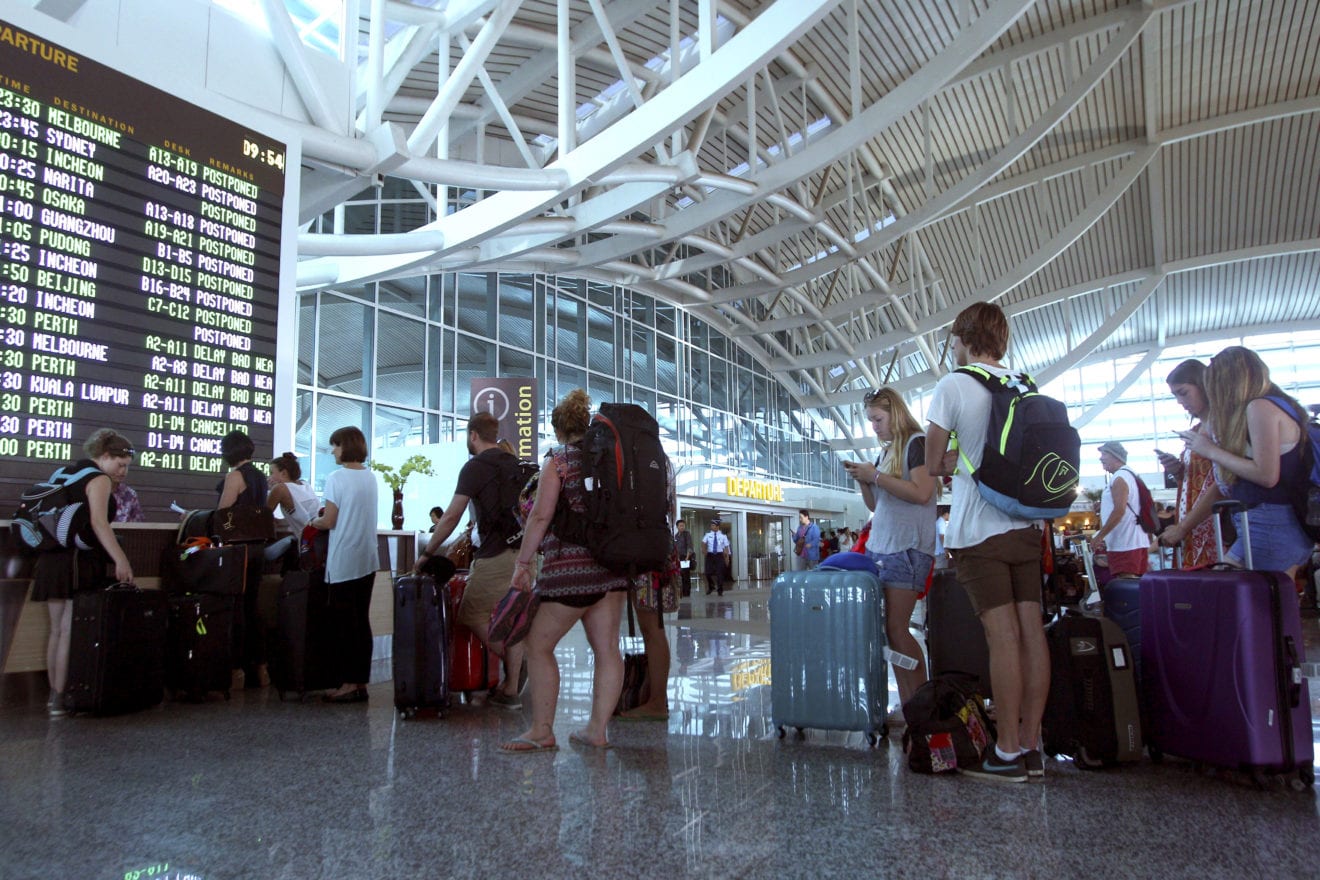
    Garuda Indonesia Airlines on Sunday cancelled all flights to Balis Nurah Rai International Airport following its closure again at 9.30 a.m local time on Sunday.

    The flights cancellation was aimed to avoid aviation hazards and to ensure passenger safety due to the volcanic ash being spewed by Mount Raung in East Java Province.

    “Due to the rising eruption of Mount Raung in Bondowoso, East Java, this volcano was closed again on Sunday, that makes Garuda temporarily canceled all flights to Denpasar,” Executive Vice President Corporate Communications PT Garuda Indonesia M Ikhsan Rosan said in his press statement received here on Sunday.

    The Garuda flights were cancelled after a notice was issued to airmen (Notam) “No.A1423/15 which was issued by the Briefing Office of Ministry of Transportation.

    In addition, Garuda also cancelled its flights from Balis Nurah Rai International Airport pending further announcement which will be issued by the Briefing Office.

    Rosan further said that with regard to the mount eruption, Garuda issued policy such as the exemptions of cancellation fee, administration fees, re-booking or reroute fee, refund fee, and other ticket change fees for passengers scheduled to fly to Denpasar on the day.

    Garuda also called flights for the passengers who will fly to and from Denpasar to immediately make changes to ticket reservation through the Call Center Garuda Indonesia (24 hours) at numbers 021-2351 9999 and 0804 1 807 807.

    Apart from that Garuda will continue to update the information on the current situation through www.garuda-indonesia.com and TwitterIndonesiaGaruda,

    On Friday (July 10) Garuda cancelled 112 flights to avoid aviation hazards and to ensure passenger safety due to volcanic ash being spewed by the Mount Raung.

  • Reprieve for AirAsia

    Reprieve for AirAsia

    No further risk to IAA’s licence but bigger re-rating depends on ability to become sustainably profitable

    IT has been a topsy-turvy time for AirAsia Group Bhd’s share price.

    After investor sentiment was rocked by a damaging report by GMT Research report on June 10 that questioned the financials of the low-cost airline, AirAsia’s share price came under pressure when Indonesia threatened to pull back its licence in its 49% owned unit, Indonesia AirAsia (IAA), if its finances and that of 12 other airlines are not improved by July 31.

    Indonesia’s Transport Ministry wants the 13 airlines to shore up their shareholders’ equity to 500 billion rupiah if they operated 70 seater planes by July 31 or face being stripped of their licence.

    That punitive measures were later softened with the ministry changing its mind.

    On Thursday, the ministry issued a statement saying it would “assist and support” the 13 airlines with negative shareholders’ equity to improve their equity positions if they were unable to meet the July 31 deadline.

    “The wording suggests that the ministry has performed a gentle face-saving U-turn and the airlines’ licences will not be at risk after all. With no further risk to IAA’s licence, the recent share price sell-off may partially reverse, although a bigger re-rating depends on IAA’s ability to become sustainably profitable,’’ says CIMB Research senior analyst Raymond Yap.

    AirAsia share price has thus far rebounded and closed on Friday at RM1.34, marginally up from Wednesday’s close of RM1.30, which was the recent low.

    From the beginning of this year, it has lost RM4.11bil in market capitalisation and both the GMT report and the Indonesian directive were much of the culprits for the drop.

    Maybank Investment Bank senior analyst Mohshin Aziz described the ruling as “unexpected surprise.’’

    “About half of the airlines globally have negative equity and anyone in the airline industry knows that safety is not about negative equity. It is about discipline, cashflow and enforcement,’’ he adds.

    An airline executive felt that the ruling was not enforceable, adding that “do you honestly think Indonesia will close an airline which hires 2,000 people and brings in most tourists?’’

    According to World Bank data, international tourism receipts totalled US$10bil for Indonesia for the 2010-2014 period.

    But Shukor Yusof, the founder of Endau Analytics, felt that the Indonesian Transport Minister is making a concerted effort to overhaul and clean up the domestic aviation.

    “A good number of Indonesian carriers can barely stay solvent, with the exception of the major ones like Lion Air group and Garuda. But it is unlikely they will shut them (the 13 players) down though.’’

    Apart from IAA and Rusdi Kirana’s Batik Air (a unit of Lion Air Group), the others affected by the new ruling are Cardig Air, Trans Wisata Prima Aviation, Istindo Services, Survei Udara Penas, Air Pasifik Utama, John Lin Air Transport, Asialink Cargo Airline, Ersa Eastern Aviation, Tri MG Intra, Nusantara Buana and Manunggal Air.

    Indonesia is the world’s fourth most populous nation with demand for air travel growing every quarter. From 2010 to 2014, about 95 million passengers took to the skies. There are 65 domestic airlines in the country.

    AirAsia has a 49% stake in IAA and its share of the Indonesian market is below 10%, though IAA has the largest market share in international air travel segment in Indonesia. The market is controlled by Garuda and Rusdi Kirana’s Lion Air group.

    Despite the threat of suspension, AirAsia boss Tan Sri Tony Fernandes says the airline is not pulling out of Indonesia.

    This can be explained as the market potential is huge and an initial public offering (IPO) is being planned for IAA, which operates with 29 planes in Indonesia.

    According the International Air Transport Association (IATA), by 2034, Indonesia is expected to be the sixth largest market for air travel. By then, some 270 million passengers are expected to fly to, from and within the country. That’s three times the size of today’s market.

    Short-term reprieve

    Though IAA got a reprieve, affected airlines in Indonesia will still have to improve their balance sheet if they want new routes. New routes are important for low-cost carriers as growth in traffic comes with more destinations.

    All the 13 players also need to submit their business plan by month end.

    Fernandes was reported to have said that “We were going to comply anyway. We have already set that process in motion.”

    As at end March this year, IAA had a negative equity position of 3 trillion rupiah (RM860mil) and paid-up capital of 180 billion rupiah. Hong Leong Research estimates that IAA needs at least RM1bil injection and this includes the additional paid-up capital of 320 billion rupiah or RM90mil.

    Yap of CIMB points out that the fundamental issue of IAA’s long-term future will still weigh heavily on investors minds.

    “At the moment, IAA is still some distance away from securing the subscribers for its proposed US$100mil-US$150mil convertible bonds.”

    Even if those are secured, most likely with a guarantee issued by AirAsia, it would only buy AirAsia two years of time. IAA will need to be reasonably and sustainably profitable before AirAsia’s share price can recover convincingly.

    But Fernandes told that “we have resolved and have no worries about our licences and we are confident of a profitable airline in Indonesia.’’

  • Uber Takes The eCommerce Route In Indonesia

    Uber Takes The eCommerce Route In Indonesia

    After being recently shut down in multiple countries over its controversial “tech company” status, Uber seems to have found a workaround at least in Indonesia.

    The company has announced plans to register itself as an eCommerce business so as to avoid taxes, and taxi-medallion regulations, which has brought troubles to its door in almost all of its major business markets.

    With the registration, the company plans to establish itself as a foreign-owned entity registered as an Internet portal, said Uber Indonesia’s Country Head Alan Jiang.

    “Indonesia is a super-key market for us,” he said.

    The ride-hailing company has been cutting corners in its everlasting struggles against local and national laws in all of its market, but in Indonesia the plans come after the local police in Jakarta arrested five Uber drivers as part of a wider investigation in a case filed by other taxi companies accusing Uber for challenging market rates with its predatory pricing scheme.

    For expanding its business in the country, Uber has not only been offering its service for 30 percent less than the main local taxicab companies, but has also not been charging commission on rides, Jiang said.

    “In the future we will take a service fee and when we do we will pay all the applicable taxes on that,” he said. “I don’t have a specific timeline for when.”

    As it struggles to keep its business open in several markets, the company has repeatedly justified its business model. “Uber is a technology company,” the company said. “We do not own, operate vehicles or employ drivers.”

  • Louis Vuitton snaps up Singapore start-up

    Louis Vuitton snaps up Singapore start-up

    Louis Vuitton has bought Singapore online cosmetics retailer Luxola and LVMH’s subsidiary Sephora has made a further investment in the business.

    Few details of the transactions have been revealed, including the size of the investments, howeverCrunchbase reports Luxola raised US$15.6 million in four earlier rounds of venture funding.

    Luxola was launched in 2011 by Alexis Horowitz-Burdick, has a staff of 120 and sells a wide variety of beauty products and accessories under 250 brands in 11 markets.

    Horowitz-Burdick, now Luxola CEO, said Sephora’s investment would allow the founders to take the company’s vision further.

    “With greater market reach and brand depth, we will offer an unparalleled customer experience.”

    Sephora Asia president Anne-Veronique Bruel said investing in Luxola gave her brand the opportunity to accelerate Sephora’s growth in Asia and penetrate the growing online beauty market.

    “We are thrilled to welcome Luxola to the Sephora family.”

  • Asia shares fall led by Shanghai as investors eye safety ahead of Greece

    Asia shares fall led by Shanghai as investors eye safety ahead of Greece

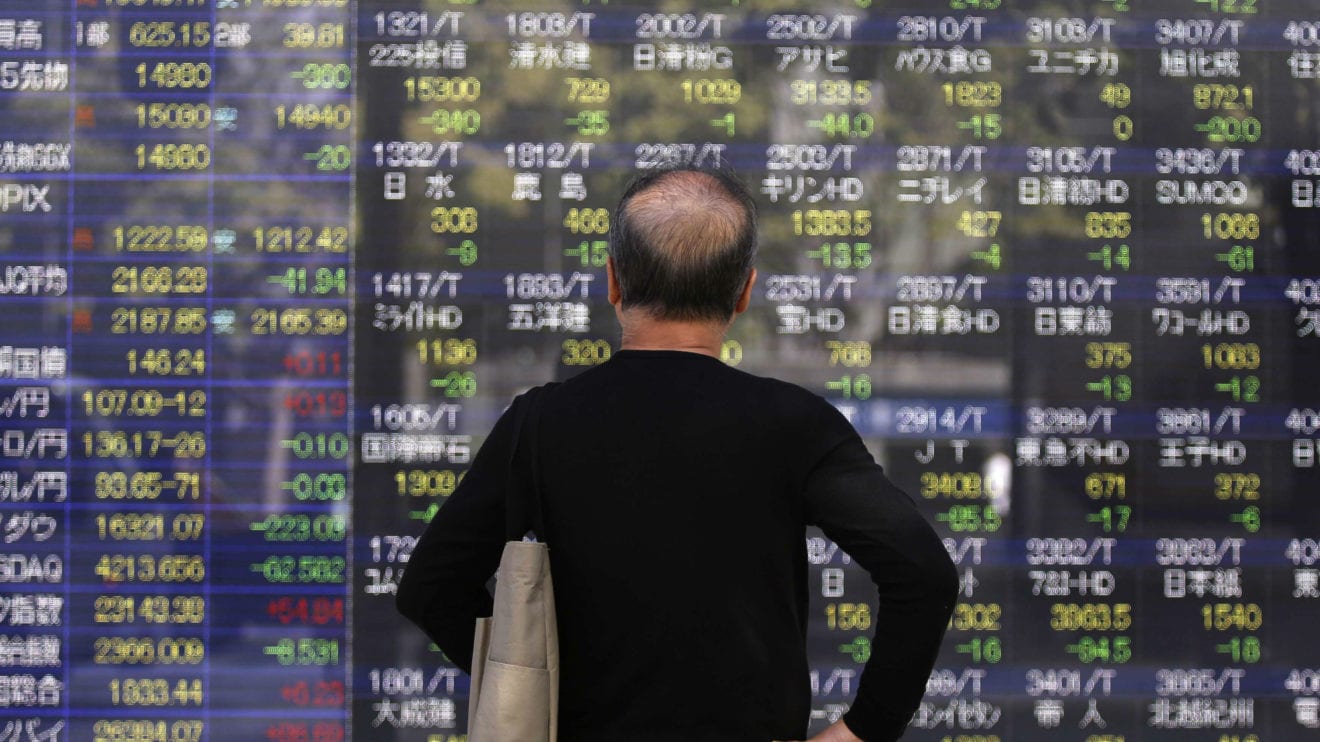
    Shares in Shanghai slumped on Friday, leading other Asian markets lower as investors headed for safety ahead of a weekend referendum that could decide whether Greece stays in the euro zone that is now too close to call.

    The Shanghai Composite fell 5.57% before the break, while the Hang Seng index eased 0.55% and the S&P/ASX 200 was down 1.78%. The Nikkei 225 was down 0.44%.

    Prime Minister Alexis Tsipras on Wednesday urged Greeks to reject an international bailout deal in a referendum due to be held on July 5, souring hopes of any breakthrough.

    Less than 24 hours before, Tsipras had written a conciliatory letter to creditors asking for a new bailout that would accept many of their terms.

    On Wednesday Greece became the first developed country to default on the International Monetary Fund after its second bailout program expired late Tuesday. The IMF confirmed that the Greek government failed to make a scheduled €1.6 billion loan repayment.

    In Australia, May retail sales data showed a 0.3% increase month-on-month, below a forecast for retail sales up 0.5% month-on-month.

    Earlier in Australia, the June AIGroup services index rose 1.6 points to 51.2.

    “The improvement in services-industry conditions so far this year has been concentrated in consumer services,” AI Group Chief Executive Innes Willox said.

    “Increased housing-market activity and very low interest rates are now assisting retail and personal and recreational services – although consumer-confidence and household-income growth are still below par. For the more business-oriented services subsectors weak business confidence, an uncertain outlook and low private and public investment are still weighing on demand across a range of design, consulting, personnel and administrative services.”

    U.S. markets are shut on Friday.

    Overnight, U.S. stocks were lower after the close on Thursday, as losses in the Financials, Healthcare and Basic Materials sectors led shares lower.

    At the close in New York, the Dow Jones Industrial Average lost 0.16%, while the S&P 500 index declined 0.03%, and the NASDAQ Composite index declined 0.08%.

    The best performers of the session on the Dow Jones Industrial Average were Intel Corporation (NASDAQ:NASDAQ:INTC), which rose 1.24% or 0.38 points to trade at 30.55 at the close. Meanwhile, Exxon Mobil Corporation (NYSE:NYSE:XOM) added 0.93% or 0.77 points to end at 83.14 and Visa Inc (NYSE:NYSE:V) was up 0.57% or 0.39 points to 68.24 in late trade.