Author: Mei Ling Tan

  • Samsung tests mobile payment service

    Samsung tests mobile payment service

    Samsung has launched a short, live beta test of its new mobile payment service.

    Samsung Pay, developed by Samsung Electronics, will soon be launched in its home market soon as a beta service for a 36 day trial period.

    Samsung Card says it will recruit beta testers for Samsung Pay until July 10. The testers will experience the Samsung Pay service at various major offline member stores of Samsung Card from July 15 to August 20.

    The card company will provide 10,000 points to those beta testers who spent more than 50,000 won through the payment solution. In addition, the company will hold a special event offering up to 50,000 points to active beta testers who use the service often.

    Samsung Pay, which is to be available in September, stands out from other competitors as the service supports virtually all forms of payment – near field communication (NFC), magnetic secure transmission (MST) and barcode technologies – which reaches far more point-of-sale devices than those of its rivals.

    Currently, other mobile payment services are used mainly online as they lack offline affiliates.

    Meanwhile, Samsung is planning to introduce the payment platform in the US later this year to compete with overseas mobile payment services like Apple Pay and Alipay.

  • Luxury retail plan for Hong Kong-Zhuhai-Macau link

    Luxury retail plan for Hong Kong-Zhuhai-Macau link

    Authorities are proposing a shopping centre with “flagship stores for luxury brands” on a new island, centrepiece of the new multibillion dollar Hong Kong-Zhuhai-Macau Bridge.

    A public consultation document released this week outlines plans for a 150 hectare island currently under construction near the city’s airport, which will serve as the gateway for Hong Kong and the western Pearl River Delta. It is here that travellers between Hong Kong, the Mainland city of Zhuhai and bordering Macau will be processed.

    The Hong Kong government envisions an area for warehouses, showrooms, restaurants, flagship stores for luxury brands and other stores selling antiques, artworks and high quality wines.

    The government is conducting a study to ascertain the feasibility of carrying out the proposed commercial development and other economic activities at the topside and underground space of the HKBCF Island, and to optimise their scope and scale.

    The Stage 1 Community Engagement will last for two months. Activities will include a public forum, briefings and a roving exhibition. Details of the activities and engagement documents are available at the website.

    The development, with a total planned gross floor area of 500,000 sqm, will include facilities for retail, food and beverages, entertainment, conferences, offices and business hospitality. It will have a 10 storey height limit due to its close proximity to Hong Kong International Airport.

    A spokesman with the Airport Authority Hong Kong said the proposed development will create create synergy with the planned Airport North business area.

    Members of the public have until September 7 to submit their comments through the following channels:

    • Planning Department, Cross-Boundary Infrastructure and Development

    Section, 16/F, North Point Government Offices, 333 Java Rd, North Point, Hong Kong.

    • Civil Engineering and Development Department, Hong Kong Island and Islands Development Office, 13/F, North Point Government Offices, 333 Java Rd, North Point, Hong Kong.
    • Or by email: [email protected]
  • Billabong Indonesia opens in Lombok

    Billabong Indonesia opens in Lombok

    Australian surf label Billabong has opened its newest concept store at Lombok Epicentrum Mall.

    The store is part of Billabong Indonesia brand’s extensive retail roll out planned for this year and is a partnership with Royal Surf.

    “This is the perfect time for us to strengthen our relationship with Royal Surf given the good performance the brand is achieving in its multi brand channels,” said Billabong service manager Arini Sukmawati.

    The 86 sqm Billabong Lombok store takes on the brand’s new retail identity – direct from the brand’s headquarters in Gold Coast, Australia. Similar to all new stores opened by the brand globally this year, the space features Billabong’s signature surfboard ceiling, clean white brick walls, and educational panels portraying the stories of Billabong’s award-winning products and campaigns.

    Besides being at the starting point of the island of Lombok and Sumbawa, the new store, located in the largest city in the Mataram Province, is also the epicentre of commerce and industry services.

    “Mataram is growing and developing rapidly. Along with increasing tourism rates due to the location’s very vibrant surf locations, we are very confident that our relationship with Billabong will only strengthen with the opening of this new store,” said Meylya Handoyo, director of Royal Surf.

    She said the Lombok store will be stocked with a larger assortment of the brand’s stories and product collections to fully convey the Billabong brand story.

    Billabong Lombok is located on the first floor of Lombok Epicentrum Mall Jl. Sriwijaya no. 333, Mataram, NTB. It is open from 10am – 10pm daily.

  • Marina Bay Sands launches exclusive digital offer

    Marina Bay Sands launches exclusive digital offer

    The Shoppes at Marina Bay Sands has launched a digital platform allowing shoppers to browse and reserve online exclusive lines not available in stores outside its mall.

    The new O2O initiative not only helps the mall promote its exclusivity and premium luxury positioning, it drives foot traffic offline into the mall.

    Shoppers can reserve the Shoppes-exclusive items – like the Kwanpen Men’s Boutique Crocodile leather briefcase pictured above – for 48 hours before heading to the physical boutiques to purchase the goods.

    The Shoppes team says the online service is another initiative to showcase the mall’s unmatched collection of luxury offerings. Shoppers who use the free service are also in for treats and seasonal privileges upon purchasing in-store, including attractive shopping rewards, complimentary day parking, as well as be the first ones to receive firsthand updates on the newest limited edition products debuting at The Shoppes.

    John Postle, VP of retail with Marina Bay Sands, said: “We are always looking for ways to engage our shoppers while leveraging existing digital platforms to showcase product offerings that set us apart. Through this service, we want to bring convenience to our customers and make them feel special when they arrive at their destination, knowing that their item is waiting for them.”

    For its launch, the website will feature a selection of luxury bags from international brands including Bally, Brioni, Kwanpen Men’s Boutique, Roberto Cavalli, Salon by Surrender, Salvatore Ferragamo and Zilli.

    To celebrate the launch of the service, shoppers will receive a S$100 shopping voucher on top of complimentary parking, upon purchase of their reserved item from now until August 31.

  • Tesco Asia carve up likely

    Tesco Asia carve up likely

    A carve-up of Tesco Asia operations seems increasingly likely with credible reports in three different nations now of serious expressions of interest.

    While markets await firm news of progress of HSBC’s quest to find a buyer for the Tesco Korea business, the latest news is that Japan’s Aeon has expressed interest in buying Tesco Malaysia, reportedly valued in the region of £900 million.

    That follows an approach from Thai billionaire Dhanin Chearavanont late last year who prepared a speculative bid by his company Charoen Pokphand Group (CP) to buy back the troubled Tesco Plc’s Thai business, which he sold during the Asian financial crisis. That bid was initially rejected but if Tesco is selling its Korean and Malaysian operations it is likely to let Thailand go as well if it can gain a fair price.

    If all three sales were to proceed, it would almost certainly see the Tesco Asia operations rebranded under new owners – in Thailand, most likely under the Lotus brand, in Malaysia stores would be merged into Aeon’s existing network and in Korea – that would entirely depend on the successful bidder.

    Reuters has reported reliable sources confirming Aeon’s interest in Tesco Malaysia. Aeon is cashed up, has a heavy focus on expanding across Southeast Asia and a merger of its network with Tesco’s would give it 29 stores, making it a formidable competitor to local hypermarket operator Giant, which has a lower market positioning to Aeon’s more premium offer.

    The Japanese retail and property giant entered Malaysia by acquiring the Carrefour operation in 2012 for €250 million.

    Meanwhile, KKR has reportedly rejoined the race to buy Tesco Korea’s Homeplus network which is estimated to be worth US$6 billion, after sweetening its preliminary offer. All the prospective shortlisted buyers reported by the UK and Korean financial press are private equity companies, including Affinity Equity Partners, Goldman Sachs, Carlyle Group and MBK Partners.

    However in a market as complex as Korea, it is highly likely any of those bidders would want to partner with a local retail operator for the business connections and local market knowledge.

  • Vietnam tablet market soars

    Vietnam tablet market soars

    The rapid growth of the Vietnam tablet market is boosting the potential of eCommerce in the fast-maturing Southeast Asian nation.

    New figures from GfK this week show the growing number of lower priced entry level tablets has seen a double digit growth in sales in first five months of this year – or 149,000 extra units – to reach 582,000.

    GfK projects the media tablet market will achieve even higher sales in the third quarter of the year with the anticipated back to school promotions, with annual sales estimated to hit 1.9 million for the year.

    Yet the total amount spent on tablets has fallen by about five per cent, due to the greater contribution of those lower value media tablet models.

    “Over three in every four (76 per cent) media tablets sold so far in 2015 cost less than US$300, as compared to just one in two (50 per cent) in 2014; signifying a strong shift in market trends towards the low-end segment,” observed Tran Khoa Van, MD of GfK in Vietnam.

    “The result of more media tablets being sold at lower prices brought about a shrinkage in the total market value in spite of strong consumer demand for the gadget.”

    On the other hand, high-end media tablets priced above US$500 which accounted for 29 per cent of the total market’s sales volume had reduced by half to make up only 14 per cent share in the first five months of this year. A similar trend is seen in the US$300-500 segment, where its 22 per cent share last year was reduced to 11 per cent in 2015.

    According to GfK findings, the average price of media tablets declined by 30 per cent from US$367 last year to US$259 this year. Although the number of brands catering to the Vietnamese market reduced from 56 to 49, the remaining players have introduced 20 more new models – from 278 to 298.

    Another emerging trend is the rising popularity of smaller screen sized media tablets, specifically the 7.9” and below segment. Over seven in 10 (71 per cent) of media tablets purchased this year were of this size, up from its 62 per cent market share last year.

    On the other hand, it was the 9-10” segment which reported a dwindled market share by half – from 26 to 13 per cent.

    “Price erosion is a natural progression of a tech product’s lifecycle and the average price of media tablets will definitely be drifting down further from the low of US$250 reported in the latest tracked month of May,” said Van.

  • Marina Bay Sands delivers Scoops of Hope

    Marina Bay Sands delivers Scoops of Hope

    Marina Bay Sands’ family of celebrity chef restaurants have joined hands to craft exclusive gelato flavours for Scoops of Hope, a new addition to this year’s Sands for Singapore Charity Festival.

    From 31 July to 9 August, the public can savour eight delectable flavours at the Scoops of Hope pop-up gelato station at Marina Bay Sands, while giving back to the community at the same time. All proceeds will go towards The Straits Times School Pocket Money Fund, which lends a hand to children from low-income families.

    Marina Bay Sands CEO and president George Tanasijevich, said, as home to nine outstanding celebrity chef restaurants, Marina Bay Sands’ Scoops of Hope project is an excellent way to harness its combined culinary talent to benefit the less privileged.

    “We invite the public to join us in this.”

    The gelato flavours also play a special tribute to Singapore during this national celebratory period. Cut by Wolfgang Puck is contributing Gula Melaka gelato, an ingredient commonly used in local traditional desserts. Adrift by David Myers is creating Masala Teh Tarik gelato, a spin on the popular milk tea beverage. Waku Ghin by Tetsuya Wakuda will be rolling out Coconut with White Miso gelato, reminiscent of the famous local dessert Chendol, a personal favourite of Chef Tetsuya.

    A special flavour has also been created to commemorate the 170th anniversary of The Straits Times, Singapore’s oldest English-language daily. Created by executive chef of Marina Bay Sands, Christopher Christie, the multi-colour ST gelato comprises creamy White Chocolate with Raspberry, topped with crunchy Blue Sprinkles, incorporating the corporate colours of the newspaper as it crosses its milestone this month.

    Already, the first 170 scoops of the ST gelato have been bought by a private donor of the The Straits Times School Pocket Money Fund, which is also celebrating its 15th anniversary this year. The scoops of gelato will be redeemed by beneficiaries and their accompanying caregivers from 31 July. Another corporate donor of ST School Pocket Money Fund – Ascendas Funds Management (S) Limited – has also donated S$50,000, in support of the Scoops of Hope initiative.

    The Straits Times School Pocket Money Fund is a community project initiated by The Straits Times to provide pocket money to children from low-income families to help them through school. The Fund supports over 10,000 children and youth each year. Since the project started in 2000, the Fund has disbursed close to $42 million and helped over 128,000 cases of children and youth in providing them with monthly school pocket money.

    The Scoops of Hope project is also made possible with support from Carpigiani Gelato University and Allied Foodservice Equipment Pte Ltd. Carpigiani Gelato University, which has a mission to develop the art and science of gelato production, offered expertise and training in gelato making, while Allied provided the requisite equipment.

    From 31 July, gelato lovers can visit the pop-up store at The Shoppes Canal Level, B2 (Opposite Cold Storage) from 11am to 9pm. The gelato is priced at S$4.50 for a single scoop, S$8 for a double scoop and S$12 for a triple scoop.

  • Five Indonesian telcos launch LTE on 1800-MHz

    Five Indonesian telcos launch LTE on 1800-MHz

    Indonesia’s five largest mobile operators have all launched 1800-MHz LTE services, while a new player has indicated an intention to enter the LTE market.

    Telkomsel, PT Indosat, XL Axiata, Hutchison’s 3 and Smartfren all recently rolled out 4G services over the band in various cities and regions.

    Telkomsel switched on its network in Makassar, South Sulawesi, Indosat went live in Balikpapan, East Kalimantan, XL held a lunch on the island of Lombok, 3’s network has been rolled out to Banjarmasin, South Kalimantan, while Smartfren activated its network in Batam, Riau Islands.

    Mobile operators have been rushing to roll out LTE services in Indonesia after the government opened up use of the 1800-MHz band for 4G.

    Telkomsel, XL Axiata and Indosat have already launched LTE over the 900-MHz band. Incumbent Telkomsel already has 620,000 LTE subscribers, while XL Axiata has around 200,000.

    The report adds that Berca Hardayaperkasa, a unit of Central Cipta Murdaya, has revealed plans to enter the increasingly crowded 4G market as well. The company is targeting a launch in Bali, Makassar and Pekanbaru in October.

    Central Cipta Murdaya has committed up to $150 million to deploy the service in the three cities. The company is ultimately planning to launch in 12 cities outside Java. Berca was originally a Wimax operator, having secured 2300-MHz spectrum in 2009.

  • Taxi services with apps  springing up like mushrooms

    Taxi services with apps springing up like mushrooms

    Taxi services equipped with booking applications are springing up like mushrooms in Indonesia as people are seeking more reliable means of transportation amid the country’s poor public transportation facilities.

    GrabTaxi, Uber or even the newly established ojek (motorcycle taxi) app Go-Jek are rapidly spreading in the country’s major cities.

    Nadiem Makarim, founder and CEO of the Go-Jek app, said that he came up with the idea to establish Go-Jek in 2011 out of his own need for fast and reliable transportation and also courier services in the capital city.

    The company, which was first established to serve Jakarta commuters, has quickly expanded its services and is now also available in Bandung, West Java; Denpasar, Bali; and Surabaya, East Java.

    “The expansion is based on the city’s traffic jam level, the supply of ojek drivers and the city’s economic level since our users are from the middle and upper-middle class,” he told The Jakarta Post. “We are planning to further expand our presence in other cities across the country, but we cannot mention the names of the cities just yet,” he continued.

    Since Go-Jek launched its mobile app in January this year, its number of ojek partners increased from 1,000 to 10,000 amid rising demand. The app itself has been downloaded 650,000 times since it was launched, Nadiem said.

    The marketing head of Malaysian company GrabTaxi’s Indonesian representative office, Kiki Rizki, similarly said that the company’s presence in Indonesia was aimed at tapping the rising demand for safe and reliable transportation in the country’s main cities.

    “We see a similar transportation problem in big cities across Southeast Asia. Residents basically need public transportation that can offer security, convenience and speed, which is what we offer at GrabTaxi,” Kiki told the Post.

    She said that the GrabTaxi service — which incorporates thousands of selected drivers from five leading taxi fleets in the country and assigns available taxis to nearby commuters using mapping and location-sharing technology — was now available not only in Jakarta but also in Surabaya and Padang in West Sumatra.

    The application displays the identity of the driver, the license plate of the taxi that will pick up the passenger and its estimated arrival time.

    “By using this application, customers don’t have to worry about being ripped off by taxi drivers, as they can monitor their journey and be informed of the driver’s identity,” she said.

    The company also decided to launch GrabBike, which is similar to the Go-Jek service, last month, and had since accommodated more than 1,000 ojek drivers, Kiki said.

    Similarly, one of its global competitors, Uber, also does not operate its own fleet. While GrabTaxi partners with official taxi drivers, Uber partners with licensed chauffeur-driven limousine or rental car companies. The operation has been, however, criticized by the city administration regarding its legality.

    According to the Castrol Stop-Start Index examining traffic conditions in 78 cities and regions around the globe, Jakarta ranked as the city with the highest number of stops and starts with an average of 33,240 per driver per year.

    East Java’s Surabaya was also included on the list, with the fourth-highest stop-start average, reaching 29,880 per year.

    Jakarta currently has one rail-based form of public transportation, a commuter train operated by PT KAI.

    While the government is currently constructing an MRT system in Jakarta and will soon start the construction of a tram system in Surabaya, little attention has been given to improving city bus management. Metromini and Kopaja minibuses in Jakarta, for instance, are currently owned and operated by private owners, without a united management system.

    Transportation Ministry spokesperson Julius Andravida Barata, however, said that the ministry would not legitimatize motorcycles as public transportation, saying that there were no safety requirements regulating motorcycles to serve as a means of public transportation.

    “The ministry will not regulate ojek because motorcycles don’t meet the standards for proper public transportation, but we also can’t deny that these mobile applications are emerging based on demand from the public,” Julius said.

    “The ministry, in cooperation with the city administration, will try its best to improve city transportation so the public can have reliable public transportation that meets safety standards,” he continued, citing that the management of public transportation, however, was the responsibility of the city
    administration.

    From the total Rp 64 trillion allocated for the ministry in the revised 2015 state budget, the ministry allocated less than 10 percent or Rp 6.07 trillion for the directorate general of land transportation.

    Julius said that the ministry would provide 1,000 buses for Damri and state-run city bus companies (PPD) across the archipelago this year, which, according to him, was part of the government’s support for city transportation.

  • Flipkart to use Singapore image search tech

    Flipkart to use Singapore image search tech

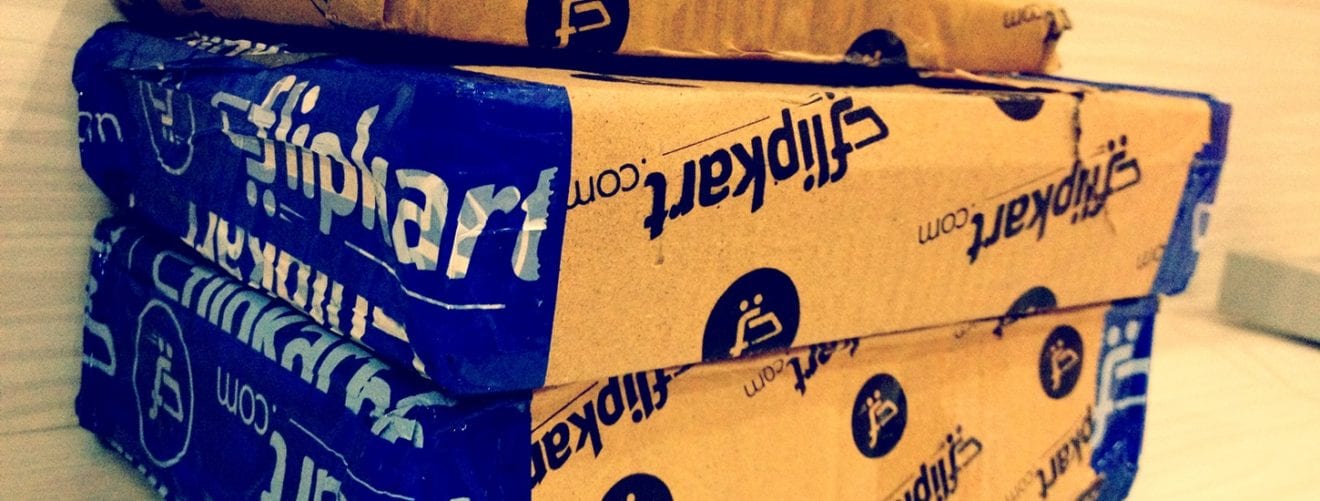
    Flipkart, India’s largest online marketplace, has started rolling out image searching on its mobile shopping app which it clams will revolutionise the shopping experience.

    Flipkart is using ViSenze technology developed in Singapore for visual search and image recognition.

    The image search system allows users to upload photos of fashion items and find similar products in terms of color, pattern or style inside the Flipkart merchandise database. This eliminates keywords guessing when searching for a product, thereby simplifying the search process.

    Additionally, users browsing Flipkart’s catalogue can find visually similar products with a single tap. This brings offline-like shopping experience to mobile, acting as a virtual “shop assistant” who would show products of same color or design when users see something they like.

    This simplified search experience comes handy on the online marketplace that lists over 30 million products and is accessed by 45 million registered users, 75 per cent of them via smartphones. These new features are currently in beta and are due to be released to all users in the upcoming days.

    “We are proud we have managed to offer a solution that is also capable to handle unique needs for the Indian market such as ethnic wear,” said Oliver Tan, CEO and co-founder of ViSenze.

    The tech company originates from an R&D spin-off from the National University of Singapore, and develops highly advanced visual search algorithms, combining state-of-the-art deep learning with the latest computer vision technology to solve search and recognition problems faced by businesses in the visual web space.

    The company provides its visual technology APIs through a Software-as-a-Service offering to online retailers, content owners, brands and advertisers, app developers and digital publishers, enabling their platforms to recognise products for retrieval purposes or instant purchases.

    “The partnership with Flipkart not only attests to the strength of our products, but also reinforces our mission to enable retailers to capitalise on smart innovations in visual technology to uplift conversions, while empowering shoppers with real-time ability to search without the hassle of keyword guessing. And we will continue to innovate in this area,” said Tan.

    Key clients using the company’s image search service include internet retailers and marketplaces like Caratlane, Zalora (a Rocket Internet company), Reebonz, and Rakuten Taiwan, as well as patent search engines like PatSnap.

  • Alibaba boosts stake in SingPost

    Alibaba boosts stake in SingPost

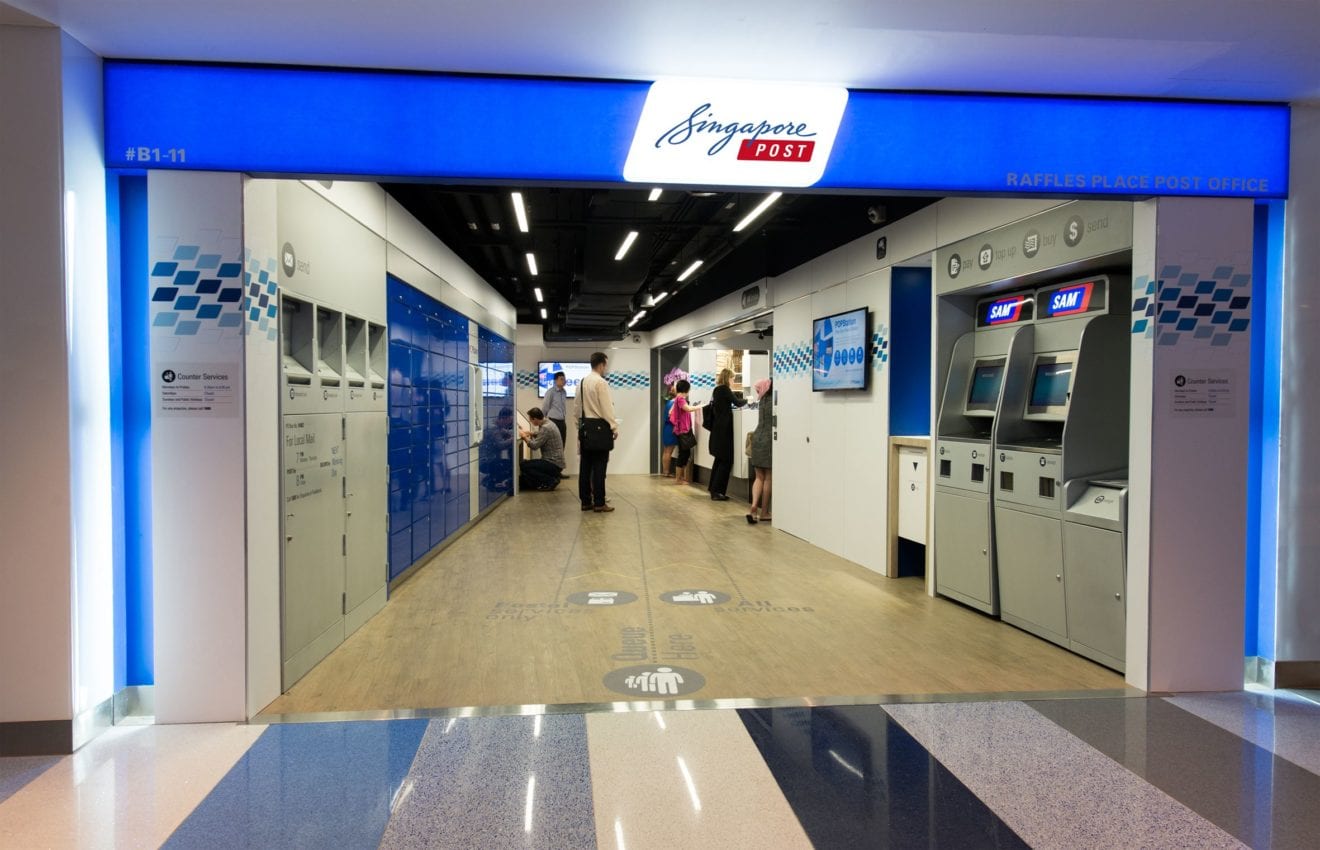
    Alibaba Group has agreed to take a larger stake in Singapore Post and invest in a subsidiary of the publicly traded post office to strengthen their joint development of eCommerce logistics services in the Asia Pacific region.

    The deal, announced today, calls for Alibaba Group to buy an additional five per cent of SingPost shares for $138.6 million, increasing its ownership position in the mail and parcel carrier to 14.51 per cent. Alibaba will also invest $67.85 million in SingPost’s Quantium Solutions International (QSI), which runs a logistics and fulfilment network in more than 10 Asia Pacific countries.

    Alibaba, China’s largest eCommerce company, has been aggressively courting businesses outside the mainland in order to promote cross-border e-commerce, working with companies such as SingPost to reduce some of the barriers to efficient worldwide delivery of small parcels ordered online-impediments such as relatively high shipping costs, lengthy delivery times and complications in getting orders through customs.

    Cross-border online shopping – consumers buying products directly from overseas retailers via the Web – will see compound annual growth of 27 perc ent over the next five years, double the rate of worldwide B2C shopping as a whole, according to a recent report from Accenture and AliResearch, Alibaba’s research arm.  While Alibaba Group currently makes less than five per cent of its revenue outside of China, Jack Ma, the company’s executive chairman, said his goal is for overseas eCommerce to eventually make up half of company revenue.

    Alibaba and SingPost began collaborating last year when Alibaba, through an investment vehicle, acquired an initial stake in SingPost. The deal announced today deepens their relationship, the companies said, with Alibaba taking a 34 per cent stake in QSI, while SingPost will hold 66 per cent.

    Under the agreement, QSI, which offers eCommerce logistics and warehousing across Asia Pacific, will be reorganised as a joint venture between SingPost and Alibaba Group. In addition, QSI will also become a platform for both parties to increase collaboration, with QSI providing eCommerce warehousing, last-mile delivery and other end-to-end eCommerce solutions. Alibaba and SingPost also entered into a joint strategic business development framework to further improve efficiency and integration between the companies, according to a press release.

    Alibaba “started as our customer and then last year became our shareholder and business partner,” said SingPost group executive officer Wolfgang Baier.

    “We are now taking the next step by building a regional e-commerce logistics platform and infrastructure for e-commerce players across Asia Pacific, based on Quantium Solutions.”

    Confronted with dwindling revenue in the digital era, national mail carriers such as SingPost have been increasingly trying to adapt by expanding services into the high-growth e-commerce arena.

    “The pace of transformation at SingPost has been accelerating steadily,” said SingPost chairman Lim Ho Kee. “As a postal service provider, we are on a burning platform, facing a global decline in mail revenue with trends like e-substitution and lifestyle changes.”

    Lim called the partnership with Alibaba “a win-win situation for both of us because we share similar goals and have a natural fit between our operations across Asia”.

    Alibaba Group CEO Daniel Zhang said his company and SingPost have in the past year “devised a series of customized logistics solutions in various markets. With these new initiatives, we hope to further drive synergies to help global brands and merchants with convenient access to China and at the same time help Chinese businesses sell and ship easily around the world.”

    The investment agreement, which must be approved by SingPost shareholders and regulators, calls for Alibaba Group to purchase 107,553,907 existing shares in SingPost, which trades on the Singapore’s stock exchange. Upon completion of the deal, Alibaba’s deemed interest on a fully diluted basis in SingPost will rise from 10.23 percent to 14.51 percent.


    Alibaba Group has agreed to take a larger stake in Singapore Post and invest in a subsidiary of the publicly traded post office to strengthen their joint development of eCommerce logistics services in the Asia Pacific region.

    The deal, announced today, calls for Alibaba Group to buy an additional five per cent of SingPost shares for $138.6 million, increasing its ownership position in the mail and parcel carrier to 14.51 per cent. Alibaba will also invest $67.85 million in SingPost’s Quantium Solutions International (QSI), which runs a logistics and fulfilment network in more than 10 Asia Pacific countries.

    Alibaba, China’s largest eCommerce company, has been aggressively courting businesses outside the mainland in order to promote cross-border e-commerce, working with companies such as SingPost to reduce some of the barriers to efficient worldwide delivery of small parcels ordered online-impediments such as relatively high shipping costs, lengthy delivery times and complications in getting orders through customs.

    Cross-border online shopping – consumers buying products directly from overseas retailers via the Web – will see compound annual growth of 27 perc ent over the next five years, double the rate of worldwide B2C shopping as a whole, according to a recent report from Accenture and AliResearch, Alibaba’s research arm.  While Alibaba Group currently makes less than five per cent of its revenue outside of China, Jack Ma, the company’s executive chairman, said his goal is for overseas eCommerce to eventually make up half of company revenue.

    Alibaba and SingPost began collaborating last year when Alibaba, through an investment vehicle, acquired an initial stake in SingPost. The deal announced today deepens their relationship, the companies said, with Alibaba taking a 34 per cent stake in QSI, while SingPost will hold 66 per cent.

    Under the agreement, QSI, which offers eCommerce logistics and warehousing across Asia Pacific, will be reorganised as a joint venture between SingPost and Alibaba Group. In addition, QSI will also become a platform for both parties to increase collaboration, with QSI providing eCommerce warehousing, last-mile delivery and other end-to-end eCommerce solutions. Alibaba and SingPost also entered into a joint strategic business development framework to further improve efficiency and integration between the companies, according to a press release.

    Alibaba “started as our customer and then last year became our shareholder and business partner,” said SingPost group executive officer Wolfgang Baier.

    “We are now taking the next step by building a regional e-commerce logistics platform and infrastructure for e-commerce players across Asia Pacific, based on Quantium Solutions.”

    Confronted with dwindling revenue in the digital era, national mail carriers such as SingPost have been increasingly trying to adapt by expanding services into the high-growth e-commerce arena.

    “The pace of transformation at SingPost has been accelerating steadily,” said SingPost chairman Lim Ho Kee. “As a postal service provider, we are on a burning platform, facing a global decline in mail revenue with trends like e-substitution and lifestyle changes.”

    Lim called the partnership with Alibaba “a win-win situation for both of us because we share similar goals and have a natural fit between our operations across Asia”.

    Alibaba Group CEO Daniel Zhang said his company and SingPost have in the past year “devised a series of customized logistics solutions in various markets. With these new initiatives, we hope to further drive synergies to help global brands and merchants with convenient access to China and at the same time help Chinese businesses sell and ship easily around the world.”

    The investment agreement, which must be approved by SingPost shareholders and regulators, calls for Alibaba Group to purchase 107,553,907 existing shares in SingPost, which trades on the Singapore’s stock exchange. Upon completion of the deal, Alibaba’s deemed interest on a fully diluted basis in SingPost will rise from 10.23 percent to 14.51 percent.
  • Indonesia AirAsia gets letter on positive equity position

    Indonesia AirAsia gets letter on positive equity position

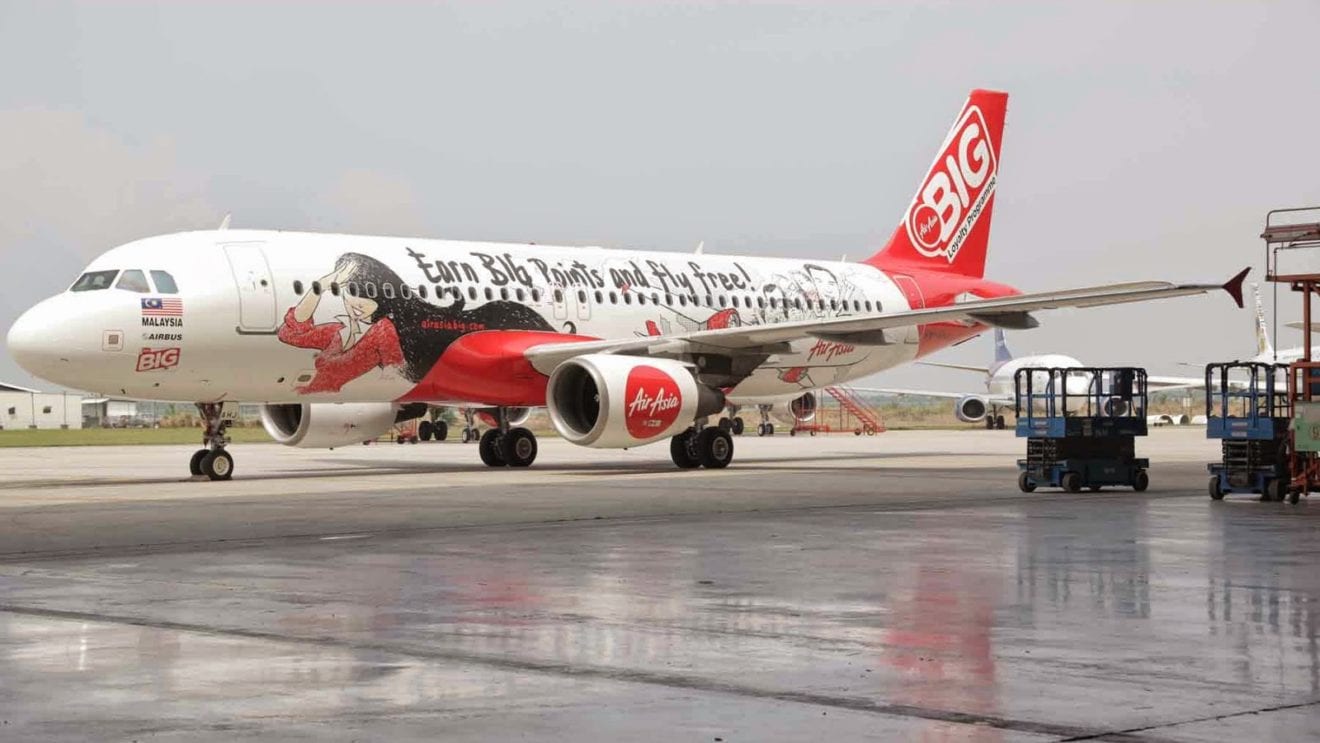
    AirAsia Bhd’s 49% affiliate PT Indonesia AirAsia (IAA) has received a letter from Indonesia’s Transport Ministry laying out terms for it to ensure a positive equity position by July 31.

    In a filing with Bursa Malaysia yesterday, the low-cost carrier said it was going through the letter and intended to meet with the ministry.

    It said the letter had no immediate effect on the Indonesian operations and that the airline would at all times continue to operate within the ambit of Indonesian laws.

    A recent report by The Jakarta Post said 13 airlines in Indonesia had until July 31 to move their balance sheets into positive figures, in order to avoid having their operating permits suspended.

    The ministry discovered that these airlines had negative equity, which occurred when the value of an asset used to secure a loan was less than the outstanding balance on the loan.

    Indonesia’s Transportation Minister Ignasius Jonan was reported recently as saying it was important for airlines to maintain positive equity, as it affected an airline’s financial ability to maintain safety standards.

    Under the new regulations, planes with a capacity of 70 seats or more must have a paid-up capital of 500 billion rupiah (RM143.4mil).

    Credit Suisse aviation analyst Muzhafar Mukhtar said this development would raise the local capital injection into IAA by 25%, and limit the potential forms in which it may come.

    “AirAsia has been working on raising for IAA US$86mil in equity from local partners and US$100mil in convertible bonds from new investors. IAA’s negative equity is US$230mil. The convertible bonds can be replaced with convertible preference shares.

    “AirAsia could also convert amounts owed to it into equity; locals need to stump up the remaining to maintain majority local ownership. Either way, capital required from locals is higher than previously thought,” said Muzhafar in a report.

    He also warned that if IAA’s operating permit was suspended, it might mean the closure of the airline.

    However, Muzhafar opined that a closure of IAA should be very positive for AirAsia shareholders in the longer run, although there would be a period of transition – keeping sentiment negative (up to 75 sen per share of amount due from IAA could be written off; reported profits would decline as lease income from IAA disappeared).

    Maybank Kim Eng Research analyst Mohshin Aziz said it was unlikely that Indonesian regulators would force abrupt compliance with the equity regulation, and cause the loss of thousands of jobs.

    “Which government wants to do this (cut thousands of jobs)? Out of the 13 affected airlines, I believe more than half would find it very difficult to comply. The Indonesian regulators are likely to give some concessions with regards to compliance,” said Mohshin, who also opined that equity should have no bearing on airline safety.

    “Of course, an equity positive company would give a better feeling of comfort. But in reality, safety rather depends on the airline’s discipline, procedures, etc, etc.”

    Another bank-backed aviation analyst said he believed IAA had a good chance of fulfilling the Indonesian regulation on positive equity.

    “It is just a question of pumping in money, and IAA management has been optimistic.”

    However, the analyst was less certain about IAA’s plans on its financial turnaround.

    “The Indonesian market is unique – there is relatively much less access for consumers via the Internet, and it is not easy to manage seats,” said the analyst.

    AirAsia closed unchanged at RM1.49 yesterday, with a market capitalisation RM4.15bil.

  • ‘Team Singapore one for all’ $15m tourism spend

    ‘Team Singapore one for all’ $15m tourism spend

    Singapore Changi Airport, Singapore Airlines and the Singapore Tourism Board are to invest S$20m ($14.8m) on a coordinated effort to encourage more visitors to engage in leisure, business and MICE activities.

    All three parties have agreed a two-year partnership aimed at enriching Singapore’s appeal to more visitors through an enhanced and coordinated approach, involving the country’s national airline, its leading airport and the destination as a whole.

    The 15 ‘visitor markets’ that are initially being targeted with this new ‘one for all’ approach include Australia; China; Germany, Hong Kong; India; Indonesia; Japan; Korea; New Zealand; the Philippines; Taiwan; Thailand; Vietnam; the US; and the UK.

    In a joint statement, the trio say that they hope to refine the Singapore experience to leisure visitors coming to and through Singapore and Changi Airport, along with intensified direct marketing efforts to consumers and through trade partnerships.

    In addition, the partnership is also investing some of its money to increase marketing investment aimed at business travellers and MICE (Meetings, Incentives, Conventions and Exhibitions).

    Singapore Airlines CEO, Goh Choon Phong said: “This partnership demonstrates our commitment to further developing our home base as a travel hub and promoting Singapore as a destination of choice. We are pleased to continue working closely with STB and CAG and draw on our respective strengths, to promote sustainable growth of inbound travel to and through Singapore.”

    Lee Seow Hiang, CEO of the Changi Airport Group added: “One of the key initiatives in this collaboration is developing and enhancing joint programmes that will contribute towards strengthening the global mindshare and perceptions of both Singapore and Changi Airport.

    “We look forward to working together to leverage our collective strengths and insights and to amplify our efforts to promote the Singapore experience.”

    Adding his comments, Lionel Yeo, CEO of the Singapore Tourism Board said: “Our airline and airport are an integral part of the Singapore experience. The new product offerings demonstrate SIA, CAG and STB’s commitment to provide today’s discerning travellers with a more seamless and in-depth experience.

    “To constantly refresh and add value to the visitor experience, it is essential for the industry to rally together; STB looks forward to more partnerships with the industry.”

    The three partners says that one of the ‘key highlights’ of this new initiative is the introduction of the Stopover Premium package which is an upgraded version of the Singapore Stopover Holiday. They say this is the latest in the three partners’ ongoing efforts to create more distinctively targeted experiences for travellers with different needs to enjoy Singapore more fully as a destination.

    This is being aimed at both premium leisure and business travellers and includes stays in selected five-star hotels with breakfast and Wi-Fi, priority hotel check-in services and private transfers (for ‘Club’ room stays).

    Other exclusive ‘privileges’ include spa discounts or shopping vouchers and access to a variety of premium leisure experiences across the island (first and business class passengers only).

    The partnership is also offering a ‘refreshed’ and enhanced Free Singapore Tour, aimed at taking transit passengers on a free guided tour of Singapore’s heritage attractions and city skyline.

    The new programme now boasts longer itineraries, more iconic landmark sights, photo stops and additional tour timings. The Singapore Tour has proved hugely popular over nearly three decades, with more than one million visitors taking advantage of the offering since it was first introduced 28 years ago in 1987.

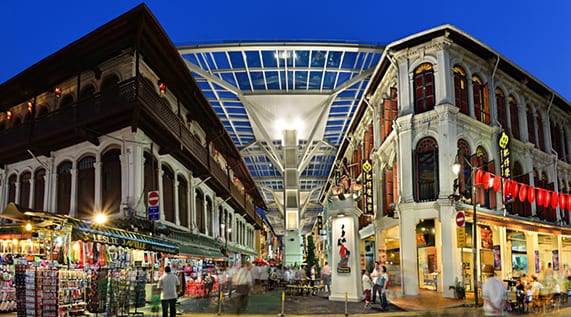
    It currently includes several attractions (see below) including Little India, Chinatown, the Colonial District, the main business district and many other attraction.

  • HSBC aims to be the leading international bank in Singapore

    HSBC aims to be the leading international bank in Singapore

    As HSBC moves to reduce costs and reverse declining profits, it says Singapore will remain one of the group’s priority markets in its pivot to Asia.

    The banking giant says it plans to cut about 50,000 jobs, sell its operations in Brazil and Turkey, and have a return on equity of more than 10 per cent by 2017.

    In its Tuesday investor update for 2015, HSBC also outlines a strategy to increase its presence in South-east Asia and China’s Pearl River Delta within the next 10 years.

    The bank notes that Singapore is a leading financial centre in Asia. HSBC aims to “become the leading international financial services provider in Singapore” in the long term, with emphasis on Financial Institutions Group (FIG) clients and large regional and global corporates. It will locally incorporate the retail business here, focus on the affluent segment and expand its private banking business to capture cross-border wealth flows.

    HSBC was one of the seven banks named by the Monetary Authority of Singapore last month as being “systemically important”, but has yet to locally incorporate its retail operations as required under the additional supervisory measures.

    The bank’s Asean strategy recognises the significant growth in loans and advances in the region between 2009 and 2014. HSBC saw this rise by 15 per cent in Singapore, reaching US$32 billion last year. This is more than twice the amount in Malaysia, and compares relatively well with mainland China, which had US$38 billion.

    Hong Kong loans and advances grew 17 per cent to reach US$214 billion.

    HSBC is among the top five banks in Singapore, based on market share in deposits and loans and advances to customers, with a loan market share of 3.6 per cent. In the past year, it opened two local branches in a bid to boost its retail business, bringing the total count to 11.

    HSBC would have to compete with other banking leaders, including DBS and Standard Chartered, as it also aspires to be one of the top five banks in South-east Asia.

    The bank highlighted its “unique position” in Asean, noting that it is the world’s third fastest-growing trade zone, and home to a large emerging middle class and some of the fastest-growing cities. HSBC has more than 180 branches in Singapore, Malaysia and Indonesia combined, and sees itself as one of the “leading foreign banks” in these priority markets.

    The bank expects “significant growth opportunity” in South-east Asia, with wealth creation to grow 3.6 times by 2030.

  • Alibaba’s chairman tells US businesses: ‘You can sell almost anything’ online in China

    Alibaba’s chairman tells US businesses: ‘You can sell almost anything’ online in China

    Jack Ma, chairman of China’s dominant e-commerce company, says Alibaba can help U.S. businesses sell to the more than 500 million consumers expected to make up China’s middle class by 2025.

    Alibaba Group doesn’t want to compete with Amazon.com Inc. for sales inside the United States—rather, the Chinese e-commerce giant wants to help small and medium-sized U.S. businesses sell online in China, Alibaba executive chairman Jack Ma said today in Chicago.

    “We are the e-commerce enabler,” Ma says. “We do not buy and sell like Amazon because we think that SMB’s already know how to sell easily and effectively. We help others do e-commerce, find customers, help with payment and help with logistics.”

    Ma is making a tour of the U.S., following a similar one to Europe last week, seeking to introduce a company that is mainly known in the West for its record-breaking $25 billion stock offering on the New York Stock Exchange in September.

    Ma spoke today with Kenneth Chenault, CEO of American Express, at the Chicago Millennium Knickerbocker Hotel today. No partnership between American Express and Alibaba was announced, although Ma did say “[Alibaba] should leverage and work with global companies like American Express.”

    Ma explained that Alibaba is already helping small U.S. businesses sell to China, and he emphasized the opportunity represented by China’s growing middle class, which he said will number more than 500 million by 2025, Ma said. In 2014, the value of purchases consumers and businesses made on Alibaba’s sites totaled $390 billion. And the 10 million mostly Chinese small and midsized business that sell on Alibaba’s marketplaces, particularly the Taobao and Tmall retail shopping portals, accounted for 95% of those transactions, Ma said. In the next five years, Ma predicts Alibaba’s transaction volume will reach $1 trillion. In 10 years, he hopes 40% of sales will come from businesses outside of China.

    “When you have 120 million people shopping on our site every day, you can sell almost anything,” he said.

    Because China does not have the extensive bricks-and-mortar retail infrastructure of the United States, Chinese consumers rapidly moved to shopping online, Ma said. E-commerce is expected to make up 24.2% of Chinese total consumption by 2020, Alibaba says. As an example of the opportunities open to foreign companies, Ma pointed out that Chinese consumers bought 300,000 “German lake crabs” in one day last year on Alibaba’s site. Farmers from the Pacific Northwest sold 600 tons of cherries through Alibaba last year, after selling 180 tons in 2013, Ma wrote in a column published this week in the Wall Street Journal.

    Ma said that Chinese consumers love American products, and that imports represent a big part of the continued growth of not just Alibaba but also China. His trip to the U.S. follows a recent visit to Europe, in the hopes of enticing foreign companies to sell on Alibaba sites. Ma said his goal is to and turn Alibaba into the largest import platform in the world.

    “In the next 20 years, China will grow to be the largest importer country in the world,” Ma says. “But, Chinese resources like the water, soil and air could never support such a huge demand. I think if China keeps exporting we will never see the blue sky in China. We have to leverage global resources to serve the 1.3 billion people.”

    While Ma downplayed suggestions Alibaba intends to compete with U.S. e-retailers, it has been investing in the United States. That includes taking stakes in Snapchat, a mobile image sharing app; TangoMe Inc., a video call app maker; Quixey Inc., a mobile search provider; and ride-hailing service Lyft Inc.

    Last year, the company also launched 11Main.com, a shopping portal for boutique U.S. retailers.