Author: Mei Ling Tan

  • Agri-Food and Veterinary Authority allows importers to resume sale of India-made Maggi noodles …

    Agri-Food and Veterinary Authority allows importers to resume sale of India-made Maggi noodles …

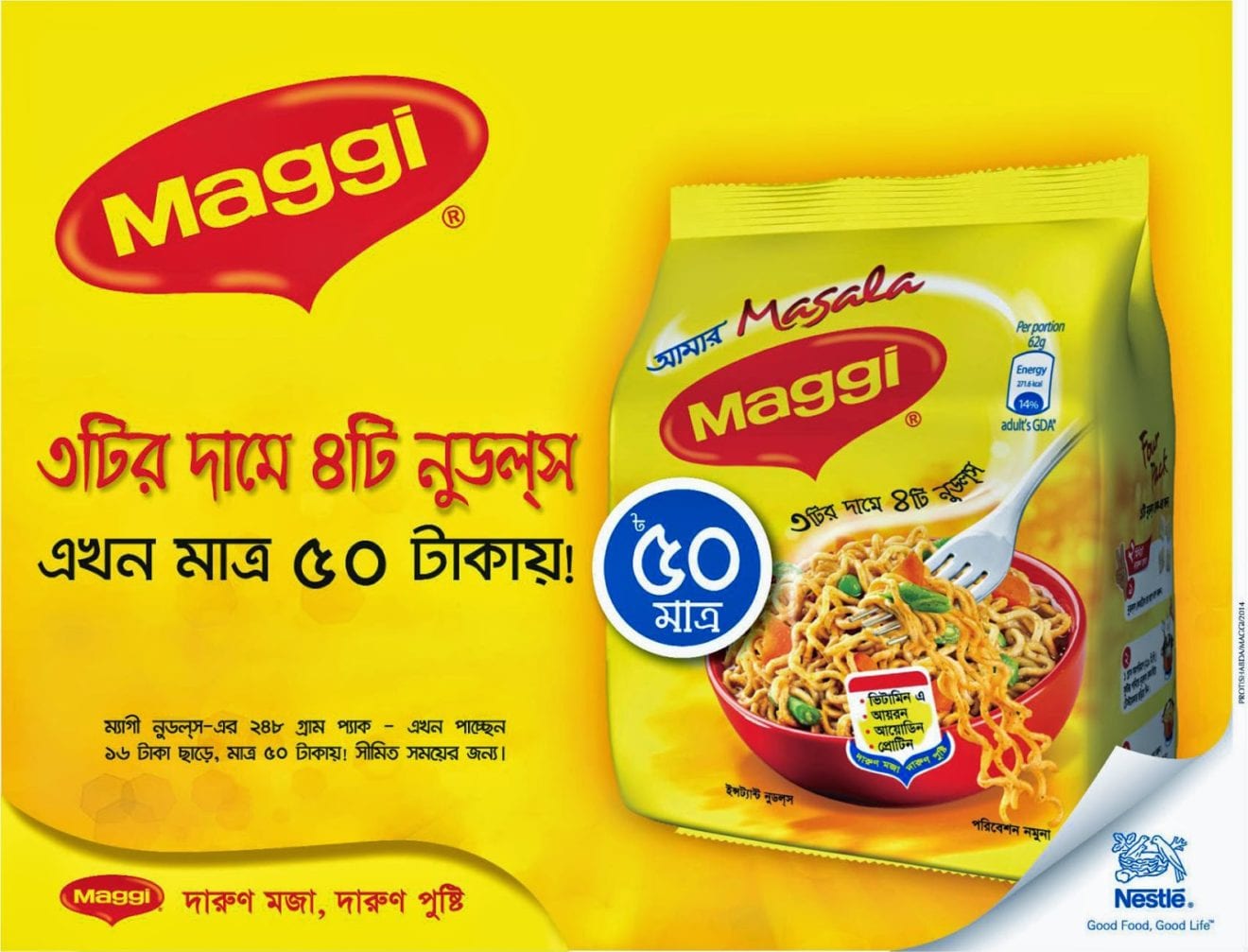
    NEW DELHI: Singapore’s food regulator declared Maggi noodles imported from India to be free from health risks, bringing some respite to Nestle. The manufacturer had been ordered to withdraw the locally made product from shelves in India because of excessive lead content and mislabeling.

    The Agri-Food and Veterinary Authority of Singapore (AVA) ordered the resumption of India-made Maggi in the citystate, which has among the most stringent rules on public hygiene. Nestle India surged on the news, ending 9.4% up on the National Stock Exchange, its biggest daily increase in five years. The share had plunged by more than 10% last week as the controversy ballooned, culminating in the nationwide withdrawal of Maggi noodles ordered by the Food Safety and Standards Authority of India.

    Singapore had asked retailers to stop selling the product last week, pending tests, after the furore in India over the product. The island-nation imports a wide variety of foods made in the country to cater to expats and locals that are sold through stores such as Mustafa Centre in the Little India area.

    Results from AVA’s laboratory tests showed that the India-made Maggi instant noodles met local food safety standards, according to a report in The Straits Times. The Maggi noodles exported to Singapore is identical to the product sold in India, said a company spokesperson. “They are manufactured at the same plants,” the person said.

    AVA also tested Maggi instant noodles produced in other countries and these too met food safety requirements, the report said. At press time, the UK’s Food Standards Agency (FSA) hadn’t reached any conclusion on India-made Maggi noodles. The FSA was checking whether the product contained excessive levels of MSG along with Nestle UK and the European Commission.

    Nestle UK only imports the masala flavour of the product from India, the FSA said on its website. It also said that the “batch of noodles originally tested by the authorities in India, which was found to contain lead, was not sold in the UK… Following the incident in India, we have taken the decision to test for levels of lead in a selection of Maggi noodles as a precaution.”

    A spokesperson from the Food Standards Agency said: “The FSA is now testing this (masala) flavour and other flavours as a precaution. As tests are currently ongoing, these results are not available at this time.

    We have requested the information on the test results and batches involved from the Indian authorities via European Commission channels.” The India and Singapore food regulators couldn’t immediately be reached for a response.

    Maggi noodles became an integral part of the Indian diet after being launched in the country in the early 1980s. Nestle’s troubles began when excessive levels of lead were found in samples tested by the Uttar Pradesh regulator. The day before FSSAI issued its order, Nestle decided to withdraw Maggi noodles from shelves in India.

    “We withdrew the product from shelves because consumers’ trust was shaken,” said Nestle global CEO Paul Bulcke in New Delhi last week. “We want Maggi noodles back on shelves as soon as possible.” The food regulator rejected Nestle’s queries regarding testing procedures in India. FSSAI said the tests had been carried out on the noodles and the seasoning or tastemaker together and separately.

    It also admonished the company for labeling the pack with the line ‘No added MSG’ (monosodium glutamate), saying this was unacceptable in markets such as the US. FSSAI has since ordered the testing of other noodle brands.

  • Alibaba chairman: No, seriously, we’re not competing in the US

    Alibaba chairman: No, seriously, we’re not competing in the US

    Ever since Wall Street’s interest in Chinese e-commerce giant Alibaba reached a fever pitch last year, investors and analysts have focused on one major question: When will the company expand into the US and take on Amazon and eBay?

    Jack Ma, Alibaba’s charismatic founder and executive chairman, visited New York this week to try to dispel that notion.

    “When are you going to come to invade America?” Ma joked, during a Tuesday speech before the historic Economic Club of New York at the Waldorf Astoria’s Grand Ballroom. Instead, he countered, “The strategy for us is helping small business in America go to China, sell their products to China.”

    While that pitch to help small businesses sounds positive and uncontroversial, US onlookers and competitors could be excused for not believing Ma. The US retail market remains the largest in the world — with China coming in second — so it’s not a stretch to think Alibaba’s long-term plans could eventually include coming to America. That means Amazon, eBay and others may someday be facing a major, new competitor on their shores and US consumers will get to know the name Alibaba.

    For now, the company has been positioning itself as a partner for US businesses, hoping it can act as a bridge for them to reach the Chinese market and become a more influential global retail player along the way. To do that, though, Alibaba needs to build trust with US retailers and not appear as a rival.

    “I think a lot of this is time frames,” said Scot Wingo, executive chairman of ChannelAdvisor, which provides research and other tools for online retailers. “I think right now [China is] definitely their priority. I think two years from now I’d be shocked if they didn’t have a more direct US presence.”

    Alibaba’s focus on small US businesses makes sense in the short-term, Wingo said, since many retailers using Alibaba’s websites have told his company they don’t have enough inventory of Western goods to meet the surging demand of their Chinese customers. ChannelAdvisor is a partner with Alibaba’s Tmall Global, which helps import products to China.

    Today, Alibaba makes nearly all its revenue in China and has little exposure to the US. The company opened online retail site 11 Main in the US last year and has a handful of investments in US businesses. While that’s not nearly enough to interest most US customers, Wall Street last year swooned for Alibaba — the largest e-commerce company in China — when the firm raised $25 billion on the New York Stock Exchange, pulling off the biggest initial public offering ever.

    Ma doesn’t plan to stop there, saying his goal is to make his company bigger than Walmart and eventually generate annual gross merchandise volume — the total value of goods sold on Alibaba’s websites — of $1 trillion. To get there, though, Ma and Alibaba will likely need more partners.

    “We did not come here to compete,” Ma said Tuesday. “We come here to bring the small business.”

  • Singaporean retailers thrive on online market

    Singaporean retailers thrive on online market

    A study by eBay shows that Singapore’s tech savvy retail exporters, who use the company’s online market place, sell to an average 41 international markets.

    eBay defines retail exporters as those sellers on its site who garner US$10,000 in sales to global customers (that is buyers outside of Singapore).

    According to an eBay spokesman, Singaporean retail exporters have been experiencing solid growth on the back of a revitalised US dollar. In South-east Asia, Singapore is ranked second in terms of reach behind Thailand. Interestingly, Singapore’s ranking is five destinations higher than US retail exporters.

    Jason Lee, director, eBay South-east Asia, noted that the US is the top trade corridor for Singaporean retail exporters.

    “An exciting trend for Singapore businesses seeking new revenue streams is the speed in which entrepreneurs are able to become a retail exporter, with 22 per cent of Singaporean retail exporters on eBay hitting the US$10,000 sales mark in the past year alone,” he added.

    The top three categories that Singaporean retail exporters sell on eBay are jewellery and watches, cell phones and accessories and clothes, shoes and accessories.


  • Swissotel to Enter Indonesian Market; Signs New 170-Room Resort in Bali

    Swissotel to Enter Indonesian Market; Signs New 170-Room Resort in Bali

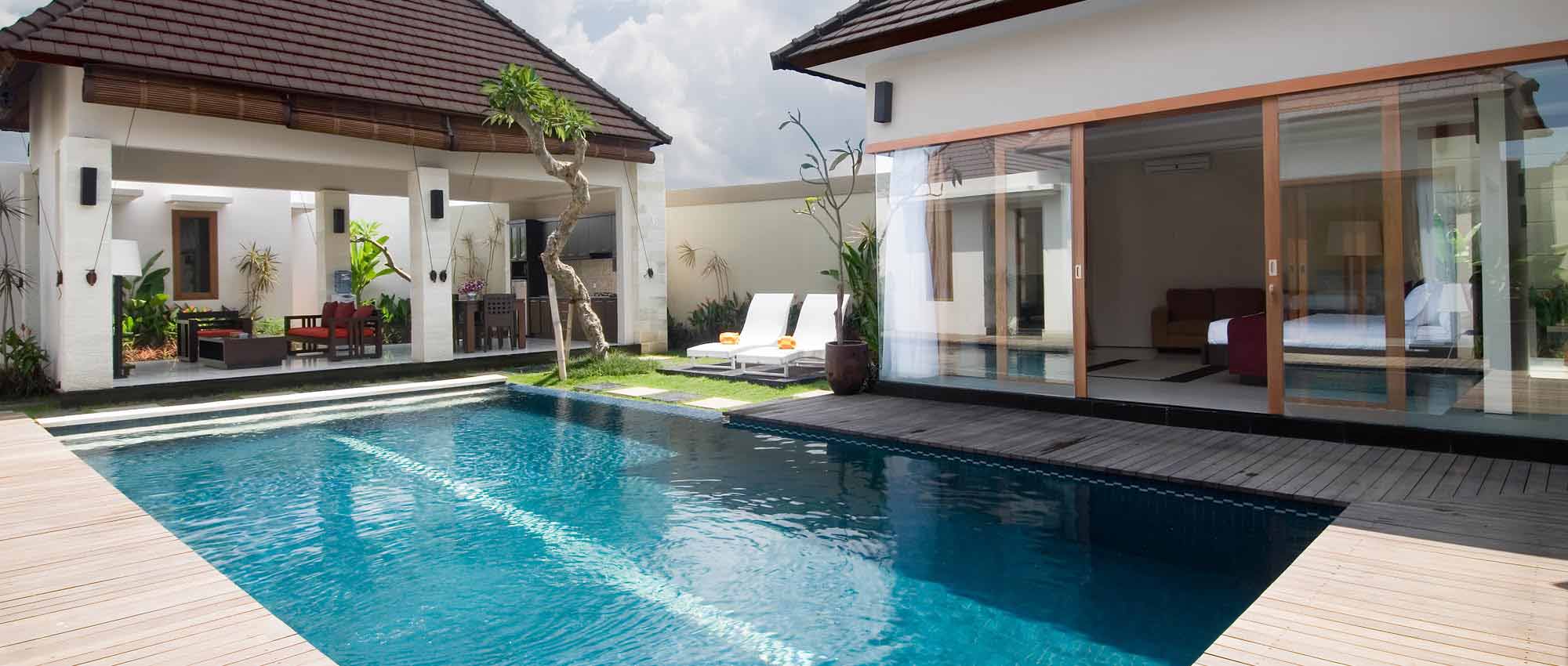
    Swissotel Hotels & Resorts, a leading brand in the FRHI Hotels & Resorts (FRHI) portfolio, today announced that it has entered into an agreement with resort developer PT. Bali Ragawisata to manage Swissotel Bali, a new 170-room resort scheduled to open in late 2017.

    Situated on a striking cliff top in Bukit Pandawa, an expansive and upscale master-planned resort development, Swissotel Bali will enjoy an enviable location on the island, mere minutes from top attractions favoured by international jet-setters and a short drive from the Ngurah Rai (Denpasar) International Airport.

    Designed by TONTON Studio, a leading design firm with extensive experience in high-end hotel development across Indonesia, the resort will offer scenic views of the Indian Ocean from stunning guestrooms featuring spacious outdoor balconies. Completing the guest experience will be a private beach club, four exquisite dining outlets including a spectacular bar, the brand’s signature Purovel Spa & Sport, and 400 square metres (4,300 square feet) of indoor meeting space with outdoor function areas.

    “This is an exciting new addition for the Swissotel brand and a perfect complement to our company’s growing portfolio of city and resort destinations throughout Asia and worldwide,” said Wayne Buckingham, senior vice president, Asia Pacific, FRHI Hotels & Resorts. “In keeping with Swissotel’s brand promise of promoting quality in life, the resort will offer a very inspiring atmosphere which will be bolstered with local attributes authentic to the locale. To be pairing an unbelievable resort product with the natural paradise that is Bali is nothing short of magic.”

    “We are extremely pleased to be partnering with FRHI on this new Swissotel resort project and look forward to working with them to create a truly world-class property,” said Djie Tjian An, PT. Bali Ragawisata. “Bali is a thriving holiday destination popular with travellers from all over the world who are looking for the ultimate mix of relaxation, adventure and cultural flair; Swissotel will deliver against this and more.”

    Located between Java and Lombok, Bali is an island with a population of 3.9 million. It is one of Asia’s leading vacation hotspots and the largest tourist destination in the country, recording more international arrivals than Jakarta, the capital city of Indonesia. In addition to its world-famous beaches, Bali is renowned for its highly developed arts, including traditional and modern dance, sculpture, painting, leather, metalworking, and music.

    Swissotel Hotels & Resorts, renowned for its Swiss inspired hospitality, is extending its international reach with plans to open a number of new developments in the coming years. Projects are slated for China, India, Russia and Turkey as well as other exciting destinations globally.

    About Swissotel Hotels & Resorts

    Conveniently located where travellers want to be, Swissotel Hotels & Resorts provides guests with the opportunity to stay in the heart of more than 30 top locations worldwide, where they can confidently explore the very best each destination has to offer. Synonymous with all there is to love about Switzerland, the brand remains true to its roots, successfully combining genuine Swiss hospitality with intelligent design and local flair. With social responsibility at the forefront and a genuine commitment to positively impact the destinations it calls home, every Swissotel upholds industry-leading sustainability standards and is committed to treating guests, colleagues, and the environment with equal respect. This all comes together to provide guests with peace of mind that is authentically Swiss. Part of FRHI Hotels & Resorts, a leading global hotel company that also operates the Fairmont and Raffles brands, the Swissotel portfolio offers business and leisure guests an authentic and local travel experience that is full of energy, passion and vitality. For more information or reservations, please visit swissotel.com.

  • Ultra Music Festival Bali

    Ultra Music Festival Bali

    The Ultra Music Festival (UMF), Miami, is undoubtedly one of the world’s most popular electronic dance music fest. As part of the Ultra Worldwide initiative, UMF is now all set to host a spin-off on the beautiful island of Bali in Indonesia this September.

    The Ultra Beach Bali festival will be held at the Potato Head Beach Club on 24 and 25 September, 2015. The pre-sale tickets for the festival are already sold out. But don’t be disappointed, you can still grab your ticket.

    Click here to buy your ticket for the Ultra Bali Fest.

    Viagogo, which is the official ticketing partner for the Ultra Beach Bali fest, has called for ticket sales now. And it has been predicted that the two-day tickets that are available for purchase now may get sold out soon.

    This is the first time the Ultra Music Fest will be happening at ‘The Island of God’ and the team behind the show is expecting over 10,000 fans (which they call “Ultranauts) for the fest.

    “Bali has always been a dream destination for travelers around the world and now, with Ultra Beach Bali, it’s building a reputation for great live music too. It’s our mission to broaden access to the best events in the world and we’re delighted to provide our world class international ticketing services for this fantastic event,” Viagogo spokesperson.

    The artist line-up and other details are yet-to-be announced, but you go to the Ultra Bali website —ultrabali.com to stay tuned and get all the updates.

    Bali is the latest addition to the list of Asian countries that have been taken over by the Ultra storm. The festival has already made stops at South Korea, Japan and Thailand and is expected to hit Singapore and Philippines later this year.

  • Tesco’s South Korea empire draws interest from private equity giants

    Tesco’s South Korea empire draws interest from private equity giants

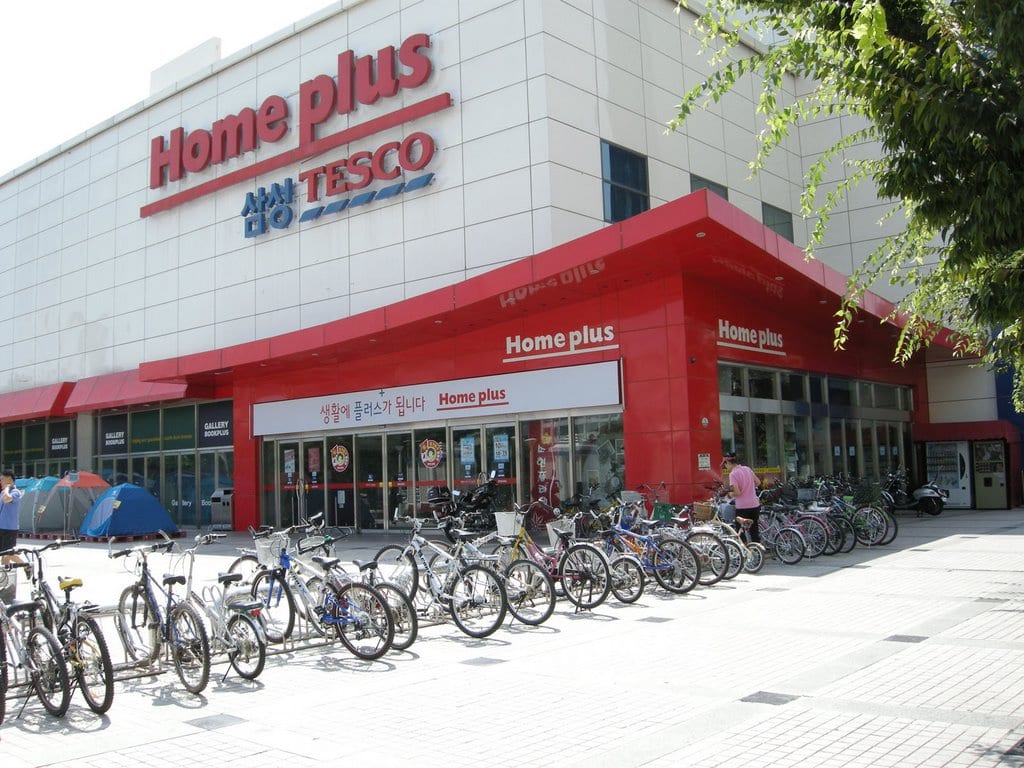
    KKR and Carlyle, the US private equity firms, have been invited to bid for the Asian business, which trades as Homeplus, while London-based CVC Capital Partners has also been asked to bid.

    The decision to sell the South Korean stores comes as the retail giant’s chief executive Dave Lewis looks to streamline the business, to concentrate on its core UK shops and raise cash.

    After two decades of uninterrupted growth, Tesco has been struggling after it became distracted by overseas expansion and failed to spot the threat of discounters like Aldi and Lidl.

    The retailer is now looking to slash capital spending, as well as fund a vicious supermarket price war and put more people on the shop floor.

    Hong Kong-based Affinity Equity Partners and Asia-focused MBK Partners were also invited to bid, and Hyundai Department Store, which is separate from the car maker, said today that it was considering bidding.

    Tesco, advised by HSBC, has asked for indicative bids later this month.

    If the sale is achieved it would be Asia’s biggest private equity deal and the region’s second biggest consumer deal ever. Sovereign wealth funds could be involved in the financing of it, given the size of the sale.

    Homeplus is Tesco’s largest business outside Britain, with more than 400 stores, 500 franchise stores and over six million customers a week.

    But the business has been under some pressure, with falling like-for-like sales for the last two years.

    Tesco is also selling its £1 billion Dunnhumby data business, and has already sold its Blinkbox digital entertainment service and Tesco Broadband to TalkTalk for an undisclosed sum.

  • Bridgestone to establish auto parts JV in Indonesia

    Bridgestone to establish auto parts JV in Indonesia

    Bridgestone Corp. plans to establish a joint venture company to produce anti-vibration rubber products for automotive vehicles in Indonesia.

    The agreement was concluded on July 2 with PT Astra Otoparts Tbk, which manufactures and sells automotive parts in Indonesia.

    The JV is to build a manufacturing plant of anti-vibration rubber products, which is set to start operations in January 2016, according to a Bridgestone statement. The total amount of the investment by Bridgestone and Astra Otoparts will be $13 million.

    Bridgestone has seven facilities in five countries to manufacture automotive anti-vibration components. To achieve further global expansion, the firm said it needed a manufacturing base in Indonesia, a major car making state in the ASEAN region.

  • Aeropostale to enter India, Indonesia

    Aeropostale to enter India, Indonesia

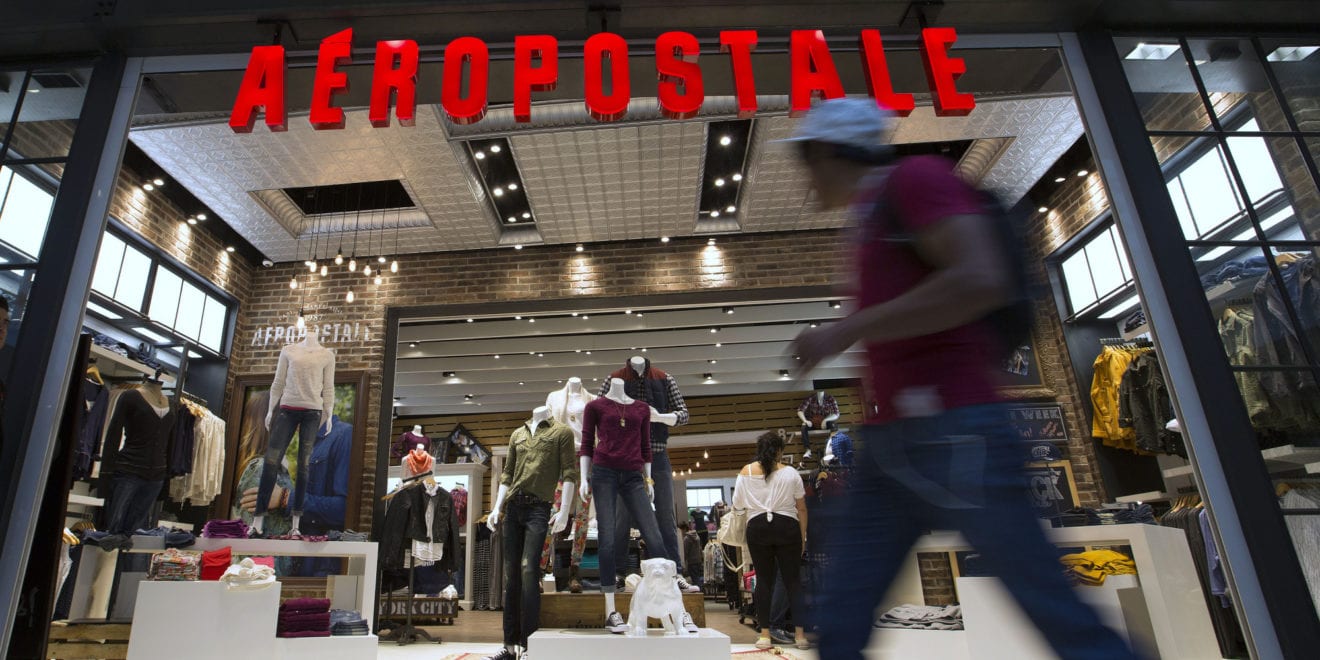
    US mall-based youth fashion discounter Aeropostale has announced new partnerships in India and Indonesia.

    The company will open stores in India through a licensing agreement with Arvind Lifestyle Brands Limited, and in Indonesia through a licensing agreement with PT Mitra Adiperkasa TBK (MAP).

    Julian R. Geiger, Aeropostale CEO, said India and Indonesia are two of the most populated countries in the world and his company sees significant opportunities by taking the Aeropostale brand to them both.

    “Following the successful launch of our brand in the Philippines and Singapore, we are excited to capitalise on the strong growth prospects in both India and Indonesia. We are totally comfortable partnering with two of the largest and strongest retailers in their respectful regions, Arvind Lifestyle Brands Limited and MAP.”

    Aeropostale’s expansion plans in India include the opening of 50 standalone stores, 150 concessions and eCommerce operations across the country over the five years, from March 2016.

    The company expects to open 10 to 12 standalone stores in Indonesia over the next five years, with its first store opening in Jakarta in Fall 2016.

    Continued Geiger: “We anticipate ending the year with over 300 locations across 17 countries. Our aggressive international growth underscores the strength and recognition of the Aeropostale brand, and we look forward to announcing new global licensing partnerships throughout the year.”

    Aeropostale  principally targets males and females aged 14 to 17 and four to 12 year-olds through its P.S. from Aeropostale stores and website.

    Arvind Lifestyle Brands has licensing relationships with many international brands including Gap, TCP, Gant, Nautica, Arrow, Izod, US Polo Association, Elle, Ed Hardy, Hanes, Cherokee and Geoffrey Beene.

    PT Mitra Adiperkasa TBK  is a leading lifestyle retailer in Indonesia with over 1800 retail stores and a diversified portfolio that includes Starbucks, Zara, Marks & Spencer, Sogo, Seibu, Debenhams, Oshkosh B’ Gosh and Reebok.

  • Jia Plus Taiwan opens in Suzhou

    Jia Plus Taiwan opens in Suzhou

    Chinese homewares company Jia has opened its first store in Taiwan.

    Jia Plus Taiwan opened this week in Shin Kong Place, Suzhou. It features a curated collection of home and kitchen wares sourced from its own portfolio, along with European brands including Italesse Italian cutlery, Denmark’s Menu, German cutlery label Mono and French wine accessories maker L’Atelier du Vin.

    The Chinese retailer says the store aims to provide “a guide to a better life”.

    “Starting off from the kitchen essentials, Jia aims to unify Hong Kong’s civilisation, Taiwan’s creativity and China’s cultures into one important Chinese [statement] to the world,” said Jia founder Christopher Lin.

    “And that nothing is greater than food – the most basic necessity for everyday people. At the same time, Jia designs splendid homeware products and successfully establishes the brand as the leading Chinese design brand in the international homeware market, showing the world the cumulative synergy that Chinese culture has to offer.”

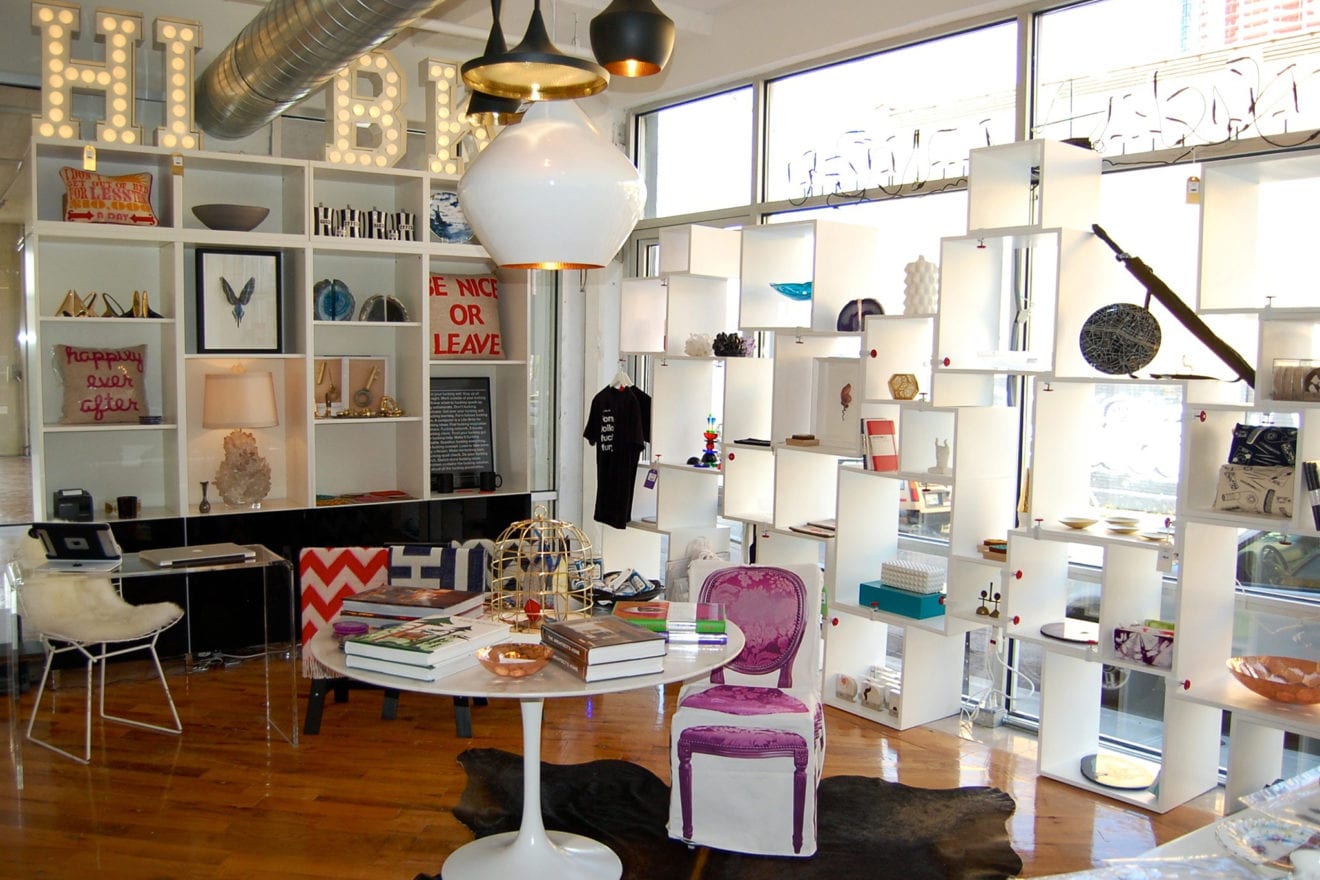
    The new store features a garden on the ground floor designed by Taiwanese architect An Yu Qian, inspired by journeys on the Silk Rd.Jia Plus’ open space concept features intertwined metal bars and earth-toned wood. The products are grouped by category.

  • Uniqlo ‘modest wear range’ targets Muslims

    Uniqlo ‘modest wear range’ targets Muslims

    A new Uniqlo modest wear range designed in partnership with UK designer and blogger Hana Tajima has gone on sale in Malaysia and Singapore.

    The Uniqlo X Hana Tajima Collection is launched today, July 3, at Uniqlo’s 313@Somerset store on Singapore’s Orchard Rd, and online at www.uniqlo.com/sg.

    A promotional campaign is fronted by Malaysian singer Yuna and the range is expected to be launched in Asian markets with large Muslim populations, such as Malaysia and Indonesia.

    Uniqlo says in line with its ‘LifeWear concept’, the collection is designed to meet the needs of women who value comfortable and relaxed wear. This inaugural collection takes inspiration from an international approach in appreciation of diverse culture and style.

    “Although Uniqlo X Hana Tajima caters to ladies who embrace modest fashion, this collection has been carefully designed to suit contemporary tastes and is versatile to complement a fashionista’s wardrobe easily,” the company said in a statement.

    The collection features pants (SG$49.90), skirts ($49.90), rayon blouses ($49.90) and long dresses ($49.90-$59.90) with a comfortable, relaxed fit which Uniqlo says makes them appropriate for an office and perfect as casual outfits.

    “Our conservative customers will certainly delight at the variety of stylish hijab headscarves ($24.90-$29.90), as well as inner AIRism hijab headscarves ($4.90) and headbands ($14.90). AIRism is a Uniqlo patented material that is thin, light and absorbs moisture for extraordinary comfort especially in tropical climates.

    Taku Morikawa, CEO of Uniqlo Singapore, said the Hana Tajima collection illustrates Uniqlo’s ambition of making fashionable, high quality products for all to wear, while enhancing their lifestyle at the same time.

    “We worked with Hana to determine what would be internationally appealing while keeping to the concept of modest wear. We are thrilled with the results of this unique collaboration which produced a desirable collection that does not sacrifice style for utmost comfort.”

    Hana Tajima, who oversaw the design of every piece in this collection, said: “We want to create a collection that not only appeals to modern ladies who prefer to dress modestly, but also an international audience who desire clothes that fit comfortably and look contemporary. My collection is specially designed to allow effortless mix and match for the today’s women to express their own style.”

  • KFC China accepts Alipay

    KFC China accepts Alipay

    More than 700 KFC China stores have started to accept customer payments via Alipay’s smartphone-based payment technology.

    The stores, in Shanghai and Zhejiang Province are the first of some 5000 outlets across Mainland China which will adopt the payment option in coming months.

    The the partnership with Alibaba, KFC China customers can pay for their meals in local KFC restaurants by using the Alipay Wallet app on their smartphones. The cashless payment solution is expected to enhance operational efficiency of the fast food chain.

    The tie-up with KFC is the first major move of the newly established Koubei, a 50-50 joint venture between Alibaba Group and its affiliate Ant Financial that focuses on increasing the availability of local services through O2O (online-to-offline) eCommerce.

    Koubei plans to integrate Alibaba’s existing food ordering and delivery service Taodiandian and Ant Financial’s merchant services.

    KFC China, which launched in 1987, has been upgrading its restaurants for mobile commerce. Wi-Fi is now available in 2200 KFC China outlets and the company has launched a mobile application for food ordering in Shanghai and Hangzhou.

    According to iResearch, Alipay, a subsidiary of Ant Financial, accounted for 82 per cent of China’s third-party mobile payment sector in 2014. In May, 25 Walmart supermarkets and hypermarkets in Shenzhen began accepting Alipay’s mobile payments.

  • Sportsdirect.com Malaysia expands

    Sportsdirect.com Malaysia expands

    Sportsdirect.com, the leading UK sporting goods retailer, opened its 13th Malaysian store this week.

    The new outlet is in the Oceanus Waterfront Mall in Kota Kinabalu.

    Sportsdirect.com Malaysia plans a further four new stores by November. The foray marks UK-headquartered Sportsdirect.com’s first direct retail investment in Asia, a partnership with Malaysian-owned MST Golf Group of companies, an established regional golf retailer.

    “We are delighted to be opening our next superstore at the Oceanus and to bring a variety of authentic sports brands and categories to Sabah consumers at unbeatable value,” said Sportsdirect.com Malaysia MD Paul Gibbons in a statement.

    At 10,000 sqft, the new store is the largest sports store in Sabah. Sportsdirect.com is a well-known sports shopping destination in UK and Europe with over 900 stores and annual sales revenue of RM15 billion.

    Sportsdirect.com offers a wide selection of global brands in sportswear, footwear and sports equipment, including leading brands such as Nike, Adidas, Puma, Yonex, Li-Ning, Speedo and Arena, alongside its exclusive portfolio of 28 internationally recognised sport, fashion and lifestyle brands including Dunlop, Slazenger, Everlast, Lonsdale and Karrimor.

    Malaysia customers experience the same look, feel and flow of the most modern UK stores, providing the widest and most in-depth range of equipment by brand, technical innovation and value.

    The stores are zoned by key sports categories: the Boot Room for football; Sheruns Heruns for running; Fitness Zone for fitness, cross training, gym equipment, weights, boxing, martial arts and yoga; Racket Centre for badminton, squash and tennis; Swim Shop for pool, beach, water sports and activities; Field & Trek for outdoor and winter, hiking, tracking and camping; the Games Room for table games, darts, table tennis; Big Action for bikes and skates; Men Sports Lifestyle; Women Sports Lifestyle and Kids Sports Lifestyle.

  • New leadership for Foodpanda Malaysia

    New leadership for Foodpanda Malaysia

    Foodpanda, the global mobile food delivery marketplace has appointed new executives to lead the company’s Malaysian subsidiary.

    Joon Chan and Uffe Jordan have been appointed MDs of Foodpanda Malaysia.

    Chan is described as “a seasoned entrepreneur and executor” who after working in the venture capital industry, founded two regional startups and consulted for many across Southeast Asia for Foodpanda’s parent Rocket Internet.

    With Foodpanda having a virtual monopoly on home delivery food services in Malaysia, Chan says he is focused on improving the overall delivery experience of customers.

    “Our main goal is to be the best food delivery service in Malaysia and we will only strive to be the best”, he said.

    Uffe Jordan holds a Master of Science in Finance and Accounting from Copenhagen Business School. He worked more than five years for a Danish private equity firm before joining Foodpanda Malaysia.

    Uffe believes that there is still room for Foodpanda Malaysia to grow and says he will be expanding “the melting pot of restaurants” on Foodpanda, especially Malaysian favorites, with an emphasis of quality over quantity.

    Including the last funding round of US$100 million, Foodpanda globally has now raised over US$310 million since its launch in 2012. After acquiring key competitors in India, Mexico, Russia, Brazil, Eastern Europe and Southeast Asia, the company will use the recent investment to further expand its own delivery activities and improve overall customer experience across its 40 markets.

    Last-mile delivery has been part of Foodpanda’s operations since the beginning, and it says it will now accelerate its efforts to drive customer satisfaction, aiming to offer the most convenient way of ordering food – from the mobile app and online.

  • Matahari Hypermart marks 111

    Matahari Hypermart marks 111

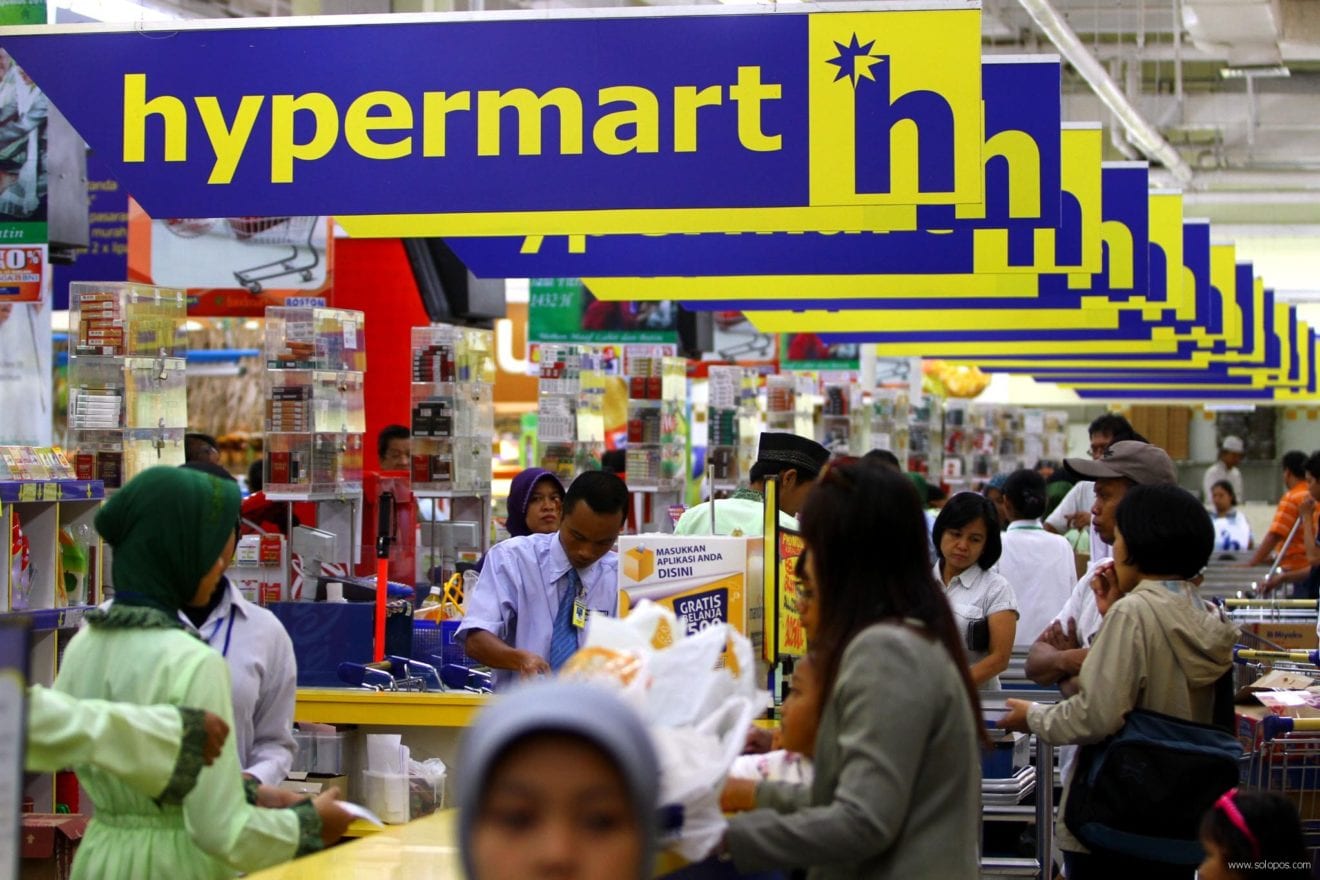
    Matahari Putra Prima has opened its 111th hypermarket, at Lombok Epicentrum Mall, Mataram

    Director of communications and PR, Danny Kojongian, says the new Matahari Hypermart features the new G7 design concept the company is rolling out across its hypermarkets in Indonesia.

    The decision to open in Lombok is due to rising consumer spending in Indonesia’s east.

    “This outlet is expected to follow the success of the previous Hypermart outlet which is also located in Mataram, Lombok,” he said in a statement.

    “With the development of tourism and infrastructure projects underway, Lombok has a huge potential to grow rapidly.

    “With the latest G7 concept, this Hypermart store expected to be a main shopping destination for daily and monthly needs that offers comfort and leading-edge services to customers.”

    Matahari is a multi-format modern retailer in Indonesia which operates Hypermart, Foodmart and Boston Health & Beauty branded stores.

    In line with the G7 concept, the new store features a new style of gondola shelving with wider aisles to allow easier navigation for customers, and a larger fresh area than previous stores. The fashion and beauty departments are upgraded and expanded to fit the evolving consumers’ lifestyles. Bakery, Ready to Eat, Fresh Food, Bulk Food, Home and Living categories are all also expanded and offer a wider range of products with modern concepts. In the operation, the outlet is engaged with the concept of environmentally friendly by using LED technology.

    Today (July 2) Matahari will also reopen its outlet in Bali Galeria. Hypermart Bali Galeria will adopt the latest concept of G7 to follow the modern lifestyle of the locals and tourists.

  • XL Axiata launches LTE in Lombok; Indosat to accelerate 4G rollout

    XL Axiata launches LTE in Lombok; Indosat to accelerate 4G rollout

    Indonesian mobile operator XL Axiata today launched a commercial 4G Long Term Evolution (LTE) service in the 1800MHz band in Mataram, Lombok. The firm’s director of service management Ongki Kurniawan explained that the decision to choose Lombok was based on its ‘special relationship’ with the area. ‘Since entering this region, we [have built an] affinity [with the people living here]. People accept and have confidence in XL when it comes to their telecommunication needs, and [that relationship is] now evolving into data and internet services. Our market share currently stands at more than 85% in Lombok,’ he said, ahead of the official launch of the service in the area.

    XL Axiata has deployed 14 4G base transceiver stations (BTS) in the Capital NTB area, as well as covering centres of government and business, and some shopping centres such as Mataram Mall. The cellco claims it can offer peak download speeds of 100Mbps on the new network which is supported by a range of affordable 4G handsets and devices from the likes of LG, Sony, Huawei, Sharp, Siemens and Lenovo. Its new service also supports Voice-over-LTE (VoLTE) it says and, having launched in Mataram, XL Axiata is now looking to roll out 1800MHz BTS in Bandung, Surabaya, Denpasar and Jakarta later this year. Additionally, the operator notes that cities that already have 4G LTE service capability in the 900MHz band – namely Medan, Bogor, and Yogyakarta – will also benefit from 1800MHz services in the near future. To date, it claims to have deployed more than 200 LTE-900 BTS in these cities and has amassed a total of 200,000 4G subscribers.

    In a separate development, XL Axiata rival PT Indosat claims that it is ready to accelerate its own 4G rollout throughout Indonesia. The cellco says its readiness to speed up its LTE deployment is thanks to its nationwide Indosat Network Modernisation programme which is designed ultimately to upgrade its entire infrastructure to support LTE with peak speeds of 185Mbps/41Mbps (down/uplink). The national programme kicked off two years ago, initially with the aim of boosting coverage, improving internet access speeds and providing clearer voice call quality (i.e. high definition voice) services. By the end of this year Indosat aims to have upgraded 42 cities and their environs (equivalent to districts/municipalities across Indonesia), under the expansion plan. IndoTelko quotes Indosat head of corporate communications, Fuad Fachroeddin, as saying that in April it launched its Super 4G-LTEservice in Jakarta, Bandung, Yogyakarta and Bali, and aims to add other cities throughout Indonesia in the near future. ‘We are optimistic we will soon be able to accelerate the deployment of 4G LTE throughout Indonesia under the ongoing Network Modernisation programme,’ he said.