Author: Mei Ling Tan

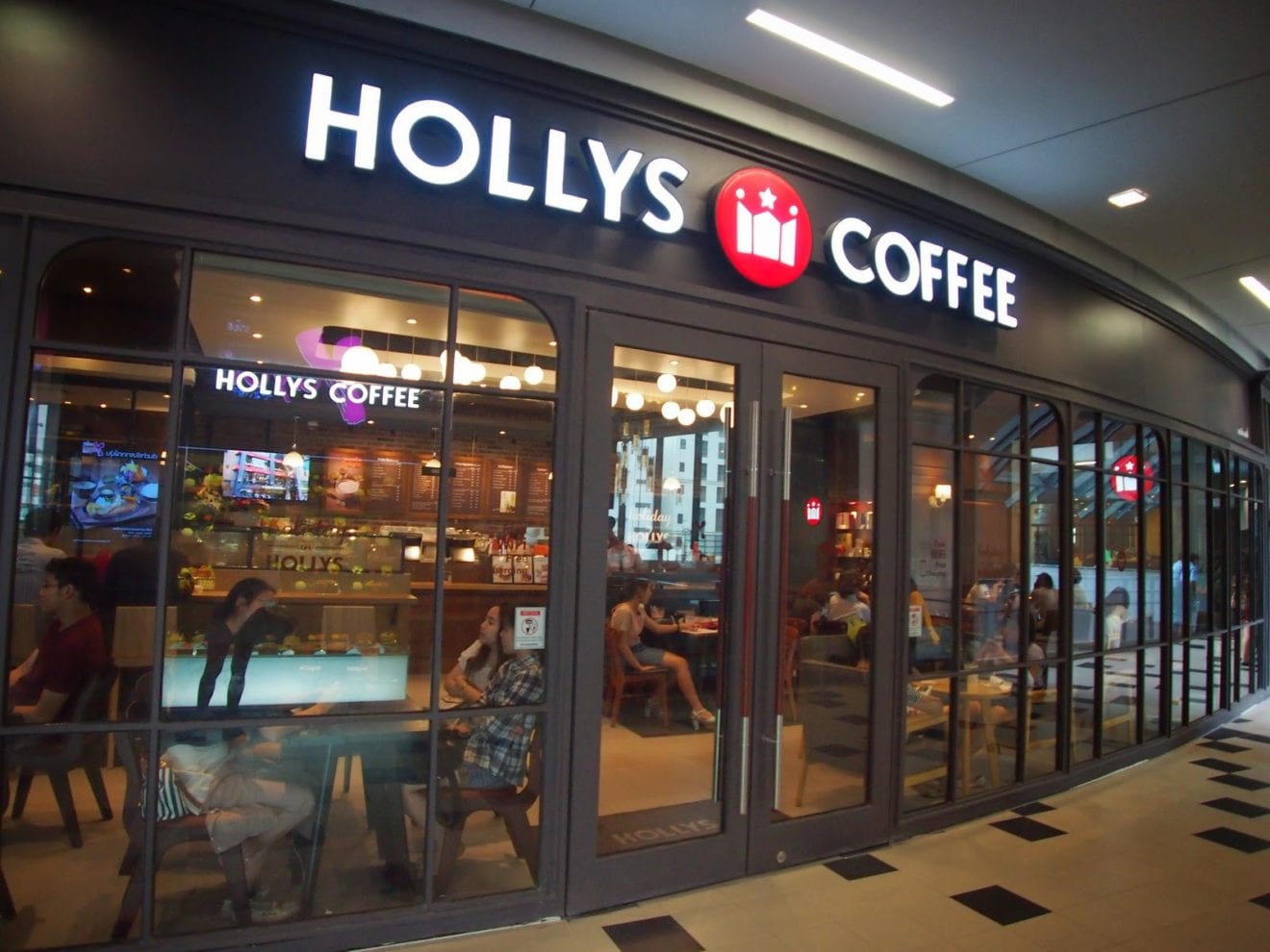
  • Hollys Espresso set for Vietnam debut

    Hollys Espresso set for Vietnam debut

    Hollys Espresso, the Korean cafe chain with a particular Parisian decor, will open its first outlet in Vietnam on July 9.

    The flagship retailer can be situated in Ho Chi Minh Metropolis and would be the first of three to be buying and selling in Vietnam by the yr’s finish.

    Hollys Espresso’s native franchise associate is TNC Holdings, which just lately gained the native franchise rights for Chilly Stone Creamery ice cream cafe chain.

    Director of franchising with TNC, Vercy Luu, informed Inside Retail Asia the primary two Chilly Stone Creamery shops will open this calendar yr. As beforehand reported, TNC plans 30 Chilly Stone shops in Vietnam, the primary in Ho Chi Minh Metropolis.

    TNC additionally has the Incito Espresso franchise and operates 5 cafes in Ho Chi Minh Metropolis and Vietnam’s capital Hanoi.

    And it operates two Mizuchi Japanese scorching pot eating places in Hanoi, with plans to open 5 in Ho Chi Minh Metropolis over the subsequent six months.

    TNC has a imaginative and prescient to be one of many prime 10 shopper and retail corporations in Vietnam, grossing US$1 billion by 2020.

    “Chilly Stone Creamery is a premium American ice cream idea and the product will probably be very inviting to the Vietnamese individuals,” Phan Duc Binh, CEO of TNC, stated on the time of the awarding of the Chilly Stone rights.

    TNC specialises in branding, distribution and manufacturing of fast paced shopper items, together with drinks, particularly espresso and tea, and private care merchandise. TNC additionally owns retail manufacturers and franchises, together with comfort shops, supermarkets and F&B chains.

  • Rome to host World Retail Congress 2015

    Rome to host World Retail Congress 2015

    Now in its ninth yr, the World Retail Congress is the important assembly place for senior retail executives.

    After consultations with senior retailers around the globe, the World Retail Congress 2015 introduces many new modifications and initiatives, not the least of which is a brand new location and host metropolis, Rome. The Cavalieri Lodge is a very excellent venue for the 2015 World Retail Congress.

    Created in response to demand for a platform for retailers from all all over the world to debate the important thing points affecting the retail business, the Congress has succeeded in bringing collectively a few of the best possible audio system to assist that course of.

    The World Retail Congress program seeks to not solely mirror however to additionally lead the senior retail agenda. This has by no means been extra necessary than it’s right now because the business undergoes monumental change.

    This yr’s theme summarises the most important problem dealing with all retailers: “Retail transformation as we speak, tomorrow and past”.

    The Congress has put collectively a line-up of main retailers, newer start-ups and disruptors and exterior specialists to offer inspiration. This system will launch a number of unique analysis stories commissioned by the World Retail Congress and steered by main retailers.

    CEOs will have the ability to meet for personal dialogue periods however to additionally profit from conferences with the highest keynote audio system and in addition be a part of a specifically ready management workshop led by Oxford College’s Enterprise Faculty.

    Throughout the three days, delegates will even take pleasure in enterprise streams and workshops which might be extra interactive and intimate to make sure most output.

    And the Congress closes there shall be a Gala dinner open to all delegates and their companions to take pleasure in a really particular night in one in every of Rome’s prime places. The dinner may even reveal the winners of the 2015 World Retail Awards.

    The World Retail Congress 2015 shall be held in Rome from September Eight-10.

    What does the longer term maintain for what you are promoting?

    Over three days the Congress will dive deeper into particular subjects according to the overarching theme of transformation. These embrace:

    The worldwide agenda and retail: Main economists, authorities figures, NGOs, associations and commerce our bodies will take part to offer a future wanting perspective on political, social and environmental actions the world over and their potential impression on the business.

    Management and organisational construction: A variety of key periods will handle how retailers are defining the ‘board of the longer term’ and modernising their enterprise tradition. As well as, a specifically commissioned MBA CEO management workshop led by Oxford College’s Säid Enterprise Faculty will present perception and analysis to help CEOs in managing inner transformation.

    Sustainable Enterprise Fashions: Reworking to create a sustainable progress technique is the order of the day and this system consists of quite a few discussions and debates on this essential theme. With the give attention to worthwhile, sustainable enterprise improvement periods will assess influential elements together with the supplier-retailer relationship and the battle towards promotional ‘fever’.

    Worldwide Enlargement: Periods designed and led by those that have years of expertise on this space will present insightful dialogue on the ‘The place?’ ‘When?’ And ‘How?’ questions; in addition, regional market specialists can be available to offer in depth information on key nations in query.

    Buyer Centric Retailing: An essential a part of retail transformation features a concentrate on getting a single, actual time view of the client to construct a long-term loyal following. To help retailers in this objective, periods will concentrate on offering predictions on shopper behaviour, in addition to exploring how retailers can recapture buyer loyalty, construct belief and develop an efficient communication technique.

    Imaginative and prescient 2020: Uniting main retailers, know-how powerhouses, futurologists, teachers and

    business specialists, key periods will give attention to presenting a imaginative and prescient of retail sooner or later contemplating predictions for particular retail sectors in addition to an image of how digital, in-store, communication and operational capabilities will develop to assist retailers higher serve their corporations.

    Be a part of the Retail Elite

    The World Retail Awards are a chance in your success and achievements to be recognised as the easiest within the international retail business.

    Though these awards happen on a worldwide stage, it’s innovation, nice concepts and confirmed success that we’re rewarding, not the dimensions or location of what you are promoting. For the previous 9 years the Congress has acquired and rewarded retailers, international, nationwide and native, nice and small. 2015 can be no totally different with seven extensive ranging classes providing all retailers the distinctive alternative to be recognised by their friends for the standard of their work and the influence of their concepts.

  • 320 Under Singapore expands into Malaysia

    320 Under Singapore expands into Malaysia

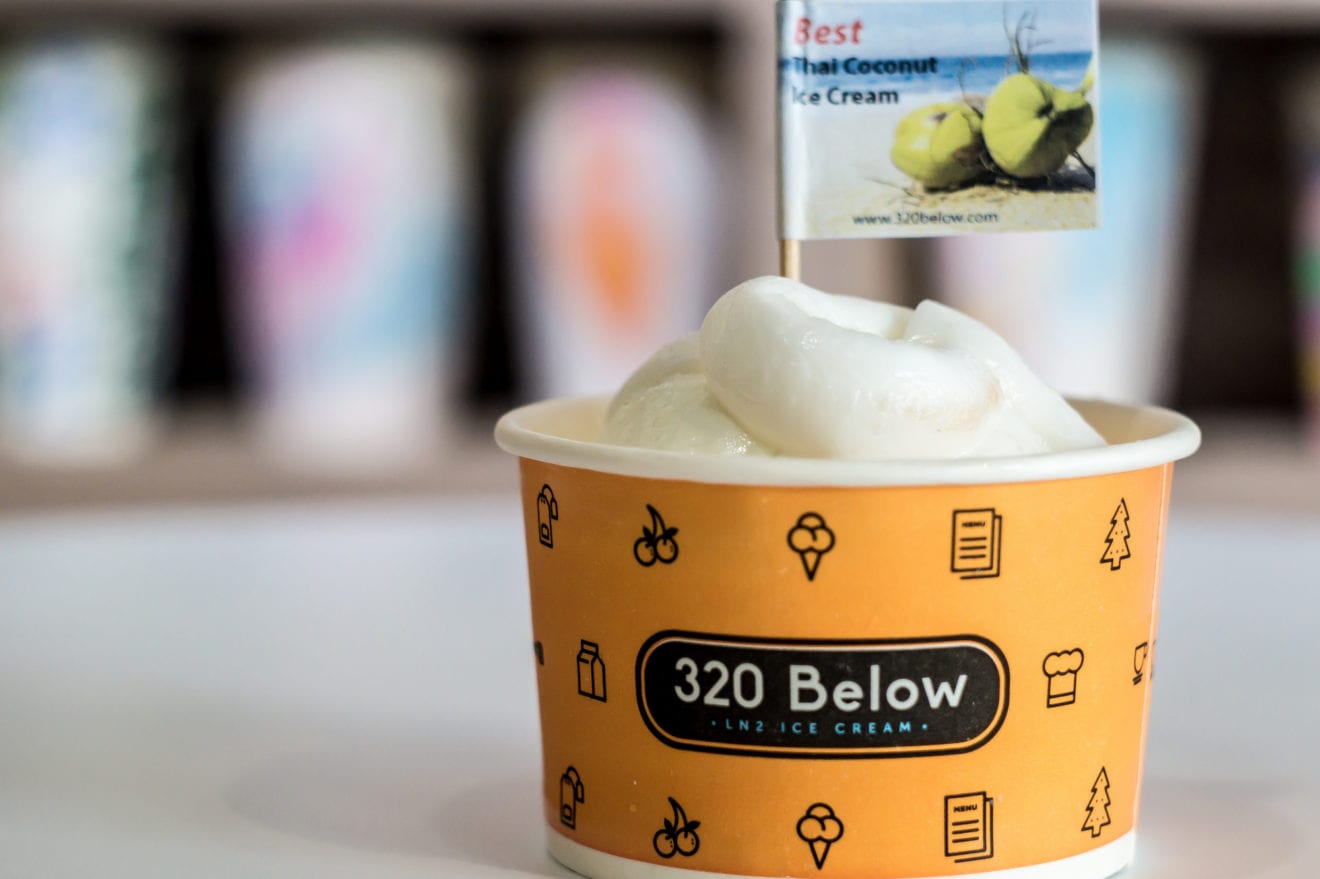
    Singapore nitro ice cream cafe 320 Under has opened its first worldwide retailer, in Kuala Lumpur’s 1 Utama purchasing centre.

    320 Under has three cafes working in Singapore – in Geylang, Tampines and Tanjong Katong Rd.

    The idea makes use of liquid nitrogen to create recent ice cream, sorbet and yogurt desserts to buyer order, mixing theatre and flavour into an experiential eating vacation spot. The top product is described as “clean and freezing chilly till the final chew”.

    The 320 Under retailer is situated on the primary flooring of the enormous 1 Utama complicated in Petaling Jaya, Selangor.

    The operators say buyer response to the brand new idea has been “overwhelming” with the model’s signature Thai coconut ice cream bought out on Saturday and Sunday, its first weekend of buying and selling.

  • H&M stays mum on new model

    H&M stays mum on new model

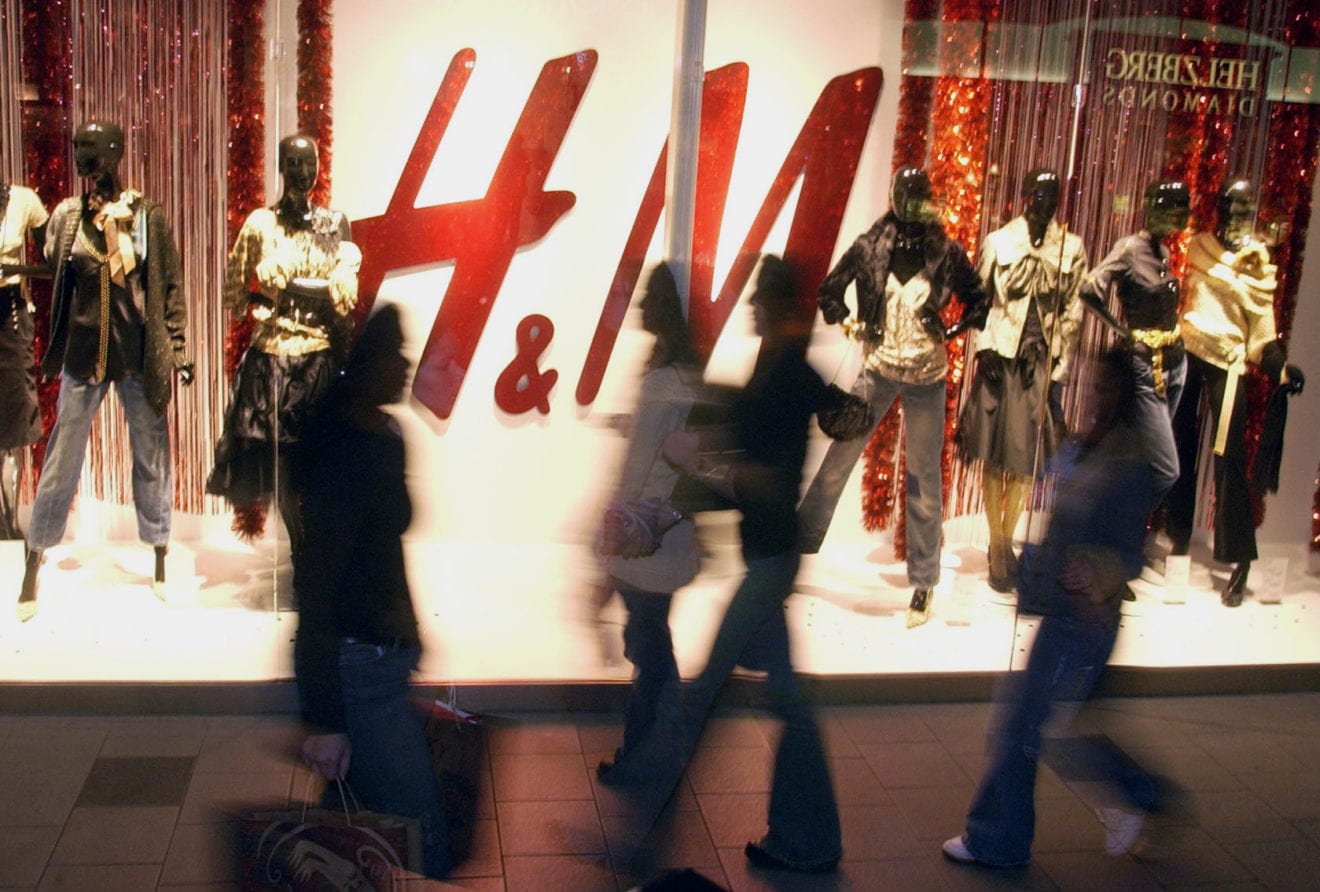
    Sweden’s H&M has revealed it’s engaged on a brand new retail model – nevertheless it gained’t say what it’s for now.

    CEO Karl-Johan Persson has stated in an interview the brand new retail idea can be utterly totally different to H&M and its sister manufacturers, which embrace Monki, Cos and Low cost Monday.

    Persson hinted the brand new idea could also be unveiled in 2017.

    Cos is positioned as a excessive road model slightly pricier than H&M, concentrating on an older demographic and a bit of extra minimalist in design.

    Monki is aimed toward teenagers and younger ladies with daring, mischievous retailer designs and story telling decor.

    Low cost Monday is primarily a denim model, whereas Weekday positions itself providing Scandinavian type.

    Persson says the aim of secondary manufacturers is to permit H&M to check ideas and tendencies at totally different worth factors.

    Nils Vinge, from H&M’s investor relations division says the corporate has a improvement staff solely targeted on new ideas however acknowledged to media there are “some concrete issues” being thought-about presently.

    Archrival retail model Zara, a part of Spain’s Inditex, has expanded out of style into homewares with a rising community of Zara Residence shops. So it’s conceivable that H&M’s subsequent model won’t be

  • Perennial moves into China healthcare

    Perennial moves into China healthcare

    Perennial Real Estate Holdings is diversifying from real-estate business in China by riding on the country’s growing healthcare industry.

    On Thursday, mainboard-listed Perennial entered into a joint venture with Guangdong Boai Medical Group to develop and manage hospital and medical service businesses in the massive market.

    The real-estate developer, which has its headquarters in Singapore, will acquire a 40 per cent stake in the joint venture for 286.7 million yuan (S$62 million). Guangdong Boai Medical Group, a unit of one of China’s largest private hospital and medical services operators, China Boai Medical Group, will hold the remaining 60 per cent stake.

    Perennial chief executive Pua Seck Guan told the media yesterday that the collaboration would see both groups combining their skills and expertise to develop and manage between 30 and 50 hospitals in the next five to seven years.

    Boai, which owns 120 hospitals in China, is well established in the medical field, while Perennial has a portfolio of large-scale integrated developments in Chengdu, Xi’an, Beijing, Zhuhai and Shengyang.

    Mr Pua said: “China is trying to revamp its healthcare business. Last year, it allowed foreigners to own 100 per cent of the medical businesses in some of the provinces.”

    The Chinese government has noted the growing demand in healthcare and has allowed doctors from public hospitals to work in private hospitals, he added.

    With spending in medical services set to surge from US$357 billion (S$481.4 billion) in 2011 to US$1 trillion by 2020, Perennial saw a chance to diversify into healthcare, said Mr Pua. The joint venture with Boai would set the stage for Perennial’s strategic expansion.

    The joint venture will acquire its first operational medical business, Modern Hospital Guangzhou, a leading tumour and cancer hospitals in Guangzhou, from Boai.

    The collaboration will focus on eight core medical fields, comprising oncology, fertility, plastic surgery, aesthetic medicine, orthopaedics, paediatrics, and ear, nose, throat and eye speciality medicine.

    The others are dentistry and cardiology and cardiovascular surgery.

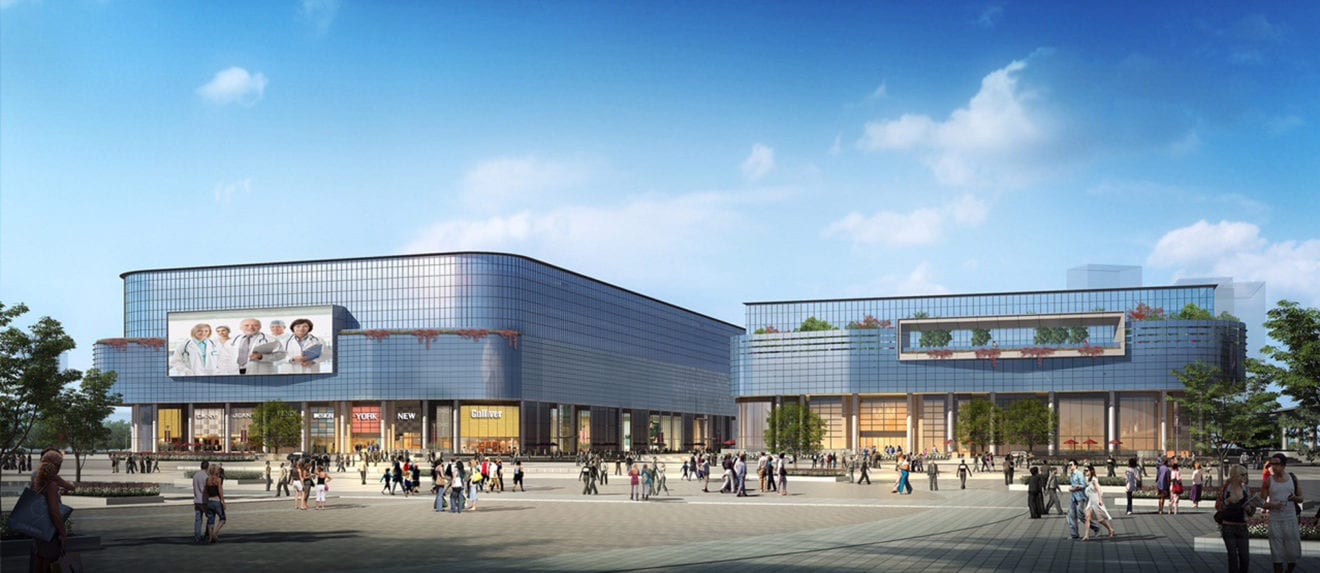
    To meet demand for healthcare services, Perennial Dongzhan Mall, part of the Chengdu East High-Speed Railway Integrated Development, now being built, will be repositioned from a retail mall to a medical and retail integrated hub.

    Dr Wong Weng Hong, who has over 20 years’ experience in setting up, acquiring and managing medical assets here and in China, will develop and scale up Perennial’s new engine of growth, said Mr Pua.

    Perennial’s assets here include Chijmes, TripleOne Somerset, Capitol Singapore and AXA Tower. In China, it has integrated developments with mainly retail, residential, office and hotel components.

    To meet demand for healthcare services, Perennial Dongzhan Mall, part of the Chengdu East High-Speed Railway Integrated Development, now being built, will be repositioned from a retail mall to a medical and retail integrated hub. The development will be renamed Perennial International Health and Medical Hub.

    Mr Pua said: “Within a travel distance of two hours, we can cover a population of 100 million… When a patient comes, they usually bring two to three relatives. Where do they stay? In our projects… we have service apartments and hotels. So it is a good synergy.”

    To meet demand for healthcare services, Perennial Dongzhan Mall, part of the Chengdu East High-Speed Railway Integrated Development, now being built, will be repositioned from a retail mall to a medical and retail integrated hub.

  • Singapore to remove distinction between international and domestic banking

    Singapore to remove distinction between international and domestic banking

    The Monetary Authority of Singapore (MAS) plans to change accounting rules that split domestic and offshore banking into separate ‘units’. 03 Jul 2015

    Since 1968, banks have had to separate operations into domestic banking units (DBSs) and Asian current units (ACUs). Domestic operations, which are predominantly denominated in Singapore dollars, are accounted for through a bank’s DBU, while offshore operations, which are entirely denominated in foreign currency, are accounted for through the ACU.

    However, global regulatory developments over the past five years have created a situation where the split system is no longer useful, Singapore’s minister of finance Tharman Shanmugaratnam said.

    The initial aim of the divide was to safeguard domestic financial stability, Tharman said.

    “For example, MAS imposed liquidity requirements on banks’ Singapore dollar liabilities – that is, only within the DBU. In addition, DBU activities were subject to large exposure and equity investment limits,” he said.

    The divide also made it easier to offer incentives to encourage offshore banking activities out of Singapore, Tharman said, but focusing incentives in the ACU.

    “The DBU- ACU divide served us well for decades, but has been losing its relevance,” Tharman said.

    “Since 2004, our development incentives have no longer been based on the domestic versus offshore distinction, and the divide between domestic and offshore banking has in practice become increasingly porous,” he said.

    In addition, global regulatory changes have meant that banks’ offshore activities are now subject to rules that are broadly similar to those governing DBUs in Singapore. These rules have increased the amount and quality of capital and the liquidity buffers that banks need, Tharman said.

    “These global regulatory reforms have put all banks on a sounder footing. It has also reduced the relevance of MAS rules that distinguish between offshore and domestic banking activities of foreign banks, since home regulators will now be requiring their banks to meet enhanced standards on a group-wide basis,” he said.

    Changes to MAS’s own regulations have also made the divide less relevant, Tharman said.

    All banks in Singapore will have to meet liquidity requirements across the entirety of their operations by January 2016, while banks that are designated as ‘domestic systematically important banks’ will be subject to extra measures on both domestic and offshore business, he said.

    In addition, Tharman said, “where a foreign bank branch has significant retail presence in Singapore, it will also be required to locally incorporate its retail operations. The subsidiary will be subject to the same suite of regulation as the local banks, and the same supervisory regime aimed at minimising risks to local depositors”.

    MAS will therefore remove the divide from banking regulations, and details will be released in a consultation paper by August, Tharman said.

    “There is no rush. We will implement the changes in close consultation with the banking community, and phase them in over time,” he said.

  • Japan’s households begin opening their wallets

    Japan’s households begin opening their wallets

    Japan’s households opened their wallets a bit wider than anticipated in Might, with family expenditures leaping for the primary time in additional than a yr.

    Family expenditures rose four.eight % on yr in Might, topping a Reuters ballot forecast for three.four % and marking the primary on-year improve because the nation elevated its consumption tax in April of 2014.

    Some took the leap as a transparent constructive.

    “Most individuals have been extraordinarily skeptical on the entire Japanese package deal. 90 % of out of doors observers stated there was no means a rustic in a state of decline for 20 years might flip itself round,” Mark Matthews, head of analysis for Asia at Julius Baer, stated in a telephone interview. “These good numbers present there’s some momentum within the financial system.”

    Japan’s policymakers have struggled to kick begin the financial system after many years of deflation, with the Financial institution of Japan launching an enormous easing program in 2013 as a part of “Abenomics,” Japanese Prime Minister Shinzo Abe’s plan to return the nation to progress.

    However after a consumption tax hike to eight % from 5 % in April of 2014, the financial system acquired clobbered when shoppers stopped spending, forcing the federal government to postpone a second gross sales tax initially due this October.

    Different knowledge launched concurrently the family expenditures have been extra muted. Japan’s core shopper worth index (CPI) rose zero.1 % on-year in Might, only a tad above a Reuters ballot forecast for a flat studying and down from a zero.three % rise in April. The unemployment fee was regular at three.three % in Might, as anticipated.

    A few of Japan’s financial knowledge has supported the restoration expectations, with gross home product (GDP) progress for the primary quarter revised greater to an annualized three.9 %, up from 1.5 % within the October-to-December quarter, amid better-than-expected capital spending.

    To make certain, not everyone seems to be shopping for into the restoration story.

    “The large image stays that there’s nonetheless substantial spare capability within the financial system which is dragging down costs,” Marcel Thieliant, a Japan economist at Capital Economics, stated in a word Friday. “There are scant indicators that the tighter labor market has resulted in stronger worth strain,” he added, noting that the determine was barely above expectations on account of an increase in risky recent meals costs. He expects costs will fall within the third quarter.

    Thieliant additionally does not see a lot to get enthusiastic about from the family spending knowledge.

    The rise adopted a pointy drop in April, he famous.

    “Even when spending continued to rise by one other 2 % month-on-month in June, personal consumption might subsequently have stagnated final quarter,” he stated.” The upshot is that GDP progress ought to have slowed sharply within the second quarter.”

    The Japanese yen held flat at round 123.59 towards the U.S. greenback after the info.

  • Stomachs flip by 40-year-old meat peddled by merchants

    Stomachs flip by 40-year-old meat peddled by merchants

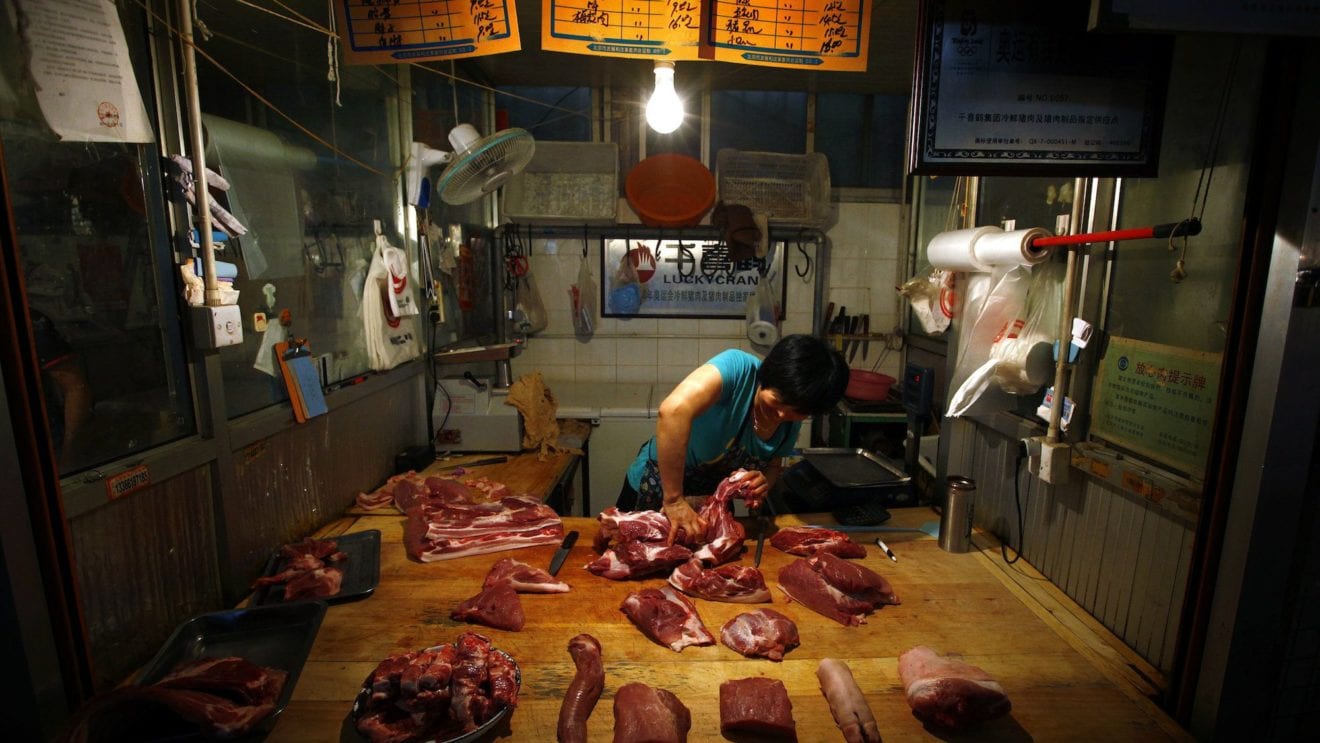
    From rat meat masquerading as lamb to tainted milk to exploding watermelons, Chinese language shoppers have turn into inured to stomach-churning meals scandals. However on Tuesday, numerous individuals have been pressured to ponder the advantages of vegetarianism after information stories emerged that unscrupulous meat merchants had been peddling tons of beef, pork and hen wings that in some instances had been frozen for 40 years.

    The Chinese language information media introduced that the authorities had seized almost half a billion dollars’ value of smuggled frozen meat this month throughout China, a few of it courting to the 1970s. The caches of beef, pork and hen wings, value as much as three billion renminbi, or $483 million, have been found in a nationwide crackdown that spanned 14 provinces and areas, the state information company Xinhua reported.

    Sometimes, the meat was shipped from overseas to Hong Kong after which delivered to Vietnam, the place merchants would smuggle the product throughout the Chinese language border with out declaring it to customs officers or going via required inspection and quarantine procedures. From there, criminals would typically transport the meat in unrefrigerated vans to save lots of prices and refreeze it a number of occasions earlier than it reached clients.

    “It was too smelly. A truck filled with it. I virtually threw up when the door opened,” Zhang Tao, a customs administration official in Changsha, the capital of central Hunan Province, was quoted as saying by Xinhua. The authorities in Changsha seized 800 tons of frozen meat on June 1 and arrested 20 suspected members of two gangs.

    In accordance with the Changsha Administration of Customs, one-third of the meat on sale on the largest wholesale market within the metropolis was discovered to be illegally imported. Whereas the origin of the smuggled meat was unclear, a report on the official Hunan propaganda division web site stated that the contraband had come from the border with Vietnam.

    Within the area of Guangxi, which borders Vietnam, customs officers discovered that a few of the smuggled frozen meat “was greater than 40 years previous,” based on The China Every day newspaper. Chinese language officers didn’t clarify the place the meat originated or the way it had been saved for nearly two generations. After being refrozen, the meat was bought to retailers, supermarkets and eating places throughout the nation. China Central Tv, the state broadcaster, confirmed staff within the southern metropolis of Shenzhen repackaging the imported meat with Chinese language labels, regardless that imported merchandise, if authorized, are typically extra worthwhile.

    A number of the meat was bought on the Web. Many meat retailers have arrange profiles on Taobao, the web buying web site owned byAlibaba, providing native and imported meat. Some declare to be promoting beef imported from the USA, although such beef has been barred from the Chinese language mainland since 2003, after outbreaks of bovine spongiform encephalopathy, or mad cow illness.

    Meals scandals are a politically delicate situation in China, the place tainted meals has sickened big numbers of individuals. In 2008, milk powder tainted with melamine, a poisonous industrial compound, made 300,000 infants sick and 6 died. Since then, the nation has encountered watermelons that exploded from the misuse of a progress accelerator chemical, pork soaked in a detergent additive, steamed buns tainted with pesticides, and 15,000 lifeless pigs drifting down the Huangpu River in Shanghai.

    However the information of 40-year-old frozen meat being bought to shoppers has left even probably the most seasoned specialists in shock. Bob Delmore, an professional on meat science at Colorado State College, stated that though it was attainable for meat to final that lengthy frozen, it might be coated by “an incredible quantity of freezer burn” because the product misplaced moisture and the flesh degraded. However as soon as it started to thaw, a shopper would instantly know one thing was incorrect. “The lifeless giveaway can be the odor and the style,” he stated.

    In China, individuals turned to social media to complain concerning the newest scandal, with some contemplating vegetarianism, or at the least a very good wine classic to make the danger go down simpler. “A bottle of 1982 Lafite plus a bit of 70s steak and a pair of 80s hen wings,” wrote one consumer on the Sina Weibo microblog. “Bon appétit!”

  • First-half gross sales set to surge by 10% for The Mall Group

    First-half gross sales set to surge by 10% for The Mall Group

    Regardless of the shortage of clear indicators of a restoration in shopper spending, The Mall Group expects 10% retail gross sales progress within the first half of this yr.

    Government vice-president Chamnarn Maytaprechakul stated the group’s retail gross sales within the first six months have been projected to rise by 10% year-on-year, beating the general business forecast of lower than 5% progress. The retail sector has not been affected by political unrest because it was final yr. The development of tourism additionally helped drive its sharp gross sales rise.

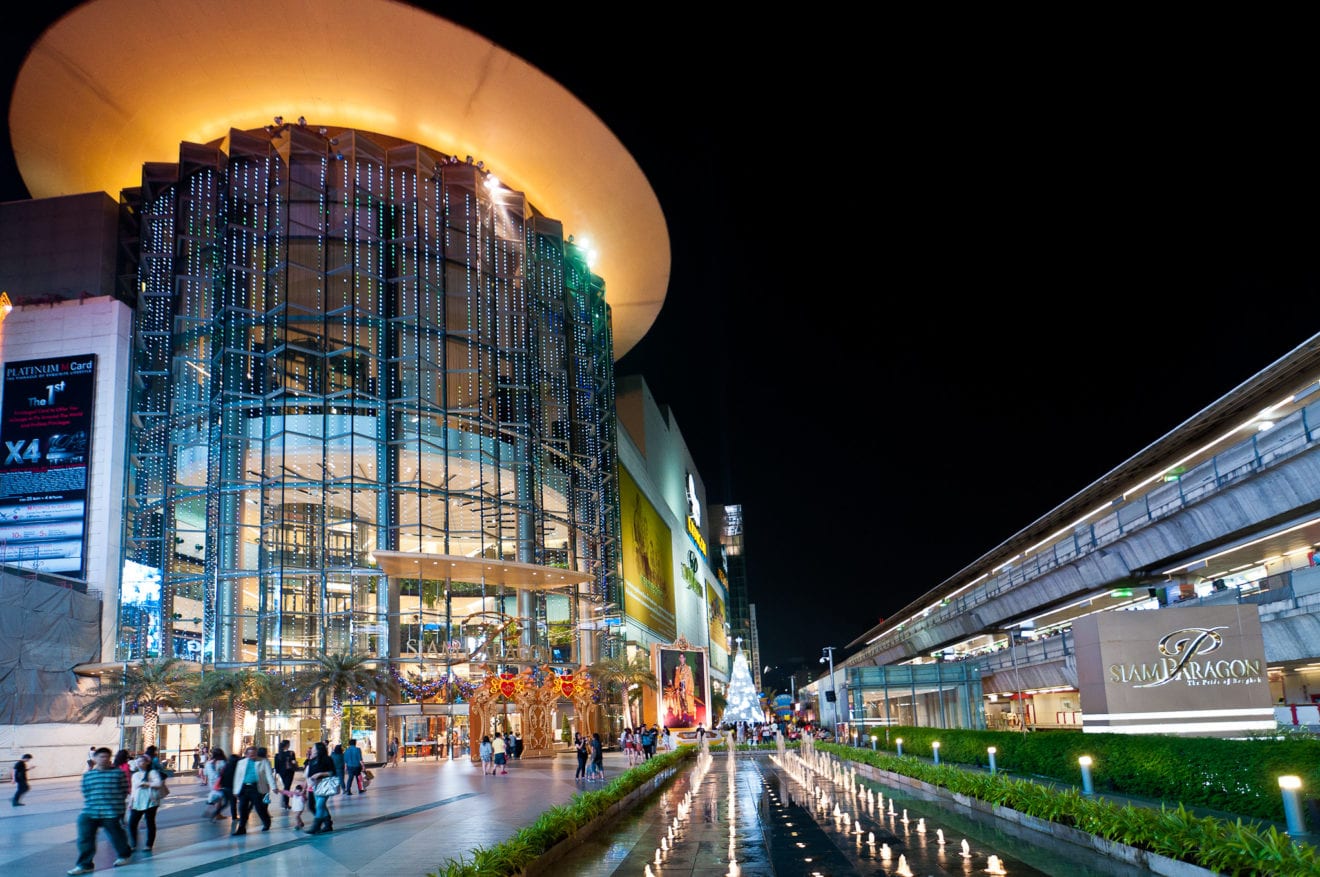
    “Siam Paragon acquired full profit from the rebound of the tourism business. It was certainly one of our key gross sales drivers within the first half,” Mr Chamnarn stated. As of April 18, about 9.three million overseas vacationers had visited Thailand, up 23% from the identical interval final yr, reflecting vacationer confidence within the nation’s political stability, in response to the Tourism Authority of Thailand.

    The group additionally efficiently opened its new shopping center, EmQuartier on Sukhumvit Street in Bangkok, a couple of months in the past. Mr Chamnarn stated the general retail business would develop by lower than 5% within the first half due to mounting family debt and decrease farm product costs. “The general financial system has not recovered, so we’ll do our advertising actions extra effectively to cowl all product classes in each main season,” he stated.

    The central financial institution on Monday warned that a sluggish financial restoration might harm the personal sector’s monetary place and debt-servicing potential. It’s predicted that weak home consumption will proceed within the second half. At The Mall, partnerships will probably be one other technique to let the group entry a much bigger buyer base.

    The group will spend about 100 million baht to launch three advertising campaigns from tomorrow till Aug 5 to spice up gross sales by three.5 billion baht. That is a part of its plan to drive gross sales to extend by 6-7% to 53 billion baht this yr. In the meantime, Zeer Property Co, operator of Zeer Rangsit purchasing complicated, will at this time open The Hub Rangsit costing three.5 billion baht subsequent door to Zeer Rangsit.

    The three-storey constructing has been developed on an 86-rai plot with 160,000 sq. metres of gross sales area. The venture has greater than 400 tenants promoting style, luggage, leather-based merchandise and equipment. About 80% of area has been reserved.

    Within the first 5 months, Tesco Lotus opened hypermarkets in Nakhon Si Thammarat and Surin, whereas Rayong acquired a brand new Robinson Division Retailer.

  • Honda Thailand to Unveil New-Gen CUV Prototype

    Honda Thailand to Unveil New-Gen CUV Prototype

    Honda Thailand’s BR-V prototype, a new-generation CUV, will make its world premiere at the upcoming Gaikindo Indonesian International Auto Show.

    The BR-V (Bold Runabout Vehicle), on display at the Aug. 20-30 event in Tangerang, Indonesia, features a solid exterior design with high ground clearance, large alloy wheels and sleek roof rails. It seats seven in a 3-row configuration.

    The BR-V is powered by a 1.5L gasoline engine with two advanced transmissions available.

    Honda R&D Asia Pacific in Thailand developed the new vehicle for the Asian market.

  • Singapore on-line trend retailer groups up with Qlik to launch in-store digital buying answer

    Singapore on-line trend retailer groups up with Qlik to launch in-store digital buying answer

    Visible analytics answer supplier Qlik stated on Wednesday that it has teamed up with Singapore on-line trend retailer Inverted Edge and Deloitte Digital, a design and improvement company to launch an in-store digital buying answer which supplies clients with a customized interactive digital purchasing expertise in retailer.

    Aside from housing high quality modern luxurious attire, the in-store answer features a regularly altering showcase of photographs and tales from clients, shared on social media, concerning the garments they put on and their associated tales. As a wearer provides a brand new garment or story, it’ll seem on the visible show, inspiring others and including to the thrill of discovering and sharing new seems to be, bridging trend and on a regular basis life from posts shared throughout social media platforms.

    At Inverted Edge we are proponents of ‘fashion that matters,’ or sometimes we call it ‘Slow Fashion’,” said Inverted Edge chief executive officer Debra Langley. “We believe that when you buy something you love, you should wear it and wear it in multiple places and in different ways and across multiple seasons. It’s not disposable, it doesn’t get thrown out after two months; it becomes something that has meaning. “As a garment is worn as part of a lifestyle, it takes on a life and emotional quotient all of its own, developing a story between the wearer and the items purchased. “We want to develop something that captures these relationships, and from a business standpoint, understand what fuels our shoppers’ purchasing decisions,” she added.

    Inverted Edge needed to create a significant expertise throughout a number of channels, notably in retailer, which displays this perspective, to vary the best way individuals store. They needed to seize tales which might be naturally created when individuals purchase trend gadgets that aren’t throw away quick items.

    Constructed on Qlik Sense and HTML5 mashups, Inverted Edge’s in-store digital answer faucets visualization and storytelling options in addition to easy, net commonplace APIs to ship an interactive and personalised digital expertise for patrons. With the uniquely responsive design, it scales merely and naturally from giant in-store touchscreen shows, to non-public units corresponding to telephones and tablets.

    The framework permits Inverted Edge to simply handle and research buying knowledge to determine key elements that drive clients’ selections to buy top quality gadgets which are designed to be worn for greater than a few seasons. This permits the corporate to find what it’s their clients are searching for and tailor their providers to buyer wants.

    “By reworking dry materials comparable to buying knowledge and buyer analytics into partaking, informative digital tales and conversations, Qlik is offering Inverted Edge with the power to deal with actual and vital issues that style retailers face in model new methods. Particularly, we’re enabling them to design recent technique of partaking with the tales we inform about ourselves, and the garments we put on and aspire to personal. It is a captivating strategy, and an ideal partnership for Qlik,” stated Donald Farmer, Qlik’s US-based Vice President of Innovation and Design.

    The digital expertise will later be replicated at Manifesto, Inverted Edge e-commerce associate’s new idea retailer carrying worldwide modern manufacturers in Singapore’s Capitol Piazza improvement. Specializing in integrating each on-line and offline initiatives, the 2 retailers are aligned on their want to create a brand new and totally different retail shopper expertise over the subsequent six months.

  • JD.com launches Australian Mall

    JD.com launches Australian Mall

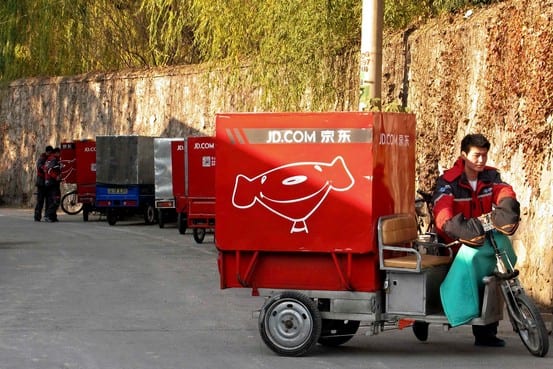
    Chinese language eCommerce gaint JD.com has launched an Australian Mall platform to convey “genuine, imported merchandise” to China.

    The Nasdaq-listed e-tailer says the brand new ‘mall’ might be a brand new channel on its JD Worldwide cross-border platform. The corporate additionally introduced cooperative agreements with Australia Submit and Treasury Wine Estates as a part of its Australia push.

    The corporate launched its Australian Mall at an occasion in Melbourne hosted by Richard Liu, founder and CEO of JD.com.

    Following the signing of China-Australia Free Commerce Settlement on June 17, the occasion additionally kicked off Genuine Australia Yr to advertise the eCommerce improvement between Chinese language and Australian enterprises.

    “Chinese language shoppers are more and more captivated with making an attempt, shopping for and utilizing merchandise from everywhere in the world, and Australian merchandise like milk and wine have lengthy been huge sellers on our platform,” stated Liu. “Now that our Australian Mall is out there, JD.com clients can additional fulfill their rising curiosity in recent Australian meals and high-quality merchandise, safe within the information they’re shopping for via China’s premier trusted supply of real merchandise.”

    The partnership with Australia Publish will make it simpler for corporations on JD Worldwide to leverage the postal service’s providers, together with package deal decide up, abroad warehousing, air and sea transportation, and small package deal junk mail from Australia to China, amongst different potential providers.

    Stated Andrew Walduck, EGM, info, digital & know-how (and CIO) of Australia Submit: “We’re additionally happy to play a number one position in connecting Chinese language shoppers with fabulous and premium Australian merchandise via JD.com.”

    The brand new Australian Mall builds on JD.com’s partnership with Austrade to advertise gross sales of Australian meals merchandise and in collaboration with Australian companions like Australia Publish and AustCham will supply a wider vary of meals together with recent milk, seafood, recent fruits and different gadgets in excessive demand amongst JD.com’s clients.

    JD.com’s Australian Mall may even function many well-known Australian manufacturers and merchandise masking numerous classes, together with healthcare, maternity, child, private care, cosmetics, sportswear and footwear.

    As a part of its Australian Mall launch, JD.com additionally introduced a brand new settlement with Treasury Wine Estates, certainly one of Australia’s premier wineries. Underneath the settlement, JD.com will start providing the corporate’s wines to its greater than 100 million lively clients.

    Because it does with its different worldwide channels on JD Worldwide, together with its lately launched on-line nation malls that provide genuine merchandise from France, South Korea and Japan, the corporate will join Australian suppliers and sellers with worldwide logistics companions, together with Australia Publish, to assist simplify cross-border transactions, thereby permitting clients in China to order and obtain the products they need in a seamless, speedy and worry-free method.

    “As a long-time associate of JD.com, we couldn’t be extra delighted to welcome Richard and his staff to Australia to additional increase their enterprise with corporations right here,” stated Phil Wohlsen GM Asia of The a2 Milk Firm.

    “As China and Australia launch a brand new period of elevated financial cooperation, I hope that extra Australians will use this chance to leverage the super assets of JD.com to faucet the large potential of Chinese language market as we now have.”

    Australian manufacturers serious about reaching JD.com’s 100 million-plus clients ought to contact JD Worldwide’s model administration group at: [email protected].

  • Digital Advertising Takes Off in Indonesia

    Digital Advertising Takes Off in Indonesia

    Rapid growth in spending on digital advertising in Indonesia is providing a boon to advertisers and telecommunication companies as increasing connectivity changes the way companies go about marketing, say industry analysts. And according to a recent study, demand for digital advertising is only set to soar.

    As more and more of the country’s 250 million people enter the middle class, access to devices that allow them to view online content expand. Enlarged smartphone and tablet screen sizes have also made mobile “an increasingly popular way for viewers to access content,” said Susan Salop, vice president of TubeMogul in Asia, a California-based software maker for digital video advertising.

    “Indonesia is in a unique position where population growth is coinciding with unparalleled technological development,” she  said.

    Many brands now go straight to digital without having to spend big on more traditional marketing, such as billboards and television ads.The booming e-commerce market here also plays a role in propping up the value of the country’s digital advertising sector, say experts.

    In the past two years, e-commerce companies “have spent huge amount of their budgets on advertising,” said Italo Gani, CEO of advertising start-up Adskom, which helps local website developers deliver better targeted banner ads on their sites.

    And growing investments into e-commerce companies, such as Tokopedia, a business-to-consumer marketplace, are enabling them to spend more money on marketing and advertising on the Internet, he said.

    Companies are predicted to spend more than $800 million on digital ads this year, up 80% from last year’s $460 million, according to an April study  by data tracker eMarketer. Of that amount, $130 million will go toward ads targeted for mobile devices, a whopping increase of 200% from $4 million last year, it said.

    In fact, spending on digital and mobile advertising in Southeast Asia’s largest economy is set to grow faster than any of the 22 other countries surveyed, including Argentina, France and Brazil.

    Growth will continue steadily through at least 2019, when the total ad market in Indonesia —including ads appearing on traditional media —is predicted to skyrocket to $19.58 billion, with spending on digital and mobile ads expected to contribute around $7.6 billion.

    Industry analysts say digital campaigns will be more effective if targeted for mobile than for desktop platforms, since people here increasingly get online through their mobile phones.

    Already telecommunication companies have been quick to take advantage of the potential.

    Network provider PT Indosat Tbk recently launched a marketplace called Indonesia Mobile Exchange, a marketplace for mobile ads that links brands with website operators to create more targeted mobile ads by drawing on data such as real-time locations of the network’s subscribers. PT Telekomunikasi Seluler (Telkomsel) and PT XL Axiata Tbk. also help advertisers better target their mobile ads to subscribers by providing them with subscribers’ demographic information, including age, gender and handset type.

    Social media promotions are also effective in Indonesia, a huge market for both Facebook and Twitter.

    To aid in that effort, Facebook Inc. has launched a program called Creative Accelerator to help improve the way brands in countries like India, Indonesia, and South Africa advertise on the site.

    Video ads are also expected to drive spending across digital mediums, analysts say.

    According to a recent survey by TubeMogul, last year purchases of video ads in Indonesia grew by more than 600%, the fastest in Southeast Asia. The report covers Indonesia, Malaysia, the Philippines, Singapore, Thailand and Vietnam.

    “While TV advertising represents the largest single portion of today’s advertising spending, consumers are increasingly watching video content on digital devices,” Ms. Salop said.

    Internet connections still remain incredibly slow in much of Indonesia, however, meaning bandwidth-hungry ads, such as videos, often take forever to load, she added.

    Analysts also said some advertisers in Indonesia are wary about their pre-roll ads driving people away rather than wait for them to finish before their content plays. And in some cases digital ads have  missed the market and been subject to criticism for delivering messages perceived as insensitive or insulting.

  • Chinese, South Koreans prefer online shopping to stores

    Chinese, South Koreans prefer online shopping to stores

    Online shopping has overtaken bricks and mortar retail as the most popular method of purchase in several Asian markets.

    That stunning revelation comes from a new report from real estate company CBRE How We Like to Shop Online which is based on responses from online consumer panels. CBRE warns the findings represent the emerging behavior of this important and fast-growing segment of all markets, but may not fully represent consumer behavior in markets with low online penetration.

    That said, the conclusions remain relevant to traditional retailers.

    “While 50 per cent of Asia Pacific consumers still physically visit a shop to make a purchase, findings show that in emerging markets such as China and India, the majority of respondents – 76 per cent and 68 per cent respectively – use online shopping as their most commonly used method of making purchases,” said CBRE in an overview of the report.

    “This is also the case in more developed markets of South Korea and Taiwan where 73 per cent and 55 per cent of consumers respectively, also said their primary method of making purchases is online.”

    “For emerging markets, given the lack of quality retail space – particularly in lower tier cities – advances in technology and logistics networks mean that online retail is often the most efficient way for retailers to reach their customers,” said Jonathan Hsu, head of occupier markets research, CBRE Asia Pacific.

    Along with convenience, pricing ranks as one of the top reasons why consumers shop online – 63 per cent of the total number of respondents surveyed identified this as their key deciding factor. These correspond to the same deciding factors when shopping at physical stores.

    “With 56 per cent of Asia Pacific consumers using their desktop or laptop to check prices of products online, price transparency is an important aspect for retailers to consider,” said Joel Stephen, senior director, head of retailer representation, CBRE Asia.

    “We recommend retailers review their regional pricing strategy, particularly in China and South Korea where more than two-thirds of consumers identified lower prices and better offers as the main reason behind their decision to shop online. In Asia Pacific, foreign brands – in particular luxury – are often more expensive than other regions due to import duties, exchange rates and the franchise model impacting the price. This may encourage consumers to consider alternative sales channels, such as overseas online markets, in search of better deals,” said Stephen.

    The ability to compare products without having to physically visit individual stores is another key factor for the region’s consumers when shopping online. This trend is more prominent in emerging markets such as Vietnam (64 per cent), China (61 per cent) and India (58 per cent) where quality shopping centers or shops are often located far from each other.