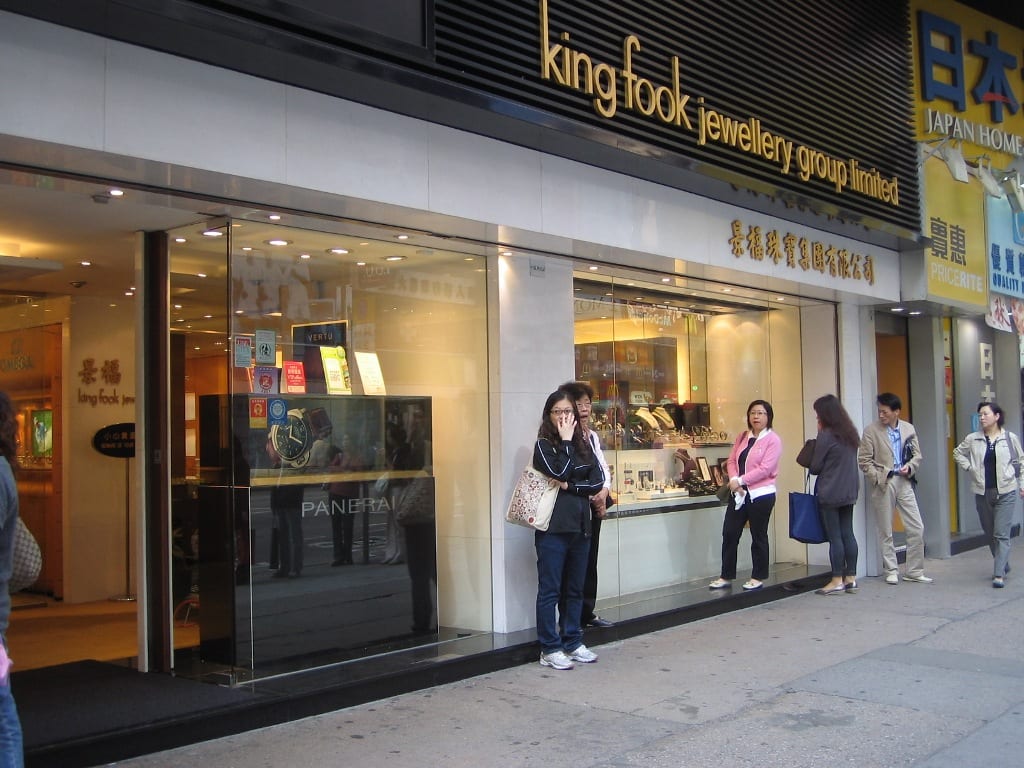
Luxurious jeweller King Fook says it misplaced $149.25 million within the yr to March 31, blaming the Occupy Central protest motion and the decline in cashed up Mainland buyers.
The group’s turnover from its retail enterprise plunged 27.eight per cent to $817.6 million (from $1.13 billion the earlier yr) “following the overall decline of the Hong Kong luxurious items retail market”.
As the corporate discounted inventory to extend gross sales, its gross revenue margin fell from 23.7 per cent to 20.9 per cent.
It closed or downsized 5 underperforming shops to consolidate its flooring area.
In its submitting, King Fook stated the spending of vacationers from Mainland China was adversely affected by the Chinese language Authorities’s anti extravagance marketing campaign, which in flip critically affected the posh items retail market.
“Furthermore, native consumption sentiment was negatively impacted by the outbreak of the Occupy Central protests through the interval from September to December 2014.
“The Hong Kong luxurious items retail market has not recovered because the outbreak of Occupy Central and has additional deteriorated by weakened consumption patterns and deceased spending of vacationers from Mainland China. The group expects the sluggish market circumstances will proceed and the problem to the posh items retail market is extreme.”
It says it can “improve its competitiveness by cautiously reviewing and adjusting its retailer places, working prices and product combine in order to raised tackle the altering vacationers’ wants and the native market”.
The corporate expects lease reductions within the yr forward reflecting the slowdown of the posh items retail market.
It should additionally develop a web-based platform in order to not miss out on the development in the direction of on-line buying. It hopes a web-based presence will direct web customers to go to the group’s bodily shops.
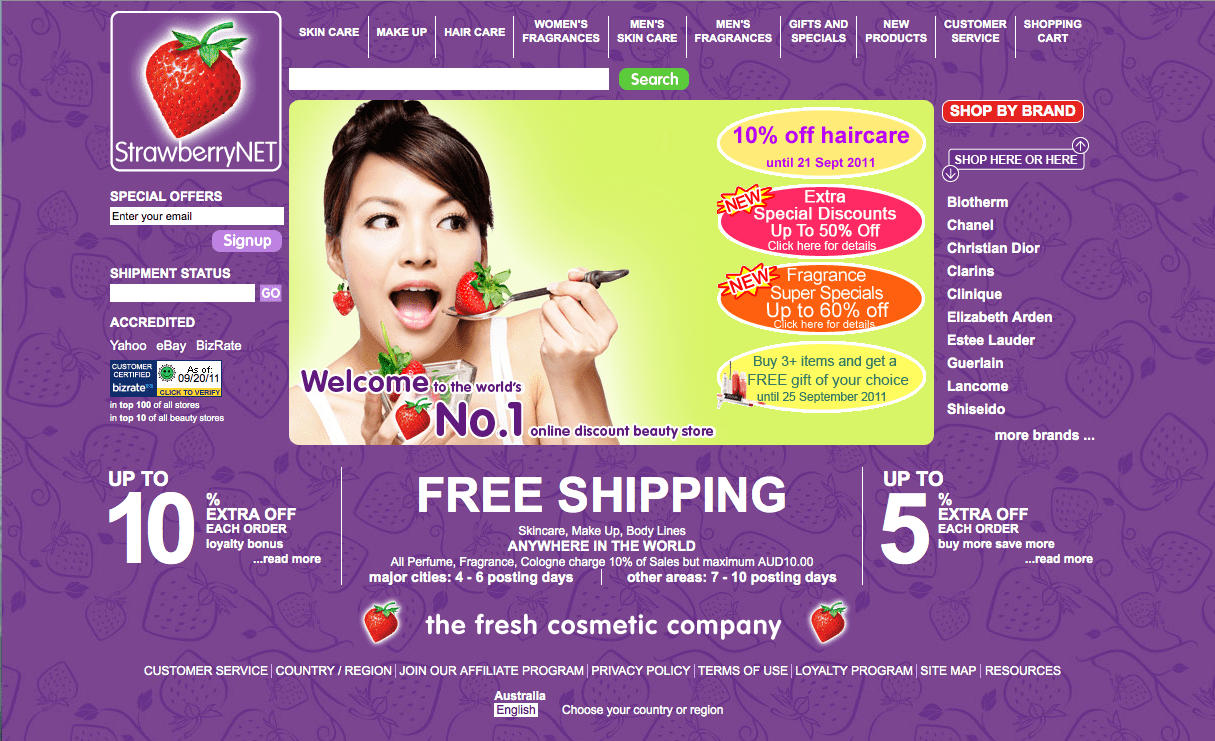
Taiwan’s GigaMedia, a web-based video games and computing providers supplier, is to purchase 70 per cent of worldwide eCommerce cosmetics retailer Strawberry Cosmetics.
Taipei-based, Singapore-listed GigaMedia can pay about US$93.1 million for the stake.
Strawberry Cosmetics owns and operates the web site StrawberryNET.com and the associated cellular software. It has a complete gross sales and distribution community masking main nations worldwide, with growing enterprise in Asia, is translated into 38 languages and has a worldwide buyer base of greater than three million.
Strawberry Cosmetics has additionally established a worldwide sourcing community of a complete vary of magnificence merchandise with greater than 700 manufacturers and 30,000 SKUs.
During the last 4 years the web site has achieved annual gross sales exceeding $200 million, largely in Oceania, the US and Europe.
GigaMedia believes Strawberrynet.com has vital progress potential in Asia.
“As Strawberry Cosmetics is a longtime and confirmed eCommerce platform with an present buyer base, the corporate is of the view that the transaction would assist diversify the corporate’s general enterprise dangers and broaden the corporate’s enterprise portfolio within the web and know-how sector and permit the corporate to faucet into the quick rising magnificence and cosmetics eCommerce market,” GigaMedia stated in a press release.
It sees potential vital synergies from leveraging its IT, on-line and offline advertising, in addition to its native connections in numerous Asian nations together with China, Japan and South Korea.
GigaMedia’s on-line video games enterprise is an progressive chief in Asia with rising recreation improvement, distribution and operation capabilities, in addition to platform providers for video games; focus is on cellular video games and social on line casino video games. The Firm’s cloud computing enterprise is concentrated on offering enterprises in Higher China with essential communications providers and IT options that improve flexibility, effectivity and competitiveness.
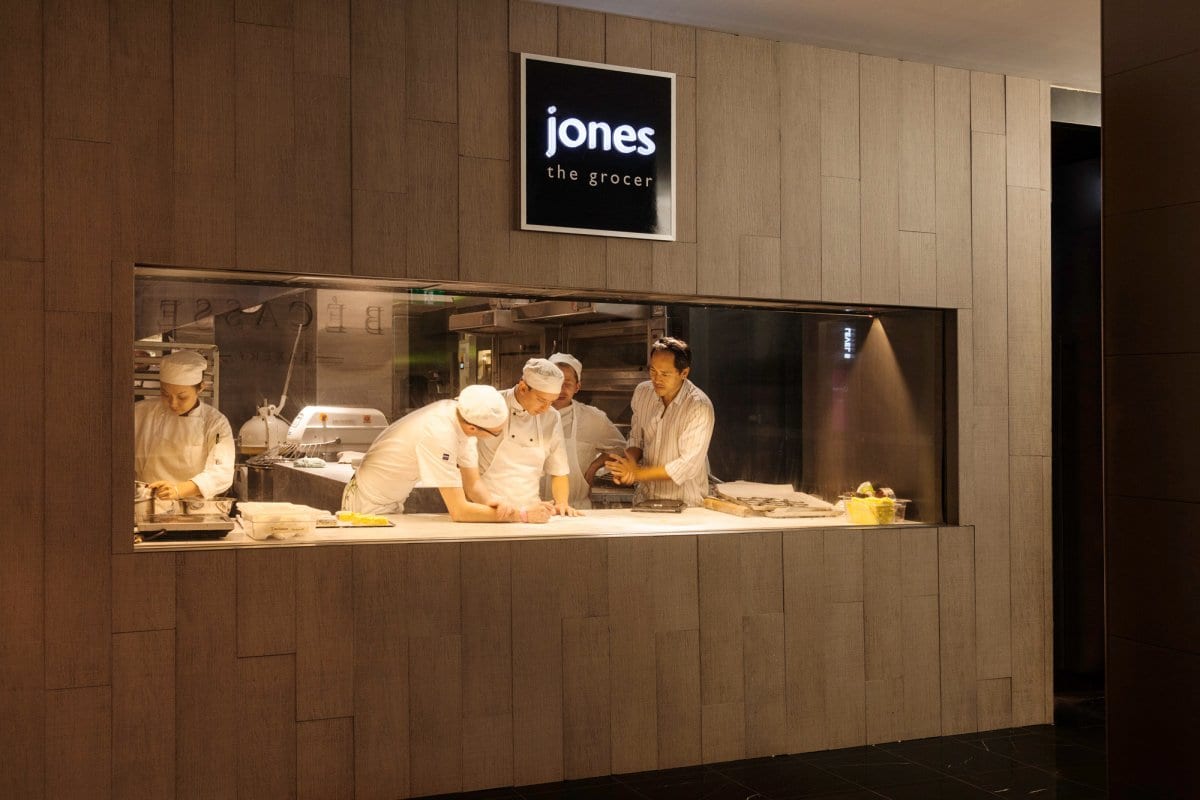
Louis Vuitton’s personal fairness arm L Capital Asia has purchased the stays of collapsed Singapore gourmand meals retailer Jones the Grocer.
The upmarket grocery retailer was initially based in Australia, however collapsed final yr. It has shops on Dempsey Hill and in Mandarin Gallery.
L Capital Asia had taken a 63 per cent stake within the Singapore arm of the enterprise, Jones the Grocer Worldwide, (JTGI), three years in the past, believing the model and idea had robust potential in Asia. However it was positioned beneath judicial administration in December.
The Singapore Enterprise Occasions reported the corporate had money owed of $15 million and a financial institution stability of $61,000 on the time.
Recent Bay Investments, a subsidiary of L Capital Asia, has paid S$2.75 million for the model rights and different belongings of the enterprise, however not the debt, probably angering some suppliers. Singapore information media report L Capital has already acquired the worldwide model rights from the Australian firm which it additionally has a majority stake in.
In addition to its unique funding, and final week’s $2.75 million for the shell, Recent Bay has reportedly ploughed an extra $17 million into maintaining the enterprise afloat till now.
L Capital Asia managing companion Ravi Thakran informed AsiaOne Enterprise that his firm knew the Jones the Grocer enterprise greatest and was subsequently the only option to rebuild the model.
South Korean beauty maker Tonymoly says it’ll increase its funding in China after a market debut subsequent month, to faucet deeper into the fast-growing magnificence market.
Tonymoly, Korea’s seventh-largest beauty model by 2014 gross sales, has posted double-digit progress since its institution in 2006 and has about 1800 outlets in 20 nations, together with Hong Kong, the US and Russia.
Buoyed by strong gross sales, Tonymoly China is getting ready for its debut on July 10, pledging to broaden funding in China driving the ‘Okay-beauty growth’.
“China has an enormous progress potential. We’ll maximise the expansion potential by immediately getting into the Chinese language market, which has turn out to be the corporate’s second home market,” CFO Hong Hyun-ki stated in a briefing.
“We’ll construct factories in China to supply quite a lot of beauty manufacturers and open model outlets throughout the nation utilizing the fund from the general public providing.”
Tonymoly logged 305.2 billion gained (US$275.four million) in gross sales final yr, with 11.four per cent coming from obligation free outlets and shops in Myeongdong, which closely depend on Chinese language shoppers.
Tonymoly has provided to promote its shares between 26,400 gained and 30,200 gained per share, which might increase between 77.6 billion gained and 88.eight billion.
A rising variety of Korean beauty companies are eyeing the worldwide market because the home market has turn into saturated and progress has been slowed resulting from fierce competitors and rising advertising prices.
Whereas native companies discover it more durable to enter European and American markets, they’ve gained big reputation amongst Chinese language shoppers who love Okay-pop stars and are wanting to mimic their types.
China’s cosmetics market is the world’s third-biggest market value $26 billion a yr, international market researcher Euromonitor stated, anticipating it should develop eight per cent annually from now to 2017.
Korean division retailer gross sales are on the rise.
Figures launched by the Ministry of Commerce, Business and Power at this time (June 29) present a second consecutive month-to-month improve in Might, boosted by meals and attire.
However the figures ought to be taken with warning: the impression of the MERS outbreak in Korea gained’t be mirrored within the figures till June, when shoppers began staying house to scale back the danger of an infection.
Gross sales Development of Korea’s Main Retail Channels for Might reviews a three.1 per cent improve in division retailer gross sales by the main gamers and a extra modest zero.5 per cent improve from low cost department shops.
In April, gross sales rose 1.three per cent and zero.02 per cent respectively.
Analysts attribute Might’s will increase to gross sales of luxurious branded items, womens informal attire, childrenswear and golfing gear.
Meals drove low cost retailer gross sales, fuelled by discounting promotions, however childrenswear and tv gross sales subsided.
Comfort shops continued to thrive, posting a 31.5 per cent progress, largely because of cigarette worth will increase and greater than regular gross sales of prompt and recent meals.
Those tiny, frantic yellow creatures, the Minions, conquered the world with a smile, a wave, and their trademark unintelligible chatter as supporting characters in the first Despicable Me (2010).
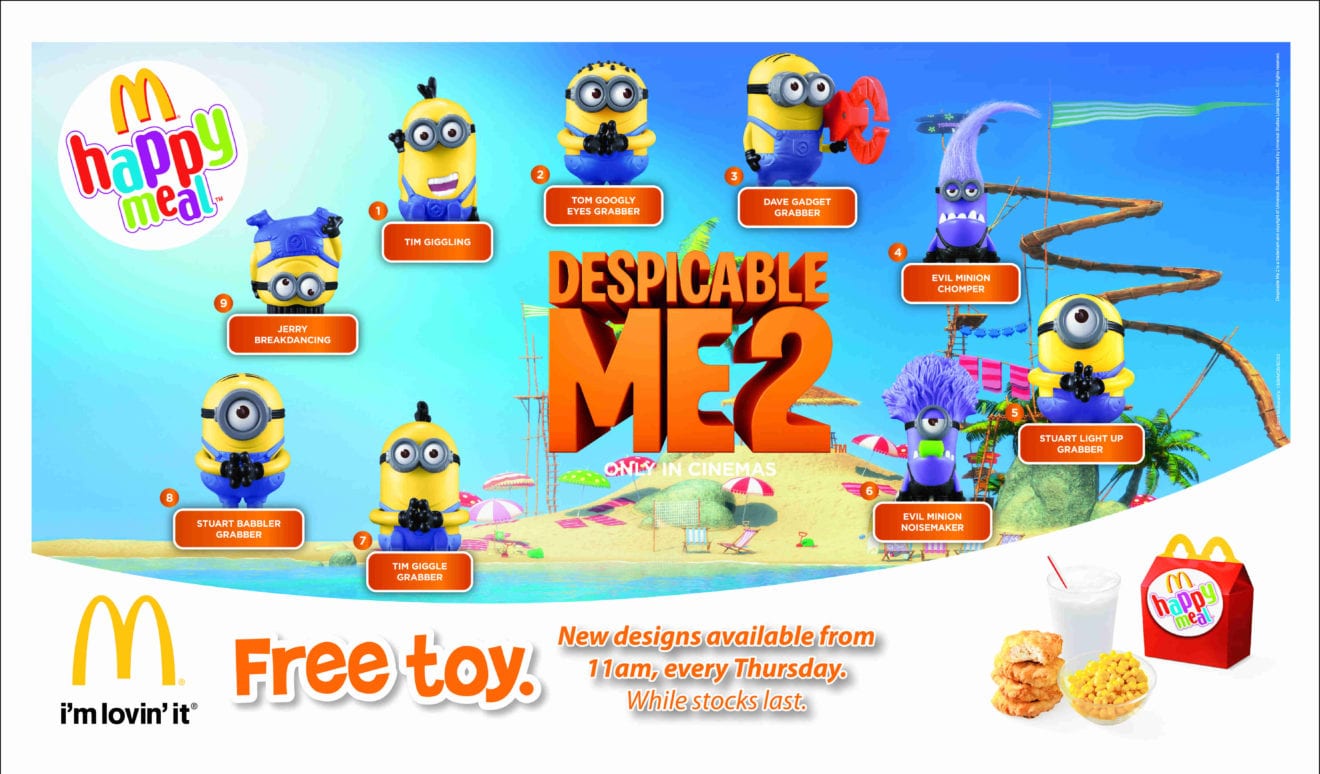
When they returned in 2013 for Despicable Me 2, they won over more fans and then invaded McDonalds Happy Meals with a vengeance in a merchandising move that had fans scrambling to collect the pocket-sized figures.
And now that they’re starring in their own movie out this July, we can confirm that the Minions will be back in McDonalds Happy Meals very soon.
We’ve gotten a sneak peek at our frantic friends; the set of 10 comes in different characters, each with its own unique features. And since the film, a prequel of sorts, chronicles their lives B.G. (before Gru, of Despicable Me fame), the toys reflect Minions in their various states throughout pop culture history, having served masters like the T-Rex, Napoleon, and Dracula.
Here are all 10 Minions toys below:
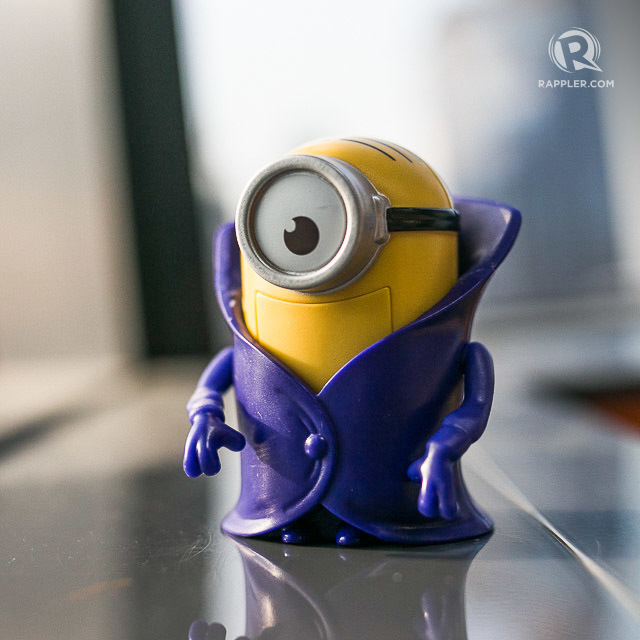
Minion Vampire
Pushing the little knob at the back makes the closed-mouth Minion reveal his fangs, drawing up his arms to scare you away.
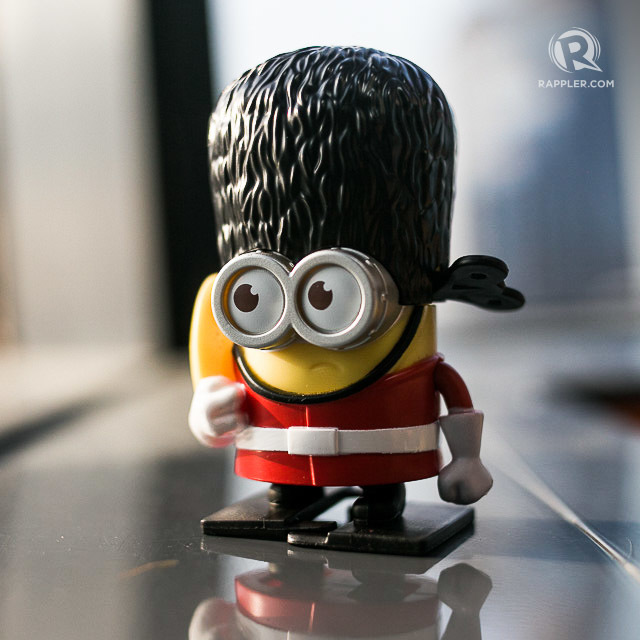
Guard Minion
We predict this will be one of the most popular Minion toys – winding him up, you’ll be able to watch him a few steps, still holding his banana.
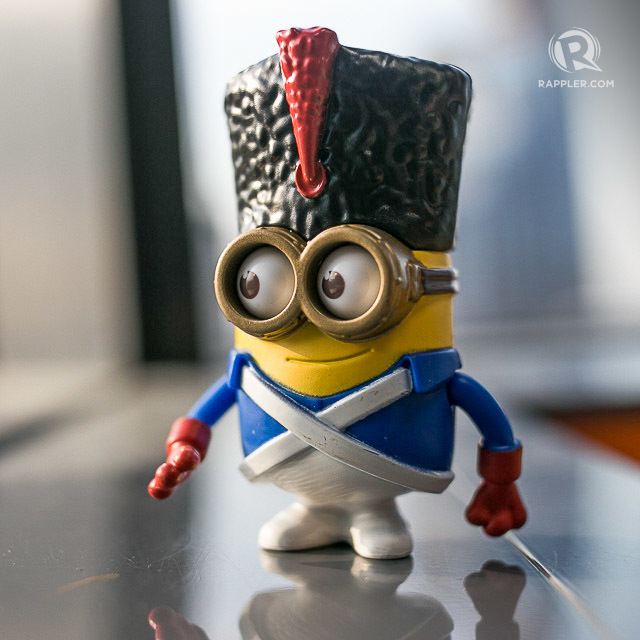
Marching Minion Soldier
Not to be confused with the Guard Minion. Pushing down on top of this gentleman’s head will cause him to move his arms and eyes, looking for an adversary.
Martial Arts Minion
This Minion comes with a spinning bottom half – which turns really fast with one flick.
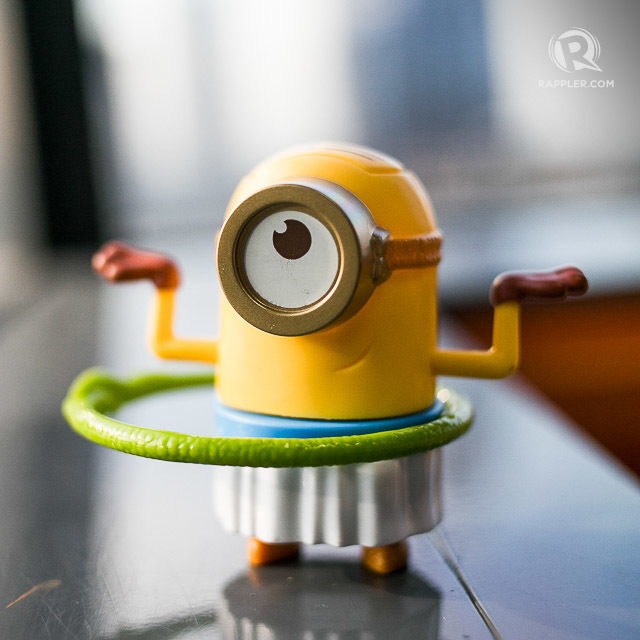
Egyptian Hula Minion
This Minion comes with a detachable hula hoop. Attaching it to his side and pressing a button on top of its head will make the hoop move faster around him.
Minion Caveman
Movable arms, with a perpetual alarmed expression, holding – what else – a Minion delicacy, the banana.
They used to be better known as a collective wall of yellow capsule-like creatures, but as they grew in popularity, audiences got to know Minions’ different looks (one eye, or two? Tall, or stout?) and personalities.
The new movie focuses on Stuart, Kevin, and Bob, who set out and ultimately land at a villain convention in search of a new master to serve after the Minions unwittingly kill off their previous masters. Here are the designs featuring Stuart (one-eyed, rather mischevious), Kevin (tall, responsible and determined), and Bob (tiny, stout, and the baby of the family).
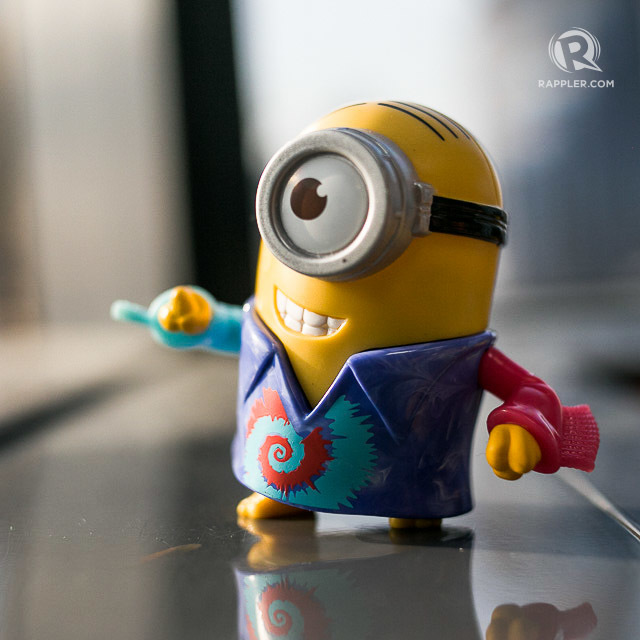
Groovy Stuart
Watch him dance by shuffling his feet from side to side. We all know there’s nothing Minions love more than an impromptu dance party, and Groovy Stuart is no exception.
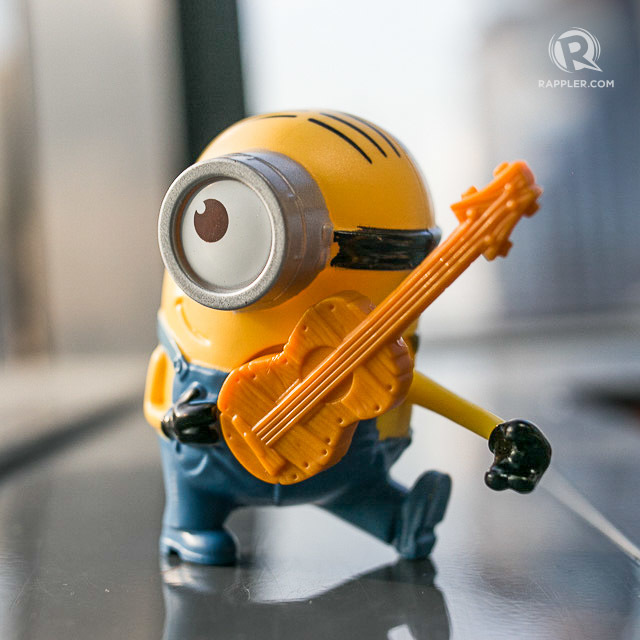
Guitar-strumming Stuart
Perhaps to accompany Groovy Stuart, this guitar-strumming version actually sings when you push the guitar just a little bit downwards.
Lava-shooting Kevin
When you hit a switch, Kevin’s lava gun glows bright red. The best part – his self-assured little grin.
Chatting Bob
We may not be sure exactly what the Minions are saying in their secret language, but this chatty Bob, which talks at the push of a button, is a bona fide cutie.
How to get them early
For those who would like to get all 10 in one go, the preorder option has been made available.
Here’s how, directly from the press release provided by McDonalds Philippines:
Visit any McDonald’s store from June 15-20.
Pre-order the complete Minions Happy Meal set in the front counter of a McDonald’s store.
For P949, each pre-ordered Minions Happy Meal set includes a Claim Stub Set for all 10 Minions Happy Meal toys and 10 Happy Meal food stubs, which may be used upon purchase or until August 19.
The complete Minions Happy Meal set may be redeemed at any McDonald’s store starting June 25 – before the Minions toys are available individually in store.
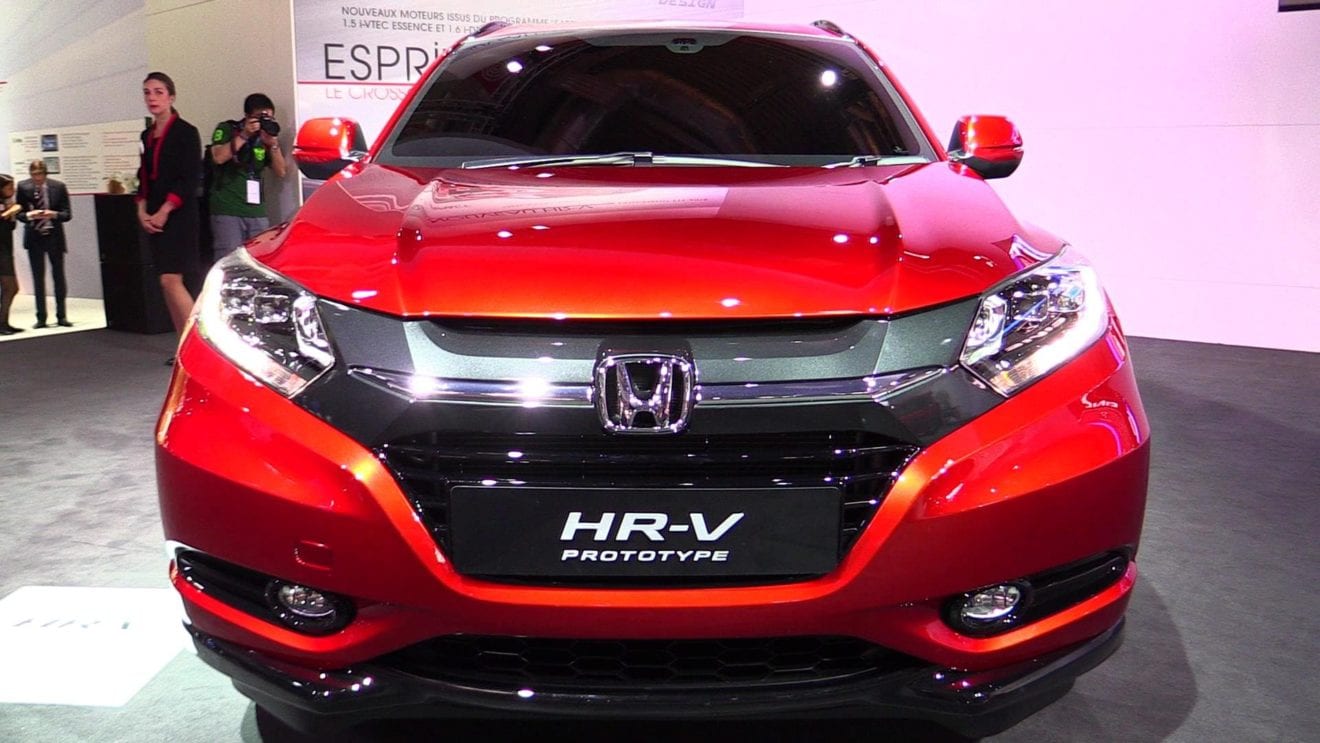
Honda, the Japanese automaker, yesterday released the design sketches of the much-awaited compact SUV. Based on the Brio platform, the prototype of the crossover will be premiered at the 2015 Indonesian International Auto Show in August. If reports are to be believed, Indonesia will be the first market to see the launch of this much-awaited BR-V crossover.
Bookings for the crossover will open at the 2015 Indonesia Motor Show itself. For the Indian market, the Brio SUV is expected to make its debut at the 2016 Delhi Motor Show while the launch could take place by the mid-2016. The BR-V crossover is developed by Honda R&D Asia Pacific Co., Ltd. (HRAP) in Thailand, and it will target Asian markets.
The Honda BR-V crossover will be a seven-seater car, and is expected to get better quality interiors. The vehicle features a rugged design with high ground clearance, single slat chrome grille, LED daytime running headlamps and large alloy wheels.
Under the hood is a 1.5-litre i-VTEC petrol engine that is good for 117bhp of power. This engine will be paired to a five-speed manual or a CVT gearbox. India-spec model will also get a diesel engine option, 1.5-litre i-DTEC motor paired to a six-speed manual gearbox.
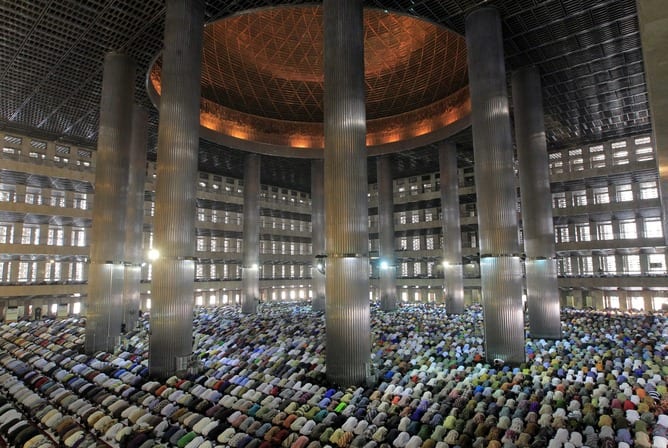
The Islamic calendar has entered the second week of Ramadan. During this month, Muslims refrain from eating, drinking and sexual activities from dawn to dusk.
But, in countries where Muslims are the majority, consumption increases during this month of restraint. This happens not only in high-income countries, such as Qatar and United Arab Emirates, but also in developing countries such as Indonesia. Traditions that spur consumerism during Ramadan and preparations for Eid Fitr, the end of Ramadan, drive this trend.
Spending patterns
People spend more during Ramadan – mainly on food and beverages, but also on clothing. In Indonesia, the retail sales index on these categories showed a 30% increase during the Ramadan month in 2013.
Meals taken during Ramadan help tighten family ties and increase social interactions. In the fasting month, Muslim families usually have sahur – the pre-dawn meal – and iftar – the fast breaking meal – together, with more elaborate menus than in other months. People also have more social gatherings by breaking the fast together in restaurants at malls or in mosques.
Just after Ramadan ends, Muslims celebrate Eid Fitr. They start preparing for this holy day weeks before. People wear new clothes during Eid. They make or buy an assortment of cookies and sweets. They also prepare special menus to be enjoyed and served to guests.
The main ingredients for the festive meals are mostly beef or chicken. The Indonesian government has to ensure that beef is stocked for Ramadan and Eid holidays. Australia, as the biggest exporter of live cattle to Indonesia, benefits much from the Ramadan season.
People take the time to visit family and friends during Eid Fitr. In Muslim majority countries, the time around Eid is a long holiday. In Indonesia, the government obliges employers to pay a religious holy day bonus. This one-month salary bonus helps increase the public’s spending power during Ramadan and Eid.
Clothing sales increase in Ramadan and ahead of Eid Fitr.
Paying alms
During Ramadan, Muslims pay alms (zakat). The increase in alms can quadruple from regular months.
The compulsory alms in Ramadan, the zakat fitrah, is actually not much – around 3.5 litres of rice per person. But many Muslims pay other types of compulsory alms that are actually payable in other months.
Aside from zakat, spending on charities that are not compulsory also increase during Ramadan. The channelling of zakat and charity for the poor also factors in the increase in purchasing power.
Inflation
Indonesians often complain about high inflation during Ramadan. Prices for food, transportation and recreation usually rise during the fasting month.
But the holiday bonus plays a role as a safety net for people’s spending power. Zakat also helps the poor cope with rising prices of food. Last year, food prices increased 2% during Ramadan.
Prices for flights, and train and bus rides, also increase as the end of Ramadan marks the start of a long holiday in Indonesia. A lot of people go to their hometowns or where their parents or grandparents live. Even though formally the Eid Fitr holiday is two days, in reality people take a week off. Many workers take their annual leave. Plane ticket prices can increase twofold. Some are fully booked long before the day of travel.
Productivity during Ramadan
Reduced working hours is common during Ramadan. A two-hour workday reduction, as occurs in Pakistan and Egypt, brings an estimated7.7% decrease in the country’s monthly GDP. For countries that only cut an hour of its workday – such as Indonesia and Malaysia – the decrease is around 3.8%.
Workers’ productivity tends to decline during Ramadan. A rough figureof decrease in productivity in Muslim majority countries is between 35% and 50%. However, the slowing down of productivity in Ramadan is predictable, meaning the economy can anticipate it.
The decrease in productivity happens as people choose subjective well-being from religious and Ramadan-related activities over the benefit people might get from working. During Ramadan, Muslims tend to do more religious activities and take time for activities related to Ramadan, such as breaking the fast with family, sprucing up their house and making cakes.
When people feel they get more positive benefits from non-work activities, the opportunity cost – the value that people sacrifice to gain something – from work increases.
In his study on Ramadan, Harvard economist Filipe Campante finds that, in the fasting month, people tend to choose self-employment (with flexible working hours) over formal employment. Campante says Ramadan makes people poorer but happier.
Being social
Many economic activities related to Ramadan and Eid are not just for private consumption – they are also collective ones.
Networking activities happen during Ramadan and Eid. Fast-breaking gatherings, religious activities in mosques, social bazaars and the Eid holiday exodus facilitate information exchanges. On the journey to their hometowns, people bring souvenirs for family and friends. There, people catch up and exchange information about activities in cities.
These social gatherings can increase further economic activities.
Ramadan has the potential to improve Indonesia’s current economic slowdown with its increase in consumption and trade. However, economic activity on this year’s Ramadan is predicted to be lower than previous years. The lunar calendar has brought Ramadan to coincide with school holidays in Indonesia in 2015. This means less holiday travel for Indonesians.
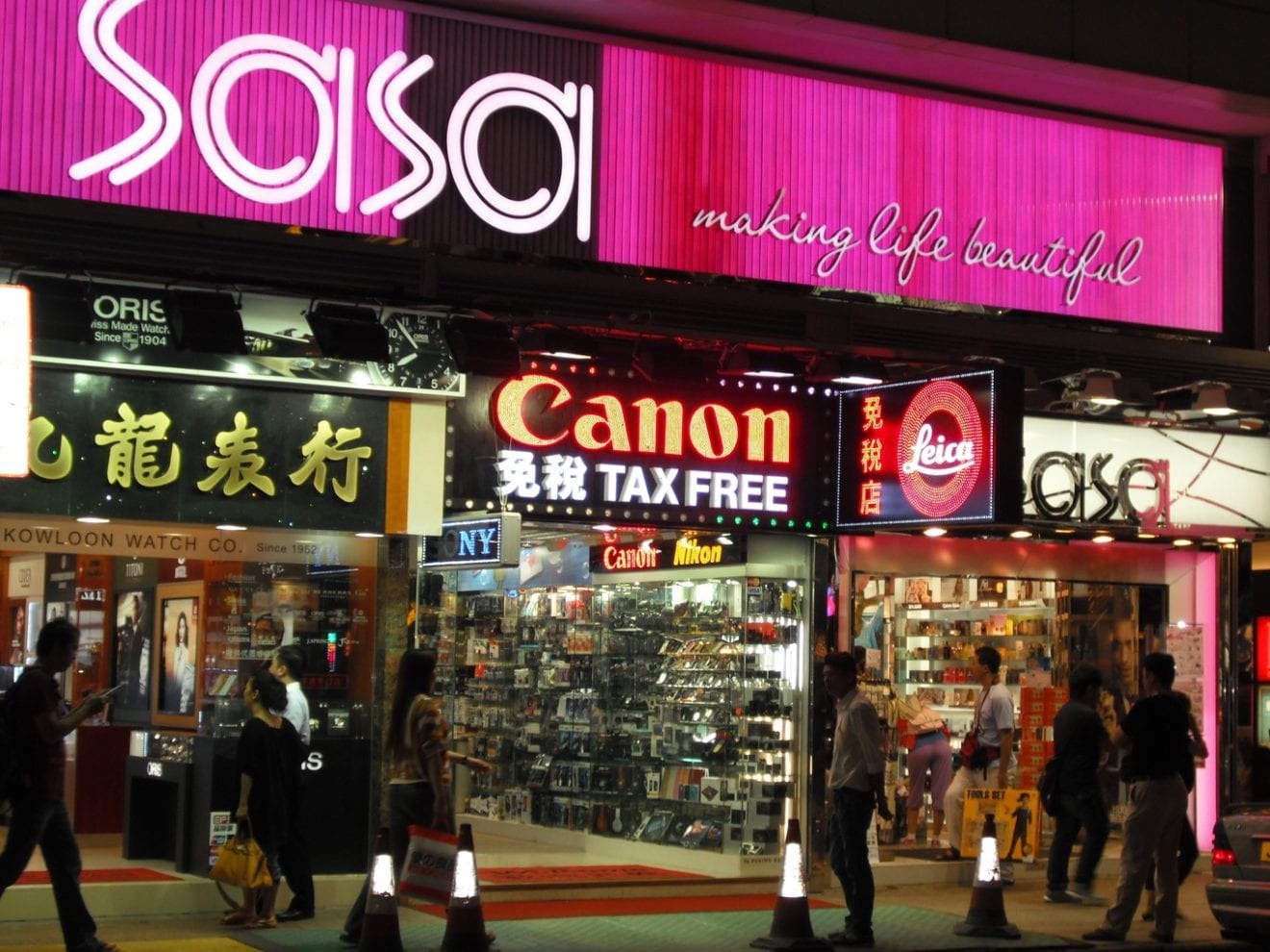
Hong Kong-based magnificence merchandise retailer Sa Sa has elevated gross sales regardless of the home market challenges.
The group’s complete turnover elevated by 2.7 per cent from HK$eight.756 billion to HK$eight.993 billion within the yr to March 31.
Retail gross sales in Hong Kong and Macau elevated by three.three per cent to HK$7.259 billion. However revenue slipped 10.three per cent to HK$838.eight million.
The high-profile chain added a internet seven shops through the yr taking its community to 287, including only one in Hong Kong.
In a telling signal of the problem dealing with Hong Kong retailers, because the demographic profile of Mainland Chinese language guests modifications, the variety of transactions in Hong Kong and Macau shops rose by 6.eight per cent, however the common ticket worth fell three.three per cent.
“To put these figures in context, the variety of transactions of Mainland China vacationers elevated by 17.four per cent, whereas common gross sales worth per ticket decreased by 11.three per cent,” Sa Sa stated in its annual outcome.
“The variety of transactions by native shoppers declined barely by 2.four per cent with a mean spending improve of four.three per cent. Briefly, gross sales progress for as soon as lagged behind the market.”
In 2014, Mainland vacationer arrivals rose by a gentle 16 per cent. Similar day customer arrivals have been nonetheless the main engine of progress with a rise of 19.1 per cent, elevating gross sales in non-tourist areas, notably within the New Territories close to the border with the remainder of China.
“Nevertheless, this was offset by an 11.three per cent drop within the common ticket gross sales of Mainland vacationer clients, which in flip was attributable to the weaker buying energy of vacationers originating from decrease tier cities and having much less spending functionality. One other issue was the growing demand for lower cost level merchandise, similar to Korean merchandise, which nonetheless diluted gross sales progress though driving retailer visitors.”
Sa Sa stated, as well as, there was a better gross sales combine from day trippers whose spending is usually decrease than in a single day vacationers.
“The change in consumption patterns was additional exacerbated by the rise of cross border eCommerce, which facilitated a lot quicker market penetration of cheaper and quick to market Korean merchandise with ideas which might be nicely appreciated by Asians, and particularly the more and more prosperous Chinese language shoppers.”
Whereas Sa Sa reported 10.2 per cent retail gross sales progress within the first half of the fiscal yr, gross sales have been dragged by weaker shopper sentiment within the second half. Gross sales progress slowed within the third quarter and additional deteriorated within the fourth quarter with March 2015 being particularly weak due to anti-parallel items merchants incidents in residential areas, turning an in any other case constructive January to February two months’ interval into destructive territory for the fourth quarter.
“As well as, the appreciation of the US greenback and the relative power of the Renminbi and Hong
Kong greenback inspired extra Mainland vacationers to journey to markets with weaker currencies resembling Europe and South Korea. The relief of visa insurance policies by different nations strengthened their
attractiveness to Mainland vacationers, whereas robust outbound travelling led to weaker native spending.”
Sa Sa stated the Occupy Motion and anti-parallel items merchants incidents in Hong Kong broken Hong Kong’s profile and discouraged vacationers whereas additionally inflicting a drop in gross sales to native clients.
Sa Sa’s general gross revenue margin dropped from 46.6 per cent to 44.eight per cent resulting from extra promotions being launched to drive gross sales in a slower market.
No longer is lighting reserved for illumination alone. GE is connecting energy-saving LEDs with state-of-the-art software, unleashing a whole new potential for how we light and think about our world. The company recently announced several collaborations to enable intelligent cities, buildings and homes.
“We’re in a whole new era where lighting harnesses the power of big data to create additional value streams for our customers,” said Henry Eng, President & CEO, GE Lighting Asia. “We’re giving lighting the ability to listen, learn and see, delivering innovative LED solutions customized to our customers’ unique needs.”
Among GE Lighting’s latest intelligent innovations:
Intelligent Buildings
GE recently announced a collaboration with Qualcomm Atheros to bring indoor positioning technology — a form of Visible Light Communication (VLC ) — to major retailers. This collaboration allows LED bulbs and fixtures to “talk” to shoppers’ smartphones and tablets though unique lighting pulse patterns, delivering indoor navigation/mapping, product information and special offers or coupons for nearby products.
“Today’s consumers want a customized experience — from the news they read, to the games they play, to the products they buy, they expect technology-driven personalization,” said Jeff Bisberg, Global General Manager, Indoor Location, GE Lighting. “Working with Qualcomm Atheros, GE is harnessing the power of our commercial LED lighting to give retailers the opportunity to create an enhanced experience for shoppers securely, while respecting their privacy.”
Beyond the retail industry, lighting-based indoor positioning systems also could see application in airports, hotels, hospitals and many other environments where it is beneficial to know one’s exact location.
Intelligent Cities
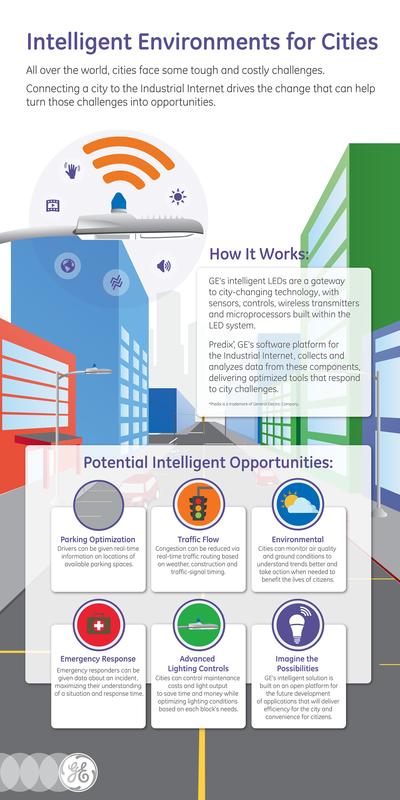
From high street lighting costs to traffic congestion, parking allotments and emergency response, cities across the world juggle a variety of challenges. By repurposing street lights with LEDs containing sensors, controls, wireless transmitters and microprocessors, cities will be able to create new opportunities for reducing cost, optimizing their operations and creating value-added services for residents, making their cities even more livable and workable.
Cities on both U.S. coasts — San Diego, Calif. and Jacksonville, Fla. — are the first to pilot GE’s Intelligent Environments for Cities solution, which uses LED street lighting installations to connect, collect and analyze data being generated, helping cities run more efficiently and providing new services and conveniences for residents and visitors.
The potential opportunities for this solution are truly endless. For instance, parking downtown may be a pain, but not in the intelligent city of the future. Networked LED street lights will have the ability to direct drivers to available spaces with the help of built-in sensors and wireless transceivers. The same streetlight could serve as a sensor and give warnings in the event of a hurricane or other event through a public-address speaker concealed within the light post. In another scenario, microprocessors and other sensors could work together to give emergency responders real-time views of an area as they are responding to an emergency call before they even arrive on scene.
These features are examples of what could be driven through this solution in the future.
Intelligent Homes
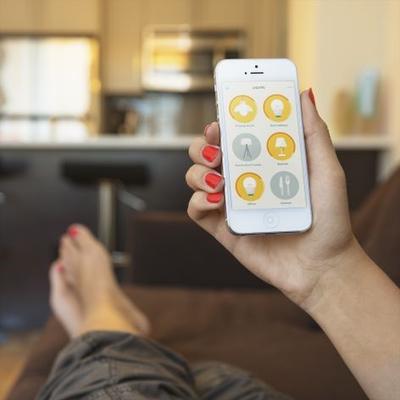
Affordable, connected solutions are even making it possible for people to manage the lighting in their homes from anywhere in the world, allowing dimming and scheduling, such as automating lights to turn on when you wake up, turn off when you leave or dim when bedtime approaches.
In time, bulbs could even be “taught” to respond to an individual’s presence or a change in light level thanks to learning algorithms that record and recall personal preferences. The fact is lighting is just one aspect of the future connected home, where appliances such as washers, dryers, ranges and refrigerators all function from a single, unified hub.
The power of the Industrial Internet is fast evolving the lighting industry. Thanks to smaller sensors, smarter processors — and big imaginations — the years ahead promise an unprecedented shift in the role lighting plays in our lives. We won’t know it at first, but when parking’s a cinch and shopping’s done in a snap, and we return to our lit homes, then we’ll feel light’s touch all around us, connecting us all in new ways.
GE Lighting
GE Lighting is changing the way people light and think about their world in commercial, industrial, municipal and residential settings. Light brightens our path to a better way of being. Today, light is intelligent. Light listens, learns and sees. GE. Where Light Is Bright. www.gelighting.com.
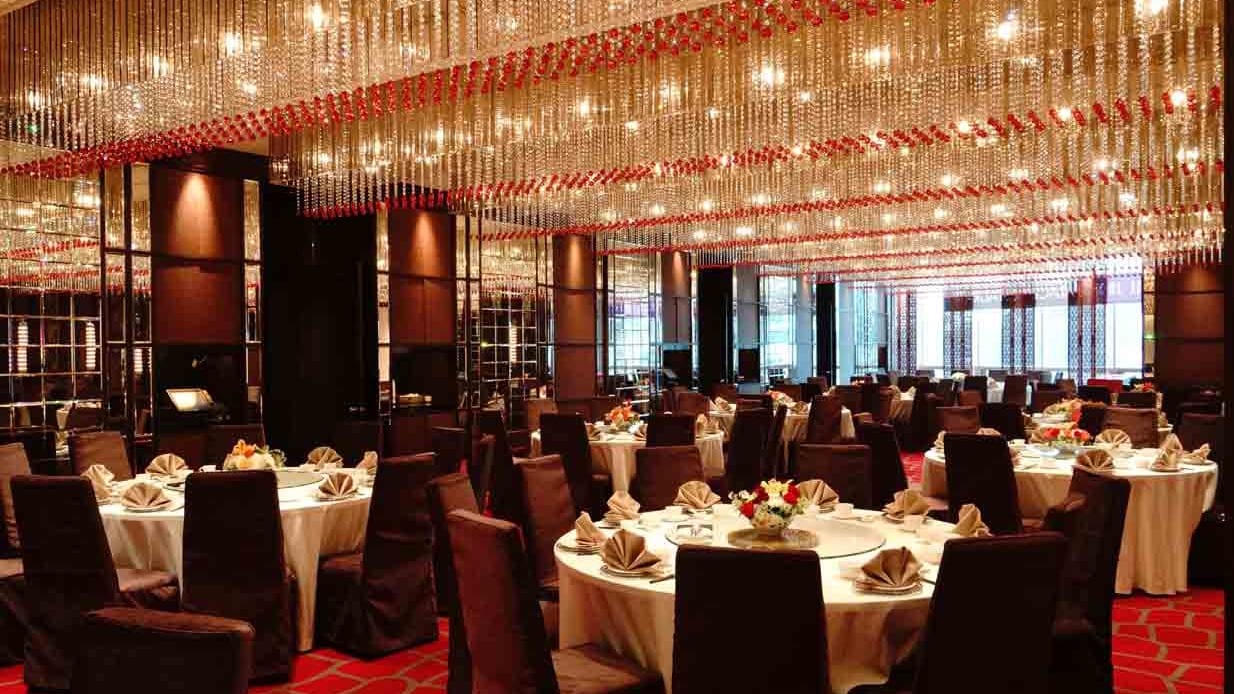
Standard Chartered Private Equity has invested in Crystal Jade Group to help Louis Vuitton accelerate the restaurant group’s Asian expansion.
Crystal Jade operates over 100 outlets ranging from fine dining, casual and specialty restaurants to bakeries across the Asia Pacific region with a primary focus in Singapore, Hong Kong and Mainland China. Established in the early 1990s, it has become a household name in Chinese cuisine.
SCPE has invested US$52 million in the business, joining Louis Vuitton’s investment arm L Capital Asia on the shareholder’s register.
The investment will primarily go towards funding the growth of Crystal Jade’s existing network of outlets across Asia, as well as the expansion of its footprint internationally.
Ravi Thakran, managing partner of L Capital Asia, said the two investors already have a track record of successful investment partnerships.
“Their investment will further strengthen the resources available to allow full exploitation of the tremendous growth opportunity for Crystal Jade.”
Nainesh Jaisingh, global co-head of private equity at SCPE, said Crystal Jade is an exciting business, with a strong Asian brand and significant potential across Standard Chartered’s footprint.
“We… look forward to building a great company together.”
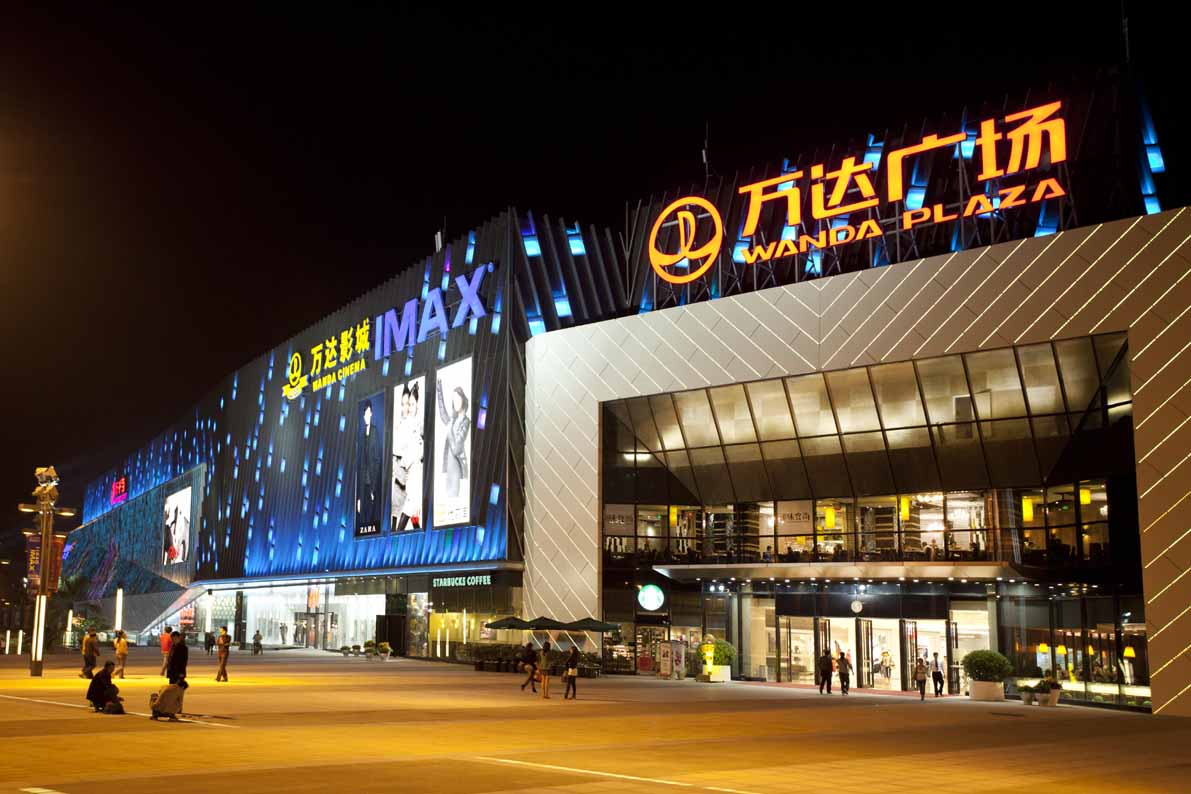
The founder of Chinese retail, property and entertainment powerhouse Wanda Group says he plans to invest in more globally recognised sports clubs.
Wang Jianlin, chairman of Wanda Group, ranked China’s richest man by Bloomberg with assets of $42.1 billion, bought 20 per cent of Spanish football club Atletico Madrid in April for euro 45 million. He also bought Swiss sports marketing group Infront for euro 1.05 billion.
This week he said he will buy into “at least three more” sports clubs this year.
Chinese press agency Xinhua reported Wang Jianlin saying: “Within this year, Wanda will still buy at least three sports companies. Upon the completion of these mergers and acquisitions, Wanda is going to be the world number one in the sports industry.”
It’s all part of a strategy to boost Wanda Group’s influence in the global sports business, which would also benefit its retail networks through brand associations.
Beijing-headquartered Wanda Group owns retail, entertainment and hotel businesses, including the AMC cinema business. He is expanding into theme parks and film production and has a commercial property arm, Dalian Wanda Commercial Properties, which owns shopping malls.
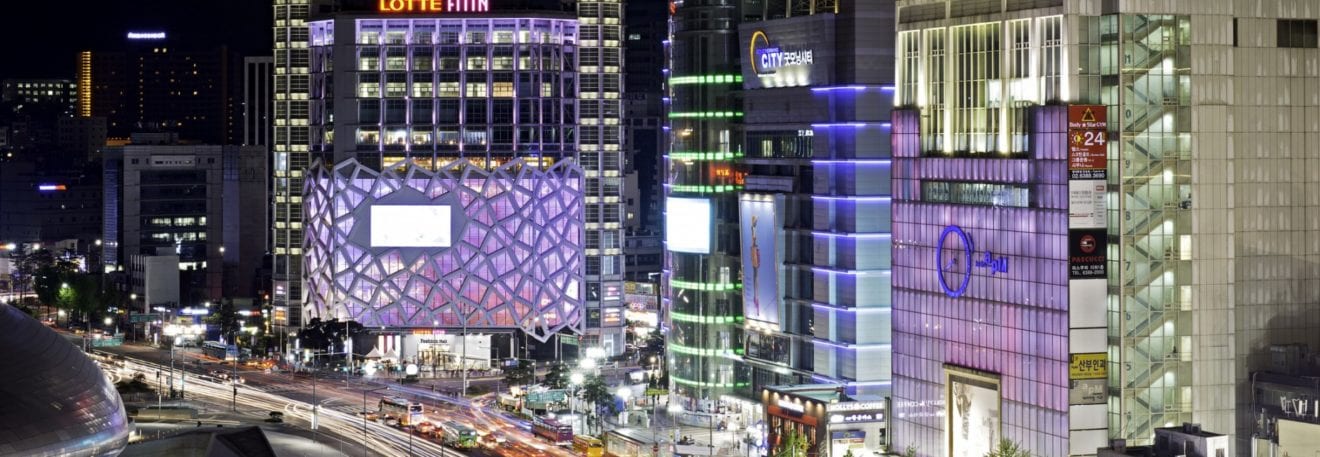
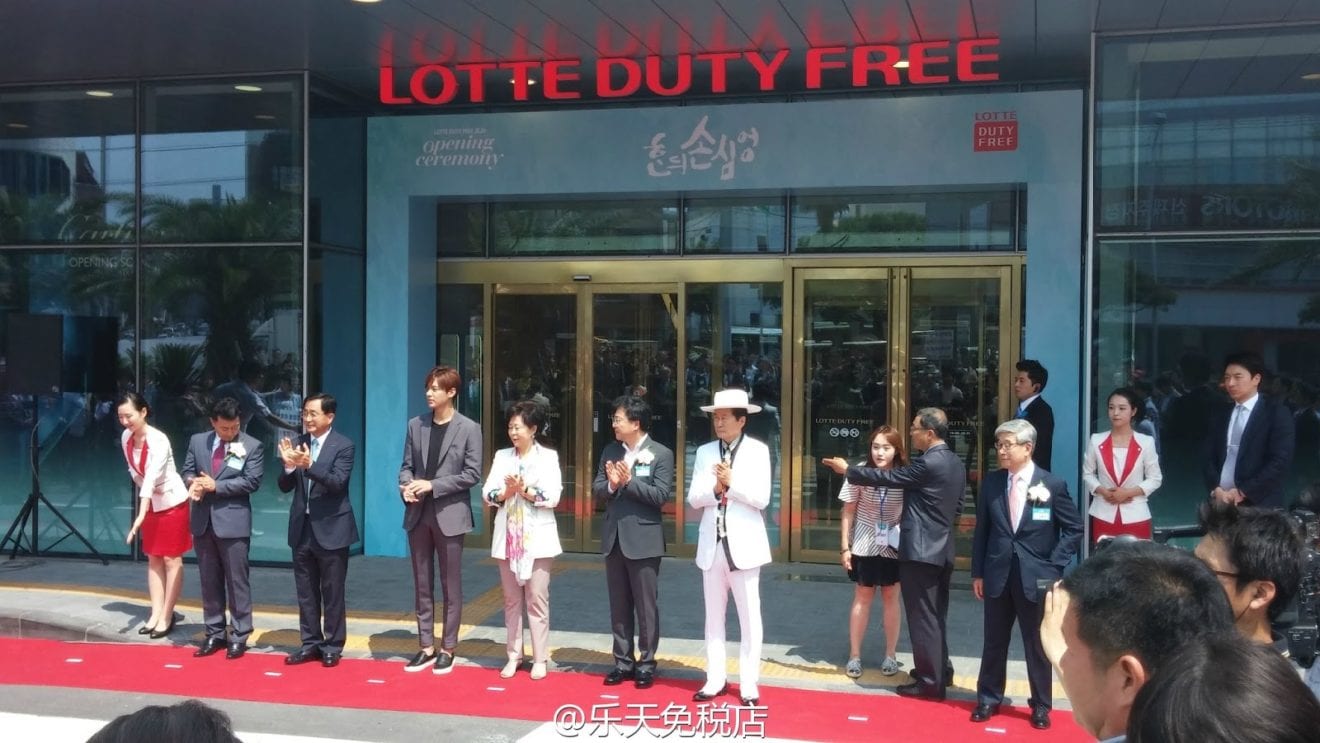
Lotte has opened a 6612 sqm Jeju obligation free retailer.
The brand new retailer, constructed at a price of US$72 million, spans three flooring of the Lotte Metropolis Lodge in Jeju metropolis’s Doryeong-ro district, within the island’s CBD.
Lotte Obligation Free says it’s almost 3 times the dimensions of the older retailer it replaces.
Lee Hong Kyun, Lotte Obligation Free’s president, says the corporate plans to develop different leisure and cultural points of interest close by to attract much more vacationer clients to the location “Lotte Obligation Free Jeju retailer, standing on the bottom of its native company, Lotte Obligation Free Jeju Co Ltd, will make a purchasing cluster in Jeju and appeal to overseas vacationers in accordance with the tourism improvement coverage of Jeju,” he stated on the retailer’s opening ceremony.
The brand new retailer is predominantly concentrating on Mainland Chinese language vacationers and features a cosmetics zone boasting 70 worldwide fragrance and cosmetics manufacturers.
“Lotte Obligation Free has analysed the preferences of Chinese language vacationers and launched 270 manufacturers, together with international luxurious manufacturers, jewelry, equipment, cosmetics, watches, liquor and tobacco.” the corporate stated in a press assertion.
“The worldwide luxurious jewelry manufacturers Bvlgari and Tiffany & Co are solely situated in Lotte Obligation Free Jeju retailer.”
Yelp, the company that connects consumers with local businesses, has launched Yelp Philippines.
From this week, people across the Philippines are able to read reviews about local businesses and create accounts on Yelp.com.ph to share their opinions. Yelp’s free iPhone and Android apps will be available as well as its free suite of business owner tools: Yelp for Business Owners.
The Philippines is Yelp’s 32nd international market and Tagalog, the local language marks the 18th language on the platform.
The nation is the fourth Asian market for Yelp following Japan, Hong Kong and Taiwan, which itentered in March this year.
With a population of 100 million people, the Philippines is the sixth largest English-speaking nation in the world, with English widely spoken as a second language. It is also culturally diverse and internet savvy, with Filipinos sending more than 1 billion text messages per day.
Filipinos are also passionate about food a core category in the social media platform’s consumer recommendation system.
“Filipinos are so well-connected online and offline that we know they will love using Yelp to find and connect with great local businesses,” says Miriam Warren, Yelp VP of new markets.
“We will be working hard to make sure Yelp is the most useful and relevant local resource for every Pinoy.”
Yelp will kick off its community building efforts in Manila – one of the densest cities in the world – and soon bring together Yelpers online and offline to experience the best of Manila. Yelp will also be available across the entire country, so everyone, everywhere in the Philippines with access to the Internet on a desktop computer or a smartphone, now has the ability to share their opinions on what is great (and not-so great) about local businesses in the Philippines.
Yelp was founded in San Francisco in July 2004. Since then, Yelp communities have taken root in major metropolitan areas across 32 international markets. Yelp had a monthly average of approximately 142 million unique visitors in the first quarter of 2015. By the end of the same quarter, Yelpers had written approximately 77 million rich, local reviews, making Yelp the leading local guide for real word-of-mouth on everything from boutiques and mechanics to restaurants and dentists. Approximately 79 million unique visitors visited Yelp via their mobile device on a monthly average basis during the first quarter of 2015.
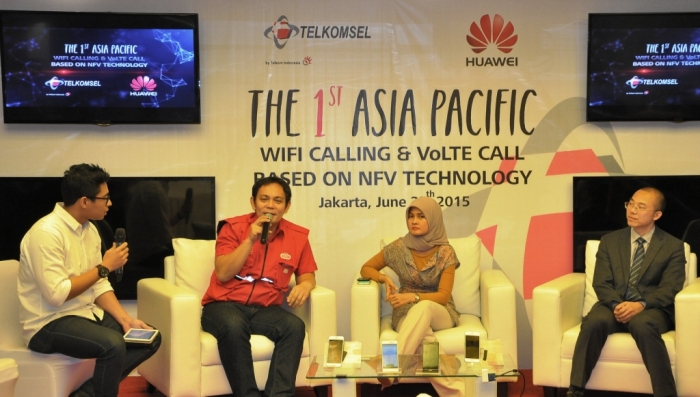
Huawei Technologies said Telkomsel, a telecom operator in Indonesia, has demonstrated its 4G convergent communication service trial for Wi-Fi calling and VoLTE (Voice over LTE) based on NFV technology (Network Function Virtualization) in Jakarta.
Wi-Fi calling and VoLTE will enable Indonesia’s 280 million mobile users to experiences HD voice and HD video within the shortest connecting time. When a subscriber switches between 4G and Wi-Fi environment, the call will not be interrupted.
“This Wi-Fi Calling and VoLTE trial is part of our efforts to provide better service quality, and will also create an exciting new experience for customers in using our services,” said Ivan Permana, vice president, Technology & System, Telkomsel.
Telkomsel, the #1 telecom operator, has more than 141 million subscribers Indonesia. Telkomsel has built more than 95,000 BTSs. Telkomsel’s broadband now reaches 300 cities. Telkomsel operates a 24-hour call center and more than 400 service centers GraPARI across Indonesia.
Image: Tommy G Tanjung, engineer of Technology Strategy, Telkomsel, Ivan Cahya Permana, VP of Technology and System, Adita Irawati, VP of Corporate Communications, and Zhang Qin, head of Core Network Marketing, Huawei