Author: Mei Ling Tan

  • Smartac Group and HGC Intend to Build “Smart Travel Cloud” in Hong Kong

    Smartac Group and HGC Intend to Build “Smart Travel Cloud” in Hong Kong

    Smartac Group China Holdings Limited (“Smartac Group” or the “Company”, together with its subsidiaries, the “Group”, stock code: 395) announces that its wholly-owned subsidiary Solomedia Asia Limited (“Solomedia Asia”) has signed a Memorandum of Understanding (“MOU”) with Hutchison Global Communications Limited (HGC), the fixed-line division of Hutchison Telecommunications Hong Kong Holdings Limited regarding the collaboration to research on and establish “Smart Travel Cloud – Hong Kong Stop”, a mobile internet service that will enable visitors to receive travel and shopping information in Hong Kong.

    Hong Kong is Smartac Group’s first stop to develop its “Smart Travel Cloud” in an overseas market, aiming to resolve the problems encountered by mainland travellers regarding the use of Wi-Fi networks while travelling abroad. By integrating with an Online to Offline (O2O) business model, “Smart Travel Cloud” will provide visitors with real-time travel and shopping information, and will help drive traffic and users to traditional offline businesses.

    Pursuant to the MOU, HGC will leverage its optical fibre network and Wi-Fi network in Hong Kong to provide visitors with stable and reliable Wi-Fi internet access. Solomedia Asia will deploy its innovative technology of O2O big data platform (combining Wi-Fi, bluetooth Beacon, smart interactive screen) to provide visitors with personalised and interactive information for hassle-free travel abroad.

    Solomedia Asia and HGC intend to research on the introduction of mobile commerce, mobile payment platform, and commercial smart data platform, to popularise O2O mobile commerce and introduce a new business model to the retail, hotel and other tourism-related service industries in Hong Kong. Meanwhile, both parties will further carry out feasibility study and explore opportunities to establish and operate a big data platform for Hong Kong travelling.

    Jason Kwan, Executive Director of Smartac Group, commented: “The collaboration on establishing ‘Smart Travel Cloud’ via a Wi-Fi network will assist Hong Kong retail and tourism industries to effectively connect with and serve the visitors and consumers in Hong Kong. We are glad to join hands with HGC, the largest Wi-Fi service provider in Hong Kong1, in initialising ‘Internet + Tourist Consumption’. Such collaboration will incorporate the strength of each party to seize development opportunities in mobile internet services. This also caters to the current global trend of transitioning to the big data era and adds impetus to Hong Kong tourism and retail industry.”

    Jennifer Tan, Chief Operating Officer of HTHKH, said: “HGC is the largest Wi-Fi service provider in Hong Kong1. We are pleased to work with Smartac Group and are going to provide its subsidiary Solomedia Asia high-speed wireless internet services in order to develop ‘Smart Travel Cloud’ services in Hong Kong. Our extensive Wi-Fi network provides over 16,000 hotspots in large shopping arcades, at coffee shop chains, fast food outlets, popular restaurants, commercial buildings, large residential estates, tertiary institutions and car parks. This will enable ‘Smart Travel Cloud’ users to obtain the latest travel information anytime, anywhere in Hong Kong.”

  • Vitamins Boost China, By Way of By-Health

    Vitamins Boost China, By Way of By-Health

    The corporate life of Liang Yunchao, 46-year-old chairman of By-health, ended symbolically early last year when he finally ceded his corner office to a colleague. In fact, he’d rarely been showing up for eight years. But the maker of dietary supplements, China’s largest in retail, remains very much his creation and run by his chosen lieutenants.

    “In a full year I probably don’t get to spend over seven days in the company,” Liang says in a hotel suite interview in Hong Kong, where on that day the Guangzhou resident’s business included art shopping. He says he keeps several Rodin sculptures in a warehouse there.

    This billionaire thinker is also a fast talker, and he says he needed to get his mind off day-to-day operations. “I don’t want company employees to feel like they are being watched,” he says. Besides, these days he needs two hours on average mornings for exercise to round out the healthy glow that his products promise.

    He is a marketing exemplar for By-health supplements like spirulina from blue-green algae and squalene, often from shark’s liver. (Liang plays down that line and says the killing of dogfish sharks, which he says aren’t endangered, is being capped.) Digestion, brainpower and other vital functions are said to improve with use.

    Liang Yunchao, founder and chairman of China’s By-health (credit: David Hartung for Forbes)

    Every one or two years Liang grooms a select crop of future corporate leaders, both men and women, by testing their stamina and team spirit in “wildlife training” boot camps, at nature’s mercy. His favorite destinations: Teklimakan Qumluqi , the world’s second-largest desert, in Xinjiang; the Tengger Desert in Inner Mongolia; and Antarctica.

    By-health’s top management includes four founders, among them Tang Hui, who is in charge of the flagship By-health brand, and Liang Shuisheng, who is building up a mobile Web services unit to seize on China’s expanding health consciousness. The executives meet for a monthly collective decision-making session, from which Liang also excuses himself even though he holds 49% of the stock, his net worth pushing $3 billion.

    The founder’s absence has proven to be the company’s gain: Revenue leaped at a compounded-yearly growth rate averaging 38%, and profit grew 40% over the last five years, even as China’s appetite for supplements began to taper. In 2014 By-health reported 1.7 billion yuan ($277 million) in revenue and 503 million yuan ($82 million) in profit, as it led in retail market share (over-the-counter pharmacies excluded) with nearly a third, more than the next four competitors combined. Its retail network reaches 40,000 outlets, up more than fourfold from 2010, and most of its distributors are tied to exclusivity clauses.

    A bout of ingredient scandals dented the overall industry, culminating in 2012 when China-made blue-green algae supplements and soft capsules were found to be laced with heavy metals. But a policy that Liang instituted in 2004 to orient By-health toward foreign suppliers proved propitious.

    From zero, the ratio of non-Chinese ingredients rose past 50% by the time of the company’s listing on the second board in Shenzhen in December 2010 and is now more than 70% (from 19 countries). That does not include what comes under foreign cover. Soft capsules, for instance, are from a China factory of France’s Rousselot.

    When the blue-green algae supplement scandal broke early in 2012, the company was not implicated but swiftly replaced its Chinese supplier with California’s Earthrise Nutritionals.

    “This is one of the reasons why we could become what we are today, giving us a unique competitive edge,” Liang says. “We knew our brand-name history was short. Our brand-name recognition was not as high as global brands such as GNC.

    Foreign purchasing is more costly, sometimes by three or more times, but Chinese consumers are willing to pay. Its remaining major source inside China is nongenetically engineered soybeans grown in the northeast. Globally, “
    these non-GMO soybeans are difficult to find,” Liang explains. Soy protein blend is a line By-health particularly dominates.

    Next up for By-health may be its own offshore organic farms and buying foreign brands. For supplements, “it all depends on the quality of raw materials, the quality of the soil. It’s not as complicated as drugs and medicines,” Liang says.

    To underscore the integrity of its manufacturing, By-health in 2012 opened see-through assembly lines at its massive production center at Zhuhai, Guangdong Province. Three plants there will be joined by a fourth, the biggest yet, around year’s end.

    Visitors can peer through windows at bags of foreign ingredients stored neatly on shelves by their country of origin. Soft gels roll out from automatic trays at a speed of 160,000 capsules per hour. The equipment also is largely foreign-made. The company says 20,000 people a year come to watch–500 were being received on the day FORBES ASIA was in town.

    “We plan to make the production process available in real time on the website, so customers in a retail outlet can see it,” says Liang.

    In October the Chinese government is instituting tighter standards for new product approvals even as it loosens the constraints on previously cleared lines. This will largely spare By-health, even as it hits foreign entrants into retail like GNC and NBTY, which have registered only a relatively few of their extensive offerings from the U.S.

    Before By-health emerged in 2002, there was Amway, the American multilevel marketer that introduced dietary supplements–as distinct from traditional extracts–to China back in 1998. Direct selling is still the main source of China’s supplements trade–about 70% (China is Amway’s top market). But that’s not a business Liang, with his retail model, says he wants to re-create: “Its genes are entirely different from ours.”

    Liang, who’d previously been active in traditional remedies, got interested in America’s appetite for supplements in 2001 during visits to the U.S. as his wife sought a degree in information technology. Walking through supermarket aisles stuffed with colorful bottles of vitamins and minerals, he figured this would work in China, too.

    The product-integrity efforts are also applied to retail: A global tracking system will soon allow registered consumers to track the origin of ingredients. For distributors, retailers and business partners, a second layer of database-tracking would show scans of official documents and papers, import certificates and government approvals, all the way back to suppliers.

    Like many in retail, By-health’s future may lie in China’s booming e-commerce. The new mobile Web health services unit, formed with an alumnus of Alibaba Group’s Ali Health, will work with outside nutritionists, health clinics and soon hospitals.

    “We don’t want to just sell products; we want to meet clients’ needs, cater to their diets and their exercise habits, to help and guide them on the use of supplements,” says Liang. One example: supplements to help pregnant women who have diabetes problems lower their blood sugar without medications.

    Whatever the channel, there’s an undying interest in whatever might be the fount of youthful vigor. Soon By-health will be featuring a new line named Seven Dwarfs–seven multiple-vitamin combinations tailored for different age groups. Enthuses Liang, “The market is getting closer–and indeed very close–to what is popular in North America.”


  • Citigroup’s Retail Banking Reorg

    Citigroup’s Retail Banking Reorg

    The combined entities will be led by Jonathan Larsen, who is currently the global head of the company’s retail banking division. The newswire reported that the company has also named Anand Selvakesari head of consumer banking for Asia, a position held by Larsen for the past six years.

    Latin America’s consumer banking division will in turn be the province of Fabio Fontainha, who now helms consumer banking in Brazil.

    Separately, Dow Jones reported that the move represents an effort by the company to “shore up“ its mortgage operations. The changes were reportedly part of a memo penned by Stephen Bird, who was recently tapped to lead the consumer bank.

    Larsen’s new role helps put the spotlight on the increasing focus by Citi on its Asian consumer business, a segment that accounted for 21 percent of the company’s global consumer banking business. And, as Dow Jones said, Asia has traditionally been a launching pad of sorts, where Citi debuts new financial products and tests them before bringing them to other parts of the world.

    Dow Jones further reported that Larsen, who up until now has been based in Hong Kong, will now be based in both New York and Hong Kong. Larsen’s move essentially positions the executive as a replacement for Jane Fraser, who had been in charge of the company’s global mortgages and U.S. consumers divisions.

    The latest corporate shuffle at Citi comes after CEO Michael Corbat had repositioned executives across three continents, said Dow Jones. And that reassignment of executives came after Manuel Medina-Mora, who had been head of the consumer banking unit, announced his departure from the role. Bird’s memo and management changes mark his first executive-level moves since taking his current consumer banking job.

  • Thailand heads eBay in SE Asia

    Thailand heads eBay in SE Asia

    Thailand has maintained in its position as eBay’s largest market in Southeast Asia thanks to the appreciation of the US dollar and the variety of Thai products, says the world’s largest e-marketplace.

    The California-based e-commerce operator is gearing up to encourage Thai small and medium-sized exporters to use its marketplace to expand export opportunities, said Ekachai Rukachantarakul, head of eBay Marketing (Thailand).

    The company is facing stiff competition from global e-commerce players such as China’s Alibaba.

    Mr Ekachai said Thailand was eBay’s largest online retailer in Southeast Asia in terms of sellers and trade value. It established a presence in Thailand in 2009.

    An internal report revealed that online shopping makes up just 1% of retail sales in Southeast Asia compared with 8% in China and more than 10% in the US and Britain.

    In addition, e-commerce in the Asean region accounts for less than 1% of the global market.

    However, Mr Ekachai said eBay expected Asean’s e-commerce to grow by 25% in the coming years, up from average growth of 15% in the past four years.

    A report by digital marketing research firm eMarketer estimated that the global business-to-consumer e-commerce market could increase from an expected US$1.7 trillion in 2015 to $2.3 trillion by 2018.

    Most of eBay’s 157 million active buyers are in the US, Australia, Britain and Germany.

    “Thailand also has the 10 best sellers or retail exporters with revenue of more than $1 million per year, the highest in the region,” Mr Ekachai said.

    The best-selling products from Thailand are jewellery and gemstones, auto parts, clothes and shoes.

    Mr Ekachai said eBay would join forces with successful retailers to encourage other companies to use its marketplace.

    “We found 13% of Thai retailers joining eBay’s marketplace could generate sales revenue of $10,000 a year,” he said.

    Globally, eBay.com has 25 million sellers. In the first quarter of 2015, its revenue reached $2.1 billion. Its gross merchandise value was $20 billion. It earns commission from transactions.

  • Saha group says Japan’s Lawson stores in Thailand to rise to 1000

    Saha group says Japan’s Lawson stores in Thailand to rise to 1000

    A joint venture of Thailand’s Saha Pathanapibul Pcl and Japan’s Lawson Inc aims to boost the number of ‘Lawson 108’ outlets in the Southeast Asian nation to 1,000 over the next three years from 40 now, a Saha executive said on Friday.

    Saha Pat, part of Saha Group, Thailand’s largest consumer products conglomerate, joined hands with Lawson, one of Japan’s top- three convenience store chains, to form joint venture Saha Lawson Co in 2012 to tap the Thai retail market.

    Saha Lawson will focus on fresh-cooked and ready to eat products, Saha Pat’s director Vathit Chokwatana told a conference. He did not reveal any investment numbers by the partners.

    Lawson is one of several Japanese retailers expanding business in Thailand, despite the Southeast Asian nation’s weak domestic consumption and slowing economy. Others include Tokyu Department Store and MaxValu supermarket, owned by AEON group.

    Lawson competes directly with CP All Pcl, Thailand’s largest convenience store chain with more than 8,000 7-Eleven outlets, and Family Mart, owned by Central Group, Thailand’s leading retailer.

  • Luk Fook’s revenues drop 17% in year ending March 2015

    Luk Fook’s revenues drop 17% in year ending March 2015

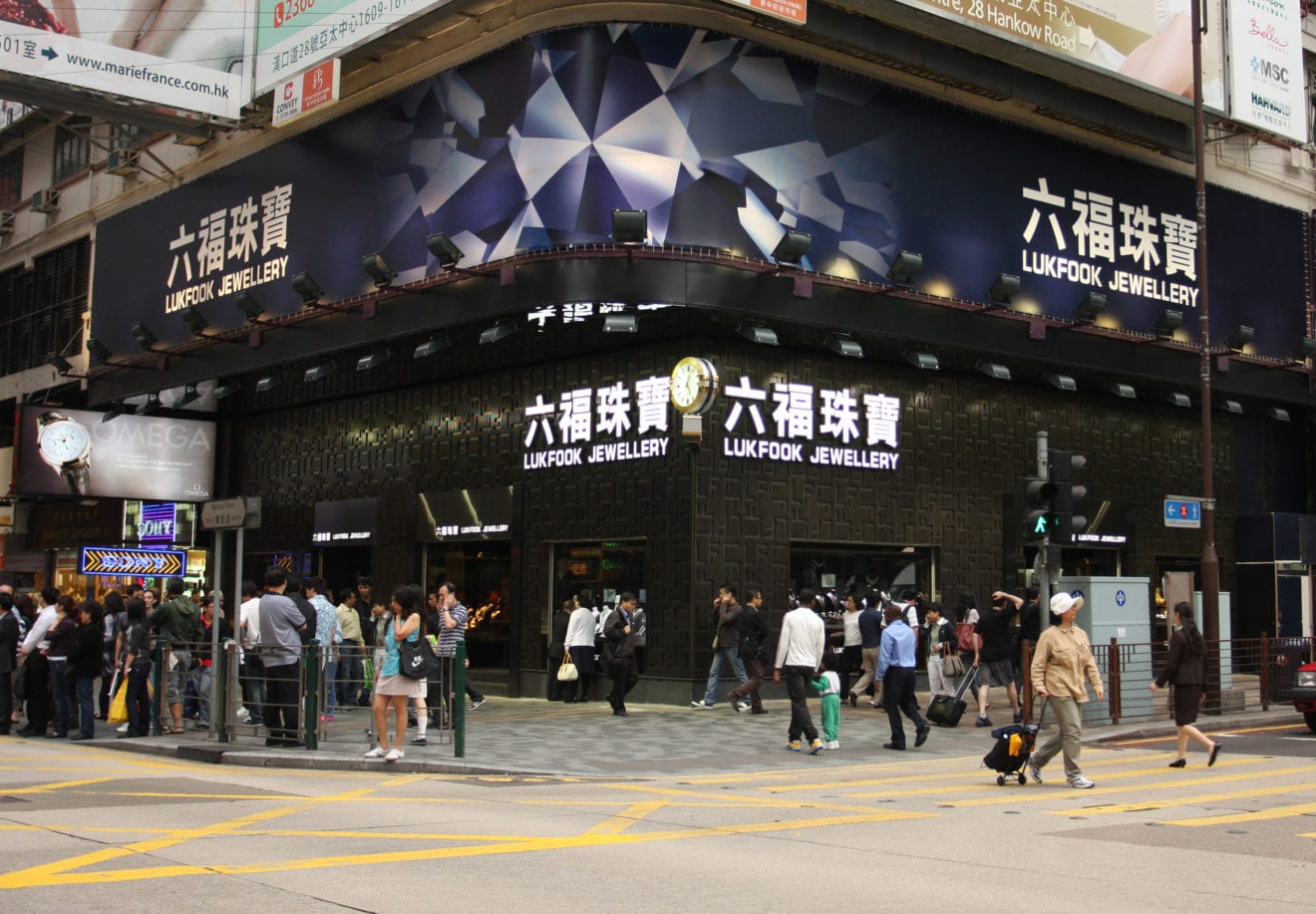
    The board of directors of Luk Fook Holdings (International) Limited announced the annual results of the company and its subsidiaries for the year ended 31 March 2015. The Group’s revenues dropped 17.1 percent $2.48 billion (HK$15.92 billion), from (2014: HK$19.21 billion). Yet the revenues were the Group’s second highest record. The company’s overall gross margin improved by 2.2 p.p. to 24.1 percent (2014: 21.9%), which it attributes to growth in the sales mix of gem-set jewellery products.

    Gross profit dropped 9.1 percent to $494 million (HK$ 3.83 billion).

    Mr. Wong Wai Sheung, Chairman and Chief Executive of the Group said, “During the year under review, although the high base effect as a result of the gold rushes has faded in the second half of the year, the challenging global economy, currency depreciation and relaxed visa requirements in other popular tourist destinations hampered the consumer sentiment of Mainland Chinese tourists in Hong Kong and Macau.” He added that the company’s sales strategy, sales mix of gem-set jewellery products has been successfully increased and the growth in overall gross margin lent to profit improvement of the retail business in Mainland China.

    The retail business revenues declined 22.3 percent. Gold products remained the most preferred amongst customers and together with platinum products contributed approximately 60.2 percent of the Group’s total sales. Overall same store sales growth was 28.3 percent (2014: +26.2%).

    Mainland Chinese visitors continued to be the major driver for the retail business in Hong Kong. But revenues from Hong Kong dropped 20.4 percent to $1.23 billion (HK$9.51 billion). The performance of Macau market was similar to that of Hong Kong market, with a 21.5 percent drop in revenues to $292 million (HK$2.26 billion). During the year under review, the Group opened a net total of 111 shops in Mainland China, 3 shops in Hong Kong and 1 licensed shop in Korea for the first time. As at 31 March 2015, the Group had a total of 1,383 shops globally in Mainland China, Hong Kong, Macau, Korea, Singapore, the United States, Canada and Australia.

  • Citi appoints Anand Selvakesari as Head of Consumer Banking Asia Pacific

    Citi appoints Anand Selvakesari as Head of Consumer Banking Asia Pacific

    Citi has appointed Anand Selvakesari as head of consumer banking for Asia Pacific. Anand will manage all of Citi’s consumer businesses in Asia across the 12 markets that Citi offers retail banking, wealth management, cards and mortgages in the region.

    Anand will report to Stephen Bird, Citi’s CEO for Global Consumer Banking and also has a matrix reporting line into Francisco Aristeguieta, Citi’s Asia CEO.

    Anand’s appointment is effective July 1 and he is taking over from Jonathan Larsen. Jonathan will focus on his role as global retail banking and mortgage head with the additional responsibilities of US Retail Banking and Mortgage.

    During his 23-year Citi career, Anand has led Citi’s consumer bank in China and India and was most recently Southeast Asia Cluster head for Consumer Banking.

    He was formerly Head of Consumer Banking for ASEAN & India. In this role he took charge of in December 2013, Anand was responsible for the consumer banking businesses in the ASEAN cluster, including Singapore, Malaysia, Indonesia, Philippines, Thailand and Vietnam as well as India.

    A Citi veteran, Anand began his career in India in 1991, and has been the India Consumer head. Prior to his role in India, Anand was Head, Consumer Banking, Citi China from 2008. He served as the Retail Banking Head in Taiwan from 2004 to 2006 and eight years in regional roles in Singapore, where he held various positions in Investments, Wealth Management and Retail Banking from 1996 to 2004.

  • China’s stock market takes a dive Friday

    China’s stock market takes a dive Friday

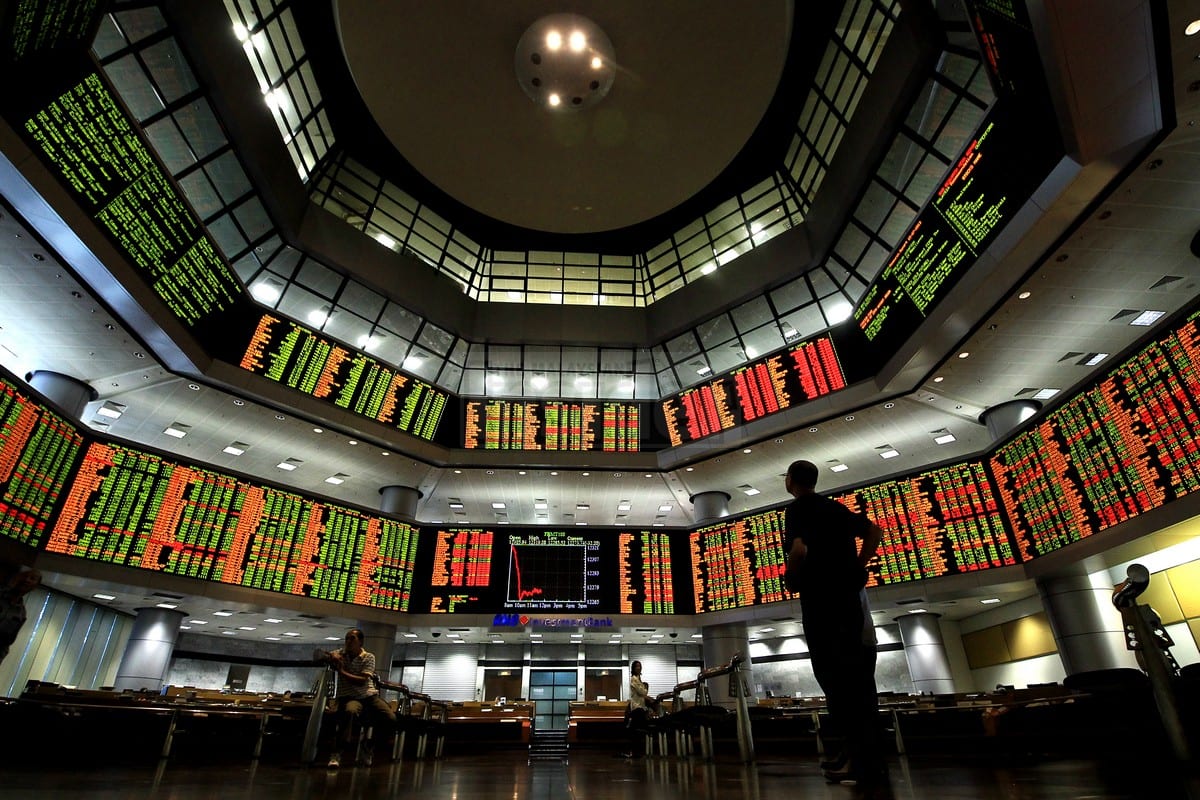
    Chinese investors watched in distress as stocks sank by more than seven percent in trading Friday, marking the biggest drop in five months and stoking fears of a peaked market, according to Bloomberg.

    For weeks, investors have worried about a looming end to China’s longest ever bull run, a market characterized by strong investor confidence, a sustained uptick in stock prices, and the expectation that the rise will continue. The country’s economic boom so far has lasted 935 days, Bloomberg reported Friday.

    The benchmark Shanghai Composite index dropped by 7.4 percent to 4,192.87, a 19 percent descent from this year’s June 12 peak, according to the Wall Street Journal.

    The dismal performance followed the Chinese markets’ worst weekly performance since 2008 a week ago, according to the BBC. The Shanghai Composite fell by 6.4 percent, and overall took a 13 percent drop during the week.

    “The concern is that a stock market collapse this year, as the rest of the Chinese economy is struggling to recover, might damage Chinese consumers’ confidence, their willingness to buy other things,” said Reuters Shanghai correspondent Pete Sweeney.

    In addition to affecting trade with foreign companies, losing consumer confidence could lead to sweeping consequences for China’s retail-dominated economy, according to analysts.

    Hans Goetti, Head of Investment in Asia at Banque Internationale A Luxembourg, told the Economic Times:

    The Chinese market has rallied tremendously this year but we have to remember one thing. It is a market that is dominated by retail investors. In fact, 80 percent of investments in China are done by retail investors and, accordingly, margin debt has gone to the stratosphere. This has led to some worries by the securities regulators to reduce margin debt, hopefully, without crashing the market. Now that is a tall order.

    Michala Marcussen, global head of economics at Société Générale, told Bloomberg that it was important to keep Friday’s events in perspective. “To my mind, what’s happening now is probably not a bad thing from a long-term perspective,” she said, citing the spike in China’s equity prices this year by almost 30 percent. “A bit of a healthy adjustment.”

    Ultimately, the “tremendous transitions” in the Chinese economy will continue to be a fundamental of the market going forward, Ms. Marcussen said.

    Reuters reports that the triggers for Friday’s tumble are far ranging, from “tighter cash supply” to “anxiety about policy direction.” Another concern: China’s initial public offerings (IPO) frenzy, which can perhaps best be evidenced by the jaw-dropping bids received by China National Nuclear Power Co., the country’s second-largest atomic power operator. The company, which had asked for $2 billion, raked in bids of $273 billion, according to Bloomberg. Reuters reports it eventually raised $2.1 billion — the country’s largest IPO since 2011.

    “The IPO boom in the Chinese market is such that more than 50 IPOs listed or were approved by the CSRC (China Securities Regulatory Commission) over the past two weeks,” reported the Economic Times.

    Going forward, “the big question for the Chinese authorities is whether they’re going to prop up the market,” said CNBC’s Sri Jegarajah. “There could be a 50-50 chance of some kind of intervention in the market, either directly or through policy support to shore up confidence.”

  • Bubble-burst in China to benefit Indian mart

    Bubble-burst in China to benefit Indian mart

    The crash in the Chinese stock market is likely to benefit India in terms of higher capital inflows in coming days.

    On Friday, Chinese shares plunged more than seven per cent amidst concerns of overvaluation after registering a 13.3 per cent loss last week.

    According to market experts, global investors are likely to allocate more funds to Indian equities, as the country is now one of the fastest growing economies in the emerging market universe.

    “India is now the best bet in the entire emerging market universe. India’s current account deficit (CAD) has come down, retail and wholesale price inflation is under control, monsoon is progressing well and interest rates are expected to come down in the medium term. So a combination of improving macro-economic factors coupled with the government’s effort to revive the investment cycle would help India attract higher capital inflows,” observed Ajay Bodke, chief executive officer (CEO), PMS, Prabhudas Lilladher.

    According to him, the rally in the Chinese equity markets was driven by an excessive exuberance on the part of retail investors.

    About four million retail investors in China had opened trading accounts in just the last one month, he said.

    Even after such a steep fall in the Chinese equities, analysts are still not convinced about the valuations.

    While asking its clients to refrain from buying Chinese shares, analysts at Morgan Stanley said, “Our stance on China ‘A’ shares is that this is probably not a dip to buy. In fact, we think the balance of probabilities is that the top for the cycle on Shanghai, Shenzhen and Chinext has now taken place”.

    According to them, increased equity supply, continued weak earnings growth in the context of economic deceleration, high valuations and high margin debt to free float market capitalisation are some of the major concerns for the Chinese equities.

    “During the last two months, global investors had pulled out money from the Indian markets to invest in Chinese equities. Some portion of that money will now come back to India,” said Ambareesh Baliga, a senior stock market analyst.

  • Citigroup combines retail banking and mortgage operations

    Citigroup combines retail banking and mortgage operations

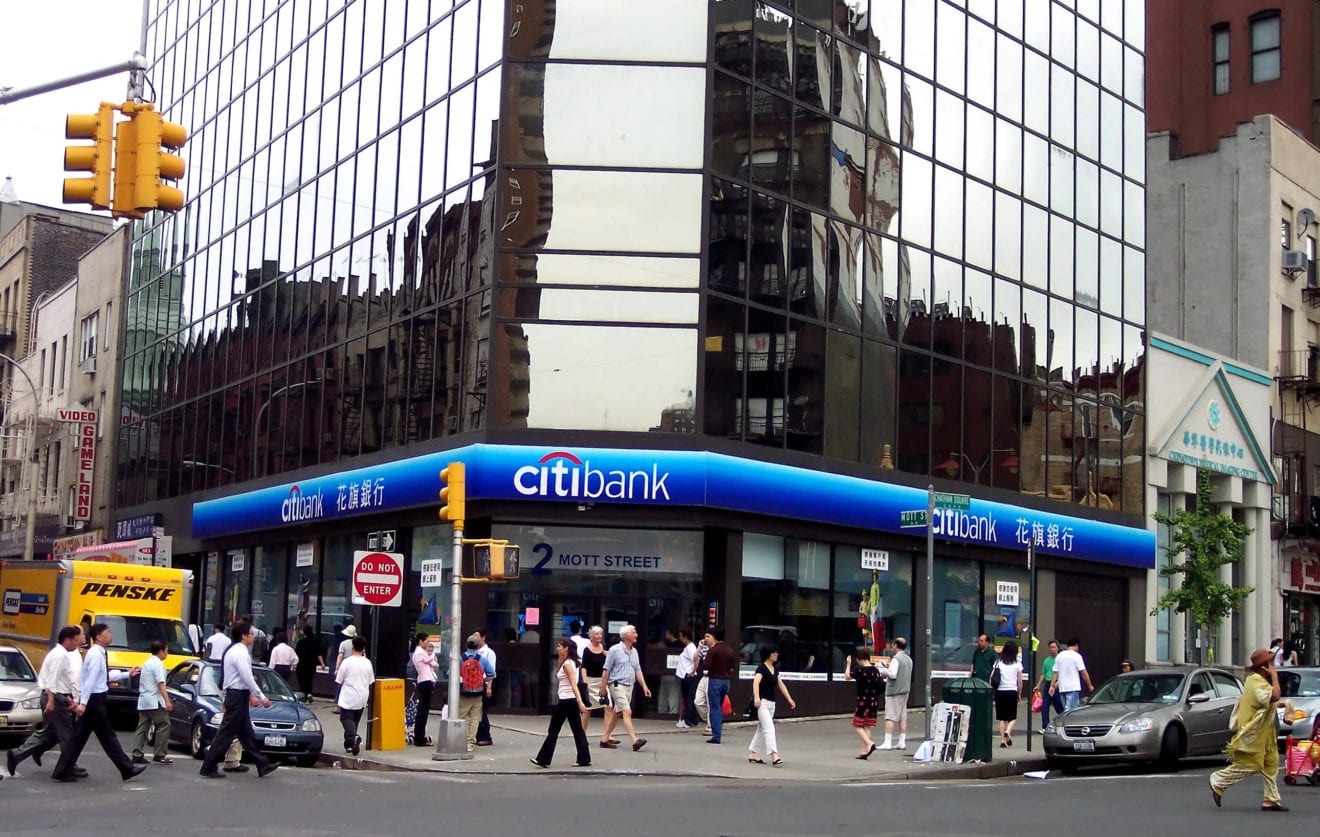
    Citigroup Inc (C.N) will combine its retail banking and mortgage operations under Jonathan Larsen, according to an internal memo seen by Reuters, in the second senior promotion for a veteran of the bank’s Asian franchise this year.

    The U.S. bank’s Asia Pacific chief Stephen Bird in April became the global head of Citi’s consumer bank, in a move seen by analysts as rewarding the U.S. lender’s strategy in the region.

    Larsen, currently global head of retail banking, previously ran Citi’s Singapore unit and spearheaded the lender’s push in credit cards in Asia. Citi’s Asian franchise now has 12 of the lender’s 24 consumer banking markets globally, and contributes a fifth of global profits.

    “Citi Asia is a sign of where Citigroup as a whole potentially can go,” CLSA analyst Mike Mayo said in a research note prior to the announcements. The lender’s strategy in the region has been to move from targeting the mass market to richer ‘mass affluent’ customers, Mayo wrote.

    The appointments this week of Larsen and Bird, who oversaw that push in Asia to trim low-profit customers and target wealthier clients, signals Citi’s intention to pursue the strategy globally.

    In a separate memo also seen by Reuters on Thursday, Citi named Anand Selvakesari as head of consumer banking for Asia, a position Larsen has been holding since 2009.

    A Citi spokesman confirmed the contents of the memos.

    Fabio Fontainha, the head of consumer banking in Brazil, will assume additional responsibility for consumer banking in Latin America.

  • Sogo mum or dad plans retailer revamps

    Sogo mum or dad plans retailer revamps

    Way of life Worldwide Holdings, the dad or mum of the Sogo division retailer in Hong Kong’s Causeway Bay, says it’s planning renovations and new department shops.

    Whereas it has not specified the place the revamps are deliberate, it’s probably to be in mainland China the place it at present has 4 shops.

    Way of life has secured US$300 million by means of the difficulty of 10 yr bonds which shall be used to repay financial institution financing and fund capital spending “referring to retailer renovation and new division retailer tasks sooner or later”.

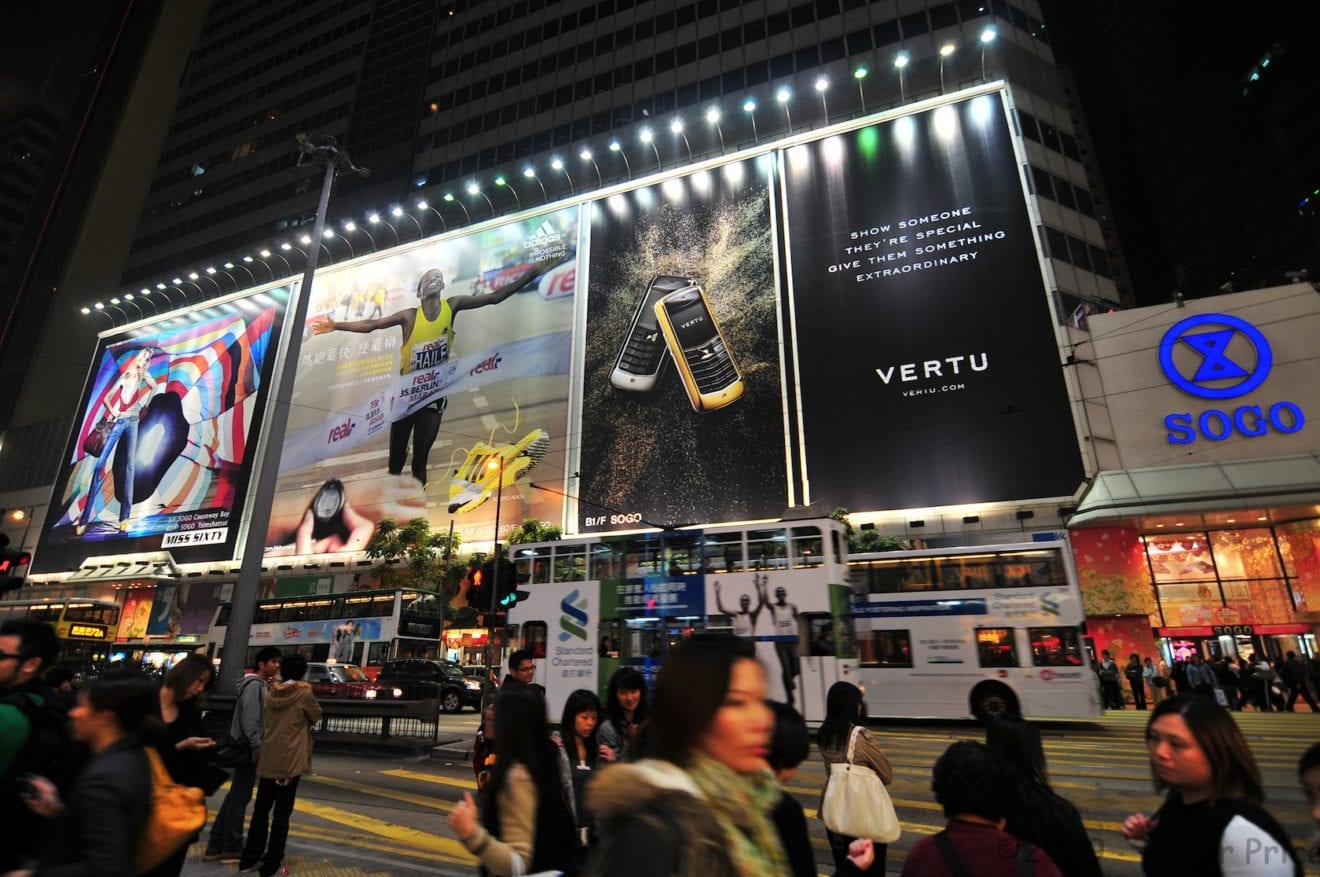
    Hong Kong listed Way of life Worldwide has two Sogo shops in Hong Kong – the flagship in Causeway Bay near Occasions Sq., and one in Tsim Sha Tsui which was relocated and reopened late final yr.

    In mainland China, the corporate operates shops underneath the Jiuguang model. The Shanghai retailer was first established in 2004 with an analogous enterprise format to Sogo Causeway Bay. Additional shops opened in January and Might 2009 at Suzhou and Dalian

    Shenyang Jiuguang, Way of life’s fourth Jiuguang Retailer in mainland China, accomplished its first full buying and selling yr in 2014.

    The group’s business complicated challenge in Zhabei, Shanghai is presently underneath development and is preliminarily scheduled for completion in 2018, a part of a broader mainland China enlargement plan.

  • Trinity warns of looming loss

    Trinity warns of looming loss

    Menswear model Trinity has warned it expects to submit a loss within the half yr to June based mostly on preliminary buying and selling figures.

    The Hong Kong listed retailer and producer, majority owned by Li & Fung, says it has confronted challenges adapting to the weak retail market within the Chinese language mainland and a lower within the variety of mainlanders visiting Hong Kong and Macau.

    In a inventory trade submitting, the corporate stated it had incurred greater one time restructuring prices to mitigate these on-going unfavourable circumstances.

    “As well as, whereas unit gross sales remained comparatively secure, common promoting costs have been adjusted, putting strain on margins and mixed with the restructuring prices, the group’s efficiency was adversely affected.”

    In March, Trinity reported revenues of HK$2.6 billion (US$335.2 million) and a gross revenue of HK$1.9 billion ($244.95 million). The gross revenue margin was 74.1 per cent representing a 1.four proportion level decline as a consequence of liquidation of extra stock, a administration precedence within the second half.
    In Monday’s warning, Trinity stated administration is taking “vital actions” to enhance second half yr efficiency however expects the subdued retail market surroundings in Larger China will proceed.

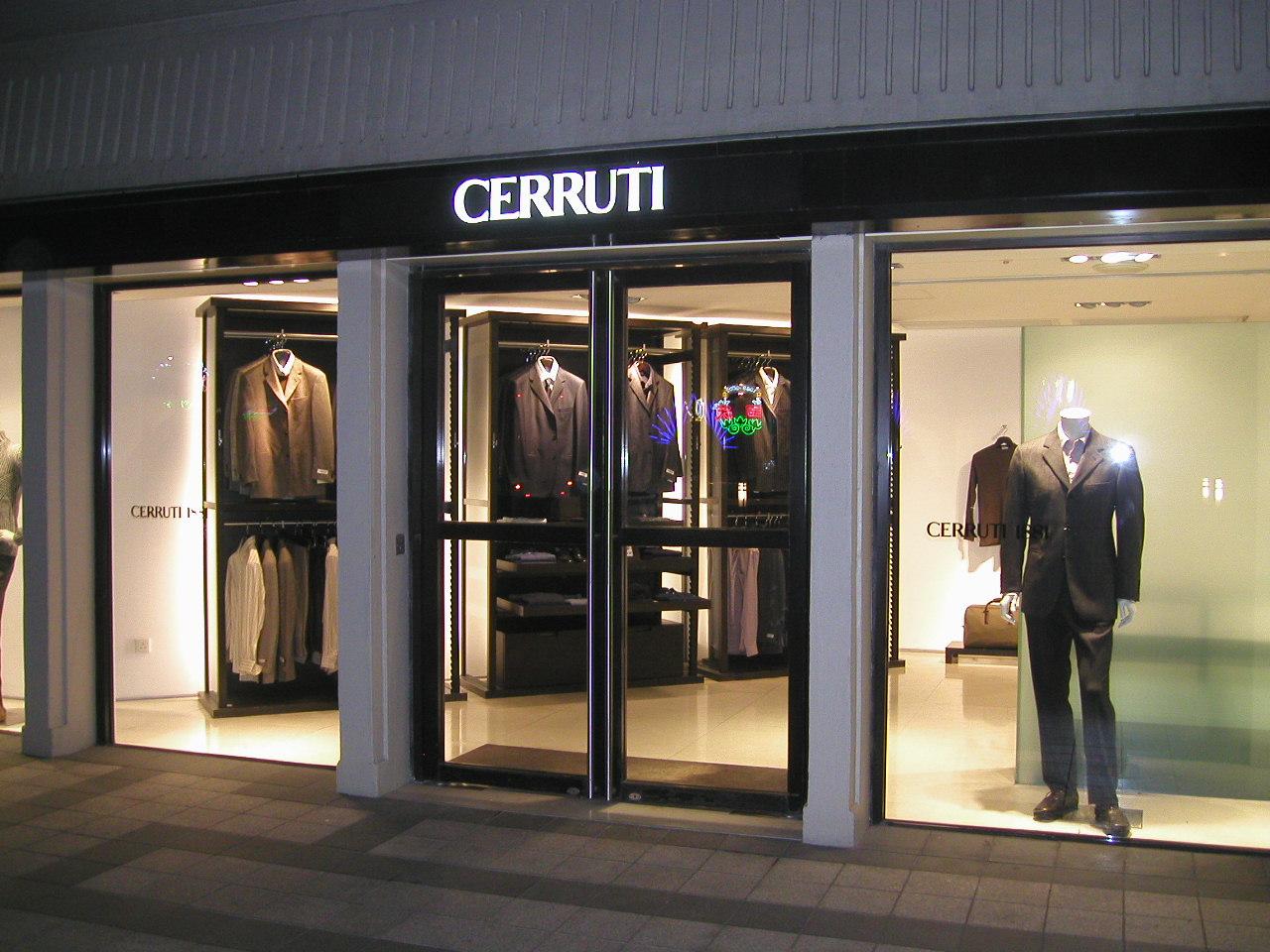
    Trinity retails high-end menswear in Larger China and Europe. Its manufacturers embrace D’City, Gieves & Hawkes, Cerruti 1881, Intermezzo and Kent&Curwen.

    In March, CEO Richard Cohen stated Trinity was on monitor with its medium-term technique.
    “We goal globally and assume regionally,” he stated. “We’re optimistic for the close to and medium-term, and stay assured about the long run potential for our enterprise.
    He stated the corporate was setting up “the best retail technique and construction” to ship constant, sustainable returns into the longer term.
    “We’ve considerably strengthened our groups up and down the organisation and proceed to enhance stock administration. Up to now six months we’ve got developed centralised shared providers throughout all departments and improved our provide chain to make it less expensive and versatile.”

  • China Jo-Jo WeChat retailer opens

    China Jo-Jo WeChat retailer opens

    China Jo-Jo Drugstores has opened a retailer on Tencent’s WeChat social media platform. The China Jo-Jo WeChat foray might be carried out by way of its subsidiary Hangzhou Jiuzhou Grand Pharmacy Chain. It’s the first Hangzhou based mostly pharmacy to launch shops on WeChat, which has greater than 500 million lively customers.

    China Jo-Jo says the transfer, following partnerships with Alipay and Ali-Well being, is a part of a broader technique to construct its personal On-line-to-Offline (O2O) ecosystem for its pharmaceutical and healthcare merchandise.

    In late 2014, Tencent unveiled its on-line service provider shops for small to medium measurement companies based mostly on its common WeChat platform, and it has shortly developed into an all-in-one cellular advertising service. WMS permits retailers the alternatives to interact with their clients in real-time and collect knowledge based mostly on shopper profiles and spending behaviors. Retailers may also use WMS to replace product info and handle stock and merchandising course of. WMS permits clients to pay by WeChat Pay, a handy cost technique just like Alipay. “As a well known cost technique that clients already belief, WeChat Pay can drastically improve on-line transaction movement for WeChat Retailers. By opening our pharmacy on WMS platform, China Jo-Jo hopes to draw a a lot bigger and constant shopper base by implementing higher knowledge mining, goal advertising and gross sales promotions corresponding to group-buy, present certificates, flash sale, coupons and loyalty program,” the corporate stated in a statemet.

    By integrating our in-store IT system with WMS’s highly effective cost, O2O and repair spine platform, we intend to rework our brick and mortar shops into “Clever Pharmacies”.

    China Jo-Jo President, Li Qi, added: “In a standard drugstore, there’s solely one-way interplay between the shop and its clients. Now in our O2O drugstores, we and our clients can simply talk with one another via WeChat platform anytime and anyplace. Shoppers can now take pleasure in customised service and acquired extra focused advantages reminiscent of coupons and member reductions. For us, we will now construct, monitor and analyse quite a few knowledge on buyer spending sample, which can be used to enhance the on-line buying expertise as an entire. O2O enterprise options will stay an integral a part of China Jo-Jo’s technique sooner or later.”

  • Gordon Ramsay opens Marina Bay Sands eatery

    Gordon Ramsay opens Marina Bay Sands eatery

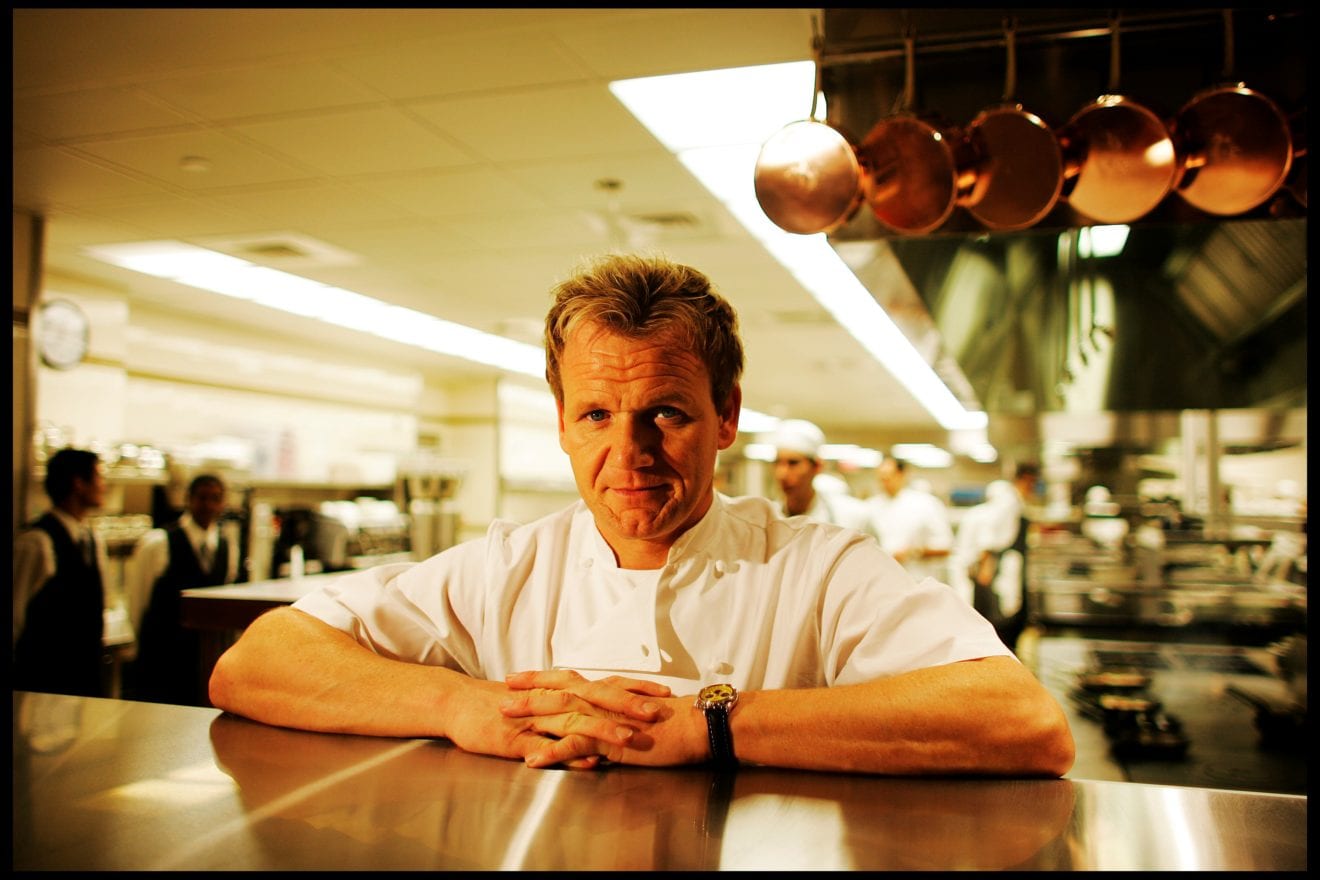
    TV superstar chef Gordon Ramsay has opened a brand new eatery at Singapore’s Marina Bay Sands complicated.

    Bread Road Kitchen restaurant and bar gives basic British European fare in a energetic and bustling area dealing with the spectacular waterfront.

    Situated on the south promenade of The Shoppes at Marina Bay Sands, the restaurant options an in depth menu that showcases British favourites reinvented by the multi-Michelin starred chef on the model’s London flagship.

    Ramsay stated he’s excited to open in Singapore as a result of its individuals are so enthusiastic about meals.

    “Bread Road Kitchen is a mixture of classic and trendy with an ever-changing menu, dishes impressed by native elements, and a lovely view of the waterfront and metropolis skyline.”

    Ramsay’s eatery joins 9 different movie star chef eating places in Marina Bay Sands: Adrift by David Myers, CUT by Wolfgang Puck, db Bistro & Oyster Bar by Daniel Boulud, Lengthy Chim by David Thompson, Osteria and Pizzeria Mozza by Mario Batali, Sky on 57 by Justin Quek, Spago by Wolfgang Puck (upcoming) and Waku Ghin by Tetsuya Wakuda.

    Designed by Wilson Associates’ Blueplate Studios, the two-storey restaurant and bar stays true to the model’s East London industrial roots. Nevertheless, the design group reinvented sure model parts to create a definite sense of place, beginning with the flooring and ceilings. The black and white tiled flooring are reworked into abstracted geometric patterns that add “a unusual playfulness” to the venue and assist distinguish the totally different eating environments. The ceilings on the bottom degree – resembling a woven orange checkered board – deliver heat and dimension to the glass enclosure.

    To additional obtain the eclectic industrial vibe, the furnishings, finishes and fixtures are a mixture of classic and trendy influences. Uncovered pipework, wire mesh, black mirrors, and vintage-inspired lighting and equipment complement the tufted banquets and dark-stained timber. Black and white photographs of St. Paul’s Cathedral hold on the wall, alluding to the situation of “Bread Road” inside the previous Metropolis of London. Additionally they improve the sense of nostalgia that makes the Bread Road Kitchen expertise novel, but acquainted.

    The primary entrance of the restaurant is a collaged walkway of genuine Singaporean manholes. These manholes are a playful reference to the precise ‘road’ in Bread Road Kitchen. To the left of the walkway sits the venue’s focus: the bar. The bar is a tribute to the mezzanine wine cellar within the London location. It’s a brasserie-industrial fusion comprised of native suar wooden and expanded mesh that’s bathed in subtle mild.

    The general design really feel is an eclectic industrial assortment of marble, bronze, combined timbers, and leather-based that creates an intimate, bespoke eating expertise for quite a lot of friends.

    Bread Road Kitchen’s signature dishes embrace Pork Stomach, Shepherd’s Pie and Roasted Veal Carpaccio, in addition to the BSK Burger, with melted Monterey Jack cheese and spicy sriracha mayo in a brioche bun.

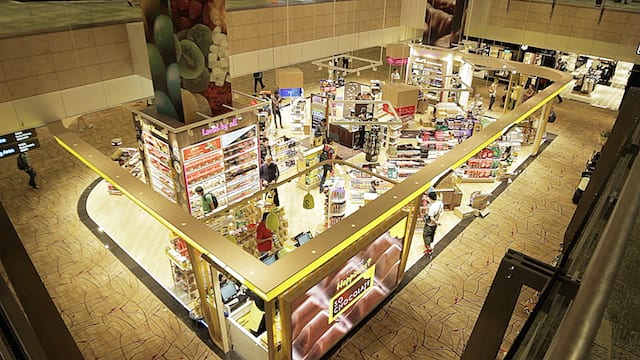
  • LS Journey Retail opens chocolate expertise in Changi

    LS Journey Retail opens chocolate expertise in Changi

    LS Journey Retail, says its new chocolate retail ideas at Singapore’s Changi Airport have confirmed so profitable, the mannequin is being tailored for New York.

    The corporate, a part of Lagardere Group, engaged Retail Entry to design 4 shops in Terminal 2.

    The necessities: the shops needed to accommodate a big model portfolio, introduce improvements into the confectionery purchasing expertise, improve shopper engagement and differentiate two of the 4 shops with totally different branding. In complete, Retail Entry Singapore needed to design greater than 470 sqm of retail area.

    “One of many primary challenges was to create a transparent and organised, but inviting in-store navigation,” the design workforce explains.

    “So Chocolate shops carry a large number of manufacturers, so Retail Entry Singapore labored on categorising the manufacturers and making them straightforward for buyers to seek out.

    “One other problem was the Journey Retail setting and the right way to appeal to the busy travellers of an airport by growing the in-store dwell time. There was additionally a retailer structural constraint as a result of the most important retailer was open-ceiling and with no partitions.

    With 4 shops in the identical terminal, Changi Airport administration needed two manufacturers to keep away from sameness of retail supply. So the second model The Chocolatier was developed and a totally totally different retailer design created.

    As a class administration answer, the company created emotional messaging for every model’s class utilizing distinctive colors: Liked by all, Best Moments, Twinkles of pleasure, Tasty bites and Style of Singapore.

    Retail Entry Singapore leveraged the yellow color of So Chocolate branding by designing a well-lit ribbon pelmet to tug shopper’s consideration. Retail-tainment options have been additionally proposed to extend dwell time, by means of the “So Chocolate Selfie nook”, personalised gifting concepts and enjoyable buying via “buckets of pleasure”.

    Since Lagardere’s chocolate shops additionally carry their very own merchandise underneath the model of Style of Singapore, the group designed market-specific fixtures leveraging native touristic cues such because the Merlion and Singapore Flyer.

    Because the shops opened, the brand new design is attracting extra travellers than anticipated, and the typical basket measurement per shopper is greater than forecast.

    In consequence, the Singapore So Chocolate idea created by Retail Entry Singapore is at present being tailored by the Open D Group workplace in New York for introduction into JFK Airport – and can possible be exported to extra nations the place Lagardere operates journey retailing.