Author: Mei Ling Tan

  • ZTE faucets Japan to assist promote 60m handsets globally

    ZTE faucets Japan to assist promote 60m handsets globally

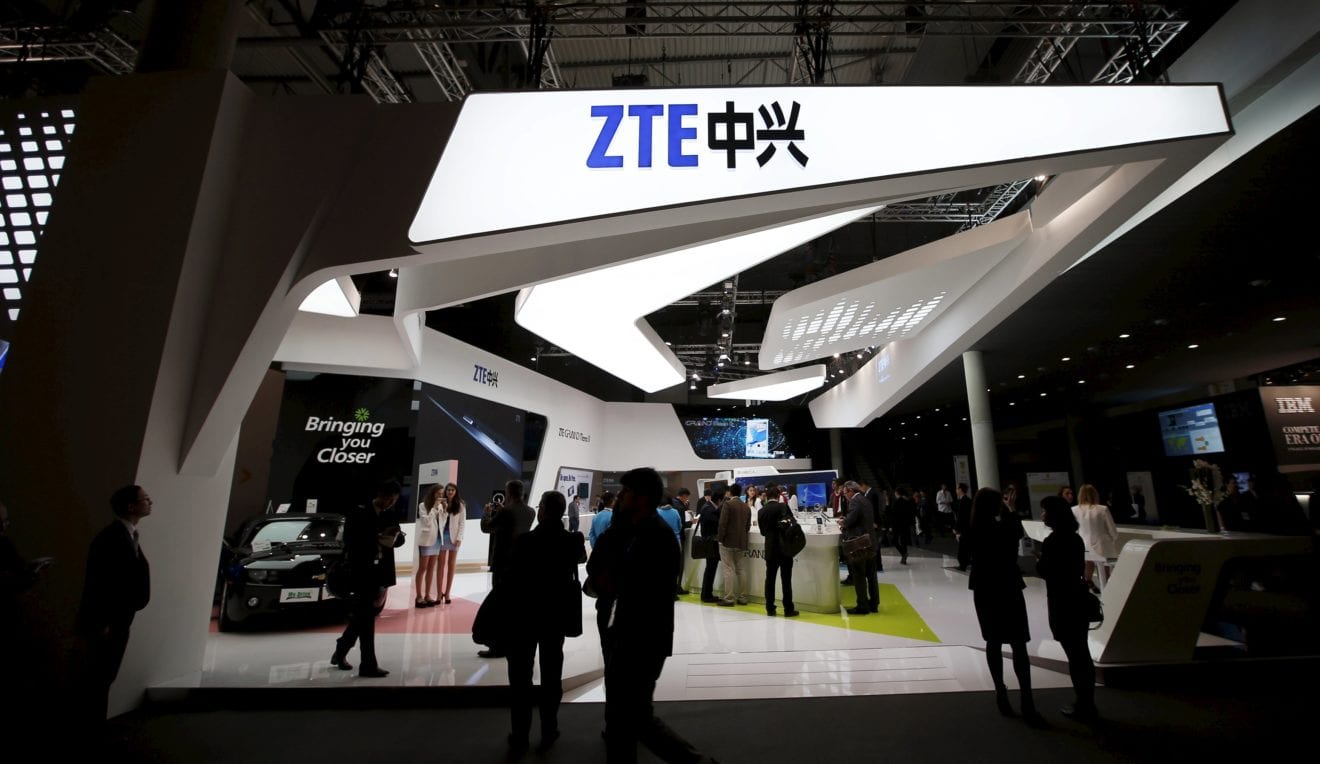
    ZTE Corp goals to increase gross sales in markets within the Asia-Pacific, particularly in Japan, to satisfy its international goal of promoting 60 million smartphones in 2015, China’s largest listed telecommunications gear maker stated yesterday.

    The worldwide gross sales determine for this yr marks a 25 % rise from final yr. Within the Asia-Pacific, it plans to promote 10 million models primarily by rising within the Japanese market.

    “Japan will grow to be our subsequent gross sales progress engine after China and the USA,” stated Zeng Xuezhong, chief government of ZTE’s cellular enterprise.

    In Japan, ZTE companions NTT Resonant to promote handsets. ZTE spends US$500 million on annual procurement in Japan from companies like Sony and Sharp.

    The Shenzhen-listed agency launched a mid-end smartphone referred to as Blade in Japan priced from US$200 to US$300. The system options 5-inch show, 13-megapixel digital camera and ZTE-developed gesture management options.

    In 2014, ZTE’s internet revenue surged 94 % yr on yr because of rising demand for 4G community gear and excessive revenue margins from rising gross sales of smartphones abroad.

    The abroad smartphone markets present ZTE with greater revenue margins, in response to analysts.

  • Buyers favor trendy retail codecs

    Buyers favor trendy retail codecs

    One-third of the Vietnamese shoppers (34 per cent) love purchasing at hypermarkets, supermarkets, and different trendy channels, based on the newest Way forward for Grocery Report ready by Nielsen.

    The report is predicated on a web-based survey of greater than 30,000 respondents throughout 60 nations in Asia-Pacific, Europe, Latin America, the Center East, in addition to Africa and North America. The survey was held to look at how trendy and digital purchasing channels have been altering the retail market scene.

    In response to the report, 42 per cent shoppers within the Philippines have made purchases at supermarkets extra typically up to now 12 months.

    The report additionally highlights the rising significance of comfort shops as one other trendy retail format for shoppers to purchase meals and groceries. Multiple-fourth of the shoppers within the Philippines shopped for meals and groceries at comfort shops extra typically final yr. The figures in different areas are: 22 per cent in Viet Nam, 21 per cent in Thailand, 15 per cent in Indonesia, and 14 per cent globally.

    Kaushal Upadhyay, Nielsen’s government director of shopper service in Southeast Asia, North Asia, and Pacific, stated supermarkets and hypermarkets have already been dominant in developed nations and can appeal to extra shoppers in creating nations in Southeast Asia. Nevertheless, smaller shops have additionally gained a substantial market share, he famous.

    He added that it means producers ought to perceive the place and what shoppers are purchasing. Producers ought to think about items distribution based mostly on the mixture of each channels.

    As well as, the report additionally revealed that on-line purchasing has been an essential approach for retailers to combine digital channels with buying expertise. Some 28 per cent of the Vietnamese shoppers shopped on-line, whereas the worldwide determine for a similar was 25 per cent.

    Merchandise comparable to physique wash, shampoos, and conditioners have been common gadgets shopped on-line by Vietnamese shoppers, based on the survey that was carried out between August 13 and September 5 final yr.

    Vu Vinh Phu, chairman of Ha Noi’s Grocery store Affiliation, advised on-line newspaper vnexpress that smaller shops nonetheless have their benefits as clients could make a fast purchase due to their proximity.

    Phu remarked that these shops can compete with trendy buying channels by providing skilled providers and good high quality merchandise at aggressive costs.

    Some 80 per cent of the time, the way forward for these shops depends upon their house owners, who should develop their very own model names and providers.

    Statistics from the Ministry of Business and Commerce exhibits that by the center of 2014, the nation had 724 supermarkets, 132 business centres, greater than 400 comfort shops and 1 million small outlets. Trendy retail channels accounted for 25 per cent of the market share, a lot decrease than that in different nations within the area.

    The nation is predicted to have 1,200 to 1,300 supermarkets and 337 business centres by 2020.

  • MetaPack expands into Asia with Hong Kong workplace

    MetaPack expands into Asia with Hong Kong workplace

    The MetaPack Group, the main supplier of e-commerce know-how for supply providers, as we speak introduced its enlargement into Asia with the opening of operations in Hong Kong. With workplaces in the UK, France, Germany, Poland and the USA at present, the institution of a Hong Kong workplace is additional proof of MetaPack’s dedication to worldwide progress.

    Asia varieties a serious a part of MetaPack’s evolving international technique to turn out to be the e-commerce supply buyer expertise know-how platform of selection globally. Buying German delivery fulfilment specialist XLogics and US delivery platform suppliers Abol in 2013 and 2014 respectively, MetaPack has seen speedy progress because the launch of its distinctive SaaS platform in 2008. This development is about to proceed because it expands outdoors Europe and the USA.

    The division will probably be headed up by Peter Winslow, who just lately joined MetaPack as VP of Higher China. Previous to becoming a member of MetaPack, Winslow was the managing director at InXpress, an authorised DHL Categorical reseller concentrating on SMEs in Hong Kong. He constructed up his wealthy information of the area’s supply business and tendencies by way of holding a collection of high-level roles at each DHL and UPS in Asia and Australia. MetaPack is planning to capitalise on Peter’s 35 years of expertise in cross-border provide chain freight and categorical enterprise in Asia to focus on sellers who’re delivery their merchandise everywhere in the world.

    Patrick Wall, CEO of MetaPack, stated: “Not solely are we happy to announce the opening of our Far East Asia HQ, however we will really feel assured that the brand new workplace shall be in protected palms with Peter approaching board with us. He has the management expertise, enterprise relationships and business information that may assist us develop quickly within the Far East.”

    Winslow stated: “The Far East is an space the place e-commerce is rising at an outstanding fee, and that’s the reason this can be very thrilling to be getting into the market and facilitating cross border on-line commerce. There’s an awesome alternative to attach European retail manufacturers with Asian shoppers in addition to assist native Asian retailers and carriers rework the web shopper expertise and supply a more sensible choice of extra aggressive supply providers.”

  • Chinese cities make up half of the world’s top 20 shopping center markets

    Chinese cities make up half of the world’s top 20 shopping center markets

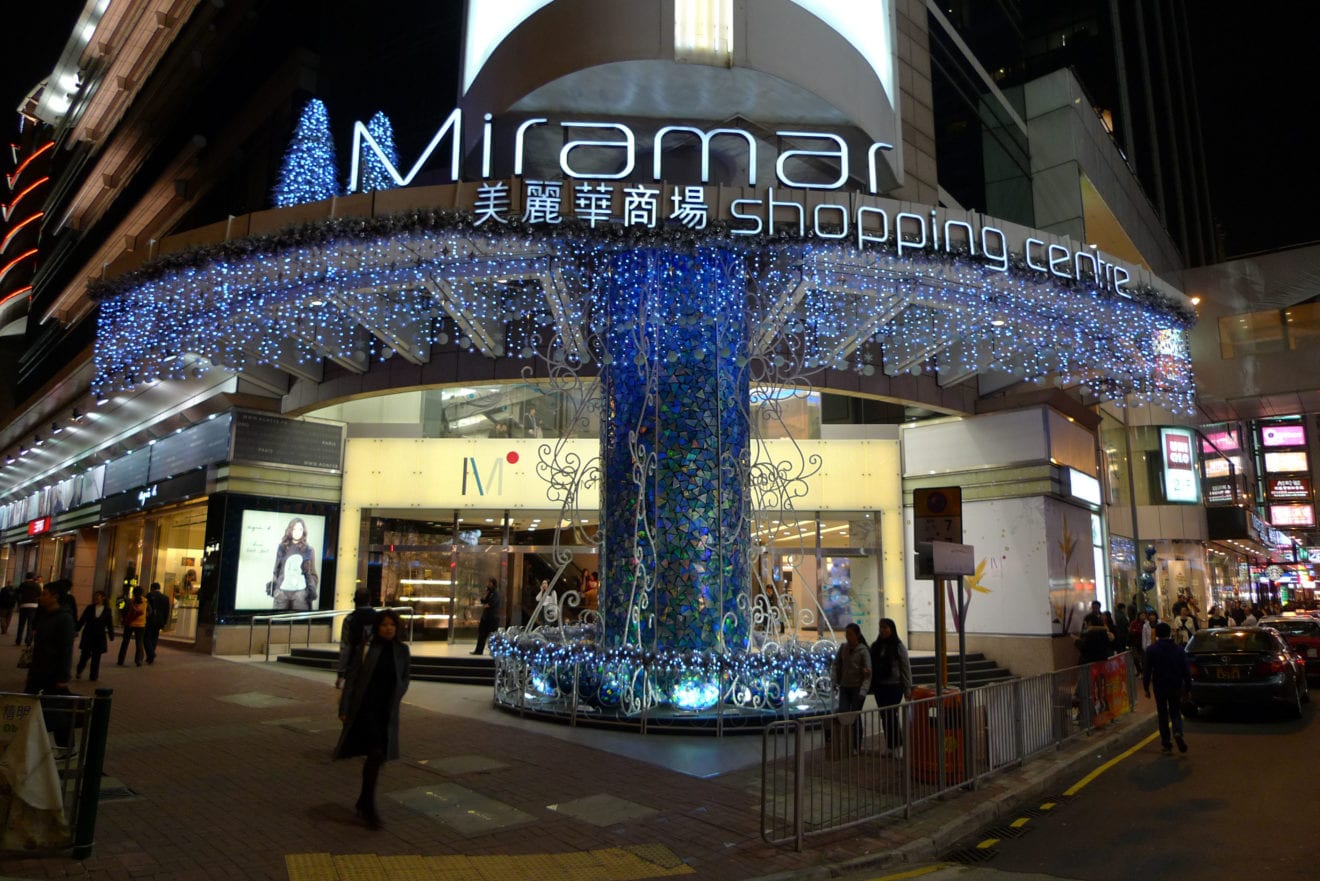
    Chinese cities account for half of the top 20 most active shopping center markets globally with a total of 5.7 million square meters of shopping center space completed last year, an industry report released today by CBRE has showed.

    Wuhan in central Hubei Province, among all, saw the largest volume of shopping center space delivered to market with nearly one million square meters spanning 8 projects, said the world’s largest commercial real estate services provider, which has tracked 171 cities globally and is focused on new centers of more than 20,000 square meters excluding retail warehousing and factory outlet centers.

    Chengdu, which topped the list in 2013 by development completions, remained highly active. It closely followed Wuhan with 981,000 square meters of development in 2014. Beijing, with 926,600 square meters, and Chongqing, with 776,000 square meters, are the third and fourth most active markets. Wuhan, Chengdu and Beijing altogether contributed half of the new completions in China last year.

    Globally, more than 39 million square meters of shopping center space were under construction at the end of 2014 with over 32 million square meters being located in Asia Pacific. China, in particular, accounts for over 60 percent of the region’s pipeline and takes 9 spots out of the Top 10 most active markets in the world.

    Shanghai tops the ranking for most new space under construction with 4.1 million square meters, followed by Shenzhen with 3.4 million square meters and Chengdu with 3 million square meters. Each of the three has more than 20 projects in the development pipeline, according to CBRE.

    Around the world, a total of 11.4 million square meters of new shopping center space was completed last year, compared to 10.6 million square meters in 2013.

  • Harman partners with TCL to boost retail, product collaboration

    Harman partners with TCL to boost retail, product collaboration

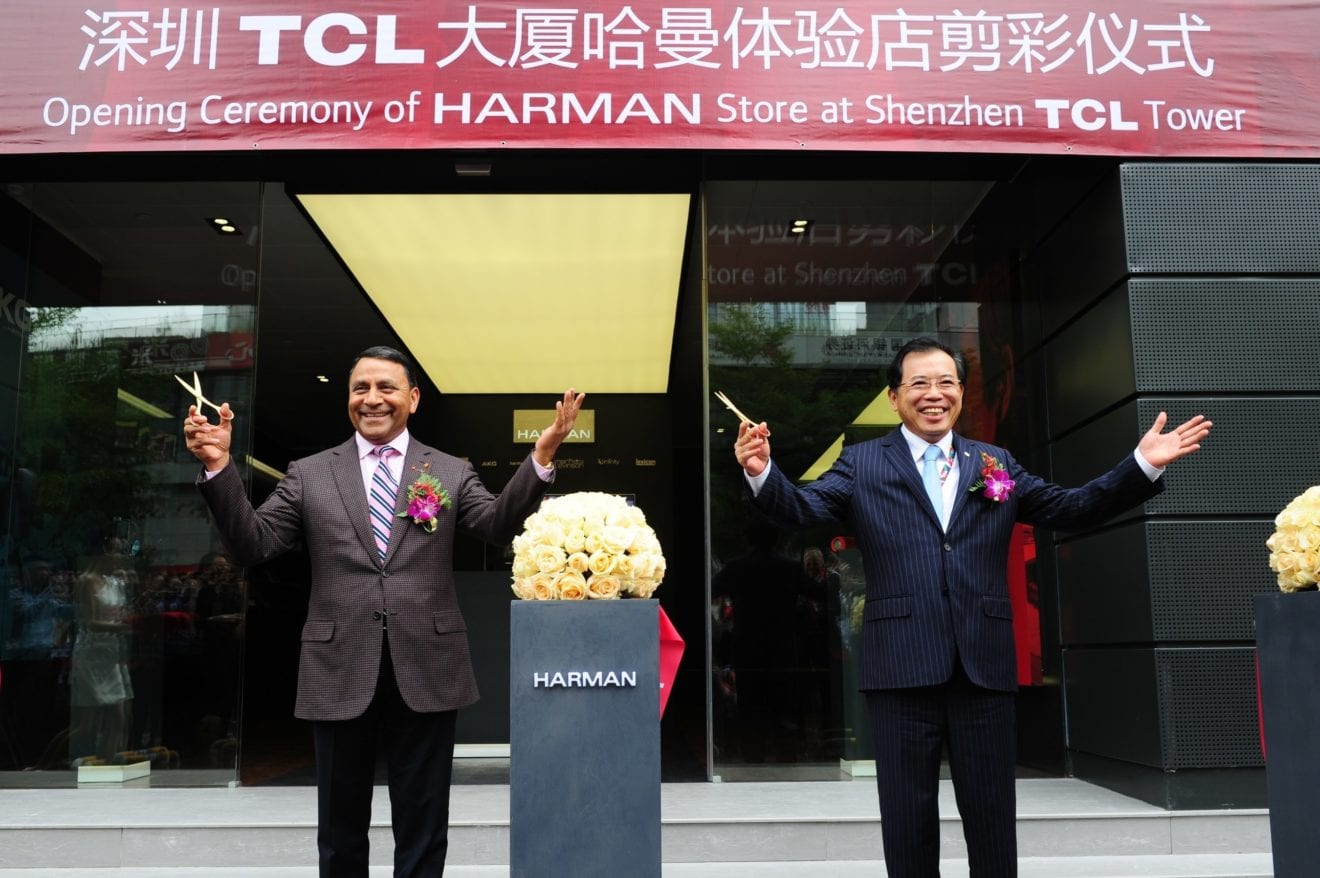
    Chinese audio and infotainment company Harman International opened its flagship store on 23 April at the TCL Tower in High-tech Industrial Park of Shenzhen. Its sister store, the TCL O2O flagship store was also set up the same day. TCL Corporation’s Chairman Li Dongsheng and Harman International’s Chairman Dinesh Paliwal attended the ceremony together, representing the start of a comprehensive partnership between the two corporations.

    Harman develops and produces professional audio electronic products and infotainment systems for various markets, ranging from auto markets, consumer markets, to professional audio markets. Over the past few years, Harman has already established a strong partnership with TCL Corporation, a global manufacturer of smart products and provider of internet application services. With the firm presence in TV and communications industries for years, TCL Corporation was the first TV manufacturer of China to engage in an all-round brand collaboration with Harman Kardon, a noted section of Harman International.

    The comprehensive partnership between TCL and Harman is mainly in the form of retail collaboration and product collaboration. Harman plans to create an online flagship store bearing its name on TCL’s e-commerce platform and identify TCL as its only e-commerce partner. Harman will also provide on-site product supports in 100 high-quality TCL stores. And in terms of product collaboration, Harman will provide diversified product customization services for TCL products.

    According to Li Dongsheng, the two corporations had always maintained a deep collaboration, with substantial progress being made between Harman and TCL’s four business areas including TV, cellphone, Tonly OEM, and O2O

  • Consumption’s ‘sleeping giants’ about to wake up

    Consumption’s ‘sleeping giants’ about to wake up

    Consumers in Southeast Asia are “sleeping giants” who will wake up to their full potential over the next 5-10 years, recent reports show.

    Robust consumption fueled by rising income levels and urbanization are expected to generate an additional $770 billion as 60 million people join the region’s consuming class or move into more affluent consumer segments by 2020, according to a study this month by Accenture involving more than 1,800 people in the region.

    The formation of the Asean Economic Community (AEC), scheduled to take effect this year, will also enhance the attractiveness of Southeast Asia’s consumer markets by making it easier for companies to do business across borders. By 2020, the region could become a $3 trillion economy, making its mark as the world’s sixth biggest, Accenture noted.

    “The spectacular growth of the Southeast Asian economy represents one of the biggest opportunities for consumer goods companies today,” said Dwight Hutchins, managing director in Accenture Strategy, Asia-Pacific.

    Emerging hotspots

    While the region’s “megacities” like Singapore are set to grow further, smaller emerging cities and rural areas are where the potential lie, according to a report released Monday by marketing research firm Nielsen.

    Describing Southeast Asia’s consumers as “sleeping giants of the next decade,” Nielsen said the fastest growth is set to occur in mixed-density cities that have 1-5 million people, like Malaysia’s Johor Bahru and Cebu in the Philippines. Population in these cities are forecast to skyrocket 51 percent by 2025 to a combined 52.6 million people, compared with the 32 percent growth to 69 million expected in megacities.

    Industrial cities, defined as areas with population of 500,000, are also forecast to be consumption hotspots. The size of the already-large cluster could increase 18 percent to 231.8 million over the next decade, accounting for nearly 63 percent of Southeast Asia’s total population, Nielsen said.

    “As costs in bigger cities like Bangkok and Jakarta rise, businesses are going into second-tier cities with cheaper land and labor. This move has created clusters of industrial estates, especially in the smaller provinces of Philippines, like Lipa and Yogyakarta, which has a knock-on effect of stimulating local economies,” Regan Leggett, Southeast Asia, North Asia and Pacific regional director of client services at Nielsen, told CNBC.

    The development of Southeast Asia’s smaller cities drive healthy demographic growth and a rising middle class, which transform consumer spending and offer “considerable rewards,” Nielsen added.

    Challenges

    Wooing Southeast Asian consumers, however, can be a challenge. According to Accenture, the region’s highly-connected consumers have minimal brand loyalty, with almost two-thirds of respondents open to switching brands. Meanwhile, a physically and culturally-fragmented landscape make Southeast Asia difficult to navigate.

    Still, it’s not impossible for businesses to map out strategies applicable across the region.

    For one, many rural consumers in the region are “at the very beginning of their relationships with packaged and branding goods,” and “finding commonalities across cities can be done,” Legget said.

    Businesses must be ready to offer affordable pricing, smaller product sizes or single-use portions for these first-time consumers, he added.

  • Itochu, CP Group team up with Chinese companies to set up e-commerce venture in Shanghai FTZ

    Itochu, CP Group team up with Chinese companies to set up e-commerce venture in Shanghai FTZ

    Five companies from three nations are banding together to sell imported popular household products like diapers and milk powder in China.

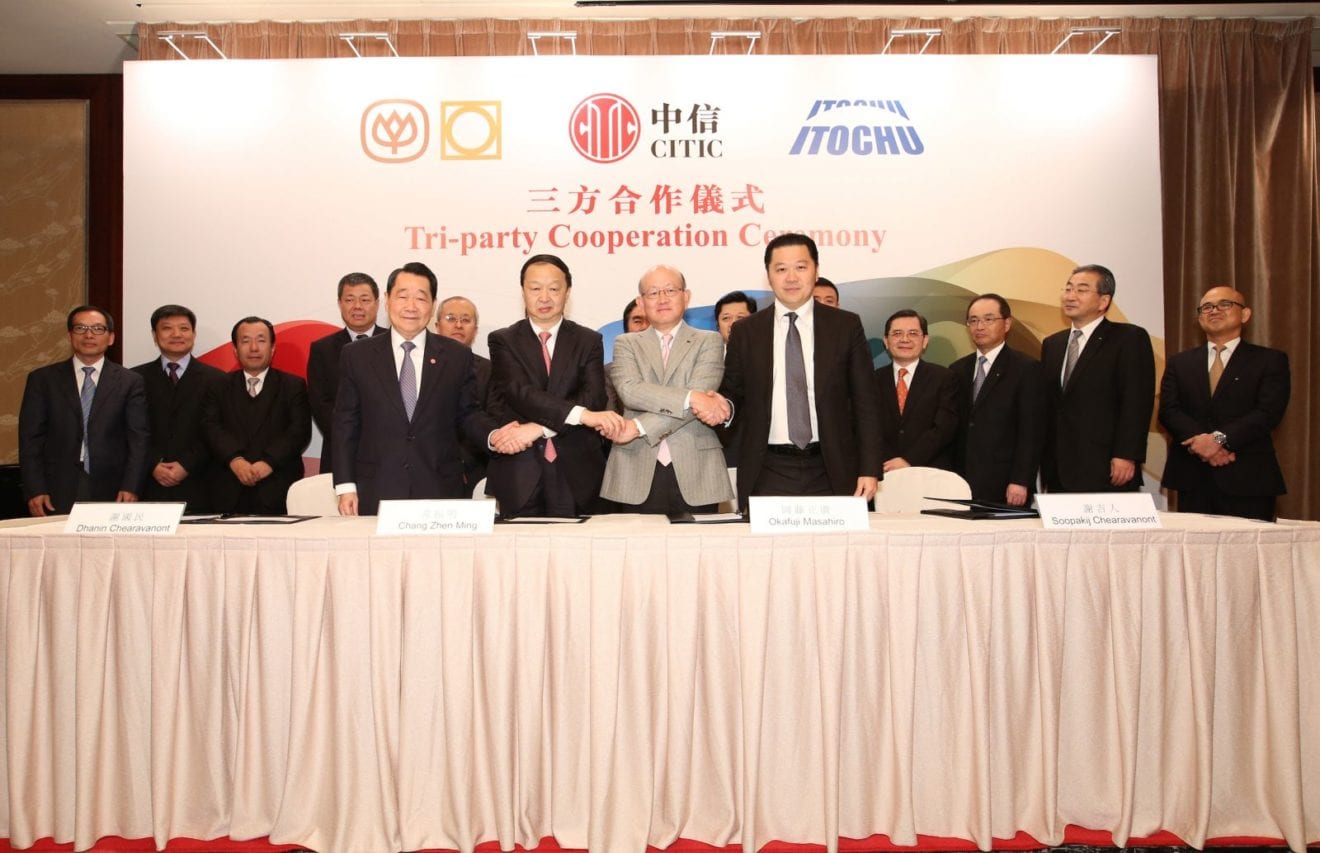
    The partners are Itochu, Japan’s third-largest trading house; Charoen Pokphand Group, Thailand’s biggest conglomerate; and Chinese companies CITIC, China Mobile and Shanghai Information Investment Inc.

    An agreement forming the venture, which will operate through a cross-border e-commerce website out of the Shanghai Free Trade Zone, was signed yesterday.

    The venture, which is named Face to Face Co., aims to tap a growing market in China for premium foreign products. Until now, most consumers accessed such products mainly through gray market channels, expensive offshore orders, overseas trips or limited online retailers in China.

    The new system will end long waiting times for deliveries, lower prices by up to 30 percent and ensure that products meet quality standards.

    The five partners are investing US$500 million, and the company will benefit from preferential policies offered by the Free Trade Zone.

    “We predict the scale of cross-border e-commerce in China will jump from nearly 76.7 billion yuan (US$12.4 billion) in 2013 to about 1 trillion yuan by 2018, Itochu said in a statement yesterday. “We see huge demand for premium products in the country.”

    The new company plans to buy an e-platform to run its operations. It will take over online shopping mall Kuajingtong, which was formerly run by state-owned Shanghai Orient Electronic Payment Co. The partnership will take advantage of China Mobile’s vast user base in promoting online orders for goods.

    Japan’s Nikkei Newspaper reported that the new company plans to accrue sales of US$666.7 billion by 2019 and plans to list in China in 2020. The report could not be immediately verified.

    Itochu said the platform will begin operation later this year, offering nearly 100,000 Japanese-made items, including household appliances, food, diapers milk powder and possibly clothing. Charoen Pokphand said it plans to sell Thai food products on the site.

    The Free Trade Zone, launched in 2013, is China’s pilot project for freer trade between the mainland and overseas. Flexible regulations will allow access for both Chinese and overseas companies to import and sell foreign goods domestically.

  • India’s Worst-to-First Phone Stocks Show $18 Billion Well Spent

    India’s Worst-to-First Phone Stocks Show $18 Billion Well Spent

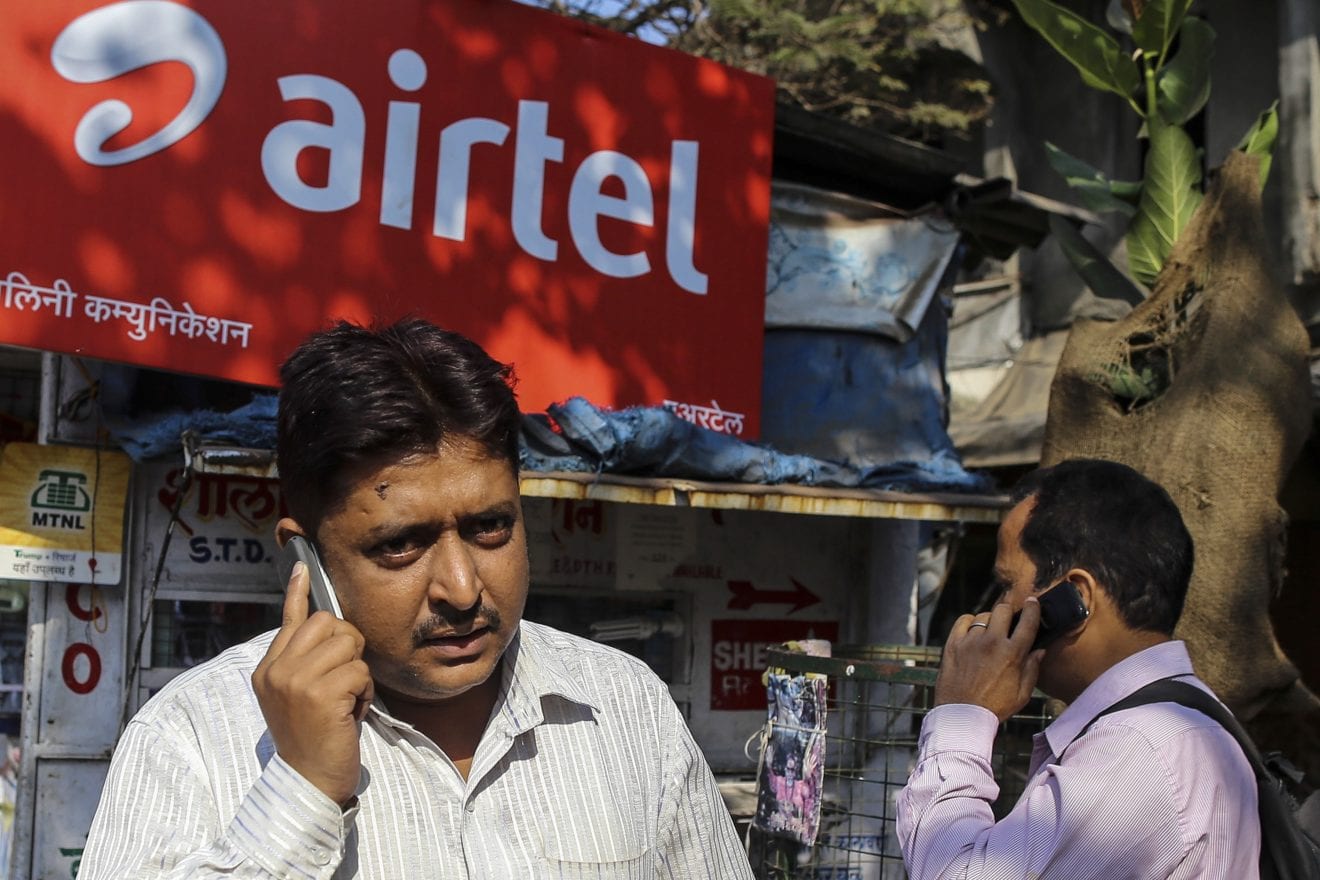
    India’s mobile-phone companies are paying a record 1.1 trillion rupees ($18 billion) to keep their networks running. It’s money well spent, if the stock market is any guide.

    The MSCI India Telecom Services Index has rallied 14 percent from this year’s low on March 9, the only gain among 10 industries, after losing 67 percent in the preceding decade. Local funds have increased holdings to the highest in 11 months, while BNP Paribas Asset Management’s top-performing Indian stock fund is bullish on the industry.

    Bharti Airtel and Idea Cellular are rallying on optimism the expense of securing spectrum for 20 years will pay off as the world’s second-largest wireless market grows. Net incomes at the two companies have climbed at least seven times faster than the broader market over the past six quarters as smartphones costing less than $200 spur a jump in mobile-data use.

    “In this desert of no earnings growth, telecom companies are the only ones whose profits are growing,” Anand Shah, the chief investment officer at BNP Paribas Asset Management India, which has $2.1 billion under management and advisory, said in an interview in Mumbai on April 29. “We’ve just scratched the surface as far as data is concerned.”

    Sensex retreat

    Money managers have been piling into telecom companies amid a weakening outlook for other industries. The S&P BSE Sensex, one of Asia’s best performing stock indexes in 2014, tumbled to a six-month low on Thursday amid growing concern about Prime Minister Narendra Modi’s ability to push through economic reforms.

    Spending on the wireless spectrum was 68 percent higher than the base price set by the government, according to auction results released March 26. Bharti, Idea and the UK’s Vodafone Group Plc retained airwaves that were up for renewal while also gaining spectrum that enables them to boost fourth-generation offerings.

    “Your costs are fixed for the next 20 years even as the market continues to grow,’” Ajay Srivastava, a managing director at Dimensions Consulting, said by phone from Gurgaon, near New Delhi. “The industry is an oligopoly and the players have realized the Indian market is big enough to be shared among the three or four players.”

    Reliance Jio

    Competition from billionaire Mukesh Ambani’s upstart operator Reliance Jio Infocomm may complicate the ability of carriers to raise rates in a market where calls cost less than one cent a minute, according to Birla Sun Life Asset Management.

    Reliance Jio, set to start service later this year, has been buying airwaves since 2010.

    “We’re not positive on the sector,” Mahesh Patil, the co-chief investment officer at Birla Sun Life, which has $17.5 billion in assets, said in an interview in Mumbai.

    Smartphone apps that allow free messaging and voice calls also threaten to eat into carriers’ revenue from traditional calls and texts, according to Kotak Institutional Equities.

    “We have no clue of the distraction that could come in the form of technology,” Sanjeev Prasad, the Singapore-based co-head and senior executive director at Kotak, said in an interview with Bloomberg TV on April 15.

    The BNP Paribas Equity Fund, which held 16 percent of its assets in Bharti and Idea on March 31, has beaten 87 percent of its peers since Jan. 1, with a 3.2 percent gain, data compiled by Bloomberg show. The fund has returned 44 percent in the past 12 months. Local funds held 1.8 percent of their assets in phone companies at the end of March, the most since April 2014, data from the market regulator show.

    Greater Internet access and rising smartphone ownership make the carriers a proxy for India’s consumer market, Dimensions’ Srivastava said. Data revenue for Bharti and Idea will grow at least 40 percent annually through March 2017, Mumbai-based brokerage ICICIdirect said in a April 30 report.

    “The telecom industry has a terrific matrix emerging,” Srivastava said. “Buy, close your eyes and just keep it.”

  • Alfaria to Raise Rp 2.5t From Bonds, Private Placement

    Alfaria to Raise Rp 2.5t From Bonds, Private Placement

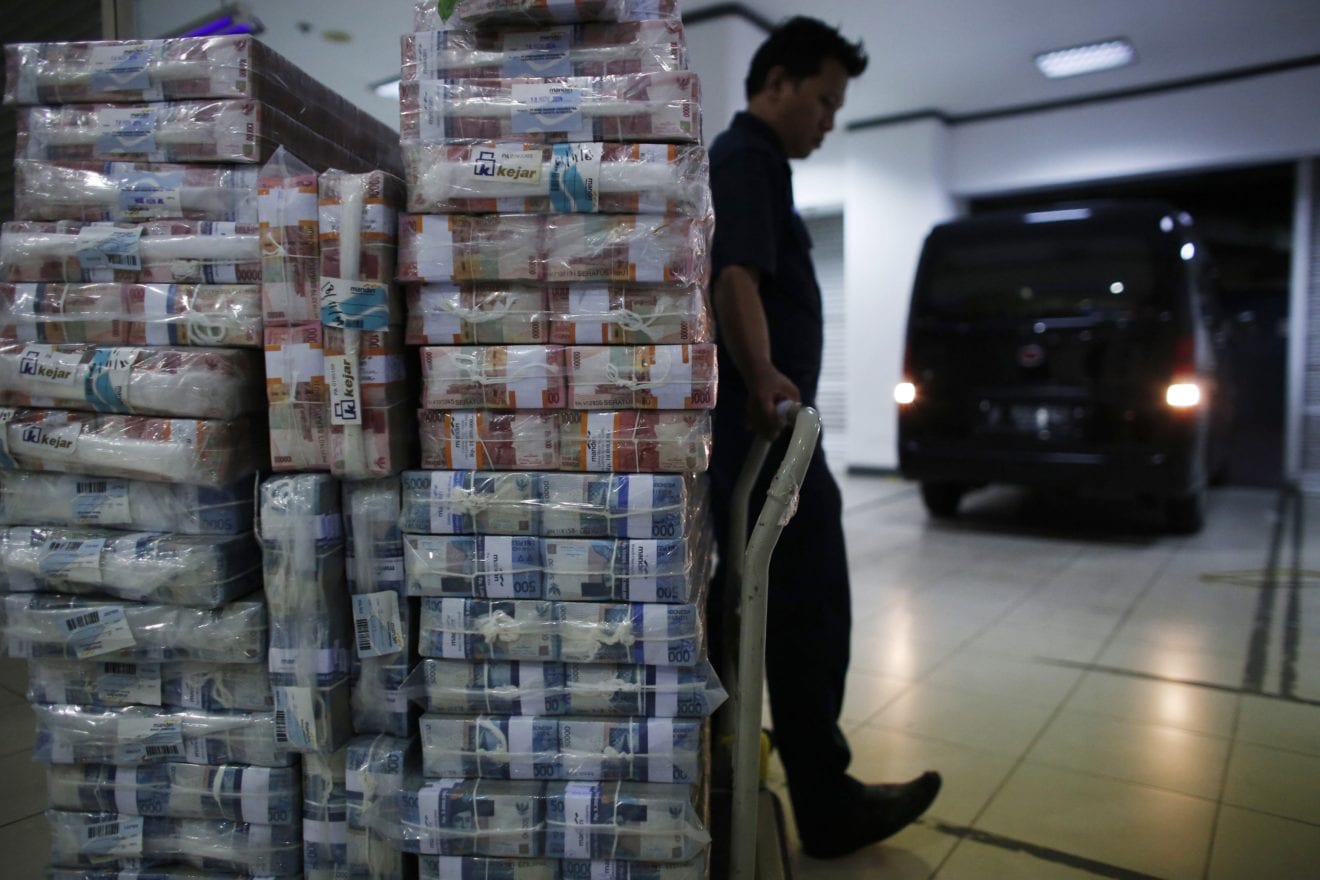
    Sumber Alfaria Trijaya — the operator of Alfamart, Alfamidi, Alfa Express, and Lawson minimarkets — plans to raise Rp 2.5 trillion ($193 million) from selling bonds to the public and from the sale of new shares to affiliated companies, in order to pay back bank loans.

    The company will sell 3-year and 5-year bonds on May 4 and May 5, eying to raise Rp 1 trillion from the proceeds, Alfa said in a statement on Thursday. BCA Sekuritas, HSBC Securities Indonesia, and Mandiri Sekuritas act as the underwriter for the bonds, which rated AA- by global rating agency Fitch Ratings.

    Alfaria will also sell 2.91 billion new shares, or 7.5 percent of paid-up capital, at Rp 510 apiece to Sigmantara Alfindo, currently the largest Alfaria shareholder, and to an affiliate Amanda Cipta Persada.

    The company will use proceeds from the bond sales and private placement to pay back loans, including those from private lender Bank Central Asia and state-owned lender Bank Mandiri, Indonesia’s largest lender. Alfaria has Rp 1.45 trillion in debt outstanding to BCA, and Rp 1 trillion debt to Bank Mandiri, according to the company’s latest financial statement. Both loans have a 10 percent annual interest.

    “[The proceeds are] expected to reduce the company’s liability and risks against third-party creditors. In turn, the company can expand its business,” Alfaria said.


  • Burger giant McDonald’s to end deforestation in supply chain

    Burger giant McDonald’s to end deforestation in supply chain

    Global fast food giant McDonald’s Corporation has pledged to end deforestation caused by production of commodities in its supply chain, focusing on beef, coffee, palm oil, poultry and packaging.

    A US-based scientific advocacy group welcomed the pledge, saying it was the first by a global fast food chain covering its whole supply chain and would push the industry to set new environmental standards.

    McDonald’s promised on Tuesday not to buy from suppliers that clear primary forest and other areas with high conservation value, as well as peatlands.

    It also said human rights must be respected and conflicts over land use resolved through a balanced and transparent process.

    The multinational company said it would begin developing specific time-bound targets for the raw materials it sources this year and would help smallholders, farmers, plantation owners and suppliers to comply with its commitment.

    “Making this pledge is the right thing to do for our company, the planet and the communities in which our supply chain operates,” said Francesca DeBiase, senior vice president of McDonald’s worldwide supply chain and sustainability.

    Like many other international food, cosmetics and commodity giants, the company — famous for its burger restaurants — has come under pressure from activists to make its business environmentally and socially sustainable.

    The Union of Concerned Scientists (UCS), a US-based advocacy group, said the pledge made McDonald’s the first global fast food chain to promise to eliminate deforestation from its worldwide supply chain, going well beyond the palm oil commitments made by competitors.

    “The sheer scale of McDonald’s commitment includes significant potential for change, pushing the industry to implement new environmental standards across the board and ultimately reducing climate emissions,” said UCS analyst Lael Goodman. “However, the commitment is still a work in progress.”

    UCS urged McDonald’s to set strong, time-bound goals for individual commodities, and to follow through on the ground.

    David McLaughlin, WWF’s vice president of sustainable food, said success would require the expansion of monitoring and compliance efforts by McDonald’s and its suppliers.

    “We hope that this commitment will inspire other companies to take action,” he added in a statement.

    A 2015 scorecard produced by UCS, ranking pledges by top US brands on deforestation-free palm oil, shows that fast food firms have lagged behind packaged food and personal care companies.

    UCS’s Goodman said the McDonald’s commitment had the potential to create a “new normal” whereby fast food brands demand deforestation-free commodities from their suppliers.

    McDonald’s said it had begun addressing deforestation in 1989 when it stopped sourcing beef from the Amazon rainforest.

  • Omni-channel fulfilment critical for retailers to make financial returns on investments

    Omni-channel fulfilment critical for retailers to make financial returns on investments

    Despite increasing investments in omni-channel sales capabilities, many retailers and consumer goods manufacturers find it hard to fulfill omni-channel demand profitably, a new report says.

    The new report The Omni-Channel Fulfillment Imperative prepared for JDA Software Group, Inc. by PwC reveals that an enormous amount of money, energy and time retailers and consumer goods manufacturers are spending to improve their omni-channel sales capabilities. However, only 16 percent of companies say they can fulfill omni-channel demand profitably.

    This study is based on a global survey of more than 400 retail and consumer goods CEOs from around the world, conducted in late 2014.

    It finds that the high cost of fulfilling orders is eroding retailers’ margins as they sell and deliver products across multiple channels. A full 67 percent of respondents reported that these costs are growing as they increase their focus on selling across channels. Survey respondents reported their highest costs associated with omni-channel selling as:

    Handling returns from online and store orders (cited by 71 percent of respondents)
    Shipping directly to the customer (67 percent)
    Shipping to the store for customer pick-up (59 percent)

    The CEOs in the JDA study recognize that they need to continue investing in business improvements to enhance their omni-channel performance. However, reducing the associated logistics costs is not their primary focus. When asked to rank their top initiatives for improving business operations, CEOs’ number-one choice (57 percent) was spending capital on creating new customer experiences. Similarly, when asked to rank strategic growth enablers for the year, reducing/reformatting physical store footprints to focus on expanding the ecommerce business was the top choice at 53 percent.

    “Every time retailers receive an online order, they have a number of options to fulfill that demand. They can pull the product from a local store, send it from a centralized warehouse or ship it directly from the supplier. JDA’s new study demonstrates that most retailers lack the insight to make these decisions in a profitable manner – and are not sufficiently focused on this critical capability gap,” said Kevin Iaquinto, chief marketing officer at JDA. “They need intelligent logistics and fulfillment solutions that can reveal the hidden costs, and the customer service trade-offs, associated with every delivery option. In addition, to truly win in the omni-channel marketplace, retailers need the upfront demand forecasting tools to make sure products are already distributed across all locations in a manner that supports profitable delivery.”

    While they might not be focused on actions today to create profitable fulfillment and delivery schemes, the study shows that CEOs are aware of the importance of profitable omni-channel fulfillment to their future survival.

    Seventy-one percent of respondents said omni-channel fulfillment is either a high or a top priority. And these CEOs are planning to invest an average of 29 percent of their total capital expenditures for 2015 on improving their omni-channel fulfillment performance.

    The fulfillment capability most cited as needing attention was transportation and logistics, named by 88 percent of CEOs as a priority for the future. The second capability CEOs will focus on is improving inventory availability to fill orders, cited by 85 percent.

    “Having products available, then finding the most profitable way to deliver them – are critical activities that lie at the heart of supply chain excellence,” noted Iaquinto. “The CEOs in the JDA survey clearly understand the challenges they have ahead of them with regard to fulfillment, and they know they will have to innovate if they are to be profitable while meeting customer expectations across channels. The good news is that advanced technology can help retailers and consumer goods manufacturers master omni-channel fulfillment. However, until companies fully leverage these solutions, they will fail to realize positive financial returns on their omni-channel investments.”

  • Lenders’ Struggle for Funding to Continue: S&P

    Lenders’ Struggle for Funding to Continue: S&P

    Funding strains among Indonesian banks is likely to persist this year, undermining the industry’s profitability and growth ahead, according to credit rating agency Standard & Poor’s.

    In a report released last Thursday, S&P estimates lending growth in Indonesia to reach between 13 percent and 15 percent in 2015, higher than last year’s pace of 11.4 percent. That level of growth is projected to keep funding costs high, despite the regulatory caps implemented by the Financial Services Authority (OJK) last October.

    “Indonesian banks that struggle to attract sufficient deposits will face a tough choice of reining in credit growth or paying the penalty for breaching regulatory liquidity ratios,” said Standard & Poor’s credit analyst Ivan Tan, referring to Bank Indonesia’s mandate that maintained loan-to-deposit ratio (LDR), an indicator for liquidity, at 92 percent.

    LDR among commercial banks in Indonesia stood at 88.26 percent in February, an improvement from 90.47 percent in the same period last year, OJK data showed. That lower ratio indicated more money available for lending.

    Tan added that tighter competition for funding will eat into banks’ profitability in the next 12 to 18 months, forecasting net interest margin ­— a measure of a bank’s profitability — to reach around 4 percent this year. This would be a 20 basis-point decline from 4.2 percent last year.

    Under the current conditions, S&P expects Indonesian lenders will see “a new normal” in lending growth as banks work on preserving their liquidity instead. This could mean slower lending growth, greater efforts to expand branch networks for new sources of funding and regulatory changes for short-term relief. Before 2014, lending growth was above 20 percent for several years.

    Tan noted that the impact will likely be “asymmetric,” depending on each bank’s financial performance and operational presence, saying: “Banks with a strong domestic deposit franchises and extensive branch networks should weather the conditions better than peers with less-robust deposit franchises.”


  • Croma to open around a dozen stores in India this year

    Croma to open around a dozen stores in India this year

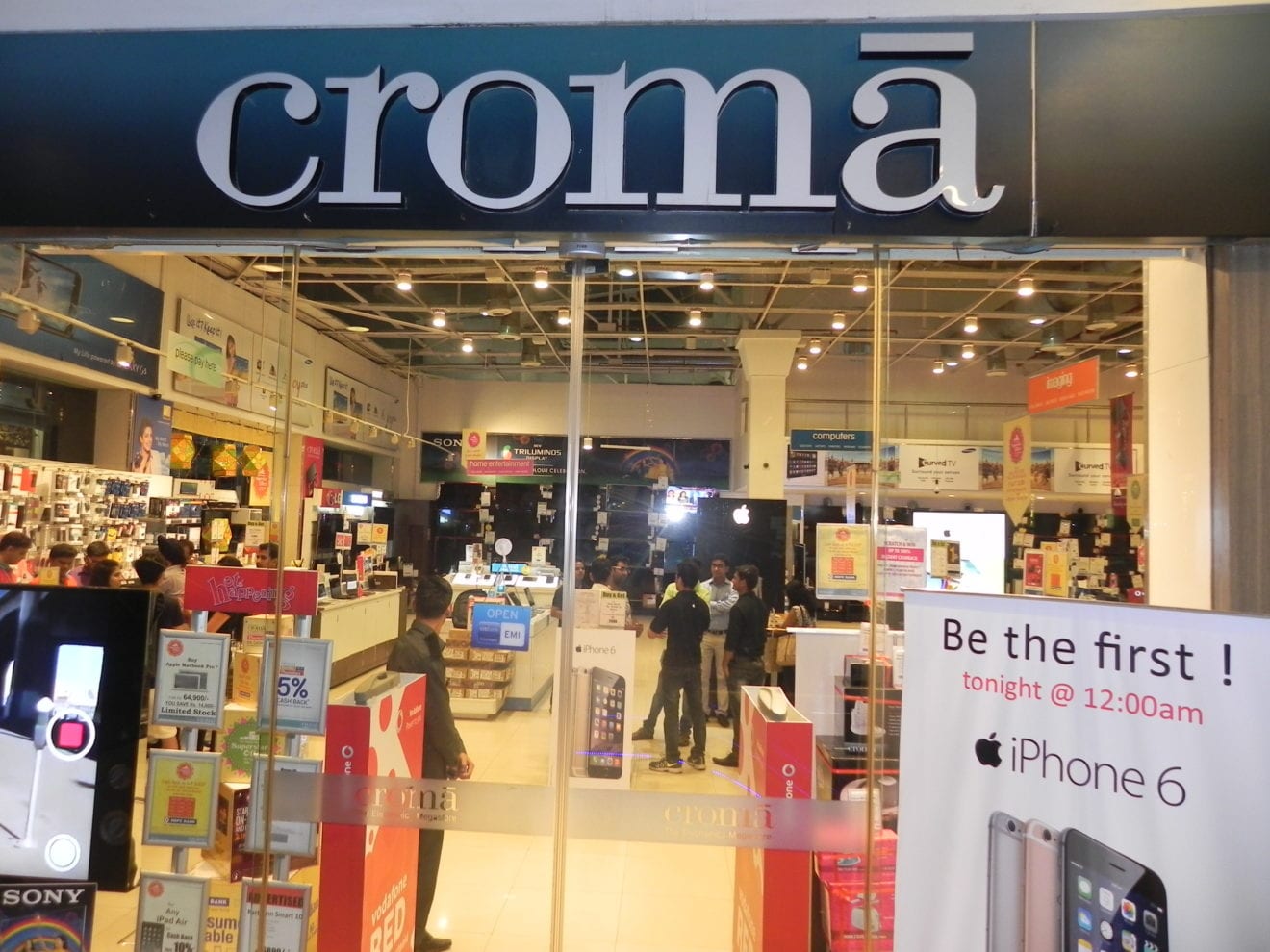
    Croma, consumer durables and electronics chain of the Tata Group, is looking to open a dozen more stores this financial year.

    In April, the first month of 2015-16, it launched three stores. Two more are being readied for launch in a month or so. “We have budgeted for around 10 new stores in FY16 but might exceed that, depending on the quality of location and store layout, if we get the right rental. We continue to focus sharply on calibrated growth in our chosen markets,” said a spokesperson.

    Croma’s first chief executive and managing director, Ajit Joshi, quit the chain recently after eight years at the helm. Its chief financial officer, Avijit Mitra, is interim CE. Croma runs about 100 stores. It is also looking to launch new products in home appliances, the spokesperson said.

    About six per cent of overall revenue comes from its private labels; in home appliances, the share of revenue is 25 per cent.

    Croma’s rival, Reliance Digital, which entered the fray later than the former, has become the biggest durables chain in the country, with about 1,100 stores. Its Digital Mini Express has also become largest mobile phone retailer.

    “Croma continues to lead the consumer durables & information technology (CDIT) organised retail market in store throughput. In the immediate future, Croma will penetrate deeper into the top CDIT markets of India,” the chain had said earlier.

    The chain is yet to break even. Asked to comment, the spokesperson said: “Financial information is internal to the company. We are progressing toward our financial goals as per plan.” Croma entered e-commerce in 2012 and tied up with Snapdeal last year to sell its products.

    “We are already a step ahead in terms of omni-channel retailing and are in the process of rolling out some exciting customer-facing services this financial year, which will be announced once the pilots stabilise,” the spokesperson said.

  • Globe Telecom partners with Lazada for mWallet service

    Globe Telecom partners with Lazada for mWallet service

    Globe Telecom recently partnered with online retailer and marketplace Lazada to bring its GCASH mobile wallet to the e-commerce space in Southeast Asia.

    Under the agreement signed by Globe Telecom President and CEO Ernest Cu and Lazada Founder and CEO Maximilian Bittner in Seoul, Korea, GCASH will be used as a mode of payment in Lazada’s eCommerce website through an open integrated mWallet platform.

    “By increasing transactions through mWallet, we will expand the online ecosystem of Globe and provide our customers with a full digital lifestyle experience,” said Cu. GCASH is a product of Globe Telecom’s wholly-owned subsidiary G-Xchange, Inc. (GXI) and is among the pioneers of telco-led mWallet.

    GXI’s partners today include government agencies, utility companies, cooperatives, insurance companies, remittance companies, universities, banks, and commercial establishments which accept GCASH as a means of payment for products and services via mobile phone or the Internet.

    Through mWallet, Globe customers no longer need to own a credit card or even have a bank account to shop online. Instead, they can turn their mobile phone into a virtual wallet to shop at the speed of a text message.

    Lazada has over 15,000 merchants in Southeast Asia, and 1.4 million active customers. In the Philippines, mobile traffic constitutes more than 50 percent of its daily traffic. According to Inanc Balci, CEO of Lazada Philippines, the Lazada Mobile App downloads have grown 18 percent month-on-month since its launch in early 2014.

  • Tesco Gives More Detail on Supplier Deals After Scandal

    Tesco Gives More Detail on Supplier Deals After Scandal

    Tesco provided more information about how it accounts for relationships with suppliers on Wednesday after an accounting scandal that contributed to an annual loss of 6.4 billion pounds ($9.5 billion).

    Britain’s biggest retailer announced last year it had overstated profits by 263 million pounds due to booking deals with suppliers too early, prompting a criminal investigation by Britain’s Serious Fraud Office.

    As it announced the biggest loss in its 96-year-history on Wednesday, Tesco said it was increasing transparency and seeking to build “longer-term, mutually beneficial partnerships” with its suppliers as it tries to rebuild trust in the market.

    It is seeking to simplify the deals it negotiates with suppliers, noting it was currently using over 20 different kinds of payment terms, including multiple offers and rebates when agreed sales volume targets are met.

    It also gave more details on how it accounts for supplier deals and the impact on its balance sheet and said it had launched new guidelines for staff in this area.

    UK consumer watchdog Which? demanded an investigation on Tuesday into “misleading and confusing” pricing tactics over seven years in areas such as multi-buy offers at British grocers.

    Led since September by Dave Lewis, a former executive at major Tesco supplier Unilever, the retailer said it had met with over 100 suppliers to draw up new business plans to focus ranges and improve efficiency in its supply chain.

    Suppliers are feeling the squeeze due to a fierce price battle between Tesco and its main rivals, Sainsbury’s, Asda and Morrison’s, with 146 food producers entering insolvency in 2014, up from 114 in 2013, according to accountants Moore Stephens.