Author: Mei Ling Tan

  • Chow Tai Fook to partner in Vietnam casino

    Chow Tai Fook to partner in Vietnam casino

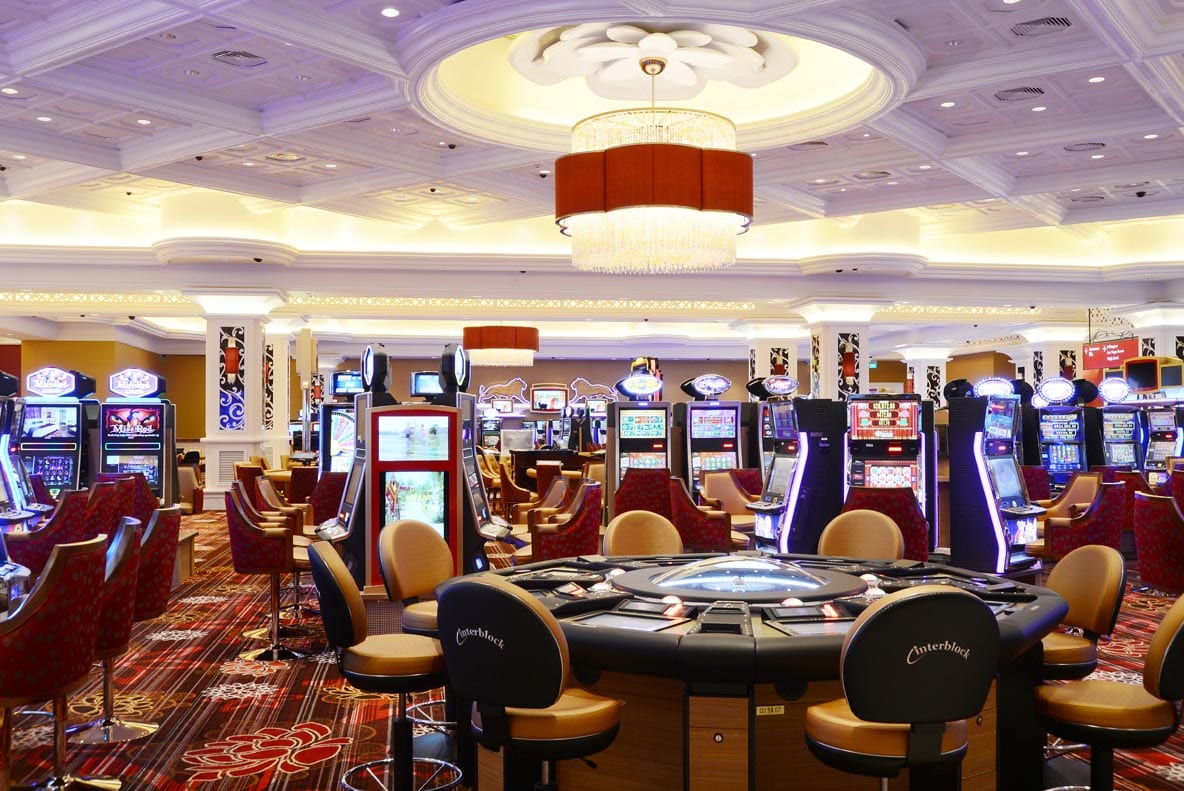
    Hong Kong based retail jeweller Chow Tai Fook is to partner in a US$4 billion casino project in Vietnam.

    Chow Tai Fook Enterprises, an affiliate of Chow Tai Fook Jewellery Group, the world’s largest jewellery retailer by market value, has already committed to investing in casino resorts in Brisbane, in the state of Queensland, Australia, and in South Korea.

    Now it will partner with Vietnamese investment group VinaCapital and Suncity, a Macau-based casino tour operator.

    Strict regulations in Vietnam prevent locals from gambling inside the country, however the government allows developments to serve tourists or those locals who hold a foreign passport. New casino licences will only be issued to developments with an investment value in excess of $4 billion, which deters minor players.

    Other international gambling businesses, like Sheldon Adelson’s Sands Group have gone as far as creating plans for integrated resorts featuring casinos, but have stopped short of commencing construction until the government loosens restrictions on locals playing.

    Reuters reports the new resort will be located in Quang Nam in the central part of Vietnam

    The news agency said Chow Tai Fook’s involvement was confirmed by VinaCapital after the jeweller issued no comment beyond confirming “preliminary studies”.

    Chow Tai Fook has reportedly replaced Malaysian casino operator Genting which withdrew from the project in 2012 due to the local gambling restrictions.

    Reuters said the government was “mulling” a change in the legislation but has not released a policy as yet.

  • Amazon to acquire Net-A-Porter?

    Amazon to acquire Net-A-Porter?

    Speculation is rife that e-commerce giant, Amazon, is in talks with online luxury retailer Net-A-Porter for what could be its biggest acquisition yet.

    Luxury goods group, Richemont, bought Net-A-Porter in 2010 for around €350 million (A$492.35 million).

    Net-A-Porter, has seen huge growth in the last few years, and is reportedly worth more than £2 billion globally.

    Founded in 2000, Net-A-Porter stocks more than 350 designers including Alexander McQueen, Chloé, Dolce & Gabbana, Isabel Marant, Jimmy Choo, Miu Miu, Stella McCartney, and Valentino.

    In 2009, the company launched discount fashion website, The Outnet, and in 2011 created menswear website, Mr Porter. In 2014, Net-A-Porter Group’s publishing division  launched the company’s first ever consumer magazine, Porter.

    Following a series of investments, including a significant push into fashion, Amazon surprised the market with far better than anticipated Q4 profit results.

    Amazon posted earnings of $US214 million ($A275.88 million) in the fourth quarter as sales jumped 15 per cent to $US29.3 billion, swinging to profit after two consecutive losing quarters.

    The Seattle-based company faced pressure from shareholders to deliver profits even as founder Jeff Bezos invested in a vast array of projects.

    For the full year 2014, Amazon posted a net loss of US$241 million on sales of US$89 billion.

    Amazon has denied speculation of the Net-A-Porter acquisition.

  • Lawson Philippines debuts today

    Lawson Philippines debuts today

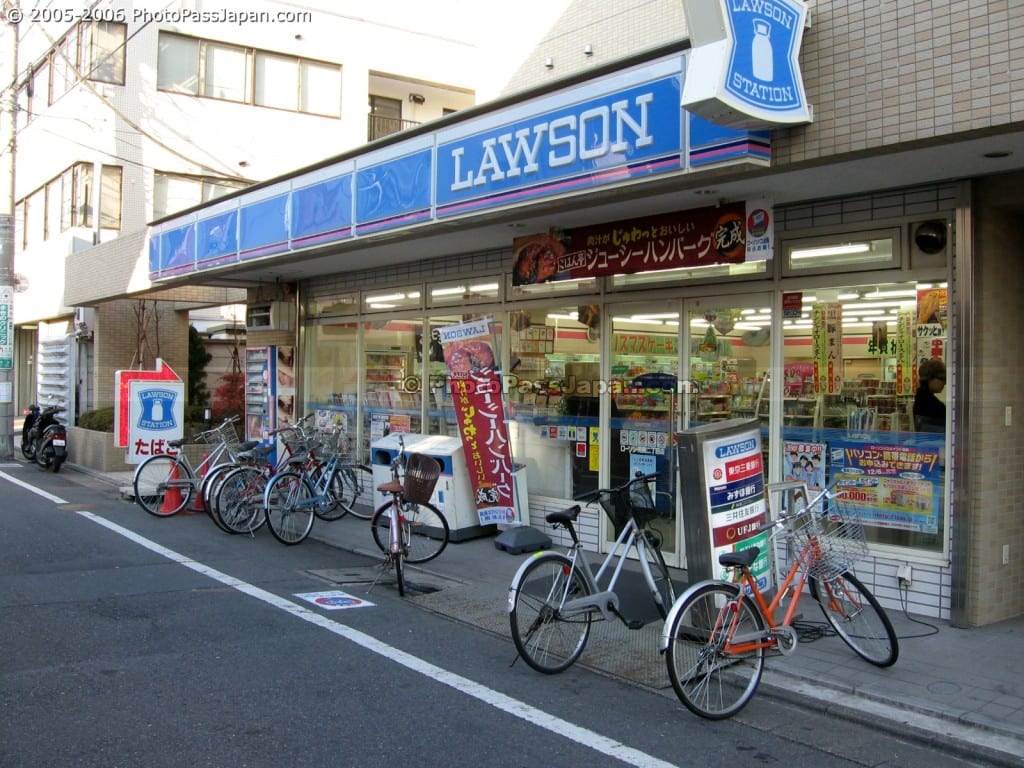
    The much anticipated debut of Lawson Philippines will occur today, Monday.

    The first store will open in the Manila suburb of Sta. Ana.

    Lawson Philippines is a joint venture between local operator Puregold Price Club (70 per cent) and Lawson Japan (30 per cent). The two companies plan a massive network of 500 convenience stores across the Philippines by 2020, with up to 100 opening this calendar year.

    Initially the chain will be focused on metro Manila.

    Lawson’s debut will have little immediate effect on the nation’s cstore sector, but once it builds critical mass, it will present a challenge to the dominance 7-Eleven chain and compete with the rising FamilyMart and Ministop networks.

    “Under the partnership, Lawson will provide its expertise in convenient stores know-how and product development while Puregold will provide its expertise in product procurement and localized knowledge of the retail consumers,” the company said in a statement.

    In May 2014, during a visit to Manila, Lawson Japan chairman Takeshi Niinami said the company was planning as many as 2000 convenience stores in the Philippines in the long term.

  • China sinks Prada profit

    China sinks Prada profit

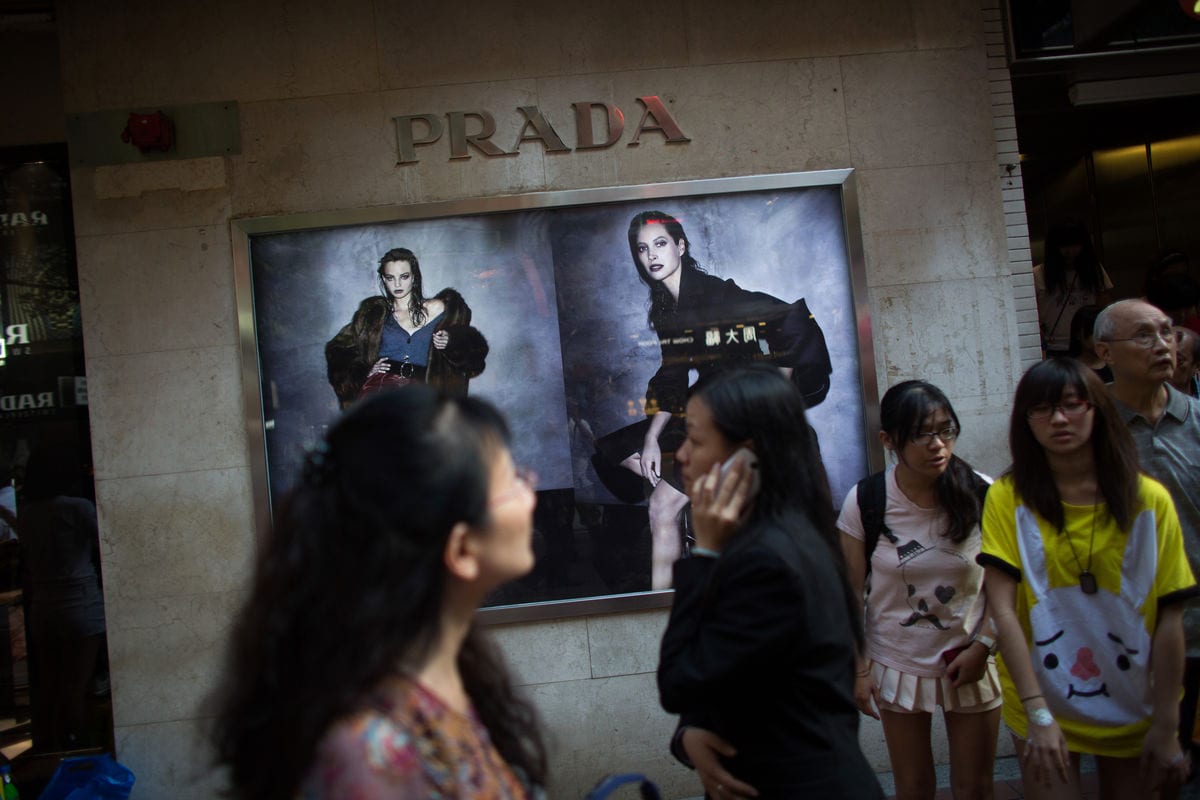
    Luxury retailer Prada Group has blamed China for a 28 per cent slump in profit last year.

    The Italian company says sales in its key Asia-Pacific market – which contributes 35.7 per cent of its global turnover – slid 3.1 per cent.

    This was largely due to the clampdown in corporate gift giving as China tries to reduce graft, and changing purchasing patterns in Hong Kong, which cashed up Chinese are spurning for other travel destinations.

    “Results in the region were hit by the negative performances recorded in Hong Kong and Macau. The Greater China area still benefited from growth on the [mainland] Chinese domestic market and ended the year with net sales of 774.1 million euros, a decrease of 6.3 per cent,” the company said.

    While Prada accounts for 81.2 per cent of the group’s sales, Miu Miu and Church’s both improved globally, while the smallest, Car Shoe, returned a sales drop of 11.9 per cent.

    Prada opened 21 new stores in Asia Pacific in the year to January 31 and closed three. Retail sales slid 5.5 per cent, but this was in part compensated for by a double digit growth in the wholesale division, largely due to increasing numbers of inbound tourists into South Korea. In the Americas, sales were up 0.9 per cent.

    In Europe, sales fell 4.9 per cent, but in Japan (which is not included in the Asia-Pacific figures) sales rose 7.9 per cent, despite store network rationalisation.   Prada said overall revenue for the year dipped by one per cent to 3.55 billion euros, while net income dropped to 450.7 million euros from 627.8 million euros a year earlier. Its operating margin was down from 31.9 per cent to 26.9 per cent, largely due to store openings.

  • Gome plans 100,000 ‘micro stores’

    Gome plans 100,000 ‘micro stores’

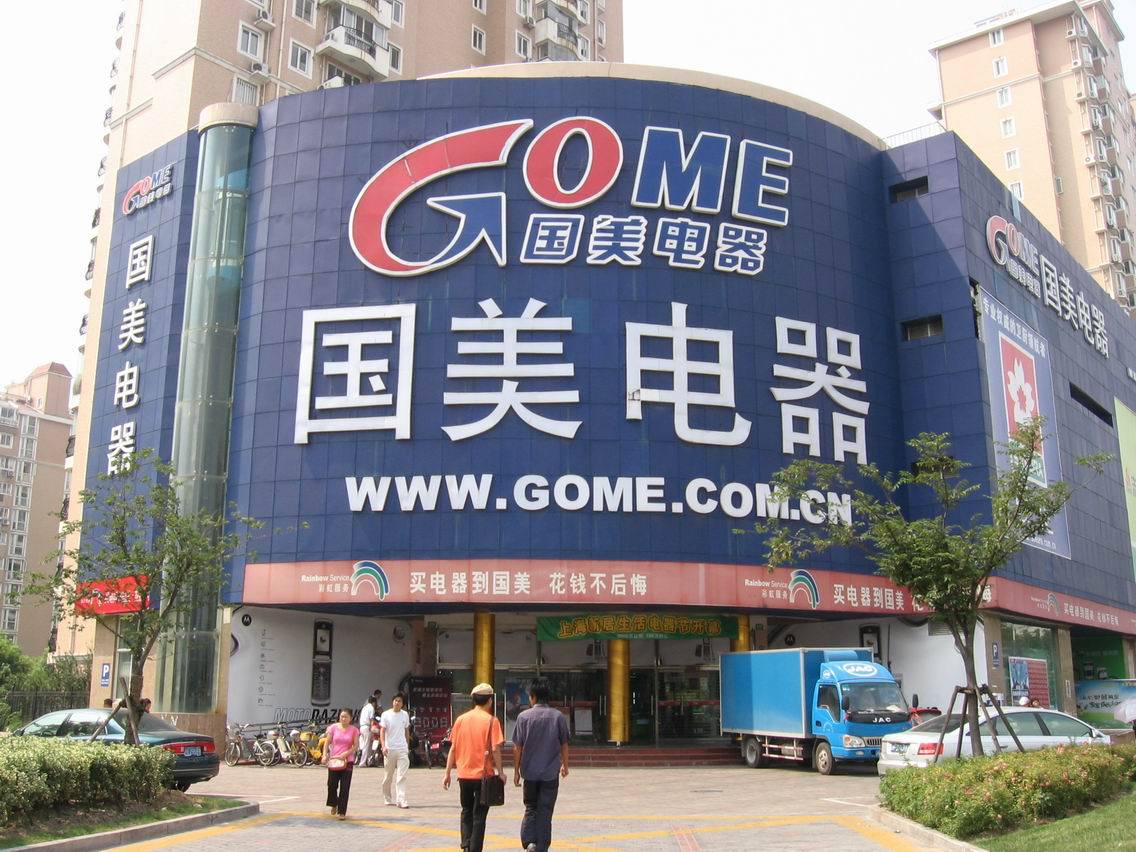
    Chinese electrical retailing giant Gome plans to open 100,000 ‘micro stores’ in 2015 in a move it says will help it build a retail community of more than 100 million customers.

    The bold vision is part of a new strategic multi channel plan Gome is embarking on this year to bridge the gap between online and offline sales and embrace fast growing channels like mobile shopping.

    “With the onset of the mobile Internet era, the development of consumer behavior is trending towards a focus on the individual, with fragmented consumption time, diversified shopping setting, and less distinction between channels,” the company said in an explanation of its strategy.

    “With the change in consumption behavior and demand, Gome is destined to upgrade the “omni-channel experience” in both online and offline to “total retail experience” emerging from the integrated online and offline channels, allowing consumers to move freely between online, offline, mobile terminals and joint- operating channels. The group will focus on the development of Mobile Micro Shops on the front-end interface platform, connecting online and offline. Meanwhile, the group will enhance the value of the supply chain with a focus on the back-end big data infrastructure to build a total retail community with more than 100 million customers.”

    By having so many effective points of sale spread across China, all linked online and all supported by a boosted supply chain system to ensure rapid supply of goods, Gome believes it can increase its share of the appliance and electronics market and engage with more customers.

    “Through Gome’s total retail shopping process, consumers from different entrances will enjoy more product choices than ever, diversified services including shopping assistance, queries, payment, installation, after-sales, reviews and feedback, etc. Meanwhile, the group will also conduct targeted marketing and promote repeat purchases by transferring real-time customer behavior data to the front-end in a timely manner using the big data terminal.”

    Gome says loyal fans of the brand are the consumers with the most potential. The company will leverage social media like WeChat and Weibo, to “share products, achieving cross-category, cross-brand and round-the-clock sales,” creating what it promises will be “a superb consumer experience” tailored to each individual.

    Along with the 100,000 mobile micro shops, Gome plans to double its social media ‘fan base’ by 2017.

    In-store, the changes are just as dramatic. Gome says by expediting the digitisation of its physical stores; increasing product variety, introducing a sophisticated product experience and new technology, the group will allow consumers to make purchases while shopping “and playing”.

    The company will also expand its physical store network into second tier markets, targeting 100 new cities over the next three years with full size stores as well as its micro store network, and it will boost the resources of its eCommerce portal Gome Online to boost reach and sales.

    By collecting data from all transactions and analysing it in the clouds, the company expects to be able to conduct increasingly targeted marketing.

    “Furthermore, the group will leverage the data to boost collaboration between value platforms including procurement, logistics, after-sales, financial services and information.”

    All this will be backed up by a sophisticated logistics network.

    “Gome is committed to building China’s biggest socialised logistics network platform for home appliances. With its strong infrastructure and supporting resources and 1688 chain stores nationwide (including the stores under the non-listed Gome group), Gome will continue to establish the highest service standard of “three deliveries/day, precise delivery, installation on delivery”.”

    After-sales service will also receive a boost: Gome is already China’s largest air-conditioner and television installation service provider. By offering the whole after-sales service process within the product validity period including installation, extended warranty, maintenance and home appliances recycling, and the promise of “Deal with the problem within 24-hours”, Gome aims to become China’s largest platform for home appliances after-sales services by 2017.

    Gome CEO Wang Junzhou said In 2015 the company will strive to build a “Gome ecosystem” covering consumer groups of all ages, channels and markets.

    “This will support the group build China’s best total retail platform and achieve the target of “building another Gome” by 2017, thus creating greater value for shareholders, suppliers and consumers.”
  • Paytm looks to double headcount in FY16

    Paytm looks to double headcount in FY16

    With most players in the sector looking to aggressively ramp up their teams, Indian mobile commerce platform Paytm plans to double its employee base in FY16 from around 3,000 currently. The company has added around 1,500 persons to its total headcount in FY15.

    “A large part of the hiring will be in operations and sales. We will also hire for technology roles,” Amit Sinha, vice president-business and people at Paytm told Business Standard. “We have given over 100 offers to students at top management and engineering colleges. We are still visiting campuses and that number will go up further.”

  • Flipkart may be readying itself for Nasdaq listing

    Flipkart may be readying itself for Nasdaq listing

    E-commerce major Flipkart is believed to be working on an international listing, with Nasdaq in the US emerging as the preferred destination. Experts say before an initial public offering (IPO), expected in 12 to 18 months, the Bengaluru-based company must strengthen its financials and organisational structure.

    “The choice of stock exchange will be a challenge, as listing in India is fairly impossible because of issues such as profits and the traditional definition of promoter, etc,” said Harish H V, partner at Grant Thornton. He added Nasdaq seemed the best choice, considering it was known for listing technology companies and the fact that it was much easier to list there. Flipkart might consider Singapore, too, as listing norms in that country aren’t as strict as in many others, it is learnt.

    Consultants said if an IPO was launched in the next six to eight quarters, Indian stock exchanges wouldn’t be considered, considering the requirements related to a company’s profits. For public issues of companies without a three-year ‘profitability’ record, the Securities and Exchange Board of India had, in 2012, reduced the retail investor quota from 35 percent to 10 percent of the issue size. The move, aimed at protecting retail investors (those investing up to INR2 lakh) from IPOs of loss-making companies, limited the participation of small investors in successful IPOs such as those of Just Dial and Snowman Logistics.

  • Kemenys sales and profits down in tough liquor market

    Kemenys sales and profits down in tough liquor market

    One of Australia’s largest independent liquor retailers, Kemenys, has suffered a drop in sales and profits in its latest financial year and faces an even tougher time this year as it tries to counter the full impact of a Dan Murphy’s superstore owned by Woolworths that opened nearby in a prime eastern Sydney site in mid-2014.

    Kemenys, which runs a large retail store in the beachside Sydney suburb of Bondi and has more than 100,000 mail-order and online customers it services from a separate warehouse, is owned by the Kemeny family. The business has been operating since 1960.

    It has remained independent in a fiercely competitive liquor retailing market where Woolworths and Coles have been increasingly dominant, even though there was a formal process in 2005 when investment bank Grant Samuel tested the appetite of potential buyers of the business.

  • Facebook buys shopping search engine TheFind

    Facebook buys shopping search engine TheFind

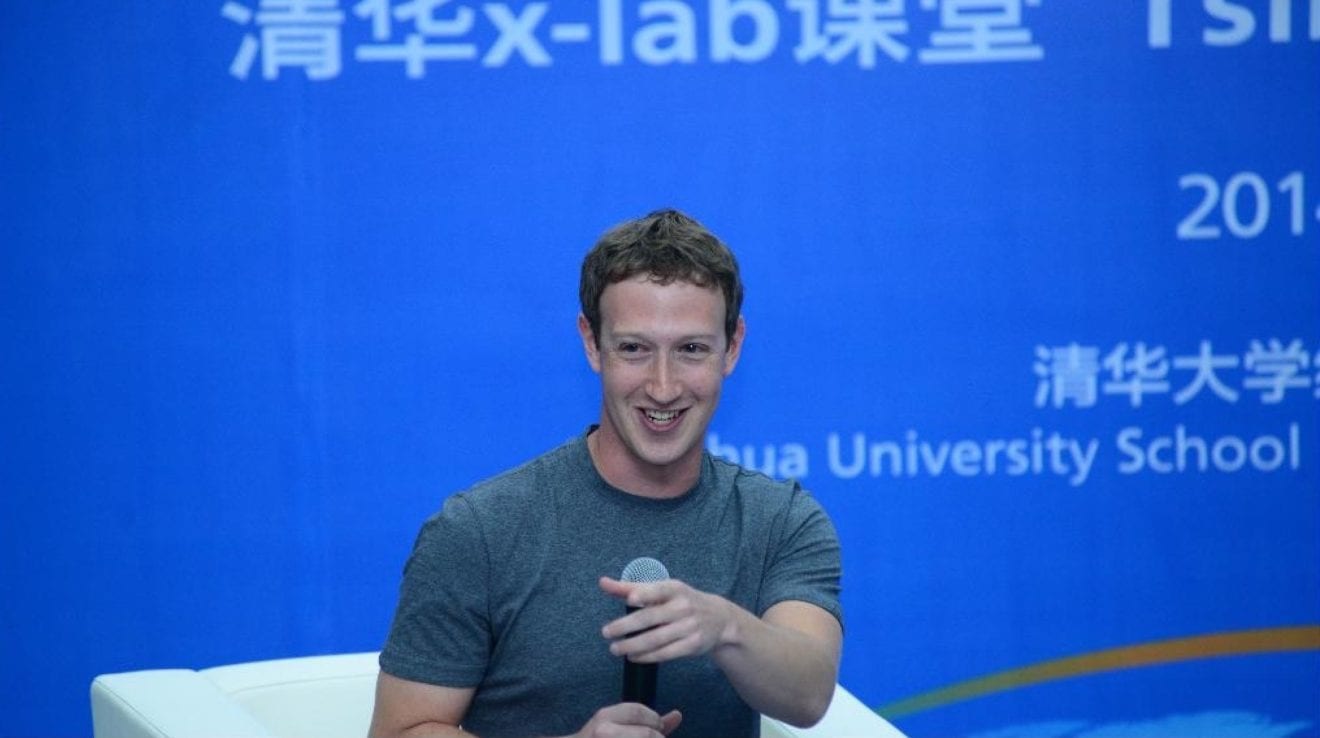
    Facebook yesterday waded further into e-commerce with the acquisition of shopping search engine TheFind.com.

    “For the last nine years we’ve worked hard to bring you a shopping experience that’s easy, efficient and fun – searching all the stores on the web to find just the right products you’re looking to buy,” TheFind said in a message at its website.

    “We are now starting our next chapter by combining forces with Facebook to do even more for consumers.”

    Terms of the deal were not disclosed.

    Members of TheFind team are joining Facebook, where they plan to put their technology to work making ads at the leading social network “more relevant,” according to the post.

    The acquisition will result in TheFind.com shutting down in the next few weeks.

    Facebook has been playing catch-up regarding searching for information at the social network and becoming a middleman of sorts for online commerce.

    “Together, we believe we can make the Facebook ads experience even more relevant and better for consumers,” the social network said in statement.

    TheFind – “Everything you need when shopping to quickly decide what to buy and where to buy it” – will shutter the Silicon Valley base it has operated from since launching in 2006 and move team members to Facebook’s campus in Menlo Park, California.

  • FamilyMart in talks to buy Cocostore

    FamilyMart in talks to buy Cocostore

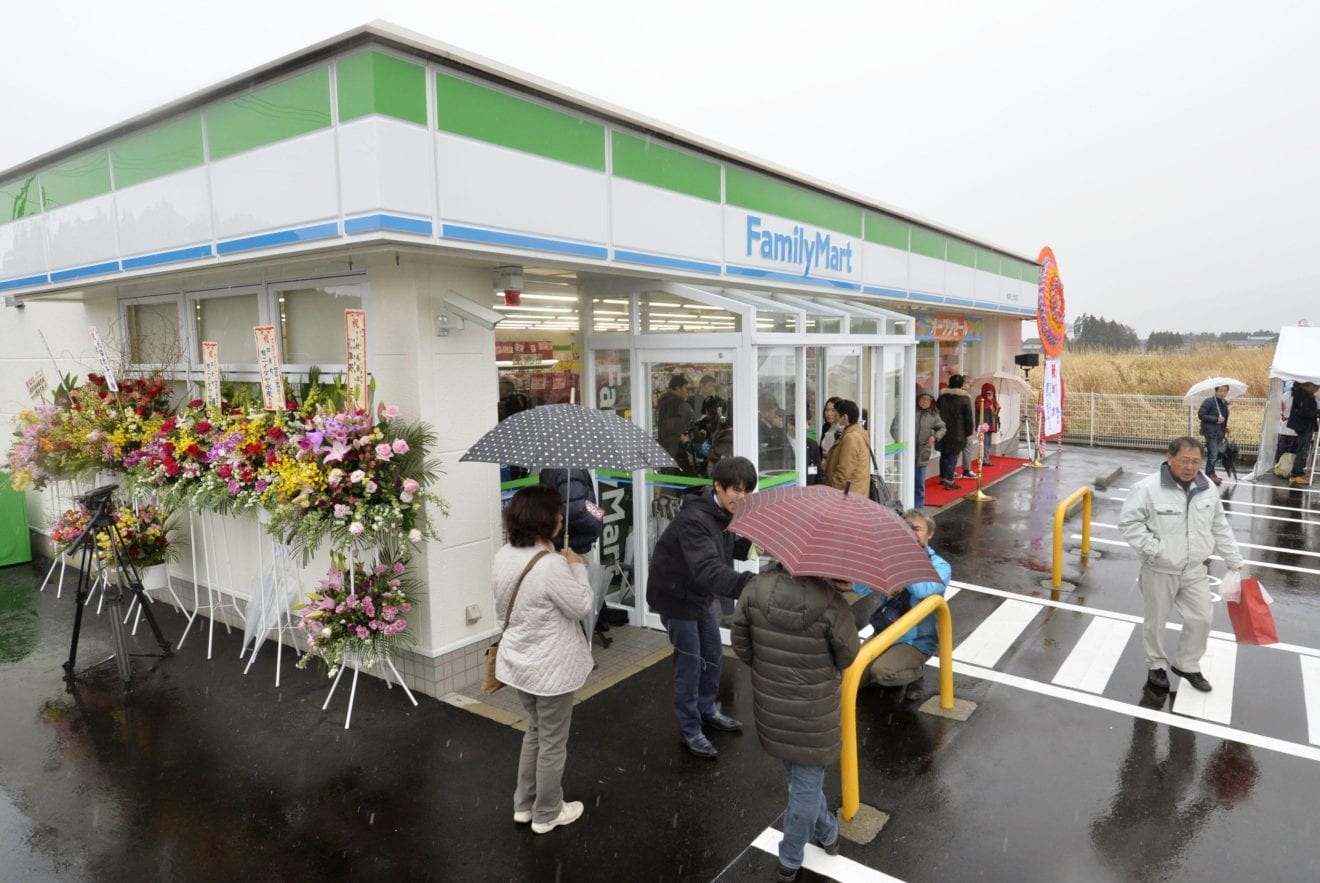
    FamilyMart Co. is in talks to buy Cocostore Corp., which operates convenience stores in central and western Japan, sources familiar with the matter said on Friday.

    FamilyMart, Japan’s third largest convenience store chain, recently announced it is negotiating with the smaller rival operating Circle K Sunkus stores, Uny Group Holdings Co., in an attempt to obtain the number two position behind industry leader Seven-Eleven Japan Co.

    If the integration is realized, FamilyMart’s acquisition of Cocostore will add momentum to moves toward the reorganization of the domestic convenience store industry.

  • Xiaomi to open new store in Taiwan this year

    Xiaomi to open new store in Taiwan this year

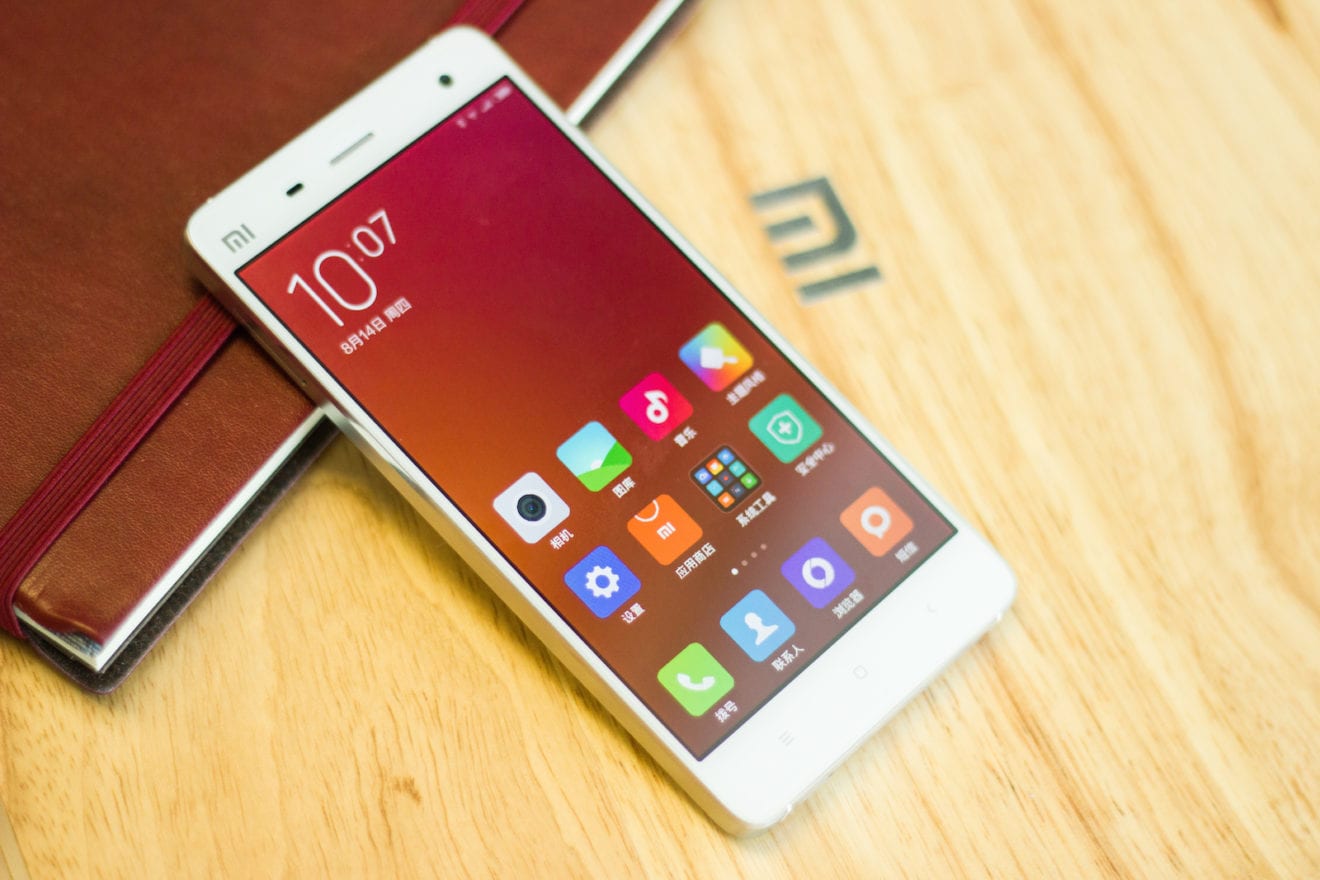
    Chinese smartphone maker Xiaomi Inc. said that it will open a facility in Taiwan in the next few months to showcase its products and provide better after-care service. Xiaomi, whose low-cost, feature-rich phones are sold largely online, previously planned to set up a store in Taiwan by the end of 2014, but the timetable was postponed because the company needed more time to find an appropriate location, said Bin Lin, Xiaomi’s co-founder and president.

  • Surprise buyer for BHS

    Surprise buyer for BHS

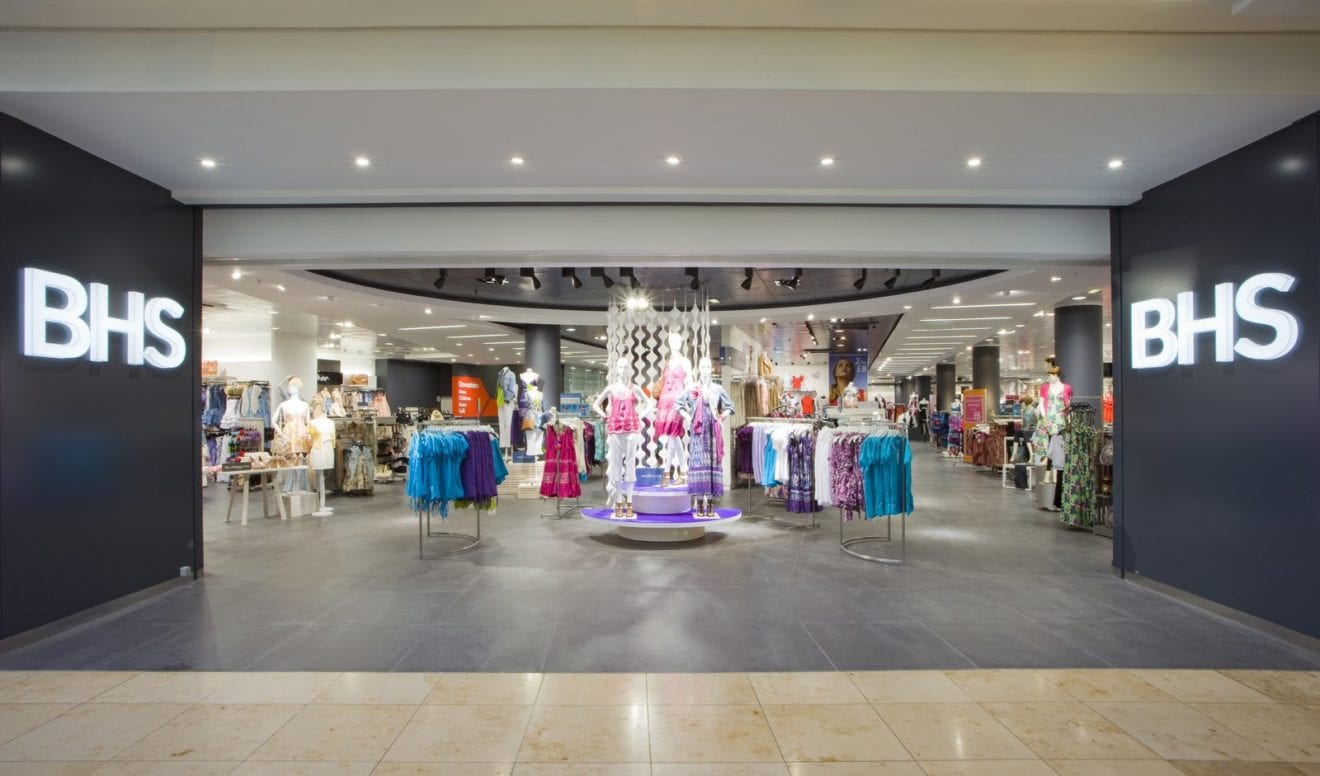
    Arcadia Group founder and controlling shareholder Sir Philip Green has sold department store chain BHS to a little known investment house, Retail Acquisitions Ltd.

    The BBC has reported the asking price for BHS was as low as £1 and the business was sold debt free.

    The sale frees Arcadia from a drag on the earnings of its other, far more successful, retail brands including Topshop and Miss Selfridge.

    News that Retail Acquisitions was the successful bidder follows intense speculation for several months, the most recent just last week. As Inside Retail Asia reported on March 9, a new bid was being prepared by Tony Brown, a former retail director at BHS, working with a private equity fund Alteri Investors, in turn backed by Wall Street fund Apollo. That, like earlier talks with South Africa’s Pepkor Group, ultimately failed.

    Retail Acquisitions, described as an “obscure” business by the BBC’s business editor, counts among its directors a former Formula 3000 racing driver and entrepreneur Dominic Chappell, former director of City finance house Nabarro Wells, Keith Smith, lawyer Edward Parladorio and Lennart Henningson, a former senior advisor for HSN Nord Bank.

    BHS was founded in 1928 and now has 180 stores and about 12,000 staff. Arcadia Group said BHS’ cash losses rose from £19 million to £21 million in the year to August 30.

    In a statement, Sir Philip said he was pleased to have found a buyer in Retail Acquisitions Ltd which wants to develop the BHS brand.

    “Having acquired the business nearly 15 years ago in May 2000, one of my clear objectives in identifying a purchaser was ensuring their desire to take the business forward.”

  • IKEA to invest USD95.7m in 3 stores in India’s Maharashtra

    IKEA to invest USD95.7m in 3 stores in India’s Maharashtra

    The Bharatiya Janata Party (BJP)-led government in the Indian state of Maharashtra on Friday signed a memorandum of understanding (MoU) with the Swedish furniture retailing giant, IKEA, to set up two to three stores. Maharashtra is one of four states, including Telangana, Karnataka and Delhi-National Capital Region (NCR), identified by IKEA to open its stores. One store will need more than eight acres (350,000 square feet). The company is on the lookout for locations in these states.

    State Industries Minister Subash Desai told the Business Standard: ”Each store IKEA proposes to start in Maharashtra entails an investment of INR600 crore (INR6 billion, USD95.7 million). Each store will generate jobs for more than 1,000 people. Maharashtra is one of few states in India supportive of foreign direct investment in single-brand retailing.”

  • Muji moves on Sydney

    Muji moves on Sydney

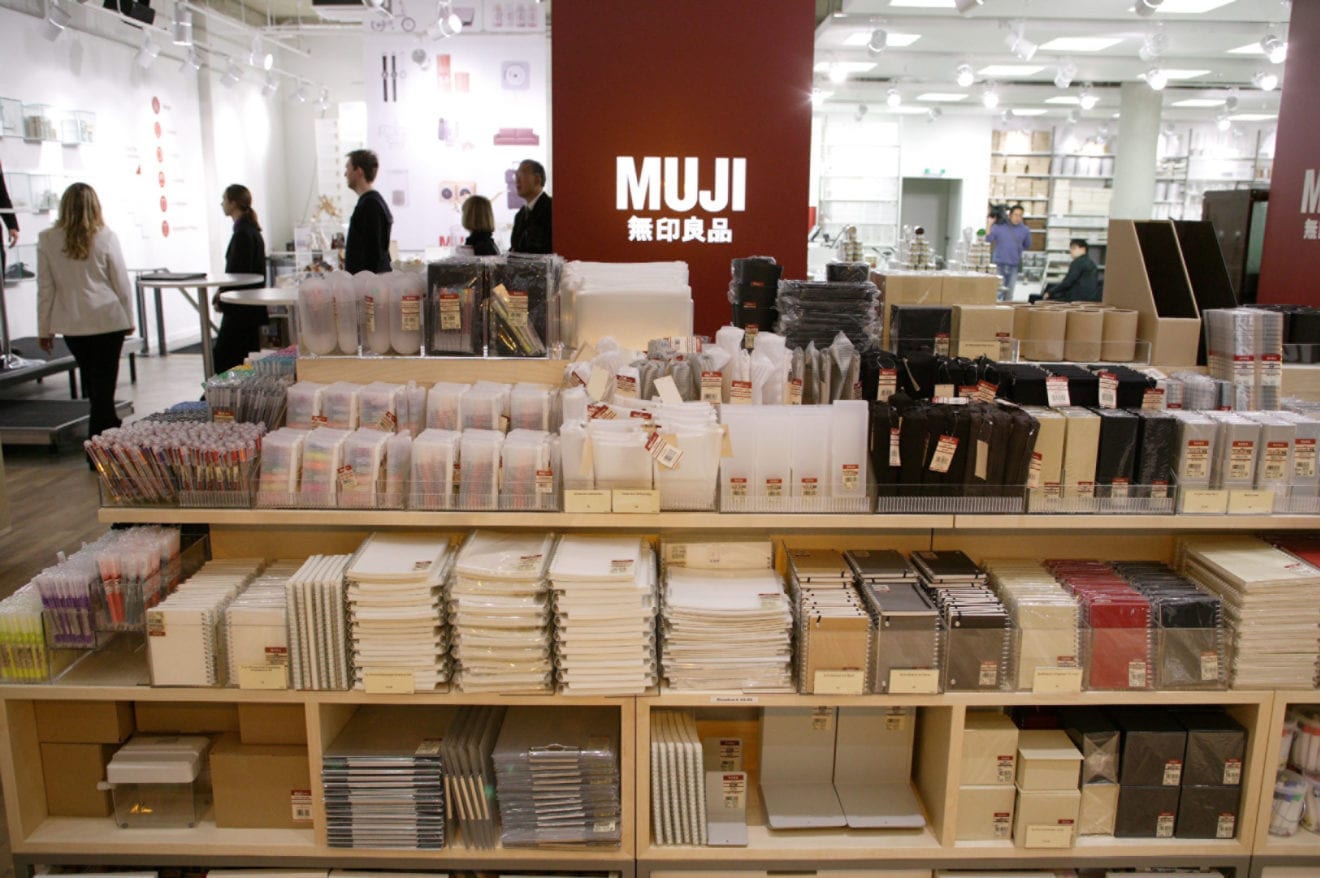
    Japanese lifestyle retailer, Muji, has confirmed it will open its first store in Sydney.

    This will be the third Australian store for Muji, adding to its two locations at Chadstone shopping centre and Emporium in Melbourne.

    Retail News understands the store will be located at The Galeries shopping centre in Sydney’s CBD, replacing the former Freedom site, and will open by May.

    Dubbed “Japan’s answer to Ikea”, Muji stocks a range of categories from men’s, women’s, and children’s apparel and accessories; furniture and homewares; skincare products; stationery; and travel goods.

    The retailer is owned by Tokyo-based company, Ryohin Keikaku, and has more than 600 stores, including more than 200 international stores in Britain, France, the US, China, Taiwan, Thailand, Germany, Sweden, and Italy.

    Muji first launched in 1980 with a range of nine household products and 31 foods. Today, it sells more than 5000 products in Japan.

  • Lawson Philippines set for debut

    Lawson Philippines set for debut

    Lawson Philippines will launch later this month with the first of 500 stores planned in a partnership with local retailer Puregold Price Club.

    Puregold will own 70 per cent of the joint venture partnership with the Japanese convenience store retailer, which will hold the remaining 30 per cent.

    The company has yet to reveal the location of the first store, but Investor Relations Officer John T. Hao confirmed in an interview with Business World Online that construction is underway on the first five stores.

    The supermarket company says it has allocated P500 million on rolling out the first 50 to 100 Lawson stores this year.

    The Lawson Philippines network will initially be focused on metro Manila, mostly in the university belt and business districts.