Author: Mei Ling Tan

  • Spotlight Malaysia opens second store

    Spotlight Malaysia opens second store

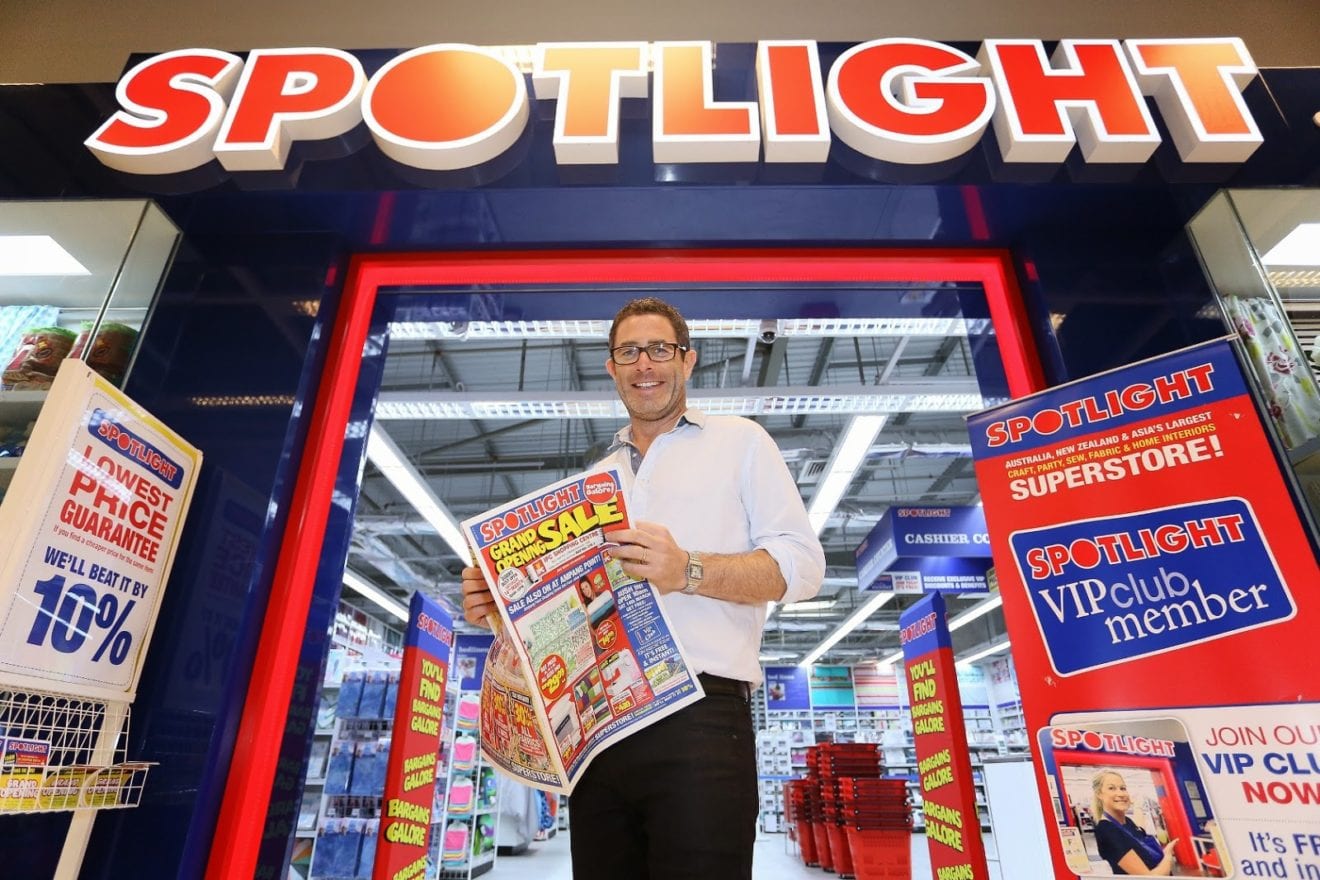
    Australian fabric, craft, party and home and living superstore Spotlight has opened its second store in Malaysia.

    The new stores is in the IPC Shopping Centre, Mutiara Damansara in Petaling Jaya, near Kuala Lumpur. It follows one in Ampang Point, Kuala Lumpur, which opened last July.

    Spotlight Malaysia 7-315.

    The store offers 2000sqm of retail space, and stocks 70,000 products in six categories: home furnishings and decor, bedding, dress and fashion fabrics, crafts, hobby and party essentials.

    Spotlight Malaysia 315

    Spotlight GM Juno Gelfand said the expansion to the IPC mall was part of Spotlight’s philosophy “to be able to offer more neighbourhoods the largest possible choice of fashionable and affordable products”.

    Spotlight Malaysia 6-315.

    “We know too well the inconvenience of searching far and wide, running from store to store just to find that one (or more) beautiful decor piece.

    Spotlight Malaysia 4- 315.

    “Here, with all-time popular home essentials and seasonal selections of products for every room of the house available under one roof, we are certain that sprucing up the home will be less stressful and hassle-free,” he said.

    Spotlight Malaysia 3- 315.

    Spotlight Malaysia 2- 315.

    “Think of it as a pit-stop whenever you are preparing for a party, breathing new life into your home interiors, or pursuing your hobbies.”

    Spotlight Malaysia 5- 315.Spotlight Malaysia 1 - 315.

    Spotlight is targeting home decorators, dressmakers, hobbyists and DIY enthusiasts as well as party organisers.

  • Chengdu IFS mall excels

    Chengdu IFS mall excels

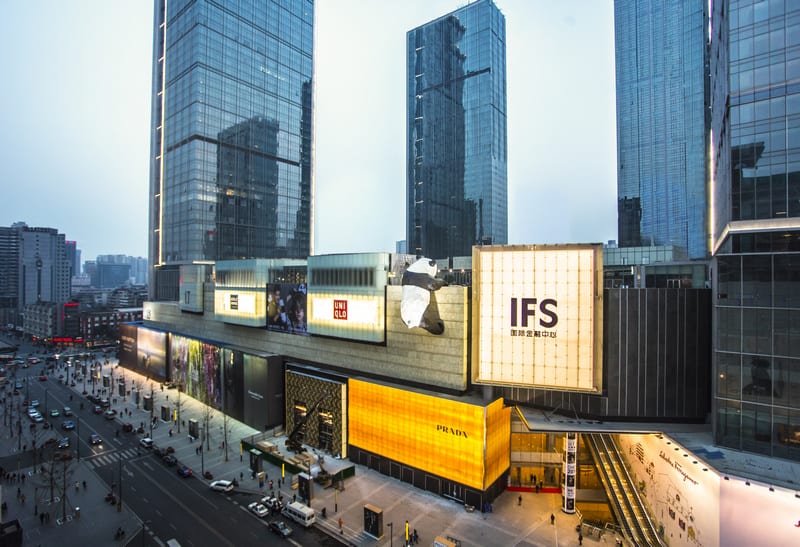
    The 206,000sqm Chengdu IFS mall which opened last year is trading 21 per cent ahead of budget.

    The mall’s success helped drive Hong Kong-based parent The Wharf Holdings’ Chinese revenues by 57 per cent to HK$1.984 billion in 2014. Operating profit in the market rose 30 per cent to HK$991 million.

    Located on the prime intersection of Hongxing Rd, Dacisi Rd and Beishamao St, Chengdu’s busiest pedestrian shopping area, the IFS (International Finance Square) mall is modelled on The Wharf’s Harbour City mall in Hong Kong.

    The total development area of 760,000 sqm features a mega shopping mall designed by Benoy, two premium-grade A office towers designed by Kohn Pederson Fox Associates, a luxurious residential tower and a premium hotel. The mall and the office towers were completed in 2014 and the full development will be completed this year.

    “Since its opening in early 2014, the mega mall has become a one-stop lifestyle shopping landmark in Western China, thanks to its unparalleled location, critical mass, world-class management and services,” said The Wharf in its 2014 profit announcement.

    “Its most comprehensive trade mix, lifestyle and entertainment offering fuels strong demand from the rising middle class. The presence of nearly 300 of the world’s most coveted brands (including over 100 debut stores of renowned brands in Western China) underlined retailers’ confidence in Wharf’s management expertise. With its 530 metre retail street frontage on par with Harbour City’s Canton Rd frontage, Chengdu IFS is comparable to Harbour City in terms of showcase effect and attraction power.”

    The mall is over 99 per cent leased, with 98 per cent of shops already trading. Since its opening, retail sales jumped 400 per cent and foot traffic by 250 per cent at year-end.

    The mall generated a revenue of RMB483 million in 2014, 21 per cent above target, and is expected to reap an annual retail revenue of RMB600 million at full operation.

    Further China success

    The Wharf’s other properties also enjoyed improved fortunes in 2014.

    Shanghai Times Square, located on Huaihai Rd, has been transformed into a high-end retail destination with the largest Lane Crawford store in China and a mega lifestyle specialty store City’Super, upon completion of its substantial renovation in 2013. The renewed mall alongside the new cluster on HuaiHai Rd and the new Lane Crawford complements one another and creates value. Shanghai Times Square was over 99 per cent occupied at year-end after the tenant mix was further refined with the addition of new brands, culinary and lifestyle tenants.

    The Wharf group is developing five IFSs in China, with a scale comparable to or surpassing that of Harbour City and Times Square in Hong Kong. These IFSs, upon full completion by 2017, will significantly enhance the group’s recurring income base in China and be a significant growth driver.

  • SF aims to revolutionise community mall business in Thailand

    SF aims to revolutionise community mall business in Thailand

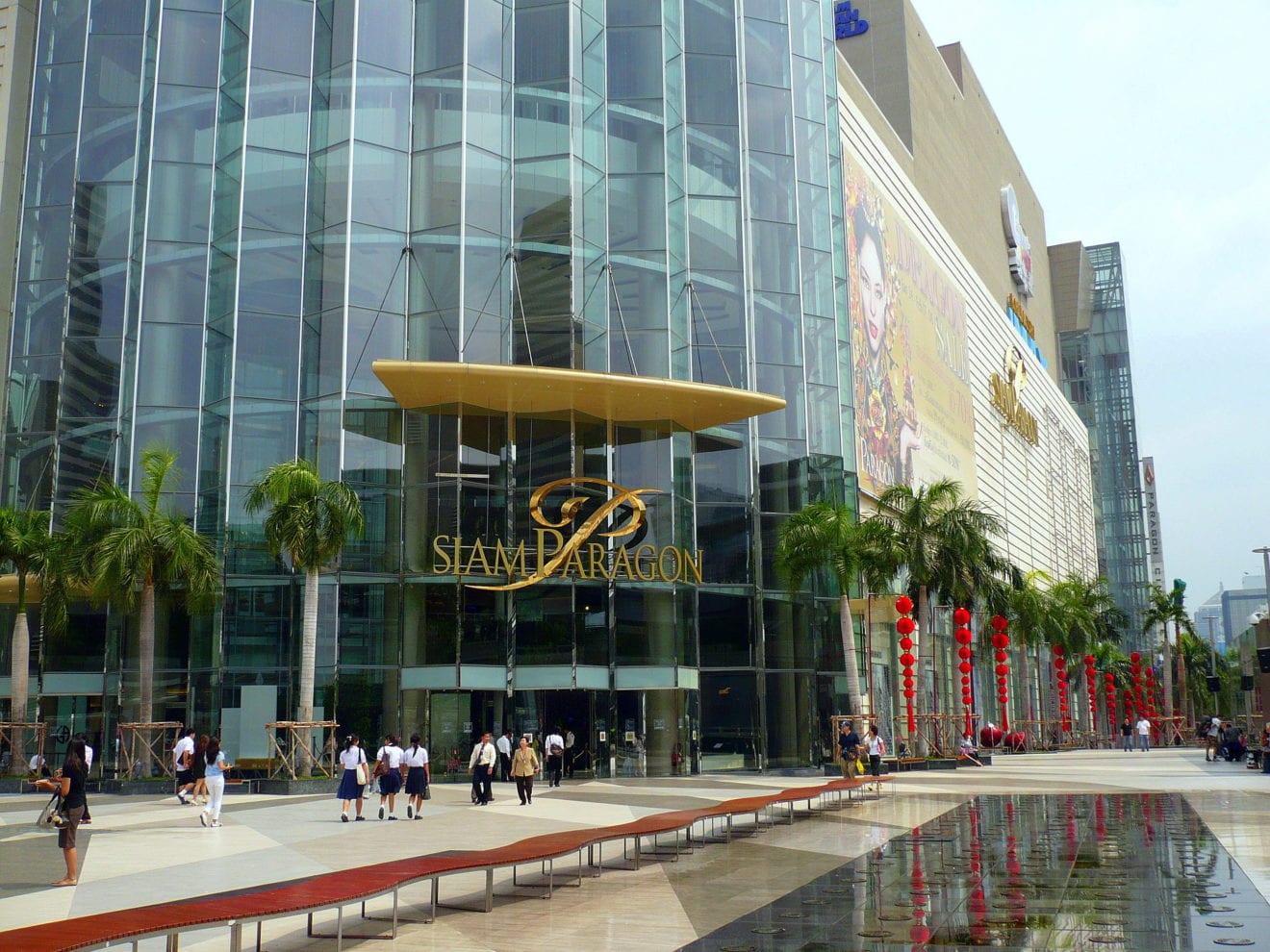
    Siam Future Development Plc (SF), a SET-listed community mall developer, will resume its expansion by allocating 1.5 billion baht to develop up to three new community malls in the next three years.

  • Tag Heuer latest luxury brand to tweak prices on forex

    Tag Heuer latest luxury brand to tweak prices on forex

    Tag Heuer, French luxury group LVMH’s biggest watch brand, said on Wednesday it planned to freeze prices in some markets while it cuts them elsewhere in a move to balance out the impacts of the recent jump in the Swiss franc.

    Prices will drop an average 8 per cent in Switzerland, China, the United States, the Caribbean, and Central and South America, 7 per cent in the UK and 13 per cent in Hong Kong, but Tag Heuer said it would not raise prices in the eurozone, Japan or Singapore.

    “Tag Heuer is seizing the opportunity of the recent appreciation of the Swiss franc to rebalance its international price policy,” it said in a statement.

    The news follows a decision by French fashion house Chanel this week to hike prices in Europe and cut them in Asia to counter the euro’s decline and discourage customers from buying fakes, while Swiss family-owned watch brand Patek Philippe was reported to have already made similar moves.

    The Swiss National Bank’s surprise decision two months ago to abandon its longstanding 1.20 Swiss franc per euro cap caused the currency to surge to 0.86 per euro. The franc is currently trading at 1.064 per euro.

    The euro has lost almost a quarter of its value against the dollar in the last 12 months, meanwhile, including 12 per cent since the start of this year.

    “While price harmonisation is easier said than done and forex volatility tends to make things quite complicated, we believe the era of global, unique pricing in the industry is not that far-fetched nor that far away,” HSBC luxury analysts wrote. “Chanel and Patek are showing the way.”

    The analysts said they did not expect many other brands to increase prices significantly short-term in Europe “as there is a risk of alienating what little is left of local European consumer interest”.

    However, they expected most moves to come in Asia, “with likely further brands trimming in Hong Kong and in mainland China, but also likely increasing prices in Tokyo”.

    Patek Philippe did not immediately respond to an email seeking comment.

  • Dick Smith to axe 80 jobs as part of more cost-cutting

    Dick Smith to axe 80 jobs as part of more cost-cutting

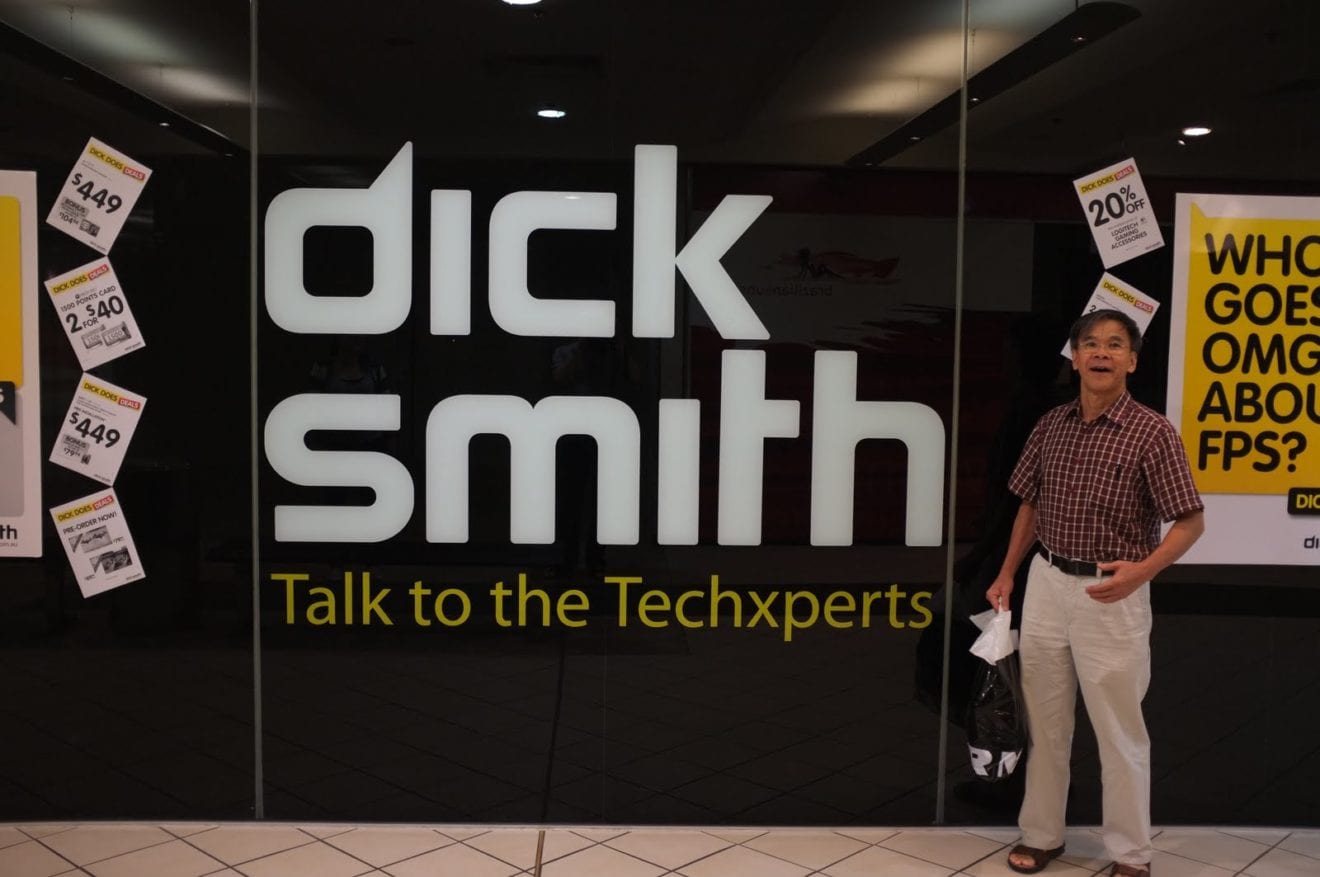
    Less than 18 months after its $350 million float, consumer electronics retailer Dick Smith has embarked on another round of cost cutting, unveiling plans to trim 80 jobs in head office, supply chain and IT.

    Dick Smith chief executive Nick Abboud said the restructure would save $8 million to $12 million a year and was in line with plans to reduce the company’s cash cost of doing business to between 17.5 per cent and 18 per cent of sales by 2017.

    Mr Abboud reiterated Dick Smith’s guidance for 10 per cent sales growth, 7 to 9 per cent underlying earnings growth and 3 to 5 per cent net profit growth this year. However, he said the restructure would trigger one-off cash costs between $6.9 million and $7.9 million, or $4.8 million to $5.5 million after tax.

    The job cuts followed a weaker than expected December-half result. Dick Smith’s net profit rose just 0.8 per cent  to $25.2 million even though same-store sales rose 2 per cent and total sales rose 8.9 per cent to $693.8 million.

    Gross margins fell 51 basis points to 24.7 per cent as the retailer cut prices amid widespread industry discounting.

    Mr Abboud said the restructuring would not only cut costs but make it easier for suppliers to do business with Dick Smith and improve efficiencies through the supply chain.

    The retailer has signed a long-term logistics contract with Australian and international providers, creating an end-to-end approach to supply chain management.

    “Our commitment and ability to serve our customers with the product they want, when they want it, from our 388 physical locations and seven online platforms is unabated and remains at the core of everything we do,” Mr Abboud

  • Asia leads Samsonite sales boom

    Asia leads Samsonite sales boom

    Asia led a global sales boom for luggage specialist Samsonite last year.

    Samsonite Group’s net sales in Asia soared 16.1 per cent to US$892.3 million in the year to December 31. Excluding foreign currency effects, net sales increased by 18 per cent.

    Samsonite Group worldwide posted double-digit growth in both net sales and adjusted EBITDA for the fifth year running in 2014. Net sales rose 17.3 per cent to a record US$2.3517 billion with strong growth across all regions.

    The group attributed its success in Asia to a continued focus on country-specific product and marketing strategies to drive increased awareness of and demand for its products. It expanded its range and increased the number of point of sale region-wide.

    Sales of the American Tourister brand accounted for 43.2 per cent of the increase in net sales in Asia. The Samsonite Red sub-brand in the group’s casual category, which was first launched in South Korea in 2010 and is aimed at young fashion-conscious consumers, continued to be popular, with net sales increasing by 91.9 per cent on a constant currency basis to US$57.9 million in 2014.

    On the back of the success of American Tourister, Samsonite and Samsonite Red, China continued to lead in terms of sales and performance, contributing 25.5 per cent of the region’s net sales and recording 18.4 per cent year-on-year net sales growth, or 18.7 per cent on a constant currency basis, despite a slowing economy which affected consumer spending.

    Japan posted strong constant currency net sales gains of 32.3 per cent, driven by the Samsonite brand and the Gregory acquisition.

    South Korea, with constant currency net sales up 12.8 per cent year-on-year, continued to experience robust sales growth driven by American Tourister and Samsonite Red, while India and Hong Kong posted healthy constant currency net sales gains of 19.9 per cent and 12.2 per cent, respectively.

    Direct retail

    Over 300 points of sale were added in Asia during 2014, including 41 net new company operated retail locations, taking the total to more than 7200 points of sale.

    Samsonite’s direct retail sales accounted for 20.2 per cent of its global sales, with the 79.4 per cent balance wholesale to retailers.

    Excluding foreign currency effects, net sales in the wholesale channel increased year-on-year by 17.2 per cent, while net sales in the retail channel increased by 18.3 per cent. On a same store, constant currency basis, net sales in the retail channel increased by 7.9 per cent.

    Direct to consumer eCommerce sales accounted for 6.6 per cent of the group’s net sales in 2104, compared to 5.6 per cent the previous year.

    The group expanded its points of sale by approximately 3600 during the year to a total of over 49,000 points of sale in over 100 countries.

    In February this year, the group acquired Rolling Luggage, further expanding its retail footprint and adding some of the world’s leading airports to its network.

    CEO Ramesh Tainwala said 2014 saw Samsonite pushing for a more balanced channel mix.

    “We are integrating both online and offline distribution to create an omni-channel presence that will strengthen our engagement with consumers, increase visibility for our products and drive sales. Given the explosive growth in online retail, we believe eCommerce will be a new driver of profitable growth for our business and will be the way in which many of our newer and younger customers experience our brands.

    “As for bricks-and-mortar, we are aggressively expanding our own retail footprint around the world, including in airports under the Rolling Luggage name as well as through opening multi-brand bag and luggage specialty stores under the JS Trunk & Co name.

    “We believe an omni-channel model has the potential to grow the proportion of retail sales from around 20 per cent of our net sales in 2014 to perhaps as much as 50 per cent over the medium term.”

  • Jumei online sales soar on new focus

    Jumei online sales soar on new focus

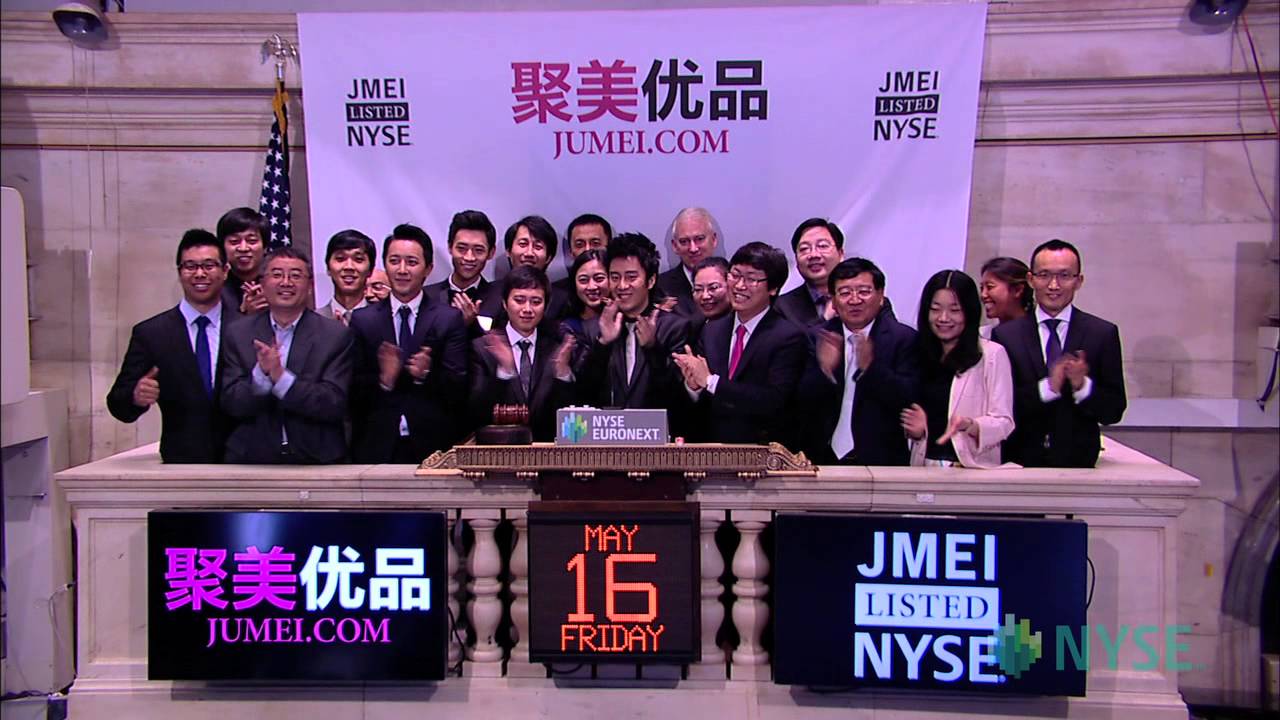
    Jumei International, the Chinese online retailer, says its 2014 net revenue increased by 31 per cent year-on-year to US$632.9 million.

    The increase reflects a change of focus away from its once core focus on own brand beauty products, to branded products and general merchandise categories and apparel.

    The total number of total orders increased 18.3 per cent year-on-year to 42.6 million, while the number of active customers increased by 26.7 per cent to 13.3 million.

    However in the last quarter of the year, Jumei online orders fell 5.9 per cent year-on-year to 9.6 million.

    For the full year, gross profit as a percentage of net revenues decreased to 39.5 per cent from 41.3 per cent in 2013. In the final quarter, it fell from 42.6 per cent to 30.4 per cent, primarily due to the company’s shift in strategy from beauty product marketplace sales to merchandise sales that started in September 2014.

    Gross profit increased by 25.3 per cent to US$250.2 million from US$199.7 million in 2013 and gross margin decreased slightly to 39.5 per cent from 41.3 per cent in the prior year.

    Jumei founder and CEO, Leo Chen, said the company had achieved “a solid recovery” of its business, recording its 11th consecutive quarter of profitability.

    “While fourth quarter 2014 was a full transitional quarter during which we no longer had beauty product marketplace business, we are very encouraged by the strong first quarter 2015 outlook.

    “The particularly strong sequential and year-on-year net revenue guidance indicates a strong recovery driven by Jumei Global which witnessed rapid growth from late December 2014. Not only were we able to fully replace former beauty product marketplace SKUs with Jumei Global, we were also able to achieve what we believe is best-in-class quality control and customer satisfaction.”

    By offering direct purchase from brand, competitive pricing and fast delivery speed, Jumei Global is now the largest cross border eCommerce platform in China, which is a crucial part of its growth strategy for 2015.

  • Trinity weathers stagnant China market

    Trinity weathers stagnant China market

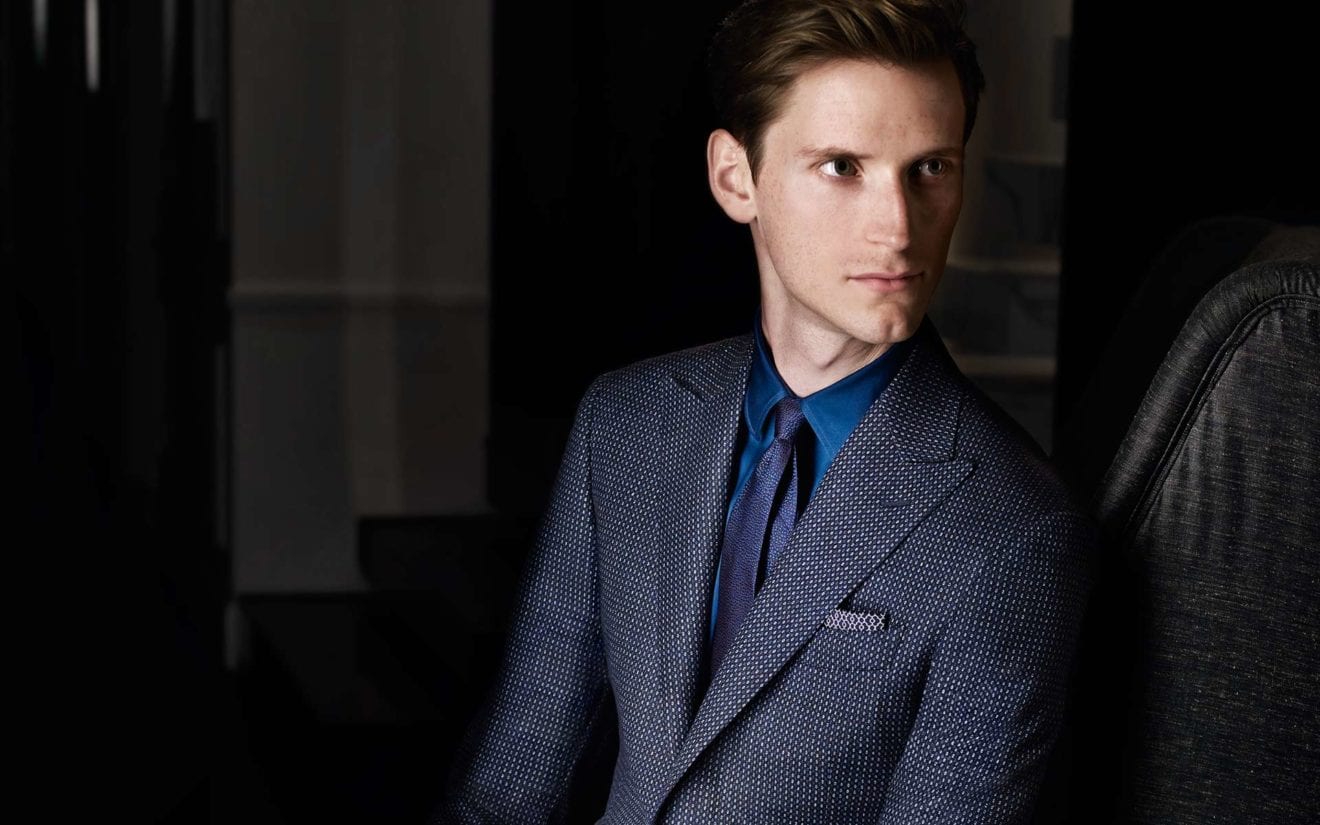
    Li & Fung subsidiary Trinity, which retails high-end menswear Greater China and Europe, has weathered a stagnant home market in 2014.

    The company posted revenue of HK$2.6 billion (US$335.2 million) and the gross profit was HK$1.9 billion ($244.95 million). The gross profit margin was 74.1 per cent representing a 1.4 percentage point decline due to liquidation of excess inventory, a management priority in the second half.

    Trinity’s brands include D’Urban, Gieves & Hawkes, Cerruti 1881, Intermezzo and Kent&Curwen CEO Richard Cohen said Trinity achieved the performance milestones it set out last August and is on track with its medium-term strategy.

    He said the company was putting in place “the right retail strategy and structure” to deliver consistent, sustainable returns into the future.

    “We have significantly strengthened our teams up and down the organisation and continue to improve inventory management. In the past six months we have developed centralised shared services across all departments and improved our supply chain to make it more cost-effective and flexible.”

    Cohen said that Trinity remained bullish about the Chinese market and opportunities to serve the Chinese consumer, whether at home or travelling abroad.

    “We target globally and think locally,” he said.

    “We are optimistic for the near and medium-term, and remain confident about the longer term potential for our business.

    “We are looking forward to 2015 when the first Trinity collections developed by the new management team appear in stores.”

  • Apple Watch knock-offs hit China stores

    Apple Watch knock-offs hit China stores

    Apple’s new Watch range won’t be on sale until late next month.

    But Chinese consumers whose appetite for the wrist-mounted communications technology has been whetted by the high profile Apple Watch launch last week can already buy similar products at a fraction of the price.

    Apple Watch real and copy 315One is real, the other is a copy. Can you tell which is which? Answer at the end of the story.

    Knock-offs, copies, imitations, fakes – it’s hard to categorise the new breed of rival products hitting retail store shelves. For sure, some are blatant copies of the Apple Watch and their makers are likely to find themselves on the receiving end of litigation from Cupertino. But others fit into a large grey field of the retail landscape: conceptually they may be similar, they may even look alike (a watch is a watch, right?) but some operate on Google’s Android operating system making it extremely difficult to dub them fakes.

    The official Apple Watch goes on sale in three styles, ranging in price from US$350 to $17,000.

    But already Alibaba’s Taobao is selling a watch called the AW08 for $59 which can be connected to devices running Google Android and delivered within 24 hours. Other similar products cost as little as $39.

    According to tech news website Geekwire.com, other “knock-offs” branded D-Watch, Airwatch A8 and Ai Watch are also available on Taobao at prices substantially below the Apple Watch and “designed to look just like the Apple Watch”.

    Some commentators question whether the knock-off phase will damage Apple, in a nation where image and status is of growing importance, or if all the hoopla will actually help Apple’s brand and product awareness, driving sales of the ‘real McCoy’.

    “Most people who buy them will do so knowing they are not Apple’s real Watch,” Matthew Forney, president of the business consultancy Fathom China, told the BBC.

    “Apple products are very popular in China, and it’s possible that Chinese consumers will want to be seen to be the first person on their block to wear its Watch. However, I think most of those consumers are aware that there has been an issue with fakes and copycats on Taobao and would be highly suspicious of the devices.”

    Others are worried about the damage such businesses do to brands in general.

    “These guys are specialists,” Laurent Le Pan, founder and CEO of the Omate smartwatch maker told CNN Money.

    “The speed at which they can bring copies on the market is amazing. The hardware is not the big challenge – the hard part is on the software and the application side. In the end, you sometimes need to be an expert to tell the difference between real and fake.”

    For now, Apple might own the Watch space with the perception it is the first to market – other brands have already released smart watches of their own, but to date few if any connect to smartphones, their features largely limited to exercise measuring and physical fitness monitoring. But that won’t hold for too long, with Apple’s second wave of competition coming from established genuine brands rather than the armada of copycats.

    Swatch, the world’s largest watchmaker, plans to launch a smart watch to undercut Apple and other legitimate rivals featuring Near Field Communication (NFC) chips later this year, which will allow payments by watch, among other features.

    Rival manufacturers will have to be compatible with iOs or Android, so most will focus on Android given the likely barriers Apple will place on sanctioning direct competitors on its own OS.

  • Inditex sales, profit rise

    Inditex sales, profit rise

    Same store sales and group profit both increased by five per cent at Spanish apparel giant Inditex in 2014.

    In financial statements just released, Inditex said its key same store sales growth indicator stands at 23 per cent over the past five years. Net profit totalled €2.5 billion. Group sales revenue rose by eight per cent in the year to January 31, to €18.12 billion.

    Inditex owns Zara, Zara Home, Pull&Bear, Bershka, Oysho, Stradivarius, Massimo Dutti and Uterque.

    The group has announced a profit sharing plan under which employees will participate in earnings growth in the next two years, benefitting workers in stores, manufacturing, logistics, concepts and subsidiaries all over the world, so long as they have been working for Inditex for at least two years. That adds up to about 70,000 beneficiaries in 54 markets.

    In 2014 the group generated 8741 new jobs worldwide, 1800 of them in Spain. Inditex’s headcount totalled 137,054 at January 31.

    In 2014 Inditex opened 343 stores in 54 markets, taking its network total to 6683 in 88 markets. It debuted in just one new market last year – Albania.

    In total it opened new establishments in 54 markets worldwide. Some of the most noteworthy openings included flagship Zara stores in Zurich (Bahnhofstrasse), Miami (Lincoln Rd), Madrid (Serrano), Krakow (Rynek Glowny), Hong Kong (Queens Rd) and Shanghai (East Nanjing Rd) to take its total number of stores in China to over 500 across 60 cities.

    The group’s other chains also opened high-profile stores such as the Pull&Bear stores in Milan (Vittorio Emanuelle II) and Amsterdam (Kalverstraat); the Massimo Dutti stores in Vienna (Kholmarkt) and Palma de Mallorca (Born); the Bershka store in Turin (Via Roma); the Uterqüe store in Madrid’s airport; the Stradivarius store in Osaka (Shinsaibashi); the new image Uterqüe store in Barcelona’s airport; the Oysho store in Barcelona (Pelai); and the Zara Home flagship in London (Kensington High St). In 2015, Zara Home has opened its first stores in Australia, making it the second chain in the group to boast a presence in the market, after Zara.

    New stores planned for 2015 include prominent openings on Oxford St 61 (London), in Plaza Cataluña (Barcelona) and a number of openings in various US cities, including three in New York: one on Fifth Avenue and 42nd street, inaugurated last week, another in the new World Trade Centre, in the heart of the New York’s financial district, and a third in SoHo, in a building recently acquired by the group.

  • Lotte.com opens Tmall storefront

    Lotte.com opens Tmall storefront

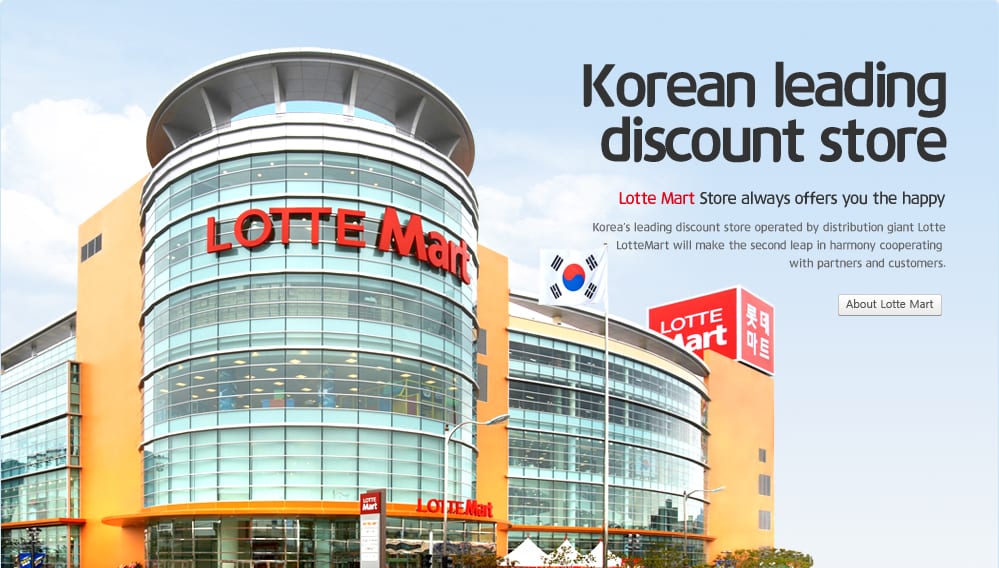
    Korean retailer Lotte Mart has opened a shop front on China’s Tmall.

    The Lotte Mart store on Tmall Global, is the first Korean discount store to have an online presence on the popular Chinese online shopping mall.

    Lotte Mart has launched with an offer of 16 selected Korean products popular with Chinese customers, including beauty products such as shampoo and bathing goods, ginseng and Tongkeun Oxford blocks.

    The range will be expanded to between 100 and 120 products by the end of March.

    Lotte.com will manage the Tmall site operations and marketing while Lotte Mart will manage product sourcing.

    Tmall Global Mobile Lotte Mart page 315

    Lotte Mart will monitor sales to Chinese tourists in its offline department stores and duty free outlets to guide product selection for the new Tmall store.

    Lotte.com opened a Global Lotte.com site in February 2014, serving overseas purchasers. Chinese shoppers account for 75 per cent of the Global Lotte.com sales, despite the site serving 19 international markets. Sales to Chinese shoppers are increasing by an average of 40 per cent each month this year.

    Lotte.com says Chinese shoppers trust the quality of Korean products with the most popular categories Korean cosmetics and baby products such as diapers and wet tissues.

    Tmall is a business to consumer online store managed by Alibaba, China’s largest eCommerce group. Tmall Global specialises in foreign brands and foreign companies targeting Chinese residents.

  • Marc Jacobs partners with ImagineX

    Marc Jacobs partners with ImagineX

    Marc Jacobs International and ImagineX Group have established a 50-50 joint-venture companies in both Hong Kong and Macau to take over distribution of Marc Jacobs collections in Hong Kong and Macau.

    Marc Jacobs Hong Kong Distribution Co has taken over the existing retail network as a base for an ambitious development of Marc Jacobs brands in terms of sales and network development. Marc Jacobs Macau Distribution Co will set up a retail network during the coming months.

    ImagineX Group, part of The Lane Crawford Joyce Group, is a specialist retail, brand management and distribution company operating in Greater China and South East Asia.

    It has fashion partnerships with brands Salvatore Ferragamo, Marc Jacobs, Donna Karan, Paul & Shark, Paul Smith, DKNY, Club Monaco, alice + olivia by Stacey Bendet, Scotch & Soda, Tory Burch and Isabel Marant among others.

    Marc Jacobs International has more than 200 free standing stores across the globe, and the brand includes Women’s and Men’s RTW and accessories, a children’s line called Little Marc Jacobs, multiple award winning fragrances, and Marc Jacobs Beauty, which will launch in Asia later this year.

  • JD’s new delivery app to boost online-to-offline business

    JD’s new delivery app to boost online-to-offline business

    JD Inc, one of China’s biggest e-commerce companies, has introduced a new delivery app for urban Chinese. Paidaojia allows users to place online orders for delivery from nearby merchants, whether convenience stores or restaurants, according to China Daily. JD guarantees delivery within 2 hours on orders from stores within 3 kilometers. JD CEO Liu Qiangdong said in a statement that the app is a strategic move to capture more of the online-to-offline market. Along with the company’s logistics and delivery system, JD plans to build Paidaojia into a “local life and service platform.

    ” The company has already tested the app with a pilot program in Beijing and Shanghai. By the end of March, Paidaojia is expected to serve communities within Beijing from the city center to the fourth ring road. From there, the service area will expand to other large Chinese cities, including Shanghai, Shenzhen, and Guangzhou.

  • Pumpkin Patch looking for buyers

    Pumpkin Patch looking for buyers

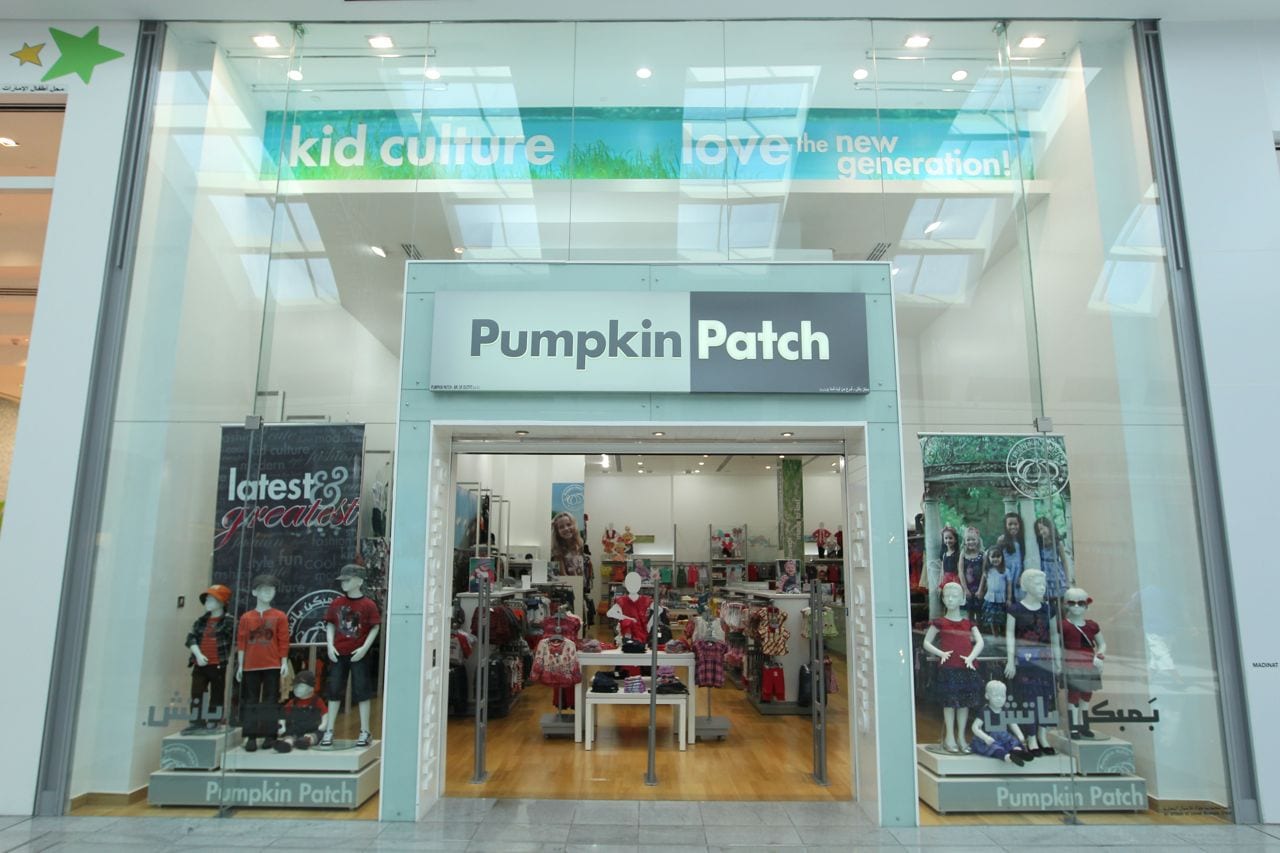
    Children’s clothing retailer Pumpkin Patch, whose shares have lost two-thirds of their value the past year, is seeking formal proposals after receiving approaches to buy or refinance the company.

    The Auckland-based retailer, which on Friday posted an improvement in first-half earnings, says third parties have indicated an interest in Pumpkin Patch since the company announced a capital review at its annual meeting in November.

    It has a market capitalisation of NZD35.5 million (USD26.4 million).

  • Li-Ning retail revamp finally working

    Li-Ning retail revamp finally working

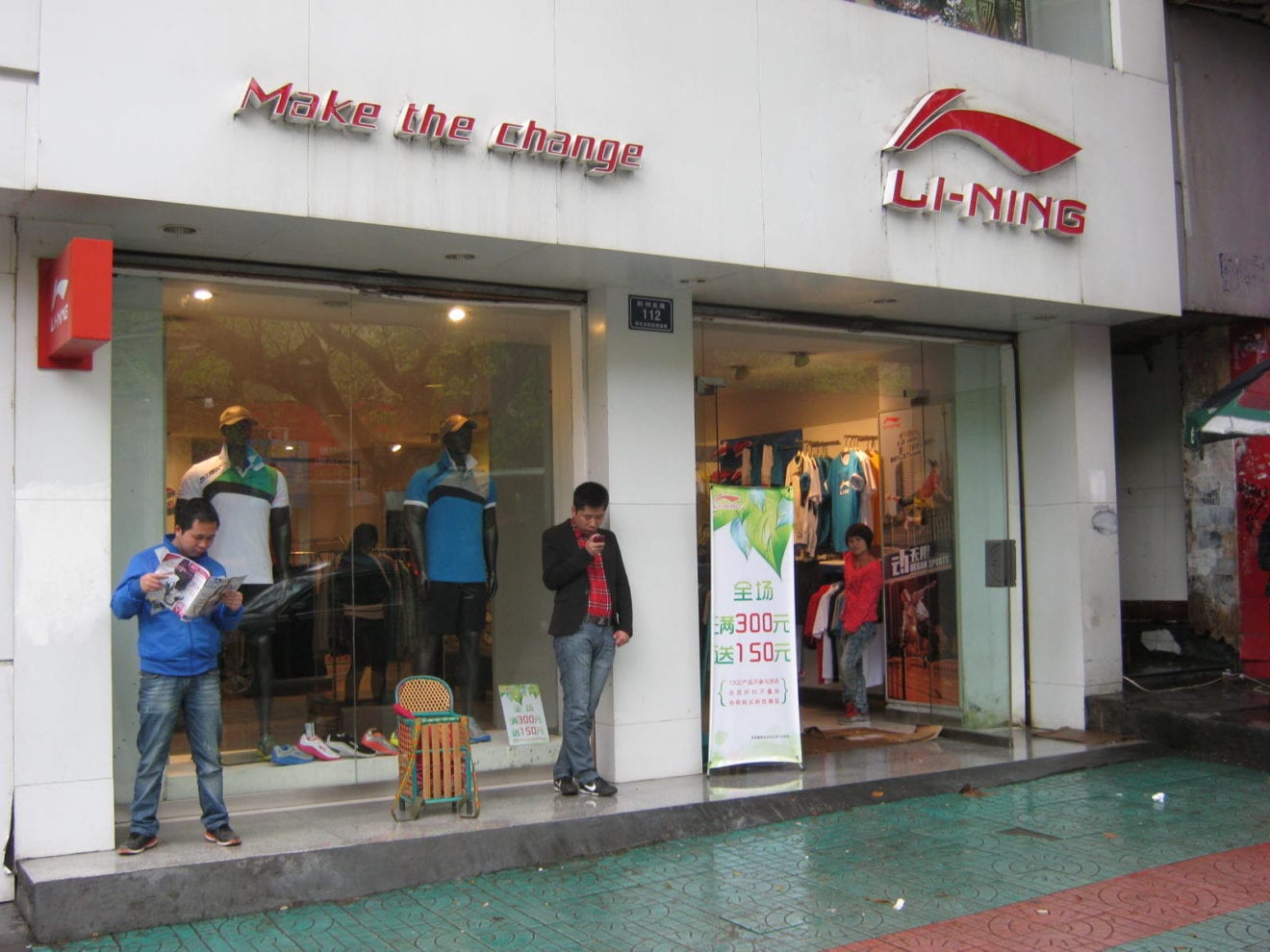
    Embattled Chinese sportswear brand Li-Ning is continuing to rebuild its massive Chinese store network as it works to return to profitability.

    The company ended the year with 5626 stores, a net decrease of 289. But it boosted its company-operated store network by nearly 30 per cent as it continued to cull franchisees across the nation.

    Li-Ning expanded its own network from 926 at the end of 2013 to 1201, and culled its franchisees by 565, or 11 per cent, 4424.

    “In 2014, we devoted our efforts in improving retail capability among all channels,” the company said in its earnings statement.

    “We focused on strengthening management on merchandising, retail execution, channel expansion and innovations. The higher overall efficiency as well as fast response to market and consumer appeals laid a solid ground for better retail results.”

    Li-Ning reported a net revenue growth of 16 per cent to RMB6,728 million (US$1.085 billion) for the full year, but said its second half revenue growth rate was a higher 23 per cent.

    It reported a pretax loss of RMB323 million ($52 million), although made a second half profit of RMB28 million ($4.5 million), suggesting the turnaround strategy is beginning to work at last.

    Much of the rebuilding effort is focused on its retail strategy in the sportswear market, a retail category which is saturated with international and local brands and an oversupply of retailers, a situation dating back to the national sports craze fuelled by the Beijing Olympics in 2008.

    Li-Ning says it has established a management team to standardise store opening and operations to ensure they become profitable within six to nine months.

    “In 2015, we will continue to review some of the markets we lost while seeking opportunities to open new stores. One of the challenges we are still facing today is that many of our sub-distributors are single-store operators with low productivity and poor retail operations. Many of them have an outdated inventory mix which makes the store look stale and affects its revenue-generating capability, resulting in the threat of operating loss and store closure. In 2014, we identified multiple approaches to address sub-distributor revival, which have made some preliminary positive results.”

    Behind the scenes, the Li-Ning retail revamp has seen a variety of processes implemented to improve store performance.

    Its sales department worked closely with its product category department and distributors to classify stores by attributes of consumer needs, in order to drive better store assortment planning, which has greatly improved its order accuracy and effectiveness.

    “We also started our efforts in making further segmentation and differentiation of commercial districts to align store assortment planning with product categories. Stores were grouped for management by city tier, commercial zone, consumer segments, sports/sports life relativity, etc. based on our product category strategy.”

    A new ‘Resources Management Platform’ monitors and optimises inventory resources, helping predict forward order matching and in identifying warehouses, distributors and subsidiaries which have inventory excesses or shortfalls. That enables decisions on order rebalancing, merchandise allocation, sales promotion and clearance to be more accurate.

    “We have been able to catch the opportunity to replenish the bestsellers since 2014 Q2 to distributors and sub-distributors with out-of-stock situation. Throughout the year, we also intentionally offloaded the seasonal slow- moving products to discount stores, to clear up the space in regular stores for the bestsellers.”

    Li-Ning’s sales promotion strategy has moved actual retail prices more in line with the market needs and authorisation for price changes has been delegated  to regional level to allow a more flexible response to competitors.

    “These reforms on retail operation resulted in strong growth of more than 18 per cent in our current season product sales in regular stores in 2014, with over 80 per cent of our sales driven by our current and prior season products. Retail discount was improved across the stores, which helped increase gross margin of stores and profitability of distributors. Driven by the improving retail efficiency, our same store growth turned positive in the second half of the year and recorded a high single-digit growth in the fourth quarter.”

    Li-Ning also focused on expanding its LNC (Li-Ning Collection) retail brand, which focuses on premium products in the sports life category to expand the middle and premium consumer market. The stores offer a mixture of cross-category products originated by Korean designers, with the endorsement of Jessica (a former member of the Korean pop group Girls’ Generation), which attracted fashion-minded consumers. More than 10 LNC stores have been opened which contributed sound results in the fashion mall channel, and more new stores are scheduled in 2015.

    Li-Ning also worked with Korean Visual Merchandising Display specialists ESPEC to revamp its store look and visual displays. The result is a seventh generation store format which highlights sports attributes and introduces more fashion elements.

    “Currently, we have four stores of the seventh generation in operation. We believe that, fuelled by the new store image, our retail results will be positioned for effective improvement and enhancement.”

    Li-Ning says its eCommerce business posted revenue growth of 48 per cent in 2014.

    “Our flagship stores on major eCommerce platforms such as Tmall and JD have more than doubled in size, with wider and better assortment and excellent operations.

    On the key November 11 trading day, Li-Ning recorded sales of RMB77 million ($12.4 million), ranking No. 2 in the sports/outdoor category and overtaking both Nike and Adidas.

    In 2015, the company plans to further enhance its presence in the fast growing mobile channel, strengthen its digital innovations, build up an ‘O2O’ eco-system and customer relationship management platform and “provide a world-class Omni-channel shopping experience for customers”.