Author: Mei Ling Tan

  • Google Play Korea faces telco challenge

    Google Play Korea faces telco challenge

    Korea’s three largest mobile network operators – SK Telecom, KT and LG Uplus – are to merge their individual app stores to create a new destination One Store.

    The combining of the offers of T Store, Olleh Market and U Plus Store will represent a significant challenge to the Google Play Korea app store.

    The three mobile operators invited 350 app developers and mobile business representatives to the introduction of the unified platform, which is scheduled to be launched in May, at SK Planet’s Supex Hall in Pangyo on March 20.

    Korean developers have had a difficult time registering their apps to the carriers’ three stores, as each had different policies and procedures. These issues should be mitigated with the launch of One Store, and app operators will also benefit from an integrated data management system that will provide information related to customers, downloads and sales.

    App users will also benefit from One Store, as they’ll be able to preserve their purchase history even if they change carriers, and access unified customer app reviews.

    Lee Jae-hwan, the head of SK Planet’s Digital Content department, said the One Store project has been initiated to create an app store that can compete with Google Play. Representatives of the three mobile operators also mentioned that cost savings resulting from the operation of the unified system would be used to invest in Korean developers’ IT projects.

    It was also announced that T Store’s most recent software development kit (SDK) will be fully compatible with the new One Store SDK.

  • UnionPay in giant duty free pact

    UnionPay in giant duty free pact

    UnionPay International has launched a privilege program featuring special discounts at 80 duty free shops in 70 airports by partnering with 16 world-renowned duty free groups.

    Holders of UnionPay cards with a number starting with 62 can receive discounts of at least five per cent during their international travels.

    “As China becomes the world’s second largest tourism source country, we’re keeping up with the trends that individual and in-depth tours have become more popular to continuously enrich our global cardholder privilege system,” said Dong Li, chief branding officer of UnionPay International.

    “Airport duty free shops are must-visit shopping sites for many during their travel, we wish to provide both domestic and overseas cardholders with better card-using experiences at airports around the world by rolling out the latest privilege program.”

    The program is an upgrade of the one of last year that features exclusive discounts at 60 airport duty free shops with many highlights.

    It covers a wide range of destinations inside Asia and beyond, including Hong Kong, Taiwan, Japan, South Korea, southeast Asia, Europe, North America, Australia, New Zealand and the Middle East. A total of 17 airports among the top 20 global ones in terms of passenger flow participate in the program.

    The promotion is focussed on the Labor Day and summer holiday vacation season during which Chinese tourists prefer to travel. But about 30 per cent of the duty free shops, including those in Paris Charles de Gaulle Airport, Toronto Pearson International Airport and Ngurah Rai International Airport, will extend the offers until the end of 2015.

    A large number of new merchants are involved. International airports in emerging tourist destinations including Russia, Italy, Qatar, South Africa, Finland, Belgium and Fiji participate for the first time. UnionPay International also offers privileges in 5 domestic airport duty free shops in Guangzhou, Hangzhou and Kunming to overseas UnionPay cardholders.

    Currently, the overseas UnionPay acceptance network has expanded to 150 countries and regions. UnionPay cards are accepted by 26 million merchants and 1.8 million ATMs worldwide. UnionPay has become the preferred payment service provider of Chinese outbound tourists. Since last year, UnionPay International has launched privilege programs featuring discounts at airport duty free shops, core business districts and tourist destinations.


  • Burberry Korea partners with Shinsegae

    Burberry Korea partners with Shinsegae

    Burberry has entered into a new digital collaboration with Korea’s Shinsegae Group to launch the official Burberry ssg.com store in South Korea.

    The custom-built, dedicated space mirrors the brand’s own online flagship store, Burberry.com and is consistent with Burberry’s global luxury positioning. It offers Korean consumers a tailored assortment of Burberry products, allowing the consumer to have a seamless experience of the brand both in physical stores and online.

    The store will offer the Burberry Prorsum, Burberry London, Burberry Brit and Heritage collections, along with accessories, in the womenswear, menswear, childrenswear and accessories categories.

    The Burberry Korea store will be accessible in South Korea across all mobile, tablet and desktop devices. The official Burberry SSG.com store can be found here.

    South Korea’s Shinsegae Group operates both online and offline retail businesses and is considered the leading luxury department store in the nation. It  was founded in 1930.

  • Nike reaps rewards as shoppers trade up

    Nike reaps rewards as shoppers trade up

    Nike has reported a stellar quarter as shoppers indulge in its higher margin products.

    The sportswear giant’s net income rose 16 per cent to US$791 million in the three months to February 28. Its gross margin stretched 1.4 percentage points to 45.9 per cent and total sales rose seven per cent to $7.46 billion.

    The figures beat all market predictions and sent the company’s stock price 4.5 per cent higher in after hours trading on Friday.

    However, the company attempted to temper excitement about the figures, warning that the strengthening US dollar will impact in the current trading quarter.

    Brian Yarbrough, an analyst with Edward Jones, described the result as “really impressive” for a company of that size.

    “This is another just rock solid quarter.”

  • Walmart China to add 30 stores

    Walmart China to add 30 stores

    Walmart China plans to open 30 new stores in China this year, according to media reports from China.

    In addition to the store openings, the US-based retail giant says it will invest US$59.11 million in upgrading about 50 existing stores to modernise them.

    According to a report in the Shenzhen Daily newspaper, five or six of the new hypermarkets will be located in the Guangdong province and two will open in undisclosed locations in Shenzhen. The company already has about 80 stores in Guangdong and four distribution centres.

    Walmart has struggled to gain traction in China despite its enormous buying power and the importance of the nation as a product source for its global store network.

    But it has still managed to build a 400-store strong network, despite intense competition from local rivals.

    The Shenzhen Daily said Walmart China had increased both its sales and profit last year.

    It reported the Sam’s Club in Shenzhen’s Futian District is the top-selling Walmart store worldwide.

  • Li & Fung takes profit hit

    Li & Fung takes profit hit

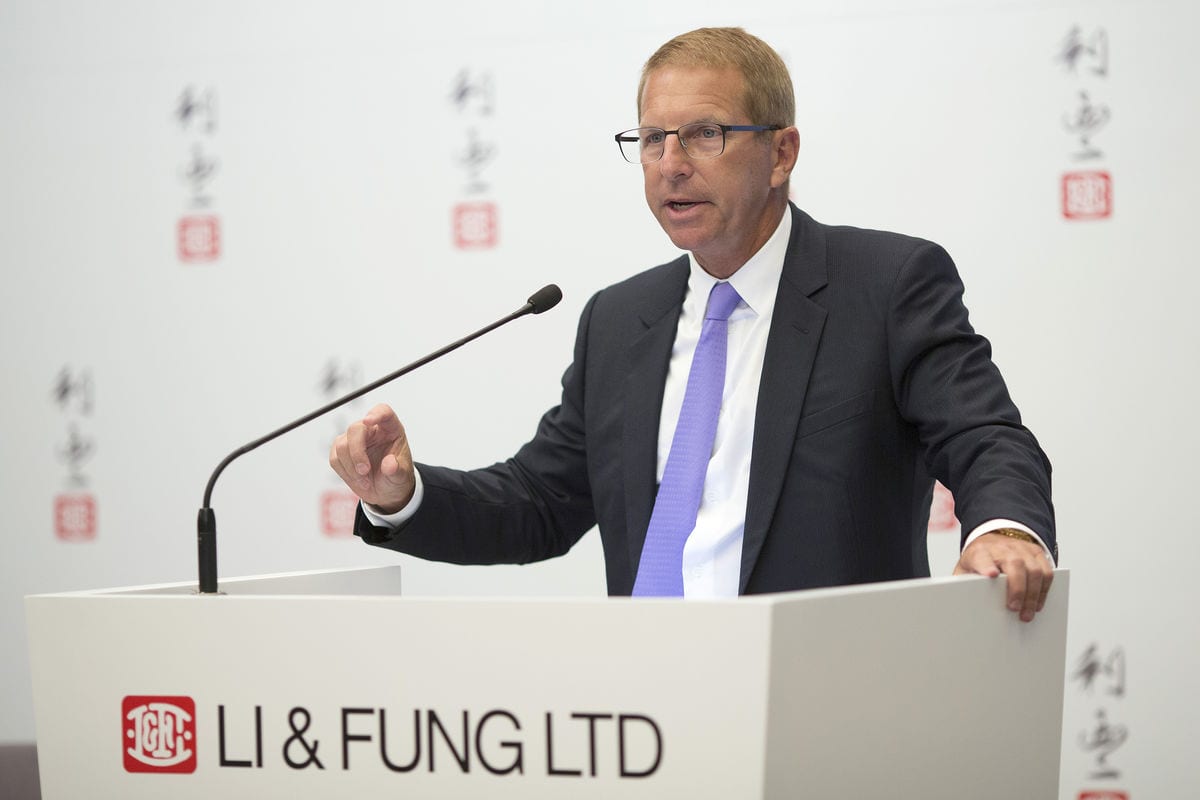
    Li & Fung has blamed an 18 per cent slide in annual profit on tighter retail margins and transitional costs associated with repositioning the business.

    Turnover for the internationally renowned consumer goods design, development, sourcing, logistics and retail business rose 1.4 per cent, driven by growing customer bases in its trading and logistics arms.

    But the company said “heavy promotions by retailers” and a shift in mix of business impacted margins across supply chains.

    “2014 was a year of transition and investment for Li & Fung. The successful spin-off of Global Brands has allowed us to focus on ways to create value for our customers across our core businesses of Trading and Logistics and this positions us well for the future,” said Spencer Fung, group CEO.

    Due to the Global Brands spin-off last July, the company has reclassified that business as ‘discontinued operations’ and removed its contribution from the figures for the year to December 31 and the previous period to allow accurate comparisons of the ongoing business activity.

    Li & Fung put a positive spin on the 2014 results, describing them as “solid against a challenging macroeconomic environment”.

    “Despite difficult retail conditions in a number of key markets, the business delivered overall growth in turnover. As part of the transition and in line with investments historically made in the first year of a new Three-Year Plan, the company took the opportunity to invest in strategic initiatives for future growth. The increase in top-line turnover was offset by reduced margins and required investments which had an adverse impact on core operating profit,” the company said in a statement.

    William Fung, group chairman said 2014 was a challenging year for both the company’s customers and retail generally.

    “We navigated difficult global market conditions and made necessary investments for the future.”

    Spencer Fung added: “In spite of tough headwinds, our core customers in our trading business grew and our logistics business continued to have high growth. We fully expect that the investments we have made will position the company for growth in the short, medium and long term.”

    The company’s total turnover was US$19.288 billion, but the logistics division achieved a stunning 66 per cent increase. The trading business was stable.

    Total margin decreased by 2.2 per cent due to an overall reduction in margin across the supply chain as a result of brands and retailers conducting heavy promotional sales. In addition, total margin was also impacted negatively by the shift in the mix of our business from principal to the lower margin agency business.

    The company made investments across a number of initiatives to strengthen and improve its core business aligned to its Three-Year Plan goals of building a sustainable enterprise, simplifying the business and accelerating organic growth. Strategic areas of investment included strengthening the logistics network and also adding significant freight forwarding capabilities through the China Container Line (CCL) acquisition.

    The company also made investments in setting up the new Vendor Support Services unit which it expects will gain traction in the coming years. Further investments included new talent and expertise, presence in new markets, new product categories, and support infrastructure to drive organic growth in the business over the coming years.

    Excluding the result of Global Brands, profit attributable to shareholders decreased by 12 per cent to US$539 million.

    Concluded Spencer Fung: “As we enter into 2015, we remain focused on executing our growth strategies with the added benefit of a simpler and more nimble operating model. We are committed to creating value for our customers and developing key product expertise to position us for future opportunities. Despite ongoing economic uncertainty, we are confident that we have taken the right steps to ensure we are well positioned to build a long-term sustainable business. We have tremendous opportunities ahead of us for the remainder of our Three-Year Plan and beyond.”

  • Alibaba: Microsoft, Amazon are friends – not rivals

    Alibaba: Microsoft, Amazon are friends – not rivals

    Amazon and Microsoft are “friends” not rivals of Alibaba in the cloud computing space, a top exec at the Chinese e-commerce giant told CNBC.

    The comments come just a few days after Alibaba opened a data centre in Silicon Valley – its first on US turf in a cloud market dominated by Amazon, Google and Microsoft.

    But Ethan Yu, the international head of Alibaba’s cloud division, Aliyun, told CNBC that the company was not in competition with its US counterparts.

  • Lazada Group aims to double freight hubs in Indonesia

    Lazada Group aims to double freight hubs in Indonesia

    E-commerce giant Lazada Group is set to spend more to develop its logistical system, planning to double its supply hubs in the country by year-end, the firm’s country representative has said.

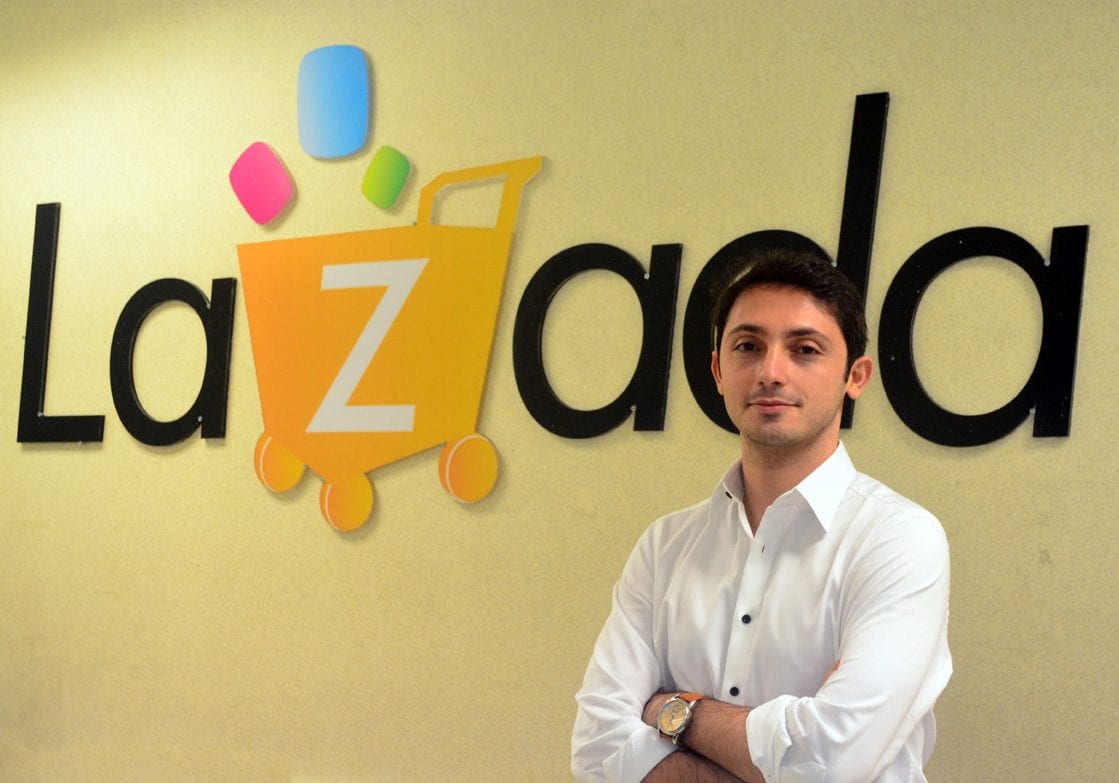
    Lazada Indonesia CEO Magnus Ekbom said on Thursday, while marking the firm’s third anniversary, that the Lazada Group had secured a total of ¤700 million euros (US$749.4 million) since its establishment in 2012.

    Most of the investment was allocated to develop the group’s logistical system and human resources, he said.

    “In logistics, we’re expanding our capacity and we’re going to be better […]. We want to shorten our delivery period,” he told reporters.

    With more than 17,000 islands that have poor infrastructure facilities, Indonesia poses a challenge for any e-commerce players in expanding their outreach.

    “However, we see it as a massive opportunity […]. In January, we opened a 12,000-meter-square warehouse in Cakung, East Jakarta,” Lazada Indonesia chief commercial officer Rene Janssen said, claiming that it was the biggest that any e-commerce player in the country ever had.

    Ekbom said that his company currently had two warehouses in Jakarta and aimed to open new ones in the coming 12 months.

    “In addition to that, we will also double our Lazada fleet base stations or supply hubs,” he said, adding that his firm currently had around 20 hubs nationwide.

    Ryn Hermawan, Lazada Indonesia senior vice president for operations, was quoted by kontan.co.id as saying that Padang in West Sumatra, Lampung in Bengkulu, Mataram in West Nusa Tenggara and Kupang in East Nusa Tenggara would be among the intended locations for the new hubs.

    Other than adding to its warehouses and logistical hubs, Lazada Indonesia would also give a big push to bring in more international products that were not available yet, Ekbom said.

    He went on to say that his firm aimed to have millions of products this year, emphasizing that it added hundreds of thousands of products every month.

    While declining to share data on the number of merchants his firm currently had, Ekbom said that the marketplace accounted for 85 percent of Lazada Indonesia’s total transactions, a surge from only 10 percent at its commencement.

    Lazada runs its business by both becoming both an online retailer and marketplace for other online merchants.

    Ekbom said that he was optimistic that his firm would continue to grow in the country as Indonesia had one of the fastest growing e-commerce markets.

    He hinted that Indonesia contributed significantly to Lazada Group’s total gross merchandise value of more than $70 million last year. Besides being in Indonesia, the group currently operates in the Philippines, Malaysia, Singapore, Thailand and Vietnam.

    Indonesia’s e-commerce market itself is forecast to grow to $25 billion next year from only $8 billion in 2013, according to e-commerce provider Vela Asia.

    A number of e-commerce players, both online retailers and marketplaces, have planned to develop their businesses. Lippo Group has recently launched shopping website mataharimall.com and planned to invest $500 million. Existing marketplaces such as Bukalapak and Tokopedia have also secured some new funding. – See more at: https://www.thejakartapost.com/news/2015/03/20/lazada-group-aims-double-freight-hubs-indonesia.html#sthash.sXZvznBO.dpuf

  • Vivo City Shanghai signs cinema anchor

    Vivo City Shanghai signs cinema anchor

    Vivo City Shanghai developer Mapletree Group has signed up a cinema chain as a key anchor of the development, currently under construction.

    A 15 year lease has been signed by Pegasus Entertainment Holdings for a two-story cinema complex taking up the top two floors of Vivo City Singapore, which will be branded Cinema City.

    Vivo City is being built in the CBD district of Minxing in Shanghai, with the Singapore-based developer expecting construction to be complete by the first quarter of 2016.

    Vivo City is planned to be a new landmark in Southwest Shanghai with a GFA of 120,000 sqm, featuring over 280 shops and over 2600 parking spaces. It is located next to seven office towers and above two metro lines with excellent connectivity to the Hongqiao airport and nearby five densely populated residential communities.

    Pegasus’ directors said they believe such a large scale development will bring “a vibrant and diversified customer stream” and attract a majority of the district’s foot traffic to the mall which will directly benefit the cinema business.

    Pegasus says it plans to replicate the success of its flagship cinema in Hong Kong – Cinema City Langham Place – in mainland China. Cinema City Shanghai will feature “the most advanced projection and sound systems”, including the exclusive viewing technology 4DX originated from South Korea, to bring “a new and unprecedented film viewing experience to PRC top-tier cities”.

    The Vivo City cinema complex will feature at least nine screens with some 1400 seats.

    Cinema City Langham Place, which officially opened in early January this year after renovation, is ranked first in terms of box office income among all cinemas in Hong Kong, according to statistics from Hong Kong Box Office System.

    “Given the high-end cinema business model under the brand Cinema City has been proven successful, this will be a stamp of approval for the group’s development strategy and growth potential in the film exhibition business going forward,” said Pegasus in a statement.

  • Jessica Alba mulls Honest China

    Jessica Alba mulls Honest China

    Actress Jessica Alba is contemplating taking her non-toxic consumer products brand Honest into China.

    Honest is a growing range of non-toxic consumer products ranging from baby feeding products to shampoos, personal care lines, vitamins, diapers and blankets. Alba is the chief creative officer and Brian Lee, the CEO.

    Now she is considering Honest China.

    Last year, US-based Honest achieved $150 million in revenue. Despite being on the shelves of more than 3000 retailers, including Nordstrom, Target, Costco and Whole Foods, some 75 per cent of the brand’s sales are direct to consumer online, the majority of that in monthly subscription packs. Sales trebled in 2014.

    “We’re looking at China in particular. We believe our brand will really resonate with the Chinese family looking for nontoxic lifestyle choices,” Lee said.

    “We believe it’s a very large market for us.”

    A growing number of Chinese consumers have lost faith in local Chinese suppliers of foods – especially products produced for babies and children. A growing middle class is seeking healthier products and don’t trust local suppliers to meet safety standards. So the concept of non-toxic product lines sourced from the US should resonate with a skeptical Chinese population.

    Honest expanded its range from 450 to 625 products in 2014 and is showing no sign of slowing its development  program in the year ahead.

    This month, the brand launched baby feeding products which Alba told CNBC was “going really well”.

    “Our customers are demanding that we go even further and offer solids and snacks and at a later stage, foods as well. And our customers have also asked us to do more personal care, so feminine care is a vertical we’re launching in the summer, and in the fall – beauty. Both of those verticals we’ve been working on for years, it’s just now that we’re at the point we can finally launch them.”

    Honest China would most launch via an eCommerce model, but given the brand’s approach in the US, a partnership with Alibaba’s Tmall is not a foregone conclusion.

    Honest won’t sell on Amazon because Alba believes in the importance of maintaining one on one relationships with customers and does not want to cede control of the customer experience to another etailer.

    Alba said consumers should not consider Honest a non-toxic version of a consumer products company.

    “[Honest] really is a lifestyle and a way of life. And we’re also an education platform. In so many ways, it’s a different idea.”

    “The core of the business truly is to create a nontoxic world,” added Lee.

  • Pay by face: Jack Ma’s new frontier

    Pay by face: Jack Ma’s new frontier

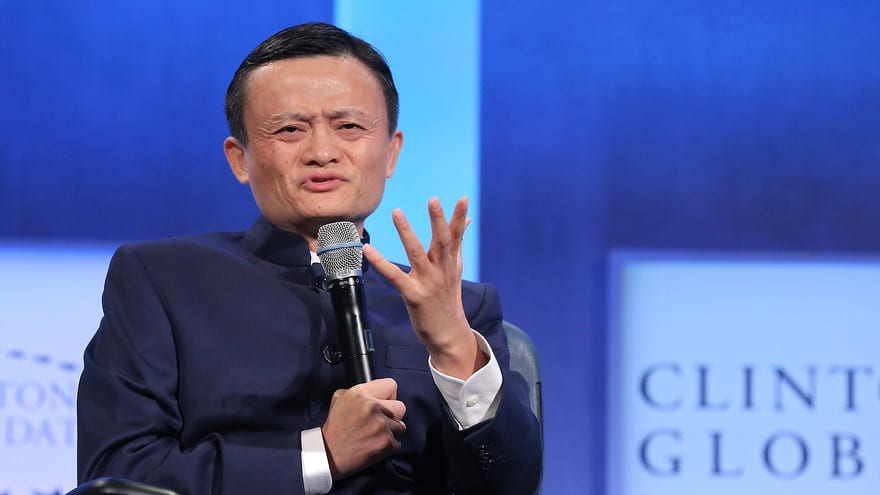
    Alibaba executive chairman Jack Ma has shocked the IT world by demonstrating technology allowing shoppers to ‘pay by face’.

    The concept is simple: using facial recognition technology consumers can have their face scanned to prove their identity and settle for goods they’ve purchased when shopping online on their smartphone.

    Alibaba news service Alizila describes the technology as “what might be a mobile-tech match made in heaven: selfies and online-payment security”.

    Ma unveiled the concept, still under development by Alibaba Group researchers, after a presentation at the opening ceremony for CeBIT, the annual IT and business expo in Hannover, Germany.

    The demonstration is included in this full length video of his presentation – fast forward to the 1:17:45 mark to watch the short pay by face section.

    As the smartphone increasingly becomes the digital tool of choice for the average Chinese, eCommerce giant Alibaba Group has been pushing the development of several technologies that make it easier and more secure to shop using mobile devices.

    “Online payment to buy things is always a big headache,” Ma said in a Steve Jobs-like “one more thing” moment following his keynote speech.

    “You forget your password, you worry about the securities… today we show you a new technology in the future how people can buy things online.”

    As yet, there is no word from Alibaba on when Ma’s beta version will be ready for prime time testing.

  • Iconix takes control in China

    Iconix takes control in China

    Iconix Brand Group has bought the 50 per cent stake in its China joint venture from partner Novel Fashion Brands.

    Iconix paid Novel’s owners, the Chou family, $56.4 million for the share, of which $40.4 million was paid in cash and $16 million was paid in the company’s common stock.

    “We view China as a major growth opportunity. Through Silas and Veronica Chou’s expertise and relationships, Iconix China has successfully launched nine of our brands with more than 900 standalone stores, shop-in-shops and counters throughout China,” said Neil Cole, chairman and CEO of Iconix.

    “Now that our business has gained sufficient scale, we have decided to acquire management and control of the business, consistent with the next phase of our international growth strategy.”

    Iconix China was formed in September 2008 and to date has successfully launched Candie’s and Marc Ecko Cut & Sew with Shanghai La Chapelle Fashion; London Fog with China Outfitters; Material Girl with Ningbo Peacebird; Ed Hardy with Landmark International;  Ecko Unltd with Xi Ha Clothing; Badgley Mischka with Eve NY, Joe Boxer with Northeast Socks and Royal Velvet with Qingdao Hongfang.

    The company’s operating model, different from the US parent company’s traditional licensing model, has been to attract entrepreneurs and fast-growing local Chinese companies, providing them with an Iconix brand in which they invest through the build-out of stand-alone stores and shop-in-shops, and in return Iconix China receives an equity stake in the newly formed venture.

    The largest brand in the Iconix China joint venture is Candie’s, which partnered with Shanghai La Chapelle in 2010. The Candie’s business in China expanded to more than 700 stores and shop-in-shops by 2014 and is poised for continued growth.

    The company’s business platform in China also includes its three global brands of Peanuts, Umbro and Lee Cooper which have been managed outside of the joint venture.

    China has been one of the fastest growing territories for the Peanuts brand. Today, Peanuts has over 2000 points of distribution across China including 20 Charlie Brown Cafe’s, and significant growth potential with the highly anticipated launch of the Peanuts movie.

    Last year, Iconix partnered with Global Brands Group (a spin-off of Li & Fung) to build out the Lee Cooper and Umbro brands in China, both of which have strong brand recognition in the region.

    Willy Burkhardt, EVP, MD international, said the transaction will take the company closer to the Chinese market, which is strategically important to the business.

    “It will help us to identify potential brand acquisitions and develop new business opportunities for our unplaced brands.”

    This transaction provides Iconix with full control and ownership of Iconix China, which also includes equity stakes in an additional six retail ventures of which four have plans to go public in the next five years and control over a portfolio of 15 unplaced brands.

    Iconix Brand Group’s global portfolio also includes Rampage, Mudd, Mossimo, Ocean Pacific, Danskin, Rocawear, Charisma, Starter, Zoo York, Sharper Image, Strawberry Shortcake and partnerships in Billionaire Boys Club, Ice Cream, Buffalo, Nick Graham and Pony brands.

    In 2014, the company signed a joint venture with Global Brands Group and is experiencing solid gains in both the top line and equity earnings.


  • WeChat owner’s profit soars

    WeChat owner’s profit soars

    WeChat parent Tencent says its profit soared 54 per cent in the year to December.

    Tencent, which also owns instant messaging service QQ, says profit was boosted by breakthroughs in the technology behind online security and mobile payments.

    With Facebook banned in mainland China, WeChat is one of the most-used social networking services and has a growing role in providing retail chains with eCommerce and brand marketing touchpoints with consumers in China and beyond.

    Shenzhen-based Tencent reported a profit of 23.81 billion yuan (US$3.82 billion) on sales of 78.93 billion yuan, up 31 per cent year-on-year.

    Chairman Ma Huateng said its social platforms QQ and WeChat continued to “innovate and grow”. More than 500 million people used WeChat as at the end of 2014 – 41 per cent more than at the end of 2013 – an astonishing figure for an app launched only in 2011.

    Online game revenues rose 40 per cent to 44.76 billion yuan with social media revenue up 43 per cent to 18.56 billion yuan.

    WeChat users can book and pay for taxis, share text, photos, videos and voice messages and meet strangers by shaking phones or searching for people located close by.

    Last year, Tencent launched WeBank, an online bank which has no physical branches.

  • Jimmy Choo China plots expansion

    Jimmy Choo China plots expansion

    Jimmy Choo China plans more stores as Asia drives the newly-listed brand’s global growth.

    This week, Jimmy Choo posted its first results since floating on the London Stock Exchange last year – a small pre-tax loss, largely attributable to IPO costs.

    About half of the nine new stores the company opened In 2014 were in China. Now it plans to open up to 15 stores a year for the foreseeable future.

    “We are expanding in Asia and selected new markets where we are underpenetrated compared to our peers,” said CEO Pierre Denis in a statement.

    “This has been a year of great financial, strategic and operational progress for the company.

    With our unique DNA and experienced team we have continued to deliver products that resonate strongly with our clients. As a specialist brand we have invested to outperform in this attractive and complex category thus delivering operating leverage.”

    Jimmy Choo’s designs are clearly resonating with Asian consumers, particularly those in China. Asia is its strongest growth region and when it launched its IPO the company said funds raised would help its strategic focus on the market.

    Meanwhile, the company says men’s shoes and its Made to Order service helped drive a 5.7 per cent year-on-year sales increase in its retail operation to £192 million.

    “We remain focused on executing our growth strategy and pursuing growth without compromising our brand or its luxury position despite the more challenging macroeconomic environment,” said Denis.

  • Rakuten buys eBook business

    Rakuten buys eBook business

    Japanese eCommerce giant Rakuten is to pay US$410 million in cash to buy OverDrive, a leading eBook and audiobook content marketplace and sharing economy pioneer.

    Cleveland, US-based OverDrive was founded in 1986 and supplies the world’s largest catalog of eBooks, audiobooks, music and streaming video to 30,000 libraries, schools and retailers around the globe.

    “OverDrive’s deep content library and relationships with publishers, libraries, schools, and retailers will allow Rakuten to extend our mission of empowerment to new market segments and accelerate the growth of our digital contents businesses,” said Takahito Aiki, head of Rakuten’s global eBook business.

    “OverDrive is a widely-respected pioneer in digital content and the sharing economy. Long before even Kobo emerged onto the global stage, OverDrive had already seen the future and was working with publishers to digitise their content to share with the world, building one of the most comprehensive online digital marketplaces in the process,” he said.

    “OverDrive’s deep content library and relationships with publishers, libraries, schools, and retailers will allow Rakuten to extend our mission of empowerment to new market segments and accelerate the growth of our digital contents businesses.”

    With the top rated eBook & audiobook app for libraries and schools and OverDrive Read, the ePub and HTML5 browser-based reading experience, OverDrive supports all major computers and devices, including iOS, Android and Kindle (in the US only). OverDrive delivers all digital media on a single platform, and offers APIs to streamline a seamless user experience. Recent innovations include in-library touchscreen stations for browsing and instant sampling, multi-lingual user interface, and eReading Rooms for kids and teens..

    OverDrive Founder and CEO, Steve Potash, said Rakuten’s vision of empowerment is perfectly aligned with OverDrive.

    “Since 1986, our vision has been to advance digital publishing and content to connect readers with books and information. We’re passionate about working with publishers, libraries, schools and retailers… and we are very excited to join an innovative company that shares and supports our vision.”

    As Rakuten expands its global Internet services ecosystem, digital content represents one of Rakuten’s three key strategic pillars, alongside eCommerce and finance. Since first acquiring eReading company Kobo in 2012, Rakuten has continued to grow its digital contents businesses, adding video streaming service Wuaki.tv in 2012 and global TV and video site Viki in 2013. The acquisition of OverDrive adds a digital distribution platform, more than 2.5 million titles, and relationships with 5000 publishers and 30,000 libraries that will strengthen Rakuten’s eBook and digital contents businesses globally.

    OverDrive returned a pre-tax profit of US$25 million in 2014. With the addition of OverDrive, Rakuten expects its global eBook business will come close to breaking even in 2015.

    The deal will close in April.