Author: Mei Ling Tan

  • Burberry Japan opens Osaka flagship

    Burberry Japan opens Osaka flagship

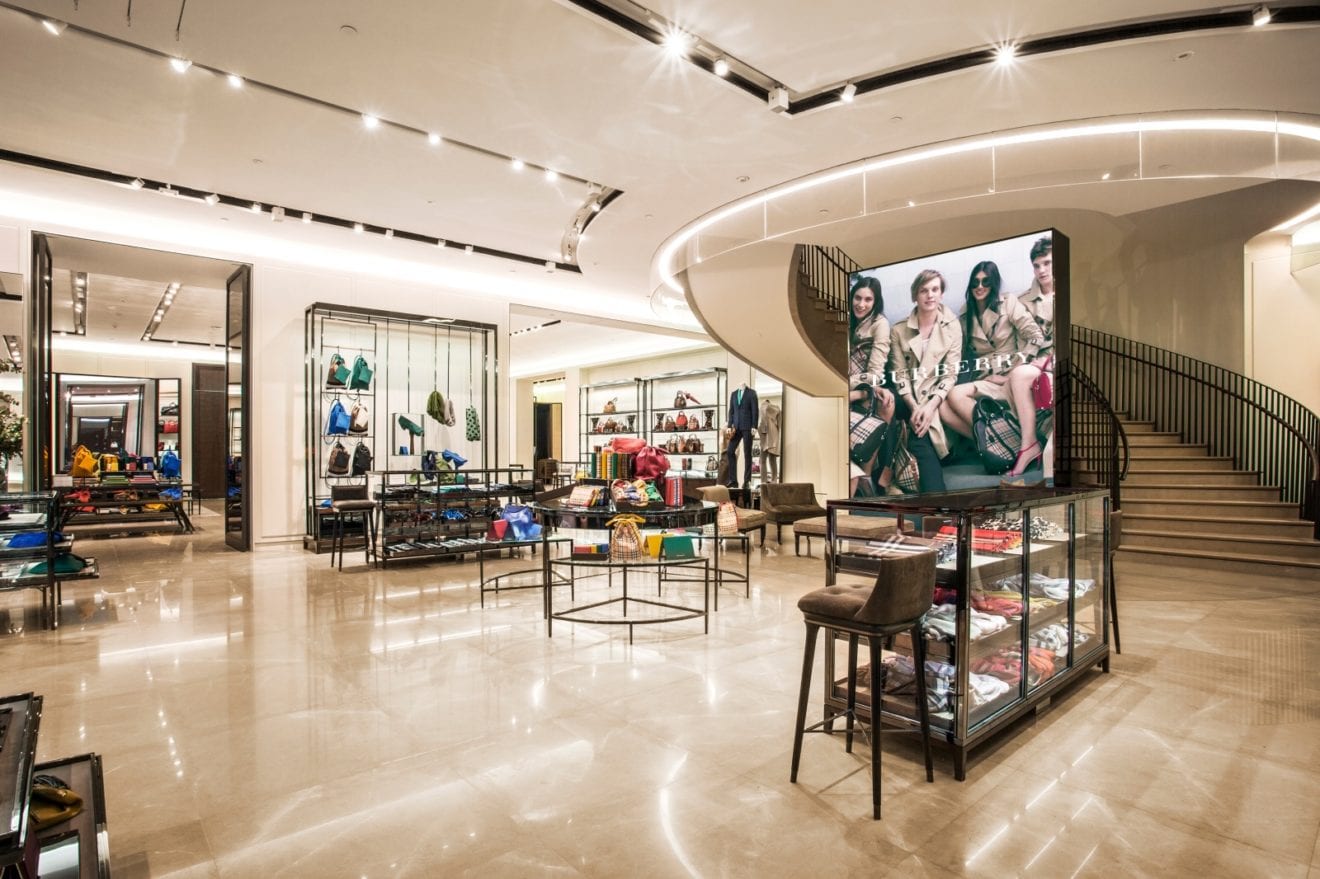
    Burberry has opened its first freestanding store in Shinsaibashi, Osaka.

    Set over two floors, the new flagship store houses the largest Burberry product assortment in Osaka, including the brand’s collection of Made in England trench coats.

    In-store digital screens showcase Burberry content and broadcast live events directly from the brand’s global headquarters in London, enabled by the Burberry retail theatre concept.

    The store showcases the Burberry Prorsum, Burberry London, Burberry Brit, Heritage, Accessories and Burberry Osaka Exclusive Collections and stocks womenswear, menswear, accessories, eyewear and watches.

    Burberry Japan Osaka 315

    To celebrate the opening, an exclusive range of men’s and women’s accessories was designed just for the Burberry Osaka store. This collection includes limited edition versions of key Burberry bag styles – The Mini Bee bag and The Petal bag for women.

    Burberry has a long-term commitment to Japan where it currently has four mainline stores and 13 concessions in locations including Omotesando, Kobe, Ginza Marronnier Dori and Roppongi.

    Burberry says it is beginning “a new chapter in Japan” in 2015. From June, the brand’s licensed products will be replaced with the Burberry global product offering including its British made heritage trench coats manufactured at its facilities in Yorkshire in the North of England and its scarves made in Scotland.

  • Scotts Square Singapore mall ‘exodus’

    Scotts Square Singapore mall ‘exodus’

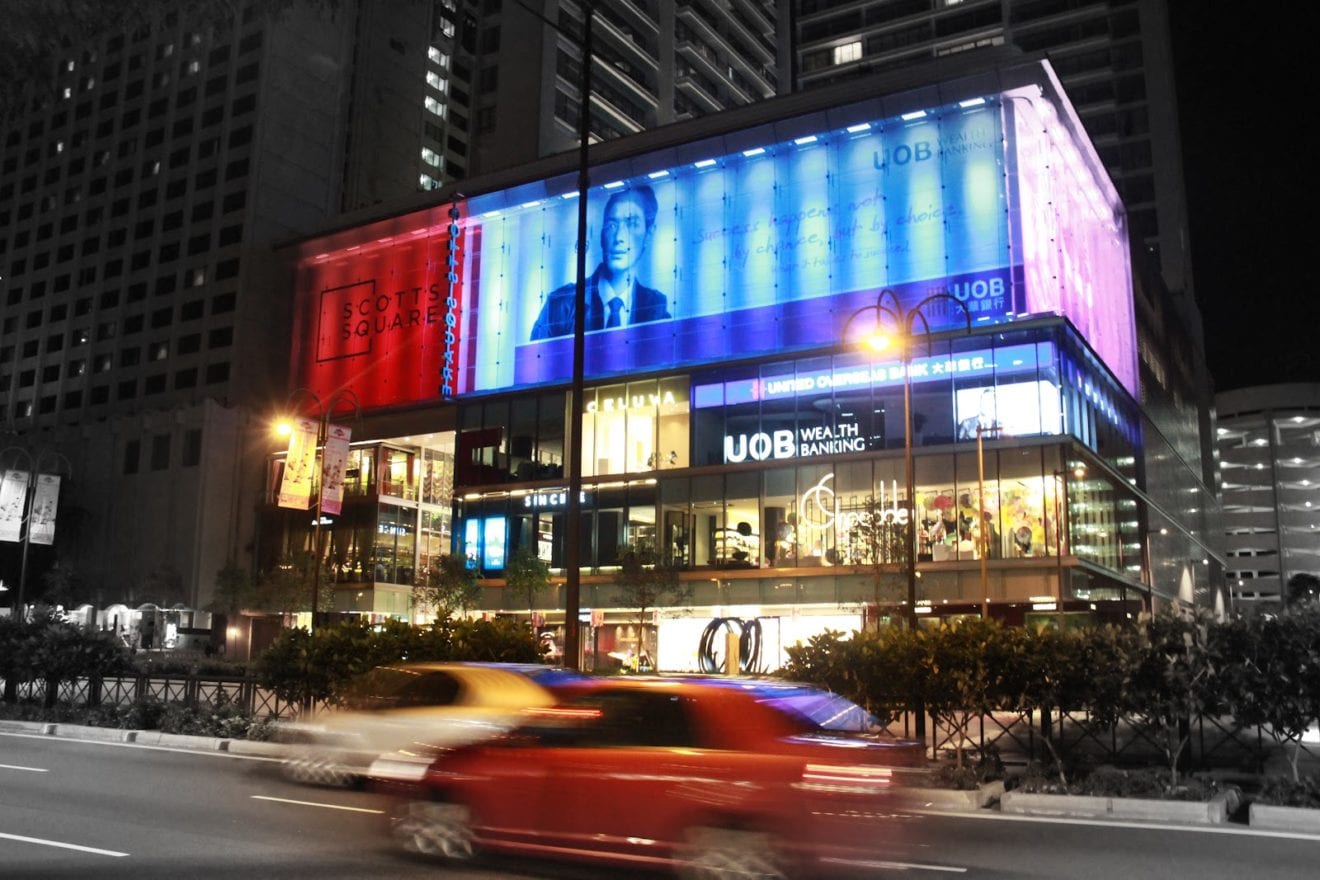
    Just three years after its opening, questions are being asked about the business model of Wheelock Properties’ luxury Scotts Square Singapore shopping centre.

    The compact but glitzy mall opened in 2012 on the site of the demolished Scotts Shopping Centre. It sits off Orchard Rd, between Tangs department store and the Grand Hyatt five-star hotel.

    This week, at least 10 tenancies were vacant, leaving 28 open in the 75,000sqft mall, according to a report in the Straits Times newspaper.

    Luxury watch store Sincere Fine Watches has moved out of its street-front space on the first and second floor, joining Ginza Sushi Ichi and Arossa Wine & Grill, which shut their doors on Jan 31. Apparel chain Bread & Butter and Malaysian cafe Delicious had already moved out. Anne Fontaine, Kiton and Marina Rinaldi will move out this month in what the newspaper described as “an exodus”.

    Wheelock Properties group GM of marketing Stephanie Tay, was trying to put a positive spin on the move, saying some current tenants were due to renew or complete their leasing term. “This gives us the opportunity to tweak our tenant mix and refresh our offerings,” she told the Straits Times.

    However her employer had already publicly conceded the centre was failing to perform. Late last month, Wheelock Properties announced it had written down the book value of the mall by 17 per cent to reflect “poor business conditions” – from S$312 million to $260 million.

    “Scotts Square is operating under very challenging circumstances as a boutique mall,” the listed company said in a stock exchange announcement. “A substantial tenant and trade mix revamp is underway for the mall and reduction of rental revenue is expected for the initial years,” it said.

    The company maintained that at the end of December – before the trickle of exits became an exodus – Scotts Square had an overall occupancy rate of 88 per cent and an average monthly rental of S$16 per square foot.

    The Straits Times quoted a sales assistant at fashion brand Paul & Shark describing the mall as “quite empty”.

    “We get maybe 20 walk-ins a day, but we can sell to about five.”

    Scotts Square Singapore comprises three levels of retailing and a FairPrice Finest supermarket in the basement, largely serving the residents of the 43 storey apartment tower above it.

    The mall’s undoing would appear to be the market positioning of its offer. With neighbouring shopping centres catering for mid-range shoppers – and the largest on Scott Rd best described as an entry level destination – there simply isn’t the foot traffic for a mall with lesser known luxury brand tenants.

    The survivors – for now – include US fashion brand Michael Kors, shoe chain On Pedder and Wild Honey, a restaurant.

  • Kate Spade plans furniture future

    Kate Spade plans furniture future

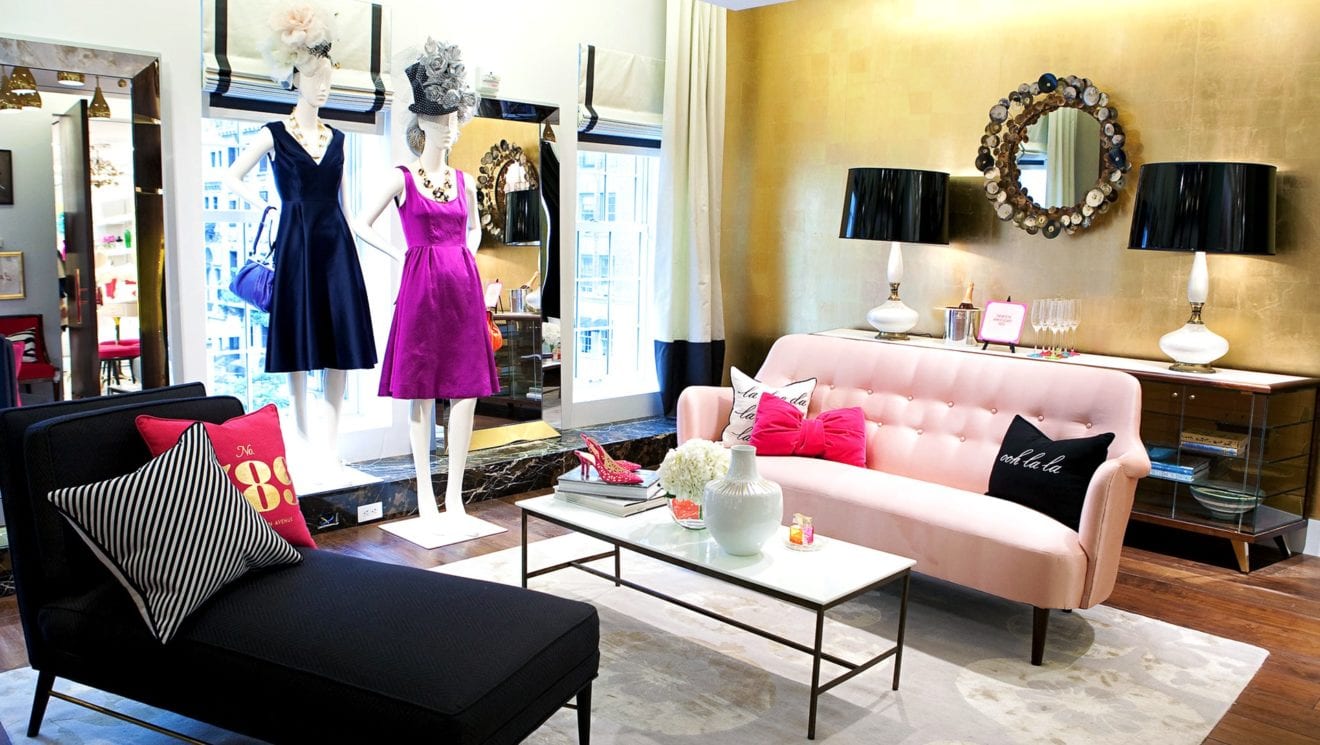
    The luxury apparel retailer has announced four new licensing agreements – for bedding, bath, wallpaper, rugs, furniture and household items, according to a report on Bloomberg.

    In the first year, Kate Spade aims to sell US$100 million to US$150 million worth of the new lines, representing a fraction of its total turnover. But if it makes target in the year it will encourage a broader international rollout of the new categories, and further expansion of the range.

    “The breadth of our home décor line will feature products at all access points in both pricing and distribution from an $8 notebook to an $8000 piece of furniture,” Kate Spade CEO Craig Leavitt said.

    Bloomberg opines the move would make Kate Spade more like Ralph Lauren, and differentiate it from other fashion rivals like Coach, Michael Kors and Tory Burch “which don’t sell couches”.

  • Country Style Cooking focuses on quality

    Country Style Cooking focuses on quality

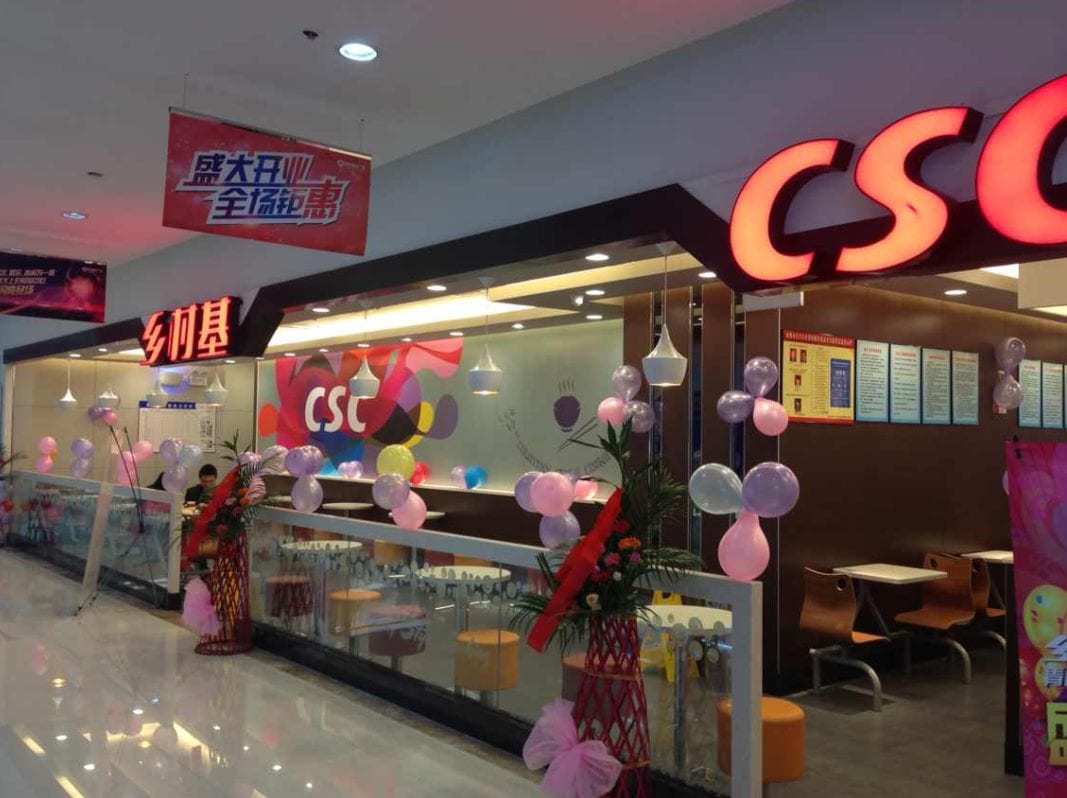
    Fast growing Chinese QSR operator Country Style Cooking Restaurant Chain has reported a decline in same-store sales as it focuses on quality rather than price.

    Total revenue in 2014 rose 7.5 per cent to RMB1.46 billion ($235.7 million), but comparable sales slid 5.3 per cent. The company’s restaurant network grew from 293 outlets to 337 year-on-year, but the same store comparison included 228.

    “The QSR (quick service restaurant) industry in China remains highly competitive and we continue to evaluate opportunities to further improve performance and customer loyalty,” said Xingqiang Zhang, Country Style Cooking CEO.

    “Instead of engaging in intense price wars, we have been focusing on training our cooks and staff, developing new dishes and combo meals, refining our online ordering experience and renovating some of our older stores, upgrading visual identification and interior decoration to improve brand recognition, customers’ dining experience and overall customer satisfaction.

    “We believe this commitment to invest in our future will differentiate us from our competitors and reinforce our leadership in China’s QSR industry, resulting in higher levels of long-term revenue and profit growth.”

    Country Style Cooking said its restaurant operating margin was 13.8 per cent in 2014, down 130 basis points from 2013. Income from operations decreased by 33.3 per cent to RMB22.6 million ($3.6 million). Net income in 2014 was RMB38.0 million ($6.1 million), compared to RMB39.6 million in 2013.

    Fourth quarter revenues rose 7.4%, while comparable restaurant sales decreased by 7.7 per cent, (with 252 restaurants in the comparison). It lost RMB700,000 ($100,000), compared to income from operations of RMB1.7 million in the same quarter of 2013.

    Xingqiang Zhang said the company met both its fourth quarter and full year 2014 financial forecast.

    “Our fourth quarter financial performance showed modest top line growth, primarily supported by our expanding restaurant network. As previously announced, during the fourth quarter of 2014, we signed a strategic cooperation agreement with an e-commerce company, Yimutian, to build a more efficient procurement model. We are firm believers in utilising the technology and leveraging the strengths of our business partners to enhance our operations.”

  • The Giordano restoration plan

    The Giordano restoration plan

    Troubled fashion group Giordano knows it faces a challenge restoring its mojo.

    Last week Giordano reported falling sales in every single market globally – in the worst case, Australia, by 20 per cent year on year. Profit slumped 35 per cent.

    But the Hong Kong-based fast fashion business also outlined to frustrated shareholders how it plans to restore growth and respectability to its trading results.

    In a lengthy report, Giordano said it expected to see continuing volatility in demand across the group in the year ahead.

    “We can see early signs of recovery in Mainland China with positive same store sales since the second quarter, albeit at a very low level. Taiwan is now showing modest sales growth as its marketing programs and local merchandising are starting to resonate with customers.

    “The Southeast Asian business was slightly stronger in the fourth quarter of the year as Singapore started to get its merchandising mix right and Indonesia and Thailand sales strengthened modestly.”

    Against this background the ability of the group to execute strategy is improving.

    “We now have established a truly regional focus in mainland China, although teams still need to be improved and we have different levels of performance in different profit centres. We have also successfully launched a fast track management training scheme with over 20 young graduates from Hong Kong and Mainland China which will enable us to expand our operations in the medium to long term.”

    Last year, Giordano developed improved disciplines over inventory planning, exercising tight control over buying budgets and inventory levels. “We will continue to enhance these processes and fine-tune them to further reduce inventory and to drive more accurate product selection and allocation going forward.”

    A standout non-performer in the group in 2014 was the Giordano Women brand, which the retailer said declined sharply in profitability terms due to “poor design decisions taken in the past”.

    Giordano Women contributed 24 per cent of sales in Giordano shops and the sales declined by 11 per cent – a more significant decline than for Giordano Men.

    “The strategy to increase the variety of styles and collections was not successful, and the de-emphasising of core products has proved to be an error.”

    The women’s product range is now being re-shaped to focus on core design values such as simplicity and function. As a result, sales volumes began to recover in the second half, and in the fourth quarter were only slightly down year on year. Giordano said this reflects heavy stock clearance and improved product, although the product development process is still being improved.

    New GW standalone counters are being developed. Fifty-eight standalone counters in China and Thailand produced HK$4 million in direct profit in 2014.

    The GW offer will now be “re-based” to a “modern basics” core, returning to “simple, functional products made from good quality fabric”.

    “This new initiative is being executed by a dedicated team which focuses only on womenswear. We expect this will enhance the competitiveness of our women’s product range rapidly.

    Mainland China

    Giordano says growth in consumer demand in mainland China remains weak.

    “On the other hand, supply of retail capacity, both online and offline, has not abated. New players, particularly international brands, continue to enter the market. This will further exert downward pressure on volume and margin for apparel retailers.”

    The company says it is making progress with its self-managed stores in improving store ambience, closing loss-making stores and getting the merchandising right.

    “Progress in developing our franchise network has been slowed by a pessimistic economic outlook for mainland China. With the closure of 338 stores in the last three years, we will focus on stabilising our franchisee network and returning to modest growth. We will use volume rebates and renovation and marketing subsidies to execute this strategy. At the same time we will increase our participation in franchisees’ merchandising and buying.”

    The store closures will continue in 2015. Last year it cut the number of stores in locations it considered damaging the brand from 358 to 162. This year more will close as it exits supermarkets and some street located stores.

    During 2014 Giordano launched a new basic casual brand Beau Monde at “friendlier prices” in Guangdong and Shanghai and Taiwan, establishing 13 shops in supermarkets and other locations where the main brand was considered inappropriate.

    “As with all newly launched brands, constant and fast modifications have been made to improve the look and feel of the store. In order to secure economies of scale, we will harmonise the supply chain between the two brands, focusing on synergy in common ‘basics’ production and fabric use. During 2015, we will develop this approach further and establish a significant number of new stores in Mainland China.”

    Hong Kong and Taiwan

    The Hong Kong market is becoming increasingly competitive for Giordano as the nature of tourism from Mainland China changes.

    “We have responded to high rents for prime sites by focusing our business development more on residential areas. This will continue until we see rent pressure reducing, which we foresee in 2015 and 2016. Growth into high rent prime locations will therefore be very cautious as we protect profitability.

    “In terms of merchandising, Hong Kong will follow the group direction and manage the mix more towards price competitive basic products than it did in 2014. The general strategy of differentiating our products and brand image from completion will persist but this will be balanced by strengthening our core brand values of simplicity, quality and value for money.

    “In a culturally unique market such as Taiwan, we will develop the brand through marketing programs and local merchandising. Taiwan is also a mature market and we think we have our approach generally right. Nonetheless, we will refresh our store image; and ambience and look for innovative ways to enhance the customer experience.”

    South East Asia

    The Singapore business faced a number of challenges in 2014, both from tough market conditions and poor decisions in merchandising.

    “We have started to correct this and we will see performance improve. Having said that, Singapore remains a difficult market which is currently seeing changes in tourism numbers and demographic.”

    In other key markets such as Malaysia, Indonesia and Thailand, Giordano says it will continue to expand into regional locations to realise ‘first mover advantage’.

    “During 2014, management teams faced new problems they have not encountered before – loss making stores and deteriorating same store sales. They responded well and in 2015 we expect to see these efforts pay off. Nonetheless, we see market conditions as challenging in these markets currently as macroeconomic factors soften consumer sentiment.”

    The development of the Vietnam business in 2014 was positive with store numbers increasing from 15 to 21 and a new store opening in Cambodia. Myanmar is also an emerging market Giordano plans to make the most of and it will work with franchisees there to identify potential and opportunities.

    “During 2015, we will establish a legal entity in Vietnam and we expect to see further growth in this market and Indo China in general as these markets develop.”

    Middle East

    The UAE was a challenging market for Giordano in 2014, with sales declining for the second year in a row. Consumer sentiment is good but significant increases in retail space have made this market highly competitive. Nonetheless margins have held up and inventory has been reduced.

    “Saudi Arabia remains an exciting medium to long term prospect for the group. The population is young and the opportunities to grow tourist business from international pilgrims will be strong. The current market is soft reflecting geo-political instability and the impact of infrastructure improvements that are taking place. We will focus on operational excellence, closing loss makers and establishing the stores that we have recently opened.”

    Giordano will also open its first stores in Africa this year,as reported by InsideRetail.Asia already, initially in Zambia. “These efforts do not generate strong revenue, but form the first steps in a strategy that will deliver sustainable growth in emerging markets.”

    Digital Strategy

    Giordano promises to embrace change which is increasingly seeing online and offline retail strategies converge.

    “Technology is transforming the way customers behave. The old way of having different channels that exist in silos with separate accountability, will become increasingly less relevant.”

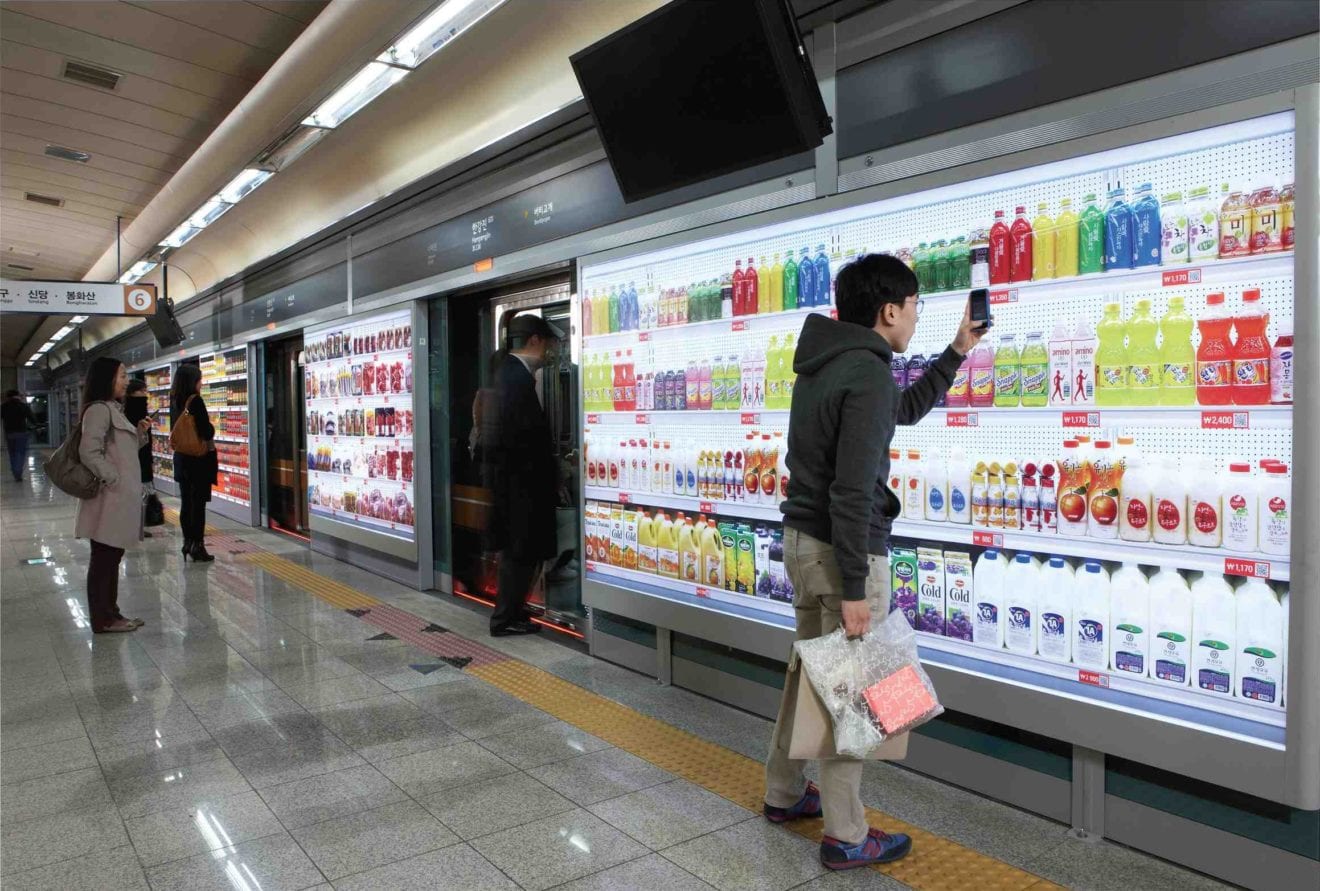
    During 2014, the group introduced 318 in-store terminals to enable customers to buy online inside its stores. This “omni-channeling” practice will continue in 2015.

    “Until now our focus has been to develop online sales in mainland China. In 2015 we will look to establish stronger e-shops in the rest of the group. Additionally we will look at how new technology can capture information on customer preferences and buying habits and we will establish pilot projects to enhance customer service using such technology.”
  • Indonesia retail sales bounce back

    Indonesia retail sales bounce back

    Indonesia’s retail sales grew by a surprisingly high 10.4 per cent in January, fueled by sales of IT and communication equipment, food and beverages.

    Bank of Indonesia data released Tuesday showed the growth considerably higher than December’s 3.3 per cent, which was revised down from an early indicated 4.3 per cent.

    The bank collates figures from a sample of 650 retailers in 10 major Indonesian cities to create monthly trend data.

    The retailers also collectively predicted strong growth would continue in February and that inflationary pressure would ease due to smoother distribution. Fuel prices have also fallen and individual spending power was on the rise.

    While the growth was higher, it is still below the 11.4 per cent of November and the 17.6 per cent of October, but ahead of September’s 8.9 per cent.

  • China, Japan first to get Apple Watch

    China, Japan first to get Apple Watch

    The much anticipated Apple Watch has been unveiled – and China, Hong Kong and Japan will be among the first 10 markets globally in which it will go on sale.

    From April 10, the Apple Watch range will be available for preview, fitting and ordering in Australia, Canada, China, France, Germany, Hong Kong, Japan, the UK and the US and on the Apple Online Store. On April 24, Apple Watch will be available to purchase online or by reservation in Apple’s retail stores and in China and Japan through selected Apple authorised resellers. Customers who purchase online or in-store from Apple will be offered Personal Setup to customise and pair Apple Watch with their iPhone.

    Apple describes the Apple Watch as its “most personal device yet” – an “incredibly accurate timepiece, an intimate and immediate communication device and a groundbreaking health and fitness companion”.

    “Highly customisable for personal expression, Apple Watch also brings an entirely new way to receive information at a glance and interact with the world through third-party app experiences designed specifically for the wrist.”

    Apple says the watch will keep time to within 50 milliseconds of UTC, the universal time standard. Its face can be customised by the user, with a traditional analog look, an “information-rich Modular face” or animated butterflies and jellyfish.

    “Apple Watch begins a new chapter in the way we relate to technology and we think our customers are going to love it,” said Tim Cook, Apple’s CEO. “We can’t wait for people to start wearing Apple Watch to easily access information that matters, to interact with the world, and to live a better day by being more aware of their daily activity than ever before.”

    Apple Watch 3 models

    Its touch screen can differentiate between touch, tap and swipe and the watch ‘taps’ the wearer’s wrist if new information is received.

    Features include email, the ability to answer phone calls from your wrist (the device must be wirelessly connected to an iPhone 5 or later running on iOs 8.2, downloadable from today), Apple Pay (where markets and retailers accept this payment mechanism), communication through social media apps and monitoring your health and fitness.

    Apple Watch is available in two different sizes, 38 mm and 42 mm, and in three distinct collections –  Apple Watch Sport, Apple Watch and Apple Watch Edition. Apple Watch Sport features a lightweight anodized aluminum case in silver and space gray with a Retina display protected by strengthened Ion-X glass and matching high-performance fluoroelastomer Sport Band in five colors.

    The Apple Watch collection features highly polished stainless steel and space black stainless steel cases with a Retina display protected by sapphire crystal. The Apple Watch collection comes with a choice of three different leather straps, a stainless steel link bracelet and Milanese loop, and a black or white Sport Band.

    Apple Watch Edition features cases specially crafted from custom rose or yellow 18-karat gold alloys developed to be twice as hard as standard gold, a Retina display protected by polished sapphire crystal and a choice of uniquely designed straps and bands with 18-karat gold clasps, buckles or pins.

    Apple Watch Sport is priced at US$349 and $399 and Apple Watch, from $549 to $1099. The Apple Watch Edition, crafted from custom rose or yellow 18-karat gold alloys, starts at US$10,000.

    In line with its luxury brand positioning, Apple will also put the Apple Watch on show at selected department stores around the world.

    Apple Watch will also be available to preview or try on at Galeries Lafayette in Paris, Isetan in Tokyo and Selfridges in London on April 10 and for sale on April 24. It will also be sold from boutiques in major cities, including Colette in Paris, Dover Street Market in London and Tokyo, Maxfield in Los Angeles and The Corner in Berlin.

  • Snapdeal partners with IndiVillage to create rural employment opportunities

    Snapdeal partners with IndiVillage to create rural employment opportunities

    Snapdeal.com, India’s online marketplace has entered into a partnership with IndiVillage – a social enterprise that works on creating economic opportunities for women and youth in rural India. Under the partnership, sellers on Snapdeal can cost effectively outsource their imaging tagging, transcription and content development for product descriptions to IndiVillage , hence creating significant rural employment and skilling opportunities.

    IndiVillage runs a rural business process outsourcing (BPO) where it provides training and employment on information technology functions like data entry operations, online cataloguing, content management, image tagging and transcription services among others. 100 percent of the profits are reinvested for holistic community development including skill centres for women, schools etc. With strength of over 40 people, 70 percent of them being women, the rural BPO offers both full time and part time employment.

    “We are constantly looking at partnerships that let us marry our business goals while creating quantum impact for our country and society. Rural India has immense talent in very large numbers that can be unlocked by companies like ours and thus, giving us the opportunity to make our growth story more inclusive,” said Kunal Bahl, co-Founder & CEO, Snapdeal.com.

    “The rural youth wait for their fair share of opportunity after three decades of Indian urban success. India has 600,00 villages and all we need is 600,000 entrepreneurs to each adopt a village. What we look for is chance, not charity. We are the pioneers of adopting a virtuous cycle that feeds itself from enable, earn to empower. We believe that participation from a young technology leader like Snapdeal will intensify the cause of digital inclusion and community development in rural India,” said Ravi Machani, Founder & CEO, IndiVillage.

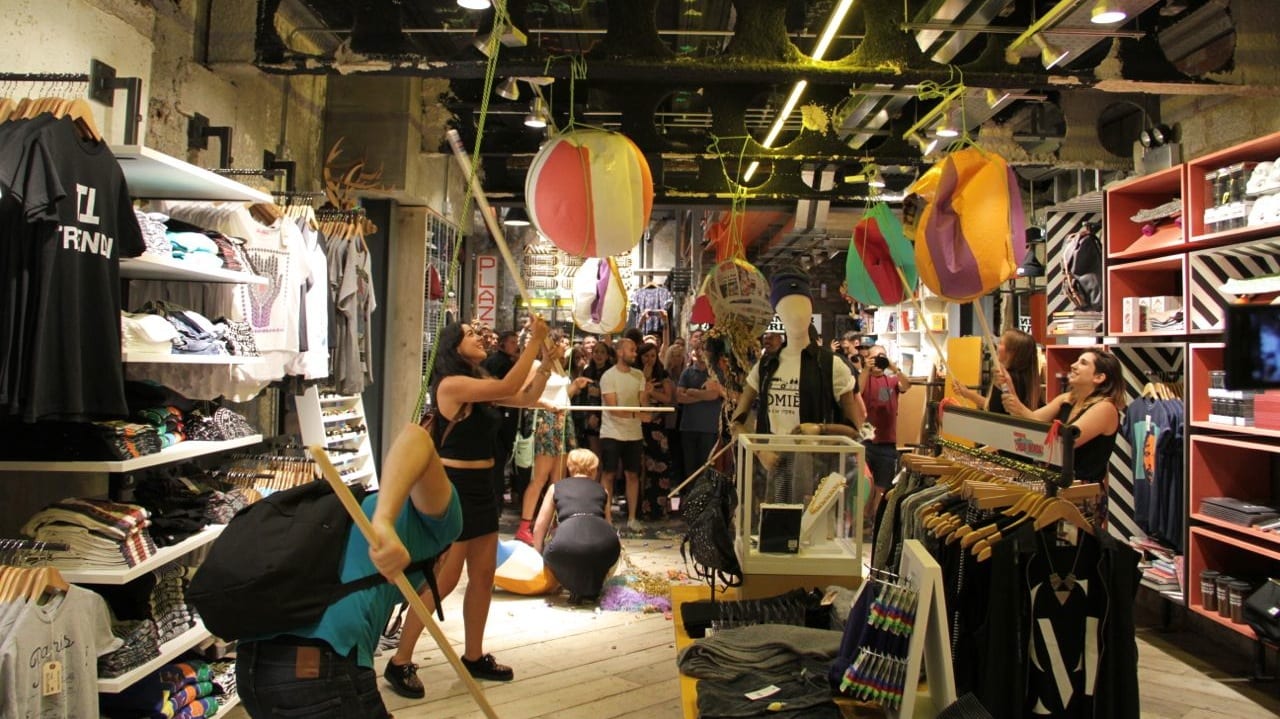
  • Urban Outfitters sales up – at last

    Urban Outfitters sales up – at last

    Anthropologie parent Urban Outfitters sales have finally turned around after a series of declining quarters.

    In the three months to January, same store sales rose six per cent – the first quarterly increase of 2014. It was a significant turnaround from a 10 per cent slump in the third quarter.

    Overall revenue increased by 11.6 per cent, to US$1.01 billion.

    Urban Outfitters operates retail chains under the brands Anthropologie, Free People and its own name. The company says demand rose most strongly in Urban Outfitters and Free People stores.

    CEO Richard Haye said the company was pleased to report what was its first billion dollar quarter, fuelled by positive retail segment ‘comps’ across all its brands.

    “It is encouraging to see this sales trend continue into Q1.”

  • Singpost to target Indonesia eCommerce

    Singpost to target Indonesia eCommerce

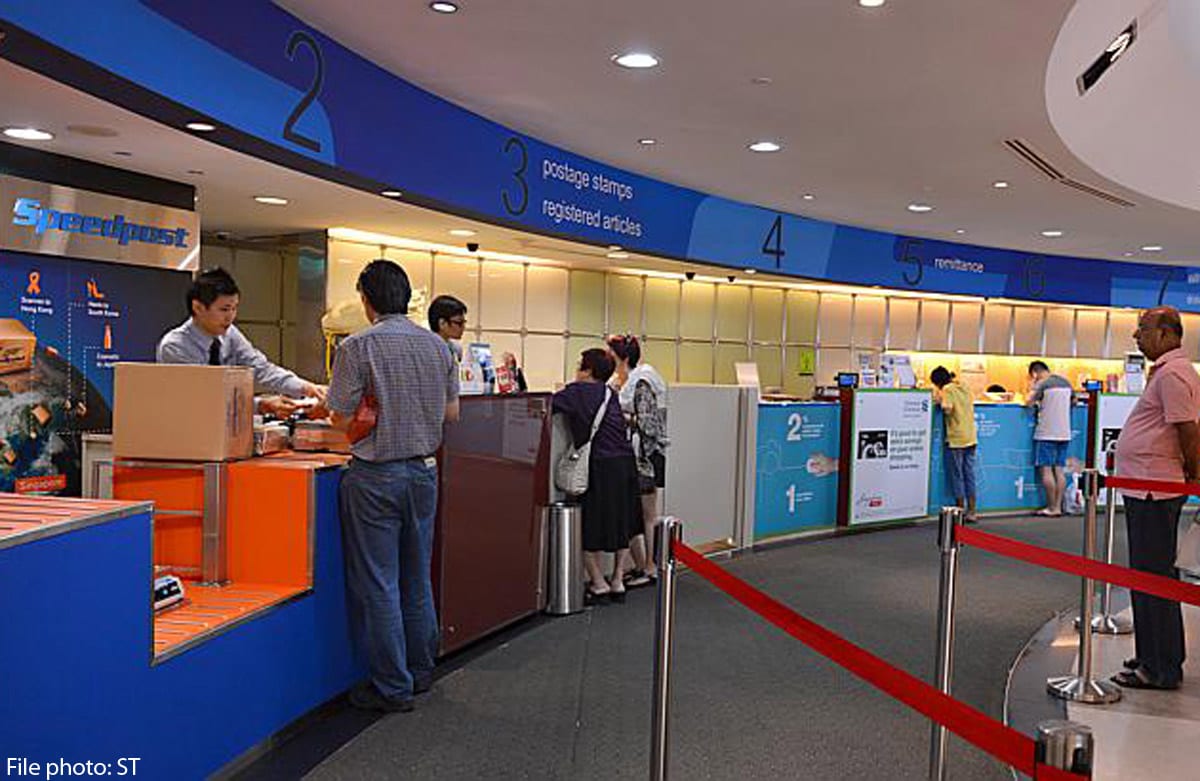
    Trikomsel, one of Indonesia’s largest mobile device retailers, and SingPost, one of Asia’s biggest logistics providers for eCommerce, have announced a partnership to take advantage of the growing opportunities of eCommerce in Indonesia.

    The name – and even the exact nature – of the joint venture is still a mystery. However, the two firms are certain that they will create a company that acts as a partner for local brands and merchants in the eCommerce space. The project will combine Trikomsel’s distribution channels in Indonesia and SingPost’s expertise in logistics and eCommerce on a regional basis. In a statement, the firms say that the goal is to provide a complete eCommerce shopping experience, although they did not share any details of their plan.

    Trikomsel will take a majority stake of 67 per cent ownership in the joint venture and SingPost, through wholly owned subsidiaries such as SP eCommerce, will take the remaining 33 per cent. Similar to aCommerce, SP eCommerce provides a variety of solutions for eCommerce businesses including the use of technology, operations management, warehousing, delivery, payment and parcel collection, digital marketing, and post-sales support.

    “With the expertise, technology, and powerful resources owned by both parties, we are optimistic that this cooperation will be able to meet expectations and provide innovative services to our customers throughout Indonesia,” says Sugiono Wiyono, president director at Trikomsel.

    SingPost Group CEO Wolfgang Baier, says that he too is optimistic, as Indonesia is soon expected to become the world’s third-largest consuming nation.

    “As a regional company that encourages the growth of eCommerce, it is important for us to find a good business partner in emerging markets,” says Baier. “Trikomsel has extensive access and retail distribution throughout the nation. Trikomsel will also be able to utilise our expertise in logistics and eCommerce.”

  • Xerjoff perfume makes Singapore debut

    Xerjoff perfume makes Singapore debut

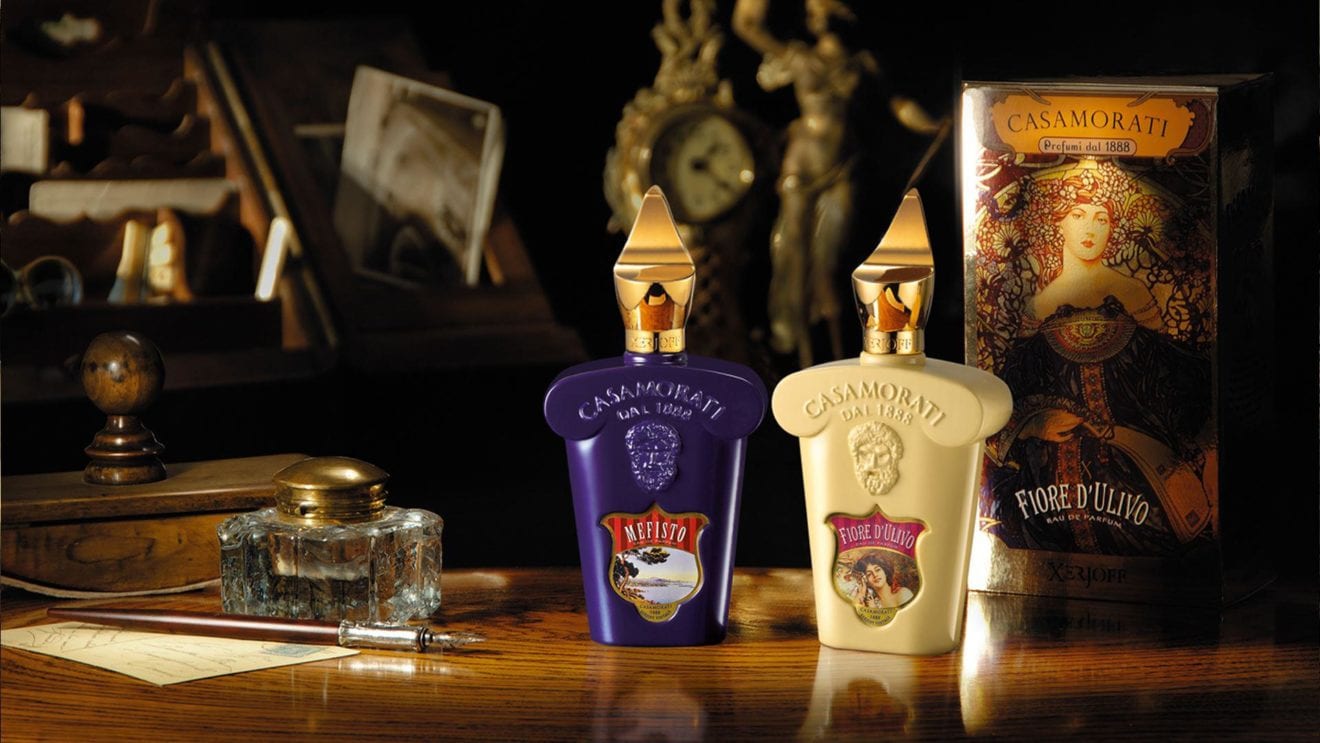
    Luxury Italian perfume brand Xerjoff has made its southeast Asian debut at Fragrance Du Bois’ Singapore flagship boutique in the Fullerton Hotel.

    Founded in 2004, the Turin-based Xerjoff perfume house is expanding its worldwide presence.

    “We are thrilled to be in Singapore to showcase our finest and exclusive perfumes under Fragrance Du Bois,” said Sergio Momo, Xerjoff’s founder and creative director.

    “I believe Fragrance Du Bois shares important principles with Xerjoff in the universe of artistic perfumery. It is extremely important for Xerjoff to be represented by dedicated partners who can introduce and support the philosophy of our brand.

    “Additionally, Singapore is one of the trendiest fashion capitals in the world, and we believe this will be a gateway for many opportunities in the region.”

    Fragrance Du Bois -315

    Nicola Parker, brand director of Fragrance Du Bois, said Singapore is only the first stop.

    “Xerjoff will be available in all our flagship boutiques, outlets and fragrance lounges around the word in the coming weeks. We pride ourselves in giving all our customers a luxury experience in fragrance, each and every time they walk into our boutiques or lounges.

    “This partnership with Xerjoff will further enhance that experience.”

    At the heart of the Xerjoff brand and all of its creations, is a combination of traditional perfumery (dating back hundreds of years), and modern, handcrafted bottles. Sergio Momo’s inspiration is derived from his Italian roots, and his dedication to a time-honoured craft has led to the formulation of some of the most memorable and original fragrances currently on the market. Momo’s empathy and understanding of the natural world has also played a part in the overall aesthetic, with a combination of precious and semi-precious hand cut stones, quartz, Murano glass, wood, brass, bronze, gold and leather, taking roles in the succession of masterpieces.

    Fragrance Du Bois 315

    Working with Fragrance Du Bois, Xerjoff has dedicated two collections to the mystical and enigmatic Oud oil – both presented in beautifully crafted crystal bottles. Sourced from Laos, Indonesia, Thailand, India and Cambodia, the Oud-inspired creations are capturing the imaginations of fragrance enthusiasts worldwide.

    A selection of Xerjoff’s luxury fragrances will also be available in Du Bois’ second flagship boutique in Kuala Lumpur, Malaysia, within a matter of weeks.

    Fragrance Du Bois has exclusive fragrance lounges in Dubai, Hong Kong, Thailand, Malaysia and Singapore.

  • Isabel Marant to launch in China

    Isabel Marant to launch in China

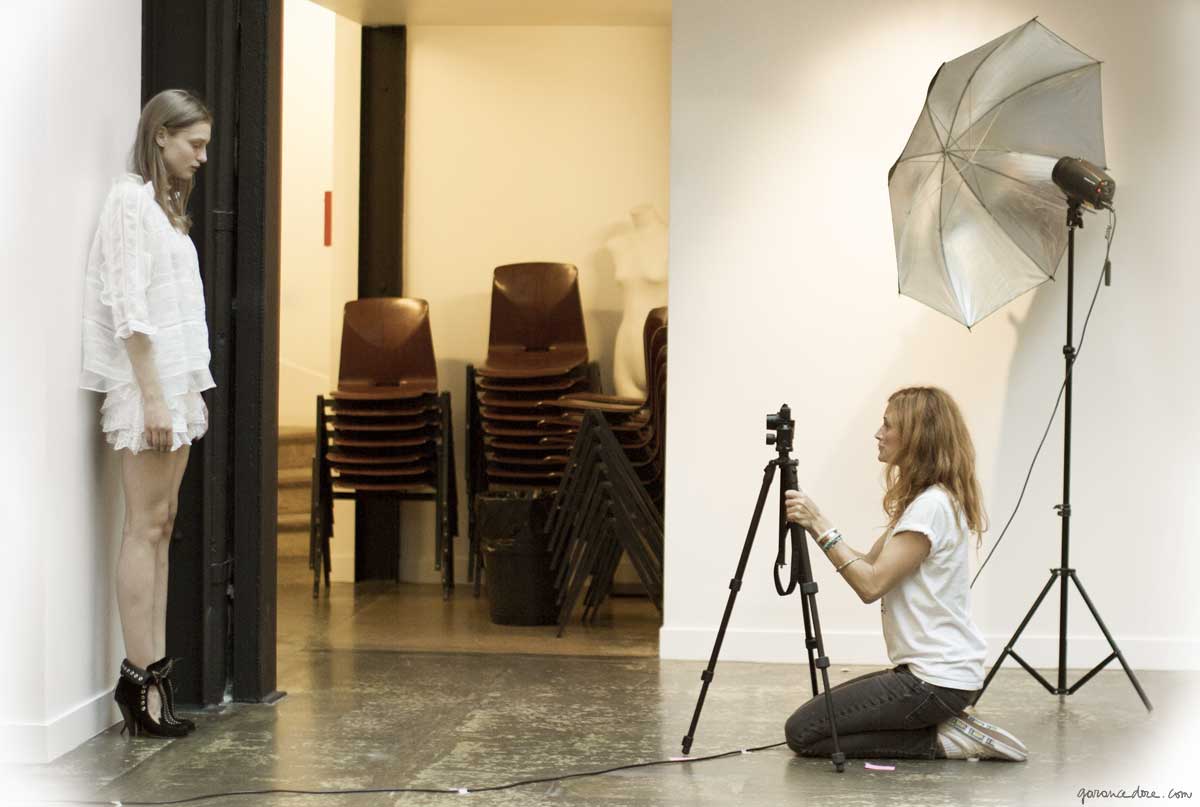
    Paris-based fashion brand Isabel Marant will expand across Greater China after entering into a partnership with Lane Crawford subsidiary ImagineX Group.

    The two companies have entered into an exclusive strategic partnership to develop the Isabel Marant brand as well as its second line, Isabel Marant Étoile, to open a 12 points of sale within five years.

    The first free-standing Isabel Marant boutique will be launched in Hong Kong at On Lan St in July 2015. Rollout plans include high profile stores in Hong Kong, Beijing, Shanghai, and Macau.

    Isabel Marant started designing jewellery and knitwear in 1990 and established her collection of ready-to-wear four years later. She opened her first store in Paris in 1998 and today her designs are located in 18 Isabel Marant boutiques and more than 800 luxury multi-brand retailers worldwide.

    Isabel Marant CEO Sophie Duruflé said Isabel has always remained true to her design DNA with each of her collections and has never compromised on her vision.

    “Our partnership with ImagineX is in line with this spirit and we have great confidence in their management of the brand, the collections and our growth in Greater China.”

    Since 1992 ImagineX has built a portfolio of 21 international luxury and contemporary fashion, beauty and lifestyle businesses in the region, including Salvatore Ferragamo, Marc Jacobs, Donna Karan, Paul & Shark, Paul Smith, DKNY, Tumi and Scotch & Soda.

    Executive director Alice Wong described the addition of Isabel Marant to its brand portfolio as “a coup”.

    “It is also strategic for our continued appeal to both luxury and contemporary consumers. Her eponymous brand, Isabel Marant caters for our luxury clientele and for those consumers seeking value, her diffusion line, Isabel Marant Étoile is ideal.

    “This fresh and effortless urban style is very appealing for the Chinese consumer who is looking for an inspirational look worn by many style icons such as Kate Moss or Gisele Bündchen. We just see the brand having enormous potential in this market due to its heritage of carefully constructed design and eclectic essence of Isabel herself,” she added.

  • Prada South Korea opens men only store

    Prada South Korea opens men only store

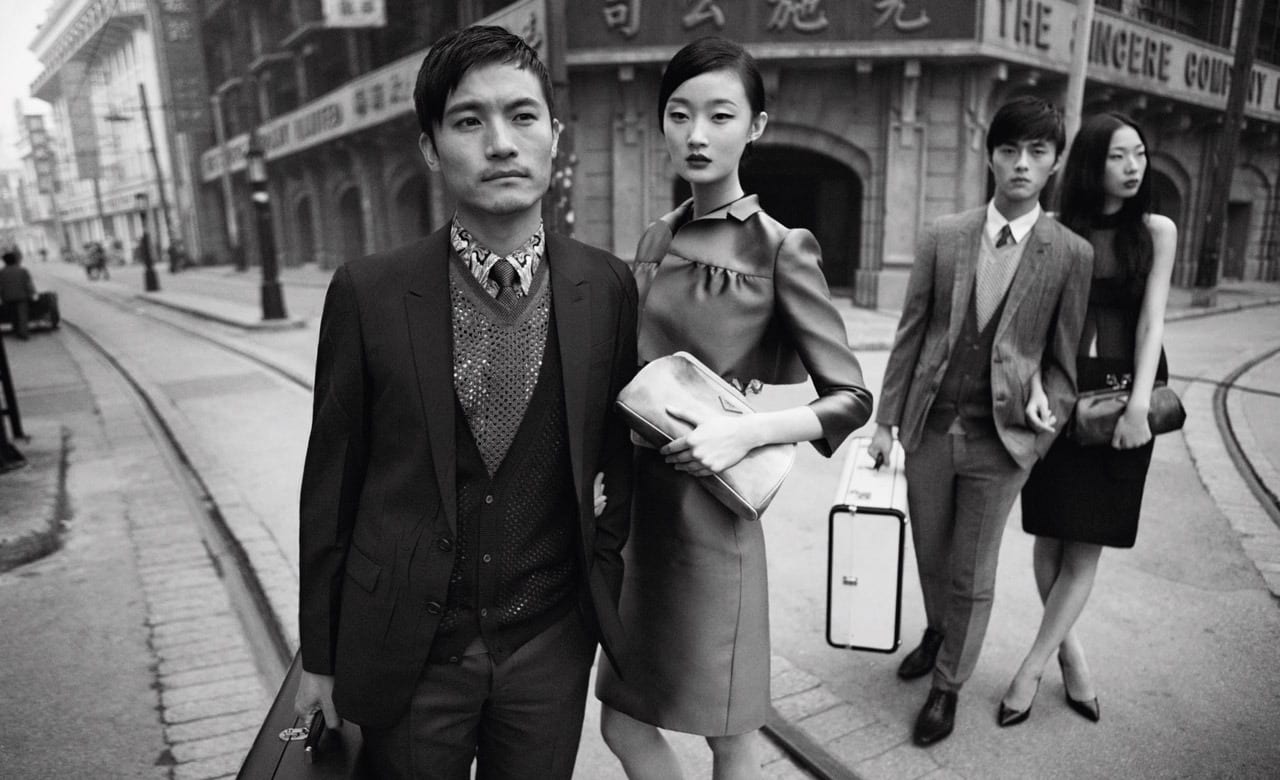
    Prada has opened its first store in South Korea selling only menswear.

    The new shop is hosted inside the Shinsegae luxury department store in Seoul, but features its own distinctive entrances.

    The new space, designed by architect Roberto Baciocchi, covers about 165 sqm and houses the men’s ready-to-wear, leather goods, accessories and footwear collections.

    The internal façade, clad in Saint Laurent marble, is characterised by two large corner entrances. Slim strips of steel frame the window and the light box.

    The entrances lead to an area where the leather goods and accessories collections are displayed.

    The next area features masculine materials and finishes and hosts the ready-to-wear and footwear collections. The space is defined by ebony floorboards and walls, dark brown carpeting and cotto-coloured leather sofas.

  • 361 Degrees turnaround

    361 Degrees turnaround

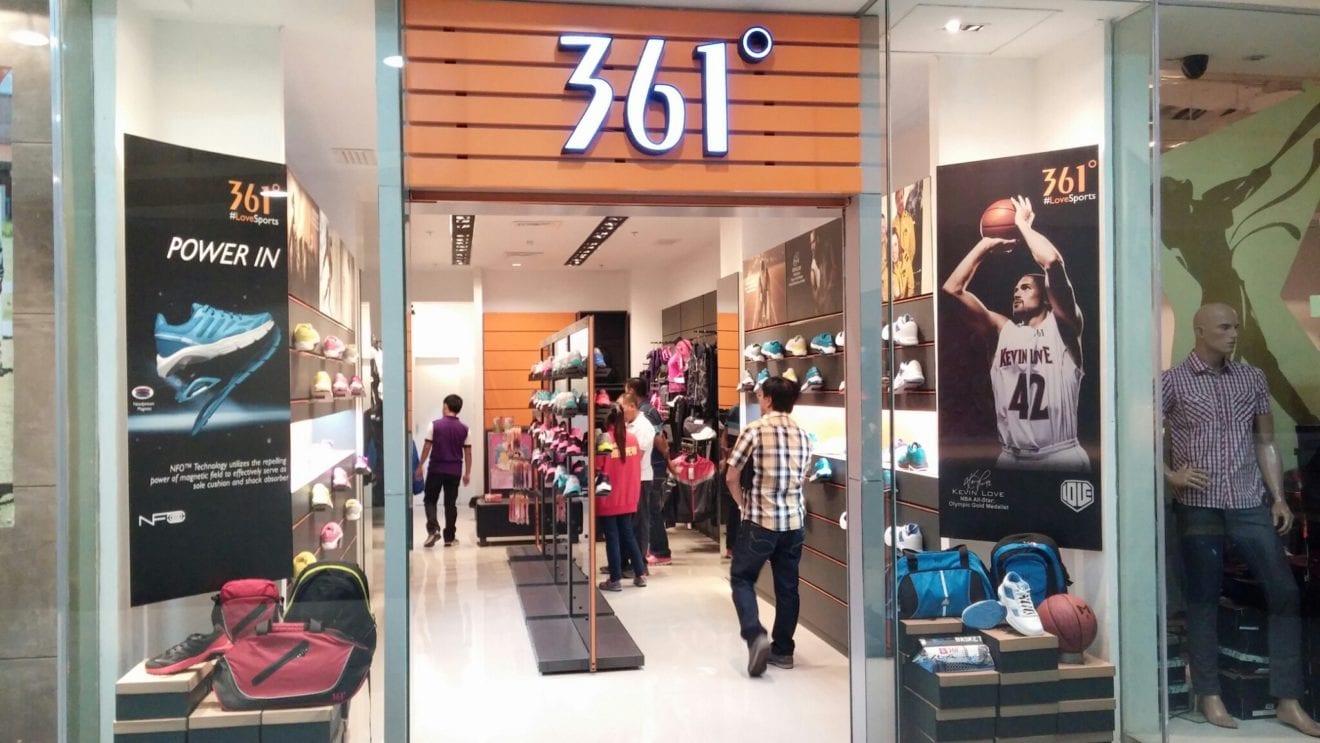
    Chinese sports brand 361 Degrees International has defied China’s sportswear glut and posted a nine per cent increase in sales and a 105.6 per cent increase in profit for 2014.

    361 Degrees is one of the leading sports brand enterprises in China, designing, manufacturing, distributing and retailing footwear, apparel, accessories and equipment for sport and leisure through 7319 franchised stores and authorised distributors across China.

    Group turnover was subdued because the bulk of orders were taken in the previous year when the prevailing sentiment remained weak in the face of the industry’s inventory glut.. The company said the rise in operating profit was primarily due to a fully justifiable write-back in impairment provision as a result of a vastly-improved control on trade debtors, “and a generally well-balanced oversight on most of the key operational issues”.

    “There was a general improvement in volumes for all the product groups and despite a reduction in wholesale prices which became effective in the year, average selling prices were on an upward trend. This augurs well for the future as product differentiation and price segmentation become increasingly important in what is still a highly competitive industry.”

    Gross profit margin improved by 140 basis points to 40.9 per cent, as the group juggled between in-house production and OEM sourcing for the best results and higher productivity in the in-house apparel unit also contributing.

    “As there is still an over-capacity in the OEM manufacturing sector, there are good reasons to believe that this level of profitability can still be maintained in the foreseeable future,” the company said.

    The company’s 361° Kids unit reported a 20.7 per cent increase in revenue, buoyed by an improvement in both volume and average selling prices, as it sets a new benchmark in the industry with the launch of ‘Smart’ shoes.

    Over the last three years when the industry has been in the doldrums with the overhang of inventories resulting in severe discounting, the Group has quietly implemented a rack subsidy scheme to help retailers improve the store image and shopping experience. In 2014, the Group accelerated on this promotion, bringing a further 2125 stores into full compliance with the latest corporate and operational standards, which resulted in a charge of RMB214.1 million, up 25.6 per cent from the previous year.

    The company achieved a substantial improvement in credit control: as at December 31, over 62 per cent of the trade debtors are within 90 days (2013: 49 per cent) with none over 180 days (2013: RMB192 million).

    Almost all of the 7319 franchised stores are now re-fitted with a new rack display merchandising system and many of these stores operate as 3-in-1 outlets, offering the full complement of the group’s lines: 361° Sport, 361° Kids and Innofashion, the group’s casual sub-brand.

    “Foot traffic has reportedly been much better in such stores and with the adjustment in the product pricing mechanism, many retailers could now operate profitably.”

    Looking forwards, the group said it is confident that despite a slowing economy in China, the fundamentals of the sportswear industry have never been better, “particularly as the Central Government is resolute in its reforms to encourage a fitter and healthier society and to drive domestic consumption as an engine for sustainable growth”.

    “With a strong order book on hand for 2015, and a good pipeline of value-for-money products, the board is confident of another strong year of earnings.”

  • South Korea retail sales rebound

    South Korea retail sales rebound

    Reported retail sales in South Korea’s largest department stores rebounded in February from the dismal January figures.

    Analysts say the turnaround is related to the later timing of Lunar New Year in 2105 – the same reason given last week for a 14 per cent plunge in Hong Kong retail sales in January.

    The Lunar New Year, a typically strong season for retail sales given the associated holiday season, occurred in January in 2014 and in February this year.

    South Korea’s Finance Ministry says combined sales at department stores owned by Lotte Shopping, Shinsegae Co and Hyundai Department Store rose by 7.1 per cent year-on-year.

    This was the biggest rise since August last year when sales increased by 10.5 per cent.

    It follows a drop of 11 per cent in January, the worst drop on record.

    South Korea retail sales at discount stores gained a stunning 30.5 per cent year-on-year after an 18.3 per cent slump in January, which was the worst drop in 11 months.