Author: Mei Ling Tan

  • New Myer team to embark on transformation

    New Myer team to embark on transformation

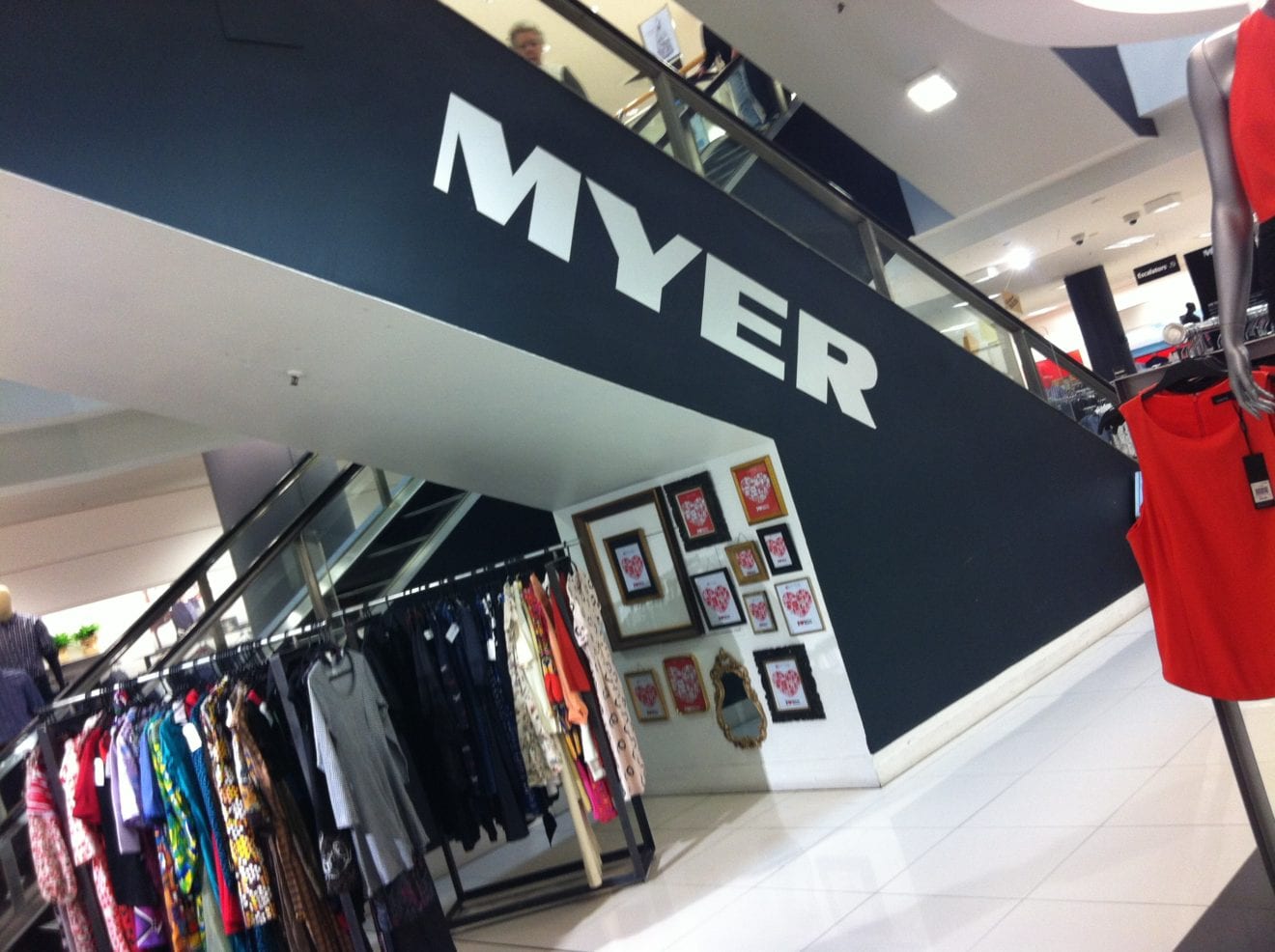
    Myer shareholders are bracing for a sharp fall in earnings and big asset write-downs and provisions over the next few years as the new management team embarks on a multi-year transformation plan to reshape the 115-year-old department store chain.

    Analysts and investors believe the new team, led by former Woolworths and Australia Post executive Richard Umbers, needs to spend at least AUD150 million (USD117m) over the next three years, on top of underlying spending of AUD30 million a year, to reverse the effects of years of underinvestment in e-commerce, IT, service and stores.

    Myer’s earnings could fall by as much as 12 percent in 2016 because the investment will precede any significant rebound in sales, squeezing margins.

  • Chow Tai Fook takes homeland hit

    Chow Tai Fook takes homeland hit

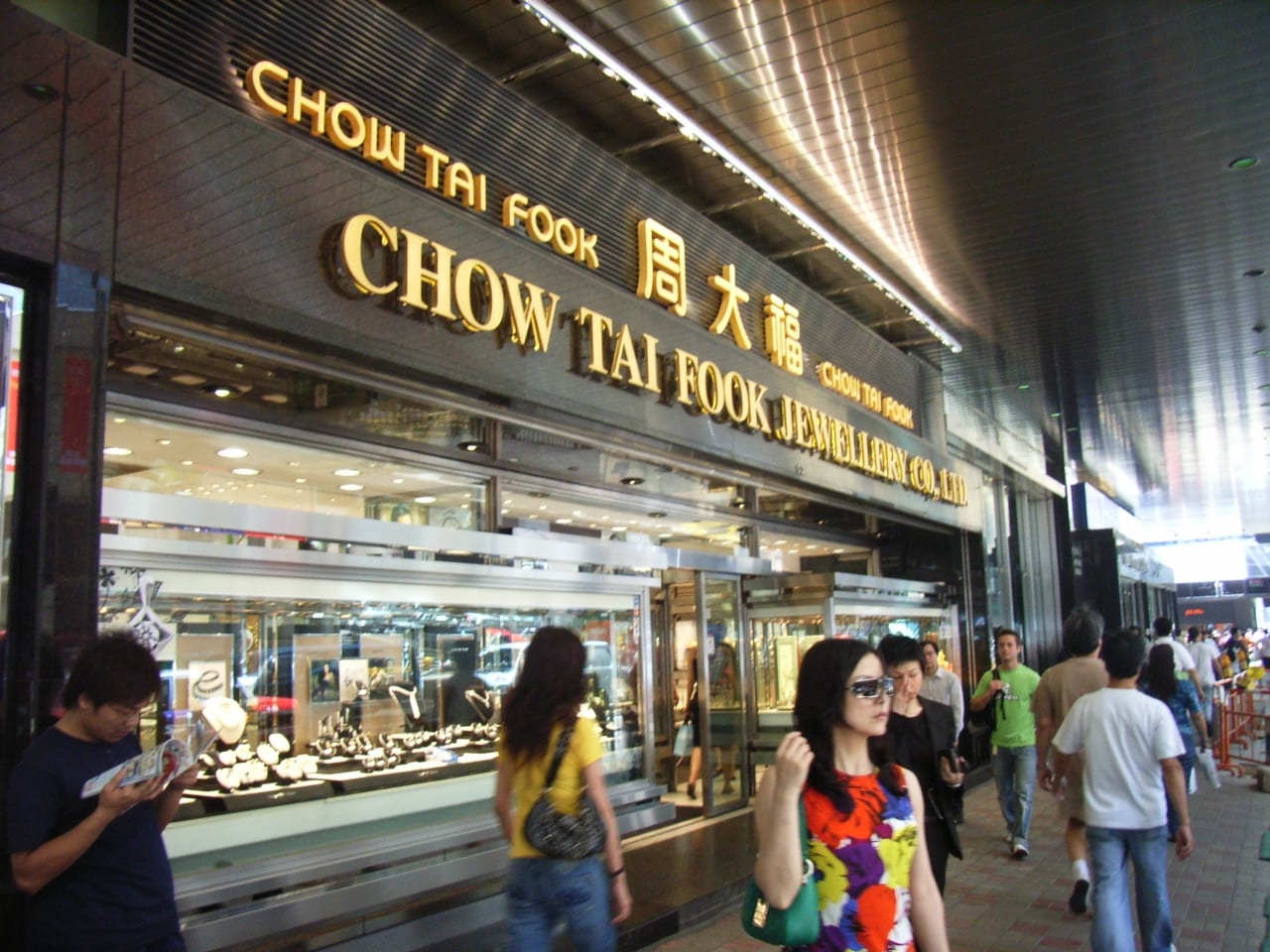
    Hong Kong based jeweller Chow Tai Fook says sales in its core Hong Kong market plunged 29 per cent over Lunar New Year.

    However an 11 per cent rise in mainland sales saw its total sales rise nine per cent during Lunar NY 2015 compared with the same season in 2014.

    In the mainland, same store sales of gem-set jewellery rose 62 per cent and of gold by two per cent. But in Hong Kong and Macau, gem-set sales fell 17 per cent and gold sales by 38 per cent – a rate even worse than the disappointing last quarter of 2014.

    In a statement, the company blamed weak consumer sentiment for a decline in sales of high-end products.

    Also a likely factor was the changing demographic of Chinese tourists into Hong Kong: in the past such visitors were usually cashed up and high spenders, but those tourists are now venturing further abroad into other Asian destinations and to Europe. Some have been spooked by the Occupy Central protests. The new mainland tourists into Hong Kong are of more modest means and often travelling for the first time.

  • RadioShack to auction brand name

    RadioShack to auction brand name

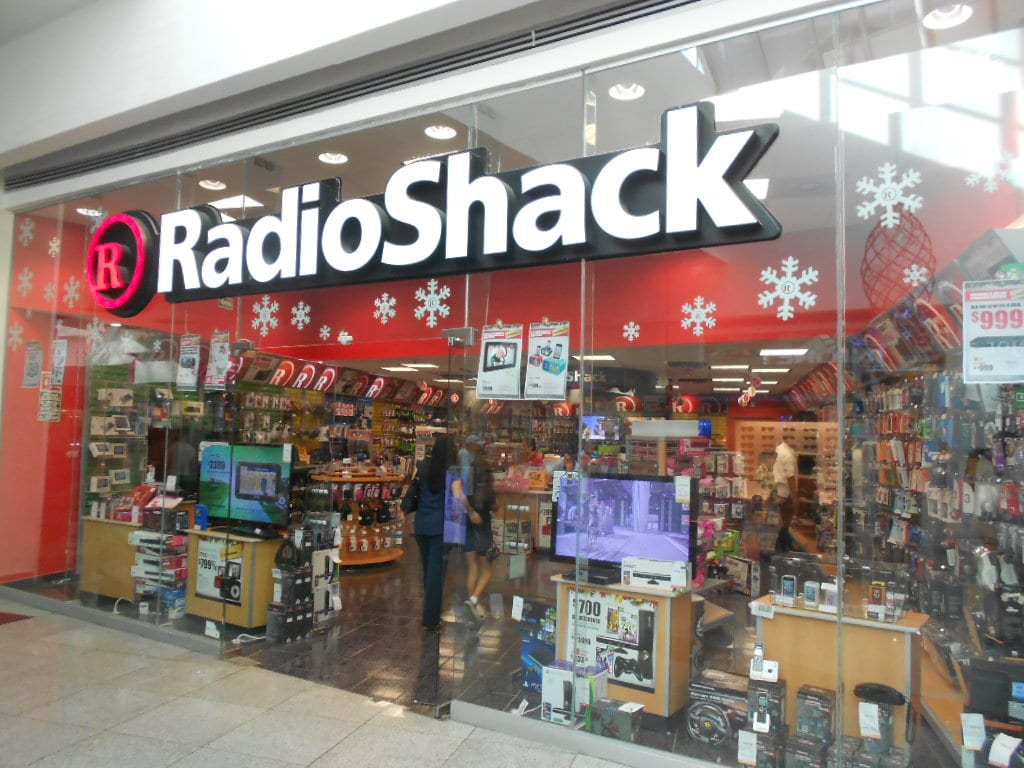
    Bankrupt electronics chain RadioShack is hoping to get $20 million for its brand in an auction scheduled for March 23.

    The move to split the brand from its other assets will allow a buyer to bid on the brand without being forced to buy store leases.

    The lead bidder is hedge fund Standard General LP, which is already RadioShack’s largest shareholder. The company has already committed to buying a many as 2000 of the chain’s 4000 store leases across the US.

    US Bankruptcy Judge Brendan Shannon in Delaware has approved the brand sale plan, with the lead bid set at $20 million.

    Standard General plans to save the RadioShack business by co-locating many stores with Sprint Corp, a wireless telco carrier.

    Meanwhile, video game retailer GameStop Corp has lodged a bid for some of the 4000 store leases, largely as a means to expand its retail footprint for its Spring Communications wireless unit.

  • AirCloset delivers endless wardrobe

    AirCloset delivers endless wardrobe

    A Tokyo subscription service offers time-poor Japanese women hand-picked fashion items, delivered free for a monthly fee.

    Women may love shopping, but for time-starved professional females and housebound new mothers adapting to round-the-clock parenting, finding time to discover new fashion can become a hassle.

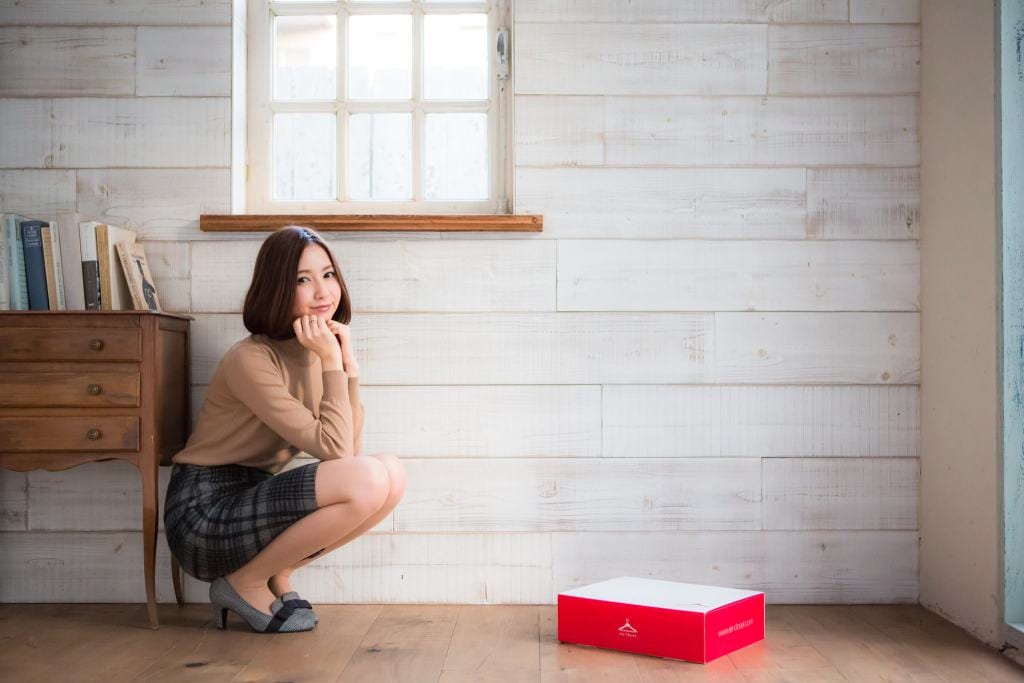
    Enter AirCloset, a new service by Tokyo-based startup Neuer-Sieg. For JPY 6800 (US$57) a month, women can receive a box containing three trendy garments, hand selected by a professional stylist. The subscriber can wear each piece as many times as they like, and return the box whenever they’re ready to try something new. There’s no limit on how often the boxes are exchanged, and if a subscriber happens to find an item that they just can’t live without, it can be purchased at a price point lower than retail.

    While straight-to-your-door fashion boxes are nothing new, the wear-and-return model is unique in Japan – and it’s already seeing strong early traction in the domestic fashion and startup communities.

    “We sent out a press release introducing the service in October and planned to launch in December,” Satoshi “Ash” Amanuma, Neuer-Sieg’s co-founder and CEO, tells Tech in Asia.“Initially, we planned for about 2000 pre-registrations. In reality, we ended up with more than 15,000 by the end of December.”

    Amanuma and his team of five were overwhelmed by the response. They decided to push the launch back to January in order to prepare more clothing and smooth out logistics, but pre-registrations continued to balloon.

    “We had to cut off pre-registrations at the end of January,” he says. “More than 25,000 people signed up.”

    AirCloset works thus: Women sign up on the site with a credit card and are automatically charged 6800 yen per month to receive an unlimited number of fashion boxes, with no minimum sign-up period. Users can sign up for one month and cancel if they wish. During the registration process, users select their style preferences based on photos of models wearing example outfits. Based on those selections, stylists attempt to curate items that suit their tastes – users don’t actually select any of the clothing directly.

    Each box contains three items, which include a combination of tops and bottoms that can be worn together (i.e. a cardigan, a one-piece, and a pair of jeans). If there’s a cute dress or skirt that they absolutely must add to their wardrobe, a subscriber can visit the AirCloset website to see its discounted price (and comparison full retail price). If they opt to hold on to it, they can simply send the remaining pieces back and their card will be charged. A return shipping label is already inside each box. Users are urged to fill out a survey with the return of each box, which allows stylists to tweak future items based on fit, color palette, and so on.

    The founder explains that a large part of the inspiration for AirCloset hits close to home. Amanuma has a three-year-old son and wanted to help his wife stay on top of current fashion trends despite having limited free time to go window shopping downtown. In the planning stages, he even considered launching it as a maternity and children’s clothing service.

    “The first thing we did was interview more than 200 women aged 27 to 35,” Amanuma says. “Our specific target groups are career women and young mothers with children between the ages of zero and three. One thing they all seem to have in common is a lack of time to discover new fashion brands because their focus is on work or raising their kids.”

    After getting a sense of what target users wanted, Amanuma hired a professional stylist and a support group of fashion industry advisors. Brands are selected from those featured in three popular fashion magazines: Oggi and Classy, for career women, and Very, for fashionable young mothers.

    Amanuma wouldn’t disclose the brand names that AirCloset will collaborate with, but he did say that more than 10 Japanese brands are on board with deals in the works to increase that number.

    *Satoshi “Ash” Amanuma.

    Amanuma wouldn’t specify when regular monthly memberships would begin, stating that it all depends on how much clothing his stylists can amass and how much warehousing and shipping his current logistics partner can handle. “We haven’t raised quite enough money for that stage, but we’re trying to speed up that process,” he says. “We need to reassess in a month or two how many brands will be able to provide clothes [in bulk].”

    There’s currently a waiting list for new pre-registrations, but the first wave of AirCloset boxes already shipped to the initial pre-registered users on February 17.

    AirCloset is a simple idea with a complicated process. Beyond clothing curation and an enormous amount of boxing and shipping, garments must be individually dry cleaned when they arrive back in the warehouse. No one wants to receive a box with clothing that looks like it came from a second-hand shop, so each piece must be examined for wear and tear before the boxing and shipping process repeats itself.

    Amanuma explains that, for example, if a white dress comes back with cigarette burns or a red wine stain, it will be returned to the subscriber and they will be charged for it. He’s considering implementing an insurance option that covers the cost of damaged gear, as well as offering deeper discounts to purchase items that have already been shipped out and worn by other users.

    At less than US$60 a month per subscriber, is there any room for turning a profit?

    “If you think of AirCloset as just a rental service, you might assume that the profit margin is very small. But there’s also the eCommerce element – people always have the option to buy.”

    There’s also another, potentially huge, revenue stream: big data. Each box is shipped with a questionnaire about the clothing it contains (which can also be filled out online).

    “Retailers can learn a lot from what users buy and what they send back, but they can learn even more from the wearer’s feedback – current fashion trends, what styles and colors are hot or not, and so on,” Amanuma says. “We hope retailers will pay us for that data.”

    Amanuma’s plans for the future are three-fold: expand to other fashion items (i.e. hats, shoes, accessories), expand to other fashion segments (i.e. men’s, kid’s, maternity), and expand overseas – particularly Southeast Asia.

    “I know that many women in Southeast Asia, especially Thailand, are interested in Japanese fashion,” he adds. “We can bring this same system to other markets, with Japanese brands or international brands [depending on each market’s interest]. I really believe in the idea of the sharing economy, so we’re trying to create something much bigger than a short-lived trend service.”

    Le Tote in the US is doing almost the exact same thing as AirCloset, but with three pieces of clothing and three accessories for US$49 a month. Amanuma says that he hadn’t heard of Le Tote until after launching his own service.

    “AirCloset is from our own idea, we didn’t think about competitors or anyone else doing this, but realized it was a pretty simple idea,” he says. “Later, we found out about Le Tote, which is still new in the US. Of course, there’s nothing like this in Japan.”
  • Lower tier boost for Sun Art

    Lower tier boost for Sun Art

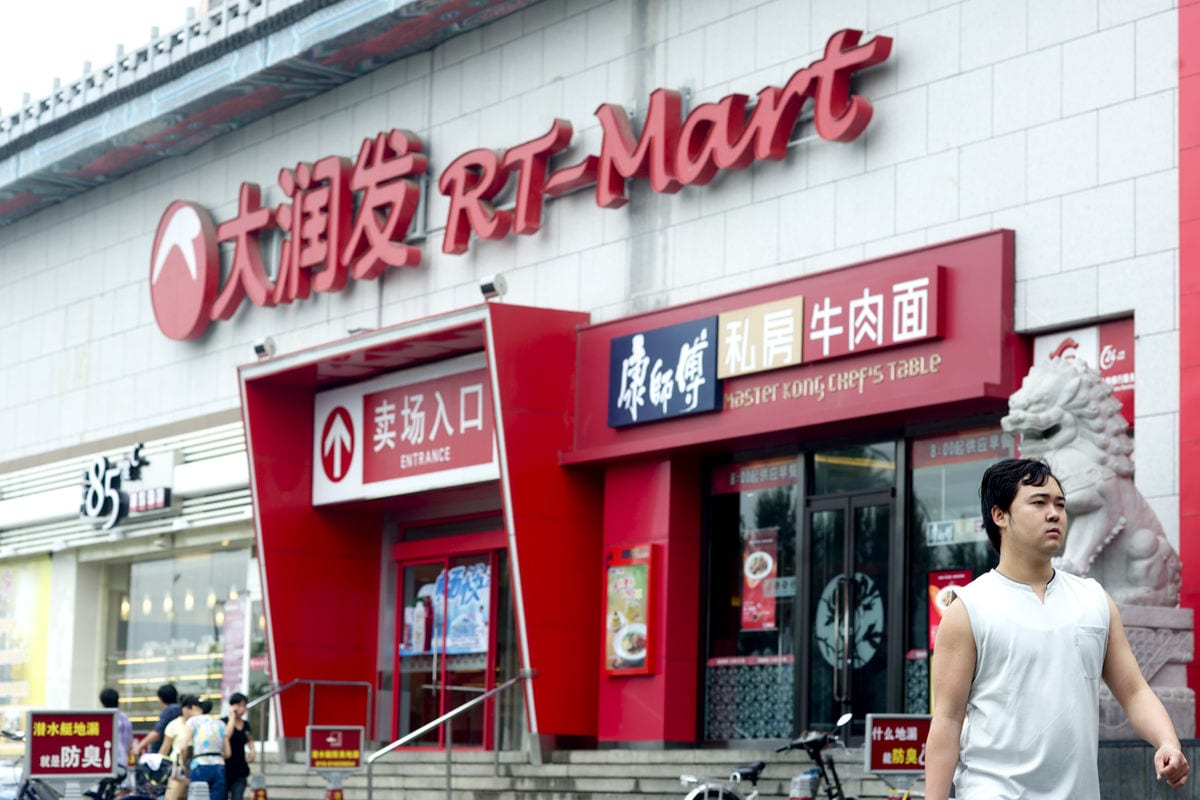
    Chinese hypermarket operator Sun Art Retail Group says a move into lower-tier cities is bearing dividends.

    The group, a joint venture between French retailer Groupe Auchan SA and Taiwan’s Ruentex Group, says its profit rose 4.8 per cent last calendar year.

    Sun Art, already China’s largest hypermarket operator despite intense competition from Tesco, Carrefour and Walmart, opened 49 new hypermarkets during 2014, expanding its chain to 372.

    On Sunday the retailer announced its profit for 2014 was 2.91 billion yuan ($464.15 million) compared with 2.78 billion yuan ($442.64 million) in 2013.

    Sales rose from 86.2 billion yuan to 91.9 billion and gross profit margin by 1.3 percentage points to 22.9 per cent.

    Same store sales slipped 1.6 per cent as consumers enjoyed wider choice in the market and consumer spending was largely subdued.

    In the year ahead, Sun Art says it will continue to open new hypermarkets in lower tier cities and increase sales in its eCommerce business.

  • SM to expand Savemore network

    SM to expand Savemore network

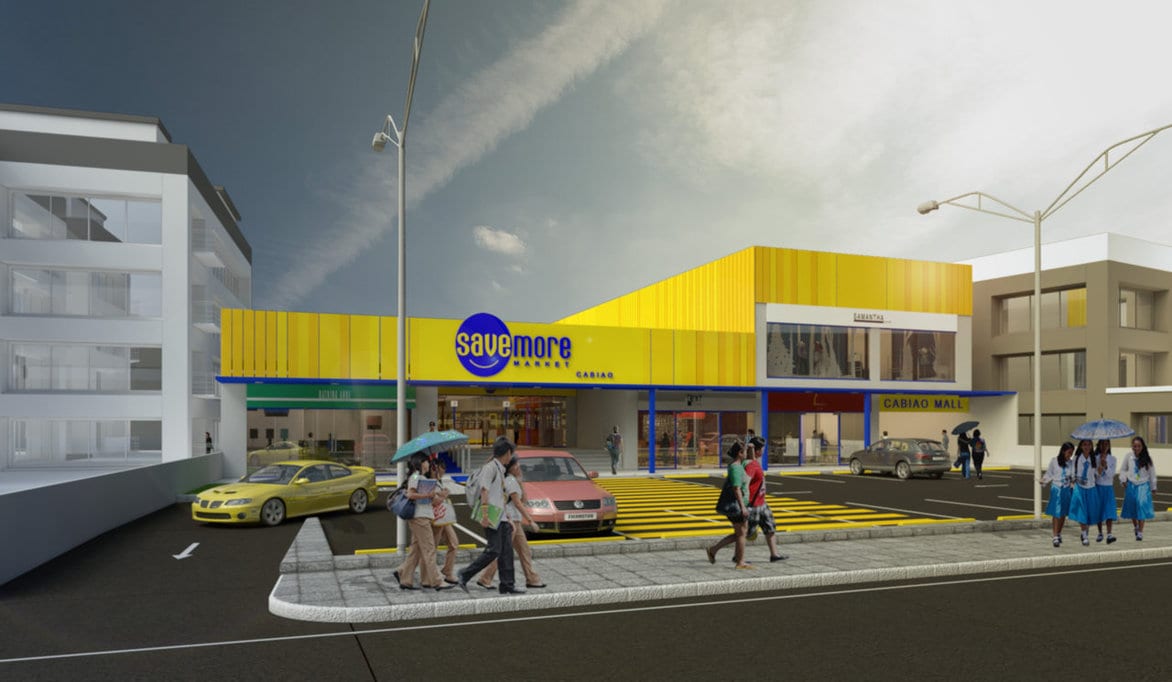
    The Philippines’ SM Retail plans to open 20 more Savemore supermarkets this year after reaching the 100 threshold last year.

    Savemore is a neighbourhood grocer format, typically about 1300 sqm and located in areas where there is little organised retail industry in place. In such neighbourhoods, most Filipinos shop in sari sari stores – small businesses selling groceries in single unit volumes, everything from shampoo to soft drinks, run from the front of family homes.

    Besides groceries, Savemore stores offer services such as Western Union, bill payments and Watsons pharmacy concessions.

    SM Retail says it will invest P1 billion (US$22.7 million) this year in building new Savemores.

    SM Supermarkets president Joey C. Mendoza told the Philippine Star that SM Group opened 20 Savemore stores last year as well.

    “Our Savemore is expanding aggressively. We’re now over 100 stores so that’s good. And we’re expanding our reach because of the positive reception,” he said.

  • Kingsdown China plans 500 stores

    Kingsdown China plans 500 stores

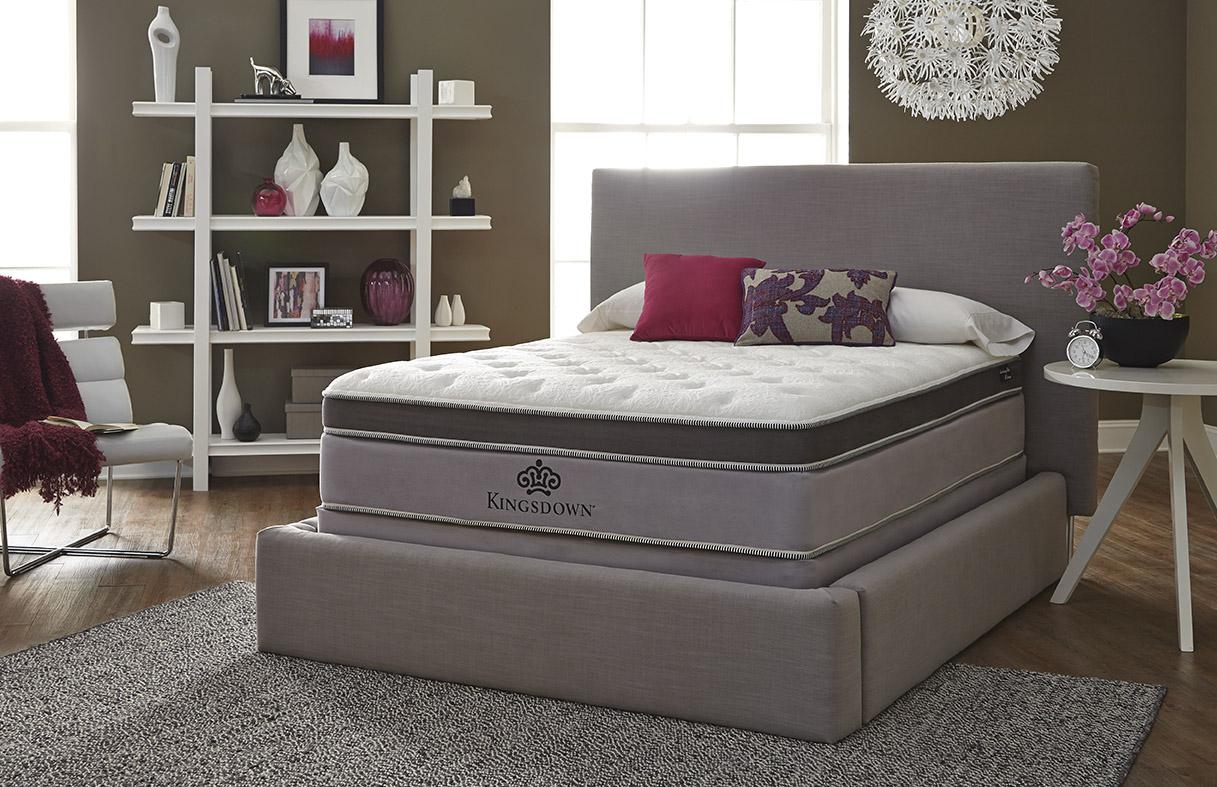
    Mattress maker Kingsdown has entered into a partnership which will see it open 500 new stores in China over the next five years.

    Kingsdown already operates more than 90 MySide / Sleep to Live retail outlets in China, through a licensee and franchise network.

    But its new partnership with Roth Bedding Technology will substantially expand its brand awareness and retail points of sale. Roth will manufacture the bedding and furniture products in China and they’ll be sold under the Kingsdown brand.

    About 65 stores will open initially this year, with two already trading. The roll-out will be ramped up from next year.

    “We have enjoyed a fantastic reception in China over the past few years but saw an even greater opportunity to really capture the country’s luxury consumer,” said Kingsdown president and CEO Frank Hood.

    “This partnership with Roth Bedding is the boldest relationship ever entered into by our company and we are thrilled to have found an organisation that enjoys an equally ideal reputation for their attention to detail, high quality and service.”

    Roth Bedding GM Jie Du says his company believes there is a big opportunity to sell high end bedding into the Chinese market.

    “The company’s focus on styling, quality and groundbreaking research to deliver a more luxurious night’s sleep is a differentiator that will be appreciated by our consumers.”

    North Carolina, US, based Kingsdown was founded in 1904 and besides his US home market, where it has two manufacturing bases, it sells into Australia, Brazil, Canada, China, England, Indonesia, Italy, Malaysia, Taiwan, Turkey and the UAE.

    “We are not the biggest mattress company in the world, nor do we have the loudest voice,” the company declares on its website. “While other companies are preoccupied with getting bigger and louder, we are hard at work holding true to our guiding principle: We make the smartest mattresses in the world.”

  • Indonesia to regulate e-commerce

    Indonesia to regulate e-commerce

    The Indonesian government has begun laying the groundwork to regulate e-commerce activities in the country amid breakneck growth in online transactions, particularly among the country’s young and affluent middle class.

    Chief economics minister Sofyan Djalil called for a series of discussions between officials from the trade, finance and communications ministries, among others, to discuss a new government regulation on electronic-based commerce a week ago, according to Rudiantara, the communications minister.

    He said the various ministries had their own issues to address in terms of regulating e-commerce.

  • Grana fashion expands across Asia

    Grana fashion expands across Asia

    An online store specialising in “high-quality fashion at disruptive prices” is expanding into three new Asian markets this year from its Hong Kong base.

    Grana is the creation of Australian Luke Grana, who was inspired by the high quality of tshirts he came across during a trip to Peru.

    “I came across the Peruvian Pima cotton, which is extra long staple cotton that is very soft and durable,” he told the Hong Kong Trade Development Council magazine in an interview.

    “It’s a higher grade cotton than others in the market. I gave these t-shirts to my friends when I returned home and they were amazed by the quality of the t-shirts. I thought that was a really great business proposition to specialise in top-notch fabrics.”

    From there he started searching for best quality sources for other fabrics.

    “There are many fashion brands that source products from mass distributors in China, but I wanted to do something different.

    “We choose our fabrics based on their stories. Our silk comes from Huzhou, China. Huzhou is the start of the Silk Road and has been producing the world’s finest silk for a long time. For our denim, we went to Japan, where they have a very strong denim culture. We are also doing linen from Ireland, a place where they originally started making it.”

    The site was developed with a unique business model in mind – in Grana’s own words “high-quality fashion at disruptive prices”.

    “Our business model is a little bit different; we deal directly with fabric mills instead of going through distributors or agents. Also, by operating online, we don’t have to pay rent. So when fashion retailers put in mark-ups along the way, our pricing is really simple: each of our shirts cost US$6, we retail that for US$12; jeans are US$20, we sell that for US$40. It’s a really honest and transparent pricing model and I think that’s what our, Generation Y customers prefer.”

    From its Hong Kong base, Grana is expanding into new markets. This year the brand will launch online in China, Europe, Japan, South Korea and Dubai. It will also expand its range into new apparel categories: Mongolian cashmere sweaters, Irish linen shirts, French poplin shirts and US twill chinos.

    Grana started small but the business has grown rapidly.

    “I started out by setting up a small warehouse in Kennedy Town and ordered our first batch of 2000 pieces of Peruvian Pima t-shirts. Within the first three weeks of sales, we sold out all our stock. We shipped t-shirts to more than eight countries and the shipping rates were good.

    “The quality of products we received was really high, proving the business model to our investors, including Hong Kong-based fashion retailer Bluebell Group. With the capital raised, we built a strong team and re-launched the business with a new website last October. We have really strong sales, recording up to 700 per cent increase each month, which is really exciting.

    “I arrived in Hong Kong in October 2013 and by June 2014 I had raised US$1million in capital. I think that’s just testament to the strength of Hong Kong in terms of building and funding a new business.”

    Pop-up stores have helped build brand awareness in Australia and Hong Kong.

    “They really attract attention and bring in new customers. All of our new orders come from customers from our pop-up stores. The repeat-order rate is high as well. Last year, we did one in Australia, and we made more than A$60,000 in sales.

    “This year, we are hosting a one-month store in Hong Kong, and we will also be doing one later in Singapore. In the second half of the year, we plan to start one in San Francisco. I think it’s a really great way to introduce the brand.”

    Grana says he chose Hong Kong for a business base over Singapore because of the tax free port status.

    “That’s brilliant for us because we ship a lot of products in and out of the warehouse. When compared to Australia and any other parts of the world, Hong Kong is very exciting. It’s a dynamic city and things can happen very quickly. There’s a lot of energy in Hong Kong, people get excited by new ideas, there’s a lot of capital to back ideas up.

  • 7-Eleven Malaysia thrives on store growth

    7-Eleven Malaysia thrives on store growth

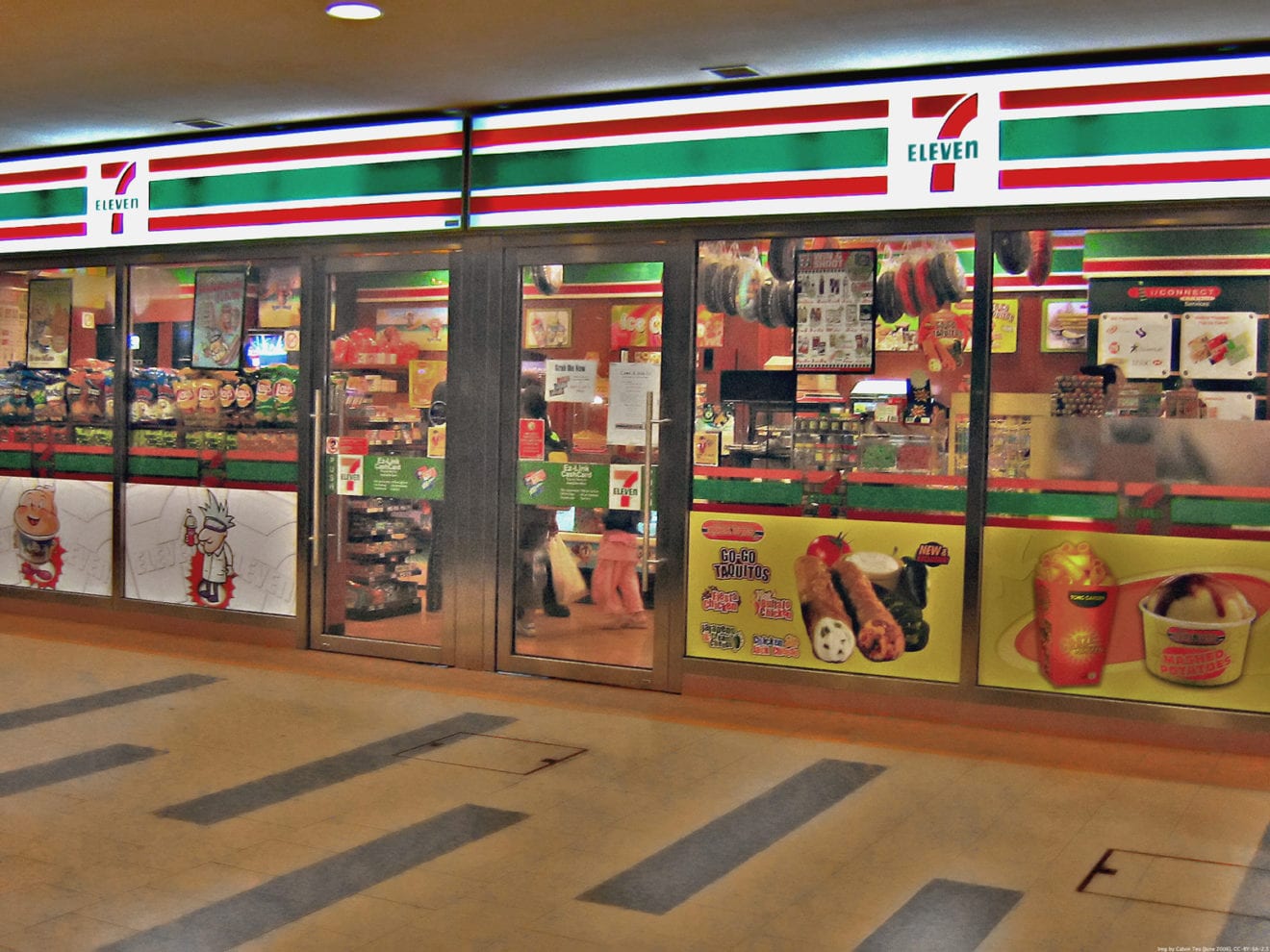
    7-Eleven Malaysia says its quarterly profit soared 70 per cent on the back of an aggressive store expansion program.

    The listed company operated 1774 stores at the end of the December quarter – 200 more than at the end of 2013. It posted a profit of RM17.9 million (US$4.94 million) for the quarter compared with RM10.5 million ($2.9 million) a year earlier. Revenue rose 14 per cent to RM481.1 million ($132.7 million).

    Full year net profit was up 44 per cent to RM63.7 million ($17.6 million) fuelled by growing sales and gross profit margin and store network expansion.

    Sales rose 12 per cent year on year to RM1.9 billion ($524.2 million).

    7-Eleven Malaysia said in a profit statement it is positive about the year ahead, despite a softening in consumer sentiment (in part driven by wariness of the introduction of GST on April 1).

    “The continuing roll-out of new stores to increase the existing network as well as the on-going store refurbishment programme will have a positive impact. In addition to this, increased promotional and merchandising activities along with the expansion of in-store services and a further expansion of the group’s food and beverage offerings at store level will help drive revenue and profit growth,” the company said.

  • M&S China restructure

    M&S China restructure

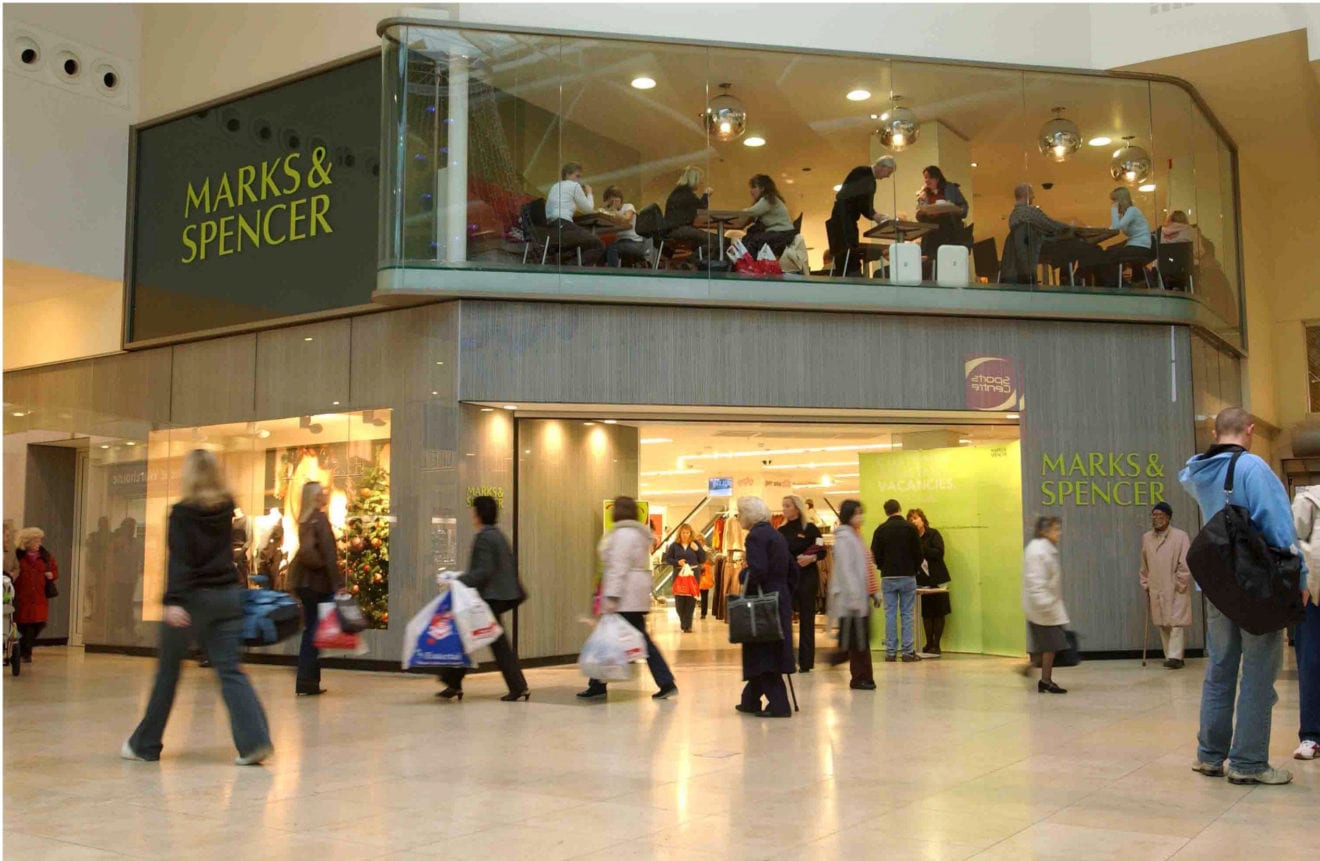
    UK department store Marks & Spencer (M&S) will close five stores in Shanghai.

    But the company says it remains committed to China as a market and will still proceed with opening new stores in Beijing and Guangzhou between now and the end of 2016.

    “As announced in April 2014, Marks & Spencer has reviewed the shape of its existing store portfolio to ensure its best aligned with its strategic growth plans,” the company said in a statement.

    “As a result, Marks & Spencer has taken the decision to close five of its supporting stores in the greater Shanghai region by August 2015. It has also reviewed its head office resource structure in line with growth plans.”

    M&S Changzhou Wanda Plaza, Changzhou and M&S Wuxi Jiangyin Wanda Plaza, Wuxi, will close next Monday, March 9. M&S Jiangqiao Wanda Plaza, Jiading, M&S Wenzhou, and M&S Changzhou InJoy City, Changzhou will close between March and August this year.

    Meanwhile, M&S China will continue with plans to modernise its flagship store on Shanghai’s West Nanjing Rd during the coming autumn.

    The company will also beef up its eCommerce business in China to strengthen its brand awareness and reach across the country.

    “Following the popularity of our online stores on China’s leading websites, which during the last quarter saw sales on TMall.com increase by 200 per cent over last year, Marks & Spencer launched a new dedicated kidswear store on TMall.com and a new clothing store on JD.com in January.”

    The company said it continues to search for a potential partner in China, as initially heralded back in April 2014.

    In Macau, M&S will open a new 1000 sqm store at the Venetian Macau in November, its second in the city. In Hong Kong, it will continue with plans to modernise its stores during the next two calendar years.

    “Marks & Spencer will expand its food store portfolio at convenient travel and city locations in Hong Kong during 2015-16. Since our update last year, Marks & Spencer has opened three food standalone stores in Hong Kong during 2014-15, which have seen sales per square foot in line with its best performing food stores in the UK.”

    Marks & Spencer opened its first Hong Kong store at the Ocean Centre shopping mall in May 1988 and now has 18 wholly-owned stores in Hong Kong. It opened its first Marks & Spencer Food store in Wanchai, Hong Kong, in 2010.

    Patrick Bousquet-Chavanne, Marks & Spencer’s executive director, marketing & international, set a positive tone to the announcement despite the revelation of store closures: “Last year, we reaffirmed our commitment to our Greater Chinese business and set out clear strategic plans. Today we can share more details of our continued investment across our priority markets of China, Hong Kong and Macau. This includes the modernisation of our flagship stores, entering new key cities, growing our Hong Kong Food store portfolio and expanding our reach across China through new sites on TMall.com and JD.com.”

    The British retailer entered China in 2008.

  • Ikea reveals wireless charging furniture

    Ikea reveals wireless charging furniture

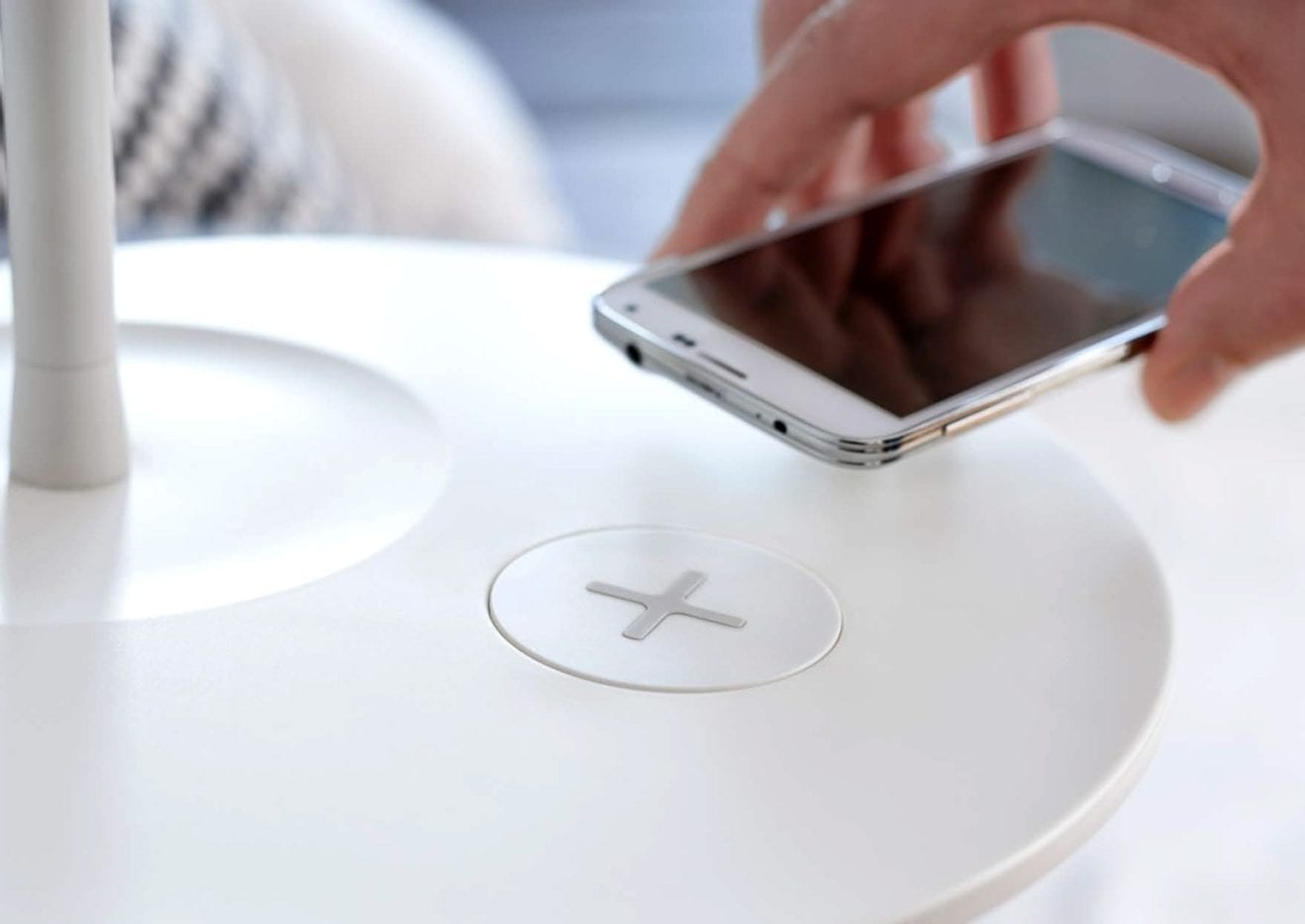
    Ikea is to launch a range of furniture which will allow consumers to charge phones and other devices wirelessly.

    The Swedish retailer says wireless charging furniture will be available in Europe and North America this April, followed by a global rollout.

    Bedside tables, lamps and desks will be fitted with Qi technology that eliminates cables and makes it easier to stay connected with always-charged mobile devices.

    The announcement girds support for Qi – the leading global wireless charging standard from the Wireless Power Consortium, a group of companies developing wireless charging technology which includes Belkin, Haier, HTC, LG, Microsoft, Motorola, Nokia, Panasonic, Samsung, Sony and ZTE.

    “Ikea is delivering on its vision of making life at home better with this innovative, stylish and useful new collection that show consumers the beauty and simplicity of wireless charging,” said Menno Treffers, WPC chairman.

    “We applaud Ikea for its insight and unique passion for making wireless charging affordable and simple for consumers.”

    Qi is the most widely deployed wireless power standard, available in 3000 hotels, restaurants, airports and public locations worldwide. There are now more than 80 Qi-enabled smartphones, 15 models of Qi-enabled cars and countless Qi mobile accessories in the market.

    “Our belief is that mobile phones are vital parts to people’s lives at home and their desire to stay connected, and Qi addresses an unmet need to keep devices powered,” said Bjorn Block, range manager for lighting and wireless charging at Ikea.

    “As a member of WPC, we value the access to the leading and most advanced global standard for wireless charging.”

    Established in 2008, the Wireless Power Consortium is an open, collaborative standards development group of more than 200 company members – large and small competitors and ecosystem partners, from all parts of the industry and all parts of the globe – collaborate for a single purpose: to design and evolve the world’s most useful, safe and efficient standard for wireless power. This global standard is called Qi, and it has become the world’s leading method for transferring electrical power without wires. Qi is designed into 80+ mobile devices, 15 models of cars, has more than 700 registered products that are enjoyed by more than 50 million users worldwide.

  • British luxury brands target China

    British luxury brands target China

    Walpole, the alliance of Britain’s finest luxury brands, is leading a delegation of preeminent industry figures to the Great Festival of Creativity in Shanghai this week.

    As the curator of the ‘luxury and fashion’ content of the three-day programme which started today, (March 2), Walpole is showcasing the central role that luxury and fashion brands play to the UK creative industries and the importance of relationships between British and Chinese businesses.

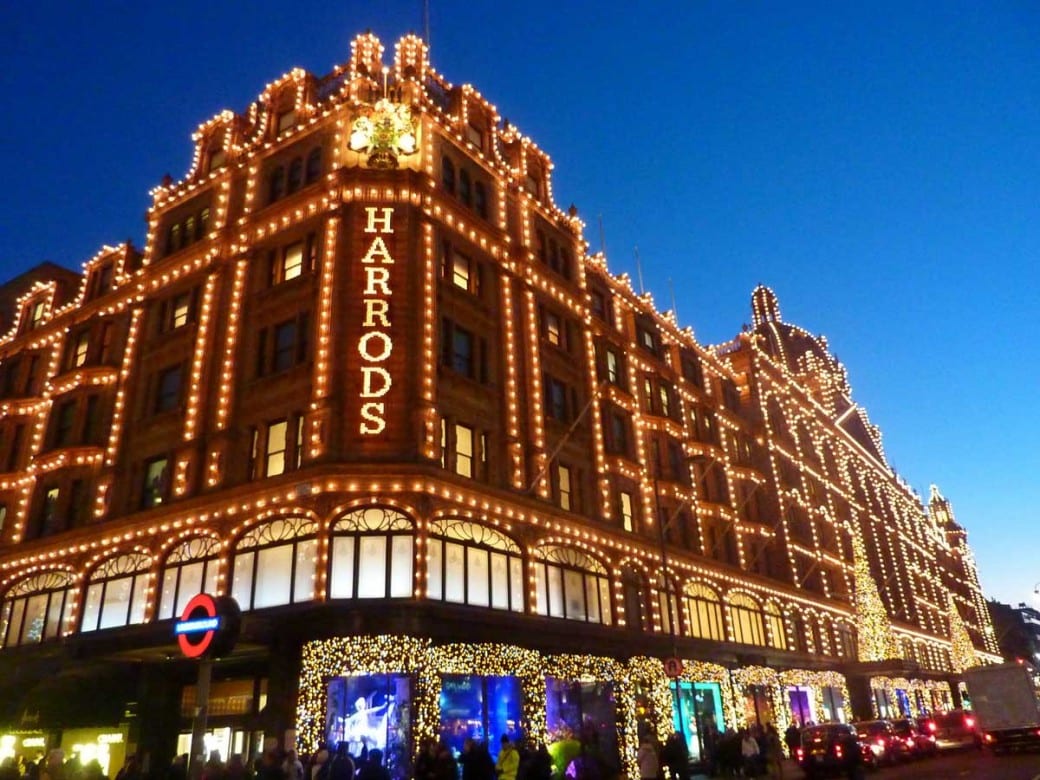
    Key members of this delegation include Jo Malone MBE, Michael Ward of Harrods, Savile Row tailor Patrick Grant, Dunhill’s Fabrizio Cardinali, Vertu’s Massimilano Polgani and footwear designer, Rupert Sanderson.

    The leaders will be speaking at the festival, representing the luxury and fashion industries and representing Walpole’s 170 members. They are discussing some of the most prominent issues shaping the future of the luxury industry. Topics include, the bespoke revolution, the luxury menswear market in China, how to build a luxury brand and the future of luxury & fashion retail.

    “Walpole exists to promote, protect and develop the British luxury industry, both at home and abroad. China is a vital growth market for British luxury brands and the Great Festival of Creativity brings together business leaders and creative minds to promote business, share insights and develop relationships between the UK and China,” said Charlotte Keesing, director of Walpole.

    “Chinese consumers are intrigued by British luxury brands and our association with heritage, craftsmanship and sophistication and we are honoured to be playing a central role in the Festival.”

    The Festival, at Shanghai’s Long Museum, will be opened by The Duke of Cambridge, with Walpole curating the programme for the third day of the Festival on March 4. The event will be attended by world-leading businesses and creative leaders from both the UK and China.

    Highlights of March 4 include:

    • ‘A Nose for Luxury’ with Jo Malone MBE, with the founder of Jo Malone and now Jo Loves giving an insight into her creative process, entrepreneurial insights, and how innovative new products and entertaining experiences are brought to life at her Fragrance Brasserie Bar. This session will be hosted by Vogue China’s editor-in-chief Angelica Cheung.
    • ‘The Bespoke Revolution’ – a panel discussion where leaders from the worlds of fashion and luxury including Fabrizio Cardinali from Dunhill, Roja Dove, Roger Smith, Grace Chen and Dylan Thomas from GQ join the stage to discuss and share their understanding of what it means to be truly bespoke by examining the latest developments in tailoring, fashion, accessories, and fragrance.
    • ‘Luxury Menswear in China’ – Fabrizio Cardinali from Dunhill, Richard Cohen from Trinity Group, Madam Xia from Eve Fashion, Patrick Grant from E. Tautz and Grant Pearce from GQ in Asia reflect on both the business and fashion elements of the world of menswear in China.What are the drivers of growth in the market, the role of creativity in branding and marketing, and what are the keys to future success.
    • ‘View From the Front Row’ – Fresh from New York, London, Milan & Paris Fashion Weeks, Liz Schimel from Conde Nast China, Angelica Cheung from Vogue China and Francesca Muston from WGSN give an editor’s view of what’s in store and online for A/ W 2015.
    • ‘How to Build a Luxury Brand’ – The luxury world has gained significant traction in the past decade. Savile Row tailor Rupert Sanderson, Douglas Fang from Pringle and Massimiliano Pogliani from Vertu share insights and experiences from both heritage businesses and emerging brands, unearthing together the common themes linking their stories of success.
    • ‘The Future of Luxury and Fashion Retail’ – How will new high tech stores change the future of retailing? Victor Fung from Li & Fung, Michael Ward from Harrods, Andrew Keith from Lane Crawford, David Zhao from Shangpin and Dan Cotton from WGSN will predict what will define the next 15 years of luxury and fashion retail.

     Walpole is an alliance of diverse luxury businesses, including Alexander McQueen, Burberry, Rolls-Royce, Selfridges and The Savoy, united in a commitment to quality. Walpole’s mission is to give British excellence a collective voice in an increasingly competitive global market and to help luxury businesses meet the special challenges and opportunities arising from it. Walpole exists to promote, develop and protect British luxury at home and abroad.

    The Great Festival of Creativity Shanghai will be held at the Long Museum.

    The Great Britain campaign is the UK’s Government’s ambitious international marketing campaign aimed at showcasing the very best of what Britain has to offer and encourage the world to visit, study and do business with the UK.

  • Royal Mail online in China

    Royal Mail online in China

    Great Britain’s Royal Mail is to open an online store in China to sell British products to Chinese.

    Royal Mail will launch a shop front on Alibaba’s Tmall, providing Chinese consumers with “increased access to premium, authentic and high quality British products”.

    CEO Moya Greene unveiled the Royal Mail online initiative at the start of the three day Great Festival of Creativity in Shanghai, China.

    She said the store will offer British retailers and exporters an accelerated opportunity to access the China market when it goes live towards the end of March.

    “It will remove the challenges that many companies would otherwise face in getting their products into the hands of Chinese consumers, including promotion on Chinese e-commerce sites, local customer support service, customs duties, documentation, shipping and logistics,” she said.

    China is the largest economy by purchasing power parity and the biggest internet user base in the world, with 302 million online shoppers already, a figure which grows by the day.

    Almost half of the country’s internet users purchase goods online, with 75 per cent of online shoppers in China buying products every week. Online shopping now accounts for just over 10 per cent of total retail sales of consumer goods in China, with the overwhelming majority of these online purchases being made through e-marketplaces, like Tmall and Taobao.

    Among the goods soon to be sold on Royal Mail’s store are Brompton Bicycles, which Royal Mail will deliver to the purchaser’s doorstep.

    “Royal Mail’s new shop front will help support British retailers and exporters expanding into the China market, fulfilling the strong demand of Chinese consumers for authentic, high quality British goods.

    “Online shopping, and the connection it facilitates between retailers and consumers is a key channel to develop sustainable trade between China and Britain and we are excited at the prospect of offering UK companies a new and streamlined way to increase the accessibility of their products to Chinese consumers.”

    The rapid growth in online shopping has also mirrored the increased demand from Chinese consumers for authentic, high quality goods. Chinese consumers represent almost one third of the global market for personal luxury goods and spend three times more abroad on high quality, designer goods than they spend locally.

    Chinese consumers are also concerned about the source of luxury goods they purchase, meaning they will trust foreign vendors ahead of Chinese.

    Royal Mail says China is now the biggest overseas consumer of British products online, accounting for 25 per cent of overseas online shoppers purchasing goods from the UK.

    The Great Festival of Creativity in Shanghai is a UK Government-led initiative to showcase the innovative and creative edge that British businesses bring to markets across the globe.

    Royal Mail is also marking its Chinese foray with a special postmark, which will appear on items delivered to addresses across Britain from March 2 to 4.

  • Taiwan’s Eslite Spectrum store to open at HK’s City Plaza in 2016

    Taiwan’s Eslite Spectrum store to open at HK’s City Plaza in 2016

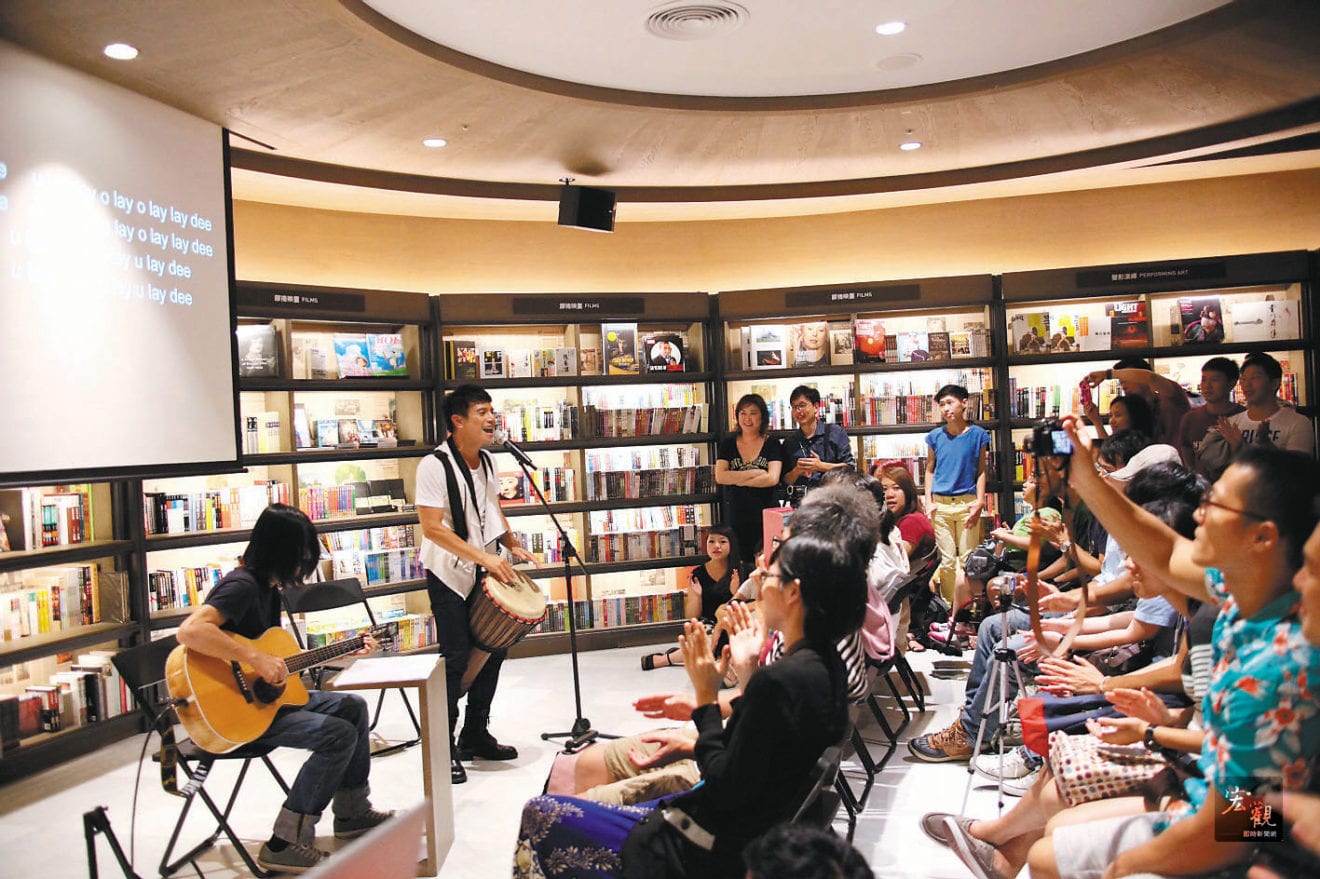
    Cityplaza is set to open Eslite Spectrum Hong Kong early next year, taking over two storeys of floor area spanning over 49,000 sq ft in the mall.

    The Taiwanese lifestyle bookstore is expected to enhance Cityplaza’s trade mix and quality retail offerings.

    Fiona Shiu, General Manager of Cityplaza, said hosting the largest Eslite Spectrum store on Hong Kong Island will expand the mall’s diversity and allow it to explore more possibilities for the city’s retail scene.

    Cityplaza completed a HKD100-million (USD12.8 million) facelift in 2014, which upgraded the mall’s facilities and introduced of over 30 stylish local and international retail brands.

    Eslite Spectrum opened its first Hong Kong store in Causeway Bay in 2012 and hopes that its new store in Cityplaza can continue more to bringing the energy of reading and cultural creativity to Hong Kong and integrate it into Hong Kongers’ daily lives.

    Recommended as “Asia’s Best” bookstore by Time magazine (Asia Edition), the bookstore has been lauded for its creative retail spaces, acting as a cultural hub with its offerings of a wide collection of books, staged exhibitions, live arts events, and exciting dining experiences for shoppers.