Author: Mei Ling Tan

  • Fashion executive sets about fixing Gucci

    Fashion executive sets about fixing Gucci

    When Marco Bizzarri became CEO of Bottega Veneta in 2008, the leather-goods brand was flying high, with demand soaring for its trademark woven bags. Even so, the Italian executive worried that fashionistas’ enthusiasm would eventually cool.

    So he shook up Bottega’s assortment. He added more shoes and clothes and injected more colorful, fashion-oriented designs from creative director Tomas Maier.


  • CP All in USD433m drive to expand store operations

    CP All in USD433m drive to expand store operations

    Thailand’s retail company CP All Plc has earmarked THB14 billion (USD432.6 million) to expand its convenience and cash-and-carry store operations this year on the back of economic recovery and high consumer spending power.

    Of the total budget, THB9 billion will go to its own 7-Eleven convenience store expansion and the remaining THB5 billion to its subsidiary Siam Makro Plc, which operates Makro cash-and-carry stores.

    CP All plans to open 600 new convenience stores and improve its existing outlets, while Siam Makro will open 10 new Makro branches.

  • PE boost for Indonesian malls

    PE boost for Indonesian malls

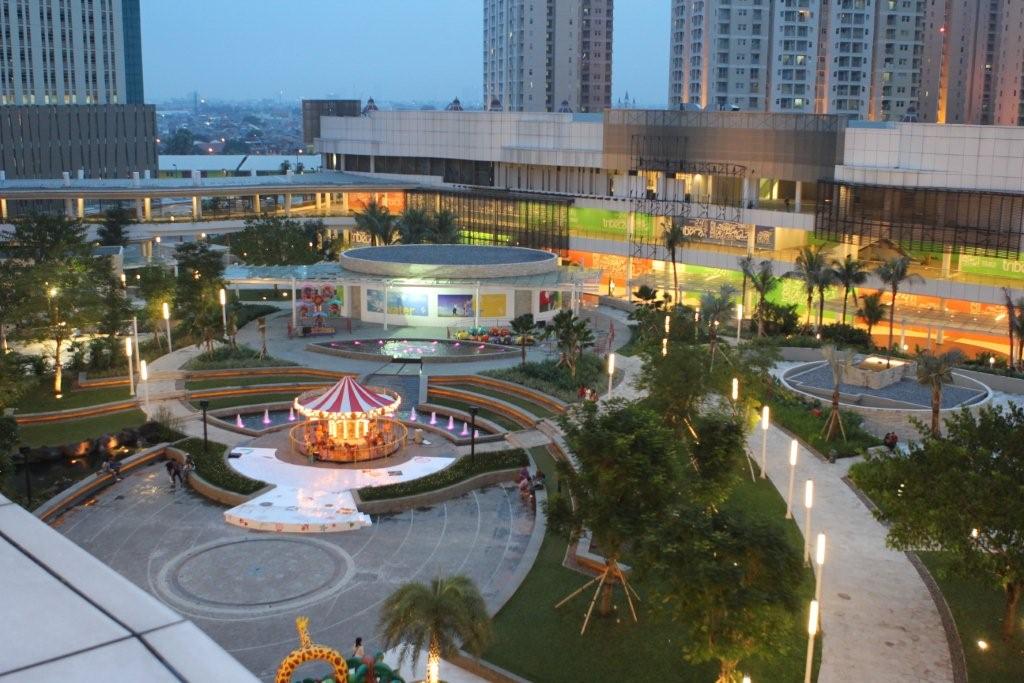
    A US-based private equity investor has committed up to US$200 million in a joint venture to roll out shopping malls in Indonesia.

    Nirvana Development, which describes itself as “an emerging real estate developer and operator” in Indonesia, has formed a joint venture with an affiliate of Warburg Pincus, a leading global private equity firm focused on growth investing.

    WP, will commit US$125 million initially with an option to invest up to an additional US$75 million in the JV, which will build and develop a “best-in-class retail platform in Indonesia”.

    In a statement, Nirvana said the venture will focus on developing hypermarket-anchored shopping malls across second- and third-tier cities in Indonesia to capitalise on the growth opportunities coming from rapid urbanisation, emerging consumption and outsized economic growth in these areas.

    “This strategic partnership is founded on a common vision to expand Nirvana’s operations to benefit from one of the world’s fastest growing domestic retail sectors in a time when it is still vastly under-penetrated across the archipelago. The venture will be seeded with four operating assets and several pipeline projects, which are currently under development.”

    The long-term vision is to create one of the leading retail platforms in Indonesia with institutional-grade malls in cities with sizable population centers and growing disposable incomes.

    “With this plan, we will seek to enhance and expand our retail relationships to further deliver quality service and growth to our tenants and stakeholders,” said Wilson Effendy, Nirvana’s CEO.

    “As we seek to scale quickly over the next few years, we look forward to benefiting from the wealth of experience and solid track record of the Warburg Pincus team in building out retail platforms globally and in Asia.”

    Jeffrey Perlman, Warburg Pincus MD, added: “With a rapidly expanding middle class and a nascent modern retail sector outside of Jakarta, there is a meaningful opportunity to contribute to Indonesia’s consumption transformation. We are confident Nirvana’s strong local sector knowledge and operational experience, together with Warburg Pincus’ proven ability to assist our partners in realising their full potential, will enable us to benefit from Indonesia’s long-term economic growth and emerging middle class.

    “Under the leadership of Mr Effendy and his strong management team, the new venture is poised to become one of the pre-eminent retail platforms in Indonesia.”

    Subject to shareholder approval and the satisfaction of certain closing conditions, the parties expect the transaction to close at the beginning of the second quarter of 2015.

    Nirvana Development, headquartered in Jakarta, has business activities spanning shopping centers, real estate, hotels and other sectors. The company’s key projects consist of Cirebon Super Block in Cirebon, The Park Solo in Solo, Borneo City Sampit Mall, Borneo Mall in Pangkalan Bun and Borneo City Ketapang Mall in Kalimantan.

    Warburg Pincus has been active in Asia since 1994. Internationally, it has a proven track record as an investor in the consumer and retail sector, including retail brands Intime Department Store, Red Star Macalline, Mattel, Neiman Marcus, and Poundland.

    Warburg Pincus’ portion of the equity for the Venture will come from Warburg Pincus Private Equity XI, which includes the consumer and retail investments in CAR Inc, China Kidswant and Vincom Retail.

  • Samsonite snaps up retail chain

    Samsonite snaps up retail chain

    Samsonite International has bought Rolling Luggage, an international network of airport stores selling branded luggage and travel products for business, fashion, adventure and leisure.

    Samsonite paid the vendor, Tie Rack Retail Group, in turn owned by Rcapital, £15.75 million. The acquisition is part of Samsonite says is an ongoing strategy to enhance and strengthen its global multi-brand retail platform, as well as gain share in the large and growing travel retail market.

    “Rolling Luggage is an exciting new addition to Samsonite and is unlike any of our previous acquisitions,” said CEO Ramesh Tainwala.

    “It immediately allows us to expand our footprint in the travel retail sector, an area that we see great potential for further growth. With international tourist arrivals worldwide expected to almost double by 2030, reaching 1.8 billion and international tourism sales growing by more than 12 per cent a year since 2009, airport retail will continue to evolve as airports become shopping destinations in their own right.”

    Tainwala said with the established retail and brand presence that Rolling Luggage has across some of the world’s highest-traffic airports, Samsonite sees the acquisition as a strategic opportunity to strengthen its multi-brand retail platform, increase visibility for Samsonite products among its target consumers and drive sales by offering better product assortment within an improved in-store experience.

    Alex Willson, MD of Rolling Luggage, said Samsonite’s considerable experience in the travel luggage industry and Rolling Luggage’s passion about travel are a perfect match.

    “We will work together to continue to ensure that we provide our consumers with a diverse and compelling product offering.”

    Headquartered in the UK, Rolling Luggage operates 36 airport retail locations in the UK, Europe, and Asia Pacific, including prime retail locations in Hong Kong, Heathrow, Sydney, Melbourne and Frankfurt airports. Historically part of the Tie Rack Retail Group, Rolling Luggage became a standalone business following completion of an internal restructuring in April 2014.

    Rolling Luggage recorded net sales of £26.7 million in the year to January 31, 2015, an increase of 11.3 per cent over the previous year.

    Samsonite International is the world’s largest travel luggage company, with a heritage dating back more than 100 years. The group designs, manufactures, sources and distributes luggage, business and computer bags, outdoor and casual bags, and travel accessories throughout the world, primarily under the Samsonite, American Tourister, Hartmann, High Sierra, Gregory, Speck and Lipault brands.

  • A new way for brands to boost sales with social media

    A new way for brands to boost sales with social media

    Have retailers been looking at social media all wrong?

    Often lost among the chatter about how brands can use these platforms to boost their sales is the inverse argument: How they can use social conversations to predict – and improve – revenue trends.

    A new study by Networked Insights, which monitors social conversations across networks including Twitter, YouTube and Reddit, found there’s a correlation between the way consumers talk about certain brand metrics, and a retailer’s same-store sales. The firm determines a brand’s health by gauging customer satisfaction, loyalty and advocacy across social media.

  • Visa Checkout to bring online payment convenience to 16 markets in 2015

    Visa Checkout to bring online payment convenience to 16 markets in 2015

    Visa Checkout, which makes it easy for consumers to pay with their cards online and on any device, will become available in a total of 16 markets in 2015.

    The global expansion was driven by cross-border commerce enabled in markets like the US, Australia and Canada.

    Visa said in select markets, it will also begin to incorporate issuer, merchant, acquirer, and channel partnerships to support local e-commerce. It will also roll out localised Visa Checkout websites for many markets.

    To use the service, shoppers can store shipping and payment information in a secure account with Visa so they don’t have to re-enter your information every time they shop online.

    When they see the Visa Checkout button as a payment option, users can simply log into the account with username and password, and click a button to complete the purchase.

    Launched in July 2014, Visa Checkout is currently available in 10 countries but will soon be available in a total of 16 countries by yearend: the US, Australia, Canada, Argentina, Brazil, Chile, China, Colombia, Hong Kong, Peru, Malaysia, Mexico, New Zealand, Singapore, South Africa and the United Arab Emirates.

    “Consumers and merchants alike love its simplicity and ease, which is particularly important as people shop and buy more frequently on smaller devices like phones and tablets,” said Sam Shrauger, senior vice president of Digital Solutions at Visa.

  • Warren Buffett buys German retailer

    Warren Buffett buys German retailer

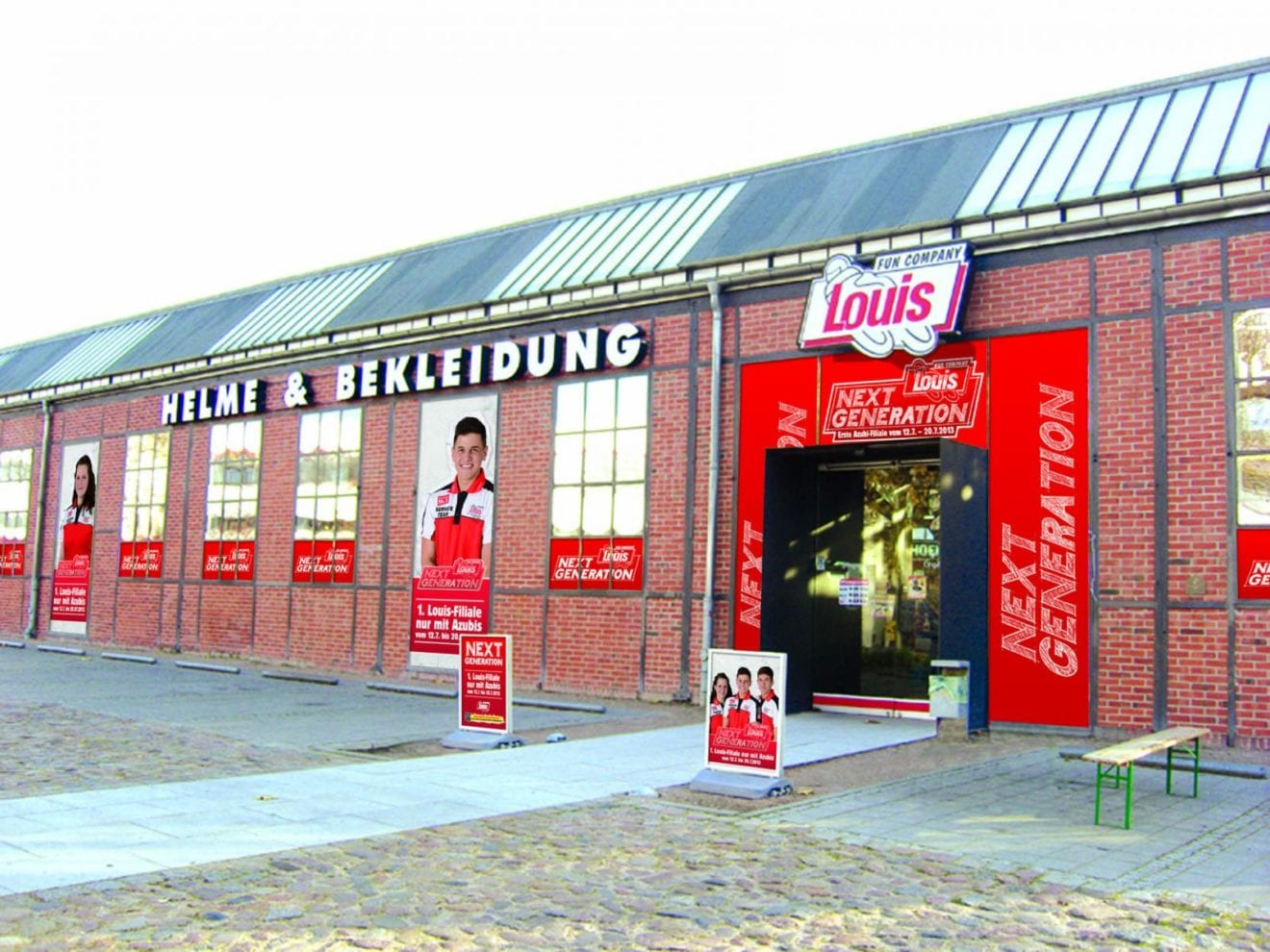
    US serial investor Warren Buffett has bought niche German motorcycle and accessories retailer Detlev Louis Motorradvertriebs.

    Buffett’s Berkshire Hathaway will pay €400 million for the Hamburg-based retailer which trades under the Louis brand. It employs 1500 staff in Germany and Austria and has annual sales of about €270 million from more than 70 stores, a catalogue business and online.

    The vendor is Ute Louis, the widow of the company’s founder Detlev Louis.

    Buffett, 84, is believed to have a passion for motorcycles – in 2009 he bought US$300 million of debt to rescue Harley-Davidson, but he is renowned for his keen investment eye and would not be acquiring the German business for sentimental value.

    To date, the billionaire’s focus has largely been on US businesses, but he is increasingly eying European opportunities.

  • KFC Thailand to boost network

    KFC Thailand to boost network

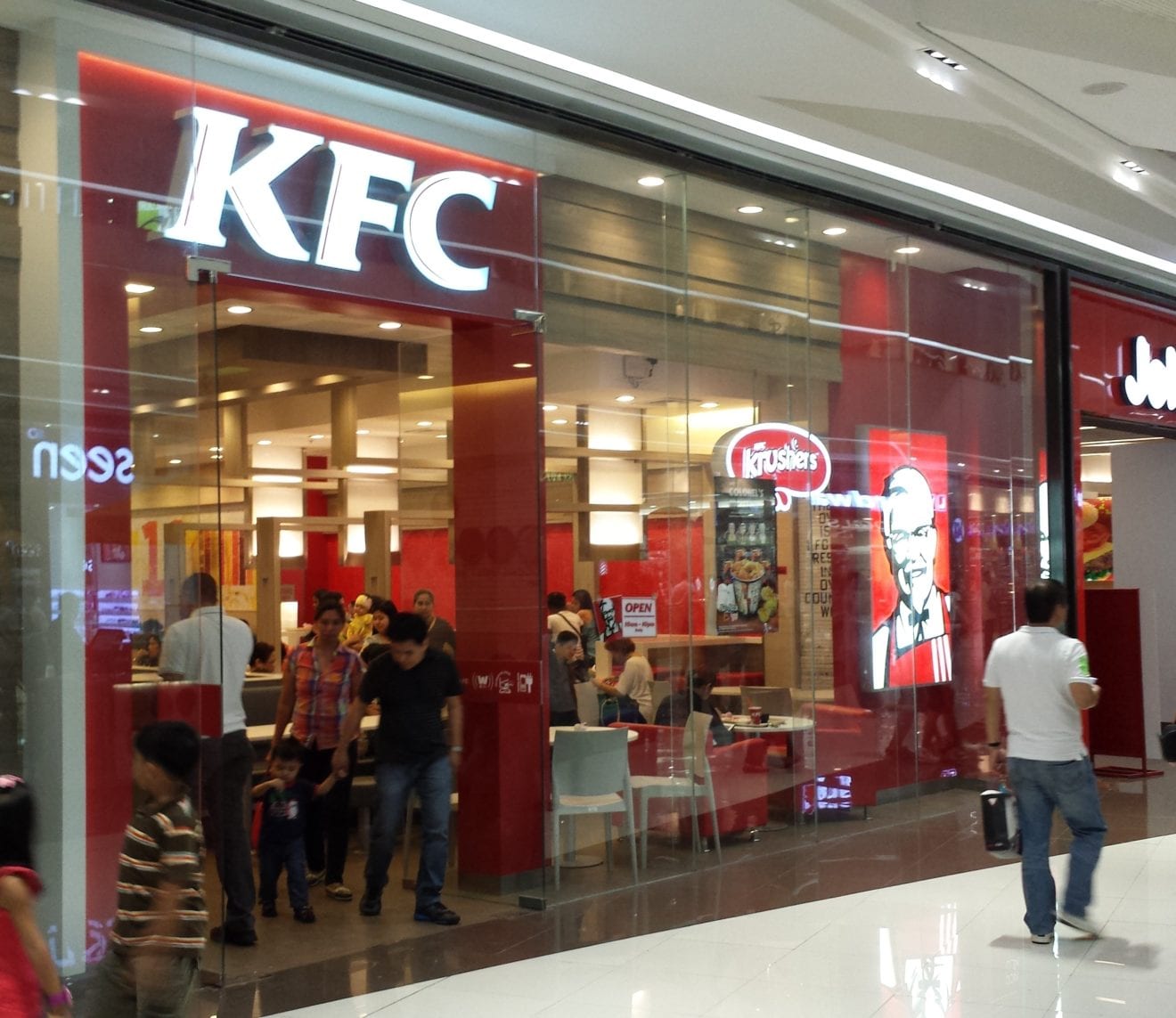
    KFC Thailand says it plans to open 55 new outlets in 2015 and refurbish another 20 as it aims to boost its share of the nation’s fast food market.

    According to a report published by the Bangkok Post newspaper, KFC will boost its capital spending by 20 per cent this year, largely with funds from the brand’s parent Yum! Restaurants International, the balance from local partner Central Group.

    By the end of the year it will have a chain of 586. Fifteen of the new branches will be configured as drive-thrus.

    According to Waewkanee Assoratgoon, KFC country GM with Yum! Thailand, further capital will be invested in a new IT system aimed at speeding up the ordering process for both home-delivery and counter transactions. The company is also developing apps which would allow customers to order from smartphones or computers.

    Waewkanee told the newspaper it expects sales to increase by 10 per cent this year, one per cent more than in 2014.

  • Inside Grand Central Jakarta

    Inside Grand Central Jakarta

    Thailand-based Central Department Store Group has opened its first department store in the Indonesian capital Jakarta.

    With 9.5 million inhabitants, Jakarta is the largest city in Southeast Asia and Central’s commitment to the city reflects the company’s belief that department stores, executed well, have a strong future in retail.

    Grand_Central_Jakarta_03_215

    “I believe in the department store industry,” explains Central’s president, Yuwadee Chirathivat. “But the stores must be exciting and innovative.”

    The 17,000sqm store marks the continuation of a successful partnership with German architects Blocher Blocher Partners (BBP) dating back 13 years. BBP has shared with Inside Retail Asia the challenges and execution of the new store’s design.

    Grand_Central_Jakarta_01_215

    Like most department stores, the ground floor is anchored by cosmetics and women‘s designer fashion departments – two premium worlds, joined by luxurious shades of gold.

    Grand_Central_Jakarta_04_215

    “In the designer department, the brand highlights are enclosed by a wire-mesh structure interwoven with elaborate floral patterns. In this way, a kind of house-in-house is created; a principle that is repeated on all storeys,” explain partners Dieter Blocher, Wolfgang Mairinger, Jürgen Gaiser, Angela Kreutz and Anja Pangerl, who worked on the project.

    In the women‘s fashion world on the first floor, an ornamental metal construction forms the setting for the Who-is-Who of the Southeast Asian designer scene.

    Grand_Central_Jakarta_05_215

    “The leitmotif of the surrounding sales floor: a modern interpretation of cassette walls, conveying timeless elegance and a contemporary sense of class. At times, in the classic look of dark turquoise, sometimes entirely in a modern mosaic style.

    Grand_Central_Jakarta_09_215


    “Here, too, slatted panels on the ceiling indicate the transition to the next department, the shoe and bag division. An eye-catcher: polygonal ceiling elements continuing seamlessly on the rear walls. Harmonising with the polygonal, high-gloss white furniture and pedestals, which flatter the premium merchandise with their sculpture-like appearance.

    Grand_Central_Jakarta_02_215

    “On the second floor, the jeans/unisex and men’s department meet each other – two young, rugged looks. Tiles, raw wood, wallpaper and dark expanded metal in the jeans division blending with fishbone parquet and wooden ceiling slats in the central men’s casual area.

    Grand_Central_Jakarta_07_215


    In the adjoining men’s business department, concrete walls alternate with metal curtains. Here, the house-in-house is designed as a gently curving diamond-shaped structure in wood, revealing at the core changing rooms, clad with clinker bricks.

    Grand_Central_Jakarta_08_215


    “Things get really colourful in the children’s department on the third floor. With yellow walls, colourful glass elements set into sloping furniture, butterfly appliqués and abstract animals. As a contrast, the home division presents itself as deliberately reserved – with an interplay of light and dark accents.”


    Grand_Central_Jakarta_06_215


  • Esquires takes back China

    Esquires takes back China

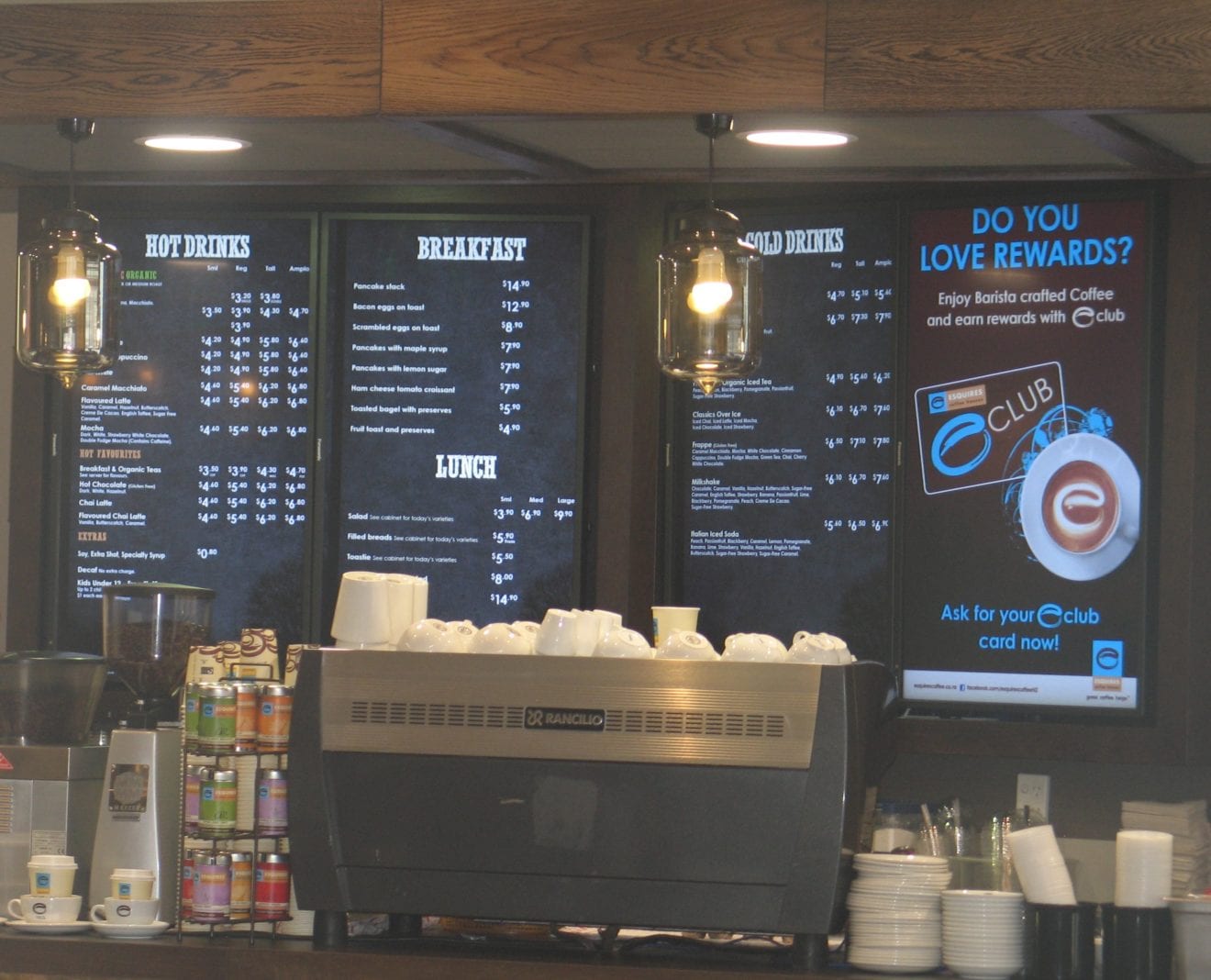
    Cooks Global Foods’ has successfully completed the purchase of the Esquires Coffee Houses master franchise in China.

    Cooks first signalled the purchase of Beijing Esquires Management Co (Esquires China) in September under an agreement where the Chinese master franchisee sold back the Chinese rights in return for a stake in Cooks.

    Esquires China was formerly owned by three shareholders, including Beijing Yunnan Building Hotel Co, wholly owned by Yunnan Metropolitan Investment Company (YMCI), which is in turn owned by the Yunnan Provincial Government. Yunnan is a province located in the southwest of China with a population of 46 million people.

    YMCI is now the second largest shareholder in Cooks, with a 15.8 per cent stake.

    Cooks Global Foods chairman, Keith Jackson, says the franchise purchase delivers a strong cornerstone shareholder to the listed company.

    “YMCI is a company with a capital value in excess of US$800 million and part of its assets are listed on the Shanghai Stock Exchange,” Jackson said.

    “The vendors remain very keen to be part of the growth of the Esquires brand and the coffee industry itself in China and internationally through the shareholding in the Esquires global business, that they now have through their Cooks shareholding.

    “We were able to come to an agreement to buy back the master franchise business for China and the vendors took a shareholding in Cooks. Effectively that provides Cooks with a more direct interest in China, the world’s fastest growing coffee market where branded coffee is in its infancy.

    “The big brands are in there and that’s great for us because it spreads the coffee gospel. Our aim is to accelerate the growth of the Esquires business in China through expansion in conjunction with both existing and new partners building on our core principles of Organic and Fairtrade coffee from New Zealand.”

    Jackson says there is a strong management team in China under Ellen Zhang, a former Esquires franchisee at the Auckland Quay Street café, part of the Countdown supermarket complex.

    “Ellen manages a very good team, many of whom have experience with international brands such as Starbucks. In fact, NZTE advised us that we are now New Zealand’s third largest employer in China, behind Fonterra and our government,” Jackson said.

    The aim is to have more than 200 stores operating in the Peoples’ Republic of China by 2020.

    Esquires Coffee Houses operate in Ireland, England, the Middle East, Canada, and China.

  • Jollibee to open 330 stores

    Jollibee to open 330 stores

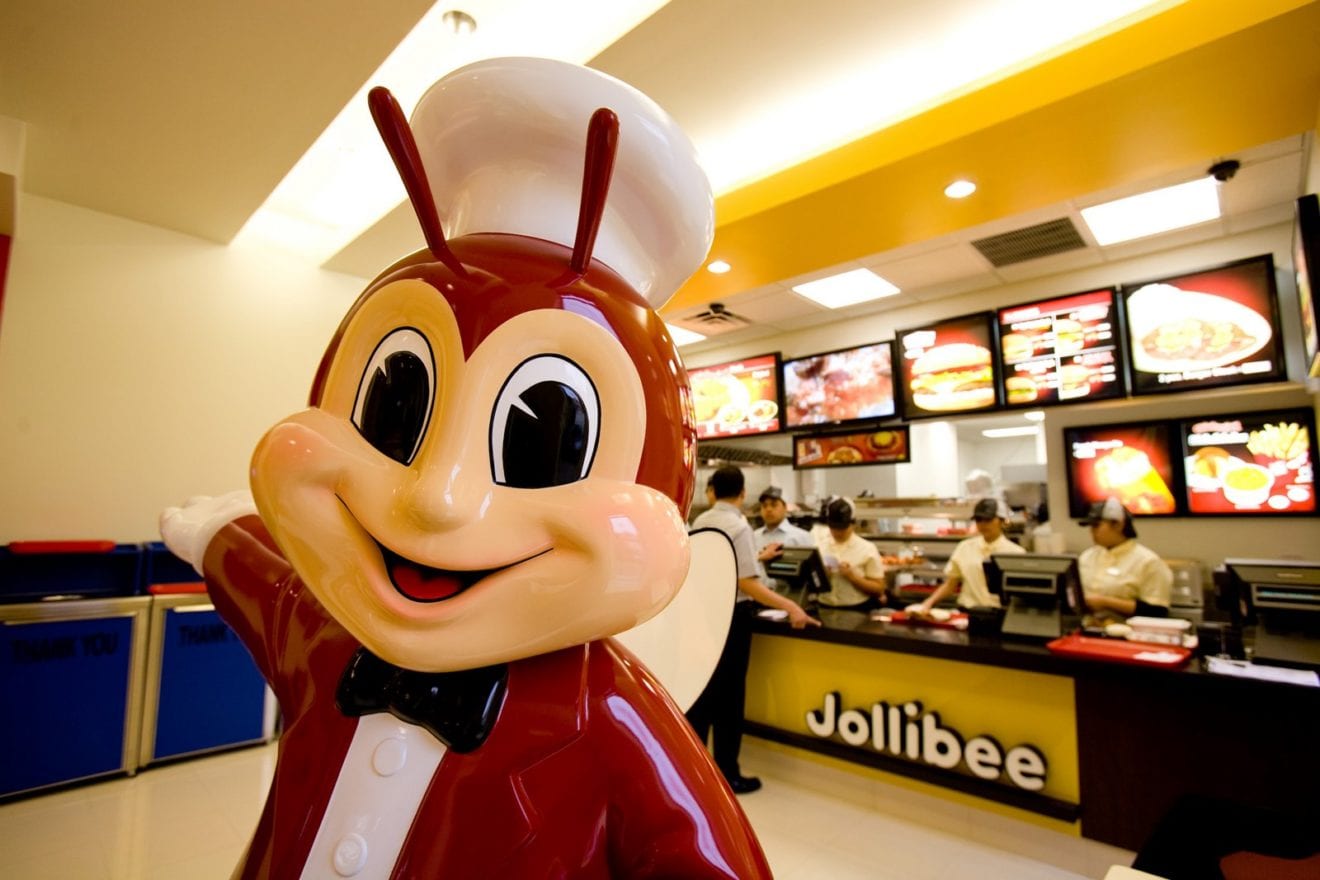
    Philippines-based fast food operator Jollibee Foods has reported a 14.3 per cent increase in income and announced a massive 330-store rollout for 2015.

    Jollibee is the country’s largest fast-food chain saw global sales increase 12.9 per cent to P90.7 billion (US$2.05 billion) from P80.2 billion ($1.81 billion) year on year to December 31.

    Its profit was P5.3 billion ($120 million), according to a lodgement with the Philippine Stock Exchange.

    Jollibee says it will open 330 stores this year – 220 of which will be in the Philippines. That’s a significant increase on last year’s 234 stores last year, of which 169 were in the Philippines and the remaining 65 abroad.

    The expansion will be funded by a 65 per cent boost in capital expenditure this year. two thirds to be spent in the Philippines, the blance in China, the Middle East and Southeast Asia.

    Jollibee operates 2301 restaurants inside the Philippines: 858 bearing the Jollibee banner, 456 Mang Inasal, 410 Chowkings, 211 Greenwich, 323 Red Ribbon, and 43 Burger Kings. It has a further 612 stores overseas, including 310 Yonghe Kings, 50 Sang Pin Wan stores and 42 Hong Zhuang Yuan stores in China; 125 Jollibees outside the Philippines, including 62 in Vietnam and 32 in the US; and a chain of Chowkings in the US and Middle East.

    It also has a 50 per cent stake in Vietnamese chains Highlands Coffee, which has 78 stores in Vietnam and the Philippines, and Pho 24 which has 53 restaurants in Vietnam, Indonesia, the Philippines, Cambodia, Macau and Korea; and in 12 Sabu, which has 19 stores in China.

    Jollibee says system-wide retail sales grew a faster 13.3 per cent in 2014, including company-owned and franchised stores.

    Jollibee’s CFO Ysmael V. Baysa said profitability would have been higher if not for increased raw material costs last year.

    “The raw material cost increases in 2014, averaging 5.4 per cent, brought pressure on our profit margins. We made important price adjustments and improved our store and manufacturing expenses during the year. We are now very close to fully covering these cost increases and look forward to the full recovery and improvement in gross profit margins in 2015 through lower cost of energy and more stable raw material prices,” he said.

    “We will also offer even better products to our consumers to help ensure our products continue to provide them great value.”

  • Google Wallet partners up to battle Apple Pay

    Google Wallet partners up to battle Apple Pay

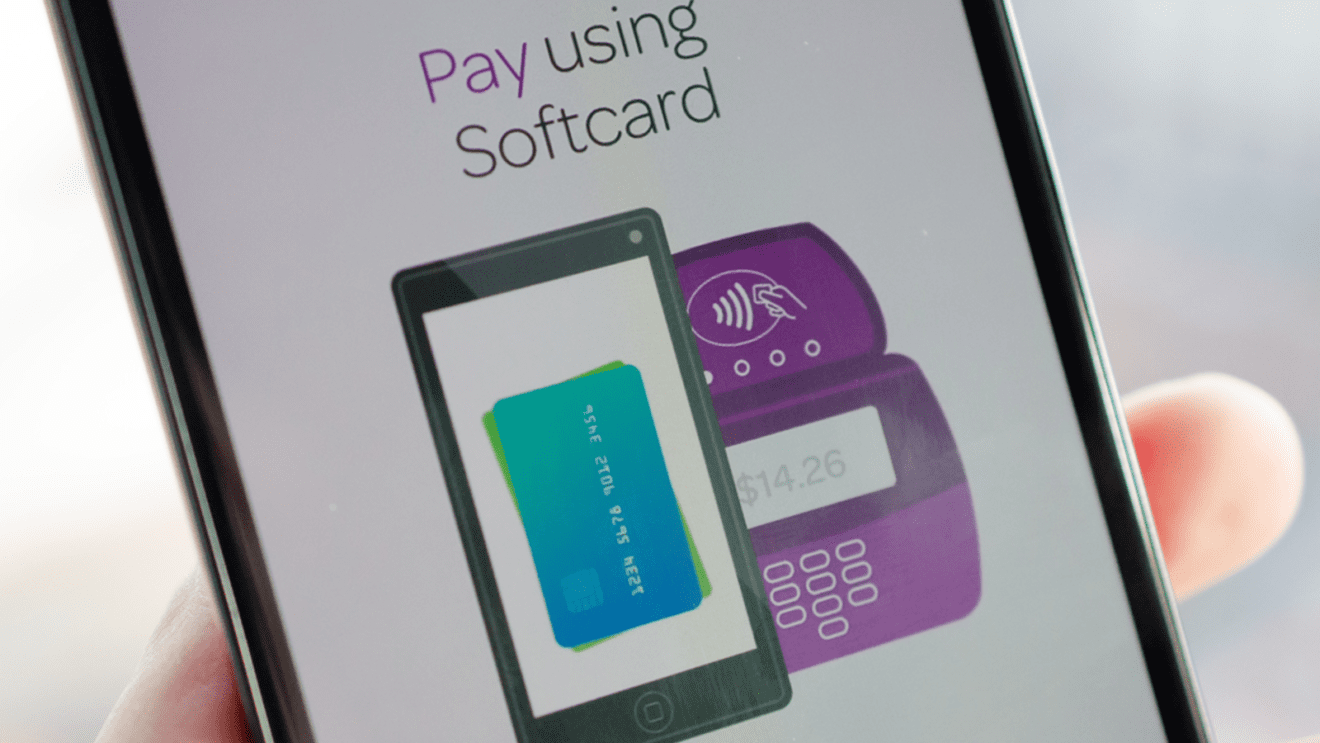
    Google said on Monday it was teaming up with the mobile phone payment firm Softcard to ramp up its efforts to counter Apple Pay in the emerging sector.

    The California tech giant announced Google Wallet would become a pre-installed “tap to pay” app on Android smartphones sold in the US market by AT&T, T-Mobile and Verizon, as part of the deal with the carriers’ mobile payments company Softcard.

    The aim is “to help more Android users get the benefits of tap and pay,” said Google Payments vice president Ariel Bardin.

    “We’re also acquiring some exciting technology and intellectual property from Softcard to make Google Wallet better.”

    The move gives Google and its large base of Android smartphones a stronger position to challenge Apple Pay, the mobile payments system introduced on the latest iPhones last year.

    A statement from Softcard — which was founded by the three carriers last year in a push for mobile payments — said the deal with Google would “bring together leading technologies to advance mobile wallets.”

    “For now, Softcard customers can continue to tap and pay with the app,” the statement said.

    “Today’s announcement is a positive step forward for the mobile payments industry and wireless consumers.”

    Bryan Yeager, analyst at the research firm eMarketer, said the deal “will help get Google Wallet in front of more potential users, but the mobile payments space in the US will continue to be competitive and fragmented for at least the next few years.”

    Yeager noted that Samsung’s announcement last week that it was buying digital wallet firm LoopPay “shows that deal activity doesn’t necessarily equate to market consolidation.”

    LoopPay technology is compatible with approximately 90 percent of retail terminals to let customers tap their phones for payment with registered credit cards, according to Samsung.

    LoopPay has been built into smartphone cases as well as into fobs, or dongles, and transmits credit card data using magnetic fields to point-of-sale terminals to effectuate transactions.

  • Givenchy opens new store in Seoul, South Korea

    Givenchy opens new store in Seoul, South Korea

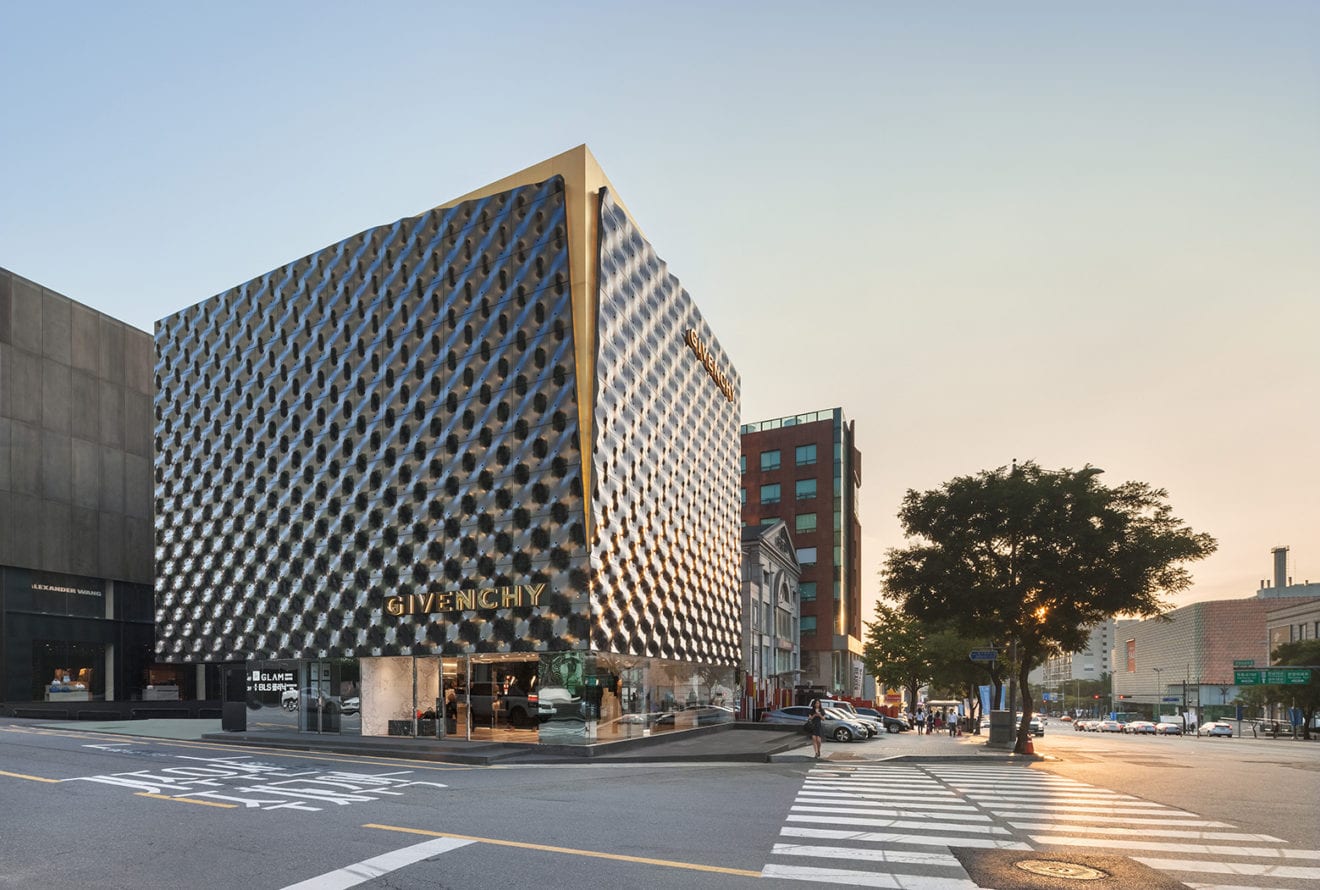
    According to the architects, Milan based Piuarch Studio, the facade of the new Givenchy flagship store references the textures and patterns used in the work of Italian artists Enrico Castellani and Lucio Fontana in the 1960s, and the optical patterns used in the brand’s latest collections. The new Givenchy store occupies a corner location in the Gangnam-Gu shopping district of Seoul.

  • Giant mall for CapitaMalls’ Suzhou Center

    Giant mall for CapitaMalls’ Suzhou Center

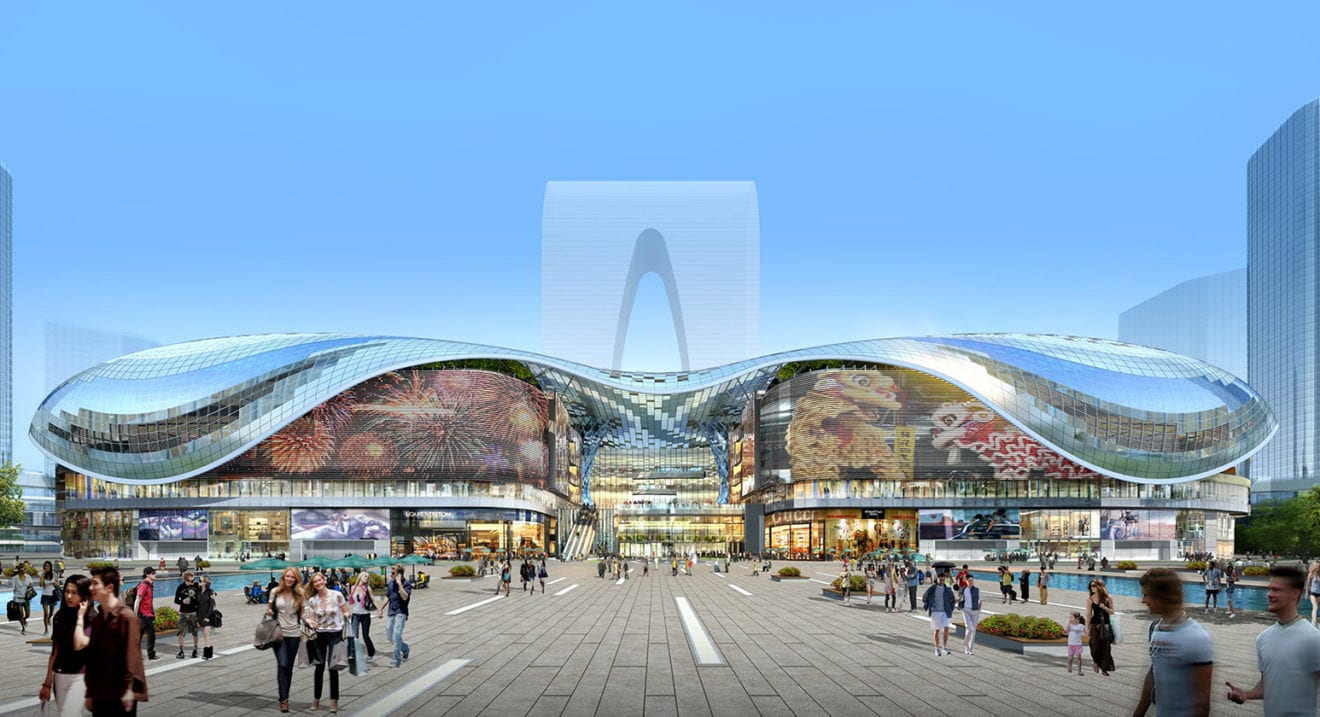
    A new development in Suzhou, China, will feature a world-record setting roof structure over a 340,000sqm, seven story retail complex

    Suzhou Center, developed by CapitaMalls Asia (CMA) and Suzhou Industrial Park Jinji Lake Urban Development was unveiled this month, with Benoy named as the architect and interior designer behind the development’s major retail component. The shopping mall will be covered by the world’s largest monocoque roof structure, spanning over 36,000sqm and making Suzhou Center the city’s most eye-catching landmark.

    Suzhou Center is a large-scale, high-end integrated development in the heart of the western CBD of Suzhou Industrial Park (SIP). Planned on a 16 ha site along the bank of Jinji Lake, the broader scheme comprises retail, commercial, residential and a hotel, as well as entertainment and cultural spaces. Considered the world’s largest, a free-form monocoque roof structure

    Benoy director Winnie Tsang said the design has “pushed many boundaries” and will no doubt be “a leading international example of architectural innovation”.

    “Benoy’s design for the roof was inspired by the mythical Chinese phoenix,” explained Winnie. “We envisaged the structure as a bird resting above an oasis with the striking curved architecture mimicking its wings. To turn this concept into a viable and deliverable structure has taken an unwavering commitment by our Team and it is incredibly rewarding to see us making history as we go.”

    The retail mall will be spread across three interconnected buildings. Alongside luxury and high-street retailers, children’s attractions, designer studios and a gourmet supermarket, there will also be an Imax Cineplex and an Olympic-size ice rink.

    Another prominent feature in Benoy’s design is ‘Water’, taking inspiration from the neighbouring Jinji Lake scenery. Landscaped bridges extend from the retail development to the lakefront to capitalise on the proximity to the natural site. Terraces overlooking the water have created additional civic spaces within the retail podium and a cascading ‘Water curtain’ spanning 50 metres pays homage to the local environment.

    With its integrated traffic network and seamless transport accessibility to Suzhou’s MRT network, the development will serve a catchment of 13 million Greater Suzhou residents and over 8 million tourists to the SIP annually. Four modern Grade A office towers, two world-class luxury serviced apartment towers and the W Suzhou hotel tower complete the mix.

    Suzhou Center is due to be completed in 2017.

  • Estee Lauder’s China flagship

    Estee Lauder’s China flagship

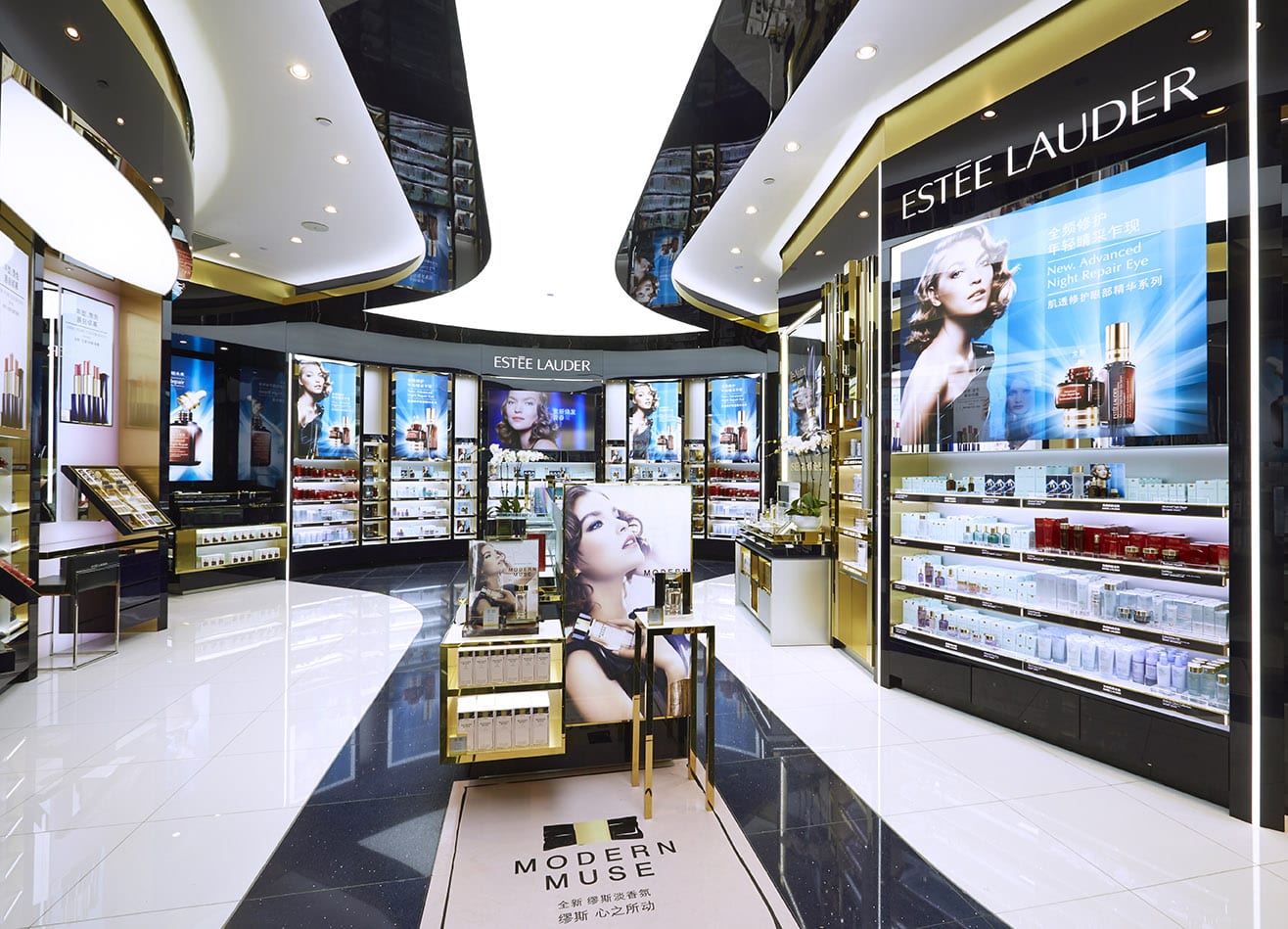
    Estée Lauder has revealed its largest store travel retail store yet – at Haitang Bay in Sanya, China.

    The  store, which opened its doors late last year, introduces what the brand describes as “a fresh, dynamic and welcoming environment for shoppers to immerse in the luxury and modern glamour of the brand”.

    The new store is designed as an expression of the Estée Lauder story, which represents the brand’s distinctive architecture through cohesive and complementary design elements.

    Estee lauder Haitang Bay 2 215

    The Haitang Bay store was designed with Chinese consumers in mind: local preferences have shaped what products, categories and services take centre stage in the uniquely branded environment.

    Estée Lauder’s “Re-Nutriv lounge” provides a semi-private area where its luxury skincare experts showcase the Re-Nutriv collection; the fusion of the latest technology breakthroughs and exquisite, rare and precious ingredients.

    Estee Lauder Haitang Bay 1 215

    The setting features transforming visuals to announce newness using LED monitors and backdrops and offers a wide range of experiences to engage the consumer from complete self-navigation to expert service. Shoppers are able to explore any brand’s skincare, colour or fragrance collections on their own around the perimeter of the store or can seek advice from a beauty advisor.

    A ‘decompression zone’ offers a more intimate and personalised interaction with beauty advisors. Estée Lauder’s proprietary “Beautiful Skin Studios” are equipped for a complete consultation, while the alternate side of the area is set-up for shorter, more impromptu service.

    Best sellers and a Beauty Express zone present key brand products at different price points. Each fixture displays multi-category products to encourage cross-selling as well as more variegated exploration for the consumer.