Author: Mei Ling Tan

  • China Jo-Jo boosts sales

    China Jo-Jo boosts sales

    China Jo-Jo Drugstores says its profits soared 19.5 per cent in the December quarter, with same store sales up 24.3 per cent

    The US-listed, China-based company which retails and wholesales pharmaceutical and health care products through its own online and retail pharmacies, said online sales jumped 110.6 per cent to $4.4 million. Retail drugstore sales rose $2.16 million.

    Gross profit rose by $3.003 million, or 1677 per cent year-on-year. It converted a net quarterly loss of $8.7 million in the December 2013 quarter to a modest profit of $127,525 last quarter.

    “Our retail drugstores sale growth rate is more than twice of the industry average,” the company said in a statement.

    “By acquiring Sanhao Pharmacy during the recent quarter, selecting products catering to local community and continuing to provide quality in-store service such as doctors’ in-store clinics service, we expect to further strengthen our competitive advantage in Hangzhou and Zhejiang Province.”

    The company said expanded cooperation with business-to-consumer online vendors, including Taobao, JD.com and Amazon.com had boosted its online performance.

    “In addition, we have signed a service agreement with Alipay (China) Internet Technology to launch an online payment service for its customers, which gives us a great opportunity to get access to Alipay’s over 300 million registered users. We expect online pharmacy sales will continue to grow fast in the future, especially considering the potential authorisation of the online sale of prescription drugs in 2015,” the statement said.

    Lei Liu, chairman and CEO said the company was heartened to have delivered a solid performance compared to last year’s large deficits.

    “What’s more exciting is the rapid increase in our eCommerce revenue, which greatly contributed to our total revenue. In the next two to three years, the online pharmacy sales will probably exceed our retail drugstore sales and make the company one of the leading online pharmacy stores in China.

    “Now is only a turning point. Going forward,  we will continue to focus our efforts on  developing eCommerce opportunities and drive our physical stores network and sales growth.”

    As of December 31, the company had 60 retail pharmacies in Hangzhou.

  • Shake Shack Japan bound

    Shake Shack Japan bound

    US burger chain Shake Shack is headed for Asia.

    The company says it has signed a licensing agreement with Japanese company Sazaby League, local operator of Starbucks. The two companies plan to open 10 Shake Shacks in Japan by 2020, with the first, in Tokyo, scheduled to open in 2016.

    Shake Shack, headquartered in New York, raised US$105 million in a recent IPO and is using the funds for expansion at home and abroad.

    At the time of the IPO it ran 63 restaurants in the US, 15 of them in New York. It also has stores in London, Istanbul and Moscow and plans 10 new restaurants this year as part of a longer term plan to expand to 450 outlets.

    The chain is known for burgers, milk shakes and crinkle-cut fries.

    Its Japanese restaurants will have a menu which retains core items from the brand, but is tailored to the local palate.

  • UnionPay, Travelex launch NiHao card

    UnionPay, Travelex launch NiHao card

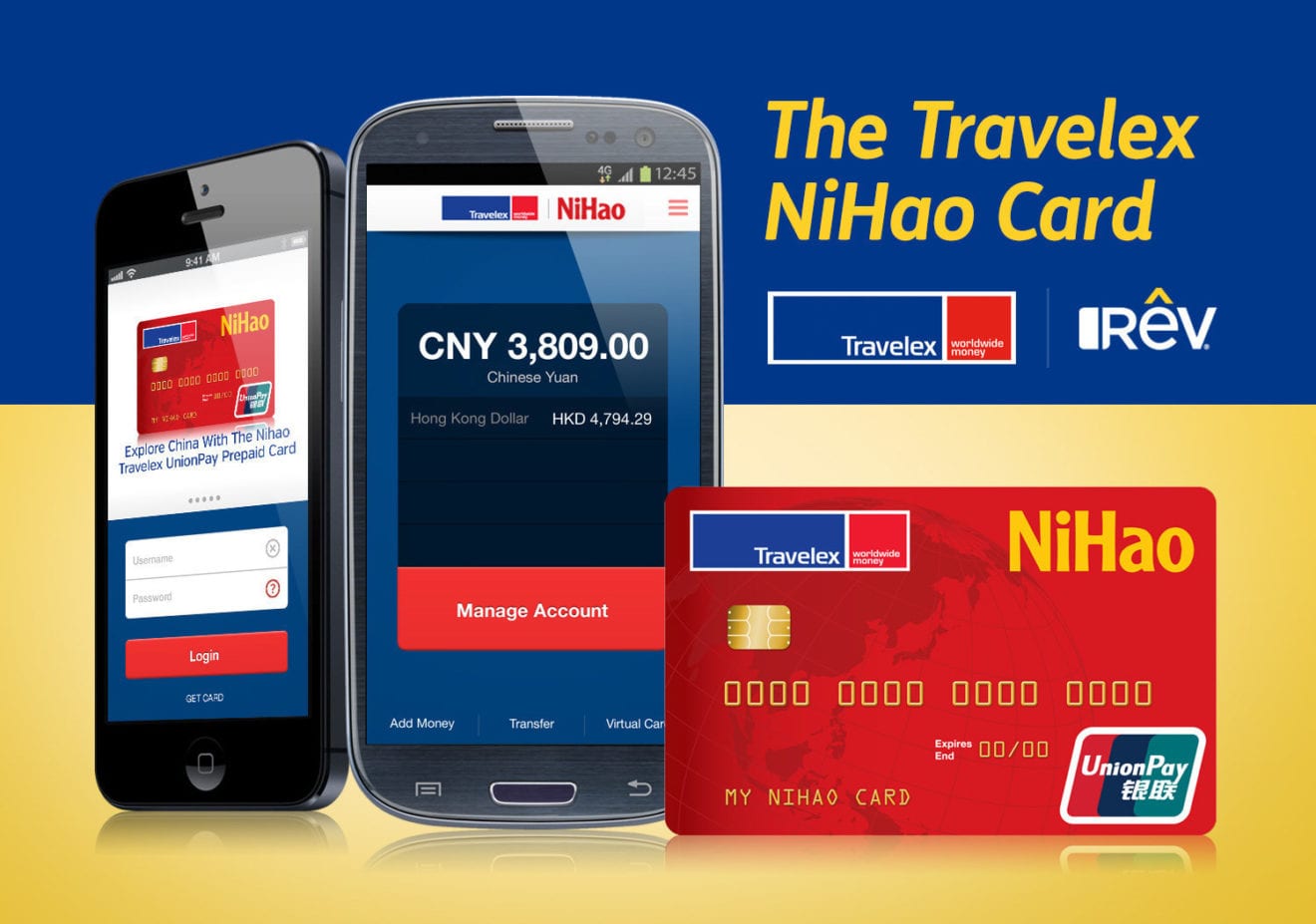
    Rev Worldwide  and foreign exchange specialist Travelex have launched a new prepaid card for Chinese tourists called Travelex NiHao Card.

    The reloadable prepaid travel card will work in association with UnionPay International.

    The Travelex NiHao Card is an instant-issue reloadable UnionPay prepaid product now available over the counter at all Travelex branch locations throughout Hong Kong, and is accepted at over 9.5 million retail merchants, and online, plus over 500,000 ATMs throughout China.

    The Nihao Card launch in Hong Kong marks the first Rev processed UnionPay card.  Rev and UnionPay International previously announced a partnership focused on innovative travel product expansion opportunities.

    “We know from our cash sales that China has always been a key destination for Hong Kong travelers so we’re thrilled to be able to launch this product in time for China’s biggest holiday of the year,” said a Travelex spokesperson.

    There are more than 1000 flights daily to over 180 destinations around the world from Hong Kong, including 45 to China, making it the ideal travel gateway city for international travelers within Asia. Hong Kong sees almost 63.4 million departures to international destinations per year, and 96.5 per cent of those departures are to China, Macau and other nearby Asian destinations.

    Additionally, Hong Kong travellers are some of the biggest spenders in the world, with an estimated US$22.8 billion spent on international travel-related expenses in 2014, making Hong Kong the fourth largest outbound travel market in Asia, according to the World Tourism Organization.

    As the technology partner and processor behind the NiHao Travel Card, Rev brings a proven payments processing platform for delivering innovative travel products around the world. Travelex distributes and markets the product directly to consumers.

    “This is an important development for us, beyond the launch of another innovative travel card, in that we are launching our first product intended for broad usage within China,” said John Mitchell, CEO of Rev Worldwide.

  • New Coffee Bean Asia chief

    New Coffee Bean Asia chief

    The Coffee Bean & Tea Leaf  has named Andrew Nathan as senior VP for Asia Pacific.

    In what is a newly created role, Nathan will be the primary driver of the company’s growth opportunities in Asia, including responsibility for company operations in Singapore and Malaysia. He takes over duties of Victor Sassoon, co-owner and CEO of Coffee Bean & Tea Leaf Asia Pacific, who remains on the company’s board.

    Based in Singapore, Nathan will report to John Dawson, president and CEO.

    Nathan has nearly 20 years of experience in the specialty coffee business and with leading and growing brands in Asia. He began his international career working with the US Peace Corps and the American Red Cross and has held regional franchise and corporate market leadership positions for such global brands as Starbucks Coffee and Domino’s Pizza.

    The Coffee Bean-Andrew Nathan


    During his tenure as owner and CEO of Coffee Bean & Tea Leaf Asia Pacific, Victor Sassoon opened more than 100 stores in Singapore and Malaysia and oversaw franchise expansion to 550 stores in over 25 countries spanning Asia and the Middle East.

    In September 2013, Advent International, CDIB Capital and Mirae Asset Private Equity joined forces to acquire an equity stake in the business. Together with the Sassoon family, who remain substantial shareholders, they are working to accelerate the brand’s growth and international expansion.

    “We’ve worked very hard over nearly 20 years to grow and nurture this great brand,” said Victor Sassoon. “It’s been highly rewarding and I value the relationships I’ve developed with our franchisees, developers and team members during my tenure as CEO of Asia Pacific. I look forward to my continued involvement as a board member and have full confidence in Andrew as he takes on the leadership role in Asia Pacific.”

  • AsiaPay teams with Octopus

    AsiaPay teams with Octopus

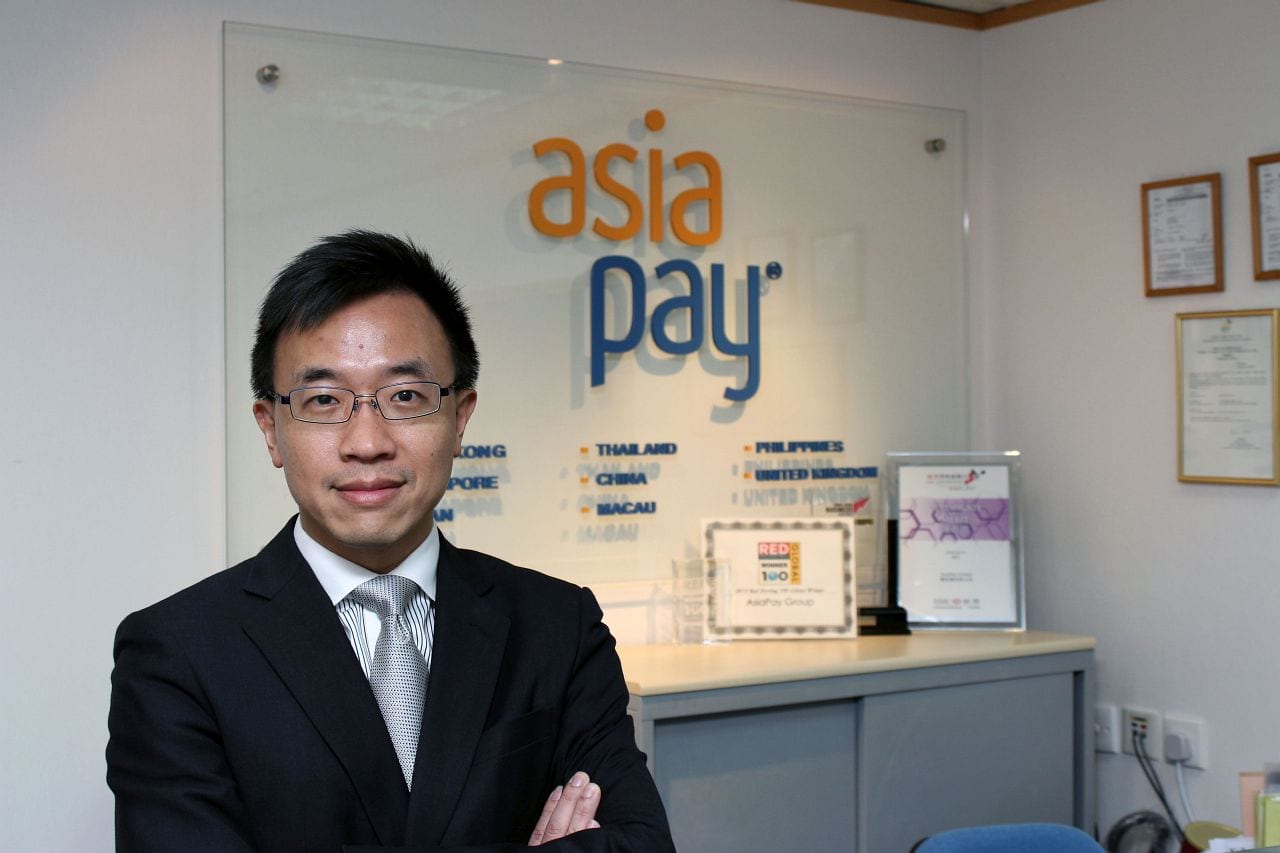
    AsiaPay has partnered with Octopus Cards to offer Hong Kong consumers an expanded payment gateway for the Octopus Online Payment Service.

    The collaboration will offer an additional choice of payment gateway for Hong Kong’s online shoppers.

    The new platform allows customers to pay with their Octopus card when shopping with merchants connected to the AsiaPay payment gateway.  As the online shoppers check out their shopping carts, the browser will display the respective QR code and payment code. Customers only need to run the ‘Octopus’ App on their NFC mobile device to either scan the QR code or manually enter the payment code to retrieve the payment information. By simply placing the pre-registered Octopus at the back of their mobile device, users can instantly complete their payments and check their transaction records on the ‘Octopus’ App, as an added protection.

    The two companies said the partnership synergises Octopus’ high penetration, extensive and diverse networks in Hong Kong with AsiaPay’s payment gateway service.

    “This new payment gateway option is expected to further drive the development of mobile payment solutions in the local market.”

    Joseph Chan, CEO and founder of AsiaPay Group, said the new service will further address the growing demand for mobile payment options while increasing the productivity for payment processing.

    “AsiaPay is dedicated to exploring more diversified payment options leveraging advanced payment technologies, in offering merchants more flexible and easier payment methods for their business development.”

    Founded in 2000, AsiaPay, an electronic payment solution and technology vendor and payment service provider, provides advanced, secure, integrated and cost-effective electronic payment processing solutions and services to banks, corporate and eBusinesses internationally, covering international credit cards, China UnionPay, debit cards and other prepaid card payments.

    Headquartered in Hong Kong, AsiaPay offers its professional ePayment solution consultancy and local service support across its other 12 offices in Asia including: Thailand, Philippines, Singapore, Malaysia, Mainland China, Taiwan, Vietnam, India and Indonesia.

  • Lazada Philippines guns for more mobile footprint

    Lazada Philippines guns for more mobile footprint

    Online shopping mall Lazada is cooking up a revolution. On the 25th of February, a national holiday in the Philippines observed annually to commemorate the anniversary of a popular uprising, it is holding a one-day shopping event exclusive to mobile shoppers.

    Inanc Balci, CEO of Lazada Philippines, believes that the timing is right for the mobile power sale. Mobile traffic, he said, now constitutes more than 50 percent of daily traffic of Lazada.com.ph. The Lazada Mobile App downloads have also grown 18 percent month-on-month on iOS and Android since its launch in early 2014.

    This, he said, is being driven in large part by the increasing adoption of smartphones and mobile Internet in the country.

    “The smartphone penetration is expected to hit 50 percent within 2015, which means tripling the number within the year, increasing 22 percent year-over-year in the last two years,” Balci said.

    The country’s 16.7 million mobile Internet users (in a population of over 100 million) is indeed a huge market and still has huge potential for growth.

    While infrastructure remains a challenge in the country with often slow Internet connectivity, and expensive, limited bandwidth, local telecommunications companies are relentless in providing innovative mobile Internet solutions through mobile Internet bundles and freebies.

    “The mobile Internet access is increasing tremendously in the Philippines. Thanks to telco companies, they are making more investments and more people can access the Internet. The mobile phone manufacturers – the local brands – are also coming up with new products that are making it easier for Filipinos to buy smartphones,” he said.

    The availability of applications and the coming of music streaming services have also made it more appealing for digital consumers to increase their usage of their smartphones.

    “Yes, people are buying smartphones but we want people to use their smartphones as well for various applications and to enable them to live easier lives,” Balci said.

    Up for grabs in the upcoming one-day flash sale include consumer electronics devices, including Apple’s iPhone 6, Cherry Mobile’s Me Vibe, Meizu’s MX4 and a wide assortment of power banks at attractive price points.

    Not surprisingly, Balci said 60 percent of those who shop via mobile are female customers between the ages of 24-35, which is slightly higher than the desktop average but at the same time significantly higher than the regional average. Overall, Lazada customers are between the ages of 18 and 25.

    Fashion, health and beauty, electronics, as well as home and living items are currently the most search and bought items via mobile.

    The Lazada chief disclosed that Lazada mobile also tend to shop during lunch breaks (from 11 a.m. to 1 p.m.) and before they go to bed (from 9 p.m. to 10 p.m. Each mobile app and mobile browser user spends an average of 5 minutes shopping online;

    The holiday could give mobile users a breathing space from the daily grind and more time to shop.

    Mobility and convenience

    By pursuing a sales pitch anchored on mobility and convenience, Lazada is hoping more Filipinos will warm up to the idea of mobile shopping.

    Balci noted that the Philippines has also over a one-million strong workforce in the business process outsourcing industry (BPO), working in shifts in all time-zones across the world.

    “Their time shifts allow them to have more shopping hours. They are tech savvy and has high disposable incomes,” he said, adding that Lazada data shows that there is a sales increase after midnight during the graveyard shift.

    In an interview with Maximilian Bittner, CEO of Lazada Group, last year, he told Enterprise Innovation the challenges in setting up general merchandize destination websites in Southeast Asia, are huge. However, the opportunity is equally big, given the steady rise of mobile phone ownership and growing economies in the region.

    Since the launch of the e-commerce sites in five Southeast Asian countries in 2012 – Indonesia, Thailand, Malaysia, the Philippines and Vietnam – the company has been striving to address the specific needs each market.

    Balci is pursuing the same track in the Philippines with its strong focus on the customer experience.

    “We started investing in mobile early. When we came to the Philippines, we knew that despite mobile penetration being low, it is increasing very high,” Lazada

    One of the important issues on online shopping the company has addressed in the Philippines is the low penetration of credit cards.

    By offering to accept cash on delivery, it has allowed shoppers with no credit cards to shop online. Currently, majority of its customers said in a recent survey that paying for purchases upon delivery is what they like most about shopping on Lazada, followed by option to pay on installment and other flexible payment schemes. It has also thrown in other perks such as extensive warranty commitments and free returns.

    In a price sensitive market, another strategy is providing dedicated deals and discounts on the mobile platform.

    “Everyday, we curate a group of products and we offer them at the lowest prices on mobile in order to give the customer an incentive to use this new way of shopping,” Balci said.

    This is on top of the big deals that the online shopping mall regularly provides customers such as the mobile power sale this week.

    Shopper experience

    “The user experience is very important because it is easy to come up with an app, but if you don’t come up with the right app, then you end up hurting the e-commerce experience because e-commerce, m-commerce or social commerce is a big ecosystem. You need to cover everything by providing the same experience.

    Balci said Lazada works closely with smartphone brands, especially the local manufacturers, in working to enhance the mobile experience for users.

    “Keeping in mind that the purchase rate is higher on the mobile platform, it is very important for us to meet the needs of these customers,” he said.

    With its success in the online retail space, Balci said the company has no plans to venture into offline retail, and prefers to remain a pure-play e-commerce player.

    “We are very focused on online marketing, which we think is the most efficient way of marketing and we want Lazada to be perceived as a purely online shopping mall,” he said.

    Although mobile commerce started slow in the Philippines because of the limited infrastructure and low smartphone adoption, the growth is huge that Balci said the country is poised to be one of the largest e-commerce market in Southeast Asia in two to three years.


  • Apple to revamp its stores

    Apple to revamp its stores

    Apple is in the process of redesigning its stores, drawing on the design expertise of Jony Ive.

    Ive, Apple’s head designer, revealed he’s working with retail boss Angela Ahrendts on a revamp of its stores in a lengthy profile with the New Yorker magazine.

    As Apple’s senior vice-president of design, Ive has emerged as the company’s creative soul, continuing an aesthetic tradition set by co-founder Steve Jobs. Ive was responsible for the build and the finish of the iMac, the MacBook, the iPod, the iPhone, the iPad, and the forthcoming Apple Watch.

  • Online pawn debuts in Philippines

    Online pawn debuts in Philippines

    Pioneer online pawnshop PawnHero has come to the rescue of Filipinos with urgent cash needs.

    In the Philippines, only two out of 10 Filipinos have bank accounts and fewer than five per cent have credit cards. Most don’t have access to affordable credit. As such, many fall prey to loan sharks or turn to physical pawnshops, which charge high interest rates.

    Launching this week, PawnHero (https://pawnhero.ph) – Southeast Asia’s first online pawnshop – seeks to solve the problem of expensive credit for ‘base-of-the-pyramid consumers’ in emerging markets.

    “We provide an easy, fair, and convenient way of overcoming short­-term cash needs. This is a completely new way of doing business in the industry,” chairman and co-founder David Margendorff told.

    Unlike bricks-and-mortar pawnshops in the Philippines, which usually only accept jewellery, PawnHero also accepts gadgets, electronics, and luxury handbags.

    All customers need to do is take a picture of the valuable they wish to pawn and in minutes, they’ll receive an estimate for their item. They can choose to have the item picked up by PawnHero’s logistics partner 2GO or to drop it off at any of the over 900 affiliated 2GO outlets nationwide. The whole process isn’t only convenient, it also breaks the stigma around pawnshops as it eliminates the need to line up at physical outlets, which can be embarrassing and intimidating for some.

    “You need not have a bank account. We will provide you with a free PawnHero Card, a debit card you can use at any ATM nationwide, shop at any Bancnet-accredited merchant, or online store. Your money will be deposited to your account immediately after we have received and appraised your item. Packages are fully insured and shipping is on us,” explains Margendorff.

    “When it’s time to redeem your item, you may simply contact one of our customer representatives or use your PawnHero Card to pay for your loan and the company will ship back the item to you, again fully insured and free of shipping charges,” he said.

    PawnHero goes all out to give traditional pawnshops a run for their money. Because of the use of technology, it is able to offer half of the monthly interest physical pawnshops offer, according to Margendorff. Even better, he says, “there are no hidden costs and no penalties for late payments”.

    Margendorff says consumers may also sell their valuables to the platform and eventually, the platform will launch an eCommerce feature to sell unclaimed loaned items at affordable prices.

    “It’s a more convenient solution than eBay or OLX since you wouldn’t need to research the price for your item or create an ad or wait for a potential buyer. We’ll take care of everything, even shipments,” boasts Margendorff.

    PawnHero is the first such platform in Southeast Asia, but the concept itself is already proven in mature markets like the UK and the US where online pawnshops iPawn.com, Pawngo.com, andBorro.com operate.

    Emerging markets, particularly the Philippines, could be profitable for online pawnshops, if they are successful in capturing the customers of traditional outlets. Traditional pawnshops in the Philippines have grown from around 4000 in 1995 to over 17,500 today, compared to only 9000 banks, according to Margendorff. The total estimated loan volume recorded by pawnshops has grown at a compound annual growth rate of 27 per cent since 1995 to about US$1 billion in 2014. An estimated one million Filipinos visit pawnshops every day.

    But with its online-only presence, PawnHero faces challenges, too. For instance, clients who pawn are likely in need of cash on the spot and the waiting time for shipping could be a hindrance. Some clients may also be hesitant to send their valuables without receiving cash right away.

    Margendorff says they’re trying to work around these concerns.

    “I agree that PawnHero might be less interesting for those who need money on the spot. But we’ve put a lot of hours into making the value chain more efficient to provide the best customer experience possible. To give you an example, if you inquire about a loan on a weekday morning and accept our estimate before lunch, the item will be picked up the same day, even on Saturdays. It will be delivered and appraised before midnight.

    “If you think about how much time and hassle you save from travelling back and forward to multiple pawnshops to get an appraisal for your item or renew your loan, I believe we can make a big impact.

    “We went out on the street to ask our future customers how they would feel about a delayed payment. We were amazed by the result. Out of those who went to a pawnshop before, 63 per cent feel comfortable with the delayed payout, while 67 per cent feel safe with 2GO picking up their items. 2GO already has a strong brand in the Philippines. Once items are picked ­up, they are kept in one secure storage facility, and in the unlikely event that an item gets lost or stolen, PawnHero will pay for the damage – up to the initial estimate or agreed loan amount.”

    Margendorff has a strong background in the Philippine financial system. He was among the first on the ground to build financial comparison site MoneyMax in the Philippines. During this stint, his team met with banks and learned how only a small portion of the population had access to credit cards and other banking products.

    He began to wonder: what was the immediate option for Filipinos?

    “I started researching and found that 72 per cent of the population went to a pawnshop before. Pawnshops outperform the number of banks in the country. That was when the idea for PawnHero was born.”

    He got seed investment from Hatchd Digital, led by angel investors Manny Ayala and Nix Nolledo, and then worked on building the platform, growing the team, incorporating, and applying for a pawnbroker license from the central bank. Its partner 2GO also invested in the start-up.

    Margendorff says they’re trying to get more investors on board. Receiving their license in January was a key to raising more funds.

    “We spoke to VCs like IMJ, Golden Gate Ventures, Softbank, and Kickstart – just to name a few. All of them really liked the concept but without the license and a single customer, it was too early for them to invest. Now that we are just about to launch, we can continue speaking with them and others.”

  • Uniqlo Japan offers tax-free service

    Uniqlo Japan offers tax-free service

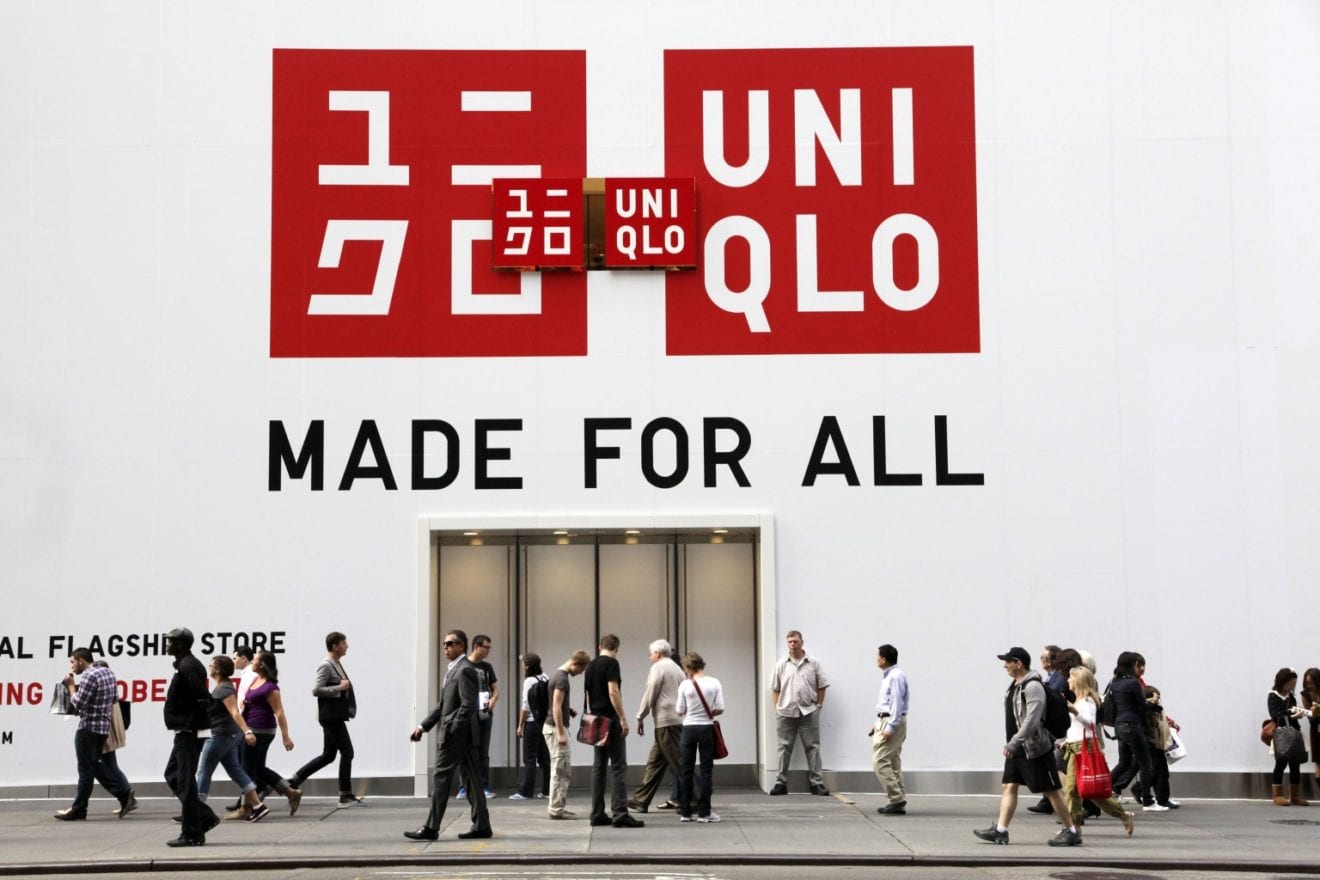
    Uniqlo Japan will offer tax free shopping for overseas visitors to Japan at 31 large stores across the country.

    The service debited last week and allows overseas shoppers to avoid Japan’s eight per cent consumption tax.

    Uniqlo previously offered tax free shopping to overseas tourists at outlets within Haneda and Chubu international airports. But following a Japanese Government revision of the consumption tax exemption system for inbound tourists last October, Uniqlo launched tax free shopping on a trial basis at the Uniqlo Ginza flagship store and Shinjuku East Exit Store in December – including dedicated tax free check out points and increased multilingual staff.

    Uniqlo describes the response as “overwhelmingly positive” encouraging it to expand the service to 31 additional stores popular with tourists. More stores will follow.

    Government data shows the number of inbound tourists into Japan reached a record high in 2014.

    To use the service customers require a non-Japanese passport (a copy or other forms of ID are unacceptable). Foreign residents of Japan are ineligible. Customers must present the purchased items and receipt to be eligible.

  • Crisis freezes Russian malls

    Crisis freezes Russian malls

    Russian property developers had planned construction of 990,000 sqm of new mall space in 2015.

    But property specialist Jones Lang LaSalle predicts the brakes will be put on as much as 400,000sqm of new Russian malls space, in the wake of the rouble’s collapse and the nation’s worsening economic plight.

    The nation’s growing economic crisis is seeing consumers cut spending and restricting access to finance.

    “Everything depends on how many planned projects have already received financing,” said Olesya Dzyuba, deputy head of research at JLL, in the report.

    Russia’s Central Bank has raised the base interest rate to 15 per cent in a bid to prop up the rouble, leaving real estate developers facing borrowing rates as high as 20 per cent, severely impacting on the viability of retail or commercial developments, especially when consumers are cutting back on spending.

    Compounding the problem, foreign retailers are finding Russia a far less attractive market given the rouble’s value has slumped 50 per cent in around six months, reducing demand for space.

    Finnish department store Stockmann closed 16 fashion outlets in Russia last year and international brands like Adidas and Zara have slowed store roll-outs.

    According to JLL, Russian mall rental rates slumped 20 per cent last year, to reach an average range of between US$400 and $1450 per sqm.

  • China drives Osaka duty free boom

    China drives Osaka duty free boom

    Osaka department stores are reporting three times the usual duty free sales to foreigners over Lunar New Year.

    Chinese shoppers may be curtailing spending at home, but they’re still splurging when they travel – as they are doing in increasing numbers within Asia.

    An executive from the Osaka Takashimaya department stores said duty-free sales in the week to Tuesday, when Lunar New Year ended, were 3.5 times the rate of last year.

    More and more Chinese took their holidays in Osaka this year due to a boost in the number of flights by budget carriers from mainland China, Hong Kong and Taiwan.

    The most popular items purchased were Hello Kitty merchandise, especially stationery, Japanese whisky and confectionery.

    At the Kintetsu Department Store Co’s flagship in Abeno Hurakas, Japan’s tallest building, duty-free sales quintupled. There, cosmetics were the most popular category.

    Other department stores reported sales increases of four to four point five times.

  • Savills to tenant Carrefour China

    Savills to tenant Carrefour China

    Savills has signed an agreement with Carrefour to sign up tenants for its new Siyuan Plaza, Carrefour’s first shopping centre in China.

    Siyuan Plaza is located at Siyuan bridge in the Chaoyang district, in the core of Wangjing commercial region. With a total leasable area of 35,000 sqm, it includes one underground floor and three floors above ground. It will integrate about 80 lifestyle stores, one food court, 20 restaurants, an 11,600 sqm Carrefour supermarket and a 5000 sqm Decathlon sports retail outlet.

    Brands signed so far include C&A, Uniqlo, La Chapelle, Starbucks, Burger King, Baskin Robbins, Papa Johns, and Xiabu Xiabu.

  • Bossini bucks the blues

    Bossini bucks the blues

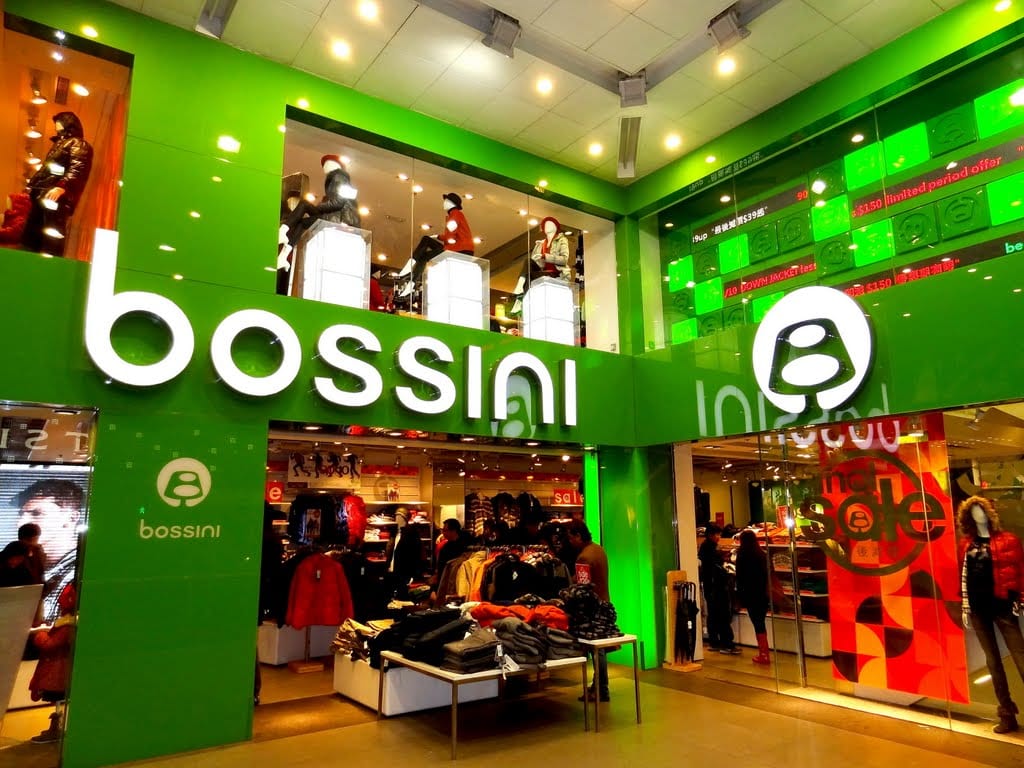
    Hong Kong fast fashion chain Bossini has reported a modest boost in sales in the half year to December.

    Group revenue increased by four per cent year-on-year to HK$1,319 million (US$170,056,190) and gross profit for the period under review was HK$665 million (US$85,737,200)

    Gross margin was slightly improved, up by one percentage point to 50 per cent. And the group reduced its inventory turnover by a full week – from 99 days to 92 days.

    In its earnings statement, the company said the result was achieved “despite challenging economic and political factors”.

    “Record-high sales were registered in the Hong Kong and Macau retail operation, an achievement with 22 consecutive quarters of positive same-store sales growth. A milestone was achieved for mainland China operations as our efforts to increase shop productivity and adopt stringent cost control measures in the preceding financial year helped us to achieve a turnaround in operating profit and achieve seven consecutive quarters of positive same-store gross profit growth.”

    Bossini said Taiwan also recorded an improved performance, helped by ongoing efforts to enhance shop productivity and implement cost-control measures, which led to the fifth consecutive quarter of positive same-store sales growth.

    “During the six months under review, the group maintained a cautious approach to expansion in the face of ongoing global uncertainty. The group had presence in 35 countries and regions worldwide as of December 31. The overall store count decreased by 13 against the previous year to 949, of which 268 were directly managed and 681 were franchised.

    CEO Edmund Mak said that although the US economy is expected to follow a stable growth trajectory in the year ahead, growth in mainland China is expected to slow further.

    “The apparel retailing sector remains highly competitive throughout the region. Nevertheless, the group is confident in pursuing the appropriate strategies to mitigate external risks.

    “We will focus on continuing to streamline productivity in our existing stores, enhancing both efficiency and our overall services in order to provide memorable and vital shopping experiences which reinforce our dynamic and energetic brand image.

    “In mainland China, Taiwan and Singapore, meanwhile, we will continue to implement best practice solutions which have proven successful in our Hong Kong operation. We will also continue to expand our footprint in export markets which show good potential for growth and to partner with well-known brands to launch co-branded and licensed clothing and merchandise that extends and enhances our brand visibility and stature.”

    Mak concluded: “Going forward, the group will continue to create appealing, competitive and quality everyday wear that drives sustainable growth, profitability and customer satisfaction. With a firm focus on our “be happy” core brand value, we will continue to strengthen our competitive edge and endeavour to enhance the value we offer to our shareholders.”

  • Google unveils 2 affordable smartphones in Philippines

    Google unveils 2 affordable smartphones in Philippines

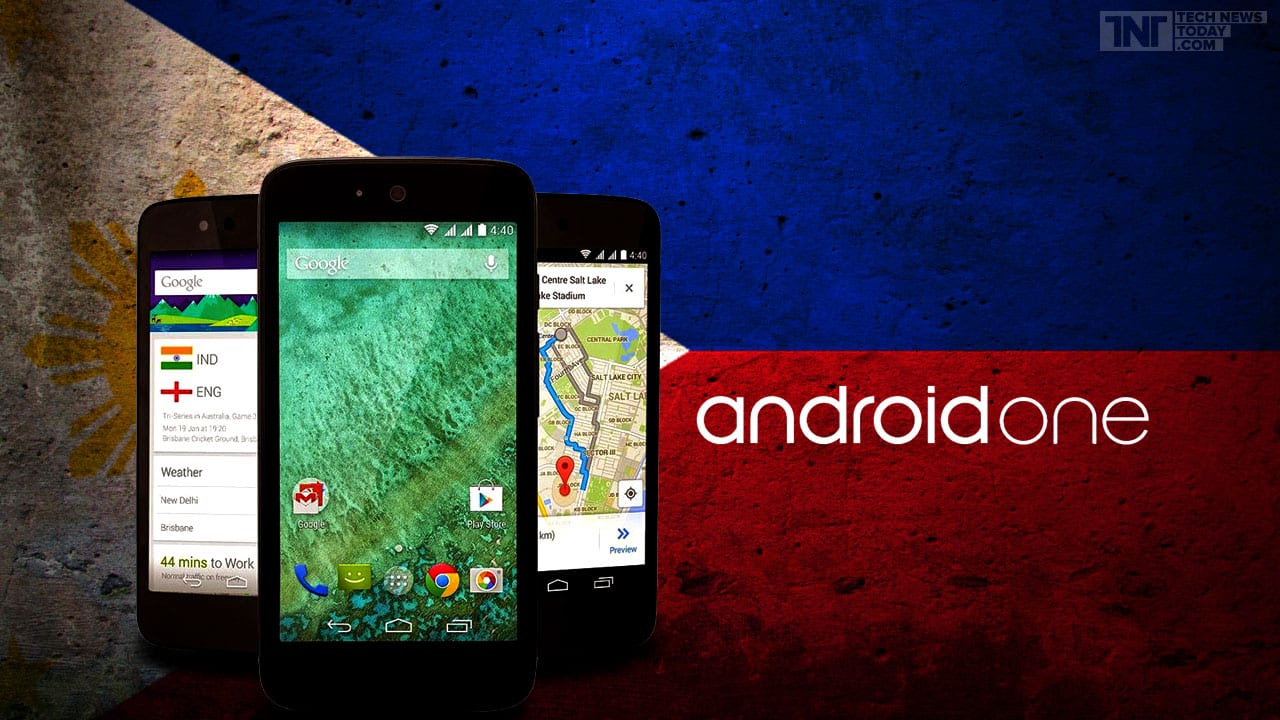
    Google unveiled two affordable smartphones in the Philippines built from the Android One program, a global initiative to bring high-quality smartphones to emerging markets.

    The two phones, developed by local manufacturers Cherry Mobile and MyPhone, will retail for PHP5,000 (USD113.4) in the coming weeks.

    Caesar Sengupta, Vice President, Product Management, Google, said the Philippines is the sixth country in Asia where the Android One program was rolled out, after India, Bangladesh, Nepal, Sri Lanka and Indonesia.

    Android One phones come with the latest version of Android Lollipop and the two phones that will sell in the Philippines will both have 4.5” FWVGA display, Cortex A7 1.3 GHz Quad-Core processor, 1GB RAM, 2 SIM card slots, and front and rear facing cameras and 4GB and 8GB storage (expandable to 32GB).

    Sengupta said Google is also working to reduce data costs for Android One users in the Philippines. For one, the data compression feature on the Android One Chrome browser helps compress the amount of data flowing between the phone and the Internet.

    The Philippines is one of the few countries where YouTube users can take videos offline to watch later during periods of low or no Internet connectivity.

    Telecommunications companies Smart Communications Inc, and Sun Celluar are pitching in effort to make the mobile experience better for users through free over-the-air (OTA) updates to the Android operating system and certain amounts of app downloads from Google Play for the first six months.

    Globe Telecom, on the other hand will be working with Android One users to better access the Internet through its network.

    Ken Lingan, Google’s Country Manager for the Philippines, said during the launch that the country now has over 44 million Internet users. The projection is that by 2016 there would be 66 million Filipinos online.

    “Currently, the Philippines is already the second largest Internet market in Southeast Asia, the 6th largest in Asia. The numbers are growing. There is a massive potential that we see for e-commerce and growing content online because as we see more Filipinos going to the Internet primarily through a mobile device,” he said.

    Sengupta said that it is part of Google’s mission to help connect the four billion or so people around the world who still do not have access to smartphones and are not yet online, mostly in emerging markets like the Philippines.

    “There are lots of first smartphone users do not really get a very nice experience with their gadgets, the software are pretty old and connectivity is expensive and the bandwidth limited,” Sengupta added. “We put together this programming called Android One as an integrated approach to try to solve these problems.”

    Mobile Internet in the Philippines is growing 112 percent year-on-year. By the end of this year, Google expects 50 percent of the population with smartphones. This growth is largely being powered by Android.

  • McDonald’s Philippines marries value meals with mobile access

    McDonald’s Philippines marries value meals with mobile access

    McDonald’s Philippines has partnered with mobile services provider Smart Communications in its latest marketing promo to encourage customers to purchase value meals.

    Every order of any McDonald’s Value Meal plus fries or sundae comes with a free Smart messaging coupon that gives customers a whole day of unlimited text and unlimited access to mobile chat apps.

    The Philippines has about 102.8 million mobile subscriptions in 2013 or over 100 percent of the population, according to data from the International Telecommunications Union (ITU). Most people, however, are on prepaid subscription.

    The Smart messaging coupons to be given away with the meals gives a prepaid subscriber all-day access to SMS and chat apps such as Facebook Messenger, Line, Viber, WeChat and Whatapp – without need for WiFi connection.

    “Our subscribers can expect more perks and freebies as we move toward further enriching their mobile lifestyle,” said Joel Lumanlan, Smart Prepaid head.