Author: Mei Ling Tan

  • Slumping sales, store closures hit Australian Esprit

    Slumping sales, store closures hit Australian Esprit

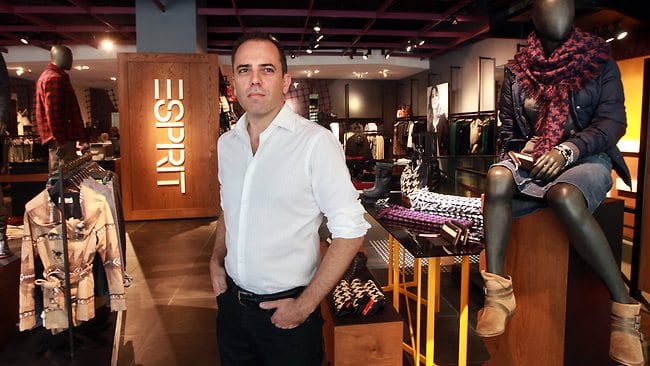
    Slumping sales and store closures led to a small loss for the Australian arm of international fashion retailer Esprit, as its parent company’s shares come under attack from short sellers.

    Esprit bills itself as the largest international fashion retailer in Australia and New Zealand, and has operated in Australia for more than 30 years.

    It employs nearly 400 people and has dozens of stores throughout Australia as well as selling through department store Myer. But in recent years, Australia has become increasingly popular for international fashion retailers, with global giants Uniqlo, Zara, H&M and Topshop setting up more than a dozen stores in the past few years.

  • China retailers play poker in empty malls as shoppers go online

    Property developer Dalian Wanda, owned by China’s second richest man Wang Jianlin, plans to close 10 malls across the country and redesign another 25 to cut retail space, China Business Newsreported last month.
    Zong Qinghou, China’s fifth richest man with a beverage and chain-store conglomerate, said at a forum in August that online shopping businesses are “affecting China’s economic security” by suffocating stores that have to pay rents.

    Stores Close Li Ning Co., a sports-clothing maker, is expected to post losses for the third consecutive year and has closed more than a thousand retail outlets since 2012. Anta Sports Products Ltd., a maker of shoes, has also been shutting down stores partly due to competition from online shopping.

    The internet helps improve productivity and efficiency, but it can be quite painful for traditional businesses, according to Cao Lei, director of the China E-Commerce Research Centre. “Bookstores fail first, then clothing chains, then consumer electronics stores, then air-ticket booking offices, and in the future, bank branches and other traditional services facilities may fail.”

  • Wendy’s to sell 500 more stores to franchisees in 2015

    Wendy’s to sell 500 more stores to franchisees in 2015

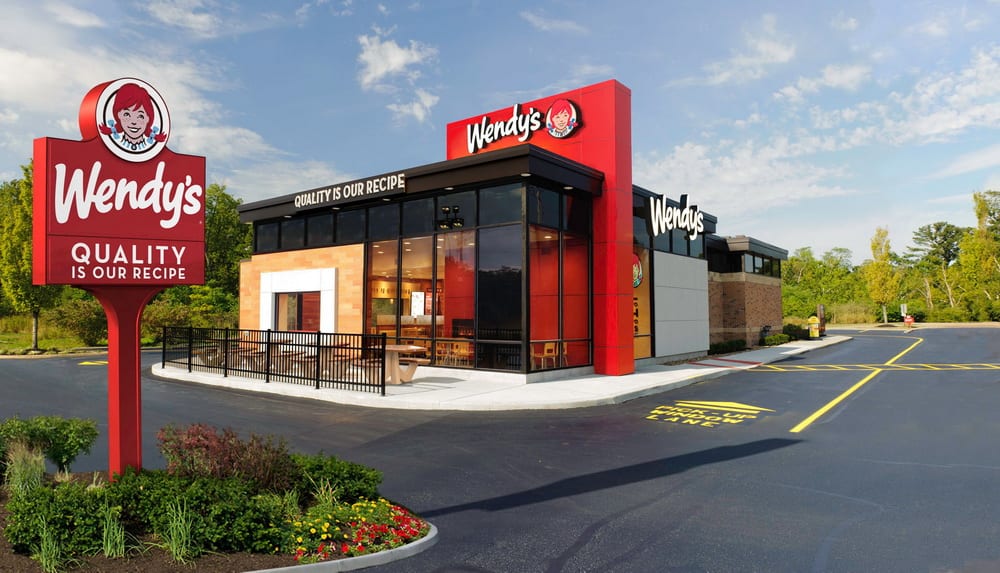
    In pursuit of its goal to reduce company-operated restaurant ownership to approximately 5 percent of the total system by the middle of 2016, Wendy’s recently announced that it is planning to sell 500 additional restaurants to franchisees this year.

    The company sold 237 company-operated restaurants to franchisees in 2014, including 29 restaurants under its Canadian system optimisation initiative to sell approximately 130 restaurants by the end of the second quarter of 2015.

    “Going forward, we intend to buy and sell restaurants opportunistically to act as a catalyst for growth by further strengthening our franchisee base, driving new restaurant development and accelerating Image Activation adoption,” said President and Chief Executive Officer Emil Brolick in a statement.

    Brolick also said that reducing ownership in company-owned restaurants will result in pretax cash proceeds of approximately USD400 to USD475 million and significantly reduce future capital expenditure requirements.

    “We can achieve long-term average annual systemwide same-restaurant sales growth of approximately 2.25 to 3 percent beginning in 2016, along with our system goal for average annual unit sales volumes of USD2 million by 2020,” he added.

    As part of its brand transformation, the company also recently announced a plan to reinvest its resources to focus on consumer-facing technology, including a Common Systemwide point-of-sale system.

    It installed its POS solution in more than 2,600 restaurants and expects to have all its North America restaurants converted to the system by 2016.

    Wendy’s is a member of the Merchant Customer Exchange (MCX), a coalition of approximately 40 merchants representing nearly 80 brands, including a number of top retailers and restaurant companies in the United States, dedicated to building a customer- and merchant-friendly mobile commerce solution. Wendy’s expects to begin a pilot test of the MCX mobile wallet solution, CurrentC, in the coming months.

    “Platforms such as mobile payment, mobile ordering and loyalty programs are rapidly growing in the retail marketplace and provide potential benefits such as consumer convenience, increased transactions, higher check, faster speed of service and a seamless brand experience,” Brolick said.
  • Yum’s China sales fall less than expected, shares rise

    Yum’s China sales fall less than expected, shares rise

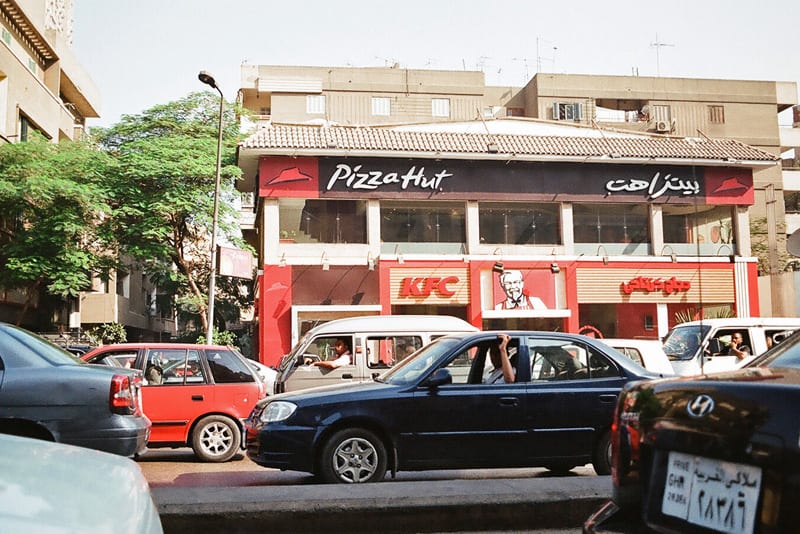
    Yum Brands Inc, owner of KFC and Pizza Hut, said on Wednesday that sales at established restaurants in its biggest market China fell less than feared in the fourth quarter as it fights to recover from a food scandal involving a minor supplier, and its shares jumped 2.1 percent.

    Same-restaurant sales in China, Yum’s number one market for revenue and profit, fell 16 percent for the quarter that ended on 27 December on continued fallout from allegations that a former supplier used expired meat.

    But the decline was less severe than the 19.4 percent drop expected by analysts polled by Consensus Metrix, and shares in Yum rose USD1.51 to USD75.16 in extended trading.

  • HK handbag chain buys e-store

    HK handbag chain buys e-store

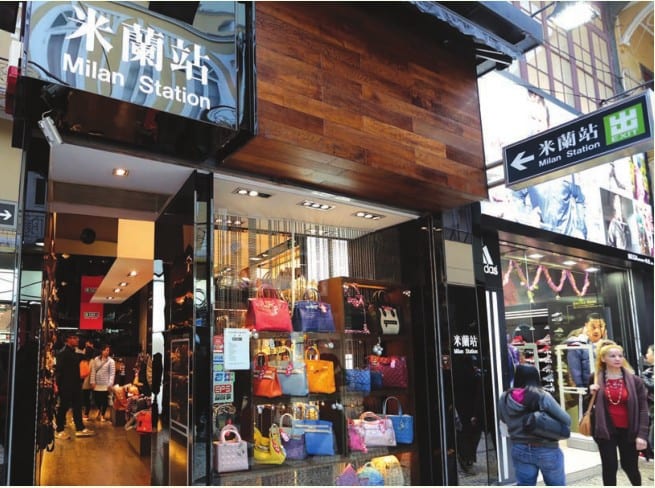
    Hong Kong listed handbag retailer Milan Station Holdings has acquired online retailer Chaodai.

    Milan Station’s parent companies Standpoint and J&C will form a new entity to acquire Chaodai which will then trade under the Milan Station branding. As with their ownership of Milan Station, the two companies will hold 90 per cent equity and 10 per cent respectively.

    “The parties… intend that through the acquisition and the proposed increase in capital, Chaodai will become well positioned in terms of financial and human resources and wider business networks to explore the cross-border online business under the brand name and the trademark of “Milan Station” for better return on their investments,” the company said in a regulatory filing to the Hong Kong Stock Exchange.

    Milan Station had already revealed plans to expand its retail points in the Hong Kong’s ‘clubhouses’ due to booming sales.

    It plans to expand its store network in Macau from six to 10 to further increase sales.

  • Hungry Foodpanda eats up rivals

    Hungry Foodpanda eats up rivals

    Online food delivery service Foodpanda.com has gobbled up six rival services across Asia.

    The Rocket Internet subsidiary recently secured US$60 million in a capital funding round and his wasted little time investing in rivals to boost its market share.

    The businesses bought, with business descriptions provided by TechInAsia.com,  are:

    • Just Eat in India – This deal pertains only to the Indian segment of UK-based Just Eat. Along with Foodpanda’s recent TastyKhana buy-up, Foodpanda now claims to cover over 200 Indian cities and 12,000 restaurants. This gives the Rocket company a strong hold of the Indian market.
    • EatOye in Pakistan – This startup came into life this time last year. It covers 1,000 partner restaurants in 15 cities.
    • Food Runner in Malaysia and Singapore – This is the food delivery subsidiary of Singapore-based DealGuru. The acquisition also includes sister site Room Service.
    • City Delivery in the Philippines – This is also a spin-off from DealGuru, so it’s technically the same deal that snapped up the above two sites.
    • Koziness in Hong Kong – Foodpanda’s Hong Kong deal means it runs not only Koziness but also the related sites Dial-a-Dinner, SOHO Delivery, and Ring-a-Dinner.
    • Food By Phone in Thailand – This started out in 1998 for phone-based orders, but later opened up on the web as well. It covers over 650 restaurants in three of Thailand’s biggest cities.

    “With the recent acquisitions Foodpanda becomes the market leader across Southeast Asia,” said Ralf Wenzel, co-founder and CEO of Foodpanda in an announcement this afternoon.

  • Hotel Shilla in Korea duty free bid

    Hotel Shilla in Korea duty free bid

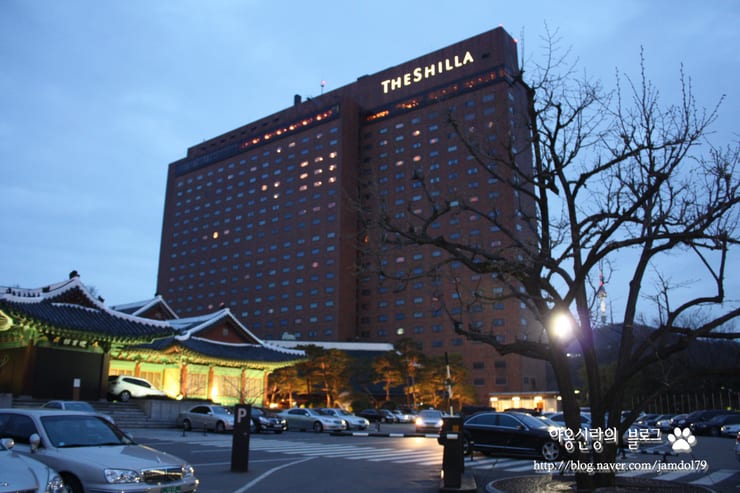
    Hotel Shilla is aiming to take over DFASS, the world’s largest in-flight duty-free specialty retailer, to expand its duty-free business to on-board duty-free shopping.

    According to retail industry experts in Korea, Hotel Shilla selected Goldman Sachs as the managing underwriter for its acquisition of DFASS, and is now fine-tuning the detailed conditions for the purchase of controlling rights, such as the sales price.

    The hotel currently runs its duty-free shop business through Shilla Duty Free Shop, and ranked seventh in terms of sales volume with US$1.9 billion in revenue as of 2013.

    Founded in 1987, the US based retail group partners with approximately 30 airlines, including American Airlines, Air Canada, Singapore Airlines and Hong Kong Airlines, and supplies duty-free specialties. Along with the in-flight business, it also runs around 40 small-sized ground-based duty-free shops in the U.S. Its annual sales volume is around US$500 million.

    It is reported that Hotel Shilla has been pushing to take over the DFASS Group to expand its Korea and Asia-focused business foothold across the globe. If it succeeds in acquiring DFASS, it can expand its duty-free business from ground-based and airport duty-free shops to in-flight shopping.

    Last November, Bernard Benny Klepach, founder and CEO of DFASS, visited Seoul by himself and discussed the matter with Shilla officials.

    An official at Hotel Shilla said: “Several other duty-free shop operators are interested in DFASS. As there are wide gaps between DFASS and us on the take-over terms, nothing can be confirmed right now.”

  • Metcash accused of unconscionable conduct by supplier

    Metcash accused of unconscionable conduct by supplier

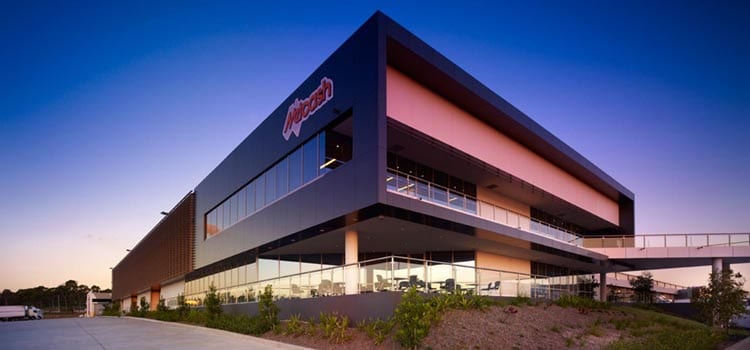
    Less than two months after Coles agreed to settle unconscionable conduct claims, Metcash is embroiled in a legal stoush with a major supplier who has accused the food and liquor distributor of demanding excessive rebates and payments.

    COFCO Distributors and Fasttrack Logistics, which are owned by a group of Indonesian businessmen, have accused Metcash of unconscionable conduct and using unfair tactics to force them to hand over more than AUD11 million in rebates and payments over the last six years.

    In a statement of claim lodged in the Federal Court in Sydney in December, COFCO said it had paid Metcash AUD10.36 million in rebates on sales of AUD39.24 million over the six years to 30 June, 2014 and had been forced to pay AUD395,275 for “overseas study tours” for Metcash staff.

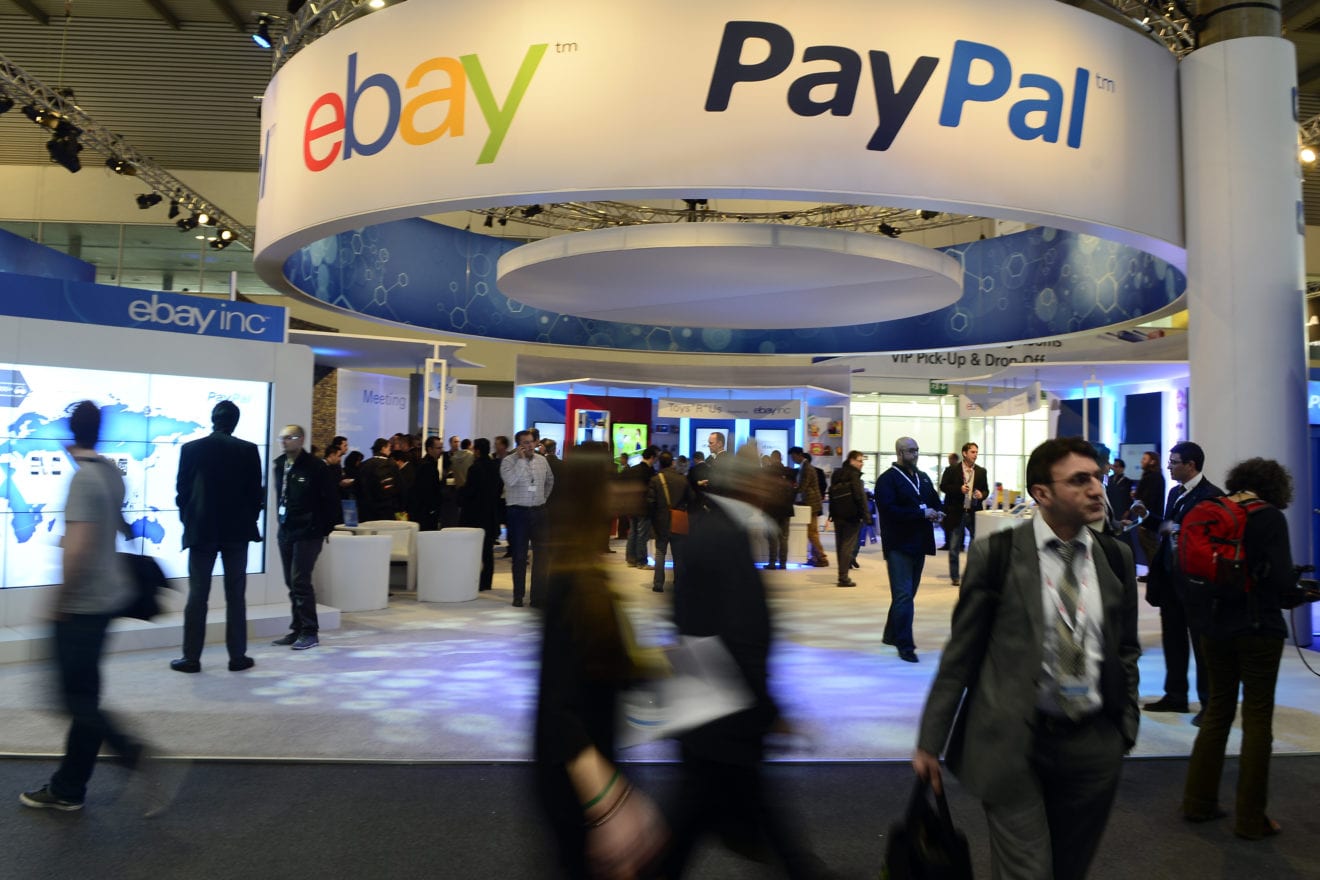
  • Paypal’s retail chief quits ahead of eBay split

    Paypal’s retail chief quits ahead of eBay split

    Paypal executive Don Kingsborough, who helped orchestrate the payments company’s move into physical retail stores, stepped down in January, the company said on Wednesday.

    His departure, which tech blog Re/code first reported, comes as the company competes with the likes of fast-growing startup Square to get its payments system adopted in more retail chains across the United States.

    PayPal, which is slated to split from eBay Inc later this year, will keep testing and investing in various in-store payments systems, eBay spokeswoman Amanda Miller said in a statement.

  • Mall Group budget focuses on media

    Mall Group budget focuses on media

    The Mall Group, Thailand’s second largest retail group, will spend more than THB2 billion (USD61.3 million) to stimulate consumer spending and boost sales to reach THB53 billion (USD1.63b) this year.

    Executive vice-president Chamnarn Maytaprechakul said that even though the economic and political outlooks had improved since last year, people remained cautious about spending.

    The group will therefore put more focus on its media spending this year, relocating some advertising and promotional budgets to direct media that have an immediate impact on customer spending, and slashing the budget for mass media.

  • Alibaba’s drone delivers in 3 Chinese cities

    Alibaba’s drone delivers in 3 Chinese cities

    Chinese e-commerce giant Alibaba on Wednesday tested its first drone delivery service in China, promising to whisk ginger tea to customers within an hour.

    The experience, however, is confined to just three days and covers a few areas of three cities – Beijing, Shanghai and Guangzhou – with a total of 450 deliveries.

    The Chinese e-commerce giant launched the three-day test by partnering Shanghai YTO Express Logistics Co on its flagship consumer-to-consumer Taobao Marketplace, according to a statement filed on microblogging site Sina Weibo.

  • Thai consumer confidence fell in Jan

    Thai consumer confidence fell in Jan

    Thailand’s consumer confidence index fell to 80.4 points in January from 81.1 last December due to concerns about slow economic recovery, baht appreciation, weak exports and low prices for farm products.

    The University of the Thai Chamber of Commerce announced on Thursday that consumer confidence declined as the national economy was expanding more slowly than its real potential, Thai exports did not recover well, the baht appreciated slightly and prices of farm products fell.

  • Madura Fashion looks to strengthen online sales through exclusive e-commerce portal

    Madura Fashion looks to strengthen online sales through exclusive e-commerce portal

    Having tasted success in selling through online marketplaces, branded apparel manufacturer Madura Fashion & Lifestyle is now focused on growing its own multi-brand fashion e-commerce portal, Trendin.com, which was launched in an alpha-stage in March 2013.

  • Topshop in Japan shock

    Topshop in Japan shock

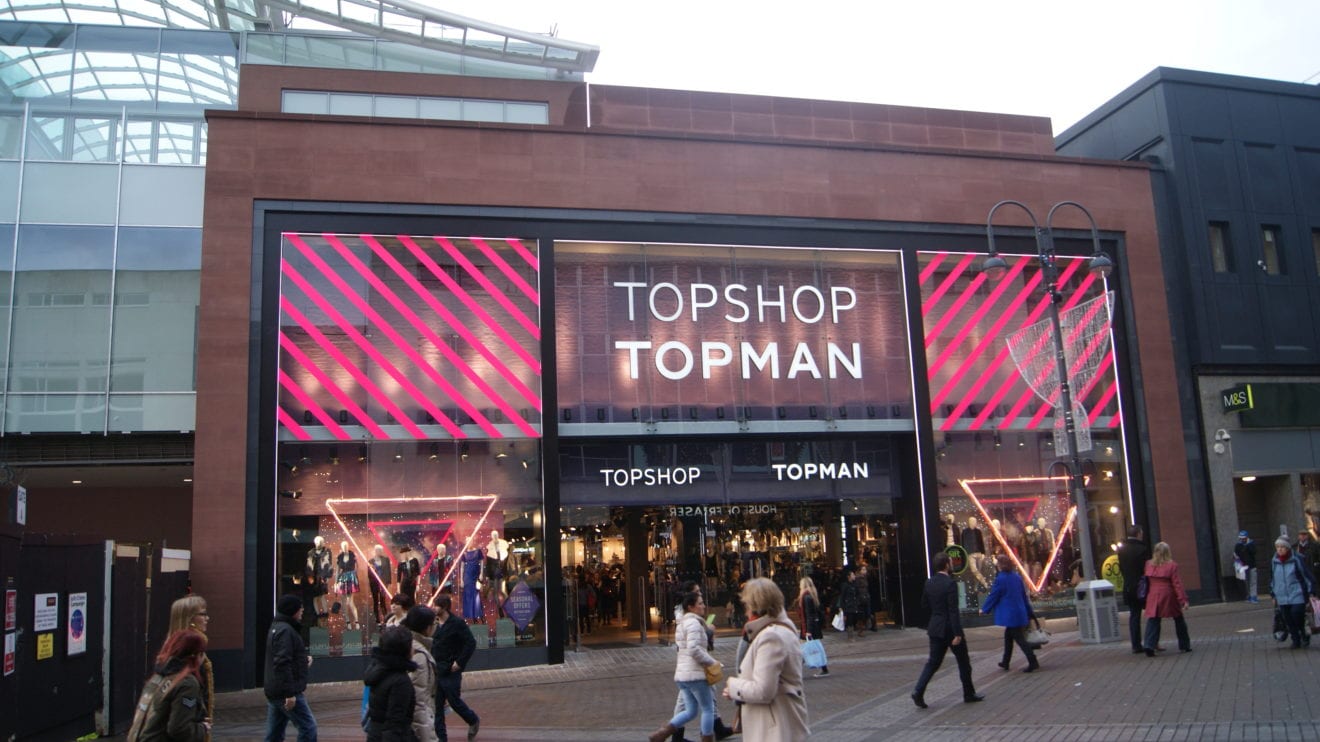
    UK-based fashion group Topshop has shuttered its stores in Japan.

    No explanation has been given for the closure – but it appears Topshop’s parent Arcadia Group is in some form of dispute with its Japanese partners.

    In a statement issued overnight in response to media enquiries Topshop confirmed the stores were operated by a franchise partner.

    “The Japanese market is an important part of Topshop’s business and there are no plans to pull out of this key international territory,” the company said in a statement to Fashionista.

    “We are working hard, and exploring all avenues, to ensure that the brand maintains its presence in Japan.​”

    Topshop launched in Japan in 2006 and later partnered with Mori Building System, a retail real estate specialist which has also worked with Louis Vuitton subsidiaries. However it is not clear who the partner was at the time the stores closed as the association with Mori is reported to have ended last May.

    The Nikkei Asian Review has reported that the Topshop Shinjuku flagship appeared to be fully stocked, but city’s other flagship, in the trendy Harajuku district, had been cleared out.

    Phone calls to all five stores went unanswered.

    The company last posted on its Facebook page on January 7 and its website still lists store locations.

  • Aeon nears Indonesian debut

    Aeon nears Indonesian debut

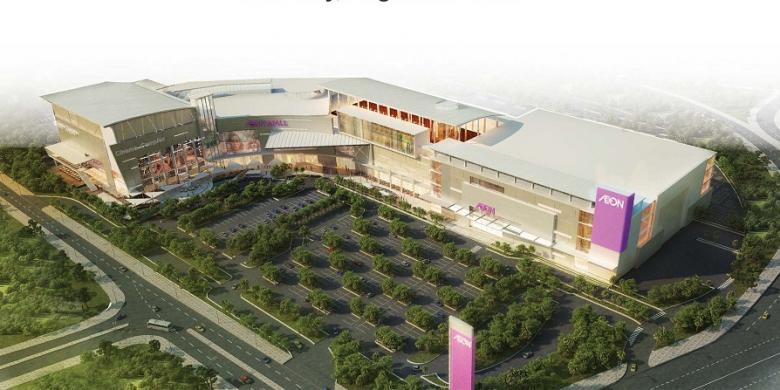
    Japan’s Aeon is completing construction of its first shopping mall in Indonesia.

    Its Indonesia debut follows success in Malaysia and Thailand where it is building strong networks of hypermarkets, supermarkets and mini-markets, and a more recent foray into Vietnam where it has two shopping centres already trading in the south and a third under construction in Hanoi.

    Aeon Mall Sinarmas Land Indonesia, its local arm, is building Aeon Mall Bumi Serpong Damai (BSD) City which will have more than 100,000 sqm of leased area and be one of the largest shopping malls in the city when complete.

    The suburban mall will have have an Aeon general merchandising store as its anchor, and lease space to a broad range of international and local brands, in similar format to its Vietnamese centres.

    It will also feature a food court, cinemas, and an amusement arcade.

    The mall will comprise four stories along with multi-level parking for more than 5000 vehicles.

    This week Aeon contracted NEC Indonesia to provide cashless payment systems for the food court in what will be the first electronic card payment project for NEC in Indonesia.

    The cashless payment system consisting of NEC retail terminals and software will enable cashless transactions for both food court customers and stallholders. Payments for food and beverage will be made via an electronic card, which can be topped up at a central cashier or kiosk.