Author: Mei Ling Tan

  • Crypto Trading Patterns and Their Implications

    Crypto Trading Patterns and Their Implications

    Cryptocurrency trading has grown exponentially over the past decade, with millions of traders entering the market seeking profits from digital assets like Bitcoin, Ethereum, and altcoins. Unlike traditional financial markets, crypto trading is characterized by high volatility, 24/7 operation, and a relatively young and unregulated ecosystem. These characteristics make it a fertile ground for technical analysis, especially trading patterns that reveal the psychology and behavior of market participants.

    Trading patterns—recurring shapes and trends found in price charts—are central to technical analysis. They help traders anticipate potential price movements and make informed decisions. Whether you’re a novice investor or a seasoned professional, recognizing and understanding crypto trading patterns can give you a significant edge.

    This article delves into various crypto trading patterns, their implications, and how traders can leverage them for strategic positioning. We will also explore their strengths, weaknesses, and real-world examples to highlight their practical utility.

    Trading patterns are visual representations of price action that indicate potential future behavior. They are generally classified into three types:

    Understanding Trading Patterns in Crypto Markets

    • Continuation Patterns: Suggest the current trend will likely continue.
    • Reversal Patterns: Indicate a possible change in trend direction.
    • Neutral Patterns: Show indecision or potential for breakout in either direction.

    These patterns are derived from historical price data and are a core component of chart analysis. Their reliability varies based on time frames, volume, and market conditions.

    Common Types of Trading Patterns

    Head and Shoulders

    A classic reversal pattern characterized by three peaks: a higher one (the head) between two lower ones (the shoulders). A breakdown below the neckline signals a bearish reversal.

    • Implication: Signals the end of an uptrend and the beginning of a downtrend.
    • Example: Bitcoin’s 2018 bear market saw a head and shoulders pattern form before it fell from $12,000 to $6,000.

    Double Top and Double Bottom

    These are strong reversal indicators:

    • Double Top: Indicates bullish exhaustion; followed by a bearish reversal.
    • Double Bottom: Indicates bearish exhaustion; followed by a bullish reversal.

    Triangles (Ascending, Descending, Symmetrical)

    Triangles are continuation or breakout patterns:

    • Ascending Triangle: Bullish signal during uptrends.
    • Descending Triangle: Bearish signal during downtrends.
    • Symmetrical Triangle: Neutral; breakout direction depends on volume.

    Flags and Pennants

    Short-term continuation patterns formed during sharp movements:

    • Flags: Rectangular patterns that show a brief consolidation.
    • Pennants: Smaller, symmetrical triangle formations post a price spike.

    Implications of These Patterns in Real Trading

    Trend Confirmation

    Patterns like ascending triangles or bullish flags help traders confirm the strength of a trend. For instance, Ethereum displayed a clear bullish flag in its 2021 rally from $1,500 to over $4,000, supporting long positions.

    Entry and Exit Strategy

    Recognizing patterns aids in identifying strategic entry/exit points:

    • Buy at breakout above resistance (in bullish patterns).
    • Sell at breakdown below support (in bearish patterns).

    Stop-Loss Placement

    Patterns provide natural zones for stop-loss orders. For example, placing a stop just below the support line of a double bottom ensures risk mitigation.

    Case Studies and Real-World Examples

    • Bitcoin 2021 Bull Run: An ascending triangle formed between January and March. A breakout above $42,000 led to a surge toward $64,000.
    • Terra Luna Collapse: Before its crash, analysts noted a descending triangle—a bearish indicator that preceded a significant drop.

    These examples underscore how correctly identifying and interpreting patterns can lead to profitable trades—or avert major losses.

    Pros and Cons of Using Trading Patterns

    Pros:

    • 📈 Predictive Power: Offer insight into potential market direction.
    • 🔄 Versatility: Apply to multiple timeframes and assets.
    • 🛠️ Tool for Risk Management: Useful in setting stops and limits.

    Cons:

    • Subjectivity: Interpretation can vary between traders.
    • ⚠️ False Signals: Especially in low-volume or manipulated markets.
    • 🧩 Complexity: Some patterns require experience to identify accurately.

    Integrating Trading Patterns with Other Strategies

    For optimal results, trading patterns should be used alongside:

    • Volume Analysis: Confirms pattern validity.
    • Indicators: RSI, MACD, and moving averages refine entries.
    • News and Sentiment: External events can invalidate pattern implications.

    Successful traders often combine pattern recognition with quantitative strategies or affiliate monetization models. If you’re considering turning your trading knowledge into a business, exploring opportunities through a casino affiliate network can be lucrative. These networks allow crypto-savvy marketers to earn commissions from referring traders to platforms that also accept digital assets.

    Understanding crypto trading patterns is essential for anyone looking to succeed in this fast-paced market. Patterns are not just abstract shapes—they are visual manifestations of market sentiment, fear, greed, and momentum. By mastering these formations, traders gain the tools to predict movements, plan entries and exits, and avoid costly mistakes.

    Conclusion

    However, patterns must not be used in isolation. Their efficacy increases significantly when combined with other analysis tools, market awareness, and proper risk management. Additionally, traders can multiply their income streams by monetizing their expertise—whether through educational content, community building, or affiliate marketing using a casino affiliate network that caters to trading audiences.

    In a world where markets never sleep, trading patterns offer a strategic compass. They guide decision-making, enhance timing, and, when used wisely, can turn volatility into opportunity.

    Questions & Answers

    What are trading patterns?

    Trading patterns are chart formations that signal potential price direction based on historical price data and market behavior.

    Are trading patterns reliable?

    While no pattern guarantees results, many have proven statistically significant over time—especially when supported by volume and market context.

    Can beginners use trading patterns?

    Yes, but beginners should start with basic patterns like head and shoulders, triangles, and double tops/bottoms, and always back-test before live trading.

    What’s the difference between a continuation and a reversal pattern?

    Continuation patterns suggest the trend will persist, while reversal patterns imply a trend change.

    How can I learn to recognize patterns?

    Start with technical analysis books, online courses, and platforms like TradingView. Practice by analyzing historical charts.

    Do patterns work on all timeframes?

    Yes, but higher timeframes (daily, weekly) generally yield more reliable signals than shorter ones (5min, 15min).

    What if a pattern fails?

    Always use risk management techniques. No pattern is 100% reliable, and false breakouts are common.

    How important is volume in pattern analysis?

    Very important. Rising volume during a breakout validates the pattern and increases the probability of a successful trade.

    Can I automate pattern trading?

    Yes. Many bots and algorithmic platforms support pattern recognition. However, always test thoroughly before deploying.

    Can I monetize trading knowledge?

    Yes. Becoming part of a casino affiliate network focused on trading platforms is one way to earn passive income by referring other traders.


  • Ultra-Rich Seek Safe Haven: Singapore’s Gold Storage Becomes Hot Commodity Amid Rising Global Risks

    Ultra-Rich Seek Safe Haven: Singapore’s Gold Storage Becomes Hot Commodity Amid Rising Global Risks

    Located near Singapore’s bustling airport, a remarkable six-story structure known as “The Reserve” holds gold and silver bars valued at an astounding US$1.5 billion. This extraordinary facility features numerous private vaults and an impressive storage chamber filled with thousands of safe deposit boxes, soaring three stories high.

    Record Surge in Precious Metal Storage

    In the first four months of this year, The Reserve reported an astonishing 88% increase in orders for gold and silver storage compared to the same period in 2024, according to its founder, Gregor Gregersen. Even more striking, the facility experienced a 200% year-on-year rise in sales of precious metals bars during this timeframe.

    “A lot of very high net-worth clients are looking at tariffs, the changing world, and the potential for geopolitical instabilities,” Gregersen shared with CNBC. “The idea of placing physical metal in a safe jurisdiction like Singapore with trustworthy partners is becoming an undeniable trend.” Interestingly, 90% of the new orders come from clients based outside Singapore.

    Gold Prices on the Rise

    With gold prices skyrocketing to consecutive record highs this year, driven in part by its status as a safe haven amid tumultuous U.S.-China trade tensions, the allure of physical gold has tantalized investors. Currently, spot gold is trading at around $3,300 and is projected to climb to $3,400 in the near term, according to Tim Waterer, chief market analyst at KCM Trade. Furthermore, JP Morgan anticipates bullion could reach $4,000 per ounce next year.

    Gregersen highlighted that wealthy investors are increasingly opting for tangible gold bars over paper investments to mitigate counterparty and geopolitical risks. “Previous crises have amplified the demand for physically owning gold rather than relying on paper assets or pooled reserves, which may become precarious if a bank fails,” noted Nicky Shiels, head of research and metals strategy at MKS Pamp, a distinguished refining and trading firm for precious metals.

    Singapore’s Spotlight Role

    Given the current economic uncertainties, Singapore has emerged as a premier hub for gold reserves. “Singapore is regarded as the ‘Geneva of the East’; it boasts a reputation for political and economic stability,” Shiels remarked to CNBC.

    This major transit hub not only serves as a safe space for storing wealth but also offers ease of access. According to Shiels, “You can bank and store your gold there, and it’s easy to pick up and transport, making it a competitive advantage over Switzerland.”

    As The Reserve continues to flourish in Singapore, it’s clear that the allure of physical gold won’t be fading away anytime soon.

    Questions & Answers

    What significant increase did The Reserve see in storage orders?
    The Reserve experienced an impressively high 88% surge in orders for gold and silver storage in the first four months of this year.

    What are the current trends in gold pricing?
    Spot gold is currently trading around $3,300, with predictions suggesting it may rise to $3,400 soon, and JP Morgan estimates it could reach $4,000 per ounce next year.

    Why is Singapore viewed as a favorable location for gold storage?
    Singapore is considered a legitimate “Geneva of the East” due to its political stability, economic security, and convenience as a major transit hub, making it an attractive option for wealth storage.

  • Malaysian Farmers Explore Legal Action to Safeguard 2,400 Ha of Durian Farmland from Corporate Takeover

    Malaysian Farmers Explore Legal Action to Safeguard 2,400 Ha of Durian Farmland from Corporate Takeover

    The Save Musang King Alliance, under the leadership of president Wilson Chang, is raising alarms over DOA Plantation, a company barely a year old, for allegedly occupying approximately 2,400 hectares of durian orchards without proper consent.

    Accusations Made Against DOA Plantation

    Chang has voiced serious concerns that the firm has forcibly ousted farmers, marked their durian trees, and has yet to produce any official documentation to substantiate its claim over the land, as reported by Free Malaysia Today. In a recent social media post, Chang lamented, “There is strong reason to believe that the firm intends to harvest durians this season and profit from the hard work of local farmers, without any compensation.”

    Entirely undeterred, the alliance is exploring legal avenues to halt DOA Plantation’s operations and safeguard local growers’ rights. Chang also called attention to the puzzling circumstances surrounding how such a vast area of land was handed to a company led by directors from Penang and Sarawak, urging the Pahang government to clarify the situation. He emphasized, “We reaffirm our core belief that the land is the lifeblood of our farmers, and that every tree represents years of hard labour and care. No corporation should be allowed to exploit this without consequence.”

    The High Stakes in Durian Farming

    According to Chang, the new company aims to seize control of around 2,400 hectares of farmland, intertwining orchards that have previously sparked ownership disputes between local farmers and authorities. The anticipated harvest from these durian trees alone is estimated to be worth over RM100 million (US$24 million)—a lucrative bounty that has everyone on their toes.

    Chang also noted that although discussions with the Pahang government regarding the farmland have not completely met farmers’ demands, there has been “meaningful progress” after five years of determined resistance from Musang King durian farmers in Raub. To date, the price of Grade A durians has seen a boost from MYR30 per kg in 2020 to MYR35 today, along with clearer grading standards aimed at ensuring fairer payments for farmers.

    With these advancements in mind, the Save Musang King Alliance is contemplating an out-of-court settlement with the Pahang government, redirecting its energies toward the legal battle against DOA Plantation.

    Challenges Ahead

    In an earlier incident in April, the Pahang government cut down over 1,000 durian trees, asserting they were cultivated on illegally occupied land. The alliance claimed a court ruling from the previous May prohibited such demolitions, while authorities countered that no judicial orders were contravened and defended their right to clear the land.

    Meanwhile, the Malaysian Anti-Corruption Commission has announced it is currently gathering relevant documents as part of its investigation into the land encroachment allegations. Several former government officials linked to the case have been identified, but as yet, no arrests have been made. One can only wonder what surprising twists lie ahead in this unfolding saga of durian drama!

    Questions & Answers

    What are the main allegations against DOA Plantation?
    The main allegations include forcibly removing farmers from their land, marking trees for harvest, and failing to present any official documents proving their right to operate on the 2,400 hectares of durian orchards.

    How has the Pahang government responded to the situation?
    The Pahang government has defended its actions, including the removal of over 1,000 durian trees, stating they were on illegally occupied land and asserting that no court orders were violated.

    What next steps are being considered by the Save Musang King Alliance?
    The alliance is contemplating legal action against DOA Plantation while also considering an out-of-court settlement with the Pahang government to better focus their efforts in this ongoing land dispute.

  • Vietnamese Expat Faces Challenges Securing $700,000 Home in Ho Chi Minh City After Canada Return

    Vietnamese Expat Faces Challenges Securing $700,000 Home in Ho Chi Minh City After Canada Return

    After nearly four decades in Canada, my uncle has returned to Vietnam to settle down in his homeland, following the passing of his wife. With his daughter married and living in France and his son residing in the U.S., he thought finding a cozy home in Ho Chi Minh City (HCMC) with a budget of VND18 billion (US$700,000) would be a breeze. However, he was in for a surprise as he soon found tube houses tucked away in narrow alleys commanding prices upwards of VND10 billion — and some even flirting with VND20 billion.

    Despite the current market being described as “frozen,” these diminutive central properties, often measuring barely a few dozen square meters with outdated designs, continue to carry lofty price tags. This perplexing phenomenon is likely mirrored in Hanoi as well.

    Rather than navigating the steep staircases of these narrow homes, my uncle mused about investing in land in a nearby province and building a house with a small yard. Initially, he favored city living for its conveniences and access to medical care, but after weighing the options, he cautiously decided to “leave the decision for next time.”

    Once a practical solution to rapid urban growth during chaotic city planning, tube houses have now morphed into overpriced assets. Prices no longer reflect comfort or practicality, often inflated by rampant speculation, land hoarding, and the prevailing notion that “downtown real estate will always appreciate.”

    While homes in city centers undeniably boast location advantages and resale potential, the reality of treating cramped 4-5 meter wide houses as premium properties exposes a market distortion that prioritizes financial gain over genuine living needs. Instead of enjoying the luxury of space and greenery, many find themselves squeezed into small dwellings simply because they boast billion-dollar valuations on paper.

    The path forward for housing development must embrace a holistic urban strategy that enhances suburban infrastructure, relieves the pressure on city centers, promotes affordable housing, and edges the market away from treating homes as mere investment vehicles.

    If you were in my uncle’s shoes, would you opt for a cramped tube house in a bustling alley, or carve out your dream home on a spacious plot of land in a nearby province?

    Questions & Answers

    What led my uncle to return to Vietnam?
    He returned after living in Canada for nearly 40 years, following the death of his wife, with both his children living abroad.

    What challenges did he face while house hunting in HCMC?
    Despite a solid budget, he found that even small, narrow tube houses were priced way above expectations, with many costing over VND10 billion.

    How can the housing market in Vietnam improve?
    A comprehensive urban strategy is needed that emphasizes suburban development, affordable housing, and a balanced approach to property ownership without excessive speculation.

  • Gold Bar Prices Soar as Global Rates Take a Dive

    Gold Bar Prices Soar as Global Rates Take a Dive

    In a striking turn of events, gold bar prices in Vietnam took a downward plunge on Monday morning, even as global bullion rates experienced a modest uptick. The Saigon Jewelry Company reported that gold bars saw a decline of 1.01%, settling at VND117 million (approximately US$4,496.03) per tael. Meanwhile, gold rings staged a minor comeback, rising 0.18% to VND113.7 million per tael—a tael equals 37.5 grams or 1.2 ounces.

    Internationally, the landscape for gold shifted as escalating tensions in the Russia-Ukraine conflict, coupled with U.S. President Donald Trump’s renewed threats to double tariffs on imported steel and aluminum, prompted investors to flock to the safety of bullion. According to Reuters, spot gold increased by 0.5% to reach $3,305.85 an ounce, while U.S. gold futures climbed 0.4% to $3,329.80.

    Tim Waterer, chief market analyst at KCM Trade, noted, “With trade and geopolitical worries bubbling to the surface once again, it’s no surprise to see gold ticking higher to start the week.” He added that riskier assets are losing steam while a dip in the dollar continues to support gold’s upward trajectory.

    The recent dip in the U.S. dollar index rendered bullion more affordable for international buyers, reinforcing gold’s status as a safe-haven asset amid global uncertainties. Given its tendency to flourish in low-interest rate environments, gold remains a shiny beacon for investors eyeing stability in the face of economic volatility.

    What a modern-day treasure hunt it is! As geopolitical tensions rise, it seems gold is the new black—always in style and never out of demand.

    Questions & Answers

    What caused the drop in Vietnam’s gold bar prices?
    Vietnam’s gold bar prices fell due to a decrease in local demand, even as global gold prices rose in response to geopolitical tensions.

    How did global gold prices react on the same day?
    Globally, gold prices climbed, with spot gold increasing by 0.5% to $3,305.85 an ounce, driven by investor concerns over escalating geopolitical issues.

    What factors typically support gold prices?
    Gold prices tend to thrive during periods of geopolitical and economic uncertainty, especially in low-interest rate environments, as it is seen as a safe-haven asset.

  • Lumen Capital Welcomes Former UBS Executives to Enhance Its Dynamic Team

    Lumen Capital Welcomes Former UBS Executives to Enhance Its Dynamic Team

    In an exciting development for the financial services landscape in Switzerland, former UBS executives are joining the dynamic team at Lumen Capital, an independent asset management firm based in Zurich. This move signifies Lumen Capital’s ambitious growth strategy as it seeks to enhance its offerings in wealth management.

    Wealth Management Expertise Taking Center Stage

    Leading the charge is Haas, who brings more than two decades of experience in wealth management, both within Switzerland and on an international scale. Since kicking off his career in 2004 with UBS’s international wealth management division, he has amassed a wealth of knowledge that places him in a prime position to contribute to Lumen Capital’s success.

    From 2010 to 2014, he played a pivotal role in establishing a private bank in Zurich, managing its private banking operations. Following this venture, he dedicated a decade to advising affluent Swiss clients at UBS as a Senior Client Advisor, eventually taking the helm as Team Leader. “At Lumen Capital, I can offer my clients tailored, conflict-free advice. Active listening is key for me to fully grasp their needs,” Haas explained, painting a picture of client-centric service.

    His academic credentials include a Master’s degree in Economics from the University of St. Gallen and a Chartered Alternative Investment Analyst (CAIA) diploma. Additionally, he is recognized as a Certified Wealth Management Advisor (CWMA) for the Swiss market—a trifecta of qualifications that bolsters his expertise.

    A Fresh Voice in Lumen’s Advisory Board

    In an equally exciting development, Lumen Capital has welcomed Matthias Krauland to its Advisory Board. A distinguished figure in the financial realm, Krauland previously held positions at UBS before moving to Deutsche Bank, where he continues to lend his insights as an Advisor.

    Boasting more than 18 years at Eisenmann SE, where he served as CEO for over twelve years and is now Chairman of the Board, Krauland brings a wealth of experience from the world of manufacturing, particularly serving the automotive industry from his base in Böblingen, Germany. His diverse background enriches Lumen Capital’s strategic direction, melding finance with industrial insights.

    This intriguing mix of talent at Lumen Capital promises a robust and innovative approach to asset management that could change the game in the Swiss market.

    Questions & Answers

    What is Lumen Capital’s strategy for growth? Lumen Capital aims to expand its service offerings by leveraging the extensive experience of its newly appointed team members, focusing on tailored, conflict-free wealth management.

    Who is leading the wealth management efforts at Lumen Capital? Haas, with his rich background of over 20 years in wealth management, is spearheading wealth management at Lumen Capital, emphasizing individualized client experiences.

    How does Matthias Krauland contribute to Lumen Capital? As an Advisory Board member, Krauland provides strategic insights drawn from his extensive experience in the financial sector and as an industry leader at Eisenmann SE.

  • Retailers Like Ikea Revamp Store Designs to Adapt to Digital Shopping Trends

    Retailers Like Ikea Revamp Store Designs to Adapt to Digital Shopping Trends

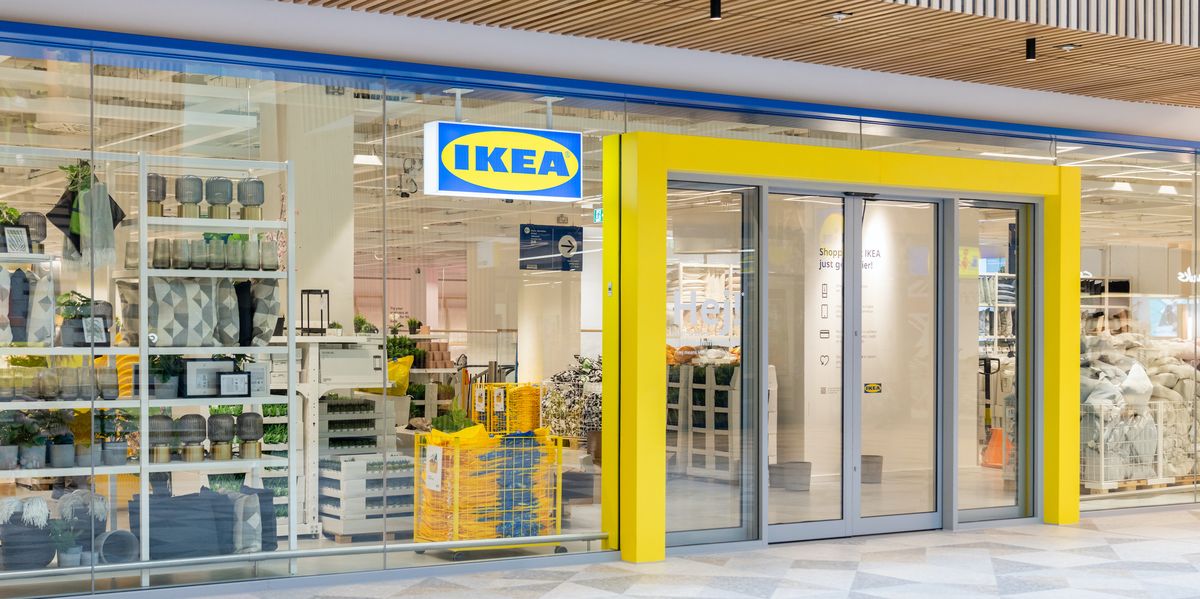
    IKEA is making waves in the retail world by swapping its iconic maze-like store design for a more straightforward, linear layout. This bold move reflects a larger transformation in the industry, one that champions efficiency, flexibility, and clear brand identity.

    A Retail Renaissance

    Rufus Turnbull, Founder and Creative Director at Studio X, notes, “We’re witnessing a shift towards smaller format stores that can offer a more agile shopping experience for consumers. Coupled with the rise of AI, there will be an even sharper focus on hyper-localization—tailoring product ranges to fit the specific needs of customers in their respective regions.” This redesign is part of IKEA’s global strategy to enhance in-store navigation and cut down on shopping time, responding to the increasing consumer demand for quicker and more efficient retail experiences—especially as online shopping sets higher expectations for physical stores.

    Rethinking Retail Inspiration

    Mike Lim, Director at DP Design, emphasizes that traditional, inspiration-driven retail models, like IKEA’s former printed catalog, are losing their relevance. “Today, consumers primarily turn to the internet for information,” he highlights, arguing for a re-evaluation of whether the classic show-and-tell shopfront really meets the needs of modern shoppers.

    Balancing Efficiency with Experience

    However, this shift does come with its own set of challenges. Turnbull warns against viewing the move to more efficient formats as an “all or nothing switch.” He suggests that large-format stores will continue to be crucial, while newly introduced smaller formats can facilitate product pickups and enhance customer service and returns.

    Lim also cautions against an overemphasis on speed and efficiency: “We must avoid the ‘efficient trap’—oversimplifying the shopping experience consumers crave,” he advises. Instead, he advocates for a “retail plus experience” model and “placemaking” that fosters emotional connections with shoppers. After all, who doesn’t want an enjoyable shopping adventure?

    Defining Brand Identity in Transition

    Maintaining a strong brand identity while adapting store functions remains a pressing concern. “A retail concept with a clear purpose is more likely to succeed,” Turnbull explains. He adds that the most sustainable environments are those that respond to market demands and endure over time, rather than simply showcasing trendy green features.

    Lim insists that a brand’s identity must be “singular and laser-focused,” with store design clearly reflecting that mission through layout, packaging, and customer service.

    As IKEA ventures into this new chapter, we can’t help but wonder what other surprises lie around the corner in the ever-evolving retail landscape!

    Questions & Answers

    What is the reason behind IKEA’s change in store layout? The shift to a simpler, straight-line design aims to enhance efficiency, streamline navigation, and respond to consumer demand for faster shopping experiences.

    How are smaller store formats expected to perform? Smaller stores will serve as agile hubs for customer service, product pickup, and returns while still complementing larger locations.

    What role does brand identity play in this transition? A strong, purposeful brand identity is essential; it should be reflected throughout the store’s design and operations to foster long-term success.

  • Vietnamese Retailers Sprint to Enhance In-Store Experience Amid Growing Competition

    Vietnamese Retailers Sprint to Enhance In-Store Experience Amid Growing Competition

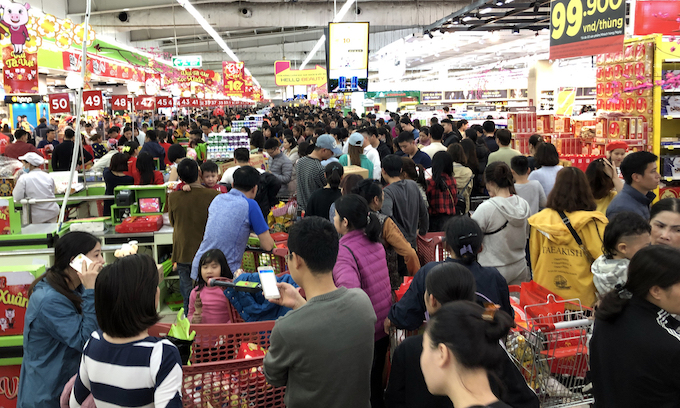
    Vietnam’s retail landscape is flourishing, driven by a burgeoning middle class and a spirited demand for both online and in-store shopping experiences. As e-commerce is projected to soar to an impressive US$50 billion by 2025, it’s clear that physical retail remains at the heart of the consumer experience—and retailers are eagerly adapting to capitalize on this trend.

    Retail Expansion: A Booming Landscape

    Last year, Vietnam’s total retail sales reached around US$260 billion, buoyed by rising incomes and a rapidly growing middle and affluent class, according to Luan Nguyen, Principal at Boston Consulting Group (BCG). He noted, “By 2030, the middle and affluent classes are expected to account for 50% of Vietnam’s population, a figure 1.5 times greater than today.” This rising consumer base is prompting both domestic and international retailers to ramp up their presence throughout the country.

    A Wave of New Retail Formats

    Nguyen points out the sprawl of new supermarkets, convenience stores, and shopping malls emerging from urban centres to rural locales. He highlights, “With urbanization and enhanced retail infrastructure, we have a perfect recipe for robust offline retail growth.”

    Smart Pricing Strategies in a Competitive Market

    In this highly price-sensitive environment, Vietnam’s retailers are honing their pricing and promotional strategies. Reflecting on consumer habits, Nguyen remarked, “Vietnamese shoppers are price-conscious and always on the hunt for promotions.” A recent BCG survey revealed that an impressive 44% of customers actively seek promotions when contemplating major purchases.

    “It’s not just about low prices everywhere,” he elaborated. “With AI, we can simulate demand, which ultimately enhances our return on investment.”

    Elevating the In-Store Experience

    As competition heats up, the emphasis on in-store experience is becoming paramount. Nguyen asserted, “Retailers need to create an engaging in-store environment to entice customers back.” He mentioned the rise of in-store amenities like cozy mini coffee shops offering free Wi-Fi and ready-to-eat meals integrated into the shopping experience.

    Moreover, large retailers are investing in child-friendly play zones and hosting regular community events. “These added elements foster a community feeling that online shopping simply can’t replicate,” he noted.

    In an age where online shopping is just a click away, could the tactile pleasures of in-person shopping spark a revival in brick-and-mortar retail? Who knows, maybe the return of the shopping mall could become the next big trend in retail tourism!

    Questions & Answers

    What is driving the growth of Vietnam’s retail market? The growth is largely fueled by a young, affluent population and increasing demand for both online and offline shopping experiences.

    How significant is the role of promotions in Vietnamese retail? Promotions play a crucial role, with 44% of consumers actively seeking them before making significant purchases.

    What differentiates the in-store experience in Vietnam’s retail landscape? An enhanced in-store experience, including amenities like coffee shops, free Wi-Fi, and community events, creates a welcoming atmosphere that online platforms struggle to replicate.

  • BAT Vietnam Honored as People Champion at Vietnam Excellence 2025 Awards

    BAT Vietnam Honored as People Champion at Vietnam Excellence 2025 Awards

    As Vietnam’s business environment evolves dramatically, the Anphabe’s Vietnam Excellence Awards 2025 report paints a vivid picture of the challenges ahead. From fluctuating markets to sweeping organizational restructurings and a rapidly changing talent landscape, companies are compelled to rethink their strategies. In this turmoil, one key insight stands out: sustainable success hinges not just on sound strategies but on how companies empower and value their workforce. The frontrunners in this shift are integrating digital transformation, hybrid work models, and well-being initiatives while redefining leadership to drive resilience and growth.

    Leading the Charge

    BAT Vietnam is not merely adapting; it’s pioneering a purpose-driven and inclusive approach. With bold leadership at its helm, BAT Vietnam is cultivating an environment where everyone can flourish. This transformation began with a candid conversation initiated by Cluster General Manager Daniel Hsu, who rallied the Vietnam Leadership Team (VLT) around a commitment to lead with authenticity, empathy, and collective purpose. This initiative, dubbed the People Leadership Commitment, reframes leadership as a shared mission prioritizing people development alongside business growth—the heart of BAT Vietnam’s operations.

    A Culture of Inclusion

    At BAT Vietnam, inclusion transcends policy; it’s woven into the fabric of the corporate identity. In 2024, the company celebrated reaching 47% female representation in management roles, a milestone achieved through strategic workforce planning and robust inclusion training programs. These include courses like Mastering Inclusion and Respect in the Workplace, successfully completed by all managers.

    Personalized Growth Journeys

    To ensure effective employee engagement, BAT Vietnam introduced Growth Conversations, encapsulating personalized life stage interviews that align individual aspirations with corporate goals. This unique approach has resulted in over 150 transformative discussions, leading to initiatives such as flexible policies for young parents and tailored international assignments, fostering both professional and personal development.

    A Holistic Approach to Performance

    Performance at BAT Vietnam is viewed through a holistic lens, merging business objectives with personal growth. Trained middle managers facilitate transparent performance reviews, ensuring that employees recognize their value and potential. The company empowers learning through innovative tools like The Grid—an AI-driven platform—and a Talent Marketplace, which allows for tailored development opportunities. The impressive user activation rate in 2024 speaks volumes about the workforce’s aspirations when presented with the right tools.

    Creating a Supportive Environment

    BAT Vietnam believes that meaningful performance blossoms when individuals feel valued and supported. Initiatives such as Happy Hours, Cultural Diversity Days, and Wellness Half-Days reflect this ethos, proving that a thriving workplace is one where comfort and encouragement are prioritized.

    Championing Inclusive Leadership

    Under Daniel Hsu’s guidance, recognized globally as an Empower Role Model, BAT Vietnam shines as an emblem of inclusive excellence. Hsu’s steadfast advocacy for women’s economic empowerment and the sustainability of farmers’ livelihoods resonates deeply, enriching the community and aligning with BAT’s vision of A Better Tomorrow.

    A Culture of Inquiry

    As Vietnam’s businesses confront accelerating changes, BAT Vietnam differentiates itself by consistently asking the right questions: What do our people need? How can we facilitate their growth? What does true belonging entail? “By responding to these queries with actionable strategies, we exemplify that culture is not just a slogan—it’s a daily commitment. Leadership is not a title—but a bold, collective choice,” stated a representative of BAT Vietnam. “Our Truly Inclusive culture is not merely a workplace—it’s a vibrant movement, transforming lives and motivating Vietnam’s business sector to lead with courage and purpose.”

    Questions & Answers

    What are the key initiatives BAT Vietnam has implemented for employee growth?
    BAT Vietnam has introduced Growth Conversations and a dedicated platform for personalized development, ensuring that individual aspirations align with company objectives.

    How has BAT Vietnam demonstrated its commitment to diversity and inclusion?
    The company achieved 47% female representation in management roles and completed comprehensive inclusion training for all managers, reflecting its commitment to a diverse workforce.

    What makes BAT Vietnam’s workplace culture unique?
    BAT Vietnam fosters a culture of authenticity and inclusivity, where initiatives like Cultural Diversity Days and Happy Hours embody its belief that performance thrives in a supportive environment.

  • NY/NJ Foreign Freight Forwarders & Brokers Association Announces 2025 “Captain of Industry” Award Recipient

    NY/NJ Foreign Freight Forwarders & Brokers Association Announces 2025 “Captain of Industry” Award Recipient

    The NY/NJ Foreign Freight Forwarders & Brokers Association,  announces that Charlene Riley has been selected as the recipient of the 2025 Captain of Industry Award. This prestigious honor is awarded to individuals who have demonstrated exceptional leadership, commitment, and long-standing service to the association and the international trade and logistics community. Ms. Riley will be honored on Wednesday, June 25, 2025, during the association’s annual Dinner Cruise, an event co-hosted with the Traffic Club of New York (TCNY).

    An industry veteran and licensed Customs Broker since 1989, Ms. Riley currently serves as East Coast Import Operations Manager at J.W. Allen. With a distinguished career spanning several decades in freight forwarding and customs brokerage, Ms. Riley has served in a variety of managerial roles. Ms. Riley began her career with Barthco, where she managed numerous offices across the country. She then spent over two decades with John A. Steer Co., rising to the position of Vice President of their NY/NJ office.

    “Charlene Riley exemplifies the integrity, expertise, and dedication that define our industry,” said Jeanette Gioia, President of NYNJFFF&BA. “Her leadership has guided not only our Association but the entire trade community through complex challenges and periods of great change. It is a privilege to recognize her with the 2025 Captain of Industry Award.”

    Ms. Riley has held several leadership positions with the NYNJFFF&BA, including Board of Governors, Treasurer, Vice President of Imports, and President, and most recently as Senior Advisor and former Chair. Her strategic guidance and deep operational knowledge have been instrumental in advancing the mission of the association. She is also a key contributor on the national stage through her active involvement with the National Customs Brokers and Forwarders Association of America (NCBFAA) especially the Future Role of the Broker Committee. She had represented the Port of New York/New Jersey on the Customs Committee, chaired the Legislative Committee, and headed the FIATA Committee, having represented the U.S. at two FIATA World Congress events.

    The celebration will take place aboard the Cornucopia Destiny, departing from Liberty Harbor Marina, 11 Marin Blvd, Jersey City, NJ, with boarding beginning promptly at 6:00 PM and disembarking between 9:30-10:00 PM. For details see Dinner Cruise 2025 – NYNJ.  Guests will enjoy an evening of networking and celebration featuring an open bar, appetizers, full dinner and dessert, DJ music, and dancing. Contact (732) 741-1936 for more information.

  • Ho Chi Minh City Plans $1B Boost by Auctioning Six Prime Land Lots in Thu Duc

    Ho Chi Minh City Plans $1B Boost by Auctioning Six Prime Land Lots in Thu Duc

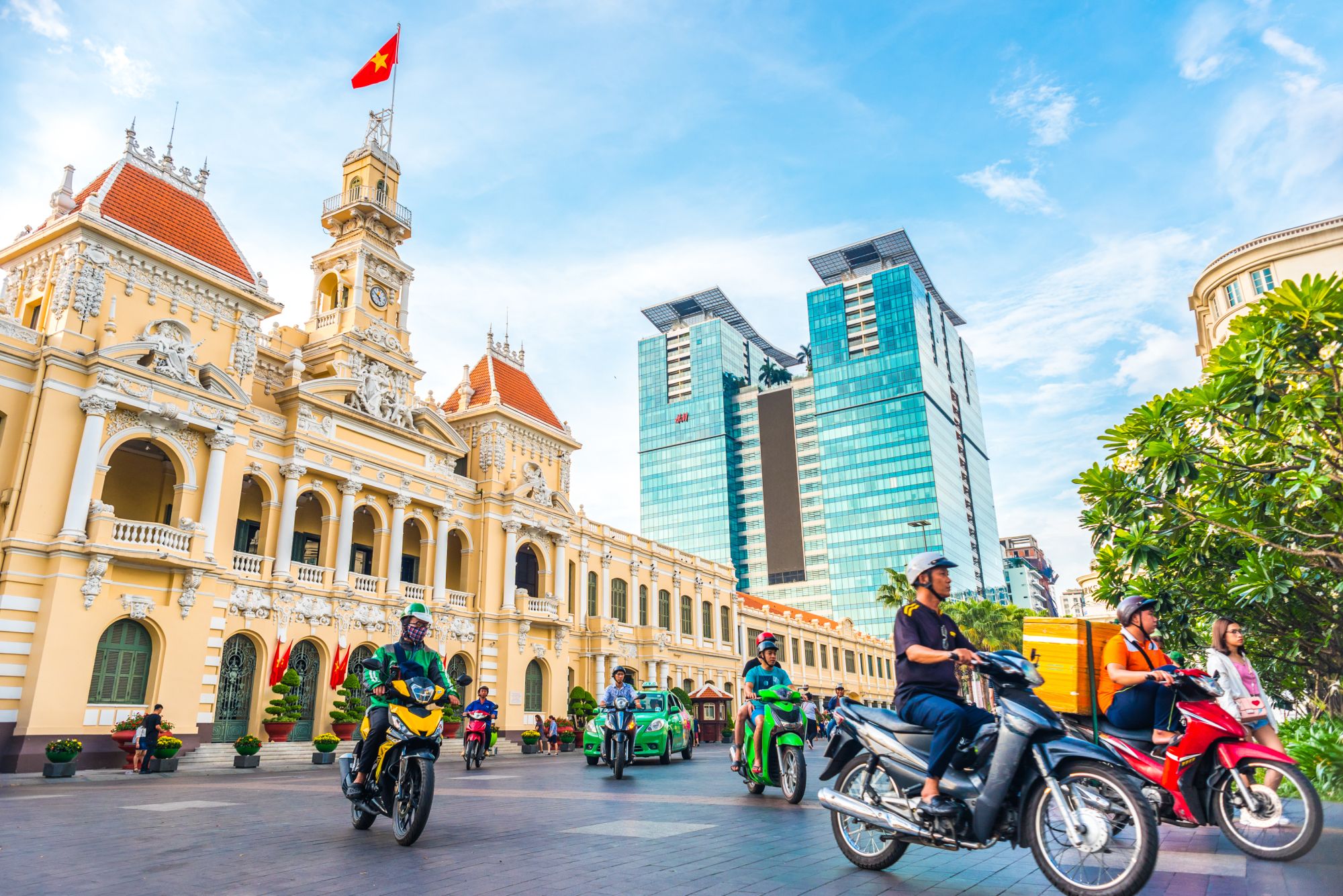
    Ho Chi Minh City is on the brink of a financial windfall, aiming to generate over VND25.4 trillion (approximately US$1 billion) through the auction of six prime land lots in Thu Duc City, notably within the sought-after Thu Thiem urban area. This ambitious plan is set to reshape not just the skyline but also the economic landscape of the region.

    Unlocking Potential in Thu Thiem

    The Department of Agriculture and Environment has kicked off the auction process by proposing starting prices for these attractive land lots, pending final approval from the municipal People’s Committee. One standout initiative involves the Thu Thiem Eco Smart City project, expected to contribute around VND16.2 trillion to the city’s coffers through this auction.

    In a further bid to enhance infrastructure, another lot spanning nearly 15 hectares in the An Phu ward is earmarked for auction. This particular site is linked to a build-transfer (BT) contract aimed at a road project, with an anticipated yield of VND3.49 trillion. Additionally, a plot measuring 828 square meters within the Nam Phan housing project has a proposed price tag of roughly VND19 billion. To round off this lucrative offering, three lots in Thu Thiem are submitted for auction with a combined starting value of about VND5.7 trillion.

    The potential revenue from these six strategic lots promises to be a game-changer, bringing the projected total to VND25.4 trillion.

    Vision for Multifunctional Development

    At a recent investment promotion conference, city officials unveiled plans for a remarkable 239 hectares of land available for auction, encompassing 49 lots in the Thu Thiem new urban area and 189 hectares from other development projects. The vision extends beyond mere real estate sales; this land will be transformed into multifunctional spaces for residential, commercial, educational, and cultural use.

    Looking ahead to 2024-25, Ho Chi Minh City is hopeful for a healthy budget revenue of VND32.8 trillion from land sales, largely driven by these auctions and associated financial obligations. It seems the city is not just selling land; it’s paving the way for dynamic urban living.

    And who knows? With the city’s exciting real estate buzz, maybe the next hot trend will be luxury igloos!

    Questions & Answers

    What is the purpose of the auctions in Ho Chi Minh City?
    The auctions aim to raise over VND25.4 trillion (US$1 billion) by selling prime land lots in Thu Duc City to fund urban development projects.

    What kind of projects will be developed on the auctioned land?
    The land will be turned into multifunctional spaces that include residential, commercial, educational, and cultural facilities.

    What are the expected budget revenues from land auctions in the coming years?
    Ho Chi Minh City officials anticipate budget revenues from land to reach VND32.8 trillion during the 2024-25 period, primarily driven by these upcoming auctions.

  • $2 Billion Van Don Casino Proposal Heads to Prime Minister for Final Approval

    $2 Billion Van Don Casino Proposal Heads to Prime Minister for Final Approval

    The Ministry of Finance has submitted an investment proposal to the Prime Minister for a luxury tourism and services complex—the Van Don casino project—in Quang Ninh Province. This ambitious venture, poised to redefine the entertainment landscape, is set to unfold in Van Yen commune and comes with an investment exceeding US$2 billion, sprawling over approximately 244 hectares.

    A Grand Vision Comes to Life

    With a maximum operational period of 70 years and a construction timeline limited to nine years post land allocation, this project is taking shape as a premier resort and entertainment hub, equipped with gaming facilities. Its goal? To host international events and elevate its status as a regional and global hotspot. Additionally, the ministry aims to secure approval for a pilot program allowing Vietnamese citizens to participate in casino gaming, adhering to stringent legal frameworks and directives from the Politburo.

    As part of the proposal, the ministry is advocating for the Quang Ninh provincial People’s Committee to select a suitable investor, conforming to investment and land use regulations, as well as bidding practices. Van Don has been recognized as one of 13 provincial-level special administrative units in Vietnam, making this project even more significant.

    According to documents submitted to the State Appraisal Council, the total investment capital is projected at VND51.5 trillion (approximately US$2.16 billion). Of this amount, VND7.7 trillion will be directly financed by the investor, with the remainder sourced through bank loans. The project is designed in three phases: the first phase (2023–2027) will involve an estimated investment of VND25.1 trillion, the second phase (2027–2031) will focus on VND22.08 trillion, and the final phase (2031–2032) will require VND4.3 trillion.

    A Boost for Local Development

    Quang Ninh authorities view this project as a catalyst for growth in the Van Don special administrative zone. It is predicted to enhance competitiveness, improve the investment landscape, generate job opportunities, and contribute substantially to the state budget. Over its 70-year operational run, the Van Don casino complex is expected to yield around VND228.9 trillion in revenues, with contributions of VND134.3 trillion in corporate income tax and VND94.5 trillion in value-added tax. One could say the numbers are as ambitious as the development itself!

    Questions & Answers

    What is the primary aim of the Van Don casino project?
    The main goal is to create a high-end resort and entertainment complex that hosts international events, while complying with Vietnamese regulations regarding casino operations.

    How much is the total investment for the project?
    The projected total investment for the Van Don casino project is VND51.5 trillion (about US$2.16 billion).

    What impact is the project expected to have on the local economy?
    Officials believe the project will boost the growth of the Van Don special administrative zone, improve the investment climate, create jobs, and significantly increase state revenue over its long-term operation.

  • Japanese Actress Miho Nakayama’s Son Makes Bold Decision to Renounce Inheritance

    Japanese Actress Miho Nakayama’s Son Makes Bold Decision to Renounce Inheritance

    The only son of the late Japanese actress Miho Nakayama has chosen to renounce his inheritance following her untimely passing. This decision comes after the actress’s sudden death, leaving her family grappling with unexpected emotional and financial complexities.

    The Complicated Relationship

    Since Nakayama’s divorce in 2014 from her ex-husband Hitoshi Tsuji—a music composer and author—her son has been living with his father in Paris. Reports suggest that their relationship was strained, leading to a lack of contact in recent years. Thus, with the son’s decision to renounce his right to inheritance, Nakayama’s estate will now be passed on to her mother.

    A Modest Legacy

    Despite Nakayama’s fame, her estate is believed to be quite modest. In her later years, she lived in a Tokyo apartment owned by a friend and showed little interest in real estate, lacking significant assets such as land or automobiles. Instead, her holdings primarily consisted of savings, valuable jewelry, watch collections, performance costumes, and royalties from her musical creations. Her annual income was reportedly a few million yen—approximately US$6,946.

    Making her mark in the entertainment industry, Nakayama debuted in 1985 with the television drama “Maido Osawagase Shimasu.” Shortly thereafter, she released her first single “C” and starred in the blockbuster film “Be-Bop High School.” Throughout the 1980s, she became a household name in Japan, celebrated for achieving five consecutive number one singles during what is referred to as the “Golden Age” of pop music.

    In the latter part of her career, Nakayama was nominated for a Best Actress award at the 1998 Japanese Academy Awards for her performance in “Tokyo Biyori.” Unfortunately, she was discovered deceased in her Tokyo residence by staff in December 2024 at the age of 54.

    As they say, sometimes inheritances come with unexpected strings attached—or in this case, a decision to untangle from them altogether.

    Questions & Answers

    Why did Miho Nakayama’s son renounce his inheritance?
    Reports indicate a distant relationship between Nakayama and her son, compounded by a lack of contact in recent years.

    What is known about Nakayama’s estate?
    Her estate is believed to be modest, primarily consisting of savings, jewelry, and royalties, with no significant real estate holdings.

    What was Nakayama famous for?
    She was a celebrated actress and pop idol in Japan, known for her roles in popular dramas and films during the 1980s, along with a string of hit singles.

  • Nam Long Unveils EHome Expansion in Northern Vietnam: A New Chapter in Affordable Housing

    Nam Long Unveils EHome Expansion in Northern Vietnam: A New Chapter in Affordable Housing

    As part of its ambitious expansion strategy, Nam Long ADC—the real estate arm of Nam Long Group—has announced that the EHome product line will play a vital role in targeting the homeownership aspirations of young families in bustling urban centers and emerging metropolitan areas.

    Over the past decade, EHome has successfully delivered tens of thousands of quality apartments at price points that resonate with the financial realities of urban dwellers. Not merely housing units, these developments have cultivated vibrant, interconnected communities, encapsulating Nam Long’s ethos: “Creating living environments and valuable products for the community.”

    Nam Long ADC stands as one of the pivotal players within the Nam Long Group’s ecosystem, sitting alongside Nam Long Capital, Nam Long Land specializing in township development, Nam Khang Construction, and Nam Long Commercial Properties. With a core focus on affordable and social housing, Nam Long ADC is instrumental in fine-tuning project costs while ensuring high construction quality and offering adaptable housing solutions that meet the diverse needs of city residents.

    Sustainable Living, Affordable Solutions

    EHome’s development model champions sustainability, affordability, and practicality—all while strictly adhering to national construction standards. As the brand ventures into northern Vietnam, it plans to tailor its designs and facilities to accommodate multi-generational living and local preferences. Even with these adjustments, EHome promises to uphold its commitment to high-quality housing and provide “easy-to-own” options for buyers.

    A Vision Beyond Boundaries

    Nam Long’s launch of EHome in northern Vietnam isn’t merely a change of scenery; it’s a strategic move toward realizing the company’s vision of becoming a preeminent and innovative real estate developer, not just in Vietnam, but across the region. With a varied product lineup, Nam Long is keen to adapt to the changing demands of its customers while simultaneously contributing to the national housing goals.

    EHome is one of the essential components in Nam Long’s vast portfolio, which also includes mid-to-high-end Flora condominiums, Valora townhouses and villas, and the eagerly anticipated The Legacy Collection.

    Questions & Answers

    Questions & Answers

    What role does EHome play in Nam Long’s strategy?
    EHome is crucial for reaching young families in urban areas and aligns with Nam Long’s vision of providing affordable housing solutions.

    How has EHome impacted community development?
    EHome has fostered stable, interconnected communities, demonstrating Nam Long’s commitment to creating living environments that enhance community value.

    What can we expect from EHome’s entry into the northern market?
    As it expands, EHome will adapt its designs to embrace local living preferences while ensuring high-quality housing and affordable ownership options.

  • Vietnam’s Pierre Cardin Shoe Distributor Expands by Acquiring Thai Competitor

    Vietnam’s Pierre Cardin Shoe Distributor Expands by Acquiring Thai Competitor

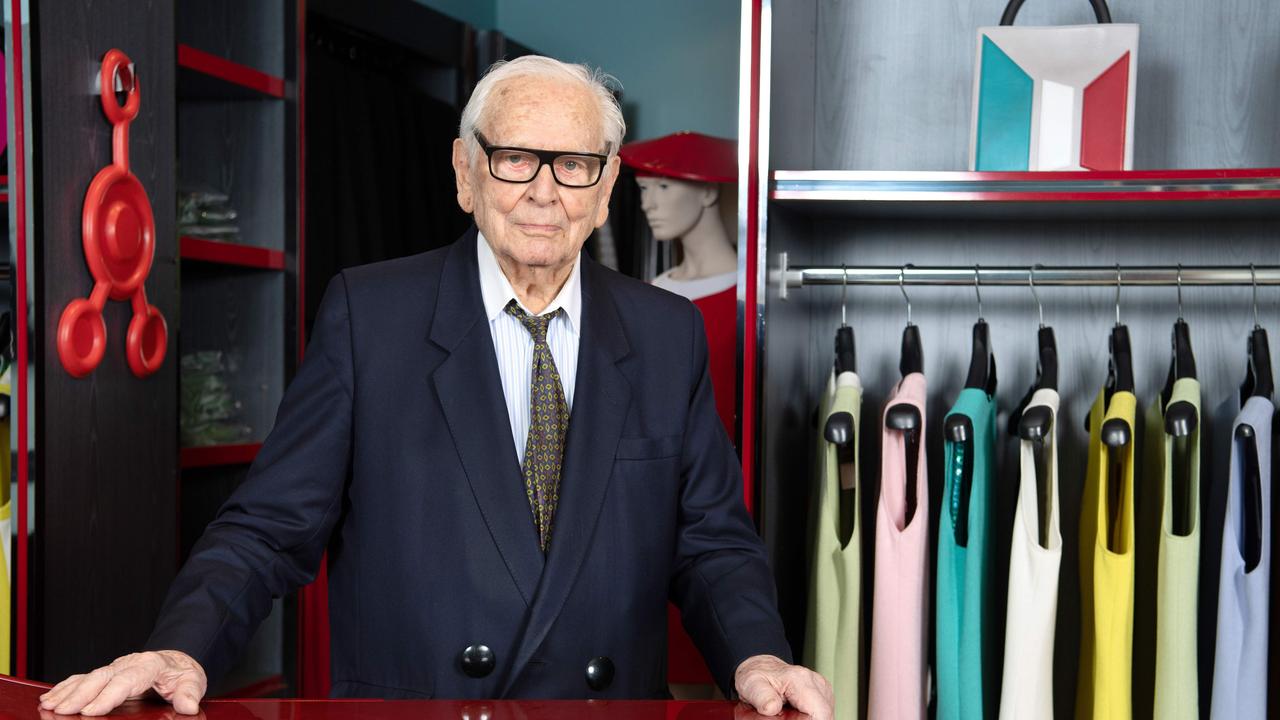
    Emall Vietnam, the distributor for the prestigious Pierre Cardin shoe line, has taken a bold step by acquiring the franchise rights for the brand in Thailand. This strategic move marks a significant milestone in the company’s journey, as it welcomes a Thai operation that boasts 40 successful years and a loyal customer base in the millions under its wing, as confirmed by CEO Pham Minh Thang in a recent interview.

    Operating 100 stores across Vietnam under the Pierre Cardin and Oscar brands, Emall is not just a distributor; it also manufactures shoes, making strides in the competitive footwear industry. For the past seven years, Emall has been exporting its Pierre Cardin shoes to Thailand, asserting that the quality of its products stands tall against those produced in Thailand and China.

    “Thailand is a leading retail market for luxury brands in the region,” Thang emphasized. He further added that establishing a strong presence there opens new avenues for Southeast Asian expansion, particularly in challenging markets like Singapore.

    The acquisition process, which kicked off in March, is projected to double Emall’s revenues from Pierre Cardin footwear. To capitalize on this growth, Emall has plans to unveil additional retail locations in Thailand starting in July, eyeing high-profile shopping hotspots such as Central World and Siam Paragon. Back in Vietnam, the Pierre Cardin shoe range is available in over 50 shopping centers, making it a familiar name among luxury footwear enthusiasts.

    As this acquisition unfolds, many are curious about what lies ahead for retail dynamics in the region. Will Emall’s ambitious plans attract a wave of new luxury consumers? Who knows, perhaps future shoppers in Thailand will find themselves in an exclusive shoe wonderland!

    Questions & Answers

    **What led to Emall Vietnam’s acquisition of the Pierre Cardin franchise in Thailand?**
    The acquisition was driven by a strategic vision to expand Emall’s presence in a leading luxury retail market and significantly boost revenues.

    When does Emall plan to open new retail stores in Thailand?
    Emall intends to open new retail locations starting in July, targeting iconic shopping destinations such as Central World and Siam Paragon.

    How does the quality of Emall’s products compare to those produced in Thailand and China?
    Emall asserts that its Pierre Cardin shoes are comparable in quality to those manufactured in Thailand and China, bolstering its competitive edge in the luxury footwear market.