Author: Mei Ling Tan

  • Vietnam Police Uncover $39 Million Money Laundering Scheme Utilizing AI Facial Recognition Technology

    Vietnam Police Uncover $39 Million Money Laundering Scheme Utilizing AI Facial Recognition Technology

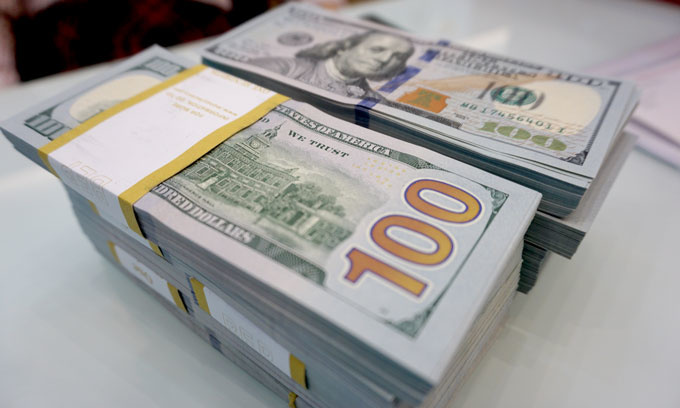
    The recent police operation has shed light on a sophisticated money laundering scheme involving advanced technology, with authorities apprehending a 14-member gang in Hanoi and neighboring Ninh Binh Province. Allegedly, this group laundered a staggering VND1 trillion (approximately US$39 million), ingeniously using artificial intelligence to circumvent biometric security systems at banks.

    Illegal Gambling Under Investigation

    In a statement released on Thursday, Ninh Binh police announced that 13 individuals, spearheaded by 46-year-old Pham Hong Chuyen from Hanoi, are currently under investigation for orchestrating illegal gambling activities. Among them, seven are facing formal inquiries for their involvement in money laundering—a twist that introduces a layer of high-tech intrigue to traditional criminal practices.

    What sets this case apart is its novelty; it marks the first documented instance in Vietnam where AI-generated face scans were employed for illicit money laundering purposes.

    A Game of Deception

    Chuyen revealed to investigators that he had been recruited by an individual from Taiwan to help launder the funds amassed through a gambling website that has been operational for years. This platform, targeting Vietnamese players, astonishingly registered over one million accounts within just the first four months of this year, amassing VND1 trillion in gambling stakes.

    To clean this substantial cash flow, Chuyen had local individuals open bank accounts in their names. These unwitting participants were required to submit a 30-second video of their faces—a digital snippet that Chuyen then manipulated to create fraudulent AI-generated face scans. In Vietnam, to transfer VND10 million or more, individuals must scan their faces, a requirement that Chuyen cleverly leveraged to operate multiple accounts without the account holders’ awareness.

    In a swift response, police have frozen around 1,000 bank accounts believed to be linked to this web of deception. Chuyen’s syndicate is estimated to have laundered over VND1 trillion from September of last year to April this year.

    Now, one can’t help but wonder: as technology continues to evolve, so too will the creative tactics of those looking to exploit it. Will banks need to up their security game to stay ahead?

    Questions & Answers

    **Why did the gang use AI for money laundering?**
    They utilized AI to generate fake face scans to bypass biometric security measures, allowing them to operate multiple bank accounts without the knowledge of account holders.

    How much money was allegedly laundered by the gang?
    The group is believed to have laundered over VND1 trillion, which equates to approximately US$39 million.

    What are the consequences for those involved?
    Thirteen individuals are under investigation, with several facing serious charges related to illegal gambling and money laundering, potentially resulting in severe legal repercussions.

  • Thailand’s Largest Bank Takes Bold Step: Foreign Tourists Unable to Open Accounts Amid Fraud Crackdown

    Thailand’s Largest Bank Takes Bold Step: Foreign Tourists Unable to Open Accounts Amid Fraud Crackdown

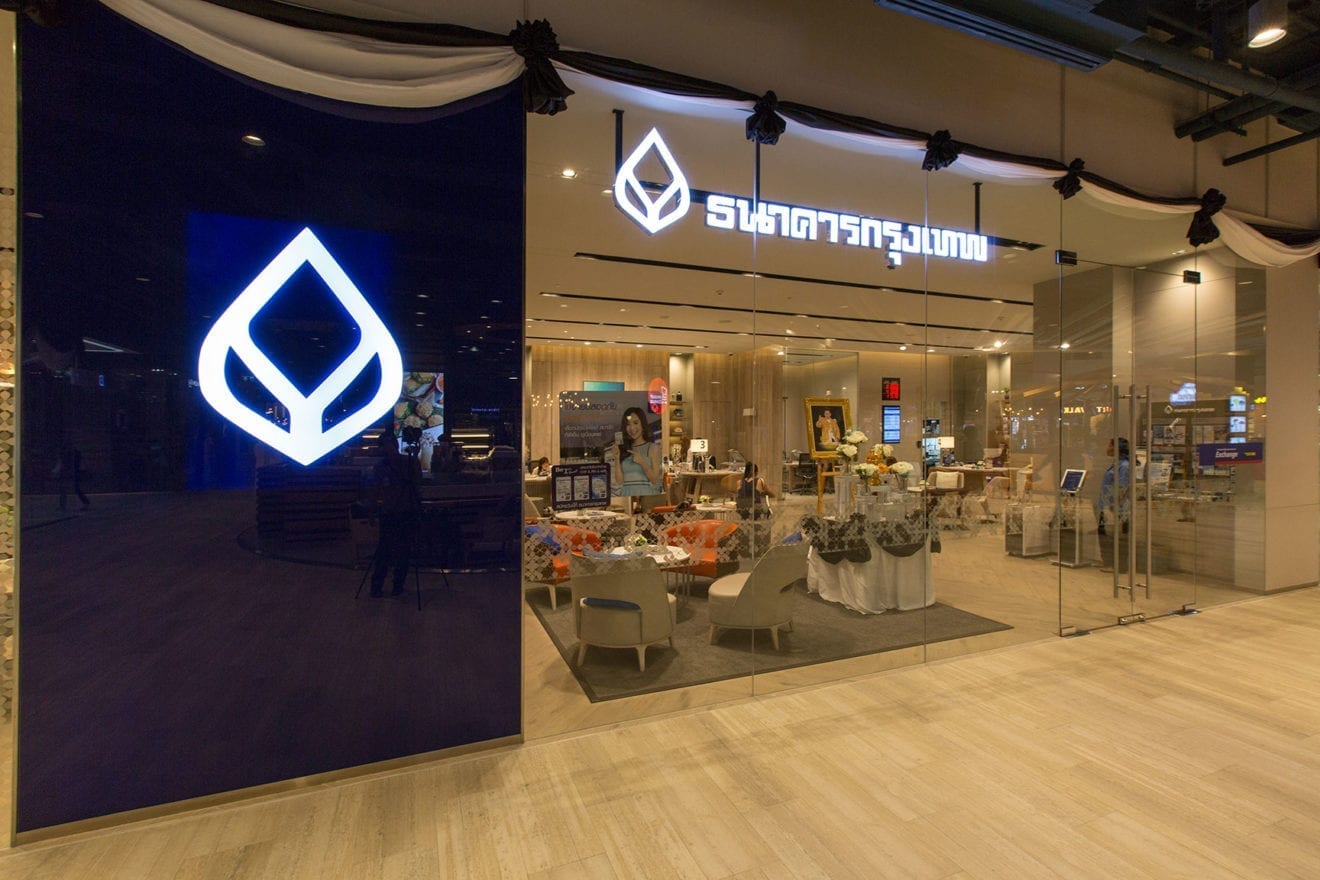
    In a significant policy shift, Bangkok Bank, Thailand’s largest bank by assets, has halted account openings for certain foreign customers without long-term residency. This move is a part of a broader crackdown on fraud that could impact visitors and some expatriates.

    Tightened Restrictions

    The bank’s updated policy also limits access to credit card services and mobile banking for individuals who do not meet the newly established eligibility criteria. “Customers flagged as suspicious under regulatory guidelines are required to undergo identity verification,” the bank stated, as reported by the Bangkok Post.

    Impact on Foreign Nationals

    The effects of this policy shift are already being felt, as numerous foreigners have taken to social media to express their frustrations over frozen accounts and blocked cards. The Bangkok Community Help Foundation has also received several similar reports.

    Exceptions to the Rule

    According to the Russian state news agency TASS, a spokesperson for Bangkok Bank confirmed that tourists are now ineligible to open accounts, though exceptions are made for foreigners with Thai spouses, property ownership, or long-term visa status. “An account with Bangkok Bank can be opened by foreigners present in the country under retirement or non-immigrant visas,” the spokesperson clarified.

    Seeking Assistance

    Customers navigating account issues or looking for further clarification are encouraged to reach out to Bangkok Bank through its official support channels. After all, even banks need a little TLC from their customers!

    Questions & Answers

    What prompted Bangkok Bank to implement this new policy?
    Bangkok Bank is cracking down on fraud, leading to a restriction on account openings for foreign customers without long-term residency.

    Who is still eligible to open an account at Bangkok Bank?
    Foreigners with Thai spouses, property ownership, or long-term visa status, including retirement or non-immigrant visas, can still open accounts.

    How can affected customers get assistance?
    Customers facing issues with their accounts should contact Bangkok Bank through its official support channels for help.

  • Philippines Sees Nearly 21% Decline in Rice Imports: A Shift in Agricultural Landscape

    Philippines Sees Nearly 21% Decline in Rice Imports: A Shift in Agricultural Landscape

    The Philippines is witnessing a notable shift in its rice import landscape, as the archipelago’s imports fell sharply to 1.7 million tons within the first five months of 2025. This represents a significant decline of 20.9% compared to the same period last year.

    Domestic Production on the Rise

    A contributing factor to this decrease is a slight improvement in domestic rice production, which reached 4.69 million tons in the first quarter of 2025. This is a modest increase from the 4.68 million tons produced during the same quarter a year prior. Despite this short-term dip in imports, the United States Department of Agriculture (USDA) forecasts that the Philippines will continue to hold its position as the world’s largest rice importer in 2025. The USDA anticipates imports to climb to 5.4 million tons, with a further increase to 5.5 million tons expected in 2026. The driving forces behind this expected rise include a growing population, increased tourism, and the enduring role of rice as a staple in the Filipino diet.

    Government Initiatives to Stabilize Prices

    In light of these trends, the Philippine government is taking proactive measures to stabilize rice prices and ensure they remain accessible to consumers. An executive order signed in June 2024 reduces the tariff on imported rice to 15%, a rate that will remain in effect until 2028, with periodic assessments every four months.

    Agriculture Secretary Francisco Tiu Laurel Jr. has hinted that the Department of Agriculture may propose a gradual hike in import tariffs during the upcoming harvest season. This initiative aims to bolster support for local farmers while managing the influx of imported rice, showcasing the country’s commitment to balancing domestic agricultural productivity with the need for imports to meet national consumption demands.

    In a twist of fate, while the country may be reducing its rice imports, it certainly isn’t skimping on its love for this beloved staple!

    Questions & Answers

    What are the main reasons for the decrease in rice imports in the Philippines?
    The decrease is primarily due to a slight increase in domestic rice production, which rose to 4.69 million tons in early 2025, providing a modest buffer against imports.

    How much rice does the USDA expect the Philippines to import in the coming years?
    The USDA projects that rice imports will reach 5.4 million tons in 2025 and increase to 5.5 million tons in 2026, positioning the Philippines as the leading rice importer globally.

    What measures is the Philippine government taking to stabilize rice prices?
    The government has reduced the tariff on imported rice to 15% under an executive order, effective until 2028, while considering gradual increases in tariffs to support local farmers amidst rising import needs.

  • Gold Prices Dip Slightly as Market Dynamics Shift

    Gold Prices Dip Slightly as Market Dynamics Shift

    Gold prices experienced a slight dip this weekend, bringing some intrigue to the market. In a recent report, the Saigon Jewelry Company announced that the price of their gold bars fell by 0.17%, landing at VND118.3 million (approximately USD4,546.25) per tael—a measurement equivalent to 37.5 grams or 1.2 ounces.

    Gold Jewelry Prices Drop

    The price for gold rings also saw a reduction, dropping by 0.44% to VND113.5 million per tael. This decline aligns with a broader trend, as global gold prices fell on Friday. Analysts suggest that various factors are at play, including a stronger dollar and recent tariff discussions that have left markets on edge. A softer inflation report continues to keep the potential for a U.S. interest rate cut alive, fueling speculation among investors, according to Reuters.

    On the global stage, spot gold saw a reduction of 0.7%, settling at $3,293.59 an ounce, marking a notable 1.9% decrease for the week. U.S. gold futures mirrored this trend, finishing 0.9% lower at $3,315.40.

    Market Pressures and Tariff Developments

    Complicating the situation, a federal appeals court temporarily reinstated President Donald Trump’s expansive tariffs on Thursday. This decision followed a day after a U.S. trade court found that Trump had overstepped his authority in imposing these duties, calling for an immediate block on them. David Meger, director of metals trading at High Ridge Futures, indicated that gold is presently in a consolidation phase, pulling back from recent highs.

    “There’s a slight pressure on gold currently as the need for a safe haven diminishes,” Meger explained. However, he remains optimistic that Trump’s anticipated resistance to the tariffs will eventually provide a lift to prices. With gold’s historical performance thriving in low-interest environments and acting as a hedge against inflation, the metal reached a record peak of $3,500.05 in April.

    Just like a roller coaster ride, the market keeps us on our toes—one day soaring high, the next taking a dip!

    Questions & Answers

    What caused the recent drop in gold prices?
    The drop in gold prices can be attributed to a stronger dollar, evolving tariff discussions, and a softer inflation report that ignites speculation about a potential U.S. interest rate cut.

    What is the current price trend for gold in Asia?
    In Asia, prices have reflected a downward trend, with gold bars falling 0.17% to VND118.3 million per tael and gold rings down 0.44% to VND113.5 million per tael.

    How does the prevailing interest rate environment affect gold prices?
    Gold typically thrives in low-interest rate environments, as it serves as a hedge against inflation and uncertainty, making it more appealing to investors during such times.

  • Understanding Online Loans: Benefits, Process, and Key Considerations

    Understanding Online Loans: Benefits, Process, and Key Considerations

    In today’s digital age, obtaining financial assistance has become more convenient than ever. One of the most popular options for borrowing money is an online loan. This type of loan allows borrowers to apply, receive approval, and access funds entirely through the internet, eliminating the need to visit a physical bank or lender’s office. Understanding how online loans work, their advantages, and what to consider before applying can help individuals make informed financial decisions.

    What Is an Online Loan?

    An online loan is a form of borrowing where the entire process — from application to disbursement — takes place on a digital platform. Unlike traditional loans, which often require face-to-face meetings and paperwork, online loans streamline the borrowing experience through automated systems and electronic documentation.

    Key Benefits of Online Loans

    1. Speed and Convenience The application process for an online loan is typically fast and accessible 24/7. Borrowers can complete forms at their convenience without visiting a bank, which saves time.
    2. Minimal Documentation Many lenders require fewer documents for online loans compared to traditional loans, often verifying information through automated credit checks and digital identity confirmation.
    3. Wide Range of Options Online platforms offer various loan products, including personal loans, payday loans, and installment loans, tailored to different financial needs.
    4. Transparency Loan terms, interest rates, and repayment schedules are usually clearly presented on the platform, allowing borrowers to compare offers easily.

    The Online Loan Process

    Understanding the typical steps involved in securing an online loan can help borrowers prepare:

    1. Application Submission The borrower fills out an online form providing personal information, income details, employment status, and the loan amount requested.
    2. Verification and Approval The lender verifies the information, often using automated systems to assess creditworthiness and confirm identity. This can include soft credit checks and document uploads such as pay stubs or bank statements.
    3. Loan Offer Upon approval, the borrower receives an offer detailing the loan amount, interest rate, fees, and repayment terms.
    4. Acceptance and Disbursement If the borrower accepts the terms, funds are transferred electronically, sometimes within hours or a few business days.
    5. Repayment Borrowers repay the loan in accordance with the agreed schedule, typically via online payments or automatic bank withdrawals.

    Important Considerations Before Applying

    • Interest Rates and Fees Interest rates on online loans can vary widely depending on the lender and the borrower’s credit profile. It is important to review all fees and understand the total repayment amount.
    • Loan Terms Pay attention to repayment periods, monthly installment amounts, and penalties for late or missed payments.
    • Lender Reputation Choose lenders that are licensed and transparent about their terms to avoid predatory practices.
    • Security of Personal Data Ensure the online platform uses secure encryption methods to protect sensitive information during the application and transaction process.

    Conclusion

    Online loans offer a flexible and efficient alternative to traditional borrowing methods by leveraging technology to simplify the loan process. They provide quick access to funds with minimal paperwork and greater convenience. However, borrowers should carefully evaluate loan terms, interest rates, and lender credibility to ensure they select the best option for their financial situation. With proper understanding and caution, online loans can serve as a valuable financial tool.

  • Abu Dhabi’s Financial Regulator Issues Urgent Advisory Amid Market Concerns

    Abu Dhabi’s Financial Regulator Issues Urgent Advisory Amid Market Concerns

    The Abu Dhabi Global Market (ADGM), the capital of the UAE’s thriving financial sector, recently hit 23 resident firms with fines totaling 610,000 dirhams (around 166,000 dollars). While the amounts may seem minor, the implications behind them are anything but.

    According to the Financial Services Regulatory Authority (FSRA), these penalties stem from breaches of accounting standards introduced back in 2017. Moreover, several of the firms involved also neglected to meet foreign tax compliance regulations put forth in 2022, underscoring a potentially troubling trend.

    No Tax Haven Here

    The FSRA has taken a firm stance, clearly stating on its website that the regulations were designed to align with international frameworks requiring entities to report information about foreign account holders. This is all part of a broader effort to combat tax evasion on a global scale. The regulator highlighted violations related to both the Common Reporting Standard (CRS) and the Foreign Account Tax Compliance Act (FATCA).

    The Common Reporting Standard, created by the OECD, aims for the efficient exchange of financial account data for tax purposes worldwide. In tandem, FATCA mandates U.S. financial entities to identify and report on accounts held by American taxpayers, ensuring that no one slips through the cracks when it comes to tax obligations.

    “Robust Regulations” in Play

    Emmanuel Givanakis, CEO of the FSRA at ADGM, emphasized the authority’s dedication to tackling tax evasion. He stated, “We are committed to identifying and addressing practices that fall short of our efforts to combat tax evasion by implementing robust and effective regulations in line with leading global compliance and reporting standards.” This is a wake-up call for firms operating in a landscape increasingly wary of tax dodgers.

    In a world where financial transparency is becoming the norm, it seems the days of tax havens are fading faster than a mirage in the desert. Will companies heed the warning and adjust their sails accordingly?

    Questions & Answers

    What is the total amount of the fines imposed by the FSRA? The FSRA imposed fines totaling 610,000 dirhams (approximately 166,000 dollars).

    What regulations did the fined firms violate? Firms were penalized for violating accounting standards established in 2017 and failing to comply with foreign tax compliance regulations introduced in 2022.

    What two major frameworks are mentioned in the article? The Common Reporting Standard (CRS) and the Foreign Account Tax Compliance Act (FATCA) are the two frameworks highlighted.

  • Massive Haul of Counterfeit Rolex and Gucci Items Seized at Saigon Square Mall

    Massive Haul of Counterfeit Rolex and Gucci Items Seized at Saigon Square Mall

    Market authorities uncovered a trove of counterfeit luxury goods at Saigon Square, a bustling mall in Ho Chi Minh City, during a surprise raid on May 29, 2025. Inspectors targeted a diverse range of items, including clothing, bags, watches, glasses, and suitcases, as they sought to protect both consumers and brand integrity.

    Swift Observations and Quick Reactions

    As six inspection teams moved in on this vibrant marketplace, many kiosk owners attempted to close their stalls in a hurried bid to escape the watchful eyes of the authorities. To complicate matters further, mall management broadcasted the details of the raid over the public address system, hampering the inspectors’ efforts to conduct a thorough investigation. Undeterred, the teams discovered a wide array of products featuring luxury brand names at prices that seemed too good to be true compared to official retail outlets.

    Seizing Counterfeit Goods

    With an earnest commitment to safeguarding consumers and upholding the reputation of registered brands in Vietnam, the inspectors confiscated all goods believed to be counterfeit. This operation underscores the continuous battle against imitation products in a market that has been described as both a “shopping paradise” and a hotspot for potential fraud.

    Saigon Square, established in 2000, has become a vibrant blend of local and tourist culture, offering an extensive variety of merchandise. However, the recent discoveries serve as a reminder that luxury doesn’t always come with a legitimate price tag—and shopping with caution is more important than ever.

    In an unexpected twist, consumers might find themselves questioning whether that “Rolex” is truly ticking an authentic beat after all!

    Questions & Answers

    What luxury brands were affected by the recent raid at Saigon Square?
    Authorities confiscated apparent knockoffs of Rolex, Gucci, Chanel, and other high-end brands during the inspection.

    Why were kiosk owners closing their shops during the raid?
    Many kiosk owners shut down their stalls upon seeing the inspectors approach, likely to avoid having their goods examined.

    What is Saigon Square known for?
    Established in 2000, Saigon Square is a popular shopping destination for both locals and tourists, known for its diverse merchandise and vibrant atmosphere.

  • Vietnam Health Inspectors Call for Probe into Possible Misleading Nestlé Milo Advertisements

    Vietnam Health Inspectors Call for Probe into Possible Misleading Nestlé Milo Advertisements

    A recent inspection has cast a shadow over Nestlé’s bold claim that its products are “proven to help children.” The provincial Department of Health revealed on Thursday that this assertion, prominently featured on packaging and in marketing materials, was misleading and lacked substantiating evidence.

    While the specifics of the violations remain under wraps, Nestlé Vietnam has yet to respond to these findings. The global food powerhouse based its claim on a study conducted in partnership with the National Institute of Nutrition. However, the institute contradicted Nestlé’s narrative earlier this week, stating that the study showed no significant effectiveness in improving the nutritional status of students after three months.

    Study Results Raise Eyebrows

    The examination focused on the effects of physical education combined with Nestlé Milo barley milk among 576 primary school students in Ninh Binh, conducted between June 2022 and March 2023. The study concluded that not only did the product fail to enhance nutritional status, but it also showed no improvement in cognitive abilities. Yet, it did highlight that physical activities paired with Nestlé Milo contributed positively to certain physical fitness parameters, including speed, strength, endurance, flexibility, and dexterity—proving that some gains can indeed be made at the gym.

    The National Institute of Nutrition has urged Nestlé Vietnam to reassess all communications and advertisements in light of the inspection results. It warned that any misleading information linked to the institute risks immediate removal.

    Previously, on May 15, Nestlé defended its claims, asserting that it relied on the study’s findings and had ensured compliance with relevant legal provisions before promoting its product benefits.

    Wider Implications for the Industry

    This revelation comes amid heightened scrutiny of the food and health supplement industries, with authorities uncovering numerous cases involving fake milk products, subpar health supplements, and dubious cosmetics. The tension has ramped up considerably, with several celebrities drawing fire for misrepresenting the merits of milk and functional foods.

    In response to these issues, on May 22, the Ministry of Health launched 15 inspection teams dedicated to examining pharmaceuticals, cosmetics, traditional medicines, milk, functional foods, and medical equipment nationwide over the next month. It’s a significant step forward in ensuring consumer safety, even if it means ruffling a few feathers in the process.

    Perhaps in this era of wellness hype, a little honesty could go a long way—who knew that sometimes, the truth packs the biggest punch?

    Questions & Answers

    What has the recent inspection revealed about Nestlé’s claims?
    The inspection found that Nestlé’s claim of being “proven to help children” was misleading and lacked sufficient evidence, leading to scrutiny from the provincial Department of Health.

    What did the study conducted with the National Institute of Nutrition conclude?
    The study indicated that Nestlé Milo barley milk did not effectively improve the nutritional status or cognitive abilities of students but noted some improvement in physical fitness through combined physical activities.

    What actions has the Ministry of Health taken in light of these findings?
    The Ministry of Health has established 15 inspection teams to investigate various health-related products and their advertisements across the country, aiming to uphold consumer safety amidst rising concerns about misleading marketing practices.

  • Dollar Dips as Vietnamese Dong Gains Strength

    Dollar Dips as Vietnamese Dong Gains Strength

    The U.S. dollar has taken another tumble against the Vietnamese dong, marking a trend that could signal continuous challenges for the greenback. As traders eyed a tumultuous month ahead, Friday morning saw the dollar heading for its fifth consecutive monthly decline against prominent currencies.

    Dong Gains Ground While Black Market Sees Tweaks

    Vietnam’s leading bank, Vietcombank, set the dollar price at VND26,170, reflecting a slight dip of 0.11% from the previous day. Interestingly, the black market didn’t seem to follow suit, with the dollar inching up by 0.08%, trading around VND26,380.

    Just before the weekend, the State Bank of Vietnam nudged its reference rate up by 0.06%, settling at VND24,978, demonstrating its ongoing commitment to managing currency strength amid fluctuating market conditions.

    Global Dollar Dynamics: A Look at the Numbers

    Globally, the dollar showed signs of softness, aligning with traders’ apprehensions about potential instability surrounding trade and fiscal health. Many investors were eagerly awaiting a crucial inflation report that was set to release later that day, poised to influence market sentiment dramatically.

    That day, the dollar index—often seen as a barometer of the dollar’s strength compared to six major currencies—was lackluster. Set to decline by 0.4% for May, this would make it the fifth month in decline—a trend that’s causing whispers among market analysts.

    The euro slightly strengthened, phrased at $1.1378, while the Swiss franc also gained some traction at 0.8216 against the dollar. Over in Japan, the yen surged by 0.3% to 143.73 per dollar, bolstered by recently released data showing that inflation in Tokyo reached a peak not seen in over two years.

    As the week came to a close, the dollar had navigated a tumultuous landscape, marked by recent court rulings that altered the landscape for trade tariffs. The federal court temporarily reinstated tariffs initiated during President Donald Trump’s tenure, stirring uncertainty after a trade court had just directed a halt on those tariffs. Kyle Rodda, a senior financial market analyst at Capital.com, reflected on the market’s mood, emphasizing how this judicial tug-of-war has reignited worries among traders.

    If only the dollar could learn to ride these waves with the grace of a balletic dancer!

    Questions & Answers

    How has the dollar’s performance affected the Vietnamese economy?
    The dollar’s decline against the dong has implications for imports and exports, potentially making foreign goods more expensive while bolstering domestic products in the international market.

    What factors are driving the dollar’s depreciation?
    Traders are unsettled by ongoing uncertainties related to trade policies, possible tariff reinstatements, and upcoming inflation reports that could reveal more about the U.S. economic landscape.

    How might the situation evolve in the coming months?
    Keep an eye on economic indicators and regulatory shifts; shifts in inflation rates and monetary policy could significantly impact the dollar’s strength moving forward.

  • Gold Prices Surge as Global Rates Decline: A Shift in the Market Landscape

    Gold Prices Surge as Global Rates Decline: A Shift in the Market Landscape

    Vietnam’s gold market saw an uptick on Friday morning as global bullion rates experienced a slight dip. This increase reflects a growing interest in gold amidst fluctuating financial conditions.

    Local Gold Prices on the Rise

    Saigon Jewelry Company reported a 0.42% rise in the price of gold bars, now trading at VND118.5 million (approximately US$4,558.22) per tael. Meanwhile, gold rings climbed 0.62%, reaching VND114 million per tael. For context, one tael is equivalent to 37.5 grams or about 1.2 ounces.

    Global Trends Impacting Gold Values

    On the international front, gold prices experienced a decline on Friday, pressured by a slight increase in the dollar’s value. Investors are keeping a close eye on an upcoming key U.S. inflation report, which could steer the Federal Reserve’s monetary policy decisions. According to Reuters, spot gold prices fell 0.5% to $3,300.59 an ounce, marking a 1.7% drop for the week. U.S. gold futures mirrored this trend with a 0.5% decline to $3,298.30. The rising dollar index is making gold costlier for buyers outside the U.S.

    Market Insights and Future Outlook

    Brian Lan, the managing director at GoldSilver Central in Singapore, noted, “Gold prices are largely consolidating at this point. What we’re witnessing are normal market fluctuations, albeit in a slightly wider range due to confidence in the U.S. dollar.”

    San Francisco Fed President Mary Daly highlighted the potential for policymakers to reduce interest rates two times this year, although she emphasized that keeping rates steady is crucial for guiding inflation towards the central bank’s 2% target. Non-yielding bullion often thrives in low-interest-rate scenarios, making the current market environment particularly relevant for gold investments.

    Who knew gold could dance with dollars?

    Questions & Answers

    What caused the rise in local gold prices?
    The increase in local gold prices can be attributed to a dip in global bullion rates, alongside investor speculation about future monetary policy.

    How are international gold prices faring?
    Internationally, gold prices have fallen by about 0.5%, influenced by a stronger dollar and anticipation of upcoming economic reports.

    What factors will shape the future of gold pricing?
    Key factors include interest rate decisions by the Federal Reserve and shifts in the dollar’s strength, both of which could affect the attractiveness of gold as an investment.

  • Marketplace Battle Heats Up: Trust, Convenience and Choice Key as Pricing Pressures Grow

    Marketplace Battle Heats Up: Trust, Convenience and Choice Key as Pricing Pressures Grow

    An exclusive Australian study by global ecommerce accelerator, Pattern, has shown that product range, convenience, and trustworthiness will be critical battlegrounds for online marketplaces in 2025.

    With international tariffs reshaping marketplace business models, platforms like Temu and Shein, once known for ultra-cheap products, are now raising their prices. In some markets, the cost of goods such as health and beauty products has surged by 51%.

    “The days of marketplaces winning Australian consumers with ultra-cheap pricing alone are over. Although leading platforms like Amazon will continue to attract shoppers with competitive pricing, consumers are now making purchasing decisions based on factors like credibility, product variety and ease-of-shopping,” said Merline McGregor, Managing Director for Pattern Australia.

    Convenience Drives Loyalty

    Australians are increasingly choosing marketplaces that offer greater convenience. Amazon continues to set the benchmark, with 57% of shoppers rating it as the most convenient platform for purchasing goods, driven by its streamlined ordering process, fast shipping options, and integrated returns experience. 

    While Shein and Temu have experienced rapid growth in overall shopper awareness, their convenience ratings are significantly lower at 14% and 27%, respectively. This gap highlights a critical challenge for emerging platforms: while aggressive marketing and discounting can attract first-time buyers, delivering a seamless, reliable shopping experience is crucial to securing repeat business.

    “Convenience is more than just speed of delivery, it’s about every touchpoint of the shopping experience, extending from intuitive search functions to reliable customer service and simple returns,” said McGregor. “Australian brands selling on marketplaces that deliver frictionless shopping experiences are more likely to secure both the first purchase and increase their chances of building customer loyalty.”

    Trustworthiness and Reliability Build Customer Relationships

    As price advantages decline, product quality and reliable return processes are key differentiators for marketplaces. Amazon leads in both areas, with 60% of Australian shoppers trusting it for product quality and 53% for reliable returns.

    eBay also performs strongly, earning trust from 42% of shoppers, while Kogan lags at 16% and MyDeal at just 9%. Chinese marketplaces, Temu and Shein face even greater challenges, with only 12% and 11% of consumers expressing confidence in the quality of the products they sell. 

    “In an increasingly competitive and regulated environment, trust is not an aspiration. Marketplaces must consistently deliver quality products, backed by hassle-free returns to build enduring customer relationships,” said McGregor. “We’ve seen a positive improvement in returns processes for all marketplaces, with only 3% of Australian consumers stating they do not trust any marketplace for reliable returns. This is a huge drop from 18% in 2024 and shows that all platforms are prioritising improving the customer experience in this critical area.”

    Amazon, eBay and Temu Win with Product Variety 

    Amazon is recognised by 60% of shoppers as having the widest variety of inventory in Australia across categories such as electronics, home & kitchen and sporting goods. eBay also retains a strong position, with 45% of consumers recognising its broad range, particularly in the second-hand and collectible markets.

    Only 32% of shoppers believe Temu offers the widest product range, yet the number of consumers visiting the platform for its vast product range has surged 87% since 2024.

    “A broad and evolving product range is proving key for marketplaces to retain and grow their shopper base. Consumers are moving towards platforms that offer a one-stop-shop experience, and marketplaces that can deliver this effectively across multiple categories have a clear competitive edge,” concluded McGregor. 

    For more information and to download the full report please click here: ‘2025 Marketplace Consumer Report

    About Pattern Inc

    Pattern is the category leader in global ecommerce and marketplace acceleration. It is the number one reseller on Amazon globally, selling over $3 billion of product each year into 60 countries. Since 2013, Pattern has profitably grown to over 2,000 employees operating from 24 global locations – including Melbourne, Sydney and the Gold Coast – to help leading brands achieve accelerated growth on D2C websites and global ecommerce marketplaces. Pattern is also present on Tmall, JD.com, eBay and other ecommerce marketplaces. We act as the authorised Amazon seller to more than 300 brands globally, buying their stock to sell on the marketplace and taking care of every aspect of their Amazon presence. For more information, visit https://au.pattern.com/

  • Swiss Banking: Navigating the Fine Line Between Confidence and Self-Reliance

    Swiss Banking: Navigating the Fine Line Between Confidence and Self-Reliance

    Private wealth management thrives on discretion, making the open dialogue at the recent Private Banking Day all the more significant. In an era of increasing global pressure and uncertainty, the event’s celebration of “Swissness” serves as a clear declaration of intent.

    Switzerland’s Continued Financial Dominance

    As a global frontrunner in private wealth management, Switzerland has compelling reasons to defend its prestigious standing. In times of volatility, stability and security are paramount, and the Swiss financial ecosystem boasts strong expertise, collaborative industry relationships, and a proactive synergy between public and private sectors.

    Even more promising, the demand for private wealth management is expected to surge in the coming decades, with global private wealth projected to soar.

    Voicing Concerns and Commitment

    The ninth Private Banking Day held on Tuesday in Zurich, organized by the Association of Swiss Private Banks (VSPB) and the Association of Swiss Asset Management and Wealth Management Banks (VAV), underscored this optimistic outlook. The day kicked off with remarks from the esteemed Minister of Economic Affairs, Guy Parmelin, who urged everyone in attendance to rally around efforts that ensure Switzerland retains its status as a premier financial hub. However, he also reflected on his poignant experiences with three bank bailouts—Banque Cantonale Vaudoise, UBS, and Credit Suisse—expressing a firm hope that he wouldn’t have to navigate a fourth.

    Neutrality Under Pressure

    In a broad-ranging address, Parmelin highlighted various pressing issues touching on wealth management. He expressed optimism about upcoming trade negotiations with the U.S., while also acknowledging the challenges posed by rising international regulatory pressures, which risk diminishing national identities. He was candid about the current trend of deglobalization, characterizing it as the “return of protectionism.”

    Another Perspective on Industrial Policy

    Amid this discussion, Parmelin pushed back against suggestions for Switzerland to adopt an industrial policy reminiscent of other nations that use government tools like subsidies to push specific sectors. He maintained that automatic stabilizers like unemployment insurance should be adequate for Switzerland’s needs.

    Daniela Stoffel, State Secretary for International Finance and a panelist, echoed this sentiment but acknowledged the growing debate in Bern regarding how long Switzerland can adhere to rule-based economic principles while many countries now overtly support key companies with extensive incentives.

    Walking a Fine Line on Neutrality

    Stoffel, who aptly described her job as part of “Swissness,” tackled a thorny issue: Switzerland’s alignment with EU sanctions against Russia. While this move came with significant implications for the banking sector, she insisted that Swiss neutrality remains intact—albeit with a hint of uncertainty.

    The Wealth Management Landscape

    Returning to the theme of wealth management, Giorgio Pradelli, President of the VAV, highlighted the sector’s vital role, pointing out that it employs about 30,000 individuals, with roughly two-thirds situated in Switzerland. Noteworthy too are the roughly 2.4 trillion francs in assets under management and an impressive “export share” of 60 percent from the member banks.

    Lessons from the Watch Industry

    These statistics rival those of Switzerland’s illustrious watch industry, often viewed as the epitome of Swissness. Not surprisingly, the event featured Christoph Grainger-Herr, CEO of IWC, who captivated the audience with a keynote on successful branding for products “that no one really needs,” humorously likening luxury watchmaking to the entertainment sector—perhaps a reflection that some bankers found amusingly relatable.

    Networking or Real Debate?

    Events like these primarily serve as networking opportunities, offering both camaraderie and collective reinforcement rather than engaging dialogue. Against this backdrop, Grégoire Bordier, President of the VSPB, concluded the day by emphasizing the essential value of hard work and cultivating humility amongst the attendees.

    This blend of buzzwords like proportionality, risk-based regulation, and international competitiveness was prominent throughout the day. On the surface, these terms seem agreeable, yet they mask complex trade-offs and conflicting objectives, especially given the absence of a cohesive hierarchy among them.

    Smaller bank representatives argue for proportional regulation, while UBS contends that competitiveness should take precedence, irrespective of other countries’ regulations. Economists may call for a risk-based approach to maintain financial stability, yet Credit Suisse’s recent challenges illustrate that implementing such theories isn’t as straightforward as one might hope. And isn’t that part of the fun?

    Questions & Answers

    What was the primary theme of the 9th Private Banking Day?
    The central theme was “Swissness,” highlighting Switzerland’s commitment to maintaining its position as a global leader in private wealth management.

    Who was the featured speaker at the event?
    The event featured remarks from Minister of Economic Affairs, Guy Parmelin, who shared concerns about the future of Switzerland’s financial center.

    What parallels were drawn between wealth management and other Swiss industries?
    Speakers compared the wealth management sector’s economic significance to that of the renowned Swiss watch industry, reinforcing the idea of “Swissness” in both contexts.

  • Trip.com Sets Sights on Expanding Its Horizons in Vibrant Vietnam Travel Market

    Trip.com Sets Sights on Expanding Its Horizons in Vibrant Vietnam Travel Market

    In a bold push toward expansion, Trip.com Group has set its sights on Vietnam, Indonesia, and the Philippines, said Boon Sian Chai, managing director and vice president of international markets, during a recent event. This ambitious growth phase emphasizes enhancing services and ramping up their workforce in Vietnam.

    New Offices in Vietnam

    “We’ve opened an office in Hanoi in the past year and are looking into establishing another one in Da Nang, if feasible,” Chai revealed. Trip.com has been steadily enhancing its offerings in Vietnam, which include hotel bookings, flight tickets, and tours, since before the pandemic.

    Impressive Market Position

    With a market cap surpassing US$43 billion, Trip.com ranks third after Booking Holdings and Airbnb. The company’s presence in Vietnam has notably intensified in 2024 through strategic investments and partnerships, including a recent $10 million stake in M Village, a hotel chain founded by former Coffee House CEO Nguyen Hai Ninh. “This is currently the most efficient hotel chain on our platform,” Chai noted.

    Strategic Partnerships and Growth Opportunities

    In addition to its investment in M Village, the company forged alliances with Vietjet and established a strategic partnership with Vinpearl. During a meeting with Vietnamese Prime Minister Pham Minh Chinh at the World Economic Forum in Davos, Switzerland, Trip.com CEO Jane Sun expressed a keen interest in exploring more investment opportunities within Vietnam’s thriving tourism landscape.

    The Booming Tourism Sector

    The motivation behind this focus lies in the flourishing tourism sector. In the first four months of 2025, Vietnam welcomed 7.67 million foreign visitors, marking a 23.8% increase compared to the same period last year, according to the General Statistics Office. Notably, China topped the list of source markets with 1.95 million visitors, accounting for 25.4% of total arrivals.

    “Demand for travel to Vietnam has surged by nearly triple digits in our observation,” Chai asserted, adding that key markets contributing to this growth include South Korea, Russia, Taiwan, and China. Customers have expressed high satisfaction with the services available in Vietnam.

    Future Projections

    As per Google, Temasek, and Bain & Company, Vietnam’s online travel market is experiencing double-digit growth, expected to rise from US$4 billion in 2023 to US$5 billion in 2024. Indian market researcher Mordor Intelligence highlights Vietnam’s position among the top five in the Asia-Pacific travel market, with potential to reach an estimated US$10 billion by the end of the decade. Yet, Chai cautioned that Vietnam poses unique challenges, particularly concerning language and payment systems.

    “Nonetheless, we are committed to investing in this market to foster growth, attract international tourists to Vietnam, bolster domestic tourism, and facilitate outbound travel,” he concluded. With a footprint in 39 markets, Trip.com reported revenues of CNY53.29 billion (US$7.5 billion) in 2024, showcasing a robust 19.7% increase from the previous year.

    As travelers dig through Vietnam’s rich culture and stunning landscapes, Trip.com is poised to make quite an impression—will they start offering guided tours by elephants next?

    Questions & Answers

    What is Trip.com Group’s growth strategy in Vietnam?
    Trip.com aims to expand its services and workforce in Vietnam, including the establishment of new offices in major cities.

    How significant is Trip.com’s market position?
    With a market cap of over US$43 billion, Trip.com is the third-largest player in the online travel market, following Booking Holdings and Airbnb.

    What challenges does Trip.com face in Vietnam?
    The company faces unique challenges, particularly related to language barriers and payment methods, but remains committed to investing in the Vietnamese market.

  • Vietnamese Businesses Sprint Ahead: Navigating the Global AI Race with Strategic Adaptations

    Vietnamese Businesses Sprint Ahead: Navigating the Global AI Race with Strategic Adaptations

    As India carves its path in the global technology arena, equipping its workforce with AI skills is paramount. Four industry heavyweights—Tata Consultancy Services (TCS), Infosys, HCLTech, and Wipro—are at the forefront of this educational endeavor, fueling the nation’s ambition to harness AI as a catalyst for socio-economic advancement in the digital era.

    Big Moves in AI Training

    By the close of fiscal year 2024, TCS successfully reskilled over 300,000 employees in essential AI and machine learning competencies, including the burgeoning field of generative AI. Their “AI-ready” initiative has empowered more than 570,000 of TCS’s 600,000 employees to seamlessly integrate AI into their daily workflows. Talk about getting everyone on board!

    Infosys isn’t far behind; the company targets total “AI-awareness” among its staff. With training programs reaching approximately 270,000 employees—about 84% of its workforce—Infosys developers have produced over 7 million lines of code using the AI-enhanced tool GitHub Copilot by the end of 2024, greatly boosting productivity and code quality.

    Shifting Mindsets in Vietnam

    As India rapidly advances in AI training, Vietnam is beginning to follow suit. However, it faces a different set of obstacles, primarily in the realm of mindset adjustment. Prajith Nair, Vice President and Head of Learning & Innovation at FPT Corporation, indicates that up to 70% of AI training hurdles are rooted in outdated mindsets and resistance to change. Many employees remain tethered to legacy systems, reluctant to embrace new technologies like AI.

    Nair explains that to unlock the true potential of AI, individuals must cultivate strong critical thinking skills. Unlike traditional tools, he likens AI to a thought-provoking colleague that thrives on engagement and interaction. “AI deployment requires a change management strategy, not just technical training,” he asserts.

    A Wake-Up Call for Businesses

    From a business standpoint, a staggering 65% of Asia-Pacific executives recognize that generative AI can boost performance. Yet, 76% are alarmed by the urgent need to reskill their teams, and 41% admit they have yet to start implementing generative AI, as revealed in PwC’s 27th Annual Global CEO Survey. Companies and workers neglecting AI training risk falling behind in a technology-driven world—after all, even the best of us can’t just sit back and relax!

    FPT is gearing up for the future, prioritizing AI training to enhance productivity. By 2024, a remarkable 98.8% of its employees will have undergone foundational AI training, completing over 109,200 learning hours. The company’s “AI for Everyone” initiative mandates that every employee complete at least one AI course and apply AI tools in their daily tasks. Over 10,000 FPT employees secured certifications from NVIDIA’s AI program this year, part of a larger goal to empower 500,000 individuals with AI skills by 2030.

    Four Factors for Successful AI Training

    According to Nair, scaling AI training within a tight timeframe hinges on addressing four essential factors. First, it’s vital to elevate AI awareness among leadership to drive organizational change from the top down. Secondly, training programs should be modular and tailored to various roles, ensuring relevance for developers, testers, and business analysts alike.

    The third pillar is utilizing data to assess training impact, tracking completion rates and real-world applications to measure effectiveness. Lastly, cultivating a community of learning is crucial—encouraging daily AI engagement through internal forums, workshops, and shared experiences nurtures a culture where AI becomes a regular part of work life.

    Questions & Answers

    What is the significance of training in AI for India?
    Training in AI is crucial for India to remain competitive in the global technology landscape and leverage AI for socio-economic growth.

    How many employees at TCS have become “AI-ready”?
    Over 570,000 TCS employees are now considered “AI-ready,” highlighting the company’s commitment to integrating AI across its workforce.

    What challenges does Vietnam face in AI adoption?
    Vietnam’s primary challenge lies in overcoming outdated mindsets and resistance to new technologies, which hampers effective AI training across its workforce.

  • Vietnam’s Top Students Pursue High-Value Scholarships at International University, Skipping Study Abroad

    Vietnam’s Top Students Pursue High-Value Scholarships at International University, Skipping Study Abroad

    In a dazzling display of academic excellence, British University Vietnam (BUV) recently celebrated the achievements of 150 exceptional students during its Scholarship Award Ceremony, distributing scholarships worth tens of billions of dongs—approximately VND10 billion equals US$385,170.

    Many of the scholarship recipients hail from revered institutions across Vietnam, including HUS High School for Gifted Students, HNUE High School for Gifted Students, Chu Van An High School, and Kim Lien High School, among others.

    A representative from BUV emphasized that the recipients not only showcased stellar academic records but also exhibited qualities such as dynamism, leadership, and the capacity to inspire their peers.

    Spotlight on Inspiring Students

    Kieu Le Khanh An, a talented student from Phan Boi Chau Specialized High School in Nghe An, earned BUV’s prestigious “The Founders” scholarship with an impressive IELTS score of 8.0 and accolades in English competitions at both provincial and national levels. Opting to study finance at BUV rather than abroad, An highlighted her desire to stay close to family while gaining insights into Vietnam’s financial landscape. “I believe BUV’s enriching environment will prepare me to become a successful risk manager who contributes to Vietnam’s sustainable economic growth,” she shared. Adding a personal touch, she expressed her dream of founding a nonprofit to support premature infants: “Being a premature baby myself, I hope to give back to a cause close to my heart.”

    Nguyen Khoa Dang, another standout from Bac Ninh Specialized High School, received “The British Ambassador” scholarship. He sees BUV as the perfect launchpad for his international academic aspirations. “BUV encourages dynamism and creativity, and its curriculum aligns perfectly with U.K. standards,” he said, reveling in the opportunity to experience an international education without leaving his home country.

    Aiming High in Technology

    Nguyen Khanh Linh, who was awarded BUV’s “Tech Queens” scholarship for women in technology, voiced her long-standing ambition to study in an international environment to access cutting-edge knowledge in her field. She feels that being at a modern university in Vietnam, close to her family, perfectly aligns with her dreams. Her mother, Thuy Linh, initially envisioned studying abroad for her daughter but shifted her perspective upon discovering BUV. “I was especially impressed by BUV’s scholarship program supporting women in tech. I believe my daughter will flourish in this innovative atmosphere,” Thuy Linh commented, radiating pride and hope.

    A Noteworthy Shift in Education Choices

    The growing enthusiasm among top students opting for BUV scholarships signifies an increasing trust in the university’s international-quality education. It reflects a cultural evolution as more families recognize that an international learning experience does not always require traveling abroad. Many are now choosing high-quality educational environments within Vietnam, which offer diverse advantages that cater to financial, cultural, psychological, and long-term aspirations.

    Renowned as Vietnam’s first QS 5-star university and the first in Vietnam and ASEAN to receive accreditation from QAA, the U.K.’s leading higher education quality assurance agency, BUV is dedicated to staying ahead of industry trends. With a curriculum that marries theory and practice, BUV proudly boasts 100% graduate employability or opportunities for further study within three months of graduation.

    Questions & Answers

    What is the total value of scholarships awarded by BUV? The total value reaches tens of billions of dongs, with VND10 billion equating to around US$385,170.

    Which schools did the scholarship recipients come from? The recipients came from prestigious institutions including HUS High School for Gifted Students, HNUE High School for Gifted Students, and Chu Van An High School, among others.

    What unique advantages does BUV provide its students? BUV offers an academic environment that aligns with U.K. standards, modern facilities, and a curriculum designed to ensure 100% employability or further study within three months after graduation.