Author: Mei Ling Tan

  • Vietnam speeds up efforts to overcome durian export challenges amid China’s stricter quality controls.

    Vietnam speeds up efforts to overcome durian export challenges amid China’s stricter quality controls.

    Vietnam’s durian exporters are currently facing a tough dilemma as they navigate the aftermath of a tremendous growth spurt. With China tightening its quality control measures and facing stiff competition from Thailand, the Philippines, and local Chinese production, the landscape is shifting dramatically. Now, preserving market share and ensuring sustainable growth have become critical imperatives for the industry.

    In a staggering indication of this trend, Vietnam’s durian exports plunged to a mere $130 million in the first four months of 2025, marking a 74% drop compared to the same period last year. China, being the world’s largest durian market, has significantly reduced its imports, creating a ripple effect throughout the industry.

    Nguyen Van Thanh, a trader hailing from the Mekong Delta—an area known for its substantial durian output—noted that this year’s fruits have largely failed to meet China’s stringent inspection criteria. The situation has fueled calls for better compliance and management within the sector.

    General Secretary of the Vietnam Fruit and Vegetable Association, Dang Phuc Nguyen, emphasized the need for establishing new testing labs to satisfy Chinese safety standards, following a successful model observed in Thailand. These facilities would enable local farmers to conduct necessary tests and obtain vital certifications. He stressed that certified orchards would gain priority among traders and businesses, with products undergoing further testing at labs accredited by China.

    To enhance the reputation of Vietnamese produce, Nguyen urged for penalties against fraudulent practices, stating, “Effective control at source will facilitate smoother negotiations with and customs clearance in China.”

    Explaining the complications further, Henry Bui, General Director of the China-approved Hoan Vu Inspection Center, revealed that cadmium found in durians often originates from fertilizers. However, he warned that sample testing isn’t a panacea for contamination; proper oversight of illegal fertilizers is crucial. If soils are significantly compromised, remediation efforts are essential.

    Meanwhile, authorities from the Department of Crop Production and Plant Protection are not sitting idle. They have joined forces with local governments to research and implement solutions. Short-term measures include soil remediation techniques to lower cadmium absorption, using lime to adjust soil pH, and introducing cadmium-absorbing crops as temporary biological solutions. Farmers are also being encouraged to cultivate high-biomass, short-cycle crops, restoring soil health and limiting cultivation during critical periods.

    Long-term strategies focus on the careful application of fertilizers, combined with improved education to ensure farmers utilize the right types and amounts, thereby reducing the buildup of harmful substances. Nguyen Dang Nghia, the former director of the Soils and Fertilizers Institute, is already testing cycle-specific remedial treatments for contaminated soils across different localities in the Mekong Delta.

    Bui also flagged potential hazards from auramine O, an industrial dye used to enhance fruit appearance. While it may not affect the flesh of the fruit, it can contaminate entire storage facilities if not managed correctly. Should it be detected, thorough disinfecting—or in extreme cases, even complete rebuilding of packing spaces—would be necessary.

    “If businesses and testing centers collaborate effectively with farmers, the durian industry can maneuver through these formidable challenges,” Bui posited with hope.

    Looking ahead, Ha Phuc Mich, chairman of the Vietnam Organic Agriculture Association, believes there’s much to learn from Thailand’s systematic approach—encompassing everything from planting zones to soil testing and legal frameworks. “It’s a lesson Vietnam must embrace immediately—not just for durians, but for other vital crops as well. We must address the root causes rather than rely on temporary fixes,” he advised.

    Questions & Answers

    What challenges are Vietnamese durian exporters facing?
    They are dealing with stringent quality checks from China and fierce competition from Thailand and local Chinese production, leading to a steep decline in exports.

    Why did Vietnam’s durian exports drop so significantly?
    In the first four months of 2025, durian exports fell by 74% to $130 million as China, the largest durian market globally, reduced its imports.

    What measures are being taken to improve the situation?
    Authorities are focused on developing new testing labs and implementing soil remediation strategies, while farmers are encouraged to use proper fertilizers and grow specific crops that help restore soil health.


  • CJ Foods Expands Global Footprint with New Mandu Factory in Japan

    CJ Foods Expands Global Footprint with New Mandu Factory in Japan

    In an ambitious move to expand its culinary footprint, South Korea’s CJ Foods has announced a significant investment of approximately $73 million (KRW 100 billion) to establish a new mandu (Korean dumpling) factory in Chiba Prefecture, Japan. This state-of-the-art facility will cover 42,000 square meters and is equipped with cutting-edge production lines. Construction is on track to wrap up by July, with production slated to kick off in September.

    Strengthening Its Presence in Japan

    This initiative is designed to enhance CJ Foods’ presence in Japan’s lucrative frozen dumpling market, which boasts an impressive annual value of around $800 million (JPY 114 billion). The factory will be churning out popular items such as bibigo mandu, alongside innovative convenience products aimed at nationwide distribution.

    A Blossoming Market for Korean Cuisine

    Japan is a crucial market for CJ Foods, where beloved offerings like bibigo mandu and gimbap are already available at major retailers such as AEON, Costco, Amazon, and Rakuten. Notably, in 2023, bibigo gimbap sold 2.5 million units in Japan, showcasing the growing appetite for Korean cuisine.

    Global Expansion Plans

    But the excitement doesn’t stop in Japan. CJ Foods is also pushing the envelope with plans for a new factory in Hungary by late 2026 and a grand Asian food complex in South Dakota, USA, set to debut in 2027. Currently, the company operates 20 plants across the United States, four mandu factories in Japan, and production bases in Germany, Vietnam, and Australia.

    This expansion strategy underscores CJ Foods’ mission to elevate its global K-food business by boosting local production capacity and satisfying the surging demand for its delectable offerings. And with this rapid growth, one can’t help but wonder what tasty delights CJ Foods will dream up next!

    Questions & Answers

    • What type of products will the new factory in Japan produce? The factory will produce popular items like bibigo mandu and other convenience products for nationwide distribution.
    • When will production at the new factory begin? Production is expected to start in September, following the completion of construction in July.
    • Where else is CJ Foods expanding aside from Japan? CJ Foods is planning to open a new factory in Hungary by late 2026 and is developing a large Asian food complex in South Dakota, USA, projected to open in 2027.
  • Coffee Exports Surge to $4.2 Billion in Just Five Months!

    Coffee Exports Surge to $4.2 Billion in Just Five Months!

    Vietnam’s coffee exports have made a remarkable leap this year, with the country shipping over 736,000 tons valued at an impressive US$4.2 billion from January to mid-May, as reported by the Department of Customs. While this marks a 5.5% decline in volume year-on-year, the surge in value—up by 56%—can be attributed to rising average prices.

    Domestic Prices Face a Dip

    In an unexpected turn, coffee prices in Vietnam’s Central Highlands experienced a noticeable decline over the weekend, dropping between VND2,500 and VND3,300 (about 9.6 to 13 US cents) per kilogram. As a result, prices now sit at VND122,500 (US$4.82) per kilogram in key provinces like Dak Nong, Dak Lak, and Gia Lai, with Lam Dong posting slightly lower figures at VND122,000.

    Experts in agriculture are looking ahead, predicting that domestic prices may continue their downward trend, potentially settling around VND120,000 per kilogram. This forecast is influenced by a cooling in global market dynamics, as concerns about weather disruptions and trade tensions appear to be subsiding.

    To offset recent market fluctuations, the industry is investing heavily in cultivation and replanting initiatives. This is expected to enhance supply in the near future, bringing fresh optimism to farmers.

    With coffee being such a beloved beverage, will we soon see a “roasted revival” in prices, or is the market on a steady decline? Only time will tell, but one thing’s for sure: coffee lovers and producers alike are watching closely.

    Questions & Answers

    What was the total value of Vietnam’s coffee exports from January to mid-May this year?
    The total value reached US$4.2 billion, despite a decrease in export volume.

    What has caused the recent decline in domestic coffee prices?
    A combination of easing global market conditions and the expectation of increased supply is leading to lower domestic prices.

    What future trends are anticipated for coffee prices in Vietnam?
    Experts predict that prices may drop further to around VND120,000 per kilogram as the market adjusts to better supply conditions.

  • Vietjet Expands Fleet with Exciting Order of 20 Airbus A330neo Wide-Body Aircraft!

    Vietjet Expands Fleet with Exciting Order of 20 Airbus A330neo Wide-Body Aircraft!

    The signing ceremony held on Monday brought together Vietnamese State President Luong Cuong and French President Emmanuel Macron, marking a significant milestone during the latter’s state visit to Vietnam. This pact paves the way for Vietjet to expand its international route network across the Asia-Pacific region, ramping up operations on high-demand routes while laying the groundwork for future long-haul services to Europe.

    Fueling Modernization and Growth

    Vietjet Chairwoman and CEO Nguyen Thi Phuong Thao emphasized that the modern Airbus aircraft, known for their advanced performance and fuel efficiency, play a crucial role in Vietjet’s growth journey. She reaffirmed the airline’s commitment to a long-term investment in a contemporary fleet, aiming to enhance economic and technological ties between Vietnam and France.

    A Leap Forward in Orders

    President Wouter van Wersch of Airbus International proudly announced Vietjet’s rise as one of the globe’s fastest-growing airlines. The latest agreement sees Vietjet doubling its confirmed orders for the A330neo family to a staggering 40 aircraft. In addition, the airline already has an order for 96 single-aisle aircraft from the A320neo family, and currently operates an all-Airbus fleet of 115 planes, including 108 from the A320 family and seven A330-300s.

    A330-900: The Avionics Marvel

    The A330-900, boasting the state-of-the-art Rolls-Royce Trent 7000 engines, poses an impressive maximum range of 13,300 kilometers. With Airbus’s award-winning Airspace cabin design, passengers can expect an elevated flying experience characterized by increased comfort, ample space, and exquisite design features such as larger personal areas, expanded overhead storage, advanced lighting, and top-tier in-flight entertainment and connectivity systems.

    Sustainability Takes Flight

    As of April 2025, the A330 family has secured over 1,800 confirmed orders from more than 130 customers globally. Like all Airbus aircraft, the A330neo is capable of operating on blends of up to 50% sustainable aviation fuel (SAF), with ambitions of achieving 100% SAF capability by 2030, taking sustainability to new heights.

    Expanding Horizons

    Vietjet’s A330 fleet is currently deployed on international routes to Australia, India, and Kazakhstan, offering premium travel options, especially in business class. This significant expansion will empower the airline to reach new destinations and adapt to the evolving travel demands of passengers around the world.

    Questions & Answers

    What recent agreement did Vietjet sign during President Macron’s visit?
    Vietjet signed a significant contract to double its confirmed orders of the A330neo family to 40 aircraft, enhancing its fleet’s capabilities.

    How does the A330-900 enhance passenger experience?
    The A330-900 features the award-winning Airspace cabin, providing an improved flying experience with greater comfort, personal space, and advanced entertainment options.

    What is Vietjet’s commitment towards sustainability?
    Vietjet aims to utilize sustainable aviation fuel, planning to achieve 100% capability by 2030, while currently accommodating blends of up to 50% SAF in their operations.

  • Rakuten Group Unites Five Subsidiaries to Enhance Operational Efficiency

    Rakuten Group Unites Five Subsidiaries to Enhance Operational Efficiency

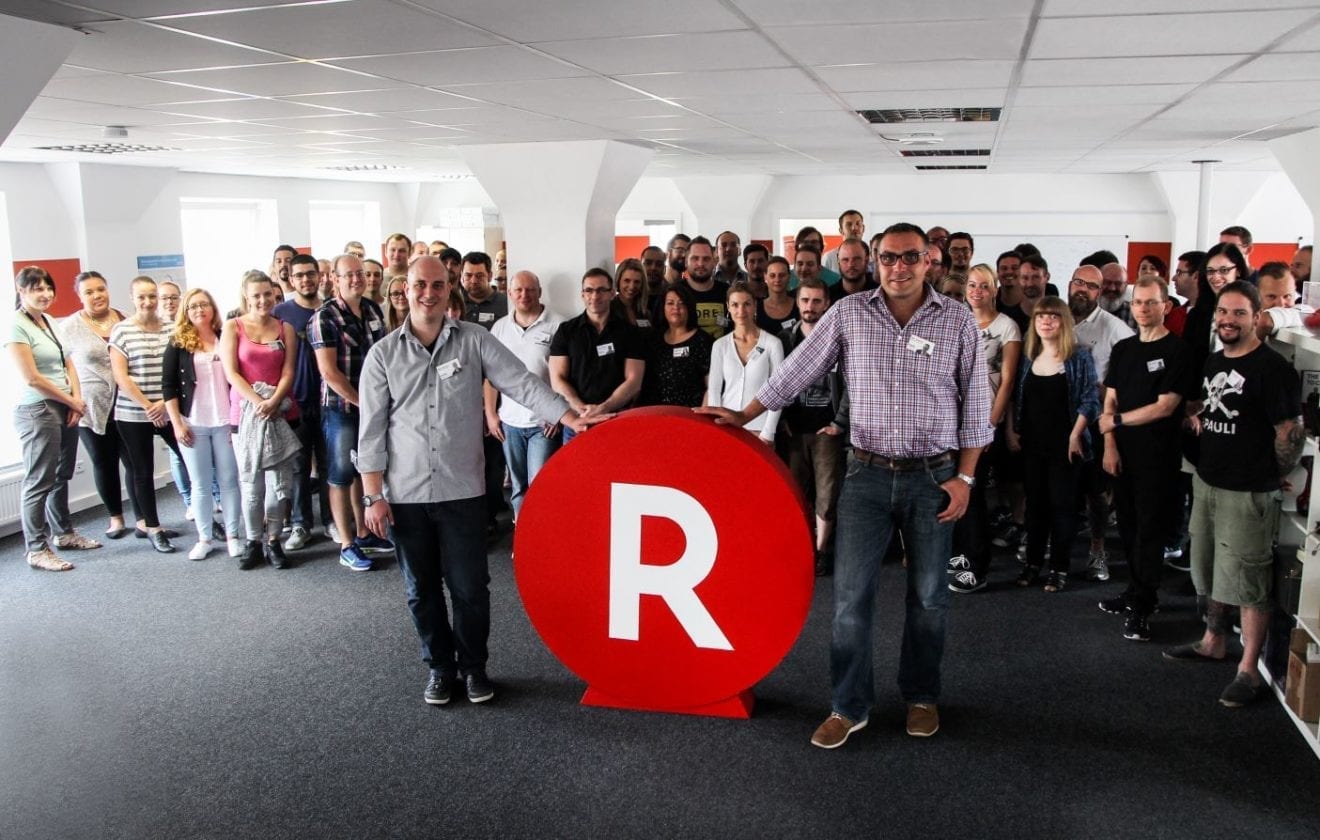
    In a bold strategic move, Rakuten Group, Inc. has announced plans to consolidate five of its wholly-owned subsidiaries—Rakuten Mart, Inc., Rakuten Ticket, Inc., Rakuten Car Inc., Rakuten STAY, Inc., and Monzen Corporation Japan—into its parent company. This consolidation, set to take effect on 1 January 2026, is designed to streamline operations and enhance efficiency.

    A Streamlined Future

    This absorption-type merger will unfold without the need for approval from the general shareholders’ meetings of the involved subsidiaries, a testament to the company’s commitment to agility. The driving force behind this merger is Rakuten’s determination to enhance operational efficiency and cut administrative expenses within the group. With a network spanning over 70 services—including e-commerce, travel, content, mobile, FinTech, and professional sports—Rakuten is doubling down on its mission to fortify the Rakuten Ecosystem.

    Harnessing AI for Efficiency

    Moreover, Rakuten is ramping up the group-wide implementation of artificial intelligence, further aiming to improve its cost management. Following the merger, Rakuten Group, Inc. will emerge as the sole entity, leading to the dissolution of the five subsidiaries. Given that these are wholly-owned subsidiaries, no new shares will be issued, nor will any payments be made. In a convenient twist, none of the merging subsidiaries have issued share subscription rights or bonds with subscription rights, making the transition smooth.

    Staying the Course

    Rakuten has assured stakeholders that the merger will not affect its corporate name, headquarters, representative structure, core business operations, capital, or fiscal year-end. The company remains poised for further internal mergers in the future, promising to keep everyone in the loop as developments arise. So, what’s next for Rakuten? Only time—and perhaps a dash of AI—will tell.

    Questions & Answers

    **What is the purpose of the merger?**
    The merger aims to boost operational efficiency and cut administrative costs, all while strengthening the Rakuten Ecosystem.

    When will the merger take place?
    The consolidation is set to be effective from 1 January 2026.

    Will there be any changes to Rakuten’s corporate structure after the merger?
    No, there will be no changes to the corporate name, headquarters, or core business operations following the merger.

  • Lazada Unveils Ambitious $100 Million Annual Investment to Boost Affiliate Program

    Lazada Unveils Ambitious $100 Million Annual Investment to Boost Affiliate Program

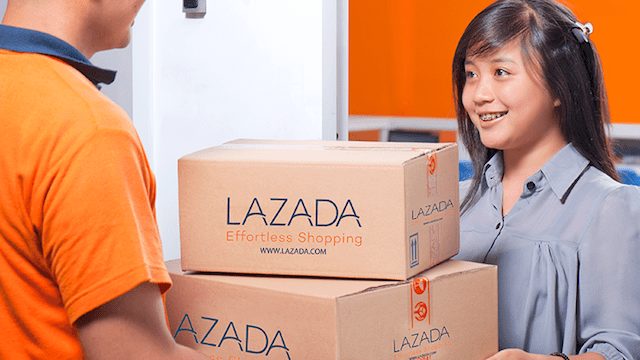
    Lazada is ramping up its efforts in the affiliate marketing sphere, announcing a bold $100 million annual investment into its Lazada Affiliate Programme. This move aims to further establish affiliate marketing as a pivotal growth engine across Southeast Asia’s rapidly evolving eCommerce landscape.

    In 2024, a remarkable 82% of consumers in Southeast Asia are expected to base their purchasing decisions on influencer recommendations, marking a 3% rise from the previous year. This trend underscores the rising significance of affiliate marketing as a key sales driver, contributing about 20% to the region’s online sales—roughly translating to a staggering US$15 billion in Net Merchandise Value.

    The influx of funds is poised to empower both brands and creators by transforming recommendations into tangible revenue. To enhance the user experience and overall performance of the LazAffiliate Programme, Lazada is rolling out an array of updates. These include a revamped affiliate interface, customized storefronts showcasing curated products, and seasonal campaign boosters that offer not just higher commissions but also gamified challenges and attractive bonuses.

    As excitement builds for the upcoming 6.6 sale, affiliates are in for a treat—earning up to 36% commission when promoting brands through store vouchers. A curated list of high-commission products, along with a real-time performance dashboard, will help affiliates hone their strategies and focus on what sells best.

    Lazada is not stopping there; it plans to implement co-developed, performance-based strategies designed to maximize the impact of influencer marketing, turning it into scalable sales. This strategy includes Lazada-funded vouchers and access to an expansive network of influencers, content creators, and key opinion consumers (KOCs).

    Kicking off with the highly anticipated 6.6 Mega Sale, the affiliate programme will feature gamified challenges and a rewarding pool of $100,000 for the top 10 affiliates in the region. Over 80 brands, particularly those in the fashion and beauty sectors, are set to join in on the action.

    Jared Chan, head of regional affiliate at Lazada Group, emphasized that this investment is about unlocking new income opportunities for creators and forging stronger, localized connections between brands and consumers. Notably, the LazAffiliate Programme is open to all, welcoming participants without any minimum follower requirements.

    Questions & Answers

    What is the significance of Lazada’s $100 million investment?
    This investment is aimed at enhancing Lazada’s affiliate marketing program, turning it into a performance-driven growth channel across Southeast Asia, which is crucial for eCommerce success in the region.

    How does Lazada support its affiliates?
    Lazada provides affiliates with a redesigned interface, customized storefronts, and tools like a performance dashboard to help them optimize their strategies. They also offer opportunities for higher commissions and bonuses during promotional campaigns.

    Is there a minimum follower requirement to join the LazAffiliate Programme?
    No, the LazAffiliate Programme is open to everyone, allowing individuals with any follower count to participate and benefit from the growing field of affiliate marketing.

  • Sygnum Bank Welcomes ‘Crypto Dad’ to Its Advisory Team in a Strategic Move

    Sygnum Bank Welcomes ‘Crypto Dad’ to Its Advisory Team in a Strategic Move

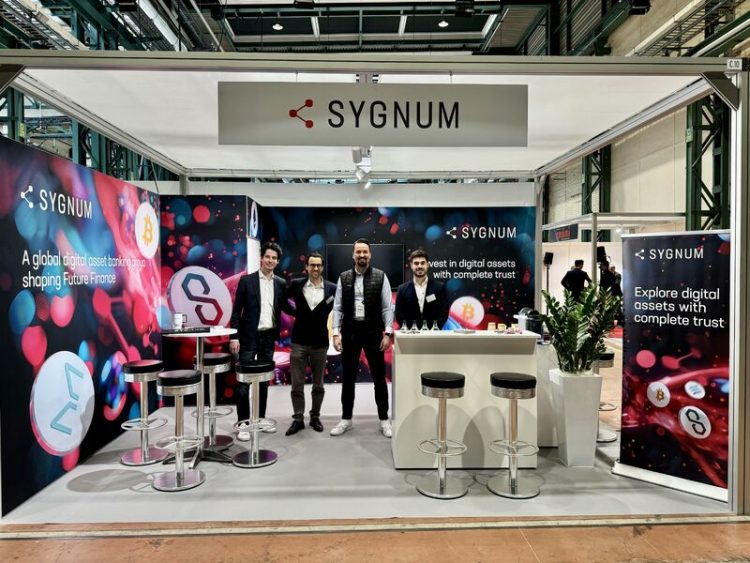
    Swiss crypto bank Sygnum is taking a significant step into the U.S. market with the appointment of J. Christopher Giancarlo, the former Chairman of the U.S. Commodity Futures Trading Commission (CFTC), as Senior Policy Advisor. Known affectionately as “Crypto Dad” for his enthusiastic advocacy of digital assets, Giancarlo brings a wealth of regulatory expertise that could prove invaluable as Sygnum looks to expand its footprint.

    Vision for U.S. Growth

    Giancarlo expressed his excitement about joining Sygnum, stating, “I look forward to contributing my regulatory knowledge, networks, and perspectives to Sygnum’s growth strategy, as well as advancing the group’s mission to build new regulated bridges between the traditional and crypto economies on a global scale.” His role marks a pivotal moment for Sygnum, which has typically adopted a conservative stance toward the U.S.—often regarded as a challenging environment for crypto institutions.

    A Stellar Advisory Team

    Mathias Imbach, Co-Founder and Group CEO of Sygnum, underscored the significance of Giancarlo’s appointment. He highlighted the former regulator’s “deep understanding of regulation, market infrastructure, and public policy, as well as his extensive U.S. network.” Giancarlo’s addition enriches an already impressive advisory council that features noteworthy figures such as Philipp Hildebrand from BlackRock and fintech innovator Alexander Lipton. As the U.S. potentially moves toward a new era of crypto deregulation, Sygnum seems well-positioned to navigate the changing landscape.

    With Giancarlo on board, Sygnum isn’t just dipping its toes into the U.S. market—it’s making a splash! Who knows, we might even see crypto-themed brunches at Wall Street soon!

    Questions & Answers

    Who is J. Christopher Giancarlo? Giancarlo is the former Chairman of the U.S. Commodity Futures Trading Commission, often referred to as “Crypto Dad” for his advocacy of digital assets.

    What is Sygnum Bank’s strategy for entering the U.S. market? With Giancarlo’s appointment, Sygnum aims to leverage his regulatory knowledge and connections to establish a stronger presence in the U.S., navigating the challenging landscape of crypto regulations.

    Why is Giancarlo’s appointment significant? His extensive regulatory experience and network in the U.S. make him a key asset for Sygnum as it seeks to bridge traditional and crypto economies globally, particularly amid potential deregulation in the U.S. market.

  • Fresh Private University Graduates in Singapore Now Enjoy Monthly Salaries Exceeding $2,700

    Fresh Private University Graduates in Singapore Now Enjoy Monthly Salaries Exceeding $2,700

    Recent findings from the Private Education Institution Graduate Employment Survey 2023/2024 reveal that graduates from Parkway College of Nursing and Allied Health and ERC Institute boast the highest median monthly pay, hitting S$4,000. They are closely followed by graduates from the Singapore Institute of Management who earn an average of S$3,600, according to The Business Times.

    Insights By Field of Study

    When dissecting salaries by field of study, information and digital technologies emerge as the frontrunners with a median salary of S$4,080. In contrast, humanities and social sciences graduates are not far behind, averaging S$3,500. Sadly, data for engineering and arts graduates are unavailable due to small sample sizes.

    Survey Scope and Participants

    The survey, conducted from November 2024 to March 2025, gathered insights from approximately 3,500 recent graduates of 27 private institutions, including reputable names like James Cook University, PSB Academy, and the Management Development Institute of Singapore.

    Notably, of those surveyed, about 2,300 were actively engaged in the labor force. SkillsFuture Singapore, the body behind the survey, aims to foster lifelong learning and skills development across the nation.

    Comparison with Autonomous Universities

    For a broader context, fresh graduates from autonomous universities such as Nanyang Technological University and the National University of Singapore launched their careers with a median monthly salary of S$4,500 in 2024. Meanwhile, post-national service polytechnic graduates began at S$3,000, as reported by an earlier joint survey highlighted by The Straits Times.

    Challenging Job Market

    Despite a slight increase in median salaries, job prospects for fresh graduates from private institutions stiffened in 2024, reflecting the challenges of a decelerating economy and muted hiring demand, according to insights from Mothership. Only 46.4% managed to secure full-time roles, a drop from 58.7% in 2023. Part-time or temporary jobs rose to 24.2%, up from 18.9%, while the freelance segment shrank from 5.7% to 4.2%.

    Course Clusters and Employment Rates

    Among the various course clusters, engineering led the way in full-time employment, boasting a rate of 55.3%, followed by sciences at 51.8%. Conversely, graduates from autonomous universities enjoyed significantly higher full-time employment rates at 79.5% compared to 65.2% for their polytechnic peers.

    Valuable Insights for Future Graduates

    Angela Tan, director general for private education at SkillsFuture Singapore, stated that this survey offers essential insights to help prospective students navigate their educational and career choices. She acknowledged the backdrop of global economic uncertainty but highlighted an array of resources and learning opportunities that SkillsFuture provides to empower Singaporeans in achieving their career goals.

    “In today’s complex job environment, informed choices based on industry-relevant skills can make all the difference,” she said, adding a splash of hope amidst the uncertainty.

    Questions & Answers

    What was the median salary for graduates from Parkway College of Nursing and Allied Health and ERC Institute?
    Those graduates earned a median monthly salary of S$4,000, the highest among private institutions.

    What percentage of graduates from private institutions secured full-time employment in 2024?
    Only 46.4% of these graduates landed full-time roles, a notable decrease from the previous year’s 58.7%.

    Why is the Private Education Institution Graduate Employment Survey important?
    The survey provides valuable insights that can guide prospective students in making informed decisions about their educational and career trajectories, particularly in light of current economic challenges.

  • How Online Trading Tools Are Changing Retail Investment in Singapore & Beyond

    How Online Trading Tools Are Changing Retail Investment in Singapore & Beyond

    The era of retail investors logging on during lunch breaks to casually place a few stock bets is over. In its place emerged a new class of investors – faster, better informed, and plugged into global markets through AI-powered platforms and community-based tools.

    Singapore is becoming a case study in how online trading tools are rewriting the rules.

    Trading Like a Pro, Without the Suit

    More Singaporeans are investing in their phones than ever before. But it’s not just about access anymore, it’s about edge.

    The quality of tools available to the everyday investor in Singapore is now what you’d expect from a professional trading desk. It’s changing how people invest, and how often. Platforms like TradingView Singapore are changing the game. TradingView gives traders the same market-moving tools once locked behind Bloomberg terminals: real-time data, advanced charting, lightning-fast alerts, and a global feed of insights from millions of users. Add in custom-coded strategies through Pine Script, and you’ve got a platform that doesn’t just react to the market, it helps you anticipate it.

    Fewer Traders, More Confidence

    Here’s the twist: while the number of active online traders in Singapore fell slightly, from 264,000 to 248,000 by the end of 2024, the quality of engagement is rising.

    According to Investment Trends’ 2024 Singapore Online Investing Report, nearly half of all investors now access educational content daily. A growing number are evaluating risk more seriously, using advanced order types and real-time risk metrics.

    This translates to fewer gamblers and more strategists.

    Investors are spending more time learning and less time guessing. They’re asking better questions. And the platforms are responding.

    A Global Shift, Led by the Young

    This isn’t just a Singapore story. Globally, younger investors are reshaping the market.

    A World Economic Forum report from March 2025 found that 30% of Gen Z investors started trading before age 22. That’s double the rate of Millennials and more than triple that of Gen X. Most prefer digital-first platforms, use AI to guide them, and trust community in decision-making.

    And they’re driving growth. The online trading platform market hit $10.86 billion globally in 2024 and is forecast to grow to $17.46 billion by 2033, according to IMARC Group. The big drivers of this growth are the platforms that merge education with execution, thanks to AI tools, strong communities, and mobile-first design.

    The Rise of Social Investing

    In a high-stakes environment, people want confirmation or at least company.

    That’s where social trading comes in.

    On these platforms, users can track what top investors are buying and selling in real time. Some integrate social feeds directly into the trading experience, letting users copy portfolios, comment on trades, and learn by watching others.

    For new investors, it’s a kind of safety net. Crowd-validated decisions replace blind speculation.

    Beyond Stocks

    Today’s investors aren’t stopping at stocks. They’re trading options before breakfast, scanning crypto charts at lunch, and toggling between ETFs and forex by dinner. What used to be niche is now normal.

    And platforms are racing to keep up. One screen, endless reach. A trader in Singapore can monitor the USD/SGD pair, track Bitcoin’s next breakout, and scan technicals on Japanese equities without missing a beat.

    Diversification isn’t just smart. It’s easy. What once required three brokers and a spreadsheet now happens with a tap. Strategy is streamlined. Risk is visualized. And the playbook is wider than ever.

    Regulation is Playing Catch-Up

    As investor sophistication rises, regulators are stepping in to widen access, but with caution.

    In March 2025, Singapore’s Monetary Authority proposed a new framework to allow retail investors access to private market funds, like private equity and infrastructure. The idea is to give individuals more ways to grow wealth, while keeping guardrails in place.

    The proposal comes amid concerns that Singapore’s equity markets have grown too shallow, too fast. Retail investors, long sidelined from high-growth sectors, are demanding access, and regulators are listening.

    Regtech is booming as a result. The sector is projected to grow 25.6% in Singapore this year alone, hitting $178.92 million, per a report from ResearchAndMarkets.com.

    We’re entering an era where access is no longer the bottleneck. The next frontier is making sure people know what they’re getting into.

    Bottom Line: The Game Has Changed

    What we’re seeing isn’t a passing trend. It’s a structural shift in how individuals invest.

    Retail traders in Singapore and around the world are trading with smarter tools, better information, and broader access to assets than ever before. They’re not just riding trends. They’re building strategies.

    The line between amateur and professional is blurring. And while the platforms may be digital, the shift is deeply human: more confidence, more curiosity, more control.

  • Remedy Drinks launches Ginger Beer range

    Remedy Drinks launches Ginger Beer range

    Remedy Drinks, a popular beverage company, has expanded its product lineup with the introduction of a new drink, Remedy Ginger Beer.

    Interesting Flavours and Traditional Brewing Methods

    Remedy Ginger Beer is offered in two unique flavours – the classic original and an exciting ginger with lime variation. The creation process merges conventional fermentation techniques with contemporary elements to produce a thirst-quenching drink. Both versions are concocted with fresh Australian ginger and are free from sugar and synthetic constituents.

    Steve Byrne, Remedy’s Head Brewer and COO, emphasized the company’s commitment to authenticity in brewing their Ginger Beer. “We aimed for an ideal harmony of sweetness and spice, culminating in a rich, full-bodied taste derived from the fermentation process,” Byrne explained.

    Innovation in Beverage Market

    Remedy Drinks is reputed for its functional, naturally fermented beverages that are rich in flavour. In a departure from their usual kombucha or apple cider vinegar-based drinks, Remedy Ginger Beer employs a ginger root base to provide a stimulating, refreshing spiciness.

    Byrne highlighted the company’s knack for identifying market opportunities, saying, “With our Ginger Beer, we recognized a demand in the market for a robust, sugar-free option that doesn’t sacrifice flavour.”

    Consumers can find Remedy Ginger Beer in Coles, Woolworths, select independent stores, and online.

    New Flavour Launch

    Early this year, Remedy Drinks introduced a limited-edition watermelon flavour of their Sodaly water.

    Questions & Answers

    What is the new product launched by Remedy Drinks?
    Remedy Drinks has recently launched its latest product, Remedy Ginger Beer, available in two varieties – Original Ginger Beer and Ginger Beer with Lime.

    What makes Remedy Ginger Beer different from Remedy’s other drinks?
    Unlike Remedy’s typical kombucha or apple cider vinegar-based drinks, Remedy Ginger Beer uses a ginger root base to offer a stimulating, spicy taste.

    Where can consumers purchase Remedy Ginger Beer?
    Remedy Ginger Beer can be found at Coles and Woolworths, a selection of independent stores, and online.

  • Grab’n Go pack launched for M&Ms and Maltesers

    Grab’n Go pack launched for M&Ms and Maltesers

    Mars Wrigley, a leading confectionery manufacturer, has launched a new Grab’n Go package size for three of its top-selling chocolate brands – M&M’s Milk, M&M’s Peanut, and Maltesers. This fresh initiative comes as a response to consumer demands for smaller, more affordable treat options.

    Understanding Consumer Preferences

    The company’s research reveals that approximately 27% of its chocolate-sharing clientele actively seek better value for their purchases. This insight highlights an emerging trend for more accessible indulgence options in less substantial quantities.

    Michelle Gazzola, Mars Wrigley’s Portfolio Director, explains that the objective of the new packaging format is to offer consumers a handy and economical manner to savour their confections.

    Gazzola went on to say, “Customers are increasingly wanting quick, easy, and delicious treat options that can comfortably fit into their hectic schedules. As such, we’ve expanded our leading chocolate-sharing portfolio with an ideally portable pack size.”

    Local Manufacturing and Availability

    The Grab’n Go packs are produced domestically at Mars Wrigley’s Ballarat factory. These conveniently sized packages are now accessible across the country at petrol and convenience stores, Woolworths, and certain IGA stores.

    Questions & Answers

    What is the purpose of Mars Wrigley’s new Grab’n Go pack format?
    The new format aims to provide consumers with a convenient and affordable way to enjoy Mars Wrigley’s candies.

    What consumer trend led to the introduction of the Grab’n Go pack format?
    The company noticed that approximately 27% of its chocolate-sharing customers sought better value, signalling a growing demand for smaller, more affordable treat options.

    Where can consumers purchase the new Grab’n Go packs?
    The packs are available nationally at petrol and convenience outlets, Woolworths, and select IGA stores.

  • Lombard Odier Strengthens Presence in Asia with New Strategic Partnership

    Lombard Odier Strengthens Presence in Asia with New Strategic Partnership

    Swiss private bank Lombard Odier has forged a significant strategic alliance with Kuala Lumpur’s Hong Leong Bank, reinforcing its presence in Asia’s dynamic financial landscape.

    Forging a Strategic Alliance

    This partnership, announced by Lombard Odier (Singapore), aims to blend Hong Leong Bank’s deep understanding of the Asian market with Lombard Odier’s renowned expertise in sustainability and tailored wealth management. The collaboration promises a holistic suite of bespoke advisory services, including exclusive “red carpet advisory” and discretionary portfolio management for discerning clients.

    Senior Managing Partner Hubert Keller emphasized the potential for remarkable growth in Asia’s domestic markets, citing an increasing demand for customized wealth management solutions and a growing necessity for banks to offer clients access to global investment opportunities from within the region.

    Elevating Client Services

    Hong Leong Bank is also elevating its HLB Private Bank offerings by integrating Lombard Odier’s global investment insights with its local knowledge. “Singapore is a pivotal wealth hub in a continent experiencing unprecedented growth in affluence,” noted Kevin Lam, Group Managing Director and CEO of HLB. “This strategic alliance allows us to enrich our Private Banking services in a meaningful way.”

    Founded in 1905, Hong Leong Bank has a robust presence not only in Malaysia but also in Singapore, Hong Kong, Vietnam, and Cambodia, further enhancing its international appeal.

    Expanding Onshore Capabilities

    The establishment of such alliances forms a core part of Lombard Odier’s strategy to expand its wealth management services within onshore markets. The bank has already partnered with local financial institutions in various regions, including Australia, Japan, Taiwan, Thailand, and the Philippines. Notably, Lombard Odier is set to celebrate the 10th anniversary of its collaboration with Kasikornbank’s private wealth arm in December 2024.

    Vincent Magnenat, Asia Group Regional Head and Global Head of Strategic Alliances at Lombard Odier, expressed confidence in the partnership, stating, “We believe in collaborating with the right partners who share our vision for the future of wealth and asset management. Our alliance with HLB is a powerful testament to our shared values and commitment to innovation and sustainability.”

    With the dynamic financial sphere in Asia continually shifting, this partnership promises not just growth but a fresh chapter of opportunity for wealth creation — who knows what other surprises await in the world of finance?

    Questions & Answers

    What is the significance of the partnership between Lombard Odier and Hong Leong Bank? The partnership aims to blend local market expertise with global investment insights, enhancing wealth management services for clients in Asia.

    How does this alliance fit into Lombard Odier’s broader strategy? The alliance is part of Lombard Odier’s push to expand its wealth management capabilities in onshore markets, building on existing partnerships in various Asian countries.

    What benefits can clients expect from this collaboration? Clients will have access to tailored advisory services, leveraging both Lombard Odier’s sustainability expertise and Hong Leong Bank’s local market knowledge for a comprehensive wealth management experience.

  • BNP Paribas Faces Scrutiny: Insights from Ms. Pariset on Recent Criticism

    BNP Paribas Faces Scrutiny: Insights from Ms. Pariset on Recent Criticism

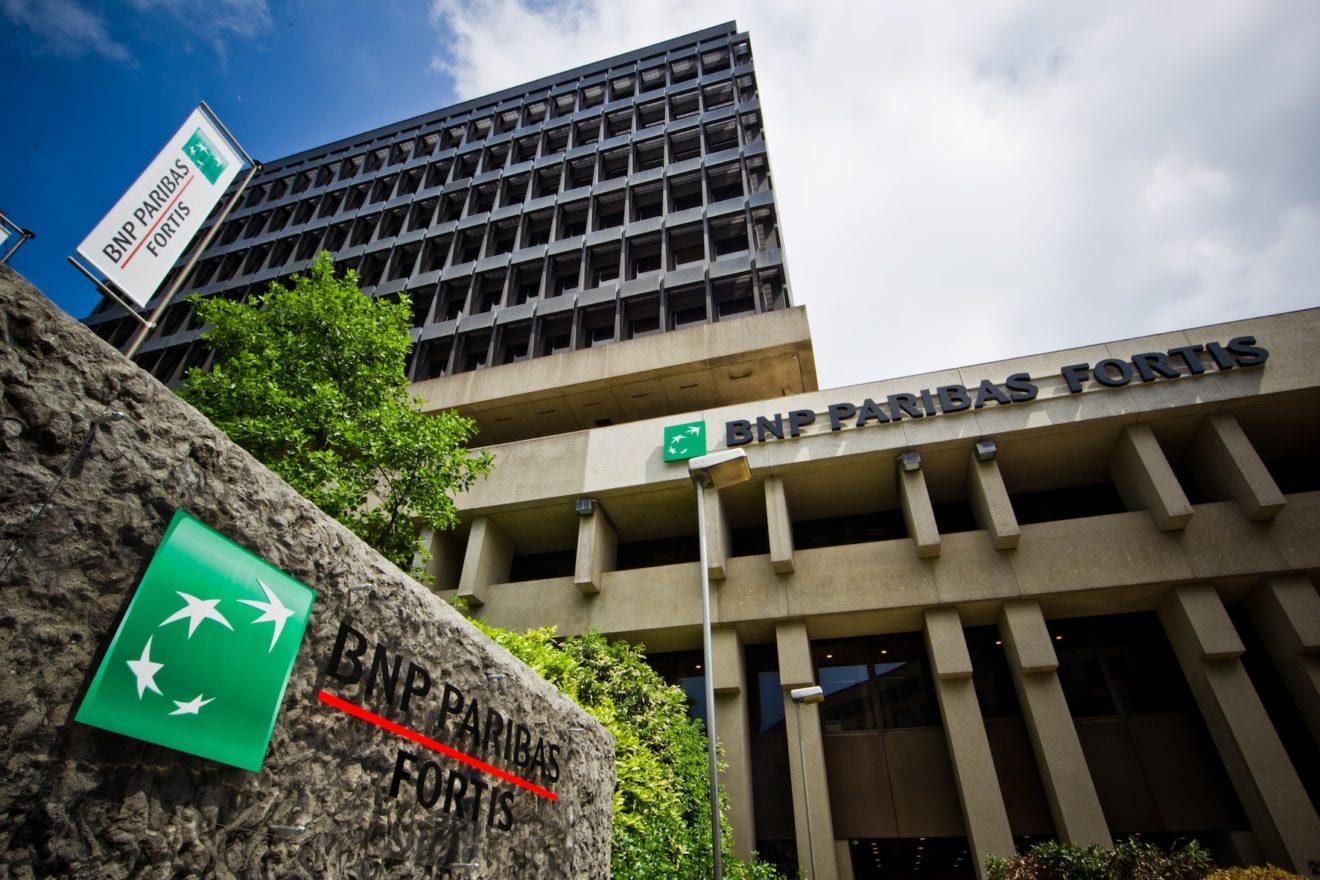
    BNP Paribas has recently restructured its operations in Switzerland, transitioning from a subsidiary to a branch of its French parent company. This strategic move, according to Switzerland CEO Enna Pariset, is designed to streamline the group’s legal framework and enhance operational efficiency across markets where retail banking isn’t part of the offering.

    Legal Streamlining for Growth

    By becoming a branch, BNP Paribas has aligned its Swiss operations more closely with its overall group structure, which has already been implemented in other European markets. Pariset expressed satisfaction with the transition, noting that Switzerland was the final European market to make this change. The bank remains fully regulated by FINMA and also falls under the scrutiny of the European Central Bank.

    Benefits to Clients and Organizational Structure

    This reorganization is not just an administrative shift; it directly supports the bank’s growth ambitions. With branches in Zurich and Geneva, and Lugano functioning under Zurich’s umbrella due to its small team of 15 specialists, the new setup aims to boost operational clarity and efficiency. “Clients benefit from the new structure,” Pariset emphasized, hinting at the positive outcomes expected from this realignment.

    Client Reception and Future Outlook

    What about the clients’ reactions to these changes? Surprisingly, there has been no negative feedback reported. After a two-year preparation process, clients were thoroughly informed and guided throughout the transition. They now enjoy direct access to BNP Paribas Group’s impressive €2.7 trillion balance sheet, bolstered by strong credit ratings—A+ from S&P and A1 from Moody’s. “We are the largest branch of an international bank ever to operate in Switzerland,” Pariset proudly stated.

    Navigating Challenges and Setting Goals

    Despite a lackluster performance in 2023 and the ongoing transformation, Pariset remained optimistic regarding the bank’s future. Operating in Switzerland since 1872, BNP Paribas aims to expand its business with local clients to €1 billion in 2024, with a bold target of €1.5 billion by 2030. “We’re on the right path,” she asserted, detailing the bank’s mission to provide a unique value proposition to Swiss corporates and wealthy families, helping them thrive internationally while preserving their wealth.

    With all this restructuring, it seems one thing is clear: BNP Paribas isn’t just weathering the storm; it’s fine-tuning its sails for smoother seas ahead. Who knew banking could be so exhilarating?

    Questions & Answers

    What are the main motivations behind BNP Paribas’s restructuring in Switzerland? The restructuring aims to streamline legal structures and improve operational efficiency across the group.

    How has the client response been to the new branch model? Clients have responded positively, with no negative feedback reported, gaining direct access to the BNP Paribas Group’s substantial resources.

    What ambitious goals does BNP Paribas have for the Swiss market by 2030? The bank aims to grow its business with Swiss clients to €1.5 billion by 2030, enhancing support for corporates and high-net-worth families.

  • Swiss Corporate Banking Gains Momentum After Credit Suisse Departure

    Swiss Corporate Banking Gains Momentum After Credit Suisse Departure

    The recent collapse of Credit Suisse has created significant ripples in Switzerland’s corporate banking landscape, presenting both challenges and new opportunities. It was not just a regular player; for many businesses, Credit Suisse was a cornerstone in financial dealings. With its sudden exit, the corporate banking arena is experiencing a dramatic upheaval.

    The Emergence of a New Leader

    As UBS steps into a more prominent role, foreign banks are eager to fill the gap, aiming particularly at the lucrative segment of large corporate accounts. Enter Swiss Credit Partners, a fresh name in structured finance poised to seize the moment. At the helm is Matthias Wyder, former head of Corporate Finance and Private Debt at Credit Suisse, now taking on the role of CEO.

    “We believe there is a remarkable opportunity for a Swiss-centric solution,” Wyder comments. “With many syndicated loans approaching renewal in the next few years, the demand for an alternative Swiss option is becoming increasingly apparent.”

    Partnerships That Matter

    Swiss Credit Partners plans to put its focus on mid-sized enterprises and underwriting—an area that has been somewhat overlooked. Despite its critical role in financing diverse projects, many banks have become reluctant in this regard.

    Launching with nearly CHF 1.2 billion in capital, Swiss Credit Partners is backed by notable investors such as Swiss Life and Vaudoise. Wyder hints at the possibility of attracting further financial partners, including other insurers, pension funds, and asset managers.

    Aiming to Complement, Not Compete

    Wyder stresses that the firm does not aim to disrupt the existing market, saying, “We consider ourselves a complementary presence among the established institutions. Our goal is to restore choice for businesses.” With its headquarters in Zurich, Swiss Credit Partners is currently staffed by a team of eight experts, with plans for further expansion on the horizon.

    In a world of rapidly changing financial dynamics, who would have thought a banking void could inspire new opportunities—and perhaps even a little friendly competition? The Swiss corporate banking scene is about to get a dash of fresh energy!

    Questions & Answers

    What is Swiss Credit Partners’ main focus? The firm aims to concentrate on mid-sized companies and underwriting, an area that has been somewhat neglected in the market.

    Who is leading Swiss Credit Partners? The company is headed by Matthias Wyder, the former long-serving Head of Corporate Finance and Private Debt at Credit Suisse.

    What is the firm’s relation to other financial institutions? Swiss Credit Partners views itself as a complementary player, aiming to provide more choices for companies alongside existing banking institutions.

  • Best Essay Writing Services in the USA

    Best Essay Writing Services in the USA

    Best Essay Writing Services in the USA

    Every student has hit that moment—staring at a blank screen, a deadline looming, and zero motivation to get started. It’s not about laziness. Sometimes life gets in the way, or professors hand out assignments as if their class is the only one that exists. That’s where essay writing services come in. But let’s be real: the internet is packed with options, and not all of them are worth your money. Some are straight-up scams. Others churn out low-quality work that’s barely readable. A few, though? They deliver. Here are three services with best essay writers that students in the US can actually trust: EssayWriterCheap.org, EssayPay.com, and KingEssays.com

    EssayWriterCheap.org – The Budget-Friendly Option

    Overview

    The EssayWriterCheap  is a solid choice for students who need decent work without draining their bank account. They focus on affordability so they’re good for students on a tight budget.

    Features 

    • Pricing: Starts at $10 per page (way lower than most others).
    • Quality: Decent, not premium. Good for standard assignments.
    • Turnaround Time: Urgent deadlines available but quality may suffer if rushed.
    • Customer Support: Responsive but not available late at night.
    • Plagiarism-Free Guarantee: All essays go through plagiarism checks before delivery.

    Pros & Cons

    Pros Cons
    Affordable prices Might not be the best for complex research papers
    Decent quality for the price Limited customer support hours
    Quick turnaround options Formatting issues in some cases
    Reliable plagiarism checks No free revisions on lower-tier plans

    Best for: Students looking for basic essays fast and cheap. If you’re juggling multiple assignments and just need something decent, this site works.

    EssayPay.com – The Balanced Choice

    Overview

    EssayPay.com is middle of the road when it comes to price and quality. Not the cheapest but not ridiculously expensive either. The essay writing service at $10/page and quality is better than budget options, so it’s a good choice if you want something reliable without going broke.

    Features

    • Pricing: Around $10-11 per page, making it a mid-range option.
    • Quality: More refined writing, better research depth.
    • Turnaround Time: Can handle last-minute orders fairly well.
    • Customer Support: Available 24/7, which is a lifesaver.
    • Multiple Revisions: Allows free revisions to ensure customer satisfaction.

    Pluses & Minuses

    Pros Cons
    Solid writing quality Slightly pricier than budget services
    Handles research papers well Some writers have different styles
    Good customer support May experience delays during peak times
    Free revisions included Higher rates for urgent assignments

    Best for: Students who need more than just a basic essay but don’t want to spend a fortune. If you’re dealing with a tricky professor or need a bit of research incorporated, this one is worth considering.

    KingEssays.com – The Premium Pick

    Overview

    If you need top-tier work—something that could impress even the pickiest professor—KingEssays.com.com is the go-to option. This one’s pricier, but the quality justifies the cost.

    Features

    • Pricing: Starts at around $10 per page, with premium services costing more.
    • Quality: Excellent. Writers clearly know academic standards inside and out.
    • Turnaround Time: Works well with longer deadlines. Rushed orders are possible but cost more.
    • Customer Support: Very responsive, with live chat available most of the time.
    • Subject Expertise: Specializes in various fields, from humanities to STEM.

    Wins & Fails

    Pros Cons
    High-quality research papers A bit more expensive than other options
    Excellent writing standards Not the best for extremely tight deadlines
    Great customer service Some niche topics may have limited experts
    Expert writers in multiple fields Rush orders come at a premium cost

    Best for: Learners who want high quality research papers and are willing to pay for them. If you’re dealing with a capstone project, thesis or a tough professor, this is your best bet. Many students choose to pay to write research paper assignments when the stakes are high and the time is short. When you pay to write research paper content through a trusted service, you’re investing in both your grades and peace of mind. It’s a practical solution for those balancing school, work, and life all at once.

    The Advantages of Using These Services

    There’s a reason essay writing services have become so popular. While some people like to argue that students should do all their work themselves, the reality is that academic life is demanding, and there’s no shame in getting help when you need it.

    Saves Time

    It’s not all about assignments. Between work, social commitments and personal responsibilities students don’t have time for every single paper. Using a legit essay writing service can free up hours to study for exams, work on projects or just get a decent night’s sleep.

    Helps Improve Writing Skills

    A good model essay can be a learning tool. By looking at the structure, arguments and research in a professionally written essay students can improve their own writing and know what professors are looking for.

    Reduces Stress

    Deadlines are piling up fast and academic pressure can take a toll on mental health. Knowing there’s a service that can take the load off can make a big difference in reducing stress and burnout.

    Guarantees Quality Work

    A top essay writing service employs experienced writers who know what academic expectations are. This means students get well researched, properly formatted and plagiarism free content that meets high standards.

    Customization and Flexibility

    Whether you need a 5 paragraph essay or a full research paper, these services offer customization to fit your needs. You can choose your deadline, level of complexity and even communicate with writers to make sure the final product meets your requirements.

    Confidentiality and Security

    Many students worry about privacy when using writing services. The best providers use secure payment methods and ensure that personal information is kept confidential. These services also guarantee that all papers are original, meaning they won’t be resold or reused.

    Which Service is Right for You?

    Choosing the best paper writing services depends on what you need most:

    • Tight budget? EssayWriterCheap.org is the way to go.
    • A balance between cost and quality? EssayPay.com delivers solid results without excessive pricing.
    • Need top-tier research and writing? KingEssays.com is the premium option.

    Each has its own strengths and the right one for you will depend on your situation. Some students only need help once or twice; others need help throughout their academic career.

    Final Thoughts

    Choosing a reliable essay writing service isn’t just about finding the cheapest or the one with the most 5 star reviews. It’s about finding the right fit for you. Budget matters, deadlines matter but most of all quality matters. Whether you need a quick assignment done overnight or a deeply researched paper that can pass scrutiny, these three services are solid options.
    Ultimately, essay writing services are tools. Like a good teacher, they help students manage their workload, tricky assignments and tight deadlines. Used well they can be a lifesaver.