Author: Mei Ling Tan

  • Temasek’s Europe Partnership VP to Strengthen Chain IQ Board with New Appointment

    Temasek’s Europe Partnership VP to Strengthen Chain IQ Board with New Appointment

    A seasoned executive is stepping into a pivotal role at Chain IQ, the global leader in indirect procurement. Uwe Krueger, with over 20 years of leadership experience in sectors ranging from industrial services to energy, has joined the board of directors, promising to steer the company toward exciting new horizons.

    Bringing a Wealth of Experience

    Krueger’s impressive resume includes senior positions at renowned firms like Cleantech Switzerland, TPG Capital, OC Oerlikon, and Turner Corp. Currently, he serves as vice chairman of European partnerships at Temasek International, where he spearheads transformative initiatives focused on strategic development, operational efficiency, and ESG leadership.

    Transformative Expertise

    With his profound knowledge of global procurement strategy, corporate governance, and the integration of advanced technologies, Krueger is an ideal fit for Chain IQ as the company embarks on a transformative journey aimed at global expansion. His knack for implementing progressive business models and driving growth will be invaluable. “I am excited to join the Chain IQ board at an inflection point of the business, pursuing accelerated global growth and the adoption of cutting-edge AI methodologies,” he remarked.

    A Thoughtful Transition

    Krueger’s appointment signifies a significant milestone for Chain IQ as it continues to evolve. Founder and executive chairman Claudio Cisullo emphasized the importance of this change, stating, “Uwe Krueger’s arrival marks a crucial step as we position Chain IQ Group for the future.” Krueger takes over the role from Kurt Tenger, who is transitioning into retirement but will still offer guidance on the risk and audit committee. “We are fortunate to continue benefiting from Kurt Tenger’s expertise,” added Cisullo.

    The Board’s Vision

    The Chain IQ Group board of directors now includes notable figures such as Claudio Cisullo (founder & executive chairman), Walter Stürzinger (vice chairman), Michèle F. Sutter-Rüdisser, Stefano Aversa, Feiyu Xu, Nadine Graf, and the newly appointed Uwe Krueger.

    As for the delightful side of corporate shifts—who knew boardrooms could be this exciting? Stay tuned as Chain IQ gears up for a future that’s anything but ordinary!

    Questions & Answers

    What will Uwe Krueger bring to Chain IQ?
    Krueger brings extensive leadership experience and expertise in global procurement strategy, making him well-suited to drive Chain IQ’s transformation and growth.

    Who has Uwe Krueger replaced on the board?
    Krueger replaces Kurt Tenger, who is transitioning into retirement but will remain involved with the company through the risk and audit committee.

    What are Chain IQ’s plans for the future?
    The company aims to accelerate global growth and adopt advanced AI methodologies as part of its transformative journey.


  • Exploring Why Malaysians Lead Southeast Asia in Grocery Spending Trends

    Exploring Why Malaysians Lead Southeast Asia in Grocery Spending Trends

    Malaysians are savoring their culinary delights, with average annual food-at-home expenses hitting a notable US$1,940 per person in 2023, according to the U.S. Department of Agriculture (USDA). Following closely behind, Singaporeans spend about $1,831 per person, while other nations in the region like Thailand ($1,108), the Philippines ($1,070), and Cambodia ($898) show a stark contrast in expenditure levels, as reported by The Star. Notably, these figures haven’t been adjusted for inflation or varying costs of living across countries.

    Understanding High Grocery Bills

    Experts attribute Malaysia’s substantial household grocery spending to a mix of factors: rising input costs, a weakened Ringgit, low agricultural productivity, and a heavy reliance on food imports. Sunway University economics professor Yeah Kim Leng observed that despite Singapore boasting a far higher per capita income, its food-at-home spending has closely mirrored Malaysia’s, even dipping below it this year.

    KRI research associate Teoh Ai Ni shed light on the varying spending habits across the region. She pointed to data from the Household Expenditure Survey 2022, revealing that Malaysian households dedicate about 52% of their monthly food budget to meals at home, contrasting with Singapore’s 68% spent dining out. This appetite for home-cooked meals places a unique spin on Malaysia’s grocery landscape.

    Moreover, KRI fellow researcher Nik Syafiah Anis highlighted the vulnerability of Malaysia’s food sector due to its dependence on imports. She emphasized that this reliance, especially on imported animal feeds like corn and soymeal, adds to rising domestic food prices. Geopolitical tensions and unfavorable harvests on the global stage can further inflate feed costs, leading to pricier staples like chicken, eggs, fish, and meat.

    Teoh added that while Malaysians might spend more in dollar terms on groceries, the share of their income allocated to food is comparatively lower than in many regional counterparts. It appears that while we’re enjoying a tasty meal, the economy continues to stir up its own concoctions of challenges.

    And just when you think you’re spending too much on groceries, remember that you could be paying even more for your takeout!

    Questions & Answers

    What are the average food-at-home expenses for Malaysians in 2023?
    Malaysians spent an average of US$1,940 per person on food-at-home expenses in 2023.

    How do Malaysian food spending habits compare to those in Singapore?
    While Malaysia’s food-at-home expenditure is higher, Singaporeans allocate a greater portion of their food budgets to dining out, with 68% spent on meals away from home compared to Malaysia’s 52%.

    What factors contribute to the rising grocery costs in Malaysia?
    Factors include a reliance on food imports, rising input costs, a weakened Ringgit, and low farm productivity, all of which create pressure on domestic food prices.

  • Gold Prices Dive in Vietnam: What’s Behind the Sudden Drop?

    Gold Prices Dive in Vietnam: What’s Behind the Sudden Drop?

    Gold prices in Vietnam took a notable plunge on Monday morning, mirroring a downward trend in global bullion markets as the United States and European Union reached an agreement on a deadline for a much-anticipated trade deal.

    Gold Prices on the Decline

    The Saigon Jewelry Company’s gold bars fell by 0.82%, bringing the price to VND120 million (approximately US$4,631.42) per tael. Meanwhile, gold rings saw a decrease of 0.86%, now priced at VND115 million per tael, with one tael equating to 37.5 grams or 1.2 ounces. Interestingly, despite this drop, gold prices have skyrocketed by 42.5% since the start of the year, keeping investors on their toes.

    Globally, gold prices softened on Monday after U.S. President Donald Trump set a July 9 deadline to finalize a trade agreement with the European Union, retracting his earlier stance of imposing a 50% tariff starting June 1. As reported by Reuters, spot gold dipped 0.3% to $3,346.59 an ounce, while U.S. gold futures experienced a 0.6% decline, settling at $3,345.70.

    Kyle Rodda, an analyst at Capital.com, commented on the market fluctuations, stating, “There is a kind of element of relief in the marketplace after the pause on tariffs on the EU, and we’re seeing gold weaken.”

    So, as the gold market takes a breather, investors wonder: will a shiny future be on the horizon, or are we just polishing the surface?

    Questions & Answers

    What caused the drop in gold prices in Vietnam?
    The decline in gold prices is attributed to global market shifts following the U.S.-EU trade deal, easing fears of impending tariffs.

    How much has gold surged since the start of the year?
    Gold prices have surged by an impressive 42.5% since January 2023.

    What are the current prices for gold bars and rings in Vietnam?
    As of Monday, the price for gold bars is VND120 million per tael, while gold rings are priced at VND115 million per tael.

  • Dollar Hits 5-Week Low Against Dong: A Significant Shift in Currency Trends

    Dollar Hits 5-Week Low Against Dong: A Significant Shift in Currency Trends

    The U.S. dollar experienced a notable decline against the Vietnamese dong on Monday morning, reaching its lowest point since April 21. This dip reflects a series of movements in the currency markets that are drawing attention from analysts and investors alike.

    A Shift in the Currency Landscape

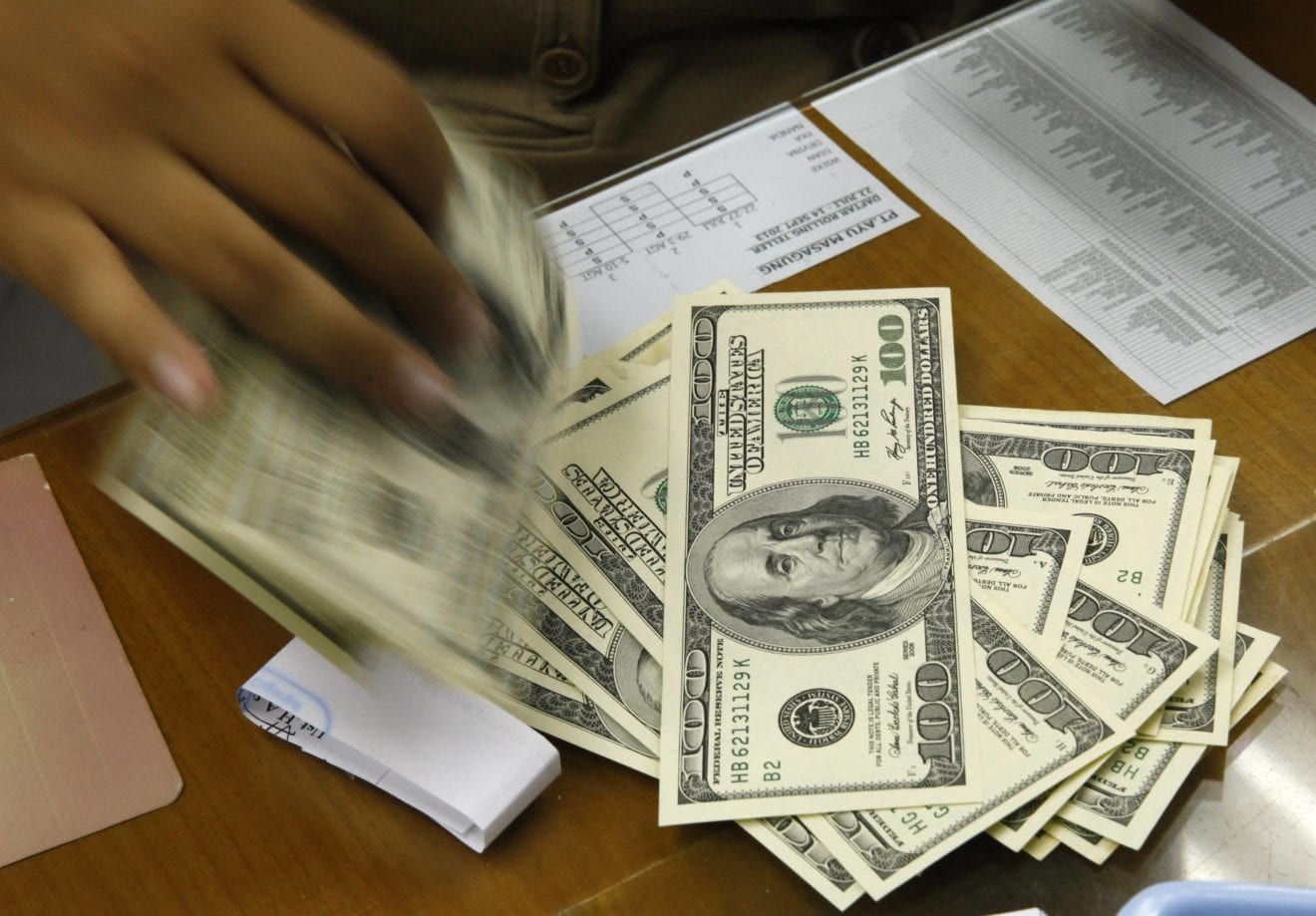
    Vietcombank reported a 0.11% decrease in the dollar’s value, pricing it at VND26,100. Meanwhile, the State Bank of Vietnam made adjustments to its reference rate, reducing it by 0.08% to VND24,940. On the black market, the dollar fell further, dropping 0.34% to VND26,340. Despite this recent decline, the dollar has still experienced a 2.15% increase against the dong since the start of the year.

    Global Currency Reactions

    In global markets, the euro surged alongside risk-sensitive currencies like the Australian dollar. This rise follows President Donald Trump’s decision to retract proposed 50% tariffs on European Union imports, a move that occurred after the EU sought additional time to negotiate a more favorable deal. Trump’s sudden policy reversals, compounded by a comprehensive spending and tax-cut bill currently working its way through legislation, have led to a broader sell-off of U.S. assets. In response, the U.S. dollar index, which measures the dollar against six major currencies, dropped 0.3% to 98.813, building on a significant 1.9% decline from the previous week.

    As the dollar’s uncertainty lingers, investors are left wondering how these developments will impact the future of global trade and currency exchanges.

    Questions & Answers

    What recent event contributed to the dollar’s decline against the dong?
    The dollar fell after President Donald Trump backed away from imposing 50% tariffs on European goods, a move that appeased investors and allowed for risk-sensitive currencies to rise.

    How much has the dollar changed against the dong since the beginning of the year?
    Despite the recent decline, the dollar has increased by 2.15% against the dong this year, showcasing a complex dynamic in currency exchange rates.

    What does the decline in the U.S. dollar index signify for investors?
    The drop in the U.S. dollar index signals growing investor skepticism towards U.S. assets, driven by recent policy shifts and ongoing legislative changes that may reshape economic conditions.

    In a world where currencies dance to the rhythm of policy and international negotiation, the dollar’s performance can often feel like watching a thrilling game of cat and mouse.

  • Chanel profit tumbles as global sales slow down

    Chanel profit tumbles as global sales slow down

    Despite witnessing a 4.3% slide in sales last year, French luxury conglomerate Chanel has committed to maintaining its heightened capital expenditure this year. The persistence of market instability, especially in Asia and the U.S., has not deterred the company from supporting its worldwide expansion plans.

    Investments and Expansions

    Chanel announced that it would continue its capital investment at the $1.8 billion mark, representing a 43% increase from the previous year, to facilitate global growth. The expansion includes 48 new store launches scheduled for this year. About half of these planned openings will occur in China and the U.S., while additional locations are set for India, Mexico, and Canada. Out of these new stores, only six will be dedicated to fashion. The remaining stores will focus on beauty, jewelry, and other categories.

    Financial Performance

    The fiscal year ending in December saw Chanel reporting revenues of $18.7 billion. However, there was a 30% decrease in operating profit. The Asia-Pacific region was notably impacted, registering a 9.3% drop in sales. North and South America also experienced a decline of 4.3%, while Europe had a modest increase of 1.2%.

    The group’s net profit decreased by 28.2% to $3.4 billion last year. This decline was attributed to difficult market conditions in certain regions.

    Market Uncertainties

    Philippe Blondiaux, the group’s Chief Financial Officer, recognized uncertainties in the market outlook, particularly concerning China and U.S. tariff policies. He noted that while there were “positive signs of stabilization” in China and Hong Kong, it was premature to determine whether these regions were on the road to recovery. He further described the ongoing tariff discussions in the U.S. as “extremely volatile”.

    Chanel increased its prices by approximately 3% last year to counter inflation. Blondiaux stated that further adjustments might be required, especially in the jewelry sector where gold prices continue to escalate.

    Looking Forward

    Despite the challenging macroeconomic and geopolitical climate, Chanel’s global CEO Leena Nair remains optimistic. She stated that while these conditions have impacted sales in some markets, the company continues to focus on long-term investments.

    Last year, Chanel appointed Matthieu Blazy as its creative director. Although there have been rumors regarding an expansion into menswear, the company clarified that there are presently no plans to venture into that category.

    Questions & Answers

    What is Chanel’s strategy in terms of capital investment?
    Chanel plans to maintain its $1.8 billion capital investment to support its global expansion.

    How did Chanel’s financial performance fare in the previous fiscal year?
    For the fiscal year ending in December, Chanel reported a revenue of $18.7 billion. However, both operating profit and net profit saw significant declines, by 30% and 28.2% respectively.

    What are Chanel’s expansion plans for the current year?
    Chanel intends to open 48 new stores across various countries, including China, the U.S., India, Mexico, and Canada. The majority of these stores will be dedicated to beauty, jewelry, and other categories.

  • Nescafe expands Espresso Concentrate range with Rich Caramel version

    Nescafe expands Espresso Concentrate range with Rich Caramel version

    Nescafe, the global coffee brand, has expanded its Espresso Concentrate collection with the introduction of a new flavour, ‘Rich Caramel.’ This new addition, characterized by a robust and distinctive caramel taste, is versatile and ideal for the creation of barista-style caramel frappes and sweet iced lattes at home.

    New Flavour Joins the Range

    Nescafe’s Rich Caramel variant joins the already popular Sweet Vanilla and Black varieties in the Espresso Concentrate line. Melissah Toomey, Chief Marketing Officer of Nescafe, stated that the brand’s prior experimentation with caramel flavours has been met with considerable success. The Nescafe Caramel Latte, for instance, stands as the best-selling item amongst all their flavoured product offerings.

    Availability

    The Rich Caramel flavour is presently on sale at Woolworths and local retailers. Plans are also underway to make the product available for purchase at Coles in the coming month.

    Response to Consumer Feedback

    Toomey explained that the addition of Rich Caramel to the Espresso Concentrate range is a direct result of feedback from consumers. Last year’s launch of the Espresso Concentrates was met with overwhelming positivity, leading the company to broaden the range further.

    Apart from the new espresso concentrate, Nescafe also introduced a KitKat-inspired coffee mix to its product lineup last month.

    Questions & Answers

    What is the new flavour that Nescafe has added to its Espresso Concentrate line?
    The new flavour is ‘Rich Caramel.’

    What other flavours are available in the Espresso Concentrate range?
    Apart from Rich Caramel, the range also includes Sweet Vanilla and Black.

    Where can I purchase the new Rich Caramel flavour?
    The Rich Caramel variant of Nescafe Espresso Concentrate is available at Woolworths, local retailers, and will soon be available at Coles.

  • Indonesia’s antitrust body looking into risks from reported Grab-GoTo merger

    Indonesia’s antitrust body looking into risks from reported Grab-GoTo merger

    The Indonesian competition authority has initiated an investigation to identify potential risks associated with a potential merger between tech behemoths Grab and GoTo, according to the head of the agency.

    Muhammad Fanshurullah Asa, the head of the agency, stated that a comprehensive review could be carried out once the merger occurs and both firms officially notify them of their actions.

    Although there is no official confirmation from either company about the speculated merger, recent months have seen an increase in speculation about this potential merger.

    It was suggested by individuals familiar with the situation last week that the two companies were aiming to finalize a deal within the second quarter of this year.

    Questions & Answers

    What is the nature of the investigation being conducted by the Indonesian competition authority?
    The investigation is designed to identify any potential risks that could arise from a possible merger between tech giants Grab and GoTo.

    Have Grab and GoTo confirmed their plans for a merger?
    No, both companies have yet to officially confirm their plans for a merger, though speculation has been rife in recent months.

    When are the two companies expected to finalize their deal?
    Sources familiar with the matter suggested that the companies are aiming to finalize the deal in the second quarter of this year.

  • Coca-Cola Europacific Partners unveils its largest canning line yet

    Coca-Cola Europacific Partners unveils its largest canning line yet

    Coca-Cola Europacific Partners is making waves in the beverage industry with the launch of its most extensive and efficient canning line to date. The new facility is located in Richlands, Brisbane.

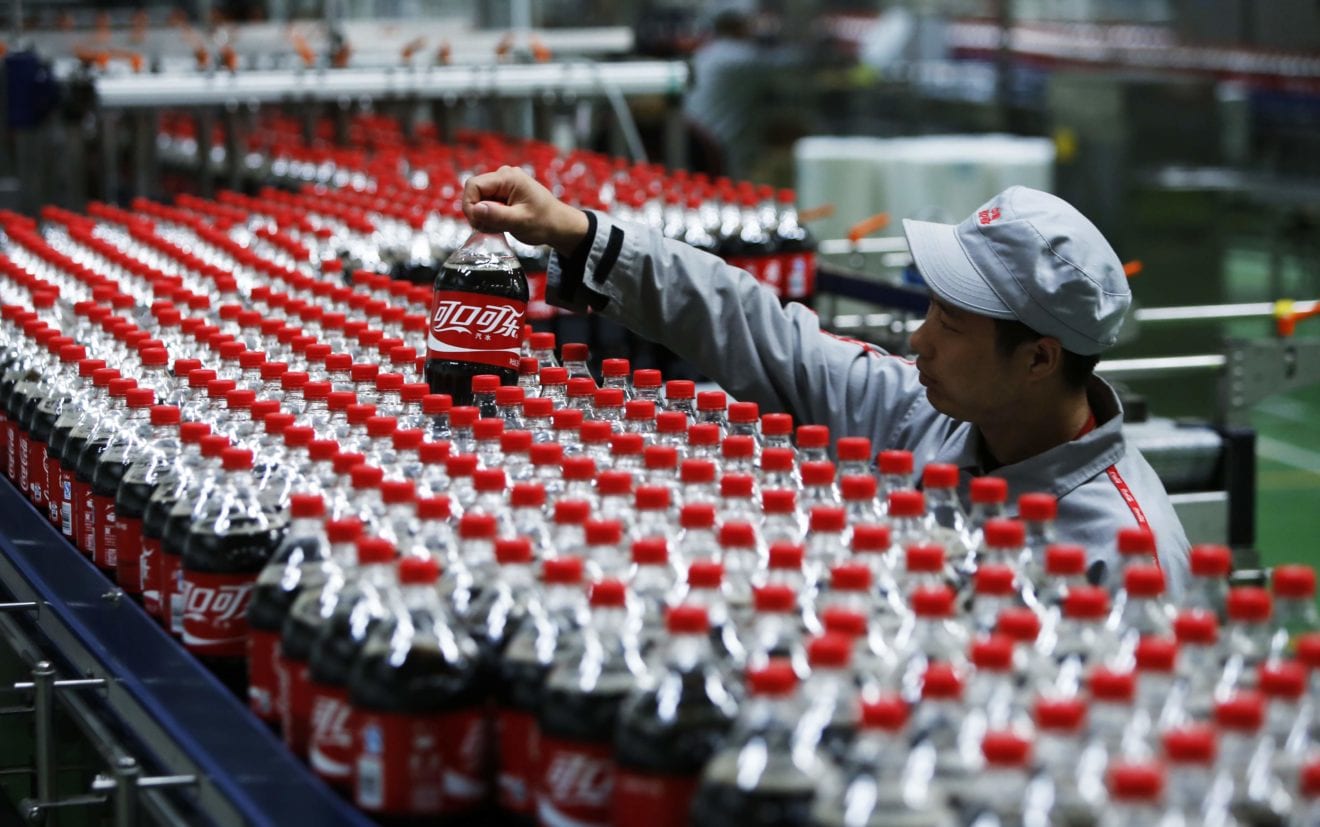
    A hefty investment of $75 million has been made towards the establishment of this production line, capable of processing an impressive 2,000 cans per minute. This translates to 120,000 cans per hour and nearly 3 million cans per day.

    This new development primarily aims to ramp up the production of Monster Energy products, in response to the escalating demand for energy drinks by consumers. However, it won’t be limited to the Monster Energy brand. The production line will also serve as a manufacturing hub for other beverages under the Coca-Cola Europacific Partners umbrella, including Coca-Cola, Sprite, and Fanta.

    Orlando Rodriguez, the Managing Director of Coca-Cola Europacific Partners Australia, spoke about the company’s long-standing commitment to manufacturing in Australia. He commented, “We have a rich history of manufacturing in Australia that spans nearly 90 years, and we remain deeply invested in our operations.”

    The construction of this development was a grand endeavor, employing 250 contractors over a two-year period. Once it reaches full operational status, the project is expected to generate 18 full-time jobs.

    Rodriguez further highlighted the benefits of the new line, saying, “Through the use of revolutionary technology and top-tier equipment, our new line will enhance our production efficiency. This allows us to deliver our beverages to Australians faster and in a more sustainable manner.”

    One of the key features of the new canning line is its reverse osmosis system, which has amplified its water treatment capacity by 67%.

    Furthermore, the line’s capacity to fill cans at room temperature is projected to cut down energy consumption by 23% annually. This is in comparison to other production lines within Coca-Cola Europacific Partners’ network.

    Questions & Answers

    What is the processing capacity of the new canning line?
    The new canning line can process 2,000 cans per minute, which equates to 120,000 cans per hour and nearly 3 million cans a day.

    What brands will be produced on the new line?
    The new canning line will primarily focus on producing Monster Energy Company products. However, it will also produce Coca-Cola, Sprite, Fanta, and other beverages under the brand.

    What sustainability features does the new canning line have?
    The line integrates a reverse osmosis system, increasing water treatment capacity by 67%. Moreover, its feature of filling cans at room temperature is expected to reduce energy consumption by 23% annually.

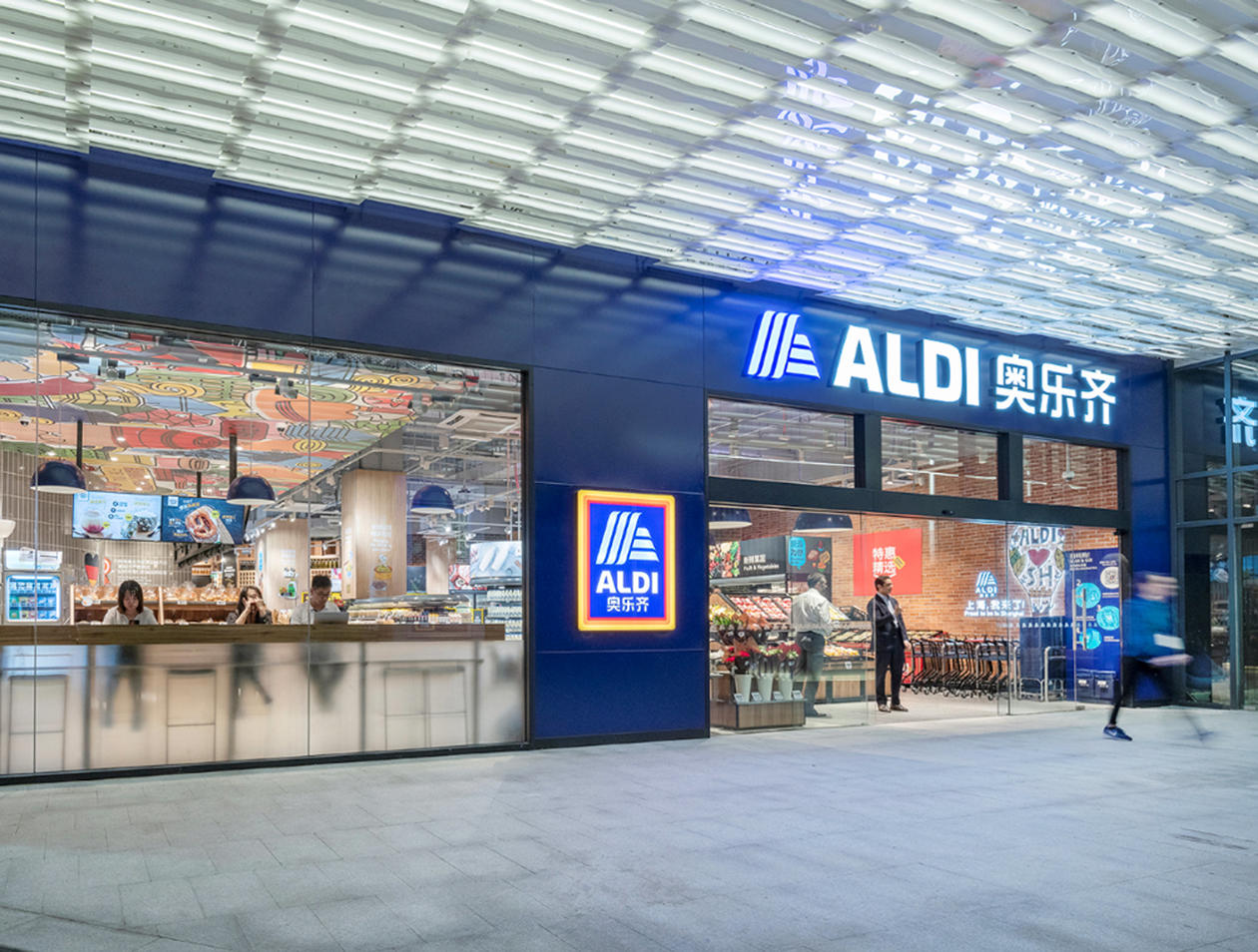
  • Aldi removes single-use plastic straws from its product range

    Aldi removes single-use plastic straws from its product range

    Aldi, the multinational retail giant, has taken a significant step towards environmental sustainability by eliminating single-use plastic straws from its product line. This move aligns with the recycled soft plastics program led by the Australian Competition and Consumer Commission’s Soft Plastics Taskforce, which is prevalent in many large supermarkets.

    Aldi’s Environmental Commitment

    The decision to phase out single-use plastic straws is expected to prevent millions of these items from contributing to landfill waste and water pollution. Daniel Baker, Aldi Australia’s director of sustainability, voiced the company’s ongoing commitment to making positive changes for the environment. He highlighted how actions such as these serve as a testament to Aldi’s continuous efforts to improve the planet.

    Aldi’s dedication to environmental sustainability extends beyond this recent change. The company has also pledged to replace single-use plastic tableware in its staple and seasonal product offerings with paper alternatives. This strategy will result in an estimated reduction of 46 million plastic items annually.

    Previous Initiatives

    Aldi’s decision to eliminate plastic straws follows a series of eco-friendly initiatives introduced in 2021. Last year, the supermarket chain ceased the use of plastic straws in its juice boxes and popper cartons, substituting them with paper straws. This move led to the elimination of 70 million plastic straws.

    Industry-Wide Changes

    Aldi is not alone in its efforts to promote environmental sustainability in the retail industry. Fellow supermarket chain Coles has also stopped selling single-use plastic tableware products, opting for FSC-certified and reusable alternatives instead.

    Questions & Answers

    **What is Aldi’s latest initiative to reduce plastic waste?**
    Aldi’s most recent effort to decrease plastic waste is the elimination of single-use plastic straws from its product line.

    **What other changes has Aldi made towards environmental sustainability?**
    In addition to removing single-use plastic straws, Aldi has also pledged to replace single-use plastic tableware with paper options in their staple and seasonal product ranges.

    **Are other supermarkets making similar changes?**
    Yes, Coles, another major supermarket chain, has also stopped selling single-use plastic tableware, choosing to use FSC-certified and reusable options instead.

  • Suimin is turning up the heat in the instant noodle category with K-Pow

    Suimin is turning up the heat in the instant noodle category with K-Pow

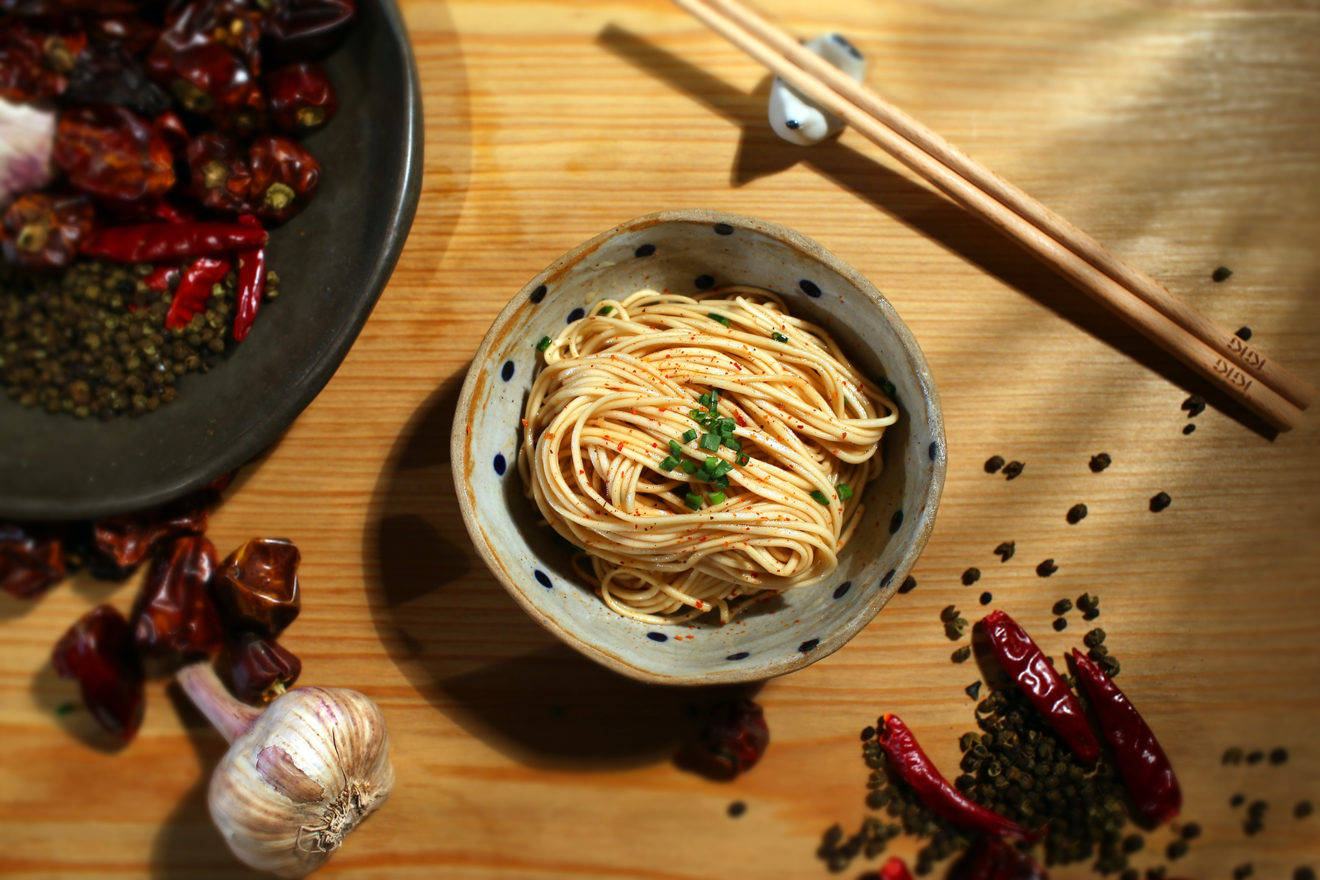
    Research reveals a growing preference for spicy foods among Australians and New Zealanders. In response to this trend, Suimin, a popular convenience food brand, has unveiled a new range of super spicy, Korean-style instant noodle bowls. The products, which fall under the brand name K-Pow!, are set to cater to this increasing demand for heat-infused foods.

    Spice and Heat: Key Market Trends

    Hugh McIntosh, the Marketing Manager at Suimin, states that the company’s market research in Australia and New Zealand supports the idea of spice and heat as emerging, high-growth trends. He remarks that the consumer inclination towards extra spicy noodles, a trend previously predominant in parts of Asia, has now firmly rooted itself in the Australian market.

    Moreover, the popularity of Korean cuisine has fueled the creation of this new locally adapted, spice-driven instant noodle range. Suimin will initially launch this product in Australia, with plans to expand to New Zealand in the near future.

    Targeting a Broad Audience

    Designed to appeal to a wide demographic, K-Pow! is especially aimed at younger customers seeking novel and intriguing flavors in their meals. According to McIntosh, the new range aligns with Suimin’s long-standing reputation of providing convenient access to Asian-inspired dishes.

    Despite a highly competitive instant noodle market, McIntosh is confident that the K-Pow! range will make its mark. The unique blend of chicken and beef broth bases with traditional Korean flavors ensures a distinctive taste.

    Appeal of the K-Wave

    The increasing popularity of Korean culture, known as the K-Wave, has been instrumental in Suimin’s decision to release a Korean-inspired range. The K-Wave, which began with the hit song “Gangnam Style” in 2012, has since expanded to include K-Pop and K-Drama, making Korean culture increasingly appealing worldwide.

    McIntosh cites recent survey data indicating that 37% of Australian respondents have consumed Korean food in the past three months, with an additional 41% expressing interest despite not having tried the cuisine recently.

    The K-Pow! Range

    The K-Pow! range is not solely targeted at fans of Korean culture. Younger shoppers, in particular, are purchasing spicy noodles at a significantly higher rate than other households, making them a key demographic for Suimin.

    The K-Pow! range comprises three flavors: Flaming Cheesy Chicken, Flaming Chicken, and Flaming Beef. Each 105gm bowl is priced at $4 and is available at Coles, Woolworths, and independent retailers nationwide.

    In order to promote the launch, Suimin plans to collaborate with influencers to generate brand awareness and encourage product trials. McIntosh reveals plans to engage with numerous influencers, including two with over 100,000 followers, to create engaging content on platforms like TikTok and Instagram.

    Questions & Answers

    What is the K-Pow! range?
    The K-Pow! range is a new line of super spicy, Korean-style instant noodle bowls from Suimin.

    Who is the target audience for the K-Pow! range?
    While the K-Pow! range aims to appeal to a broad demographic, it specifically targets younger consumers who are seeking unique and exciting flavors.

    How will Suimin promote the K-Pow! range?
    Suimin plans to partner with influencers to generate awareness for the new range and to encourage consumers to trial the product. The promotion will involve creating engaging content on social media platforms like TikTok and Instagram.

  • Kraft Heinz is mulling the sale of brands to ‘unlock shareholder value’

    Kraft Heinz is mulling the sale of brands to ‘unlock shareholder value’

    Kraft Heinz, a leading food and beverage corporation, recently disclosed that it’s considering “potential strategic transactions” as a measure to boost shareholder value.

    Strategic Moves for Value Creation

    According to Kraft Heinz’s CEO, Carlos Abrams-Rivera, the company lays significant emphasis on delivering high-quality, great-tasting food to its consumers. This commitment, he believes, is vital to driving sustainable profitability, growth, and value creation.

    Potential Brand Transactions

    While Kraft Heinz is considering strategic transactions, the company has made it clear that it will not offer a timeline for any such potential deals, nor does it guarantee the sale of any of its brands.

    Kraft Heinz is a global powerhouse with more than 80 brands under its belt. In Australia, it owns Greenseas and Golden Circle; in New Zealand, it owns Watties, Cats Prefer Chef, Food in a Minute, and the Good Taste Company. The company hasn’t specified which markets may be targeted for potential brand transactions.

    Board Reorganization

    In related news, Kraft Heinz also announced that Berkshire Hathaway would no longer maintain its seats on the Heinz board, a decision that aligns with its other non-controlled investments. Consequently, Timothy Kenesey and Alicia Knapp have resigned from the Heinz board due to their affiliations with Berkshire Hathaway as executives, reducing the board’s size to 10 members.

    Questions & Answers

    What strategic transactions is Kraft Heinz considering?
    The specifics of the potential strategic transactions that Kraft Heinz is considering have not been disclosed. However, they are aimed at enhancing shareholder value.

    Will Kraft Heinz sell any of its brands?
    As of now, Kraft Heinz has not guaranteed the sale of any of its brands, nor has it provided a timeline for potential transactions.

    Why have Timothy Kenesey and Alicia Knapp stepped down from the Heinz board?
    Timothy Kenesey and Alicia Knapp have resigned from the Heinz board due to their executive associations with Berkshire Hathaway, which has relinquished its seats on the board.

  • Vietnam’s Nutifood partners with Australia’s Viplus for a new brand

    Vietnam’s Nutifood partners with Australia’s Viplus for a new brand

    Vietnam’s prominent dairy firm, Nutifood, has partnered with Australia’s Viplus Dairy to launch a new international brand known as GippsNature.

    Introducing a New Joint Venture

    This new venture, named Viplus Nutritional Australia, has been established with an aim to develop and market GippsNature as an elite nutritional brand. The brand’s foundation is rooted in Australia’s predominant “nature-first” philosophy.

    Expansive Product Line

    GippsNature is set to offer a vast variety of products for every age group, from children to the elderly. It is scheduled to make its debut in Vietnam in the third quarter of this year, and there are future plans to take the brand global.

    Minh Bao Tran, Vice Chairman of Nutifood, emphasized the company’s objectives aren’t confined to merely producing milk. Instead, they aim to cultivate comprehensive nutritional solutions. GippsNature is the embodiment of a long-term strategy between ViPlus Dairy, boasting a commendable 130-year history, and Nutifood, which adds innovation and in-depth understanding of the Vietnam market to the mix.

    Established Brands Uniting

    ViPlus Dairy, situated in Gippsland, has a rich portfolio that includes infant formula, adult nutrition powders, and pregnancy and lactation formulas. Nutifood, on the other hand, was established in 1989 and runs six factories in Vietnam, along with one in Sweden. Nutifood’s renowned brands include Grow Plus+, Nuvi Grow, Ong Bau Cafe, and Nutimilk.

    Questions & Answers

    What is the focus of the new joint venture, Viplus Nutritional Australia?
    The joint venture aims to develop and market GippsNature as a premium nutritional brand, emphasizing Australia’s “nature-first” philosophy.

    When and where is GippsNature set to launch?
    GippsNature is slated to launch in Vietnam in the third quarter of this year, with plans for global expansion in the future.

    What products does GippsNature plan to offer?
    GippsNature will provide a wide range of products catering to all age groups, from children to seniors.

  • Boss Coffee brings back fan-favourite Iced Mocha across Down Under

    Boss Coffee brings back fan-favourite Iced Mocha across Down Under

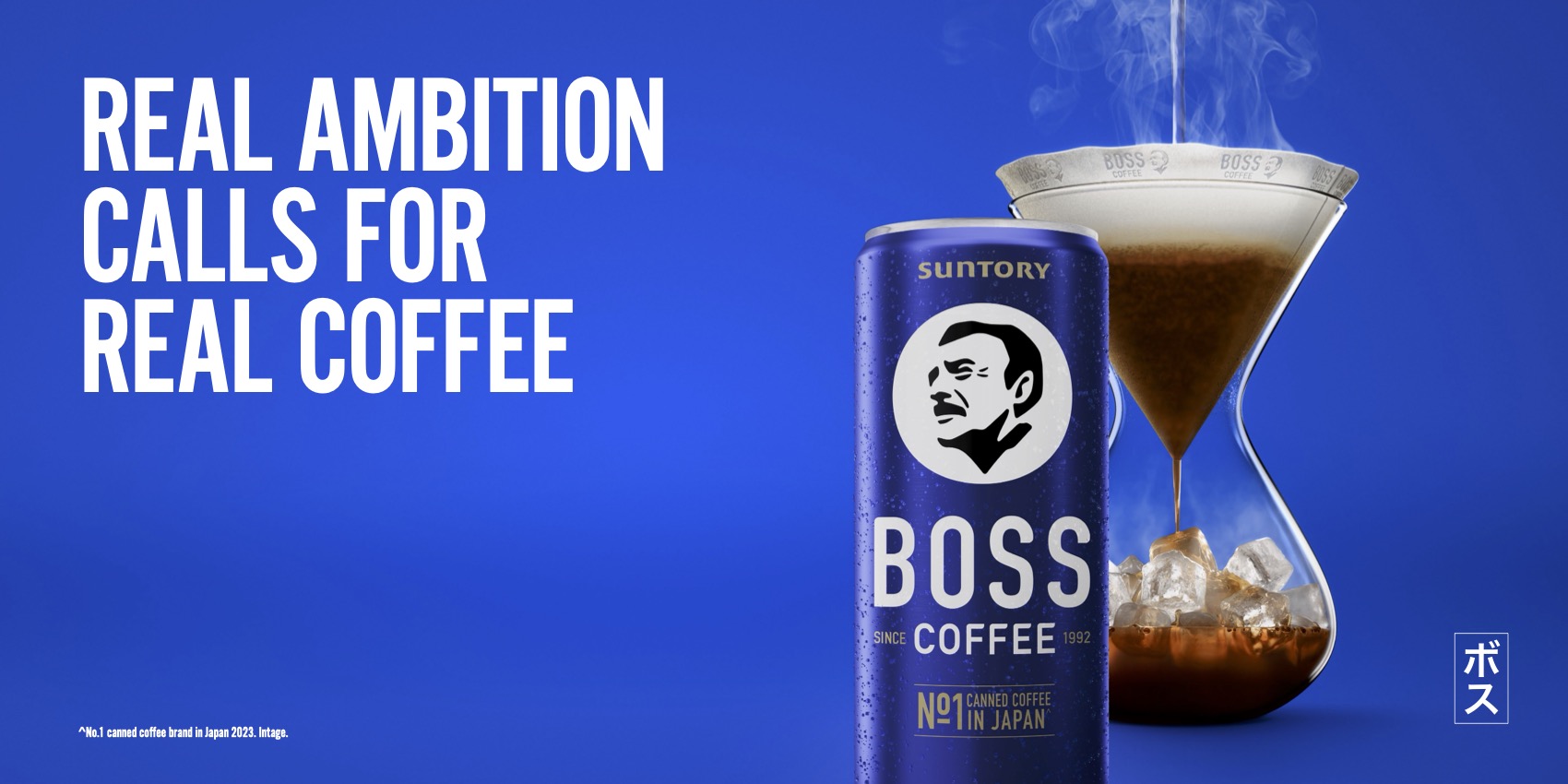
    Suntory Boss Coffee has relaunched its Iced Mocha in Australia and New Zealand, boasting an enhanced recipe that combines flash-brewed coffee and a rich chocolate taste. The drink is designed as a sweet yet invigorating refreshment, targeting busy professionals, students, and any individual in need of a caffeine lift.

    Morgan Loveridge, Head of Market Execution at Suntory Boss Coffee & Future Brands, stated that the revised Iced Mocha has achieved impressive results in taste tests, with a purchase intent of 80%. Consumers have expressed that the addition of Iced Mocha enhances the overall appeal of the Suntory Boss Coffee range.

    Suntory Boss Coffee first entered the Australia and New Zealand market in 2019 and has since secured a significant market share with 52.8% in Australia and 69.5% in New Zealand. The Iced Mocha variety was first introduced to their range in 2023.

    The complete array of Suntory Boss Coffee is accessible in supermarkets, petrol stations, and convenience stores across the two countries.

    Questions & Answers

    What is the revised recipe of Suntory Boss Coffee’s Iced Mocha?
    The improved recipe of Suntory Boss Coffee’s Iced Mocha combines flash-brewed coffee with a rich chocolate flavour.

    Who is the target market for Suntory Boss Coffee’s Iced Mocha?
    The Iced Mocha drink is aimed at busy professionals, students, and anyone needing a caffeine boost.

    Where can customers find the Suntory Boss Coffee range?
    The full range of Suntory Boss Coffee is available in supermarkets, petrol stations, and convenience stores in Australia and New Zealand.

  • Standard Chartered Strengthens UAE Private Banking Team for Enhanced Client Service

    Standard Chartered Strengthens UAE Private Banking Team for Enhanced Client Service

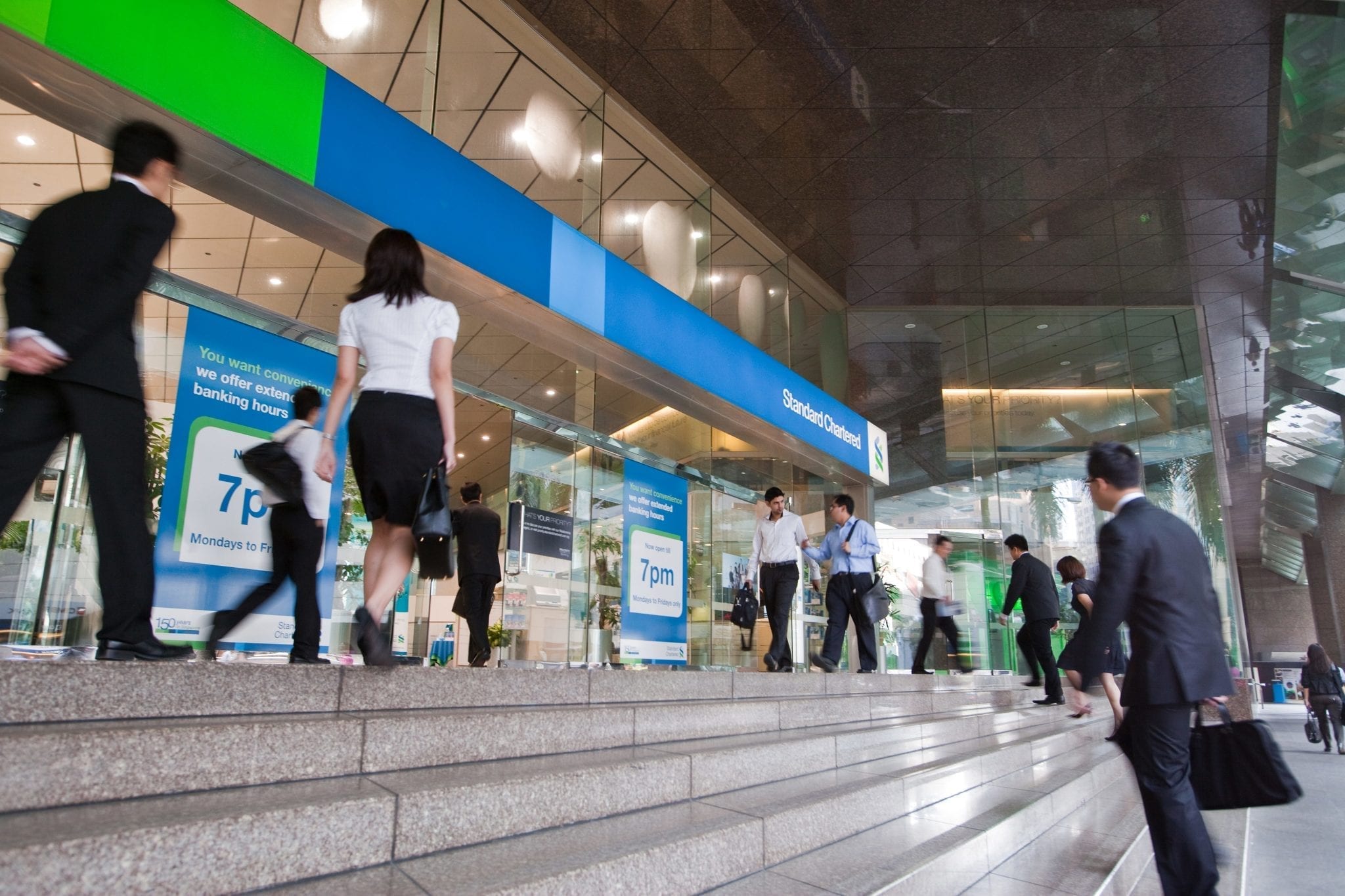
    The private banking division of Standard Chartered is ramping up its presence in the UAE with a series of notable new hires in a move that underscores the region’s burgeoning wealth landscape. The bank has appointed Yahya Ismail as managing director and market head for Europe, the Middle East, and Africa (EMEA). Bringing over 25 years of expertise, Ismail has spent the last two decades immersed in private wealth management roles at prestigious firms like Julius Baer and ABN AMRO.

    Emerging Wealth in the Middle East

    “The Middle East is growing at an extraordinary pace, with the UAE in particular experiencing rapid growth in wealth creation among high-net-worth (HNW) and ultra-high-net-worth (UHNW) individuals who increasingly seek bespoke, cross-border financial solutions for wealth preservation, intergenerational transfers, and sustainable growth,” noted Vinay Gandhi, the global head of the South Asian community and regional head of EMEA at the private bank.

    A Stronger Team for Enhanced Client Care

    Ismail now leads a powerhouse team that includes Laura Haddad, appointed as senior client partner responsible for GCC UHNW clients, alongside Samia Shahnawaz as executive director and relationship manager. Additional key players include Ramla Mansukhani and Lakshmi Menon, who serve as relationship and client service managers, respectively. Haddad brings two decades of experience at firms like Credit Agricole and Citibank, while Shahnawaz boasts a similar wealth of experience in private and institutional banking.

    Investing in Future Growth

    This latest expansion is part of Standard Chartered’s ambitious plan to inject $1.5 billion into its affluent business over the next five years. “As one of the Bank’s wealth hubs, the UAE plays a pivotal role in Standard Chartered’s global strategy. We are dedicated to enhancing our talent pool, providing tailor-made client solutions, and diversifying our product offerings to meet the evolving needs of our HNW and UHNW clients,” Gandhi added, hinting that the private banking sector may soon see a flurry of innovation and bespoke services aimed at high-end clientele.

    In a region known for its luxury lifestyles, can you imagine the tailored experiences these banking professionals will bring to their high-flying clients? The sky is not just the limit; it’s merely a starting point.

    Questions & Answers

    What is the role of Yahya Ismail at Standard Chartered? Ismail is appointed as managing director and market head for EMEA, overseeing the bank’s private banking operations in the region.

    Why is the UAE significant for Standard Chartered’s strategy? The UAE is considered a key wealth hub, prompting Standard Chartered to actively invest in talent and resources to cater to the growing HNW and UHNW client base.

    How much is Standard Chartered investing in its affluent business? The bank plans to invest $1.5 billion in its affluent business over the next five years.

  • Ho Chi Minh City Plans to Transition 80% of Ride-Hailing Motorbikes to Electric in Two Years

    Ho Chi Minh City Plans to Transition 80% of Ride-Hailing Motorbikes to Electric in Two Years

    The ambitious goal of introducing 400,000 electric ride-hailing motorbikes in Ho Chi Minh City (HCMC) is within reach, provided there are financial incentives, tax exemptions, and the establishment of sufficient charging stations. This optimistic outlook comes from Le Thanh Hai, director of the Institute for Development Studies, who underscores the transition’s potential to cut costs for drivers and enhance environmental conditions in the city.

    Recent research by the institute reveals a striking difference in daily expenses for fuel between traditional fuel and electric motorbike drivers. Grab and Be ride-hailing drivers currently fork out VND70,000–100,000 (approximately $3 to $4) each day on gasoline, based on survey feedback from 400 participants. In stark contrast, drivers of Xanh SM electric motorbikes pay only VND20,000 for charging.

    When considering battery degradation, wait times, and charging expenses, electric motorbike riders can pocket between VND40,000 and VND60,000 more each day—translating to a monthly income boost of about VND1 million—in comparison to their gasoline-powered peers. These savings could enable them to pay off their vehicle loans in just two to 2.5 years.

    Yet, the journey towards electric rides isn’t without its bumps. Charging infrastructure poses a significant challenge. Electric bikes from brands like VinFast, Selex Motors, DatBike, and Honda typically need 4-10 hours to charge and offer a range of 100-200 kilometers—meaning drivers must charge daily, incurring a loss of income during that time.

    Nguyen Huu Phuoc Nguyen, CEO of electric scooter startup Selex Motors, believes that energy infrastructure will cease to be an obstacle as soon as charging speeds catch up with refueling gasoline. Selex Motors is pioneering a quick two-minute battery-swapping service compatible with various brands, currently operating 50 stations in HCMC, with plans to expand to 200 next year.

    However, Nguyen points out that the absence of standardized charging infrastructure remains a critical issue, as companies often function independently. He urges local authorities to motivate businesses to expand shared charging and battery-swapping networks, promoting a collaborative growth atmosphere.

    Financial considerations also play a crucial role in this transition, particularly for technology drivers who often experience low and unstable incomes. The Institute for Development Studies has teamed up with banks to craft specialized credit products and has secured promising commitments from electric motorbike manufacturers and distributors.

    Moreover, the city has proposed appealing to the central government for the elimination of registration fees and value-added taxes on new electric vehicles and technology drivers for the initial two years. Currently, Vietnam’s transportation sector emits 32.9 million tons of CO2 equivalents annually, with HCMC responsible for about 13 million tons. To actively support green transportation, the city aims to convert all buses to electric or green-energy vehicles by 2030, alongside a comprehensive Vehicle Emissions Control Plan that encourages incentive creation and transition roadmaps for taxis, tech vehicles, passenger cars, and vehicles utilized by public agencies and businesses.

    The road to an electric future may be paved with challenges, but an electric motorbike revolution along the bustling streets of HCMC promises a more sustainable urban environment for everyone— and perhaps even a newfound love for battery-powered journeys!

    Questions & Answers

    What financial support is being proposed for the transition to electric vehicles in HCMC?
    The city recommends that the central government waive registration fees and value-added taxes for new electric vehicles and technology drivers during their first two years.

    How much can electric motorbike drivers potentially save compared to gasoline-powered counterparts?
    Electric motorbike drivers can save between VND40,000 and VND60,000 each day compared to traditional gasoline users, leading to an additional VND1 million in monthly earnings.

    What plans does HCMC have for public transportation concerning green energy?
    HCMC plans to convert all buses to electric or green-energy vehicles by 2030, supporting a broader goal of reducing emissions in the city’s transportation sector.