Author: Mei Ling Tan

  • Vietnam Surpasses Thailand and Australia, Claiming Leading Role in China’s Mango Market

    Vietnam Surpasses Thailand and Australia, Claiming Leading Role in China’s Mango Market

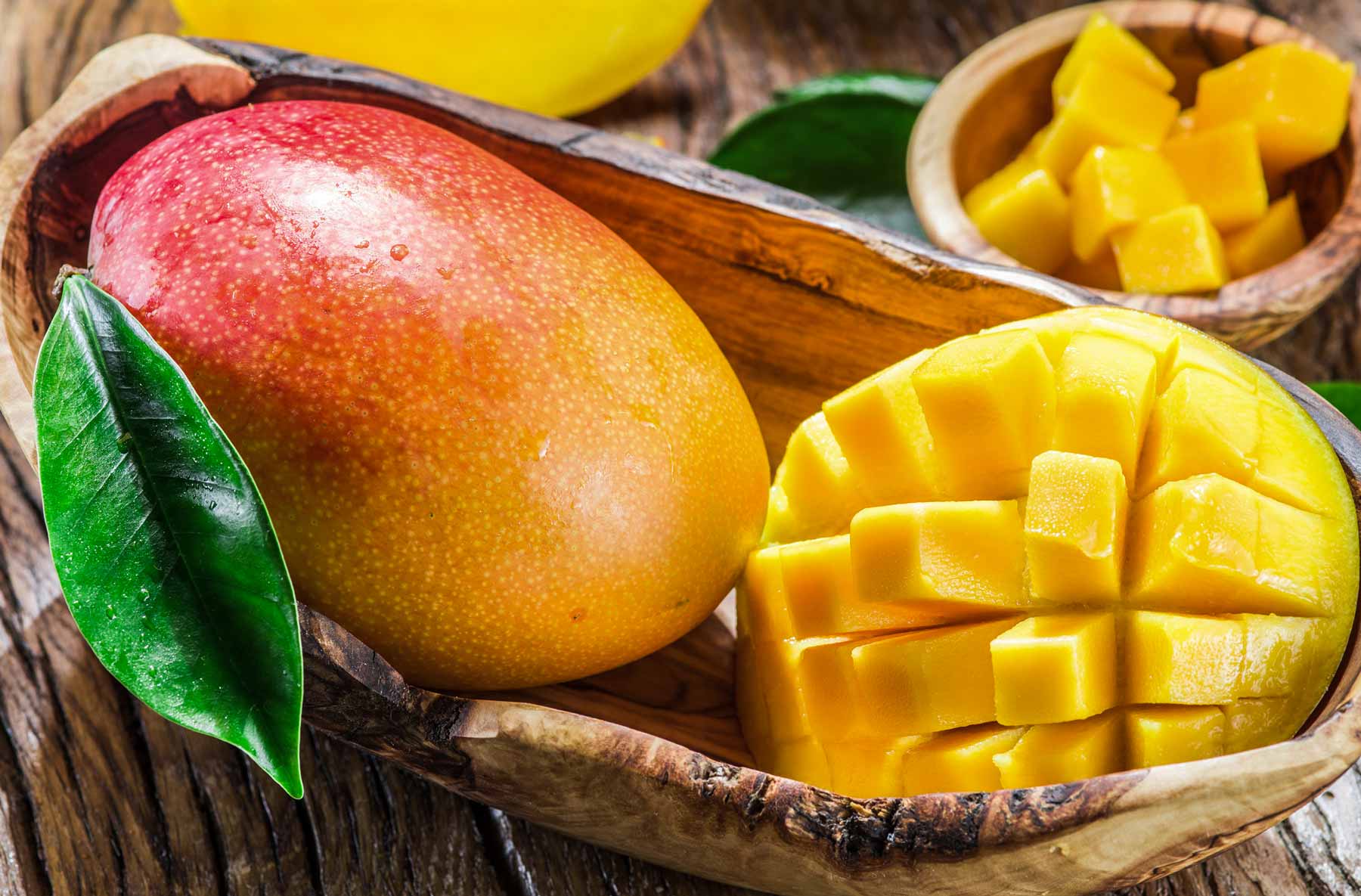
    China has dramatically increased its mango imports, with a staggering year-on-year rise that brought the total to US$29 million, as reported by China customs. This surge is primarily due to the country’s insatiable appetite for tropical fruits, coupled with a domestic supply shortage.

    Mango Import Landscape

    Among the six countries supplying mangoes, Vietnam emerged as the standout performer, enjoying a remarkable growth rate. While Cambodia, Peru, Australia, Thailand, and the Philippines experienced stagnation or decline, Vietnam’s mango exports skyrocketed to around US$28 million—a whopping 145-fold increase from the previous year. The average price per ton also saw a substantial rise of nearly 73%.

    Thailand’s position as a major mango exporter to China has dwindled significantly, dropping to fifth place with a drastic 70% decline in shipments, valued at just US$65,000. This shift highlights Vietnam’s competitive advantage in accessibility, thanks to low logistics costs and its geographical proximity to China.

    Quality and Affordability

    The Vietnam Fruit and Vegetable Association emphasizes that Vietnamese mangoes are distinguished by their quality and affordability, appealing to the modern Chinese consumer. Local varieties like Hoa Loc and Cat Chu are particularly favored for their rich flavors. A spokesperson for the association noted, “These varieties resonate deeply with Chinese tastes.”

    Experts attribute Vietnam’s vibrant market presence to its pricing strategy. Vietnamese mangoes average around $700 per ton, in stark contrast to competitors that charge between $6,000 and $11,000 per ton, such as Thailand, Peru, Australia, and the Philippines.

    Demand and Seasonal Dynamics

    China’s soaring demand for mangoes—both for fresh consumption and processing—has created an essential need for imports, especially during off-seasons. Vietnam, producing about one million tons of mangoes annually, meets not only the needs of China but also markets in the U.S., South Korea, Japan, and the Netherlands.

    The Mekong Delta’s nearly 2,000 hectares of mango orchards certified under global standards are pivotal in fulfilling China’s stringent requirements. Notably, Vietnam’s off-season production from September to March fits perfectly with China’s deficiency during these months, allowing top-grade mangoes to fetch impressive prices, reaching up to VND100,000 per kilogram.

    Yet, as this month marks the onset of China’s domestic mango season, the demand for Vietnamese mangoes has sharply declined, resulting in steep price drops to just a few thousand Vietnamese dong per kilogram (a mere few U.S. cents). One could say, “The mango may be king, but even royalty can face a fall from grace!”

    Questions & Answers

    **Which country significantly increased its mango exports to China?**
    Vietnam has seen its mango exports soar, with a 145-fold increase year-on-year.

    What factors contribute to the popularity of Vietnamese mangoes in China?
    Their high quality, favorable pricing, and the appealing flavors of local varieties make them particularly attractive to Chinese consumers.

    How does the domestic mango season in China affect Vietnamese mango prices?
    As China’s mango season begins, the demand for Vietnamese imports plummets, leading to significant drops in prices.
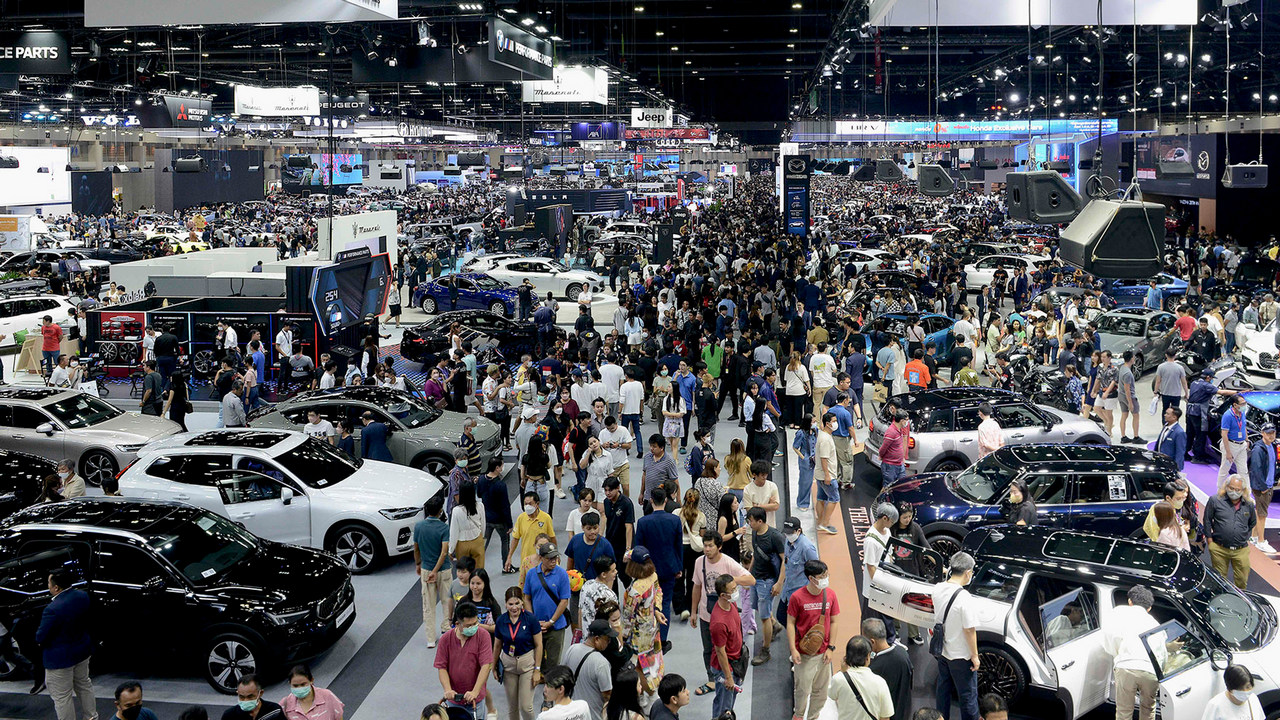

  • Thailand’s Car Sales Surge Back to Life After Nearly Two-Year Decline

    Thailand’s Car Sales Surge Back to Life After Nearly Two-Year Decline

    Domestic car sales in Thailand experienced a glimmer of hope in April, marking a 1% year-on-year increase—the first boost in nearly two years, as reported by the Federation of Thai Industries (FTI). This slight recovery comes as a welcome surprise amid a string of declines in both vehicle production and exports.

    Ongoing Challenges in Vehicle Production

    Despite the uptick in sales, production figures told a different story. In April, car manufacturing dipped by 0.4% from the previous year, totaling 104,250 units. This marks the 21st consecutive month of declining production, following a relatively steep 6.1% drop in March. Meanwhile, the export of vehicles fell by 6.3% compared to the same period last year, although this decline represents a gentler decrease than the 14.9% seen in the prior month.

    Thailand’s Role in the Automotive Landscape

    As Southeast Asia’s premier auto manufacturing hub, Thailand plays a crucial role as an export base for some of the globe’s leading car manufacturers, including heavyweights like Toyota, Honda, and China’s BYD. While car sales may be on the rise, the industry continues to grapple with production challenges—proving that the road to recovery is still a winding one. Who knew car sales could be just as turbulent as a roller coaster ride!

    Questions & Answers

    What factors contributed to the rise in car sales in Thailand?
    The increase in car sales is attributed to growing consumer demand, providing a much-needed boost after an extended period of decline.

    How has production been affected recently?
    Car production fell by 0.4% in April compared to the same time last year, marking the 21st straight month of decreased output.

    What is Thailand’s position in the automotive sector?
    Thailand remains Southeast Asia’s largest automotive production center and serves as an export base for major car manufacturers like Toyota, Honda, and BYD.

  • Gold Prices Edge Higher Amid Market Shifts and Economic Uncertainty

    Gold Prices Edge Higher Amid Market Shifts and Economic Uncertainty

    Vietnam’s gold market saw a subtle uptick on Saturday morning, buoyed by a surge in global bullion prices.

    Vietnam’s Gold Prices on the Rise

    The Saigon Jewelry Company reported a 0.41% increase in gold bars, pricing them at VND121 million (approximately $4,662.09) per tael. Gold rings also experienced a slight gain of 0.43%, reaching VND116 million per tael. Notably, since the start of the year, gold prices have skyrocketed by 44%.

    On the international scene, gold prices climbed more than 2% on Friday, marking the best weekly performance in six weeks. This surge occurred as investors turned to gold as a safe-haven asset amidst new tariff threats from U.S. President Donald Trump and a weakening dollar, as reported by Reuters. Spot gold jumped 2.1% to $3,362.70 an ounce, and bullion posted a 5.1% weekly increase, hitting its highest point in over two weeks.

    “U.S. President Donald Trump has been on a tear the last 24 hours. Threatening 50% tariffs on the EU as of June 1, biting Apple, and hammering Harvard has stocks in a black mood, which is great for gold,” noted Tai Wong, an independent metals trader. It seems when the stock market frowns, gold shines—truly a case of financial opposites attracting!

    Questions & Answers

    How much has gold increased since the beginning of the year?
    Gold prices have surged by 44% since the start of the year.

    What influence did President Trump have on the gold market recently?
    His recent tariff threats contributed to a decline in investor confidence in stocks, leading many to turn to gold as a safer investment.

    What was the percentage gain for spot gold on Friday?
    Spot gold rose by 2.1% on Friday, marking an impressive increase amidst global market fluctuations.

  • Dollar Dips Against Dong in Thriving Black Market Exchange

    Dollar Dips Against Dong in Thriving Black Market Exchange

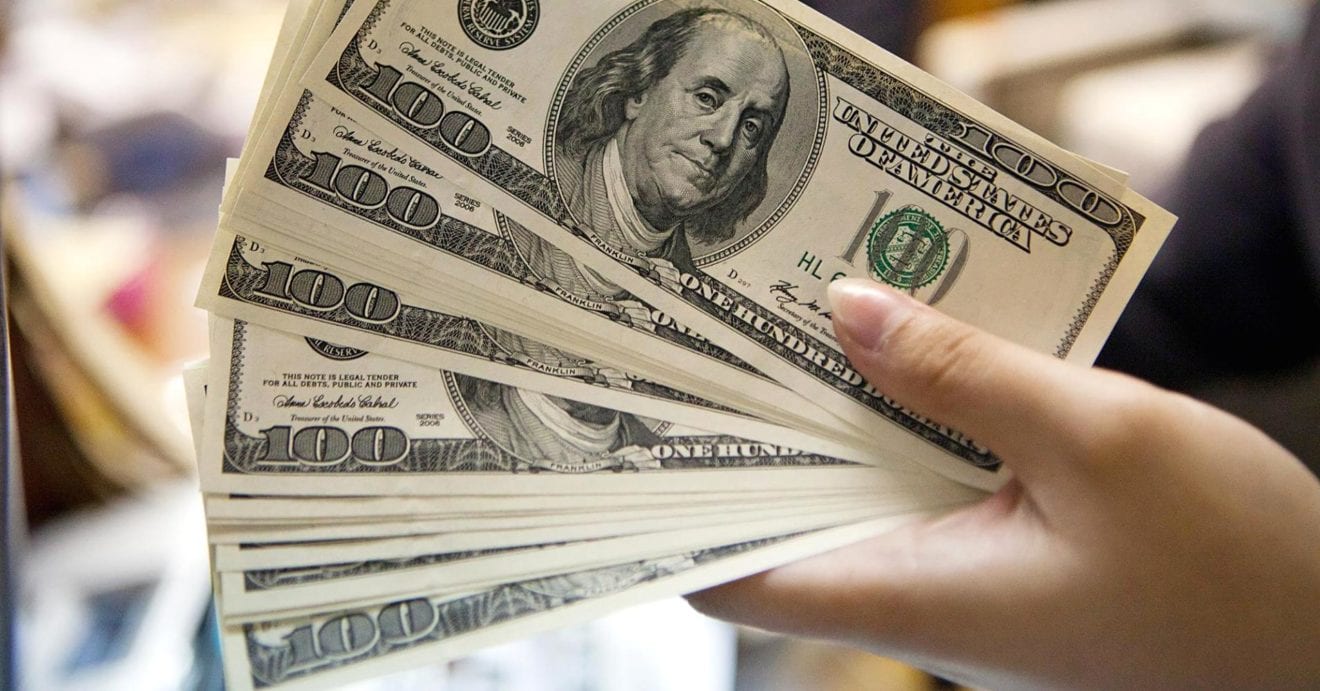
    The U.S. dollar took a hit against the Vietnamese dong in the black market this past Saturday morning, as unofficial exchange points reported a decrease of 0.34%, bringing the dollar’s value to VND 26,340. In contrast, Vietcombank opted to maintain its exchange rate at VND 26,130.

    Globally, the dollar faced a significant decline on Friday, largely fueled by a surge of investor concern as U.S. President Donald Trump escalated trade tensions. His suggestion to impose a 50% tariff on European Union imports beginning June 1 sent investors scrambling, as reported by Reuters. The dollar index, a gauge that measures the greenback against a basket of other currencies, fell by 0.8% to settle at 99.09, marking its lowest point in three weeks.

    Over the course of the week, the dollar slid 1.9%, on track for its most significant weekly percentage drop since early April. Jayati Bharadwaj, a global foreign exchange strategist at TD Securities, noted that the concurrent decline of the dollar and U.S. stocks indicates a noteworthy shift in market dynamics. “The dollar’s correlation with equities is broken,” she stated, adding that this inversion is likely to persist due to the U.S.-specific risks influencing the financial landscape since the year’s beginning.

    In this topsy-turvy market, one might wonder if the dollar’s next move will involve a dramatic dance with tariffs or a quieter retreat into the shadows.

    Questions & Answers

    What was the dollar’s exchange rate against the dong on the black market?
    The U.S. dollar traded at VND 26,340 on the black market, down 0.34%.

    How did the dollar perform globally last Friday?
    The dollar fell by 0.8% in value, hitting its lowest point in three weeks, predominantly due to escalating trade tensions.

    What did the global FX strategist say about the dollar’s performance?
    Jayati Bharadwaj pointed out that the dollar is no longer acting as a safe haven, as its correlation with stock performance has significantly shifted.

  • HCMC Ranked Among Southeast Asia’s Top 5 Most Innovative Startup Ecosystems

    HCMC Ranked Among Southeast Asia’s Top 5 Most Innovative Startup Ecosystems

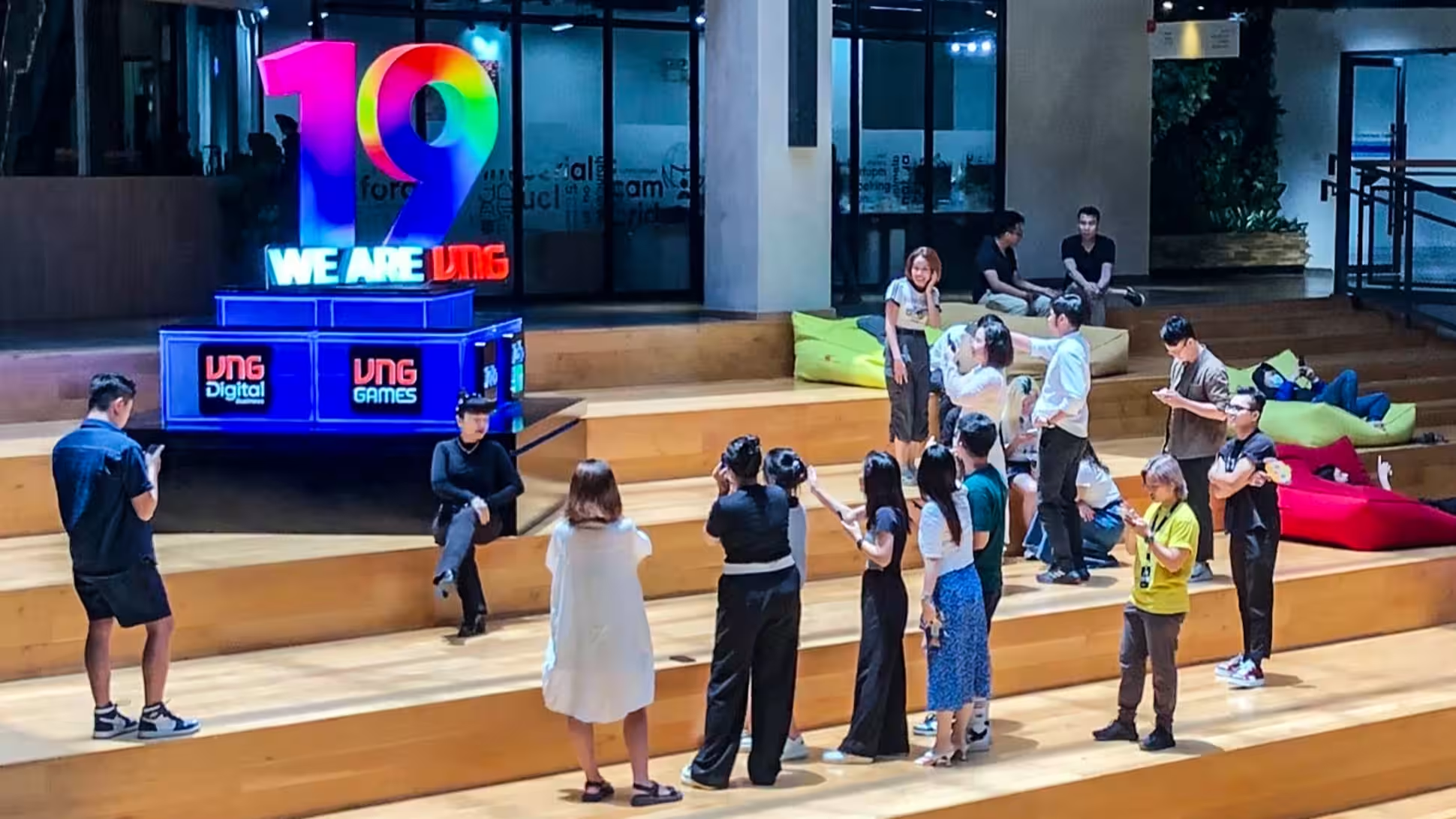
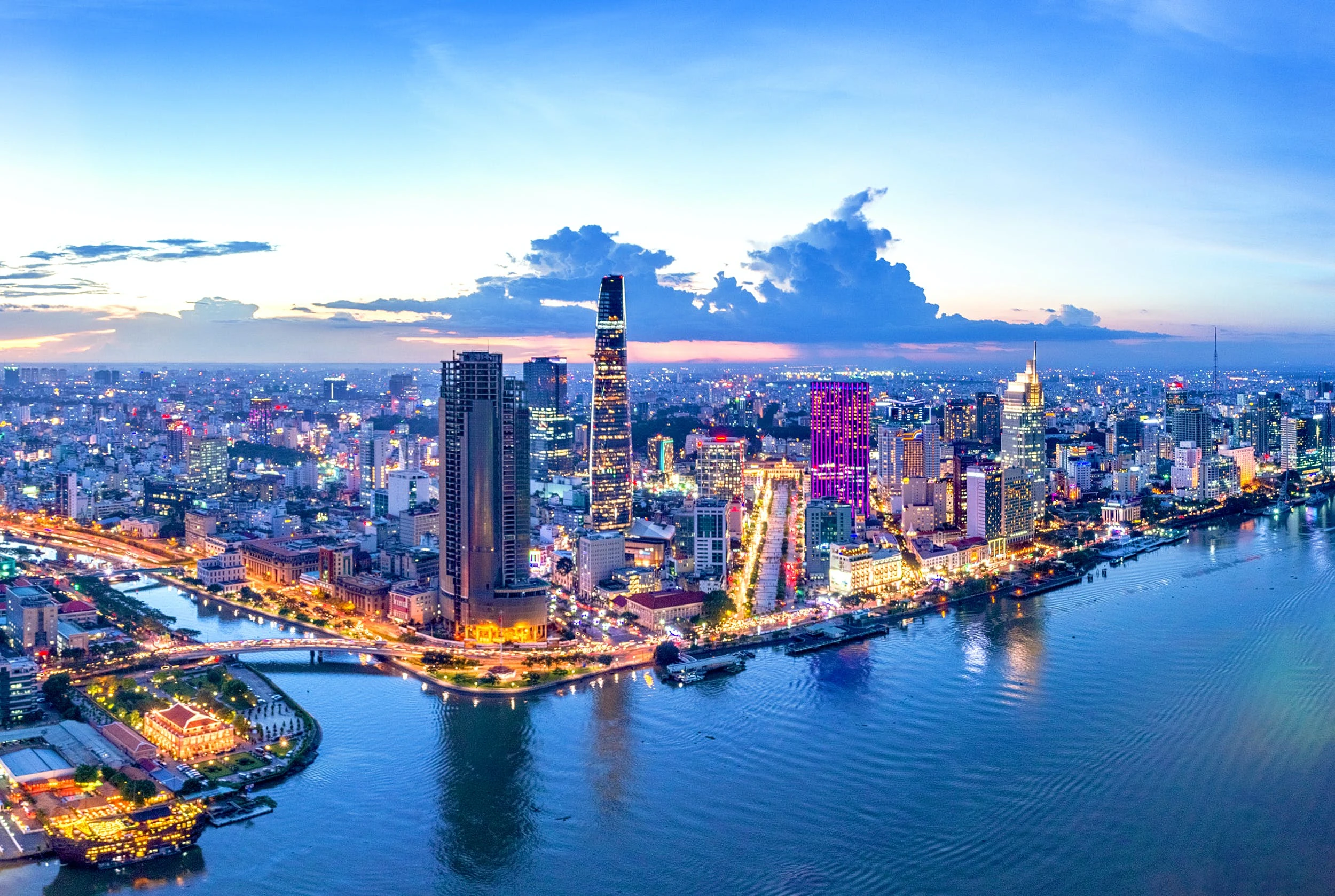
    Ho Chi Minh City is lighting up the entrepreneurial landscape as it secures a spot among the top five leading innovative startup ecosystems in Southeast Asia for the first time. This remarkable achievement highlights the city’s journey into becoming a powerhouse for startups and innovation.

    Rapid Rise in the Rankings

    A recent report from StartupBlink, a globally recognized benchmark for assessing startup ecosystems, reveals that Ho Chi Minh City has steadily climbed the global rankings for four straight years, particularly showing impressive growth in the Fintech sector. The city has now earned a spot in the global Top 30 for Blockchain technology, ranking second in Southeast Asia—a feat that certainly adds a dash of excitement to its entrepreneurial reputation.

    Vibrancy at Its Core

    Known as Vietnam’s most dynamic startup hub, Ho Chi Minh City is enhancing its support infrastructure, fostering creativity, and building a robust startup community. The strong backing from local authorities and a progressively improving business climate have transformed the city into a magnet for innovators and entrepreneurs alike.

    Lam Dinh Thang, Director of the municipal Department of Science and Technology, emphasized that the city’s commendable rise in the StartupBlink rankings is a testament to the collective efforts of its political framework and the innovative spirit of its startup ecosystem. According to him, Ho Chi Minh City aims to place its startup and innovation framework within the Top 100 most dynamic ecosystems globally by 2030. He pointed out that the city is concentrating on key areas such as policy, infrastructure, and human resources to achieve this ambitious goal.

    A Bright Future Ahead

    This year’s rankings not only showcase Ho Chi Minh City’s relentless drive to refine its startup environment but also offer a chance for the metropolis to realign itself within the global startup landscape. Underlining this commitment, the city plans to work with experts to develop a roadmap for advancing its innovation-driven startup ecosystem from 2025 to 2030. This strategic preparation aligns with the targets set by the Politburo, steering Ho Chi Minh City toward its goal of joining the ranks of the Top 100 most dynamic global startup ecosystems.

    Why did the startup cross the road? To get to Ho Chi Minh City, of course!

    Questions & Answers

    What factors contributed to Ho Chi Minh City’s rise in startup rankings?
    The city’s growth can be attributed to its vibrant startup community, strong support from municipal authorities, and improvements in its business environment.

    What sectors are driving Ho Chi Minh City’s startup growth?
    The Fintech sector, particularly in Blockchain technology, is at the forefront of the city’s entrepreneurial boom, propelling it into the global Top 30.

    What are Ho Chi Minh City’s goals for its startup ecosystem by 2030?
    The city aims to be among the Top 100 most dynamic global startup ecosystems by focusing on policy, infrastructure, and human resources development.

  • Vietnam and US Wrap Up Dynamic Second Round of Talks on Reciprocal Trade Agreement

    Vietnam and US Wrap Up Dynamic Second Round of Talks on Reciprocal Trade Agreement

    Vietnam and the United States have taken significant strides forward in their pursuit of a reciprocal trade agreement, following the second round of negotiations held in Washington D.C. from May 19-22. The Vietnamese delegation was led by Minister of Industry and Trade Nguyen Hong Dien, who also heads the government’s negotiation team, accompanied by members from various ministries and the State Bank of Vietnam.

    Cordial Negotiations Yield Positive Outcomes

    The three-day discussions were marked by a spirit of goodwill, transparency, and mutual respect for each other’s institutional frameworks. Both sides sought to align their interests while being mindful of their respective international commitments and development levels. This collaborative atmosphere facilitated fruitful exchanges regarding each country’s policies, enabling them to clarify the draft agreement and explore the essential issues that matter to both nations.

    With an eye towards accelerating the negotiation process, the two delegations outlined areas of consensus and identified topics that still needed further discussion. They also established timelines for providing feedback on the draft, proposed specific wording changes, and arranged for virtual meetings in preparation for the next round of talks.

    Looking Ahead: Building on Agreements

    On the final day of the talks, Minister Dien and U.S. Trade Representative Jamieson Greer held a bilateral meeting to assess the outcomes and set priorities for the next phase of negotiations, which is expected to kick off in early June. Greer praised Vietnam for its commitment to addressing U.S. concerns and expressed optimism that the two nations would continue to deepen their engagement at both technical and ministerial levels in pursuit of an agreement.

    Dien welcomed Greer’s encouraging remarks and reaffirmed Vietnam’s dedication to fostering trade relations with the U.S. in a way that is balanced and sustainable, ultimately benefiting the people and businesses in both countries. He committed to instructing his technical teams to further enhance discussions that lead to a mutually beneficial agreement.

    One could say that when it comes to international trade talks, a sprinkle of goodwill can often go further than a bag of tricks!

    Questions & Answers

    What was the main goal of the recent negotiations between Vietnam and the U.S.?
    The primary aim was to advance discussions on a reciprocal trade agreement while balancing interests and adhering to international commitments.

    Who led the Vietnamese delegation during the talks?
    Minister of Industry and Trade Nguyen Hong Dien led the Vietnamese delegation, which comprised members from various ministries and the State Bank of Vietnam.

    When is the next round of negotiations scheduled to take place?
    The next round of negotiations is set to occur in early June 2025, following the positive progress made during the latest discussions.

  • Gas Prices Plummet: What the Dip Means for Your Wallet and the Economy

    Gas Prices Plummet: What the Dip Means for Your Wallet and the Economy

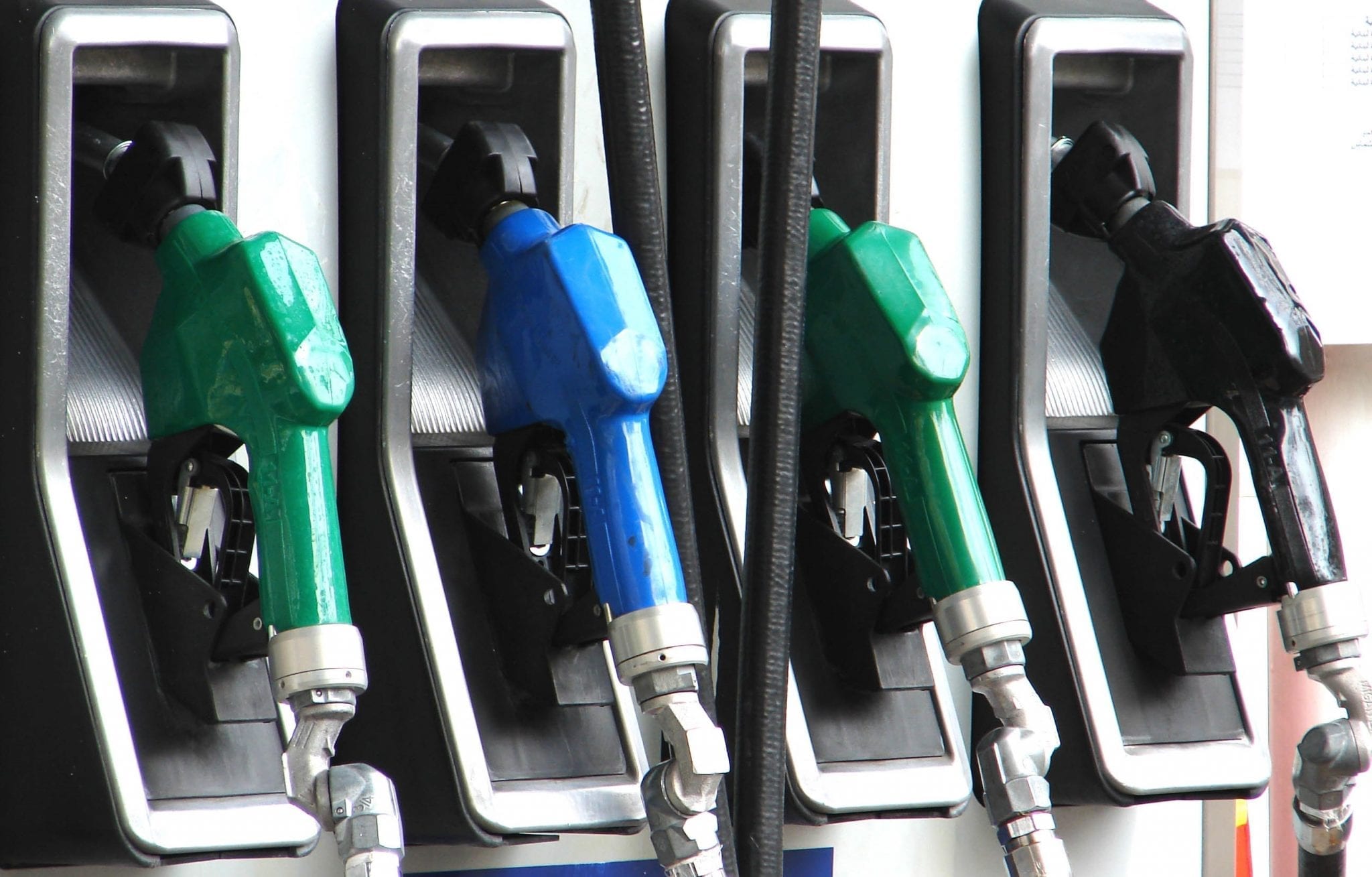
    Vietnam’s gasoline prices experienced a slight dip on Thursday morning, striking a chord of relief for motorists across the nation. In an environment often marked by volatility, this latest trend brings a momentary sigh of ease.

    Fuel Price Movements

    The price for the popular RON95 fuel fell by 0.31%, now standing at VND19,530 (approximately US$0.75) per liter. Similarly, the biofuel E5 RON92 mirrored this drop, decreasing by 0.31% to VND19,120. On a contrasting note, diesel saw an uptick of 1.05%, reaching VND17,400.

    Global Market Influences

    The global fuel market has been rocked over the past week by a medley of influences. Heightened tensions in the Middle East, increasing U.S. crude oil inventories, and an ongoing stalemate in the conflict between Russia and Ukraine have all contributed to the tumult. These factors have resulted in a mixed bag for global fuel prices, where the average price for a barrel of RON95 gasoline dipped 0.4% to $76.7. Meanwhile, diesel prices experienced a rise of 1.3%, reaching $80.15 per barrel.

    For consumers, fluctuations in fuel prices often feel akin to riding a rollercoaster—stomach-churning, yet exhilarating.

    Questions & Answers

    What are the current prices for RON95 and E5 RON92 in Vietnam?
    Currently, RON95 is priced at VND19,530 per liter, while E5 RON92 stands at VND19,120.

    How have global factors affected fuel prices recently?
    Recent months have seen tensions in the Middle East and rising U.S. crude oil inventories influencing global fuel prices, resulting in mixed fluctuations.

    Is diesel also seeing significant price changes?
    Yes, diesel prices have increased by 1.05%, now priced at VND17,400 per liter.

  • Best Sustainable Brands for Students Who Care

    Best Sustainable Brands for Students Who Care

    Best Sustainable Brands for Eco-Conscious Students

    Sustainability is no longer a niche concern. Today’s students are actively choosing brands that reflect their values, especially when it comes to reducing waste, supporting ethical labor, and minimizing environmental impact. Purchasing decisions, including clothes, notebooks, tech, and personal care, are increasingly influenced by sustainability standards.

    For students juggling academics and tight budgets, choosing ethical products may seem challenging. However, a growing number of brands now combine eco-friendly practices with affordability and student-relevant products. Many also offer discounts, flexible pricing, or subscription models that help students stay consistent in their sustainable choices. As students invest in long-term academic and environmental goals, some also turn to external support, including a service that can help in writing research paper assignments. Making smart, sustainable choices in one area often frees up time and focus for others.

    This guide introduces sustainable brands across several categories. Each one stands out for its clear environmental or social commitments, as well as its usefulness in student life.

    Everyday Essentials That Reduce Waste

    Students often go through single-use products quickly, including notebooks, water bottles, and packaging from frequent deliveries. Fortunately, some brands make it easy to switch to better options without changing routines.

    Notable choices:

    • Final: Specializes in reusable cutlery and straws, designed for students who eat on campus or commute. Their foldable tools fit easily in a backpack.
    • Stasher: Offers reusable silicone storage bags that replace plastic zip bags. Ideal for snacks, cords, toiletries, or lunch storage.
    • Paper Saver: A stationery brand that helps users reuse printed paper by turning it into a refillable notebook. Great for students with print-heavy coursework.

    These small swaps can lead to significant reductions in personal waste over a semester. As habits build, so does awareness of the bigger impact.

    Clothing Brands with Ethics and Longevity

    Fashion is a major driver of pollution, especially fast fashion. For students who want to dress well without supporting wasteful systems, there are several brands that prioritize transparency, ethical sourcing, and durable construction.

    Top picks:

    • Patagonia: Known for its strong environmental stance, repair policies, and lifetime gear support. They also offer a used gear marketplace for lower-cost purchases.
    • Kotn: A Canadian company that uses sustainable cotton and fair labor practices. Their basic apparel is perfect for daily campus wear.
    • ThredUp: An online secondhand marketplace with student-friendly prices. It offers a wide range of name-brand and sustainable clothing options.

    Shopping with these brands helps reduce textile waste and promotes thoughtful consumption habits. As students manage multiple priorities, some use support services to stay balanced, including academic writing platforms where they can request someone to do my paper while focusing on long-term academic or sustainability goals.

    Eco-Friendly Tech and Accessories

    Electronics are difficult to manufacture sustainably, but some brands reduce their footprint through recycled materials, modular design, and repairability.

    Reliable options:

    • Fairphone: Modular smartphones designed for repair and longevity. Ideal for tech-savvy students who care about ethical supply chains.
    • Nimble: Makes tech accessories such as power banks and chargers using recycled plastics and offers e-waste recycling support.
    • Logitech (with their Design for Sustainability line): Offers mice and keyboards made from post-consumer plastics and ships in eco-friendly packaging.

    Opting for sustainable tech is a smart move for students who want quality without contributing to landfill buildup. These brands show that ethics and performance can coexist.

    Personal Care with Minimal Impact

    Sustainable living extends into personal care, where plastic waste, chemical use, and animal testing are major concerns. These student-favorite brands offer accessible, low-impact alternatives.

    Top choices:

    • Ethique: Solid bar shampoos, conditioners, and face washes that eliminate plastic bottles entirely.
    • By Humankind: Offers refillable deodorants and mouthwash tablets in compact containers that reduce shipping waste.
    • Plaine Products: Liquid personal care in aluminum bottles with a return-and-refill system, ideal for dorm settings.

    Most of these brands offer starter kits, travel sizes, or subscriptions suited to student living. With less waste and fewer chemicals, they make self-care easier and more ethical.

    Why Sustainable Choices Matter in Student Life

    Students often feel pulled in multiple directions: academic pressure, financial limits, and the desire to live according to their values. Choosing sustainable brands does not mean sacrificing convenience or quality. It is about making thoughtful switches that align with long-term priorities.

    Many of the brands featured here reduce environmental impact, support ethical labor, or promote durability and reuse. These factors matter just as much as price or appearance, especially when every purchase becomes part of a larger academic and lifestyle strategy.

    Sustainability does not require perfection. It starts with one decision: a better notebook, a smarter water bottle, or a cleaner shampoo. With each change, students shape not only their personal habits but also the demand for better business practices across industries.

  • Best Back-to-School Sales for Students in Asia

    Best Back-to-School Sales for Students in Asia

    Best Back-to-School Sales in Asian Retail Markets

    The back-to-school season is one of the most anticipated shopping periods across Asia. Retailers roll out major promotions to help students and their families prepare for the upcoming school year. From uniforms and stationery to electronics and dorm supplies, shoppers can expect price drops, bundle deals, and student-specific discounts. These sales often begin in mid-summer and extend through the first few weeks of the academic calendar, depending on the country and school system.

    For families balancing multiple expenses, timing purchases around these campaigns can make a real difference. It is also the perfect opportunity to pick up academic support services. Some students seek personal tutoring or an essay writer non AI to prepare ahead of deadlines. Others rely on tech, gear, and study tools that are more affordable when bought during these sales windows. In either case, preparation is more effective when budget and quality are aligned.

    This guide outlines the top back-to-school sales events across several Asian markets and highlights where to find the best offers based on student needs and academic goals.

    Singapore: Tech and Stationery at the Forefront

    In Singapore, the back-to-school shopping season is anchored by large electronics retailers, supermarkets, and bookstores. Popular chains like POPULAR Bookstore, Courts, and Challenger roll out student bundles that include laptops, printers, and study accessories. Major malls such as NEX, VivoCity, and Junction 8 typically run coordinated promotions with cashback deals and vouchers.

    The education system’s emphasis on digital literacy makes tech discounts especially appealing. Schools often recommend specific device types, so retailers stock bundles based on school-issued specs. National bookstore chains also partner with publishers to offer curriculum-approved textbooks and assessment books at reduced rates.

    To make the most of these sales, many students also turn to services that support their academic workflow. Platforms like the EssayHub essay writing service gain traction during this period, as students prepare for early-semester writing tasks while juggling multiple subjects.

    Malaysia: Uniforms, Shoes, and Essentials

    Malaysia’s back-to-school sales focus heavily on school uniforms, shoes, and daily-use essentials. Giant, Mydin, and AEON are among the top retail chains offering wide-ranging bundles for students of all ages. Promotions often include “buy two get one free” on socks, backpacks, and basic supplies.

    Electronics retailers such as Senheng and Harvey Norman also participate with offers on budget laptops and accessories. Malaysia’s sales campaigns prioritize affordability, with fewer high-end bundle options than in other markets. These sales serve both urban and rural populations, with extra value placed on quantity and accessibility.

    Timing is key. Sales begin as early as November for January term start dates. Students who plan ahead benefit from full inventory and promotional prices that drop further in the final weeks before classes begin.

    South Korea: Premium Stationery and Digital Tools

    In South Korea, back-to-school sales are a blend of premium design and practical digital solutions. Major retailers like Kyobo Bookstore and Artbox offer high-end stationery, planners, and creative learning tools. These are popular among middle school and high school students who personalize their study setup with aesthetic, functional items.

    Online retailers such as Gmarket and Coupang run extensive campaigns featuring laptops, tablets, and portable monitors. These are especially favored by students attending cram schools or managing hybrid schedules. Brands often package hardware with bonus software or discount vouchers.

    Alongside digital gear, many students also invest in academic productivity tools. This includes grammar checkers, summarizers, and other online writing tools for students, which become essential once the semester’s reading and essay load increases.

    Japan: Organized Shopping by School Level

    Japan’s retail market handles back-to-school shopping with precision. Large department stores and family retailers like AEON, Ito Yokado, and Don Quijote structure their sales by education level: elementary, junior high, high school, and university.

    For younger students, focus is placed on schoolbags (randoseru), lunchboxes, and classroom slippers. For older students, promotions emphasize exam prep materials, desk organization, and electronics. Uniqlo and Muji frequently launch student-specific apparel lines that are durable and within dress code.

    University students shopping for dorm life benefit from combo discounts on bedding, small appliances, and furniture during this season. Many stores also provide storage and delivery options for move-in convenience. These logistical services are especially valuable in dense urban environments.

    Thailand: Mobile Deals and Campus Convenience

    Thailand’s back-to-school shopping highlights affordability and mobile accessibility. Big C and Tesco Lotus offer low-cost bundles that include everything from uniforms and art supplies to SIM card promotions and mobile data plans.

    As online learning remains part of the academic mix, students increasingly seek mobile-first solutions for research and assignment management. Retail chains respond with discounts on lightweight laptops, phone accessories, and portable chargers.

    Campus bookstores and student cooperatives often run parallel sales, providing localized deals tailored to school-issued lists. These internal sales are often overlooked. Still, they provide strong value without the wait times of major retailers.

    Making the Most of Back-to-School Deals

    Each country in Asia approaches back-to-school sales with different priorities, reflecting local education structures and student habits. Singapore emphasizes tech readiness. Malaysia, by contrast, focuses on uniforms and daily essentials. South Korea leans into design and digital tools, Japan emphasizes structure, and Thailand blends affordability with mobile access.

    These regional sales windows give students access to tools, savings, and a chance to reset before the semester. Planning early, comparing bundle offers, and seeking academic support tools, whether physical or digital, can give the school year a strong start.

  • IWC Schaffhausen Unveils a Fresh Take on “The Little Prince” Masterpiece

    IWC Schaffhausen Unveils a Fresh Take on “The Little Prince” Masterpiece

    Swiss luxury watchmaker IWC Schaffhausen is set to enchant watch aficionados with the launch of two exquisite limited edition timepieces inspired by Antoine de Saint-Exupéry’s cherished novella, “The Little Prince.” This charming tribute includes the Big Pilot’s Watch Perpetual Calendar Tourbillon Le Petit Prince, distinguished as the brand’s first-ever blue ceramic perpetual calendar tourbillon, and the Big Pilot’s Watch 43 Tourbillon Le Petit Prince.

    Setting New Standards in Watchmaking

    The standout 46.5-millimeter Perpetual Calendar Tourbillon showcases a stunning blue ceramic case that elegantly honors the whimsical universe of “The Little Prince.” Complemented by an 18-carat 5N gold crown and case back ring, this sophisticated piece features the in-house calibre 51950, boasting a perpetual calendar and a captivating flying minute tourbillon positioned at 12 o’clock. Limited to a mere 100 pieces, each watch illustrates the beloved Little Prince standing upon his asteroid, taking the place of the traditional moon phase indicator.

    Celebrate Avant-Garde Design

    Next up is the Big Pilot’s Watch 43 Tourbillon, crafted in a chic 43-millimeter platinum case. Featuring the flying minute tourbillon at 6 o’clock, this beauty is powered by the calibre 82905, offering an impressive 80-hours of power reserve. Enhanced with IWC’s Pellaton winding system and friction-reducing Diamond Shell technology, the rotor—visible through the sapphire case back—once again showcases the whimsical figure of the Little Prince, adding a playful touch to its technical prowess.

    A Legacy of Giving

    Both timepieces are part of IWC’s long-standing collaboration with the Antoine de Saint-Exupéry Youth Foundation. This partnership, dating back to 2009, is dedicated to promoting education and literacy initiatives around the globe. By supporting young people through cultural and philanthropic means, IWC is keeping the spirit of the esteemed French aviator and author alive, working closely with Saint-Exupéry’s heirs and the foundation for nearly two decades.

    In a world where timepieces often tell tales of craftsmanship, IWC reminds us of the power of storytelling itself—turning ephemeral moments into eternal memories.

    Questions & Answers

    What is unique about the Perpetual Calendar Tourbillon Le Petit Prince?
    The watch features blue ceramic for the first time in a piece dedicated to “The Little Prince,” setting it apart in both aesthetics and craftsmanship.

    How many pieces of the Perpetual Calendar Tourbillon Le Petit Prince will be produced?
    Only 100 pieces of this exquisite timepiece will be made, making it a true collector’s item.

    What is the goal of the IWC partnership with the Antoine de Saint-Exupéry Youth Foundation?
    The partnership aims to support global initiatives in education and literacy, empowering youth through cultural and philanthropic efforts inspired by Saint-Exupéry’s legacy.

  • OH!SOME Unveils Exciting First Store in Singapore!

    OH!SOME Unveils Exciting First Store in Singapore!

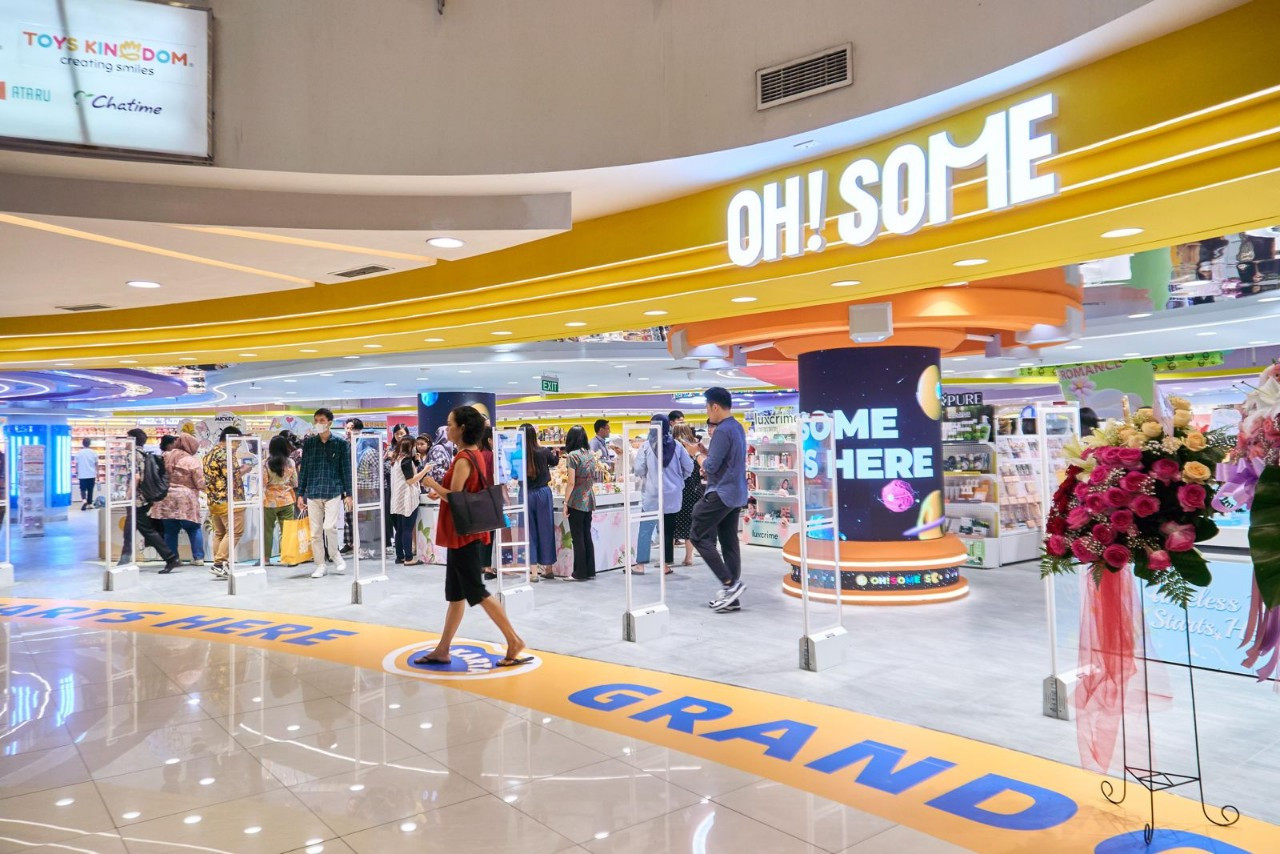
    Lifestyle retail brand OH!SOME has made waves by launching its first Singapore store in Suntec City Mall, bringing a fresh and engaging shopping experience to local consumers. Known for its chic and globally-curated selections, the store unveils a unique layout divided into four captivating themed zones designed to excite and inspire.

    Anime Collectibles Zone: A Fan’s Paradise

    The Anime Collectibles Zone is the crown jewel, featuring an array of merchandise from beloved series like Jujutsu Kaisen, Attack on Titan, Haikyu!!, and Frieren: Beyond Journey’s End. Shoppers can explore an impressive collection of collectible pins, blind boxes, and stylish ita-bags that will make any otaku’s heart race.

    Travel Essentials: Pack Like a Pro

    Heading out? The Travel Zone has you covered with essentials that simplify packing. From ergonomic neck pillows to UV-protective sunscreens and compact toiletries, this zone ensures you’re prepared for your next adventure without the fuss.

    Creative Gifting: Thoughtful Surprises Await

    The Gifting Zone offers a delightful selection for those looking for something special. With options like whimsical Disney-themed floral arrangements and Crayon Shinchan collectibles—complete with stylish gift wrapping and greeting cards—this corner takes the guesswork out of gifting.

    DIY Dreams: Crafting Made Easy

    For craft enthusiasts, the DIY Zone is a treasure trove filled with inspirational materials sourced from Japan, Korea, and China. From wool felting kits to modeling clay and journaling supplies, this zone invites shoppers to unleash their creativity.

    As if that weren’t enough, visitors will also discover exclusive Disney merchandise featuring beloved characters such as Mickey Mouse, Winnie the Pooh, and Toy Story’s Buzz and Woody, along with some early-release Lilo & Stitch collectibles to complete the magical experience.

    With over 110 outlets across the region, OH!SOME is making a significant splash in Singapore, gearing up to open a second store at TAMPINES 1 on May 23. This brand is not just about shopping; it’s about creating memorable experiences that resonate with the vibrant local culture. Who knows, you might just bump into your favorite anime character while browsing!

    Questions & Answers

    What types of products can shoppers find in the Anime Collectibles Zone?
    Shoppers can discover merchandise from popular anime series like Jujutsu Kaisen and Attack on Titan, including collectible pins, blind boxes, and ita-bags.

    What unique items are available in the Travel Zone?
    The Travel Zone features practical items like ergonomic neck pillows, UV-protective sunscreens, and compact toiletries to simplify travel packing.

    When is the second OH!SOME store set to open in Singapore?
    The second store is scheduled to open at TAMPINES 1 on May 23, further extending OH!SOME’s reach in the city.

  • Myntra Launches ‘Myntra Global’ as it Expands into the Singapore Market

    Myntra Launches ‘Myntra Global’ as it Expands into the Singapore Market

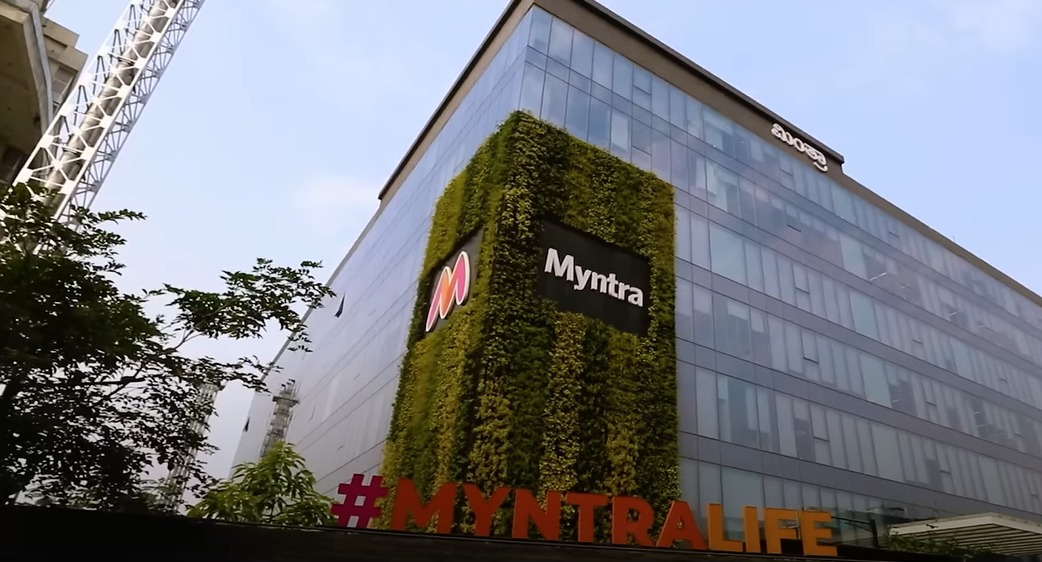
    Indian e-commerce powerhouse Myntra has made a splash in Singapore with the launch of Myntra Global, its first foray into the international market. This strategic move aims to cater to the vast Indian diaspora in the city-state, which numbers around 650,000 individuals, by offering a diverse selection of Indian fashion and lifestyle products.

    A Treasure Trove of Indian Styles

    With a staggering 35,000 styles from 100 renowned Indian brands, including favorites like Aurelia, Global Desi, Libas, W, House of Pataudi, and Chumbak, Myntra is set to create waves. Shoppers can explore categories that span apparel, footwear, home décor, and accessories—all designed to resonate with the cultural sensibilities of the Indian community in Singapore.

    Organic Growth Sparks Expansion

    Before the official launch, Myntra witnessed an impressive organic interest from Singapore, attracting nearly 30,000 users eager for Indian styles. The company’s ambition is to provide not just a shopping platform, but a seamless and dependable experience that answers the demand for culturally-rich fashion.

    Championing ‘Made in India’

    This expansion underscores Myntra’s long-term vision to tap into new consumer markets while enhancing global visibility for Indian brands. Furthermore, it aligns with India’s larger initiative to promote ‘Made in India’ products on an international scale, showcasing the rich cultural tapestry of Indian fashion.

    So, Singaporean shoppers, prepare yourself! You might just find yourself falling head over heels for styles that blend tradition with contemporary flair.

    Questions & Answers

    What types of products will Myntra Global offer in Singapore?

    Myntra Global will feature a variety of products, including apparel, footwear, home décor, and accessories from popular Indian brands.

    How many styles can customers expect from different brands?

    Shoppers can look forward to an impressive collection of about 35,000 styles from 100 diverse Indian brands.

    What is Myntra’s broader goal with this international expansion?

    The expansion is part of Myntra’s strategy to reach new customer bases, increase global visibility for Indian brands, and promote ‘Made in India’ products worldwide.

  • Singapore Shines Bright: Ranked 4th Globally in Thriving Startup Ecosystem

    Singapore Shines Bright: Ranked 4th Globally in Thriving Startup Ecosystem

    The latest index from StartupBlink ranks Singapore as a vibrant player in the global startup arena, trailing behind Israel, Britain, and the United States. Since 2020, Singapore’s ascent has been remarkable, jumping 12 spots to become one of the fastest-growing startup ecosystems worldwide.

    StartupBlink attributes this progress to Singapore’s business-friendly atmosphere and robust support structures for startups. The city-state shines in crucial areas such as investor presence, startup opportunities, and a concentration of global tech firms, all bolstered by a skilled local workforce.

    Evaluating 118 countries, the index underscores Singapore’s strategic commitment to leading sectors like deep tech, fintech, food tech, artificial intelligence, and advanced manufacturing. Its universities play a pivotal role, training a highly competent workforce, linking startups with academic initiatives, and fostering an entrepreneurial spirit on campus.

    Aiming to further enhance this ecosystem, the Singapore government, through Enterprise Singapore, is on a mission to attract innovation. “Enterprise Singapore will continue to strengthen the ecosystem and we welcome global startups with strong science-based solutions to leverage Singapore as a launchpad to grow and scale their business in the region and beyond,” said Emily Liew, assistant managing director of innovation at Enterprise Singapore, as reported by The Straits Times.

    Liew emphasizes Singapore’s open ecosystem, nurturing talent and collaboration that offers stability and access to growth resources, all while navigating global startup challenges. This uptick in ranking coincides with an impressive funding year and substantial government backing.

    A report released in April 2025 by Enterprise Singapore and PitchBook revealed that in 2024, Singapore captured nearly 60% of ASEAN’s venture capital deal volume, totaling US$4.8 billion. Additionally, in October 2024, the government pledged an extra SGD440 million (US$341 million) to attract venture capital firms towards local deep tech startups, raising the total government funding for this initiative to over SGD1 billion.

    Could this be Singapore’s ticket to tech supremacy? Only time will tell!

    Questions & Answers

    What notable achievements has Singapore made in the startup ecosystem?
    Singapore has jumped 12 spots in startup rankings since 2020, making it one of the fastest-growing ecosystems globally, thanks to its business-friendly environment.

    How much venture capital did Singapore secure in 2024?
    In 2024, Singapore captured nearly 60% of ASEAN’s venture capital deal volume, amounting to a total deal value of US$4.8 billion.

    What steps is the Singapore government taking to attract startups?
    The government, through Enterprise Singapore, is investing an additional SGD440 million to draw venture capital firms to local deep tech startups, totaling over SGD1 billion in funding for this initiative.

  • Shakey’s Pizza Sets Ambitious Goal: 430 New Locations Planned for 2025 Expansion

    Shakey’s Pizza Sets Ambitious Goal: 430 New Locations Planned for 2025 Expansion

    Shakey’s Pizza Asia Ventures Inc. (SPAVI) is on a sizeable growth trajectory, aiming to launch an impressive 430 new stores this year. Following the first quarter, the company reported a global total of 2,671 stores, buoyed by the addition of 52 outlets primarily under the popular Potato Corner brand.

    Since Q1 2024, SPAVI has expanded its footprint with 439 new openings, including 130 international locations, bringing its overseas branches to nearly 20% of its total network. This push means more pizza lovers can enjoy their slices far and wide!

    During the first quarter, SPAVI announced a net income after tax of PHP182 million—a tantalizing 6% increase from the previous year. Same-store sales also saw a positive uptick, growing by 2%, or an adjusted 4% considering the leap year and the early Easter holiday in 2024. The company has also rolled out its 50th anniversary campaign, which aims to attract even more customers as they celebrate this milestone.

    Looking ahead, SPAVI remains optimistic about reaching its ambitious targets for double-digit revenue and profit growth by 2025. One can almost hear the pizza ovens heating up in anticipation!

    Questions & Answers

    What is the total number of stores SPAVI plans to open this year?
    SPAVI is poised to open 430 new stores in 2024.

    How much was the net income after tax for Q1 2024?
    The company reported a net income of PHP182 million for the first quarter.

    What percentage of SPAVI’s network is made up of international branches?
    International branches now account for nearly 20% of SPAVI’s total store network.

  • Dollar Takes a Dive Against Dong: What It Means for the Markets

    Dollar Takes a Dive Against Dong: What It Means for the Markets

    On Friday morning, the U.S. dollar tumbled against the Vietnamese dong, marking what seems to be a continuous seven-day decline. Vietcombank priced the dollar at VND26,130, reflecting a 0.07% decrease from the previous day. Meanwhile, the State Bank of Vietnam maintained its reference rate at VND24,960. In the black market, the dollar fell further, hitting VND26,380, down 0.19%.

    Globally, the dollar was softening as Friday unfolded, poised for its first weekly drop against the euro and yen after five weeks. This decline is attributed to concerns surrounding the worsening fiscal health of the United States, leading investors to seek refuge in safer assets. According to Reuters, the dollar index, which measures the currency against six others, including the yen and the euro, is forecasted for a 1.1% dip this week, despite showing little fluctuation, resting at 99.829 early in Asian trading.

    In these economic tides, the dollar seems to be on a slippery slope, almost like a tightrope walker struggling to maintain balance!

    Questions & Answers

    How much did the U.S. dollar drop against the Vietnamese dong?
    The U.S. dollar dropped to VND26,130, a decrease of 0.07% from Thursday.

    What was the state of the dollar on the black market?
    On the black market, the dollar fell to VND26,380, reflecting a 0.19% decline.

    What factors are contributing to the dollar’s decline?
    Worries about the worsening fiscal health of the United States have prompted investors to seek safer assets, leading to the dollar’s decline against other currencies.