Author: Mei Ling Tan

  • UBS’s Benjamin Cavalli: Growing Interest Among SFOs in MidEast’s “Second Leg” Investment Opportunities

    UBS’s Benjamin Cavalli: Growing Interest Among SFOs in MidEast’s “Second Leg” Investment Opportunities

    The trend of diversifying booking centers among the ultra-wealthy is gaining momentum, with an increasing number of family offices eyeing the Middle East as a prime destination. According to Benjamin Cavalli, head of strategic clients at UBS Global Wealth Management, the region is shaping up to be an alluring option alongside traditional financial hubs.

    In a world marked by escalating geopolitical risks, evolving regulations, and abundant global investment opportunities, ultra-high net worth (UHNW) individuals are strategically planning their wealth management bases. “Our clients have become very, very global. There is certainly local demand for managing wealth and a strong interest coming out of Asia, but also certainly from Europe,” Cavalli shared during a media briefing unveiling the bank’s latest findings in the “Global Family Office Report 2025.”

    Regional Competitors Emerge

    Highlighting the hotspots in the Middle East, Cavalli pointed to Dubai and Abu Dhabi, where UBS has also announced plans to launch a new office. Not to be outshone, Saudi Arabia is evolving rapidly, boasting increasingly sophisticated financial setups designed to attract this elite clientele.

    <p“There is certainly a bit of healthy competition as well in the Middle East,” Cavalli noted, emphasizing how these emerging centers are vying for the attention of fortune managers.

    Delving into the motivations behind these choices, Cavalli referenced UBS’s “Billionaire Ambitions Report 2024,” which reveals that UHNW families prioritize four critical pillars when selecting a financial center: a robust rule of law, high-quality healthcare, excellent educational opportunities, and a favorable tax environment. It’s intriguing to think that these elite families might be as concerned about school zoning as any down-the-street parent.

    Questions & Answers

    What is driving the interest in the Middle East as a financial center for family offices?
    The rise in geopolitical risks, regulatory changes, and diverse global investment opportunities has prompted UHNW individuals to consider the Middle East alongside traditional hubs.

    Which Middle Eastern cities are becoming popular choices for ultra-high net worth individuals?
    Dubai and Abu Dhabi are topping the list, with new UBS offices planned, while Saudi Arabia is developing sophisticated financial setups.

    What factors do UHNW families consider when choosing a financial center?
    According to UBS, key considerations include a strong rule of law, proper healthcare, quality education, and a friendly tax environment.

  • UBS Announces Ambitious Expansion Plans in the Gulf Region

    UBS Announces Ambitious Expansion Plans in the Gulf Region

    UBS is doubling down on the Gulf region and plans to open a new branch in Abu Dhabi.

    Written by Gérard Al-Fil, Dubai

    Switzerland’s largest bank is set to elevate its footprint in the United Arab Emirates (UAE) with an exciting new branch in Abu Dhabi, building on its established presence in the Dubai International Financial Centre (DIFC). According to Bloomberg, this strategic expansion reflects a growing confidence in the region’s potential.

    Beatriz Martin Jimenez, UBS’s President for Europe, the Middle East, and Africa, stated, “The Middle East is definitely a winner for individuals who have moved away from high-tax systems and other countries such as the UK.” This sentiment resonates particularly with affluent Britons, many of whom are flocking to the UAE following the Labour government’s election victory under Prime Minister Keir Starmer in July 2024, which promises increased taxation for the wealthy.

    Beyond the Emirates, UBS has a significant presence in Saudi Arabia, Qatar, and Bahrain, ensuring it remains close to its high-net-worth clients across the Gulf region. This network of branches not only enhances UBS’s ability to cater to the unique needs of affluent clientele but also underscores the bank’s commitment to the aspirations of the region.

    As UBS charts its course in the ever-evolving landscape of wealth management, one has to wonder if Abu Dhabi could soon become the playground for Europe’s elite, offering more than just beautiful beaches and luxurious shopping: a playground for wealth with a side of sunshine!

    Questions & Answers

    Why is UBS opening a new branch in Abu Dhabi?
    The expansion aims to enhance UBS’s presence in the UAE, catering to a growing number of affluent clients relocating from higher-tax countries.

    What factors are contributing to this influx of wealthy clients to the UAE?
    The recent election of the Labour government in the UK, which has proposed higher taxes for the affluent, is driving many individuals to seek more favorable tax conditions in the UAE.

    Which other Gulf countries does UBS operate in?
    UBS also maintains a presence in Saudi Arabia, Qatar, and Bahrain, strategically positioning itself to serve high-net-worth clients throughout the region.

  • Vietnam Plans Ambitious Financial Hub Connecting Two Major Cities

    Vietnam Plans Ambitious Financial Hub Connecting Two Major Cities

    Deputy Prime Minister Nguyen Hoa Binh shared an ambitious vision at a recent meeting with consultants, presenting it to the National Assembly during its ongoing session. Richard McClellan, the global ambassador of property developer Terne Holdings, voiced his enthusiastic support, emphasizing that Vietnam’s financial center should be conceived as a cohesive operating system rather than a mere geographical entity. According to McClellan, this innovative approach could position Vietnam as a formidable player in the global financial landscape, highlighting the synergy between Da Nang and Ho Chi Minh City as complementary locations rather than rivals.

    Exploring New Frontiers in Finance

    Binh pointed out that Vietnam has the opportunity to consider establishing two international financial centers or a single center spread across two locales, tapping into the unique strengths each city offers. Jochen Biedermann, managing director of the World Alliance of International Financial Centers, underscored the need for significant investments in software, digital infrastructure, and training of talent to ensure seamless operations in a dual-location model.

    Adding his insights, Andreas Baumgartner, CEO of The Metis Institute, advocated for a unified management model that respects the operational independence and unique advantages of each site. Such an international financial center could revolutionize Vietnam’s ability to attract premium financial resources, enhance governance, and elevate the nation’s competitive edge, all while deepening its ties to the global financial system.

    Binh reiterated the government’s commitment to crafting a groundbreaking legal framework designed to maximize these opportunities. “Vietnam will adhere to international laws and standards, encourage innovation, and provide distinctive and attractive incentives for investors,” he pledged. He assured that forthcoming policies would strive to balance the interests of the state, investors, and citizens, perfectly aligned with Vietnam’s management capabilities.

    Da Nang City Party Secretary Nguyen Van Quang characterized the international financial center as a “very new and challenging” project vital for the nation’s growth. He expressed confidence in the city’s robust ecosystem, boasting both the hard and soft infrastructure needed to support the center’s operations. Meanwhile, Ho Chi Minh City’s Vice Chairman Nguyen Van Dung highlighted ongoing efforts to refine policies, enhance technical infrastructure, and nurture human resource development to support the financial center’s goals.

    During the conference, leaders from various international financial organizations, businesses, investors, and partners pledged their support and collaboration to ensure the successful launch and development of this groundbreaking initiative.

    What a compelling venture—who knew Vietnam’s financial future could shine so brightly?

    Questions & Answers

    **What is the main vision for Vietnam’s financial center as proposed by Deputy Prime Minister Nguyen Hoa Binh?**
    The vision is to create an international financial center that functions as a unified operating system across multiple locations, such as Da Nang and Ho Chi Minh City, enhancing Vietnam’s global competitiveness.

    What key investments are suggested to ensure the center’s success?
    Investments in software, digital infrastructure, and training human resources are crucial for establishing a seamless financial center that operates effectively across two different locales.

    How is the Vietnamese government addressing investor interests in this project?
    The government is committed to developing a legal framework that adheres to international standards, encourages innovation, and balances the interests of the state, investors, and citizens.

  • Vietnam Weighs ‘Red Alert’ Label to Tackle Toxicity Risks in Durian Farming

    Vietnam Weighs ‘Red Alert’ Label to Tackle Toxicity Risks in Durian Farming

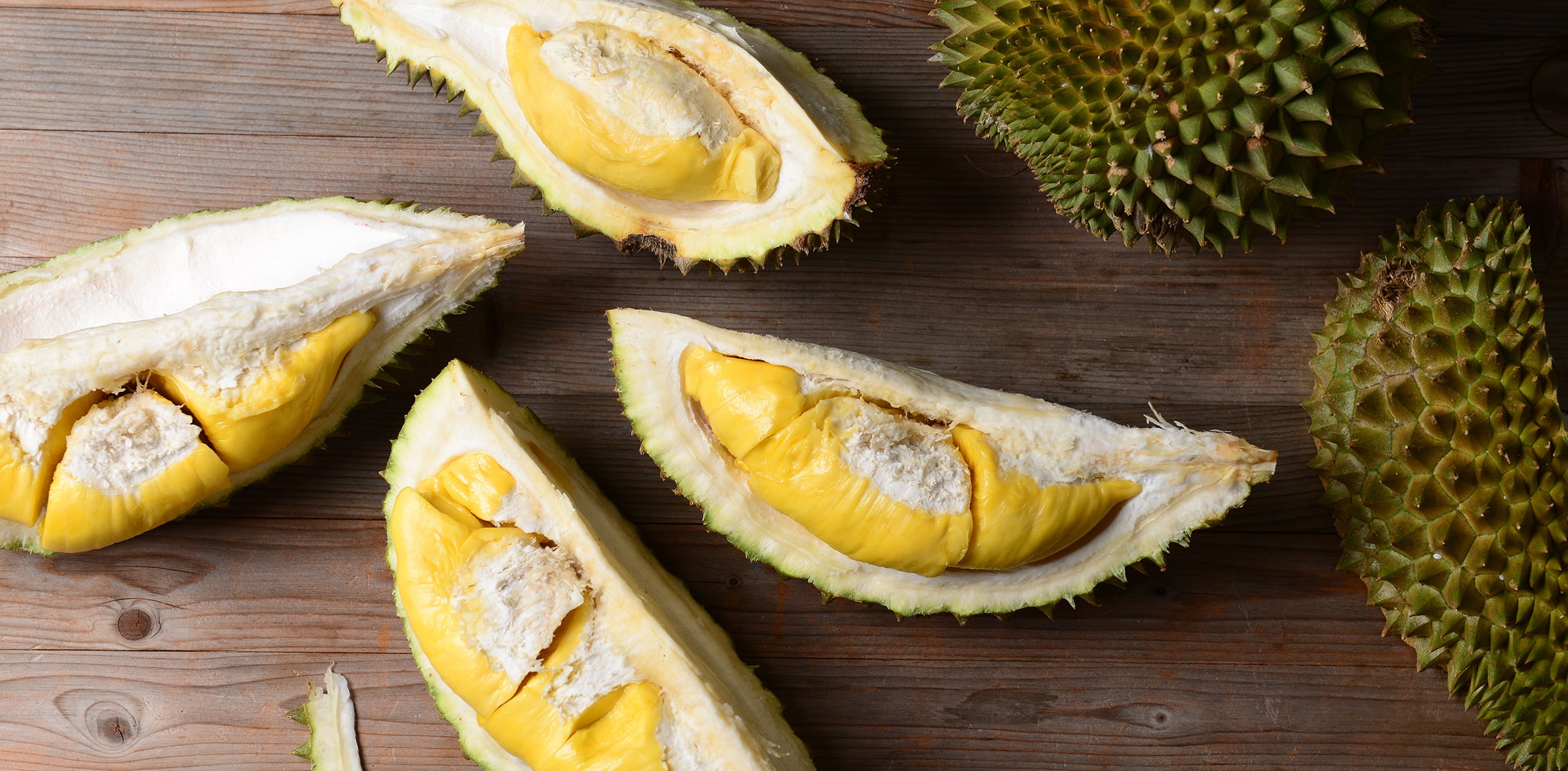
    A comprehensive examination of durian cultivation areas and packaging facilities is essential to pinpoint those using prohibited substances, asserted Vu Duc Con, chairman of the Dak Lak Durian Association, in a letter to the Ministry of Agriculture and Environment. He emphasized the necessity of assigning a “red alert” label to facilities found in violation, urging the government to establish a recovery plan that encourages the adoption of safe and sustainable farming practices.

    This proposal comes on the heels of multiple warnings from Chinese customs, which have heightened scrutiny since late 2024 regarding cadmium levels in Vietnamese durians—a toxic heavy metal. Moreover, some samples were reported to contain auramine O, a banned additive with potential cancer risks.

    The impact on Vietnam’s agricultural sector is stark, with durian exports to China plummeting by 74% year-on-year during the first four months of 2025, totaling just $130 million, according to the agriculture ministry. In response, China has begun testing all shipments for cadmium and auramine O, enforcing strict penalties such as the suspension of codes for related growing areas and packing facilities.

    To combat these challenges, the Dak Lak Durian Association is collaborating with official agencies to conduct extensive sampling to detect chemical residues and trace their origins. In a bid to secure its standing in the Chinese market, this prominent durian-growing region in the Central Highlands aims to establish its own quality control standards for the fruit.

    Furthermore, the association has called on the government to develop technical standards and adopt rapid on-site testing technologies to ensure food safety prior to exports. In cases of serious safety violations, they advocated for the destruction of contaminated shipments rather than rerouting them to domestic markets, protecting public health and the industry’s reputation in the process.

    Currently, Vietnam boasts over 150,000 hectares dedicated to durian cultivation; however, only 20% are certified for export. Many of these farms fall short of regulatory standards regarding pesticides and quality, which hampers their global competitiveness. With China being the largest market for Vietnamese durians—contributing to $3.2 billion in exports last year—maintaining high standards is crucial for the industry’s future success.

    As the saying goes, “If you can’t stand the heat, get out of the durian kitchen!”

    Questions & Answers

    **What prompted the review of durian farming practices in Vietnam?** The review was prompted by repeated warnings from Chinese customs regarding the presence of cadmium in Vietnamese durians and other unsafe additives.

    How much have Vietnamese durian exports to China decreased recently? Exports plunged by 74% year-on-year in the first four months of 2025, totaling just $130 million.

    What measures is the Dak Lak Durian Association advocating for? The association is urging for the establishment of technical standards, rapid testing technologies, and strict penalties for safety violations to enhance the safety and quality of durian exports.

  • Cambodia Enters China’s Booming Durian Market, Challenging Vietnam, Thailand, and Malaysia

    Cambodia Enters China’s Booming Durian Market, Challenging Vietnam, Thailand, and Malaysia

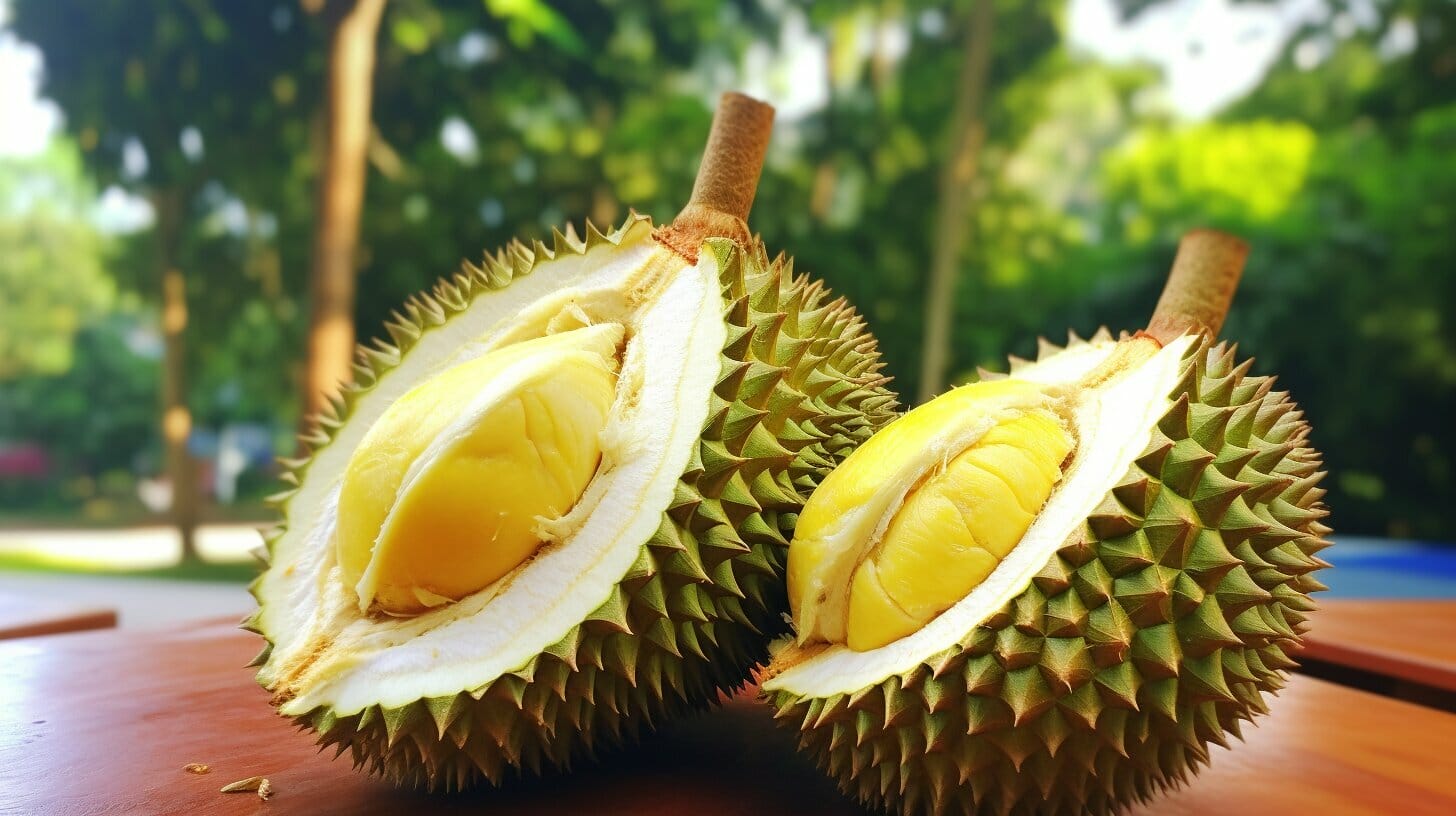
    China’s General Administration of Customs has recently opened doors for fresh durian shipments from Cambodia that comply with food safety standards, a significant development following the signing of a phytosanitary protocol between Cambodia’s Ministry of Agriculture, Forestry and Fisheries and Chinese authorities in late April. This newfound opportunity is poised to transform Cambodia’s durian industry and delight the palates of Chinese consumers who have long been enamored with the so-called “king of fruits.”

    Building a Path to Export

    Following the accord, Cambodia’s agriculture department has taken proactive steps, urging durian growers, farming communities, and processing facilities to register for exports to China. Plans are already underway to compile a list of fresh durian plantations and processing factories, set to be submitted to the Chinese side for evaluation and review in May 2025, as reported by the Khmer Times.

    Breaking into the Chinese Market

    As Cambodia seeks to make its mark, it faces the challenge of standing out in a marketplace that has already been saturated by competitors with established reputations. “It lacks the long-standing brand recognition of Thailand’s Monthong or Malaysia’s premium Musang King,” stated Lim Chin Khee, an adviser at Malaysia’s Durian Academy, highlighting the uphill battle for Cambodia’s emerging durian brand.

    Chinese consumers are currently spoiled for choice, with last year’s record durian imports amounting to an impressive US$6.99 billion, primarily driven by Thailand and Vietnam, which together accounted for nearly 99% of the market share. The competition isn’t stopping there; Indonesia is gearing up to export its own durians, while Laos is eyeing entry into this lucrative market.

    Can Cambodian Durian Compete?

    Despite this fierce competition, the unique Au Khak variety, predominantly grown in Cambodia’s Kampot and Kampong Cham provinces, is beginning to generate interest among discerning Chinese durian enthusiasts. Zhao Yu, a 38-year-old durian aficionado from Shanghai, expressed her curiosity but admitted she needed time to explore the Cambodian variety before adding it to her list of favorites.

    However, experts believe that Cambodian farmers hold significant potential. Lim assured that with the right investment and foreign technical support—especially from China—Cambodian durians could soon rival those from more established producers. The sentiment was echoed by Wang Wenbin, the Chinese ambassador to Cambodia, who expressed his enthusiasm during a recent visit to a durian farm in Kampot, proclaiming Au Khak to be “the best durian in the world.” He optimistically hinted at a future filled with Cambodian durians gracing the tables of Chinese consumers.

    In 2024, Cambodia exported over 12 million tons of agricultural products valued at $5.3 billion across 95 markets. The agriculture sector significantly contributes to the nation’s economy, accounting for approximately 16.7% of its GDP. Recent deals have also set the stage for other Cambodian products like swiftlet nests and crocodiles to enter the Chinese market, further diversifying Cambodia’s agricultural exports.

    Khim Finan, the undersecretary of state, views these efforts as vital in expanding Cambodia’s agricultural market, boosting farmers’ incomes, and fostering overall economic growth through agriculture.

    As Cambodia steps into this new era of durian exports, one can only wonder how the world will react. Will Cambodian durians become the next big sensation in China, or will they remain the fruity underdog in the kingdom of durians?

    Questions & Answers

    What recent development has allowed Cambodia to export durians to China?
    China’s General Administration of Customs started permitting fresh durian shipments from Cambodia after a phytosanitary protocol was signed with the Cambodian Ministry of Agriculture in late April.

    What challenges does Cambodia face in exporting durians to China?
    Cambodia lacks the brand recognition of established competitors like Thailand and Malaysia, which could hinder its ability to attract Chinese consumers who have a wide range of options available.

    What other agricultural products from Cambodia are set to enter the Chinese market?
    In addition to durians, Cambodia has signed protocols for the export of swiftlet nests and crocodiles, which could diversify its agricultural offerings in China.

  • Lalamove Expands Horizons: Launches Into the Ride-Hailing Market

    Lalamove Expands Horizons: Launches Into the Ride-Hailing Market

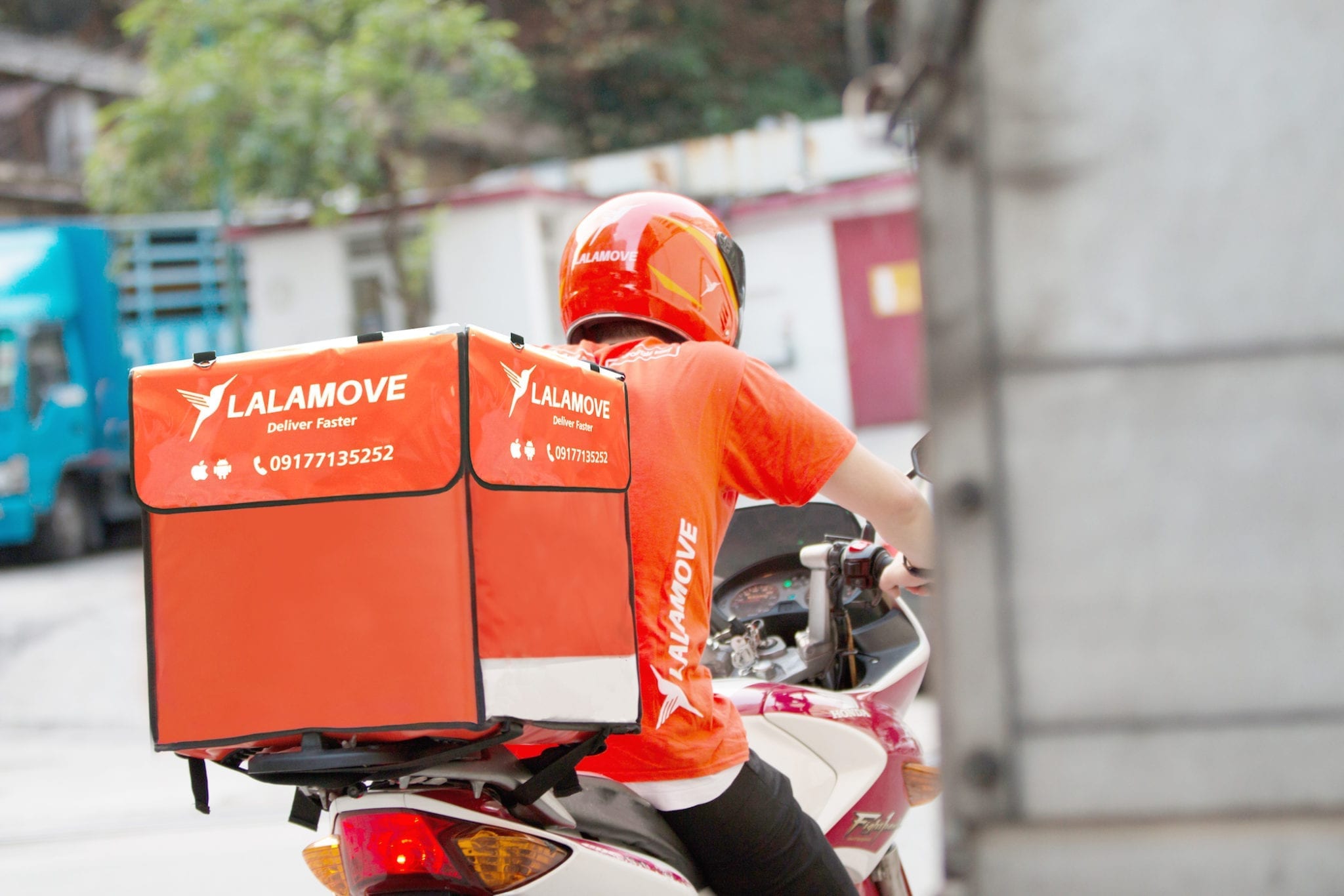
    The exciting landscape of ride-hailing in Vietnam just got a little more dynamic. Lalamove, a Hong Kong-based logistics company, recently launched its ride-hailing services in Ho Chi Minh City, which are available for both motorbike and car rides (four- and seven-seaters) through the Lalamove app.

    Nguyen Hai Dang, CEO of Lalamove Vietnam, expressed the company’s commitment to meeting consumer demand for more affordable travel options while simultaneously enhancing driver incomes. Although he remained tight-lipped about the fleet size, he did hint at plans to expand these services to other regions shortly.

    Founded in Hong Kong in 2013, Lalamove has established a strong footprint across 14 markets, including Asia, Europe, and beyond. Since its entry into the Vietnamese market in 2017, the company has primarily focused on round-the-clock delivery services catering to both individuals and businesses, particularly in Ho Chi Minh City. Lalamove also boasts ride-hailing services in countries like Indonesia, Thailand, and the Philippines.

    The growth potential in Vietnam’s ride-hailing and delivery markets is impressive. According to the “e-Conomy SEA 2024” report from Google, Temasek, and Bain & Company, the market is expected to soar from US$4 billion in 2024 to a whopping $9 billion by 2030. Furthermore, Mordor Intelligence predicts that the passenger transport market alone will grow from $1.05 billion this year to $2.56 billion by 2030.

    The competitive landscape is rapidly evolving, with established players such as Grab, Xanh SM, be, and Tada jostling for market share. Xanh SM currently leads the ride-hailing segment with a commanding 39.85% market share, closely followed by Grab at 35.57%. As Mordor Intelligence points out, this growth can be attributed to factors such as rapid urbanization, the demand for convenient mobility solutions, and a tech-savvy younger generation, all amidst an influx of tourists in Vietnam.

    Yet the competition is fierce. The Google report highlights how local companies are making significant strides, impacting even Gojek’s decision to exit Vietnam in September 2024. “Competition is expected to heat up, potentially transforming the industry and speeding up the transition to electric vehicles,” it notes.

    Safety and affordability are vital in users’ service preferences, especially for motorbike rides, according to a survey by Q&Me, an online market research platform. Other factors that weigh in include respectful drivers, quick response times, ease of booking, and overall vehicle quality.

    As Lalamove gears up to make waves in this vibrant market, the question arises: will it be smooth sailing or a bumpy ride ahead?

    Questions & Answers

    What services is Lalamove launching in Ho Chi Minh City?
    Lalamove is introducing ride-hailing services for motorbikes and four- and seven-seat cars, available for booking via the Lalamove app.

    What are the growth projections for Vietnam’s ride-hailing market?
    The ride-hailing and delivery market in Vietnam is anticipated to grow from US$4 billion in 2024 to $9 billion by 2030, while the passenger transport market is expected to expand from $1.05 billion to $2.56 billion in the same timeframe.

    Which companies are the major players in Vietnam’s ride-hailing market?
    Key participants include Grab, Xanh SM, be, and Tada, with Xanh SM currently leading the market share, closely followed by Grab.

  • Gold Soars to 11-Day High, Marking a Strong Comeback

    Gold Soars to 11-Day High, Marking a Strong Comeback

    A bustling jewelry store in Hanoi showcases the latest trends as the gold market experiences a dramatic resurgence. On Wednesday morning, Vietnam’s gold prices soared to the highest level since May 10, primarily driven by a global uptrend that saw prices hit a one-week peak.

    Local Gold Prices Experience Significant Upsurge

    The value of gold bars from the Saigon Jewelry Company surged by 1.42%, reaching VND121 million (approximately US$4,660.39) per tael, a standard measure equating to 37.5 grams or 1.2 ounces. Meanwhile, the price for gold rings rose 0.88%, settling at VND115 million per tael. Cumulatively, gold has skyrocketed nearly 44% this year, capturing the attention of both seasoned investors and casual buyers alike.

    Global Trends Influence Local Market Dynamics

    Globally, gold prices have experienced a positive shift, climbing to their highest point in over a week. This boost is largely attributed to a weakened dollar and investors seeking refuge amid ongoing fiscal uncertainties in the U.S., as Congress debates an expansive tax bill. On the spot market, gold rose 0.5% to $3,305.39 an ounce, reaching its peak level since May 12 earlier in the trading session.

    Gold has earned its reputation as a safe-haven investment during periods of political and economic tumult, thriving in low-interest environments. Tim Waterer, KCM Trade’s Chief Market Analyst, noted, “In the medium- to longer-term, gold is likely to see further gains, although any positive trade deal headlines could pose challenges for gold as it strives to reclaim the $3,500 mark.”

    The shimmering allure of gold continues to captivate investors, illustrating that in the dance of market dynamics, the right moves can lead to golden opportunities.

    Questions & Answers

    What drove the recent increase in Vietnam’s gold prices?
    The rise in Vietnam’s gold prices is largely influenced by global trends, particularly a weakening dollar and increased investor interest due to U.S. fiscal uncertainties.

    How much have gold prices increased this year?
    Gold prices in Vietnam have surged nearly 44% so far this year, showcasing strong demand and investor confidence.

    What market factors could impact the price of gold in the future?
    Factors like trade deal announcements and broader economic conditions will play a significant role in influencing gold prices, especially as the market reacts to changes in fiscal policy.

  • Vietjet Strengthens China–Vietnam Flight Network with New Hanoi–Chengdu and Hanoi–Xi’an Routes, Marking Seven Direct Services to China in the First Half of 2025

    Vietjet Strengthens China–Vietnam Flight Network with New Hanoi–Chengdu and Hanoi–Xi’an Routes, Marking Seven Direct Services to China in the First Half of 2025

    Vietjet has unveiled two new direct routes from Vietnam’s capital, Hanoi, to Chengdu and Xi’an in China, with inaugural flights taking off on 1 July and 6 July 2025, respectively. Each route will offer four round-trip flights per week. These new services bring the airline’s total number of Vietnam–China direct routes introduced in the first half of 2025 to seven, further strengthening its expanding flight network. For Singaporean travellers, this opens up a more seamless journey to China via Vietnam’s Hanoi and Ho Chi Minh City, offering more flexible and affordable travel options across the region. 

    These new services follow Vietjet’s recent launches connecting Hanoi and Ho Chi Minh City with Beijing and Guangzhou, as well as the Hanoi-Shanghai route introduced in March and April. The two additional services will strengthen comprehensive air connectivity between Vietnam and China, promoting tourism and trade while offering greater access between China, Southeast Asia, and beyond.

    Vietjet has been rapidly expanding its international flight network, particularly between Vietnam and China, with direct routes now linking Ho Chi Minh City and Hanoi to major Chinese cities such as Shanghai, Chengdu, Xi’an, Beijing, and Guangzhou. Beyond China, the airline is also boosting regional connectivity with a new direct service between Singapore and Phu Quoc to be launched on May 30. In the first and second quarters, Vietjet also launched new services to India—linking Ho Chi Minh City to Hyderabad and Bengaluru—and to Japan’s Nagoya and Fukuoka. These strategic expansions reflect Vietjet’s strong commitment to enhancing international cooperation and making travel across the Asia–Pacific region more accessible and affordable.     

    In line with its global ambitions, Vietjet continues to broaden its global flight network while providing travellers with a comfortable and seamless journey aboard modern, eco-friendly aircraft and professional service that reflects the authentic spirit of Vietnam.      

    As part of its passenger-first approach, Vietjet also offers complimentary SkyCare travel insurance and exclusive rewards through its SkyJoy loyalty program.     

    Information on New Vietnam-China Routes

    (All times are in local time, using the 24-hour format)

    Hanoi (HAN) – Tianfu Chengdu International Airport (TFU) route

    Sector Flight number Departure – Arrival times Frequency
    HAN – TFU VJ7306 21:10 – 00:15 (+1) Mon, Tue, Thu, Sat
    TFU – HAN VJ7307 01:15 – 02:25 Tue, Wed, Fri, Sun

    Hanoi (HAN) – Xi’an Xianyang International Airport (XIY) route

    Sector Flight number Departure – Arrival times Frequency
    HAN – XIY VJ7342 21:25 – 01:10 (+1) Mon, Wed, Fri, Sun
    XIY – HAN VJ7343 02:10 – 04:10 Mon, Tue, Thu, Sat
  • EatKinda eyes US growth as cauliflower ice cream gains traction

    EatKinda eyes US growth as cauliflower ice cream gains traction

    New Zealand-based company EatKinda, which has garnered attention for its innovative cauliflower ice cream, is ramping up its expansion efforts in the United States as part of its global operational scaling.

    Established in 2023, EatKinda has pioneered a unique method for creating frozen treats. The company upcycles cauliflowers that may not be visually perfect, transforming them into plant-based ice cream. The eco-friendly approach extends to its packaging as well, with EatKinda opting for 100 per cent home-compostable tubs for its product.

    Mrinali Kumar, Co-founder and CEO of EatKinda, sees this expansion not only as a personal feat but also as an opportunity to highlight the inventive products emerging from Aotearoa, New Zealand. He emphasized the potential of building with a clear purpose in mind.

    According to EatKinda, the company’s ice cream formulation, which is free from dairy, gluten, soy, and nuts, has found favor among consumers looking for inclusive, sustainable sweet treats.

    In a strategic move, EatKinda is curbing its domestic operations to concentrate on its expansion in the US, a decision backed by investors such as Massey Ventures, WNT Ventures, and Beder Bite Ventures.

    EatKinda has made significant environmental contributions since its inception. The company has successfully redirected over 2900 kilograms of cauliflower from landfills and eliminated the necessity for over 45,000 plastic tubs through its compostable packaging.

    Questions & Answers

    What is unique about EatKinda’s ice cream?
    EatKinda’s ice cream is unique because it’s made from cauliflower, particularly those that are not cosmetically perfect, and it is free from dairy, gluten, soy, and nuts.

    What environmentally-friendly steps has EatKinda taken as a company?
    EatKinda has taken several steps to be environmentally friendly. They have diverted over 2900 kilograms of cauliflower from landfills and switched to 100 per cent home-compostable tubs for their product, eliminating the need for over 45,000 plastic tubs.

    What is the company’s focus in terms of its business operations?
    EatKinda is currently focusing on expanding its operations in the United States while curtailing its domestic operations in New Zealand. This strategic decision is backed by its investors.

  • Dodo Pizza, the fastest-growing chain, closes its outlets in Ho Chi Minh City.

    Dodo Pizza, the fastest-growing chain, closes its outlets in Ho Chi Minh City.

    In a surprising twist within the competitive pizza landscape of Vietnam, Dodo Pizza, once hailed as the fastest-growing pizza chain globally, has announced the closure of all four of its outlets in Ho Chi Minh City. The final day of operations is set for May 26, marking the end of a four-year venture in the city.

    In a Facebook update, the company attributed its decision to “various factors and a new strategic direction.” Following the closures, Dodo Pizza will maintain only one location, situated in Binh Phuoc Province, approximately 120 kilometers away from the bustling city.

    Dodo Pizza achieved remarkable recognition in 2021 when U.S.-based food market research firm Technomic praised it as the “fastest-growing pizza chain in the world.” When it first entered the Vietnamese market, the chain identified the region as brimming with potential, particularly due to its expanding middle class. Today, Dodo Pizza operates over 1,300 outlets across 24 countries and reported a revenue increase of 19% last year, reaching a substantial US$1.2 billion.

    In its quest for growth, the company is actively exploring strategic partnerships, targeting national franchisees and multi-unit operators in markets such as the Middle East, Africa, Asia, and South America. However, the Vietnamese food and beverage scene, especially the pizza segment, remains fiercely competitive, with numerous domestic and international brands vying for customer attention. Major players include local favorite Pizza 4P’s, highly recognized American franchises like Pizza Hut and Domino’s Pizza, and Thailand’s The Pizza Company, alongside a host of European and Australian brands.

    The Vietnamese pizza market, valued at $780 million in 2024, is on a growth trajectory, projected to reach $1.1 billion by 2033, according to IMARC Group. As consumer demand for quick and convenient dining rises amid increasingly hectic lifestyles, pizzas are not only a staple in dedicated restaurants but are also making their way onto the menus of an expanding array of hotels and eateries.

    In a landscape where everyone is fighting for the pizza crown, Dodo Pizza’s retreat raises intriguing questions about the resilience of brands in hotly contested markets.

    Questions & Answers

    **What led Dodo Pizza to close its HCMC outlets?**
    The company cited “various factors and a new strategic direction” for the closures.

    How many Dodo Pizza locations will remain open in Vietnam?
    After the closures, Dodo Pizza will have just one remaining location in Binh Phuoc Province.

    What is the current state of the pizza market in Vietnam?
    The Vietnamese pizza market is highly competitive and is projected to grow from $780 million in 2024 to $1.1 billion by 2033, driven by rising demand for convenient dining options.

  • Hong Kong Tycoon Joseph Lau Offloads $5.8 Million Wine Collection in High-Stakes Sale

    Hong Kong Tycoon Joseph Lau Offloads $5.8 Million Wine Collection in High-Stakes Sale

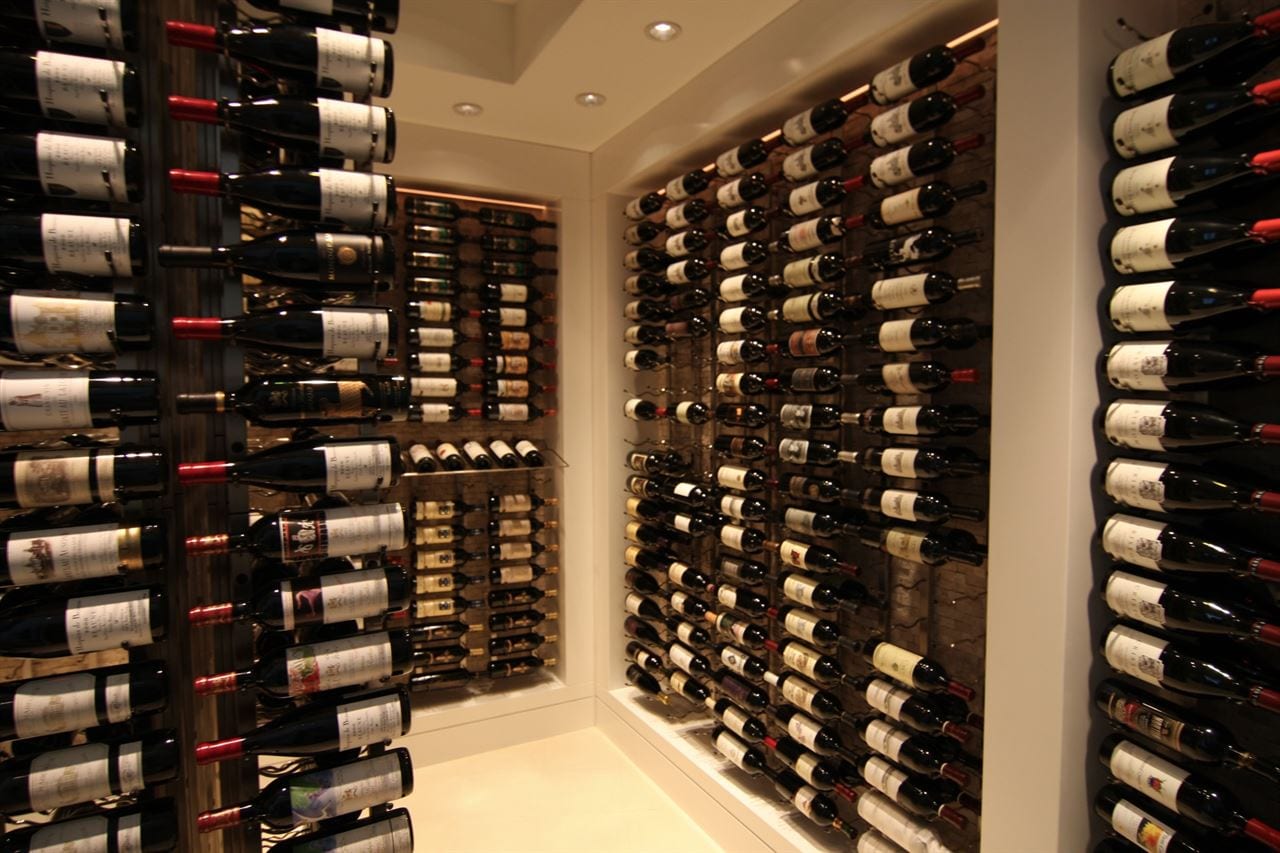
    Hong Kong billionaire Joseph Lau is making waves in the luxury auction scene, preparing to sell a stunning wine collection valued at over HK$35 million (approximately US$5.8 million). This extensive collection features more than 200 lots, highlighting some of the finest wines available.

    Rare Bottles Take Center Stage

    Among the standout selections are exceptional offerings from renowned winemakers such as Henri Jayer and Petrus, alongside exquisite choices from Domaine de la Romanée-Conti. This prestigious auction is a key feature of Christie’s Hong Kong Luxury Week, as reported by Bloomberg.

    The Crown Jewel of the Auction

    The highlight of the auction is likely to be ten exceptional bottles of Henri Jayer’s Vosne-Romanée Cros-Parantoux, which carry an eyebrow-raising estimated price of up to HKD1.4 million. Scheduled for Thursday, this marks Lau’s third collaboration with Christie’s for wine sales, following two very successful auctions in 2022 that together amassed an impressive US$16 million. In fact, several lots from those past sales brought in over double their high estimates, signaling a robust interest in his collection.

    Lau’s Wealth and Controversies

    At 73 years old, Lau stands as a significant player in the auction sphere, both as a collector and a seller. His fortune is estimated at US$5 billion, largely derived from valuable commercial property holdings and a stake in Chinese Estates Holdings Ltd. However, Lau’s property enterprise has encountered hurdles due to a downturn in the Hong Kong real estate market. Additionally, his past includes a conviction for bribery and money laundering in Macau in 2014—yet he has remained a free man due to the lack of an extradition agreement between Macau and Hong Kong.

    With such a high-profile sale and a history filled with both opulence and controversy, it’s clear that Lau continues to be a captivating figure in the luxury sector, where the clink of glasses might just be a reminder of his complex journey.

    Questions & Answers

    **What types of wines are featured in Joseph Lau’s auction?**
    The auction features premium wines, including rare bottles from prestigious winemakers such as Henri Jayer, Petrus, and Domaine de la Romanée-Conti.

    When is the auction taking place?
    The auction is scheduled for Thursday as part of Christie’s Hong Kong Luxury Week.

    What is Joseph Lau’s estimated net worth?
    Joseph Lau’s net worth is estimated at US$5 billion, primarily from commercial property holdings and a stake in Chinese Estates Holdings Ltd.

  • Ocean City Elevates Hanoi Tourism Through Dynamic Visitor Engagement Initiatives

    Ocean City Elevates Hanoi Tourism Through Dynamic Visitor Engagement Initiatives

    Beyond its viral beginnings, Ocean City has blossomed into a vibrant epicenter of culture, entertainment, and lifestyle, captivating enormous crowds and reshaping the regional tourism landscape. What initially sparked social media buzz has transformed into a weekly tourist magnet, drawing in hundreds of thousands of visitors. Notably, the Anh Trai Vuot Ngan Chong Gai concert attracted a staggering 130,000 attendees in just one day, while events like the Korea Travel Festa and the Vincom 20th Anniversary Concert, hosting 30,000 and 20,000 attendees respectively, have culminated in an impressive milestone of over 12 million visitors in 2024.

    Unwavering Appeal Through Year-Round Programming

    Ocean City’s charm thrives on its year-round programming, offering a consistent slate of retail, cultural, and entertainment activities. Daily events—ranging from art performances to community gatherings—keep visitors engaged and encourage them to linger longer. The business ecosystem of Ocean City has matured significantly, demonstrating operational stability complemented by strong commercial performance. With nearly 1,000 stores scattered across themed areas such as The Venice, K-Town, Little Hong Kong, and Sake Village, the hustle and bustle are particularly vibrant on weekends and holidays. Many brands within the fashion, beauty, F&B, and entertainment sectors are delighting in revenue surpassing expectations, proving that Ocean City is as lucrative as it is picturesque.

    A Lifestyle Beyond Living: Residents Weave Community in Ocean City

    For residents like Cho Ducksang, a South Korean national who has called Vietnam home for the past nine years, Ocean City is much more than just a residence. It is a lifestyle hub that fosters relaxation, social connections, and a sense of community. “I often kick off my day with a swim, enjoy fishing on weekends, and relish vibrant nights with friends in Little Hong Kong,” Cho shared, fondly recalling memories from a BBQ festival at Sake Village filled with grilled meats and cold beers. “Even when friends arrive late from Korea, we can always find lively restaurants in Little Hong Kong. It’s where we’ve created many unforgettable evenings.” He cherishes the community events, particularly live music and street performances, which inject vitality into the area each day.

    A Destination Shaped by Experiences

    These enriching experiences fortify Ocean City’s identity, showcasing it not merely as a residential development but as an evolving urban destination where both residents and visitors contribute to its vibrant tapestry. The customer journey is crafted through consistent operations and continual enhancements, rather than relying solely on architecture.

    Thriving Future with Vincom Mega Mall

    Looking forward, Ocean City is poised to elevated its allure with the upcoming Vincom Mega Mall Ocean City set to launch in 2025. Spanning nearly 70,000 square meters, this commercial complex aims to embody the “One-Stop Shoppertainment” model in Vietnam, enhancing visitor experiences through shopping, entertainment, dining, and relaxation. With four experience pillars—Show, Shop, Food, and Fun—the mall plans to introduce several innovative features. Among these is VinPalace, Vietnam’s first theater within a shopping mall, boasting 1,600 seats and state-of-the-art production technology for shows inspired by Vietnamese folklore, representing over $13 million in investment. Moreover, northern Vietnam will welcome its first full-scale Korean-style wellness complex, Aquafield, providing a rejuvenating blend of sauna, jjimjilbang, and specialized massage services in one venue.

    The mall will house more than 150 brands, including well-known names like AEON, Mr. D.I.Y., CGV, Kidzooona, and Phuong Nam Book City. Positioned strategically at the heart of Ocean City, Vincom Mega Mall Ocean City is expected to bolster the momentum that has made Ocean City a trending destination. With its expansive scale, unique amenities, and experiential design, the mall is set to redefine contemporary urban living. “More than just a shopping destination, it promises to be a transformative journey,” remarked a Vinhomes representative, hinting that each visit might just lead you to rediscover a bit of magic.

    Questions & Answers

    What types of events can visitors expect at Ocean City? Ocean City hosts a variety of activities year-round, including concerts, art performances, and community gatherings to keep visitors engaged.

    How has the business ecosystem at Ocean City evolved? With nearly 1,000 stores operating in themed areas, the business ecosystem has matured, showcasing operational stability and robust commercial performance.

    What will Vincom Mega Mall offer that sets it apart? Vincom Mega Mall will introduce Vietnam’s first theater within a shopping mall, alongside a full-scale Korean-style wellness complex, making it a unique destination for shopping and entertainment.

  • UBS Revitalizes Global Wealth Management Division with Strategic Reshuffle

    UBS Revitalizes Global Wealth Management Division with Strategic Reshuffle

    Swiss banking giant UBS is set to unveil a transformative change within its wealth management division, entrusting a former Credit Suisse executive with leading a newly established unit. This exciting development was revealed through an internal memo shared on Tuesday, jointly issued by the co-heads of Global Wealth Management (GWM), Iqbal Khan and Rob Karofsky. A spokesperson for the bank confirmed the organizational shift.

    Introducing Global Connectivity

    Beginning July 1, 2025, Benjamin Cavalli, who currently oversees Strategic Clients, will take charge of the newly formed unit titled “Strategic Clients and Global Connectivity.” This move not only positions Cavalli as a pivotal player in strengthening client relations but also ensures he continues to report directly to Khan and Karofsky as a key member of the GWM Management Team. Additionally, he will maintain oversight over the GWM Executive Chairs and the Global Financial Sponsors Team.

    His mandate is clear: to elevate global connectivity for every client, fostering collaboration across various business areas and functions—a mission that echoes the bank’s commitment to client-centric services.

    A Familiar Face from APAC

    Prior to the merger of Credit Suisse with UBS, Cavalli held the prestigious role of Asia-Pacific head of private banking at his former employer. His extensive experience from this vantage point is anticipated to drive growth and innovation in UBS’s offerings.

    Strengthening Client Services

    In conjunction with these changes, the UHNW Solutions Group, which now resides under Strategic Clients, will transition to GWM Solutions. Notably, the Strategic Client Coverage and Next Generation Solutions teams will be incorporated into Cavalli’s new unit, integrating their expertise to enhance service delivery.

    With this reshuffle, UBS aims to bolster its ultra-high-net-worth offerings and promote improved regional collaboration, ultimately benefiting its clientele. More specifics on the transition are expected to be announced soon, leaving many optimistic about what’s to come.

    Questions & Answers

    What is the primary focus of the newly formed unit at UBS?
    The new unit, “Strategic Clients and Global Connectivity,” will focus on enhancing global connectivity for clients and improving collaboration across various business areas within UBS.

    Who will lead the new unit at UBS?
    Benjamin Cavalli, currently the Head of Strategic Clients, will take the lead on July 1, 2025.

    What changes will occur to the UHNW Solutions Group?
    The UHNW Solutions Group will be relocated to GWM Solutions, although the Strategic Client Coverage and Next Generation Solutions teams will join Cavalli’s new unit instead.

  • LINE FRIENDS Partners with UK IP ‘Ketnipz’ to Accelerate Global IP Expansion

    LINE FRIENDS Partners with UK IP ‘Ketnipz’ to Accelerate Global IP Expansion

    Global character brand LINE FRIENDS partners with social media sensation Ketnipz to expand its footprint in North America and Asia

    • LINE FRIENDS (corporately known as IPX) has officially partnered with Ketnipz, the popular character-driven brand with over 10 million fans across social media platforms.

    • This highly-anticipated collaboration aims to grow the Ketnipz IP on a global scale, leveraging LINE FRIENDS’ storytelling expertise, global infrastructure and creative vision.

    • The partnership will focus on expanding Ketnipz’s presence in key markets such as North America and Asia through licensing opportunities, brand collaborations and original content development.

    With a strong fanbase in Europe and the U.S., Ketnipz brings a unique cultural resonance that, combined with LINE FRIENDS’ global reach, is expected to strengthen both brands’ influence in the international IP landscape.

    LINE FRIENDS (corporately known as IPX) is proud to announce its partnership with Ketnipz, the UK-born character IP that has captured the hearts of over 10 million fans worldwide, through its unique illustrations, relatable story-telling and always-uplifting messages. The partnership grants rights for Ketnipz in South Korea and China, with plans to scale IP activities across various countries and regions, including North America.

    Ketnipz, created by Welsh artist Harry Hambley in 2016, has gained viral popularity primarily in Europe and North America through its genuine, relatable content, with themes of self-love and positivity. The brand began with just one character “Bean” but has since expanded its universe with additional characters such as ‘Nana Bean’, ‘Catto’ and ‘Doggo’. Ketnipz holds a strong online presence through social media platforms, including Instagram, TikTok and YouTube, with over 10 million global fans following. The brand has extended its IP global footprint through collaborations with major global companies like McDonald’s, Instagram, Casetify and Samsung.

    LINE FRIENDS, with over a decade of expertise developing its globally loved original character IPs like LINE FRIENDS and BT21, is well positioned to partner with Ketnipz and expected to bring the unique identity of Ketnipz through Gen Z trends worldwide. The partnership will expand its business not only in Asia but in Europe and North America.

    LINE FRIENDS plans to leverage its IP business capabilities to expand Ketnipz’s presence across Asia while solidifying its leadership in the global IP market. By utilizing its broad network of LINE FRIENDS flagship stores, partnerships with major global brands and diverse business models including licensing, collaborations and content development, LINE FRIENDS will be expanding Ketnipz’s business in Asia and North America.

    LINE FRIENDS has previously led the successful expansion of South Korean IPs such as JOGUMAN, DINOTAENG and MONAMHEE, offering unique IP experiences to fans beyond the home country. The company expects partnering with Ketnipz will further strengthen its presence in the Western market.

    LINE FRIENDS representative stated, “Ketnipz IP has delivered joy and connection with their audience through its heartwarming messages and storytelling. As a leader in global IP business, we believe the company can bring great success with Ketnipz in Asia as well as global markets. Building on our successful global expansion with South Korean IPs, we expect to lead the UK-based IP Ketnipz into the Asian market and will continue to discover character IPs to bring new IP experiences for global fans.”

  • Dollar Edges Up Slightly Against Vietnamese Dong in Currency Markets

    Dollar Edges Up Slightly Against Vietnamese Dong in Currency Markets

    The U.S. dollar edged up slightly against the Vietnamese dong on Tuesday morning, indicating a modest shift in currency dynamics.

    Dollar Movement in Vietnam

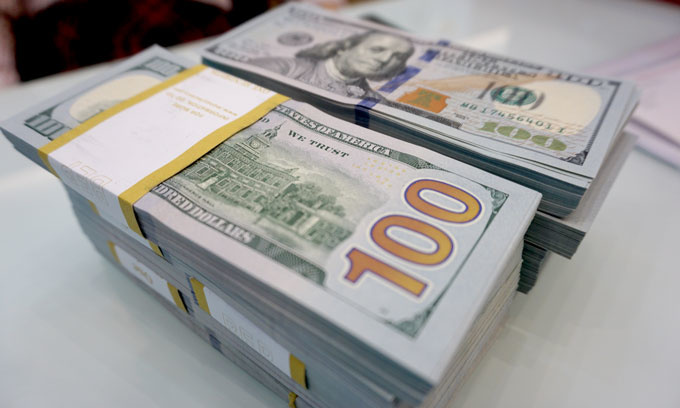
    Vietcombank pegged the dollar at VND26,140, reflecting a 0.08% gain from Monday’s figures. Meanwhile, the State Bank of Vietnam adjusted its reference rate, increasing it by 0.008% to VND24,968. In the black market, the dollar was trading at VND26,440, marking a 0.04% rise. Since the start of the year, the dollar has appreciated by 2.31% against the dong—steady progress for the greenback.

    Global Context

    On the global stage, the dollar held its ground after a week of downward trends, caught between concerns from the Federal Reserve regarding the state of the economy and increasing discussions among U.S. lawmakers about a bill poised to inflate the nation’s fiscal deficit, as reported by Reuters. In Japan, the dollar remained stable at 144.87 yen, nudging slightly after dipping to 144.66, the lowest since May 8. Despite recent fluctuations, the dollar index showed little movement following a 0.6% drop in the previous session. Notably, it has plummeted 10.6% since its January peak, marking one of the steepest declines over a three-month span.

    As the dollar dances with the dong and global markets ponder economic policies, one has to wonder—will the greenback keep gaining traction or will it step aside for other currencies?

    Questions & Answers

    **What is the current exchange rate of the U.S. dollar against the Vietnamese dong?**
    The U.S. dollar is currently at VND26,140 according to Vietcombank.

    How much has the dollar increased against the dong since the year began?
    The dollar has risen by 2.31% against the dong since the beginning of the year.

    What are the main factors influencing the dollar’s performance globally?
    Key factors include the Federal Reserve’s cautious approach to the economy and legislative moves in the U.S. that may impact the fiscal deficit.