Author: Mei Ling Tan

  • Chinese Cherries Delight Vietnamese Consumers, Priced Sweetly at $19 per Kilogram

    Chinese Cherries Delight Vietnamese Consumers, Priced Sweetly at $19 per Kilogram

    Thanh Loan recently indulged her taste buds in Ho Chi Minh City by purchasing 2 kilograms of premium Chinese cherries for nearly VND1.2 million. To her delight, these cherries were not only more affordable than their counterparts from the U.S. or Australia but also offered a significant quantity—two kilograms for the same price that would typically fetch just one.

    What swung her vote in favor of Chinese cherries? It was their meticulous greenhouse cultivation, devoid of chemical fertilizers or growth stimulants, ensuring a product that is both delicious and healthy. Vendors have recently introduced Chinese cherries as a striking new option on the Vietnamese fruit scene. These cherries, resembling their Australian cousins in size, boast a sweet flavor and a satisfyingly crispy texture.

    Fresh from Orchard to Table

    “They are harvested and air-freighted, arriving in Vietnam within one or two days, which helps maintain their freshness,” explains Han, a vendor in HCMC. However, due to limited supplies, her shop typically receives only a few dozen crates per shipment.

    Phuong, a representative of an import company in the city, mentions that they have acquired approximately 100 crates of these luscious fruits. “I always recommend storing them in the refrigerator and consuming them within a week since they contain no preservatives,” she adds, highlighting the cherries’ short shelf life.

    While these greenhouse cherries have begun to make their mark, a report from the Thu Duc Agricultural Wholesale Market reveals that they have not yet been officially imported, primarily due to low production levels that result in most of them being hand-carried into the country.

    The Cherry Story from China

    Yantai in Shandong Province holds the distinction of being the first region in China to pioneer greenhouse cherry cultivation. Cherries from this area are typically sold between CNY45 and CNY55 (about US$4.8–7.6). In contrast, cherries from Wafangdian in Dalian have reached a jaw-dropping CNY130 this year, marking them as the priciest cherries in China.

    China’s cherry cultivation spans over 1.5 million acres, reflecting a robust 12% increase from last year. Around 50,000 acres in Shandong are devoted to greenhouse cherries, contributing 100,000 tons, or a quarter of the nation’s total production.

    However, growers are grappling with soaring production costs. The construction of a single acre of greenhouse facilities in Shandong now costs about 150,000 yuan, a 12% increase from the previous year. Additionally, the daily wage for fruit pickers has surged to CNY200, representing a staggering 40% rise since 2020, and hinting at the ever-evolving landscape of fruit production.

    Who knew cherry troubles could be this complex? Next time you savor your cherries, think of the journey they took to reach your table!

    Questions & Answers

    **What are the benefits of choosing Chinese cherries?**
    Chinese cherries are cultivated in greenhouses without chemical fertilizers or growth stimulants, making them a healthier choice.

    Why are these cherries in limited supply?
    Their limited supply is due to ongoing low production levels, and most cherries are currently hand-carried into Vietnam.

    How do the prices of Chinese cherries compare to others?
    The price of Chinese cherries can provide better value, with 2 kilograms available for the same cost as just 1 kilogram of U.S. or Australian cherries.

  • Vietnam Surges Into Global Top 10 for Social Media Users!

    Vietnam Surges Into Global Top 10 for Social Media Users!

    As digital and social media marketing gains traction, it has become a hotbed for study, promising enticing career opportunities and competitive salaries. The scene is lively in Vietnam, where office workers scroll through social media during lunch breaks, homemakers shop for groceries via mobile apps, and small business owners harness Facebook as their primary sales channel. Both urban and rural consumers are diving headfirst into the digital realm.

    The latest “Digital Vietnam 2024” report by We Are Social reveals some staggering figures: as of January 2024, Vietnam boasts over 168 million mobile connections—outstripping its total population—with 78 million internet users and 72.7 million social media enthusiasts. This dramatic spike signals a substantial shift in consumer preferences toward digital platforms.

    Digital Advertising Soars

    As social media becomes more integral to daily life, businesses are ramping up their investment in digital marketing. Projections by Statista estimate Vietnam’s digital advertising spend will soar to a staggering US$1.8 billion by 2028, reflecting a compound annual growth rate of over 9%. This trend underscores a significant transition from traditional advertising to online avenues.

    The thirst for digital marketing professionals is palpable. In particular, roles related to social media are in high demand, with starting salaries reaching as high as 40 million Vietnamese dong (US$ 1,543) per month, depending on experience and position.

    A survey from British University Vietnam (BUV) highlights that 40%-50% of graduates in digital marketing and social media from international universities find themselves in multinational firms or abroad, drawing starting salaries around VND 30 million (US$ 1,157) monthly.

    Adapting Curricula to New Demands

    In response to this growing demand, Vietnamese universities are revamping their curricula to include modules on digital and multi-platform communication. Starting in 2025, BUV will roll out a Digital & Social Media Marketing program that emphasizes hands-on application and practical skill development.

    According to a BUV representative, while many existing programs merely skim the surface of digital marketing, BUV’s approach takes a deep dive into social media—a key player in shaping consumer behavior and brand strategies.

    Comprehensive Training for a Digital Age

    Social media has transformed into a multifaceted ecosystem that significantly influences brand visibility, customer behavior, and business strategy. Thus, training in this sphere now goes well beyond running ads or crafting content; it encompasses building online communities, analyzing consumer data, navigating communication crises, and tracking engagement in real time.

    “This is precisely why BUV has developed a program that specializes in social media content. It ensures students emerge not just as technically adept marketers but as savvy influencers who can seamlessly connect brands with a digitally active society where Gen Z and Gen Alpha continuously interact and shape trends,” said Dr. Tingting Xie, Program Lead of the Digital & Social Media Marketing Program.

    The program boasts a unique “closed-loop” learning structure, starting with market trend analysis and consumer behavior insights. Students then learn to apply modern digital tools to real-world situations, develop marketing strategies aligned with business goals, and finally engage in hands-on exercises through projects, simulations, and team assignments.

    Blending Theory and Practice

    The program ensures a balanced approach, with students benefitting from lectures infused with industry insights. Company visits, expert talks, consultancy projects, and competitions tackling real business challenges enrich their learning experience. This approach guarantees that graduates are not only academically astute but also fully equipped to transition seamlessly into the workforce.

    As digital economies continue to expand and social media usage climbs, digital marketing is solidifying its position as a strategic career path for those seeking to thrive in this rapidly transforming market.

    BUV stands out as the first university in Vietnam to earn a QS 5-star rating, making it the first in both Vietnam and ASEAN accredited by the U.K.’s Quality Assurance Agency (QAA). Its programs are tailored to meet industry needs, harmonizing academic excellence with practical experience. BUV proudly reports a remarkable 100% rate of graduate employment or further study within three months of graduation.

    Questions & Answers

    What is the projected growth of digital advertising spending in Vietnam?
    Digital advertising spending in Vietnam is expected to reach US$1.8 billion by 2028, with a compound annual growth rate exceeding 9%.

    How does BUV’s Digital & Social Media Marketing program differentiate itself?
    BUV’s program uniquely emphasizes social media, enhancing students’ technical skills while fostering their abilities to connect brands with consumers in the digital age.

    What opportunities are available for graduates in this field?
    Graduates of digital marketing programs in Vietnam often find lucrative roles in multinational companies or pursue opportunities abroad, with many receiving attractive starting salaries.

  • Singaporeans Embrace Affordable Luxury in China’s Flourishing High-End Hotel Scene

    Singaporeans Embrace Affordable Luxury in China’s Flourishing High-End Hotel Scene

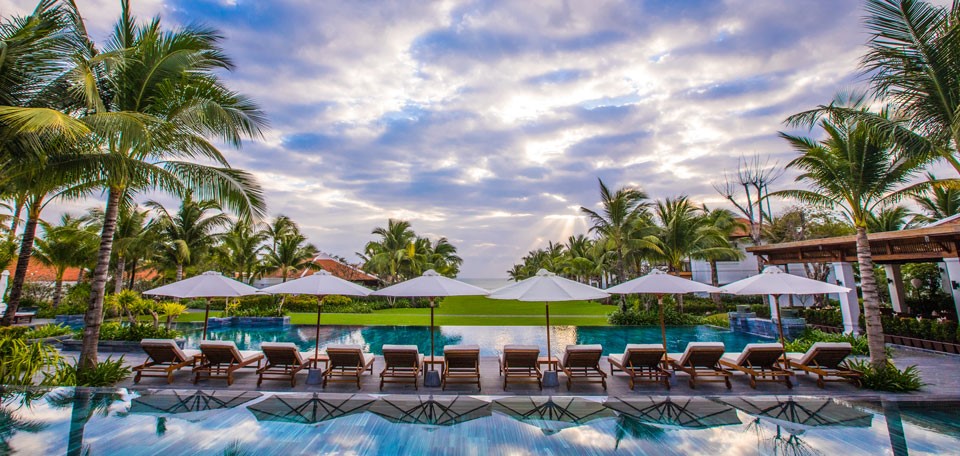
    The high-end hotel landscape in China is undergoing a vibrant transformation, with a flurry of new establishments rising from the urban skyline to serene natural retreats. This dynamic boom is creating fresh opportunities for travelers, especially those from Singapore.

    Hilton’s Ambitious Expansion

    Take Hilton, for example. The hospitality giant has expanded its footprint to over 840 hotels across China and Mongolia, officially recognized as the “fastest-growing international hospitality company” in the region by Wendy Huang, senior vice-president and commercial director for Greater China and Mongolia. Between now and 2024, Hilton plans to open more than 100 new hotels each year. Currently, it boasts 17 luxury properties and aims to double that number within the next decade.

    Marriott’s Growing Portfolio

    In a similar vein, Marriott International has over 600 properties scattered across approximately 140 locations in China. The company operates 70 luxury hotels and has 40 more under development, further enriching the high-end lodging options for international travelers.

    Revival of Interest Among Singapore Travelers

    The flourishing luxury hotel scene is reviving interest in Chinese destinations among Singapore travelers, as reported by The Straits Times. Flight searches from Singapore to Lijiang in Yunnan province skyrocketed by 410% year-on-year in the first half of 2024, according to Skyscanner’s 2025 Travel Trends report.

    Paralleling this trend, Hilton’s 2025 Trends Report highlights China as a top choice among Singapore-based travelers during the holiday season from late December to early January. Notably, searches for Shanghai and Guangzhou surged by 81% and 87%, respectively, with 23% of Gen Alpha and Gen Z travelers expressing significant interest in visiting China.

    Significant Arrival Increases

    This renewed curiosity is translating into increased arrivals. Last year, approximately 535,000 travelers from Singapore visited China, more than doubling from 260,000 in 2023, according to Oxford Economics. While still shy of pre-pandemic levels of over a million visitors annually, this surge indicates a robust recovery in travel demand, as reported by the South China Morning Post.

    Yunnan: A Hot Destination for Singaporeans

    Nitesh Pandey, chief operating officer for Asia Pacific at hotel management company The Lux Collective, noted that the number of Singapore tour groups to China spiked fivefold between June 2023 and June 2024, particularly highlighting Yunnan-Guizhou-Sichuan as a favored route. “Yunnan is quickly becoming one of the most desired destinations for Singaporeans, celebrated for its scenic beauty and the rich cultural tapestry of 25 of China’s 56 minor ethnic groups,” Pandey remarked to TTG Asia.

    Affordable Luxury

    The affordability of these luxury hotels is a major draw for Singaporeans, bolstered by a strong exchange rate and fierce competition among China’s vast hotel offerings. The Singapore dollar has appreciated against the yuan from 4.61 in December 2021 to 5.55 this past Thursday, making lavish accommodations much more accessible. For instance, a night at Hilton Shanghai City Center in September is priced at around S$211 (US$162), significantly less than Hilton Osaka’s rate of S$408.

    “When comparing four- to five-star hotel prices in China with other destinations, you’re often getting much more value for your money,” stated Edmund Ong, senior regional director for Southeast Asia at the online travel agency Trip.com. Many Singaporeans returning from trips to China echo this sentiment about the country’s affordable luxury.

    Take cybersecurity professionals Lionel Wee, 34, and Joanna Lee, 27; they enjoyed four nights at the InterContinental Haikou Seaview for just S$421 in April. “For an upscale hotel, this is a steal, even if it’s considered on the pricier side for China,” remarked Lee. The duo had also stayed at Glenview ITC Plaza Chongqing last October, spending S$700 for six nights. “I now want to visit China at least once a year; it’s becoming my go-to like Bangkok or Bali—relaxed and easy,” shared Wee.

    Jordy Cheah, who has visited China seven times in the last year, cited affordability as a major allure, alongside the country’s captivating nature, convenience, and vibrant local culture. “It’s close to mountains and lakes, has great weather, delicious fresh produce, and a slower pace of life—all while enjoying plentiful lodging options that are generally cheaper than in Singapore,” mentioned Cheah, a 28-year-old tech sales representative.

    Questions & Answers

    What makes China an attractive destination for Singaporean travelers?
    China offers a rich blend of scenic beauty, cultural diversity, and affordable luxury accommodations, making it a compelling choice for travelers from Singapore.

    How much has travel interest from Singapore to China increased?
    Flight searches from Singapore to various Chinese cities have surged significantly, with a notable 410% increase in interest towards Lijiang.

    What does the current hotel pricing in China look like compared to other destinations?
    Luxury hotel prices in China are generally viewed as more affordable than those in destinations like Japan, with many travelers expressing satisfaction with the value they receive during their stays.

  • Dollar Gains Ground Against Dong in Black Market Trading

    Dollar Gains Ground Against Dong in Black Market Trading

    The U.S. dollar nudged upward on the black market this past Saturday morning, reflecting a subtle shift in the currency landscape. Unofficial exchange points reported selling the greenback at VND 26,550, marking a 0.19% increase from yesterday’s figures. In contrast, Vietcombank held its rate steady at VND 26,110, while the State Bank of Vietnam maintained its reference rate at VND 24,960. So far this year, the dollar has appreciated 3.91% against the dong.

    Globally, the dollar experienced a boost on Friday, buoyed by the latest economic data revealing a rebound in import prices. However, consumer sentiment remained weak due to growing tariff concerns, setting the stage for the dollar’s fourth consecutive weekly rise, according to reports from Reuters. The week unfurled with a startling 1% surge on Monday, thanks to a surprising announcement from the U.S. and China—a 90-day pause on the majority of tariffs levied against each other’s goods since early April, which quelled fears of a potential global recession. However, the currency saw some downward pressure later in the week partly attributed to lackluster economic data.

    Meanwhile, the dollar index, which gauges the value of the greenback against a selection of currencies, climbed 0.36% to reach 101.13, with the euro slipping 0.37% to $1.1146. It seems the dollar still has a few tricks up its sleeve, keeping traders on their toes.

    Questions & Answers

    What was the dollar’s new rate on the black market?
    The dollar was sold at VND 26,550, which represents a 0.19% increase from Friday.

    How does the dollar’s movement compare to Vietcombank and the State Bank of Vietnam’s rates?
    Vietcombank’s rate remained unchanged at VND 26,110, while the State Bank of Vietnam held its reference rate steady at VND 24,960.

    What factors influenced the dollar’s recent rise?
    A rebound in import prices and a 90-day pause on tariffs between the U.S. and China fueled the dollar’s rise, despite ongoing concerns about consumer sentiment and sluggish economic data.

  • L’Oréal Appoints First Chief Innovation and Prospective Officer, Signaling Bold Future Ahead

    L’Oréal Appoints First Chief Innovation and Prospective Officer, Signaling Bold Future Ahead

    L’Oréal is entering a new era as it welcomes Delphine Viguier Hovasses to its executive ranks. Starting July 1, 2025, she will assume the role of the company’s first Chief Innovation and Prospective Officer, a position tailor-made for steering the beauty giant’s innovation teams and the Strategic Prospective Department. Hovasses’ appointment signifies a robust commitment to bolstering L’Oréal’s leadership in the beauty sector through forward-thinking strategies that blend technology, science, and product development seamlessly.

    Hovasses is no stranger to the L’Oréal family; she began her journey with the company as an engineer in 1997. Over the years, she has forged a remarkable path, marked by her leadership prowess and marketing savvy, with a particular emphasis on innovation. In a notable achievement in 2019, she became the first woman to take the helm of L’Oréal Paris globally. Since then, she has overseen the launch of blockbuster products like the Elsève Glycolic Gloss and Panorama Mascara, solidifying the brand’s reputation as the leading name in beauty.

    Her influence extends beyond product innovation. Hovasses directed major initiatives like “Le Défilé” at Paris Fashion Week and amplified L’Oréal’s presence at the Cannes Film Festival. She’s also a vocal advocate for societal issues, evidenced by her leadership in the Stand-Up program against street harassment, which has empowered nearly 3 million individuals worldwide.

    As Delphine Viguier Hovasses steps into her new role, fans of L’Oréal can eagerly anticipate a wave of cutting-edge innovations poised to reshape the beauty landscape. Who says corporate appointments can’t be exciting? After all, the future of beauty is in capable hands!

    Questions & Answers

    Who is Delphine Viguier Hovasses?
    Delphine Viguier Hovasses is the newly appointed Chief Innovation and Prospective Officer of L’Oréal, effective July 1, 2025.

    What are her main responsibilities in her new position?
    She will lead L’Oréal’s innovation teams and the Strategic Prospective Department, steering the company’s future-focused strategies in technology, science, and product development.

    What milestones did she achieve during her career at L’Oréal?
    Hovasses became the first woman to lead L’Oréal Paris globally in 2019 and has successfully launched major products while advocating for social initiatives like the Stand-Up program against street harassment.

  • Jackfruit Prices Plummet to Just 15 Cents Per Kilogram in Vietnam’s Market

    Jackfruit Prices Plummet to Just 15 Cents Per Kilogram in Vietnam’s Market

    The price of Thai jackfruit, a staple in Vietnam’s bustling agricultural markets, has taken a steep dive, slashing in half to VND4,000–10,000 (15–39 U.S. cents) per kilogram over just a month. This drastic decline has alarmed local farmers, particularly in the Mekong Delta, where the fruit is predominantly cultivated.

    Challenges from Trade Regulations

    The primary reason behind this tumble lies in tightening import protocols from China, a vital market for Vietnamese jackfruit. Stricter regulations surrounding banned substances and pesticide residues have left farmers grappling with a sharp decline in demand. Recent months have seen orchards in the key jackfruit-growing provinces of Ben Tre and Tien Giang trimming prices for top-quality produce—once the pride of their harvests.

    One local farmer, Hung, who tends to 40 jackfruit trees, expressed his growing concern. He recently sold three tons of his haul for VND5,000–8,000 per kilogram, far below his production costs of VND9,000–12,000. “If prices remain low, my family will suffer heavy losses this year,” he lamented, underscoring the grim reality facing many farmers.

    Rising Costs and Stiff Competition

    Adding to the farmers’ woes are rising expenses for fertilizer and labor. Traders are also skittish due to the sudden elevation of quality standards imposed by Chinese authorities. Compounding these challenges is competition from an array of other seasonal fruits, including watermelon, lychee, mango, and mangosteen, which further dilutes the market for jackfruit.

    The entire export landscape seems bleak, with the first quarter of 2025 witnessing a 13% drop in jackfruit exports compared to the previous year, totaling $70 million. As farmers face an uncertain future, one can only wonder: can this beloved fruit stage a comeback, or will it continue to face challenges in the changing market landscape?

    Questions & Answers

    What factors have contributed to the fall in jackfruit prices in Vietnam?
    The prices have dropped due to stricter import regulations from China regarding pesticide residues and banned substances, along with rising production costs and competition from other fruits.

    How have local farmers reacted to the price drops?
    Many farmers, like Hung, are experiencing significant financial strain, selling their produce at prices well below their production costs and fearing heavy losses.

    What are the prospects for jackfruit exports moving forward?
    With exports already down 13% in early 2025 compared to last year, the future looks uncertain unless farmers can adapt to market demands and pricing challenges.

  • Singapore Airlines Shower Employees with Bonuses Exceeding Seven Months’ Salary in Generous Reward Initiative

    Singapore Airlines Shower Employees with Bonuses Exceeding Seven Months’ Salary in Generous Reward Initiative

    Singapore Airlines is celebrating its remarkable financial performance by rewarding its employees with a substantial bonus equivalent to 7.45 months of salary. This generous payout is a gesture of appreciation for the hard work and dedication that staff exhibited during the fiscal year ending March 31, which saw the airline achieve a record annual net profit of S$2.78 billion (approximately US$2.1 billion), as reported by The Straits Times.

    Recognizing Commitment Amid Challenges

    Although the bonus is slightly less than last year’s impressive 7.94 months, it comes amidst a cautious outlook. On Thursday, the airline warned that global trade tensions and geopolitical uncertainties might impact both travel and cargo demand, according to Bloomberg.

    Within the 2024 fiscal year, Singapore Airlines enjoyed a notable boost from a one-off gain of about S$1.1 billion generated from its merger with Vistara, which was completed in November. Group revenue surged by 2.8% year-on-year to a record S$19.54 billion, driven by consistent air travel and strong cargo demand. Cargo revenue rose by 4.4% as e-commerce and perishable goods gained momentum, although competition led to a 7.8% drop in freight yields.

    Operating profit took a hit, dropping 37% to S$1.71 billion, primarily due to a 5.5% decline in passenger yields, impacted by the airline industry’s expanded capacity, as reported by CNA.

    Despite navigating fluctuations in tariff policies and ongoing supply chain issues, Singapore Airlines remains vigilant, promising to adapt quickly to the changing landscape while keeping its workforce in high spirits. After all, who doesn’t enjoy a little extra cash in their pocket?

    Questions & Answers

    What is the amount of the bonus Singapore Airlines is providing?
    The airline is providing each employee with a bonus worth 7.45 months of salary.

    How did Singapore Airlines perform financially in the 2024 fiscal year?
    The airline reported a record annual net profit of S$2.78 billion and a group revenue increase of 2.8% year-on-year, totaling S$19.54 billion.

    What challenges is Singapore Airlines facing in the coming months?
    The airline cited global trade frictions and geopolitical uncertainties as potential factors that could impact travel and cargo demand.

  • Thailand Abandons Controversial $300 Handout for Young Citizens

    Thailand Abandons Controversial $300 Handout for Young Citizens

    The Thai government has decided to put the brakes on its ambitious initiative to grant THB10,000 (approximately US$300) to every citizen aged 16–20, citing escalating global economic uncertainties.

    Changing Economic Landscapes

    This pivot comes as the nation grapples with significant hurdles in its export and manufacturing sectors, influenced by wider global economic trends. Deputy Prime Minister and Finance Minister Pichai Chunhavajira emphasized Thailand’s determination to secure a GDP growth rate exceeding 3% in 2025, as reported by *The Nation*.

    The original plan would have seen 2.7 million young individuals benefit from the financial boost, requiring a staggering THB27 billion (US$814 million) in total handouts. However, a government insider disclosed that the predicted economic instability later this year has led to a comprehensive reassessment of the stimulus strategy.

    Redirecting Funds for Maximum Impact

    In response, the government will redirect THB157 billion from its central emergency and contingency budget towards more targeted economic initiatives. Prime Minister Paetongtarn Shinawatra has indicated that the focus will shift to inclusive economic stimulus policies that span all demographics, rather than zeroing in on a single age group.

    “This is a global economic crisis. We need to harness both our financial resources and policy tools to invigorate the entire economy,” the Prime Minister stated. And let’s face it—while our youth may be a priority, everyone deserves a slice of the economic pie!

    Questions & Answers

    Why did the Thai government cancel the youth cash handout program?
    The government scrapped the initiative due to rising global economic uncertainties affecting Thailand’s export and manufacturing sectors.

    What will happen to the funds originally allocated for the THB10,000 handout?
    The THB157 billion will be repurposed from the emergency budget into more targeted economic initiatives aimed at benefiting all age groups.

    Is the Thai government still targeting GDP growth?
    Yes, Deputy Prime Minister Pichai Chunhavajira reaffirmed the government’s commitment to achieving over 3% GDP growth in 2025, despite the challenges ahead.

  • Vietnam Airlines Eyes Ambitious Expansion with Demand for 50 New Aircraft

    Vietnam Airlines Eyes Ambitious Expansion with Demand for 50 New Aircraft

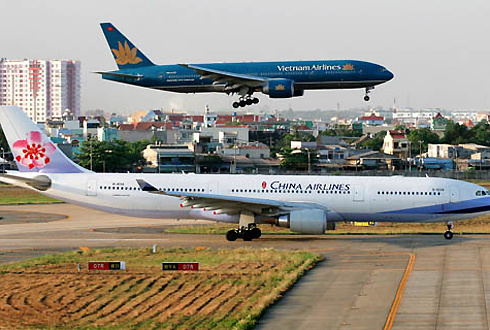
    Vietnam Airlines is soaring to new heights, aiming to bolster its fleet with a minimum of 50 additional aircraft as part of a robust strategy to expand its operations amidst a global jet shortage. During an extraordinary general meeting on Thursday, Chairman Dang Ngoc Hoa revealed that these acquisitions are vital for the airline’s recovery from the pandemic, as it prepares to launch or resume services on 15 international routes this year.

    As part of its ambitious plans, the state-owned carrier recently received government approval for the procurement of 50 narrow-body aircraft and 10 spare engines, with an eye-popping price tag of nearly US$3.7 billion. Currently boasting a fleet of 100 aircraft, Vietnam Airlines anticipates reaching 137 by 2030 and 164 by 2035.

    However, the clock is ticking. With soaring global demand for commercial aircraft, the airline must act swiftly to place orders that ensure delivery before 2030. Failing to do so may push Vietnam Airlines into a tricky situation, where it will have to lease planes starting in 2027—a scenario none would prefer.

    Adding to the urgency are ongoing technical difficulties with Pratt & Whitney engines, which have grounded 15 narrow-body Airbus A321 aircraft while four wide-body Airbus A350 are undergoing maintenance. As a result of this aircraft shortage, the remaining planes are working overtime, averaging 11.5 flight hours each day—a significant jump from the pre-Covid average of 10 hours.

    In a nod to its expansion ambitions, shareholders have also endorsed a move for Vietnam Airlines to issue more shares, raising VND22 trillion (approximately $848 million) in 2025 and 2026.

    With eyes set firmly on the future, the airline not only hopes to strengthen its fleet but also to reclaim its position as a key player in the competitive skies.

    Who knew managing a fleet could be as complex as a game of chess?

    Questions & Answers

    What is the purpose of Vietnam Airlines’ plan to acquire new aircraft?
    The plan to acquire new aircraft aims to support the airline’s ambitious expansion plans and boost its recovery post-Covid by launching or resuming services on 15 international routes this year.

    What approval did Vietnam Airlines recently receive?
    Vietnam Airlines received government approval for the purchase of 50 narrow-body aircraft and 10 spare engines at a cost nearing US$3.7 billion.

    How many aircraft does Vietnam Airlines currently operate?
    The airline currently operates a fleet of 100 aircraft and plans to expand to 137 by 2030 and 164 by 2035.

  • Uma Nota and Bedu to shut down in Hong Kong this summer

    Uma Nota and Bedu to shut down in Hong Kong this summer

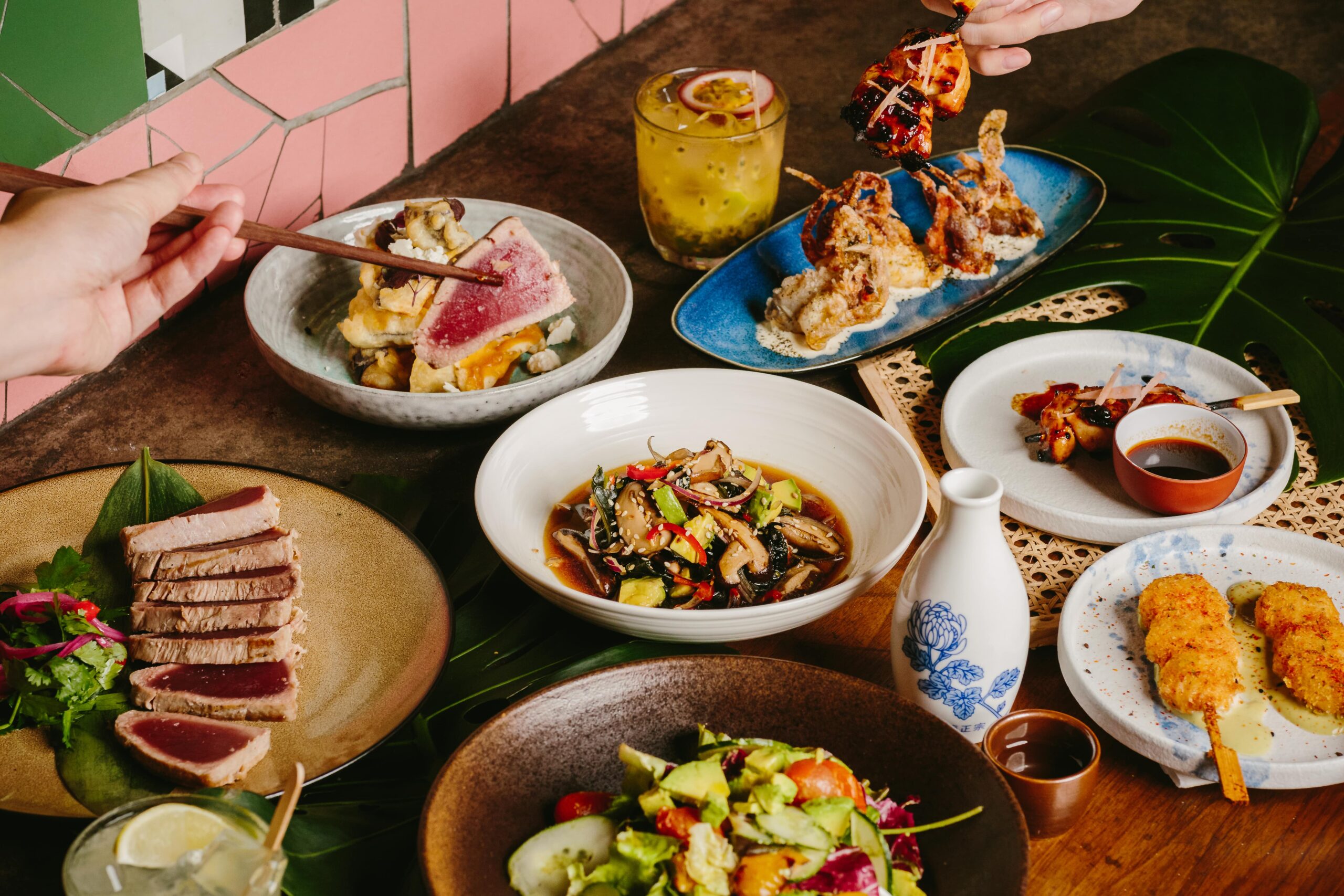
    Navigating Hong Kong’s culinary industry presents a challenging venture, as escalating rental rates, consumers seeking cheaper alternatives in Mainland China, and stiff rivalry between establishments create a tough business environment. These factors are placing a strain on the operations of numerous local eateries, compelling them to make difficult calls. Regrettably, after eight years of service in Central, Uma Nota and Bedu, entities of Meraki Hospitality, are set to close their operations on June 21. Brother and sister duo Alex and Laura Offe, who established Meraki Hospitality in 2018, have left a significant imprint on the local gastronomic scene with their unique restaurant offerings.

    The Closure Decision

    The hospitality group attributed the decision to shut both restaurants to the escalating costs and evolving Hong Kong market conditions. The founders also consider this pause an opportunity for reflection, rejuvenation, and the conception of novel ideas.

    The closure of the restaurants represents a poignant moment for the founders, who cherish the relationships and memories built over time. Alex expressed his gratitude to their community and looked forward to welcoming everyone back with fresh concepts in the future.

    Legacy of the Restaurants

    Uma Nota, the first Brazilian-Japanese restaurant in Hong Kong, commenced operations in 2017, providing a unique twist on Brazilian botecos, a popular social spot serving drinks and appetizers. Taking advantage of its success, Meraki Hospitality expanded the Uma Nota brand into cities like Paris in 2018 and Manila in 2024. The second restaurant, Bedu, opened its doors in 2018 on Gough Street. It served modern interpretations of traditional Middle Eastern dishes, quickly becoming a key establishment in the community.

    Meraki Hospitality’s Future Plans

    Even with the closure of their current establishments, the Offe siblings have plans for the future. They are set to introduce Sabai, a luxurious Thai restaurant, in Manila. While details about their future ventures in Hong Kong are yet to be disclosed, they are optimistic about making a comeback in the city’s dining scene.

    Questions & Answers

    Why are Uma Nota and Bedu closing?
    The closure of Uma Nota and Bedu is primarily due to the rising operational costs and changing market dynamics in Hong Kong.

    What are the future plans of Meraki Hospitality?
    Meraki Hospitality is gearing up to launch a high-end Thai restaurant, Sabai, in Manila. Although details about their future plans in Hong Kong are not yet available, they are hopeful about making a return.

    What was unique about the restaurants Uma Nota and Bedu?
    Uma Nota was the first Brazilian-Japanese restaurant in Hong Kong, providing a unique twist on Brazilian botecos. Bedu, on the other hand, was known for its modern take on classic Middle Eastern dishes.

  • Korean retailers struggle amid sluggish demand

    Korean retailers struggle amid sluggish demand

    The initial quarter of 2025 has proven challenging for South Korea’s department store sector due to a slow down in local consumption that has greatly affected sales and profits. Lotte Department Store stood as the exception, recording a significant growth in profits, which has been attributed to excellent performance in overseas operations and effective internal restructure.

    Lotte Department Store’s Rise in Profits

    Lotte Department Store’s operating profit rose by 44.3% year-on-year, reaching 130 billion won in the first quarter, despite a minor decline of 1.1% in revenue to 806.3 billion won. The company attributes the profit surge to aggressive cost-efficiency measures, including shutting down underperforming stores and reinvesting in primary locations. Another contributing factor was the gain from its international business, which saw a 6.2% increase in revenue and bounced back into profitability.

    Struggles of Competitors

    Contrarily, competitors Shinsegae and Hyundai Department Store did not meet their projected performance. Shinsegae’s revenue fell by 0.8% to 659 billion won, with the operating profit decreasing by 5.1% to 107.9 billion won. Similarly, Hyundai reported a 0.8% drop in sales to 589 billion won and a 5.7% decline in operating income to 97.2 billion won.

    The downturn has been attributed to poor performance across nearly all product categories due to increasing consumer pessimism and colder-than-average winter, which negatively affected fashion sales – a category that typically makes up to 50% of annual department store revenue. According to one department store industry official, a combination of domestic and global challenges, including political instability due to emergency rule, increased trade uncertainty due to US tariff actions, and unpredictable weather conditions have all contributed to the downturn.

    E-Mart’s Successful First Quarter

    In the big-box retail sector, E-Mart led the market with an impressive first quarter. On a standalone basis, the company’s revenue grew by 10.1% year-on-year to 4.63 trillion won, while the operating profit shot up by 43.1% to 133.3 billion won, marking its best quarterly performance since 2018.

    The company’s executives credit the success to an increase in foot traffic at both its standard discount stores and warehouse-style Traders locations, indicating a resurgence in consumer interest in offline shopping despite the ongoing economic uncertainty.

    In comparison, Lotte Mart saw a modest increase in revenue by 0.3% to 1.49 trillion won, while operating profit fell sharply by 34.8% to 28.1 billion won. After excluding overseas earnings, domestic operating profit sank 73.6% from a year earlier.

    Both E-Mart and Lotte Mart have adopted low-price strategies via centralised purchasing, but analysts have noted that E-Mart’s larger scale offers it a stronger advantage in passing savings onto consumers. E-Mart’s aggressive promotions were also identified as key factors contributing to its outperformance.

    Questions & Answers

    What led to the rise in Lotte Department Store’s profits?
    The surge in Lotte Department Store’s profits can be attributed to aggressive cost-efficiency measures and a strong performance from its international business.

    What factors contributed to the struggle of Shinsegae and Hyundai Department Store?
    Poor performance across nearly all product categories, increased consumer pessimism, colder-than-average winter, and various domestic and global challenges contributed to the struggle of these department stores.

    What factors influenced E-Mart’s successful first quarter?
    An increase in foot traffic at both its standard discount stores and warehouse-style Traders locations, along with aggressive promotions, contributed to E-Mart’s successful first quarter.

  • Jollibee Hong Kong unveils new design concept

    Jollibee Hong Kong unveils new design concept

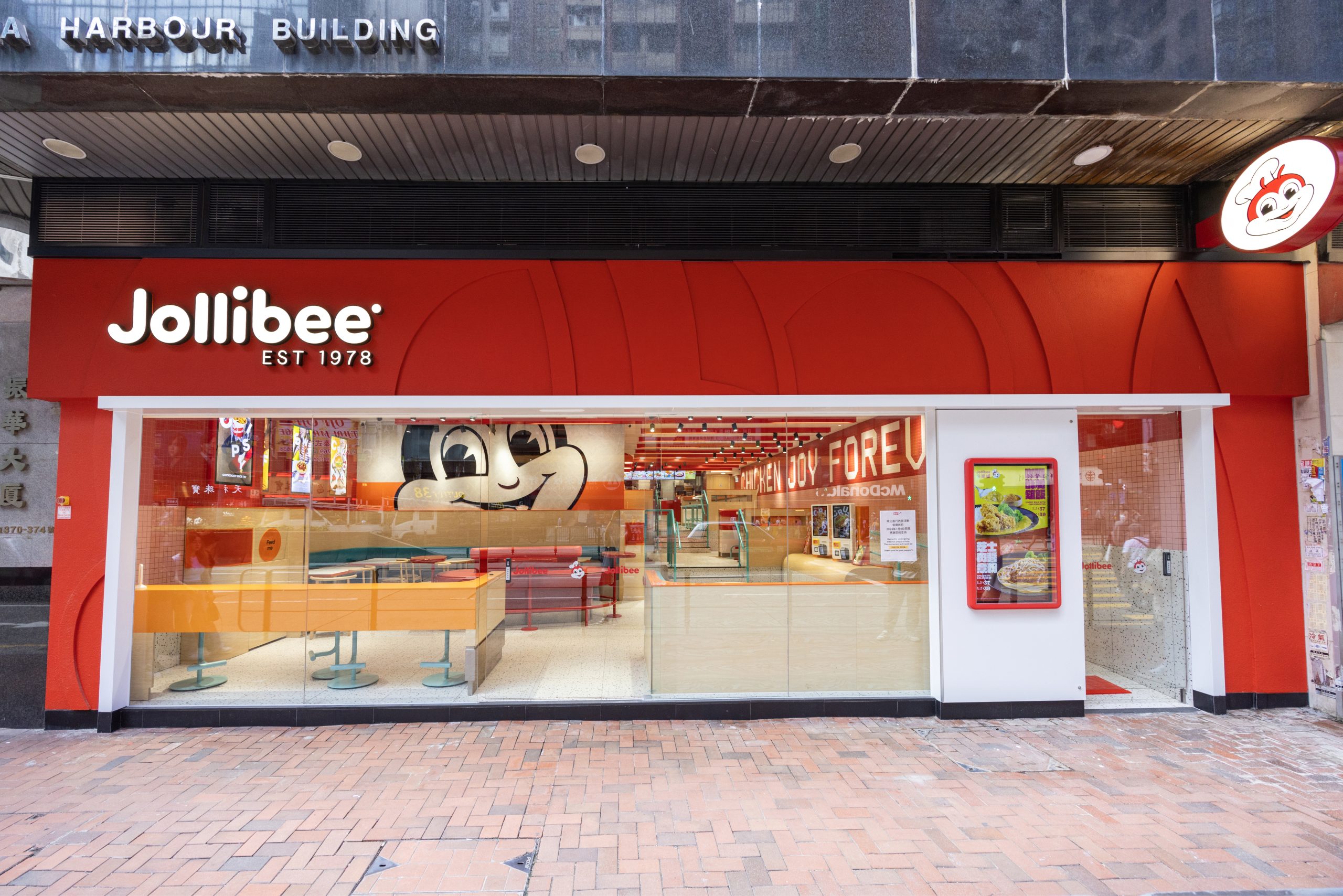
    The renowned Filipino fast-food chain, Jollibee recently revealed a revitalized restaurant concept in Hong Kong which has been developed by the London-based design studio, Shed. This reimagined design will be implemented in five new stores. It incorporates a specially chosen color scheme, combined materials, custom-built furniture, and illustrative components, all of which are influenced by Jollibee’s Filipino roots.

    A Playful Identity with a Sophisticated Touch

    Shed’s co-founder Matt Smith stated that the fresh design maintains the brand’s lively persona while infusing it with a more polished look to appeal to international markets. Smith mentioned, “Our objective was not merely to create a distinctively unique design but to ensure that the pervasive sense of joy resonates universally, expressed uniformly across all design and brand touchpoints.”

    Reimagined Mascots and Store Layout

    The redesign also reinterprets Jollibee’s mascots, merging their familiar charm with contemporary branding techniques. According to the team at Shed, the underpinning idea of their concept is to place a smile at the center of all aspects, which is reflected in every feature of the visual identity and store configuration.

    Carl Tan, chairman of Jollibee Foods China, elaborated on this, stating, “Each detail has been meticulously aligned with the original strategy, resulting in a true tribute to the spirit of Jollibee. The outcome is a setting that we’re immensely proud of – one that radiates warmth, vibrancy, and a sense of joy.”

    The first two outlets to showcase this redesign are located in the basement of the Metropole Building on Peking Rd, in Tsim Sha Tsui, and on the ground floor of the China Harbour Building, on King’s Rd, at North Point.

    Questions & Answers

    What overarching idea does the new store concept of Jollibee revolve around?
    The new store concept is hinged on the idea of “putting a smile at the heart of everything,” which impacts all facets of the visual identity and store layout.

    Who is responsible for this new design?
    London-based design studio, Shed is responsible for creating the new design for Jollibee.

    Where are the first two redesigned Jollibee outlets located?
    The first two redesigned outlets are situated in the basement of the Metropole Building, on Peking Rd, in Tsim Sha Tsui, and on the ground floor of the China Harbour Building, on King’s Rd, at North Point.

  • El Rustico launches premium potato chips at Woolworths

    El Rustico launches premium potato chips at Woolworths

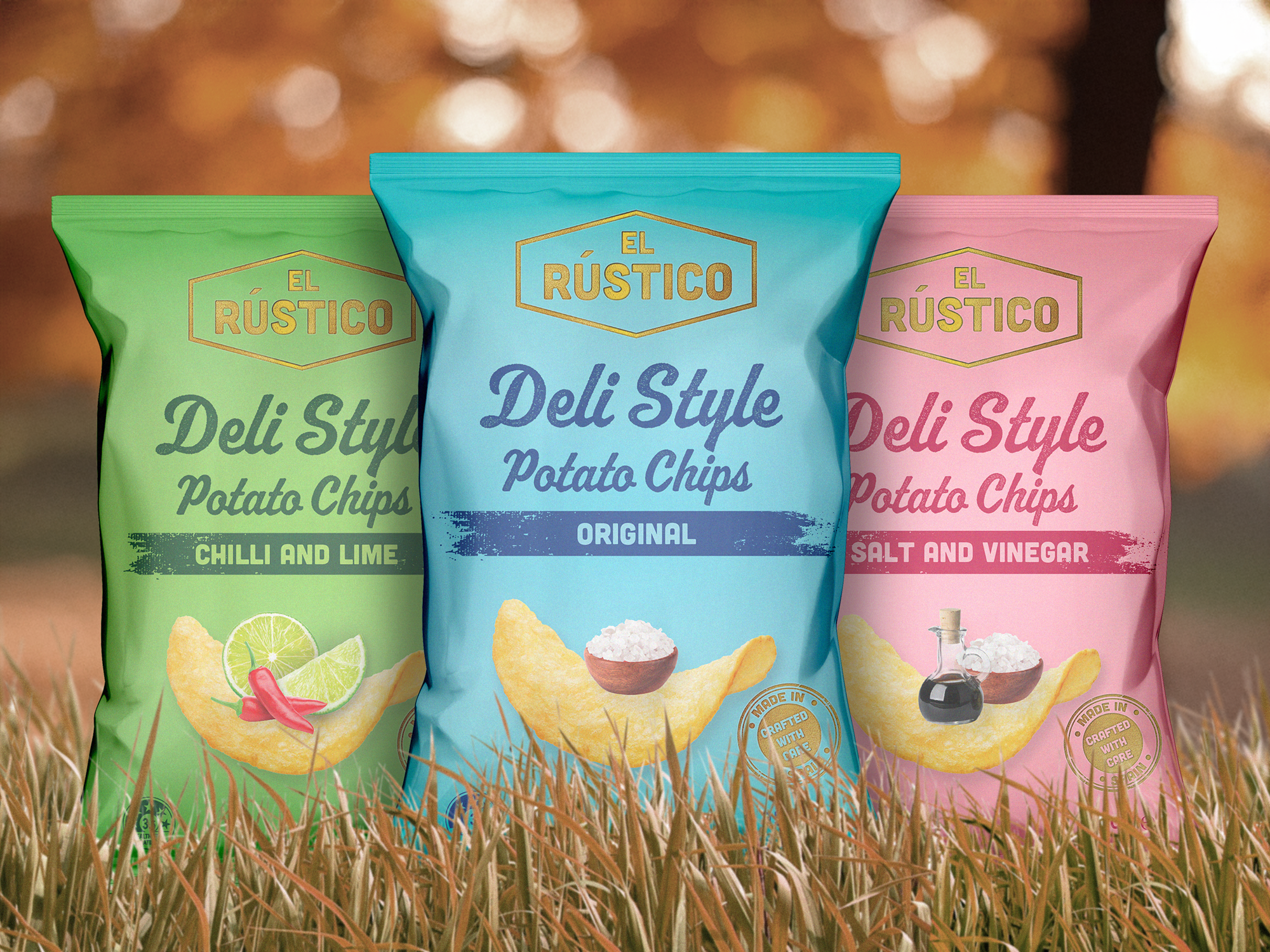
    El Rustico, a renowned brand synonymous with premium snacks, has recently introduced artisanal potato chips to its product range. The deli-style snacks are available exclusively at Woolworths.

    The Spanish-based company is known for its commitment to delivering superior quality snacks at affordable prices. A packet of their newly launched product retails at $3.80.

    El Rustico’s potato chips come in a delectable variety of flavours. Consumers can choose from Original, Salt and Vinegar, and Chilli and Lime. Each flavour promises to offer a unique and delectable culinary experience.

    Richard Fowell, the Marketing Manager of El Rustico, spoke about the brand’s values. He stated, “El Rustico is a brand that prides itself on quality, heritage, and flavour. We aim to bring an exquisite snacking experience to our customers.”

    Fowell further added that the new product was designed to deliver a remarkable taste while still being affordable. “We have crafted a product that feels luxurious, tastes outstanding, and is still attainable for everyday Australians,” he said.

    Questions & Answers

    What is the price point of El Rustico’s new potato chips?
    El Rustico’s artisanal potato chips are priced at $3.80 per packet.

    Which flavours are available in El Rustico’s new range of potato chips?
    El Rustico has introduced three flavours in its new potato chip range: Original, Salt and Vinegar, and Chilli and Lime.

    Where can consumers purchase El Rustico’s new potato chips?
    The new range of potato chips by El Rustico is exclusively available at Woolworths.

  • Big C expands in Hong Kong with Tsim Sha Tsui flagship store

    Big C expands in Hong Kong with Tsim Sha Tsui flagship store

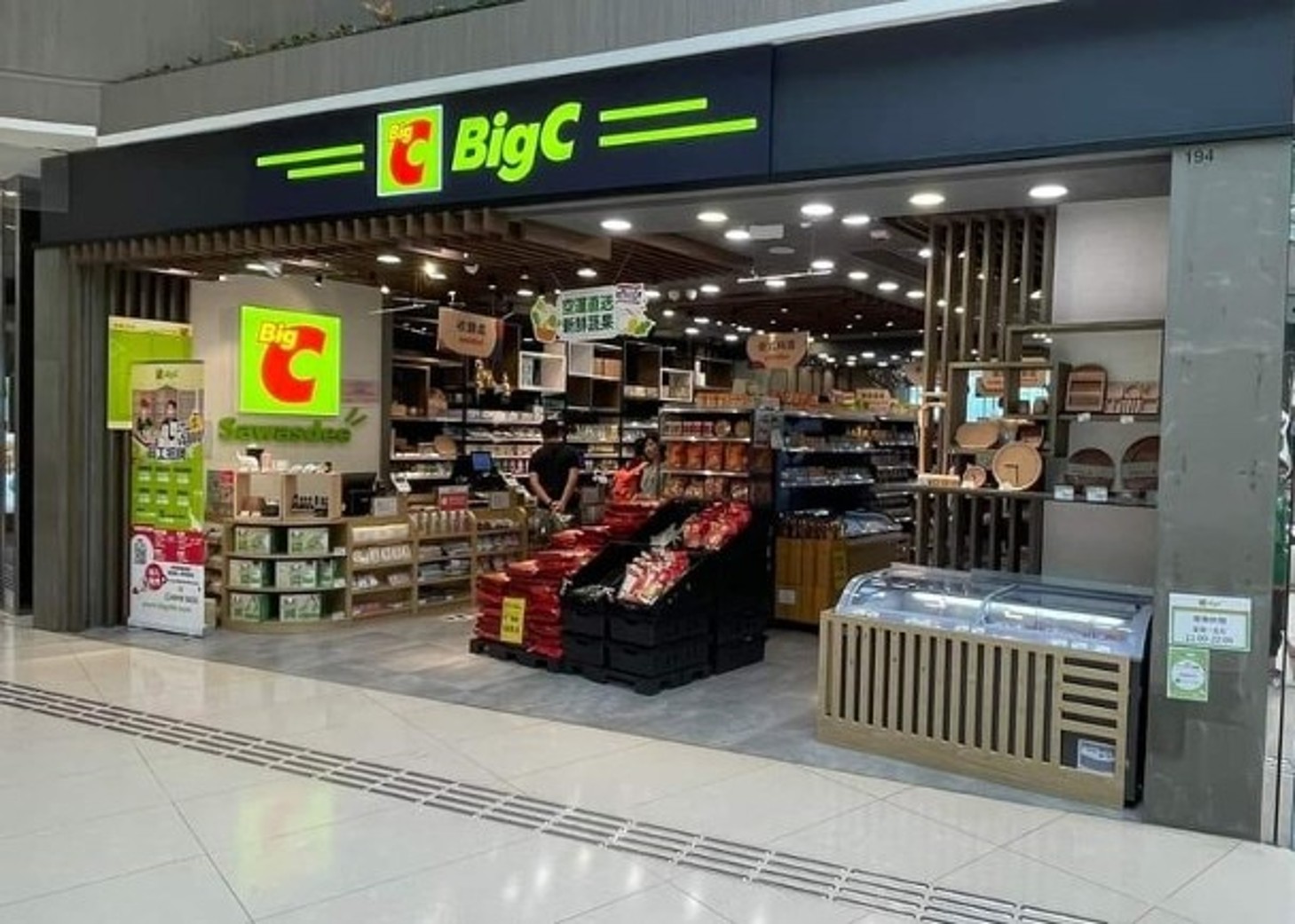
    Thai-based supermarket chain, Big C, is expanding its footprint within Hong Kong through the opening of a new flagship store situated in the bustling district of Tsim Sha Tsui.

    Expanding in Hong Kong

    Marking its entrance into the Hong Kong marketplace in 2023, Big C brought with it a diverse range of Thai products targeted at local consumers. The latest store represents an evolution of Big C’s retail approach, leveraging an immersive retail format reflective of a “Five-Sense” concept. This concept incorporates the elements of hearing, sight, smell, taste, and touch, creating a unique shopping experience.

    Immersive Retail Experience

    A unique, aromatic blend of frangipani wafts through the entrance of the store, a tribute to the Thai heritage of the brand. This scent has been carefully crafted by Thai wellness brand Bhawa, using the finest natural essential oils. A signature Tuk-Tuk, a common mode of transportation in Thailand, is prominently displayed at the storefront, along with large LED screens showcasing product videos, immersing shoppers in a sensory experience upon their arrival.

    Upon entering the store, shoppers are greeted by a spacious layout filled with interactive displays along with tasting and demonstration areas. These zones are specifically designed to highlight Big C’s “Ready to Eat” line of products, freshly prepared in local kitchens on a daily basis.

    A Multi-sensory Environment

    Beyond visual and tactile elements, the store pays tribute to its Thai roots through the auditory sense as well. Thai pop music is played throughout the store, creating a brand recall for regular customers. Additionally, it hosts a range of in-store events such as aromatherapy workshops, cooking demonstrations, and Thai massage sessions, further enhancing the shopping experience.

    With its roots tracing back to 1993 in Bangkok, Big C now operates in several countries including Thailand, Hong Kong, Vietnam, Laos, and Cambodia.

    Questions & Answers

    When did Big C enter the Hong Kong market?
    Big C entered the Hong Kong market in 2023.

    What is unique about the new Big C flagship store in Hong Kong?
    The new Big C flagship store in Hong Kong is designed around a “Five-Sense” concept, creating a unique sensory shopping experience for consumers.

    What range of activities does the store offer to enhance the shopping experience?
    The store offers a range of activities including aromatherapy workshops, cooking demonstrations, and Thai massage sessions, to further enrich the shopping experience.

  • Normanby Fine Wine & Spirits debuts in Auckland with a twist on wine retail

    Normanby Fine Wine & Spirits debuts in Auckland with a twist on wine retail

    Auckland recently welcomed the latest innovation in wine retailing, the Normanby Fine Wine & Spirits experience-driven concept store. Situated in Mount Eden, the store ushers in a new era of retail, reimagining the traditional wine and spirits shopping experience with the introduction of fresh food and beverages.

    The store has been masterminded by seasoned wine connoisseur Liz Wheadon, who has infused the space with a unique hybrid appeal. It operates as a retail store, wine bar, and café, supplemented with a private tasting room and an art gallery interior.

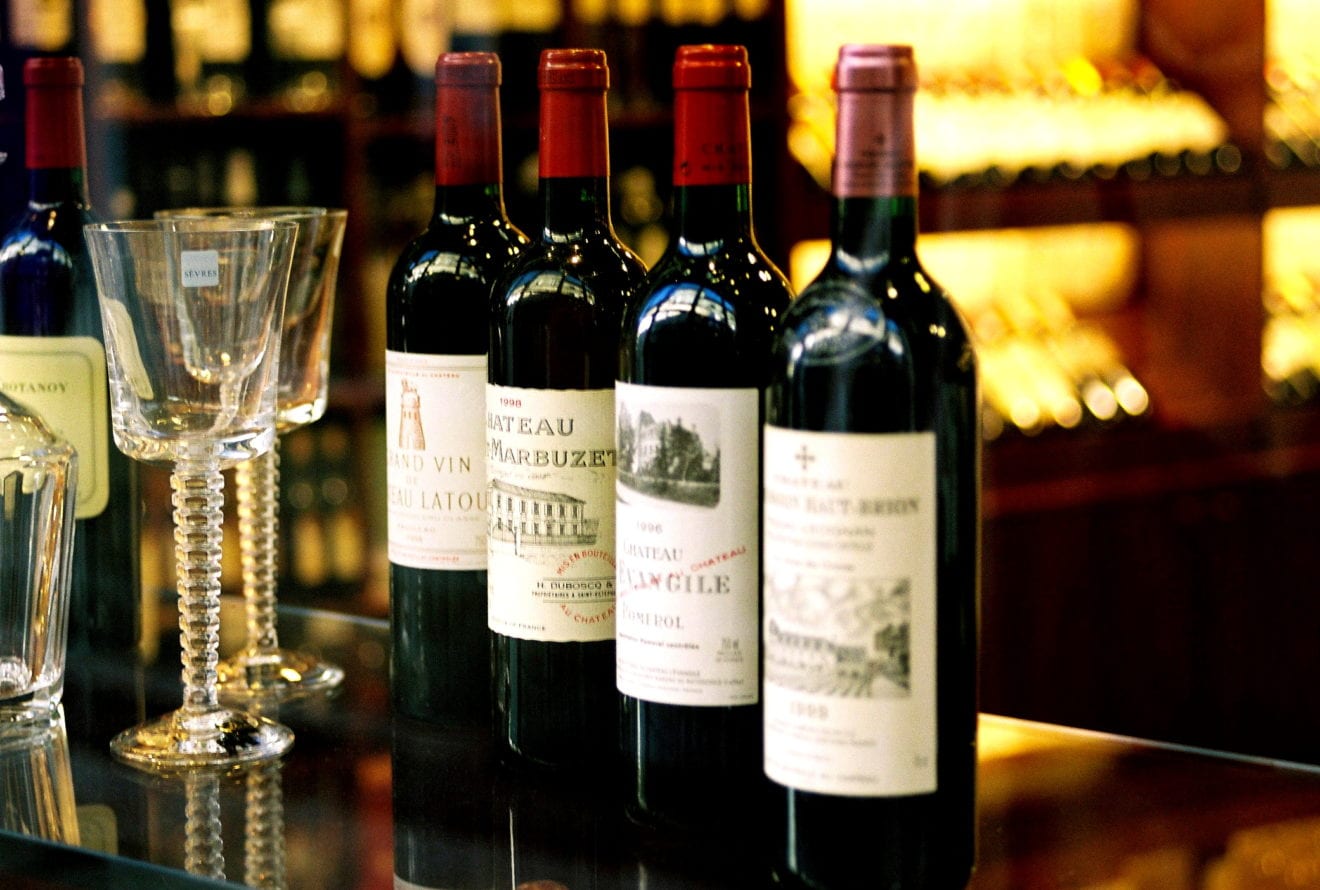
    At Normanby Fine Wine & Spirits, customers can browse a selection of over 1300 wines, spirits, sakes, and craft beers. Many of the items in their collection are exclusive to Normanby, a testament to the strong industry relationships they’ve cultivated with producers over the years.

    Liz Wheadon, who also doubles as the director of wine at Webb’s, shared the inspiration behind the store. She emphasized that the vision was to design a place that hadn’t previously existed, where choosing and buying wine, spirits, and sake could be an enjoyable, approachable, and genuinely intriguing experience, regardless of a customer’s taste or budget. She further echoed the team’s enthusiasm for introducing this innovative approach to fine wine and spirits retail.

    The store has been tastefully designed, complete with art pieces and furniture, all curated by The Estate at Webb’s and available for purchase. During the day, the café serves coffee, pastries, and light meals. In the evenings, the wine bar offers pre-batched cocktails crafted by Theo Tjandra, a past mixologist at Panacea.

    The private tasting room, named La Cave, can accommodate up to 15 guests and can be booked for intimate events, custom experiences, and private celebrations.

    Looking ahead, the brand plans to extend the unique retail concept of Normanby Fine Wine & Spirits to various regional locations throughout New Zealand.

    Questions & Answers

    What does Normanby Fine Wine & Spirits offer customers?
    They offer a unique retail experience, selling fine wines, spirits, sake, and craft beers. The concept store doubles as a café serving light meals, coffee, and pastries during the day, and in the evening it becomes a wine bar offering pre-batched cocktails.

    What are some unique features of the Normanby Fine Wine & Spirits store?
    The store operates as a café and wine bar, in addition to being a retail store. It also houses a private tasting room and an art gallery interior, offering curated art and furniture for purchase.

    What are the brand’s future expansion plans?
    The brand plans to extend the retail concept to various regional locations across New Zealand, introducing the Normanby Fine Wine & Spirits experience to a wider audience.