Author: Mei Ling Tan

  • Vinarchy taps Danny Celoni as global CEO

    Vinarchy taps Danny Celoni as global CEO

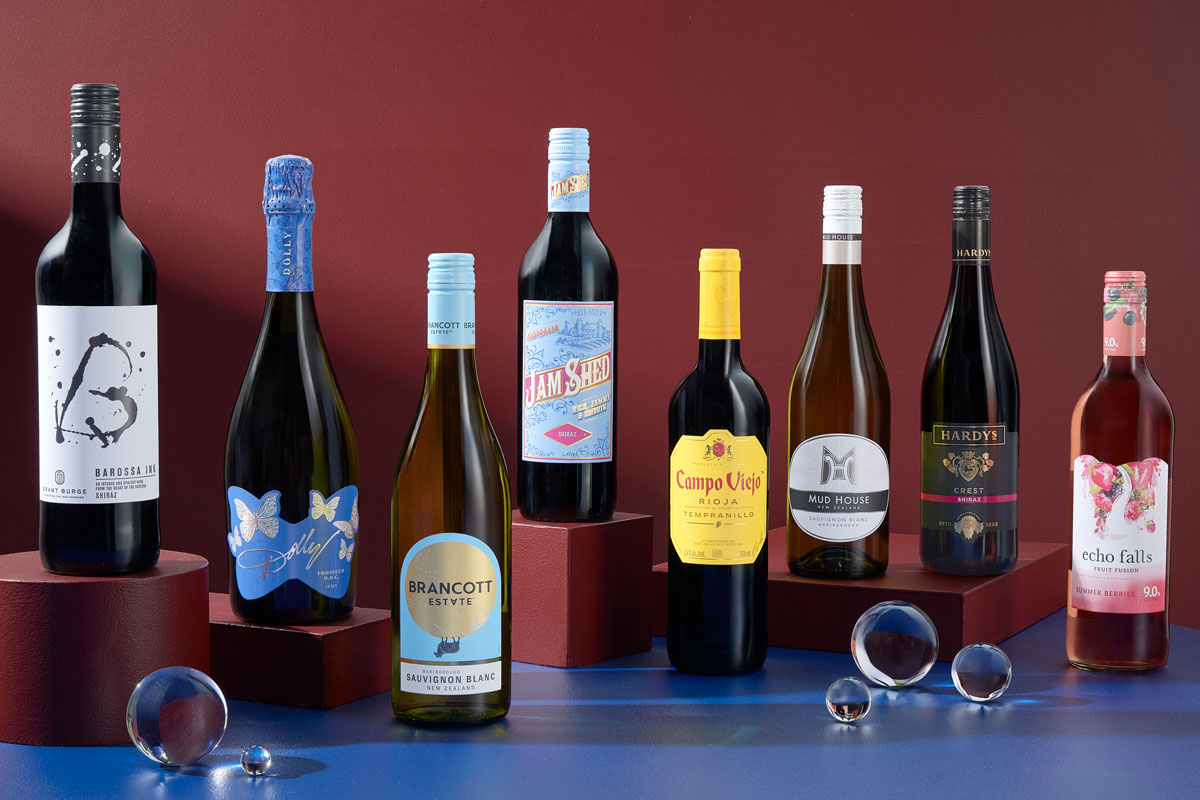
    Vinarchy, a specialist wine enterprise, recently announced the appointment of Danny Celoni as its new Global CEO. The change in leadership will take effect in August.

    Danny Celoni’s Extensive Career

    Danny Celoni boasts an impressive career spanning more than 25 years in the Fast-Moving Consumer Goods (FMCG) and beverage sectors. He has spent 18 of those years in executive roles for Diageo, a leading alcoholic beverages multinational corporation, where he oversaw operations across the Asia-Pacific region. Additionally, Celoni held the role of CEO for Carlton & United Breweries, a subsidiary of the Asahi Group, and was also the CEO of Pepsico Australia and New Zealand.

    Celoni’s Vision for Vinarchy

    As the newly appointed Global CEO, Celoni aims to broaden Vinarchy’s international presence, stimulate innovation within product categories, and intensify customer engagement.

    Ben Clarke, the Executive Chairman of Vinarchy, expressed his utmost confidence in Celoni’s capability to lead the company forward. His leadership skills, combined with his strategic vision, align perfectly with Vinarchy’s mission to fortify its standing as a global frontrunner in the wine industry.

    New Roles in the Leadership Team

    As part of this leadership transition, Clarke will take on the role of Non-Executive Chairman once Celoni commences his duties as CEO.

    Vinarchy, which debuted earlier this month, is the result of a merger between Accolade Wines and the wine businesses from Australia, New Zealand, and Spain that were previously owned by Pernod Ricard.

    Questions & Answers

    What is Danny Celoni’s experience in the beverage industry?
    Danny Celoni has over 25 years of experience in the Fast-Moving Consumer Goods (FMCG) and beverage industry. He has held executive positions at Diageo and served as CEO of Carlton & United Breweries and Pepsico Australia and New Zealand.

    What will be Danny Celoni’s focus as the new Global CEO of Vinarchy?
    As the new Global CEO, Danny Celoni plans to expand Vinarchy’s reach globally, drive innovation within the product categories, and deepen consumer engagement.

    What changes will take place in Vinarchy’s leadership team?
    With Celoni’s appointment as Global CEO, Ben Clarke, the current Executive Chairman, will transition into the role of Non-Executive Chairman.

  • Bobby partners with the Happy Hour podcast on new flavour

    Bobby partners with the Happy Hour podcast on new flavour

    Bobby, an Australian soft drink brand, has recently joined hands with Lucy Jackson and Nikki Westcott, co-hosts of the popular Happy Hour podcast, to introduce a limited-edition flavour named ‘Strawberries & Cream.’

    A First-Time Collaboration

    This initiative is Bobby’s inaugural venture in co-creating a flavour with external contributors. The move signifies the brand’s inclination to engage with popular culture via strategic partnerships.

    The latest beverage offers a unique mix of strawberry and vanilla, enriched with a creamy finish, positioning itself as a healthier alternative in the drink market.

    Health-Conscious Beverage

    Each can of the drink only contains 30 calories and is 98% sugar-free. It also includes prebiotics. Moreover, the drink is vegan, gluten-free, and non-GMO.

    Kristian Johannsen, the founder of Bobby, stated that collaborating with the podcast hosts was an obvious choice. She said their vibrant and unrestricted energy perfectly aligns with what Bobby represents.

    Bobby called the collaboration ‘authentically genuine,’ with Jackson and Westcott playing an active part in the entire process. This involvement ranged from conceptualising the initial flavour to participating in taste tests and contributing to the broader brand execution.

    Authenticity and Enthusiasm

    Jackson expressed, “We didn’t just want our faces on a can, we wanted a drink that felt like us. Strawberries & Cream is nostalgic, fun, a little cheeky – basically everything Happy Hour stands for.”

    Westcott added her excitement about introducing a non-alcoholic drink for their listeners to enjoy. “It’s creamy and totally satisfying without all the unnecessary ingredients,” she said.

    Bobby’s Strawberries & Cream flavour is now available nationwide at Coles and Metro stores. The retail price is $36 for a six-pack.

    Questions & Answers

    What is the new product launched by Bobby?
    The Australian soft drink brand, Bobby, has launched a new flavour, ‘Strawberries & Cream,’ in partnership with the co-hosts of the Happy Hour podcast.

    Who were the external collaborators on this new Bobby flavour?
    Bobby has collaborated with Lucy Jackson and Nikki Westcott, the co-hosts of the popular Happy Hour podcast, to create the ‘Strawberries & Cream’ flavour.

    What are the health benefits of the new Bobby flavour?
    Each can of the ‘Strawberries & Cream’ flavour contains only 30 calories and is 98% sugar-free. It also includes prebiotics and is vegan, gluten-free, and non-GMO.

  • Citroen C3 CNG Introduced With 28 km/kg Mileage

    Citroen C3 CNG Introduced With 28 km/kg Mileage

    Citroen India has made its foray into the Compressed Natural Gas (CNG) vehicle market with the introduction of the C3 hatchback. Customers will have the opportunity to equip this model with a retrofitted CNG kit through the company’s certified retrofit program, accessible via the brand’s dealerships. This additional feature will cost consumers Rs 93,000, taking the total price of the vehicle to Rs 7.16 lakh. This initiative is aimed at customers seeking more economical operational costs and a decrease in emissions.

    The C3’s CNG Capabilities

    Citroen India asserts that the C3’s 1.2-litre naturally aspirated engine is specifically designed to harness the potential of factory-tested CNG. The hatchback promises a mileage of up to 28.1 km/kg and boasts an operational cost of just Rs 2.66 per km. The CNG option is available with the Live, Feel, Feel(O), and Shine variants of the hatchback. To provide additional incentive for customers, Citroen is also offering a comprehensive warranty for the vehicle and CNG components, covering a period of three years or 100,000 km.

    Design and Comfort Considerations

    According to Citroen, the integration of the CNG system does not compromise on the boot space and maintains easy access to the spare wheel. The design of the CNG nozzle allows it to fit within the petrol filler port, providing hassle-free refuelling. In a bid to ensure ride quality is not compromised with the addition of the CNG kit, the company has made several modifications including revamped rear shock absorbers, reinforced suspension springs, and an added anti-roll bar.

    Kumar Priyesh, the Business Head and Director of Automotive Brands at Stellantis India, which oversees Citroen India, expressed his delight at the launch. He emphasized the company’s commitment to delivering accessible, cost-effective, and environmentally responsible mobility solutions with the introduction of the CNG retrofitment option for the Citroën C3.

    Priyesh also noted the company’s pride in providing solutions in line with India’s evolving fuel ecosystem and environmental goals, especially as CNG infrastructure is expected to grow significantly across the country, with an anticipated network of over 7,400 stations by FY2025.

    Questions & Answers

    What is the cost of the CNG retrofitment for the Citroën C3?
    The cost of the retrofitment is Rs 93,000.

    What modifications have been made to the Citroën C3 to accommodate the CNG kit?
    The vehicle has been modified with rear shock absorbers, strengthened suspension springs, and an anti-roll bar to maintain ride quality with the CNG kit installed.

    What is the expected expansion of the CNG infrastructure in India?
    By FY2025, it is expected that there will be more than 7,400 CNG stations across India.

  • Rezvani Knight Is Lamborghini Urus-Based Batmobile

    Rezvani Knight Is Lamborghini Urus-Based Batmobile

    Rezvani, a boutique manufacturer of exotic automobiles, has made a name for itself by designing vehicles reminiscent of fighter jets. The brand has recently unveiled its latest creation, the Rezvani Knight, a car modelled after the Lamborghini Urus. Notably, the Knight takes on a military aesthetic and offers customers the choice of upgrading the vehicle with bulletproof armour. Earlier, Rezvani made headlines for its work on the Jeep Wrangler, which served as the foundation for the Tank, and the Cadillac Escalade, which gave rise to the Vengeance.

    Revamping the SUV Space

    Rezvani has positioned the Knight and its other two SUVs as revolutionary models in the typically uninspiring SUV market. The Knight is characterized by its hard edges and sleek grey finish. The SUV incorporates carbon fibre elements in its body, bearing the foundational shape of the Urus but with a more angular design. Additional features include slim running lights integrated with the headlights and a roof-mounted light bar. The vehicle’s robust front bumper is matched by a bold hood, and a sizable wing is situated above the rear window. The Knight comes standard with unique 22-inch wheels and 33-inch all-terrain tires.

    Enhancement Options

    Customers have the opportunity to upgrade the Knight’s exterior with a variety of protective features. These include bulletproof windows, body armour, a thermal imaging system, and puncture-resistant tires. These features are part of the Dark Knight package, which also offers a steel ram bumper, electrically charged door handles to ward off unwanted adversaries, magnetic deadbolts, a fortified suspension system, and an intercom system.

    Moreover, Rezvani offers a selection of bullet-resistant vests and helmets, gas masks, a first-aid kit, and a pepper spray dispenser. The company also purports that the vehicle provides protection against electromagnetic pulses and comes equipped with strobe lights, blinding lights, and sirens for additional security.

    Powerful Performance

    Rezvani alleges that the Lamborghini’s twin-turbocharged V-8 engine can be boosted to as much as 800 horsepower, depending on the customer’s preference. This marks a significant increase from the 657 hp found in the non-hybrid Urus, despite the latest Urus SE plug-in hybrid trailing closely behind at 789 horsepower. Rezvani maintains that the Knight can accelerate from zero to 60 mph in a mere 3.0 seconds, paralleling the speed we noted in a 2023 Urus Performante.

    Questions & Answers

    What is the inspiration behind Rezvani’s new vehicle, the Knight?
    The Knight, designed by boutique exotic automaker Rezvani, takes inspiration from fighter jets, featuring a militaristic design based on the Lamborghini Urus.

    What are some of the unique features of the Rezvani Knight?
    The Knight offers distinctive features such as bulletproof windows, body armour, a thermal imaging system, and puncture-resistant tires. It also includes security features such as electrically charged door handles, magnetic deadbolts, and a fortified suspension system.

    How does the performance of the Rezvani Knight compare to other vehicles in its class?
    Rezvani claims that the Knight’s twin-turbocharged V-8 engine can be enhanced to deliver as much as 800 horsepower. The vehicle can purportedly accelerate from zero to 60 mph in just 3.0 seconds, matching the performance of the 2023 Urus Performante.

  • Royal Enfield Flying Flea C6 Electric Bike To Launch In 2026

    Royal Enfield Flying Flea C6 Electric Bike To Launch In 2026

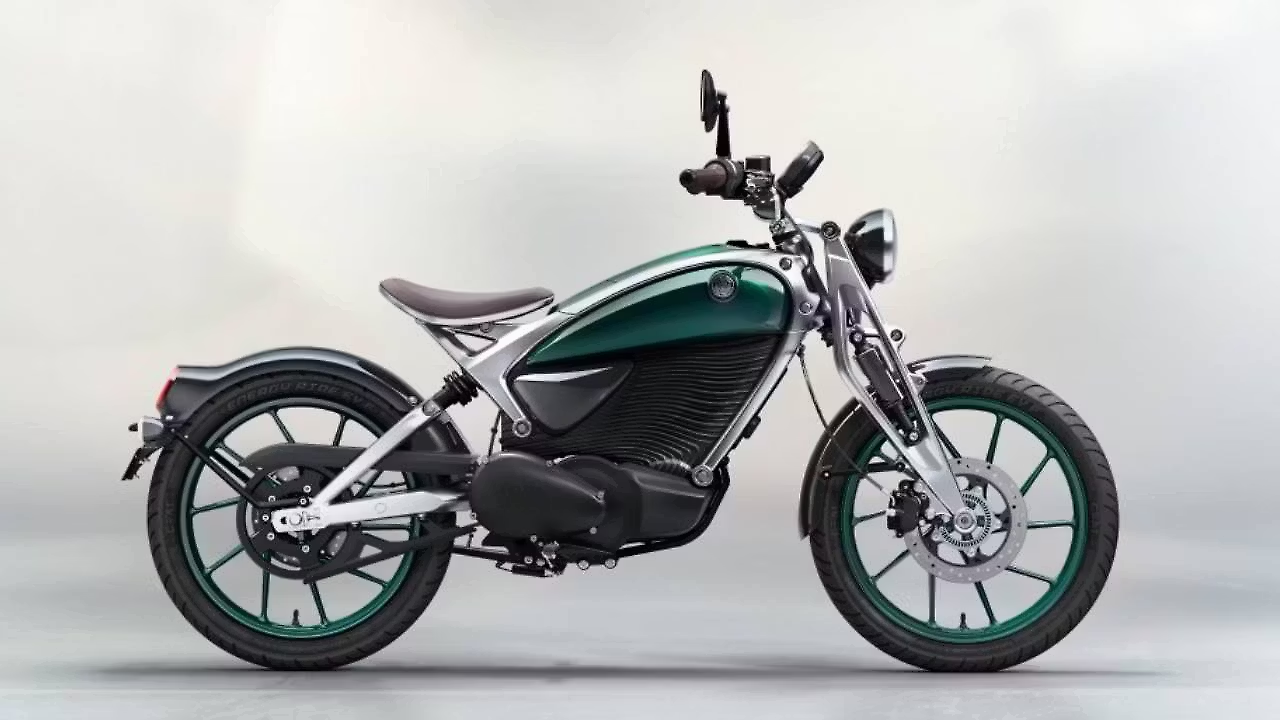
    Royal Enfield, a leading motorcycle brand, has announced its foray into the electric motorcycle market with the introduction of its new brand, Flying Flea. The first model under this brand will be the C6, scheduled for launch in the fourth quarter of the fiscal year 2026. The company plans to follow up with the introduction of model S6, an entirely different product that will further diversify the brand’s offerings. Information pertaining to the operations and dealership network for the new electric vehicle brand is yet to be disclosed.

    The Flying Flea C6

    The Flying Flea C6 was first unveiled at the EICMA exhibition and has subsequently been showcased in India. The motorcycle’s test model has been spotted during multiple trial runs, providing insights into its unique features and design elements. The C6 sports circular LED lighting, a sleek frame with an aluminium chassis and girder forks, a design infused with a blend of retro and modern aesthetics that is indicative of the brand’s distinct style. Other notable features include a split seat configuration and black alloy wheels.

    The aerodynamically designed body of the bike integrates a magnesium casing that facilitates airflow. Although Royal Enfield has not yet revealed the specifications of the C6, it is anticipated that the vehicle will offer a range of approximately 100 kilometers, making it suitable for urban use. To further enhance its city-riding capabilities, the company has focused on reducing the weight of the motorcycle to less than 100 kilograms.

    Technological Innovations

    Royal Enfield has invested significantly in incorporating advanced technology into the design of the C6. It is expected to be the most feature-packed motorcycle ever produced by the company, with a round touchscreen display that provides a host of functionalities including voice control, connectivity, and more. The bike is powered by Qualcomm’s Snapdragon processor to support these advanced features. During the C6’s unveiling, Mario Alvisi, Royal Enfield’s Chief Growth Officer for Electric Vehicles, stated that the motorcycle will boast the most innovative and state-of-the-art features.

    Questions & Answers

    When is the launch of Royal Enfield’s first electric motorcycle, the Flying Flea C6, scheduled?
    The Flying Flea C6 is slated for launch in the fourth quarter of the fiscal year 2026.

    What are the notable design features of the Flying Flea C6?
    The C6 is designed with circular LED lighting, a sleek frame with an aluminium chassis and girder forks, a split seat configuration, and black alloy wheels. The motorcycle’s body includes a magnesium casing that regulates airflow.

    What advanced technology features will be incorporated into the Flying Flea C6?
    The C6 will be equipped with a round touchscreen display that enables various functions such as voice control, connectivity, and more. It will be powered by Qualcomm’s Snapdragon processor.

  • HSBC Names Desk Head for International Clients

    HSBC Names Desk Head for International Clients

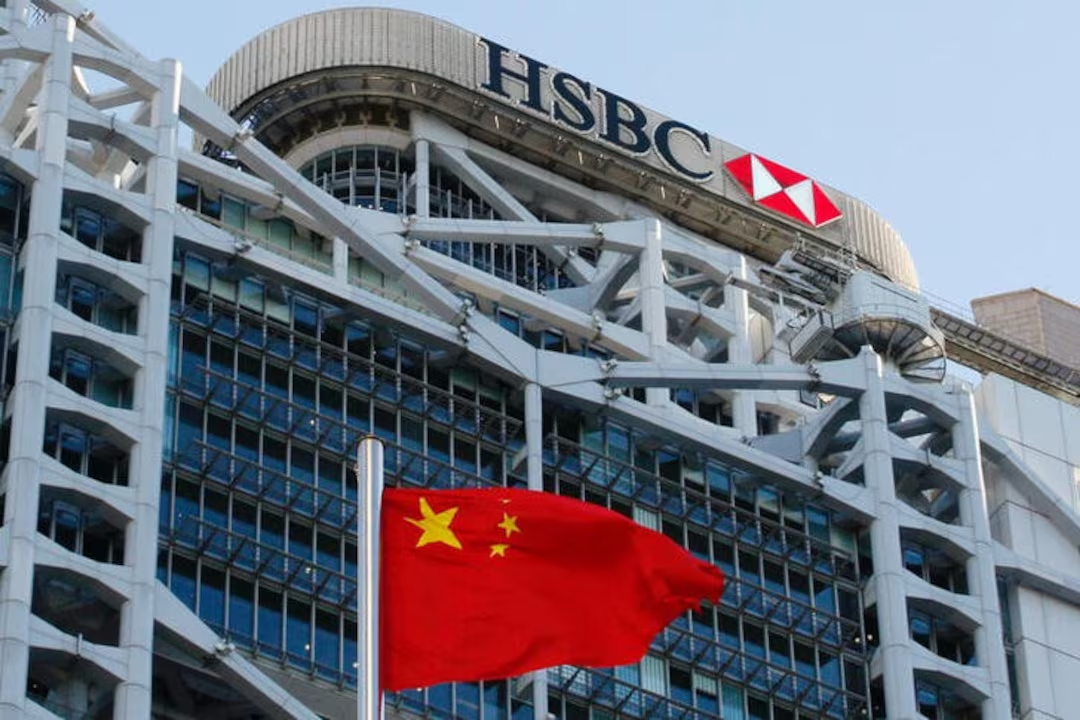
    HSBC Global Private Banking (GPB) has recently announced the appointment of Kapil Khanna as the new desk head for Australia, Japan, and International, effective July 14. Working from the financial hub of Singapore, Khanna will report to Abhishek Mehrotra, who currently serves as the Market Head for Southeast Asia International.

    Impressive Career Record

    Khanna brings with him a wealth of experience in managing relationships with ultra-high net worth clients. His journey began in the Australian wealth management market, where he honed his skills before expanding his horizons to include institutional client coverage across Asia-Pacific and Europe, Middle East, and Africa (EMEA).

    Over the years, Khanna has held a variety of leadership roles at a renowned British private bank. His most recent position was Head of International Investment Counseling, where he had the opportunity to influence the bank’s strategic direction and growth.

    Expert Leadership

    Tommy Leung, Head of GPB South Asia, expressed his enthusiasm for the new appointment. He spoke highly of Khanna’s vast experience in both institutional and private banking, emphasizing his in-depth understanding of the Australian market.

    Leung is confident that Khanna is the perfect candidate to lead the company’s efforts to deepen client relationships and strengthen their presence in these developed economies.

    Driving Growth and Success

    Leung further added that Khanna’s strong leadership is expected to bolster HSBC GPB’s position as a leading global private bank. This strategic appointment aims to support the wealth needs of clients, especially founders and family businesses, who are creating and preserving wealth across generations.

    Questions & Answers

    What is Kapil Khanna’s new role at HSBC GPB?
    Kapil Khanna has been appointed as the Desk Head for Australia, Japan & International.

    What experience does Khanna bring to his new role?
    Khanna brings substantial experience in managing relationships with ultra-high net worth clients from both institutional and private banking sectors. He also has extensive knowledge of the Australian market.

    Who will Khanna be reporting to in his new role?
    Khanna will be reporting to Abhishek Mehrotra, the Market Head for Southeast Asia International.

  • Hang Seng Bank Axes Jobs in Restructuring

    Hang Seng Bank Axes Jobs in Restructuring

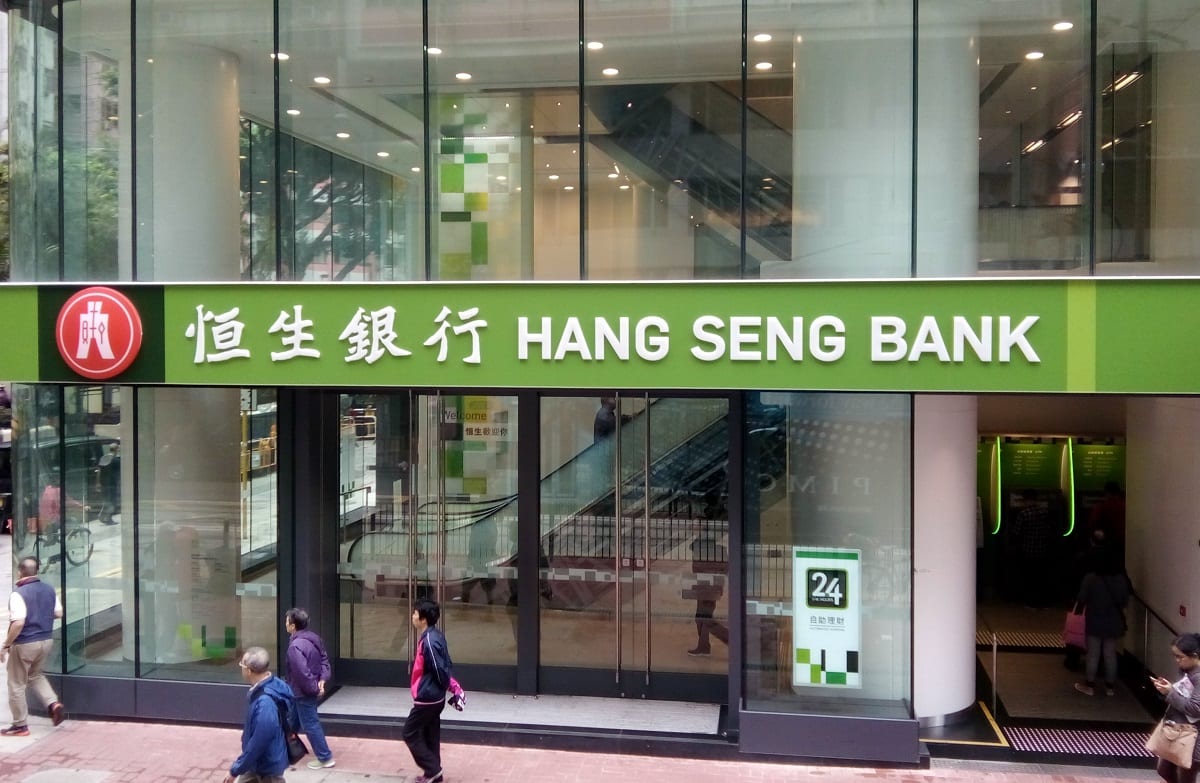
    Hang Seng, a Hong Kong-based lender backed by HSBC, is preparing to make adjustments to its workforce as part of a wider restructuring plan and a move to incorporate more technology into its operations.

    Workforce Reduction

    The company has announced that it will be reducing its core staff by approximately 1 percent in an attempt to streamline roles and improve efficiency. The exact number of jobs at risk has not been divulged by the bank, but it has confirmed that technology will play a central role in enhancing the quality of service and operational efficiency.

    Employees affected by these changes are encouraged to apply for new positions that have been created as a result of the restructuring process.

    Previous Speculation

    This announcement comes in the wake of reports suggesting that Hang Seng was planning to eliminate between 10 and 50 percent of its workforce in certain departments.

    Ownership and Employment

    HSBC maintains a 63 percent stake in Hang Seng, which boasts a workforce of around 8,300 employees. Most of these individuals are based in Hong Kong and mainland China, as of the close of 2024.

    Questions & Answers

    What is the primary reason for Hang Seng’s restructuring?
    The main purpose of the restructuring is to streamline roles and improve operational efficiency within the company.

    How will technology play a role in Hang Seng’s restructuring?
    Technology will be used to enhance the quality of service and operational efficiency in the bank.

    How many employees does Hang Seng currently employ and where are they based?
    Hang Seng has around 8,300 employees, the majority of whom are located in Hong Kong and mainland China.

  • Hong Kong Tycoon Li Ka Shing Makes Rare Public Appearance at Concert Event

    Hong Kong Tycoon Li Ka Shing Makes Rare Public Appearance at Concert Event

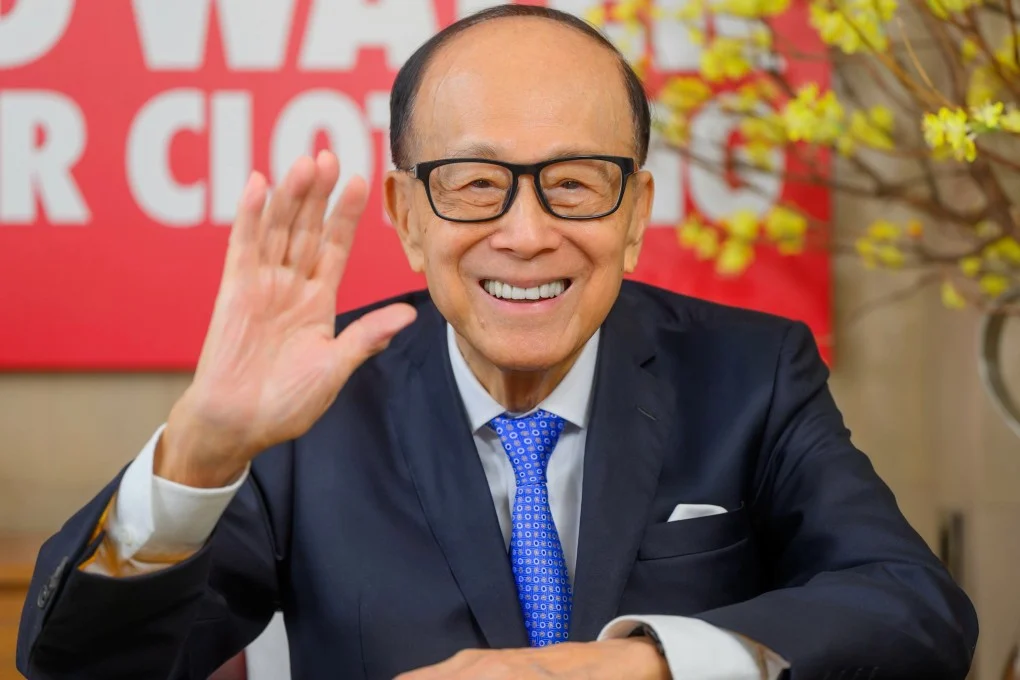
    The tycoon made a noteworthy appearance at the Kai Tak Sports Park on Saturday, attending the second show of a four-night concert series. At 96 years old, Li Ka-shing was seen sitting comfortably in a private section of the main grandstand, accompanied by businesswoman Solina Chau, who graciously reserved the spot for him.

    Chau, director of the Li Ka Shing Foundation and his longtime business partner, exuded warmth during the event. As the clock struck 9 p.m., Li was spotted exiting the private area in his bike-like wheelchair, radiating cheerfulness as he waved to the audience, thanking those around him for their support.

    When confronted with questions about the recent controversy surrounding the sale of Panama ports, Li opted for silence. Chau quickly intervened, urging attendees to steer clear of such queries. “Mr. Li has retired. Thank you all very much. It is rare for him to come out like this,” she reassured.

    This rare public outing comes on the heels of CK Hutchison Holdings announcing a deal to sell its global ports business—including two pivotal docks at opposite ends of the Panama Canal—to a consortium led by the U.S. investment giant, BlackRock. Just last month, Li had made an appearance as the founder of the Li Ka Shing Foundation, donating a non-invasive liver cancer treatment system to the Hong Kong Sanatorium & Hospital.

    Originating from Guangdong province in China, Li, who will soon celebrate his 97th birthday, is a distinguished investor, industrialist, and philanthropist in Hong Kong. His journey began at a young age when he left school to sell plastic flowers, eventually accumulating his vast fortune through real estate investments. Having been the city’s richest individual for years, Li retired in 2018, handing over the reins of his vast empire to his eldest son, Victor Li Tzar-kuoi.

    Following the passing of billionaire Lee Shau Kee in March, Li is now the last surviving founder of Hong Kong’s illustrious “big four” tycoon families. His fleeting visit to the stadium serves as a testament to his unwavering influence and the legacy he has built over decades. Who knew a concert could be a stage for such impactful history?

    Questions & Answers

    Why is Li Ka-shing’s appearance at the concert significant?
    Li’s appearance underscores his enduring status and influence in the business world, especially given his rarity in public engagements since retirement.

    What recent event prompted questions from the public?
    Li faced inquiries regarding the controversial sale of his global ports business, including significant docks in Panama, to BlackRock.

    What unique aspect does Li’s background add to his public persona?
    Li’s journey from selling plastic flowers to becoming a billionaire industrialist showcases a remarkable rags-to-riches story, which adds a compelling layer to his legacy.

  • Raffles City Unveils Exciting Second Edition of Its Beauty Vault Pop-Up Experience

    Raffles City Unveils Exciting Second Edition of Its Beauty Vault Pop-Up Experience

    Raffles City in Singapore is set to dazzle beauty aficionados once again with the return of its luxury beauty pop-up, Beauty Vault. Running from 8 May to 15 June 2025 at the Level 3 Main Atrium, this vibrant event will feature an impressive lineup of 21 premium brands.

    A Luxurious Lineup of Brands

    The Beauty Vault will spotlight both newcomers like Aesop, Armani Beauty, Diptyque, GUERLAIN, and YSL Beauty, along with fan-favorites such as Chanel, Dior, Gucci, and Maison Francis Kurkdjian. Shoppers will be treated to a series of rotating brand takeovers, ensuring fresh experiences with each visit.

    Engaging Activities Await

    Attendees can indulge in a plethora of exclusive experiences, including makeup masterclasses led by celebrity artists, skincare demonstrations from professional trainers, fragrance layering workshops, personalized color analyses, and holistic wellness solutions. But wait, there’s more—engage in lifestyle workshops on floral arrangement and cocktail-making, plus join in on sustainability talks and special in-store events designed to enrich your beauty journey.

    Exclusive Rewards and Highlights

    As an added incentive, Raffles City will reward its top spender with a luxurious trip for two to Paris, courtesy of Maison Francis Kurkdjian. Meanwhile, the Level 1 Fashion Walkway will transform into a glamorous beauty zone, showcasing seasonal must-haves that promise to elevate your beauty game.

    So, prepare your wallets and get ready for a beauty experience that’s anything but ordinary. After all, who wouldn’t want to look fabulous while learning to mix the perfect cocktail or arrange stunning floral displays?

    Questions & Answers

    What are the dates for the Beauty Vault event?
    Beauty Vault will be open from 8 May to 15 June 2025.

    Which premium brands will be featured at the event?
    The event will showcase 21 premium brands, including Aesop, Armani Beauty, Diptyque, GUERLAIN, YSL Beauty, Chanel, Dior, Gucci, and Maison Francis Kurkdjian.

    What unique experiences are offered at Beauty Vault?
    Visitors can enjoy makeup masterclasses, skincare demonstrations, fragrance workshops, and lifestyle classes on floral arrangements and cocktail-making, along with sustainability talks and more.

  • Gasoline Prices Rise, Impacting Drivers Across the Nation

    Gasoline Prices Rise, Impacting Drivers Across the Nation

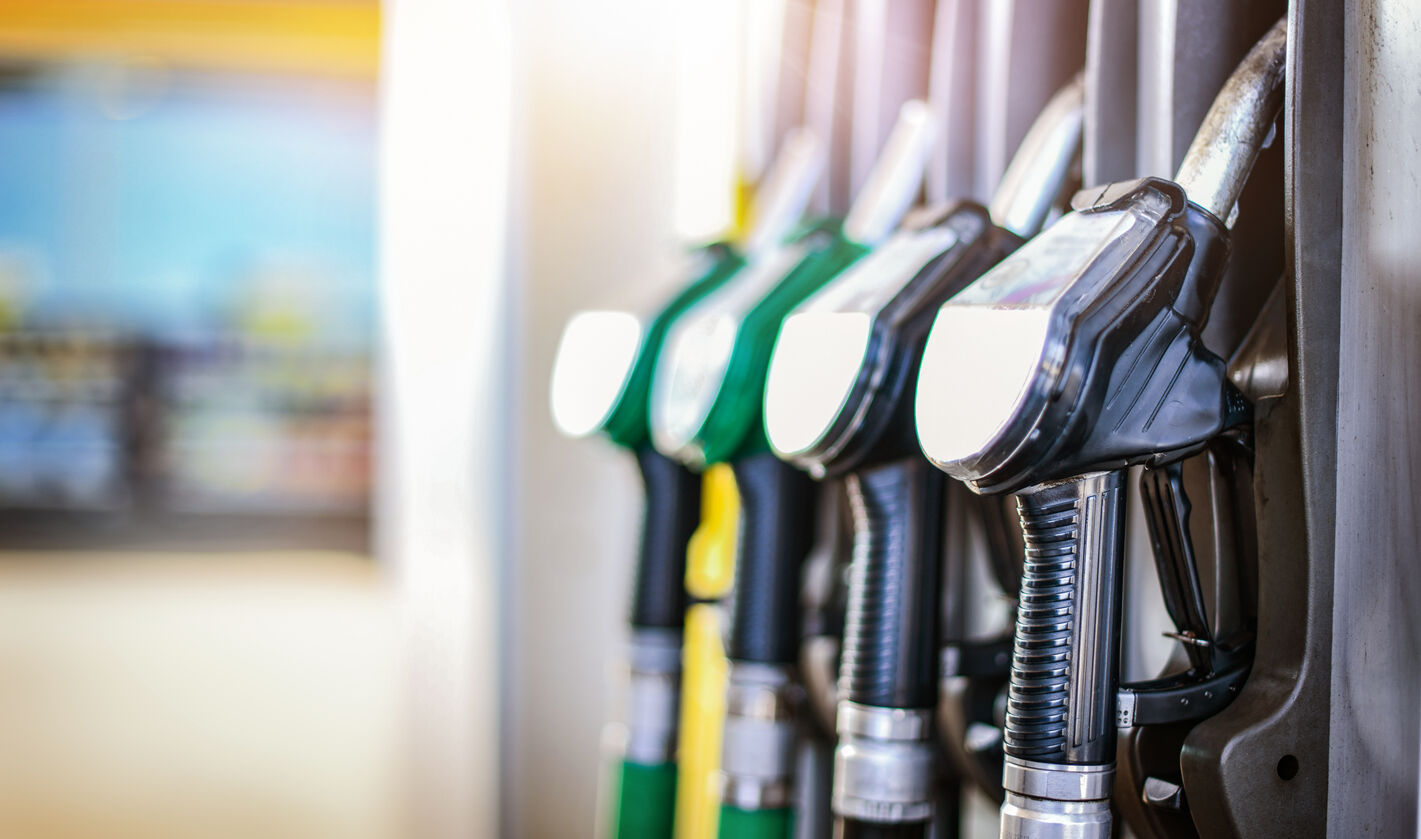
    An employee fills up a vehicle at a fuel station in Ho Chi Minh City, illustrating Vietnam’s evolving fuel landscape. Gasoline and diesel prices saw a modest uptick in Vietnam on Thursday afternoon, following a decline the previous week. This change reflects the dynamic nature of the global fuel market.

    Price Movements

    The widely-used RON95 fuel rose by 2.19%, now priced at VND19,590 (approximately US$0.76) per liter. Meanwhile, the biofuel E5 RON92 also saw an increase of 2.18%, bringing it to VND19,180. Diesel prices surged by 2.5% to reach VND17,220.

    These fluctuations in Vietnam’s fuel prices are tied to a plethora of global factors. Over the past week, a temporary agreement between the U.S. and China aimed at reducing import tariffs has influenced market dynamics. Coupled with increasing tensions in the Middle East, a boost in oil production from OPEC+, and the continuing ramifications of the Russia-Ukraine conflict, the landscape remains anything but stable.

    In the international arena, RON95 climbed to $77 per barrel, while diesel prices also saw a bump, increasing 3% to reach $79.11 per barrel. The interplay of these variables leaves many wondering how prices will continue to evolve.

    As pocketbooks get squeezed globally, it’s clear that even the most routine gas station visit can become a rollercoaster ride of price fluctuations.

    Questions & Answers

    What prompted the recent rise in gasoline and diesel prices in Vietnam?
    The increase is linked to global factors such as tariff agreements between the U.S. and China, tensions in the Middle East, OPEC+ production adjustments, and the ongoing Russia-Ukraine conflict.

    How much have gasoline prices increased recently?
    RON95 prices rose by 2.19% to VND19,590 per liter, while diesel saw a 2.5% increase, now priced at VND17,220.

    What are the current prices on the global market for RON95 and diesel?
    RON95 is currently priced at $77 per barrel, whereas diesel has reached $79.11 per barrel.

  • Hong Kong’s first Goose Island Taproom opens in Central

    Hong Kong’s first Goose Island Taproom opens in Central

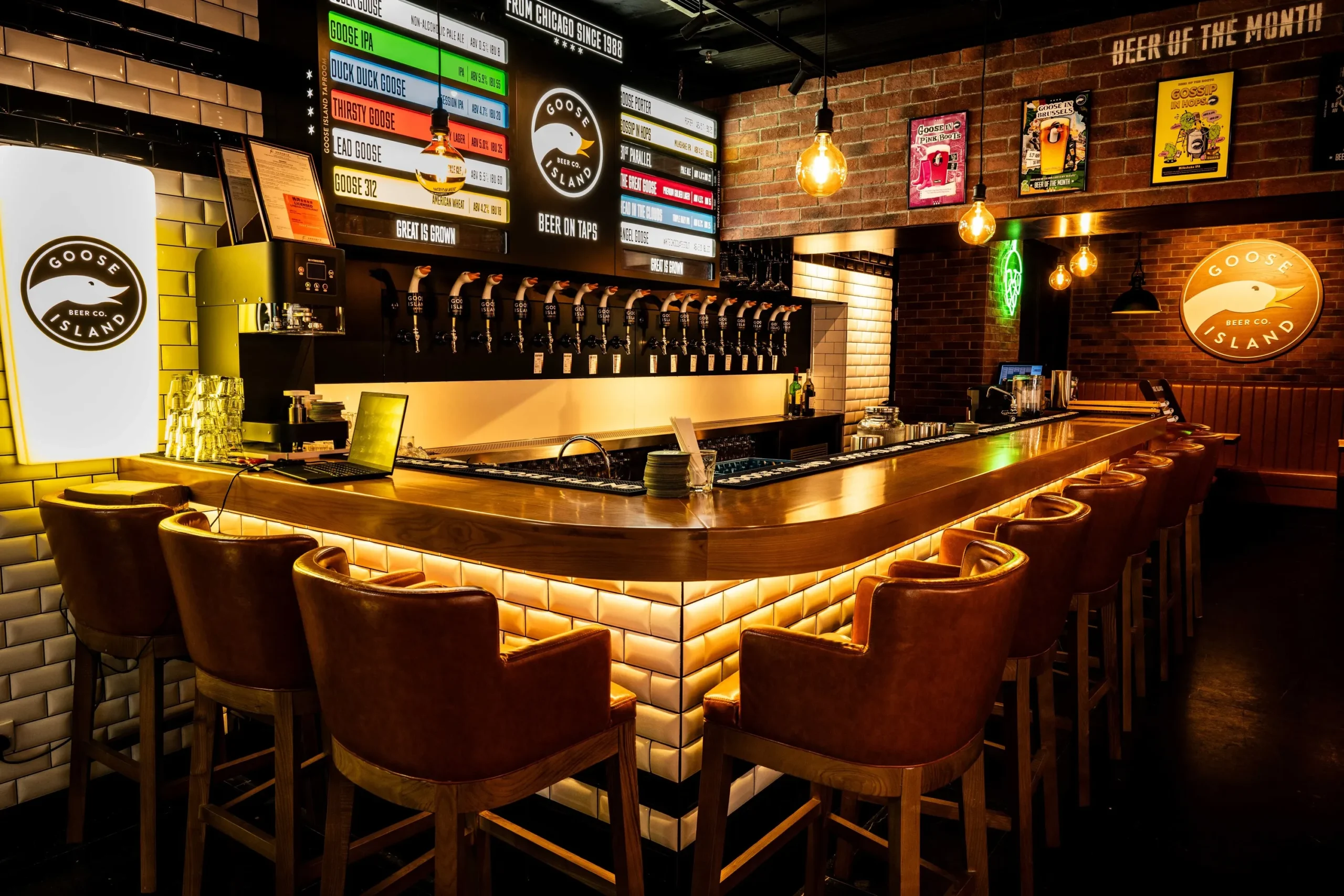
    The revered Chicago-based craft brewery, Goose Island, has now opened its first taproom in Asia, specifically in Hong Kong. The establishment, located on Lyndhurst Terrace in Central, is all set to delight patrons with its exceptional beer offerings.

    Goose Island, a pioneer in the craft beer industry, and renowned for its multiple award-winning IPAs, has transported over a dozen of its top-grade craft beers to Asia. The taproom will feature the brewery’s renowned beers as well as a monthly rotation of unique specials.

    Celebrated Beers and Food Offerings

    Beer connoisseurs will get to savor the Goose IPA, a champion of the Great American Beer Festival on six occasions. In addition, they can also taste the newly crowned Thirsty Goose lager, a recipient of the 2024 World Beer Awards China Gold.

    For those undecided on what to sample first, Goose Island offers the Brewmaster’s Choice Flight. This selection includes twelve 150ml pours of various house beers for $298.

    In addition to its fine beers, the taproom also offers a menu of robust American pub cuisine to pair with the drinks. Patrons can indulge in beer-battered fish and chips made with Goose 312 wheat ale, mouth-watering burgers, and loaded nachos served with a signature Goose IPA cheese sauce.

    An interesting tidbit about the brewery is its name. The moniker “Goose Island” is inspired by a small manmade island located on the Chicago River. According to local legends, migrating geese used to frequently halt at this island.

    Operational Hours and Contact

    The Goose Island Taproom is open every day from noon until midnight, with extended hours until 2 am on Fridays and Saturdays. The exact location is Shop 1, G/F, 8 Lyndhurst Terrace, Central. To make reservations or for updates, patrons can call 6800 6634 or follow the taproom’s Instagram handle @gooseislandhk.

    Questions & Answers

    What is the Goose Island Taproom?
    The Goose Island Taproom is the first Asian outlet of the Chicago-based craft brewery, Goose Island. It is situated in Hong Kong, on Lyndhurst Terrace in Central.

    Which beers are featured at the Goose Island Taproom?
    The taproom features over a dozen top-grade craft beers from Goose Island, including the six-time Great American Beer Festival champion Goose IPA, and the newly awarded 2024 World Beer Awards China Gold winner, Thirsty Goose lager.

    What kind of food is available at the taproom?
    The taproom offers a variety of hearty American pub food, such as beer-battered fish and chips made with Goose 312 wheat ale, stacked burgers, and loaded nachos served with a signature Goose IPA cheese sauce.

  • The Role of Accurate Lease Accounting in Retail Expansion

    The Role of Accurate Lease Accounting in Retail Expansion

    Branding a retail footprint is an exciting step — but it’s also a complex one. From negotiating new locations to managing cash flow, growth introduces new layers of financial responsibility. And at the center of it all? Leases.

    Retailers often operate across dozens, if not hundreds, of leased properties. Accurately accounting for these leases isn’t just about compliance — it’s a strategic advantage. Understanding lease commitments, liabilities, and costs in real time can make or break a successful expansion.

    According to a 2023 Deloitte report, over 70% of retail CFOs say real estate and lease data plays a critical role in their growth planning, yet many still rely on fragmented systems or manual tracking that slow them down.

    This is why accurate lease accounting has become a cornerstone of financial strategy for modern retailers.

    Why Lease Accounting Is More Than Compliance

    After the implementation of ASC 842 and IFRS 16, lease accounting moved from a back-office function to a front-line financial consideration. Under these standards, nearly all leases must be recorded on the balance sheet — increasing visibility into long-term obligations.

    But the benefits of accurate lease accounting go beyond just meeting regulatory requirements:

    • Better cash flow forecasting – Know when and how much you’re committed to paying
    • Informed site selection – Compare potential locations with full cost transparenc
    • Improved investor confidence – Transparency builds trust in financial reports
    • Avoiding costly errors – Misreporting leases can lead to restatements and penalties
    • Scenario planning – Test expansion plans against real lease data

    When lease information is siloed or inaccurate, it becomes difficult — if not impossible — to make timely, strategic decisions.

    The Retail Expansion Challenge

    Retail is unique in how heavily it relies on physical presence. Each new lease adds not only operational complexity but long-term financial commitment. During periods of expansion, retailers must juggle:

    • Negotiating multiple leases across regions
    • Tracking critical dates like renewals or rent increases
    • Monitoring variable lease costs, such as CAM (common area maintenance) or percentage rent
    • Integrating lease data into financial projections
    • Staying audit-ready across jurisdictions

    Without a centralized and accurate view of lease obligations, teams risk overcommitting or missing financial red flags.

    Tools That Streamline the Process

    Modern lease accounting software solutions are helping retailers shift from reactive to proactive management. These platforms automate much of the heavy lifting — from calculating right-of-use assets to generating journal entries.

    Look for systems that offer:

    • Centralized lease data – One platform for all locations and agreements
    • Automated compliance calculations – Reduce manual entry and errors
    • Calendar and notification tools – Avoid missing key dates or renewal deadlines
    • Scenario modeling – Evaluate expansion strategies with financial precision
    • ERP integration – Ensure lease data syncs with broader accounting systems

    The result? A smoother expansion process with fewer surprises — and more confidence in your numbers.

    Lease Visibility = Strategic Flexibility

    In today’s retail landscape, agility is everything. Markets shift. Consumer preferences evolve. And sometimes, stores underperform. Having accurate lease data on hand gives decision-makers the ability to pivot quickly — whether that means exiting a lease early, renegotiating terms, or reallocating resources.

    Benefits of clear lease visibility during expansion include:

    • Faster decision-making on new locations
    • Real-time tracking of lease exposure and liabilities
    • Improved budgeting for store build-outs and operations
    • Better communication between real estate, finance, and operations teams
    • Stronger vendor and landlord negotiations, backed by data

    In other words, lease accounting isn’t just about the past — it’s about building a smarter future.

    Final Thought

    Retail expansion is an exciting chapter — but it requires more than a gut feeling and a good location. Financial clarity, especially around leases, is what ensures that growth is sustainable and strategic.

    Accurate lease accounting is no longer just a compliance checkbox. It’s a critical business function that supports smarter decisions, stronger reporting, and more agile retail growth.

  • Digital Transformation: Shaping the Future of Asian Retail

    Digital Transformation: Shaping the Future of Asian Retail

    In recent years, the Asian retail landscape has undergone a dramatic transformation powered by rapid digital innovation. Traditional brick-and-mortar models are being reshaped by a surge in online shopping, mobile payments, and customer data analytics. Retailers are increasingly leveraging technology to engage consumers and enhance operational efficiency. This shift, accelerated by changing consumer behaviors and advanced digital infrastructures, is redefining competitive strategies across the region. As retail professionals navigate these changes, they face both challenges and opportunities in balancing physical presence with digital capabilities. The following analysis explores the evolving trends that are set to define the future of Asian retail.

    Evolution of Retail in Asia: From Brick-and-Mortar to Digital Ecosystems

    Across Asia, historic retail formats are rapidly giving way to digital ecosystems that integrate online and offline experiences. Urban centers in countries like China, Japan, and India are witnessing an increasing shift from traditional stores to interactive digital platforms. This evolution is fueled by broader connectivity, greater smartphone adoption, and evolving consumer expectations for convenience and personalization. Many retailers now blend e-commerce with physical outlets, offering omnichannel services that streamline purchases and support customer engagement. This integration is transforming market operations and setting new benchmarks for service efficiency and product accessibility. Overall, this shift is paving the way for a refreshed consumer experience.

    Integrating Entertainment and Retail: The Digital Shift

    Digital innovation has blurred the lines between entertainment and retail, creating immersive experiences that drive customer engagement. Modern retailers are adopting strategies from the entertainment industry to capture the attention of tech-savvy consumers. Interactive digital displays, live-streamed events, and gamified shopping experiences are now common features in contemporary retail environments. Moreover, platforms in sectors such as online gaming offer models of user engagement that retail can emulate. For instance, some digital gaming services integrate social interaction and real-time decision-making to keep users actively involved. An example of this cross-industry innovation can be seen with Singapore online poker options, which showcase how advanced digital interfaces coupled with secure transactions can create compelling user journeys. By adopting similar interactive tools, retailers are better able to personalize experiences, boost loyalty, and differentiate themselves in a competitive market. This strategy not only enhances brand perception but also drives sustainable consumer engagement in a digitally driven era.

    Building a Digital Infrastructure for Retail Growth

    A strong digital infrastructure is the backbone of modern retail success. Retailers are investing in technologies such as cloud computing, big data analytics, and mobile platforms to ensure efficient operations and superior customer experiences. These systems enable real-time tracking of inventory and consumer behavior, allowing businesses to be agile and responsive to market changes. Such investments not only streamline operations but also foster innovation through artificial intelligence and automation. Recent research highlights that digital trade in the Asia-Pacific region has experienced robust growth. For example, there has been a marked increase in digitally deliverable exports, underscoring the importance of a solid digital foundation for business competitiveness. By prioritizing digital infrastructure, retailers are better positioned to meet evolving market demands and unlock new revenue streams in an increasingly dynamic economic landscape. Investing in these digital systems not only drives operational excellence but also prepares businesses for future challenges. This commitment is critical.

    Market Outlook and the Role of Data in Strategic Adaptation

    The post-pandemic recovery in Asia has underscored the vital role of digital readiness in retail. Consumer behavior continues to evolve rapidly, with data-driven insights guiding strategic decisions. The OECD’s Southeast Asia Economic Outlook notes modest yet consistent retail sales growth, offering a positive forecast for the sector. Retailers are now harnessing advanced analytics to understand market trends and optimize inventory management. Such data integration empowers businesses to tailor personalized shopping experiences and improve customer satisfaction. Innovative strategies, driven by real-time data, are enabling companies to anticipate consumer needs and respond swiftly to market fluctuations. By embracing digital tools and robust analytical frameworks, retailers can enhance operational efficiency and drive sustainable growth in a competitive landscape. This proactive approach improves performance and strengthens the ability to respond to evolving trends. As technology advances, data will stay central to retail transformation.

    Future Prospects and Strategic Lessons for Retail Leaders

    Looking ahead, the convergence of digital and physical retail promises to redefine consumer interaction across Asia. Retailers are increasingly adopting hybrid models that integrate seamless online processes with personalized in-store experiences. Innovative technologies such as augmented reality and artificial intelligence are set to transform shopping, offering immersive environments that captivate modern consumers. Companies that invest in these technologies are likely to gain a competitive edge in a fast-evolving market. Moreover, sustainable retail growth will depend on agility, data-driven decision-making, and continuous innovation. For example, Alibaba is betting big on Vietnam’s e-commerce potential, which highlights successful strategies in digital transformation. In this era of rapid change, strategic foresight and technology adoption remain essential for long-term success and market leadership. Retail leaders must innovate to anticipate evolving industry trends and maintain a competitive position. Innovation and data will drive retail success.

  • April Sees Impressive 21% Year-on-Year Surge in Auto Sales

    April Sees Impressive 21% Year-on-Year Surge in Auto Sales

    The latest sales figures reveal a significant dip in vehicle sales, with a total of 20,766 passenger vehicles sold in April—evidently a 7% decline compared to March. The commercial vehicle sector mirrored this trend, seeing sales drop to 8,619 units, also down by 7%. In contrast, special-purpose vehicles rose by 11%, reaching 200 units.

    Domestically assembled vehicles faced a similar fate with a 7% decrease, resulting in 13,890 units delivered. Alarmingly, Vietnam’s imports of completely built-up (CBU) vehicles fell sharply, plummeting 60% to just 15,695 units.

    Yet amidst the fluctuations, Toyota kept its crown as the market leader, selling 5,566 units in April. Close behind were Ford with 3,997 units, Mitsubishi at 2,038, THACO Mazda contributing 2,736, and THACO Kia with 2,055 units. The Mitsubishi Xpander stood out as the best-selling model of the month, registering 4,031 units sold, followed by the Ford Everest with 1,090 and the Toyota Yaris Cross at 1,030.

    Shifts in Vehicle Preferences

    The SUV trend remains robust, leading the product categories with sales of 5,867 vehicles. MPVs followed with 3,798 units, while sedans accounted for 3,292.

    In the realm of commercial vehicles, pickup trucks and minivans continued to reign supreme. Notably, the hybrid segment is basking in positive growth, with sales of hybrid vehicles reaching 973 in April alone—an impressive total of 3,535 since the start of the year, reflecting an 82% upswing from the previous year.

    A Booming Start to 2025

    As for the first four months of 2025, the market showcased a remarkable rebound, achieving total sales of 101,834 units—a 23% increase year-on-year. Passenger car sales climbed 22%, while commercial vehicles jumped 27%, and special-purpose vehicles skyrocketed by 49%.

    The surge in sales of imported vehicles saw a healthy 35% rise, alongside a 13% increase in domestically assembled units. Experts believe this momentum, fueled by rising consumer demand and supportive policies from automakers, bodes well for the automotive sector as it gears up for an even more prosperous second and third quarter.

    As the industry gears up for future challenges, one can’t help but wonder what surprise moves automakers might unveil next.

    Questions & Answers

    What were the total sales figures for passenger and commercial vehicles in April 2025?
    A total of 20,766 passenger vehicles and 8,619 commercial vehicles were sold in April.

    Which brand retained its market leadership in April?
    Toyota maintained its market leadership with 5,566 units sold.

    How did the hybrid vehicle segment perform?
    The hybrid segment saw a significant rise, recording 973 vehicles sold in April and a total of 3,535 so far in the year, which is an 82% increase from last year.

  • BYD Surpasses Toyota as Singapore’s Best-Selling Car Brand for the First Time

    BYD Surpasses Toyota as Singapore’s Best-Selling Car Brand for the First Time

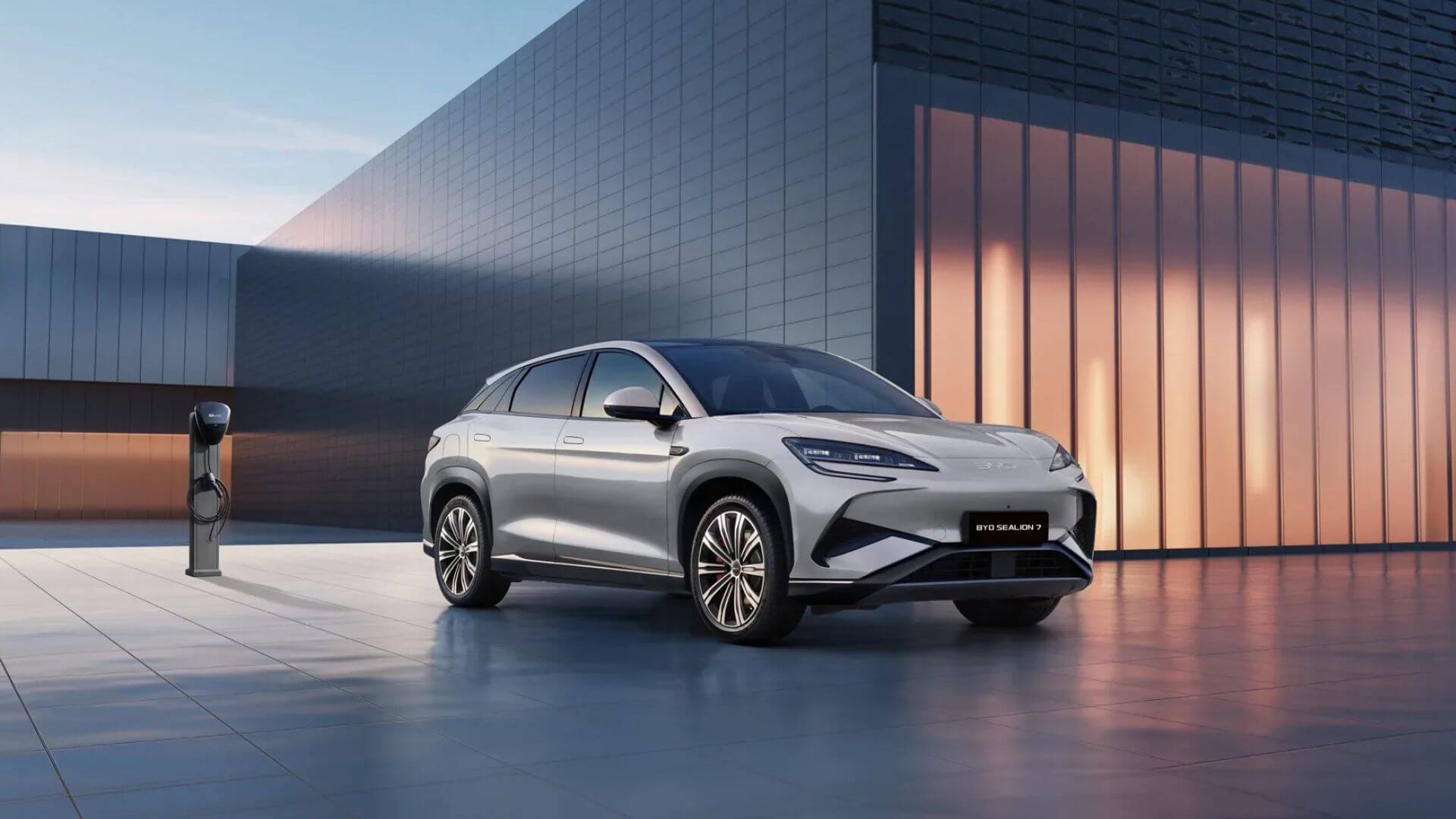
    In an electrifying twist in the automotive landscape, BYD has officially claimed the title of Singapore’s top-selling car brand for the first time this year, outpacing Japanese giant Toyota. With its sights firmly set on global expansion, the Chinese electric vehicle manufacturer has demonstrated remarkable sales prowess, demonstrating the power of innovation in a competitive market.

    BYD Surges Ahead

    During the first four months of 2025, BYD reported sales of 3,002 vehicles, capturing a remarkable 20% of the total car sales in Singapore, according to government data. In contrast, Toyota managed to sell 2,050 units, while Tesla lagged behind with 535 vehicles sold in the same timeframe. This impressive performance marks a significant shift in a market traditionally dominated by Toyota, which recorded sales of 7,876 cars in 2024 compared to BYD’s total of 6,191.

    The Strategy Behind Success

    BYD’s surge in sales highlights its strategic direction toward international markets, particularly amidst fierce price wars in China. Recent reports reveal that the leading automaker from China aims to sell half of its vehicles outside its home market by 2030—a bold target that positions it as a serious contender against established global players.

    Entering the Singapore consumer car market in 2022, BYD has gained traction at a swift pace, eclipsing Tesla’s growth. In 2023, BYD’s sales nearly doubled to 1,416 units, while Tesla saw a modest increase of just 7%, reaching 941 units.

    The Price of Ownership

    Owning a car in Singapore is no small feat, given the city-state’s reputation for high vehicle ownership costs. For instance, the popular compact BYD Atto 3 SUV is priced at a minimum of S$165,888 (approximately US$127,500), while other models like the Toyota Corolla Altis come in at around S$170,888. Despite these premium prices, BYD’s growing presence reflects a shifting consumer preference toward more sustainable vehicle options.

    As BYD expands its footprint in Southeast Asia, with Thailand currently its largest overseas market, plans are in place for further expansion into Europe and Latin America, redefining the boundaries of the automotive industry.

    Will BYD maintain its momentum in Singapore? Will prey meet its rival head-on in the price wars? And can we expect to see a BYD-branded amusement park with all the thrills of eco-friendliness?

    Questions & Answers

    **What led to BYD overtaking Toyota in Singapore?**
    BYD’s strategic focus on international expansion and significant sales growth in electric vehicles have positioned it ahead of Toyota for the first time this year.

    How does the pricing of cars in Singapore compare between BYD and its competitors?
    The compact BYD Atto 3 SUV starts at S$165,888, while the Toyota Corolla Altis is priced around S$170,888, highlighting the competitive pricing in a notoriously expensive car market.

    What are BYD’s future expansion plans?
    BYD is looking to grow its footprint beyond Singapore, targeting markets in Europe and Latin America, aiming to have half of its sales occur outside China by 2030.