Author: Mei Ling Tan

  • Meet Lori Huang: The Woman Behind Billionaire Nvidia CEO Jensen Huang’s Success.

    Meet Lori Huang: The Woman Behind Billionaire Nvidia CEO Jensen Huang’s Success.

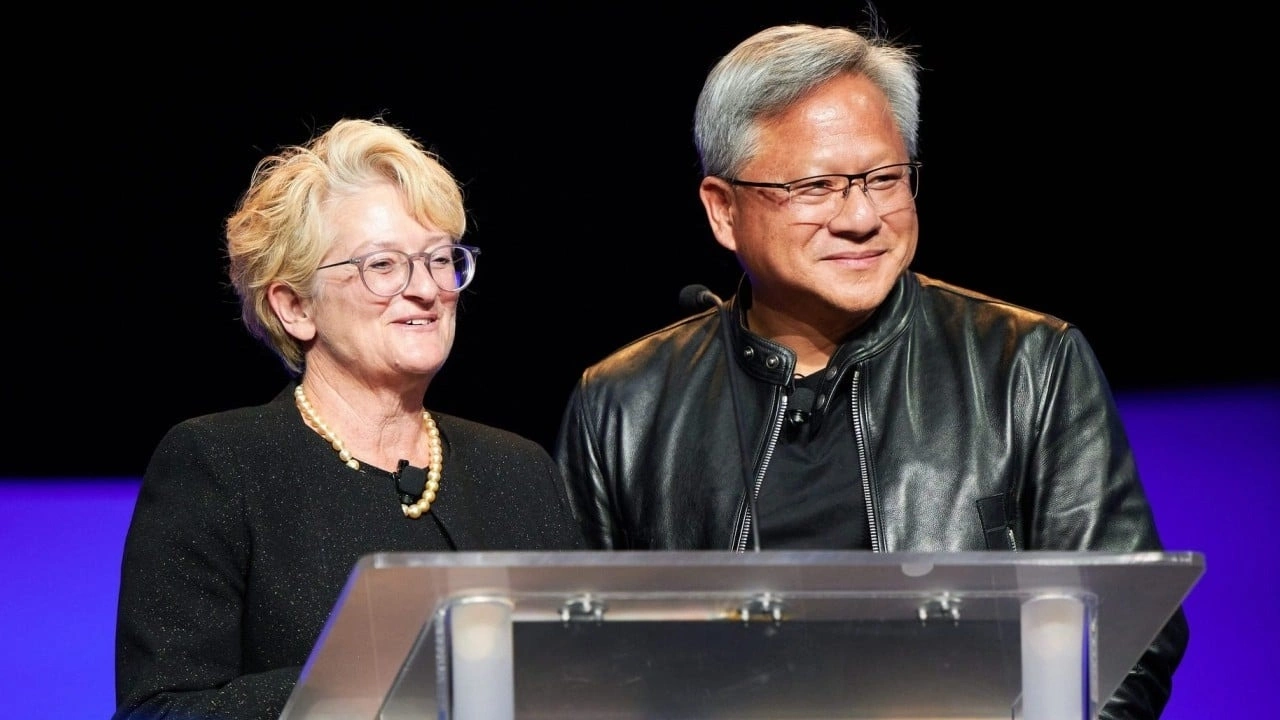
    Lori Huang, known for her steadfast support of her husband Jensen since their college days, plays a vital role alongside him in the Jen-Hsun and Lori Huang Foundation, which focuses on various public health initiatives. This partnership dates back to Oregon State University, where in a male-dominated engineering class, she shone brightly as one of only three women among 250 students.

    At the age of 17, Jensen vividly remembers their first meeting: “I was the youngest kid in school. I walked up to her and I said, ‘Do you want to see my homework?’” Their bond grew from there into a weekly study session, during which Jensen boldly proclaimed that he would become a CEO by age 30—a promise he fulfilled with the founding of Nvidia in 1993.

    Both Lori and her time at Oregon State significantly influenced Jensen’s career trajectory. Reflecting on his education, he remarked, “I enjoyed computers growing up, but Oregon State University opened my eyes to the magic behind them.” It was at this institution that he first fell in love with technology, mentored by exceptional professors who ignited his passion. “Everything I have learned over the past decades is built on the strong foundation I gained here,” he added.

    While Lori prefers to lead a private life, her philanthropic spirit is well recognized. The couple’s philanthropic efforts include a staggering US$60 million donation in 2023 and US$66 million in 2022, primarily through their charitable vehicle, The Huang Foundation. Notably, they contributed US$10 million to Oregon State University and US$900,000 to the American Friends of Magen David Adom.

    A spokesperson for the Huangs explained, “The Huang Foundation supports higher education, public health, and STEM initiatives across the U.S., alongside local community organizations in the San Francisco Bay area. By taking a long-term approach, the foundation ensures that its resources will continue to support critical causes well into the future, maximizing its charitable impact over time.”

    The couple shares two children: Madison, who serves as a director of marketing at Nvidia, and Spencer, a senior product manager. Jensen humorously attributes his iconic black leather jacket look to his family’s influence: “I’m happy that my wife and my daughter dress me.”

    After four decades of partnership, Lori remains Jensen’s steadfast supporter. Reports illustrate their foresight in wealth management, as they’ve been strategizing to shield their assets from estate taxes since at least 2012. Today, Forbes estimates Jensen’s fortune at an astounding US$113 billion.

    Questions & Answers

    What is the significance of the Huang Foundation?
    The Huang Foundation plays a pivotal role in supporting higher education, public health, and STEM initiatives throughout the U.S., emphasizing long-term impact and community engagement.

    How did Lori and Jensen Huang first meet?
    The couple met at Oregon State University when Lori, an engineering student, caught Jensen’s attention—in a charmingly nerdy way—by asking if she wanted to see his homework.

    What are the educational and professional paths of their children?
    Their daughter Madison is a director of marketing at Nvidia, while their son Spencer contributes as a senior product manager at the same company, showcasing a legacy of innovation in the family.


  • VN-Index Hits New Heights with Third Consecutive Day of Gains

    Vietnam’s stock market is buzzing, with the VN-Index soaring by 1.26% to an impressive 1,309.73 points on Wednesday, marking the third consecutive session of growth. This robust performance follows a modest dip of 16.3 points, coming off a gain of 10 points the previous day. Interestingly, the index has experienced a surge in seven out of the eight trading days this month alone—quite the streak!

    Trading Activity Hits New Highs

    On the Ho Chi Minh Stock Exchange, trading volume witnessed a 10% increase, reaching VND 27.33 trillion (approximately US$1.05 billion), the highest level seen in three weeks. The VN-30 basket, which tracks the 30 largest listed companies, showcased a strong showing with 22 of its members recording gains. Among the standout performers, VPB, affiliated with private lender VPBank, remarkably hit its ceiling price.

    Tech giant FPT Corporation also made waves, with its stock climbing by 5.69%. The state-owned lender BIDV wasn’t far behind, rising by 4.61%. Yet, not all was rosy, as seven blue-chip stocks faced a decline. Vincom Retail’s VRE dropped by 2.76%, while property heavyweight Vinhomes, represented by VHM, ended 2.58% lower.

    Foreign Investment Takes Center Stage

    In a stroke of positivity, foreign investors emerged as net buyers, purchasing a net amount of VND 2.26 trillion, predominantly focusing on FPT and VPB stocks. Over on the Hanoi Stock Exchange, the HNX-Index, which features mid and small-cap stocks, edged up by 0.23%. Additionally, the UPCoM-Index for unlisted public companies increased by 0.24%.

    As the market continues to make significant gains, one can’t help but wonder: is it dancing with joy or just warming up for a more exhilarating performance?

    Questions & Answers

    What influenced the VN-Index growth recently?
    An increase in trading volume, particularly in large-cap stocks like VPBank and FPT, has significantly boosted the VN-Index.

    How have foreign investors impacted the market?
    Foreign investors have turned net buyers, acquiring a significant amount of shares, especially in top-performing companies like FPT and VPB.

    What trends are emerging in Vietnam’s stock market?
    The trend shows a strong recovery with consistent gains, indicating positive sentiment and increasing investor confidence in the market.

  • Nam Long Celebrates a Decade of Strategic Collaboration with Top Japanese Partners

    Nam Long Celebrates a Decade of Strategic Collaboration with Top Japanese Partners

    Nam Long Group recently marked a significant milestone by celebrating ten years of collaboration with renowned Japanese real estate firms, Hankyu Hanshin Properties and Nishi Nippon Railroad. The event, held on May 10, attracted around 400 guests and was a lively tapestry of Vietnamese and Japanese cultural intermingling.

    A Celebration of Cultural Partnership

    The festivities were not just about acknowledging a successful decade of business; they embraced the spirit of partnerships that cross borders. Attendees enjoyed a series of performances and displays that showcased the unique blend of Vietnamese and Japanese traditions, reminding everyone that good business is as much about community and culture as it is about profit margins.

    A Bright Future Ahead

    As Nam Long Group and its Japanese partners embark on their next chapter, they express excitement for the future projects that lie ahead. This partnership isn’t merely about real estate; it’s about building a vibrant community through innovative housing developments and integrated urban planning. With a shared vision, they aim to enhance the quality of life for residents in the areas they serve.

    And who knows? Perhaps they’ll even create the next architectural wonder that makes us all say, “Wow!” in more than just one language.

    Questions & Answers

    What was the purpose of Nam Long Group’s recent celebration?
    The event commemorated a decade of successful collaboration between Nam Long Group and its Japanese partners, celebrating their shared achievements.

    How many guests attended the ceremony?
    Approximately 400 guests participated in the celebration, enjoying various cultural performances.

    What future plans do Nam Long Group and its partners have?
    They look forward to continuing their collaboration to develop innovative housing projects and enhance urban living in the regions they serve.

  • Southeast Asia’s E-Commerce Market Poised to Soar to $140 Billion by 2030

    Southeast Asia’s E-Commerce Market Poised to Soar to $140 Billion by 2030

    Southeast Asia’s e-commerce landscape is on a meteoric rise, with sales soaring an astonishing 46 times since 2012. A report titled Nextwave Southeast Asia 2025, released by DBS and market insights firm Cube, forecasts that the region’s e-commerce market will more than double from $184 billion in 2024 to an impressive $410 billion by 2030. This surge indicates a robust compound annual growth rate of 14%.

    Major Players Make Profits Amid Market Evolution

    As the sector matures, numerous key players have already achieved profitability, thanks to market consolidation, increased platform fees, and a sharper focus on core offerings. Many companies are also venturing into logistics and last-mile delivery, enhancing their operational efficiency to meet the growing consumer demand.

    The maturation of the market is prompting businesses to pivot towards cost control, reliable revenue streams, and the retention of customers. Companies that provide personalized and engaging shopping experiences are set to solidify their grip on market share, proving that a tailor-made approach is the name of the game.

    AI Takes the Spotlight in Retail

    Artificial intelligence is emerging as a game-changer, transitioning from backend operations to the forefront of consumer engagement by facilitating personalized recommendations and immersive shopping experiences. New entrants leveraging AI and offering seamless payment solutions are poised to disrupt established players, capturing both market attention and investment.

    Funding Strategies Shift in the Tech Realm

    The report highlights a noteworthy shift in the funding landscape for tech companies. Start-ups and scale-ups are looking to decrease their reliance on venture capital, opting instead for credit-backed financing. This evolution reflects the changing market dynamics and a broader commitment to long-term sustainability in Southeast Asia’s burgeoning digital economy.

    In the thrilling chase for e-commerce supremacy, it seems the stakes are never higher—and just like a good sale, there are surprises around every corner!

    Questions & Answers

    What is the projected growth for Southeast Asia’s e-commerce market by 2030?
    The e-commerce market is expected to grow from $184 billion in 2024 to $410 billion by 2030.

    What factors are driving profitability among e-commerce players?
    Market consolidation, increased platform fees, and a focus on core offerings are key drivers of profitability.

    How is artificial intelligence changing the shopping experience?
    AI is facilitating personalized recommendations and creating immersive shopping journeys, enhancing consumer engagement.

  • Hong Kong’s Property Slump Affects Celebrity and Tycoon Real Estate, Including Nicholas Tse and Ho Family

    Hong Kong’s Property Slump Affects Celebrity and Tycoon Real Estate, Including Nicholas Tse and Ho Family

    In March, Hong Kong actor Nicholas Tse secured a lease for a retail space in Central Hong Kong for HK$60,000 (US$7,721) per month—a remarkable 40% reduction from its original listed price of HK$100,000. This transaction comes after the unit languished vacant for over a year, underscoring the current challenges in the market.

    Prime Property Discounts

    In the Tsim Sha Tsui shopping district, a property owned by the family of Stanley Ho, the late “King of Gambling” with a towering net worth of $14.9 billion, has hit the market with an asking price of HK$88 million. “It is very rare to see such a prime development site in the heart of Tsim Sha Tsui for sale,” remarked Reeves Yan, head of capital markets at CBRE Hong Kong, the exclusive agent managing this sale.

    Just a few months earlier, legendary actor Chow Yun Fat made headlines when he slashed the price of his mansion in The Peak, Hong Kong’s most exclusive neighborhood, by HK$25 million, bringing it down to HK$195 million. This property, known as “Sunshine Garden,” is among Chow’s most cherished assets, once purchased for HK$128 million.

    Recently, a high-end duplex apartment that was previously owned by actress Vicki Zhao also struggled to attract bidders. The property went to auction at HK$49 million—a 32% markdown from its original price of HK$72 million—but failed to generate any interest.

    A Tumultuous Market

    Hong Kong’s real estate markets, historically favored by entertainment elites and tycoons, are feeling the weight of a downturn. Residential prices have tumbled nearly 30% since their peak in 2021, propelled by rising mortgage rates, decreased demand following an exodus of professionals, and a dismal economic outlook, according to Reuters.

    The city’s Rating and Valuation Department reported a 0.5% decline in private home prices in March, following a revised 0.6% drop in February, marking the fourth consecutive month of decline. The secondary market has also seen prices slip cumulatively by 1.7% in Q1 2023, pushing the price index to its lowest since July 2016.

    With the office and retail segments still struggling, transaction values in these sectors have plummeted for four straight years since 2021. According to Centaline Commercial, overall deals dipped by 7% to HK$64 billion in the past year, the lowest level since the SARS outbreak in 2003.

    Persistently weak retail sales remain a burden on rental prospects. In March, the city’s retail sales dropped for the 13th consecutive month, hitting HK$30.1 billion—a 3.5% decrease from the previous year. While the contraction was less severe than February’s 13% plunge, the decline continues.

    A Silver Lining?

    Despite the prolonged downturn, a few rays of optimism are breaking through, thanks to fresh investments from Southeast Asian firms and local educational institutions, which together accounted for approximately 22% of the HK$6.28 billion investment in Hong Kong properties during the first quarter, as reported by Colliers. This influx of capital is rejuvenating leasing activity.

    Thomas Chak, head of capital markets and investment services at Colliers Hong Kong, explained that investors are drawn to lower prices in the prime property sector. Following the introduction of the “Studying in Hong Kong” scheme last October, there is renewed interest in the market, further fueled by hopes for declining interest rates and a recovering stock market.

    With luxury homes once again catching the eye of affluent buyers—thanks to falling prices—the segment is witnessing an uptick in sales. Lucia Leung, director of research and consultancy for Greater China at Knight Frank, noted: “This highlights a persistent appetite for high-end properties, particularly as confidence in the market stabilizes.”

    Knight Frank anticipates a 3% increase in luxury home prices this year, suggesting that the current luxury bargains won’t stick around for long. Victoria Allan, founder and managing director of Habitat Property, added, “We will see some distressed vendors looking to exit quickly. But as this stock is sold, supply will tighten and values will firm.”

    Will it be a bumpy ride ahead for Hong Kong’s real estate? Only time will tell.

    Questions & Answers

    How far have Hong Kong property prices fallen?
    Prices have dropped nearly 30% since their peak in 2021, with private home values decreasing for four consecutive months as of March.

    What is impacting retail sales in Hong Kong?
    Retail sales have declined for 13 straight months, largely due to reduced consumer spending and shifts in demand as many professionals have left the city.

    Are there signs of recovery in the real estate market?
    Yes, recent investments from Southeast Asian firms and local educational institutions are revitalizing interest in commercial real estate, while luxury properties are seeing an uptick in sales due to lower prices and improving market conditions.

  • Thai Investors Reap $1.3 Billion in Dividends from Leading Vietnamese Firms

    Thai Investors Reap $1.3 Billion in Dividends from Leading Vietnamese Firms

    Data compiled reveals that Thai investors have been thriving on their stakes in a variety of Vietnamese companies, particularly in the dairy, beverage, plastics, and retail sectors. The spotlight is on Vinamilk, a dominant player in the dairy market, which has showered its Thai shareholders with a staggering VND16.1 trillion in dividends since 2013.

    Vinamilk and Its Sweet Returns

    Vinamilk, which boasts the largest share of the dairy market, has garnered significant attention, especially from Fraser & Neave, a beverage giant that holds a 20.4% stake in the company. In a strategic move, Sirivadhanabhakdi’s TCC Holdings acquired Singapore-based Fraser & Neave back in 2013. Last year alone, Vinamilk dished out VND1.85 trillion in dividends to Fraser & Neave. Despite several attempts in recent years to increase their stake further through the stock market, those plans have been thwarted by challenging market conditions.

    Sabeco: A ‘Crown Jewel’

    Sirivadhanabhakdi’s investment strategy doesn’t stop at Vinamilk. He maintains a controlling interest in Sabeco, one of Vietnam’s leading breweries. In 2017, ThaiBev, operating under Sirivadhanabhakdi, splurged $4.8 billion to acquire 53.6% of Sabeco from the Vietnamese Ministry of Industry and Trade. Over eight years, ThaiBev has raked in over VND14 trillion in dividends from Sabeco, with 2024 marking a record payout of VND3.44 trillion. At a press conference in September 2022, Thapana Sirivadhanabhakdi, CEO of ThaiBev, characterized Sabeco as a “crown jewel,” highlighting its unique value in the crowded regional beer market.

    Diverse Investments Across Sectors

    Beyond the dairy and beverage arenas, TCC Holdings also made headlines with its $704 million acquisition of the Metro supermarket chain, repackaging it as Mega Market. This reflects the breadth of Thai investment in Vietnam, with the acquisition of Binh Minh Plastics standing out as particularly lucrative. Nawaplastic, a subsidiary of Thailand’s SCG Group, took control of Binh Minh in 2018, purchasing 24.2 million shares from the State Capital Investment Corporation and reportedly benefiting from VND2.5 trillion in dividends since 2012.

    SCG’s interests extend further into Vietnam, controlling companies such as Tan Bien Packaging and Duy Tan Plastics while also operating a major petrochemical complex in Ba Ria – Vung Tau Province. This facility, costing over $5 billion, has a remarkable annual capacity of 1.4 million tons of products. As the Thai footprint deepens, they are also eyeing sectors like finance and retail. The Siam Commercial Bank is involved with Home Credit Vietnam, and Central Retail Group boasts brands like GO! (formerly Big C) and Nguyen Kim, solidifying Thailand’s formidable presence in the Vietnamese retail landscape.

    Trust in Vietnam’s Economic Prospects

    Thai investment continues to flourish, with a 2024 HSBC survey revealing that 66% of Thai businesses are keen on investing in Vietnam. The confidence level among Thai investors stands at a robust 93%, just behind Vietnam (98%) and Singapore (94%). Data from the Foreign Investment Agency highlights that Thailand has been Vietnam’s 13th largest investor since 1988, with total investments exceeding $14.7 billion, primarily fueling the manufacturing sector, which receives 74% of their financial commitment.

    Could this surge of investments make Vietnam the Silicon Valley of Southeast Asia? Only time will tell!

    Questions & Answers

    How much have Thai shareholders made from Vinamilk since 2013?
    Thai shareholders have benefitted from a remarkable VND16.1 trillion in dividends from Vinamilk since 2013.

    What characterizes ThaiBev’s investment strategy in Vietnam?
    ThaiBev’s strategy is focused on long-term growth, with plans to dominate the beer market and expand across Southeast Asia, as evidenced by their significant stake in Sabeco.

    What sectors do Thai investors primarily focus on in Vietnam?
    Thai investors predominantly invest in the manufacturing sector, with 74% of their capital directed towards this area, reflecting their strong interest in production capabilities within Vietnam.

  • Hexnode Enhances Support for Purpose-Built Devices with ChromeOS Kiosk Lockdown and Windows Digital Signage

    Hexnode Enhances Support for Purpose-Built Devices with ChromeOS Kiosk Lockdown and Windows Digital Signage

    Hexnode, the leading Unified Endpoint Management (UEM) platform from Mitsogo Inc., has announced the extension of Kiosk Lockdown support to ChromeOS and the addition of digital signage capabilities to its Windows kiosk management offering.

    These enhancements empower businesses to take better control of their single-purpose and customer-facing endpoints. By restricting access to unnecessary applications and streamlining content management, organizations can strengthen security and ensure displays remain relevant and up to date.

    “As businesses rely more on purpose-built devices for customer engagement, even brief downtime can disrupt operations and the customer experience,” said Sahad M, Chief Technology Officer at Hexnode. “Recognizing this, we are committed to providing reliable kiosk and digital signage tools that help businesses transform everyday devices into secure, easily manageable interaction hubs.”

    Transform ChromeOS devices into Interactive Kiosks

    ChromeOS is gaining ground as a preferred platform for kiosk deployments by offering an affordable, compact, and cloud-first design solution. Businesses using ChromeOS-powered kiosks have reported an increase in sales and efficiency, making it ideal for applications ranging from self-service kiosks to exam-ready student devices.

    Hexnode now offers several essential features for managing ChromeOS kiosks:

      • Single-App Kiosk Mode: Lock devices into a single app for a focused experience, ideal for self-ordering, check-ins, or wayfinding. Enhance security by disabling plugins and function keys, blocking browser extensions and shortcuts to prevent malicious actors from exploiting loopholes and exiting kiosk mode.

    Multi-App Kiosk Mode: Grant access to a curated set of apps while blocking distractions, ideal for environments that require flexibility without compromising security. This mode is particularly valuable in digital classrooms or healthcare environments, where users may have limited tech expertise, ensuring they can switch between essential apps easily.

    Power and Accessibility Settings: Configure power and battery settings to align with usage patterns, optimizing uptime and extending device longevity. Manage accessibility features like virtual keyboard and dictation, ensuring a user-friendly experience on shared or public devices.

    Remote Management: Quickly lock or wipe kiosk devices in the event of compromise or loss, and reboot devices when they freeze or malfunction, all without the need for on-site technician intervention.

    Turn Windows Devices into Engaging Digital Signage

    Windows remains a widely adopted choice for digital signage after Android, thanks to its long hardware lifespan, robust performance, and broad compatibility with signage software and peripherals. From retail chains to corporate campuses, Windows-powered signage is used to broadcast promotions, display dynamic menus, and relay internal communications. With digital signage shown to boost customer visits by 80%, delivering the right message at the right time has never been more crucial.

    Hexnode equips businesses to display content effectively through:

      • Content Deployment: Easily push promotional images, videos, or URLs to remote displays, making it perfect for keeping retail storefronts updated or synchronizing digital menus across multiple locations.

    Loop Video Mode: Auto-play content in a continuous loop, keeping customer engaged with uninterrupted video playback in high-traffic areas like malls or transport hubs.

    Full-Screen Display: Automatically adjust content to fill the screen, ensuring consistency and visual impact in environments like corporate lobbies or product showcases.

    With the latest addition of digital signage capabilities to Windows kiosk lockdown and newly expanded kiosk support for ChromeOS, Hexnode’s kiosk solutions now cover major platforms like macOS, iOS, Apple TV, Windows, Android, and ChromeOS. This unified approach empowers IT teams to seamlessly secure and manage interactive kiosks and digital signage displays across a diverse fleet of devices.

  • Crypto Leader Sets Sights on Seizing US IPO Opportunity for Major Growth

    Crypto Leader Sets Sights on Seizing US IPO Opportunity for Major Growth

    Coinshares, one of the oldest and largest players in the digital asset management ecosystem, is inching closer to its ambitious goal of listing on a U.S. stock exchange, driven by a wave of more crypto-friendly regulations. The company revealed this exciting prospect as it presented its quarterly results on Tuesday.

    The Numbers That Speak Volumes

    The first quarter of 2025 saw Coinshares reporting a net profit of $23.8 million, a drop from $41.5 million in the same period last year. Nevertheless, the company noted a “robust performance across all platforms.” Coinshares Physical, the company’s flagship product, continues to dominate the European market for crypto exchange-traded products (ETPs), attracting net inflows of $268 million—three times more than its closest competitor, despite challenging market conditions where Bitcoin fell by 12.1% and Ethereum plummeted by 45.2%.

    A Market in Flux

    While Coinshares demonstrated resilience, other platforms have shown a “mixed picture” with notable net outflows. The Capital Markets division of Coinshares achieved moderate results this quarter, with profits and other income reaching $11.9 million, indicating a return to normalcy following the extraordinary post-election rally in the previous quarter.

    The Ethereum Effect

    However, the sharp depreciation of Ethereum took a toll on staking revenues, which dipped 26% quarter-on-quarter to $5.6 million.

    Eyes on the U.S. Market

    Having made its debut on the Stockholm exchange in 2021, Coinshares is keen to expand its footprint in the U.S., the world’s largest market for digital assets. The company sees the current favorable regulatory climate in the U.S. as a turning point in making this goal more attainable.

    Analyst Coverage and Investor Engagement

    In a bid to enhance liquidity for its shares, Coinshares is ramping up analyst coverage and conducting roadshows to engage institutional investors. The company also made headlines recently by distributing its first quarterly dividend for 2024 on May 6, signaling its commitment to shareholder value.

    Changing the Financial Game

    Effective January 1, 2025, Coinshares switched its accounting currency from British pounds to U.S. dollars to better align with its operational landscape. This strategic move could very well be a precursor to the much-anticipated U.S. IPO.

    Leading from the Front

    CEO Jean-Marie Mognetti reflected on the company’s performance, stating, “Our proactive approach to market volatility has allowed us not only to remain resilient but also to continue growing, particularly through our Coinshares Physical platform, which is surpassing its peers at an unprecedented pace.” Regarding the prospective U.S. IPO, he added, “As the U.S. regulatory landscape evolves positively, our goal is becoming increasingly realistic and aligns with our strategy to strengthen Coinshares’ presence in the world’s largest capital market for digital assets.”

    Global Footprint with Local Impact

    Coinshares offers an array of financial services, including asset management and trading for digital assets. With its roots in the crypto sector stretching back to 2013, the company has its headquarters in Jersey and maintains a robust presence with offices in France, Sweden, Switzerland, the United Kingdom, and the USA. Coinshares has also made investments in the Geneva-based digital bank Flowbank, which faced a closure ordered by Finma in 2024.

    Who knew that a company deeply entrenched in digital assets could make market moves so impactful? Watch out, Wall Street; Coinshares is gearing up for some serious disruption!

    Questions & Answers

    What is Coinshares’ net profit for the first quarter of 2025?
    Coinshares reported a net profit of $23.8 million for the first quarter of 2025.

    What factors contributed to the drop in staking revenues?
    The steep decline in Ethereum’s value negatively impacted staking revenues, leading to a quarter-on-quarter decrease of 26% to $5.6 million.

    When did Coinshares change its accounting currency?
    Coinshares switched its accounting currency from British pounds to U.S. dollars, effective January 1, 2025, to better reflect the economic environment in which it operates.

  • Australian Mango Prices Plunge 80% in Vietnam, Now Selling for Just 20 Cents per Kilogram!

    Australian Mango Prices Plunge 80% in Vietnam, Now Selling for Just 20 Cents per Kilogram!

    In the heart of Khanh Hoa province, Vo Xuan Hien, a 60-year-old mango farmer, is grappling with a bitter irony: ripe mangoes are falling from his trees, yet his profits have vanished. The price slump has plunged to a mere VND5,000–8,000 (20-30 U.S. cents) per kilogram, a stark contrast to VND30,000 just a year ago. With the thought of unharvested fruit weighing heavily on his mind, Hien, who once enjoyed an annual income of VND400 million with a 50% profit margin, now only hopes to break even.

    “In my eight years of growing mango, this is the first time I am experiencing both a poor harvest and low prices,” he lamented, reflecting the turmoil facing many in his district. Cam Lam District, home to around 7,000 hectares of mango orchards, including 4,000 hectares dedicated to the Australian variety that has flourished in Vietnam since 2003, is at a tipping point. If left unharvested, thousands of tons of mangoes are set to rot within two weeks.

    Rethinking Demand in a Changing Market

    The plummeting prices can be traced back to a significant drop in demand from China, the traditional powerhouse in mango imports from this region. Huynh Uy Vien, the district’s vice chairman, highlighted that China’s increased domestic mango production has lessened its need for imports, leaving local farmers in dire straits. As a result, many of the mangoes are now sold locally or converted into dried products and juice.

    “Our farmers are facing a critical situation—up to 1,800 tons of mango are ripe and ready for harvest yet remain unsold, and the prices are now below production costs,” he added, revealing the desperate need for intervention. His office is actively collaborating with supermarkets and retail chains to boost local consumption, but the damage has already been done for many farmers.

    Local farmer Thao expressed her frustration, noting that prices have nosedived over the last month, leaving her expected losses at VND100 million. “Ripe mangoes are falling, and traders are paying dirt-cheap prices,” she said, encapsulating the despair shared among growers.

    Turning Dilemmas into Opportunities

    Amidst the turmoil, opportunities for processing mangoes are emerging. Dang The Thuyen, CEO of local processing company Camlamonline, remarked that unfavorable weather has led to a decline in the quality of many fruits. Still, he’s committed to supporting farmers by purchasing 100 tons this month for dried mango production. “We plan to buy more to help farmers recoup some of their investments,” he said, signaling a glimmer of hope amidst the challenges.

    The situation is dire, yet as the saying goes, sometimes when it rains, it pours—just not the kind of rain that helps mangoes thrive!

    Questions & Answers

    What has caused the recent drop in mango prices?
    A significant decrease in demand from China, which has ramped up its own mango production, has led to lower prices for exported mangoes from Khanh Hoa.

    How are local farmers responding to this crisis?
    Farmers like Vo Xuan Hien and Thao are struggling with unharvested crops and losses, with many resorting to selling their mangoes at unsustainable prices.

    What measures are being taken to address the situation?
    Local government officials are working to enhance domestic consumption by partnering with supermarkets and retail chains, while some processing companies are stepping in to buy mangoes to support farmers.

  • Singaporean Households Can Now Access $380 Vouchers from New Cost-of-Living Relief Program

    Singaporean Households Can Now Access $380 Vouchers from New Cost-of-Living Relief Program

    The latest distribution of CDC vouchers is set to bring some cheer to Singaporean households, providing much-needed financial relief amid ongoing economic pressures. These vouchers can be claimed online via the official website and are valid until December 31, 2025.

    Where Can They Be Used?

    A split distribution model allows half of the vouchers to be redeemed at participating heartland merchants and hawkers, while the other half is valid at eight major supermarket chains—Ang Mo Supermarket, Cold Storage, Giant Singapore, HAO Mart, NTUC FairPrice, Prime Supermarket, Sheng Siong, and U Stars Supermarket—spanning nearly 400 outlets across the nation.

    This initiative represents the sixth distribution under the CDC voucher scheme, established in 2020 in response to the financial challenges posed by the COVID-19 pandemic, which directly impacted hawkers and local businesses. Last year alone, two distributions totaling S$800 were rolled out, with an impressive 97% of Singapore’s 1.3 million households making claims.

    This year saw an additional S$300 set issued in January 2025, with approximately 97.3% of households already having claimed their share as of Monday. Of those, around 83.4%—equating to over S$324 million—have already been redeemed, as reported by The Straits Times.

    Government Support Continues

    At the launch of the latest distribution on Tuesday, Prime Minister Lawrence Wong emphasized the importance of these vouchers in light of persistent inflation in Singapore, which, while easing more quickly than in other parts of the world, still leaves households wrestling with high costs. Wong highlighted that this initiative is part of a broader set of measures introduced in the national budget to ease financial burdens.

    Singaporeans can expect further assistance in the upcoming financial year from April 1 to March 31 next year, with SG60 vouchers offering S$600-800 coming in July, along with another S$300 in CDC vouchers set for release next January. For a typical family of four with two young children, total support this financial year could reach around S$5,000, illustrating the government’s ongoing commitment to provide relief.

    “This is not a one-off exercise,” Wong assured. “We will continue to strengthen our social support system across various areas—housing, healthcare, education, and retirement,” he noted, as quoted by CNA. “All these updates, changes, and improvements in policy will help give Singaporeans greater assurance at every life stage.”

    Who knew vouchers could be the superhero cape for struggling families?

    Questions & Answers

    **What are CDC vouchers, and how can I claim them?**
    CDC vouchers are financial aids distributed to help households cope with rising living costs and can be claimed online through the official website until December 31, 2025.

    Which merchants accept these vouchers?
    Half of the vouchers can be used at participating heartland merchants and hawkers, while the remainder is accepted at major supermarket chains like Cold Storage and NTUC FairPrice.

    How much total support can a typical family receive this financial year?
    A typical family of four with two young children can receive approximately S$5,000 in total support, thanks to various assistance initiatives and upcoming voucher distributions.

  • Thai Government Enlists Influencer to Boost Durian Sales in China Market

    Thai Government Enlists Influencer to Boost Durian Sales in China Market

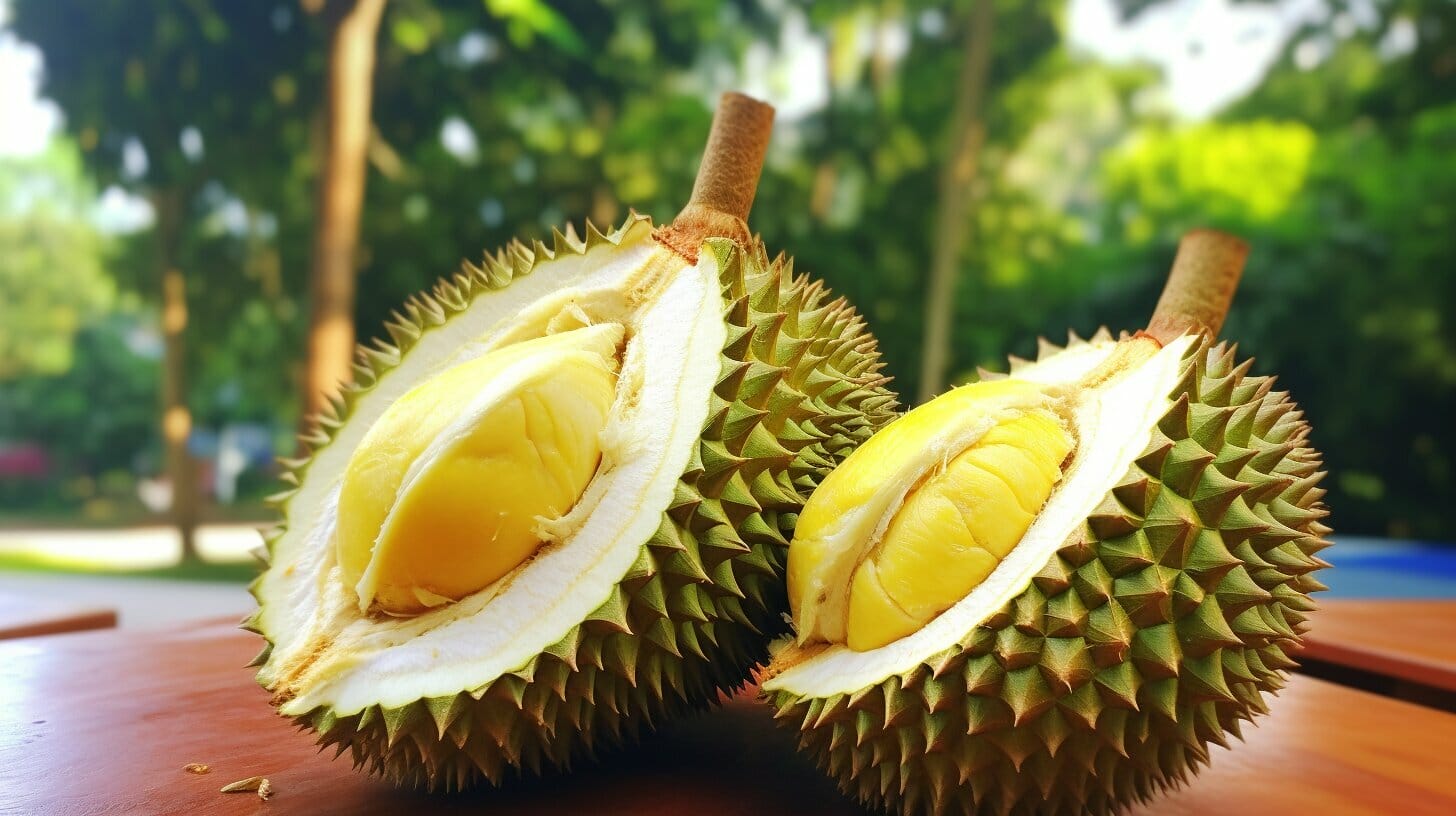
    Thailand’s Commerce Ministry is harnessing social media’s power to supercharge its durian and fruit exports, particularly targeting the lucrative Chinese market. By collaborating with renowned influencer Taiyuan Lao Ge, who boasts over 93 million followers on Kuaishou, the ministry hopes to shatter previous export records in both volume and value through an upcoming live-selling event.

    Scheduled for May 11 and 12, the broadcast aims to showcase not only the celebrated golden pillow durian but also an array of Thai fruits, including mangoes, longans, mangosteens, and various seasonal delights. Last year, Taiyuan achieved remarkable success, selling over a billion baht’s worth of Thai durian—approximately US$30.25 million—in just a single day.

    This initiative is a vital part of the ministry’s broader strategy to promote Thai agricultural products, especially during the booming harvest season that has brought forth exceptional quality produce. Commerce Minister Pichai Naripthaphan emphasized the significance of leveraging Chinese influencers for live online sales, a tactic poised to elevate Thai fruit’s global standing.

    To enhance the export process, the ministry is actively engaging with private sector partners and Chinese online platforms. Pichai revealed ongoing discussions with Wu Zhiwu, Minister Counsellor at the Chinese Embassy in Thailand, to refine and improve durian trade mechanisms. In his discussions, Pichai urged Chinese authorities to ease inspection protocols and expedite clearance processes at border crossings, particularly by augmenting inspection capabilities and personnel to ensure smooth operations during this peak production period.

    In a promising development, China’s customs have committed to operating around the clock to facilitate imports of Thai durians amidst the harvest season frenzy.

    With China accounting for a staggering 98% of Thailand’s durian exports last year—valued at around $4 billion—there’s a lot at stake in this flavorful campaign. Thai durians are not just fruits; they are becoming a sensation that’s ripe for the picking.

    Questions & Answers

    **What is the main goal of Thailand’s Commerce Ministry in launching the live-selling event?**
    The main goal is to enhance the volume and value of fruit exports, particularly targeting the Chinese market through an engaging online sales event led by influencer Taiyuan Lao Ge.

    Why is Taiyuan Lao Ge significant for this campaign?
    Taiyuan Lao Ge is noteworthy because he has a massive following of over 93 million on Kuaishou and previously achieved impressive sales for Thai durian in a single day, making him an influential figure in driving consumer interest.

    How does the Thai government plan to improve durian exports to China?
    The Thai government plans to streamline inspection protocols, improve border clearance processes, and engage Chinese customs for smoother operations during peak harvest times, all while promoting their products through influencer-driven campaigns.

  • VinFast Announces Plans for 100+ EV Service Centers Across the Philippines

    VinFast Announces Plans for 100+ EV Service Centers Across the Philippines

    Vietnam’s electric vehicle manufacturer VinFast is revving up its presence in the Philippines with an ambitious plan to establish over 100 authorized service centers by 2025. This initiative is the result of a strategic partnership with four significant Philippine companies: Goodyear Philippines, Tire King and Rubber Products, Power Tread Services, and Marcjan Cavite.

    New Horizons for EV Maintenance

    Under the recently signed memoranda of understanding (MoUs) and service level agreements (SLAs), these firms will run official VinFast service centers, offering maintenance, repairs, and dedicated customer care, all in accordance with VinFast’s stringent global standards.

    The rollout is set to be swift, with VinFast and Goodyear Philippines collaborating to introduce 50 authorized centers this year alone. Meanwhile, Marcjan Cavite plans to launch eight centers, while Tire King and Power Tread each target seven. These facilities are designed to meet high standards for equipment and technician qualifications, ensuring that VinFast owners receive only genuine parts and premium services.

    A Commitment to Excellence

    VinFast is also extending a hand of support to its partners, offering training, technical consulting, and operational expertise to facilitate the rapid establishment of this service network. This latest expansion builds upon previous agreements with Philippine partners JIGA and Motech, further underscoring VinFast’s determined strategy to bolster its EV ecosystem and enhance after-sales services in the country.

    Since entering the Philippine market nearly a year ago, VinFast has been making waves with its innovative EV models, competitive sales strategies, and a burgeoning after-sales network. Its broader ambition in Southeast Asia is to foster a “For a Green Future” ecosystem, focusing heavily on building charging infrastructures and service centers—a successful model already thriving in Vietnam and now actively being pursued in the promising Philippine market.

    As electric vehicles soar in popularity, VinFast is not just plugging into a trend; it’s setting the pace for the future.

    Questions & Answers

    What companies is VinFast partnering with in the Philippines?
    VinFast is collaborating with Goodyear Philippines, Tire King and Rubber Products, Power Tread Services, and Marcjan Cavite to establish service centers.

    How many service centers does VinFast plan to open this year?
    VinFast, in partnership with Goodyear Philippines, plans to launch 50 service centers this year, along with additional centers by its other partners.

    What support will VinFast provide to its service partners?
    VinFast will offer comprehensive support including personnel training, technical consulting, and operational knowledge to ensure a swift rollout of the service network.

  • Addressing Security Challenges: The Upsurge of AI in Business Operations

    Addressing Security Challenges: The Upsurge of AI in Business Operations

    The global marketplace is undergoing a seismic shift as companies rapidly embrace artificial intelligence. A recent McKinsey report reveals that 78% of organizations are already utilizing AI, and a staggering 92% plan to ramp up their investments in this transformative technology over the next three years. Gartner even predicts that by 2029, AI agents will take charge of a whopping 80% of customer interactions.

    However, riding the AI wave isn’t all sunshine and rainbows. The reality is that only 1% of firms can be classified as AI-mature. Alarmingly, a significant 70% of businesses falter during AI deployment, and about 85% of projects fail to meet expectations. Rather than being the panacea many hoped for, AI has entangled companies in a web of challenges, including breaches of sensitive data, mishandled operations, and sophisticated security attacks—each leading to reputational damage and financial hits that could sink a ship.

    Addressing the Challenges of AI Adoption

    These pressing challenges raise an essential question: How can businesses successfully and safely integrate AI into their operations? In today’s fast-paced tech environment, speed alone isn’t enough. The new gold standards are robust security, data privacy, and user protection.

    In a proactive move, OplaCRM—a growing SaaS company specializing in AI-driven CRM and B2B sales solutions—has forged a partnership with VinCSS, a prominent regional cybersecurity firm. This collaboration aims to establish a standard for cybersecurity across OplaCRM’s AI offerings.

    Innovating with Security in Focus

    As part of this partnership, OplaCRM will subject its products to rigorous penetration testing by VinCSS before they hit the market. This will enable swift identification and resolution of any security vulnerabilities lurking beneath the surface. Additionally, VinCSS will help incorporate password-free authentication, utilizing FIDO2-compliant passkeys to boost user experience while fortifying defenses against emerging threats tied to traditional credential systems.

    Through this alliance, OplaCRM doesn’t just bolster its own security measures; it also enhances the safety of its customers and end users. This synergistic approach is a win-win, proving that collaboration can yield significant benefits.

    Educating for a Secure Future

    The two companies are committed to engaging the wider business community through educational events focused on the secure adoption of AI. These sessions arm participants with practical insights to navigate risks, stay informed on industry trends, and develop secure roadmaps for AI deployment. In an era where AI is becoming part and parcel of business strategy, VinCSS and OplaCRM make it clear: cybersecurity is no longer optional—it’s imperative.

    Their collaborative efforts stand as a model of how technological innovation and robust security can go hand in hand, empowering businesses to tap into the full potential of AI while safeguarding their operations and customers.

    What would happen if an AI program gave an unexpected answer during a critical moment? Well, it might be a good time to double-check those security measures!

    Questions & Answers

    What percentage of companies are currently using AI?
    According to McKinsey, 78% of organizations utilize AI, with 92% planning to invest further in the next three years.

    What are the main challenges companies face when deploying AI?
    Major challenges include AI-induced data breaches, incorrect AI actions, and overall deployment failures, with 70% of companies facing struggles in this area.

    How does the partnership between OplaCRM and VinCSS enhance AI security?
    Their collaboration involves penetration testing of OplaCRM products, integration of password-free authentication, and a shared commitment to educating businesses on secure AI adoption.

  • Nanogen CEO, Pioneer of Vietnam’s Covid Vaccine Trials, Dies at Age 59

    Nanogen CEO, Pioneer of Vietnam’s Covid Vaccine Trials, Dies at Age 59

    Ho Nhan, the esteemed CEO of Nanogen and a trailblazer in Vietnam’s quest for a Covid-19 vaccine, has passed away at the age of 59. His family confirmed the heartbreaking news early Tuesday, creating a void in the burgeoning biotechnology landscape of Vietnam.

    Nguyen Thi Son, his mother-in-law and the founder of the Son Kim Group—a family enterprise with interests spanning real estate and retail—spoke about his health struggles on social media. She revealed that despite battling heart disease and often expressing fatigue, Hnan remained unyieldingly dedicated to his work.

    A native of New York, Nhan honed his expertise by obtaining a Ph.D. in biotechnology from the University of Arizona. After years spent researching abroad, he returned home in 1997 and established Nanogen Pharmaceutical Biotechnology Jsc, a pioneering force in the field. He led the company as chairman and CEO until 2021, when he passed the baton to his wife, Nguyen Thi Hong Van. However, just six months later, like a phoenix rising from the ashes, he resumed his role as CEO and continued to drive the company forward until his untimely death.

    In 2019, Nanogen was valued at over VND5 trillion (approximately US$193 million), with Nhan holding a commanding 59.6% stake in the company and Van owning 14.6%. Notably, Nanogen was among the few Vietnamese organizations at the forefront of researching Covid-19 vaccines and made history in late 2020 as the first to initiate human trials for its vaccine, NanoCovax. By the following year, the research team reported that a 25-microgram dose provided nearly 52% protective efficacy after 180 days—an impressive feat amid a global health crisis.

    Nanogen’s success isn’t solely measured in efficacy statistics; the company has been pivotal in producing pharmaceutical raw materials and injectable drugs utilizing advanced technologies. Adding another layer to Nhan’s rich background, he also brought financial acumen to the table, serving on the board of directors at Vina Securities Company from 2013 to 2016 and earning accolades for his expertise in mergers and acquisitions in the pharmaceutical, hospital, and medical equipment sectors across the U.S. and Hong Kong.

    In the wake of his passing, Vietnam not only mourns a leader in biotechnology, but it also loses a visionary who combined passion and resilience to achieve the remarkable.

    Questions & Answers

    What was Ho Nhan’s role in the development of Covid-19 vaccines in Vietnam?
    Ho Nhan was the CEO of Nanogen, which was among the first organizations in Vietnam to conduct human trials for a Covid-19 vaccine, NanoCovax.

    What were some significant achievements of Nanogen under Ho Nhan’s leadership?
    Under Nhan’s guidance, Nanogen became known for producing pharmaceutical raw materials and injectable drugs using cutting-edge technologies, and it achieved a company valuation of over VND5 trillion in 2019.

    What other expertise did Ho Nhan possess beyond biotechnology?
    In addition to his work in biotechnology, Ho Nhan had a substantial background in finance, including serving on the board of directors at Vina Securities Company and being recognized for his expertise in mergers and acquisitions in various sectors.

  • Honda Sees Impressive Growth in Motorcycle and Auto Sales Across Vietnam

    Honda Sees Impressive Growth in Motorcycle and Auto Sales Across Vietnam

    Honda Vietnam is riding a wave of success, announcing substantial sales growth for April across both its motorcycle and automobile divisions. The figures reveal an impressive year-on-year increase of 6.9% in motorcycle sales and a remarkable 18.9% in car sales, showcasing the brand’s resilience in a dynamic market landscape.

    Motorcycle Sales Break New Ground

    In April alone, Honda Vietnam sold an astonishing 170,986 motorcycles, marking the kickoff of the 2025–2026 fiscal year on a high note. Despite lingering market uncertainties, this robust figure signals a steady appetite for motorbikes among consumers. Honda isn’t just making waves domestically; the company exported 17,953 motorcycles to various international markets, underscoring its expanding global reach.

    Automobile Segment Booms

    The automobile sector also celebrated a spectacular performance, with 2,142 units sold in April—a dynamic increase of 18.9%. This surge reflects a lively recovery in the domestic automobile market, highlighting the effectiveness of Honda’s product strategies and innovative marketing campaigns. The company’s incentive programs have clearly struck a chord with consumers eager for quality and reliability.

    As Honda continues to throttle forward, one can only wonder what new heights await. Will they unleash a surprising new model? Only time will tell!

    Questions & Answers

    What were Honda’s motorcycle sales figures in April?
    Honda Vietnam sold 170,986 motorcycles in April, reflecting a 6.9% increase from the previous year.

    How many motorcycles did Honda export in April?
    The company exported 17,953 motorcycles to various international markets last month.

    What was the sales performance of Honda’s automobile segment?
    In April, Honda sold 2,142 automobiles, which marks an impressive 18.9% increase year-on-year.