Author: Mei Ling Tan

  • Hanoi’s Mid-Priced Serviced Apartment Rents Surge as Demand Outpaces Supply

    Hanoi’s Mid-Priced Serviced Apartment Rents Surge as Demand Outpaces Supply

    According to property consultancy Avison Young, the occupancy rate for serviced apartments has hit a solid 77%. Yet, the high-end segment is outshining the rest, maintaining rental prices at $35 with occupancy peaking at 82%. Meanwhile, Savills has reported a year-on-year climb of 5% in overall serviced apartment rents, now averaging $23 before VAT, with occupancy rates enjoying an uptick to 86%—a 2-percentage-point increase from the final quarter of 2024.

    Matthew Powell, director of Savills Hanoi, attributes this surge in demand to burgeoning industrial zones and a significant influx in foreign direct investment (FDI), which has soared to nearly $1.5 billion this year—up 31% compared to the same time last year. The clientele primarily consists of experts from Japan and South Korea employed at various enterprises, embassies, international banks, and industrial zones, who are increasingly keen on serviced apartments.

    With limited options available in nearby industrial hubs like Hai Phong, Bac Ninh, and Hai Duong, Hanoi continues to reign supreme for foreigners in search of high-quality accommodations. Adding fuel to the fire, analysts from Avison Young note that a recovering tourism industry is also providing a boost to the serviced apartment market. In the first quarter alone, Hanoi welcomed an estimated 7.3 million tourists, marking an 8.7% increase year-on-year.

    The growing preference for flexible accommodation among international visitors has placed properties with enticing amenities—such as swimming pools, gyms, and 24/7 security—at the top of the list. Furthermore, enhanced infrastructure, including new ring roads and expressways, is making travel between the city and industrial zones smoother than ever.

    However, the market is not devoid of hurdles. The looming prospect of U.S. tariffs poses a potential threat to foreign capital inflows, which could indirectly dampen demand in industrial zones and commercial services. David Jackson, general director of Avison Young Vietnam, warns that if tariffs take effect, foreign enterprises may hesitate, opting to delay investments while keeping a wary eye on the situation. Still, optimism persists; Jackson believes that foreign investors are likely to have contingency plans and long-term strategies in place.

    Lessons learned from the pandemic have prompted businesses to be more cautious in managing inventory and production, so they are better prepared to respond to rising logistics costs. Savills experts maintain that Vietnam continues to offer long-term strategic advantages for foreign investors, thanks in part to government initiatives aimed at streamlining administrative processes and simplifying investment procedures. Notably, significant projects like the North-South Expressway and the Hai Phong-Hanoi-Lao Cai railroad further enhance Vietnam’s attractiveness as a destination for investment.

    With this growing momentum, the supply of serviced apartments is expected to increase as well. Savills reports that seven new apartment projects are set for completion in Hanoi this year, adding over 1,000 units, primarily concentrated in the inner city.

    Questions & Answers

    What is the current occupancy rate for serviced apartments in Hanoi?
    The occupancy rate currently stands at 77%, though high-end apartments boast an impressive 82%.

    How much has foreign direct investment (FDI) increased this year?
    FDI has surged to nearly $1.5 billion, reflecting a 31% increase from the same period last year.

    What amenities are becoming increasingly popular among serviced apartments?
    International visitors are gravitating towards serviced apartments that offer amenities such as swimming pools, gyms, reception services, and 24/7 security.

  • Thailand Outshines Southeast Asia with Soaring Gold Demand

    Thailand Outshines Southeast Asia with Soaring Gold Demand

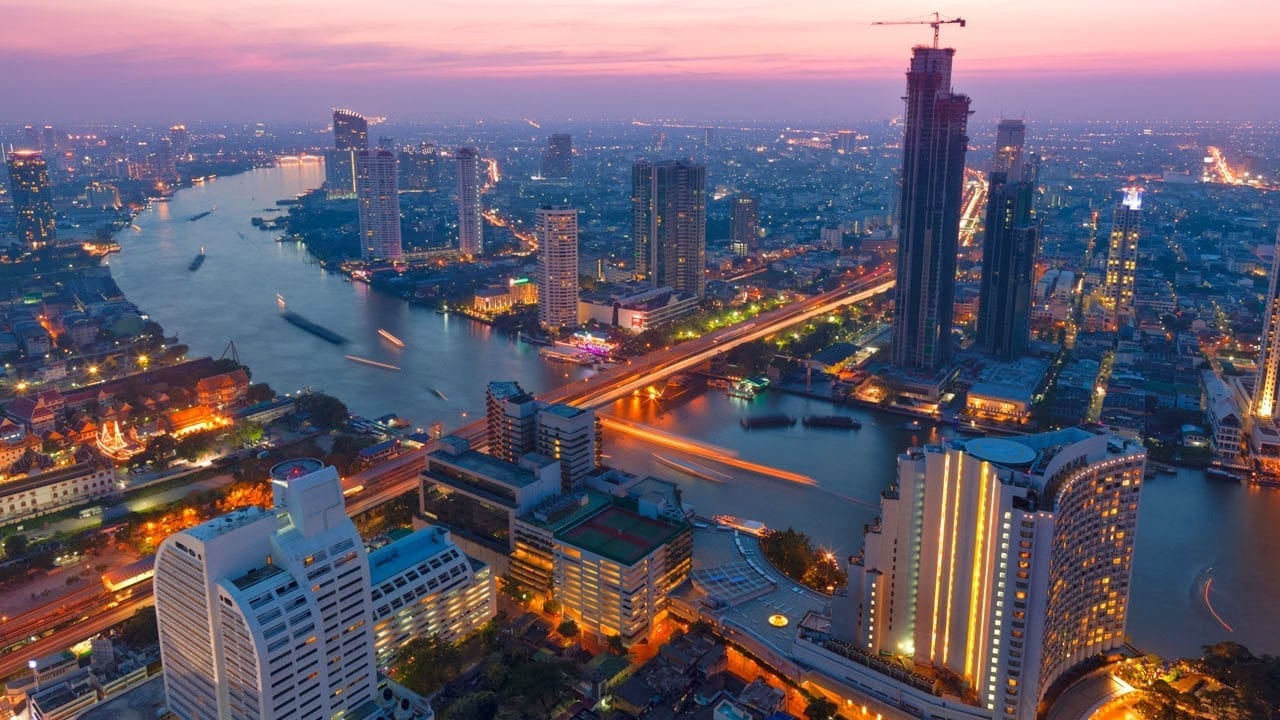
    Thailand has emerged as a shining star in Southeast Asia’s gold market, showcasing a remarkable 17% increase in gold demand during the first quarter of the year. A report from the World Gold Council reveals that this surge is the most significant growth among five countries analyzed in the region.

    In total, consumer demand in Thailand reached 9.1 tons, marking a robust trend in the country’s appetite for gold. Meanwhile, neighboring nations such as Singapore, Malaysia, and Indonesia experienced more modest growth rates ranging from 5% to 8%. In a surprising twist, Vietnam faced a decline of 15%, painting a mixed picture across the region’s gold consumption.

    Gold Bars and Coins Shine Bright

    Thailand’s inclination towards gold bars and coins has shown an impressive 25% year-on-year increase, totaling 7.4 tons. This shift underscores the Thai investors’ growing preference for gold as a safe-haven asset amid swirling uncertainties in the global economy. Louise Street, senior markets analyst at the World Gold Council, noted the tumultuous start to the year for global markets—characterized by trade disputes, unpredictable U.S. policy shifts, and rekindled recession fears. All these factors have contributed to a particularly shaky environment for investors.

    In light of such challenges, it’s no wonder that the demand for gold in the first quarter has reached its highest levels since 2016, according to Street. Globally, gold demand—including over-the-counter trades—tallied 1,206 tonnes during the same period, achieving a slight increase of 1% year on year, despite gold prices surging past US$3,000 per ounce. Although the price may seem daunting for some, others see it as an opportunity to invest in a timeless asset.

    In a world where investments can feel as volatile as a rollercoaster ride, isn’t it refreshing to find stability in shimmering gold?

    Questions & Answers

    What was Thailand’s gold demand in the first quarter?
    Thailand’s gold demand rose to 9.1 tons in the first quarter, reflecting a 17% year-on-year growth.

    How did the gold demand in Thailand compare to other Southeast Asian countries?
    Thailand led the growth in gold demand, while Singapore, Malaysia, and Indonesia saw increases between 5% and 8%, and Vietnam experienced a decline of 15%.

    What factors contributed to the increase in gold demand?
    The rise in gold demand is attributed to investors seeking safe-haven assets amidst trade turmoil, geopolitical tensions, and recessionary fears, creating a highly uncertain market environment.

  • Thai Billionaire’s Frasers Property Sees Profit Surge and Eyes Expansion into China

    Thai Billionaire’s Frasers Property Sees Profit Surge and Eyes Expansion into China

    Charoen Sirivadhanabhakdi, the chairman of TCC Group and Thailand’s second-richest individual, is making waves in the real estate market. Frasers Property Ltd., the company under his stewardship, has reported a staggering surge in profit in Singapore while also setting its sights on expansion in China.

    The Singapore-based developer announced a remarkable net income of SGD135.6 million (approximately US$104 million) for the six months ending March 31, marking a 3.7-fold increase compared to the same period last year. Revenue saw a milder rise of 2.7%, reaching SGD1.59 billion, as disclosed during a briefing on Friday.

    Singularly, Singapore’s recovering housing market has significantly boosted Frasers’ fortunes. Profit from residential developments increased by 12% over the six-month span. Conversely, the company faced a more than 40% decline in profits from its China operations. Nevertheless, Frasers is cautiously re-entering the Chinese market after acquiring a residential plot in Shanghai in collaboration with local partners back in February.

    CEO Panote Sirivadhanabhakdi, who has been leading the company since 2016, expressed optimism about the Shanghai venture but underlined a cautious approach regarding the broader Chinese market. “Land auctions in Shanghai’s center have heated up, and we’re actively seeking opportunities in key cities,” noted Lim Hua Tiong, the company’s chief executive for emerging markets in Asia, during Friday’s earnings briefing. He added, “I understand there are many questions about China, but I always assert that Shanghai is uniquely different from the rest of China.”

    Frasers’ ownership landscape remains heavily influenced by Charoen’s Thailand-based TCC Group, which holds nearly 90% of the company’s shares. On Friday, the stock experienced a dip of as much as 1.2% but later clawed back some losses. This year, the stock has seen a decline of approximately 13%, in stark contrast to a modest gain of about 1% in Singapore’s real estate index.

    As of Friday, Charoen’s net worth sits at $11.7 billion, positioning him third in Thailand behind Dhanin Chearavanont, senior chairman of Charoen Pokphand Group, and Sarath Ratanavadi, CEO of Gulf Energy Development, according to Forbes. In the high-stakes world of real estate, it seems Charoen is firmly in the game, not just playing but reshaping the landscape.

    Questions & Answers

    What is Frasers Property’s net income for the first half of the year?
    The company reported a net income of SGD135.6 million (US$104 million) for the six months ending March 31.

    How has the Singapore housing market affected Frasers Property?
    The recovering Singapore housing market has been a crucial driver for the company, with profit from residential developments increasing by 12%.

    What are Frasers Property’s plans regarding the Chinese market?
    Frasers is cautiously looking to expand its presence in China, having made a joint acquisition of a residential plot in Shanghai while closely monitoring opportunities in key cities.

  • Vietnam Airlines Launches New Routes, Connecting Travelers to India’s Thriving Tech Hubs

    Vietnam Airlines Launches New Routes, Connecting Travelers to India’s Thriving Tech Hubs

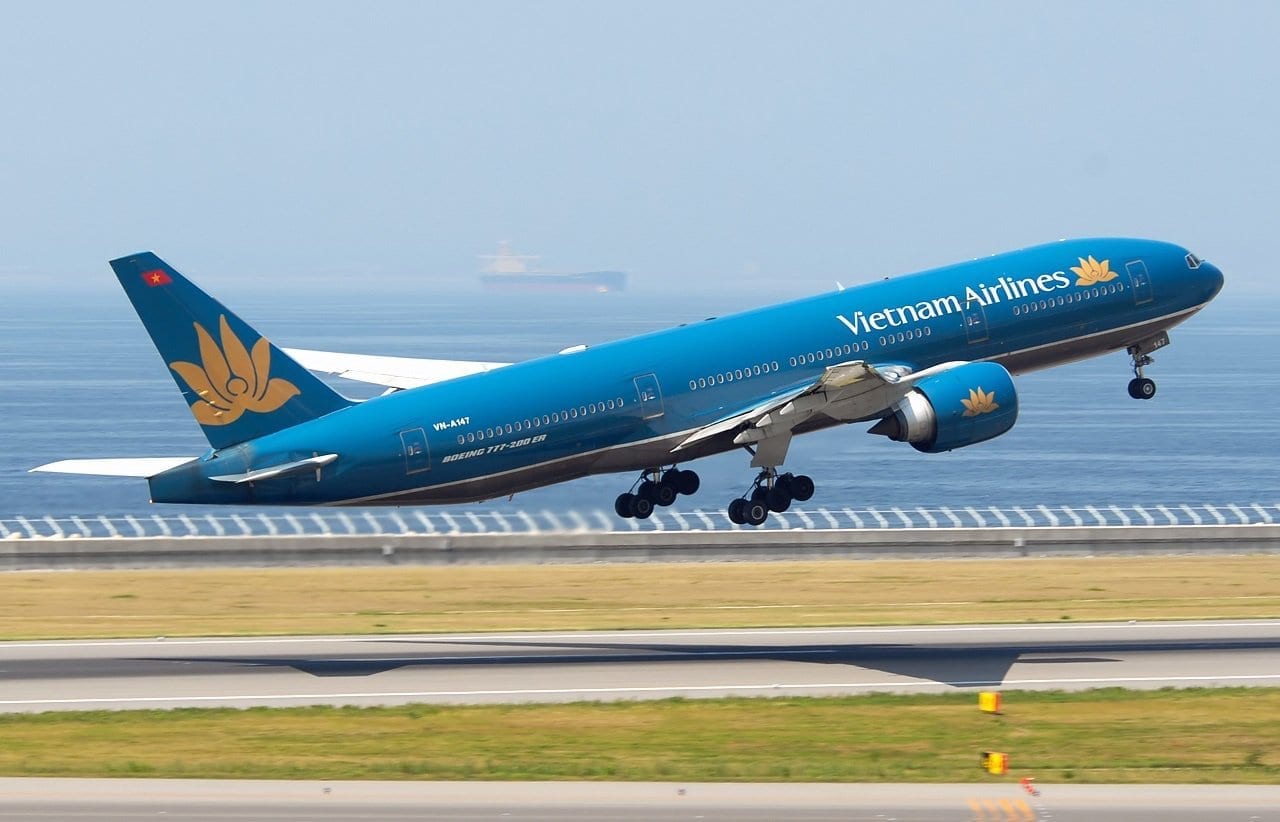
    National flag carrier Vietnam Airlines is soaring to new heights with the launch of a direct flight route connecting Hanoi to Bengaluru, India’s bustling tech hub. This new service will operate four times weekly, starting May 7, and is designed to accommodate the increasing demand driven by robust trade, tourism, and cooperation between the two nations.

    New Connections on the Horizon

    But that’s not all! On May 7, Vietnam Airlines will also initiate direct flights from Hanoi to Hyderabad, another pivotal tech center in India, with three weekly round-trips utilizing state-of-the-art Airbus A321 aircraft. The inaugural flight, VN983, took off from Hanoi on May 1, successfully transporting over 130 passengers to Bengaluru the same day. VN982, the return flight, departed Bengaluru that evening with over 160 travelers aboard, landing in Hanoi at 5:25 a.m. on May 2. Talk about a long night in the skies!

    Expanding Footprints in India

    With these latest additions, Vietnam Airlines now boasts services to four major Indian cities: New Delhi, Mumbai, Bengaluru, and Hyderabad, totaling six direct routes. This strategic expansion highlights Vietnam Airlines’ commitment to being a key connector between Vietnam and South Asia, as noted by Deputy General Director Dang Anh Tuan.

    India, with its rapidly growing aviation market and a population exceeding 1.4 billion, represents a significant opportunity for airlines like Vietnam Airlines. The increasing affluence of the Indian middle class further strengthens this connection, making travel between nations more accessible than ever. In the past few years, Vietnam Airlines has successfully operated over 3,200 flights and welcomed more than 511,700 passengers from India. Notably, Vietnam attracted over 500,000 Indian visitors in 2024, earning India a spot among its top 10 tourism markets.

    As Vietnam Airlines ventures into these tech-savvy territories, one can’t help but wonder: Are they also preparing for the next wave of IT moguls seeking sunshine and pho?

    Questions & Answers

    What cities are now connected by Vietnam Airlines in India?
    The carrier connects four major cities: New Delhi, Mumbai, Bengaluru, and Hyderabad.

    How often will flights operate on the new routes?
    The Bengaluru route will operate four times a week, while the Hyderabad route will have three weekly round-trips.

    What type of aircraft will be used for these new routes?
    Vietnam Airlines will utilize Airbus A321 aircraft for both newly launched routes.

  • Ho Chi Minh City Sets Ambitious Goal of $7,850 in Per Capita Income for 2023

    Ho Chi Minh City Sets Ambitious Goal of $7,850 in Per Capita Income for 2023

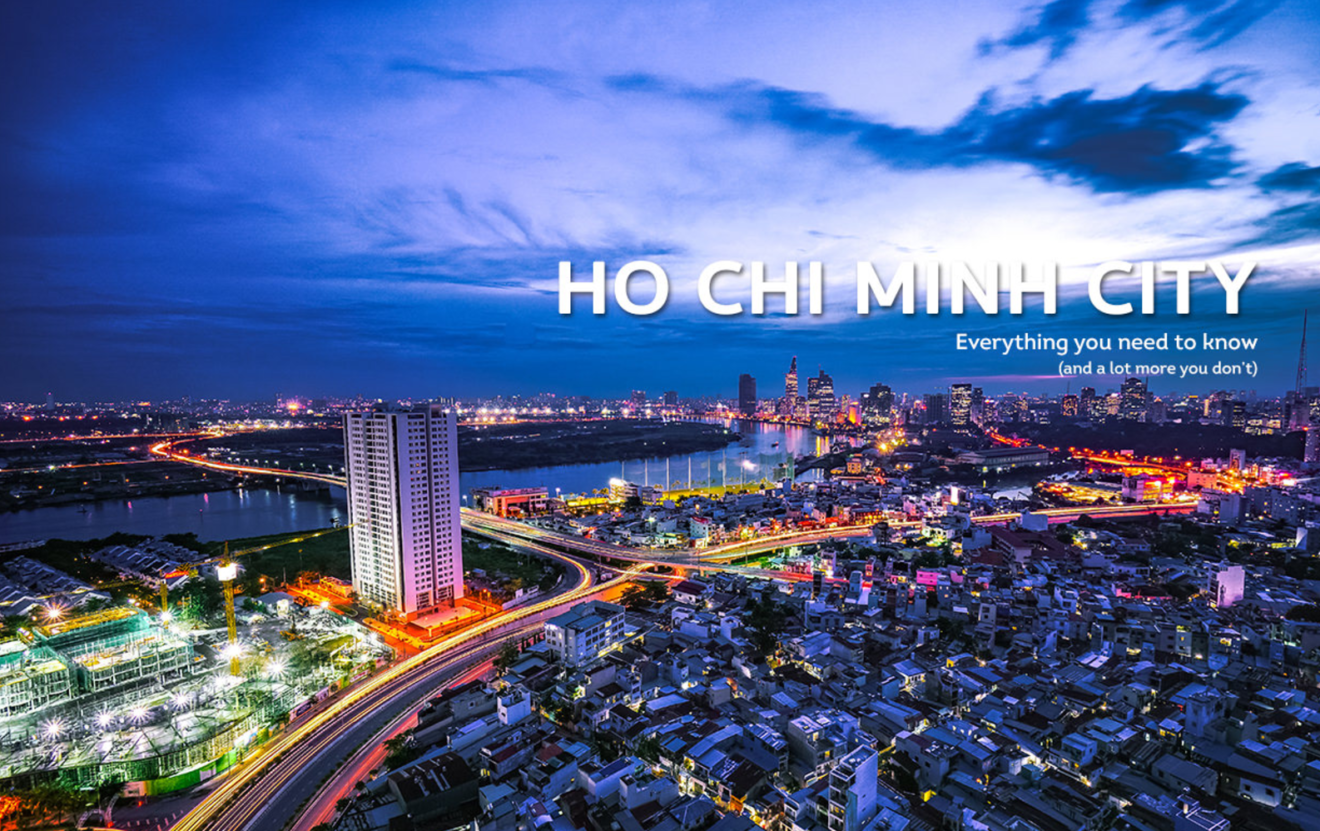
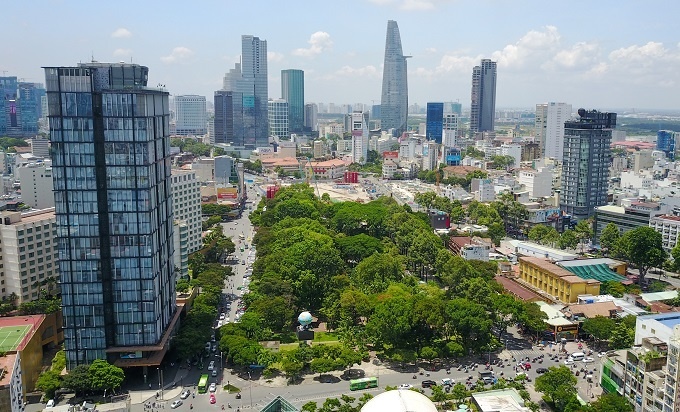
    Ho Chi Minh City is setting ambitious goals for its economic landscape, aiming to boost its per capita income by 3.7% this year. The targeted income for 2025 is set at VND204.3 million, roughly translating to over US$7,850 at current exchange rates. This figure positions the city a remarkable 57% ahead of the national GDP target of over $5,000 for the same period.

    But what does this all mean? Simply put, this ambitious goal highlights the value of goods and services that the economy generates per person each year. As of 2024, the average income in Ho Chi Minh City was already pegged at $7,600, or more than VND197 million, putting it second among the six centrally governed cities in Vietnam, just behind Hai Phong.

    Yet, the city’s expenses reflect another side of the coin as it ranks third in the cost of living across the nation, trailing only behind Hanoi and Quang Ninh, according to the Spatial Cost of Living Index (SCOLI) for 2024. The SCOLI, compiled by the General Statistics Office, measures the price variations of goods and services between different regions.

    Interestingly, when examining the SCOLI in detail, Ho Chi Minh City’s index is almost on par with Hanoi’s at 99.8%. However, residents and visitors will find that certain expenses—particularly in clothing, food services, culture, entertainment, tourism, transportation, and household appliances—are generally more affordable in Ho Chi Minh City compared to the capital. On the flip side, costs for housing, education, and healthcare tend to be higher.

    In addition to this impressive income target, the bustling city is also setting its sights on generating revenues of VND520 trillion, achieving a public spending disbursement rate of 95%, and exporting goods worth $52.6 billion. These targets promise to keep the vibrancy of Ho Chi Minh City alive and thriving.

    As the city moves forward, one can’t help but wonder whether Ho Chi Minh City’s economy will keep rolling at this pace, or if it might stumble over rising costs. A spirited dance between income and living expenses seems to be in full swing!

    Questions & Answers

    What is Ho Chi Minh City’s target for per capita income in 2025?
    The city aims for a per capita income of VND204.3 million, which is over US$7,850.

    How does Ho Chi Minh City’s income compare to the national target?
    The city’s target income is 57% higher than the national GDP target of over $5,000 this year.

    What factors influence the cost of living in Ho Chi Minh City?
    The cost of living is affected by various factors, with clothing and food services being less expensive than in Hanoi, while housing, education, and healthcare costs are higher.

  • Tom van Wijlick Launches New Watch Brand to Meet Rising Consumer Demand

    Tom van Wijlick Launches New Watch Brand to Meet Rising Consumer Demand

    Tom van Wijlick, an emerging force in the watch industry, shares his journey from an IT entrepreneur to the founder of two successful watch brands, Lebois & Co and Airain. With a passion for horology ignited by his childhood Swatch, van Wijlick has set out to revitalize legacy watch brands that have historical significance while appealing to today’s watch enthusiasts.

    From Passion to Profession

    The Genesis of a Watch Enthusiast

    Van Wijlick’s journey into the world of watches began when he unearthed his first Swatch. Inspired by the joy he saw in others with these timepieces, he transitioned from running a small IT company to trading watches in 2012. “Seeing the joy a beautiful timepiece brought to people quickly became my motivation,” he recalls.

    A Bold Leap into Brand Creation

    His foray into brand-making started alongside his cousin with the launch of an online boutique for Gérald Clerc in 2013. Recognizing the growing potential within the watch sector, van Wijlick sought to create a brand that could capture the hearts of collectors and enthusiasts. The revival of Lebois & Co—once a defunct name—was the pivotal moment that marked the beginning of this new chapter.

    Reviving Heritage: Lebois & Co and Airain

    The Distinctive Character of Each Brand

    In 2020, van Wijlick acquired Airain, a brand with military roots connected to the French Army. “Lebois is the more elegant of the two, known for chronographs and chronometers, while Airain focuses on utilitarian designs, particularly in aviation,” he explains, emphasizing how each brand complements the other.

    A Commitment to Craftsmanship

    With the successful launch of the Heritage Chronograph, van Wijlick is now focused on expanding this collection with both historically inspired models and contemporary designs. He aims to capture wider consumer interest by combining quality and authenticity at a fair price point.

    Anticipating the Future

    Van Wijlick teases that new models are on the horizon. “We are currently working on the final touches… collectors and enthusiasts won’t have to wait much longer,” he assures.

    Trends Reshaping the Watch Industry

    A Growing Appeal for Lesser-Known Brands

    As consumer demand surges for authentic and independent brands, van Wijlick observes a shift in the market. “More and more people are becoming interested in lesser-known brands,” he points out. The digital landscape has granted these brands greater visibility, making it easier for consumers to discover unique offerings.

    The Importance of Swiss-Made Quality

    Even amidst global competition, Swiss provenance retains its prestigious status. With a commitment to manufacturing in Switzerland, van Wijlick reinforces the brand’s dedication to quality and craftsmanship that collectors expect.

    Strategic Market Expansion

    Focused Growth in Key Markets

    The brands are currently experiencing notable traction in Europe and Asia, with plans for a press event in Milan aimed at enhancing their presence in Italy, a critical market for luxury watches.

    Looking Beyond

    In addition to expansion in established markets, van Wijlick is eyeing opportunities in regions like Australia and Mexico. “Lebois & Co and Airain have a lot of potential beyond our current core regions,” he states, highlighting the growing global enthusiasm for niche brands.

    Conclusion: A New Dawn for Heritage Brands

    As Tom van Wijlick continues to innovate within the watch industry, his vision signifies a positive shift for heritage brands striving to resonate with modern consumers. The blend of tradition and contemporary appeal may well redefine consumer trends in the luxury watch sector.

    Questions & Answers

    1. What inspired Tom van Wijlick to enter the watch industry?
    His passion for watches began with a childhood Swatch and evolved into a career after he saw the joy these timepieces brought to others.

    2. What sets Lebois & Co and Airain apart?
    Lebois & Co focuses on elegant designs and chronographs, while Airain draws from its military aviation roots, providing a more utilitarian aesthetic.

    3. How are the brands planning to expand in the future?
    The brands aim to grow their presence in key markets like Italy, while exploring opportunities in new regions like Australia and Mexico, which offer significant potential for niche brands.

  • HCMC Workers Need 34 Years’ Salary for Homeownership Amid Rising Consumer Demand

    HCMC Workers Need 34 Years’ Salary for Homeownership Amid Rising Consumer Demand

    Vietnam’s housing affordability crisis has reached new heights, with the latest data revealing that the house price to income ratio (HPR) has surged to 32.9 years, up from 32.4 years in the previous year. This figure positions Vietnam among the top five countries globally with the most pressing affordability issues. According to Numbeo, this ratio is a critical indicator, calculated by comparing the average price of a 90-square-meter apartment against the median household income.

    Rising Ratios in Major Cities

    The latest numbers indicate alarming trends across key urban centers in Vietnam. HPR ratios stand at 24.7 in Hanoi and between 25-26 in other parts of Vietnam—significantly higher than the global average of 15. Reports from CBRE emphasize that both Hanoi and Ho Chi Minh City (HCMC) rank among the toughest Asian cities for prospective homebuyers, highlighting a growing disconnect between consumer income and housing prices.

    The Price Gap

    In HCMC, apartment prices are nearing $3,000 per square meter, while residents average an annual income of merely $7,500. This staggering discrepancy suggests that many workers face greater challenges accessing housing than those in more expensive markets like Singapore. A recent survey conducted by the HCMC Institute for Development Studies revealed that families generally have the financial capacity to afford only 53% of their desired real estate within a two-year timeframe.

    Factors Behind Rising House Prices

    Economist Dr. Can Van Luc from BIDV attributes this escalating HPR to several factors, including a supply shortage, heightened living costs, and various unexpected expenses that have driven housing prices up, outpacing income growth. A representative from One Mount Group, which operates property platform OneHousing, added that land utilization in HCMC is nearly maxed out, creating significant barriers for new housing developments. Lengthy legal and approval processes further exacerbate the situation, delaying much-needed projects.

    According to the Department of Construction, only about 3,800 apartments were launched last year, with an average price tag of VND 9.4 billion (approximately $361,200). Meanwhile, the Ho Chi Minh City Real Estate Association reports that affordable units priced below VND 3 billion are increasingly scarce, and options under VND 2 billion are becoming virtually non-existent.

    Predictions for the Future

    Experts forecast that the gap in housing affordability will only widen in HCMC, driven by rising land use fees under new price frameworks and continued increases in construction costs.

    This ongoing situation poses a significant challenge not only for consumers seeking affordable housing but also for the broader retail sector reliant on a stable, economically empowered consumer base. As prices soar and accessibility diminishes, retail news will likely continue to reflect these consumer concerns and shifts in spending behavior.

    Questions & Answers:

    What is the current house price to income ratio in Vietnam?
    The current HPR in Vietnam is 32.9 years, marking a notable increase from last year’s figure.

    Why is housing becoming unaffordable in cities like Ho Chi Minh City?
    Factors include a lack of housing supply, rising costs, and stagnant income growth, leading to stark disparities between housing prices and what consumers can afford.

    What do experts predict for the future of housing affordability in HCMC?
    Experts predict that the gap between housing prices and consumer income will likely widen due to increasing land use fees and rising construction costs, further complicating the affordability crisis.

  • Gold Prices Retreat Amid Rising Global Interest Rates

    Gold Prices Retreat Amid Rising Global Interest Rates

    In a market flush with volatility, Vietnam’s gold prices slipped on Monday, reflecting a contrasting trend in the global bullion market where prices surged. This divergence highlights the complex dynamics of consumer trends and trading behaviors.

    Local Market Movements
    The Saigon Jewelry Company’s gold bars saw a decrease of 0.82%, bringing the price down to VND 120.3 million (approximately USD 4,630.22) per tael. Similarly, gold ring prices fell by 1.29%, settling at VND 115 million per tael, as domestic consumers reacted to both global market shifts and local economic signals.

    Government Oversight
    In response to the fluctuating prices, Deputy Prime Minister Ho Duc Phoc has urged the State Bank of Vietnam and relevant authorities to closely monitor the evolving domestic and international financial landscape. This includes rigorous enforcement of regulations aimed at stabilizing the gold market, promoting transparency, and mitigating potential violations.

    Global Trends Influence Local Prices
    Globally, gold prices climbed on Monday, buoyed by a weakening dollar and investor anticipation regarding U.S. trade policies. Notably, spot gold prices increased by 0.7% to $3,261.59 per ounce, while U.S. gold futures rose by 0.8% to $3,269.60. Market analysts anticipate that with the Federal Reserve meeting approaching, the dollar’s subdued performance will lend additional support to gold prices.

    Future Predictions
    KCM Trade’s Chief Market Analyst, Tim Waterer, suggested that gold may hover between $3,200 and $3,350 before the Fed’s announcement. However, he warned that any developments regarding international trade deals could trigger increased market volatility.The juxtaposition of declining local gold prices against a backdrop of rising global rates reflects intricate consumer trends and varying economic conditions. Shifts in gold prices could profoundly influence purchasing behaviors and investment strategies for consumers and the broader retail sector.

    Questions & Answers

    Why did gold prices drop in Vietnam? Gold prices in Vietnam declined due to local market reactions, even while global prices rose, particularly influenced by shifts in the dollar’s value and investor sentiment towards U.S. trade policies.

    What actions is the Vietnamese government taking to manage the gold market? The Vietnamese government, through Deputy Prime Minister Ho Duc Phoc, is monitoring the financial landscape, emphasizing the need for transparency and strict regulatory enforcement to stabilize the gold market.

    How are global gold prices trending? Global gold prices experienced an uptick, with spot gold rising by 0.7% amid a weaker dollar and investor anticipation of the Federal Reserve’s policy decisions in the coming days.

  • Vietnam and US Set to Launch Trade Talks on May 7

    Vietnam and US Set to Launch Trade Talks on May 7

    Vietnam Navigates Tariff Challenges with Strategic Growth Initiatives

    Vietnam’s Prime Minister Emphasizes Proactive Measures Amid Global Economic Uncertainties

    In a recent address to the National Assembly, Vietnam’s Prime Minister Nguyen Xuan Phuc highlighted the country’s resilience in the face of shifting global economic conditions, particularly referencing the impact of high reciprocal tariffs imposed by the United States. As the U.S. defers its tariff schedule for trade partners (excluding China), Vietnam is strategically positioning itself to safeguard its trade interests.

    Addressing Tariff Impacts on Vietnam’s Economy

    Phuc underscored the negative repercussions of the U.S. tariffs on global economic growth, warning that they threaten supply chains and international trade. Despite these challenges, Vietnam’s government remains calm and adaptive, implementing timely strategies that have yielded positive outcomes thus far.

    A recent Vietnamese delegation visited the U.S. to engage with key agencies, focusing negotiations on protecting Vietnam’s rights while ensuring sustainable trade that aligns with its international commitments.

    Notable Growth in Exports and Imports

    The data reveals that Vietnam’s exports to the U.S. surged to $31.4 billion in the first quarter of this year, marking a 22% year-on-year increase. Meanwhile, imports also grew, reaching $4.1 billion. However, the repercussions of U.S. tariffs have hit critical sectors such as textiles and furniture, highlighting the fragile recovery of domestic demand.

    Strategic Responses to Economic Pressures

    Phuc acknowledged the challenges ahead, especially as Vietnam’s highly open economy grapples with global uncertainties. He pointed out that economic management pressure remains elevated in key areas like interest rates, exchange rates, and inflation, with production activities facing significant hurdles.

    To combat the adverse effects of tariffs, the government plans to implement a strategic trade policy decree, enhance inspections of product origins, and explore new markets to boost the competitiveness of Vietnamese goods and services. Initiatives to support affected businesses and workers are also in the works.

    Future Economic Goals

    Vietnam aims for a remarkable GDP growth of 8% or higher by 2025, targeting a total economy exceeding $500 billion and lifting per capita GDP above $5,000. This vision includes expanding revenues by more than 15%, managing budget deficits prudently, and prioritizing development investments.

    To reinforce growth, the government is committed to designating the private sector as a pivotal economic driver, encouraging local companies to integrate more fully into global value chains. Future reforms will emphasize science, technology, and innovation as the bedrock of economic restructuring.

    As Vietnam continues to adapt to the evolving global landscape, its resilient approach could serve as a blueprint for other nations facing similar economic pressures.

    Potential Impact on the Retail Sector

    The ongoing developments within Vietnam’s economy, coupled with strategic government initiatives, could lead to enhanced consumer confidence and spending. As the nation strengthens its position in global trade, retail businesses may see opportunities for expansion and increased consumer engagement.

    Questions & Answers

    1. What key challenges is Vietnam facing due to U.S. tariffs? Vietnam is experiencing negative impacts on its key sectors like textiles and furniture due to the U.S. tariffs, although it still sees growth in exports and imports.
    2. What measures is the Vietnamese government taking to address these challenges? The government is implementing a strategic trade policy, enhancing product inspections, and rolling out support measures for affected businesses and workers.
    3. What are Vietnam’s economic growth targets for the future? Vietnam aims for an 8% GDP growth by 2025, hoping to surpass a GDP of $500 billion and achieve a per capita GDP exceeding $5,000.

  • Chinese Holiday Spending Hits $79 Per Person, Boosting Retail Sales

    Chinese Holiday Spending Hits $79 Per Person, Boosting Retail Sales

    May Day Holiday Signals Mixed Results for Chinese Consumer Trends

    Chinese Consumer Confidence Tested Amid Growing Travel and Spending
    The recent May Day holiday has emerged as a significant indicator of consumer sentiment in China, showcasing a blend of heightened travel activity and modest spending. The five-day celebration, traditionally a peak time for family trips, witnessed a notable uptick in travel, while per capita expenditures lagged behind pre-pandemic levels.

    Surge in Travel Activity

    During the May Day holiday, approximately 10.9 million travelers moved in and out of the country, marking an impressive 28.7% increase compared to 2024. Among them, 1.1 million were international visitors, reflecting a robust 43.1% rise, according to the official Xinhua news agency. This resurgence in travel underscores a rebound in consumer patterns following previous years of restrictions.

    Modest Spending Growth

    Despite the surge in visitors, average spending per person over the holiday reached 574.1 yuan (approximately $79), a modest increase of 1.5%. This figure still trails behind 2019 levels, which recorded per capita spending at 603.4 yuan. This discrepancy highlights ongoing challenges facing consumer confidence in China amidst economic fluctuations and external pressures.

    Domestic Travel Trends Expand

    Data from China’s tourism ministry revealed 314 million domestic trips during the May holiday, signifying a 6.5% increase from the previous year. Notably, transactions through Weixin Pay, a prevalent payment platform, surged by over 10% year-on-year, especially in restaurant sectors, indicating strong consumer engagement in specific areas.

    Cinema Revenues Decline

    While travel and dining have seen positive trends, the cinema industry faced setbacks, with total box office receipts plummeting to 747 million yuan over the holiday – about half of what was generated in 2024. This decline raises questions about consumer interest in entertainment options during holiday periods.

    Easing Growth in Services Sector

    Recent surveys highlight a slowdown in the services sector’s new order growth, reflecting heightened uncertainty due to U.S. tariffs. The Caixin/S&P Global services purchasing managers’ index (PMI) dipped to 50.7 in April, down from 51.9 in March, indicating the lowest growth rate since September.

    Despite initial optimism fueled by government stimulus, China’s broader economic landscape remains fragile, grappling with deflationary risks. The services PMI, deemed a reliable indicator of the economic pulse among smaller firms, suggests a sharp decrease in new business growth, although modest recovery in export orders has been noted thanks to tourism.

    Implications for Future Consumer Behavior

    With around 48% of the workforce employed in the services sector, the potential impacts of U.S.-China trade tensions resonate deeply within an economy predominantly driven by domestic consumption. As challenges mount, experts suggest that restoring consumer confidence and enhancing spending strategies will be crucial in navigating the post-holiday period.

    Short-term measures such as consumption vouchers could invigorate domestic demand, while longer-term strategies focused on improving service quality and availability will be vital. Economic analysts stress the need to foster a positive consumer sentiment to unlock savings and stimulate growth in the retail sector.

    Potential Impact on the Retail Sector
    The mixed signals from the May Day holiday highlight crucial dynamics in China’s retail landscape. While travel and dining sectors display signs of resurgence, overall consumer spending trends indicate a cautious recovery. The retail sector’s adaptability will be tested as it navigates these evolving consumer behaviors in a challenging economic environment.

    Questions & Answers

    1. What was the increase in travel during the May Day holiday in China? Approximately 10.9 million travelers entered and exited the country, representing a 28.7% increase compared to last year.

    2. How much did per capita spending change during the holiday? Average spending per person rose by 1.5% to 574.1 yuan, but it remains below pre-pandemic levels from 2019.

    3. What sectors showed contrasting performance during this holiday? While sectors such as dining benefitted from increased spending, the cinema industry suffered a downturn, with ticket sales falling to about half of last year’s take.

  • Aeon Plans 100 Large Retail Stores in Vietnam by 2030

    Aeon Plans 100 Large Retail Stores in Vietnam by 2030

    Aeon Targets 100 Large-Scale Stores in Vietnam by 2030: A Major Brand Expansion in Retail News

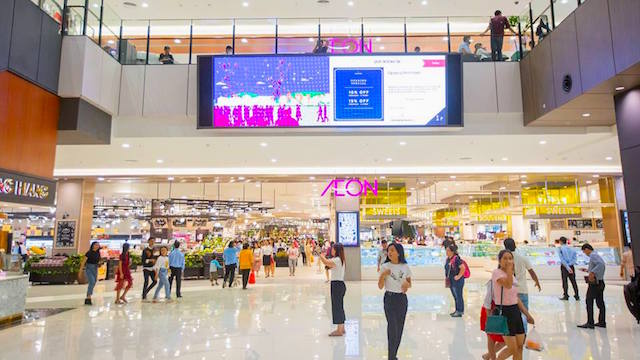
    Japan’s leading retailer, Aeon, is setting its sights on a substantial growth trajectory in Vietnam, with ambitious plans to establish 100 large-scale supermarkets and general merchandise locations by 2030. This expansion marks a significant eightfold increase in its footprint across the country and aims to redefine the retail landscape.

    Expanding the Retail Experience

    In a strategy driven by rising consumer demand, Aeon intends to introduce a novel concept of “super-supermarkets” that seamlessly blend grocery shopping with general merchandise offerings. These stores will feature food courts and beauty sections, enhancing the shopping experience for Vietnamese consumers.

    Yasuyuki Furusawa, who has recently transitioned to President of Aeon Retail, emphasized the need for this expansion to stay competitive against other key players in the market, such as Thailand’s Central. In addition to the larger stores, Aeon is also planning to grow its network of smaller grocery outlets, targeting an extensive reach of 200 locations throughout Vietnam.

    Current Operations and Future Plans

    As of February 2025, Aeon operates 12 general merchandise stores in Vietnam—including three super-supermarkets—and 36 standard supermarkets, which includes the Citimart stores managed by its subsidiary. With a strategic investment of approximately $1.5 billion over the past decade, Vietnam has become Aeon’s second most crucial market after Japan.

    In 2024, Aeon Mall reported a profit of JPY 4.23 billion (around $29.6 million) from its Vietnamese operations, achieving revenues of JPY 17.3 billion. This success positions Vietnam as Aeon’s top-performing market in Southeast Asia and the second largest after China, underscoring the country’s potential for retail growth.

    Retail Landscape in Vietnam

    Vietnam’s retail sales recorded an impressive 8% increase, totaling VND 4.92 quadrillion last year, capturing the attention of international brands, particularly Japanese firms. According to a survey conducted by the Japan External Trade Organization (Jetro), over 60% of Japanese companies operating in Vietnam reported profitability in 2024, the highest rate seen in five years. Additionally, about 56% of these businesses plan to expand their operations within the next two years, highlighting a robust demand for growth in the region.

    Ozasa Haruhiko, the chief representative of Jetro Hanoi, commented, “This is the highest rate in ASEAN, indicating that Vietnam has one of the strongest potentials for growth.”

    Conclusion: A Shift in Consumer Trends

    Aeon’s significant investment and expansion plans could reshape Vietnam’s retail sector, enhancing consumer choice and access to high-quality products. As the company reinforces its presence, consumers can expect a retail experience that combines convenience with a variety of options, signalling positive growth in the industry.

    Questions & Answers

    1. What are Aeon’s expansion plans in Vietnam? Aeon plans to increase its network to 100 large-scale supermarkets and general merchandise stores by 2030, alongside growing its smaller grocery outlets to 200 locations.
    2. How has Aeon’s performance been in the Vietnamese market? Aeon reported a profit of JPY 4.23 billion ($29.6 million) from its Vietnamese operations last year, making it the top-performing market in Southeast Asia for the brand.
    3. What trends are influencing retail in Vietnam? Vietnam’s retail sales rose by 8% last year, attracting international brands, particularly from Japan. A significant percentage of Japanese businesses reported profitability and plan to expand operations, highlighting a strong market potential.
  • CapitaLand Development Expands Presence in Thriving Vietnam Market

    CapitaLand Development Expands Presence in Thriving Vietnam Market

    CapitaLand Development (CLD) has officially partnered with Vingroup Joint Stock Company, marking a significant step in the collaborative efforts towards large-scale urban development within Vietnam. The partnership, unveiled at a signing ceremony led by CLD CEO Jonathan Yap and Vingroup chairman Pham Nhat Vuong, is expected to channel extensive capital into the Vietnamese real estate market, enhances both companies’ roles amid increasing consumer demand for modern living spaces.

    Doubling Down on Investment

    Tan Wee Hsien, CEO of CLD Vietnam and International, emphasized Vietnam’s critical role as a core market alongside Singapore and China. With a strategic vision to more than double its capital investment in Vietnam over the next five years, the partnership looks set to bolster CLD’s influence in the nation’s evolving real estate landscape. “By merging Vinhomes’ local expertise with CLD’s regional know-how in design and asset management, we are well-equipped to meet the growing demands for quality urban living,” Tan stated.

    Elevating Vinhomes’ Urban Development Strategy

    According to Nguyen Dieu Linh, vice chairwoman of Vingroup and board member of Vinhomes, this collaboration is pivotal for executing Vinhomes’ ambitious development strategy. By aligning efforts with CLD, the partnership aims to create high-quality urban spaces that foster livable, modern communities reflective of international standards.

    Introducing The Fullton: A New Residential Milestone

    In tandem with the announcement, CLD debuted The Fullton, its inaugural low-rise residential project located in the burgeoning Hung Yen Province, part of the expansive Vinhomes Ocean Park 3 complex. With a residential development portfolio now exceeding 19,000 units across 19 projects in Vietnam, The Fullton showcases a commitment to quality living solutions.

    Strategic Location and Diverse Offerings

    Situated just east of Hanoi, The Fullton boasts excellent connectivity to major infrastructure routes, including National Highway 5A and the forthcoming Tran Hung Dao Street. The project will comprise various residential options such as shophouses, cluster villas, and single villas set within a gated community, catering to a multitude of lifestyles and preferences.

    Spanning 25 hectares and developed in two phases, The Fullton’s first phase will offer 342 units with completion aimed for 2026, while an additional 350 units will follow in the second phase by 2027. The development will include a Central Park and an array of amenities designed to enrich the quality of life for its residents.

    Designing for a Sustainable Future

    An eco-conscious design philosophy underpins The Fullton, featuring terraced landscaping that harmonizes with Vietnam’s natural terrain. By integrating green spaces, CLD emphasizes a commitment to livability and sustainability within the residential framework.


    This partnership represents a significant advancement in urban development, promising to enhance the quality and availability of housing options in Vietnam. As brands like CLD and Vingroup expand their presence, consumers can anticipate improved, sustainable living environments that cater to modern lifestyles.

    Questions & Answers

    1. What is the purpose of the partnership between CapitaLand Development and Vingroup? The partnership aims to explore joint ventures in urban development and significantly increase CLD’s capital investment in Vietnam over the next five years.
    2. What is The Fullton project and its significance? The Fullton is CLD’s first low-rise residential project in Hung Yen Province, which expands their portfolio by adding a diverse range of over 19,000 residential units in Vietnam.
    3. How does The Fullton plan to integrate sustainability into its design? The Fullton will feature terraced landscaping inspired by Vietnam’s natural environment, with ample green spaces incorporated into residential living to promote sustainability and a quality lifestyle.
  • Credit Suisse Veteran Boosts Private Bank with Strategic Expertise

    Credit Suisse Veteran Boosts Private Bank with Strategic Expertise

    After an impressive tenure spanning over 27 years at Credit Suisse, a seasoned leader has embarked on an exciting new journey at Indosuez Wealth Management, a prominent player in the global wealth management arena. This strategic move signals a commitment to strengthen and expand the brand’s presence within the Swiss market.

    Indosuez Wealth Management: A Key Player in Global Finance

    Indosuez Wealth Management, part of the French banking giant Crédit Agricole, is well-positioned as a formidable global wealth manager. With Switzerland being a focal point for its operations, the brand is set to leverage its extensive expertise to meet the evolving needs of its clientele.

    A Bold Vision for Swiss Expansion

    The recent appointment underscores Indosuez’s ambitions in Switzerland, particularly in the rapidly growing region of Ticino. “This strategic move reaffirms our dedication to expanding our footprint in the Swiss home market,” stated Jacob-Nebout, highlighting the brand’s focus on meeting rising consumer demand for luxury wealth management solutions.

    The Retail Sector Impact

    This strategic personnel change comes at a time when consumer trends are shifting towards personalized wealth management services. As brands like Indosuez expand their capabilities, they are better equipped to cater to the unique needs of high-net-worth individuals, which could significantly alter the landscape of the retail financial services sector.

    Questions & Answers

    What significant change has occurred at Indosuez Wealth Management? A veteran from Credit Suisse, with nearly three decades of experience, has been appointed to a leadership role at Indosuez Wealth Management, focusing on growth in the Swiss market.

    What market is Indosuez particularly targeting with this new leadership? Indosuez is looking to enhance its presence in Switzerland, specifically aiming to capture opportunities in the Ticino region.

    How does this leadership change align with broader retail trends? The appointment reflects a strategic shift in wealth management, targeting the increasing demand for personalized services among high-net-worth individuals, which may reshape the retail financial landscape.

  • Malaysia Anticipates 20% Surge in Durian Exports to China, Led by Musang King

    Malaysia Anticipates 20% Surge in Durian Exports to China, Led by Musang King

    As consumer demand for premium durian varieties surges in China, Malaysia projects a significant increase in its durian exports this year. Loh Wee Keng, chairman of the Malaysia Chamber of Commerce and Industry in China, shared insights on the growing market, setting the stage for brand expansion amidst shifting global consumer trends.

    Strong Demand for Premium Varieties
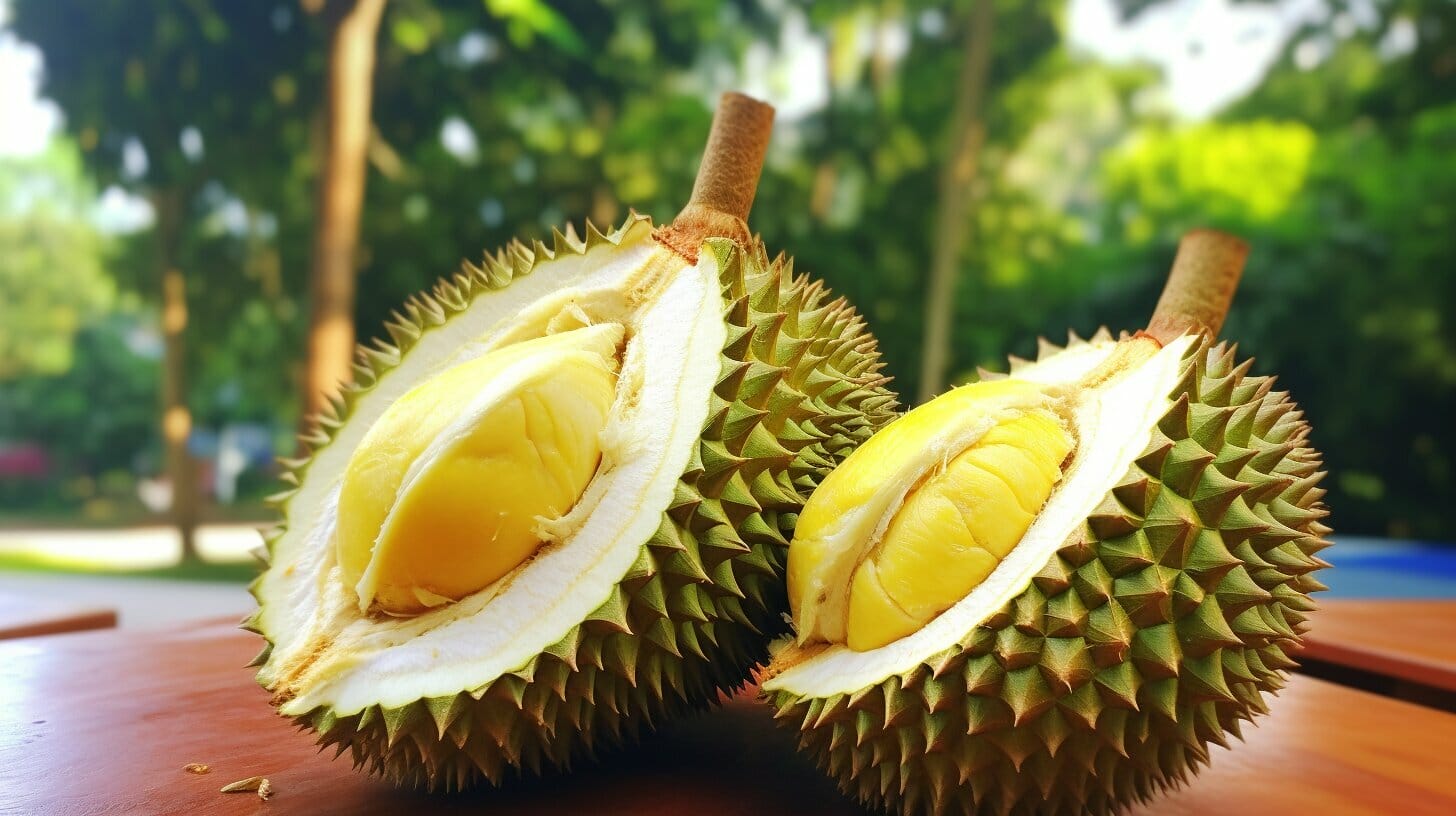
    The allure of Malaysia’s premium durian varieties, particularly Musang King and D24, continues to captivate Chinese consumers. Loh noted that despite recent heavy rains in Malaysia leading to some premature fruit drop, he anticipates total export volumes to rise by 15% to 20% compared to last year. “Even with challenges, we see robust growth ahead,” he remarked in an interview with state-owned news outlet Bernama.

    Market Pricing Dynamics
    In terms of market pricing, Grade A Musang King currently commands $7.12 per kilogram at Malaysian farms—a price that can more than double during off-seasons, enhancing its appeal as a luxury fruit. Last year alone, China imported $212 million worth of durians from Malaysia, marking a strong foothold since the two nations signed a special protocol on durian imports in 2022.

    Navigating Competition
    While Thailand remains the historical leader in durian exports to China, Loh clarified that Malaysia is not in a race to surpass its neighbor. “We are not competing on the same playing field,” he emphasized, highlighting the fundamental differences in pricing and quality between Thai Monthong durian and the more premium Musang King.

    Maintaining Authenticity and Consumer Education
    A critical focus of Malaysia’s export strategy involves preserving the authenticity of the Musang King brand. Loh expressed concern over practices where traders mislabel lower-grade durians as Musang King to maximize profits. Educating Chinese consumers about the distinctions between these varieties is essential to maintaining the brand’s integrity.

    Challenges in Cultivation Abroad
    Loh also addressed the initiatives to cultivate Musang King on China’s Hainan Island, which, despite initial excitement, have not met Malaysian standards. “The taste and quality remain unmatchable due to differences in soil and climate,” he added, reinforcing that Hainan-grown durians cannot replicate the original Malaysian experience.

    Conclusion
    The projected growth in Malaysian durian exports highlights the evolving consumer trends within the premium fruit market, particularly among Chinese buyers. As Malaysia seeks to solidify its position, the focus on brand authenticity and consumer education may reshape the dynamics of the retail sector.

    Questions & Answers

    1. What growth rate is expected for Malaysian durian exports this year? Loh Wee Keng anticipates a 15% to 20% increase in overall export volume compared to last year.
    2. How does the Musang King durian compare to Thai varieties like Monthong? Musang King is a premium variety with higher prices and quality, while Thai Monthong durians are generally lower in price and quality.
    3. What measures are being taken to preserve the authenticity of Musang King durians? Educating consumers about the differences between Musang King and other durian varieties is crucial to maintaining brand integrity and preventing mislabeling.
  • Private Labels Fuel 8% Surge in Global FMCG Sales Growth

    Private Labels Fuel 8% Surge in Global FMCG Sales Growth

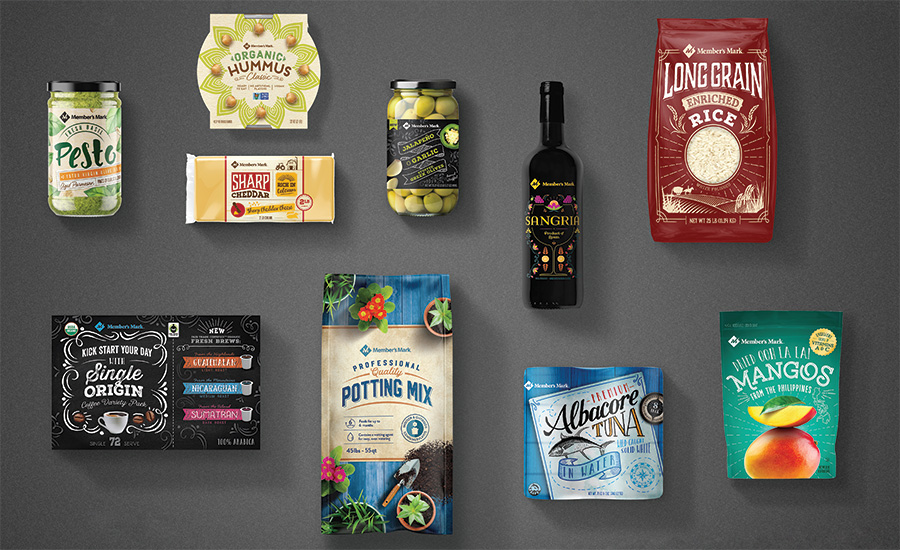
    In a notable shift within the retail landscape, private label products are becoming increasingly popular among consumers, contributing nearly 8% to global sales growth in the fast-moving consumer goods (FMCG) sector in the past year, according to recent insights from NIQ. With 53% of global shoppers indicating they are purchasing more private labels, retailers are reimagining these store brands as innovative alternatives to traditional national brands.

    Rising Demand for Private Labels
    The study reveals a striking 4.3% year-over-year increase in global private label sales, showing strong growth potential as these brands carve out significant share in the marketplace. Furthermore, projections from Technavio indicate a compound annual growth rate of 6.64% for private labels through 2028, signaling sustained consumer interest and brand expansion potential.

    Innovation Drives Brand Perception
    Retailers are shifting from viewing private labels as mere budget options to positioning them as premium offerings. This transformation is fueled by consumer demand for innovative products that prioritize wellness, sustainability, and convenience. Brands that can effectively adapt and showcase these qualities stand to benefit greatly.

    Omnichannel Strategy Becomes Essential
    To capitalize on the growing trend, retailers must enhance their omnichannel strategies. Today’s consumers expect private label products to match, if not exceed, the quality and presentation of established national brands. This means robust digital content is essential, with a focus on making private label offerings informative, discoverable, and visually appealing.

    The Importance of High-Quality Visuals
    Visual appeal plays a crucial role in influencing purchasing decisions. High-resolution images allow consumers to assess product quality and foster trust, simultaneously reducing return rates. With 87% of grocery shopping now conducted via mobile devices, optimizing visuals for smaller screens is increasingly important.

    Leveraging CGI for Consistency
    Computer-generated imagery (CGI) presents a scalable solution for retailers managing large portfolios of private label products. This technology enables consistent, high-quality product images, which is particularly beneficial for those frequently updating packaging or launching seasonal items.

    Detailed Information Enhances Discoverability
    Beyond visuals, providing comprehensive product details—such as dietary claims and allergen information—improves discoverability on e-commerce platforms. This is particularly vital for categories witnessing rapid growth, such as gluten-free foods or eco-friendly household items.

    Consistency Across Channels
    As consumers expect a seamless shopping experience, maintaining consistency in product naming, packaging visuals, and descriptions is critical. A cohesive presentation across online and offline channels not only fosters brand trust but also helps shoppers navigate their choices confidently and efficiently.

    Conclusion: Implications for the Retail Sector
    The rise of private labels reflects shifting consumer trends and heightened demand for value, quality, and innovation. As retailers adapt to this changing landscape, the focus on strong digital strategies and consistent branding will be pivotal in defining the future of the retail sector. This dynamic evolution will ultimately empower consumers, offering them more choices and enhancing their shopping experiences.