Author: Mei Ling Tan

  • Jewelry Leader Cao Thi Ngoc Dung: PNJ’s Mission Beyond Gold Trading

    Jewelry Leader Cao Thi Ngoc Dung: PNJ’s Mission Beyond Gold Trading

    Cao Thi Ngoc Dung, Chairwoman of Phu Nhuan Jewelry (PNJ), Pioneers a Modern Era in Vietnam’s Jewelry Market

    Cao Thi Ngoc Dung has revolutionized the jewelry industry in Vietnam, steering Phu Nhuan Jewelry (PNJ) toward a remarkable success story worth over USD 1 billion in market capitalization. Unlike many companies that rely on foreign partnerships, Dung took a bold stance, opting to develop local manufacturing technology and a unique brand identity that elevates Vietnam’s presence on the global stage. In light of the 50th anniversary of Vietnam’s reunification, Dung shared her insights and experiences with VnExpress, shedding light on her journey and the principles that have guided PNJ to its current status.

    From Ground Zero to Industry Leader

    A Pioneering Spirit

    When Dung took the helm at the Phu Nhuan Precious Metals Store in 1988, Vietnam’s jewelry landscape was virtually non-existent. Tasked with establishing a legal framework for gold trading, Dung’s lack of background in jewelry did not deter her. With the encouragement of a mentor, she embraced the challenge.

    “I initially hesitated, but a leader urged me to apply my business experience and adapt,” Dung recalled. Opting for independence instead of partnering with established firms, she prioritized building a workforce of skilled artisans—a decision that would become the cornerstone of PNJ’s philosophy.

    Rejecting Foreign Ties for Local Growth

    In 1992, PNJ was offered a joint venture with an Australian company, a lucrative opportunity that could have expedited its growth. However, after observing the potential for local self-sufficiency during a trip to Australia, Dung declined the offer. “Why pay for something we can learn to do ourselves?” she questioned. This decision allowed PNJ to focus on developing its capabilities and aimed for global export rather than limiting its market to domestic sales.

    “We needed to create a strong manufacturing base that emphasized craftsmanship rather than mere commerce,” Dung asserted.

    Overcoming Challenges in a Growing Market

    Navigating Initial Consumer Resistance

    Despite adopting international best practices and machinery, introducing mass-produced jewelry to the Vietnamese market was met with skepticism. “Vietnamese consumers had a preference for imported goods, which impeded our early sales,” she shared.

    In response, Dung spearheaded efforts to build a robust retail system, emphasizing branding as essential for establishing PNJ’s identity. This shift culminated in significant growth following the company’s full privatization in 2004, allowing greater flexibility and innovation.

    Learning from Adversity

    The years 1992 to 1995 were transformative yet challenging for PNJ. As the company transitioned from a small workshop to an industrial powerhouse, Dung emphasized the importance of adaptability and long-term vision. “Sustainable growth requires a self-reliant approach to technology and production,” she said, reflecting on the foundation laid during those formative years.

    A Legacy of Leadership and Innovation

    Insights for Future Entrepreneurs

    As a mentor and strategic leader, Dung offers a wealth of insight for the younger generation of entrepreneurs. “Today’s youth are well-trained and globally connected, but they must embrace bold decision-making to seize emerging opportunities,” she advised. Her mantra emphasizes balancing speed with strategic thinking to achieve entrepreneurial success.

    Building a Future-Focused Company

    With an eye on succession planning, Dung is dedicated to instilling PNJ’s core values in future leaders, focusing on integrity and cultural fit. “Leadership is not about titles; it’s about creating value for the next generation,” she expressed, reiterating the essence of impactful leadership.

    The Future of Retail in Vietnam

    Cao Thi Ngoc Dung’s journey exemplifies the vibrant role of leadership in shaping a modern industry. As PNJ continues to expand its footprint in both domestic and international markets, the company’s commitment to craftsmanship and innovation underscores a significant trend in retail. In an era where consumer demand is shifting, brands that prioritize unique identity and quality, like PNJ, are poised to not just survive but thrive, ultimately enhancing the retail landscape for consumers and entrepreneurs alike.


  • DHL Supply Chain Expands Support for SMBs with Acquisition of IDS Fulfillment

    DHL Supply Chain Expands Support for SMBs with Acquisition of IDS Fulfillment

    Strategic Acquisition Boosts E-Commerce Capabilities

    In a move to strengthen its e-commerce infrastructure and better serve small and midsized businesses, DHL Supply Chain has acquired U.S.-based logistics provider IDS Fulfillment. The acquisition adds over 1.3 million square feet of warehouse and distribution space to DHL’s network, enhancing its ability to meet growing demand across North America.

    Expanding Reach with Key U.S. Facilities

    IDS Fulfillment’s facilities are strategically located in Indianapolis, Salt Lake City, Atlanta, and Plainfield (Indiana headquarters). DHL has confirmed that all facilities will continue operations under the leadership of existing local teams to ensure a smooth transition for customers and employees.

    Targeted Support for Smaller Businesses

    Patrick Kelleher, CEO of DHL Supply Chain North America, emphasized the importance of the acquisition:

    “The acquisition of IDS Fulfillment not only expands our operational footprint but also ensures small and midsized companies have access to our state-of-the-art logistics solutions designed for their specific requirements.”

    Enhancing DHL’s Fulfillment Network

    This marks DHL’s second e-commerce acquisition in 2025. In January, the company acquired Inmar’s reverse logistics business, making it the largest returns processing provider in North America. IDS Fulfillment’s integration strengthens DHL’s Fulfillment Network, offering scalable, flexible logistics solutions to businesses of all sizes.

    CEO of IDS Welcomes Growth Opportunity

    IDS Fulfillment CEO Mark DeFabis expressed confidence in the partnership:

    “DHL’s commitment to innovation and service excellence makes them the ideal partner to enhance our operations and deliver industry-leading capabilities to our customers and team members.”

    Positioning for Future Growth

    With global e-commerce expected to grow at an 8% compound annual growth rate (CAGR) through 2029, DHL is investing to stay ahead of the curve. Oscar de Bok, Global CEO of DHL Supply Chain, noted:

    “IDS Fulfillment complements our existing DHL Fulfillment Network, enhancing our ability to offer seamless global eCommerce solutions with local expertise and reach—especially as multinational organizations seek North American fulfillment capabilities.”

    Strengthening DHL’s Leadership in Logistics

    The IDS acquisition not only brings additional infrastructure but also a diverse client portfolio and advanced fulfillment know-how. According to Kelleher, these strategic moves reinforce DHL’s position as the preferred logistics provider for companies of all sizes.

    Questions & Answers

    1. Why did DHL Supply Chain acquire IDS Fulfillment? To expand its e-commerce fulfillment capabilities and better serve small and midsized businesses with strategically located U.S. facilities.

    2. What does IDS Fulfillment add to DHL’s network? Over 1.3 million square feet of distribution space across key U.S. locations, a diverse customer base, and specialized e-commerce logistics expertise.

    3. How does this acquisition align with DHL’s long-term goals? It supports DHL’s Strategy 2030 by growing its e-commerce footprint and enhancing its ability to offer scalable logistics solutions amid rising global e-commerce demand.

  • AB InBev Posts Strong Q1 Profit Despite Volume Declines and Global Headwinds

    AB InBev Posts Strong Q1 Profit Despite Volume Declines and Global Headwinds

    Anheuser-Busch InBev (AB InBev), the world’s largest brewer, reported a 7.9% increase in first-quarter operating profit, far exceeding analysts’ expectations of a 3.1% gain. The profit surge was driven primarily by improved margins, even as global beer sales volumes declined.

    Margins Expand Despite Lower Sales

    While global beer volumes dipped 2.2% in the quarter ending March 31, AB InBev managed to expand its margins through reduced sales costs and more efficient overhead management. This operational discipline helped the company outperform its rivals, including Heineken, which also reported falling volumes.

    CEO Confirms Positive Outlook for 2025

    CEO Michel Doukeris credited the company’s solid performance to consistent strategy execution:

    “The consistent execution of our strategy by our teams and partners drove a solid start to the year and reinforces our confidence in delivering on our outlook for 2025.”

    Challenges in Key Markets

    In the United States—one of AB InBev’s most important markets—revenues fell 5.1% year-on-year. The company attributed the drop to fewer selling days, poor weather, and the timing of Easter. Notably, AB InBev did not directly mention potential impacts from U.S. tariffs, unlike competitors Heineken and Carlsberg, who expressed concerns about how tariffs might affect consumer spending.

    Aluminium Tariffs Could Pose Future Risk

    The company may face rising costs due to potential U.S. tariffs on aluminium, a key material used in beer cans. Analysts warn that if tariffs weaken the broader economy, consumer spending on discretionary items like beer could also fall.

    Struggles in China Offset Gains Elsewhere

    China remains a challenging market for AB InBev, with first-quarter sales volumes down 9.2%. The brewer’s premium brand portfolio has struggled in the face of a sluggish economic recovery, causing the company to lose ground to competitors.

    Strategic Response: Invest in Core Brands and At-Home Consumption

    In response to shifting consumption patterns, AB InBev is increasing investment in key brands like Budweiser and promoting at-home beer consumption, as demand in bars and restaurants softens.

    Questions & Answers

    1. What was AB InBev’s Q1 operating profit growth, and how did it compare to expectations? The company reported a 7.9% rise in operating profit, more than double the 3.1% increase analysts had forecast.

    2. Why did U.S. revenues decline despite overall profit growth? U.S. revenues fell 5.1% due to fewer selling days, poor weather, and a late Easter, which offset gains from margin improvements.

    3. How is AB InBev addressing market pressures in China and globally? The brewer is ramping up investments in key brands and focusing on boosting at-home consumption as traditional bar and restaurant sales come under pressure.

  • Fonterra Commits $65 Million to Ditch Coal and Embrace Renewable Energy

    Fonterra Commits $65 Million to Ditch Coal and Embrace Renewable Energy

    Fonterra has taken a major step toward its decarbonisation goals with the commissioning of its first electrode boiler at its Edendale site in Southland, New Zealand. This move marks a significant shift away from coal usage in the dairy cooperative’s operations.

    NZ$70 Million Investment for Further Transition

    The company has pledged an additional NZ$70 million (approximately A$65 million) to install two more electrode boilers. This initiative is part of Fonterra’s broader strategy to transition to renewable energy across its operations.

    Ensuring Long-Term Operational Resilience

    Fonterra Chief Operating Officer Anna Palairet emphasised the importance of energy reliability, stating:

    “Investing in renewable energy solutions, such as electrode boilers, will help ensure we can continue to process milk efficiently now and in the future. This investment will help future-proof Edendale for years to come.”

    The new boilers will replace two coal-fired units and support the site’s expansion, including a new UHT (ultra-high temperature) processing plant currently under development.

    Significant Emissions Reductions

    The switch to electrode boilers is expected to cut around 72,800 tonnes of carbon emissions annually—comparable to removing more than 30,000 cars from New Zealand’s roads.

    Boost for the Local Economy

    Andrew Johns, Fonterra’s General Manager for Operations in the Lower South Island, highlighted the local impact:

    “The investment is also great news for the local economy. Where possible, we will be engaging with local contractors, and we expect more than 400 people from Southland and wider New Zealand to be part of the team on site delivering this investment.”

    Government Partnership Supports Project

    The project is being co-funded in partnership with the Energy Efficiency and Conservation Authority (EECA), a government body focused on promoting energy efficiency and reducing carbon emissions.

    Timeline for Completion

    Construction of the new boilers is expected to begin this year, with the upgraded energy systems anticipated to be operational by August 2027.

    Questions & Answers

    1. What is the main purpose of Fonterra’s investment in electrode boilers? To replace coal-fired boilers with renewable energy solutions, ensuring sustainable milk processing and reducing carbon emissions.

    2. How much carbon emission reduction is expected from this transition? Approximately 72,800 tonnes of carbon emissions will be reduced annually, equivalent to taking over 30,000 cars off the road.

    3. When will the new boilers be fully operational? The new electrode boilers are scheduled to be operational by August 2027.

  • Switzerland’s Fintech Challenge: Missing Out on Asia’s Retail Revolution

    Switzerland’s Fintech Challenge: Missing Out on Asia’s Retail Revolution

    As the Singapore Fintech Festival (SFF) draws to a close, it’s clear that this event has evolved from a modest gathering to Asia’s premier financial technology showcase, attracting over 70,000 attendees this year. The SFF has become a nexus for innovation, where startups and industry giants alike converge to explore the future of finance.

    The Significance of the Singapore Fintech Festival

    Since its inception in 2016, the SFF has established itself as a vital platform for discussing cutting-edge technologies ranging from generative AI to digital assets. Major financial institutions, including J.P. Morgan, HSBC, and Tencent, are heavily investing in technological advances, underscoring the event’s importance in shaping the global financial landscape.

    Switzerland’s Diminished Presence

    Switzerland has historically maintained a close partnership with Singapore, benefiting from mutual insights and exchanges. However, the Swiss representation at this year’s SFF has been notably subdued. While the nation did have a pavilion at the event, it did not command the attention or influence expected from a leading financial hub.

    A Defensive Posture

    The Swiss exhibit evokes a sense of isolation, resembling a “Reduit” — a fortification. Though Swiss fintech companies have made commendable efforts to attend, the absence of recognizable figures from its financial sector casts a shadow over their contributions. Major Swiss banks, which often express an interest in Asia, have not fully committed to showcasing their initiatives at influential events like the SFF.

    Missing Opportunities

    This year’s event highlights a puzzling contradiction; Switzerland is a prominent partner in the SFF yet struggles to make its mark. The nation even hosts a reciprocal event in Zurich, “Point Zero,” each summer, which draws high-level delegates from Singapore. However, the once-vibrant Swiss presence at SFF has diminished, with only a handful of representatives notably participating.

    Inadequate Engagement

    Current representation includes Deputy State Secretary Christoph König, who is only scheduled for a single panel discussion focused on “Innovation and Consumer Protection.” The Swiss financial sector’s representation in key conversations appears minimal. In contrast, nations like Italy take an active approach, utilizing press releases and announcements to foster engagement and visibility.

    Missed Strategic Goals

    This lack of visibility at influential gatherings further cements the idea that Switzerland risks missing out on significant opportunities to shape the future of finance. As the financial landscape evolves, issues such as financial inclusion, sustainable investment, and cybersecurity are becoming increasingly critical. It is here that fintech can serve as a key facilitator of progress.

    Upcoming Initiatives: Swiss Financial Innovation Desk

    In an effort to regain its edge, Switzerland has launched the Swiss Financial Innovation Desk (FIND), aimed at bolstering its status as a global financial hub. Despite the initiative, FIND’s forthcoming report, “Pathway 2035 for Financial Innovation: Your Navigator,” will not be released until January—potentially too late to capitalize on momentum gained at the SFF.

    A Call to Action

    The contrasting dynamics observed at the Singapore International Reinsurance Conference (SIRC) serve as a lesson in effective representation. Swiss Re’s CEO, Andreas Berger, delivered a powerful keynote speech, illustrating how impactful leadership can promote national interests on the global stage.

    In conclusion, Switzerland’s hesitancy to fully engage with the fintech ecosystem in Asia poses a significant challenge for both industry players and policymakers. As consumer demand for innovative financial solutions continues to grow, ensuring a robust presence in such influential forums will be crucial for the country’s future in the competitive global market.

  • Korea’s Retail Sales Surge 9.2% in March: Strong Consumer Demand Boosts Growth

    Korea’s Retail Sales Surge 9.2% in March: Strong Consumer Demand Boosts Growth

    South Korea’s Retail Sector Sees 9.2% Growth Amid Rising Online Sales

    In a marked turnaround, South Korea’s retail industry experienced a remarkable 9.2% year-on-year growth in March 2025, driven by a surge in online shopping. While brick-and-mortar stores faced challenges, the digital marketplace thrived, particularly in food and essential services.

    Digital Sales Propel Retail Growth

    According to the latest data from the Ministry of Trade, Industry, and Energy (MOTIE), online sales soared by an impressive 19.0%. This shift highlights changing consumer patterns, as shoppers increasingly turn to e-commerce for their purchasing needs. In contrast, traditional offline sales reported a slight decline of 0.2%.

    Despite the overall positive growth, not all retail segments fared well. Both hypermarkets and department stores recorded declines, with drops of 0.2% and 2.1%, respectively. Categories like fashion and home appliances were particularly hard-hit.

    Growth in Convenience and Supermarkets

    Amid the fluctuating landscape, convenience stores and supermarkets bucked the trend with notable gains. Convenience store sales increased by 1.4%, while super supermarkets enjoyed a robust growth of 3.6%, driven by local shopping preferences that continue to dominate the market.

    Strong Demand for Food and Services

    Online sales significantly benefited from the rising demand for food products, which climbed by 19.4%. Additionally, services experienced a staggering 78.3% boost, largely due to an increased reliance on food delivery and online orders. However, fashion and sports categories struggled, witnessing declines of 4.7% and 10.1%, respectively.

    Notably, back-to-school shopping stimulated demand for home appliances and consumer electronics, which rose by 7.8%. The cosmetics sector also saw a growth of 7.5%, thanks to ongoing online sales momentum.

    Implications for Consumer Trends

    The retail landscape in South Korea is evolving rapidly, with online sales playing a pivotal role in shaping consumer trends. As digital shopping continues to expand, it presents significant opportunities and challenges for retailers, necessitating adaptations to meet the shifting preferences of consumers.

    As the retail sector navigates these changes, the potential for sustained growth remains promising, particularly for brands that embrace innovation and enhance their online presence.

  • Julius Baer’s CEO Tackles Major Challenges in Retail Growth Strategy

    Julius Baer’s CEO Tackles Major Challenges in Retail Growth Strategy

    In a bold move to reshape Julius Baer, newly appointed CEO Stefan Bollinger is steering the prestigious Zurich-based private bank through a significant transformation. With an eye on enhancing performance and accountability, Bollinger aims to revitalize the organization amidst a backdrop of recent controversies and financial hurdles.

    A Fresh Vision for Leadership

    Stefan Bollinger, donning a casual dark-blue suit paired with white sneakers, embodies a new era at Julius Baer. During the company’s recent full-year results announcement, he outlined an ambitious plan to refocus the company’s leadership structure, ultimately reducing the Executive Board from 15 to just 5 members. This reduction is part of a larger strategy to boost accountability and foster a client-centric approach.

    With targeted cost savings projected at CHF 110 million and a 5% cut in the workforce, Bollinger’s overhaul signals a clear intent to streamline operations and sharpen the firm’s focus on client needs.

    Addressing Past Challenges

    Bollinger’s task is formidable, especially following a series of damaging incidents that have affected the bank’s reputation. In 2021, Julius Baer paid $79 million to settle U.S. money laundering allegations linked to the FIFA scandal. More recently, a CHF 606 million loan to Austrian real estate mogul René Benko’s Signa Group resulted in a crippling 52% profit decline after the company collapsed.

    As a result, the bank’s cost-to-income ratio stands at a concerning 70.9%, starkly above its target of 64%, underscoring the urgent need for reform. Additionally, Swiss financial regulator Finma has launched proceedings to assess potential deficiencies in risk management and lending protocols.

    Strategic Developments Amidst Uncertainty

    Despite these challenges, market confidence seems gradually returning. Inflows surged in 2024, particularly in the second half, with net new money reaching CHF 14 billion and assets under management soaring to a record CHF 497 billion. The bank concluded the year with a net profit of CHF 1.02 billion, indicative of Bollinger’s potential impact.

    To further streamline operations, Bollinger has initiated the creation of a Global Wealth Management Committee, alongside a new product and solutions unit that consolidates all digital transformation initiatives under unified leadership. This structural realignment aims to reinforce the firm’s commitment to clients while enhancing risk management.

    Upcoming Strategy Announcement

    Looking ahead, Bollinger is set to unveil a comprehensive strategy update on June 3 in London. Securing the support of newly appointed Chairman Noel Quinn will be vital in this endeavor. Observers in Zurich note the swift pace of change under Bollinger’s leadership, though some industry insiders express curiosity about his approach to further restructuring key positions within the firm.

    Path to Sustainable Growth

    While cost cuts are underway, questions linger regarding the balance of savings and long-term growth. Experts highlight the opportunity for greater savings through technology investments, a critical area that remains largely unaddressed in Bollinger’s current strategy.

    As Bollinger navigates this complex landscape, his dynamic approach resonates with shareholders eager for both immediate improvements and sustainable growth. “Cost reductions are a positive step, but the real challenge lies in building a robust future for Julius Baer,” remarked one observer.

    The transition at Julius Baer illustrates significant shifts within the banking sector, emphasizing the need for agility and accountability in responding to consumer trends and market demands. As new developments unfold, the impact on consumers and the broader retail landscape will certainly be noteworthy.

  • Coconut Prices Surge in Asia Amid Climate Impact on Supply

    Coconut Prices Surge in Asia Amid Climate Impact on Supply

    on
    Vina T&T, a major player in the fruit export sector, is making headlines as it offers a staggering VND 220,000 (approximately US$8.47) for a dozen coconuts—the highest recorded price to date. With prices more than doubling year-on-year, this surge reflects broader trends impacting the coconut market worldwide, influenced by supply disruptions and rising consumer demand.

    Coconut Prices on the Rise

    Industry experts indicate that coconut prices are increasing at an alarming rate, paralleling the volatility seen in gold prices. Nguyen Dinh Tung, CEO of Vina T&T, highlighted the challenges in supply, revealing that the company currently exports seven containers of coconuts weekly, which only meets two-thirds of its international buyers’ needs.

    Global Trends Impacting Supply

    The surge in coconut prices is not confined to Vietnam. Countries like Sri Lanka, the Philippines, and Thailand—significant exporters of the nut—are experiencing a similar escalation in prices, with increases ranging from 50% to 100% year-on-year. For instance, coconuts now retail for $2.90 per kilogram in Thailand and up to $4.28 in the Philippines.

    Supply chain disruptions due to extreme weather events are primarily responsible for this instability. El Niño is causing heatwaves and droughts, while La Niña brings excessive rainfall and storms, adversely affecting coconut yields. Additionally, pest outbreaks have further complicated production, as demand from key markets—particularly China and the United States—continues to push prices upward.

    Vietnam’s Growing Coconut Export Market

    Despite the challenges, Vietnamese coconuts are carving out a strong niche in global markets thanks to their competitive pricing and exceptional quality. The Ministry of Agriculture and Environment reports robust growth in fresh coconut exports from Vietnam in the first four months of this year, particularly to the U.S. and China.

    As the world’s fifth-largest coconut exporter, Vietnam boasts 200,000 hectares of orchards, producing approximately two million tons annually. Last year alone, the value of coconut exports and related products reached nearly $1.1 billion, with coconuts accounting for $390 million. Following the U.S. opening its market to Vietnamese coconuts in August 2023, exports skyrocketed eleven-fold within less than a year.

    The formal export protocol signed with China in August 2024 has also dramatically increased shipments, positioning Vietnam as a key supplier in a market that consumes an estimated four billion coconuts annually.

    Future Outlook

    According to Dang Phuc Nguyen, General Secretary of the Vietnam Fruit and Vegetable Association, Vietnamese coconuts are gaining popularity, especially in summer among consumers in the U.S. and China. He predicts that fresh coconut exports could reach an unprecedented $500 million by the end of this year, highlighting the brand’s potential for expansion and establishing itself as a significant player in the international market.

    The recent trends in the coconut market, marked by soaring prices and growing demand, signal a shifting landscape for both producers and consumers. As demand continues to rise, the potential for Vietnam’s coconut industry to grow and expand is substantial, making this a crucial moment in retail news.

    Questions & Answers:

    1. Why are coconut prices rising so dramatically? Coconut prices are climbing due to supply chain disruptions caused by extreme weather conditions such as droughts and excessive rainfall, alongside increased global consumer demand.

    2. How is Vina T&T responding to the rising prices? Vina T&T has increased its farm gate price to a record VND 220,000 for a dozen coconuts, but it still struggles to meet the high demand from international buyers.

    3. What does the future hold for Vietnam’s coconut exports? With strong growth anticipated, Vietnamese coconut exports are projected to reach $500 million this year, bolstered by access to key markets like the U.S. and China.

  • Understanding the Controversy: 1,000 Durian Trees Cut Down in Malaysia

    Understanding the Controversy: 1,000 Durian Trees Cut Down in Malaysia

    In a significant clash between agricultural stakeholders and the Pahang state government, the destruction of durian trees in Raub town has ignited a heated dispute. This incident, centered on claims of illegal land use, has drawn widespread attention, raising critical questions about land rights and consumer trends in Malaysia’s lucrative durian market.

    Government Action Sparks Outcry
    On April 8, the Malaysian government initiated a controversial operation that saw the cutting down of approximately 200 durian trees, which officials claimed were planted illegally on state-controlled land. The situation escalated, with reports indicating that over 1,000 trees were eventually felled in a move to reclaim the disputed land. The Pahang authorities assert that the farmers’ legal attempts to retain their orchards were rejected by an appeal court in May 2024, affirming the government’s stance.

    Farmers Rally Against Destruction
    In response to the aggressive enforcement, the Save Musang King Alliance, representing the affected farmers, organized protests to halt the tree-cutting efforts. Local reports depict citizens actively blocking government access to the farms, brandishing banners to protect the prized durian trees. Chow Yu Hui, the alliance’s chairman and a member of parliament, emphasized their commitment to stopping further destruction, stating, “Today, the farmers’ legal team sent an official letter to the Pahang government demanding an immediate halt to the tree-cutting.”

    The Value of Durian Trees
    The felled trees primarily belong to the Musang King variety, renowned for its distinctive flavor and premium market price, fetching up to $15 per kilogram. In contrast, alternative varieties like the Ri6 from Vietnam and Thailand’s Monthong do not command the same premium. The Royal Pahang Durian Group, currently leasing the land, has proposed a deal to farmers, offering $9.50 per kilogram, which is significantly lower than the prevailing market rates. Amidst these negotiations, many farmers insist that they have cultivated the land since 1974.

    Government Under Scrutiny
    The issue has not only escalated tensions between farmers and the government but has also attracted the attention of the Malaysian Anti-Corruption Commission (MACC). Investigations are underway to determine whether any current or former officials played a role in this land dispute, which has historical roots extending over a decade. As stated by MACC chief commissioner Tan Sri Azam Baki, “We already have a list of officials involved, although many have since retired.”

    Economic Significance of Durian
    The durian serves as a key player in Malaysia’s export market, particularly to China, which received $212 million worth of fresh durian last year, following a bilateral trade protocol. The Malaysia Chamber of Commerce and Industry anticipates a 15-20% increase in durian exports to China this year, propelled by growing consumer demand for the Musang King variety. Despite attempts to cultivate this fruit in China, local standards reportedly do not meet those of Malaysian-grown durians, leading to a sustained demand for the original.

    Conclusion
    This ongoing dispute underscores the complexities facing Malaysia’s agricultural landscape. With substantial economic implications for both local farmers and the national export market, the resolution of the Raub durian tree controversy could reshape the future of Malaysia’s retail and agricultural sectors.

    Questions & Answers

    1. What sparked the tree-cutting controversy in Pahang? The controversy began when the Malaysian government cut down around 200 durian trees, contending they were planted illegally on state-controlled land. This action led to widespread protests from farmers who claimed they held legitimate rights over the land.
    2. How have farmers responded to the government’s actions? Farmers, represented by the Save Musang King Alliance, organized protests to block access to their orchards and have formally requested the government to stop further tree-cutting activities to protect their crops.
    3. What is the economic impact of durians on Malaysia? Durian is a significant export fruit for Malaysia, especially to China, with exports valued at $212 million last year. Increased consumer demand for the Musang King variety could lead to a 15-20% rise in exports, underscoring the fruit’s importance to the Malaysian economy.
  • Proton Launches $134,000 EV in Singapore, Boosting Brand Growth in Retail Sales

    Proton Launches $134,000 EV in Singapore, Boosting Brand Growth in Retail Sales

    Proton Makes a Charge into Singapore’s EV Market

    In a strategic comeback, Malaysia’s national carmaker Proton is re-entering the Singaporean automotive scene after a decade, unveiling its first electric vehicle, the e.MAS 7. Set to start at approximately S$174,000 (around US$134,000), this move aligns perfectly with Singapore’s growing commitment to sustainable mobility.

    A Showcase of Innovation

    The e.MAS 7 was introduced at The Car Expo 2025 in Singapore over the weekend, generating excitement among attendees and industry experts alike. Available in two variations—Prime and Premium—this electric vehicle features a cutting-edge 12-in-1 electric drive system paired with an advanced Aegis short blade battery, underscoring Proton’s commitment to innovation and performance.

    Proton’s return dovetails with Singapore’s ambitious plans for greener initiatives, reflecting a wider trend in consumer demand for electric vehicles. The city-state has seen a steady increase in electric vehicle adoption, with market share rising from 12% in 2022 to 18% in 2023. Projections suggest this could soar to 55% by 2027.

    A Limited Edition Launch

    As part of its reintroduction, Proton plans to release a limited Founders Edition of the e.MAS 7. Automotive enthusiasts can expect this model to be available in Singapore showrooms as early as this August, with local dealer Vincar stepping in as Proton’s official distributor. Vincar will also establish a flagship showroom in the prominent Leng Kee motor belt to enhance its presence.

    While Proton has not confirmed pricing details for Singapore, automotive news sources estimate the e.MAS 7 will start at around S$174,000. Comparatively, the model is priced starting at RM105,800 (approximately US$32,400) in Malaysia, where it has quickly risen to become the best-selling electric vehicle in the first quarter of 2025.

    A New Era for Proton

    Proton’s last engagement in Singapore dates back to 2014, prior to the company’s acquisition by Chinese automotive group Geely, which has since revitalized the brand’s product offerings. Geely’s influence extends across several platforms in Singapore, including well-known names like Lotus, Polestar, Volvo, and Zeekr.

    Proton’s resurgence not only marks a pivotal moment for the brand but also contributes to the broader evolution of the retail automobile market in Southeast Asia, where consumer trends are increasingly leaning towards sustainable options.

    Conclusion

    Proton’s entry with the e.MAS 7 not only signifies the brand’s expansion into a competitive market but also underscores a pivotal shift in consumer preferences towards electric vehicles. As adoption rates climb, this development may shape future strategies across the automotive sector.

    Questions & Answers

    1. What is Proton’s new electric vehicle model? Proton has introduced the e.MAS 7, its first electric vehicle, in its comeback to the Singapore market.

    2. How much will the e.MAS 7 cost in Singapore? The anticipated starting price for the e.MAS 7 in Singapore is around S$174,000 (US$134,000).

    3. What are the expected consumer trends for electric vehicles in Singapore? Electric vehicle adoption in Singapore is projected to grow significantly, from 18% in 2023 to an estimated 55% by 2027.

  • Hoshima International Launches Smart Automation Revolutionizing Garment Manufacturing

    Hoshima International Launches Smart Automation Revolutionizing Garment Manufacturing

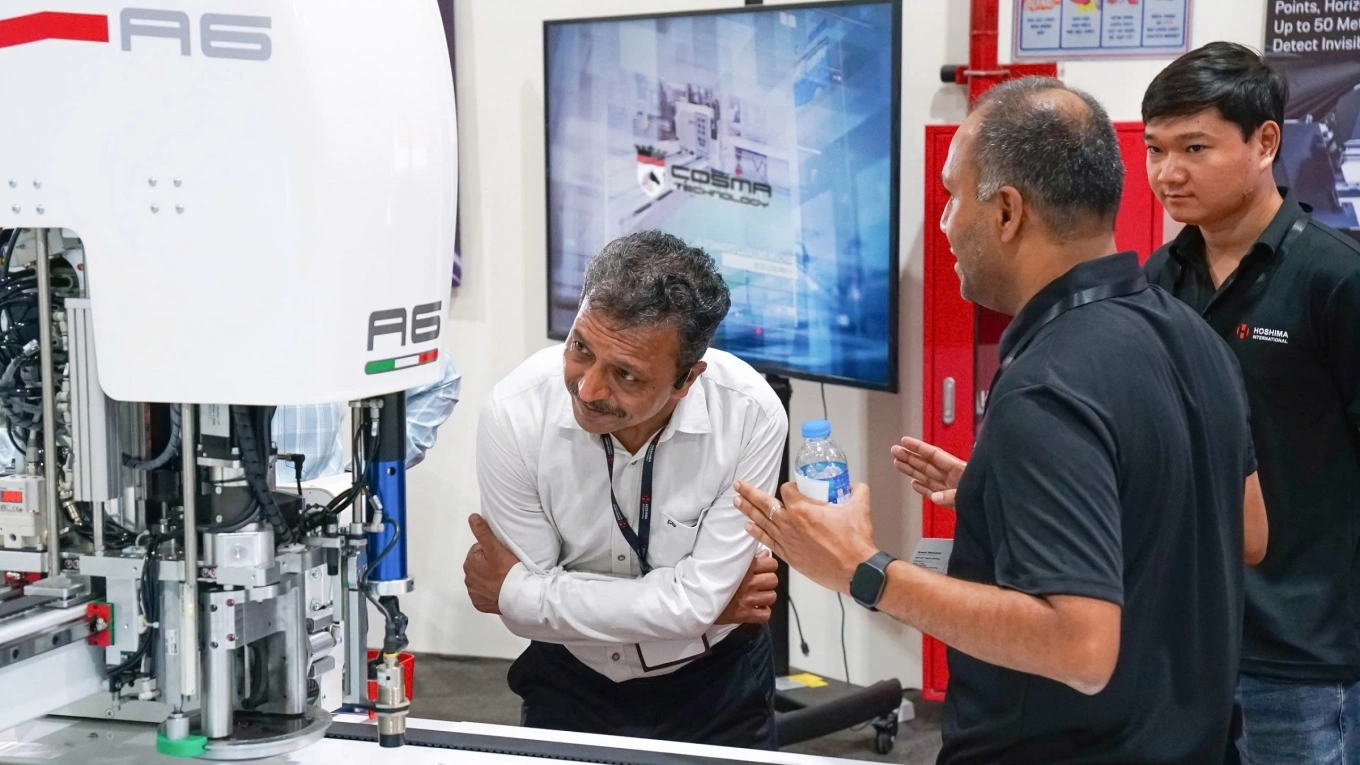
    Hoshima International, a leader in garment automation technology based in Singapore, is revolutionizing the manufacturing landscape with its innovative solutions. With over two decades of expertise, the company empowers garment producers in various countries, including Vietnam, Indonesia, and Turkey, by integrating smart technology into their production processes.

    Enhancing Operational Efficiency

    Hoshima recently showcased its cutting-edge systems at the Hoshima Operation & Development Center, emphasizing its commitment to developing smart, connected garment factories.

    These advanced solutions address key challenges in the manufacturing sector, offering improved operational efficiency and sustainability. By seamlessly integrating hardware, robotics, and software, Hoshima’s suite of technologies elevates every stage of garment production—from material handling to final packaging.

    Smart Logistics and Warehousing

    State-of-the-art logistics and warehousing technologies are at the forefront of Hoshima’s offerings. By optimizing floor space and streamlining material handling, manufacturers can improve order accuracy and reduce inventory retrieval time.

    These innovations are particularly advantageous in high-mix, high-volume settings, where efficiency and rapid material movement are essential to maintaining a seamless production flow.

    Precision in Pre-Cutting and Cutting

    Automation technologies play a pivotal role early in the manufacturing process. Hoshima’s intelligent fabric relaxing and spreading systems ensure fabrics are uniformly prepared for cutting, significantly minimizing tension-related distortions.

    The integration of automated cutters enhances precision, reduces material waste, and accelerates preparation times, benefiting manufacturers with high-volume production needs.

    Innovations in Sewing

    In the sewing phase, Hoshima introduces advanced solutions like PPA Automation and AI Robotics. These innovations improve stitching accuracy, especially for intricate seams while automated quality control systems boost productivity by minimizing bottlenecks. Such enhancements allow operators to focus on higher-value tasks, positively impacting overall output quality.

    Streamlined Finishing Processes

    Hoshima’s finishing solutions simplify end-of-line operations, ensuring garments adhere to brand standards during folding and packing.

    Automation enhances presentation quality, reduces packing times, and lessens reliance on manual labor. The systems also incorporate dust and thread removal technologies, facilitating smoother delivery preparation to meet time-sensitive order demands.

    Robust Software Solutions

    Central to Hoshima’s automation framework is the Advanced Planning & Scheduling System, designed for comprehensive production management.

    This smart software enables real-time visibility, allowing businesses to efficiently monitor resources, leverage AI and Big Data, and quickly adapt to changing production requirements. The result is a harmonious integration of departments that minimizes downtime and supports informed decision-making.

    The Human Element in Technology

    According to Han Kiong Chong, Founder and Managing Director at Hoshima International, the success of these technologies depends on more than just machines: “Strong partnerships and shared commitment are essential. Our progress over 25 years stems from the trust within our network.”

    Hoshima’s investment in localized showrooms and training facilities further illustrates its dedication to supporting garment manufacturers on their automation journeys.

    Conclusion

    Hoshima International’s holistic approach—combining advanced automation technologies with extensive field support—positions the company as a key player in driving sustainable growth in the retail sector and meeting evolving consumer demands.

    Questions & Answers

    1. What is Hoshima International’s focus in garment manufacturing? Hoshima International specializes in providing advanced automation technology to enhance operational efficiency and sustainability in garment manufacturing.
    2. How does Hoshima improve the garment production process? Hoshima integrates hardware, robotics, and software solutions to streamline processes from material handling to packaging, addressing challenges like labor shortages and inconsistent output.
    3. Why is human support crucial in Hoshima’s strategy? Human expertise is essential for creating and maintaining effective automation systems. Partnerships and a commitment to training ensure successful technology adoption in the manufacturing sector.
  • Gold Bar Prices Drop as Global Rates Experience Decline

    Gold Bar Prices Drop as Global Rates Experience Decline

    Gold Prices in Vietnam Decline
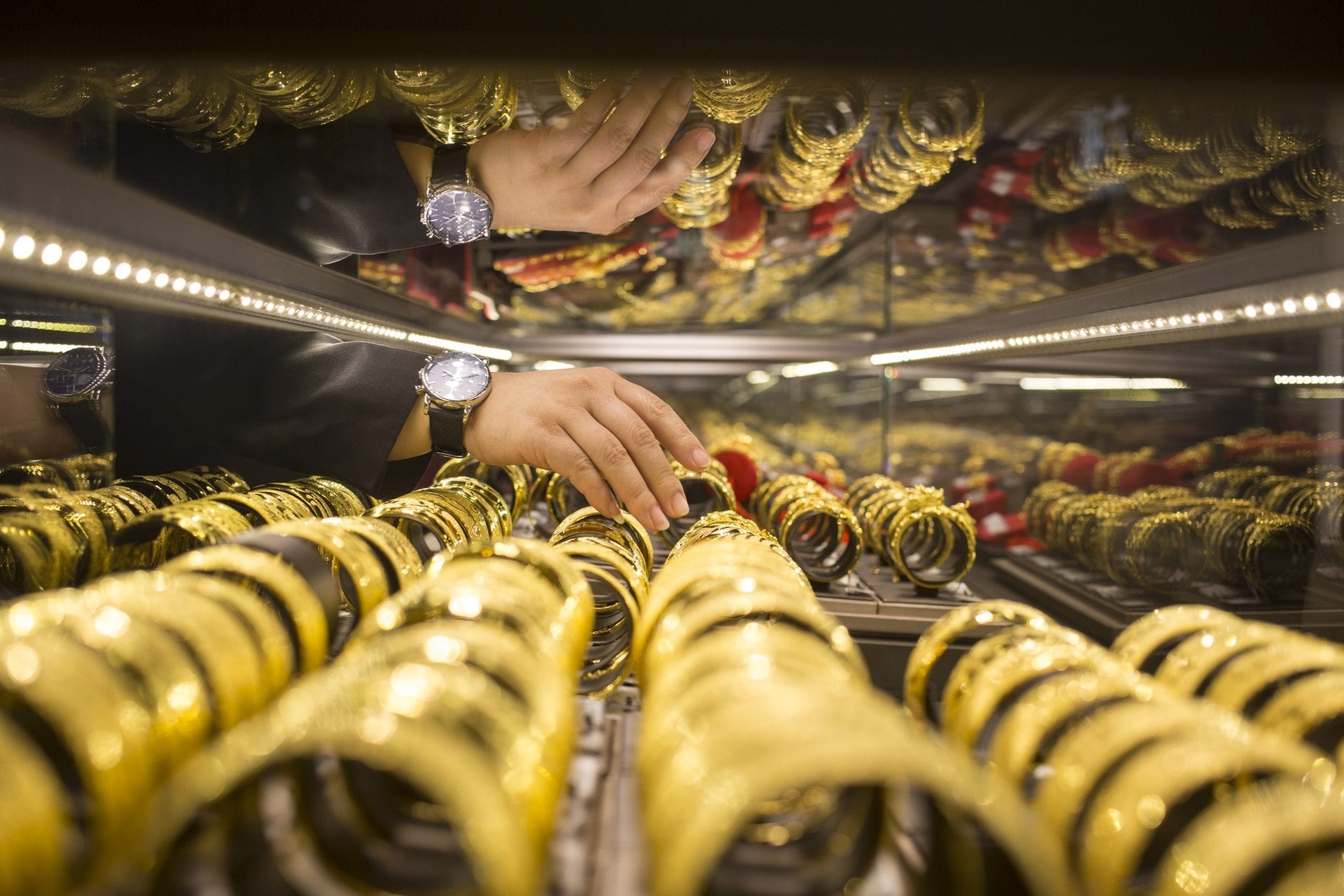
    Gold bar prices in Vietnam experienced a slight decrease on Wednesday, following a decline in global bullion rates. The Saigon Jewelry Company noted a 0.4% drop in its pricing, bringing the cost to VND 121.7 million (approximately US$4,688.79) per tael. Meanwhile, gold rings maintained a steady price at VND 118 million per tael—a tael being equivalent to 37.5 grams or 1.2 ounces.

    Regulatory Adjustments on the Horizon
    In a recent report submitted to the National Assembly, the State Bank of Vietnam outlined initiatives to amend the existing gold market regulations. The goal is to enhance procedural efficiency while ensuring robust oversight of gold trading activities. The bank emphasized its commitment to coordinating with various ministries to strengthen inspections and audits across retail and trading sectors, aiming to swiftly identify and rectify any regulatory breaches.

    Global Gold Market Trends
    The global gold market saw notable declines on Wednesday as optimism surrounding potential trade negotiations between the U.S. and China reduced the appeal of safe-haven assets. Investors are closely monitoring the Federal Reserve’s upcoming policy decision, which is anticipated to influence market dynamics. Spot gold prices dropped by 1.3%, settling at $3,383.88 an ounce, following a nearly 3% increase in the previous session.

    Ilya Spivak, head of global macro at Tastylive, commented on the market’s behavior, suggesting, “Gold seems to be pulling back amid a broad-based ‘risk on’ move across markets. This reflects growing optimism following indications that the U.S. and China may be initiating real trade discussions.”

    A Watchful Eye on Economic Factors
    As discussions continue, U.S. Treasury Secretary Scott Bessent and chief trade negotiator Jamieson Greer are set to meet with Chinese economic official He Lifeng in Switzerland this weekend. Furthermore, Fed Chair Jerome Powell’s upcoming remarks could provide critical insights into the potential timing of future interest rate adjustments, with gold typically thriving in low-interest environments that cushion against economic uncertainties.

    Implications for the Retail Sector
    The ongoing shifts in gold pricing and the anticipated regulatory changes could have significant effects on consumer behavior and the broader retail landscape. With consumer trends directly tied to economic conditions and regulatory frameworks, retailers must stay agile in their response to maintain engagement and trust among gold buyers.

    Questions & Answers:

    1. What factors contributed to the decline in gold prices in Vietnam this week? The decline in gold prices in Vietnam was influenced by a drop in global bullion rates, which fell primarily due to increased optimism surrounding U.S.-China trade talks.

    2. What actions is the State Bank of Vietnam taking regarding gold market regulations? The State Bank of Vietnam is planning to amend existing gold market regulations to streamline procedures and enhance inspections of trading businesses and retail shops to address any vulnerabilities or violations.

    3. How are upcoming Federal Reserve decisions expected to impact gold prices? Decisions from the Federal Reserve regarding interest rates could significantly affect gold prices, as lower rates typically bolster gold’s appeal as a hedge against economic uncertainties.

  • SM Prime’s $9B Expansion Plan Unveils Ambitious Retail Growth Strategy

    SM Prime’s $9B Expansion Plan Unveils Ambitious Retail Growth Strategy

    SM Prime Launches Ambitious Expansion Plan Amid Rising Consumer Trends

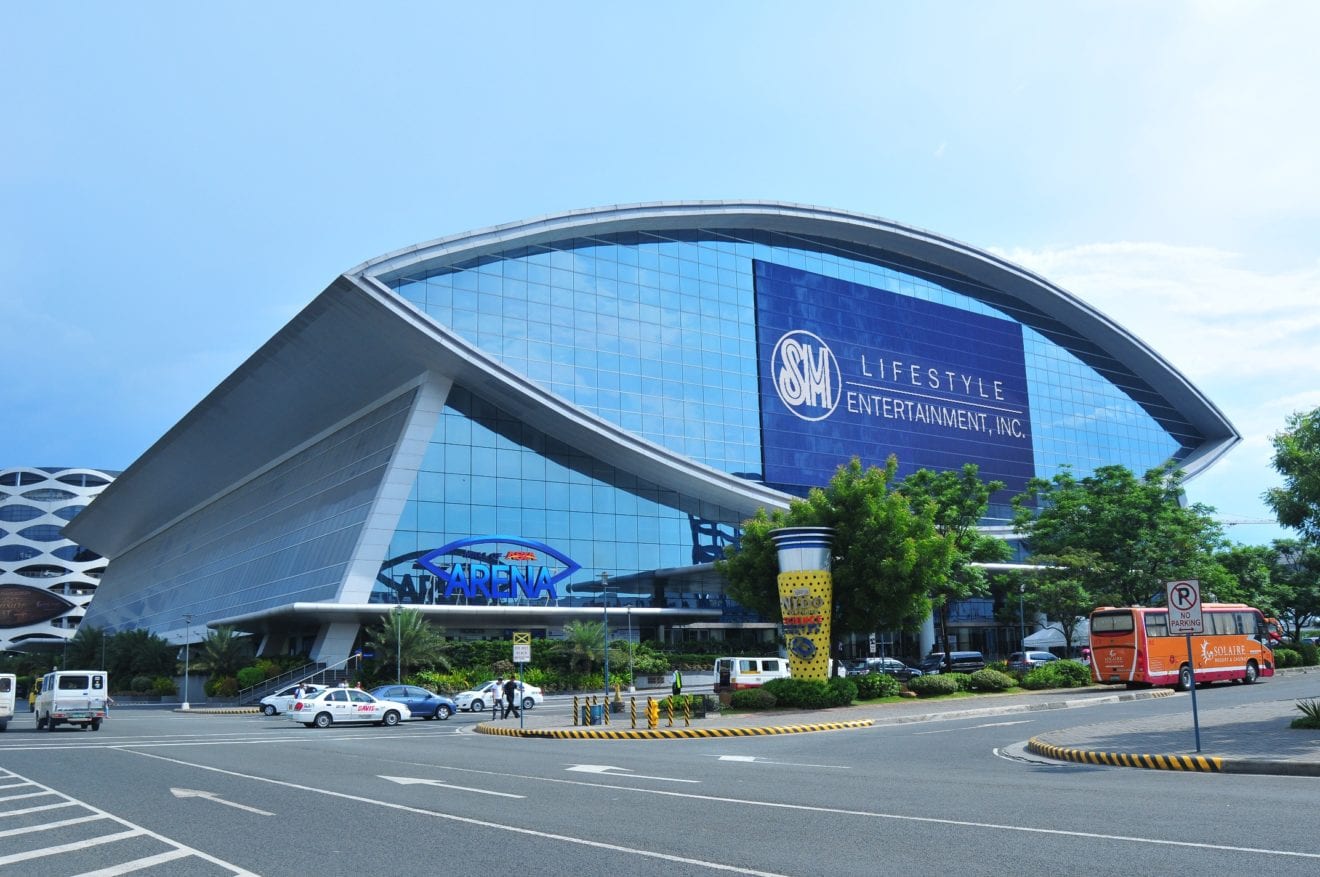
    In a bold move reflecting the growing consumer wealth in the Philippines, SM Prime Holdings is set to embark on its most extensive expansion and diversification initiative since opening its first mall in 1985. With plans to enhance its portfolio and respond to surging consumer demand, the leading mall operator aims to redefine the retail landscape in the country’s booming economy.

    A Comprehensive Expansion Blueprint

    SM Prime’s chairman, Henry Sy Jr., emphasized the urgent need for growth during the recent stockholders meeting. “We need to continue expanding and investing because the opportunities just keep growing,” he stated. With a clear roadmap, the company plans to open 10-15 new shopping malls and up to five integrated property developments. Additionally, the agenda includes establishing eight hotels, two convention centers, a dozen office and residential towers, and four luxury residential projects.

    Sustainable Funding Strategy

    Company president Jeffrey Lim revealed that the majority of the funding for this ambitious expansion will be sourced from internal cash flow, showcasing SM Prime’s commitment to sustainable growth. This strategic approach positions the company well against increasing competition from major players like Ayala Land and Robinsons Land, as the retail sector continues to evolve.

    Market Leadership and Strong Performance

    Currently, SM Prime boasts an impressive footprint as the Philippines’ largest mall operator, managing 87 shopping malls that encompass a total gross floor area of 9.4 million square meters. Additionally, its diverse portfolio includes 10 hotels, over 2,600 rooms, eight convention centers, and more than 22 office buildings.

    In the first quarter of 2023, SM Prime reported a net income of 11.9 billion pesos, an 11% year-on-year increase. Revenue also surged by 7% to 32.8 billion pesos, powered by heightened rental collections and robust real estate sales. Notably, malls remained the cornerstone of profitability, contributing 69% to the company’s earnings.

    Addressing External Challenges

    Despite the challenges posed by new U.S. tariffs, SM Prime remains optimistic about its market positioning. Lim noted that the Philippines’ predominantly domestic economy, coupled with limited exposure to adverse external factors, offers a buffer against potential risks. Continued consumer spending and favorable macroeconomic conditions are expected to further bolster growth.

    “We have a solid foundation, and we are confident in our capacity to generate long-term, sustainable value for our shareholders,” Lim remarked.

    The Future of Retail in the Philippines

    This significant expansion by SM Prime signals a transformative period for the retail sector in the Philippines, poised to adapt to shifting consumer trends and preferences. As the brand expands its presence and invests in diversified developments, the ripple effects on local economies and consumer experiences will be noteworthy.

    Questions & Answers

    1. What is SM Prime’s expansion plan? SM Prime plans to open 10-15 new malls, five large-scale property developments, eight hotels, two convention centers, and other residential projects.
    2. How is the expansion being funded? The majority of the funding will come from internal cash flow, demonstrating a commitment to sustainable growth.
    3. What are the potential impacts of this expansion? The expansion is expected to enhance the retail landscape, boost local economies, and improve consumer experiences across the Philippines.
  • Shanghai’s First Gold ATM Attracts Crowds Amid Record High Prices

    Shanghai’s First Gold ATM Attracts Crowds Amid Record High Prices

    In an innovative twist on jewelry transactions, Shenzhen Kinghood Group’s Smart Gold Store concept has revolutionized how consumers engage with gold. The introduction of sophisticated gold ATMs in Shanghai’s bustling Global Harbor shopping mall has generated significant interest, with customers reportedly booking appointments days in advance to take advantage of the seamless service.

    Emergence of Gold ATMs: A New Trend in Retail
    The unique ATM experience allows users to insert gold jewelry, which is then weighed, melted, and evaluated on-site. In a striking example, a customer inserted a 40-gram gold necklace and received an impressive payout of CNY36,000 (approximately US$4,988) within just 30 minutes, according to China Times. This swift service reflects rising consumer demand and efficiency in gold exchanges.

    How the Smart Gold Store Works
    Managed by Kinghood Group, this groundbreaking ATM accepts gold items weighing over 3 grams and having at least 50% purity. The recycling process incorporates identity checks and melting at temperatures exceeding 1,000°C, followed by a second purity assessment. Additionally, a service fee of CNY18 (about US$2.50) per gram is applied, allowing for transparency in pricing.

    Strategic Expansion Plans
    Xie Chengcheng, Kinghood’s operations manager in Shanghai, revealed ambitious plans to deploy over 100 gold ATMs across the city, with existing units already in Beijing, Guangzhou, Shenzhen, and Hong Kong. Since its inception last year, Kinghood has expanded the Smart Gold Store concept to 40 cities throughout China, strategically placing these ATMs in banks, supermarkets, and retail spaces to enhance brand visibility and customer accessibility.

    Impact on Traditional Gold Buying
    The arrival of gold ATMs has disrupted the traditional gold-buying model in the region. Local “gold scalpers” and smaller buyers have reported significant losses attributed to the ATM’s efficiency and transparent transactions. Some have described challenges such as reduced cash flow and an inability to compete with the rapid service provided by the new machines.

    Market Context: Rising Gold Prices
    On April 16, when the Shanghai ATM debuted, gold prices soared to record highs, creating a favorable environment for long-term holders looking to cash in. The Shanghai Gold Exchange recorded real-time prices above CNY788 ($108) per gram. Xu Weixin from the Shanghai Gold Association noted, “The introduction of smart gold ATMs primarily serves a recycling function from a business perspective,” highlighting the increased value of gold possessions amid rising prices. However, he also advised consumers to consider holding onto their gold for longer, as there’s potential for further price increases.

    Conclusion: A Transformative Effect on Retail
    The innovative Smart Gold Stores may significantly influence the retail landscape, as brands adapt to evolving consumer trends. As demand for transparent and efficient transaction methods rises, the traditional avenues for buying and selling gold face new competition. This shift not only enhances convenience for consumers but also reshapes the dynamics of the gold market in China and beyond.

    Questions & Answers:

    1. What are Smart Gold Stores? Smart Gold Stores, managed by Shenzhen Kinghood Group, feature gold ATMs that allow users to sell gold jewelry quickly and efficiently for cash, revolutionizing traditional gold-buying processes.
    2. How do these gold ATMs operate? Users insert gold items, which are weighed, melted, and assessed for purity. Payouts are provided on-site, with a service fee applied for the transaction.
    3. What impact do gold ATMs have on the traditional gold market? Gold ATMs have disrupted traditional buying practices, leading to losses for local scalpers and smaller buyers while promoting transparency and efficiency in gold transactions.
  • VN-Index Achieves Third Consecutive Session of Gains in Retail Sales

    VN-Index Achieves Third Consecutive Session of Gains in Retail Sales

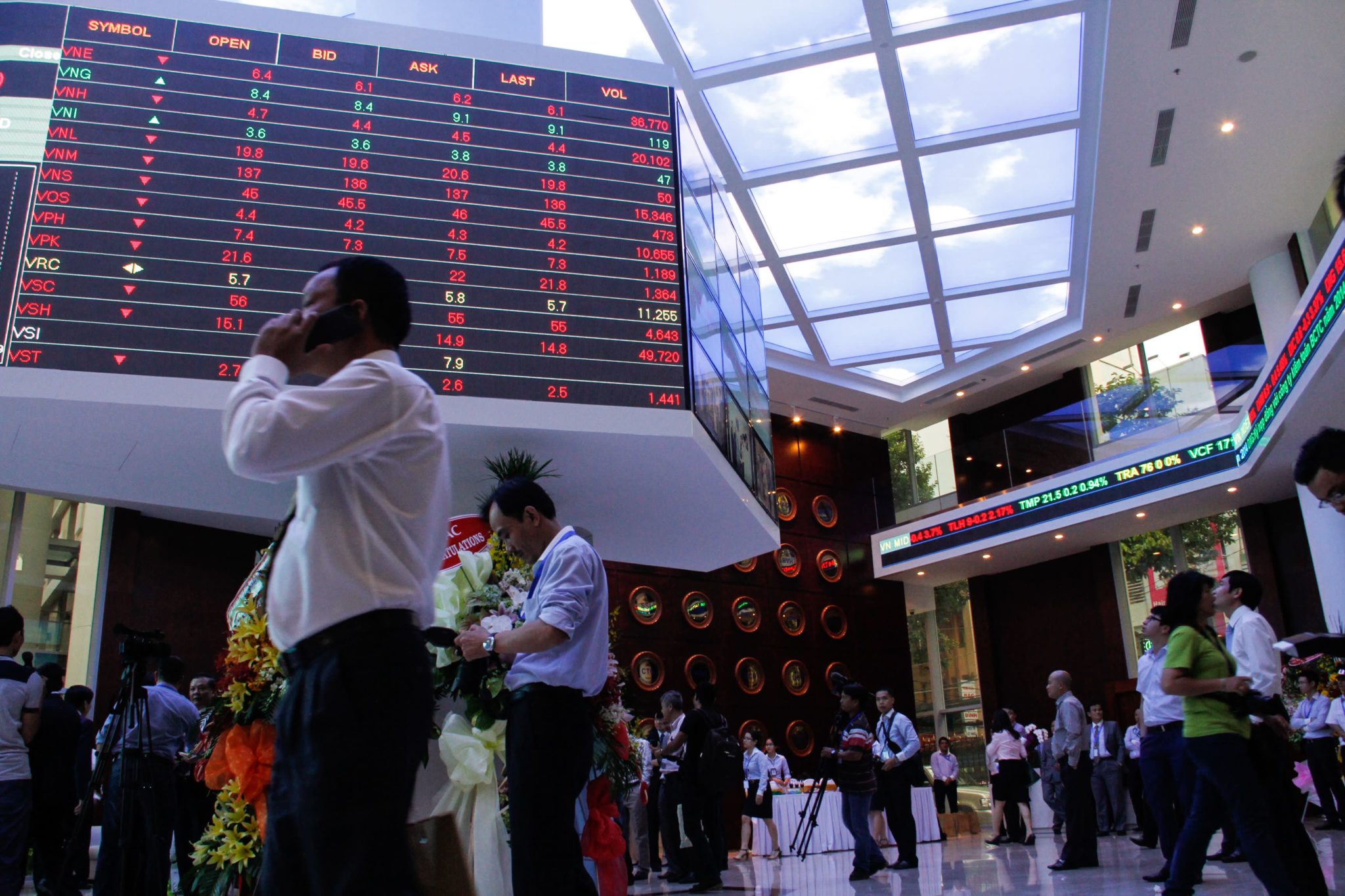
    Vietnam’s benchmark VN-Index experienced a notable increase of 0.68% on Wednesday, reaching 1,250.37 points. This marks a positive trend to kick off the month, as the index continues its three-day upward trajectory.

    Trading Highlights

    The VN-Index closed 8.42 points higher, following a previous gain of 1.9 points. Despite this rise, trading activity on the Ho Chi Minh Stock Exchange saw a decline of 3.4% from the previous session, totaling VND17.2 trillion (approximately USD 662.6 million).

    Key Stock Performances

    Within the VN-30 basket, which includes the 30 largest stocks by market capitalization, 14 companies reported positive gains.

    • Vingroup (VIC) surged by 4.11%, demonstrating strong performance as part of Vietnam’s retail news landscape.
    • Bao Viet Holdings (BVH) rose by 3.16%, reflecting increasing consumer trends in the insurance sector.
    • Vietnam Rubber Group (GVR) climbed 2.26%, signaling positive growth within the commodity market.

    Conversely, several blue-chip stocks stumbled:

    • Masan Group (MSN) fell by 1.77%.
    • HDBank (HDB) slid down by 1.41%.
    • SSI Securities Corporation (SSI) experienced a drop of 1.3%.

    Foreign Investment Insights

    Amidst these fluctuations, foreign investors emerged as net buyers, investing approximately VND900 billion. Top purchases included shares from Dat Xanh Group (DXG) and Nam Long Investment Corp (NLG), indicating strong interest in the real estate market.

    In parallel, the HNX-Index for mid and small-cap stocks on the Hanoi Stock Exchange rose by 0.55%, while the UPCoM-Index dipped slightly by 0.02%.

    Conclusion: Impact on the Retail Sector

    The steady increase in the VN-Index reflects a robust sentiment in the market, which could encourage further investments in various sectors, including retail and real estate. As consumer demand continues to surge, brands are expected to expand their presence while adapting to emerging consumer trends.

    Questions & Answers

    1. What is the current status of the VN-Index? The VN-Index has risen 0.68% to 1,250.37 points, marking its third consecutive gain.

    2. Which stocks contributed to the VN-Index’s rise? Key performers include Vingroup (VIC), Bao Viet Holdings (BVH), and Vietnam Rubber Group (GVR), all showing significant increases.

    3. How are foreign investors participating in the market? Foreign investors were net buyers, investing around VND900 billion, with a focus on stocks from Dat Xanh Group and Nam Long Investment Corp.