Author: Mei Ling Tan

  • Vietnamese Café Launches in Prime HCMC Spot Once Occupied by Starbucks

    Vietnamese Café Launches in Prime HCMC Spot Once Occupied by Starbucks

    In a notable shift within the retail landscape of Ho Chi Minh City, Adoré – World Coffee has confidently stepped into a prime location on Han Thuyen Street, just eight months after Starbucks shuttered its upscale store at the same site. This development marks an exciting chapter in the city’s evolving consumer trends.

    New Tenant at a Competitive Rate

    Adoré is now leasing the three-story property for VND700 million per month (approximately US$29,000), slightly edging below the VND750 million Starbucks previously paid. While this represents a decrease, the rent remains nearly double the area’s average, reflecting the property’s high-profile status in Vietnam’s bustling metropolis.

    The prime location boasts over eight meters of street frontage and scenic views from the upper floors, driving its premium rental price, according to real estate analysts.

    Prolonged Search for Tenants

    Despite its prime position, it took the building’s owner eight months to secure a new tenant. The downtown area of Ho Chi Minh City has a surplus of commercial properties, resulting in many buildings sitting vacant for extended periods. Property owners often prefer to hold out for top-tier tenants rather than lower rents.

    Starbucks Finds New Home

    In the meantime, Starbucks has established a new home in the iconic Bitexco Financial Tower. This premium store, spanning 500 square meters, reportedly incurs a monthly rent of about $75,000 before long-term tenant discounts, as commercial space on the tower’s ground levels averages around $150 per square meter.

    Looking ahead, Starbucks plans to unveil another upscale store in July near the Diamond Plaza, just 300 meters from the previous Han Thuyen location.

    Impact on the Retail Sector

    The arrival of Adoré – World Coffee in such a sought-after space not only reflects the dynamic nature of retail in Ho Chi Minh City but also showcases shifting consumer preferences toward local brands. As brands expand their presence in premium locations, the retail sector is poised for further innovation and growth.

    Questions & Answers

    1. What Vietnamese coffee shop has taken over the former Starbucks location on Han Thuyen Street? Adoré – World Coffee is the new tenant of the prime retail space that was previously occupied by Starbucks.
    2. How much is Adoré – World Coffee paying in rent for the new location? Adoré is leasing the property for VND700 million per month, slightly less than what Starbucks paid before its departure.
    3. What are Starbucks’ future plans in Ho Chi Minh City? Starbucks is set to open another premium store in July, likely near Diamond Plaza, just a short distance from the former Han Thuyen site.

  • Singapore’s Young Billionaires: $20B in Net Worth Among Six Under 50

    Singapore’s Young Billionaires: $20B in Net Worth Among Six Under 50

    Wealth Insights from Singapore’s Newest Elite

    Singapore’s financial landscape is continually evolving as new names emerge among the billionaire ranks. The city-state’s youngest billionaires showcase a diverse blend of industries, from real estate to tech, reflecting significant consumer trends and brand expansion strategies. With a total net worth ranging from technology to property development, these individuals are making their mark in retail news.

    Kishin RK: A Legacy Built on Innovation

    Kishin RK stands out as Singapore’s youngest billionaire, boasting a net worth of $1.6 billion as of March 7, 2023. The son of renowned real estate mogul Raj Kumar, Kishin joined the family business in 2003 before establishing his own property venture, RB Capital. Notably, he sold a gifted 5,000-square-meter apartment to initiate his real estate journey.

    The partnership between Kishin’s RB Capital and his father’s Royal Holdings results in a robust portfolio valued at approximately $10 billion. Their impressive roster includes key assets such as the Holiday Inn Express Clarke Quay and InterContinental Singapore Robertson Quay, highlighting the successful brand’s expansion in the hospitality sector.

    Sea Limited: Tech Titans Thrive Again

    The co-founders of Sea Limited, the parent company of the popular e-commerce platform Shopee, are also making headlines. Chairman Forrest Li, COO Gang Ye, and co-founder David Chen have all reached billionaire status under 50, with Li leading the pack at $8.6 billion.

    These entrepreneurs have seen their fortunes fluctuate dramatically in recent years, especially during the pandemic and subsequent market adjustments. However, after Sea Limited reported its first full-year profit in 2023, with a net gain of $163 million, their financial recovery has spurred renewed optimism. Revenue climbed to $16.8 billion in 2024, indicating a robust rebound in consumer demand and retail growth.

    Razer’s Min-Liang Tan: Gaming Innovator

    Min-Liang Tan, co-founder and CEO of Razer, transitioned from a law career to carve out a niche in the gaming industry. Since co-founding Razer in 2005, Tan has positioned the brand as a leader in gaming hardware and lifestyle products. After taking Razer private in 2022, valuing the company at $3.2 billion, Tan aims to enhance innovation and strengthen community ties within the gaming sector. His current net worth stands at $1.6 billion.

    Teo Swee Ann: Semiconductor Pioneer

    Teo Swee Ann, founder and CEO of Espressif Systems, is new to the list of billionaires this year with a net worth of $1.5 billion. Under his leadership, the Shanghai-listed company specializes in semiconductor technology, notably producing the popular ESP32 chips used in a variety of consumer products. His impressive journey from engineering to entrepreneurship marks a significant point in consumer technology trends.

    Impact on the Retail Sector

    The journeys of these billionaires reflect broader consumer trends and the evolving face of the retail landscape in Singapore. Their ventures not only symbolize personal success but also indicate a dynamic market where innovation and strategic brand expansion lead to substantial economic growth. The influence of technology and hospitality on consumer behavior continues to reshape retail, paving the way for exciting developments ahead.

    Questions & Answers

    1. Who is Singapore’s youngest billionaire and what industry does he operate in? Kishin RK is Singapore’s youngest billionaire, operating in the real estate industry through his company, RB Capital.
    2. How has Sea Limited’s financial status changed in recent years? Sea Limited’s co-founders saw fluctuations in their wealth but rebounded after the company reported its first full-year profit in 2023, indicating strong growth in consumer demand.
    3. What unique position do Teo Swee Ann and Espressif Systems hold in the tech market? Teo Swee Ann’s Espressif Systems specializes in semiconductor technology and is known for its ESP32 chips, which are integral to various electronic devices, signifying a trend toward smart consumer products.
  • Mercedes-Benz Vietnam Clarifies Controversial Statement in Singer’s Car Fire Incident

    Mercedes-Benz Vietnam Clarifies Controversial Statement in Singer’s Car Fire Incident

    Luxury automaker addresses claims stemming from a controversial incident involving a customer’s vehicle

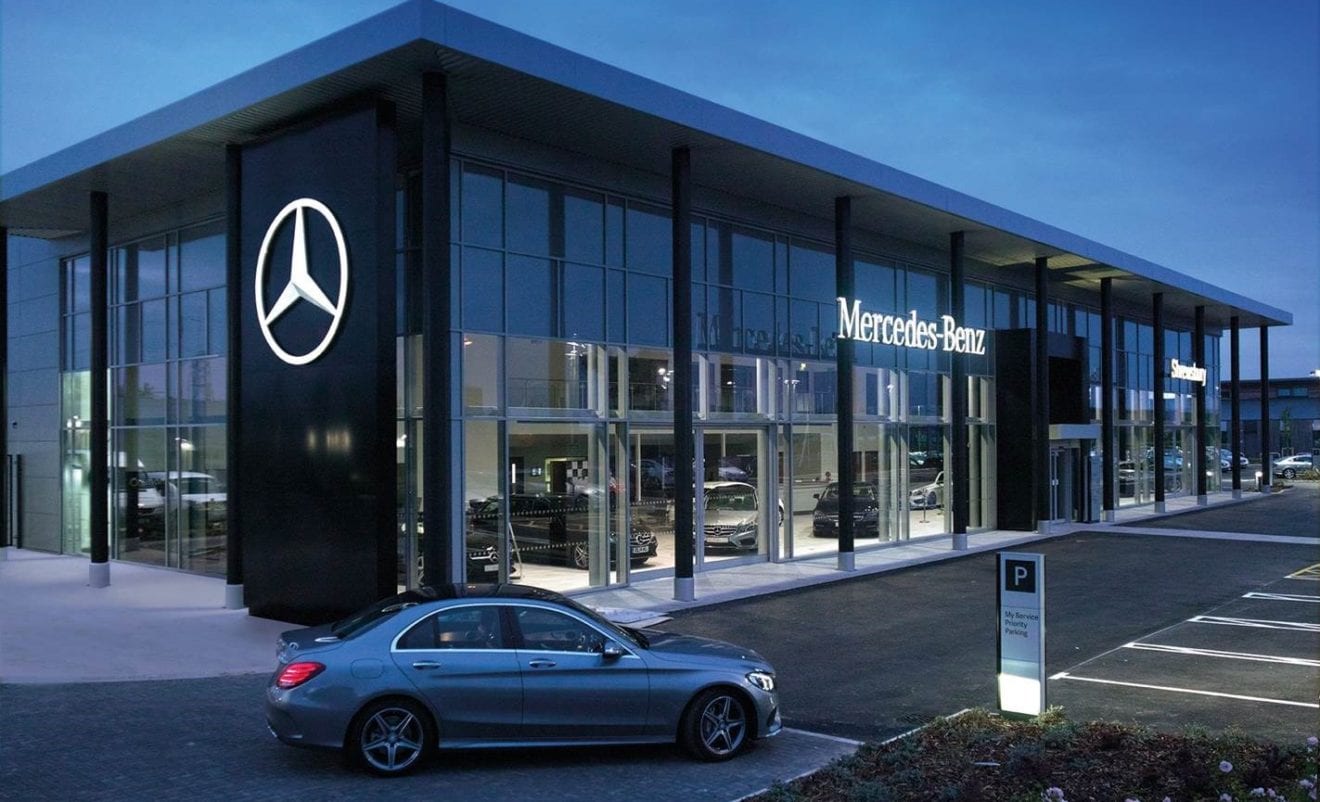
    Mercedes-Benz is taking a proactive stance in response to recent allegations concerning an incident involving a customer’s S 450 L that caught fire. The luxury brand has clarified that statements attributed to a dealership employee are not representative of its official position, amidst growing consumer scrutiny.

    Incident Overview

    The situation unfolded when Vietnamese singer Duy Manh reported that his 2020 Mercedes-Benz S 450 L, valued at over VND 5 billion (approximately US$192,570), ignited while parked at an apartment complex in 2023. At the time of the fire, the vehicle was not in operation, prompting the apartment’s security team to forcibly open the hood to extinguish the flames.

    Ultimately, the property insurance provider compensated Duy Manh to the tune of VND 2.9 billion after the incident. There has been significant media attention surrounding the cause of the fire, with initial assertions from Mercedes-Benz suggesting rodent activity was to blame.

    Clarity Amid Confusion

    While Mercedes-Benz cited evidence of rodent droppings and debris found in the vehicle, a police investigation has determined that an electrical short circuit triggered the fire. This conflicting information has led Duy Manh to question the dealership’s liability should the flames have spread to the apartment complex.

    In an exchange that escalated tensions, a dealership representative reportedly stated that “the rat” would be responsible for any broader consequences, leading Duy Manh to pursue legal action following unsuccessful mediation attempts.

    Mercedes-Benz has since emphasized that a joint inspection, which included experts both from Vietnam and abroad, indicated that the damage was not due to a technical flaw but rather attributed to rodent interference.

    Brand’s Ongoing Commitment

    As the legal proceedings continue, a spokesperson for Mercedes-Benz indicated that the company is unable to provide further comment due to the ongoing nature of the case. However, they are committed to maintaining transparency and accountability, reinforcing their dedication to consumer safety.

    Duy Manh, also known as Nguyen Duy Manh, has a notable career in Vietnam’s music scene. After graduating from the HCMC Conservatory of Music, he gained prominence in 2004 and now works across various venues, specializing in compositions as well as performances.

    The Broader Implications

    This incident raises pertinent questions about the responsibilities of luxury brands in product safety and consumer communication. As each step unfolds in this case, it serves as a crucial reminder for car manufacturers to uphold stringent quality controls while also being responsive to consumer concerns.

    Questions & Answers

    1. What sparked the controversy involving the Mercedes-Benz S 450 L? The controversy began when Duy Manh reported that his car caught fire while parked, leading to debates over the cause attributed to either rodent activity or an electrical short circuit.
    2. How did Mercedes-Benz respond to the allegations? Mercedes-Benz clarified that statements made by a dealership employee were unauthorized and that a joint inspection revealed rodent activity as the cause of the damage, not a manufacturing defect.
    3. What are the potential implications for Mercedes-Benz in the retail sector? The ongoing legal case highlights the importance of transparent communication and accountability in the luxury automotive sector, which could affect consumer trust and brand reputation moving forward.
  • Gold Prices Decline as Consumer Demand Shifts

    Gold Prices Decline as Consumer Demand Shifts

    Gold Prices Retreat from Historic Peaks as Market Conditions Shift

    The price of gold in Vietnam has experienced a notable decline on Wednesday, moving further away from the record heights reached just days before. This fluctuation reflects broader trends in both local and global markets as investor sentiments shift.

    Steep Decline in Local Gold Prices

    In a recent update from the Saigon Jewelry Company, the price of gold bars dropped to VND 119.5 million (approximately $4,597) per tael, which marks a 1.24% decrease from the morning and a more significant 3.63% dip from Tuesday’s peak of VND 124 million.

    Similarly, gold ring prices saw a decline of 0.86%, now sitting at VND 115.5 million per tael after an earlier drop of 2.1%. For reference, a tael is equal to 37.5 grams or 1.2 ounces.

    Global Market Influences

    Globally, gold prices also faced downward pressure after remarks from U.S. President Donald Trump, who indicated a potential easing of tariffs on China and expressed no intention to dismiss Federal Reserve Chair Jerome Powell. These developments resulted in a 2.1% drop in spot gold prices, now standing at $3,310.29 an ounce, following a record high of $3,500.05. Concurrently, U.S. gold futures declined by 2.9% to $3,321.30.

    UBS analyst Giovanni Staunovo noted, “The comments from President Trump, coupled with a softer tone on the Fed chairman and relations with China, have alleviated some market anxieties, which has weighed on gold prices.” Despite this temporary downturn, Staunovo maintains a bullish outlook, projecting gold could climb to $3,500 per ounce in the coming months.

    Gold’s Resilient Performance

    Gold has typically been viewed as a safe haven amid global uncertainties. Since the beginning of 2025, its value has remarkably surged by over 26%, breaking several records along the way, indicating a robust demand amidst fluctuating economic conditions.

    As gold prices adjust due to changing economic indicators and geopolitical developments, the ongoing fluctuations hold critical implications for both local investors and the broader retail market. With consumer trends leaning towards security in investments, gold may continue to attract interest as a hedge against further instability.

    Questions & Answers

    1. What are the current gold prices in Vietnam? As of Wednesday, gold bar prices are at VND 119.5 million per tael, and gold rings cost VND 115.5 million per tael.
    2. What influenced the recent decline in gold prices? Remarks from U.S. President Donald Trump regarding lower tariffs on China and his support for Federal Reserve Chair Jerome Powell eased market tensions, contributing to the drop in gold prices.
    3. How has gold performed this year? Gold has risen over 26% since the start of 2025, hitting multiple record highs before the recent decline. Analysts still predict potential rises in the future.
  • UBS Launches Exciting New Partnership in Private Credit Sector

    UBS Launches Exciting New Partnership in Private Credit Sector

    On Tuesday, UBS announced a dynamic new partnership with US-based General Atlantic, aimed at transforming the private credit landscape. This strategic collaboration is set to provide clients with enhanced access to direct financing and innovative funding solutions, marking a significant step in building a robust private credit offering for both institutions.

    Strengthening a Collaborative Foundation

    This new agreement formalizes and expands upon an existing relationship, uniting two financial powerhouses to create a compelling market presence in the private credit space. Coupling UBS’s renowned advisory and investment banking capabilities with General Atlantic’s extensive network and established expertise as a private lender sets the stage for a market-leading proposition in private credit services.

    Pioneering a Market-Leading Private-Credit Platform

    The partnership is strategically positioned to develop a top-tier private credit platform, leveraging unique growth opportunities for clients. The collaboration will bolster General Atlantic’s Credit platform, enhancing its issuance capabilities while simultaneously opening new avenues for UBS’s Global Banking capital-markets franchise.

    With a focus on expanding services, the GA Credit team will oversee investment initiatives and guide a specialized private-credit division. This team will incorporate seasoned professionals from UBS Asset Management’s Credit Investments Group (CIG), emphasizing secured direct loans to enterprises operating in North America and Western Europe.

    Anticipating Consumer and Market Impacts

    As this collaboration unfolds, it has the potential to reshape the retail sector by providing companies with improved access to necessary funding, thereby fostering innovation and growth. The enhanced private credit options could lead to increased investment in projects that drive consumer engagement and satisfaction.

    Questions & Answers

    1. What is the purpose of the UBS and General Atlantic partnership? The partnership aims to enhance access to direct financing and innovative funding solutions, creating a strong private credit offering for clients.
    2. How will the collaboration benefit clients? Clients can expect improved access to secured direct loans and innovative financing options from a market-leading private credit platform.
    3. Which regions will the new private credit focus on? The private credit services will primarily target companies in North America and Western Europe. This strategic alliance not only strengthens the foundations of private credit services but also signals an encouraging shift for investment opportunities within the retail sector, indicating a robust response to evolving consumer trends.

  • Dubai’s Justice System Launches Crackdown on Retail Violations

    Dubai’s Justice System Launches Crackdown on Retail Violations

    Dubai’s Legal System Strengthens, Marking a New Era of Accountability

    In a notable shift towards stricter legal enforcement, Dubai has taken decisive action against money laundering, exemplified by the recent sentencing of Indian entrepreneur Balvinder Singh Sahni. This case underscores the emirate’s commitment to enhancing legal transparency and ensuring accountability in its burgeoning real estate sector.

    Court Sentencing and Financial Penalties

    On May 2, Balvinder Singh Sahni received a five-year prison sentence from a Dubai court, followed by deportation. The ruling also included a significant financial penalty: assets belonging to his company, Raj Sahni Group (RSG), were frozen to the tune of 150 million Emirati dirhams (approximately $41 million). Furthermore, Sahni was ordered to pay a fine of 500,000 dirhams ($136,000)

    This high-profile case has garnered significant attention, particularly in Sahni’s home country of India, highlighting the international ramifications of Dubai’s legal decisions.

    The Nature of the Allegations

    The court determined that Sahni and RSG engaged in money laundering through a network of shell companies and fraudulent invoices. Their operations included the development of glamorous properties in prime Dubai locations such as Business Bay and Sufouh Gardens. Known within Dubai’s affluent circles, Sahni displayed his luxury lifestyle on social media, further elevating his public profile as a prominent businessman.

    A Broader Initiative Against Cybercrime

    Dubai’s recent crackdown extends beyond financial crimes. During a recent GISEC cybersecurity conference, Mohammed Alkuwaiti, head of the UAE government’s cybersecurity department, disclosed alarming statistics: the UAE experiences approximately 200,000 cyber-attacks daily. In response, local authorities are intensifying international cooperation to combat cross-border cybercrime, reflecting a proactive approach to digital security threats.

    Looking Ahead: Implications for the Retail Sector

    As Dubai reinforces its legal frameworks, the implications for both businesses and consumers will be profound. Stricter enforcement may foster a more trustworthy investment environment, potentially leading to increased foreign investment in the region.

    Questions & Answers

    1. Who is Balvinder Singh Sahni and what was he charged with? Balvinder Singh Sahni is an Indian real estate entrepreneur sentenced to five years in prison for money laundering. His company, Raj Sahni Group, faced asset freezes and fines related to fraudulent financial operations.
    2. What actions is Dubai taking to bolster cybersecurity? Dubai is increasing international collaboration to combat cybercrime and reported daily cyber-attacks numbering around 200,000, highlighting a growing concern for digital security.
    3. What potential effects could these legal developments have on the retail sector in Dubai? Enhanced legal accountability can foster a more secure business environment, which may attract further investment and elevate consumer confidence in the retail market. As Dubai continues to refine its legal framework and enhance cybersecurity measures, the evolution of retail and business dynamics in the region could signal a transformative era for consumers and investors alike.
  • China Boosts Retail with Durian and Crocodile Imports from Cambodia

    China Boosts Retail with Durian and Crocodile Imports from Cambodia

    In a significant leap towards increasing its agricultural exports, Cambodia recently signed agreements to facilitate the export of swiftlet nests and crocodiles to China. This bold move is poised to open new avenues for Cambodian processors, exporters, and investors, as consumer demand in China surges for these unique products.

    A Historic Protocol for Swiftlet Nests

    Suy Kokthean, the president of the Khmer Swiftlet Association, has described the recent protocol for exporting swiftlet nests to China as a groundbreaking achievement. He emphasized that this development not only attracts more investment into Cambodia’s processing sector but also aligns with conservation efforts aimed at upgrading swiftlet houses to meet export standards.

    “This protocol is a major step forward for Cambodia’s swiftlet sub-sector,” Kokthean commented, noting that the Chinese market is abundant with opportunities. With swiftlet nest products gaining popularity in China, there is an optimistic outlook for processors and exporters eyeing entry into this lucrative market.

    Expanding Horizons Beyond China

    While the immediate focus is on exporting to China, Kokthean revealed that Cambodia is exploring other markets, including Taiwan, Hong Kong, and Singapore. “However, the demand from China far outstrips these smaller markets,” he added, highlighting the pressing need for an increase in Cambodian swiftlet nest supply to meet international demand.

    Currently, estimates suggest that over 5,000 swiftlet houses in Cambodia produce around 100 tonnes of nests annually, paving the way for significant export growth in the coming years.

    Crocodile Export Opportunities on the Horizon

    Kong Mey, vice president of the Crocodile Breeders’ Community in Siem Reap province, also lauded the new protocol allowing the export of Cambodian-cultivated crocodiles to China. This development is seen as a golden opportunity for crocodile breeders nationwide, with potential for strong market growth according to Mey.

    The Ministry of Agriculture, Forestry and Fisheries is diligently working on disease analysis for crocodile samples, ensuring that exports can proceed smoothly following confirmation of compliance with Chinese customs regulations.

    Government Support for Agriculture

    The Cambodian government is fully invested in enhancing export pathways for its agricultural products. Prime Minister Hun Manet recently directed relevant ministries to streamline procedures and minimize delays, reaffirming the government’s commitment to boosting the agricultural export sector.

    During a previous visit by Chinese President Xi Jinping, discussions centered on optimizing export channels for Cambodian agricultural products, highlighting a strategic partnership aimed at benefiting both nations.

    Economic Impact and Future Prospects

    Cambodia’s agricultural sector has made impressive strides, with over 12 million tonnes of crop products exported to 95 countries in 2024, generating approximately $5.3 billion in revenue. With agriculture contributing about 16.7% to the country’s GDP, the recent agreements underscore a pivotal moment for the retail and agricultural landscape in Cambodia.

    As Cambodia opens its doors to new markets and expands its product offerings, consumers in China and beyond may soon benefit from an enhanced supply of high-quality swiftlet nests and crocodiles.

    Questions & Answers:

    1. What recent agreements has Cambodia signed regarding exports?
      Cambodia has signed protocols for exporting swiftlet nests and crocodiles to China, marking significant growth opportunities for its agricultural sector.
    2. Who has praised the swiftlet nests export agreement, and what are the expected benefits?
      Suy Kokthean, president of the Khmer Swiftlet Association, praised the agreement as a major step forward that will attract investment and create opportunities for processors and exporters.
    3. What actions is the Cambodian government taking to support agricultural exports?
      Prime Minister Hun Manet has directed ministries to simplify export procedures, aiming to boost agricultural product exports and strengthen market connections with China.
  • Vietnam and US Launch Exciting New Bilateral Trade Negotiations

    Vietnam and US Launch Exciting New Bilateral Trade Negotiations

    Vietnam and U.S. Initiate Bilateral Trade Negotiations: A New Era in Economic Cooperation

    In a timely move to enhance economic collaboration, Vietnamese Trade Minister Nguyen Hong Dien engaged in a pivotal phone conversation with U.S. Trade Representative Jamieson L. Greer on April 23, 2025. This dialogue marks the commencement of crucial bilateral trade negotiations aimed at crafting a future trade pact.

    A Strategic Partnership for Economic Growth

    The negotiations are set to outline key principles, scope, and a roadmap for advancing trade between the two nations, as highlighted by Vietnam’s Department of Foreign Market Development. Minister Dien emphasized Vietnam’s commitment to its comprehensive strategic partnership with the U.S., stressing a focus on deepening economic ties that are balanced, stable, and sustainable.

    Open Dialogue for Mutual Benefit

    During the discussion, Minister Dien expressed Vietnam’s readiness to address U.S. concerns, aiming to seek solutions that align with the interests of both countries. In response, Greer praised the initiative, indicating optimism about discovering effective solutions that would bolster sustainable economic cooperation.

    Sustained Communication for Progress

    Both officials underscored the importance of ongoing communication between their negotiating teams to expedite the talks and ensure a streamlined process. This proactive approach positions both nations for potential growth as they navigate the complexities of international trade.

    Furthermore, this announcement comes at a time when the Trump administration is strategically delaying reciprocal tariffs on various trading partners, including Vietnam, for a 90-day period, while a temporary 10% tariff remains in effect.

    Implications for the Retail Sector and Consumers

    With the initiation of these bilateral trade negotiations, the potential for increased trade flow could reshape the retail landscape in both Vietnam and the U.S. As the two economies explore new avenues for collaboration, consumers may benefit from greater product availability and competitive pricing.

    Questions & Answers

    1. What are the main goals of the U.S.-Vietnam trade negotiations?
      The primary objectives include outlining principles, scope, and a roadmap for a future trade pact that enhances economic cooperation between the two nations.
    2. How does this negotiation impact current tariffs? The negotiations unfold during a 90-day delay on reciprocal tariffs by the Trump administration, with a temporary 10% tariff remaining in place on certain goods.
    3. What does this mean for consumers in both countries? Increased collaboration could lead to more diverse product availability, better quality, and competitive prices for consumers in both Vietnam and the U.S.
  • CJ Olive Young Boosts Brand Growth with Skin Analyser Service in 100 Stores

    CJ Olive Young Boosts Brand Growth with Skin Analyser Service in 100 Stores

    In an innovative stride toward personalized beauty services, CJ Olive Young is set to dramatically expand its self-operated skin analyser machines across South Korea. By the end of 2025, the popular health and beauty retailer plans to install approximately 100 machines in major cities, catering to the rising consumer demand for customized skincare solutions.

    Expanding Access to Advanced Skin Analysis

    CJ Olive Young’s new initiative offers customers a complimentary service that analyzes scalp and skin conditions. The technology provides insights on hydration and sensitivity, affording personalized skincare advice to meet individual needs. This expansion not only aligns with evolving consumer trends but also strengthens Olive Young’s commitment to offering tailored shopping experiences.

    Leveraging Technology for Customer Engagement

    At the core of this initiative is “SELLY,” an exclusive counseling app used by store staff that suggests products based on each customer’s unique skin type, texture preferences, and ingredient requirements. The app enhances in-store consultations, making it a vital tool in bridging the gap between customers and products.

    Strong Evidence of Consumer Interest

    The significance of this expansion is underscored by recent data from Olive Young’s flagship store in N Seongsu, where customers using the “Skin Scan Pro” service exhibited a purchase conversion rate of 78%. This figure contrasts sharply with the 43% conversion rate observed among non-users, highlighting the effectiveness of personalized engagement strategies in the retail landscape.

    The Shift Toward Discovery-Based Shopping

    This growth strategy comes at an opportune moment. With a marked shift in retail dynamics—from a search-driven approach to one grounded in discovery—CJ Olive Young is poised to lead the way in fulfilling the desires of Gen Z and Millennials for authentic and meaningful shopping experiences.

    As CJ Olive Young expands its personalized beauty services, the impact on the retail sector and consumers is substantial. Enhanced consumer engagement through technology is likely to redefine shopping habits, making personalized beauty advice more accessible and leading to increased customer loyalty across the industry.

    Questions & Answers:

    1. What is CJ Olive Young planning for 2025? CJ Olive Young aims to install approximately 100 self-operated skin analyser machines in major cities across South Korea by the end of 2025.
    2. How does the skin analyser service work? The free service provides customers with scalp and skin condition analysis, offering personalized skincare advice based on metrics like hydration and sensitivity through the use of an exclusive app called “SELLY.”
    3. What impact has this service had on purchase behavior? Customers who engaged with the “Skin Scan Pro” service experienced a 78% purchase conversion rate, compared to 43% for those who did not use it, indicating strong interest in personalized beauty experiences.
  • Retail Sales Surge as Consumer Demand Drives Brand Growth in New Store Openings

    Retail Sales Surge as Consumer Demand Drives Brand Growth in New Store Openings

    As consumer demand surges, brands are seizing the opportunity to escalate their growth strategies and expand their presence in the retail sector. Key players are not only adapting to shifting consumer preferences but also redefining their market strategies to capture a larger share of the evolving landscape.

    Rising Consumer Demand Drives Growth

    Recent reports indicate a notable surge in consumer demand across various sectors, with trends leaning toward online shopping and sustainable products. Retailers are witnessing this transformation first-hand, as customers gravitate towards brands that align with their values and expectations. This shift presents both challenges and opportunities in adapting to shopper behaviors that have been reshaped by the pandemic.

    Strategic Brand Expansion Initiatives

    Leading brands are actively pursuing expansion strategies aimed at reaching untapped markets. For instance, popular names in fashion retail are opening new stores in urban centers while enhancing their digital presence to cater to a diverse audience. By leveraging e-commerce platforms and improving logistics, these companies are well-positioned to respond to consumer trends effectively.

    Innovative Approaches to Sustainability

    As sustainability continues to play a critical role in consumer decision-making, brands are tailoring their practices to incorporate eco-friendly materials and ethical labor practices. Recent initiatives reveal that companies prioritizing sustainability not only meet consumer expectations but also set themselves apart in a competitive marketplace.

    Future Implications for the Retail Sector

    The ongoing shifts in retail dynamics signal a promising future for brands willing to innovate and adapt. As consumer trends evolve, those who embrace flexibility and responsiveness will likely thrive, paving the way for a more exciting retail landscape. This consumer-driven environment enhances the shopping experience and influences purchasing behaviors, ultimately impacting the broader retail sector.

    As brands continue to expand their presence and embrace these consumer trends, the retail landscape is poised for significant transformation, creating new opportunities for both retailers and shoppers alike.

  • HDBank Targets $813M Profit by 2025 Amidst Rising Consumer Demand

    HDBank Targets $813M Profit by 2025 Amidst Rising Consumer Demand

    HDBank celebrated its 35th anniversary during its Annual General Meeting of Shareholders on April 24 at the Galaxy Innovation Hub, attracting hundreds of attendees both in-person and online. In this pivotal event, company leaders reflected on the bank’s impressive performance in 2024 and shared future growth strategies.

    Resilience in the Face of Economic Challenges

    Chairman Kim Byoung Ho highlighted HDBank’s remarkable achievements amid ongoing global economic pressures. The bank reported a consolidated pre-tax profit of VND 16.73 trillion (approximately $642.8 million), marking a 28.5% increase year-over-year and surpassing its target by an impressive 105.5%. The return on equity (ROE) stood at 25.7%, with a return on assets (ROA) of 2.04%, placing HDBank among the top performers in the retail banking sector.

    Credit Growth Outpaces Industry

    HDBank’s total outstanding credit surged by 23.8% to VND 437.7 trillion, significantly outpacing the industry average. Additionally, the bank’s total mobilization reached VND 621.1 trillion, an increase of 16% compared to the previous year. This robust performance reflects the bank’s commitment to ensuring ample liquidity while effectively aligning credit growth with capital mobilization.

    Promoting Financial Inclusion

    Fernanda Lima from Leapfrog Investments commended HDBank for its strides in promoting financial inclusion and enhancing environmental and social practices. In 2024, the bank disbursed approximately VND 4.4 trillion (about $180 million) to support businesses facing challenges in accessing credit within the domestic market.

    Junjie Tong, CEO of Affinity Equity Partners, echoed the sentiment regarding HDBank’s growth potential, comparing its current phase to the early development of bamboo. He expressed optimism for continued financial performance in the next 12-14 months.

    Setting Sights on 2025

    Looking ahead, HDBank is set to officially launch the HDBank Financial Group in 2025, fostering synergies among its subsidiaries—including Vikki Digital Bank and HD Securities. The ambitious targets for 2025 include total assets of VND 890.4 trillion, mobilized capital of VND 792.8 trillion, and outstanding loans of VND 597.9 trillion.

    Commitment to Sustainable Growth

    During the meeting, Vice Chairwoman Dr. Nguyen Thi Phuong Thao acknowledged the unwavering support from investors and partners that has helped the bank flourish over its 35-year journey. Underlining the bank’s commitment to innovative technology and corporate governance, she noted that shareholder value has nearly quadrupled since the IPO.

    Concluding the congress, HDBank signed cooperation agreements with key partners, signaling the start of a new growth phase.

    As HDBank positions itself for further expansion and innovation, these developments not only bolster the bank’s standing in retail news but also highlight evolving consumer trends and the potential for enhanced service offerings in the financial sector.

  • Gas Prices Climb from 5-Year Low, Impacting Retail Sales

    Gas Prices Climb from 5-Year Low, Impacting Retail Sales

    Gasoline Prices in Vietnam See Modest Recovery After Five-Year Low

    Vietnam’s gasoline prices have marked a slight upward shift, coming off their lowest levels in five years. This change comes as various factors in the global oil market begin to stabilize and reshape consumer trends in fuel purchasing.

    Price Surge for Popular Fuels

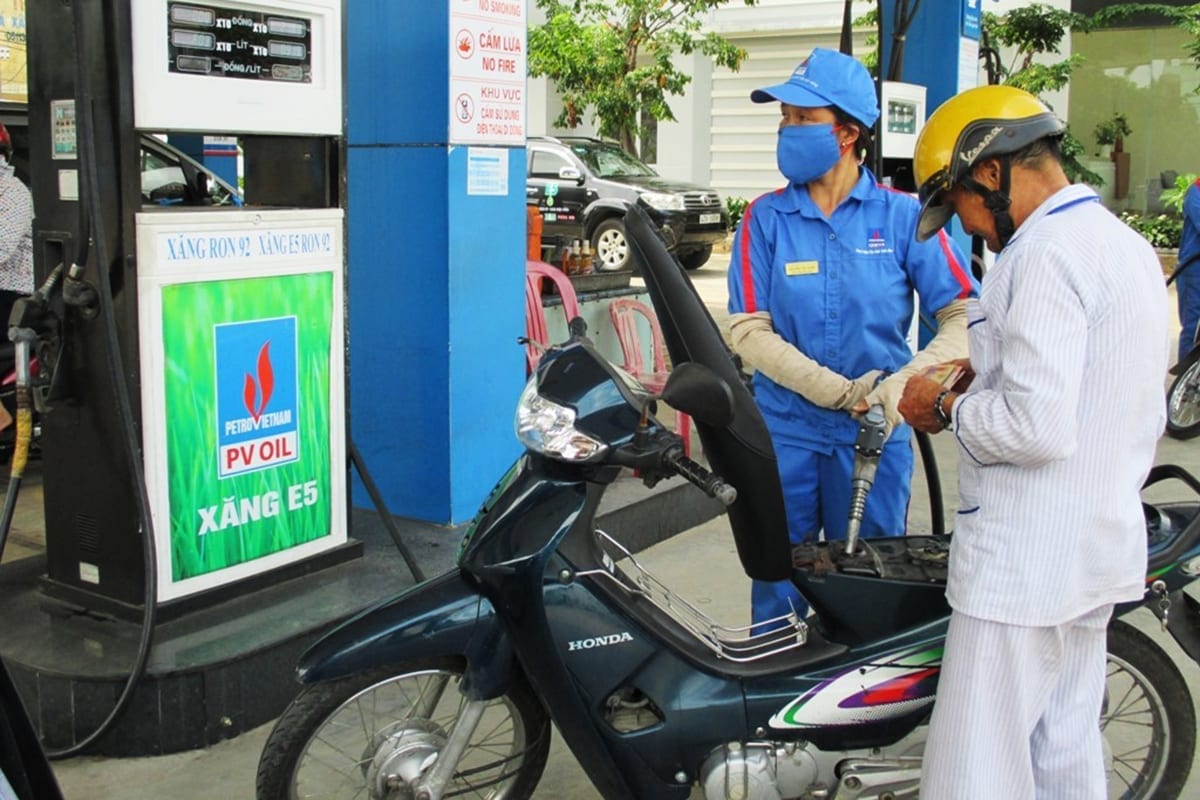
    On Thursday afternoon, the fuel landscape in Vietnam experienced an increase:

    • RON95: Up by 4.14%, now priced at VND19,630 per liter.
    • Biofuel E5 RON92: Rose 4% to VND19,230 per liter.
    • Diesel: Increased by 2.88%, reaching VND17,520 per liter.

    These price adjustments reflect surging consumer demand and market corrections following the previous lows.

    Factors Driving the Increase

    The recent fluctuations in gasoline prices can be attributed to multiple catalysts within the global oil market. Key influences include:

    • A recent report from the U.S. Energy Information Administration indicating a rise in U.S. crude oil inventories.
    • Policy changes from the Trump administration affecting goods taxes from trading partners.
    • Anticipated increases in OPEC+ oil production shortly.

    The global benchmark prices have also seen upward movement, with RON95 surging to $77.3 per barrel, up by 5%, while diesel increased by 3% to $80.90 per barrel.

    Impact on the Retail Sector and Consumers

    The recovery in gasoline prices could have significant implications for retail, particularly in sectors relying heavily on transportation and logistics. As fuel prices stabilize, consumers might see a gradual adjustment in product pricing, influencing overall spending behaviors.

    Questions & Answers

    1. What led to the recent increase in gasoline prices in Vietnam? The increase is primarily due to a rise in global oil prices influenced by U.S. crude inventory changes and adjustments in OPEC+ production.
    2. How much have prices changed for popular fuel types in Vietnam? RON95 rose 4.14% to VND19,630, Biofuel E5 RON92 increased 4% to VND19,230, and diesel saw a 2.88% increase to VND17,520.
    3. What might be the impact of rising gasoline prices on consumers and the retail sector Rising gasoline prices could lead to higher transportation costs, potentially resulting in increased prices for consumer goods and altering spending patterns in the retail sector.
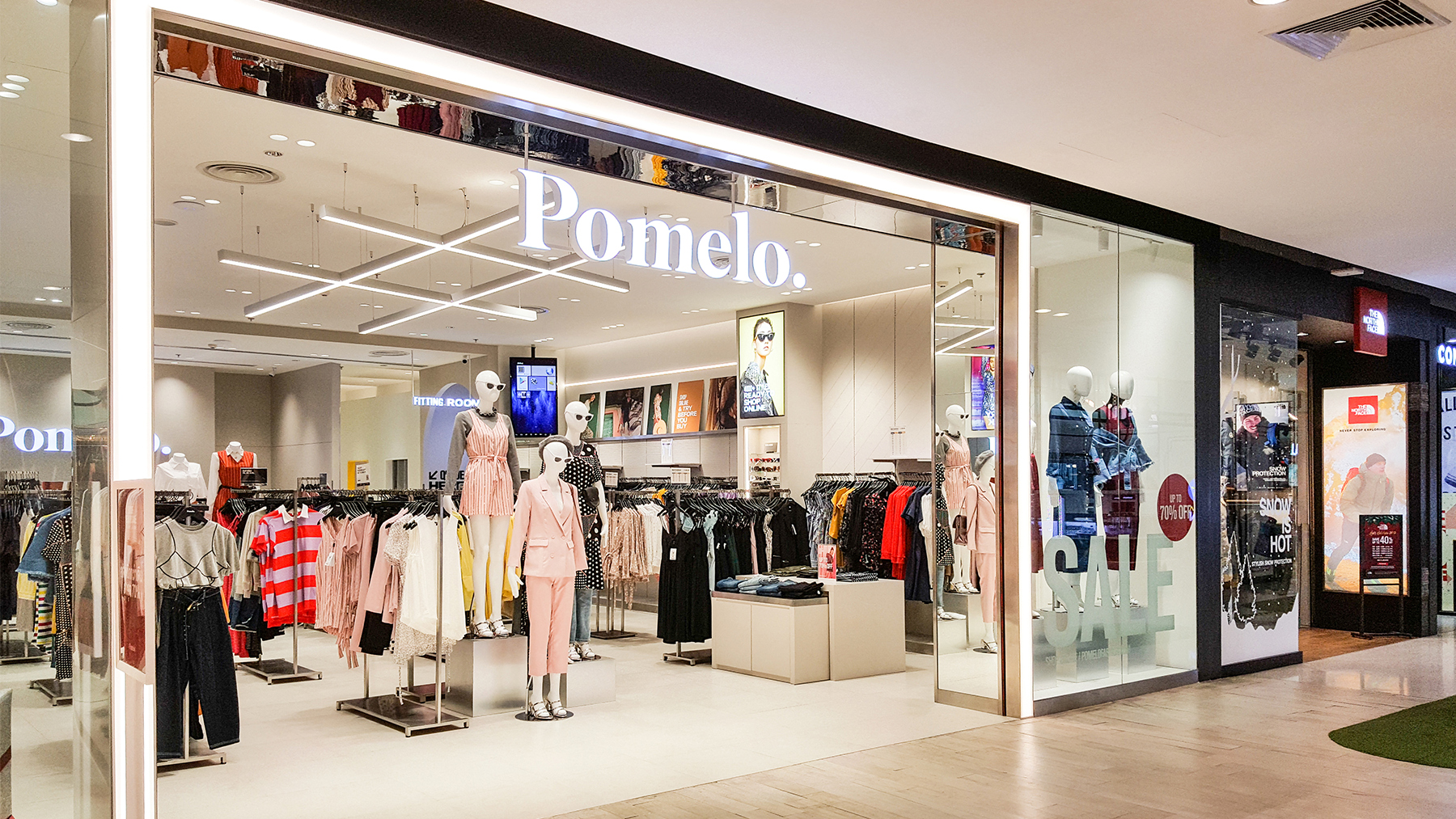
  • Pomelo Fashion to Celebrate Exciting Store Opening in Laos

    Pomelo Fashion to Celebrate Exciting Store Opening in Laos

    In the ever-evolving landscape of retail, companies are taking bold steps to expand their footprint in response to surging consumer demand. This trend highlights the dynamic nature of today’s retail environment, where adaptability and innovation are key.

    Strong Growth in Consumer Trends
    Recent industry reports indicate that consumer spending is on the rise, with retail sectors such as e-commerce and health & wellness experiencing particularly robust growth. This surge is prompting brands to rethink their market strategies. Companies like XYZ Retail are leading the charge, implementing new initiatives to cater to this growing appetite.

    Strategic Brand Expansion
    XYZ Retail has announced plans to broaden its geographical presence by opening new stores in key metropolitan areas. This strategic move not only aims to capture a larger market share but also seeks to enhance customer engagement. By aligning their offerings with local preferences, XYZ Retail is poised to strengthen brand loyalty across diverse consumer segments.

    Leveraging Digital Platforms
    Additionally, many brands are recognizing the importance of digital platforms in driving sales. The integration of e-commerce with traditional retail operations is becoming standard practice, enabling companies to reach consumers in more efficient ways. This digital-first approach is expected to revolutionize customer experiences, as brands strive to meet the expectations of tech-savvy shoppers.

    The Impact on the Retail Sector
    The current trajectory of brand expansion and innovation is set to reshape the retail sector significantly. As companies amplify their efforts to meet evolving consumer preferences, shoppers can anticipate an increasingly diverse range of products and services. This transformation has the potential not only to boost the variety available to consumers but also to create a more competitive marketplace.

    Questions & Answers


    1. What are the current trends in consumer spending? Consumer spending is increasing, particularly in sectors like e-commerce and health & wellness, prompting brands to adapt their strategies.

    2. How is XYZ Retail expanding its presence? XYZ Retail is opening new stores in strategic urban locations to better engage with customers and capture more market share.

    3. What role does digital integration play in retail evolution? Brands are increasingly integrating e-commerce with traditional retail to enhance customer experiences and meet the demands of tech-savvy consumers.

  • Retail Stocks Surge to 9-Day High Amid Rising Consumer Demand

    Retail Stocks Surge to 9-Day High Amid Rising Consumer Demand

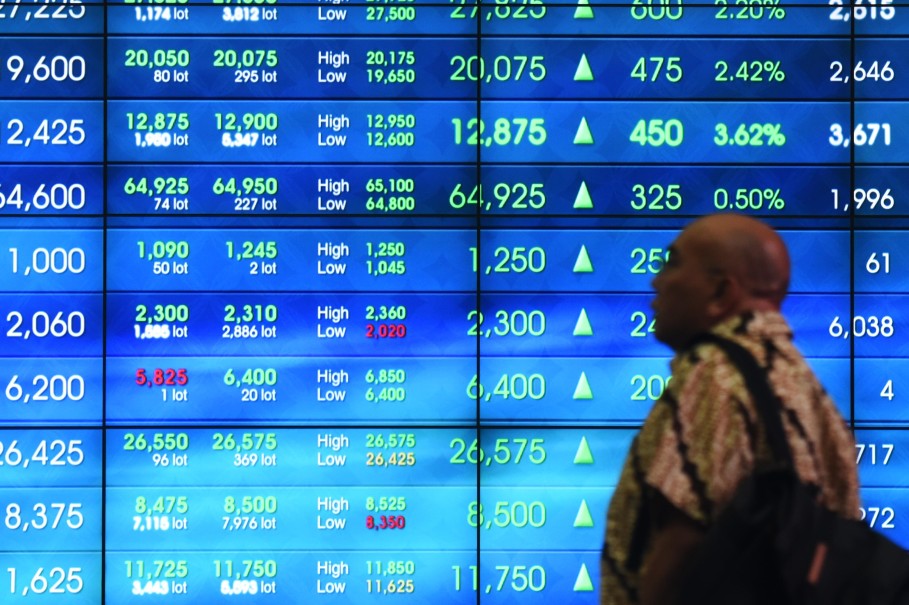
    The VN-Index has made a notable leap, rising by 1.02% to reach 1,223.35 points on Thursday, marking the highest level since April 15. This upward momentum reflects ongoing positive market sentiment and a mix of investor activity across key sectors.

    Market Overview

    The benchmark index ended the trading day up by 12.35 points, building on a gain of 13.87 points from the prior session. Despite the positive performance, trading volume on the Ho Chi Minh Stock Exchange dipped by 7%, totaling VND17.66 trillion (approximately US$679 million).

    Key Performers in the VN-30

    Among the 30 largest capped stocks in the VN-30 basket, a robust majority of 18 stocks closed with gains. Leading the charge was Vingroup’s VIC, which surged by 7%. Also in the spotlight were Bao Viet Holdings’ BVH, up 5.6%, and real estate giant Vinhomes’ VHM, which rose by 4.6%. HDBank’s HDB rounded out the top performers with a 4.4% increase.

    Conversely, eight blue-chip stocks experienced declines. Asia Commercial Bank (ACB) saw a decrease of 1.8%, while Techcombank (TCB) fell by 1.3%.

    Foreign Investment Trends

    Foreign investors remained active participants in the market, concluding the day as net buyers with a total purchase of VND574 billion, primarily focused on Hòa Phát Group’s HPG and the electronics retailer Mobile World (MWG). This trend signals a growing confidence from foreign stakeholders in the Vietnamese market and its expanding opportunities.

    Regional Indices Movement

    In related exchanges, the HNX-Index of the Hanoi Stock Exchange, which features mid and small-cap stocks, ticked down by 0.18%. Meanwhile, the UPCoM-Index for unlisted public companies experienced a modest rise of 0.40%, showcasing a slight differentiation in performance among various market segments.

    In summary, the upward trajectory of the VN-Index and the impressive gains among key stocks reflect a vibrant and dynamic market landscape. As investor confidence grows, particularly with significant foreign engagement, the future looks promising for Vietnam’s retail and broader economic sectors.

    Questions & Answers:

    1. What recent milestone did the VN-Index achieve? The VN-Index rose by 1.02% to 1,223.35 points, reaching its highest level since April 15.

    2. How did foreign investors engage with the market? Foreign investors concluded as net buyers, investing VND574 billion, with a focus on stocks like HPG and MWG.

    3. What was the performance of blue-chip stocks? Out of the VN-30 stocks, 18 showed gains, with VIC and BVH leading, while eight stocks, including ACB and TCB, saw declines.

  • Wolfsberg Group’s Ambitious Quest for Integrity in Banking

    Wolfsberg Group’s Ambitious Quest for Integrity in Banking

    The Wolfsberg estate, a pivotal site in the history of Swiss banking, stands as a testament to a visionary approach towards merging education with the elevated standards of banking excellence. Established amidst social upheaval in the 1970s, this historical estate has evolved into a sophisticated center for financial education and dialogue.

    A Storied History

    From Farm to Financial Institution

    Originally constructed in 1576 as a farm by Wolf Walter von Gryffenberg, the Wolfsberg estate has undergone a series of transformations over the centuries. In 1732, the estate was remodeled into a summer residence by Johannes Zollikofer von Altenklingen and later served as the first guesthouse in Thurgau, adding layers of cultural significance to its legacy.

    By the mid-20th century, the estate fell into disrepair before Swiss banking giant SBG, now UBS, acquired it in 1970, thanks in large part to Robert Holzach, a visionary at SBG who saw the potential for greatness in the estate.

    Pioneering the Banker’s Philosophy

    Under Holzach’s direction, Wolfsberg was envisioned as more than just a training facility; it became a crucible for developing a new breed of banker—one imbued with nobility of mind and spirit. Holzach’s belief in the necessity of a refined banking culture sought to instill high standards in a rapidly evolving financial landscape.

    Transformative Education and Training

    A Banker’s Monastery

    Widely referred to as a “banker’s monastery,” Wolfsberg was meticulously designed to foster rigorous training for emerging banking leaders. The estate was thoughtfully renovated to include classrooms, an auditorium, and living quarters, highlighting a commitment to discipline and excellence.

    The official opening in 1975 set the stage for what would become an elite training ground for those seeking a prominent place in the banking world, emphasizing both specialist skills and comprehensive education in economics, politics, and culture.

    Shaping Future Leaders

    Wolfsberg not only hosted lectures by top-tier global leaders like Mikhail Gorbachev and Helmut Schmidt but also integrated unique training methods, including simulations and role-play, to prepare participants for real-world challenges. The emphasis on pressure-based learning ensured that future executives could effectively navigate the complexities of modern finance.

    Modernization and Global Outreach

    An Evolving Mission

    As the global economic landscape shifted in the 1990s, SBG adapted the Wolfsberg model to align with the new realities of globalization and the Americanization of finance. Significant renovations were implemented between 2005 and 2008, enhancing the facilities while shifting focus from insular training to a broader, international approach.

    Today, the Wolfsberg estate serves as the UBS Center for Education and Dialogue, hosting a variety of events that facilitate networking and thought leadership among clients and organizations. With roughly 30 annual events under the Wolfsberg Dialogue Program, the center emphasizes themes of economics, politics, and passion, providing exclusive opportunities for idea exchange.

    Conclusion: The Broader Implication for Retail and Banking

    As Wolfsberg adapts to the changing tides of the banking industry, its legacy continues to influence how financial institutions approach training, leadership, and innovation. This evolution highlights a pivotal moment for brands striving to maintain relevance in an increasingly dynamic market.

    Questions & Answers:

    1. What is the historical significance of Wolfsberg? Wolfsberg has evolved from a 16th-century farm into an essential training center for bankers, reflecting the changing landscape of the financial industry.

    2. How did Robert Holzach influence the creation of Wolfsberg? Holzach spearheaded the acquisition and transformation of Wolfsberg into a training ground aimed at fostering a new standard of excellence in banking through rigorous education.

    3. What is the current focus of the UBS Center for Education and Dialogue? The center primarily hosts dialogues and events that cater to global clients, shifting from in-house training to a more inclusive platform for networking and idea exchange in economics and politics.

    In this dynamic era of retail and finance, Wolfsberg serves as a poignant reminder of the importance of continuous evolution and the cultivation of elite standards to thrive amidst consumer trends and market demands.