Author: Mei Ling Tan

  • Gold Prices Edge Up Slightly as Market Uncertainty Continues

    Gold Prices Edge Up Slightly as Market Uncertainty Continues

    Vietnam’s gold market saw a modest uptick Tuesday morning, as global prices linger near their lowest levels seen in a week.

    Local Prices on the Rise

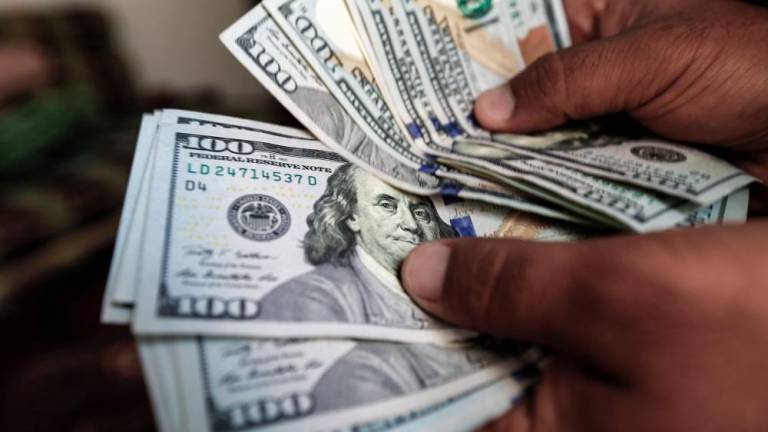
    Saigon Jewelry Company’s gold bars increased by 0.67%, now priced at VND120 million (approximately US$4,623.92) per tael—a weight measure equivalent to 37.5 grams or 1.2 ounces. Meanwhile, the price of gold rings remained stable at VND115 million per tael. Notably, gold has surged by 42.5% since the start of the year, indicating a robust demand in the market.

    Global Trends Affecting Local Markets

    On the international scene, gold prices have been gravitating towards a one-week low, influenced by a recent agreement between the U.S. and China to temporarily halt reciprocal tariffs. This development has bolstered investor risk appetite, thereby diminishing gold’s allure as a safe haven asset, according to reports from Reuters. Spot gold remained steady at $3,230.99 an ounce, following a 2.7% downturn in the previous session.

    “The heightened optimism regarding trade relations between these two economic giants has certainly sparked a rise in risk appetite, leading to a retreat in safe-haven demand,” said Tim Waterer, Chief Market Analyst at KCM Trade. However, he also noted that a steadying U.S. dollar has provided gold prices with the opportunity for a slight increase.

    With these dynamics at play, both local and international markets are adjusting to the evolving landscape of gold investment.

    Questions & Answers

    **What influenced the recent rise in Vietnam’s gold prices?**
    The increase in gold prices is largely due to Saigon Jewelry Company’s adjustment alongside global price trends, which are being affected by the recent U.S.-China tariff agreement.

    How much has gold increased in price since the beginning of 2023?
    Gold has risen by a remarkable 42.5% since the start of the year, showcasing significant market demand.

    What are the current global prices for gold?
    Spot gold is currently priced at $3,230.99 an ounce, having recently experienced a decline but showing signs of stabilization.
  • Malaysia’s Anti-Corruption Agency Launches Investigation into Land Dispute Over 1,000 Felled Durian Trees

    Malaysia’s Anti-Corruption Agency Launches Investigation into Land Dispute Over 1,000 Felled Durian Trees

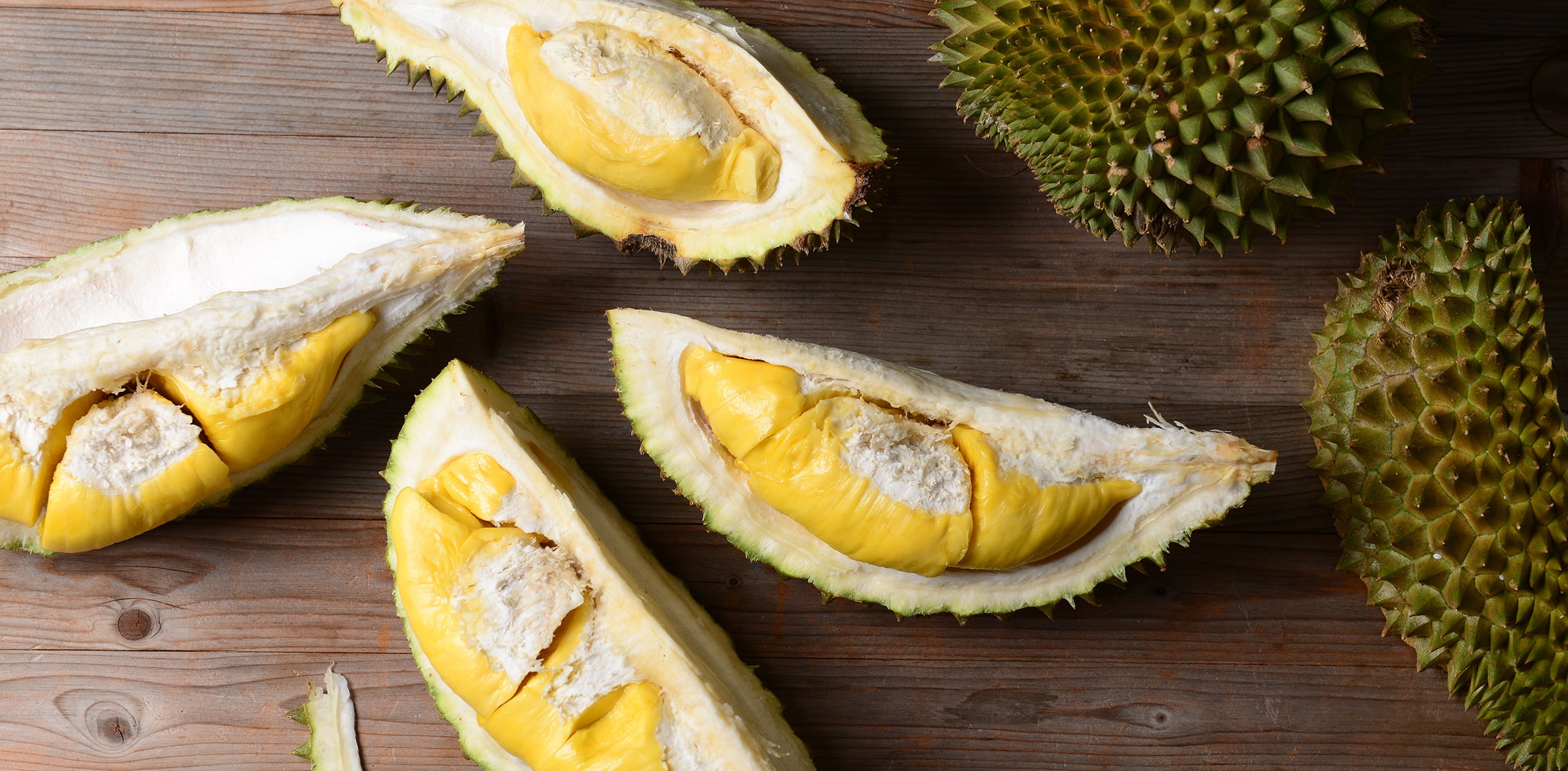
    The Malaysian Anti-Corruption Commission (MACC) is intensifying its investigation into a significant land dispute in Pahang’s Raub district, aiming to collect vital documents and witness accounts. The agency confirmed last Friday that several individuals involved in the cultivation of the disputed lands have already been identified.

    Government’s Bold Move Against Illegal Farms

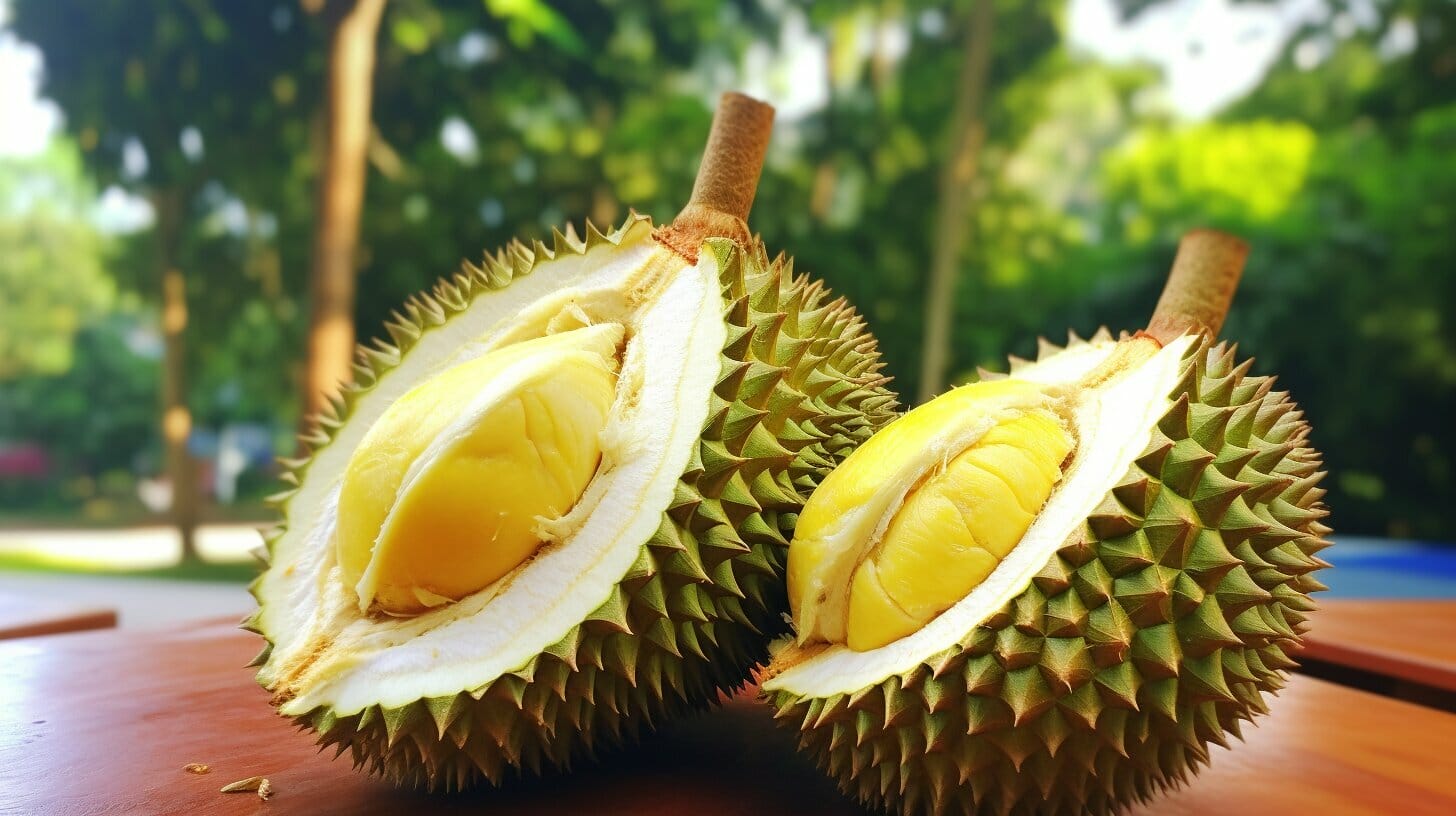
    The clash over land rights erupted on April 8, when government authorities took decisive action by cutting down approximately 200 durian trees, claiming they were planted on illegally occupied land. This action was part of “Op Sekat 3.0,” a state-led initiative that ran from April 8 to May 3, targeting unauthorized durian farms. Following this operation, more than 1,000 trees—many of them the highly prized Musang King variety—met the same fate, sparking a wave of controversy, as reported by local media.

    The timing of the MACC’s press release couldn’t have been more poignant. It followed a visit by the Sultan of Pahang, Al-Sultan Abdullah Ri’ayatuddin Al-Mustafa Billah Shah, to one of the former illegal orchards last Thursday, a moment captured in a Facebook video. During this visit, the Sultan met with officials from the Raub Land and District Office to discuss the chronic issue of land encroachment. His reaction to discovering that a staggering 10,521 hectares—about the size of 14,700 football fields—had been unlawfully occupied was one of sheer astonishment, according to national news agency Bernama.

    Farmers Fight Back Amid Growing Discontent

    The government’s actions have ignited protests from farmers, who expressed their dissent by blocking access routes and displaying banners lamenting the loss of their established crops, as reported by Free Malaysia Today. The Save Musang King Alliance, which advocates for the farmers, has pointed to a court ruling from May that allegedly prohibited the government from destroying these farms. In a tit-for-tat, authorities have maintained that no court order was breached and confirmed their legal right to clear the land.

    Interestingly, this crackdown has found support among local NGOs and residents who argue that the issue of illegal land use has persisted for far too long and necessitates immediate attention. Tengku Zulpuri, a former Raub member of parliament, noted that the existence of these illegal farms has been an “open secret” for over three decades, adding a layer of intrigue to the ongoing situation.

    Tan Sri Azam Baki, the chief commissioner of MACC, shared that the ongoing investigation is delving deep, not only into governance issues but also into how these land-clearing activities occurred without proper oversight from relevant authorities. Last month, the agency compiled a list of individuals linked to the Pahang land dispute, including several former officials. “Given that the case dates back around ten years or more, some of the officials involved have since retired,” Azam added, hinting at the complexity of accountability in this long-standing issue.

    As the saga unfolds, it leaves us pondering just how deep the roots of corruption may run in this verdant landscape.

    Questions & Answers

    What sparked the land dispute in Pahang’s Raub district?
    The dispute began on April 8, when the government cut down around 200 durian trees believed to be planted on illegally occupied land, as part of a state-led operation targeting unauthorized farms.

    How have farmers reacted to the government’s actions?
    Farmers have reacted strongly, protesting by blocking access routes and voicing their grievances about the destruction of their crops. Their representation, the Save Musang King Alliance, argues that a court ruling prohibited such demolitions.

    What is MACC looking into during the investigation?
    The MACC is investigating governance issues related to the land dispute and examining how land-clearing activities could proceed without proper intervention from the relevant authorities.

  • Bacha Coffee Launches First Flagship Store in Hong Kong, Promising a Unique Coffee Experience

    Bacha Coffee Launches First Flagship Store in Hong Kong, Promising a Unique Coffee Experience

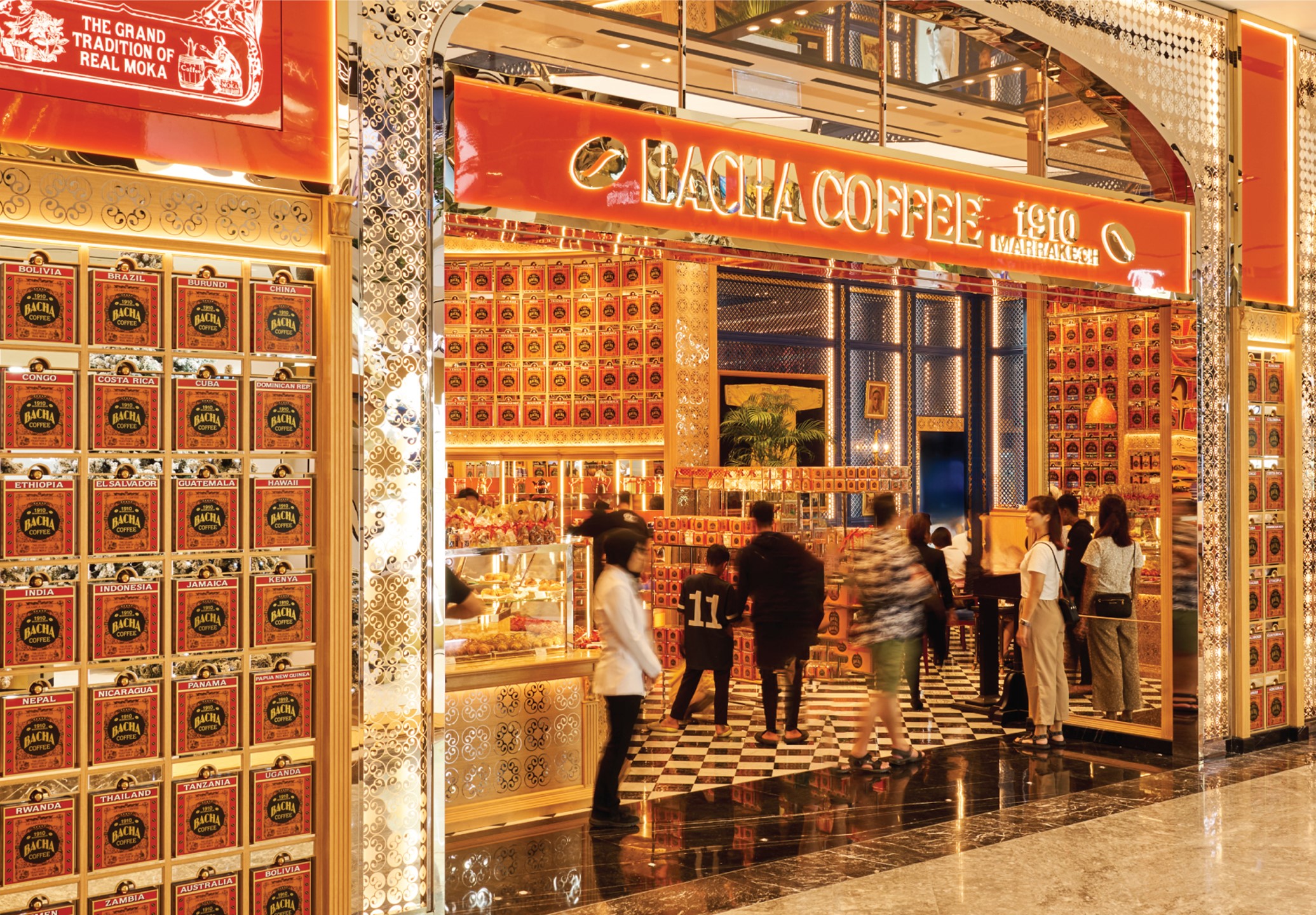
    Bacha Coffee has unveiled its first full-concept flagship store in the bustling Harbour City of Hong Kong, a pivotal move in the brand’s ambitious global expansion plan. Spanning an impressive 2,500 square feet, this vibrant new location features a Coffee Boutique, a 50-seat Coffee Room, and a takeaway counter that collectively showcase an astounding selection of over 200 varieties of 100% Arabica coffee sourced from 35 countries.

    This outlet is not just about coffee; it’s Bacha Coffee’s first complete dining experience in the city. The Coffee Room entices visitors with an all-day menu brimming with delectable pastries and artisan viennoiseries, all thoughtfully paired with their aromatic coffee offerings. The design pays homage to the brand’s origins in Marrakech, creating an enchanting atmosphere that transports patrons to its Moroccan roots.

    Here, traditional brewing techniques reign supreme, with skilled “coffee masters” meticulously preparing each cup in elegant golden gooseneck pots, a sight that is both captivating and delicious.

    The Hong Kong launch underscores Bacha Coffee’s commitment to global growth, following a successful revival in Marrakech that has seen the brand expand to 32 stores across 12 cities such as Paris, Dubai, Doha, Seoul, Singapore, and Taipei. The recent inauguration of its flagship store on the iconic Champs-Élysées in April further exemplifies its relentless pursuit of worldwide recognition.

    And who knows, maybe one day we’ll be sipping Bacha Coffee in outer space—after all, why should astronauts miss out on a good brew?

    Questions & Answers

    What is Bacha Coffee’s latest store concept in Hong Kong?
    The new full-concept flagship store includes a Coffee Boutique, a Coffee Room with all-day menu options, and a takeaway counter, set within a lavish 2,500-square-foot space.

    How many coffee varieties does the flagship store offer?
    The flagship store offers an impressive selection of over 200 varieties of 100% Arabica coffee from 35 different countries.

    What inspired the design of the Coffee Room at the new store?
    The Coffee Room’s design is inspired by Bacha Coffee’s original home in Marrakech, aiming to provide a unique and captivating atmosphere for customers.

  • JD Sports Set to Launch Two Flagship Stores in the Philippines!

    JD Sports Set to Launch Two Flagship Stores in the Philippines!

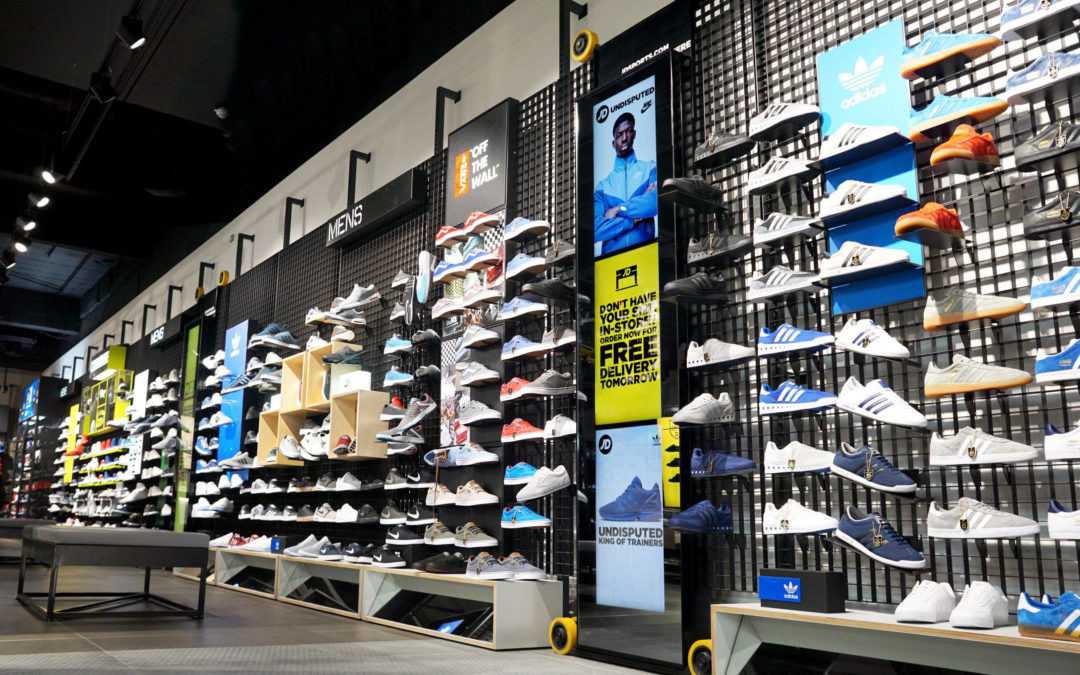
    UK-based sports fashion retailer JD Sports is making a splash in the Philippines with plans to open two stores in 2025, tapping into the country’s growing streetwear and sneaker culture. The first location will debut at the bustling SM Mall of Asia come June, while a second shop will follow in the trendy Glorietta shopping center in July.

    Exclusive Offerings for Style-Conscious Shoppers

    Bringing the UK vibe to Manila, JD Sports, introduced by SSI Group, Inc., promises an exciting array of exclusive sneakers, apparel, and accessories from top global sportswear brands. Celebrated for its deep-rooted connection to sneaker culture and street style, JD is almost a rite of passage for fashion-forward consumers around the globe.

    In a statement, SSI Group emphasized that this venture is part of its broader strategy to introduce premium international brands to Filipino shoppers while enhancing local retail landscapes. So, gear up, Philippines — the sneaker game is about to get even more stylish!

    How did JD Sports decide on the Philippines for their expansion? And does this mean the local sneaker scene is getting a major upgrade? Only time will tell!

    Questions & Answers

    What types of products will JD Sports offer in the Philippines?
    JD Sports will provide a diverse selection of exclusive sneakers, apparel, and accessories from leading global sportswear brands.

    When will the JD Sports stores open in the Philippines?
    The first store is set to open in June 2025 at SM Mall of Asia, with a second location following in July at Glorietta.

    Who is responsible for bringing JD Sports to the Philippines?
    The brand is being introduced by SSI Group, Inc., which aims to elevate the local retail experience by bringing in renowned international brands.

  • Diverse Product Options Shift Brand Loyalty Landscape in Vietnam

    Diverse Product Options Shift Brand Loyalty Landscape in Vietnam

    Kantar data shows Vietnam’s surge in options fuels consumers’ shifting brand preferences.

    In Vietnam, brand loyalty is becoming a relic of the past as consumers grow increasingly price-sensitive, a trend fueled by inflation and an explosion of choices. Peter Christou, General Manager of Kantar Vietnam’s Worldpanel Division, notes that shoppers are re-evaluating their brand allegiances, complicating efforts for companies to win their hearts.

    “Brand loyalty is being challenged not because consumers don’t care, but because they wield more power, face greater pressure, and encounter an unprecedented array of options,” Christou remarked. As economic pressures intensify, Vietnamese shoppers are opting for budget-friendly decisions, making it imperative for retailers to pivot.

    Kantar’s analysis reveals that the number of products on the market has doubled in the past decade, yet the success rate of these new offerings has plummeted by half. This paradox underscores the need for retailers to rethink their strategies in a landscape where standing out is tougher than ever.

    The evolution of online, offline, and hybrid shopping channels has transformed the way consumers engage with the market. “I can now explore so many shopping avenues—online and offline—which makes comparing deals and prices incredibly easy,” Christou emphasized.

    Retailers are now navigating a reality in which brand loyalty is elusive. Christou offers a roadmap for survival in this “low loyalty environment,” suggesting that retailers prioritize a data-driven approach, a deep understanding of consumer needs, and the delivery of personalized value.

    Looking into the future, Christou identifies key e-commerce trends that retailers must monitor closely. He highlights the burgeoning realm of social commerce platforms like TikTok, the significance of hyper-personalization driven by AI, the increasing appetite for quick commerce, and the prospective impact of augmented and virtual reality on the retail experience.

    In a world where shoppers are armed with options like never before, the question remains—how will retailers evolve to keep pace?

    Questions & Answers

    What is driving the decline in brand loyalty in Vietnam?
    The decline in brand loyalty is primarily driven by inflation, price sensitivity, and an explosion of choices available to consumers.

    What does Kantar’s data indicate about the proliferation of products in Vietnam?
    Kantar’s data suggests that while the quantity of products has doubled in the last decade, the success rate of these products has halved, indicating fierce competition for consumer attention.

    What future e-commerce trends should retailers in Vietnam be aware of?
    Retailers should monitor the rise of social commerce, the importance of hyper-personalization via AI, the demand for quick commerce, and the potential of augmented and virtual reality in the shopping experience.

  • Black Market Sees Dollar Surge Against Vietnamese Dong, Reports VnExpress International

    Black Market Sees Dollar Surge Against Vietnamese Dong, Reports VnExpress International

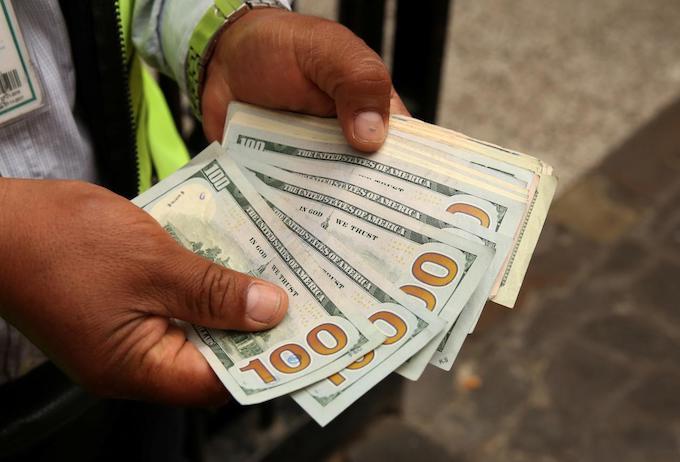
    The U.S. dollar experienced a slight uptick against the Vietnamese dong on Tuesday morning within the black market, rising by 0.09% to VND26,500. Meanwhile, state-owned Vietcombank held its exchange rate steady at VND26,140. The State Bank of Vietnam also adjusted its rate, increasing it by 0.11% to VND24,973.

    As global markets reacted positively to a newly brokered tariff agreement between the U.S. and China—a development aimed at alleviating tensions in their trade relationship—the dollar maintained its strong position. This deal has alleviated some concerns regarding a potential global recession stemming from escalating trade disputes between these two economic giants, according to reports from Reuters.

    However, the dollar took a minor hit, trading down 0.1% at 148.29 yen and fetching 0.8448 against the Swiss franc, following impressive increases of 2.1% and 1.6%, respectively, during the previous session. Rodrigo Catril, senior FX strategist at National Australia Bank, remarked, “It’s way better than the market was expecting.” He elaborated that this development reflects a U.S. administration increasingly aware of tariffs’ economic ramifications, suggesting a significant shift in approach.

    In a world where financial trends can often feel as dramatic as a suspenseful thriller, just how much can a single tariff deal sway the market?

    Questions & Answers

    What was the change in the dollar’s value against the Vietnamese dong?
    The U.S. dollar rose by 0.09% to VND26,500 in the black market.

    How did the official banks respond to the dollar’s exchange rate?
    Vietcombank kept its rate unchanged at VND26,140, while the State Bank of Vietnam raised its rate by 0.11% to VND24,973.

    What impact did the U.S.-China tariff deal have on the market?
    The deal bolstered investor confidence, helping to stabilize the dollar and ease fears of a global recession, showing a shift in U.S. policy responsiveness.

  • US and China Announce Temporary 90-Day Tariff Reduction in Collaborative Statement

    US and China Announce Temporary 90-Day Tariff Reduction in Collaborative Statement

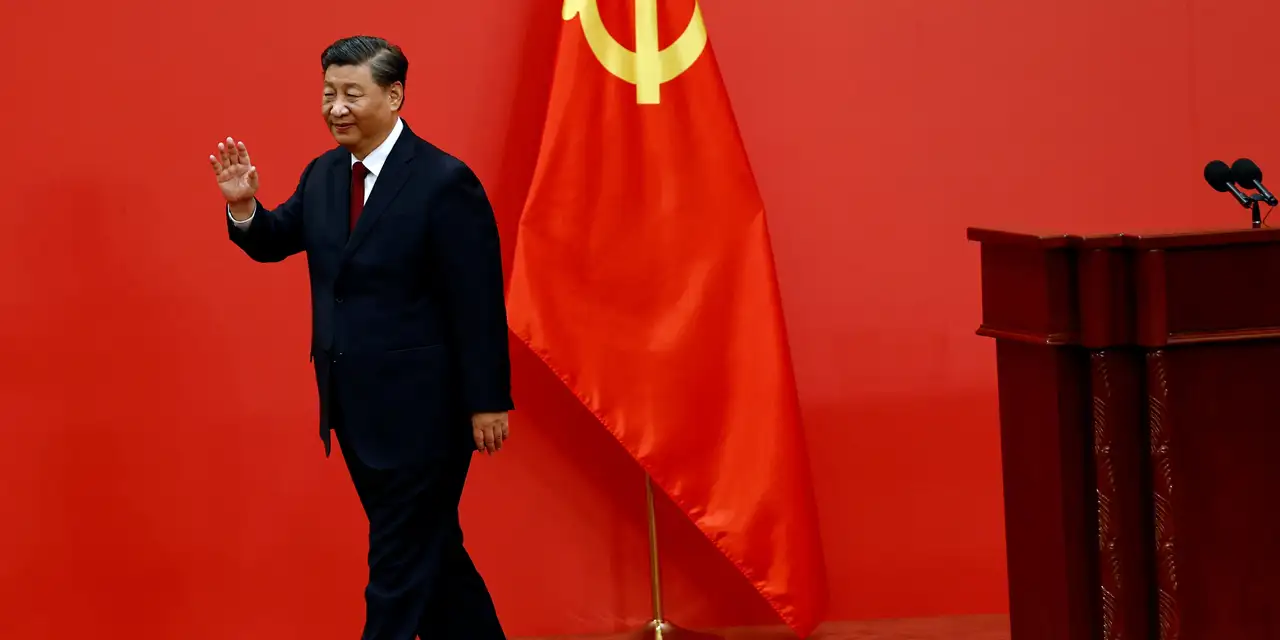
    The United States and China have unveiled a groundbreaking agreement to reduce their contentious tariffs for a period of 90 days, marking a significant step forward in their fraught trade relationship. This announcement came following two days of intense negotiations in Geneva, where trade officials from both nations sought common ground.

    U.S. Treasury Secretary Scott Bessent enthusiastically shared the news with reporters, stating, “We have reached an agreement on a 90-day pause.” He also noted, “both sides will move their tariffs down” by an impressive 115 percentage points. This reduction aims to ease the economic tensions that have defined U.S.-China relations in recent years.

    In response to this positive development, Hong Kong’s financial markets reacted vigorously. The Hang Seng Index soared by an impressive 3.34%, gaining 762.94 points to close at 23,630.68 on Monday. The excitement in the markets highlights the optimism surrounding this agreement, offering a glimmer of hope for businesses and consumers alike.

    As world leaders navigate this complex economic landscape, one can’t help but wonder if this brief thaw will lead to more substantial cooperation or if the trade battle will continue. The stakes are high, and the world is watching closely.

    Questions & Answers

    What was agreed upon by the U.S. and China?
    Both nations have agreed to significantly reduce tariffs for a 90-day period, aiming to alleviate trade tensions.

    How did the stock market react to the announcement?
    Hong Kong’s Hang Seng Index reacted positively, soaring over three percent following the news, indicating strong market confidence.

    What impact could this agreement have on U.S.-China relations?
    While this temporary pause offers hope for improved relations, it remains to be seen if it will lead to a more sustained cooperation in the future.

  • Grab Aims for Strategic Acquisition of Indonesia’s GoTo by Q2

    Grab Aims for Strategic Acquisition of Indonesia’s GoTo by Q2

    Grab is stepping into the spotlight with plans to acquire GoTo, Indonesia’s dynamic tech giant, in a deal tantalizingly pegged around $7 billion. According to sources, the Singaporean-based company has enlisted advisors to navigate the intricacies of this potentially groundbreaking merger, with financial discussions currently underway with top banks. Both companies, however, have opted for silence amidst the buzz surrounding this significant transaction.

    The market response to GoTo has been notably positive, as its shares surged 20% year-to-date, bringing the company’s market value to approximately $5.8 billion. Meanwhile, Grab, which trades on Nasdaq, is enjoying a recent uptick, with shares climbing 2.4%, resulting in a valuation nearing $20 billion.

    As part of the deal, GoTo plans to divest its international operations in Singapore to Grab, while also transferring its entire Indonesian business to Grab, excluding its finance division. Such a strategic move may reinforce Grab’s position in a competitive landscape.

    Analyst Niko Margaronis from BRI Danareksa Sekuritas, who keeps a close eye on GoTo, hinted that the Indonesian government might take a more lenient stance on this proposed merger. He suggests that regulators could consider the positive implications of strengthening key players, ultimately aiming for long-term economic growth.

    However, potential antitrust concerns loom large against the backdrop of rising living costs stirred by an unpredictable global economy. A recent case that looms in the collective memory was Uber’s aborted $950 million bid for Delivery Hero’s Foodpanda in Taiwan last March, a move quashed by regulatory fears over anti-competitive practices.

    As the market prepares for what could be a transformative shift in the tech landscape of Southeast Asia, all eyes remain fixed on Grab and GoTo. What other surprises might be lurking around the corner?

    Questions & Answers

    **What is Grab looking to acquire from GoTo?**
    Grab is interested in acquiring GoTo’s international unit in Singapore along with its Indonesian operations, excluding its finance arm, for around $7 billion.

    How have GoTo’s shares performed this year?
    GoTo’s shares have risen approximately 20% year-to-date, boosting its market value to about $5.8 billion.

    What might affect the approval of this merger?
    Potential antitrust scrutiny could play a significant role, especially amid increasing concerns over living costs and the impact of market consolidation.

  • Lychee Production Set to Soar by 30% This Year: A Sweet Harvest Ahead!

    Lychee Production Set to Soar by 30% This Year: A Sweet Harvest Ahead!

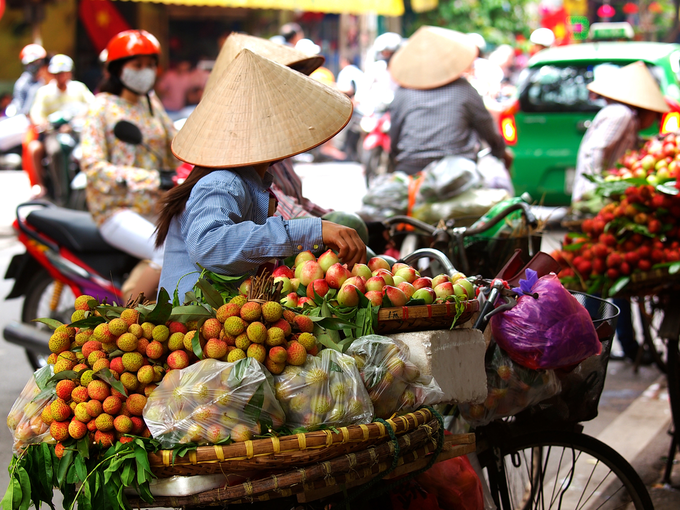
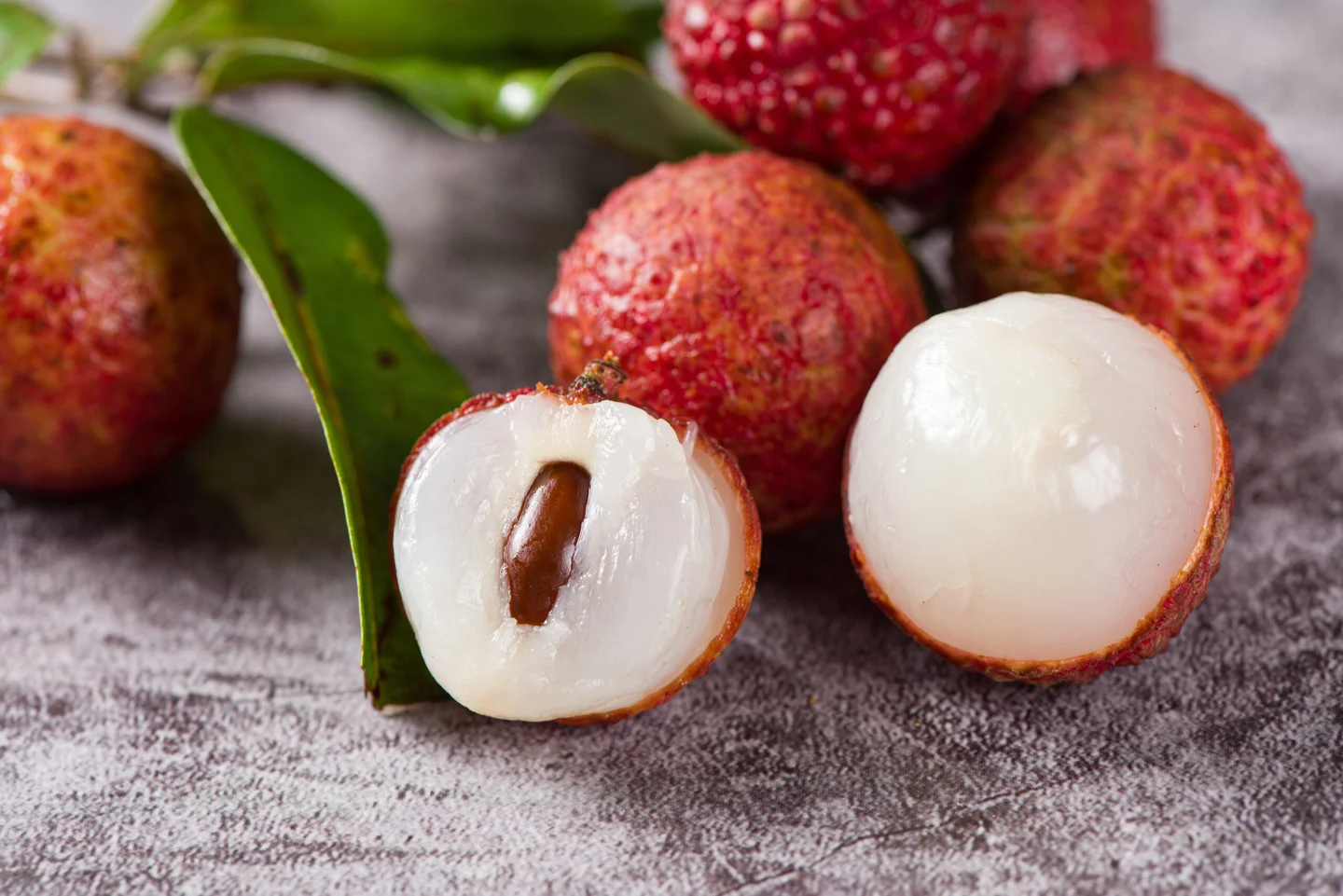
    Favorable weather conditions and effective disease management have significantly boosted lychee production in Vietnam, a fact that’s exciting for enthusiasts and exporters alike. The total yield is expected to reach impressive figures, with the northern province of Bac Giang leading the way at around 165,000 tonnes. Other contributors include Hai Duong with 60,000 tonnes, Hung Yen and Lang Son each producing 22,000 tonnes, and Dak Lak in the Central Highlands offering another 21,000 tonnes.

    Timing is Everything

    Harvest time is a brief but crucial window, divided into two phases: the early harvest from May 20 to June 10, followed by the main crop from June 10 to July 25. Those looking to capitalize on the lychee’s short harvest must prepare adequately to ensure smooth processing and consumption, according to local agricultural authorities.

    Aiming for Quality Control

    Production management is being taken seriously, with 469 production unit codes issued across nearly 19,400 hectares and 55 packaging facilities approved for exports to markets like China, Australia, Thailand, Japan, and the U.S. These facilities are under constant oversight, having successfully registered for the upcoming 2025 crop year.

    Global Readiness

    The Department of Plant Production and Protection has engaged proactively with international plant quarantine agencies since early April. Their efforts focus on ensuring that all documentation is in order while also inspecting lychee processing facilities, which include three irradiation and three fumigation plants. These establishments have received the green light from foreign authorities for the 2025 crop, positioning them to facilitate export.

    In a particularly noteworthy development, Japan has decided to allow Vietnam to supervise the processing of lychee shipments starting with the 2025 crop, eliminating the need for Japanese experts to oversee the entire farming process. This new approach promises to save time and costs for both growers and exporters—a win-win scenario!

    In readiness for the upcoming season, quarantine units and food safety testing laboratories are gearing up to collect and examine samples, ensuring that all regulations are met. Quarantine officers are expected to be active in local areas from June 1 through the end of the harvest season.

    Domestic vs. Export Market

    About 60% of lychee production is anticipated to be consumed domestically, while the remaining 40% will be earmarked for export. Despite Vietnam’s lychees reaching over 20 countries worldwide, a staggering 90% of the export volume still heads to the Chinese market.

    As the excitement builds for this year’s harvest, one can’t help but wonder: what unique lychee recipes will emerge from this abundance?

    Questions & Answers

    What are the major provinces producing lychee in Vietnam?
    The major producing provinces include Bac Giang, Hai Duong, Hung Yen, Lang Son, and Dak Lak.

    When does the lychee harvest season occur?
    The harvest is split into two phases: early fruits are harvested from May 20 to June 10, and the main crop follows from June 10 to July 25.

    How much of the lychee production is expected to be exported?
    Approximately 40% of the lychee output is planned for export, while the remaining 60% will be consumed domestically.

  • Starbucks and Luckin Coffee Boost Sales in China by Targeting Emerging Smaller Cities

    Starbucks and Luckin Coffee Boost Sales in China by Targeting Emerging Smaller Cities

    The operations of American beverage titan Starbucks in China have recently shown signs of resilience, reporting flat same-store sales for the quarter ending March 30. This performance stands in stark contrast to an 8% decline in the same category for the year ending September 29. Notably, the company’s operating revenue rose by 5% year on year, reaching an impressive US$740 million in the latest quarter.

    Starbucks’ Strategy Shines Through

    Richard Lin, chief consumer analyst at SPDB International, praised Starbucks’ strategy of exchanging lower ticket sizes for increased transaction volumes. According to Lin, this reflects the company’s determination to protect its market share amidst ongoing price competition in China. Over the past year, Starbucks has poured significant resources into expansion, adding 665 new stores to its network, bringing its total to 7,758 outlets and solidifying its status as the largest non-U.S. market for the brand.

    Luckin Coffee’s Bold Moves

    In the race for coffee supremacy, Luckin Coffee, Starbucks’ chief competitor, is making notable strides as well. The company’s operating revenue jumped by a staggering 41% in the first quarter to CNY 8.9 billion (approximately US$1.2 billion), with net profits of CNY 737 million reversing a loss from the same period the previous year. Luckin also expanded aggressively, adding 1,743 stores across China and reaching a total of 24,097 locations. Same-store sales at its company-operated sites increased by 8%, driven by a strategic focus on afternoon tea products designed to attract a broad customer base.

    Analysts from China Merchants Securities have observed that Luckin’s store expansion has surpassed expectations, coupled with rising customer spending. With their stable supply chain and cost advantages, the company is poised to continue capturing market share, despite some short-term increases in coffee bean prices.

    Emerging Markets: The Untapped Goldmine

    The growth narrative doesn’t end with the major cities. A burgeoning trend is evident as data reveals that smaller cities in China are emerging as surprising growth hubs for beverage chains, eclipsing their larger counterparts in growth potential. Over the past year, more than 66,900 coffee shops opened, with remarkable growth in “new first-tier” cities—urban locales that are increasingly asserting their influence on the national stage. Chengdu, for instance, witnessed the launch of nearly 2,000 new coffee shops, while Hangzhou added over 1,700 to its burgeoning coffee scene.

    Interestingly, third-tier cities and smaller towns are now home to almost 45% of China’s coffee shop population. Recent findings from shopping platform Meituan highlighted a staggering 97% increase in coffee orders in these less urbanized areas, accompanied by a 159% rise in coffee shop numbers.

    As Lin pointed out, while the coffee market in higher-tier cities nears saturation, the lower-tier markets represent fertile ground for expansion. He believes that as chains keep prices affordable, they will cultivate a new generation of coffee drinkers who are eager to learn more about their brews.

    With China’s coffee industry boasting a market value of CNY 624 billion in 2024, projections indicate that this figure could skyrocket to CNY 1 trillion this year, presenting a tantalizing vista for both established players and eager newcomers alike.

    Questions & Answers

    What contributed to Starbucks’ stable performance in China?
    Starbucks has adopted a strategy of lowering ticket sizes to boost transaction volume, which has helped maintain its market share amid fierce price competition.

    How has Luckin Coffee fared against Starbucks?
    Luckin Coffee has experienced impressive growth, achieving a 41% increase in operating revenue, and reversing previous losses through aggressive expansion and innovative product offerings.

    What trends are emerging in China’s coffee market?
    Smaller cities are rapidly becoming more significant players in the coffee market, demonstrating higher growth rates in both coffee shop openings and consumer demand than their larger urban counterparts.

  • VN-Index Soars as Trading Activity Reaches Two-Week Peak

    VN-Index Soars as Trading Activity Reaches Two-Week Peak

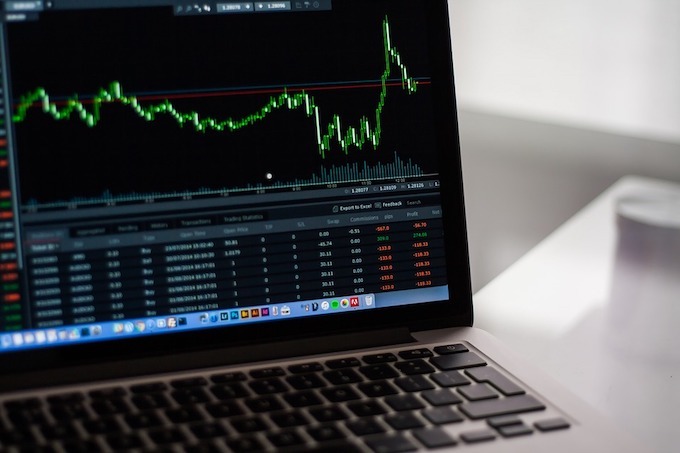
    In an exciting turn of events for investors, Vietnam’s benchmark VN-Index soared by 1.26% to close at 1,283.26 points on Monday, marking the highest trading activity the market has seen in the last two weeks. The index rebounded 15.96 points after a dip in the previous session, signaling a renewed vigor among traders.

    Trading volumes on the Ho Chi Minh Stock Exchange saw a remarkable 25% uptick, reaching VND21.64 trillion (approximately US$833.4 million). This surge reflects a growing confidence in the market as investors gravitate towards promising opportunities.

    Among the standout performers, the VN-30 basket, which tracks the 30 largest stocks by market capitalization, saw an impressive 27 of its members gain ground. Techcombank (TCB) led the charge with a remarkable leap of 6.52%, while TPBank (TPB) and Vietnam Rubber Group (GVR) followed closely with increases of 4.98% and 4.88%, respectively. However, not all stocks sang the same tune; the Masan Group (MSN) slid by 1.27%, and steel manufacturer Hoa Phat Group (HPG) fell 0.97%.

    Despite the rally, foreign investors took a cautious stance, selling off over VND293 billion worth of stocks, predominantly involving Vietcombank (VCB) and HPG. In contrast, the HNX-Index—representing stocks on the Hanoi Stock Exchange—rose by 1.71%, and the UPCoM-Index for Unlisted Public Companies climbed a modest 0.2%. Clearly, the market is bouncing back, reminding everyone why we love the thrill of investing.

    Questions & Answers

    What drove the VN-Index’s surge on Monday?
    A wave of investor confidence, coupled with a significant increase in trading volume, sparked the VN-Index’s rise, showcasing a renewed interest in Vietnamese stocks.

    Which stocks performed the best?
    Techcombank (TCB) led the pack with a remarkable 6.52% increase, joined by TPBank (TPB) and Vietnam Rubber Group (GVR), which also made notable gains.

    Was there any negative activity in the market?
    Yes, foreign investors were net sellers, offloading over VND293 billion in shares, particularly focusing on Vietcombank (VCB) and Hoa Phat Group (HPG).

  • Dollar Strengthens Against Dong in Latest Currency Exchange Movement

    Dollar Strengthens Against Dong in Latest Currency Exchange Movement

    The U.S. dollar experienced a slight uptick against the Vietnamese dong and major global currencies on Monday morning, signaling a moment of resilience amidst fluctuating financial tides. Vietcombank reported selling the greenback at VND26,150, marking a modest 0.04% increase from the previous weekend. In the black market, the dollar remained robust, trading around VND26,475.

    In a strategic move, the State Bank of Vietnam lowered its reference rate by 0.02% to VND24,945, a decision that reflects ongoing adjustments in the banking landscape.

    Globally, the dollar solidified its position against safe haven currencies as optimism surrounding U.S.-China trade discussions rose. Although concrete details remain scarce, there is a burgeoning hope that a global recession could be averted, according to reports from Reuters. The euro dipped by 0.2% to $1.1224, while the dollar index saw a slight bump of 0.2% to reach 100.60. Additionally, it gained 0.4% against the traditionally secure yen, settling at 145.90, though it pulled back from an earlier five-week high of 146.31.

    The dollar also faced a 0.2% drop against the offshore Chinese yuan, trading at 7.2278, hovering close to last week’s low of 7.1846.

    This week, attention turns to U.S. consumer price data for April, which is anticipated to shed light on how import tariffs are influencing inflation dynamics. Analysts speculate that retail sales might remain stagnant in April, following a pre-tariff surge the previous month. “We believe broad evidence of tariffs’ impact on inflation won’t emerge until the May CPI data is available,” noted analysts at ANZ. They added that expecting the Federal Reserve to cut rates in June might be premature, with a more realistic timeframe pointing toward Q3, likely September. This timeframe would allow time to assess the ramifications of heightened tariffs on pricing and inflation persistence.

    As the financial landscape shifts, one must wonder what surprises the upcoming data will unveil—it’s certainly a thrilling time for market-watchers!

    Questions & Answers

    What was the exchange rate of the U.S. dollar against the Vietnamese dong on Monday?
    The dollar was sold at VND26,150 by Vietcombank, reflecting a 0.04% gain from the previous weekend.

    How is the global dollar performing amidst trade talks?
    The dollar gained ground against safe haven peers, fueled by optimism over U.S.-China trade discussions, despite a lack of concrete details.

    When might we see the effects of tariffs on inflation data?
    Analysts expect that the true effects of tariffs won’t be visible until the release of the May CPI data, with a cautious look towards potential rate cuts from the Federal Reserve in September.

  • Durian Exports to China Experience Dramatic 74% Decline

    Durian Exports to China Experience Dramatic 74% Decline

    Vietnam’s durian exports to China have taken a dramatic nosedive, plummeting 74% year-on-year to just $130 million in the first four months of 2025. In light of this steep decline, the Vietnamese government is scrambling to find solutions to remove the technical barriers that are hampering cross-border shipments.

    Technical Hurdles and Government Action

    Minister of Agriculture and Environment Do Duc Duy is spearheading efforts to align with Chinese customs to tackle the issues that are obstructing Vietnam’s durian exports. He highlighted that the sharp decrease can be traced to a maze of unclear legal frameworks, inefficient quarantine procedures, and insufficient quality management systems. Moreover, the certification of codes for farms, packing facilities, and laboratory systems has failed to meet China’s increasingly rigorous standards.

    To address these pressing concerns, Duy emphasized the need for improved cooperation with Chinese authorities to eliminate these technical roadblocks. The issuance of codes for farms and packing facilities must accelerate, and quarantine processes should be revamped urgently to boost exports and adjust plans in response to market demands.

    Looking ahead, Duy advocated for a comprehensive overhaul of the legal structures governing agricultural exports alongside a rigorous enhancement of technical standards throughout the entire supply chain—from cultivation and harvesting to processing and export. He underscored the urgency of restructuring the durian industry towards a more sustainable future.

    Additionally, Duy encouraged the development of value-added durian products, such as frozen variations, to increase overall value and decrease dependency on fresh fruit exports.

    Amidst these challenges, Vietnam’s total exports of fruits and vegetables reached $1.62 billion during the same period, reflecting a 14% decrease from the previous year. In the domestic market, durian prices have also taken a hit, falling to around VND35,000–40,000 (approximately $1.35–$1.54) per kilogram at the farm level—only one-third of what they were during the same time last year.

    Turns out that despite being dubbed the “king of fruits,” durians are having a hard time reigning in the export market!

    Questions & Answers

    What caused the 74% drop in Vietnam’s durian exports to China?
    The significant drop is attributed to unclear legal frameworks, inadequate quarantine procedures, and insufficient quality management, coupled with the failure to meet China’s stringent requirements for certification and codes.

    What actions is the Vietnamese government taking to improve exports?
    The government is enhancing cooperation with Chinese customs, expediting the issuance of codes for growing areas and packing facilities, and improving quarantine processes to boost export potential.

    What is being suggested to enhance the value of durians moving forward?
    There are recommendations to develop value-added products such as frozen durians, allowing for a higher value addition and less reliance on fresh durian exports.

  • Disappointment Strikes as $1-per-Kilogram ‘Mini’ Durians Fail to Impress Shoppers

    Disappointment Strikes as $1-per-Kilogram ‘Mini’ Durians Fail to Impress Shoppers

    I found myself wandering through a lively market recently, and a curious scene caught my eye: multiple vendors were peddling durians along the bustling roadside. While one stall proudly displayed a sign touting VND70,000 per kilogram, it stood desolate. In stark contrast, another vendor’s tempting offer of “durian with small seeds for VND30,000” drew a throng of eager customers.

    Intrigued, I approached the bustling stall, wondering if I had stumbled upon the famed Thai mini durian. Just then, a group of tourists hopped off their bus, lured by the alluring prices, and I couldn’t resist eavesdropping.

    “What’s the price per kilo for the durian?” one tourist inquired, eyes wide with excitement.

    “VND70,000 per kilo,” replied the vendor. However, when a tourist pointed to the prominent VND30,000 sign, the seller dismissively gestured towards two diminutive, unripe fruits that were hardly appetizing.

    A nearby woman let out a sharp laugh, commenting, “Buy those, and you might find yourself chewing on air!”

    As more curious customers questioned the pricing, the vendor’s patience ebbed. “It’s not like I don’t have durians for 30,000!” he snapped defensively. His nonchalant attitude, as he waved away the customers’ disbelief, made me wonder if he believed such misleading practices were the norm. Sadly, it seems they are.

    I’ve noticed a trend where some vendors display large price tags, then obscure crucial details in minuscule print, like “per half kilo,” while others quote prices by the 100 grams but ultimately charge by the kilo for items like meat or seafood.

    These deceptive tactics aren’t new, but their prevalence is concerning. Do sellers really assume that customers will remain passive once they’ve stopped to inquire? While they may offload some fruit, wary consumers will not forget being misled. Such manipulative sales strategies might yield short-term gains, but they risk eroding trust and damaging their reputation in the long run.

    High prices aren’t inherently bad, but transparency is key. When customers feel deceived, they don’t just walk away; they share their experiences with others, tarnishing the vendor’s business prospects.

    Questions & Answers

    Questions & Answers

    **What prompted the author’s market visit?**
    The author was exploring the market and observed various vendors selling durians, leading to an exploration of pricing practices.

    How did tourists react to the pricing?
    They were initially interested, but when confronted with the misleading pricing, they expressed confusion and skepticism about the vendor’s honesty.

    What message is conveyed about business practices?
    The article highlights the importance of transparency in pricing, warning that deceptive practices can damage trust and hurt a vendor’s long-term business success.

  • Thailand Lifts Alcohol Ban on Five Buddhist Holidays at Airports and Hotels, Boosting Tourism Appeal

    Thailand Lifts Alcohol Ban on Five Buddhist Holidays at Airports and Hotels, Boosting Tourism Appeal

    Thailand is stepping into a new era for travelers, as the government embarks on a journey to boost tourism by allowing limited alcohol sales during five prominent Buddhist holidays. Specifically, from Saturday, international airports, hotels, venues hosting major events, and select nightlife spots will welcome patrons looking to raise a glass—even on days traditionally marked by sobriety.

    Selected Venues, Select Days

    However, not every establishment will be joining the celebration; the rule relaxation is strategically aimed at specific locations rather than a blanket policy. In a statement reported by the Bangkok Post, government spokesman Jirayu Houngsub emphasized that the change is part of the “Amazing Thailand Grand Tourism and Sports Year 2025” campaign, aimed at providing a much-needed boost to the tourism industry. “It will directly benefit businesses in the tourism sector,” he noted.

    Despite its reputation as a premier tourist hotspot known for stunning beaches, lively nightlife, and being the only Southeast Asian nation to decriminalize cannabis, Thailand has often left visitors scratching their heads. Tourists frequently encounter closed bars during religious holidays, even amid peak travel seasons.

    A Cautious Celebration

    People’s Party MP Taopiphop Limjittrakorn, a notable advocate for liberalizing Thailand’s alcohol laws, urged caution in celebrating this change. He pointed out that the ban on alcohol sales persists for many retail outlets. “Roadside food stalls, convenience stores, and supermarkets are not included in the new announcement. They still cannot sell alcohol,” he shared on Facebook.

    In recent months, Thailand has taken significant steps toward relaxing restrictions in the alcohol sector. Earlier this year, lawmakers in the House of Representatives passed an amended alcohol control bill, repealing an outdated 1972 military decree that prohibited alcohol sales before 11 a.m. and during certain afternoon hours. This exciting legislation is currently making its way through the Senate, paving the way for further changes in the beverage industry.

    Who knows—maybe soon, you’ll be sipping a cold one during sunset by the beach, even on a holiday!

    Questions & Answers

    What are the specific locations where alcohol sales will be allowed during Buddhist holidays?
    Alcohol sales will be permitted at international airports, hotels, venues hosting major events, and select nightlife spots.

    Why was this change implemented?
    The change is part of the “Amazing Thailand Grand Tourism and Sports Year 2025” campaign aimed at stimulating the tourism sector and benefiting related businesses.

    Are all businesses allowed to sell alcohol during these holidays?
    No, the new regulations only apply to select locations, and many places like roadside food stalls, convenience stores, and supermarkets will still be prohibited from selling alcohol.