Author: Mei Ling Tan

  • DHL sees new opportunities in Thailand with its Strategy 2030

    DHL sees new opportunities in Thailand with its Strategy 2030

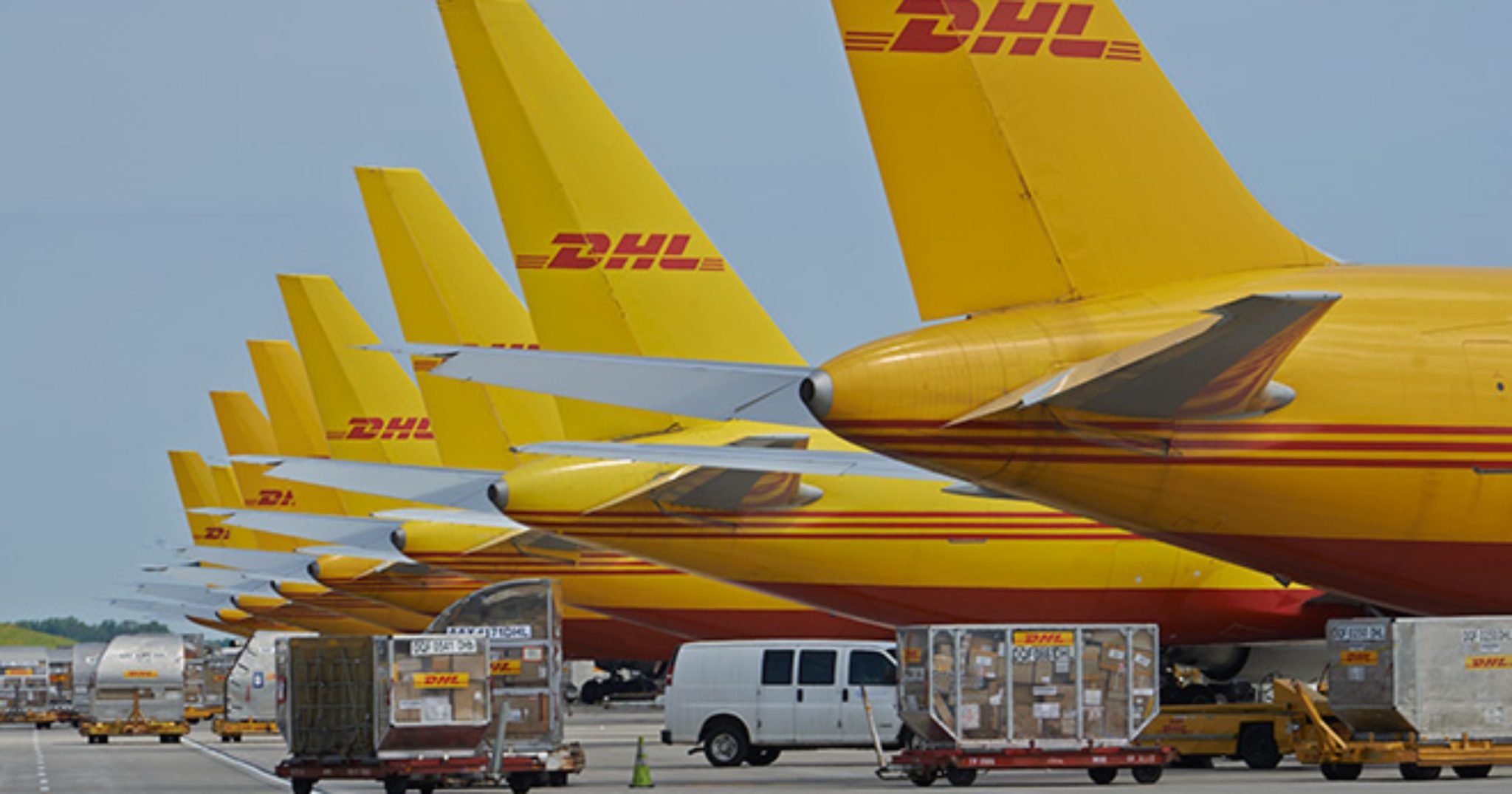
    DHL, the world’s leading logistics company announced its strengthened commitment to Thailand through its Strategy 2030 – Accelerate Sustainable Growth, with opportunities to position Thailand as a key regional hub as more businesses look to build supply chain resiliency in Asia Pacific.

    Thailand hosts all four DHL divisions operating in full force, enabling Thai businesses to access DHL’s global network and solutions from a one-stop logistics partner. DHL’s Strategy 2030 addresses five key megatrends shaping Thailand’s economic landscape: Global Trade, E-Commerce, Sustainability, Digitalization and Evolving Workforce.

    While these industry changes present new challenges, DHL’s strong track record and global footprint position it uniquely to seize significant opportunities for additional growth. Other than the megatrends, DHL also sees opportunities for Thailand in the following key growth initiatives:

    Geographic tailwinds

    DHL will build on its strong global footprint and local expertise to capitalize on geographic tailwinds. This addresses the profound shift in growth of trade lanes, diversification of global supply chains, and the needs of fast-growing companies around the world.

    While Vietnam and Indonesia have gained much attention for supply chain diversification, Thailand’s strong manufacturing base in the automotive and electronics sector gives it an advantage. The Ministry of Commerce announced that exports expanded by 5.4% throughout 2024, the highest annual figure in the nation’s economic history.

    Key markets such as United States, China, Japan and the European Union were the main drivers for the growth with the United Kingdom emerging as a promising market for Thai businesses.

    New energy

    The transformation of the renewable energy and auto-mobility sectors requires dedicated logistics solutions, and DHL sees opportunities for Thailand as a key Southeast Asia destination for EV production. This is bolstered by the Government’s effort to attract foreign manufacturers to establish local production bases.

    DHL’s extensive solutions across the EV supply chain will help Thailand achieve its goal of having EVs account for 30% of its vehicle production by 2030.

    E-commerce

    Thailand’s e-commerce sector is experiencing rapid expansion. According to the Thailand E-Commerce Association, the market value is projected to grow from $26.5 billion in 2023 to $32 billion in 2025, reflecting an approximate 21% increase over two years, translating to a compound annual growth rate (CAGR) of about 10%. DHL plays a crucial role in supporting Thailand’s vibrant SME sector, which comprises 3.2 million businesses contributing 35% of the country’s GDP.

    Success stories such as Gentlewoman and Fairtex demonstrate how local Thai brands can tap on DHL’s comprehensive logistics solutions to achieve international growth. The combination of DHL’s global reach and local expertise provides Thai businesses with the capabilities they need to compete effectively in the global marketplace.

    Initiatives such as DHL’s GoTrade program provide capacity-building assistance to more than 9,000 SMEs worldwide. In Thailand, DHL Express developed the program, in collaboration with key government agencies including DITP and OSMEP, to help Thai businesses effectively navigate international trade opportunities.

    In addition to facilitating international trade, DHL eCommerce supports e-retailers, SMEs, and brands in penetrating the Thailand market by offering reliable, high-quality delivery solutions at an affordable price from DHL eCommerce. DHL’s commitment to excellence ensures businesses of all sizes and sectors can grow and succeed in an increasingly digital and competitive domestic landscape.

    DHL reaffirms long-standing commitment to Thailand

    DHL’s long-standing commitment to Thailand is demonstrated through its comprehensive operational footprint and continued investment in infrastructure and capabilities. It currently employs more than 9,300 people across the four divisions.

    DHL Supply Chain currently manages over 678,000 sqm of warehouse space across more than 70 facilities, including those in the Eastern Economic Corridor. Through its extensive transport network, the company efficiently handles approximately 4,800 vehicle loads daily. The company is making significant investments in developing more sustainable warehouses and is also set to expand its electric vehicle fleet by 300% over the next three years.

    DHL Express operates a robust aviation and ground network encompassing one regional hub at Suvarnabhumi Airport, 15 service centers, 131 owned and partnered service points, all facilitating international door-to-door express deliveries. The network supports 85 dedicated flights weekly while 100% of service centers are equipped with solar panels for renewable energy generation.

    DHL Global Forwarding specializes in air, ocean, rail, and road freight forwarding services. With seven offices and three warehouses totaling 8,480 sqm across Thailand, DHL Global Forwarding serves more than 2,000 customers. The new DHL International Multimodal Hub marks a significant investment in strengthening Thailand’s position as a regional trade center. The facility streamlines shipping processes by enabling seamless transitions between different modes of transport and simplifying customs procedures at a single location. This facility also offers valuable connectivity for landlocked neighbors like Laos, providing diverse transportation options.

    Meanwhile, DHL eCommerce’s extensive nationwide delivery network — comprising 151 last-mile depots, over 2,000 vehicles, and 230 service points — ensures full market coverage, with up to 97% next-day delivery service. Committed to continuous innovation, DHL eCommerce invests in advanced solutions to enhance service quality for e-retailers, SMEs, brands, and enterprise customers. A major hub upgrade is planned for 2026 to further strengthen its capabilities.

    Leading the way in sustainable logistics: The green logistics provider of choice

    xWith the company’s goal of achieving net-zero greenhouse gas emissions by 2050, DHL’s commitment to sustainability in Thailand is demonstrated through comprehensive initiatives across all four divisions. The company has made significant progress in vehicle fleet electrification, with all divisions implementing EVs in their operations.

    DHL Express Thailand has emerged as a pioneer, becoming the first international express logistics provider to deploy an e-bike and EV fleet in Thailand. The company has achieved 21% fleet electrification with more than 50 electric vehicles for first and last-mile deliveries. It also supports customers in reducing their scope 3 emissions by utilizing sustainable aviation fuel (SAF) via the GoGreen Plus service.

    DHL Supply Chain reinforces this commitment through its more sustainable transportation with the deployment of more than 30 electric vehicles in collaboration with retail, consumer, and automotive sector customers, while implementing the Certified GoGreen Specialist program, which has trained more than 80% of DHL Supply Chain employees. In addition, the company is implementing sustainable warehousing practices with the development of Thailand’s first fully renewable energy warehouse in 2025.

    DHL Global Forwarding demonstrates more sustainable road freight across Asia through logistics optimization, multimodal transport, and electric vehicles. The EV fleet in Thailand is projected to eliminate 85,000 kilograms of CO2 emissions annually. DHL Global Forwarding leads sustainable logistics innovation through GoGreen Plus, offering carbon emission reduction options via sustainable marine and aviation fuels, enabling customers to easily reduce their main haul carbon emissions across all trade lanes.

    DHL eCommerce has deployed electric vehicles on shuttle routes between depots in Bangkok and urban areas. The company plans to introduce electric linehaul trucks for short-distance routes in Q2 2025. In addition, DHL eCommerce aims to convert 50% of its owned Bangkok last-mile fleet to EVs within the next two years.
  • Nestle takes full control of Chinese confectioner Hsu Fu Chi

    Nestle takes full control of Chinese confectioner Hsu Fu Chi

    Nestle has acquired the remaining 40 per cent ownership in Chinese confectionery company Hsu Fu Chi for an undisclosed sum, after purchasing 60 per cent in 2011.

    Hsu Fu Chi, founded in 1992 by the Hsu family, is a well-known confectionery brand in China. Nestle acquired its original stake for $1.7 billion.

    The acquisition reportedly leverages Hsu Fu Chi’s distribution network to expand Nestle’s snacking and confectionery operations in China.

    “This move combines Hsu Fu Chi’s efficient operations and entrepreneurship with our proven innovation and renovation capabilities, accelerates the development of the Hsu Fu Chi brand and further reinforces Nestle’s presence in China,” said Nestle Greater China region CEO Zhang Xiqiang in a statement sent to Just Food.

    “It also demonstrates our long-term commitment to China and enhances our ability to grow our portfolio of international and local brands in this dynamic market.”

    Nestle announced its action plan last year, which included targeted investments in important categories as well as incremental cost savings of at least US$2.83 billion.

  • Unilever New Zealand appoints new executives

    Unilever New Zealand appoints new executives

    Unilever New Zealand has promoted Nigel Melhuish, Keely Pipkin, and Sailen Mudaly to senior executive positions.

    Nigel Melhuish, who will serve as head of country New Zealand in addition to his role as supply chain manager, has been with the company for eight years and has 20 years of expertise in FMCG.

    He previously worked at Henkel for 12 years in several roles, including head of process and systems Apac and ANZ supply chain director.

    Meanwhile, Keely Pipkin will join the company as head of sales in New Zealand on March 17. Pipkin joins Unilever from Nestle Purina, where she was head of sales.

    For the ice cream business in New Zealand, Unilever has named Sailen Mudaly the head of country and sales. Mudaly was most recently the GM of sales at Essano, where he was responsible for driving development across numerous channels and major retail banners in Australia and New Zealand.

    “The next year will be about re-founding Ice Cream to create a world-leading, stand-alone business with greater flexibility and autonomy,” said Mudaly.

    “This will enable us to focus, move with pace, and foster closer collaborations with our customers to deliver market-leading availability, category growth, and perfect execution. I’m really looking forward to leading the New Zealand business through this exciting new chapter.”

    Unilever’s split of Ice Cream is expected to be completed by the end of this year. Ice Cream will be separated through demerger, with the business listed in Amsterdam, London, and New York.

  • Chinese milk tea chain Chagee enters Vietnam

    Chinese milk tea chain Chagee enters Vietnam

    Chagee, one of the largest milk tea brands in China, has expanded into Vietnam and will soon launch its first store there.

    On Monday, its official Facebook page shared a poster saying “Hello Vietnam” with a caption that read: “Vietnam, let’s get ready for some exciting things ahead! Chagee will bring you refreshing moments and new experiences. Stay tuned!”

    A post on its Facebook recruitment page also confirmed that it is officially present in the market and is looking for staff for its expansion.

    On Chagee Vietnam’s LinkedIn profile, the brand said in a comment that its first store “will be launching very soon.”

    Founded in Yunnan, China, in 2017, Chagee markets itself as the “Eastern Starbucks,” aiming to challenge the dominance of the U.S. coffee giant, according to KrAsia.

    The brand has rapidly grown across Asia Pacific, establishing a presence in Malaysia, Singapore, and Thailand, with a global network exceeding 6,000 stores.

    Focused on raw-leaf fresh milk tea, Chagee blends traditional tea culture with modern innovation to appeal to contemporary consumers, as stated on its website.

    It recorded sales of 10.8 billion yuan (US$1.48 billion) in China in 2023 and 5.8 billion yuan in the first quarter of 2024.

  • Telcovas Expands into LATAM and Southeast Asia, Betting Big on AI and 5G

    Telcovas Expands into LATAM and Southeast Asia, Betting Big on AI and 5G

    When asked about Telcovas’s focus for the year, Singh emphasized their dedication to addressing critical pain points for mobile network operators (MNOs).

    He highlighted their innovative approach to integrating artificial intelligence (AI) into their solutions to enhance MNO operations. “One of our solutions is Automated Roaming Assist, which is an AI-enabled troubleshooting application that can be embedded in the selfcare app for any MNO and integrated into the chatbot to solve roaming solutions for subscribers.” Singh elaborated. “This enables troubleshooting, reporting, and analysis of the problems from subscribers’ handsets and destination MNO’s, in addition to the whole roaming journey.”

    Mehaidly also introduced their AI Spam Call Controller, designed to pre-emptively identify and manage spam calls. “This solution uses AI to analyze calls before setup, alerting customers and allowing MNOs to blacklist or whitelist calls as per their preference,” he added.

    Reflecting on their achievements in 2024, Singh expressed satisfaction with Telcovas’s growth trajectory. “We have been able to grow our business over the past year, enjoying great growth in revenue, profit, people, footprint, and customer reference.”

    Singh emphasized the key products driving this growth, including private 5G networks tailored for industries like mining, manufacturing, and defense, along with robust roaming VAS (value added services) and cybersecurity solutions. “We’ve also made significant strides in mobility solutions and regulatory compliance across Africa and the Middle East,” Singh noted.

    Looking ahead, Mehaidly revealed Telcovas’s strategic expansion into Latin America and Southeast Asia in early 2025. Singh concluded:

    Overall, the company’s success is a testimony to Telcovas’s commitment to innovation and customer-centric growth.

  • Popular US chain Blue Bottle Coffee to open first Singapore café

    Popular US chain Blue Bottle Coffee to open first Singapore café

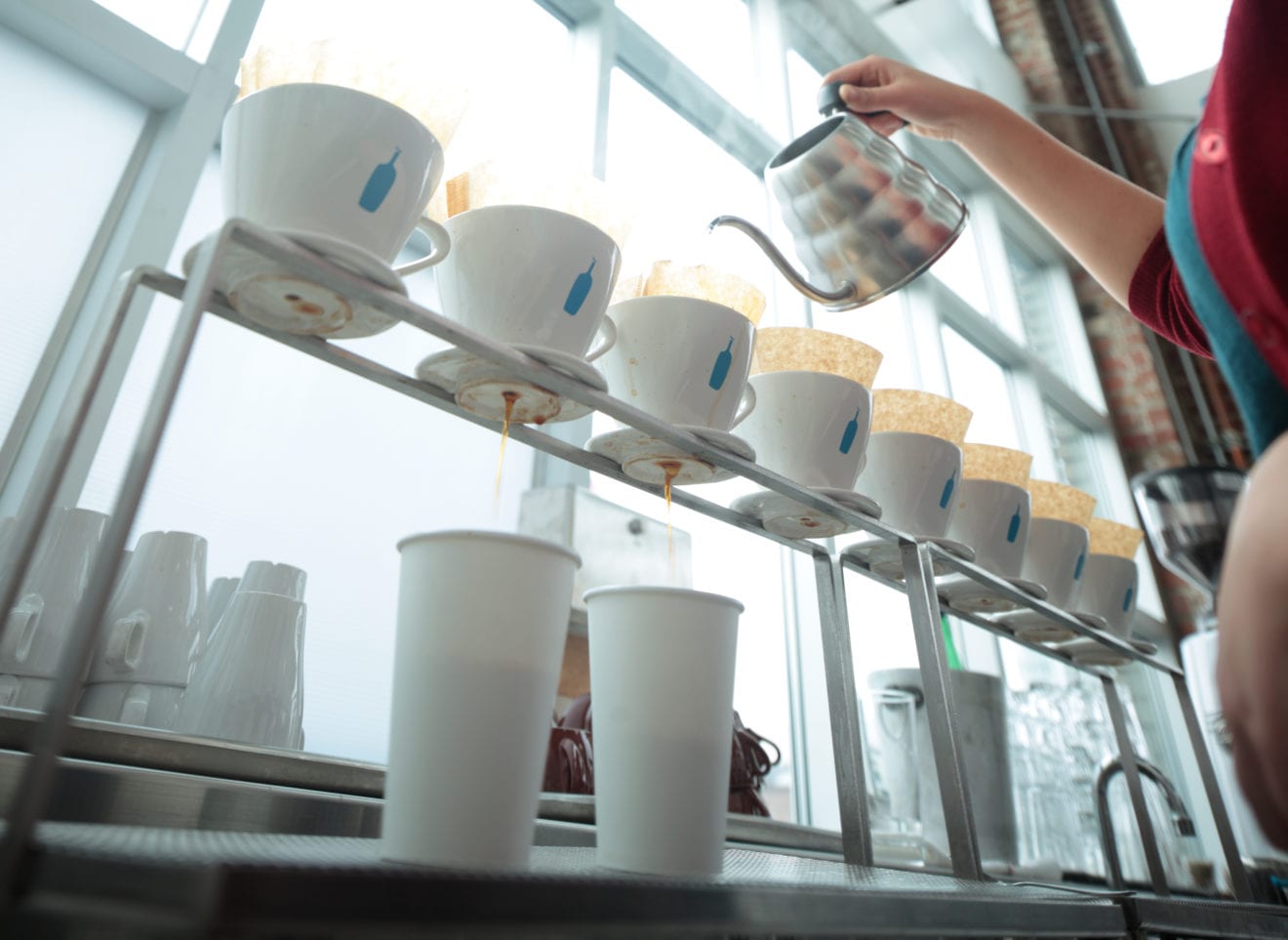
    Renowned US specialty coffee brand Blue Bottle Coffee is set to open its first café in Singapore at Japanese retailer LUMINE’s flagship store in Raffles City Shopping Center.

    “We will share the opening date and hours soon, so please stay tuned for further updates,” the firm said in an announcement on Wednesday.

    This would mark the brand’s first café in Southeast Asia, it added.

    The new café will replace Blue Bottle Coffee’s temporary gift shop, which opened last August as the brand’s entry point into the city-state, .

    Founded in 2002 as a small coffee cart in California, Blue Bottle Coffee has since expanded across the U.S., Japan, South Korea, Hong Kong, and China.

    Its Singapore debut comes through a partnership with LUMINE. Several of the chain’s cafés in Japan are also located within shopping centers operated by the retailer.

    The brand, which calls itself a “destination for coffee lovers,” is expected to feature a seasonally curated espresso menu at its upcoming shop, according to AsiaOne.

    It might also serve snacks like lemon poppy seed pound cake and candied orange scones.

  • Grab acquires Malaysian supermarket chain Everrise

    Grab acquires Malaysian supermarket chain Everrise

    Ride-hailing Grab is acquiring Malaysian supermarket chain Everrise as part of its ongoing efforts to grow its grocery business in a vital market.

    The company is purchasing the supermarkets from Navis Capital Partners but has not revealed the deal’s value, it said in an announcement Monday as reported by Bloomberg.

    Everrise operates 19 high-end grocery in East Malaysia.

    Grab intends to modernize Everrise’s operations with digital tools and introduce on-demand grocery delivery for its customers.

    The move came three years after Grab’s acquisition of Jaya Grocer, a larger Malaysian chain primarily based in the Klang Valley near Kuala Lumpur.

    As Southeast Asia’s leading ride-hailing and food delivery company, Grab is venturing into new sectors like online banking and groceries to stay competitive with rivals such as Indonesia’s GoTo Group.

  • Chubb acquires Liberty Mutual’s insurance businesses in Vietnam, Thailand

    Chubb acquires Liberty Mutual’s insurance businesses in Vietnam, Thailand

    Chubb Limited has announced agreements to acquire the insurance businesses of Liberty Mutual in Thailand and Vietnam without disclosing the terms.

    The two companies — LMG Insurance in Thailand and Liberty Insurance in Vietnam —offer a range of consumer and commercial property and casualty (P&C) products, including automotive, acccident & health and non-motor insurance such as fire/property and industrial all-risk.

    This portfolio is coupled with complementary distribution through 56 branches, 2,600 brokers and agents, and 26 finance partners. The combined operations produced approximately US$$275 million in net premiums written in 2024.

    The transactions are expected to be completed by the second quarter of 2025 (Thailand) and late 2025 / early 2026 (Vietnam) and are subject to required regulatory approvals and customary closing conditions.

    With operations in 54 countries and territories, Chubb provides commercial and personal property and casualty insurance, personal accident and supplemental health insurance, reinsurance and life insurance to a diverse group of clients.

    The company is defined by its extensive product and service offerings, broad distribution capabilities, exceptional financial strength and local operations globally.

    Parent company Chubb Limited is listed on the New York Stock Exchange and is a component of the S&P 500 index. Chubb employs approximately 43,000 people worldwide.

  • Conversational “LLM Siri” might not arrive until iOS 20

    Conversational “LLM Siri” might not arrive until iOS 20

    Many iPhone users, including myself, have eagerly waited for the new “personal Siri” that can go through emails, texts, and other apps to find the answers to personal questions you might ask Siri to respond to. For example, you might ask Siri to tell you the date and time when your mother’s plane will arrive at the airport so you can pick her up. The new “personal Siri” will look through apps for correspondence containing the answer and pass it along to you.

    In his weekly Power On newsletter, Bloomberg’s Mark Gurman said that this feature will be released in May, 11 months after Apple previewed it during last year’s WWDC Developers Conference. Gurman says that the current version of Siri has two brains. One deals with legacy requests like making calls, and setting alarms and timers. The other brain handles advanced questions and tasks and is the one that will go through user data to respond with personal information.

    Gurman says that in order to rush Apple Intelligence out in time to be included in iOS 18, Apple did not put the two “brains” together which he blames for the feature not working as smoothly as it should. The Bloomberg scribe says that a new “Siri architecture” will be displayed at this year’s WWDC convention in June before getting rolled out in June 2026 as part of iOS 19.4. At that time, both of Siri’s brains should be merged into one bigger brain and this will result in a smoother-running Siri.

    But one new Siri capability, Large Language Model Siri (known around Cupertino as “LLM Siri” for short) will not be available until iOS 20 in 2027! This is the version of Siri that is more conversational and gives Siri many of the features that we like to see in AI chatbots like ChatGPT or Gemini to name a couple. And this leaves Apple way behind in AI. Even Amazon, with the unveiling of its Alexa+ last week, has moved far ahead of Apple in this field.

    Remember the awe you felt when Apple introduced Siri with the iPhone 4s in 2011? Remember how cool you thought this technology was when you saw Siri in use for the first time? Apple clearly had an opportunity that it let slip away.

    Part of the problem is that Apple has had some key employees poached and some supplies, like AI accelerators made by Nvidia, are getting hard to find. Heck, even OpenAI CEO Sam Altman said the other day that his company had run out of GPUs. Gurman says that Apple’s more than capable chip team is working on “solutions” which means that Apple is developing its own AI accelerator chip.

    For now, you can follow my game plan as long as you don’t mind installing beta versions of iOS. I plan to continue installing each new beta release hoping that some of them will include new Siri features. I do this so I can show you any new changes when they occur. You can do this to be first on your block and thus impress your friends and family by having “personal Siri” and eventually “LLM Siri” on your iPhone. One warning: you might have to deal with the unstable nature of beta releases until stable iOS 20 is released in September 2027 so back up your iPhone first.

  • Apple teases a new Air device

    Apple teases a new Air device

    Anticipation is reaching peak levels today as Apple has hinted at a new “Air” device launching this week, and while a MacBook Air refresh seems probable, many are hoping for an iPad or even an iPhone version. A brief social media post from Apple CEO Tim Cook, featuring a cryptic video and the phrase “There’s something in the air,” has fueled this anticipation.

    Though analysts like Mark Gurman from Bloomberg suggest updated 13-inch and 15-inch MacBook Air models, powered by the M4 chip, are the most likely candidates, the desire for a new iPad or iPhone Air persists. This is especially true given recent reports of Apple clearing out existing iPad Air inventory, a common precursor to a new product launch. The timing aligns with past releases, as Apple introduced the M3 MacBook Air around this time last year.

    The possibility of a new iPad Air would enhance features and design improvements in Apple’s tablet line. Given how much many users enjoy the iPad, this would be a welcome change.

    The more distant, but still tantalizing, possibility is a new iPhone “Air” model. Although it is generally believed that this is too soon, the thought of a new iPhone model is still exciting. This iPhone rumor, while less likely, adds an element of surprise to the unfolding narrative.

    The focus on the M4 chip, if it does pertain to a MacBook, indicates Apple’s continued push for performance and efficiency in its laptop series. However, the prospect of a refreshed iPad or even a new iPhone “Air” model offers a different kind of excitement, especially with the focus on thin devices that smartphone OEMs seem to be heavily focused on lately. The clearing of iPad inventories adds some weight to this hope, even if the MacBook refresh is the most likely outcome.

    Personally, I’m hoping for the iPad Air. While the MacBook is always welcome, a new iPad Air would be a nice change for those who like tablets. A new iPhone would be even better, but that seems like a long shot.

  • ZTE to Highlight “Catalyzing Intelligent Innovation” at MWC Barcelona 2025

    ZTE to Highlight “Catalyzing Intelligent Innovation” at MWC Barcelona 2025

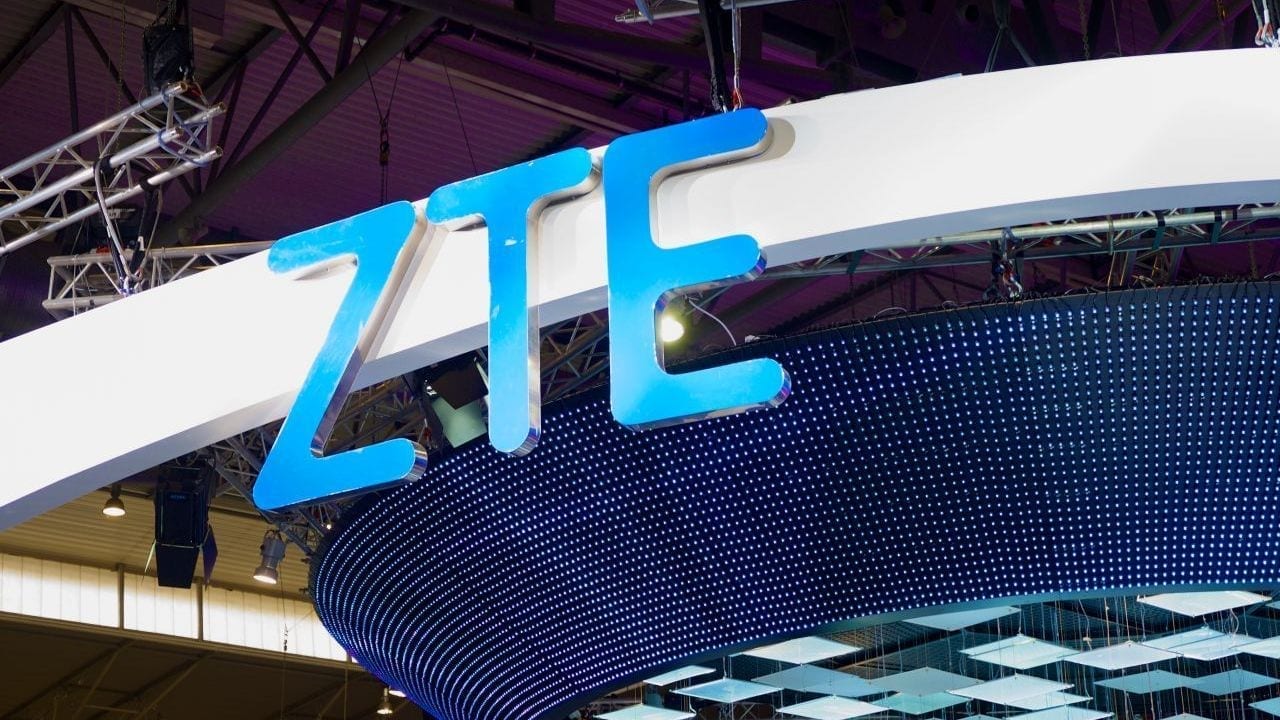
    In collaboration with industry partners, ZTE will promote the deep integration of artificial intelligence (AI) and connectivity, accelerating intelligent innovation and jointly shaping a future that is highly efficient, intelligent, and green.

    ZTE’s booth, located at 3F30, hall 3, Fira Gran Via, will be the venue where the company showcases its innovative solutions, integrating connectivity and AI across six key thematic areas: Ultra-Efficient Mobile Network, All-Optical World, AI-Inspired Value, Engines of Intelligence, Infinite Future, and Smart Life.

    Addressing the fundamental network needs of operators, ZTE will demonstrate how to leverage next-generation, ultra-efficient mobile networks and all-optical networks to build a modern, future-proof foundational network with efficiency and low carbon emissions.

    In the field of mobile networks, ZTE continues to lead UBR innovation, launching the industry’s first TDD+FDD dual-mode Massive MIMO AAU and 400M OBW ultra-wideband AAU, creating ultra-simplified, highly efficient, and green sites. Targeting indoor and agricultural network scenarios, ZTE unveiled several new solutions to enable comprehensive traffic coverage. Focused on pioneering new momentum in 5G-A development, ZTE is driving innovation in air to ground (ATG) and non-terrestrial network (NTN) satellite communication, to build the Space-Air-Ground Integrated Network (SAGIN) to achieve ubiquitous connectivity.

    By integrating sensing and communication, ZTE empowers the low-altitude economy and water management. Additionally, with the introduction of the 5G-A new media solution, ZTE enhances brand-new augmented reality (AR) live broadcast experiences.

    In the field of all-optical networks, ZTE is committed to advancing the high-quality development of optical networks. For all-optical homes, ZTE is driving revenue growth through Wi-Fi 7, FTTR, and other solutions; reducing operational costs through digital tools; and enhancing scene development with AI-driven smart terminals. For all-optical cities, ZTE is expanding into office, hotel, and campus scenarios through all-optical ToB, boosting customer ARPU. For all-optical infrastructure, ZTE has launched intelligent ODN, Full-Band OTN, and AI-Enhanced IP solutions to build an ultra-simplified, ultra-fast, and highly efficient foundational network.

    Looking towards future evolution, ZTE is dedicated to the integrated development of 5G-A and 6G, creating a distributed intelligent network that combines connectivity, sensing, and intelligence to support the ubiquitous, AI-driven world of the Internet of Everything (IoE). Through key technological innovations and business ecosystem development, ZTE aims to collaboratively build a new high ground for value-driven services.

    ZTE positions intelligent computing as the company’s long-term core focus, actively promoting the integration of connectivity and AI innovation. It has launched an all-in-one, end-to-end AI solution to support customers in their digital transformation and seize future market opportunities.

    During MWC Barcelona 2025, ZTE will showcase its full-stack intelligent computing infrastructure, including liquid-cooled data centers, intelligent computing servers, general-purpose computing servers, storage, high-speed switches, and the AiCube integrated training and inference unit supporting DeepSeek full-version deployment. This solution is designed to flexibly meet the computing network needs of large data centers, edge data centers, and integrated enterprise deployments across various scenarios. Additionally, ZTE will unveil the industry’s first integrated energy storage solution, combining multi-scenario new energy integration with intelligent energy scheduling to enhance energy efficiency.

    In addition, ZTE leverages technologies such as heterogeneous convergence and computing-network integration to launch a series of solutions, including AIR RAN and AIR Core, to build end-to-end, AI-native networks that help operators reshape their business models.

    Focused on industry innovation, ZTE offers a full-stack, AI-integrated application solution, covering chips, hardware, software, and integration services. Focusing on achieving optimal application outcomes, ZTE integrates its own capabilities with industry-leading resources to help customers build the most cost-effective AI applications. The Digital Nebula 3.0, featuring the Nebula large model, integrates a complete suite of tools for model training, inference, and application development. This enables industry customers to leverage AI efficiently, quickly, and cost-effectively. At the Nanjing Binjiang Factory, the Nebula industrial large model has accelerated process document generation by 10 times and reduced quality inspection labor costs by 70%. Additionally, ZTE empowers external innovation applications in industries such as manufacturing, transportation, and energy, driving the monetization of AI’s value.

    Adhering to its “AI for All” product strategy, ZTE continues to expand its complete portfolio of AI-powered devices in various forms. By positioning AI smartphones as the primary gateway, ZTE is building a new multi-modal interaction experience centered on AI voice.

    Within its AI OS framework, ZTE achieves system-level integration of top-tier global AI capabilities. Its multi-modal architecture seamlessly incorporates advanced LLMs such as Google Gemini, ByteDance Doubao, DeepSeek, China Mobile Jiutian, and China Telecom Xingchen. ZTE is not only pioneering the integration of the full-scale DeepSeek-R1(featuring 671B parameters) in the flagship smartphone, nubia Z70 Ultra, but will also progressively integrate DeepSeek-R1 and other top-tier LLMs across its entire product lineup, making the multiple values of AI accessible to a broader range of consumers.

    nubia will unveil the world’s first next-generation true full-screen flagship smartphone featuring industry-leading photography capabilities—the nubia Z70 Ultra—alongside the stylish, compact, foldable smartphone—the nubia Flip 2. Embracing the “Born to Win” concept, nubia continues to drive the development of its gaming smartphone for everyone through the nubia Neo 3 series. nubia will also introduce its first AI earphones—nubia LiveFlip—which interact seamlessly with nubia AI smartphones via its AI OS, further enhancing the AI-powered, full-scenario interaction experience.

    REDMAGIC, a globally recognized professional gear brand, will launch the world’s first 1.5K Wukong true full-screen gaming flagship as part of the REDMAGIC 10 Pro series. The company will debut its first 4K eyewear-free 3D gaming laptop and tablet, as well as a variety of esports accessories, further refining its esports ecosystem and offering comprehensively professional support for gamers.

    Moreover, ZTE will showcase the world’s first two-in-one 5G+AI Cloud Pad along with a range of multi-form AI devices tailored for home users at the event.

    Pioneering the Future of Digital Intelligence

    During MWC Barcelona 2025, ZTE will also host several key activities at its exhibition booth, including the “AI for All” ZTE Devices New Products Launch Event, the AIR DNA for Future Network Launch Event, and multiple joint customer release events, presenting a series of innovative products to the industry. Additionally, ZTE will participate in the major thematic forums organized by the GSMA, where it will share the latest insights and case studies on key topics such as the evolution of future networks, AI’s role in reshaping networks, and how private networks empower various industries. ZTE will collaborate with global operators, industry partners, and thought leaders to accelerate intelligent innovation across industries.

    The convergence of AI and ICT technologies is dissolving the boundaries between the physical and digital worlds, ushering in a new era driven by intelligent innovation and seamless connectivity. From March 3rd to 6th, join ZTE to witness the acceleration of progress and step into the new future of digital intelligence.

  • Thai Airways selects ECS Group’s Aero Cargo Belgium to enhance cargo connectivity

    Thai Airways selects ECS Group’s Aero Cargo Belgium to enhance cargo connectivity

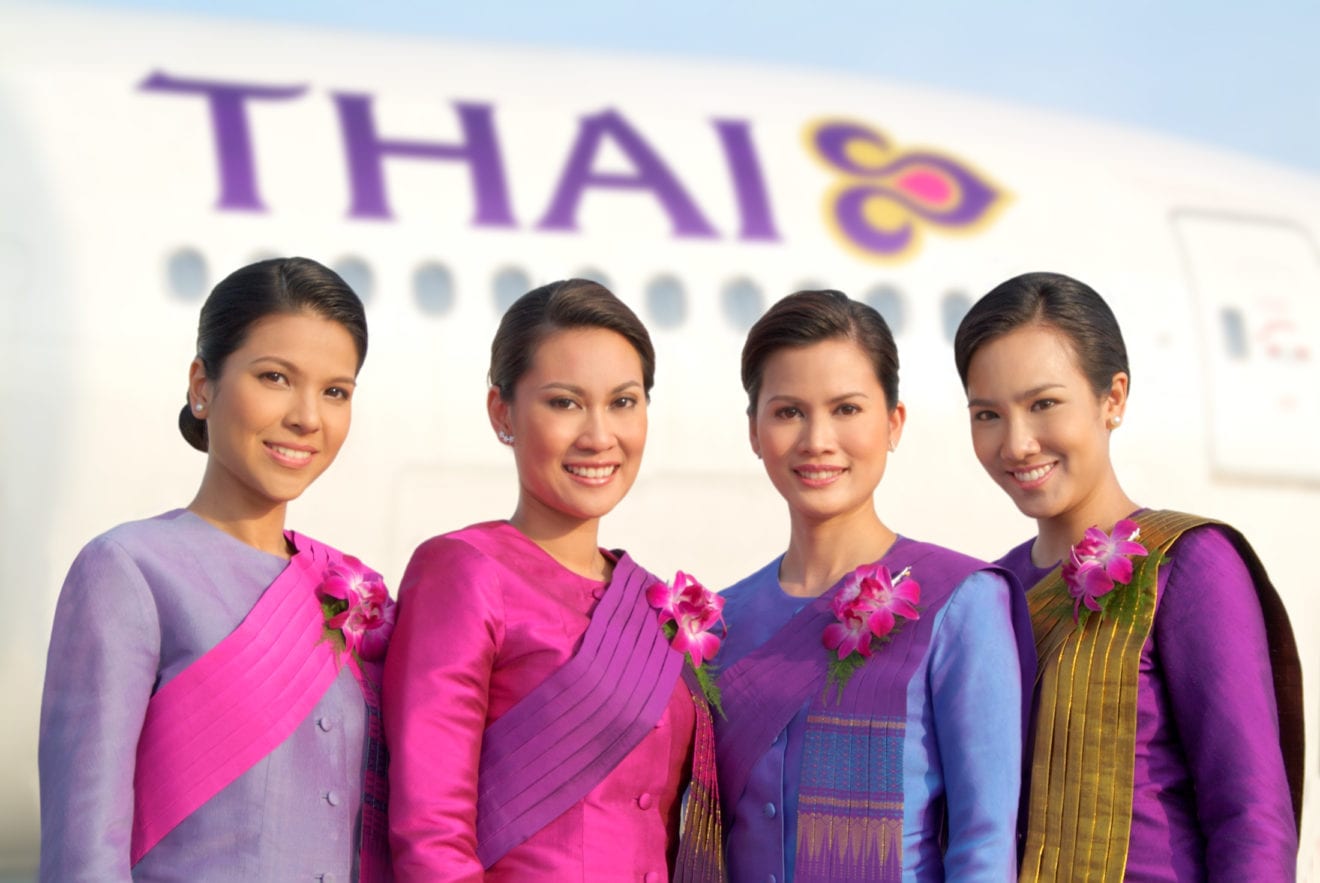
    ECS Group announced a new strategic partnership between its subsidiary Aero Cargo Belgium and Thai Airways, set to redefine cargo connectivity on essential routes between Europe and Asia.

    The agreement, which took effect on February 1st, focuses on the Brussels (BRU) to Bangkok (BKK) route, offering seamless transit options to destinations including Australia, Korea, India, Japan, Manila, and Singapore.

    Thai Airways operates daily flights using Boeing 787-800 aircraft, each providing a payload capacity of 15 tons. The airline will not only benefit from ECS Group’s in-house technology but also from the full deployment of CargoTech suite of digital tools.  This collaboration caters to a diverse range of cargo, with a particular focus on pharmaceuticals, ensuring reliable and efficient transport solutions for time-sensitive and specialized shipments.

    Jean Ceccaldi, CEO of ECS Group, commented: “ECS Group is proud to support this collaboration with Thai Airways, which reflects our commitment to building long-term, value-driven relationships with airlines. By enabling them to achieve operational excellence and deliver tailored solutions for their unique needs, we are setting a new standard for global connectivity and efficiency in the cargo industry.”

    “This agreement is a significant milestone for Aero Cargo Belgium,” added Bert Moortgat, Managing Director of Aero Cargo Belgium. “With daily flights and access to a network of vital destinations in Asia-Pacific, we are able to offer our customers unparalleled opportunities to connect their goods to global markets efficiently and reliably, particularly for high-value and sensitive commodities such as pharmaceuticals.”

    This partnership between Thai Airways and Aero Cargo Belgium marks a significant milestone in connecting Europe and Asia-Pacific with efficient and reliable cargo solutions. By combining Thai Airways’ extensive network with Aero Cargo Belgium’s expertise, the collaboration promises exceptional service and the strengthening of global trade routes for key industries.

  • Thailand tightens disease control measures at Suvarnabhumi Airport

    Thailand tightens disease control measures at Suvarnabhumi Airport

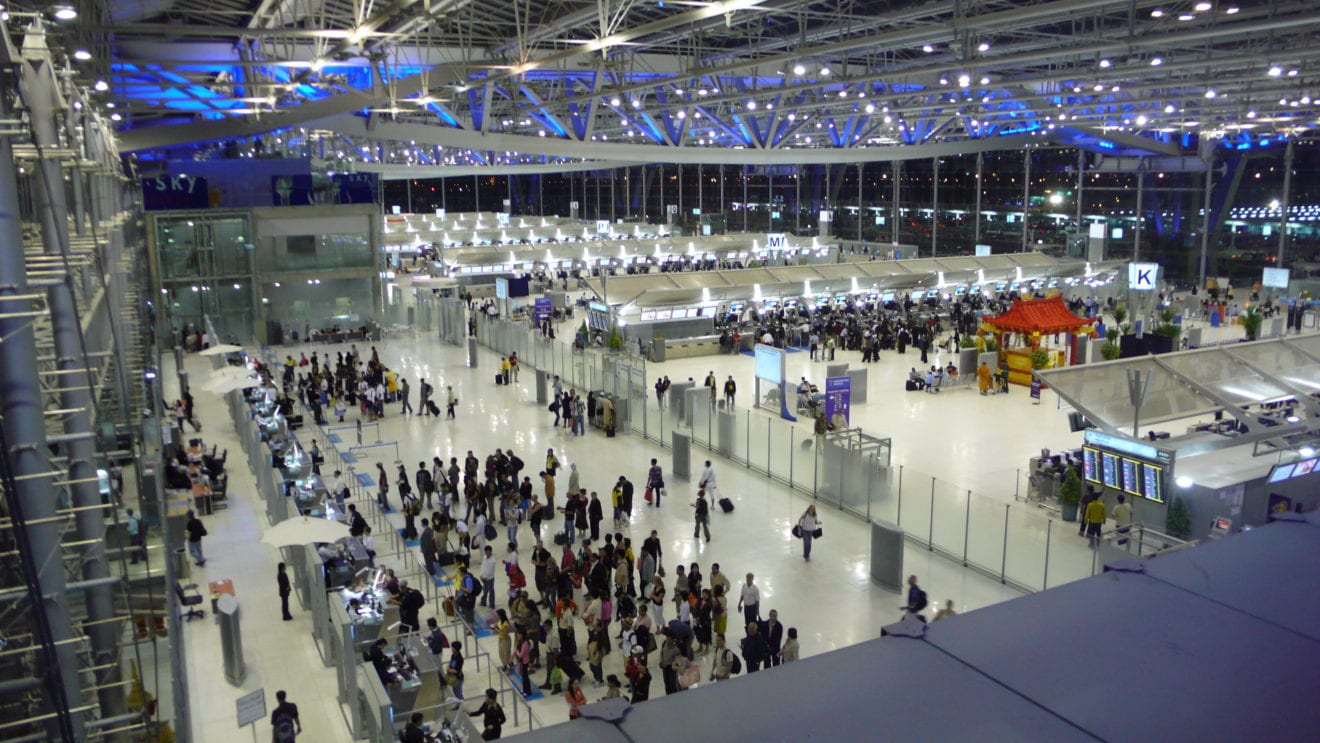
    The Department of Disease Control (DDC) under Thailand’s Ministry of Heath has tightened disease control measures at Suvarnabhumi International Airport regarding an outbreak of an unknown illness in Congo, its Director General Doctor Panumas Yanwetsakul has said.

    Currently, no suspected cases of this disease have been identified in Thailand. Nevertheless, the DDC has enhanced surveillance, prevention, and control measures, including stricter screening protocols at the Suvarnabhumi International Airport.

    Travelers arriving from Congo are required to undergo temperature checks and provide their addresses and contact numbers in Thailand, along with details of their departure from Congo.

    Additionally, those who have traveled from Congo within the last 21 days must complete a health reporting form and adhere to the guidelines on the Health Beware Card issued by health officials.

    People who have been in Congo within the past 21 days should monitor for initial symptoms such as fever exceeding 38 degrees Celsius, headache, sore throat, muscle pain, fatigue, or exhaustion. If these symptoms worsen, they must seek medical attention immediately and inform doctors of their travel history for diagnosis and treatment to prevent disease transmission, Dr. Panumas advised.

    As of Feb. 19, the World Health Organization (WHO)’s data indicated that the outbreak in Boloko and Bomate villages in Equateur province of Congo had resulted in 955 cases and 60 fatalities, reflecting a 6.3% fatality rate.

    Laboratory tests confirmed that the illness was not caused by the Ebola or Marburg viruses.

  • Google Maps will add this feature from Waze to make driving more colorful and fun

    Google Maps will add this feature from Waze to make driving more colorful and fun

    When Google bought Waze for $1.3 billion in 2013, it was obvious that it would move some of Waze’s crowdsourcing features to Google Maps. Over the years, Google has added many Waze-like features such as the ability to quickly report a crash, a slowdown, police activity, construction, a lane closure, a stalled vehicle, an object on the road, a flooded road, low visibility, and an unplowed road. All of these hazards can be reported in seconds.

    Now, Google Maps is adding another feature associated with Waze. The former will be adding new car icons to replace the blue arrow and other icons that can be used to represent your car on the navigation map. You can make this change on your iOS or Android-powered handset by pulling up the the menu from the handle near the bottom of the screen that shows how much time is left on your drive, the mileage remaining on your journey, and the estimated time of arrival. Grab the handle, swipe up and you’ll see a menu with several options.
    The next to last option reads Vehicle icon. Tap on it and you can select from the traditional arrow icon, a sports car, a pickup truck, an SUV, a sedan, and more for a total of eight icons. Just swipe through them to sell all of your choices. There are eight color options including:
     

    • Glacier white
    • Night black
    • Ash gray
    • Poppy red
    • Sky blue
    • Sunny yellow
    • Aqua green
    • Sunset magenta

    Another way to change your icon is to tap on the default vehicle icon that appears once you set your destination and start navigation. You must have the most up-to-date version of Google Maps on your iOS or Android-powered device to get this feature. One way to do this would be to tap on this link and install the latest version of Google Maps for iOS on your iPhone. If you own an Android device, press this link to install the latest Google Maps build on your Android phone.< Everything about the new car icons, from the way they look to the UI used to select your car and the color that you want the vehicle to be, looks like it just stepped right out of the Waze app. Google Maps and Waze have two separate functions. The former is for those who not only want to navigate quickly and safely from "A" to "B," but also want recommendations on where to dine, where to spend the night, where to find local entertainment, and more. Waze is more about the actual journey and using crowdsourced information that makes the drive easier to make.

  • Text bubbles fill out before your eyes on the latest version of Google Messages

    Text bubbles fill out before your eyes on the latest version of Google Messages

    Google constantly works on improving certain native Android apps. Google Maps is one of those, and so is Google Messages for Android. We’ve recently passed along some new updates coming to the Google Messages app, including a larger pill-shaped text field, and a revised user interface for the “view details” feature. Now, we’ve caught wind about another change that is supposed to improve the look of the Google Messages app for Android.
    First spotted in the January beta of the app in version 20250115_03_RC00, the new chat bubble animation lives in the stable version of the app, 20250212_01_RC00. With the new version installed on your Android phone, messages will no longer just slide up when sent or received. Instead, a new animation will show the message bubbles starting out small and then growing in size to fill out the space they are allotted. It is not a major change but it brings a cool new look to the Messages app and the good news is that the new animation works regardless if a message is being sent or received via RCS or SMS.
    To be clear, there is no way you can disable this feature once the update is installed on your phone. And its also possible that if you didn’t know that this change is coming, you might not notice a difference when it does finally arrive on your Android phone. The new-look message bubble should start appearing on Android phones sometime during the next few weeks.
    With the open nature of Android, there are so many messaging apps available in the Play Store that you might not be using Google Messages. If you want to make a change and install the app on your Android phone, you can always tap on the following link to download Google Messages from Google’s app storefront.
    If you want to know whether you have received the new look message bubbles, go to Settings > Apps > All Apps > Messages and scroll down to the very bottom of the page. That’s where you will find the version number of the Google Messages app that is on your Android phone. To reiterate, you’re going to want to see a stable version number of 20250212_01_RC00 or higher. For example, the version of Google Messages on my Pixel 6 Pro running Android 16 beta 2 is 20250225_00_RC00.
    If you do have the new expanding text bubble on the Google Messages app installed on your Android phone, let us know how you like it by writing your comments in the box below.