Author: Mei Ling Tan

  • Vietnam to invest $8B in rail link to China

    Vietnam to invest $8B in rail link to China

    The National Assembly has approved plans for the Lao Cai-Hanoi-Hai Phong railway, which links to the border with China, at a cost of US$8.37 billion or $15.96 million per kilometer.

    The cost per kilometer is similar to that of other projects in the region, such as the Vientiane-Boten railway in Laos, which cost $16.77 million.

    According to the proposal approved on Wednesday morning, the line will run 391 km from the border crossing point in Lao Cai Province to the port city of Hai Phong. It will also include 27.9 km of branch lines.

    It will run through nine localities, including Hanoi and the provinces of Yen Bai, Phu Tho, Vinh Phuc, Bac Ninh, Hung Yen, and Hai Duong.

    The railway will be a single-track line with a 1,435 mm gauge used for both passenger and freight services.

    It is designed for speeds of 160 km per hour from Lao Cai to southern Hai Phong, 120 kph through Hanoi, and 80 kph on other sections.

    Funds for the project will come from the state budget and other legal sources.

    Relevant agencies will prepare feasibility reports this year, with the project set for completion by 2030 at the latest.

    The National Assembly has approved several special mechanisms for the project, such as allowing the Prime Minister to issue government bonds to cover shortfalls in the annual investment plan approved by the parliament without increasing the state budget deficit.

    Several other special mechanisms regarding mineral extraction for construction materials, scientific and technological development, workforce training, industrial growth, and technology transfer are also applied to the project.

    Contractors must prioritize domestically produced goods, services, and materials whenever possible.

    The National Assembly Standing Committee said the project aims to meet transport demand, reduce logistics costs, and foster sustainable development.

  • Singapore raises alarm over speeding violations

    Singapore raises alarm over speeding violations

    Singapore will impose stricter penalties for speeding from next year, following a sharp rise in road accidents, fatalities, and violations over the past years.

    Singapore’s Home Affairs and Law Minister K. Shanmugam said on Feb. 15 that the number of road accidents in the country has increased “very significantly” since 2020.

    In 2024, there were nearly 7,200 accidents with 142 fatalities, while the number of speed-related fatal incidents shot up by almost 44% from 2023, to 46.

    The number of speeding violations detected – 192,000 – was also the highest in the past decade, Shanmugam noted.

    While the Traffic Police have stepped up enforcement, such as activating the speed enforcement function in red-light cameras, he said more needs to be done to change or shape behavior.

    To address this issue, the Singapore Road Safety Council (SRSC) is collaborating with various stakeholders to develop public education initiatives aimed at promoting road safety awareness, including the use of social media to reinforce safe driving habits.

    Starting Jan. 1, 2026, the demerit points and total penalties for speeding violations in Singapore will be increased.

    Singaporean authorities will provide further details on the new penalties in due course.

  • DeepSeek removed from South Korea app stores pending privacy review

    DeepSeek removed from South Korea app stores pending privacy review

    Chinese AI app DeepSeek will not be available to download in South Korea pending a review of its handling of user data, Seoul authorities said Monday.

    DeepSeek’s R1 chatbot stunned investors and industry insiders with its ability to match the functions of its Western competitors at a fraction of the cost.

    But a number of countries have questioned DeepSeek’s storage of user data, which the firm says is collected in “secure servers located in the People’s Republic of China”.

    On Monday, Seoul’s Personal Information Protection Commission said DeepSeek would no longer be available for download until a review of its personal data collection practices was carried out.

    The Chinese AI firm has “acknowledged that considerations for domestic privacy laws were somewhat lacking”, the data protection agency said.

    It assessed that bringing the app into line with local privacy laws “would inevitably take a significant amount of time”, the agency added.

    “To prevent further concerns from spreading, the commission recommended that DeepSeek temporarily suspend its service while making the necessary improvements,” it said.

    DeepSeek has “accepted” that proposal.

    The app was removed from local app stores on Saturday at 6:00 p.m. (0900 GMT) and remains unavailable.

    The AI chatbot is still in use for those who have already downloaded the app.

    Seoul’s data protection agency said it “strongly advised” people to “use the service with caution until the final results are announced”.

    That included “refraining from entering personal information into the DeepSeek input field”, it said.

    Analyst Youm Heung-youl told AFP that the firm was yet to lay out a privacy policy “specifically tailored” for users in South Korea.

    “It has on the other hand disclosed a privacy policy for the EU and certain other countries, stating that it complies with the domestic laws of those nations,” Youm, a data security professor at Soonchunhyang University, said.

    “Deepseek needs to establish a privacy policy specific to Korea,” he said.

    This month, a slew of South Korean government ministries and police said they blocked access to DeepSeek on their computers.

    Italy has also launched an investigation into DeepSeek’s R1 model and blocked it from processing Italian users’ data.

    Australia has banned DeepSeek from all government devices on the advice of security agencies.

    U.S. lawmakers have also proposed a bill to ban DeepSeek from being used on government devices over concerns about user data security.

    In response to the bans, the Chinese government has said it opposes the “politicisation of economic, trade and technological issues”.

    It also insists it “has never and will never require enterprises or individuals to illegally collect or store data”.

  • Burger King parent Restaurant Brands takes full control of China business

    Burger King parent Restaurant Brands takes full control of China business

    Restaurant Brands International said on Tuesday it has bought stakes in Burger King China from its local franchisee for about US$158 million, giving it nearly total ownership of the business.

    The fast food chain operator said it would engage its advisors to work on identifying a new local partner to invest into the business.

    The company has been working on its China strategy for its Burger King business which faced softening demand in the second biggest market, amid a pressured consumer spending and stiff competition.

    Restaurant Brands acquired the stakes in Burger King China from a holding company TFI Asia Holdings BV and a blank-check firm Pangaea Two Acquisition Holdings XXIII.

    Restaurant Brands had 1,474 Burger King restaurants in China, as of December 31, 2024.

  • Tealive set to expand into Thailand, India

    Tealive set to expand into Thailand, India

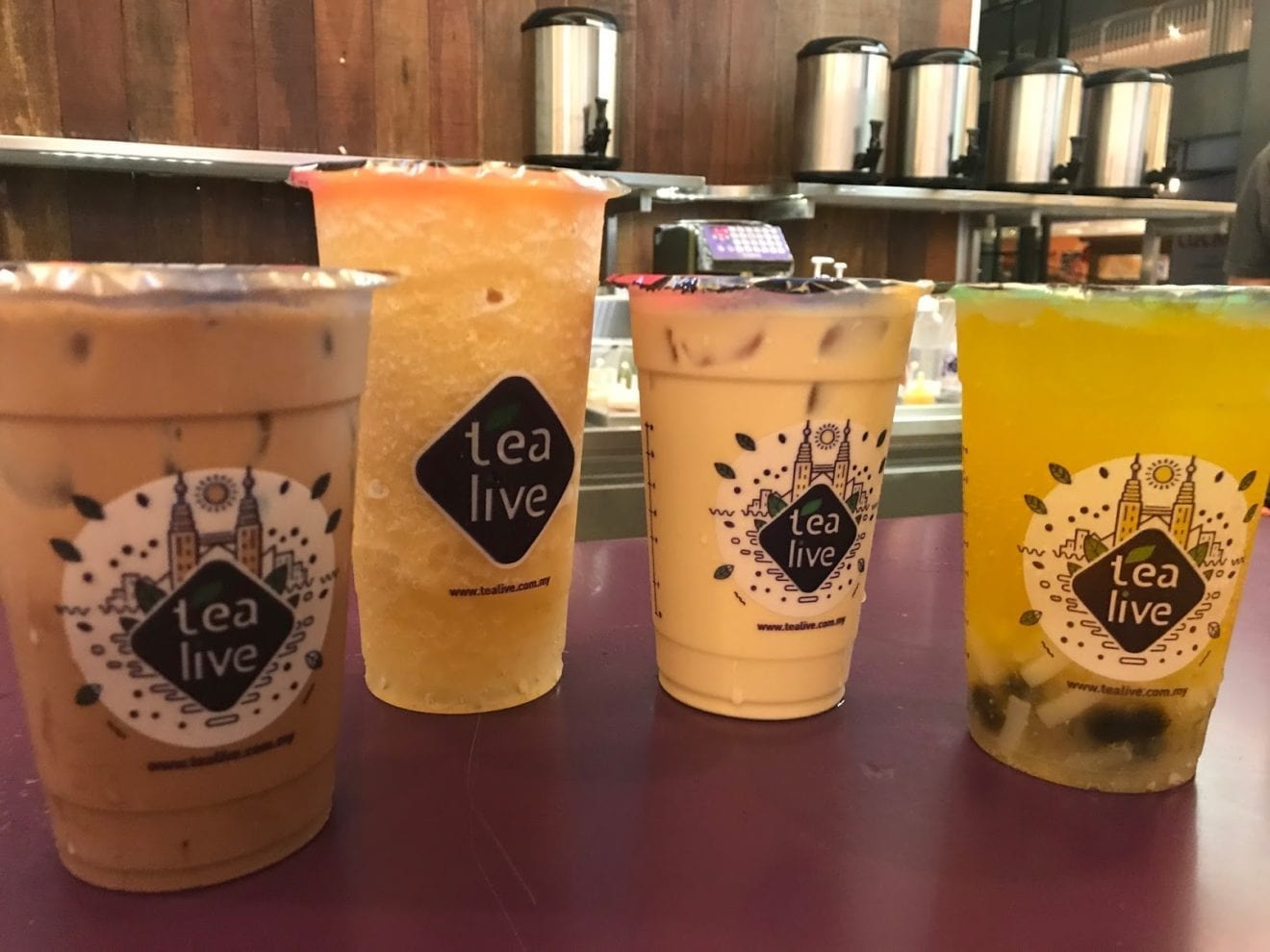
    Malaysian bubble tea chain Tealive is expanding its presence in Asia with exclusive franchise arrangements entered into for India and Thailand.

    Tealive, which launched successfully in the UAE last year, has signed a master franchise agreement with Indian QSR operator Devyani International Limited (DIL) to expand into India.

    DIL is India’s largest Yum! Brands franchisee, running KFC and Pizza Hut locations, as well as the country’s official Costa Coffee operator. DIL operates around 2000 stores in India, Thailand, Nigeria, and Nepal under several brands.

    “Partnering with a strong local operator like DIL gives us the ability to adapt and thrive in India while also extending the Tealive lifestyle to millions of new consumers,” said Loob Holding founder and CEO Bryan Loo.

    Loo also stated that Tealive is planning a “significant presence” in India, beginning with outlets in major cities this year.

    Tealive also intends to expand into Thailand with the local partner RD Group – the Thai KFC franchise holder.

    “We’re thrilled to kick off Tealive’s expansion in Thailand, just like we did in Malaysia,” Loo wrote in his LinkedIn post.

  • Vietnamese coffee chain Trung Nguyen to launch first store in Australia

    Vietnamese coffee chain Trung Nguyen to launch first store in Australia

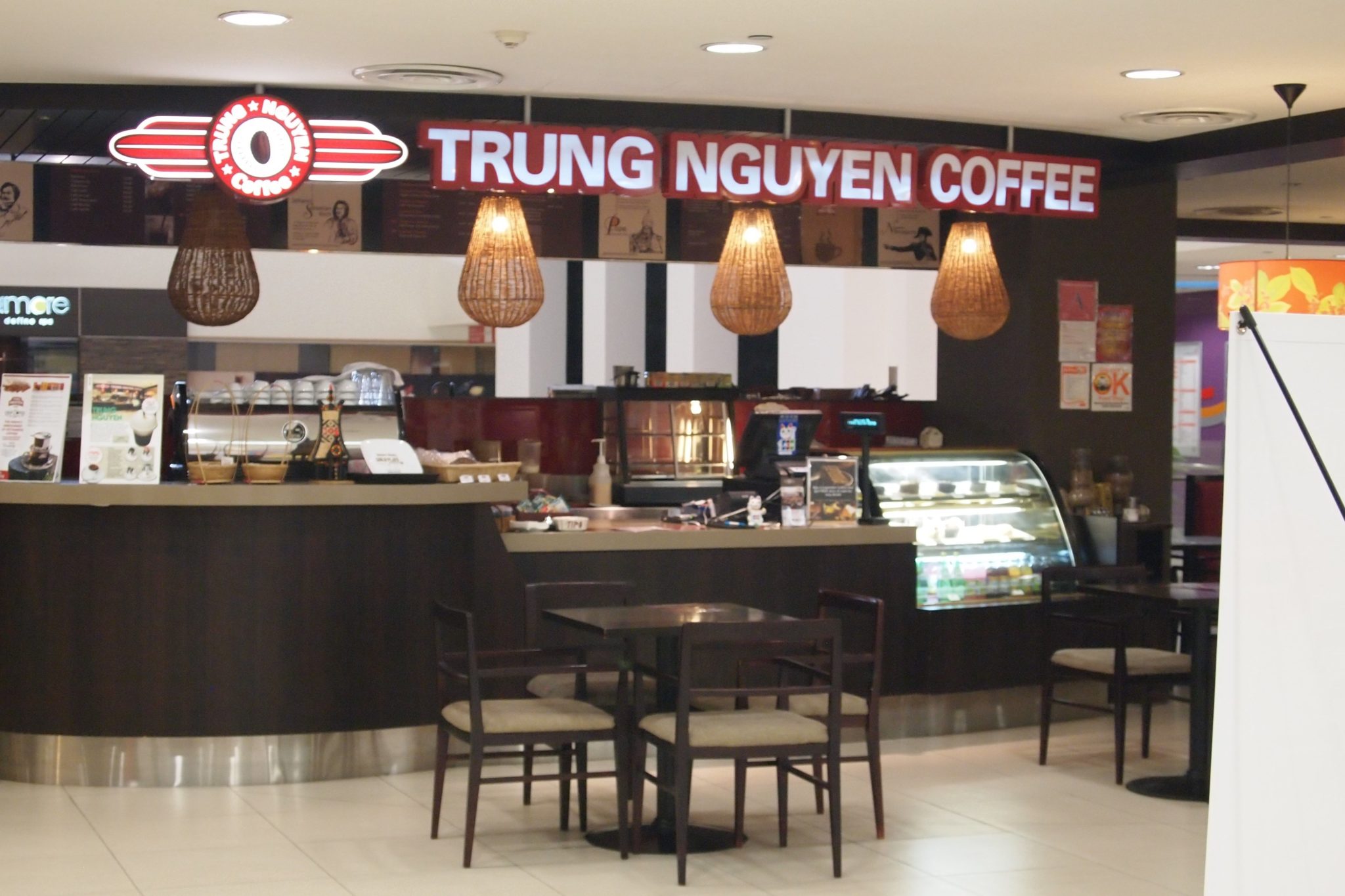
    Vietnamese coffee chain Trung Nguyen is continuing its global expansion, opening its first store in Australia next month via a franchise agreement with local distributor Master C Pty Ltd.

    The 400sqm store on Melbourne’s Courtney Street will feature a retail corner, a coffee-tasting area, and a cafe space.

    In addition, customers can experience the three coffee cultures the company has identified and showcases in its flagship Vietnam stores: Ottoman, Roman and Zen.

    The Melbourne store will resemble a Vietnamese-themed coffee shop with its architectural style, display graphics, and menus that incorporate elements of Vietnamese and local cultures.

    Trung Nguyen first made its international debut in China in 2022 with a store in Shanghai and then expanded into Beijing and Chongqing. It opened its first US store last year, in partnership with US-based franchisee H&L Wholesale Food Corporation.

  • Singapore’s largest bookstore, Books Kinokuniya is downsizing

    Singapore’s largest bookstore, Books Kinokuniya is downsizing

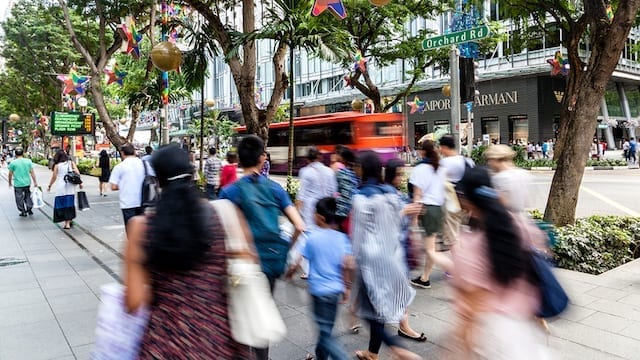
    Singapore’s largest bookstore, the Books Kinokuniya flagship in Takashimaya shopping centre on Orchard Road, is downsizing – again.

    The company said changes will include refinement of its book collection while incorporating a lifestyle element, including a new cafe set to open this year.

    A recent rental negotiation with Toshin Development has led to announcements informing shoppers that Books Kinokuniya is “currently making changes to store layout” and advising them to approach staff if they cannot find what they need.

    The decision is likely a response to the declining book retail industry, which is experiencing a rise in poor reading habits and diminishing book-buying rates coupled with high rental costs.

    According to a 2021 survey by the National Library Board, only 33 per cent of respondents reported reading six or more books a year.

    Currently, the store occupies 38,000sqft of retail space on one floor, a size that has fluctuated over the years.

    From 1999 to 2013, it occupied a 42,000 sqft space on the third level of the mall before reducing its size by approximately 25 percent and relocating to the fourth floor in 2013 to make room for new retail offerings.

    After the closure of the Chinese restaurant Imperial Treasure Teochew Cuisine in 2016, Books Kinokuniya regained 5000sqft of space and subsequently reopened with a layout and frontage that is familiar to shoppers today.

    Books Kinokuniya said that challenges are “ever present” for book retailers.

    “Our Singapore main store continues to evolve while remaining true to our core values, offering an extensive collection of quality titles housed in a pleasant ambience,” it added.

  • Jollibee secures approval to lift foreign ownership limit

    Jollibee secures approval to lift foreign ownership limit

    F&B giant Jollibee Foods Corporation (JFC) has received approval from the Philippine Stock Exchange (PSE) to remove its 40 percent foreign ownership limit.

    The decision follows the company’s amendment request to its articles of incorporation, which also includes removing its ability to own, acquire, mortgage, pledge, or encumber land.

    Article 12 of the Philippine Constitution restricts foreign ownership of land and certain businesses to 40 per cent, with the remaining 60 per cent reserved for Filipino citizens or corporations.

    Following the change, JFC is now positioned to accommodate more foreign investors.

    AP Securities research analyst Jose Cipres said the move allows the company to raise additional capital for expansion through a sale-leaseback transaction.

    “They could use the proceeds from the sale of land to expand their current store portfolio, translating to higher earnings,” explained Cipres.

    Meanwhile, Unicapital equity research analyst Jeri Alfonso said removing the foreign ownership limit is a good catalyst for JFC.

    “Given this current market condition, this will provide a big boost to the company in terms of trading volume,” Alfonso added.

  • Hermes achieves double-digit sales growth in fourth quarter

    Hermes achieves double-digit sales growth in fourth quarter

    Hermes has posted double-digit sales growth for the fourth quarter and the full fiscal year, which management described as a solid performance in an “uncertain” environment.

    The company’s revenue surged 18 percent to €4 billion (US$4.2 billion), both on a reported and constant currency basis, during the quarter ended December 31. This extended the 11.4 percent uplift in the third quarter.

    Sales in Asia excluding Japan were up 10 per cent despite the downturn in traffic in Greater China. In Japan, sales jumped 20 per cent driven by the loyalty of local clients.

    The Americas rose 21.4 percent, while Europe increased 16.9 percent.

    For the full year, revenue rose 13 percent (15 percent in constant currency) to €15 billion, and consolidated net profit increased 7 percent to €4.6 billion.

    “In 2024, in a more uncertain economic and geopolitical context, the solid performance of the results attests to the strength of the Hermes model and the agility of the house’s teams,” said executive chairman Axel Dumas.

    “While preserving the group’s major balances and its responsibility as an employer, the house is staying the course, attached more than ever to its fundamental values of quality, creativity and savoir-faire,” he added.

    The company expects to record continued revenue growth in the medium-term despite the economic, geopolitical and monetary uncertainties.

  • Shein offers Chinese manufacturers incentive to move to Vietnam

    Shein offers Chinese manufacturers incentive to move to Vietnam

    Shein is offering its Chinese manufacturers temporary incentives to move some of their production to Vietnam in response to rising US tariffs.

    The incentives include up to a 30 percent increase in procurement prices and larger order guarantees.

    The move is part of the fast-fashion retailer’s efforts to shift production outside of China after US President Donald Trump called a halt to Section 321 de minimis earlier this week.

    The de minimis previously allowed low-value packages from China to be shipped duty-free to the US. This means that prices of cheap Chinese goods are likely to increase in the country, affecting the operations of Shein and similar businesses like Temu and Amazon Haul.

    Shein hopes its expansion strategy in Vietnam will help mitigate the impact of Trump’s tariffs on its business model, which relies heavily on Chinese production.

    The company’s operations in Vietnam currently face some challenges after the local government required it to register its e-commerce services late last year.

    This came amid concerns about the impact of deep discounting by Chinese online platforms, as well as the potential sale of counterfeits.

  • China replaces US as Vietnam’s largest shrimp export market

    China replaces US as Vietnam’s largest shrimp export market

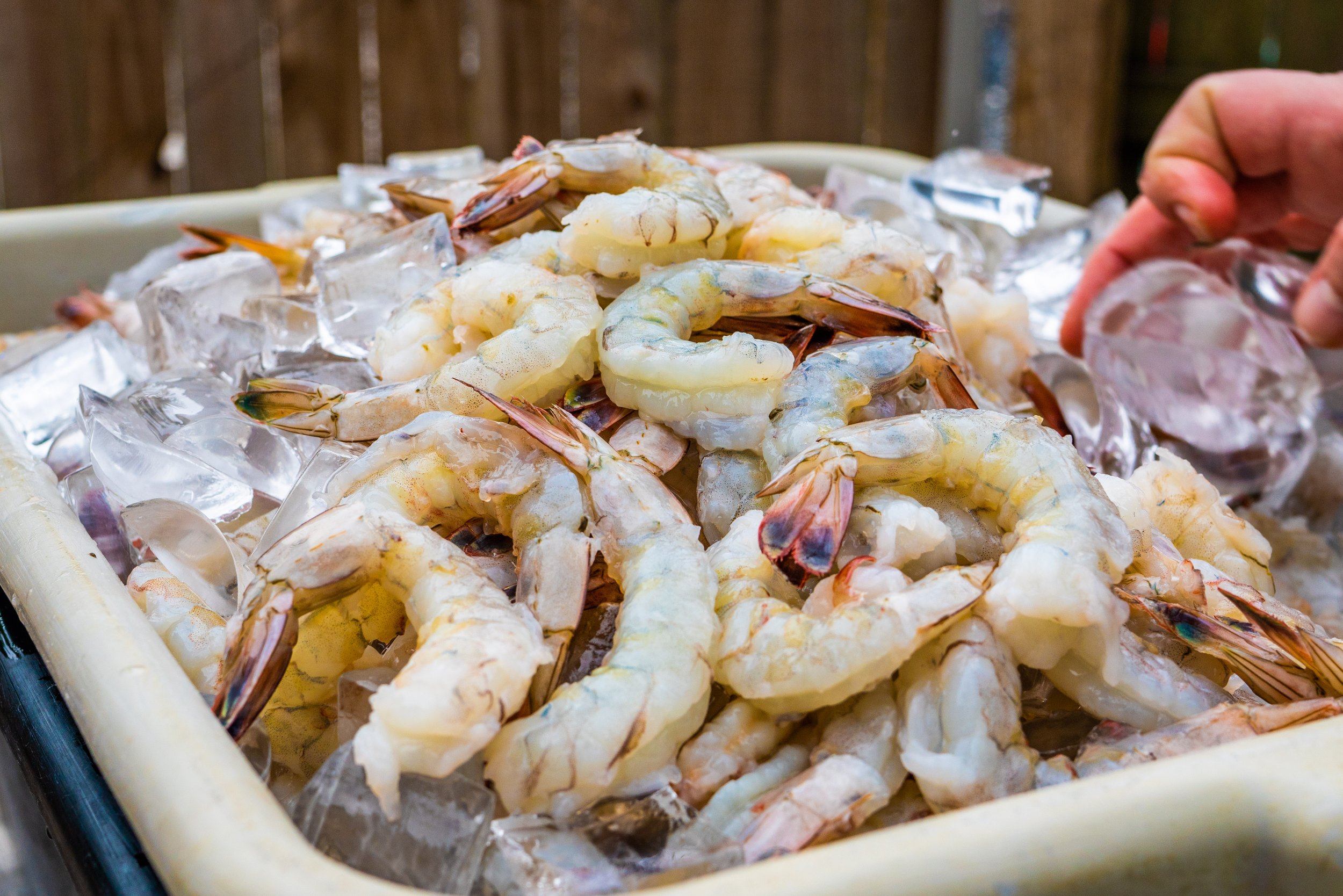
    China imported US$834 million worth of Vietnamese shrimp last year, surpassing the U.S. as the largest buyer of the seafood.

    According to the Vietnam Association of Seafood Exporters and Producers (VASEP), the figure marked an increase of 39% year over year.

    The decline in China’s supply due to unfavorable weather conditions is among the factors attributed to the import hike, VASEP said.

    Ecuador’s reduced shrimp shipment to China allowed Vietnamese exporters to snap up sale opportunities, which were also driven up by China’s many policies to promote general domestic consumption of goods, it added.

    In total Vietnam’s shrimp exports in 2024 reached $3.9 billion, up 14% from 2023.

    It was the biggest category in Vietnam’s seafood exports, which reached $10 billion.

    Pangasius contributed $2 billion. Vietnam’s shrimp exports to China seem to remain strong this year. In the first two weeks of January exports jumped 191% to $51 million.

    China was also the largest buyer of Vietnamese lobster last year, accounting for about 99% of total exports volume.

    VASEP advises exporters to prioritize lobster, salmon, and king crab this year as consumers have shown steady demand for them.

  • Spotify to introduce in 2025 the Hi-Fi service

    Spotify to introduce in 2025 the Hi-Fi service

    Just two weeks short of exactly eight (!) years ago, the news broke out that Spotify was about to introduce its Hi-Fi service that offers higher-quality music for an additional fee. Needless to say, none of that happened back in 2017; now, in 2025, it’s once again “Spotify Hi-Fi time”! Let’s hope it’s for real this time.

    The latest bit of info comes straight out of Bloomberg and their report reads that Spotify is preparing to introduce a premium tier called Music Pro, which will offer high-quality audio, but that’s not all. There could be AI-powered remixing tools and exclusive access to concert tickets as well.

    People in Reddit are not exactly feeling like they’ve won the lottery with that last perk, a quick check of the
    r/truespotify Subreddit shows:

    So, the alleged Music Pro service is expected to cost around $5.99 per month on top of existing subscriptions, though final pricing and rollout details are still being determined. The company is in discussions with major music labels to secure rights and is also exploring ways to integrate concert ticket sales, such as presale access or premium seating options.

    While Spotify has yet to make an official announcement, the service is expected to launch later this year. Just don’t make us wait another eight years, OK?

    Right now, Spotify is on the quest to diversify its offerings and generate more revenue from dedicated music fans.

    After years of keeping its pricing relatively stable across major markets, the company now sees an opportunity to introduce new plans tailored to different listener segments. This move aligns with rival trends, as record labels push streaming services to introduce higher-priced tiers to compensate for slowing growth in established markets.

    While Spotify recently raised subscription prices and expanded into audiobooks, Music Pro is designed to cater specifically to superfans willing to pay more for enhanced music experiences.

    Spotify has been working on this premium tier for some time, testing various features and negotiating with labels to secure necessary permissions. Competitors like Apple Music, Amazon Music Unlimited, and Tidal already offer high-fidelity audio, while SoundCloud provides remixing capabilities.

    However, with 675 million users and over 250 million paying subscribers, Spotify remains a major player in the audio streaming industry.

    The company plans to roll out Music Pro gradually, introducing new features over time. While not all users may be interested in the higher-cost service, Spotify believes it will attract millions of passionate music fans who regularly invest in concerts, merchandise, and fan experiences.

  • China Telecom Launches Asia Direct Cable Capacity Ahead of Schedule

    China Telecom Launches Asia Direct Cable Capacity Ahead of Schedule

    This milestone was achieved two months earlier than planned, following the completion of the ADC wet segment last November. In the past eight years, no new submarine cables have been operationalized in the Asia Pacific. This has led to a shortage of resources and created challenges in the market.

    The launch of the ADC’s capacity has been eagerly anticipated by the industry. China Telecom Global Limited, acting as the Co-chair of the ADC consortium, has worked closely with all consortium members and suppliers to overcome unexpected challenges and bring the ADC’s capacity into service ahead of schedule. This has helped to ease the strain on submarine cable resources.

    The availability of capacity will support the growth of artificial intelligence (AI), cloud computing, and big data, as well as facilitate digital transformation across various industries. Looking forward, China Telecom plans to expand its presence into international markets and enhance its global network resources to further contribute to the advancement of the global digital economy.

  • Turkish Cargo makes eBookings more efficient and flexible for customers

    Turkish Cargo makes eBookings more efficient and flexible for customers

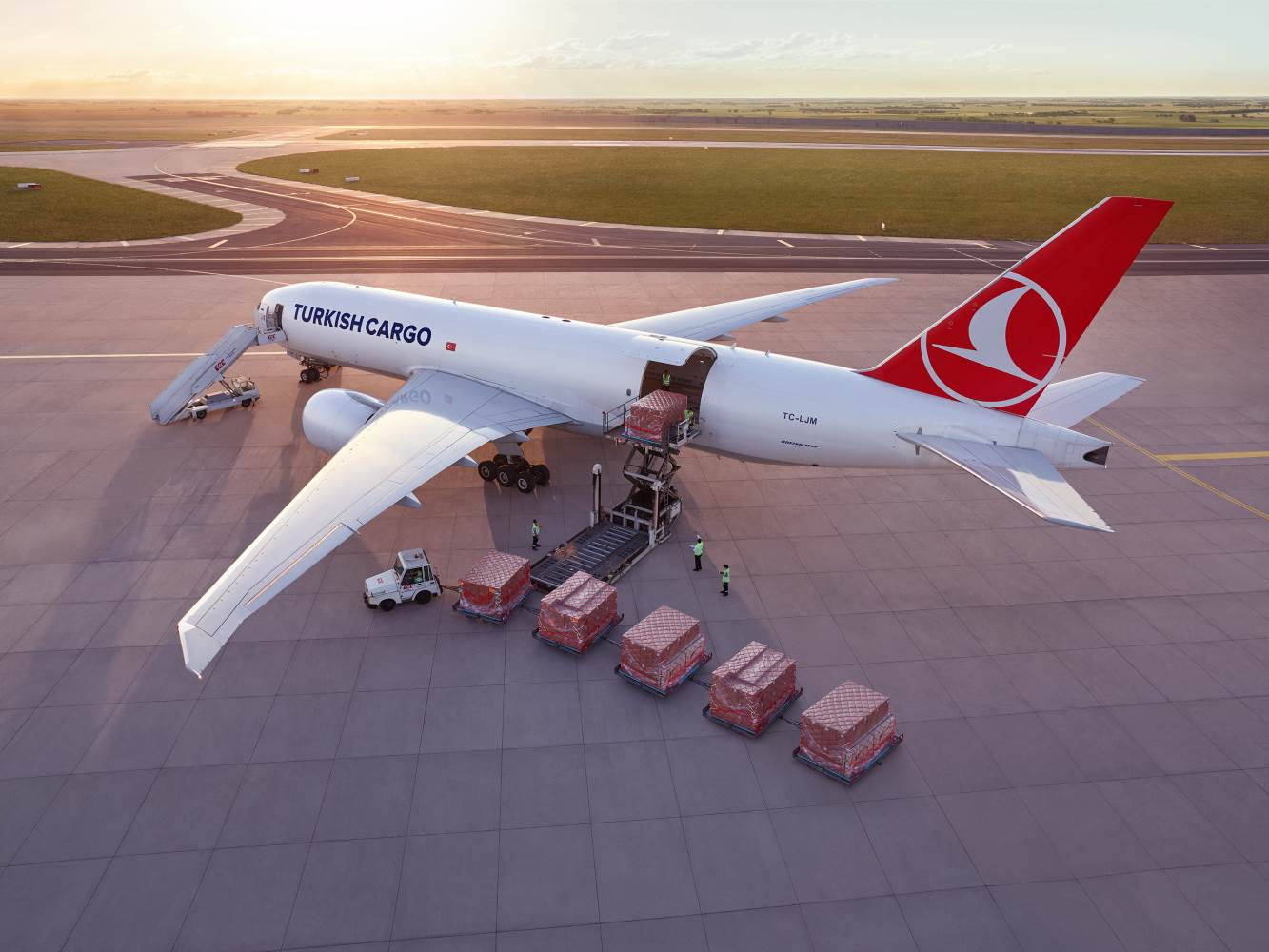
    Boasting the world’s widest international flight network, Turkish Cargo continues to provide innovative and flexible solutions to the air cargo industry through digital transformation. Through a direct data connection with CargoWise, Turkish Cargo offers shippers on the platform real-time rates, capacity availability, and e-Reservation services within the leading logistics operating system used by the world’s largest freight forwarders and 3PLs.

    The eReservation integration between CargoWise and Turkish Cargo’s management system, COMIS, enables real-time access to air cargo rates, flight availability, and booking confirmations. Shippers can easily choose the suitable flights and make bookings with Turkish Cargo, all without leaving the CargoWise platform. The API connection enhances operational efficiency by eliminating errors due to manual data entry. This approach makes processes more transparent and helps reduce costs.

    Commenting on the collaboration, Turkish Airlines Senior Vice President of Cargo Marketing Selçuk Gençaslan, said: “As Turkish Cargo, we transport approximately 2 million tons of cargo to over 360 destinations within our flight network every year. Our wide flight network and high capacity allow us to be globally accessible while offering competitively cost-effective, innovative solutions. Consequently, we focus on offering digital solutions to our customers by swiftly adapting to the evolving dynamics of the industry and thus, we are pleased to advance our mission of delivering the best service to our customers through this collaboration with Cargo Wise.”

    Jorre Cobelens, Vice President – Logistics Data and Connectivity, WiseTech Global, said: “By establishing direct data connectivity with Turkish Cargo we enable our CargoWise customers to efficiently process tens of thousands of unique shipments on the world’s largest air cargo network from within CargoWise. This increases productivity for the entire industry during and after the eBooking process, avoids double data entry, reduces human errors, and eliminates unnecessary emails. The API integration provides Turkish Cargo’s customers with real-time communication directly within CargoWise, which also includes the ability to modify a booking until final execution of the Master Air Waybill. With this partnership, the transparent data sharing enables Turkish Cargo to optimize their planning and capacity management.”

    Turkish Cargo continues to provide its business partners with more flexible, efficient, and reliable solutions by accelerating digital transformation projects in the logistics industry.

  • Vietjet hikes Singapore-HCMC flight frequency

    Vietjet hikes Singapore-HCMC flight frequency

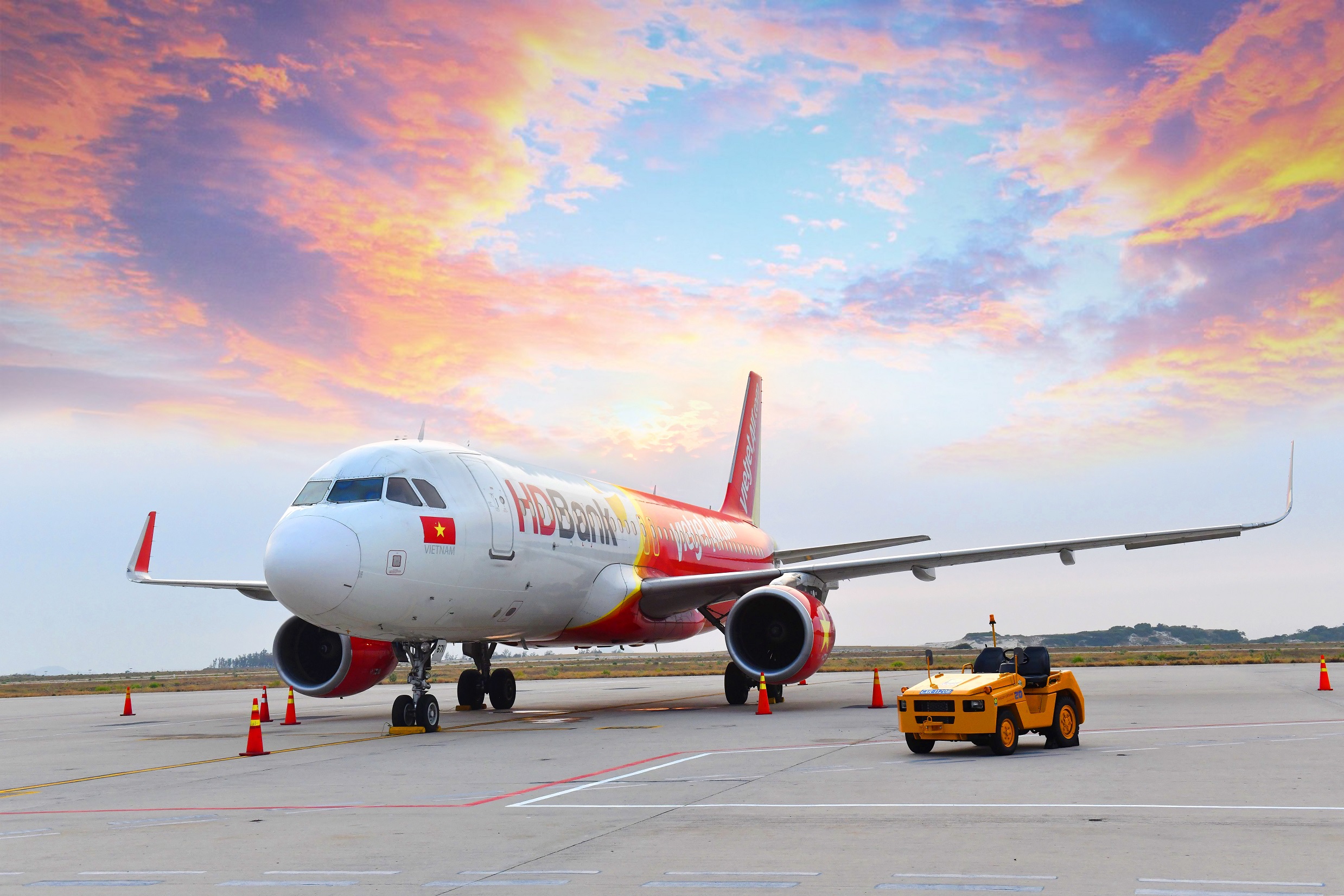
    Vietjet is set to boost its number of flights between Singapore and HCMC starting March 30.

    There will be three flights a week, up from the current two. There are now 35 flights between the two cities per week.

    The announcement comes with a 50% off sale on eco-class tickets for all Vietjet routes, including those to Hanoi and Da Nang (currently served by one daily flight each).

    Last year Vietjet added 10 aircraft to its fleet, bringing the total to 115. It operated on 170 routes.