Author: Mei Ling Tan

  • Google Wallet’s upcoming option to scan and store “Everything else” is getting close to a rollout

    Google Wallet’s upcoming option to scan and store “Everything else” is getting close to a rollout

    Google Wallet is adding a new feature that lets you scan and store digital copies of various documents and passes, including loyalty cards, passports, IDs, and more. The feature, called “Everything else,” was first shown off at Google I/O earlier this year and is expected to roll out to users soon.

    Before you can use the feature, Google Wallet will ask for your permission to process your data, but it assures users that all processing happens on your device and no data is sent to Google’s servers. This information was accessed through an APK breakdown by enabling hidden flags in the code.

    Once you give permission, you can scan and save two types of documents: normal and private. Normal documents, like your student ID or business card, don’t need any special security to add or access them. Private documents, like your driver’s license or tax ID, will require biometric authentication, such as your fingerprint or face scan, for added security.

    Google Wallet will try to automatically identify, scan, and categorize the documents you add. It can recognize various document types, like loyalty cards, passports, IDs, insurance cards, event tickets, and more. If it can’t figure out what type of document it is, it will put it in an “Other” category, and you can manually enter the information yourself.

    You can also change the category of a document if you think it’s been labeled incorrectly. You can add more information to scanned documents, with each document category supporting up to five additional fields.

    Sometimes, changing a document’s category might remove the scanned information, requiring you to re-enter the details. However, if you switch back to the original category, the information should reappear. This is designed to make sure that the feature doesn’t accidentally mislabel information in your scanned documents.

    This new feature isn’t yet available in the current version of Google Wallet, but Google has already announced that it will be included in a future update.

  • Google Maps rolling out one minor UI change that should make it easier to use

    Google Maps rolling out one minor UI change that should make it easier to use

    Google Maps is now rolling out a set of new changes on Android phones, which aim to make the app easier to use and understand. One of the most notable ones is the use of “sheets” instead of full screens to further streamline the look of the app.

    These sheets are like smaller windows that pop up on top of the map. They have rounded corners and let you see more of the map while you’re using them. It’s a subtle change, but it makes the app feel less cluttered and helps you stay oriented while you’re exploring.
    Google Maps before and after the new “sheets” | Images credit — 9to5Google

    For example, if you look up a place, the information will show up in a sheet instead of taking over your whole screen. You can close the sheet with a tap or a swipe. And if you want to get directions, the tools for choosing your mode of transportation (like driving or walking) are now at the bottom of the screen, making them easier to reach.

    Google has been working on this redesign throughout the year. They tried it out earlier this year but made some changes based on user feedback. Now, the new design is finally being rolled out to everyone who has the Google Maps app on their Android phone. If you have an iPhone, you’ll have to wait a bit longer.

    These are all the key changes to Google Maps for Android that are currently rolling out:

    • Sheets instead of full screens for a cleaner look and better map visibility
    • Rounded corners on sheets for a more modern feel
    • Easier access to transportation mode options at the bottom of the screen
    • Redesigned interface for searching for directions
    This update is all about making Google Maps more user-friendly and doesn’t really introduce any new functionality. However, by simplifying the design and making things easier to find, the app should become more helpful, particularly when you are out on the road in a hurry. If you have Google Maps on your Android phone, keep an eye out for this update rolling out to the stable version 11.136.x.
  • Cheap imported meats flood market

    Cheap imported meats flood market

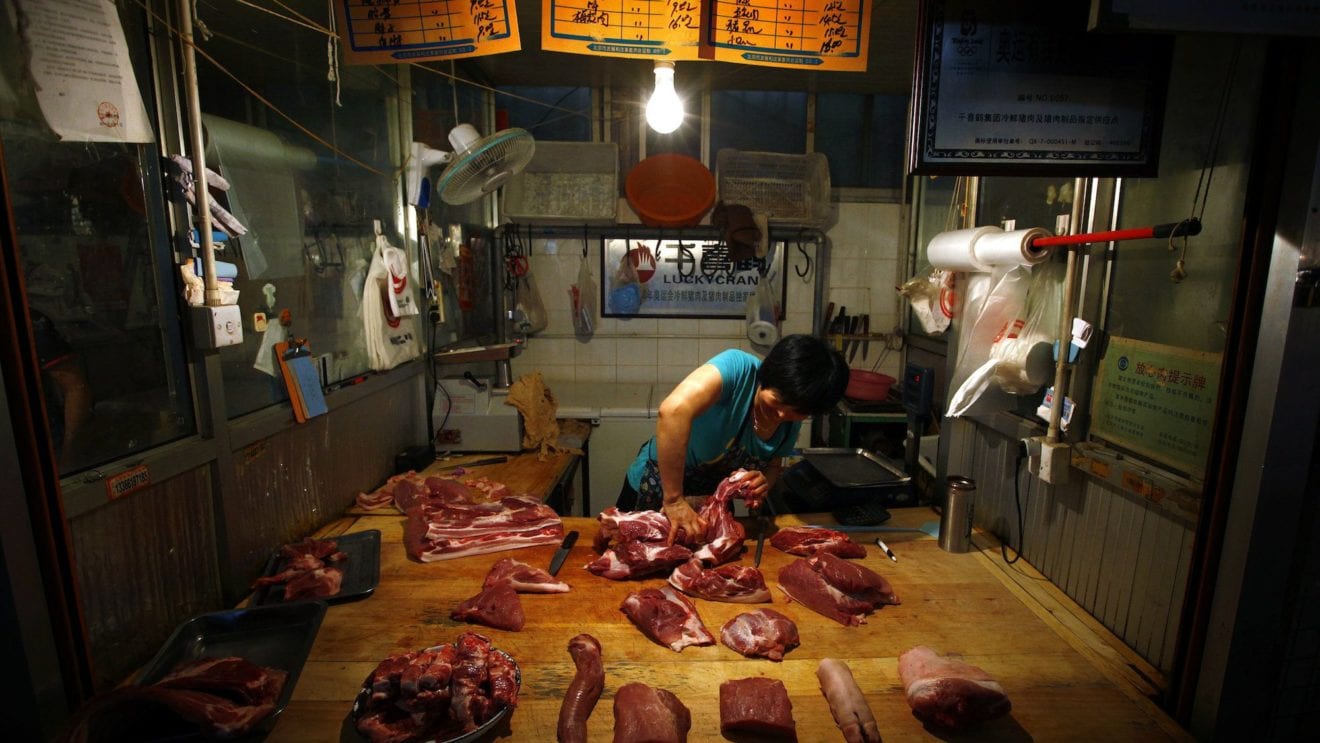
    Some 304,850 tons of meat and meat products were imported in the first five months of 2024, up 29% year-on-year, at an average price of VND46,000 (US$1.8) per kilogram.

    According to data from the Agency of Foreign Trade, they shot up in May to 76,120 tons worth $140 million, up 32.1% from a year ago in volume and 28.6% in value.

    India, the U.S., Russia, Poland, and Brazil are Vietnam’s top suppliers.

    In HCMC, imported frozen pork is 30-40% cheaper than local products.

    Thanh Hoa, owner of a meat import business in the city’s Tan Binh District, said prices of Vietnamese pork are rising.

    The Animal Husbandry Association of Vietnam warned that cheap imports could pose unhealthy competition to domestic products and affect consumers’ health if they are of low quality.

    It called on authorities to tighten control over meat imports to protect both consumers’ health and the local industry.

  • Hanoi villas see price increases

    Hanoi villas see price increases

    The Hanoi real estate market in the first half of this year saw increases in villa and townhouse prices, although the market was still slow, according to a Savills report. In Hanoi, new villas in high-end market projects showed prices increasing by 9% quarter-on-quarter to VND178 million (US$7,007) per sq.m, said the report released on July 11.

    Townhouse prices decreased by 2% quarter-on-quarter to VND188 million per sq.m, with higher priced units already sold and only affordable units remaining. Shophouse prices increased by 3% quarter-on-quarter to VND288 million per sq.m due to the reduced availability of cheap shophouses and price adjustments.

    Primary prices remained high with less to incentivise the secondary market. Secondary villa prices were 8% lower than primary prices, while townhouses were 5% cheaper.

    However, “performance was slow”, said Mathew Powell, director, Savills Hanoi.

    Sales in the second quarter fell by 40% quarter-on-quarter, but rose by 5% year-on-year, reaching a total of 111 dwellings, and quarterly absorption was only 18%. Newly launched properties were 48% absorbed, fell by 15 percentage points quarter on quarter and 3 percentage points year on year.

    The majority of primary transactions were still in Ha Dong district with 61%, due to infrastructure projects aimed for completion such as Le Quang Dao road expected to operate in the last quarter of this year. Hoang Mai and Hoai Duc districts each followed with 14% and Thuong Tin had 9%.

    “Amended laws and infrastructure development are expected to begin to provide momentum,” added Powell.

    The real estate market is showing signs of recovery, thanks to the amended laws which were passed in early 2024 and effective early from August 2024, as well as infrastructure developments and large supply from mega projects in the next few years, according to Savills.

    Thirteen projects will supply a total of 2,951 dwellings by the end of 2024, the majority of which will be in Dong Anh district with 34% of future stock, Ha Dong follows with 19% and Hoai Duc with 16%.

    The report also stated that in the first half of the year, there were 128 new dwellings, up 38% quarter on quarter but down two% year on year.

    New stock came from two existing Ha Dong projects, An Quy Villa with 54 villas and Solasta Mansion with 51 villas, while An Lac Green Symphony in Hoài Đức supplied 12 new townhouses and Him Lam Thuong Tin in Thuong Tin district launched 11 new shophouses.

    Primary stock of 608 dwellings came from 16 projects, decreasing by 9% quarter-on-quarter and 24% year-on-year. Villas remained the main product with a 39% share of the available stock.

  • Malaysia encourages use of EVs

    Malaysia encourages use of EVs

    The Malaysian government has included the adoption of electric vehicles (EVs) in its National Energy Transition Roadmap (NETR) towards the goal of EVs accounting for 15% of all vehicles sold by the year 2030, rising to 80% by 2050.

    The current import duty and excise duty exemption for fully-imported (CBU) EVs has been extended to December 31, 2025, and EV owners will also continue to enjoy exemption from road tax until the end of next year.

    They will also enjoy a lower tax rate in 2026, after the exemption expires, that will be based on the power output of their EV. When unveiling the new structure, Transport Minister Anthony Loke said it was 85% lower vis-a-vis petrol powered vehicles.

    To encourage the growth of the EV charging network in Malaysia, the government is offering individuals 2,500 MYR (US$530) in yearly income tax relief through to 2027 for the installation, rental, and purchase of EV charging equipment or subscription fees.

    Besides, the country will offer up to 2,400 MYR in tax return to encourage individuals to adopt electric-powered motorcycles. However, this incentive has only been announced for the 2024 assessment year and it is only available for individuals earning no more than 120,000 MYR annually.

    Companies investing in the assembly or manufacturing of energy efficient vehicle (EEV) including hybrids and electric or components for such vehicles are eligible for income tax exemption of 70% or 100% on statutory income respectively for a period of five or ten years.

    Companies investing in green technology services involving EVs such as installation, maintenance, repair of EV charging equipment, EV infrastructure and charging stations are eligible for a 70% tax exemption for three years from the start of their operations.

  • Vivo smartphone damaged ID card chip, users complain

    Vivo smartphone damaged ID card chip, users complain

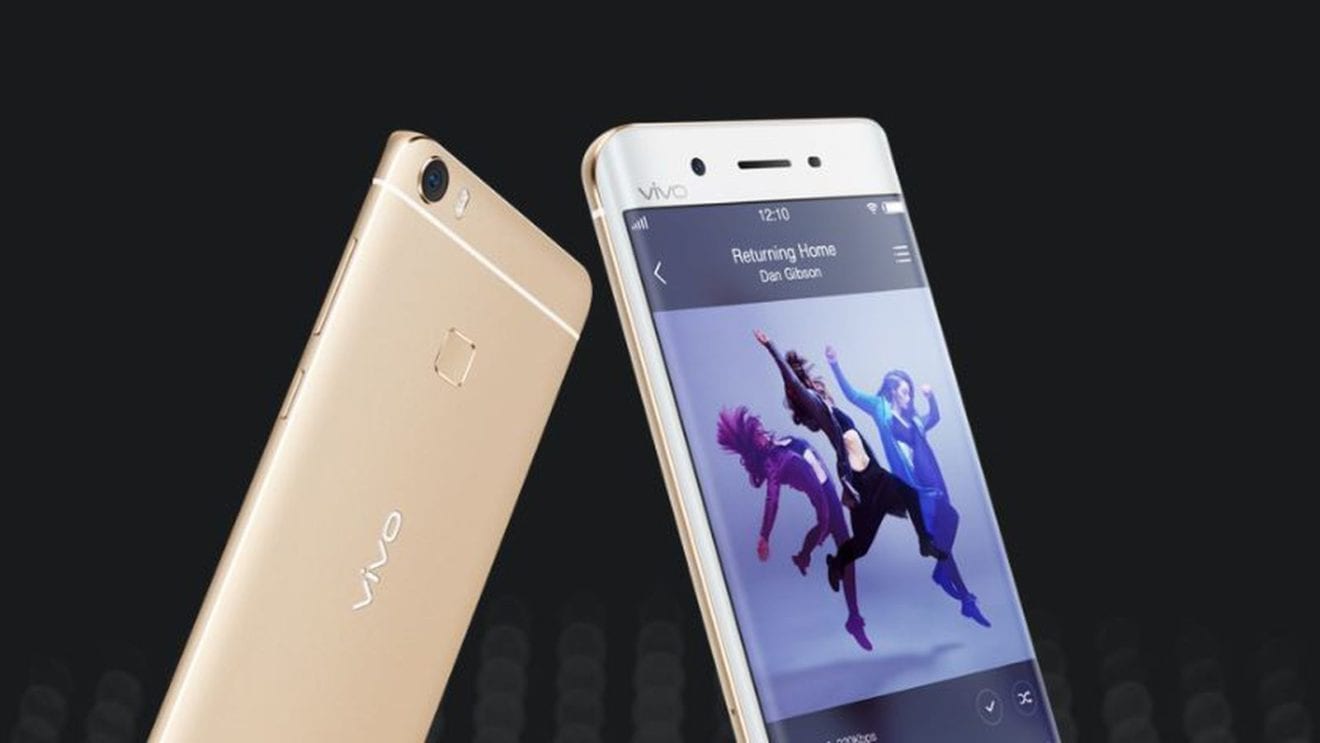
    Some Vivo smartphone users have complained that the device damaged the chip on their ID cards after making near-field communications contact, an allegation the Chinese company is verifying.

    A Vivo-focused social media group with 33,000 members has been getting dozens of posts about users’ ID card being damaged digitally after making NFC contact with their phones. The complaints mostly involve high-end Vivo phones such as the X100 Pro, X100 Ultra and X100S Pro, which are not sold in Vietnam and are bought overseas.

    However, there are also some complaints about the X80 Pro, a model Vivo sells in the country.

    Vu Duy Tan of HCMC said after using a Vivo phone to connect with his ID card, the latter no longer connected with other smartphones.

    He got it replaced but found the same thing happening again.

    Dang Tien Dung of Can Tho City also discovered a similar problem with his Vivo X100 Pro.

    His ID card used to connect normally with an Oppo phone but stopped doing so after he once used the Vivo phone.

    After finding the card could not connect with any other phone, he suspected its chip was damaged.

    A Vivo Vietnam spokesperson said some users have reported the issue to the company. Vivo is now investigating the issue.

    NFC is a technology found in phones, cards and payment machines. Tech analyst Le Cong Minh Khoi said a card chip could be damaged if a smartphone’s NFC signals are too strong.

    A similar thing happens when people put their smartphones next to NFC cards such as hotel door keys for a long time, he added.

  • Gasoline prices slip after 5 weeks rising

    Gasoline prices slip after 5 weeks rising

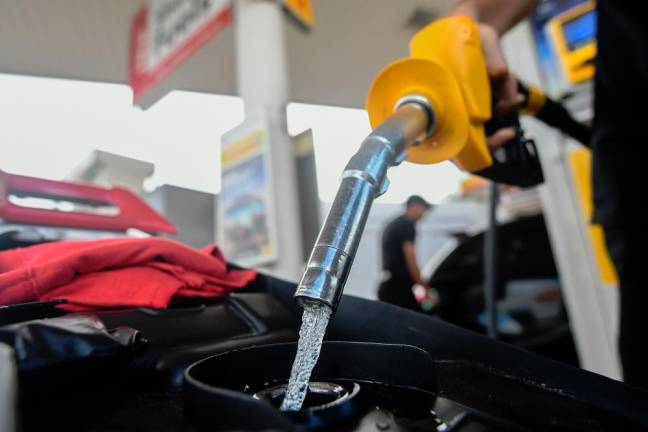
    Gasoline prices on Thursday fell slightly after increasing non-stop since early June.

    The popular fuel RON95 dropped 1.10% to VND23,290 ($0.92) per liter. Biofuel E5 RON92 declined by 0.80% to VND22,280.

    Diesel fell 1.61% to VND20,830.

    Global gasoline prices in the last seven days were affected by possible ceasefire deals in the Gaza, the U.S. entering summer travel peak time, and the ongoing conflict between Russia and Ukraine, according to regulators.

    Gasoline has dropped by 0.1-0.4% while oils fell 1-1.4% in the period. RON95 is now at $97.8 per barrel, and diesel at $101.2.

  • Google Photos to Apple iCloud Photos direct transfer tool rolling out next week

    Google Photos to Apple iCloud Photos direct transfer tool rolling out next week

    The users of Google’s Photos service will finally be able to send all of their media content collected there directly to Apple’s iCloud Photos. The Google Photos to iCloud Photos transfer tool is again provided thanks to the open-source Data Transfer Project (DTP) stack of the Data Transfer Initiative (DTI) that first made the reciprocal transfers from iCloud Photos to Google Photos a reality.
    The new tool will be available starting next week and, according to the new Apple and Google photo collection transfer guidelines, it will allow an easy and direct way to take your entire picture, album, and video collection with you by importing it into the competing service when getting a new device.
    If you got a new iPhone and want to bring your Google Photos content to iCloud, here’s what needs to be done:
    1. Go to Google Takeout and mark which albums you’d like to export
    2. Pick Apple – iCloud Photos as import service and sign in with your Apple ID.
    3. Tap Allow to share permission with Google to add photos and videos to iCloud.
    Alternatively, pick Photos under the Recently used Google services or Other Google services entries in your Google Account Dashboard, and tap the Transfer data button.
    Apple says that you will get a confirmation email when the Google Photos transfer is complete, while Google reminds that this can take anywhere from a few hours to a few days, depending on the size and complexity of the transfer.
    Your photos and videos will then appear in the Photos app, all tucked in a dedicated album, with the name Import from Google and the date of the actual transfer. Since not all photos and videos can be indexed along with their metadata, if some appear missing, they will most likely be in a folder with the same name in your iCloud Drive storage system.
    The Data Transfer Initiative’s open-source Data Transfer Project technology stack counts Apple, Google, and Meta as its founding partners and provides tools like the direct Google Photos to iCloud Photos transfer for billions of their users.
  • Vietnamese rice exporter rejects ‘price inflation’ allegation amid corruption scam in Indonesia

    Vietnamese rice exporter rejects ‘price inflation’ allegation amid corruption scam in Indonesia

    Vietnamese exporter Tan Long Group has refuted an allegation by an Indonesian civil society organization that it sold rice to that country at much higher than market prices.

    According to the Vietnam Trade Office in Indonesia, the People’s Democracy Study (SDR) recently complained to an Indonesian corruption watchdog that the government bought Vietnamese rice at “inflated prices,” which indicates corruption.

    The National Logistics Agency (Bulog) and National Food Agency are the two government entities accused of wrongdoing.

    Tan Long Group allegedly sold 100,000 tons of rice to Indonesia in May at US$538 per ton, 18% higher than market rates, according to SDR.

    SDR claimed that since Indonesia imported 2.2 million tons of rice in the first five months of this year – from various sources — the estimated loss to the country was around $180.4 million.

    Tan Long Group has rejected the allegation, with a spokesperson telling VnExpress that it has never won any bid to sell directly to Bulog.

    It did win a bid in January to export to Indonesia through a partnership with South Korean company Posco, but the price was $620 and the delivery took place in April, not May, the spokesperson added.

    Another Vietnamese rice exporter, Loc Troi Group, also rejected the allegations.

    Loc Troi won a bid in May to sell 100,000 tons to Bulog, but at $563 per ton, which was below the market rate at the time, it said.

    Exports to Indonesia remain unaffected by the allegations, it added.

    But the Vietnam Trade Office in Indonesia has warned that the allegation could affect Vietnam’s rice exports to Indonesia in the second half of the year.

    If Indonesian authorities decide to start an investigation, they would stop importing from Vietnam for some time, it added.

    Vietnamese customs data shows $444 million worth of rice has been exported to Indonesia this year, up 82.1% year-on-year.

    In volume terms, it was up 44.6% to 712,400 tons.

    Indonesia accounted for 15.4% of Vietnam’s exports, and was the second biggest buyer behind the Philippines.

    Indonesia expects to import 5.18 million tons this year, up from an earlier forecast of 3.6 million tons.

  • Google Messages may get Snapchat-like 3D effects soon

    Google Messages may get Snapchat-like 3D effects soon

    Google Messages is reportedly working on new features that will allow users to share photos and videos with fun avatars and 3D effects, much like Snapchat’s popular Lenses feature. This is according to an APK breakdown of the app’s code, which suggests that the feature is still in development and unknown when it will be released to the public.

    If the feature does make it to a public release, it could offer a new way for users to express themselves and add some personality to their messages. The 3D effects appear to mimic the user’s facial movements, with some effects covering the user’s face entirely and others adding accessories like hats or glasses.

    The feature in action shows a new button in the app’s camera UI that brings up a carousel of available effects. Users can tap on the icons in the carousel to trigger the effects, and then capture a photo or video using the shutter button. Below are the nine effects that are hidden in the current version of Google Messages:

    • Bunny
    • Glasses
    • Dinosaur
    • Film Noir
    • Glowing hat
    • Runner
    • Portrait touch-up
    • Strawberry
    • Valentine’s Day panda

    However, it is possible that Google may add more effects before the feature is released to the public. The company has not yet shared any official information about the feature or a possible release timeline, but if testing works out and the company decides to roll it out, it is expected that more details will follow.

    The addition of Snapchat-like filters to Google Messages could be a welcome change for users who are looking for new ways to express themselves and add some personality to their messages. It will be interesting to see how this feature develops and how it is received by users if and when it is eventually released.

    It is clear that Google is investing heavily in Google Messages, and it is likely that we will see even more new features and improvements in the future. The app is already one of the most popular messaging apps in the world, and it is only going to become more popular as Google continues to add new features and make it more user-friendly.

  • Air China extends cargo handling contracts with WFS in France and the UK by 3 more years

    Air China extends cargo handling contracts with WFS in France and the UK by 3 more years

    Air China has extended its longstanding cargo handling contracts with Worldwide Flight Services (WFS), a member of the SATS Group, in France and the United Kingdom, by a further three years.

    The airline has been a major customer of WFS at Paris Charles de Gaulle Airport since the early 1990s. This latest contract extension in Paris sees WFS handling cargo carried onboard 12 to 14 passenger flights per week connecting the French capital with Beijing, Chengdu, and Shanghai as well as 10 weekly freighter services linking Paris with Chengdu and Hangzhou.

    Additionally, the contract in Paris, which also includes ramp handling, enables Air China and its cargo customers to benefit from WFS’ national trucking network in France and offline handling services at more than 10 regional French airports.

    In the United Kingdom, Air China has awarded contract extensions to WFS at London’s Heathrow and Gatwick Airports.

    At Heathrow, Air China operates 24 passenger flights per week carrying cargo to and from Beijing, Chengdu, and Shanghai. WFS is also contracted to provide cargo handling services for the airline’s 14 flights which connect London Gatwick with Beijing and Shanghai each week.

    WFS is also providing countrywide road transport services and offline handling at other major regional airports for Air China in the UK.

    “Air China is a major customer of WFS across our international network. Our strong global partnership continues to grow, based on our ability to meet all the airline’s service and growth expectations,” said John Batten, WFS’ Chief Executive Officer, Europe, Middle East, Africa, and Asia (EMEAA).

  • Gold ring price inches up

    Gold ring price inches up

    Saigon Jewelry Company gold ring price rose 0.07% to VND75.95 million (US$2,987.21) per tael Wednesday morning.

    Gold bar price was stable at VND76.98 million per tael. A tael equals 37.5 grams or 1.2 ounces

    Gold price was at $2,367.43 per ounce at the time of publishing.

    The growing speculation that the US Federal Reserve (Fed) is likely to start cutting rates as early as September continues to support the non-yielding metal. Furthermore, political uncertainties within Europe and globally might boost Gold price, a traditional safe-haven asset.

    On the other hand, the pause of China’s central bank Gold purchases for a second consecutive month might prompt traders to reduce bullish bets in the yellow metal as China is the world’s largest gold consumer.

  • Wedderspoon sale to anchor New Zealand food business

    Wedderspoon sale to anchor New Zealand food business

    Investment firm Masthead, has acquired New Zealand Manuka honey brand Wedderspoon Organic, and plans to consolidate its brand portfolio into a new company, Florenz, with Mike Tod to take the helm as its CEO.

    Florenz also owns New Zealand-based vitamins and supplements exporter Xtend-Life Group, ingredients manufacturer Dry Food New Zealand, and blackcurrant-based sports performance supplement exporter, 2Before Performance Nutrition. It also holds a cornerstone shareholding in the New Zealand herbal remedies company Harker Herbals Products.

    “Through Florenz, we have started assembling and growing a complementary series of businesses,” said Tod.

    “We believe in the ability of Kiwis to compete and win on the global stage and have installed an outstanding team at Florenz with deep global experience,” said Tod.

    Established in 2006, Wedderspoon Organic is one of the largest distributors of New Zealand-sourced Manuka Honey products in North America. Its range includes honey lozenges, drops, apple cider vinegar, and throat sprays.

    The move aims to expand the company’s presence in North America, leveraging Wedderspoon’s existing distribution network in over 23,000 retail stores, including major outlets such as Walmart, Costco, and Whole Foods.

    “We are privileged to become the new custodians of the Wedderspoon brand and to support the growth of the New Zealand Manuka honey industry by building more global awareness of this incredible natural product,” concluded Tod.

  • Kellanova launches Pillows product

    Kellanova launches Pillows product

    Kellanova is expanding its Kellogg range with Kellogg’s Coco Pops Pillows Choc Brownie flavour.

    According to the brand, Kellogg’s Coco Pops Pillows have a different taste profile from the original Kellogg’s Coco Pops, with the new Choc Brownie filling producing a “rich and powerful” chocolate flavour.

    “Kellogg’s Coco Pops Pillows bring a cheeky twist to the beloved Kellogg’s Coco Pops range, offering Aussies a bold new breakfast experience,” said Natasha Sunderland, marketing manager of kids & family brands, at Kellanova ANZ.

    Kellogg’s Coco Pops Pillows will be available nationwide at Woolworths and Coles from this week, and at certain independents in early October, with an RRP of $7 for a 310g pack.

  • Tax collection from online vendors rises by 54%

    Tax collection from online vendors rises by 54%

    Tax collection from online sellers rose 54% year-on-year in the first half to VND9.98 trillion (US$392 million) as the government cracks down on tax evasion by e-commerce sellers.

    Some 43,000 vendors and businesses aid taxes, with over 4,500 also paying fines for violations, according to the General Department of Taxation.

    Typically, a seller needs to pay 1.5% revenue tax.

    Delays in registering a business and apprising the tax office about sales data could result in a fine of VND15 million.

    The government estimates there are 3.1 million households and individuals doing business across the country, many of them online, who have not registered with tax authorities.

    The department of taxation is cross-checking their data with that of the Ministries of Public Security and Industry and Trade, and e-commerce platforms such as Shopee, Lazada, Sendo, and Tiki to ensure no one escapes the tax net.

    Hanoi has identified thousands of online vendors, including livestreamers, and collected VND10 trillion from them in the first six months.